An expedition to Côte d’Ivoire is a journey into the world of sacred masks, traditional kingdoms and ancient rituals of West Africa. We will witness the Zaouli, Goli and Boloy dances, meet Fulani nomads and Dozo hunters, cross liana bridges and discover the ancient art of iron smelting. From tropical forests and savannahs to the skyscrapers of Abidjan and the colonial atmosphere of Grand-Bassam, every day of this journey will reveal a new side of Côte d’Ivoire.
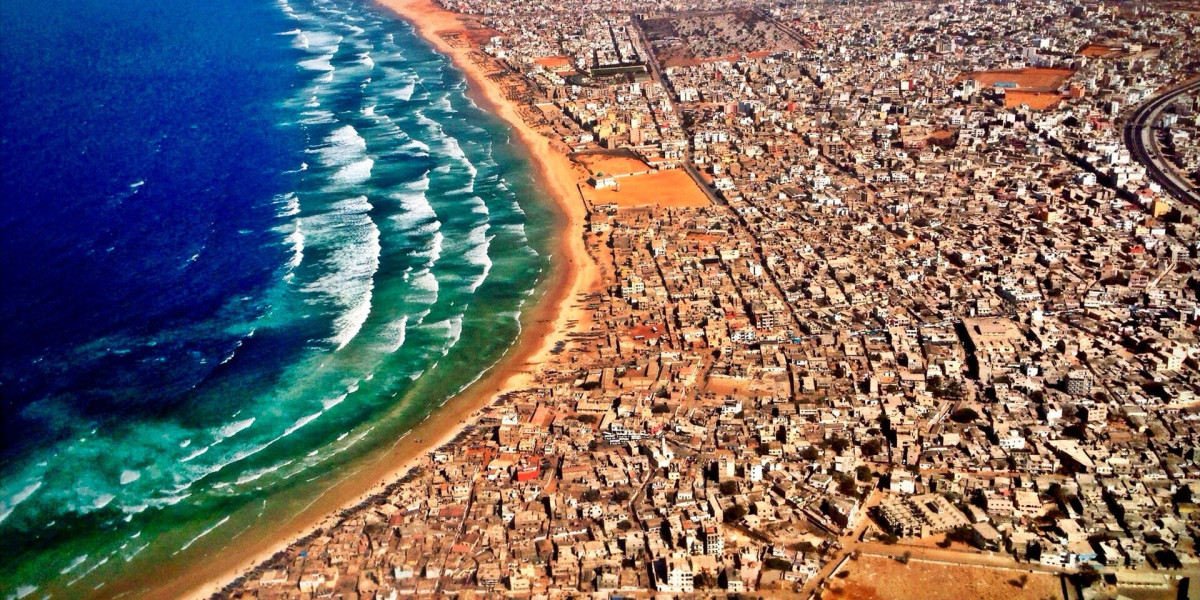
Arrival in Abidjan — the largest city in Côte d’Ivoire and the economic heart of the country, located on the coast of the Gulf of Guinea.
Our local team will meet us at the airport, after which we will proceed to the hotel. We will leave this day for rest after the flight and preparation for a great journey through the forests, savannahs and traditional kingdoms of West Africa.
Ahead of us are sacred masks, ritual dances, nomadic settlements, ancient iron-smelting technologies and encounters with peoples who have preserved their traditions for many generations.
In the morning, we leave Abidjan and head east across the country to the city of Abengourou, located near the border with Ghana. The city neighbourhoods will gradually give way to small settlements, plantations and tropical forests.
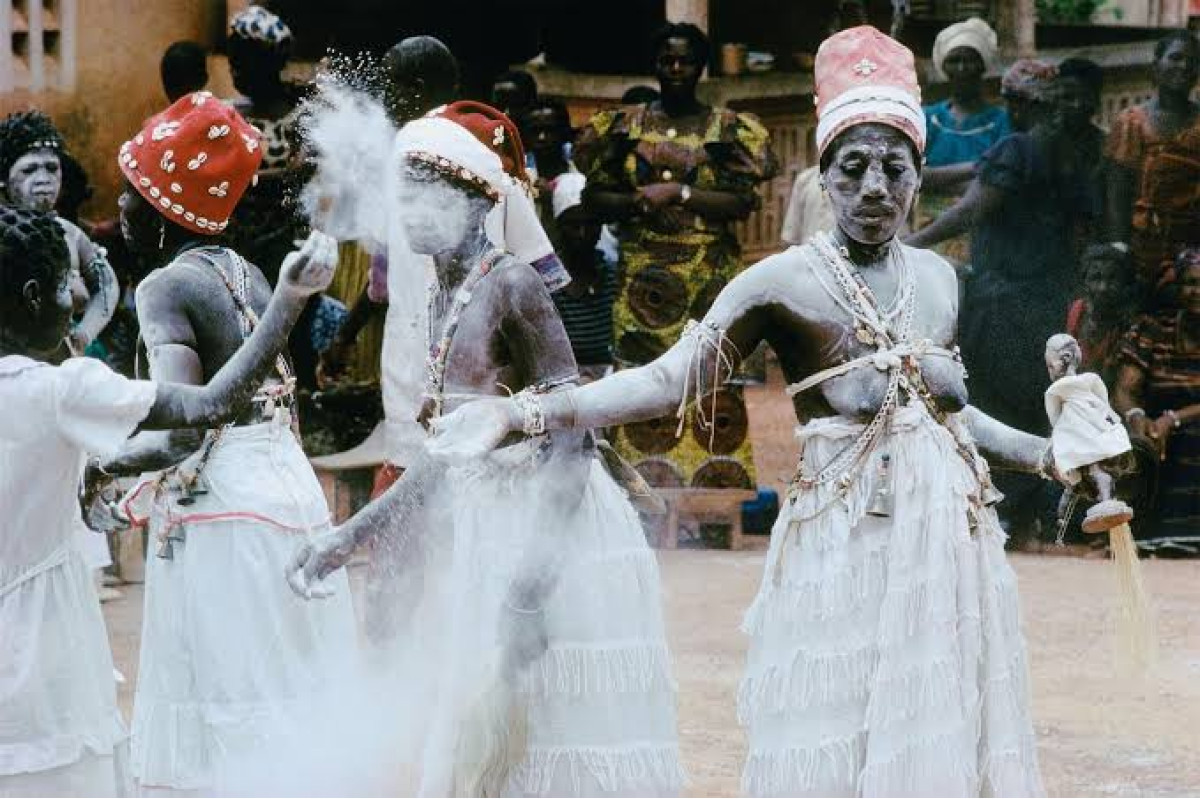
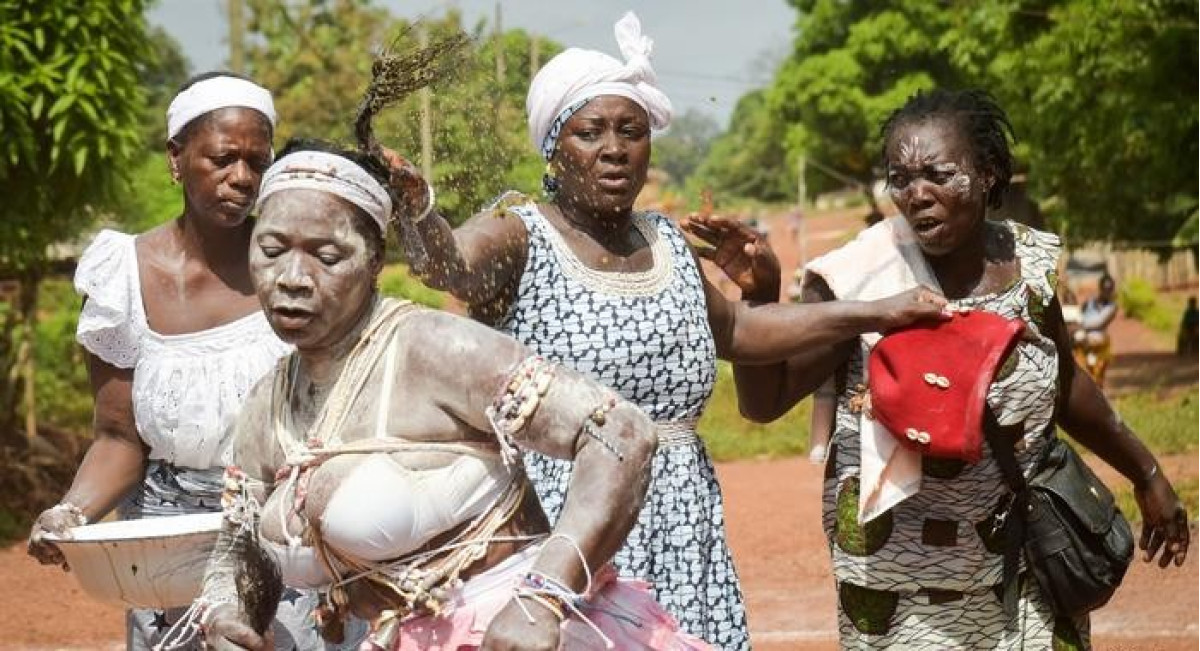
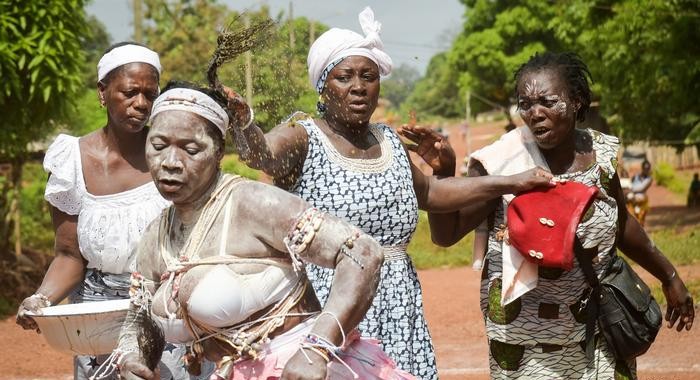
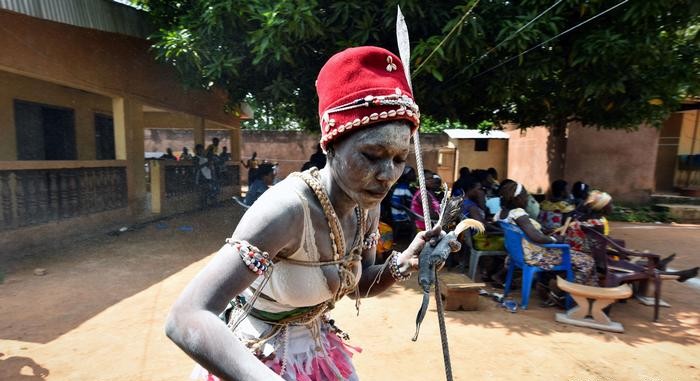
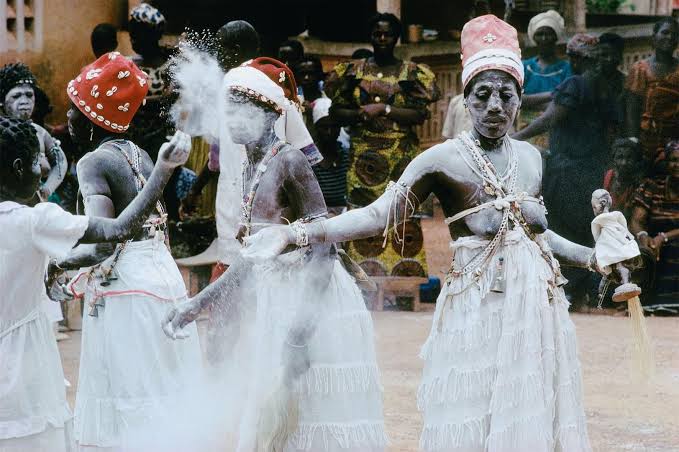
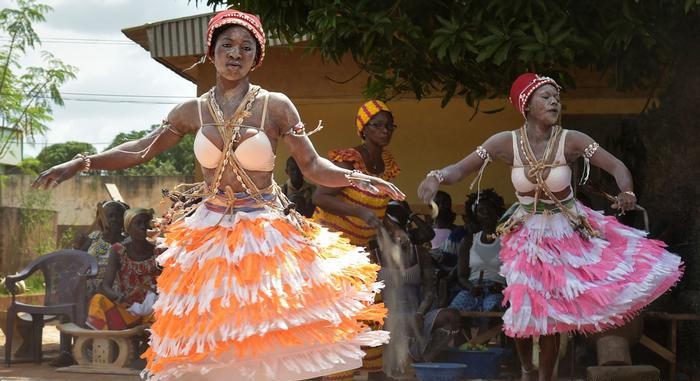
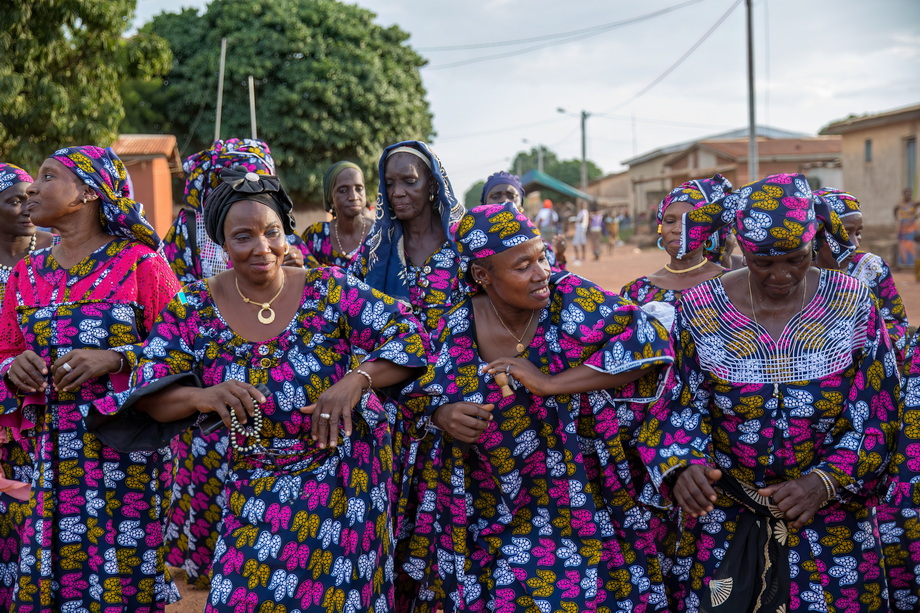
Along the way, we will meet a community of Komians. This is the name used by the Akan peoples for individuals, mainly women, who have undergone a special initiation and learned to communicate with the spirit world.
Under favourable circumstances, we will witness the divinatory dance of the Komians. To the rhythmic beat of tam-tams, a woman performs ritual movements, gradually entering a state of trance. It is believed that at this moment a spirit can speak through her, explaining the cause of a problem and indicating the way to resolve it.
After the ceremony, we will continue our journey to Abengourou.
Night in Abengourou.
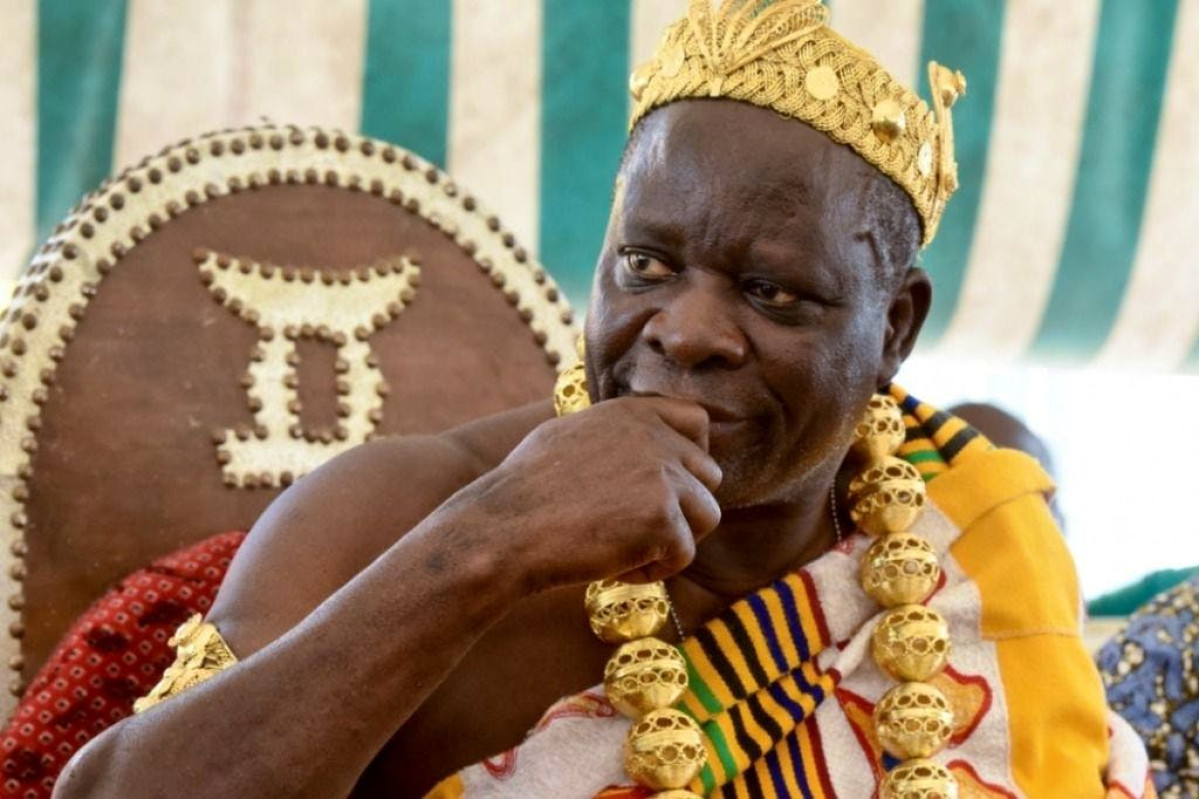
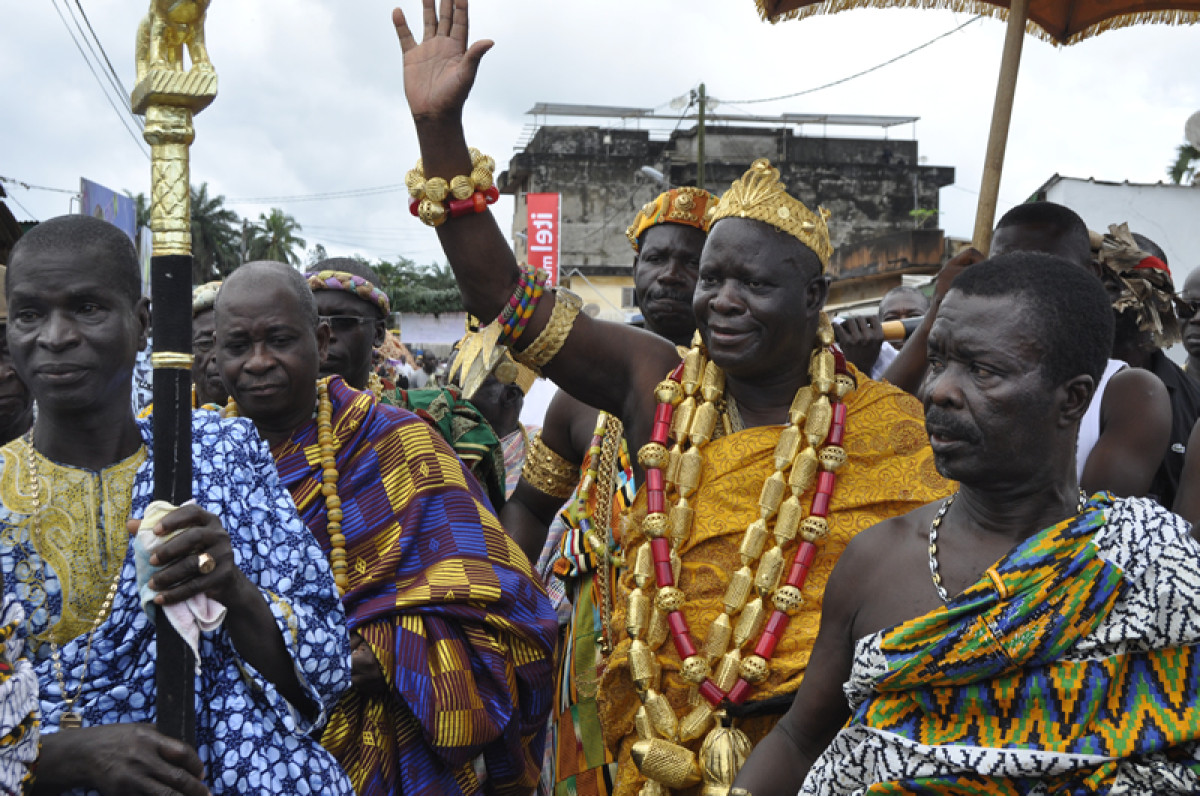
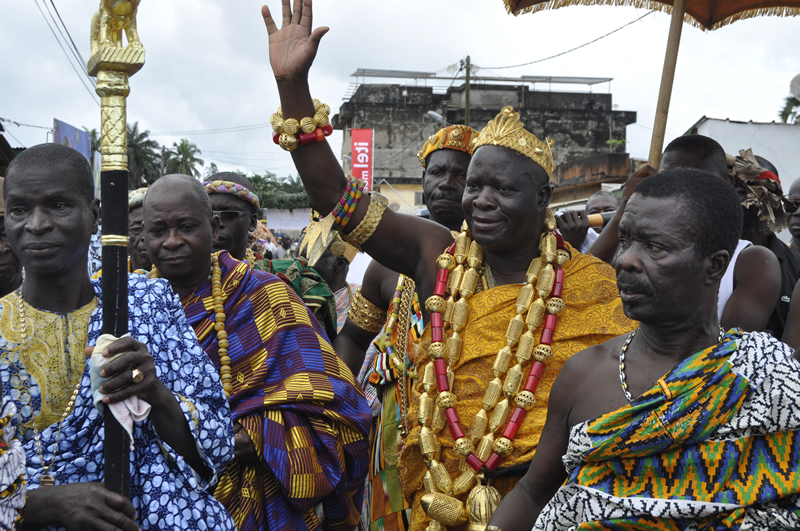
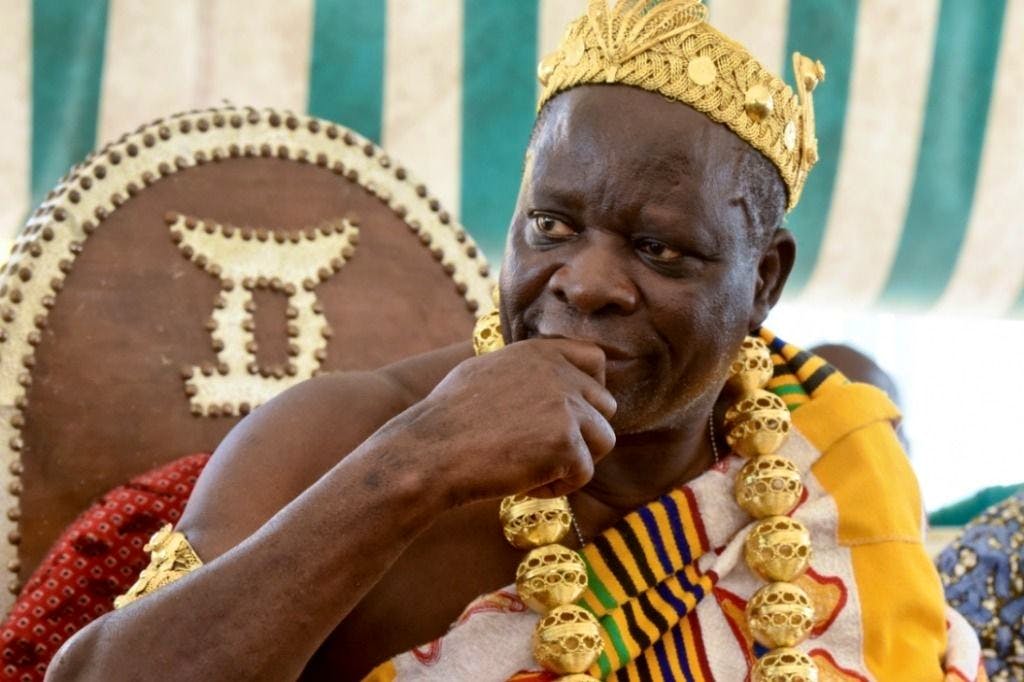
In the morning, in the Abengourou region, we will become acquainted with the traditional monarchy of the Anyi people, who belong to the large Akan cultural group. Their customs are in many ways related to the traditions of the famous Ashanti Kingdom in neighbouring Ghana.
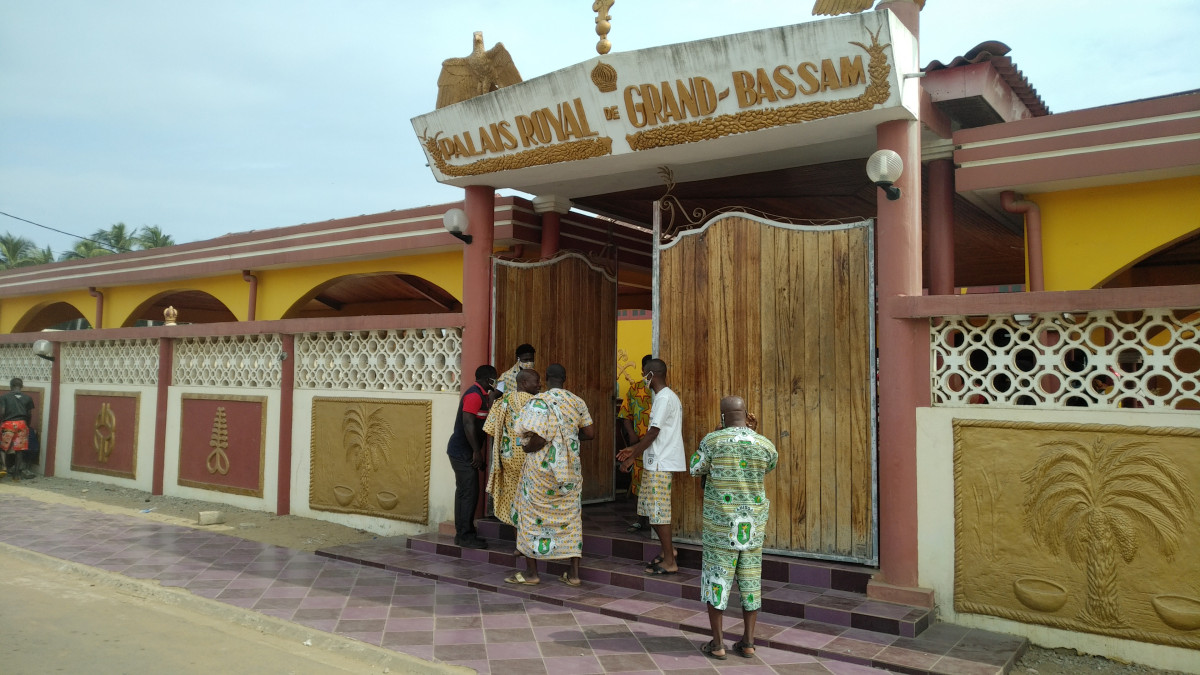
At the royal palace, we will meet representatives of the local nobility dressed in ceremonial robes, as well as the priest responsible for the sacred protector of the royal throne. If possible, we will be personally received by one of the traditional rulers.
After discovering the Anyi Kingdom, we leave Abengourou and head to Yamoussoukro — the official capital of Côte d’Ivoire and the hometown of the country’s first president, Félix Houphouët-Boigny.
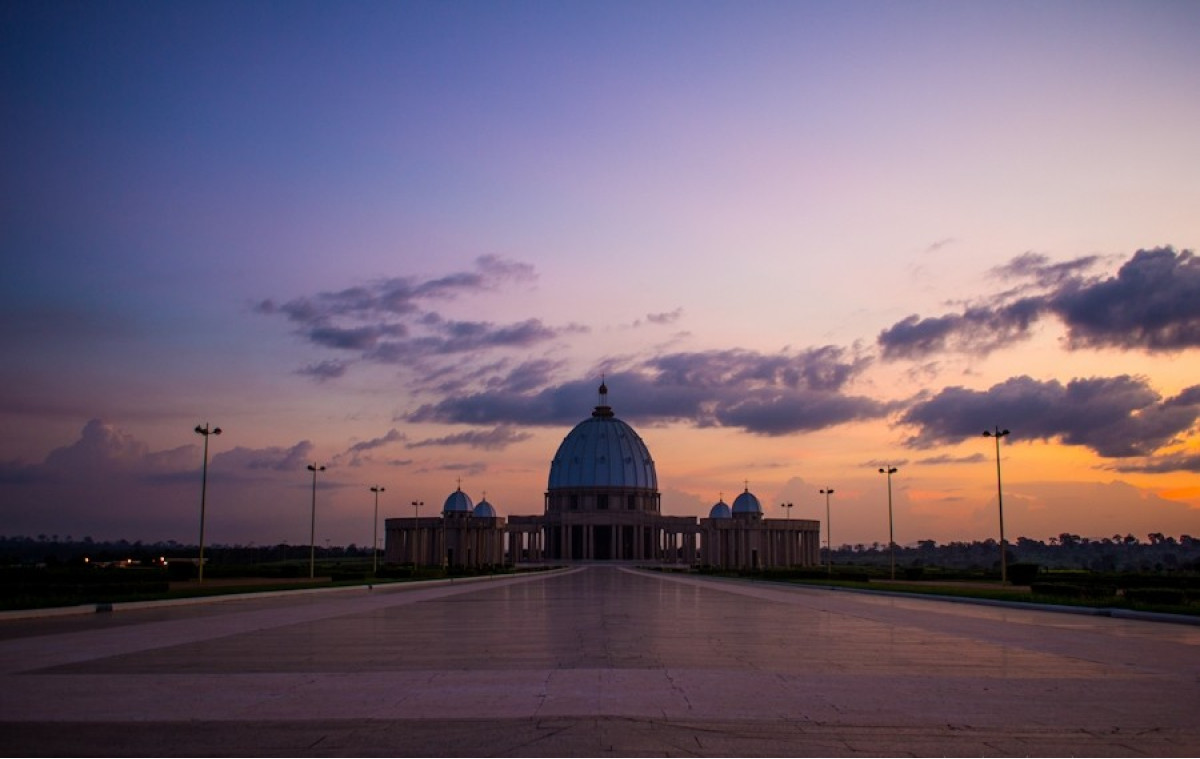
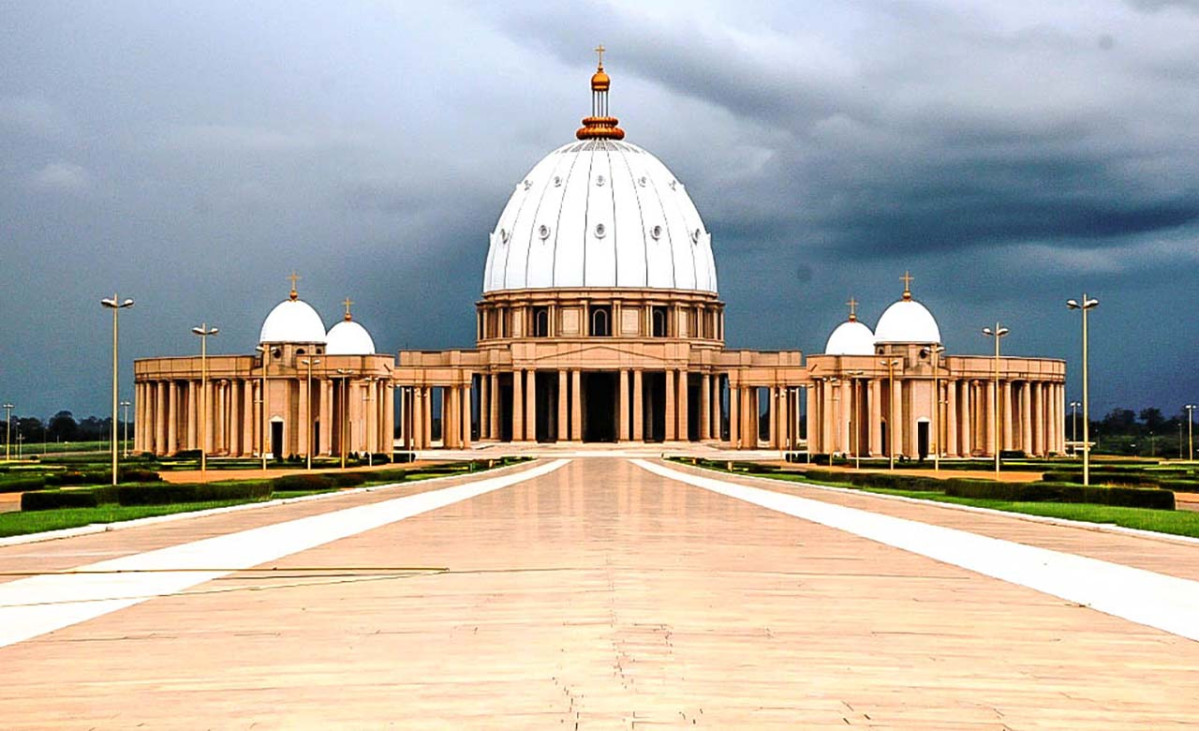
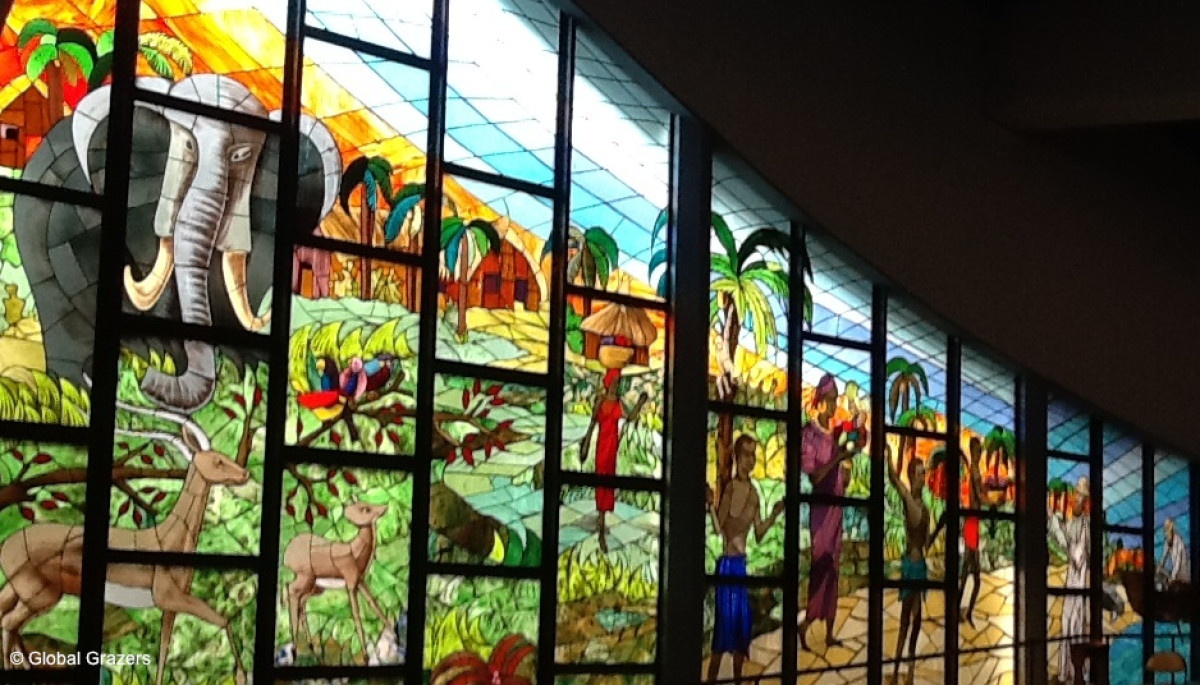
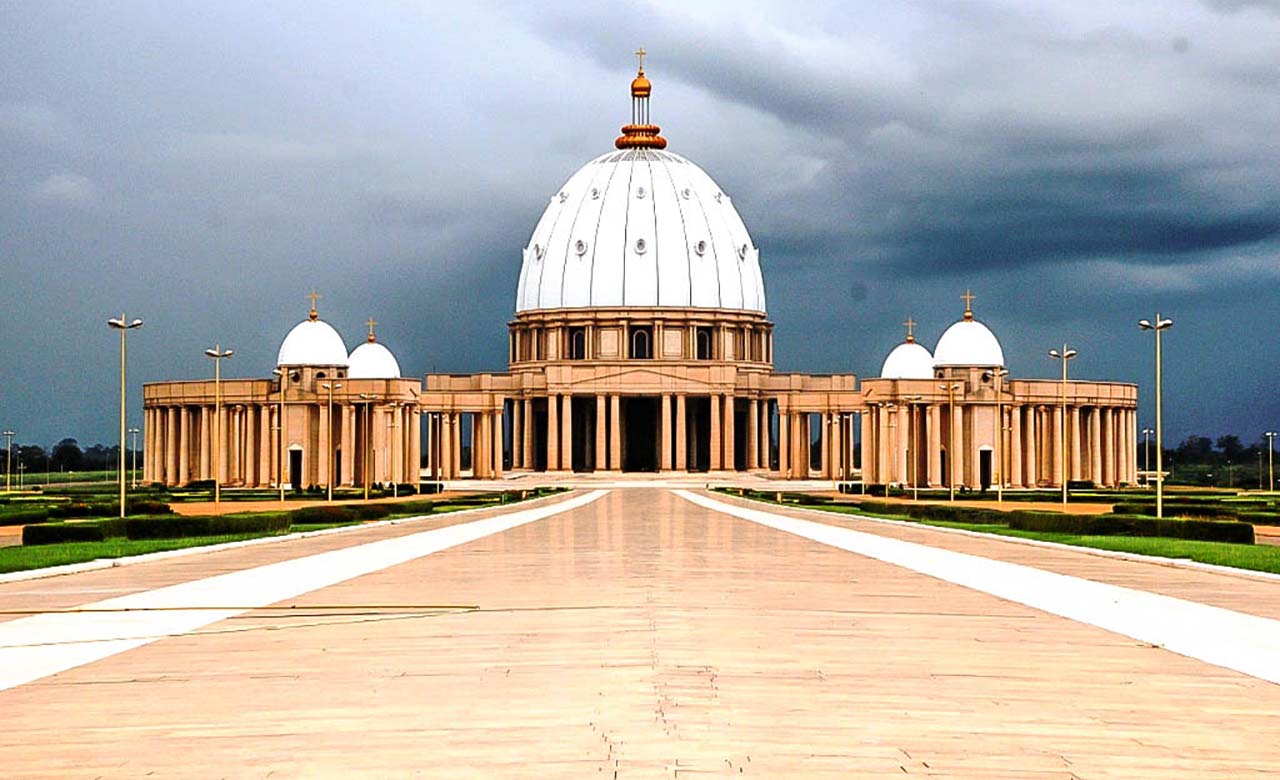
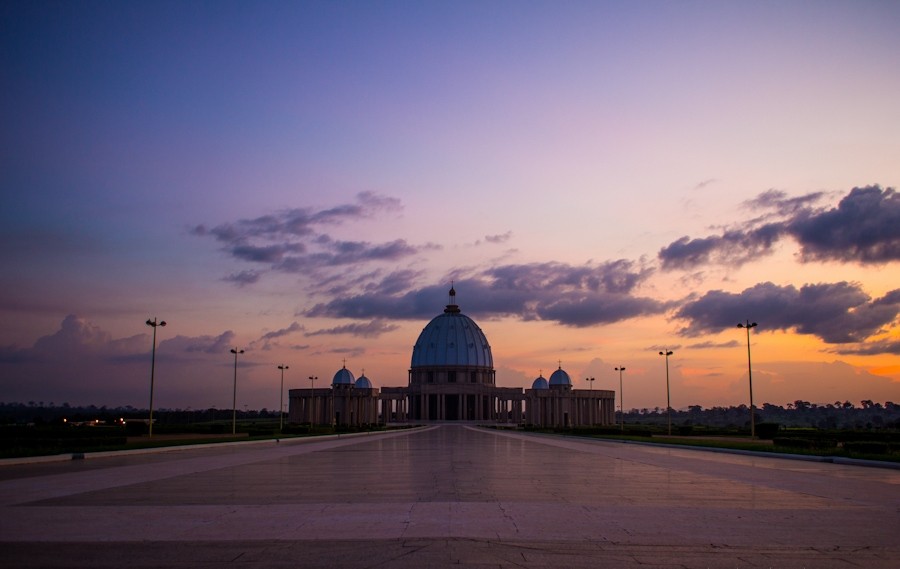
The main landmark of the capital is the magnificent Basilica of Our Lady of Peace, whose architecture was inspired by St Peter’s Basilica in Rome. Its enormous dome, marble colonnades and vast stained-glass windows contrast sharply with the surrounding African savannah.
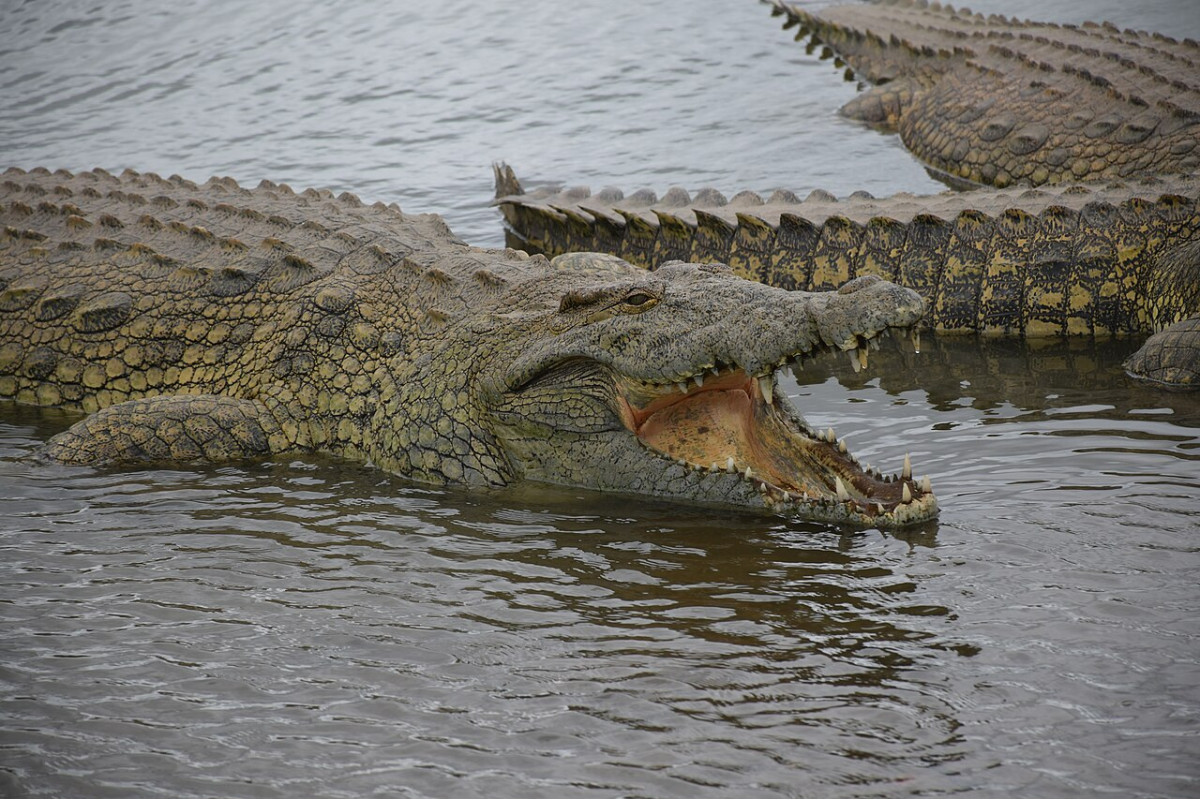
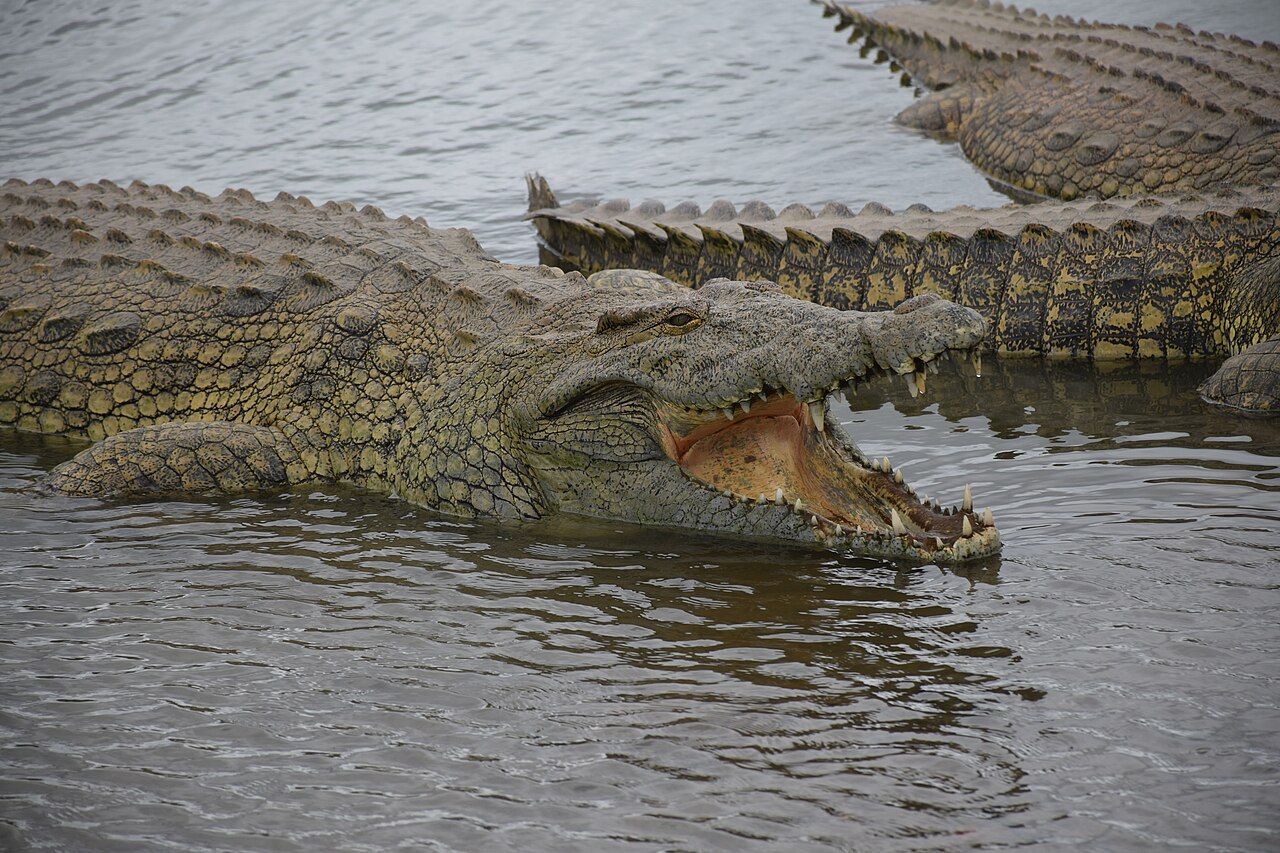
While discovering Yamoussoukro, we will also see wide avenues, monumental government buildings, multi-storey hotels and an artificial lake inhabited by caimans.
Night in Yamoussoukro.
In the morning, we leave Yamoussoukro and head north to the city of Bouaké. Along the way, we will meet the Baoulé people, who, like the Anyi, belong to the large Akan cultural community.
The Baoulé are known for their carved figurines, weaving and masks depicting beings from the spirit world. Over the centuries, they have combined their own traditions with the customs of neighbouring peoples, creating one of the most distinctive cultures of West Africa.
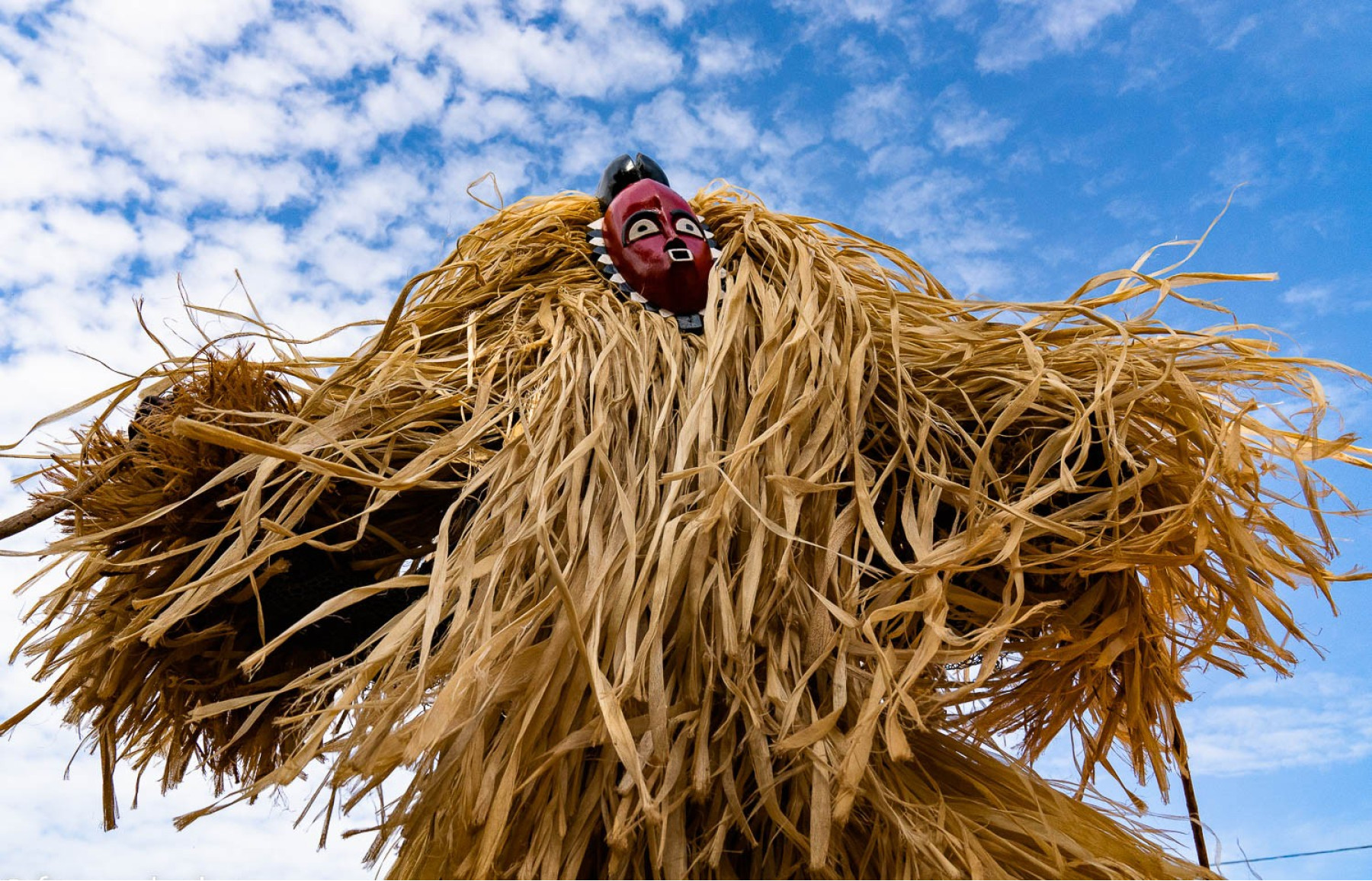
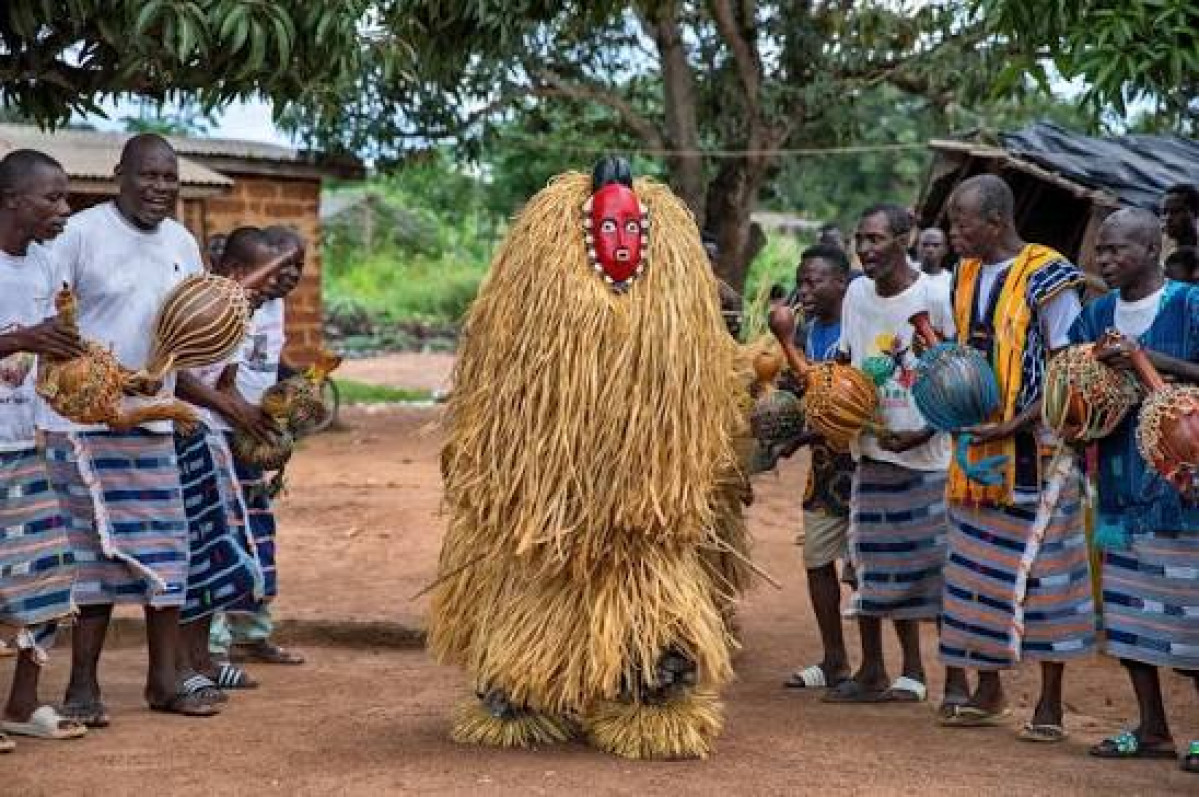
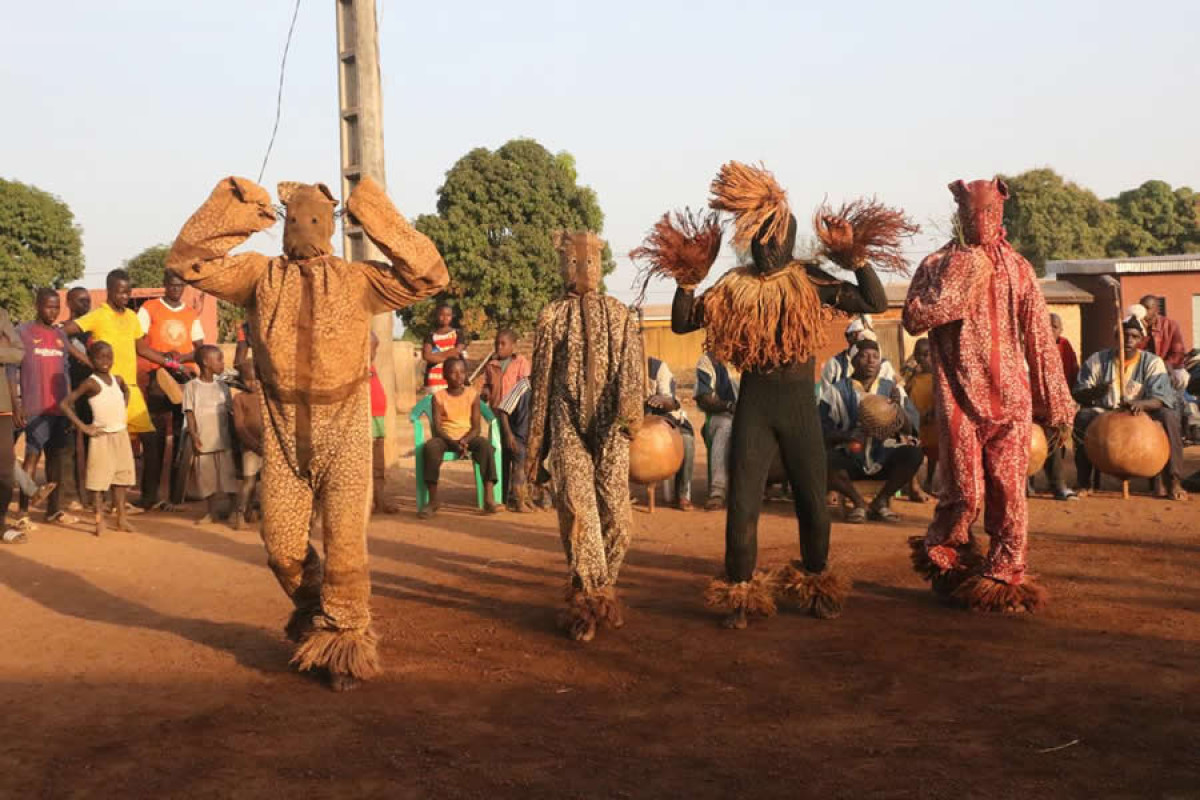
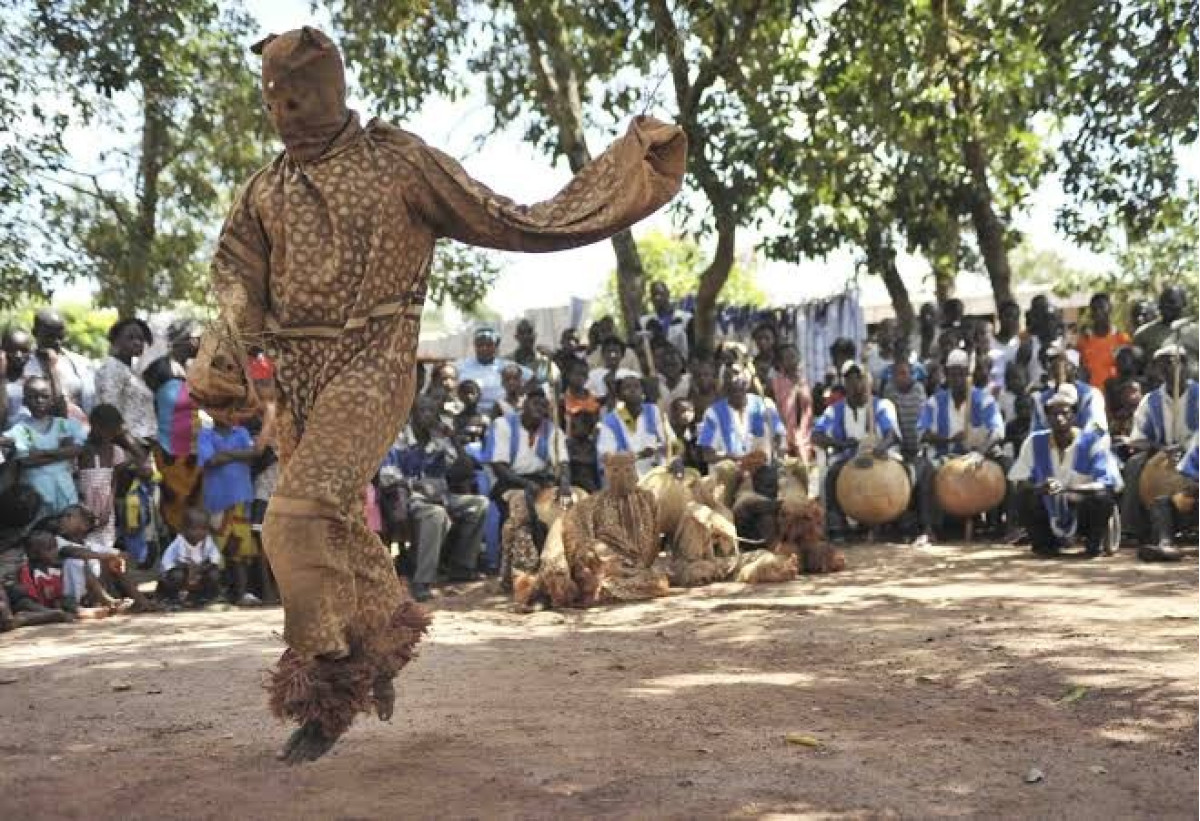
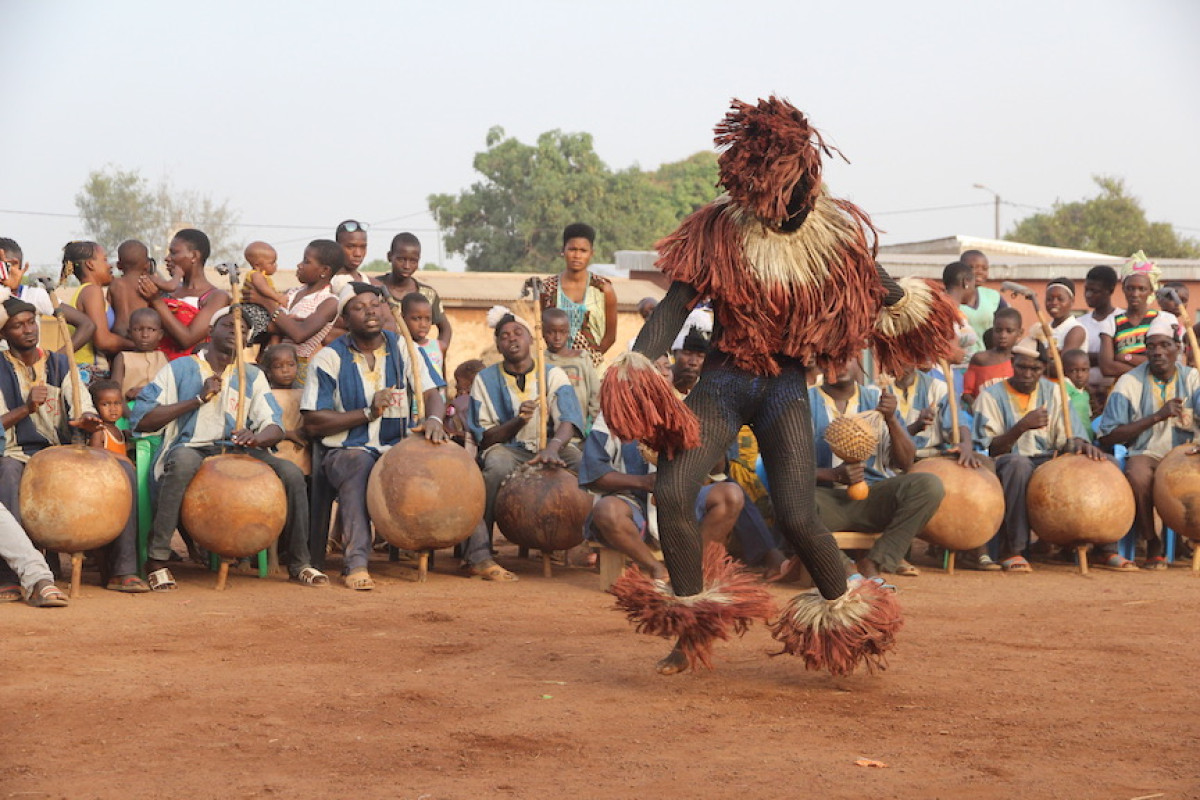
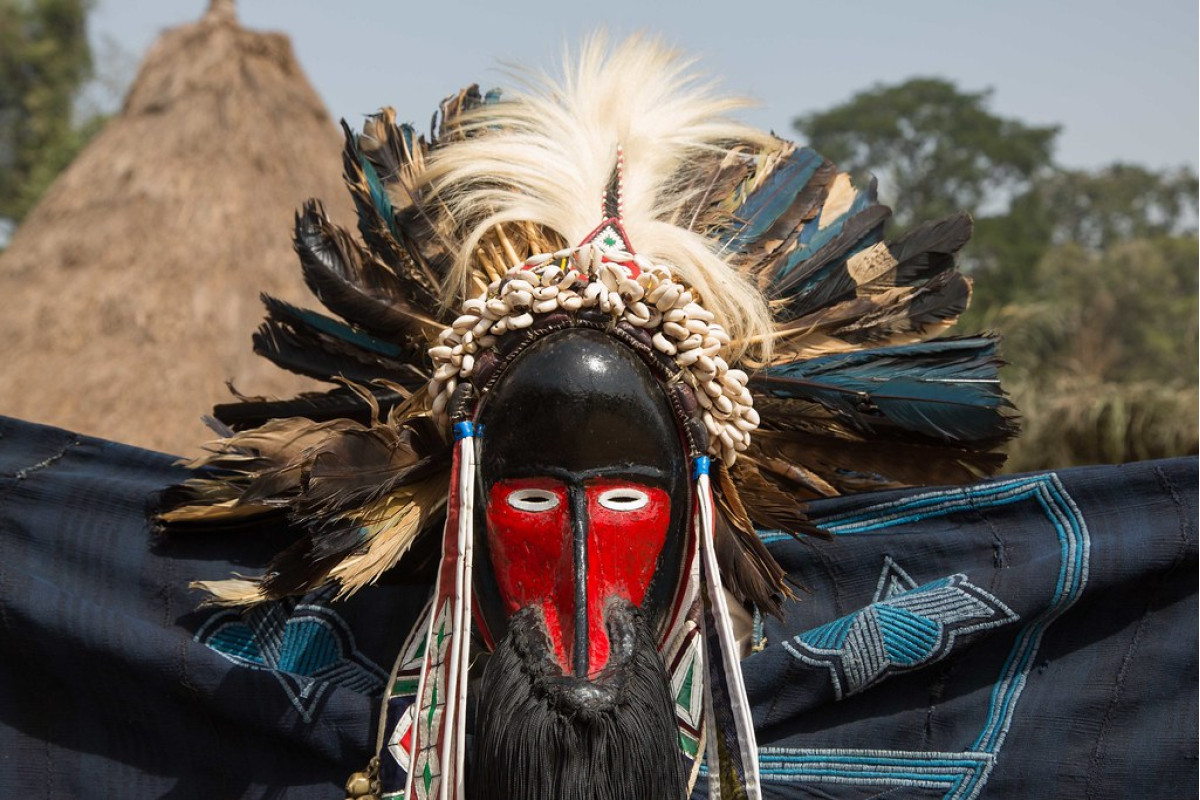
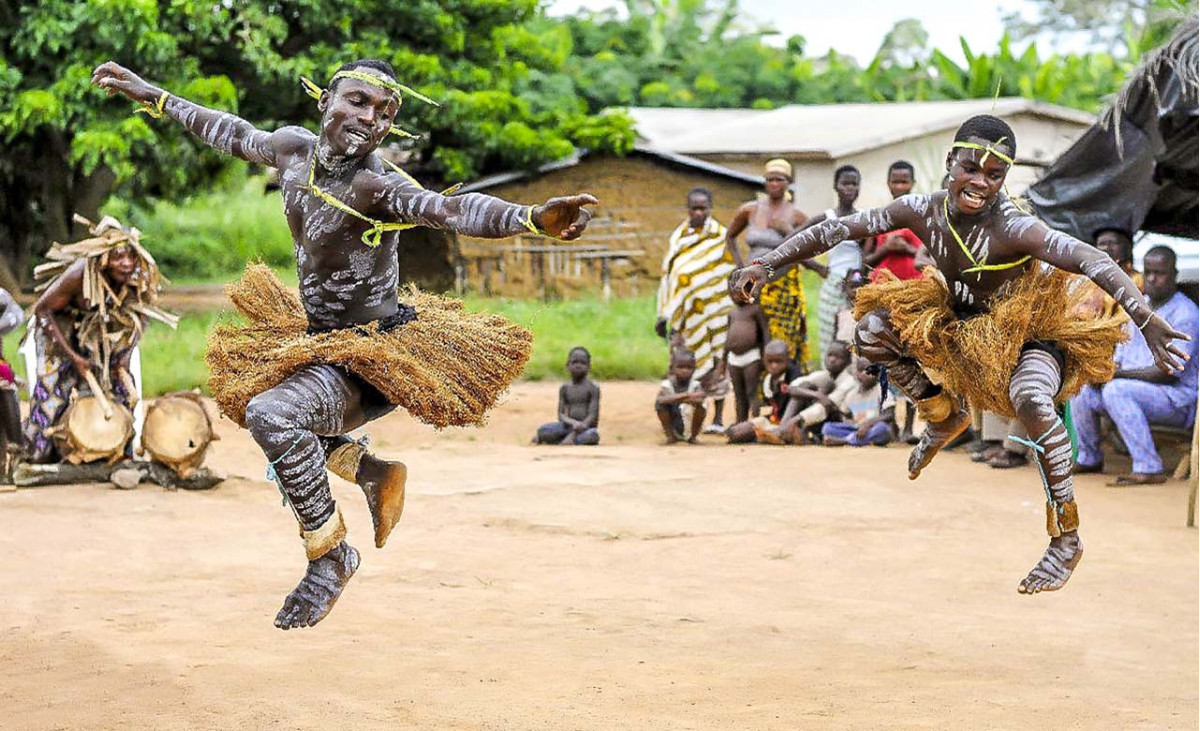
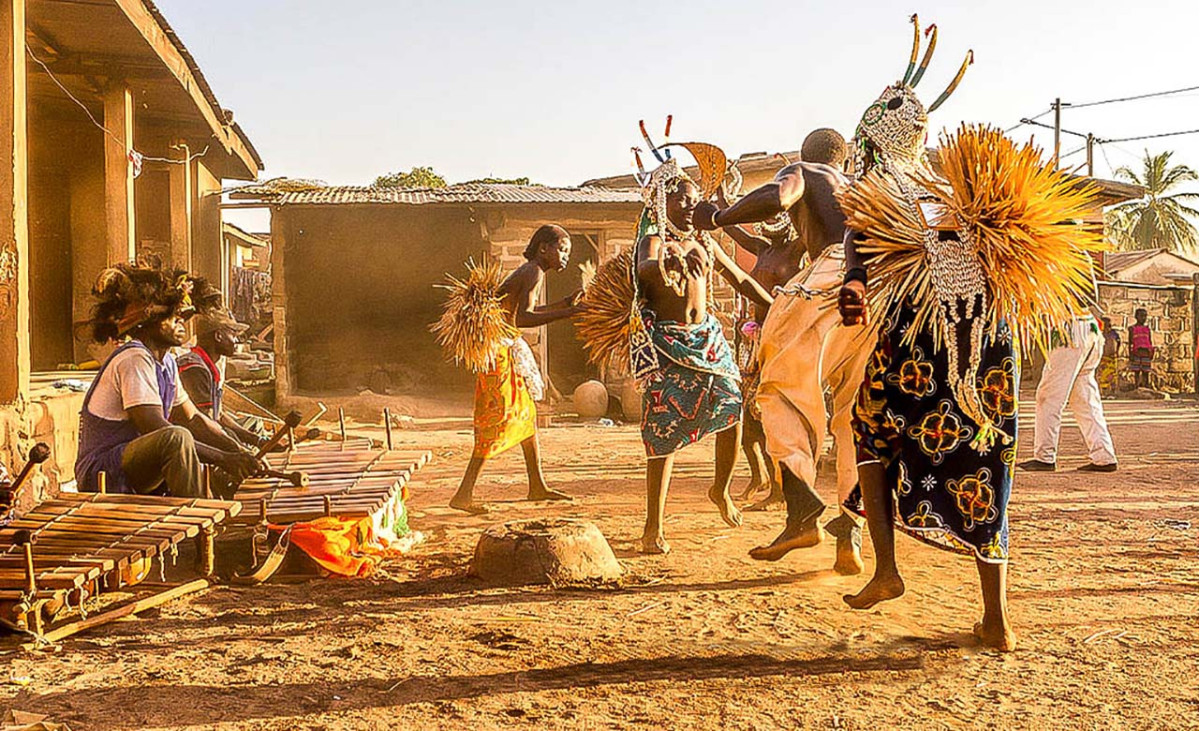
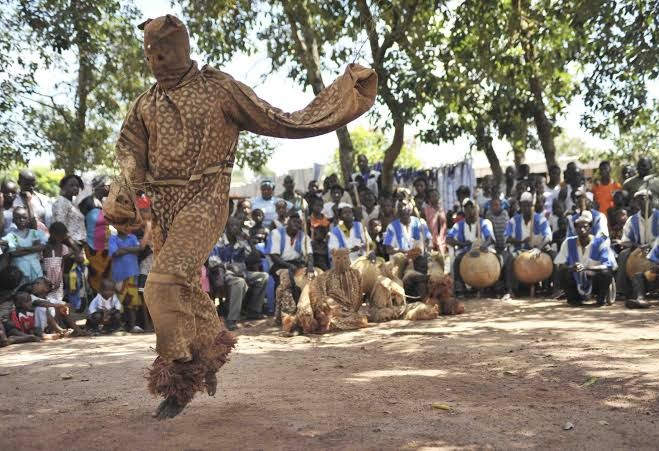
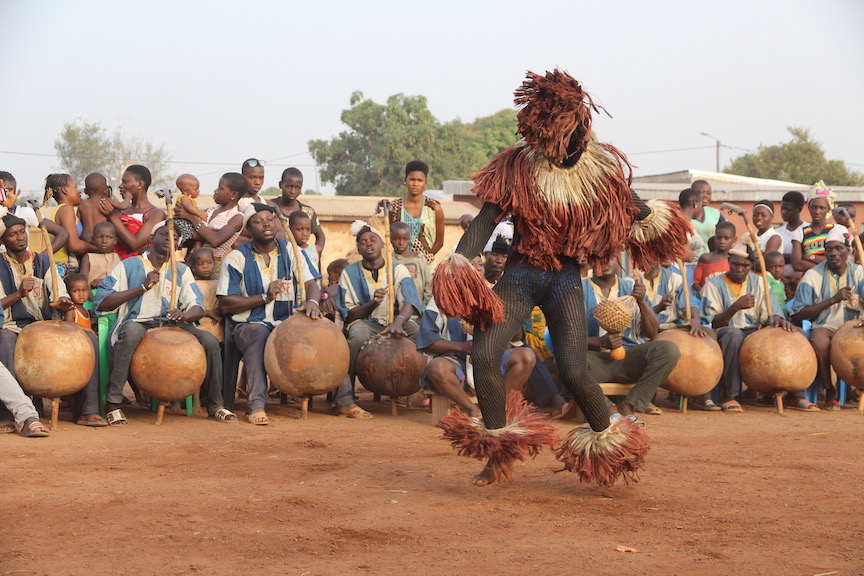
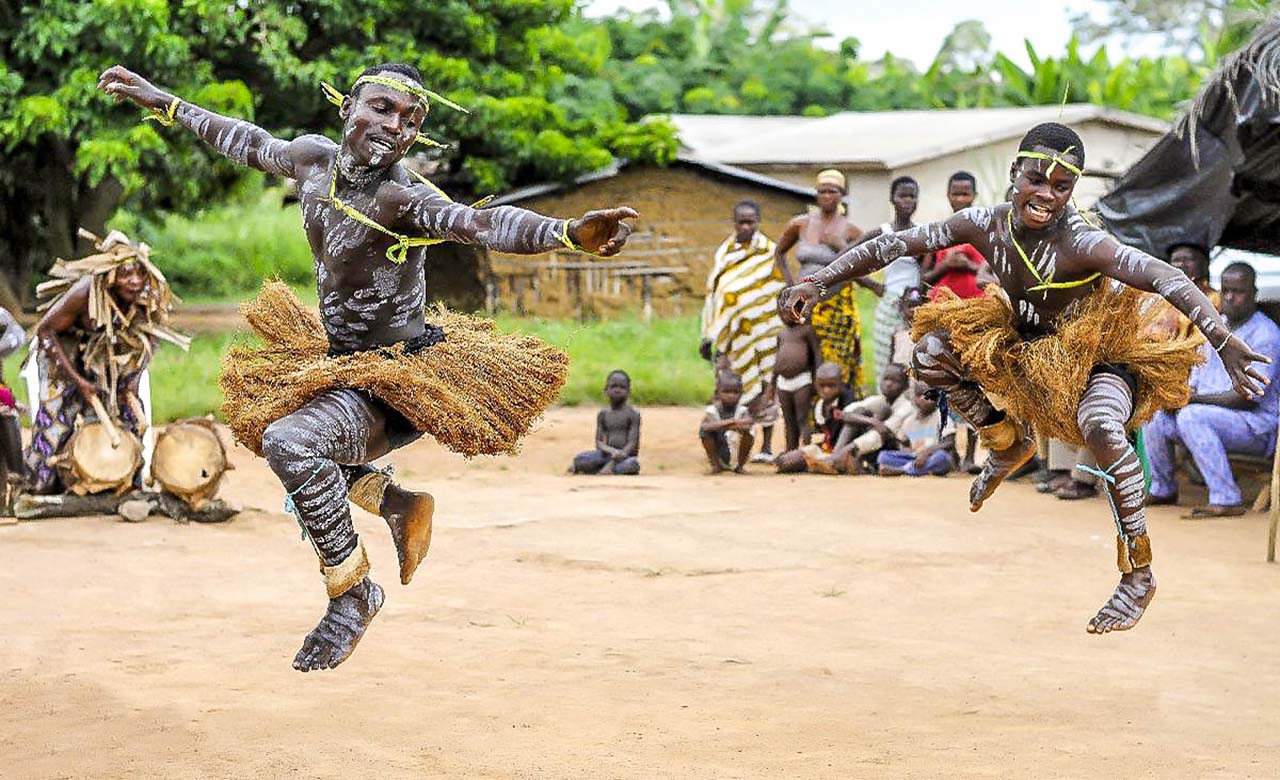
The first ceremony of the day will be the Zaouli mask dance. The dancer is completely hidden beneath the costume, and his extraordinarily rapid foot movements create the impression that the mask is barely touching the ground.
Later, we will see the Goli masks. They appear during celebrations, funeral ceremonies and festivities dedicated to peace and joy. To the sound of drums, the participants will sing, dance and enjoy palm wine.
After the ceremonies, we will continue our journey to Bouaké.
Night in Bouaké.
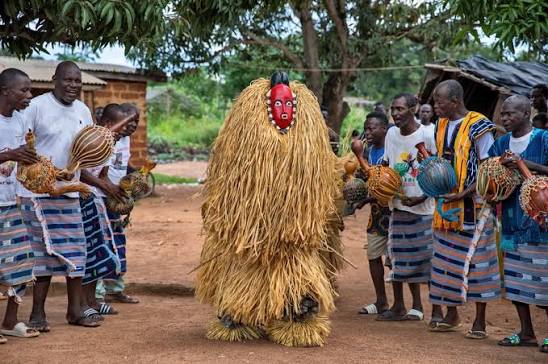
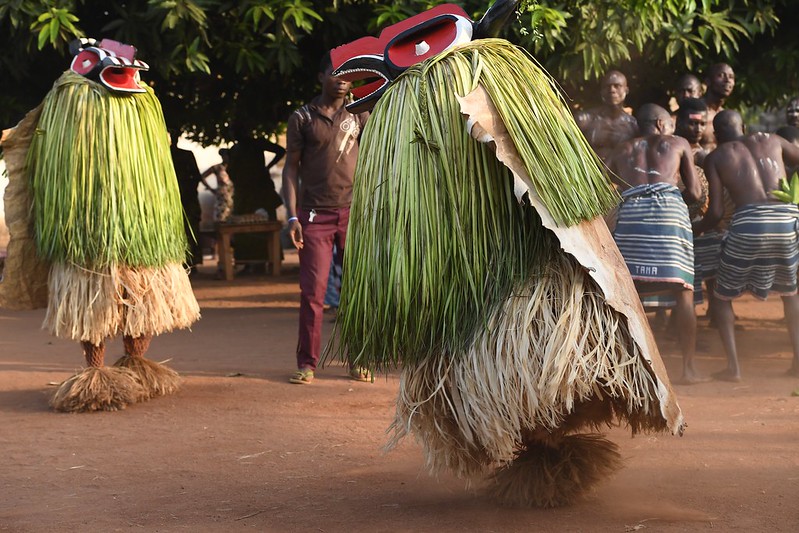
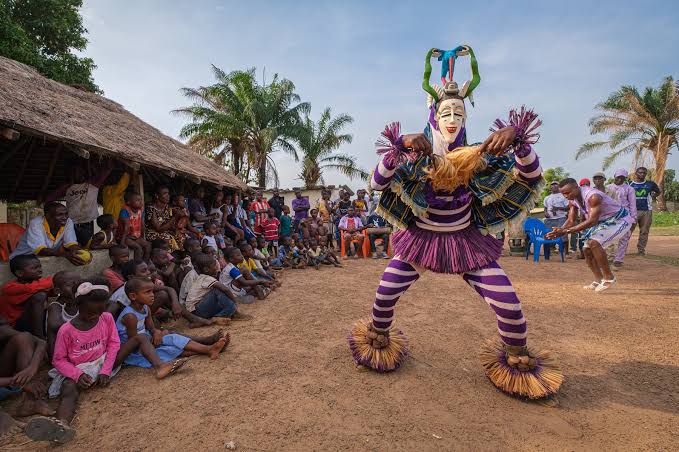
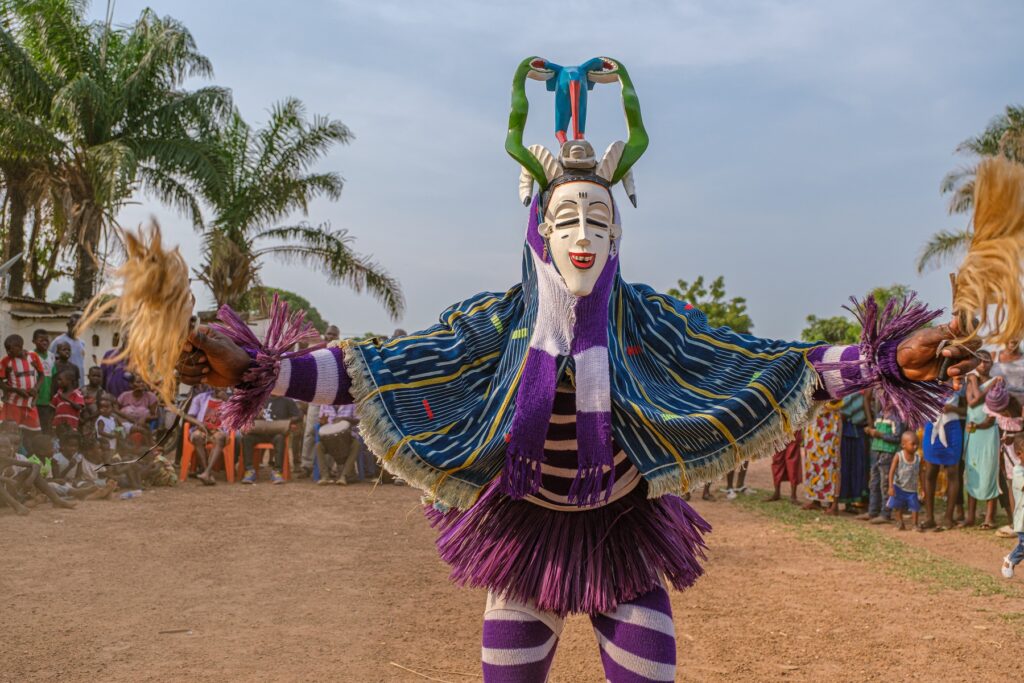
In the morning, we leave Bouaké and continue farther north. Dense vegetation will gradually give way to open savannah, where mighty baobab trees rise above the landscape.
Our next stop will be Korhogo — the cultural capital of the Senufo people. The representatives of this people are known for their wooden sculptures, textiles, painting and traditional blacksmithing.
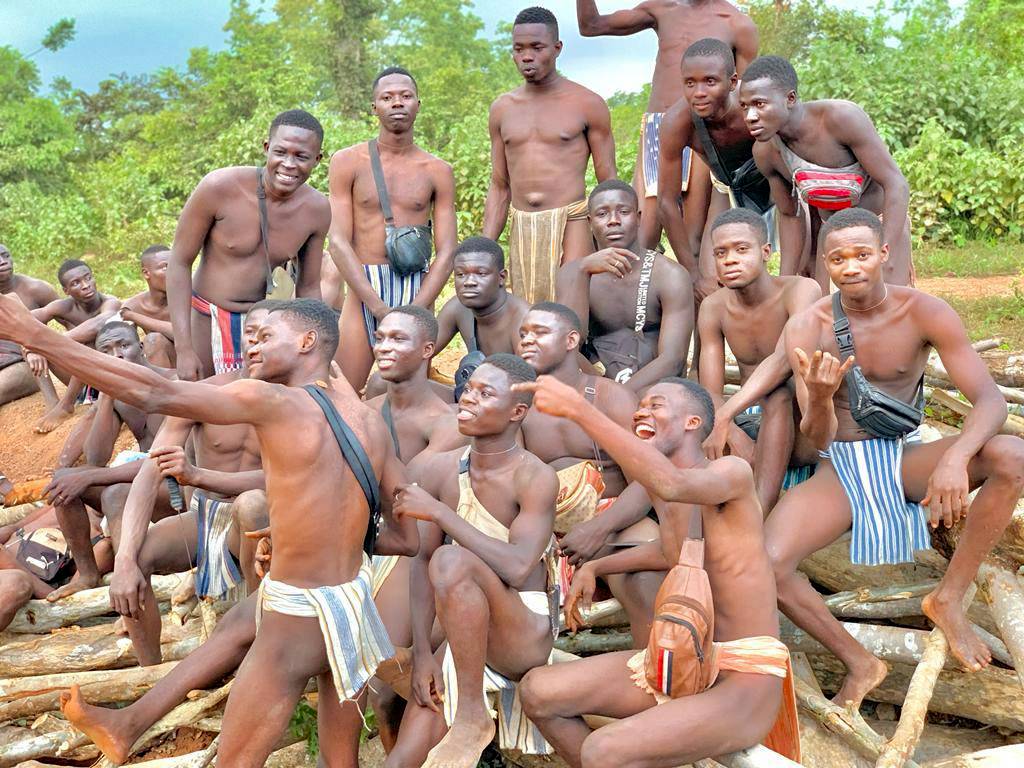
At the craft market, we will see masks, figurines and fabrics decorated with geometric Senufo patterns. We will also learn about Poro — a complex system of male initiation, the full cycle of which can last up to 21 years.
After discovering Korhogo, we will travel to a remote village where local blacksmiths have preserved the ancient technology of iron smelting.
The ore is crushed by hand and then loaded in layers into a clay furnace together with charcoal. After the fire is lit, the smelting process will continue throughout the night.
In the evening, we will return to Korhogo, where we will spend two nights.
First night in Korhogo.
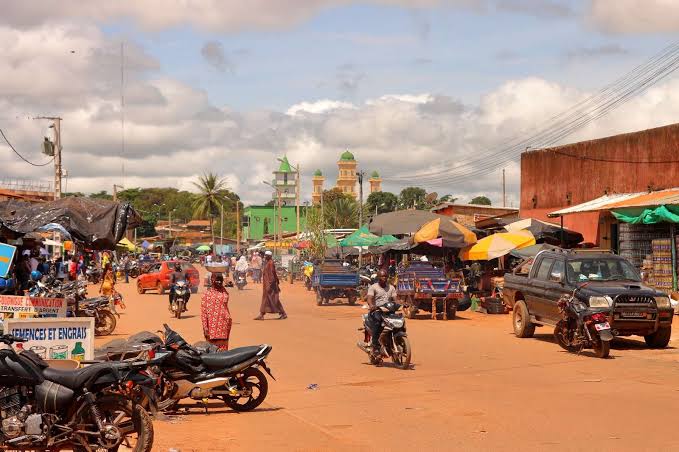
In the morning, we will once again travel from Korhogo to the blacksmiths’ village to see the result of the overnight iron-smelting process.
The clay base of the furnace will be broken open to extract the iron bloom that has formed. Before our eyes, the blacksmith will work the metal, heat it again, pour it into a mould and then shape it with hammer blows.
We will see the entire process of creating a metal object — from raw ore to the finished product. This is a rare living example of ancient African metallurgy, which for decades was considered lost.
After the blacksmiths have completed their work, we will return to Korhogo.
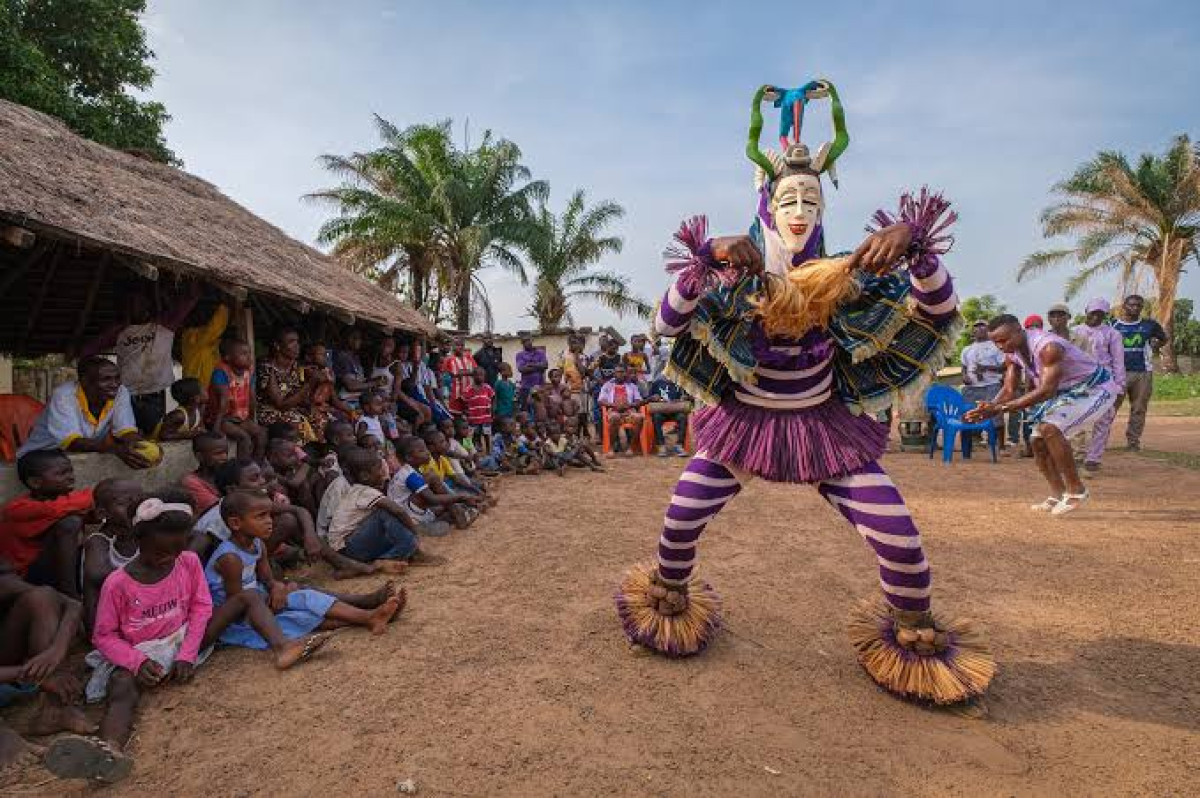
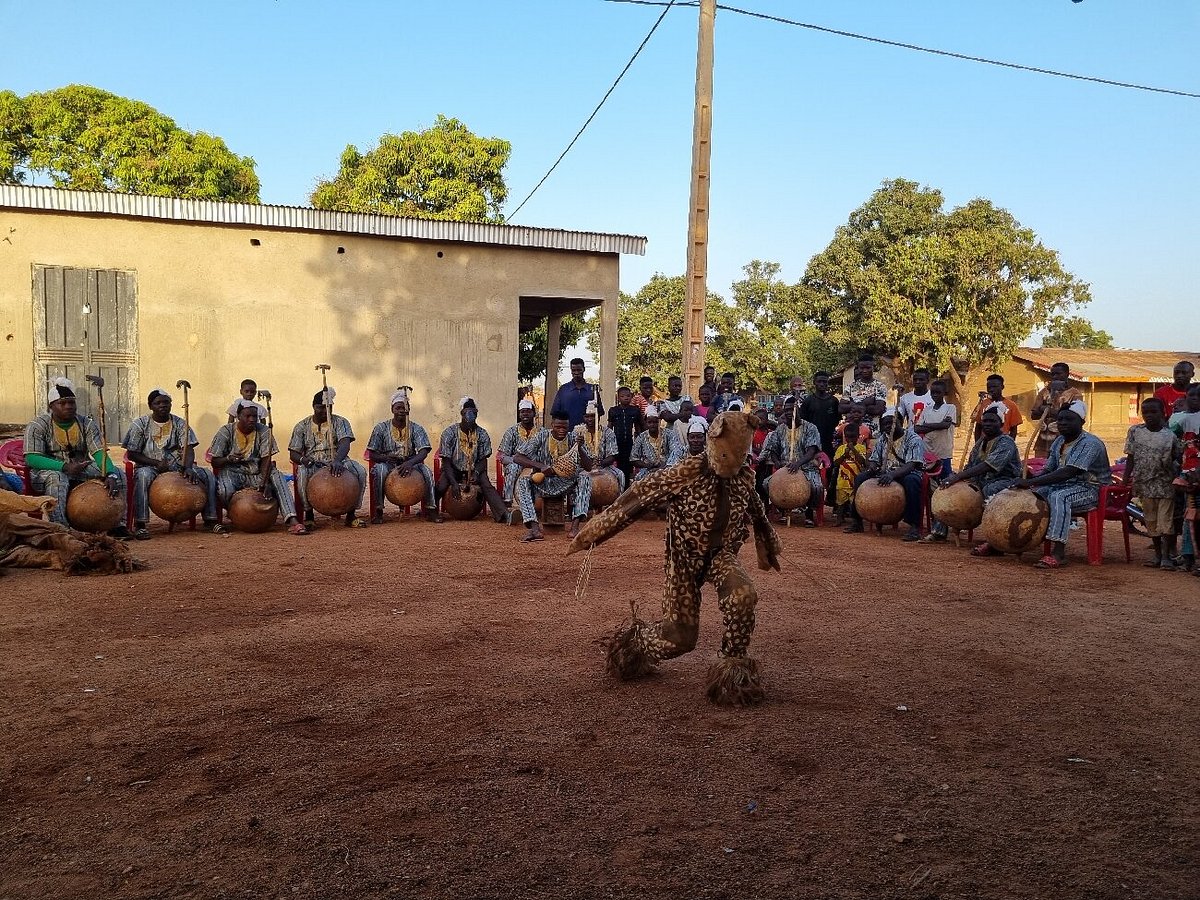
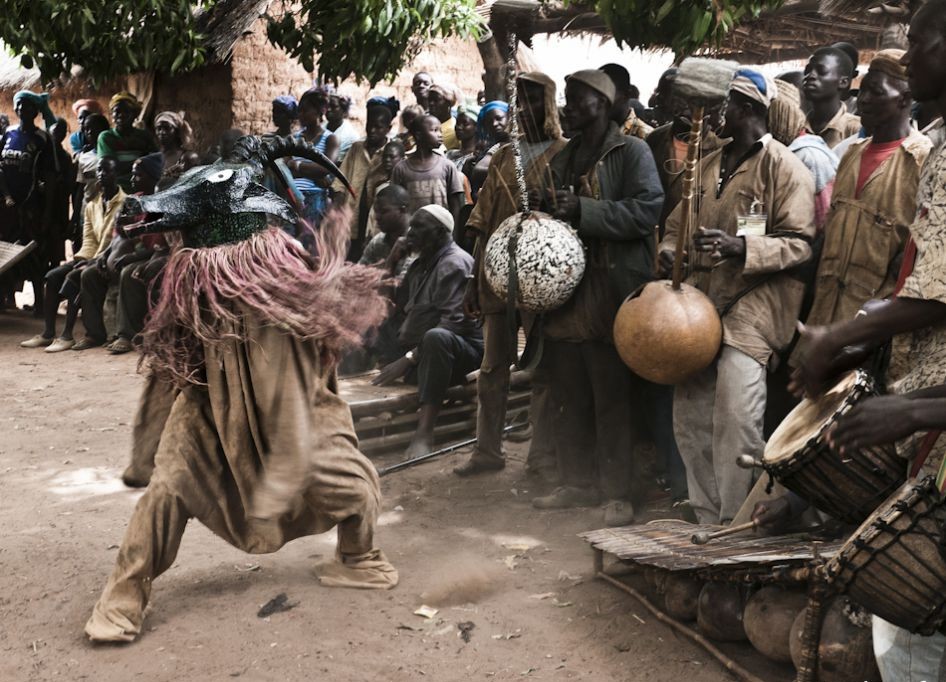
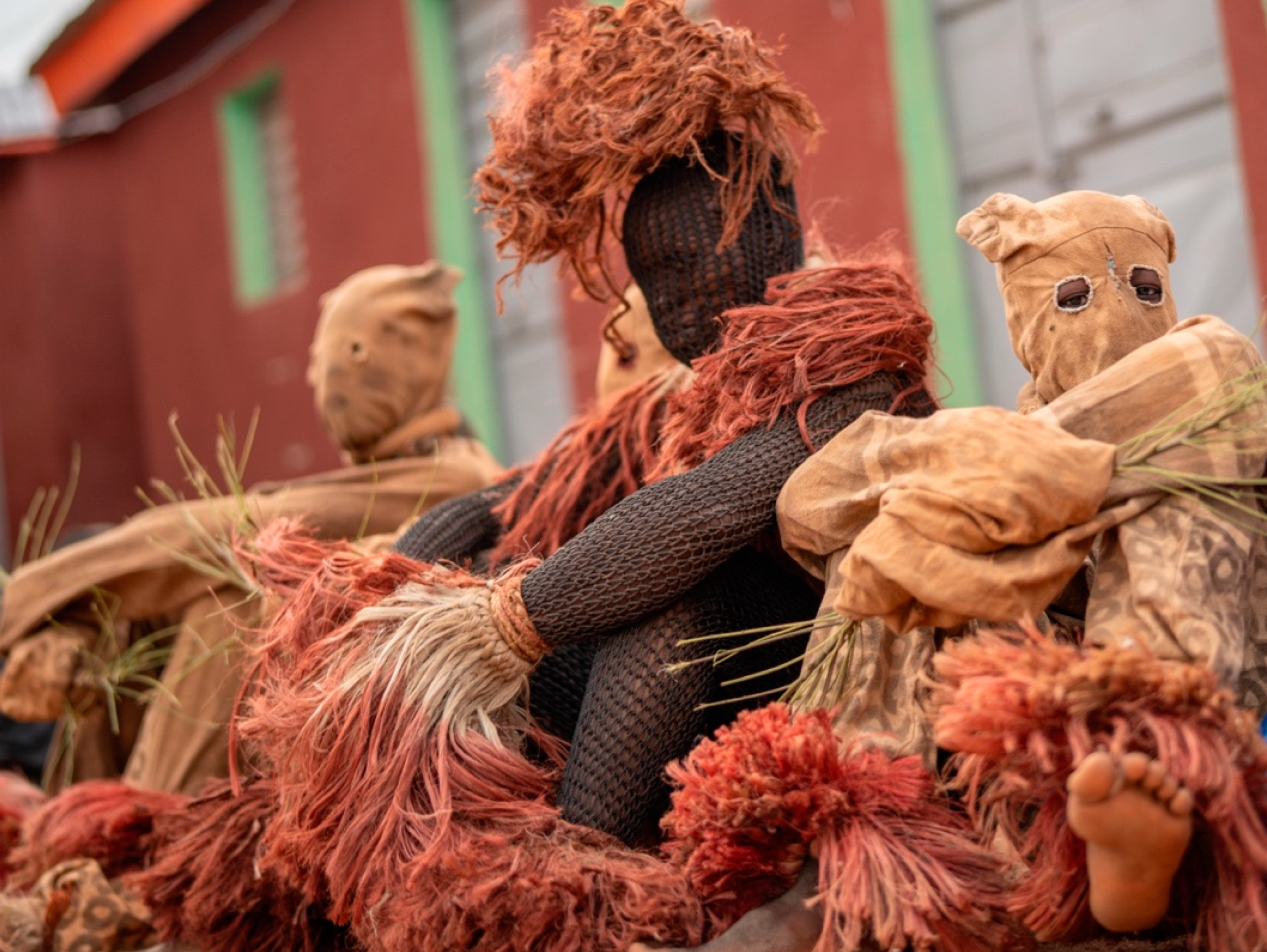
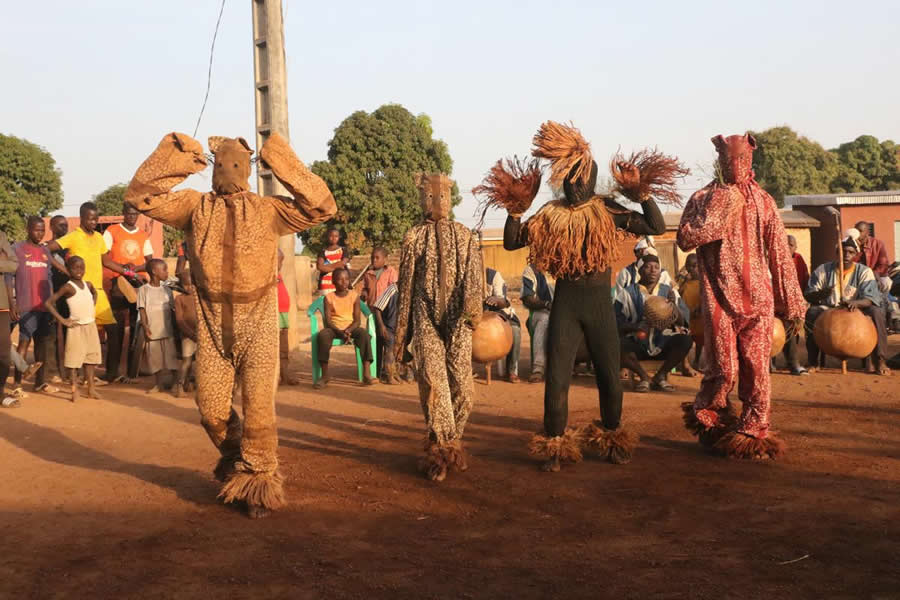
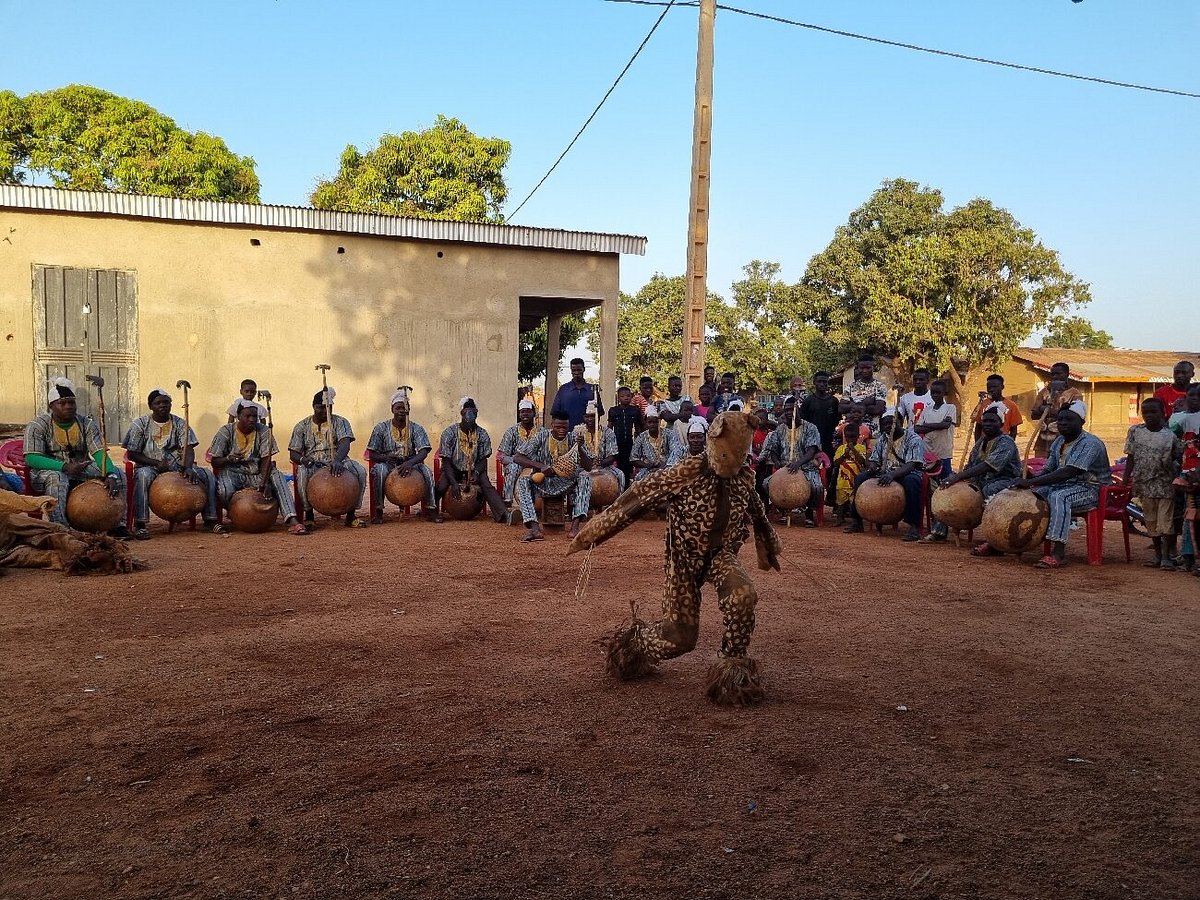
In the afternoon, we will witness Boloy, or the Panther Dance — one of the most spectacular masked traditions of the Senufo. It is performed by initiated men whose movements resemble the behaviour of a large wild cat.
Second night in Korhogo.
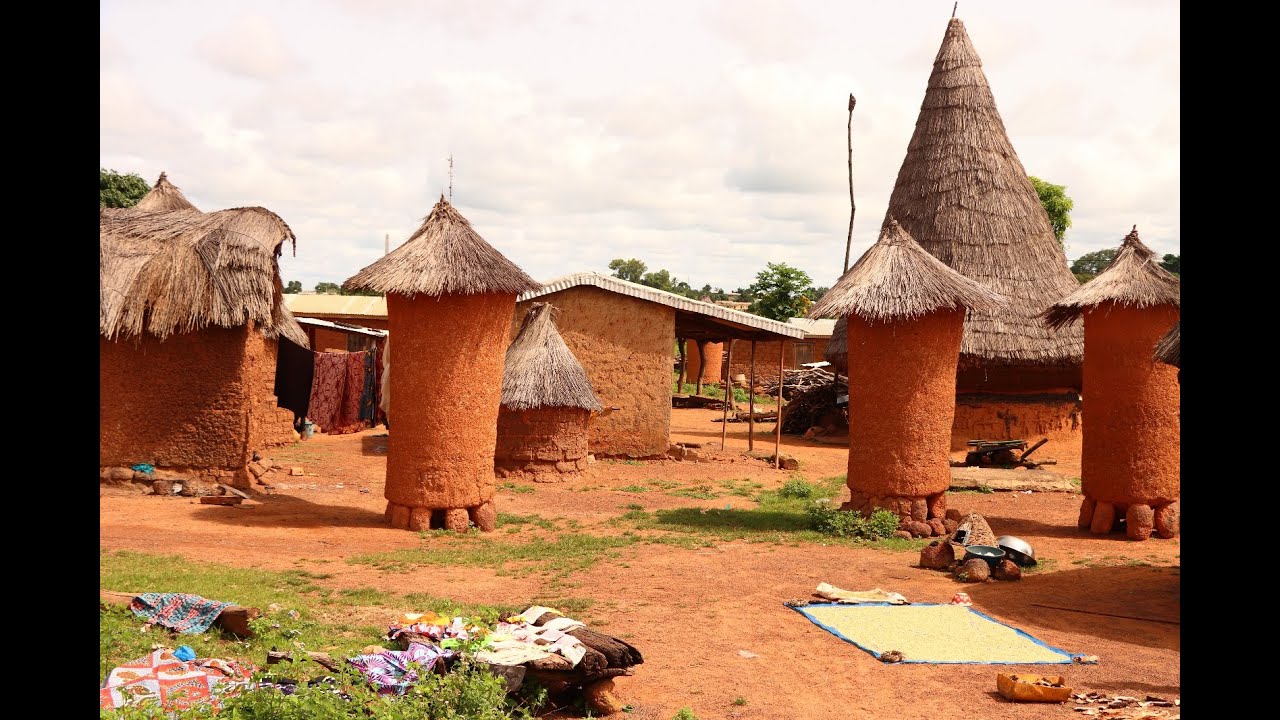
In the morning, we leave Korhogo and head towards Boundiali. Along the way, we will turn off the main road to visit the traditional village of Niofoin.
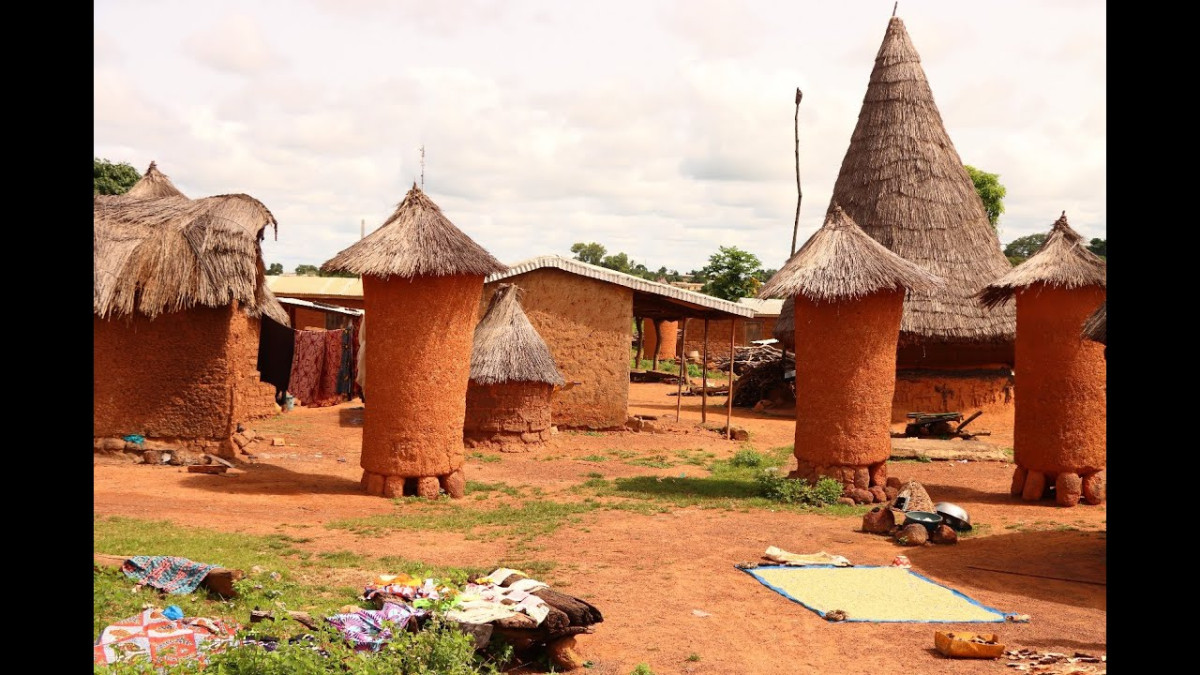
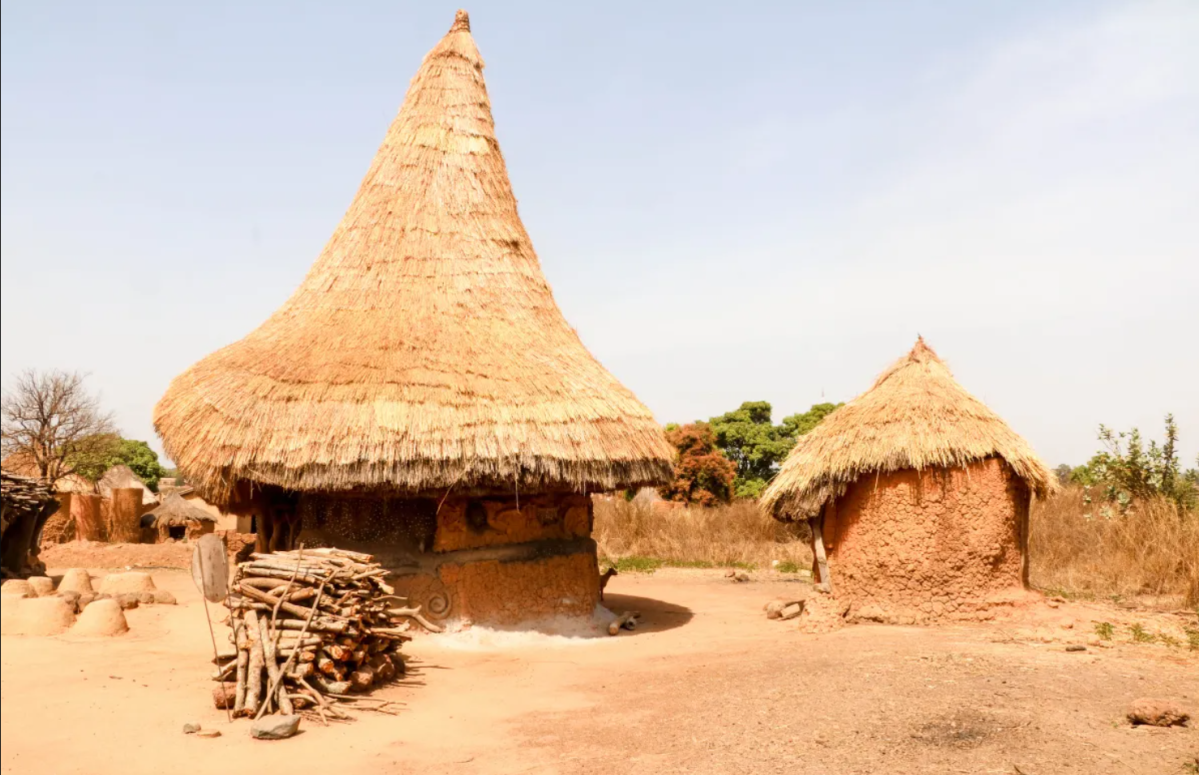
Clay granaries decorated with symbolic bas-reliefs have been preserved here, as well as a unique sacred house with a tall conical roof. Inside are paintings and ritual objects connected with the animistic beliefs of the Senufo.
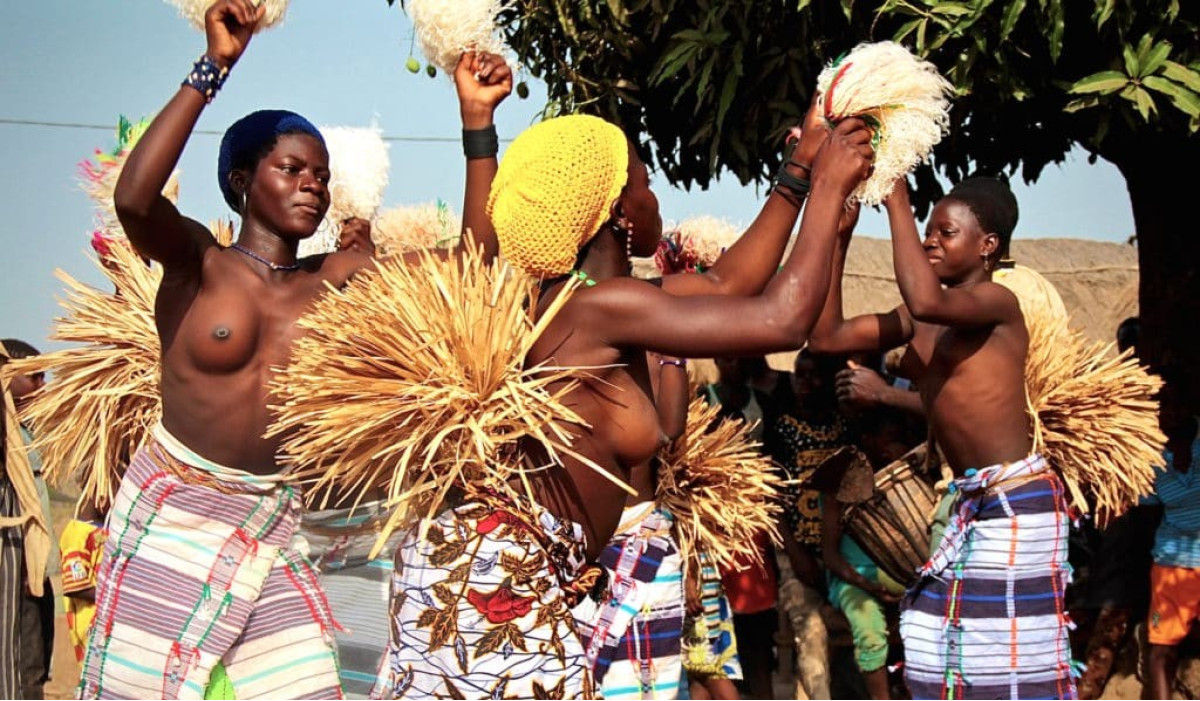
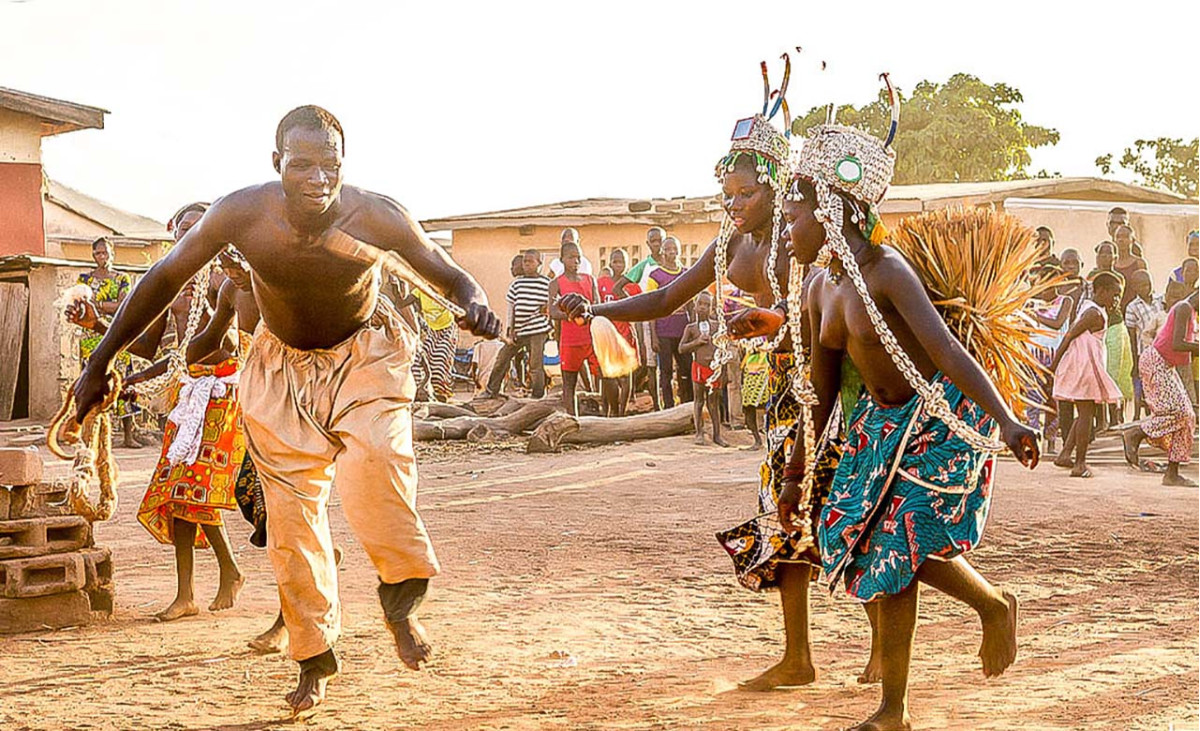
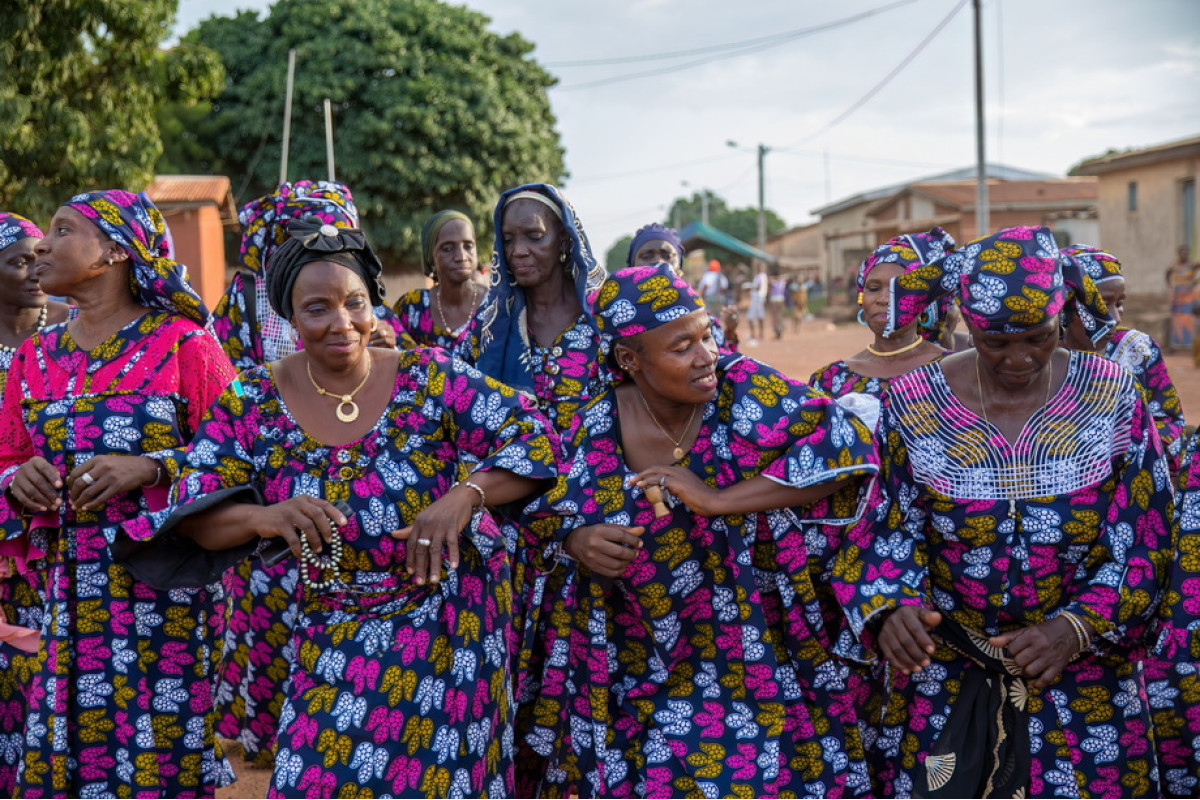
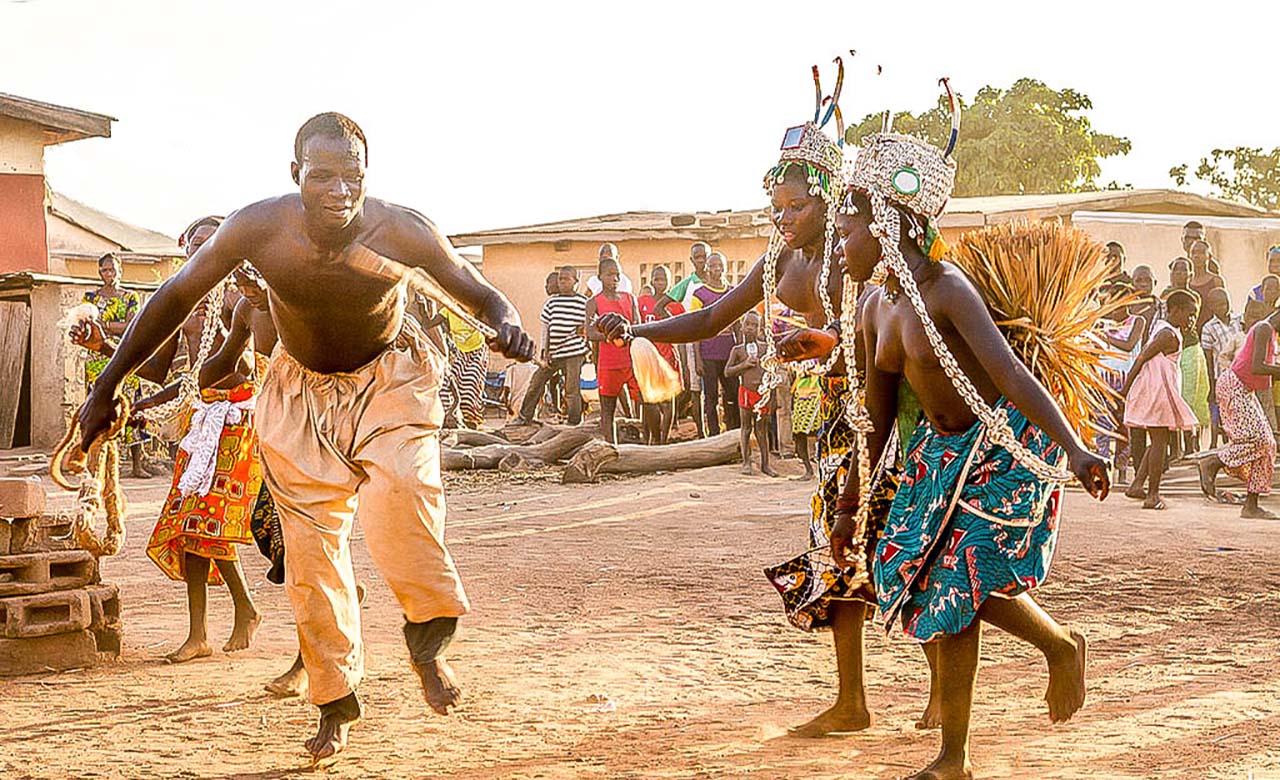
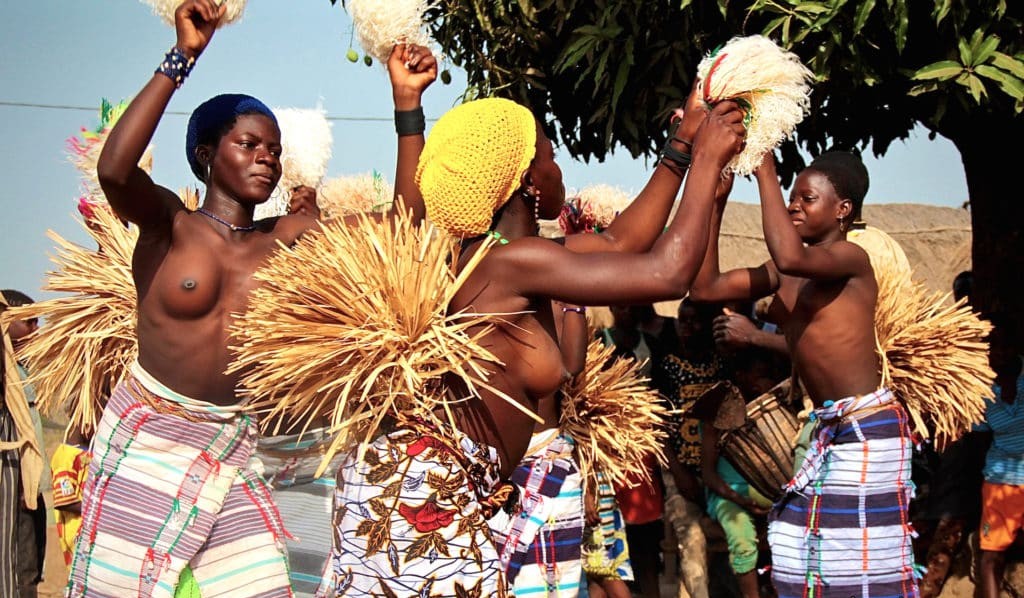
At the end of the day, we will see the Ngoro dance, performed by young girls after completing the first stage of initiation.
Before the ceremony, they spend several months living in secluded sacred groves, where older women teach them the traditions, rules of behaviour and spiritual knowledge of the community.
After the ceremony, we will continue our journey to Boundiali.
Night in Boundiali.
In the morning, we leave Boundiali and head to the city of Odienné.
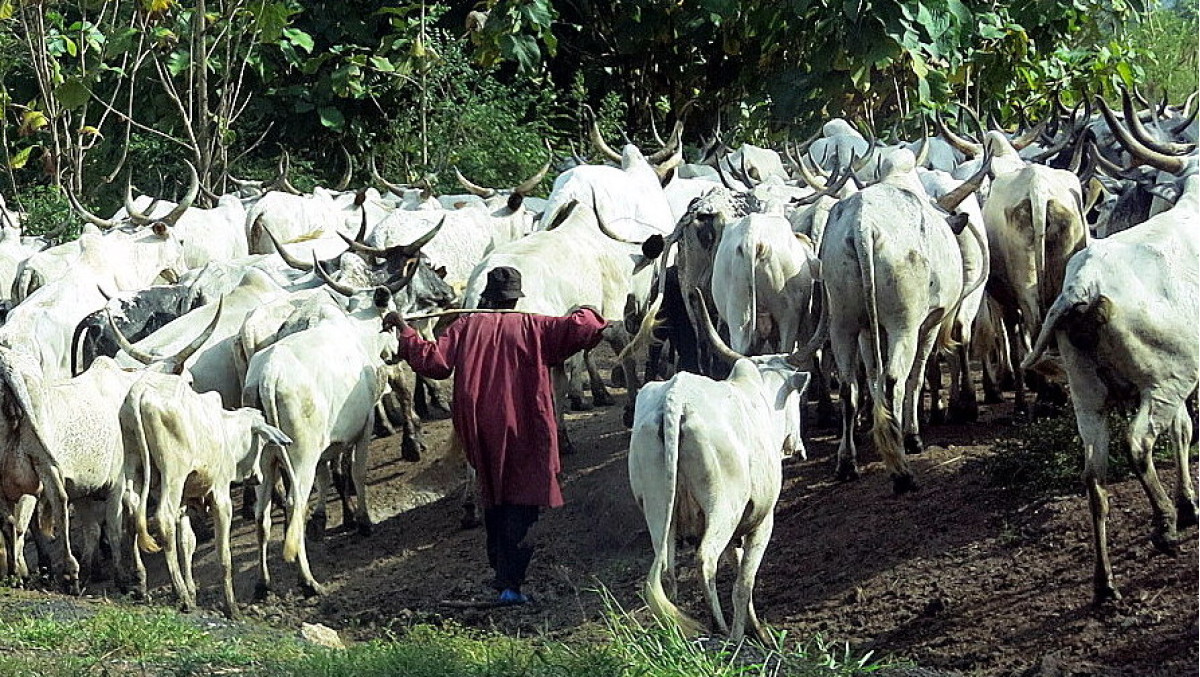
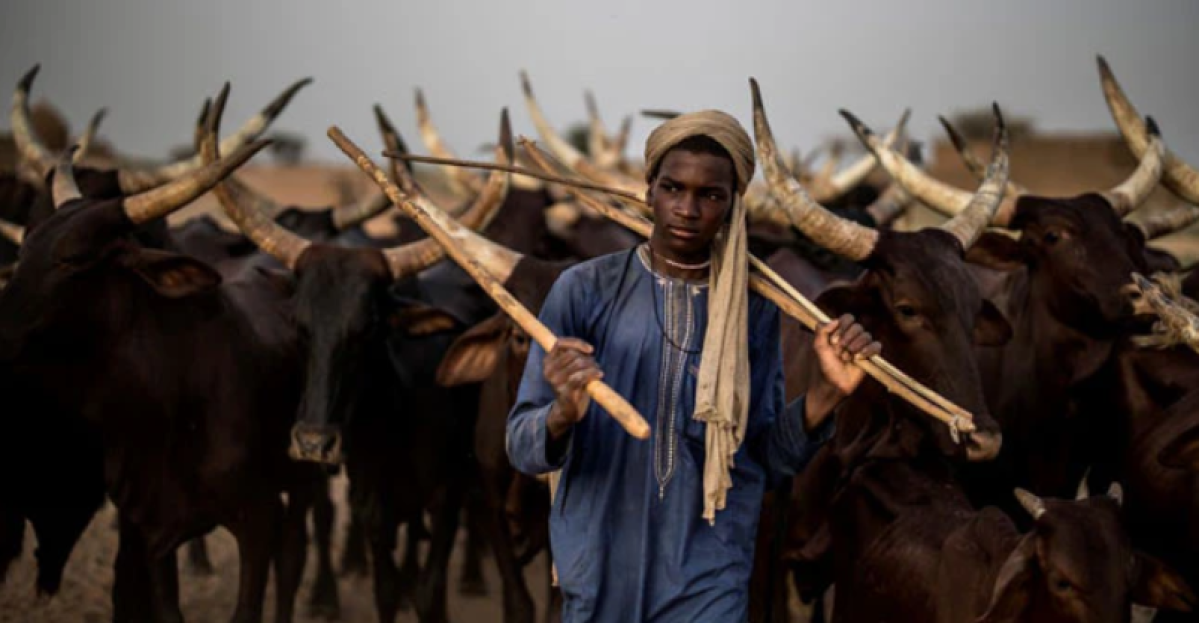
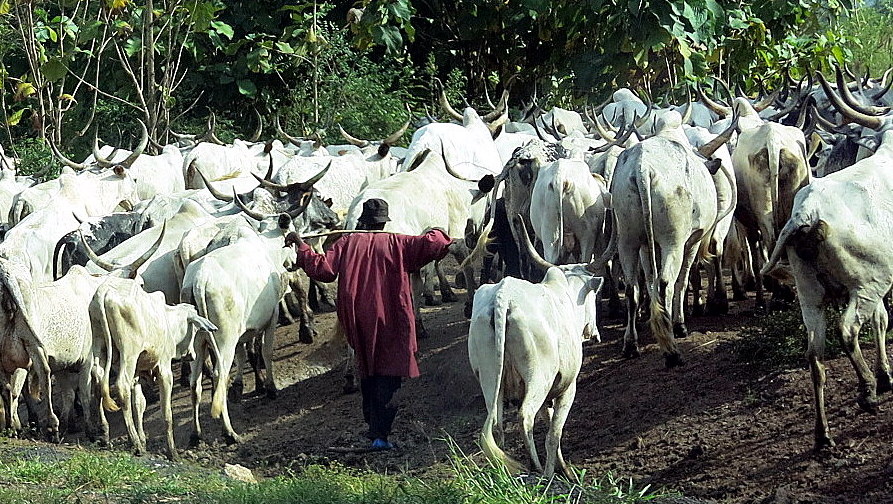
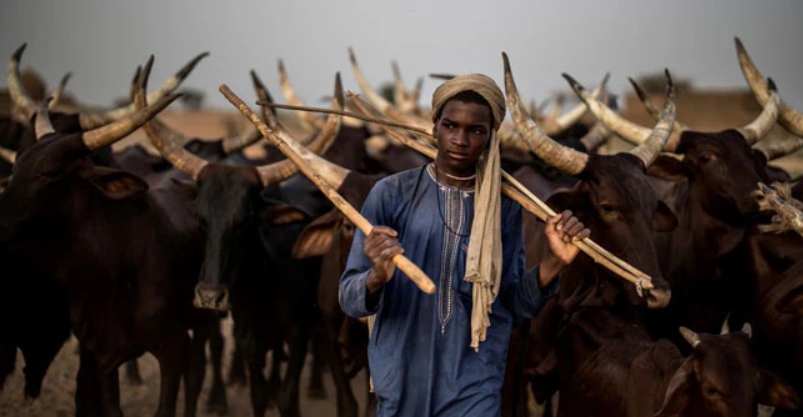
Along the way, we will meet Fulani nomads, who constantly move across the savannah with their herds of zebu in search of new pastures.
We will visit a small settlement inhabited mainly by women and children. We will be invited into traditional homes, where we will be shown family photographs, wedding gifts and jewellery made from beads, amber, stones and antique glass.
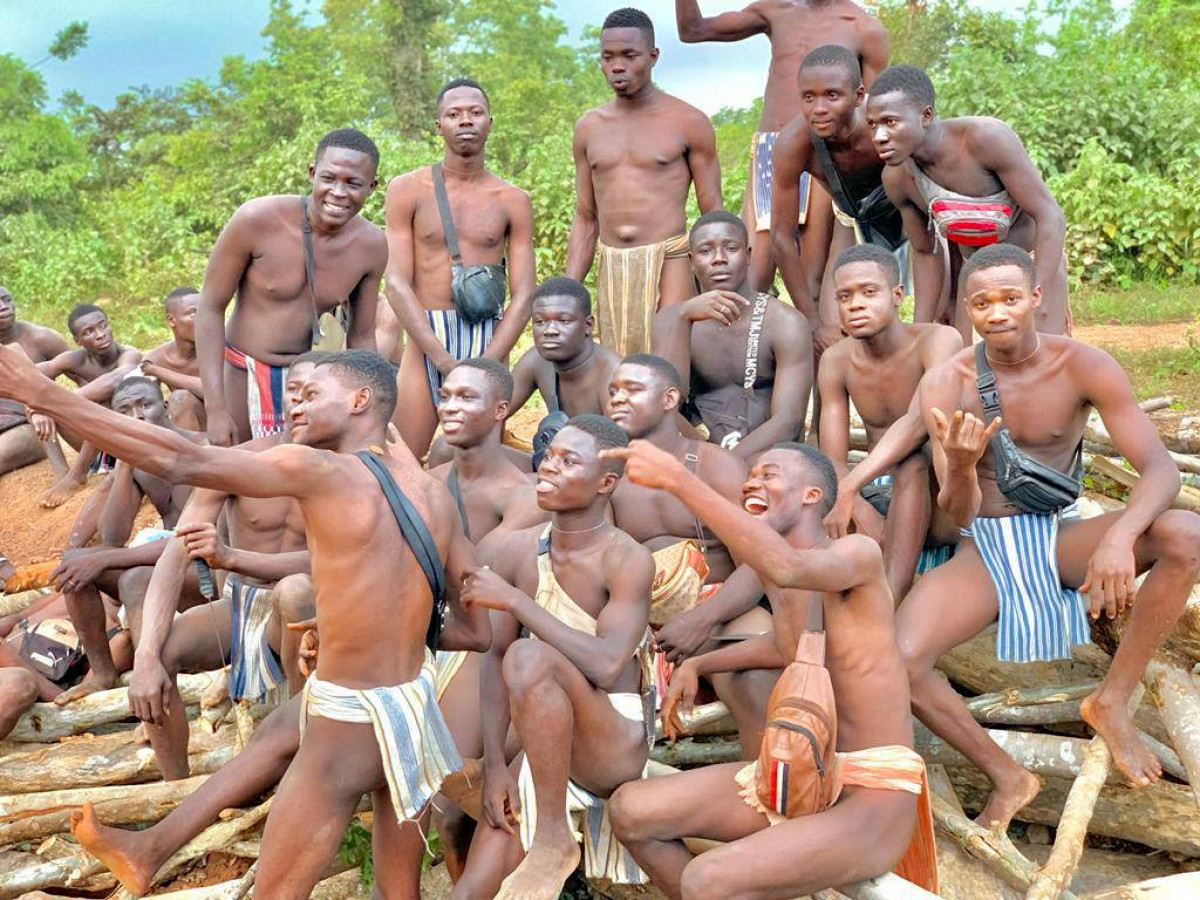
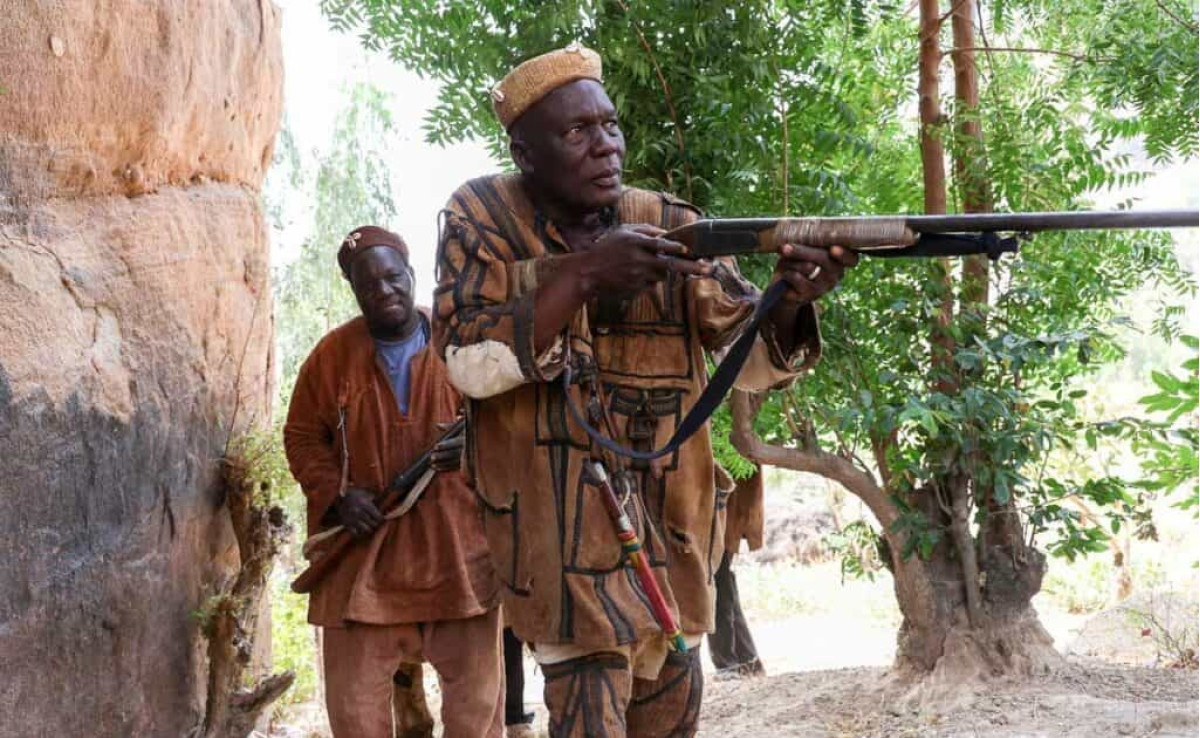
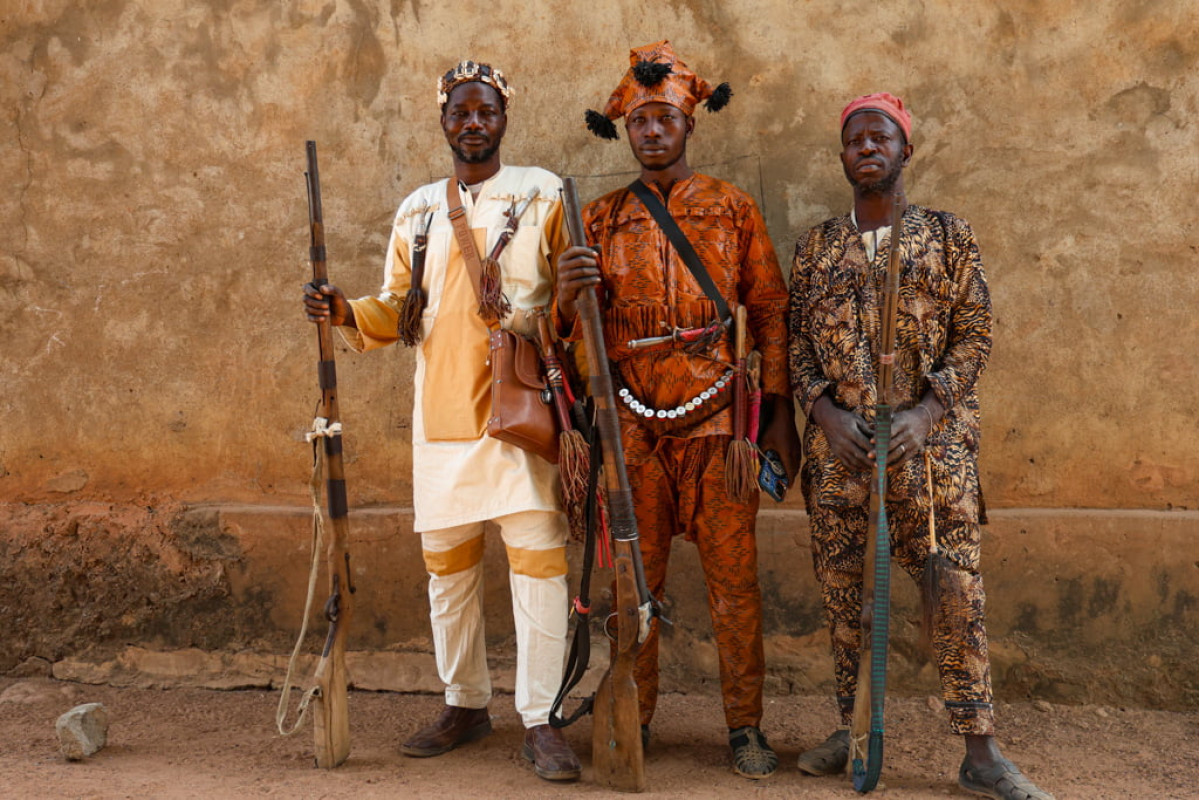
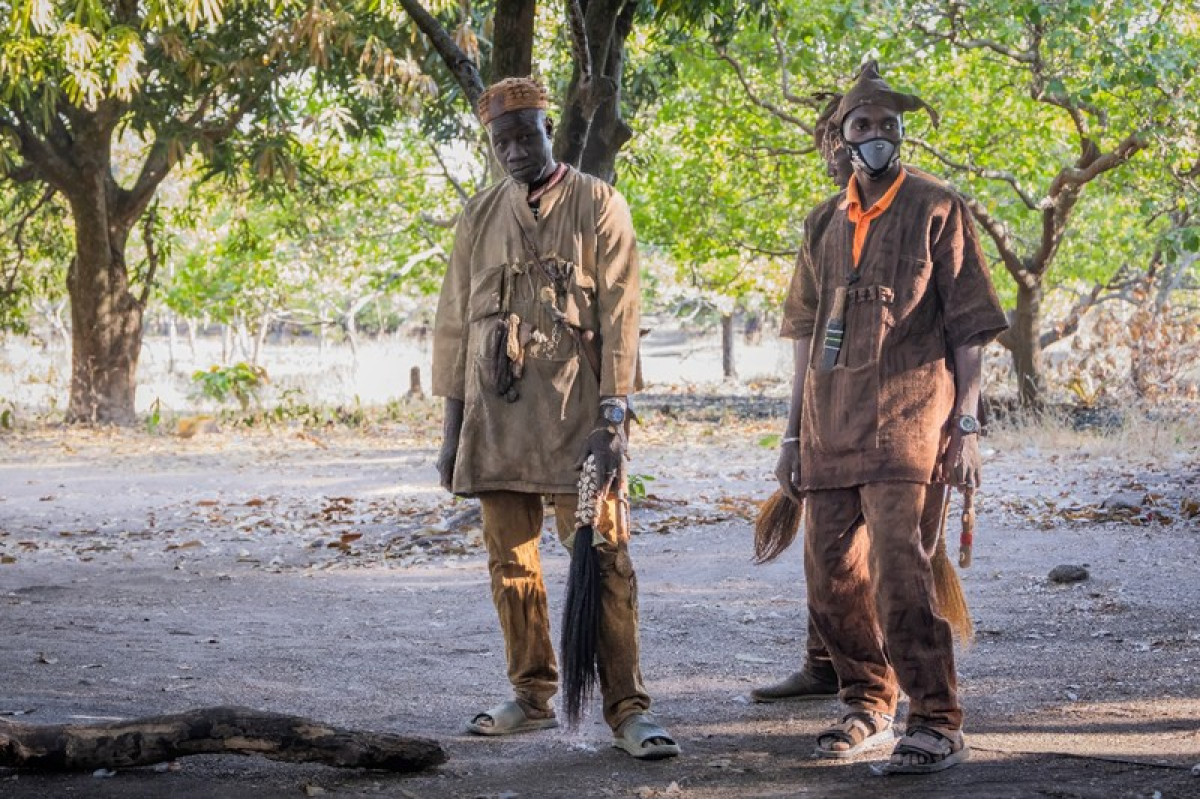
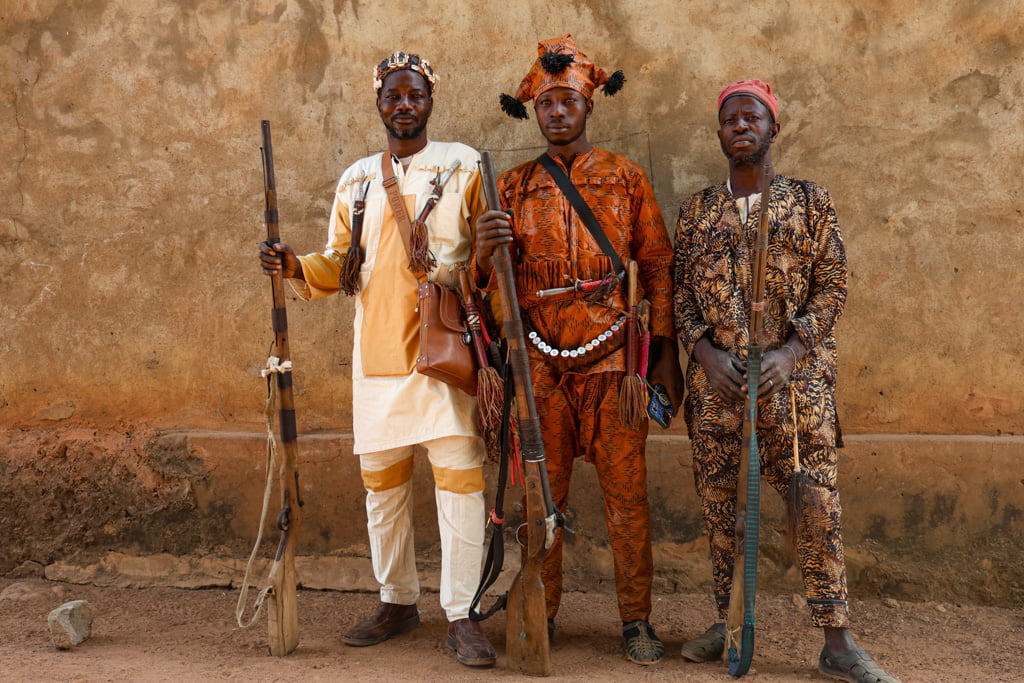
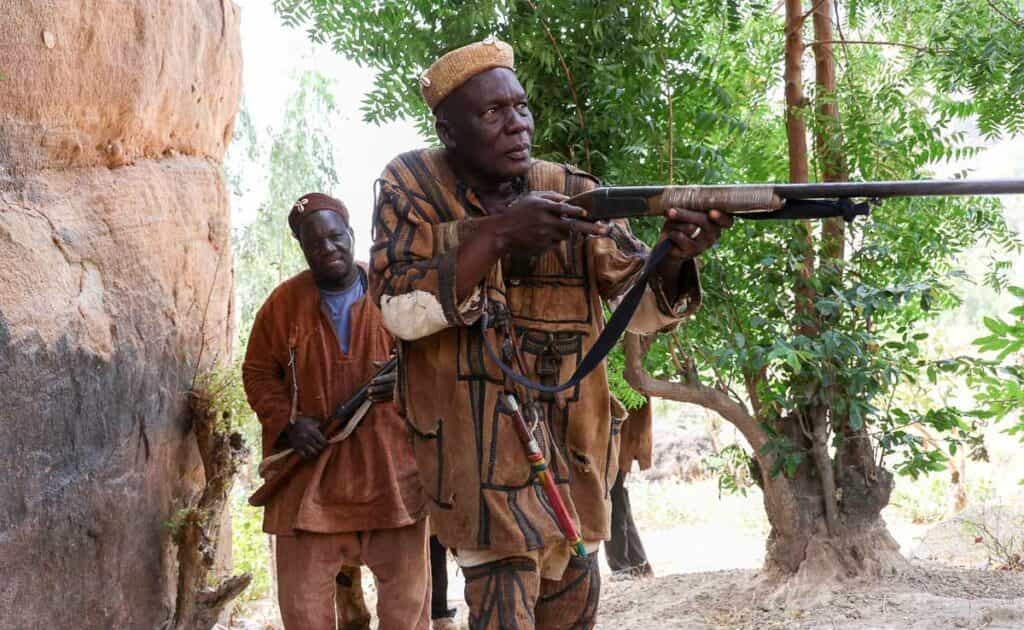
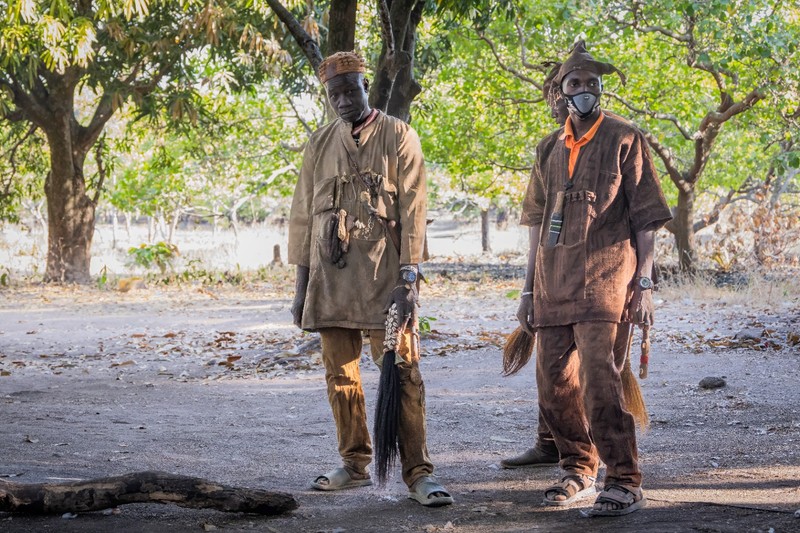
Continuing towards the Odienné region, we will meet the Malinké — descendants of the ancient Mali Empire. It is here that the tradition of the Dozo has been preserved: initiated hunters known for their courage, knowledge of nature and mystical abilities.
Together with the Dozo, we will travel into the savannah. Near a sacred place, the hunters will tell us about medicinal plants, perform a ritual dance and demonstrate their strength.
After the ceremony, we will arrive in Odienné.
Night in Odienné.
In the morning, we leave Odienné and head south to the city of Man. This day will be dedicated to discovering the Yacouba people, better known as the Dan.
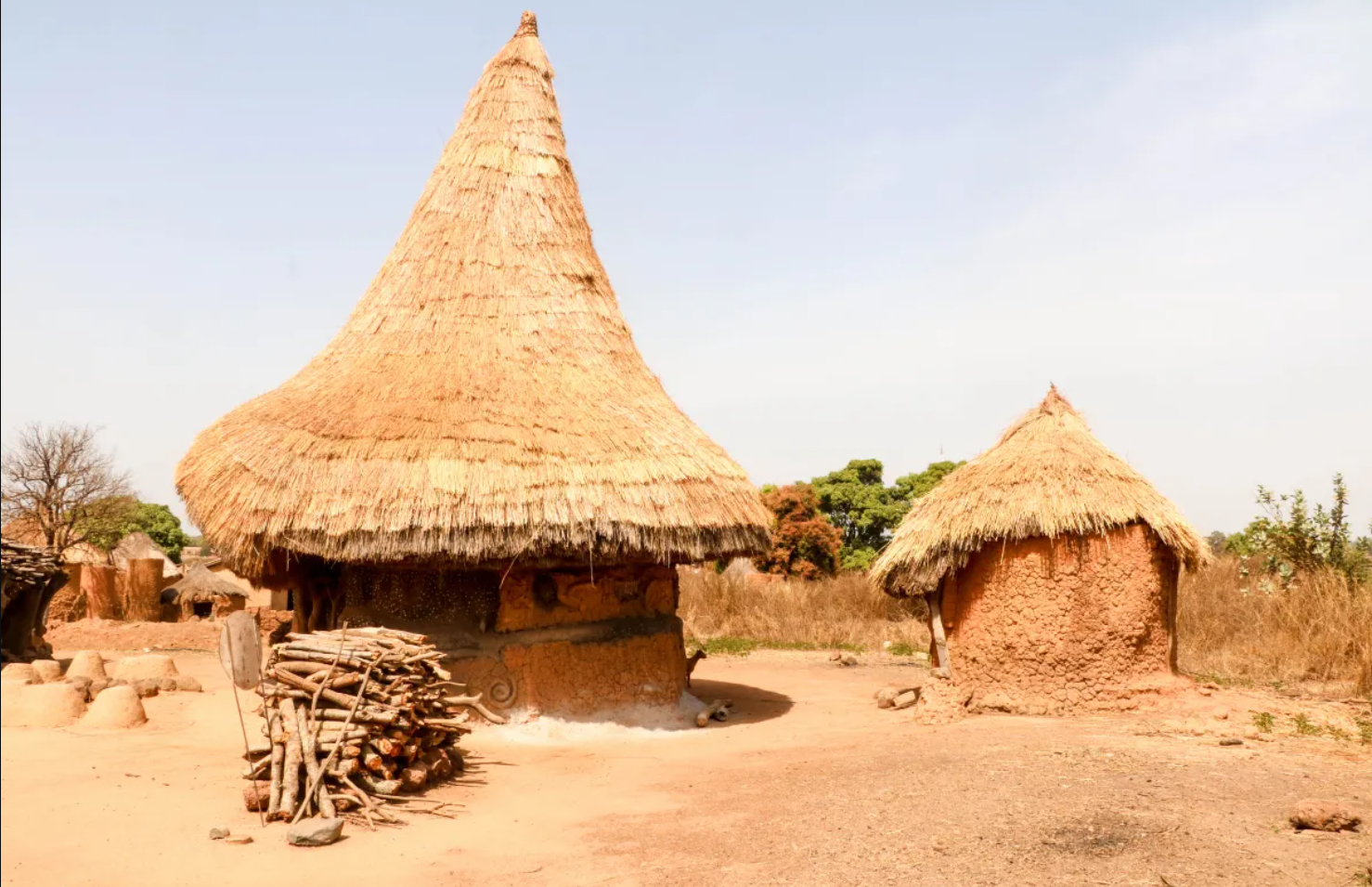
Along the way, we will visit villages built on hillsides. Among them are large round huts with thatched roofs and houses decorated with traditional frescoes.
Among coffee plantations and beneath the canopy of an enormous iroko tree lies a pond inhabited by sacred catfish. Local people consider them the guardians of the souls of their ancestors.
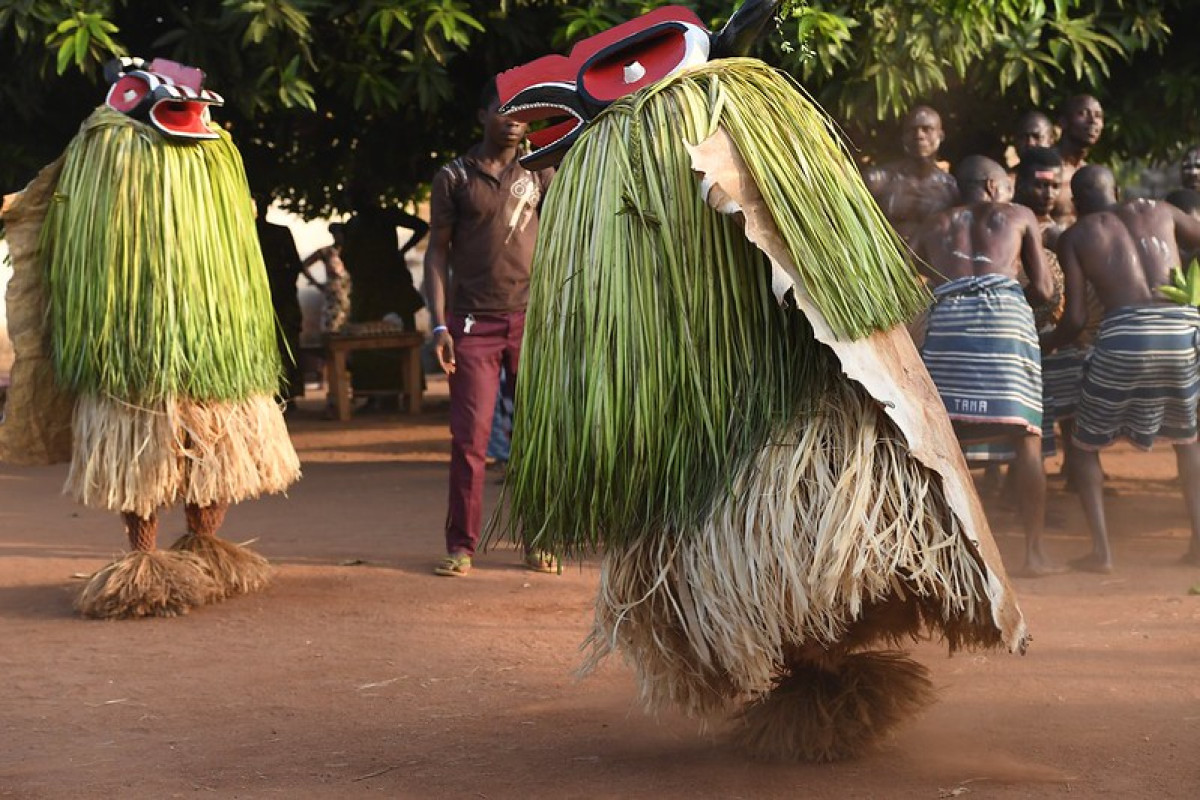
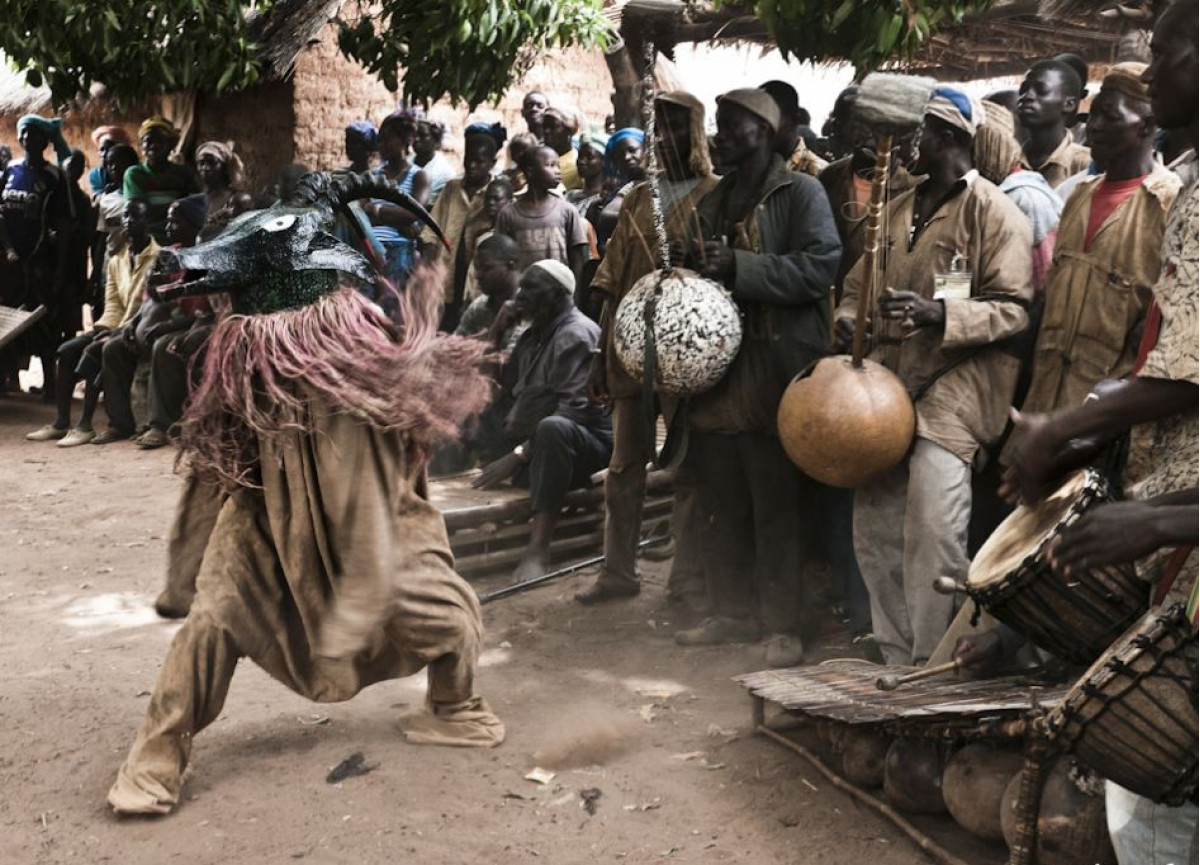
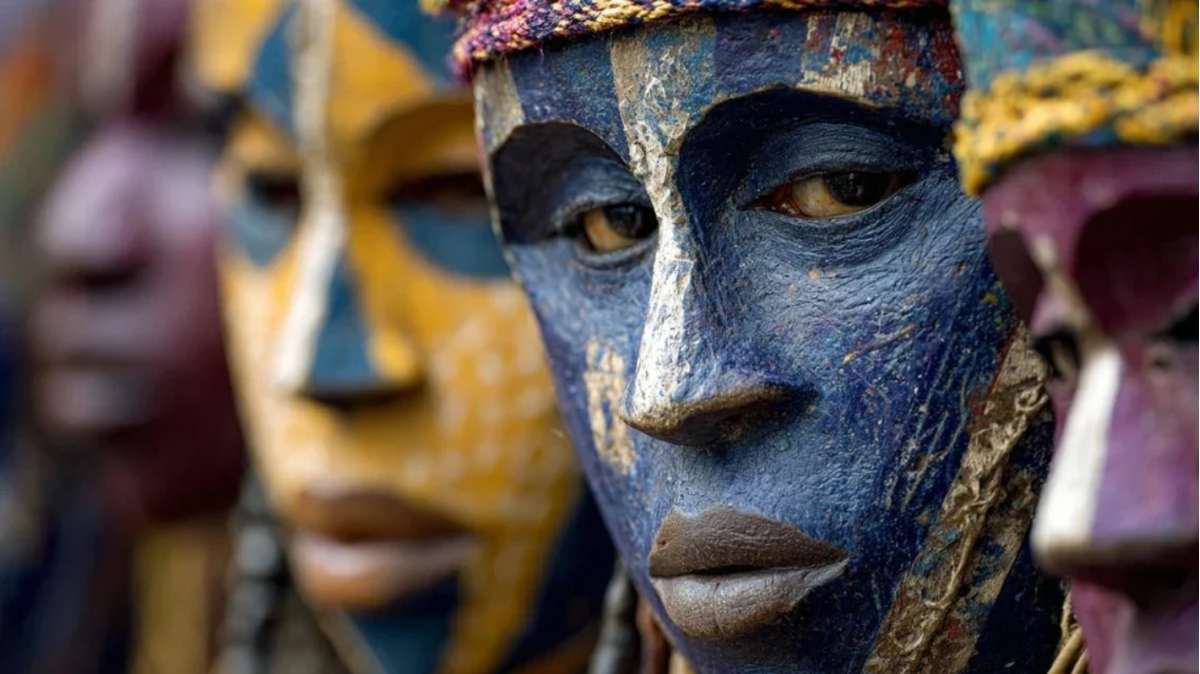
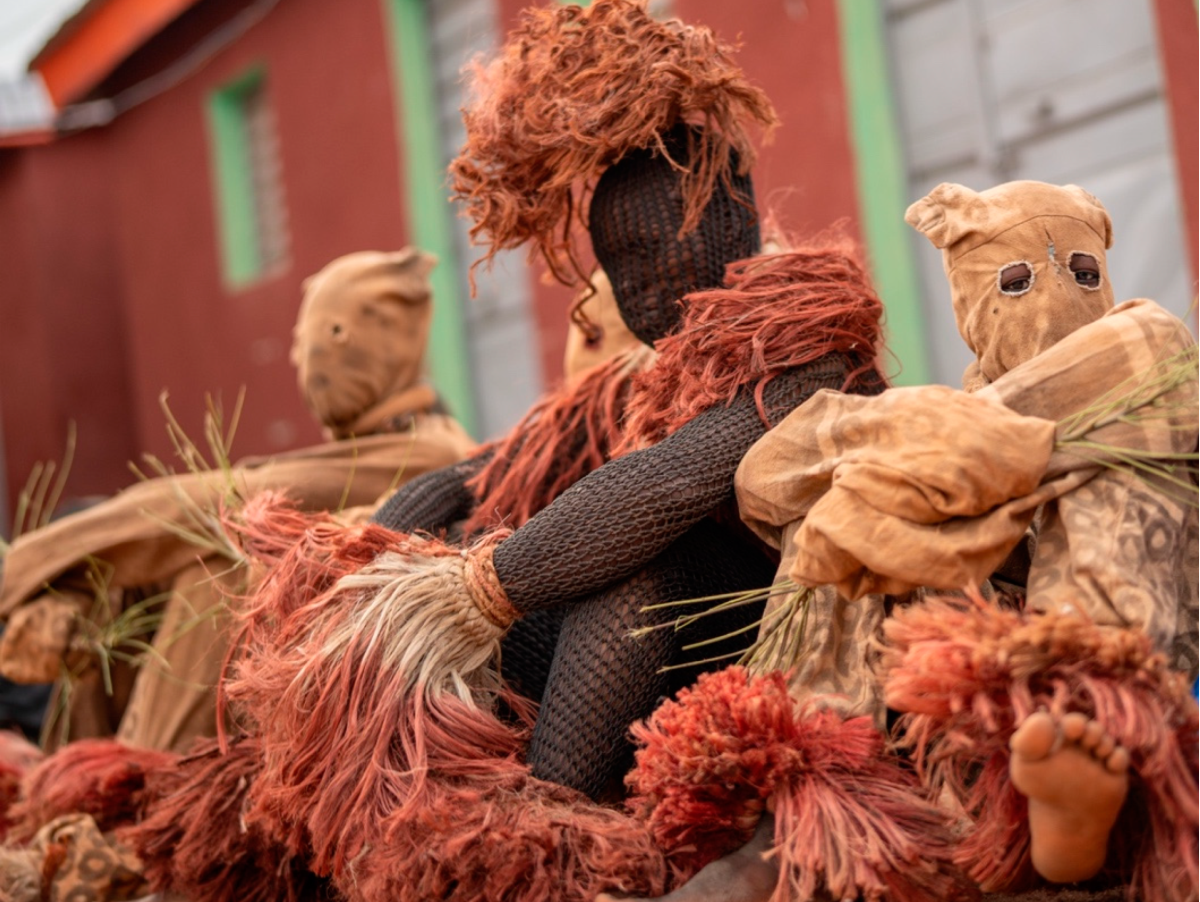
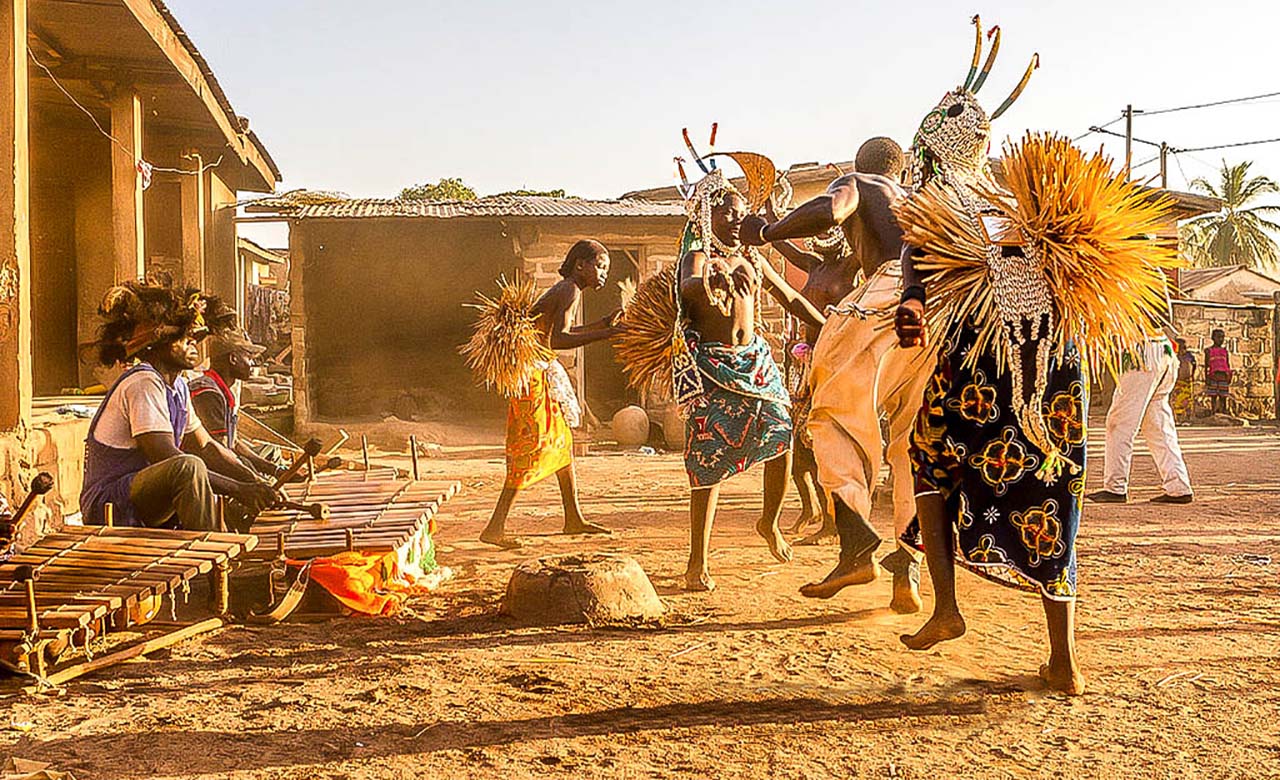
Soon, the silence will be broken by the sound of tam-tams and the cries of the initiated. This will be the signal for the masks to leave the sacred forest. One after another, they will appear among the trees, representing spirits, ancestors and the forces of nature.
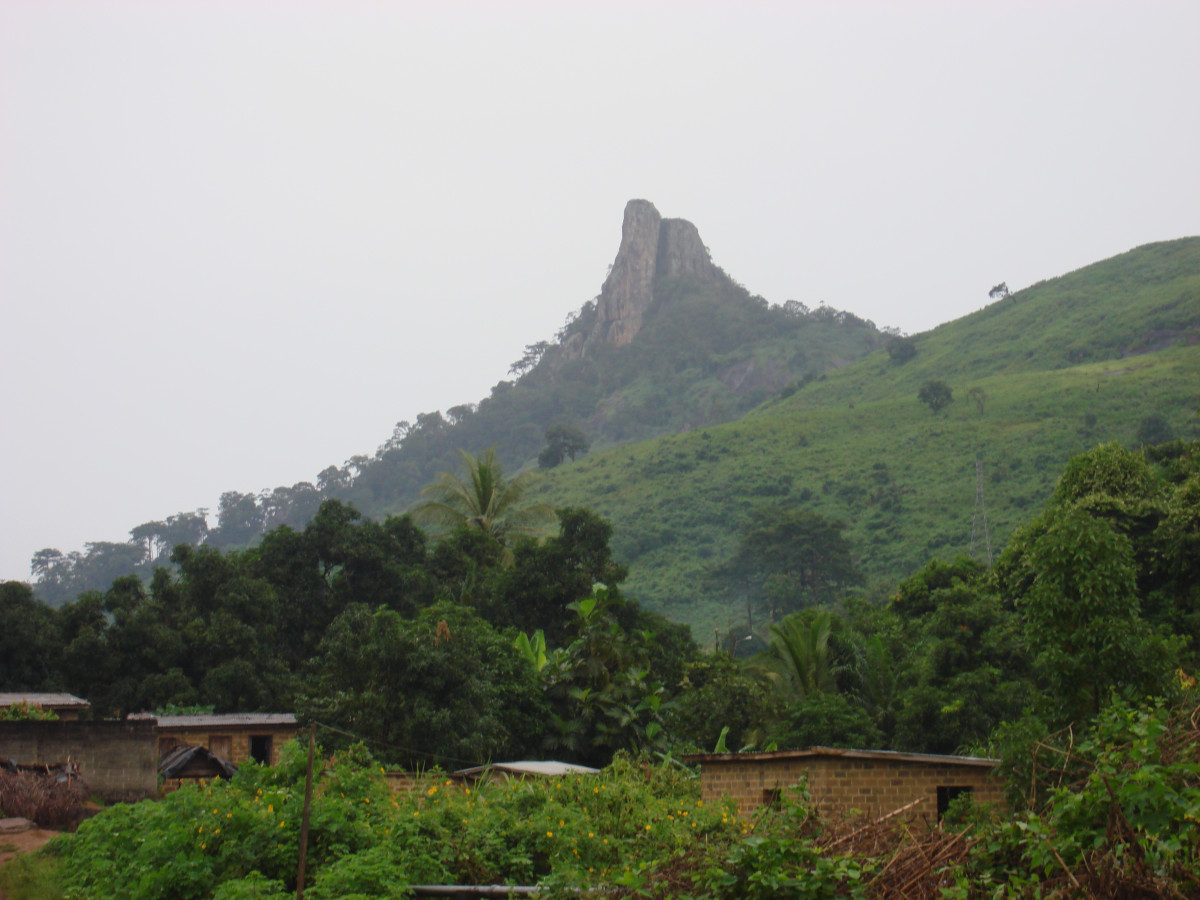
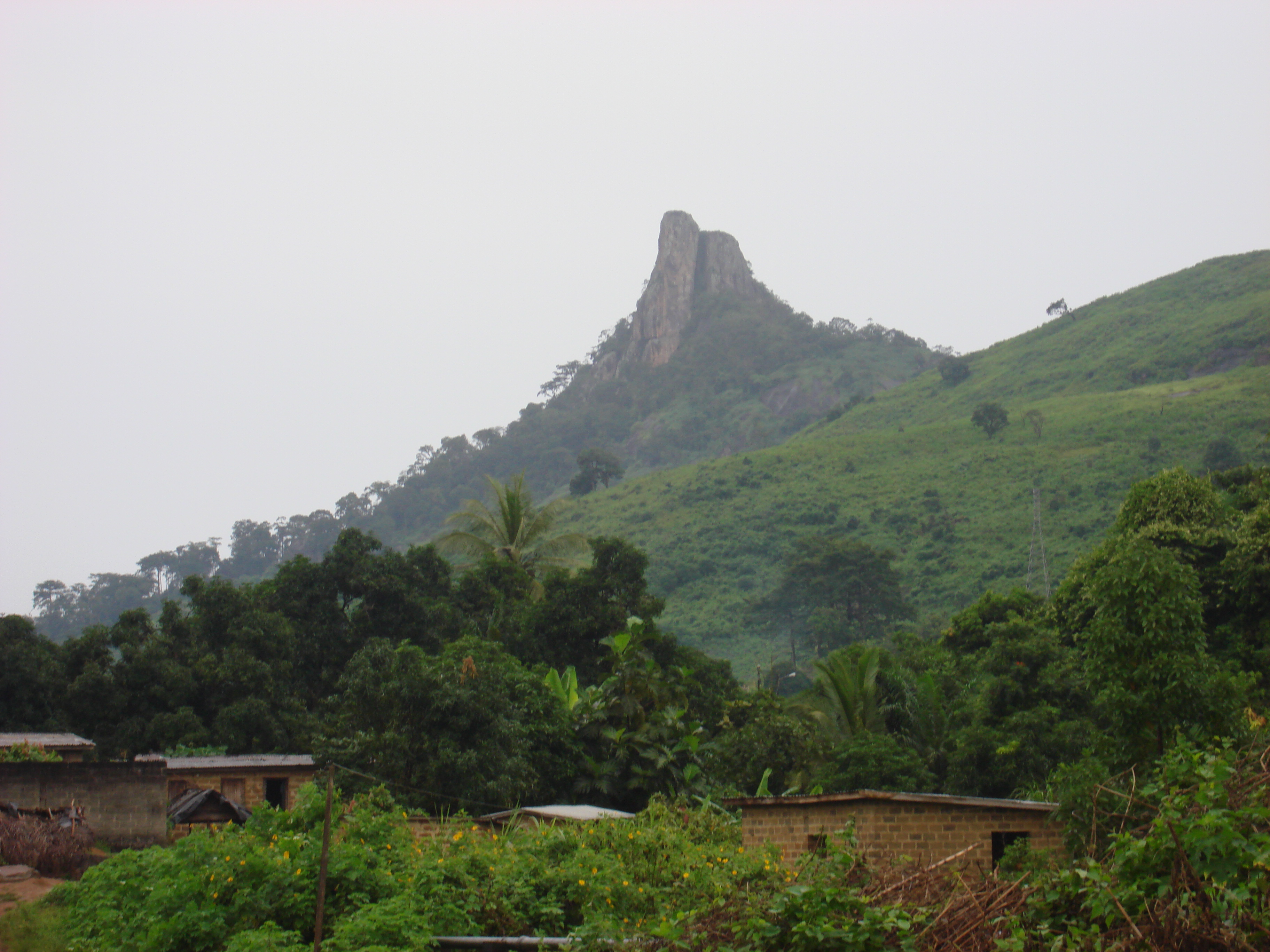
After the ceremony, we will continue our journey to Man. When Mount Tonkpi appears on the horizon with its characteristic tooth-shaped peak, we will understand that we are approaching the city.
Night in Man.
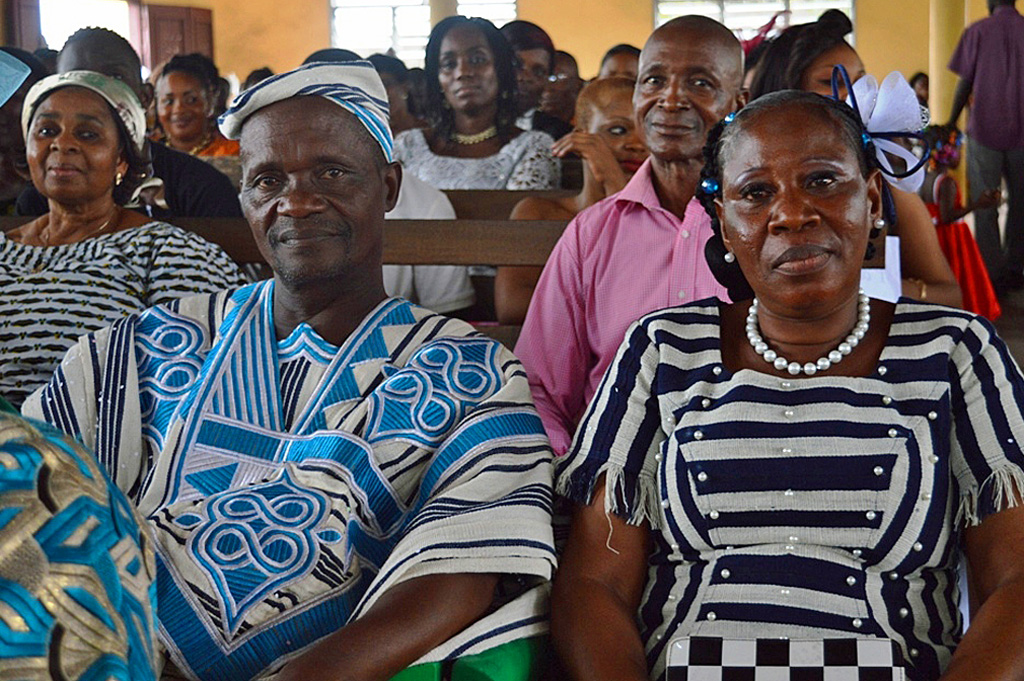
In the morning, we leave Man and travel to the remote Danané region, situated among tropical forests near the borders of Côte d’Ivoire, Liberia and Guinea.
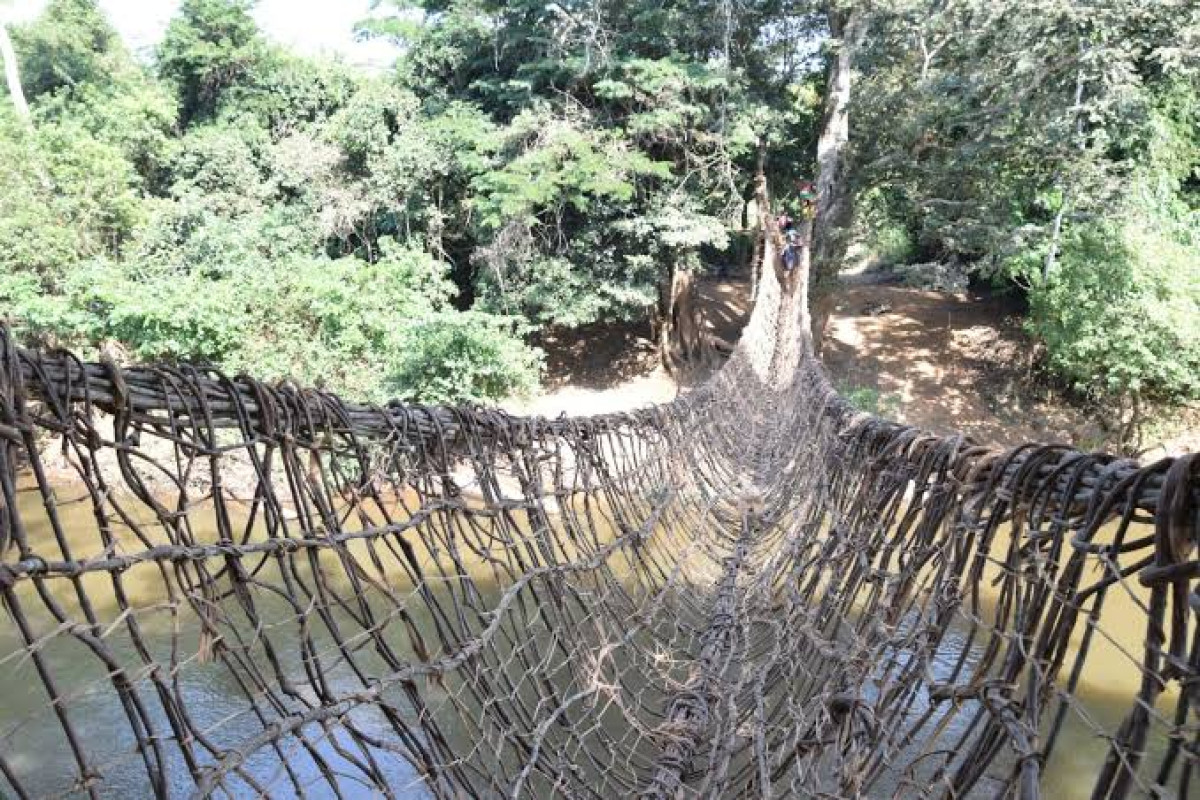
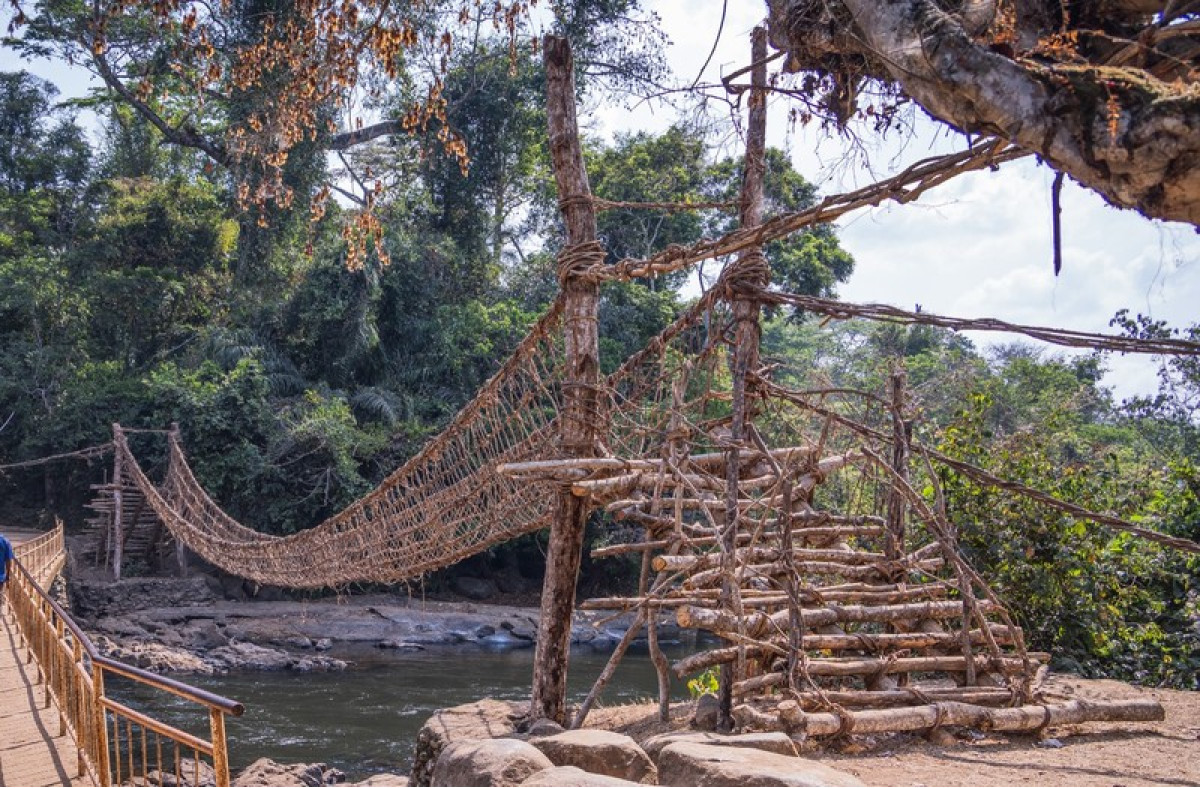
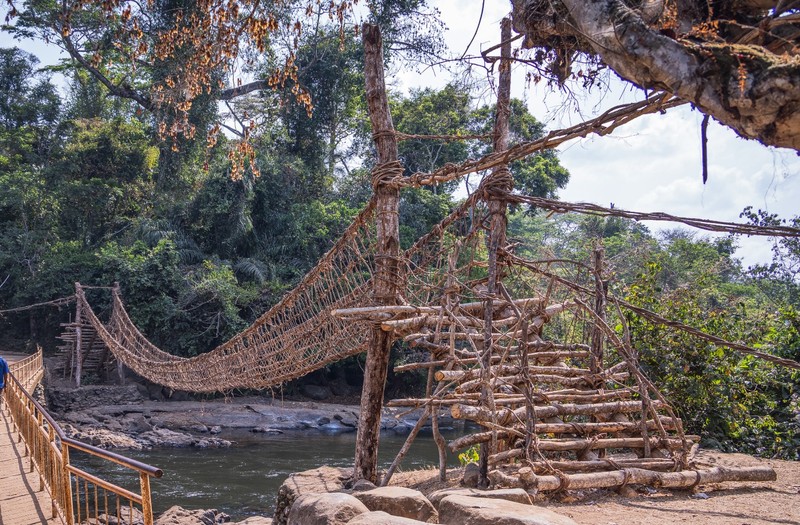
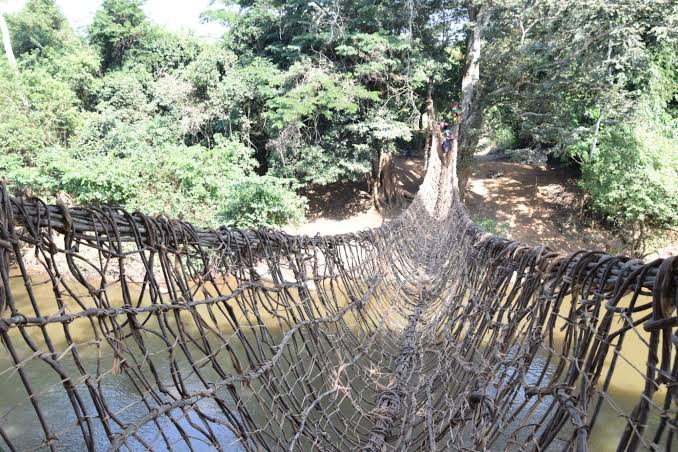
This region is known for its long bridges made entirely from lianas. According to local legends, they are secretly built by initiated young men, who complete all the work in a single night.
Crossing the bridge does not require special preparation, but traditional prohibitions must be observed. Heavy loads and babies may not be carried across the bridge.
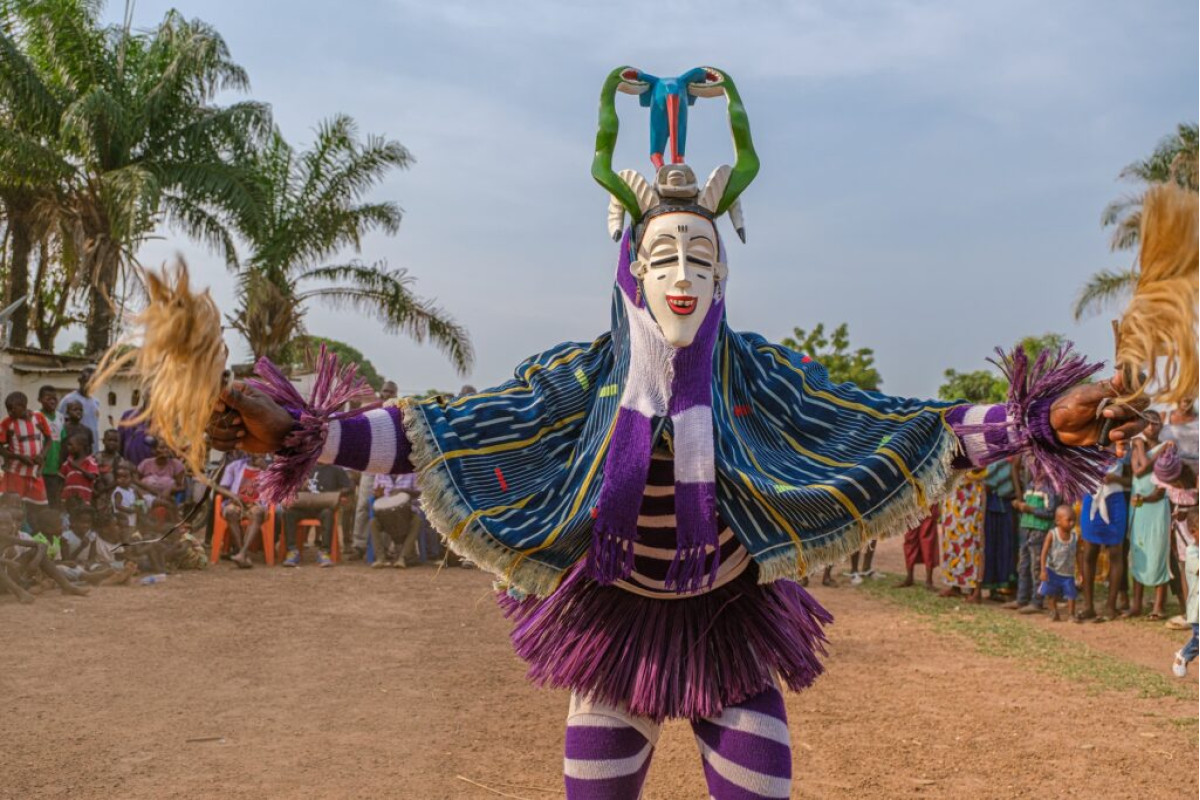
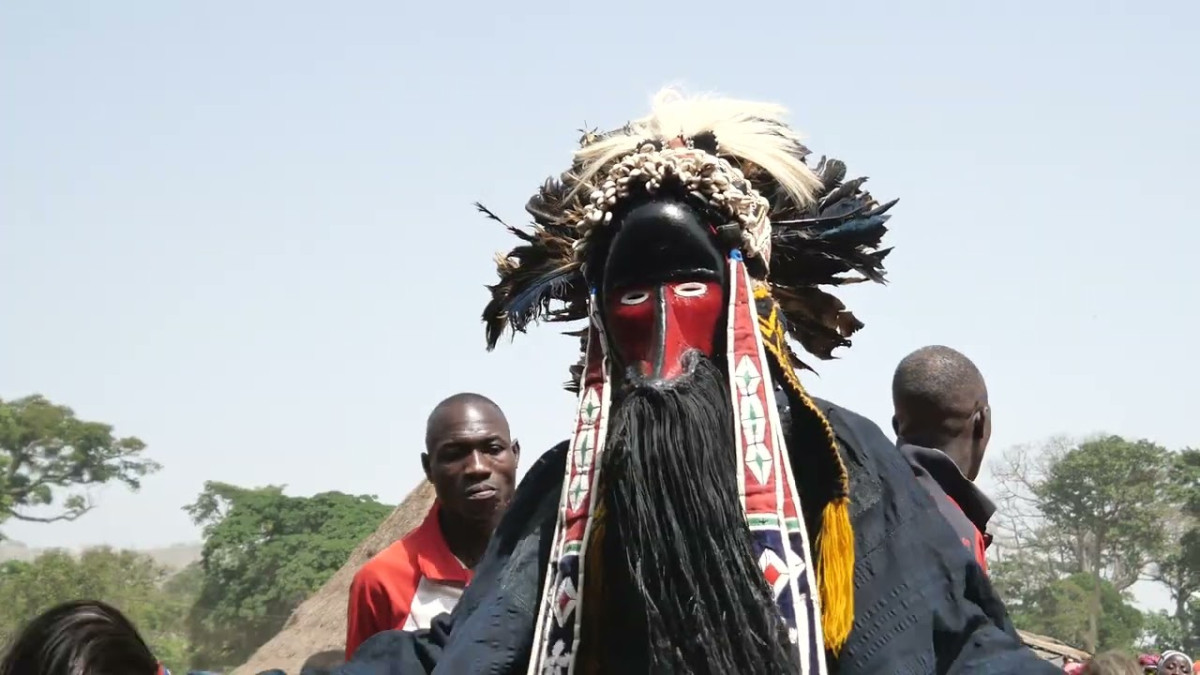
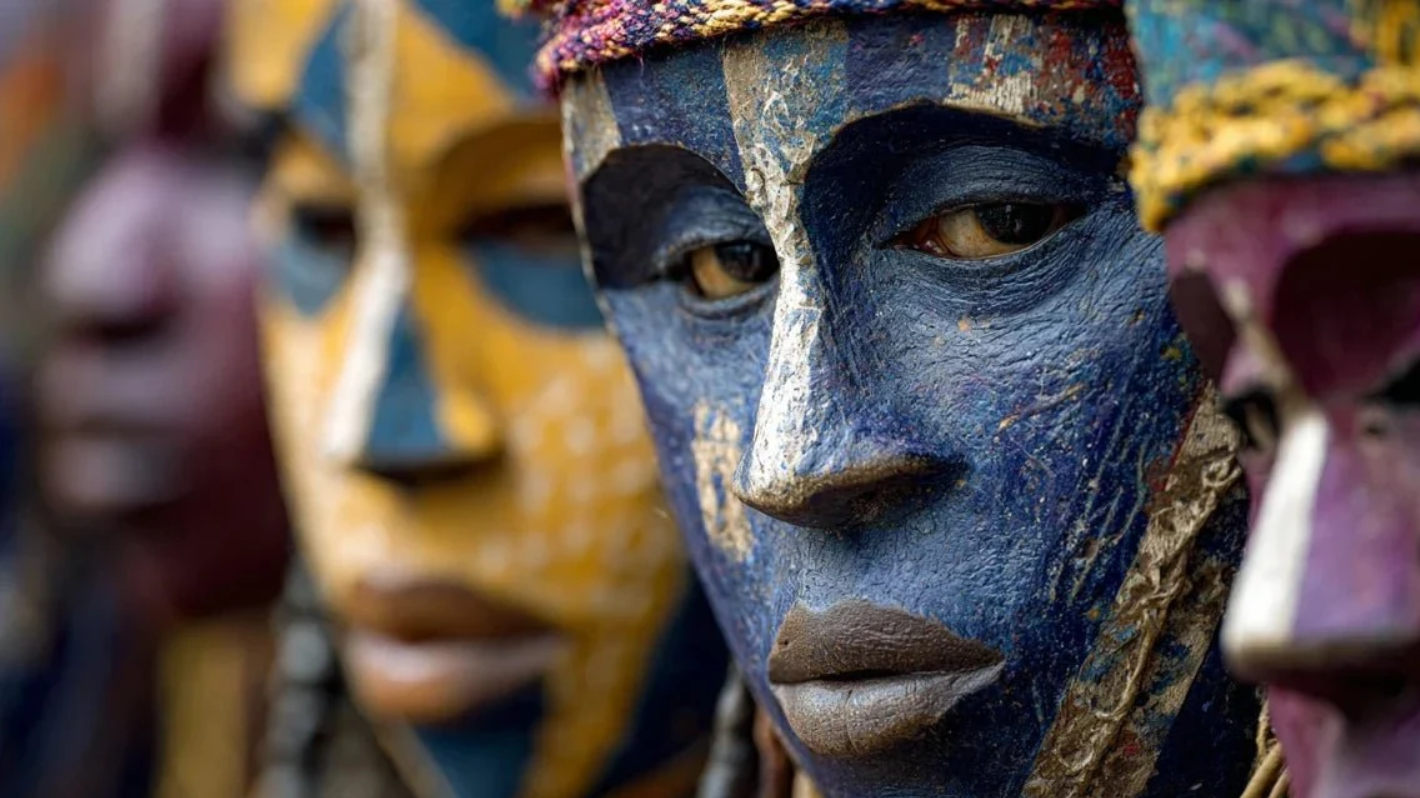
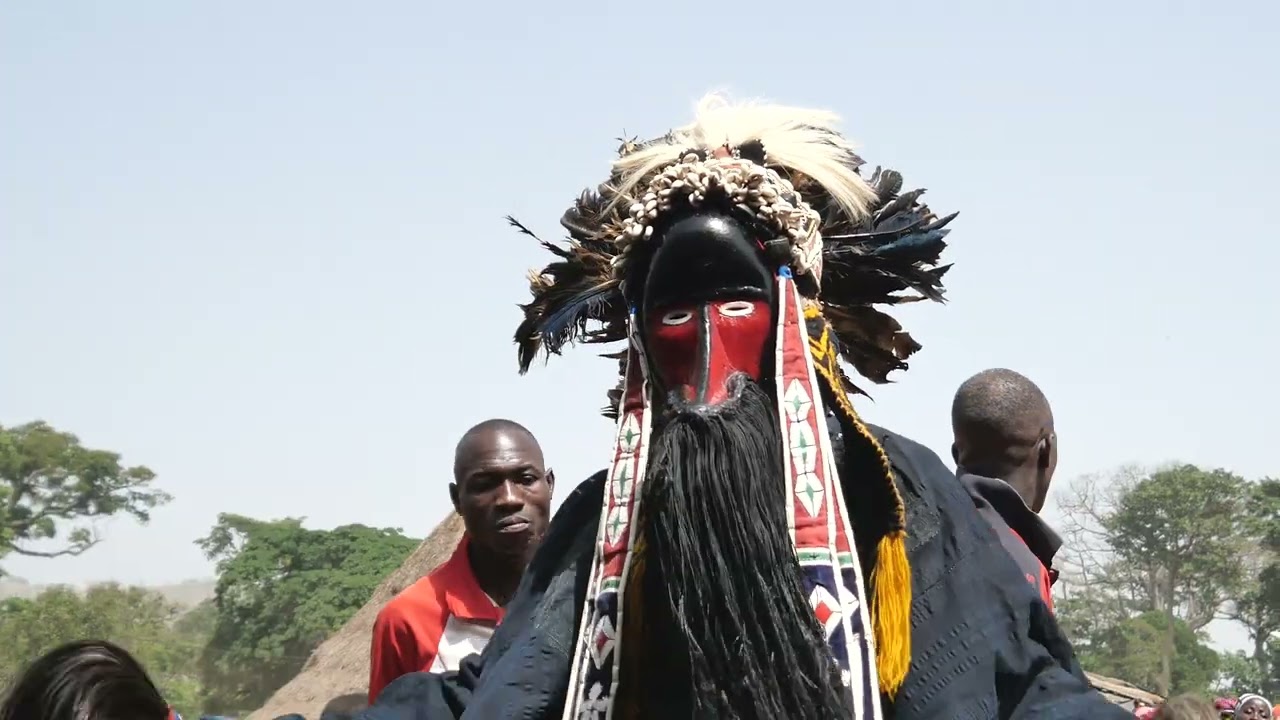
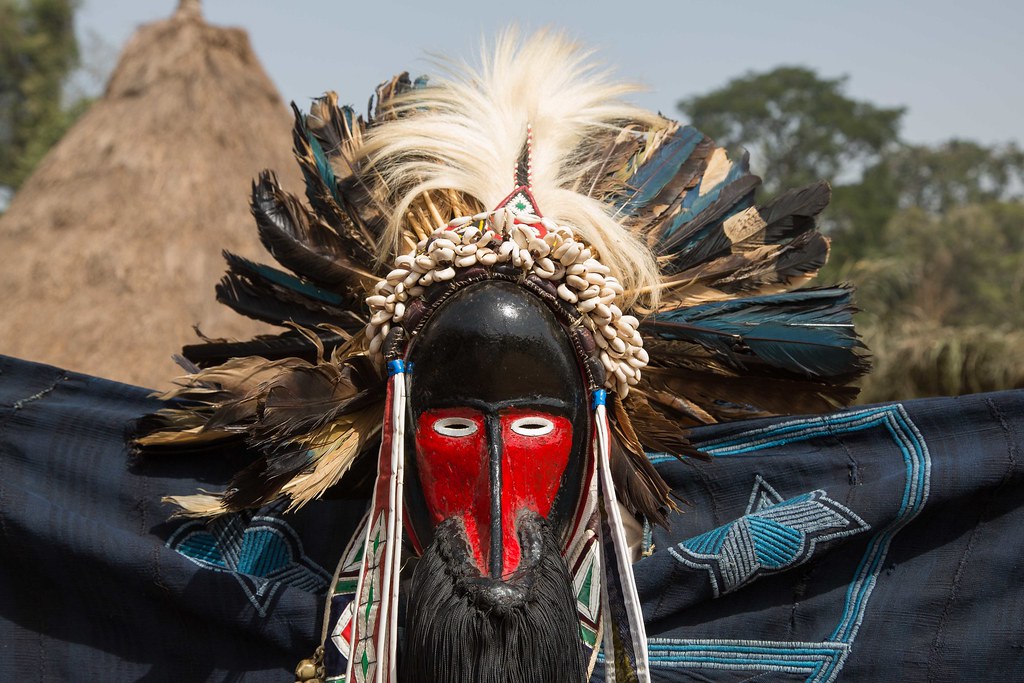
A mask ceremony will await us in a small nearby village. Sacred masks of the Dan and Guéré peoples will emerge from the forest.
During the dance, the boundary between the human and spiritual worlds seems to disappear. The community restores its connection with the ancestors, gives thanks to the gods and brings harmony back into its life.
After the ceremony, we will return to Man.
Second night in Man.
In the morning, we leave Man in four-wheel-drive vehicles and head to one of the most isolated forest regions of the route.
The road will follow forest tracks and cross wooden bridges, gradually leading us to remote settlements inhabited by the Guéré people. The appearance of foreigners here remains a rare event.
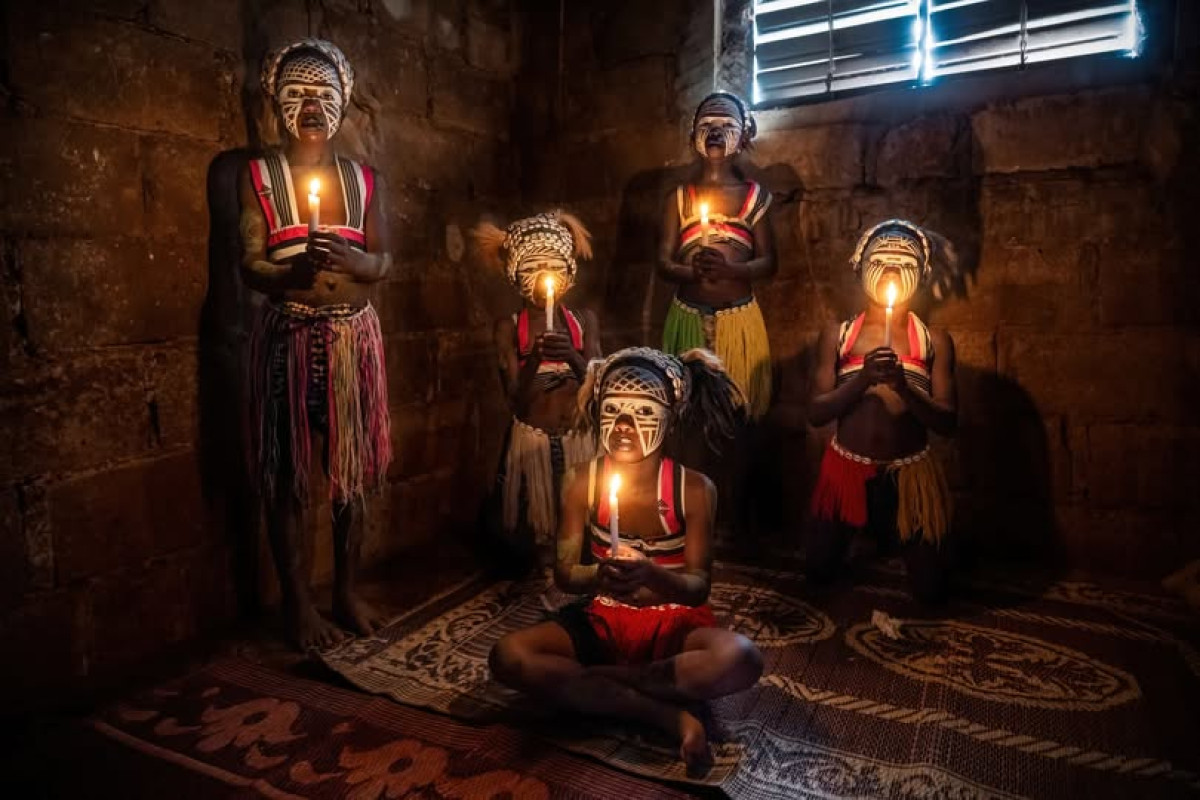
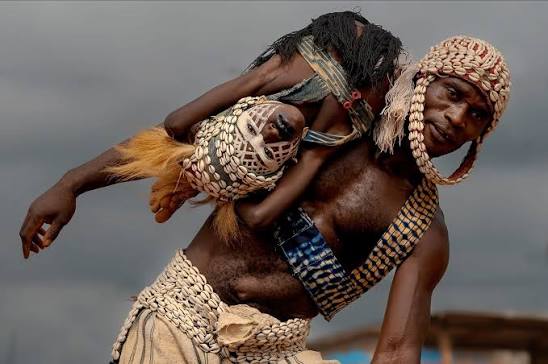
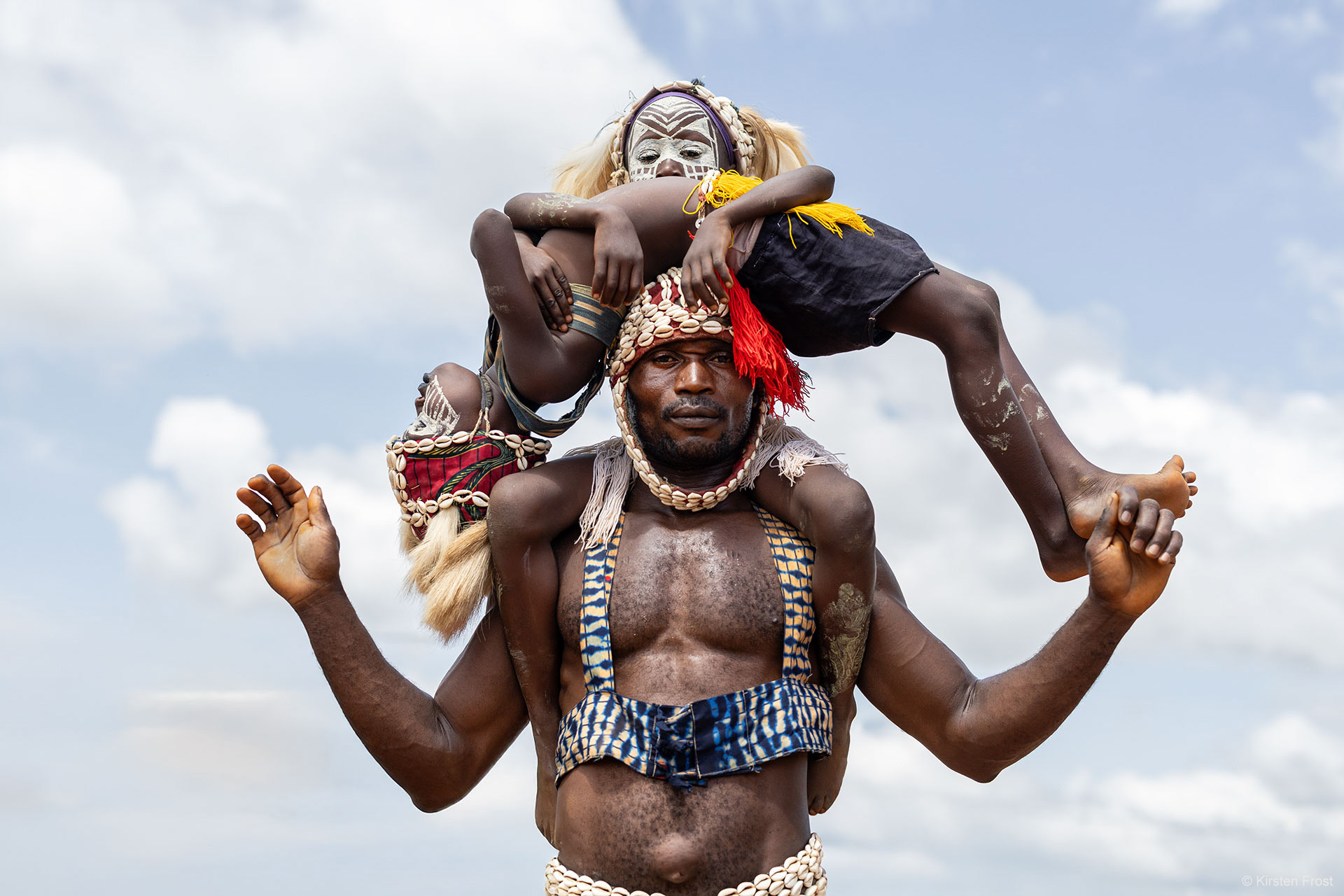
In honour of our arrival, sacred masks will appear in the village. To the sound of drums, they will perform a dance combining communication with the ancestors, protection of the community and restoration of spiritual balance.
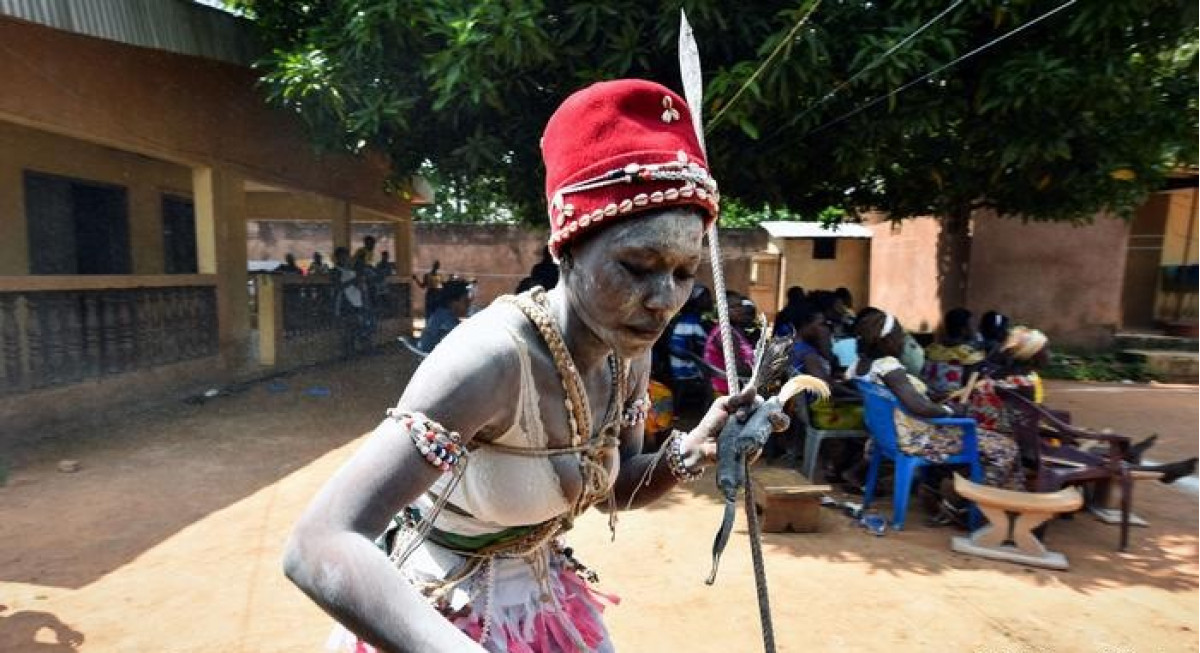
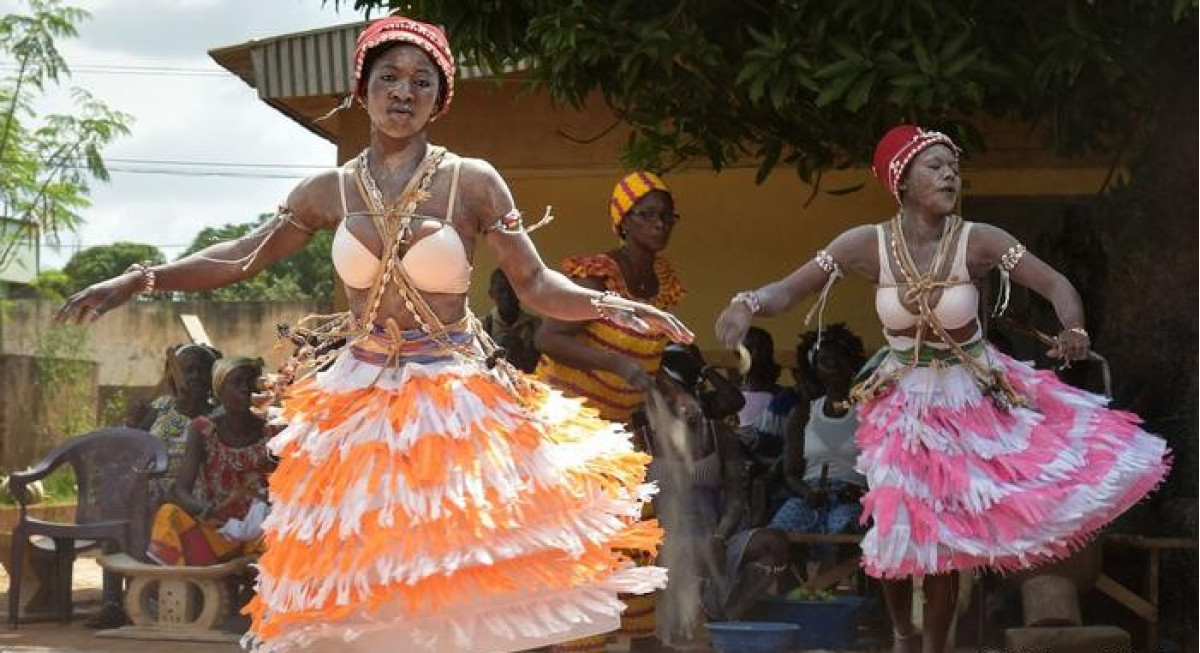
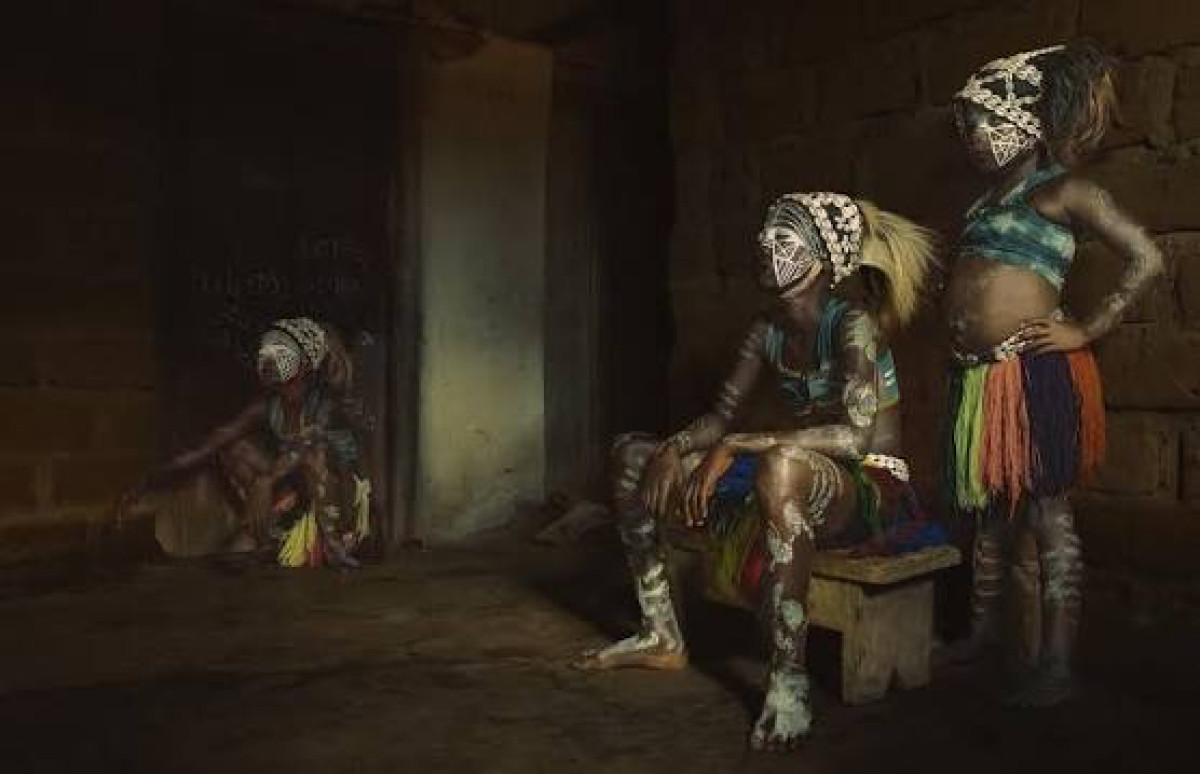
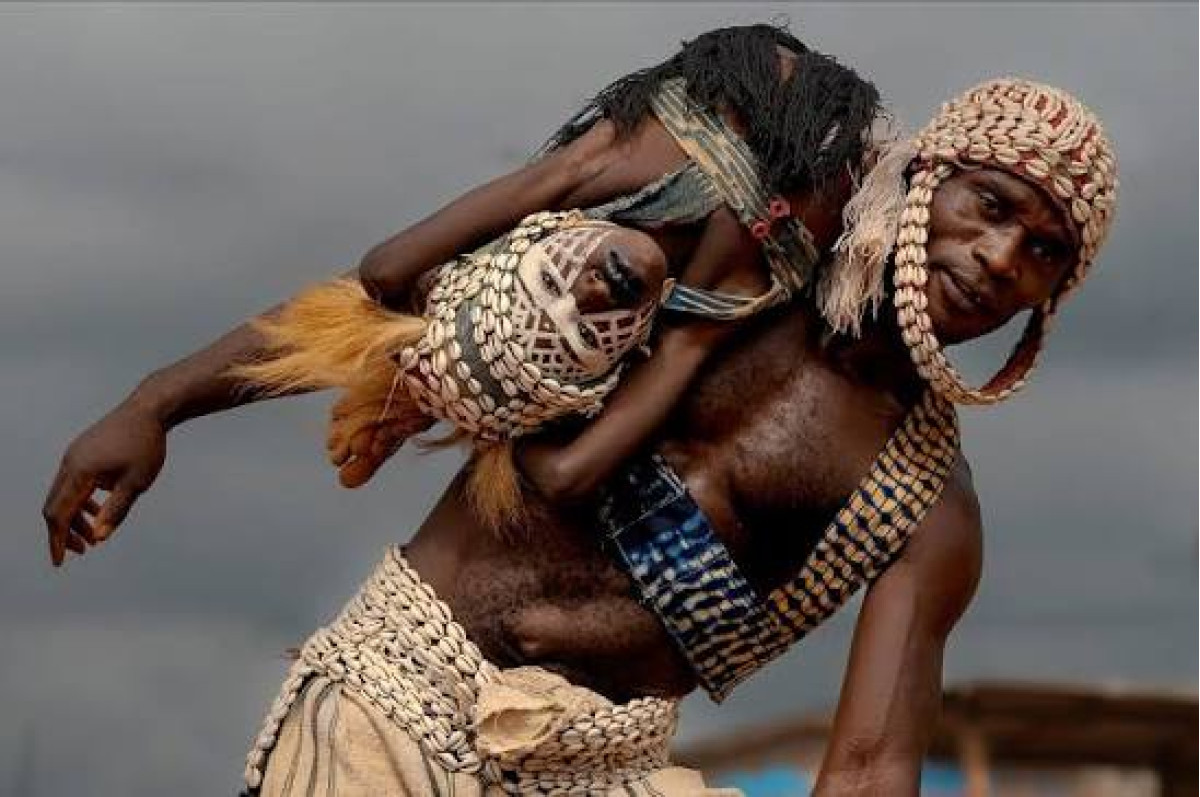
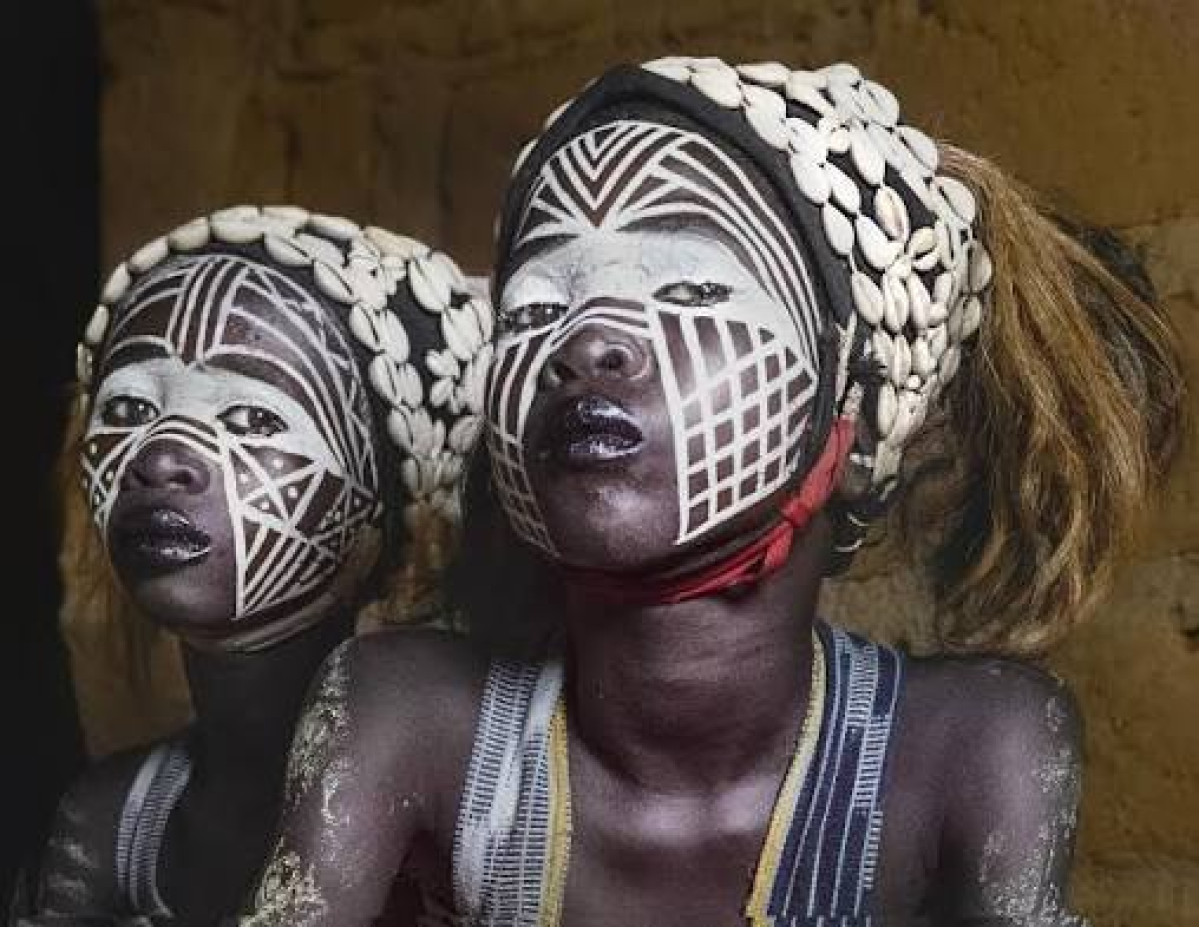
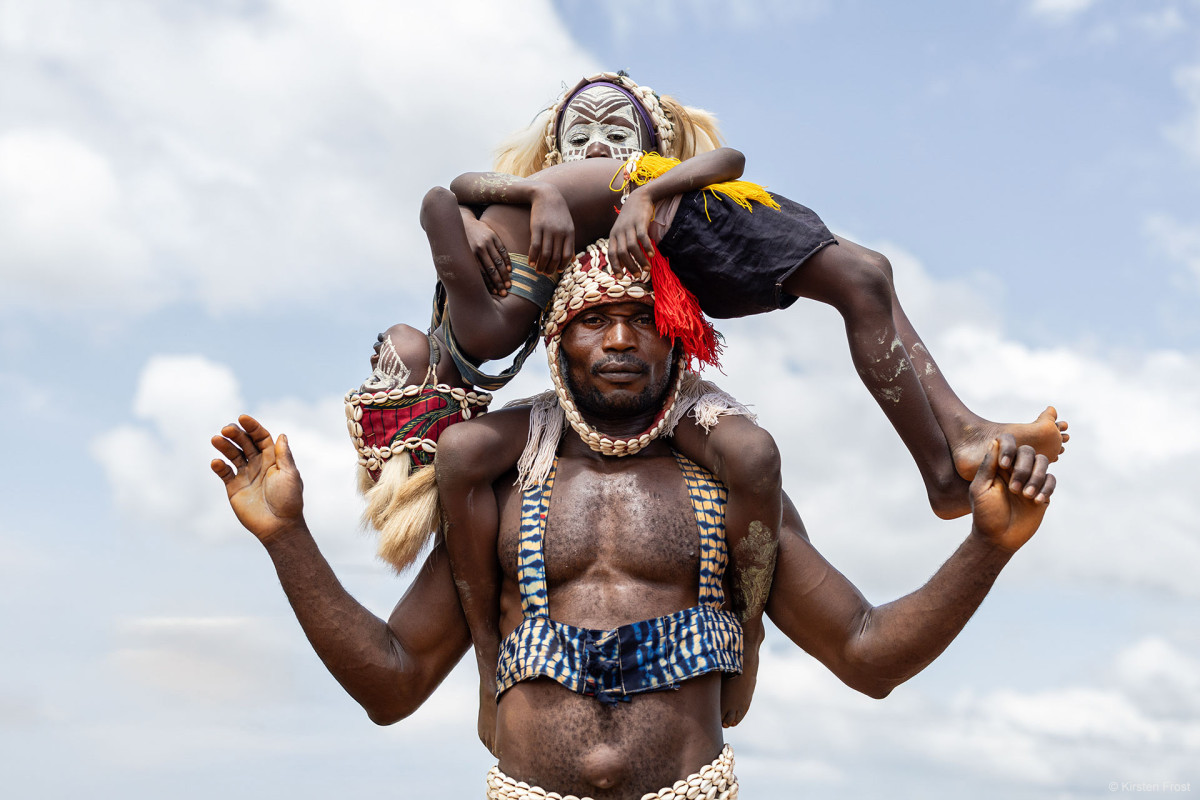
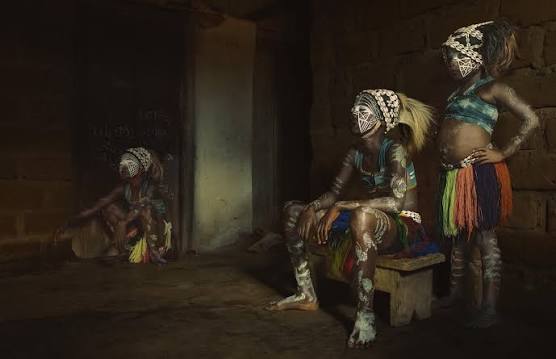
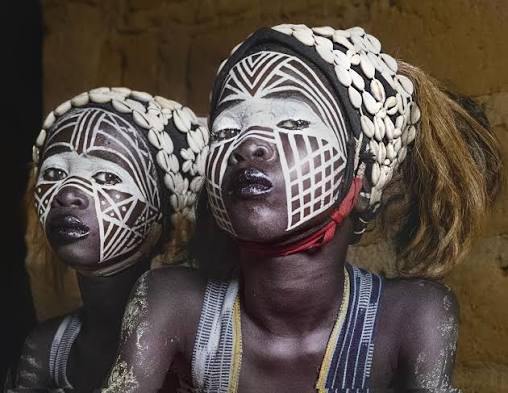
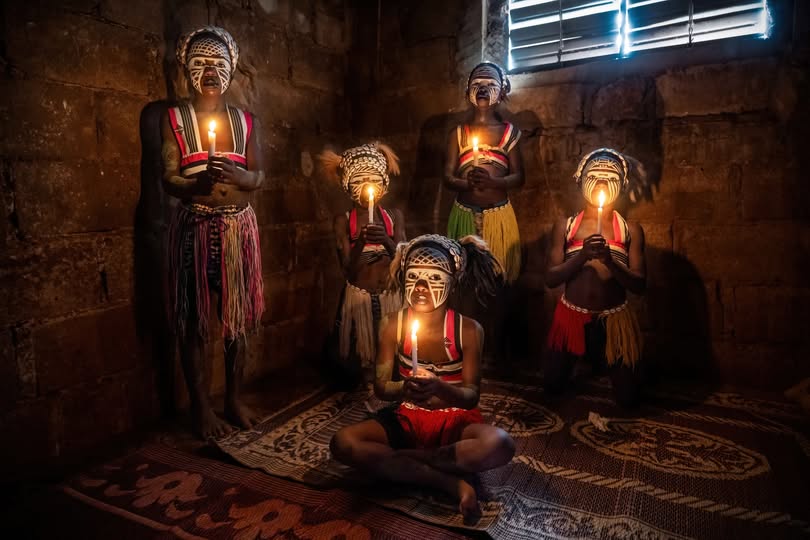
Afterwards, we will see a rare performance by female jugglers. Initiated girls with their faces painted with white kaolin will perform a complex acrobatic dance.
In the afternoon, we will return to Man, travel to the local airport and fly to Abidjan.
After arrival — transfer to the hotel.
Night in Abidjan.
In the morning, we will begin our discovery of modern Abidjan.
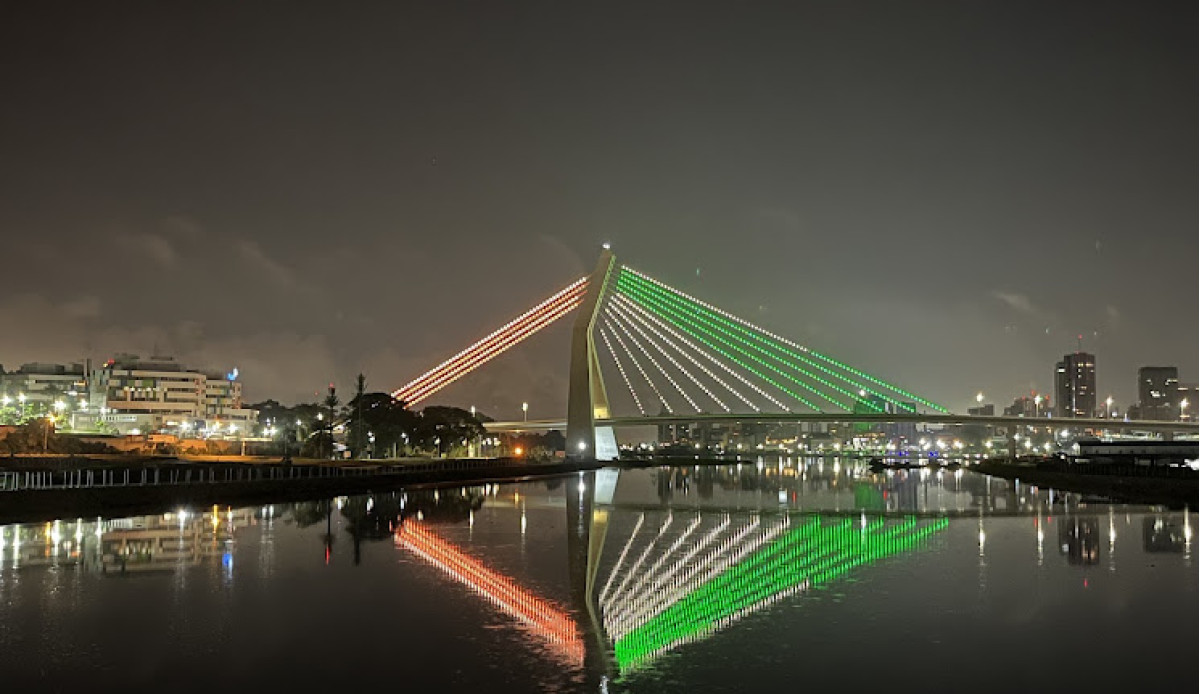
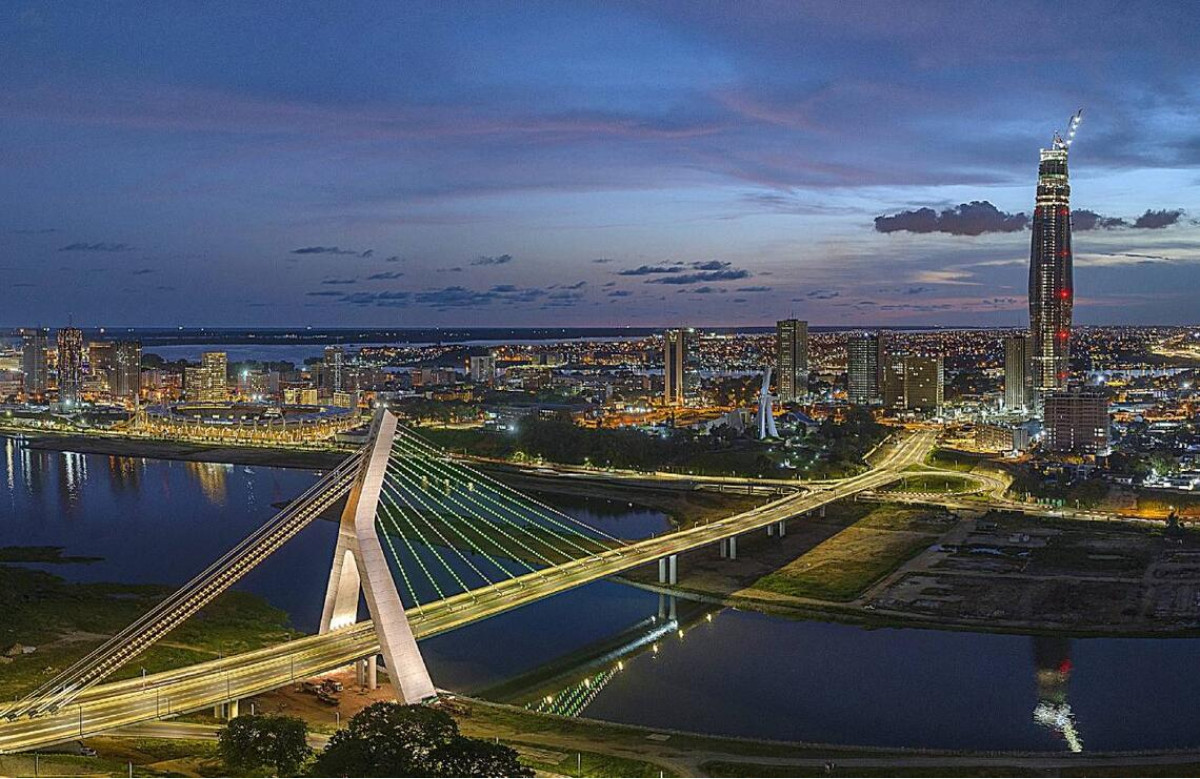
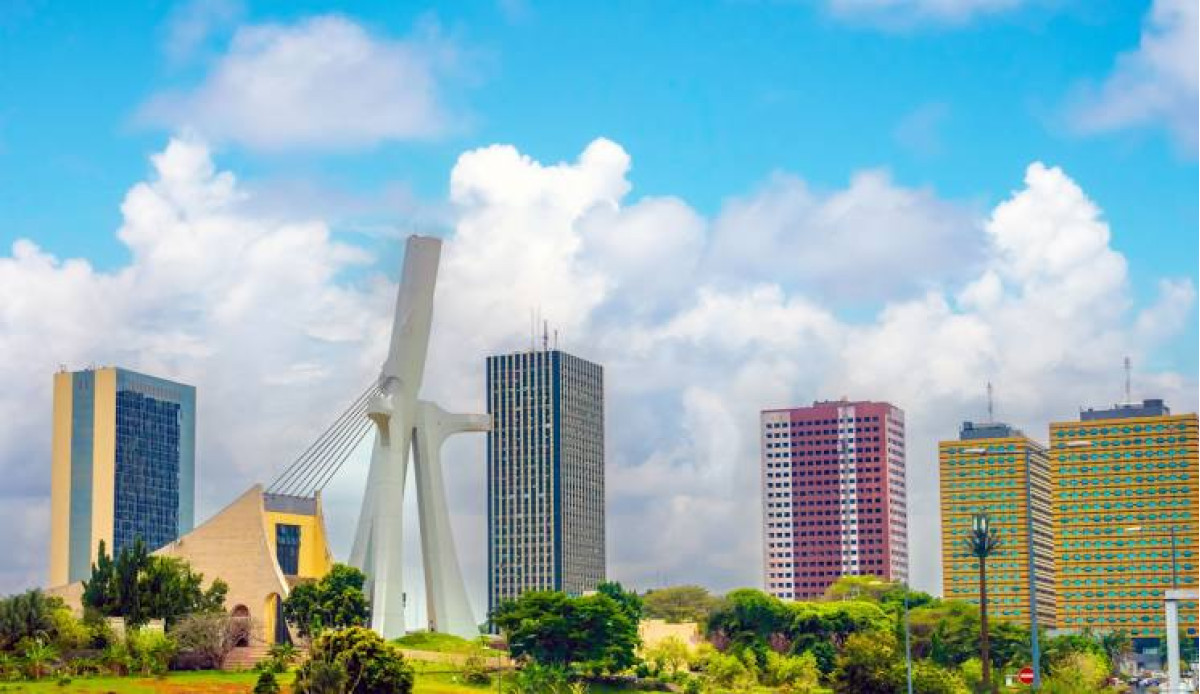
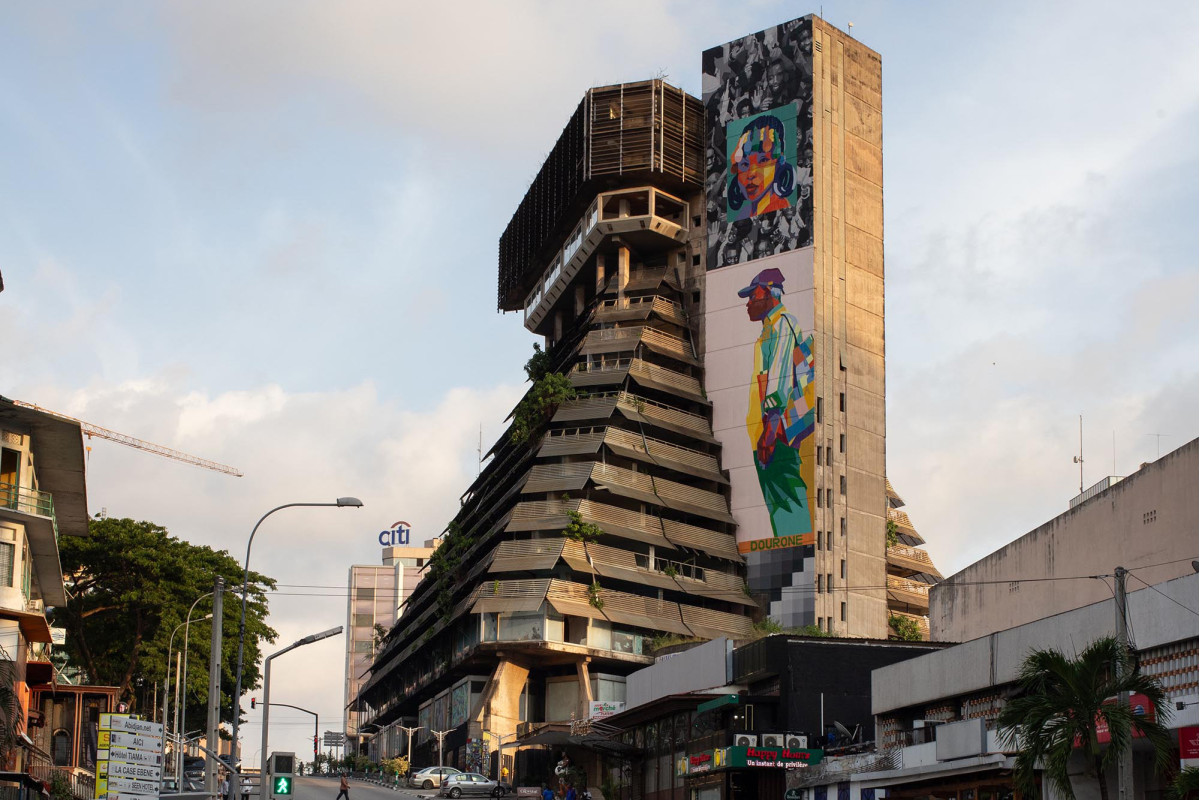
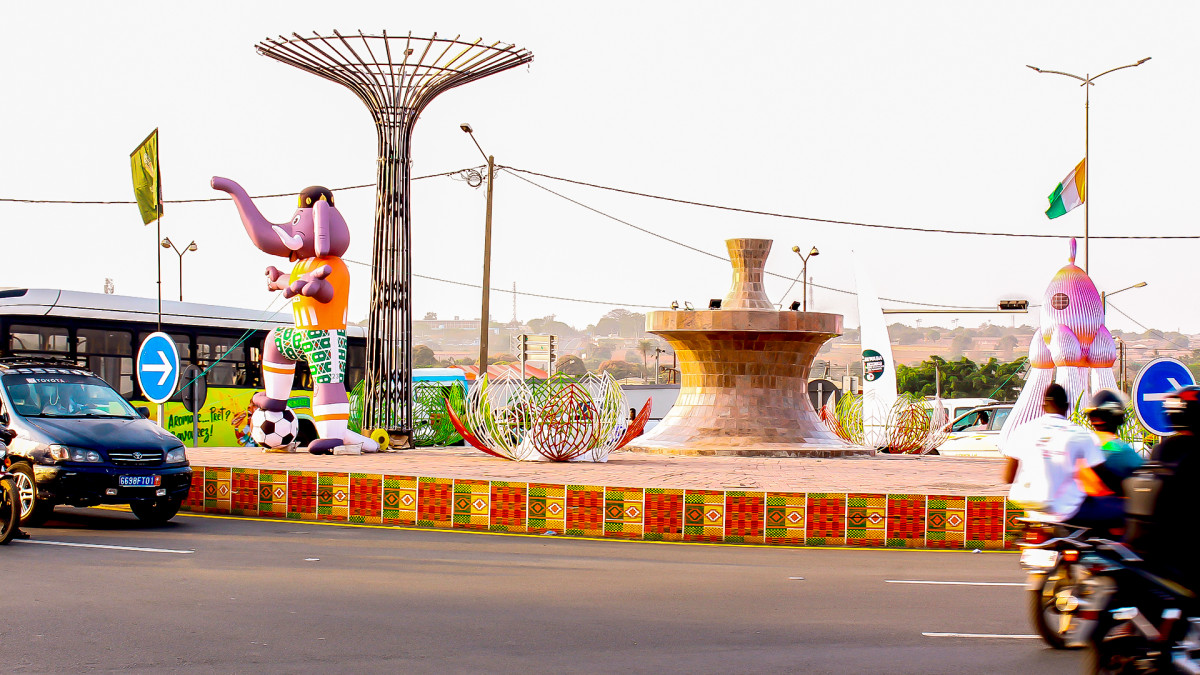
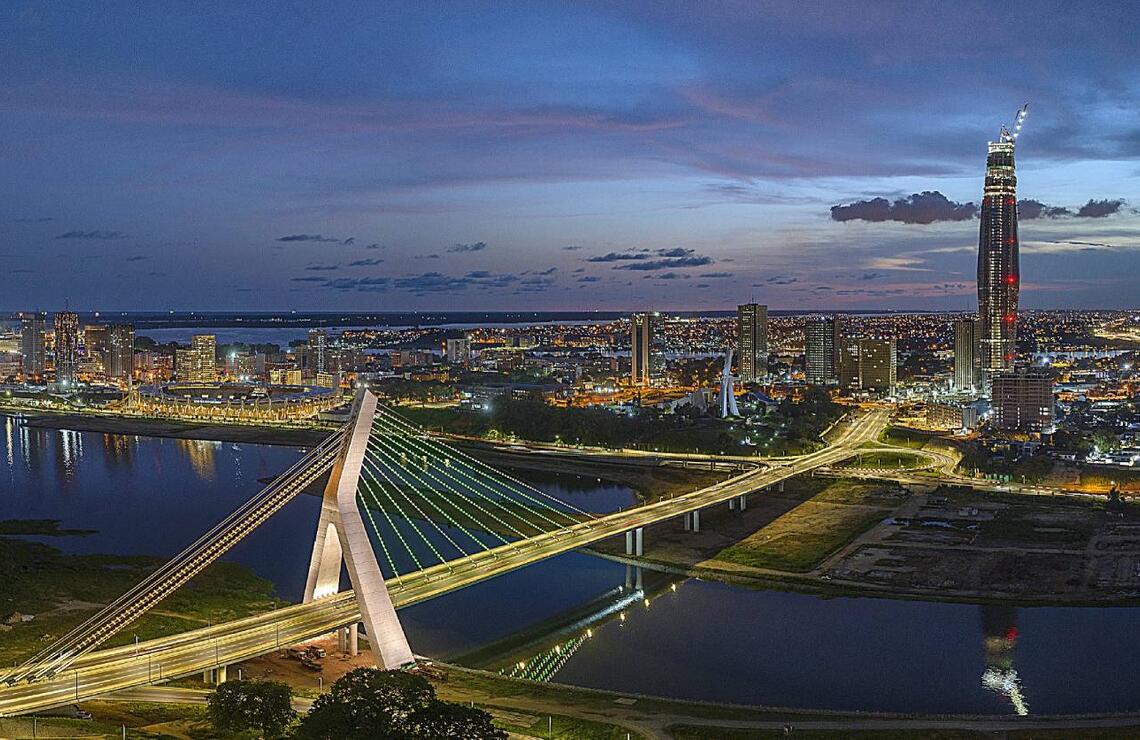
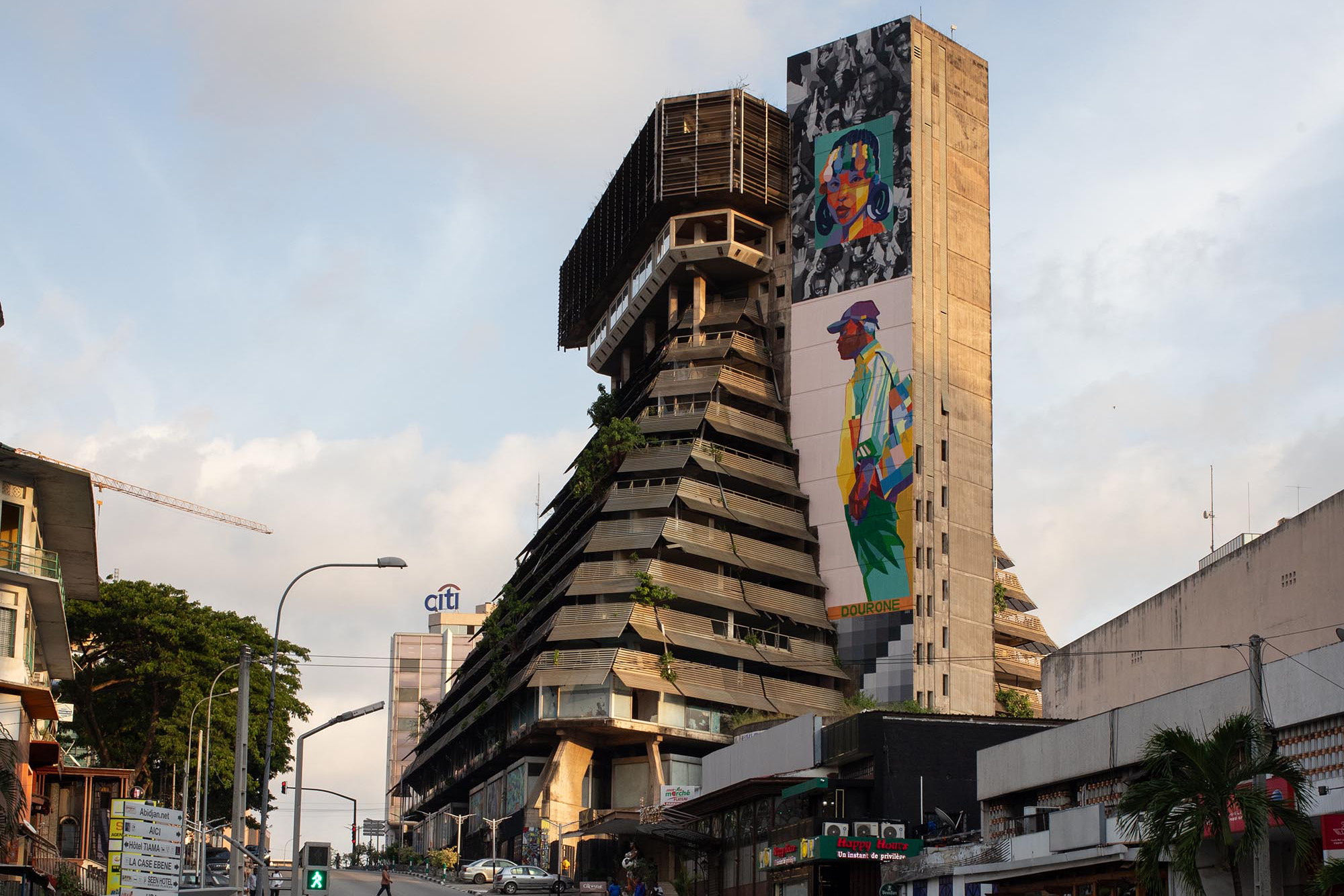
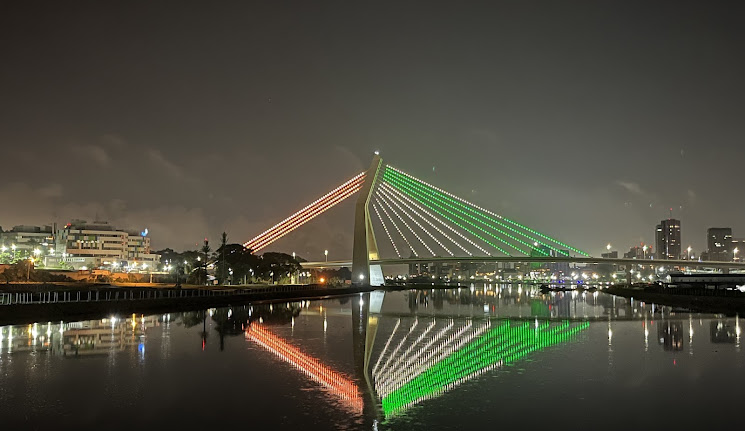
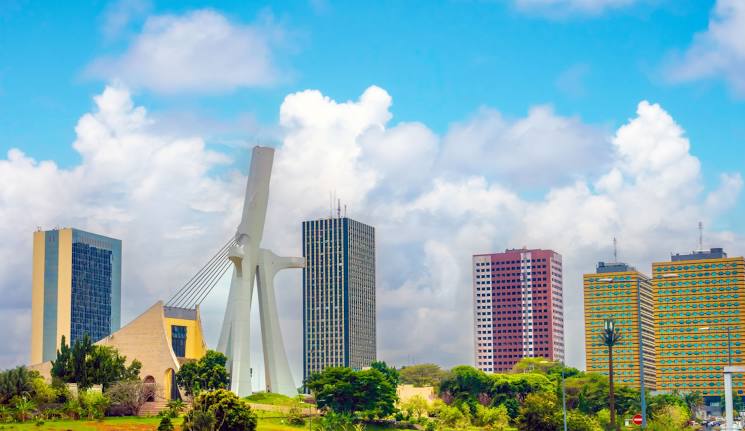
Above the waters of the Ébrié Lagoon rise office buildings, hotels and skyscrapers of the Plateau district — the country’s main business centre.
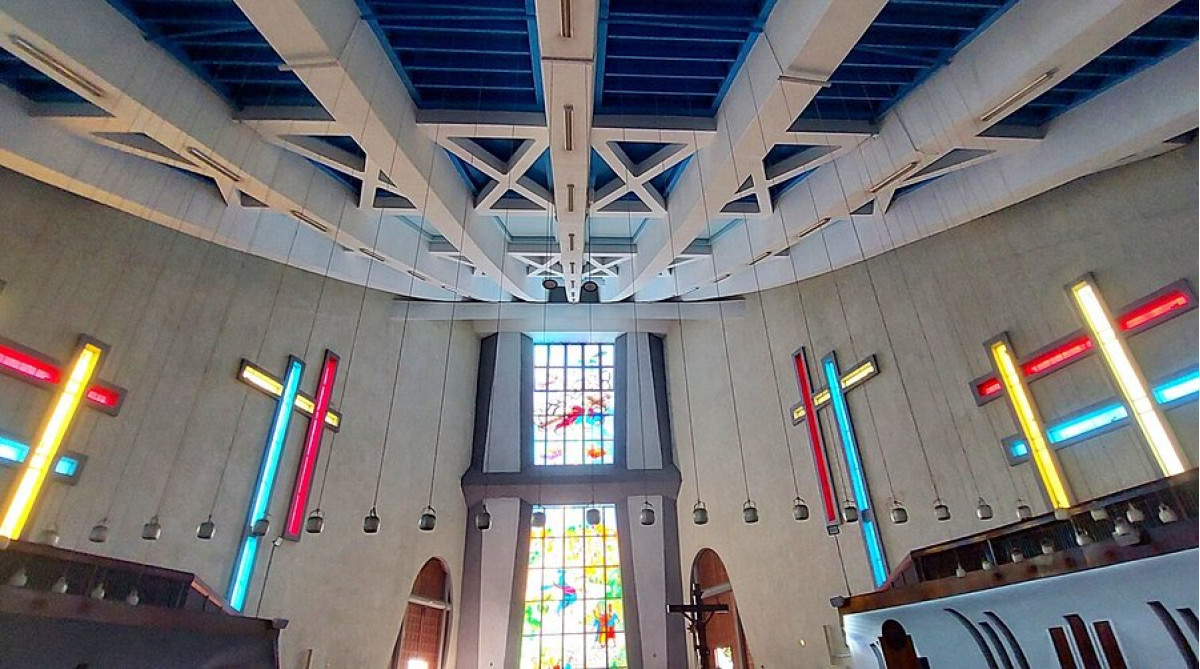
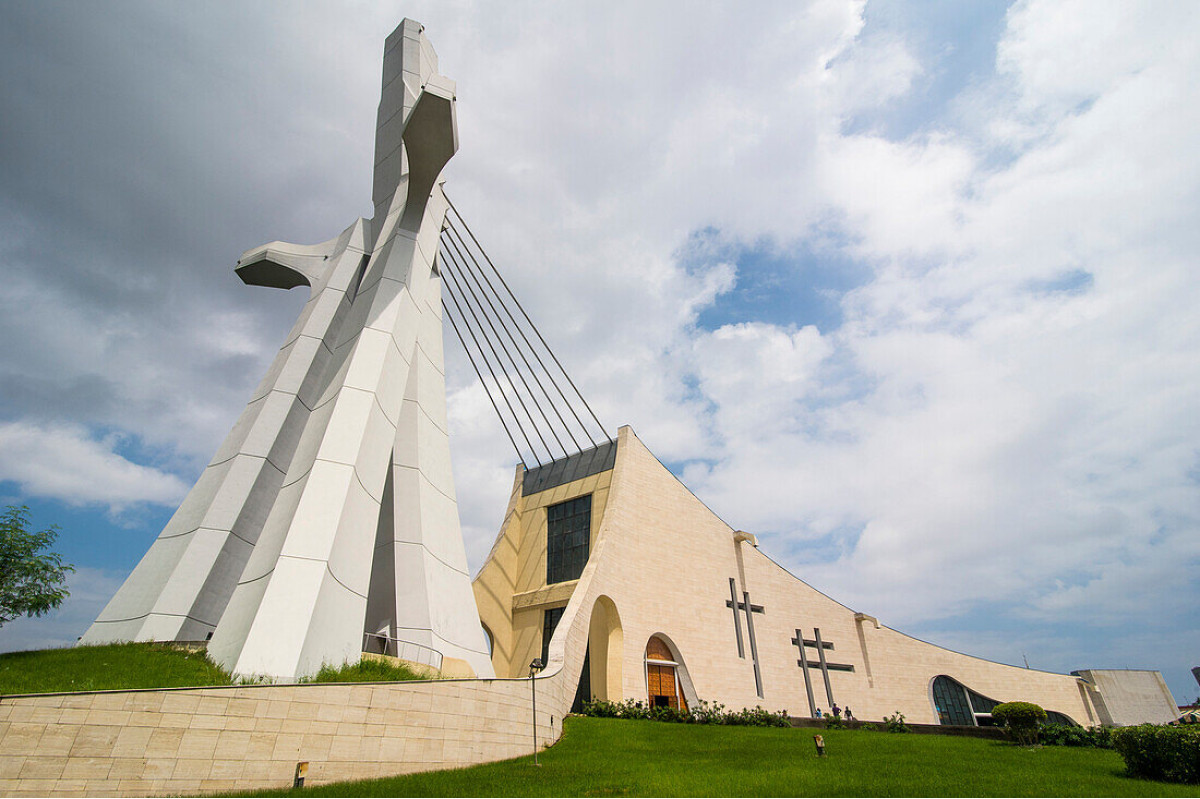
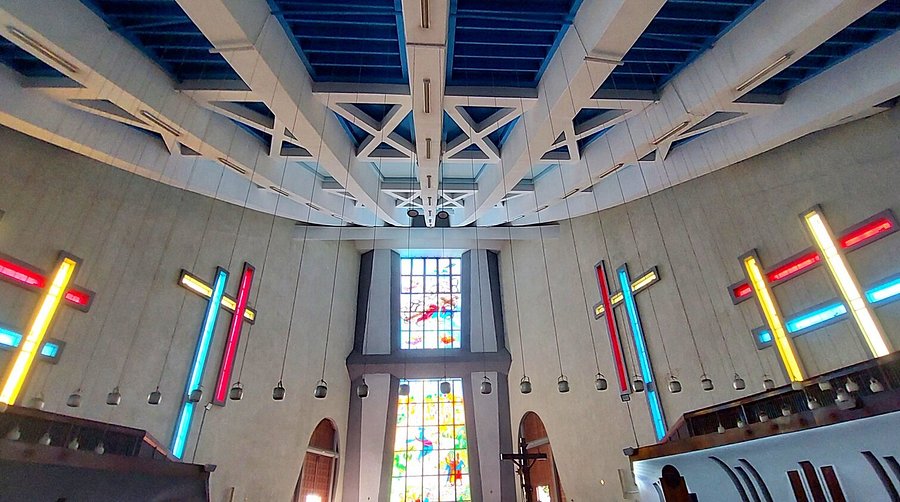
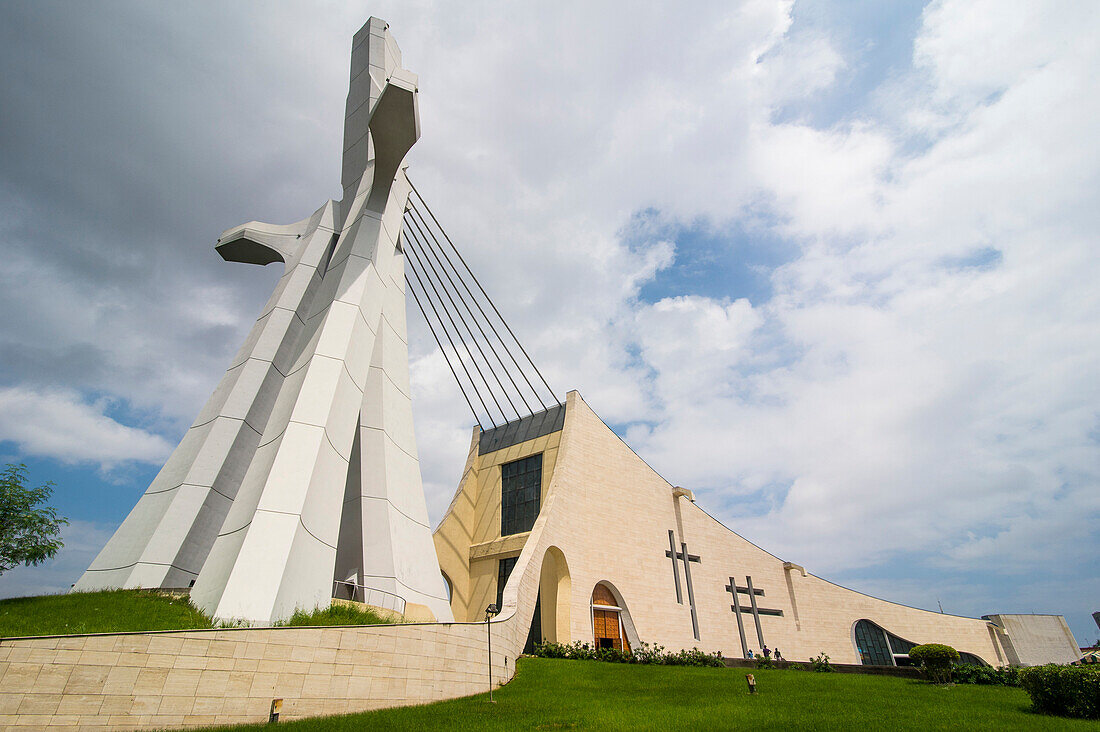
Our excursion will begin with a ride on a public ferry. From the water, one of the best views opens over the city skyline, the port districts and the unusual St Paul’s Cathedral.
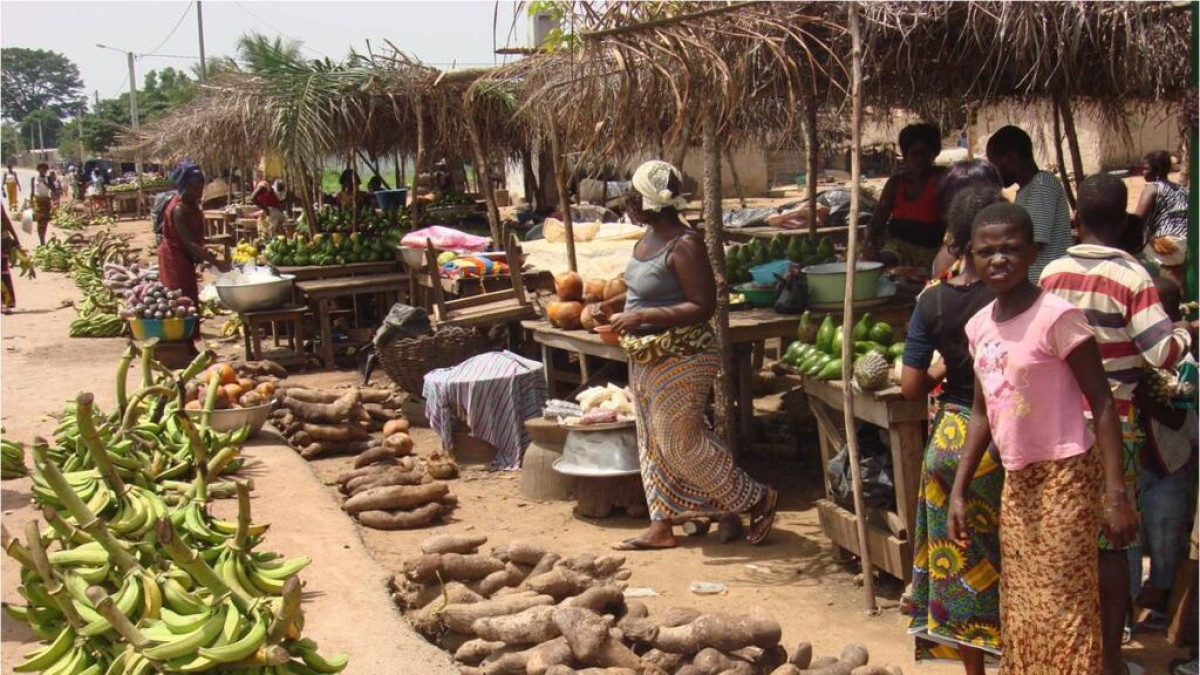
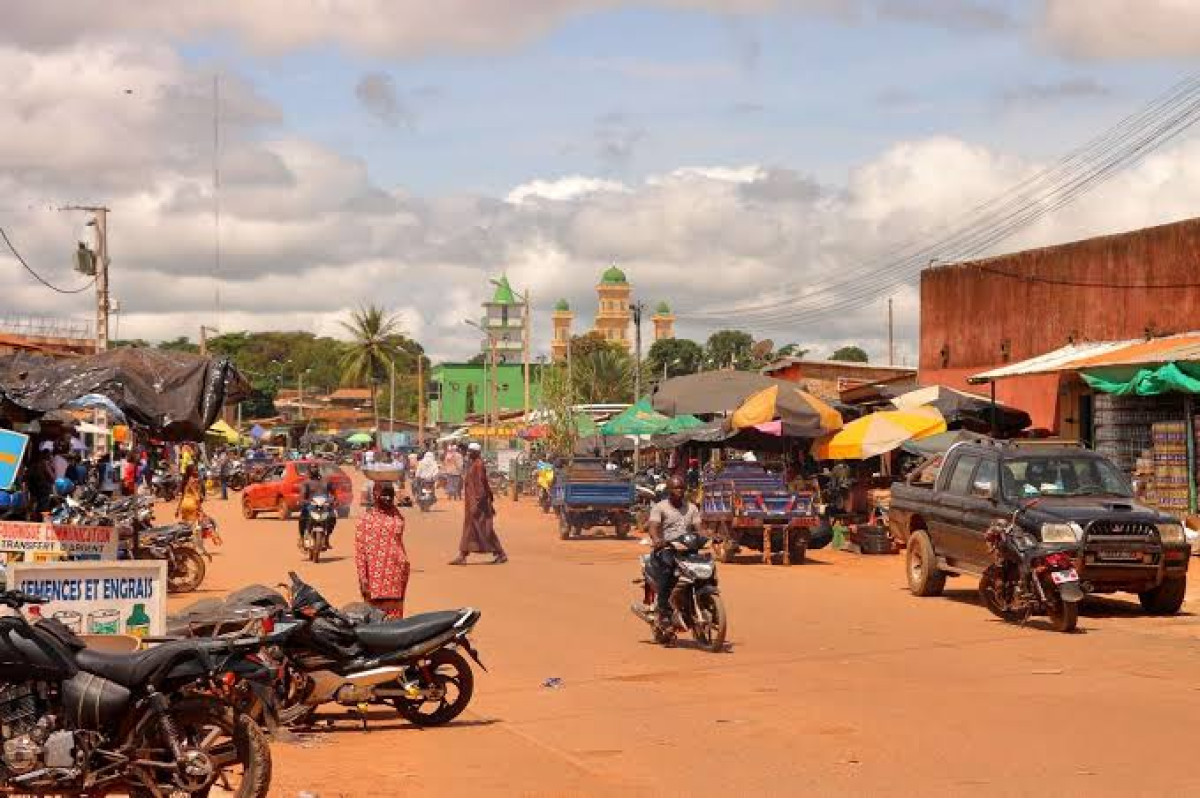
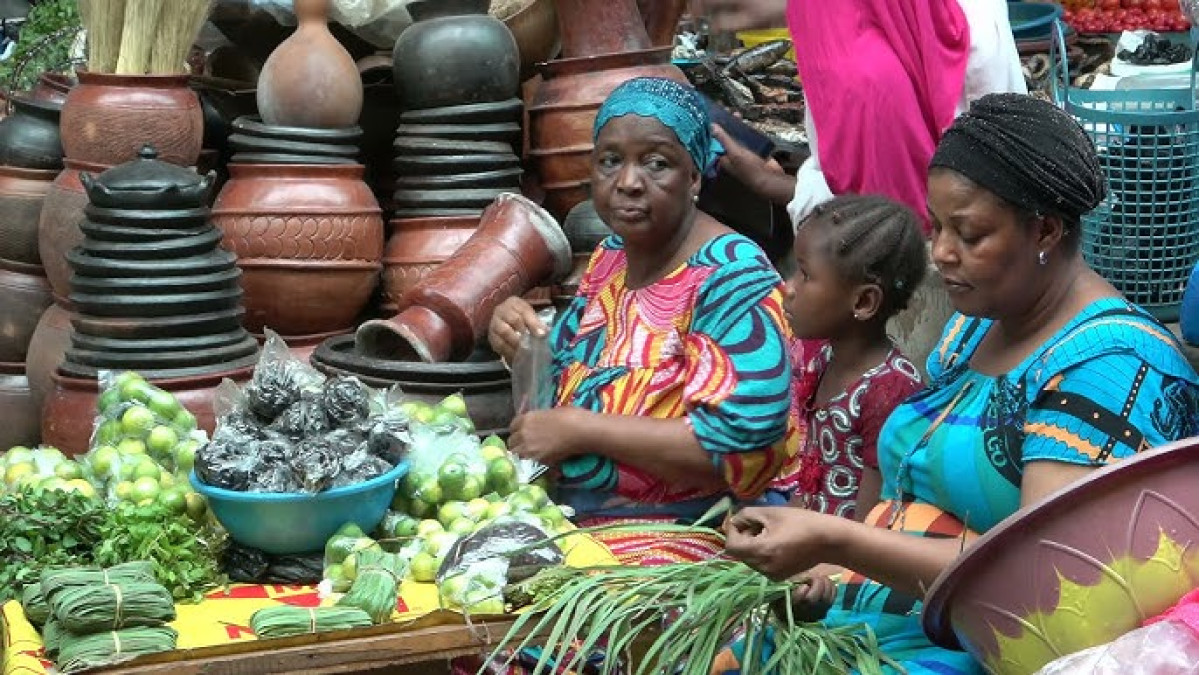
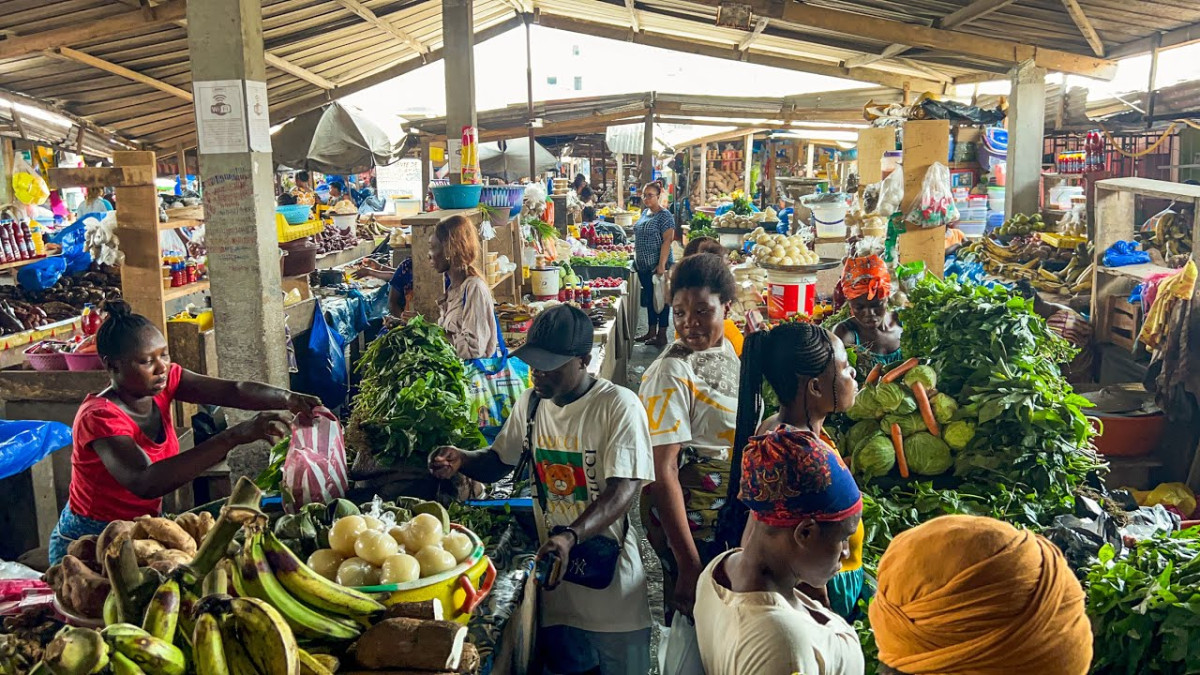
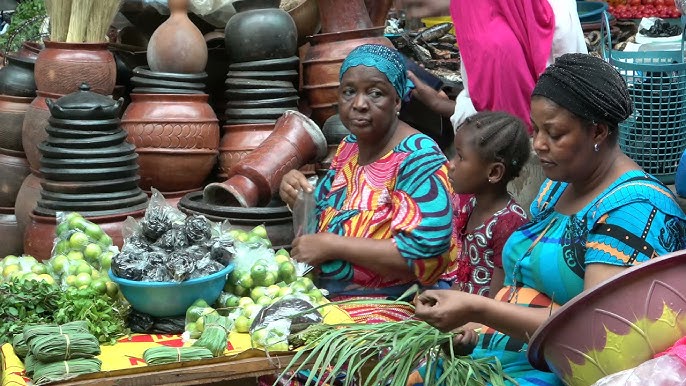
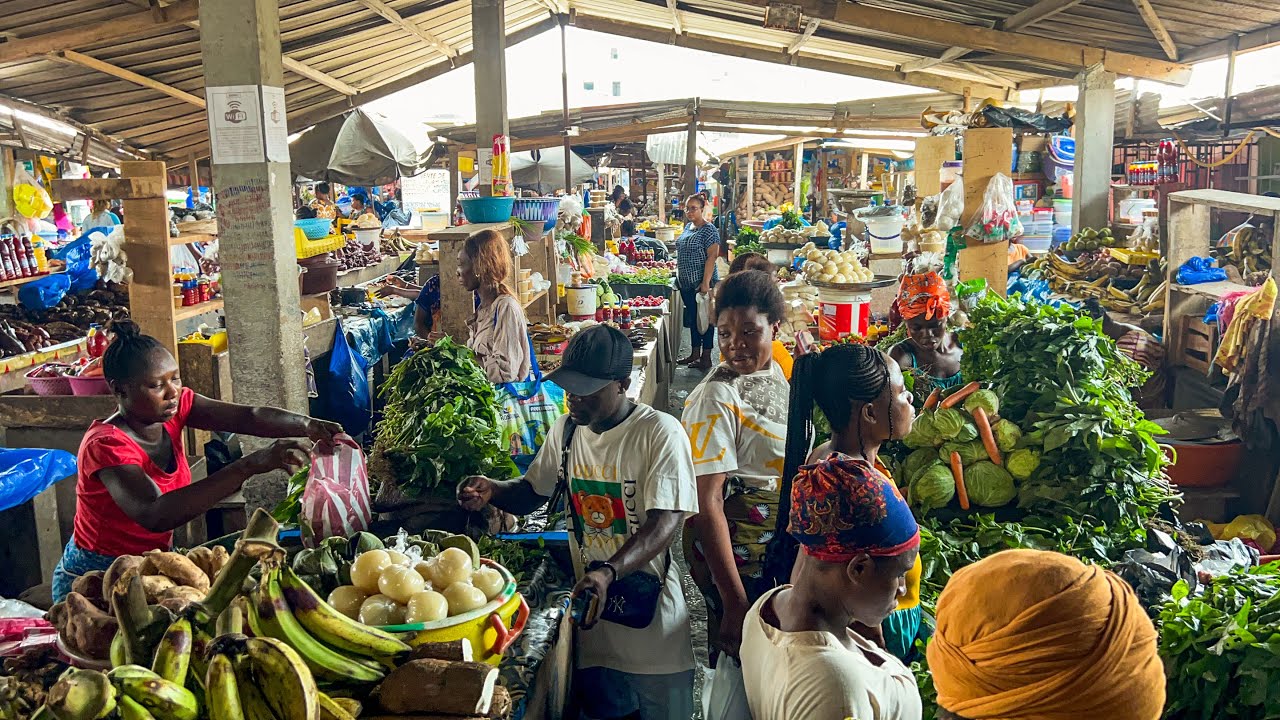
Afterwards, we will visit the lively Treichville district with its markets and street life, before continuing to Cocody — a prestigious area with government institutions, diplomatic missions and colonial buildings.
If the National Museum is open, we will discover its collection of traditional masks, statues and ritual objects belonging to the different peoples of Côte d’Ivoire.
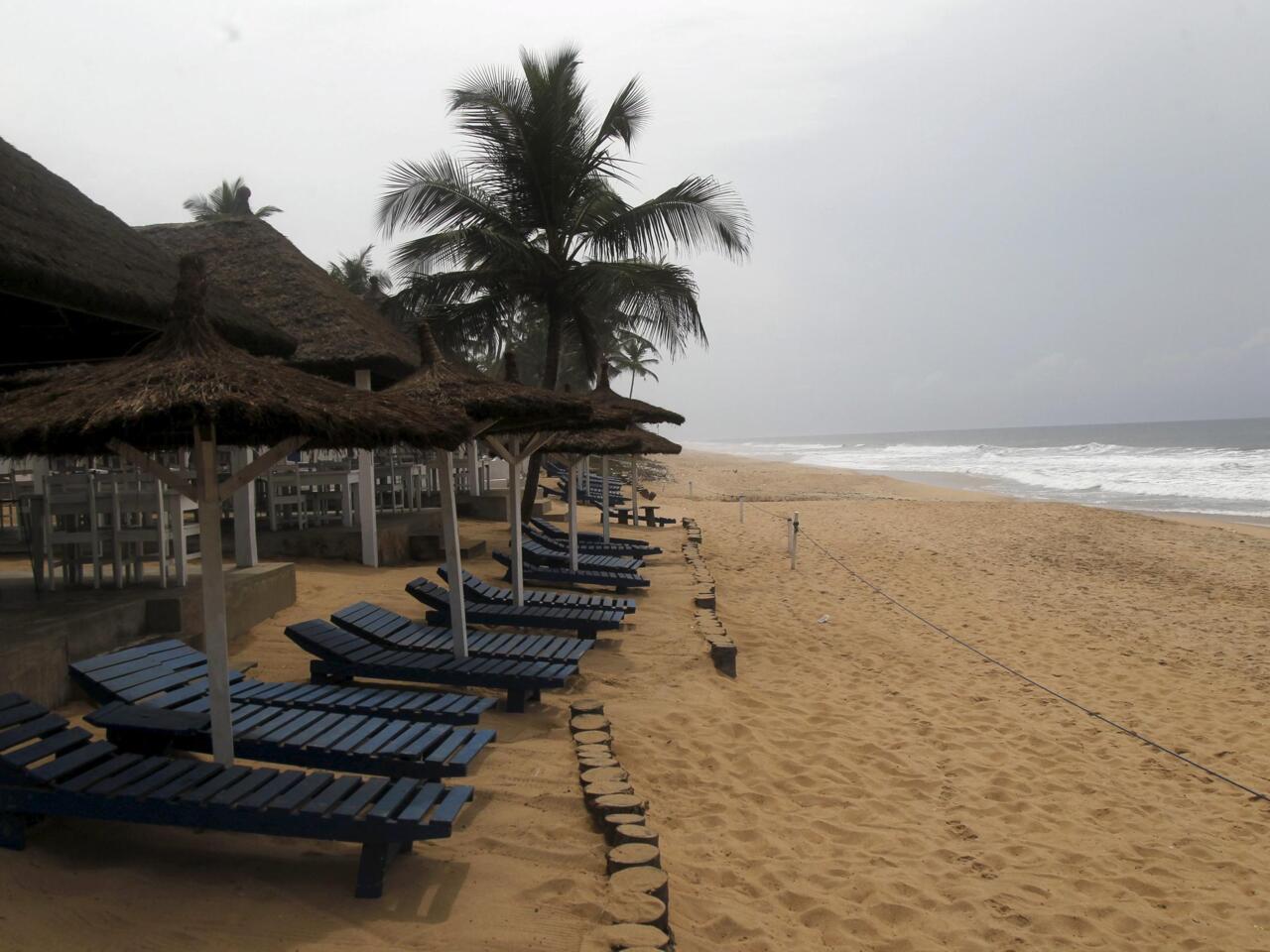
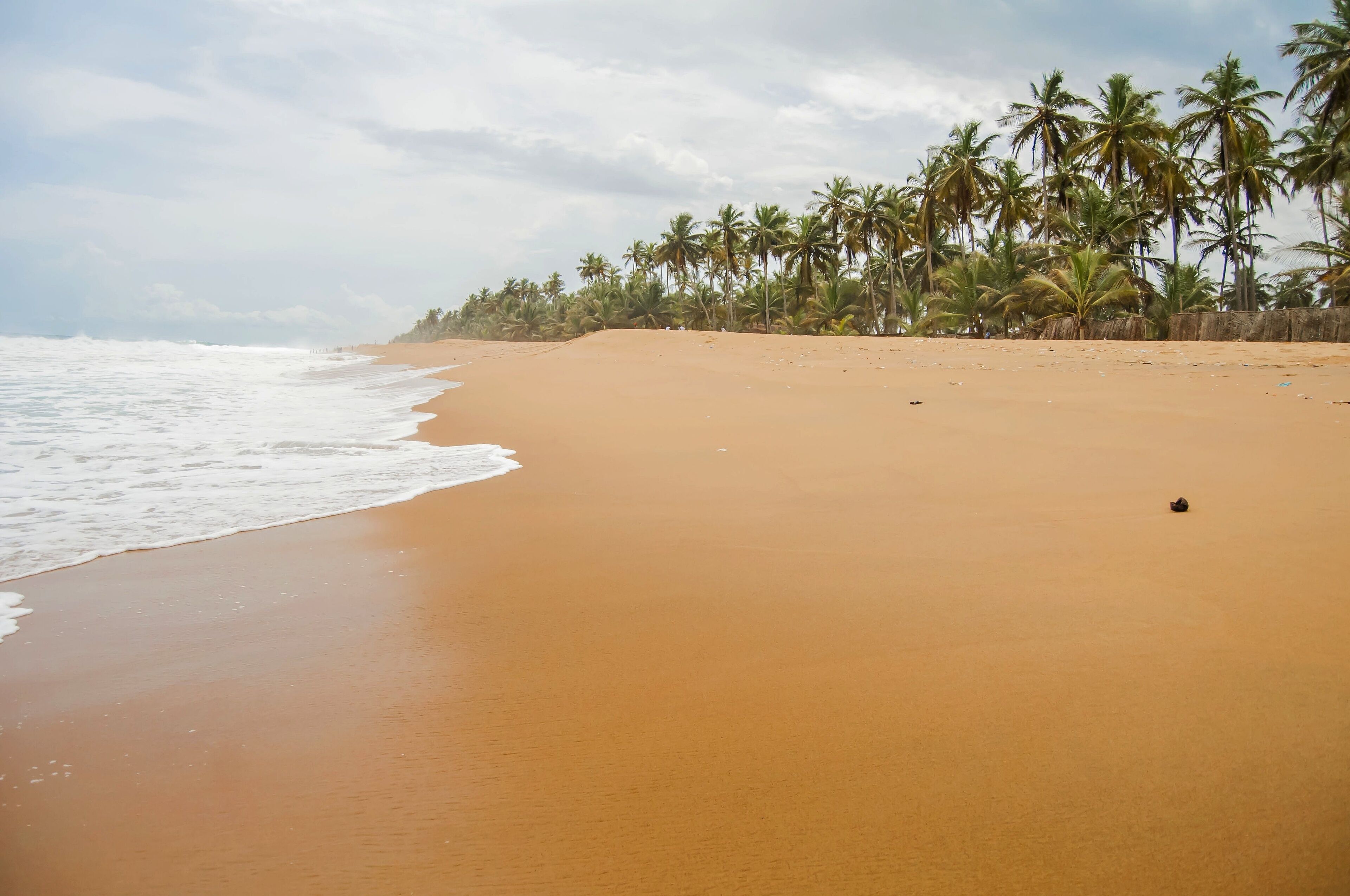
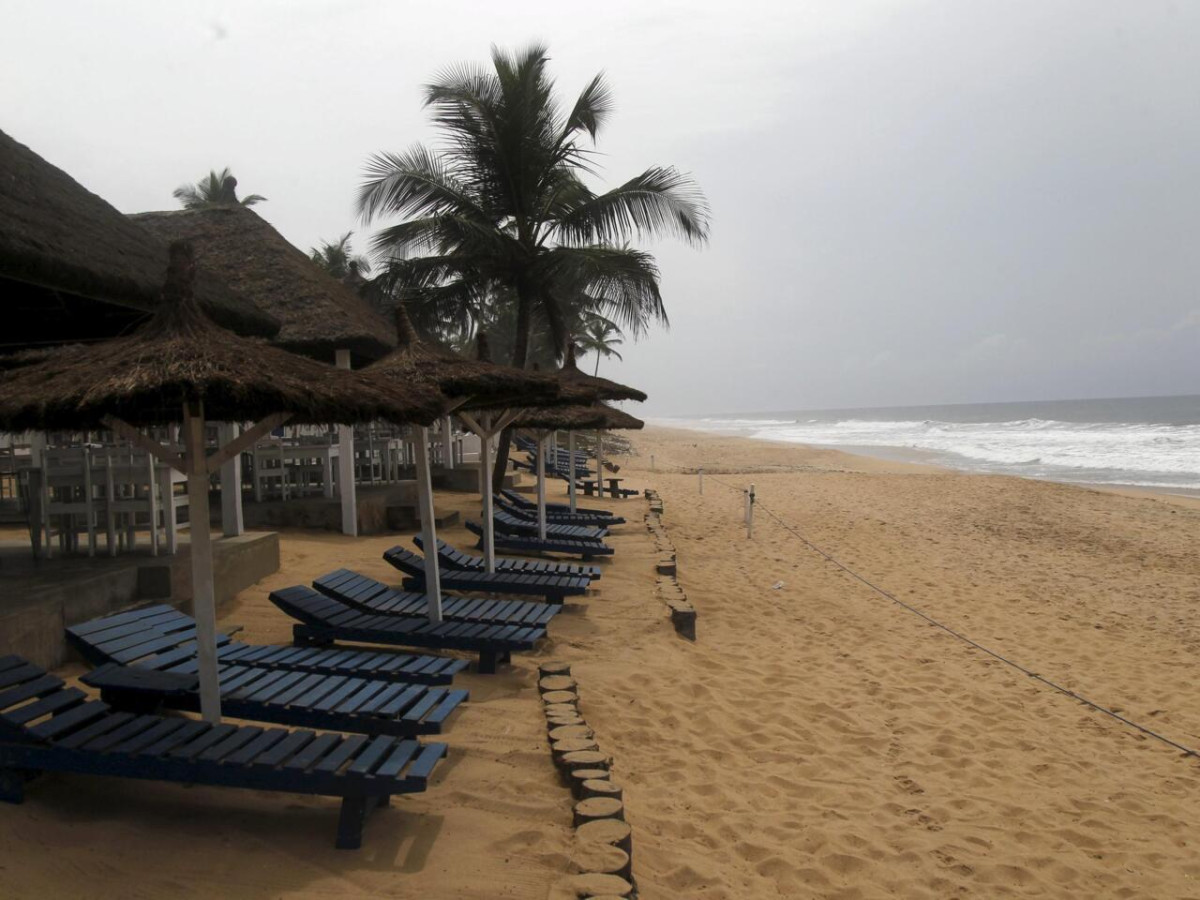
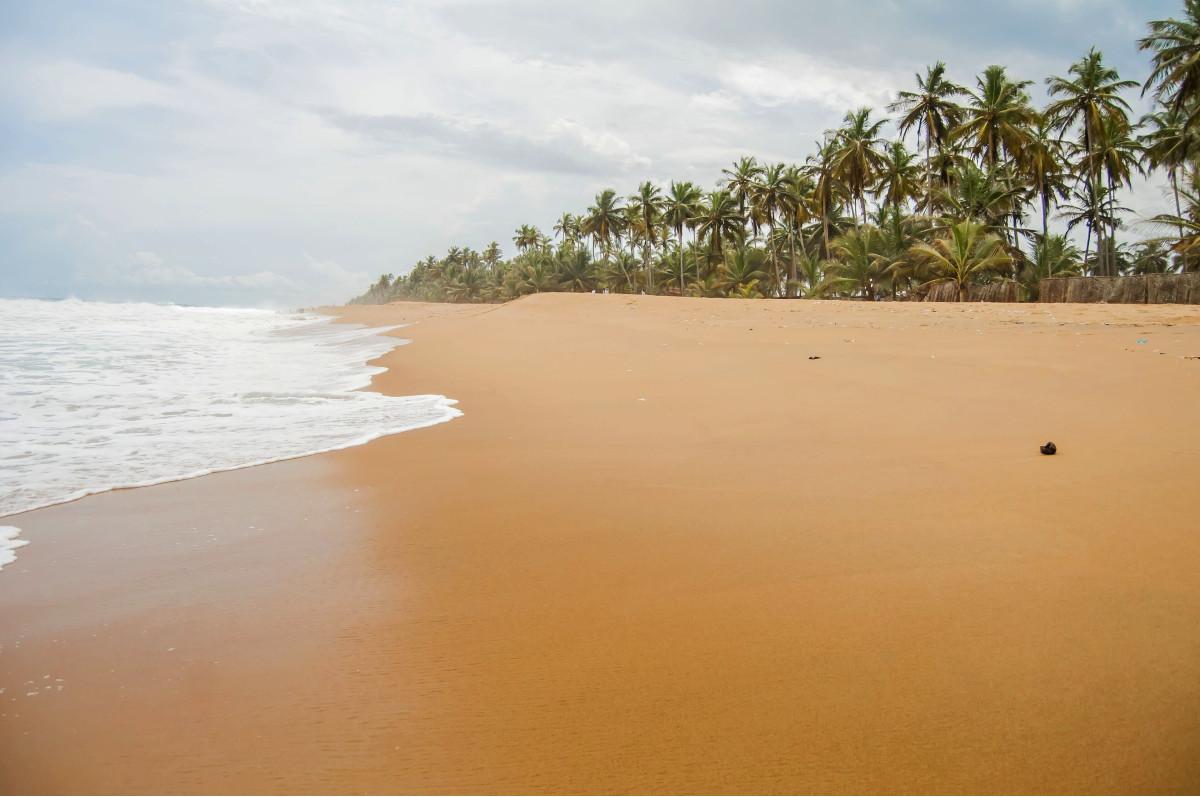
After the excursion, we will leave Abidjan and travel to Grand-Bassam, located on the Atlantic Ocean coast.
Night in Grand-Bassam.
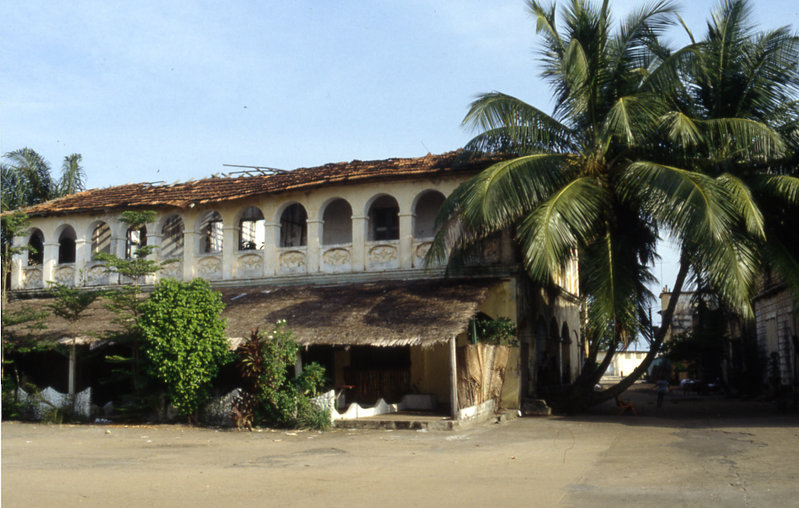
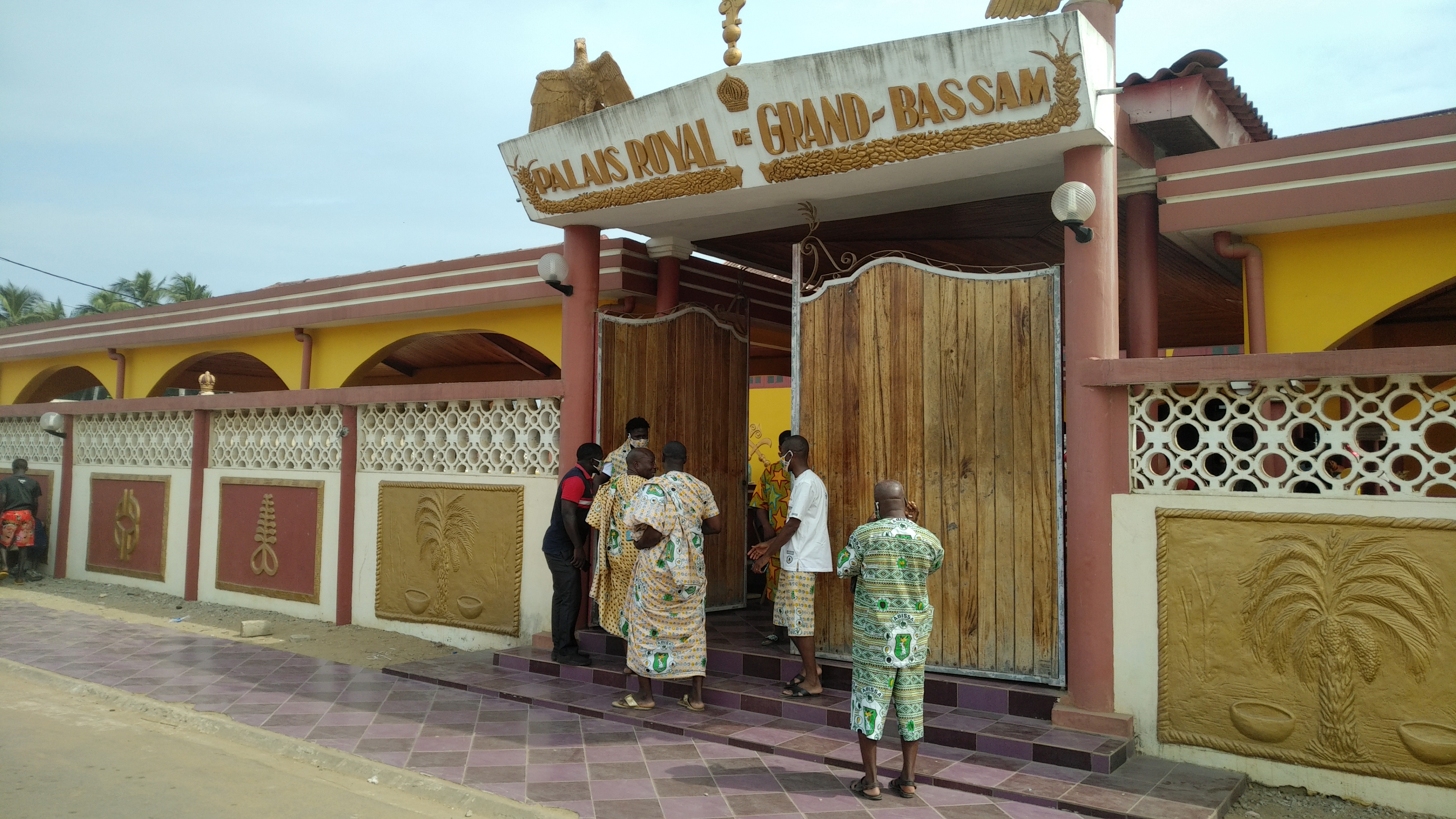
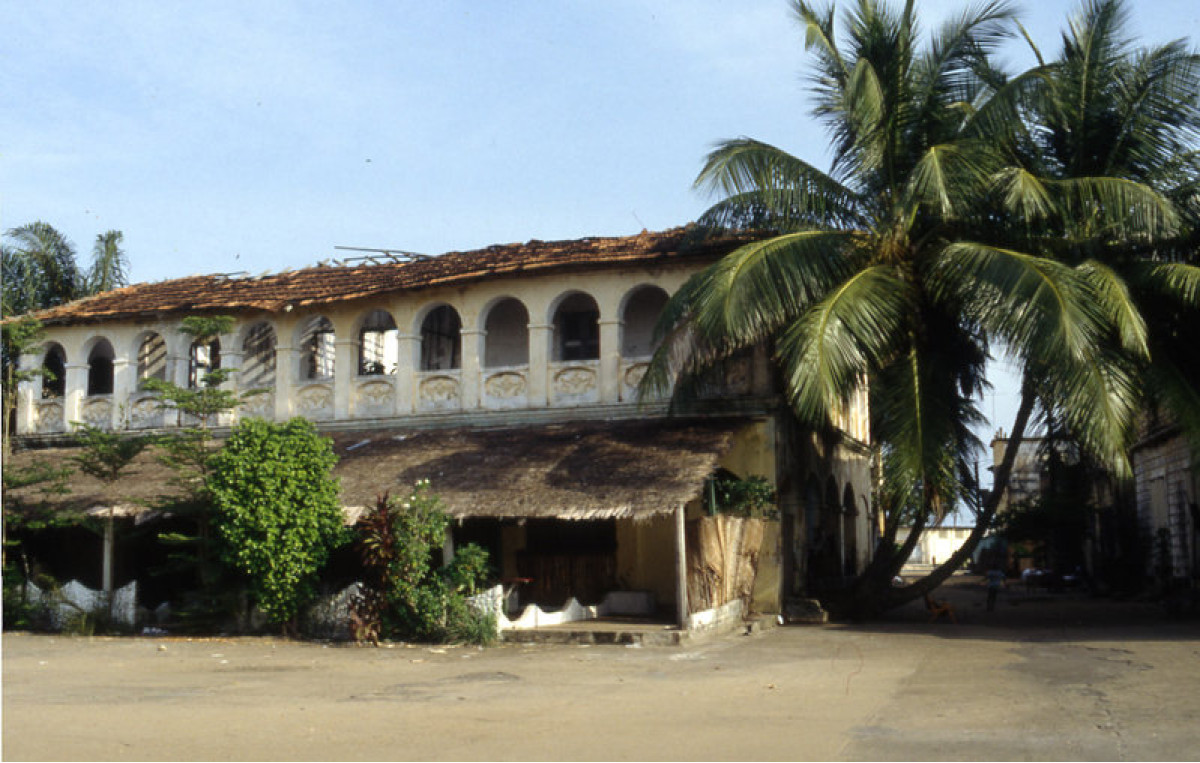
We will begin the final day of the journey by discovering Grand-Bassam — the former capital of the French colony of Côte d’Ivoire.
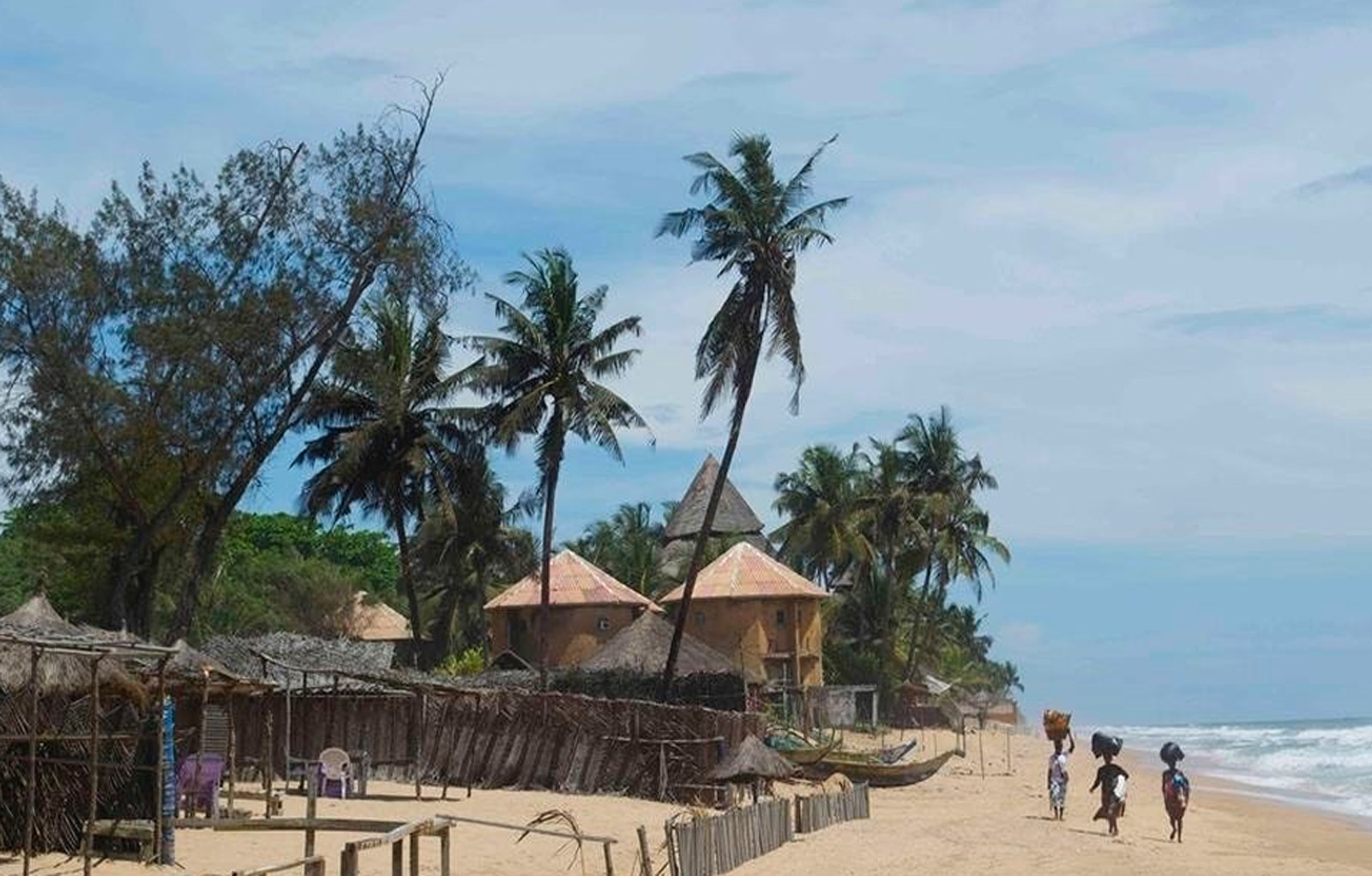
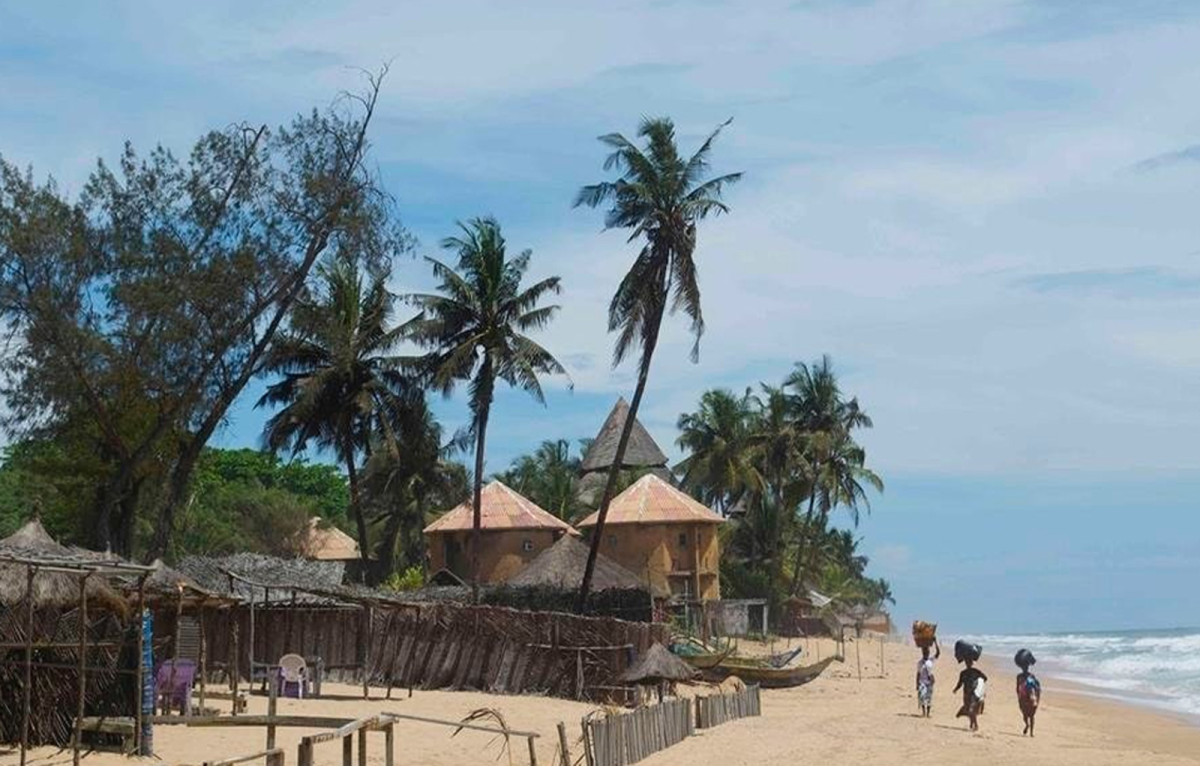
The town was built on a narrow strip of sand between the lagoon and the Atlantic Ocean. Its quiet avenues are shaded by tall trees, its historic buildings are surrounded by bougainvillea, and its streets preserve the atmosphere of a bygone era.
We will see the old post office — one of the finest examples of French colonial architecture in the country.
Special attention will be given to the Costume Museum, located in the former governor’s palace. Its halls contain traditional costumes, masks, ornaments and ethnographic photographs that tell the story of Côte d’Ivoire’s history and cultural diversity.
After the excursion, we will leave Grand-Bassam and head to Abidjan International Airport.
Final transfer to the airport and the end of the journey.