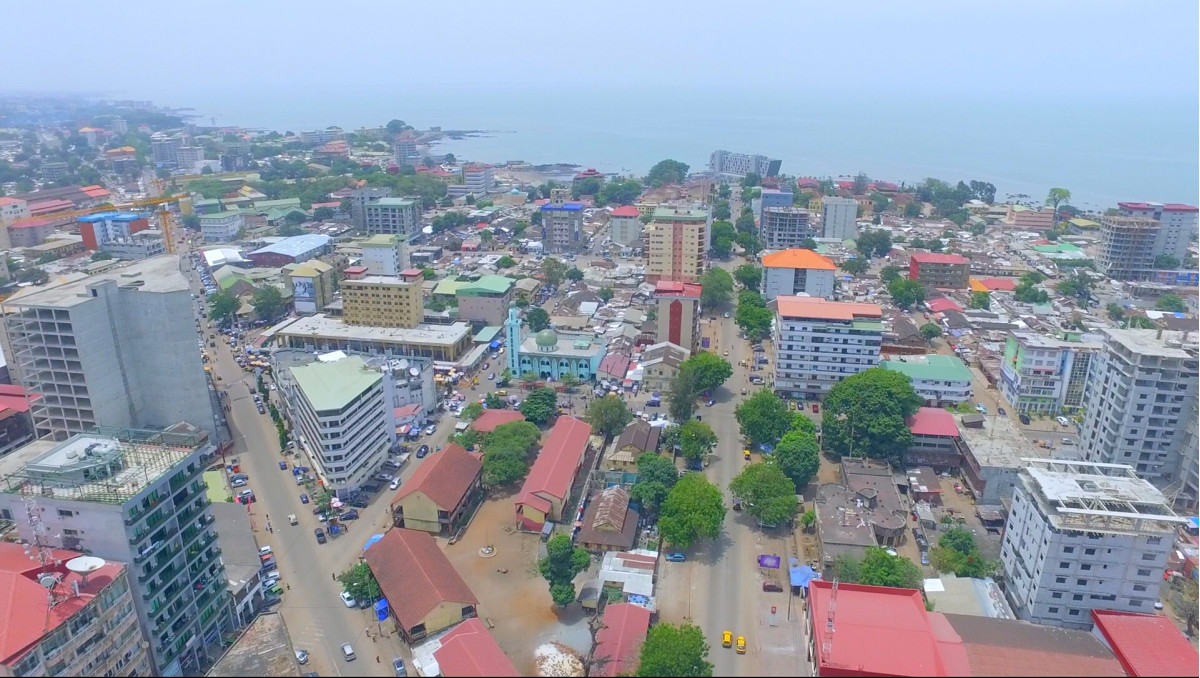
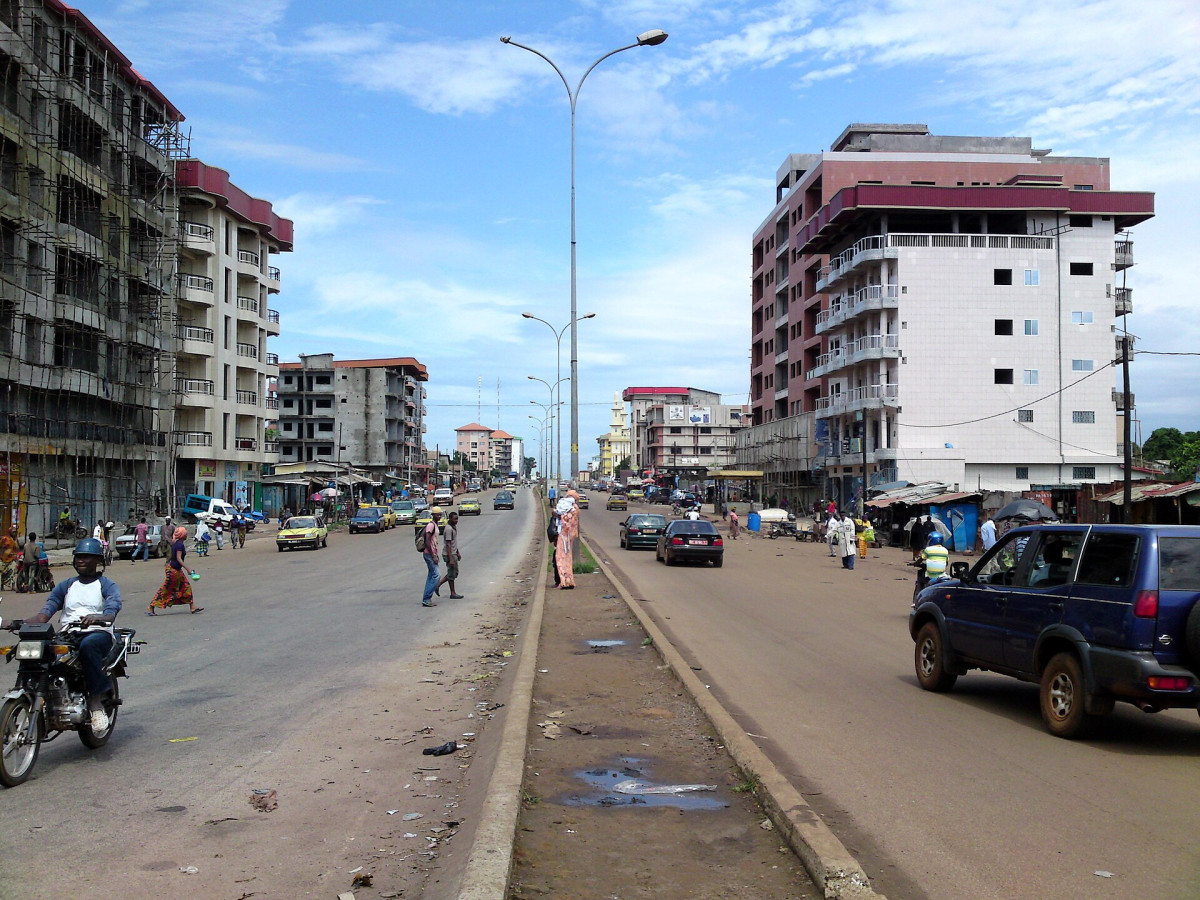
Our journey across West Africa begins in Conakry. Upon arrival in the capital of Guinea, we meet at the airport and transfer to the hotel.
The rest of the day is reserved for relaxation after the flight and a first introduction to the atmosphere of the city.
Accommodation at Hotel in air-conditioned rooms with private bathrooms.
No meals are included on this day.
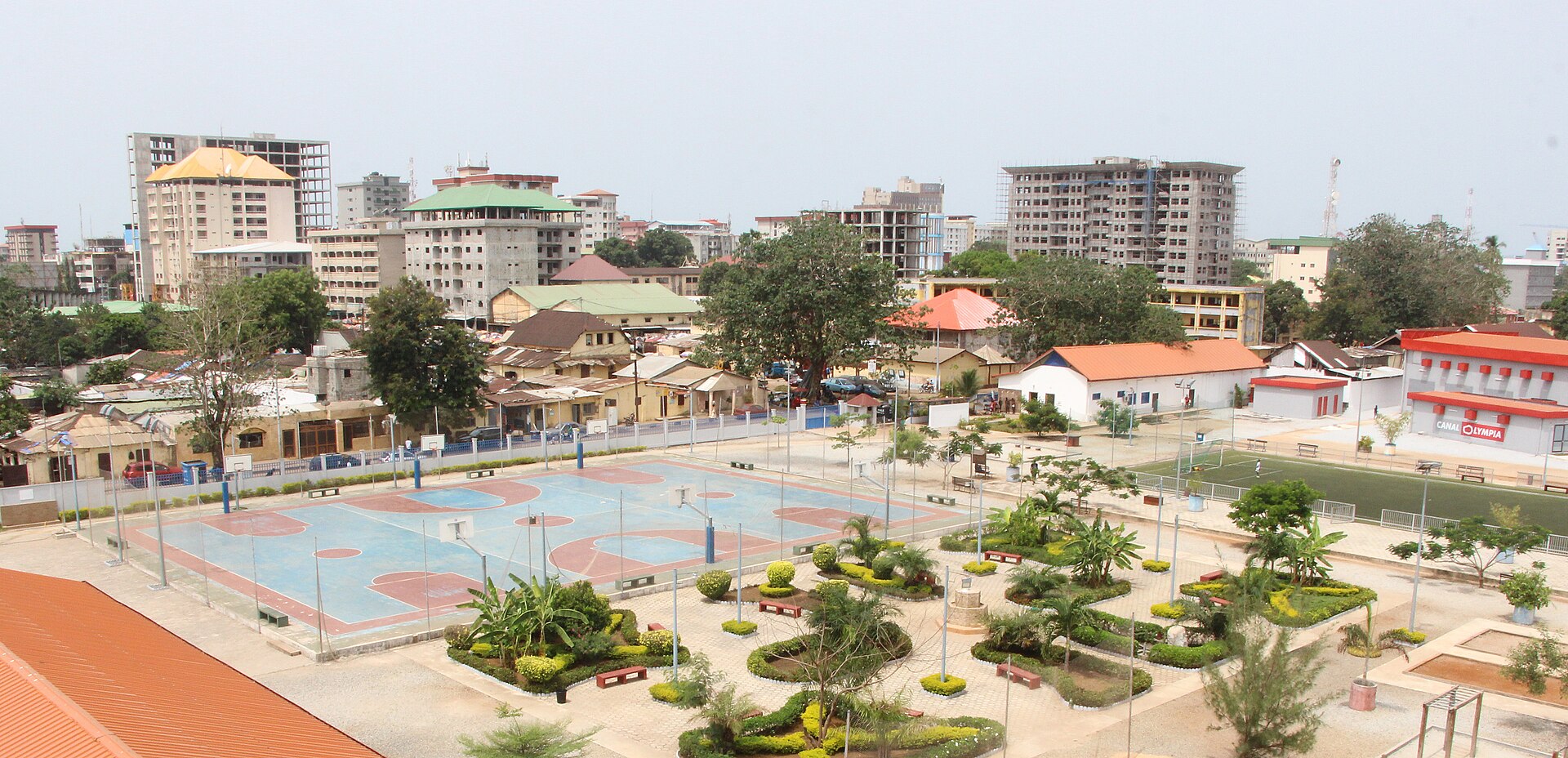
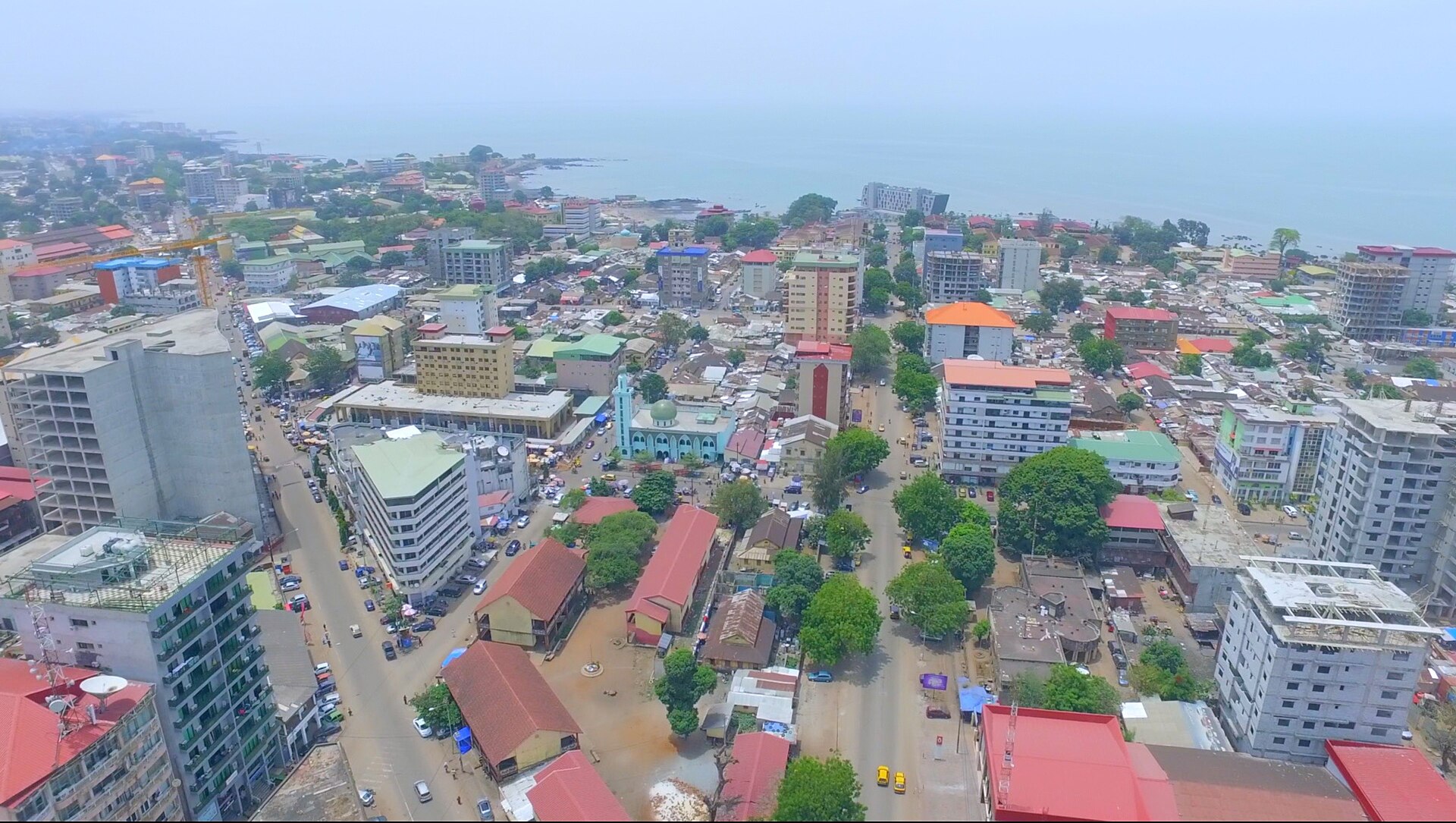
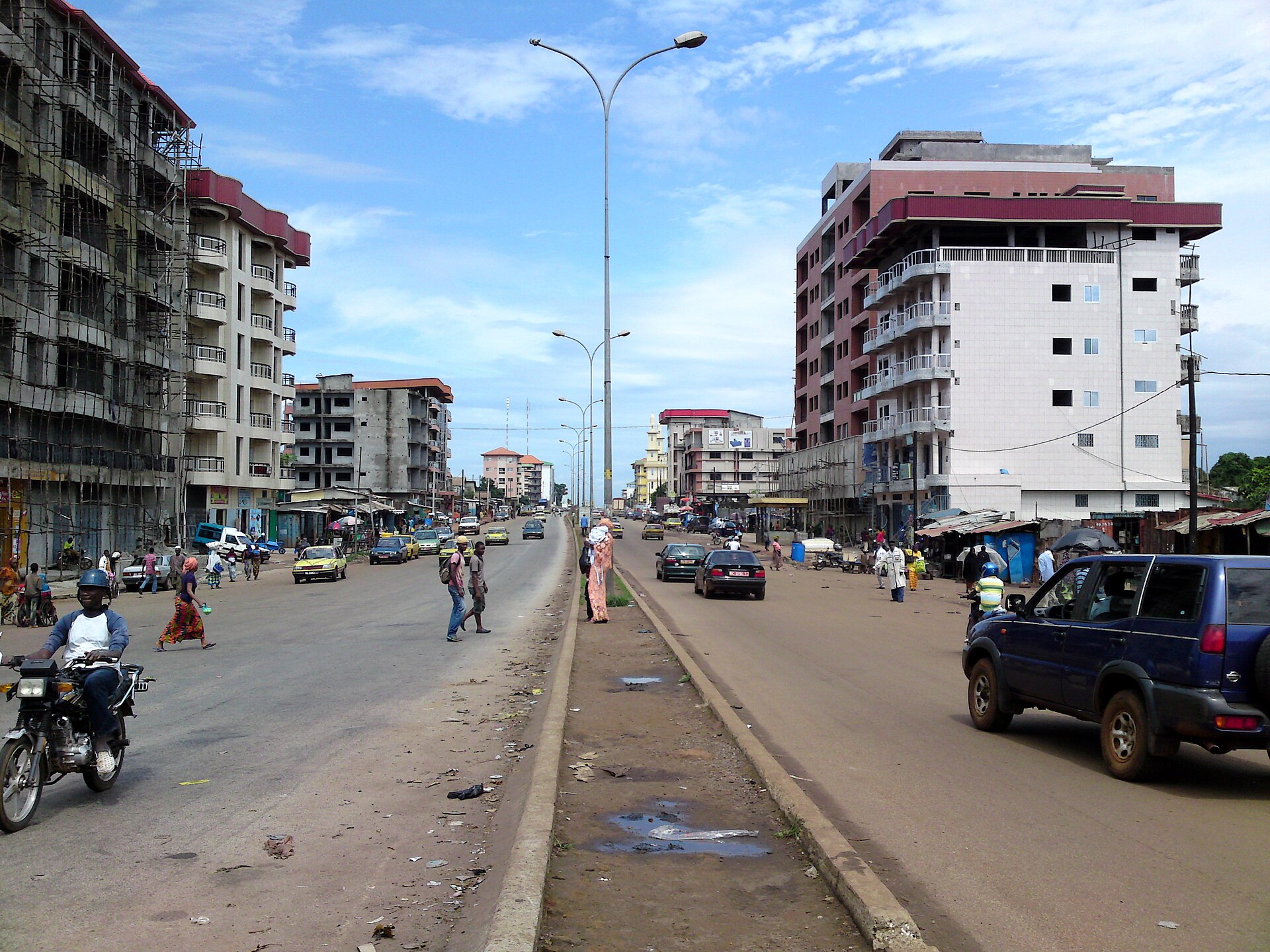
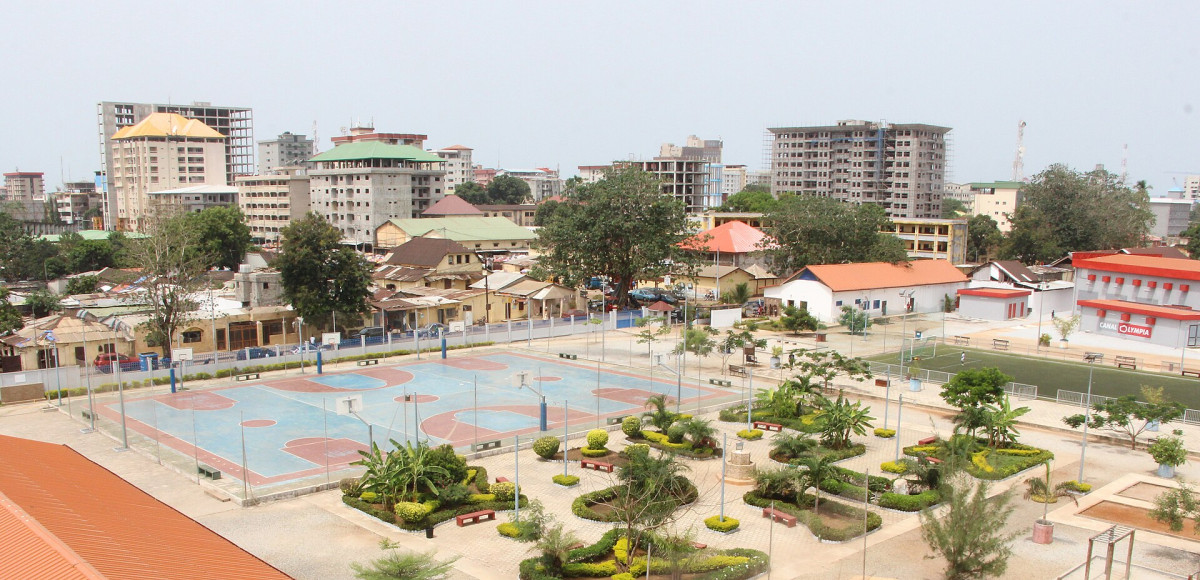
The first full day of our expedition introduces us to Conakry, a noisy, chaotic and remarkably colourful capital. We briefly immerse ourselves in its everyday life and, if the museum is open, visit a small exhibition dedicated to Guinea’s cultural heritage.
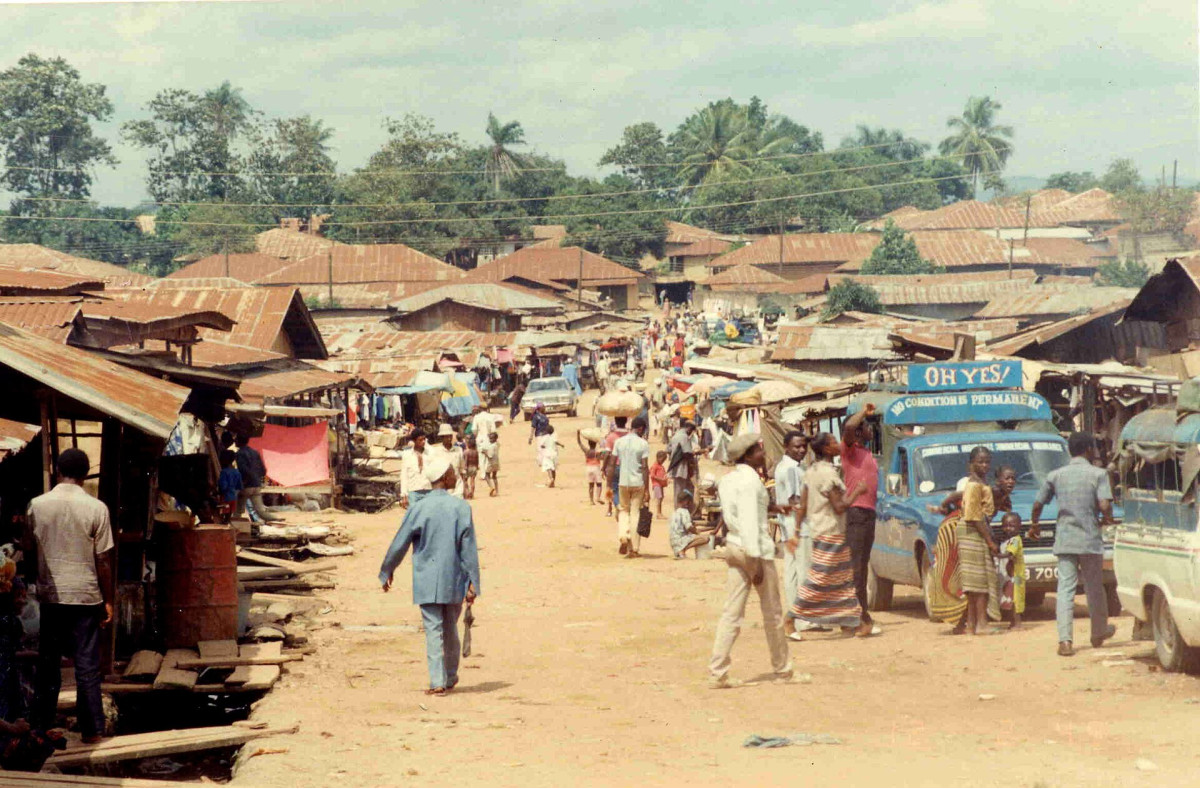
Leaving the capital’s traffic behind, we travel towards the green mountains of Kindia. This lively trading town stands between the Fouta Djallon Highlands, the coastal plains and the forests of western Guinea.
Dinner will feature a tasting of Guinean specialities. Local recipes and combinations of flavours will offer another perspective on the country’s traditions.
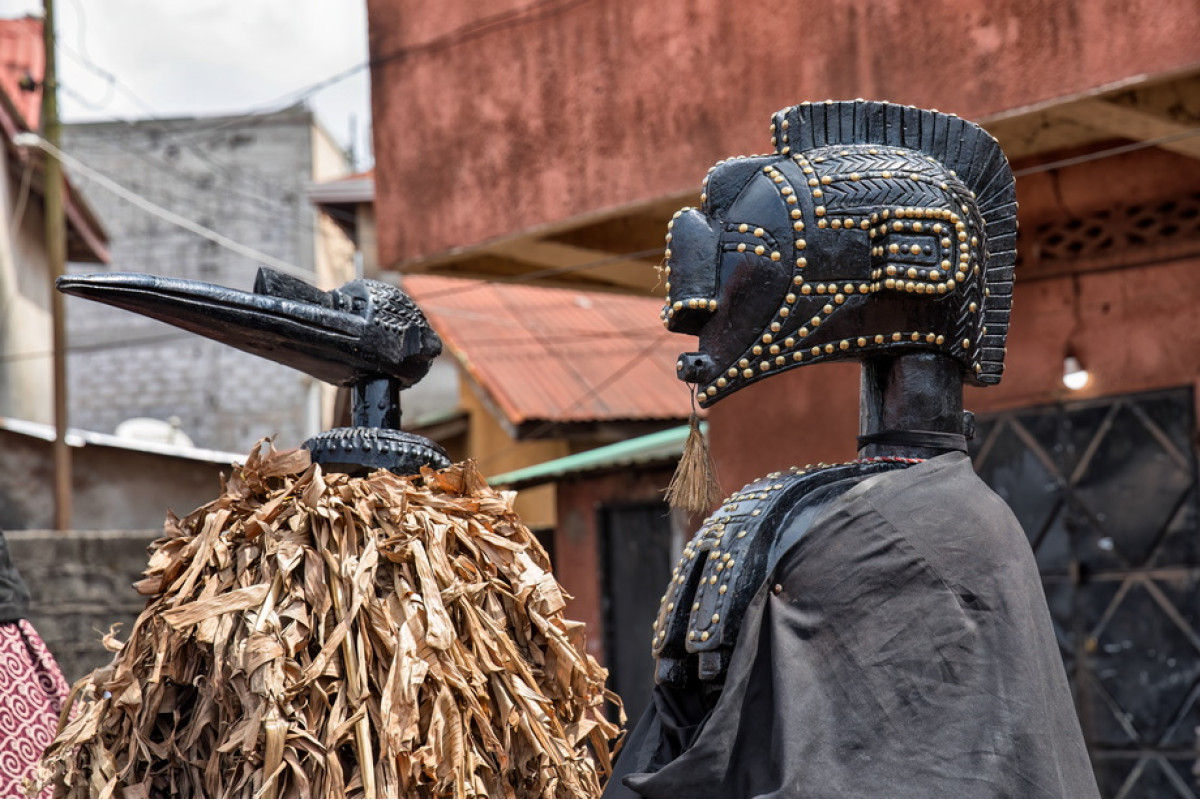
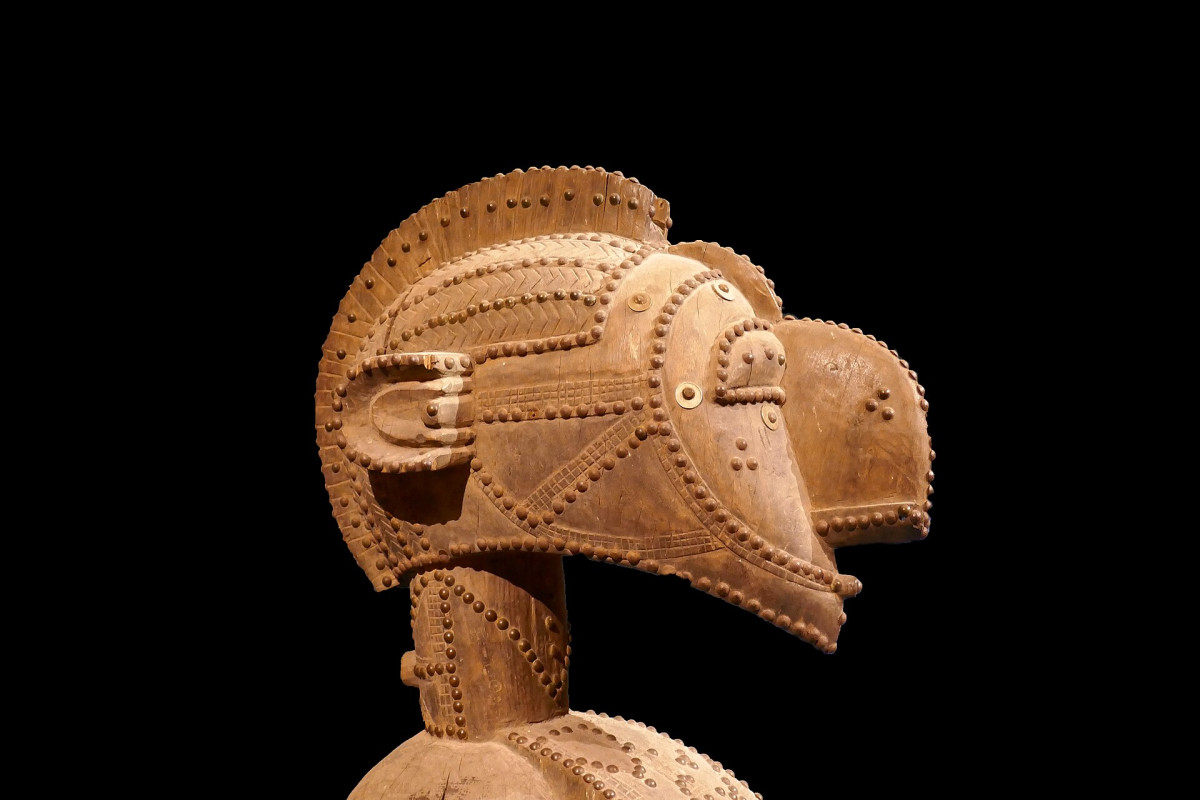
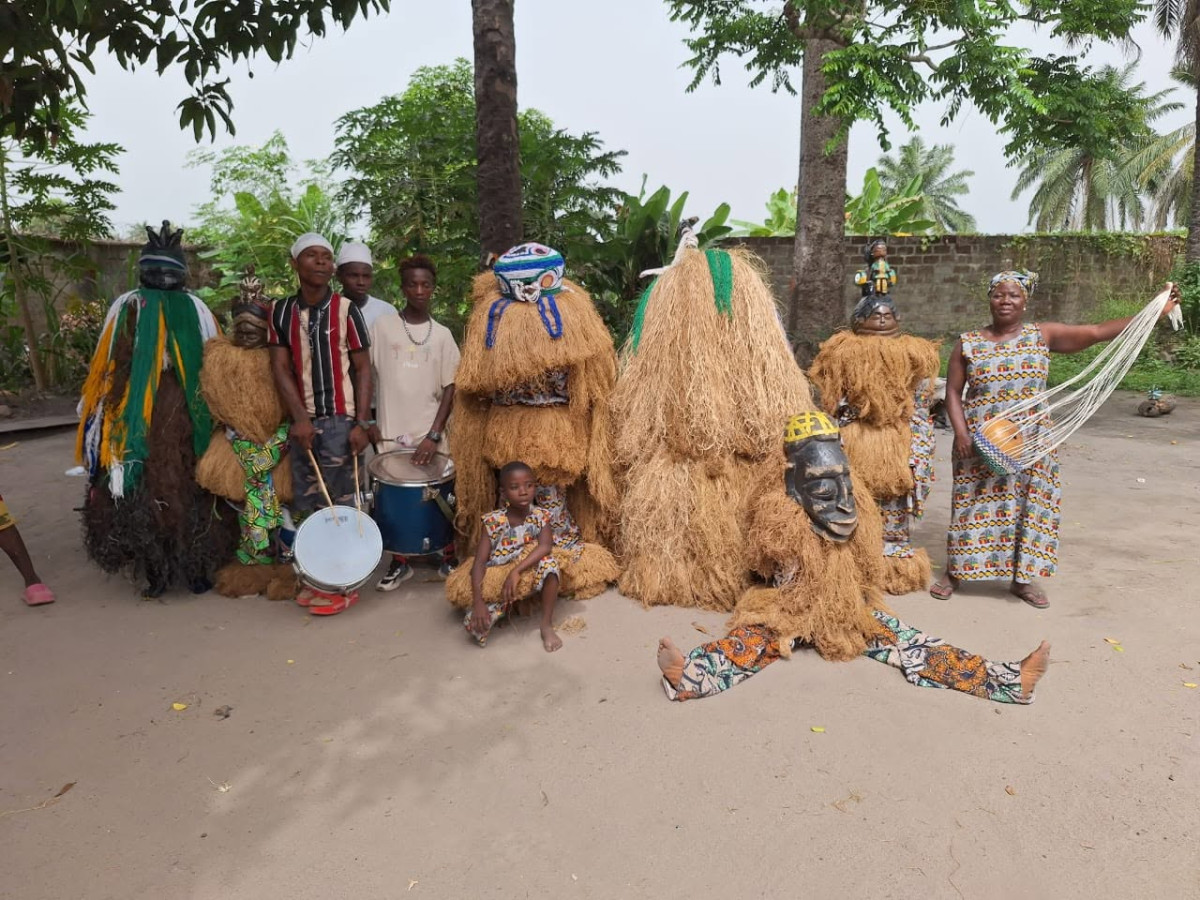
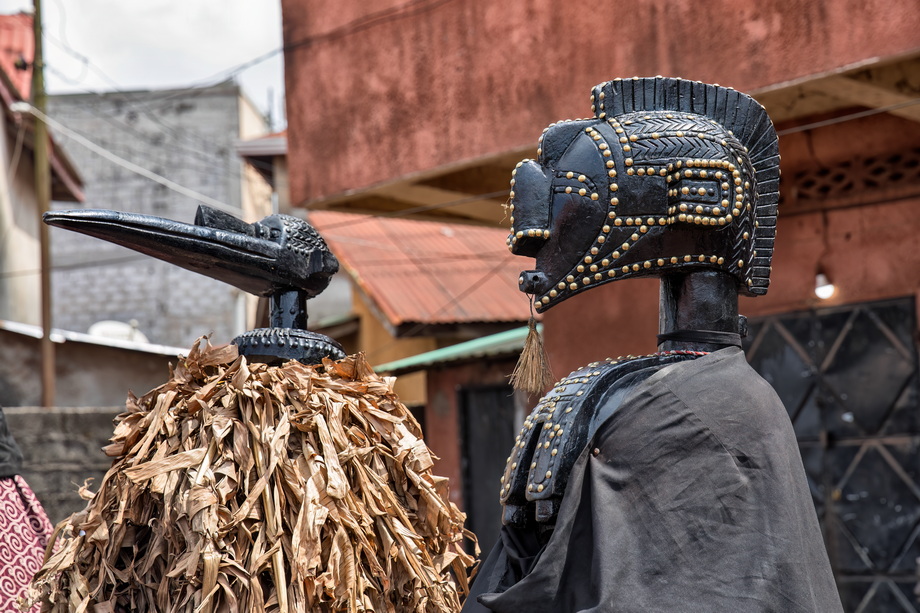
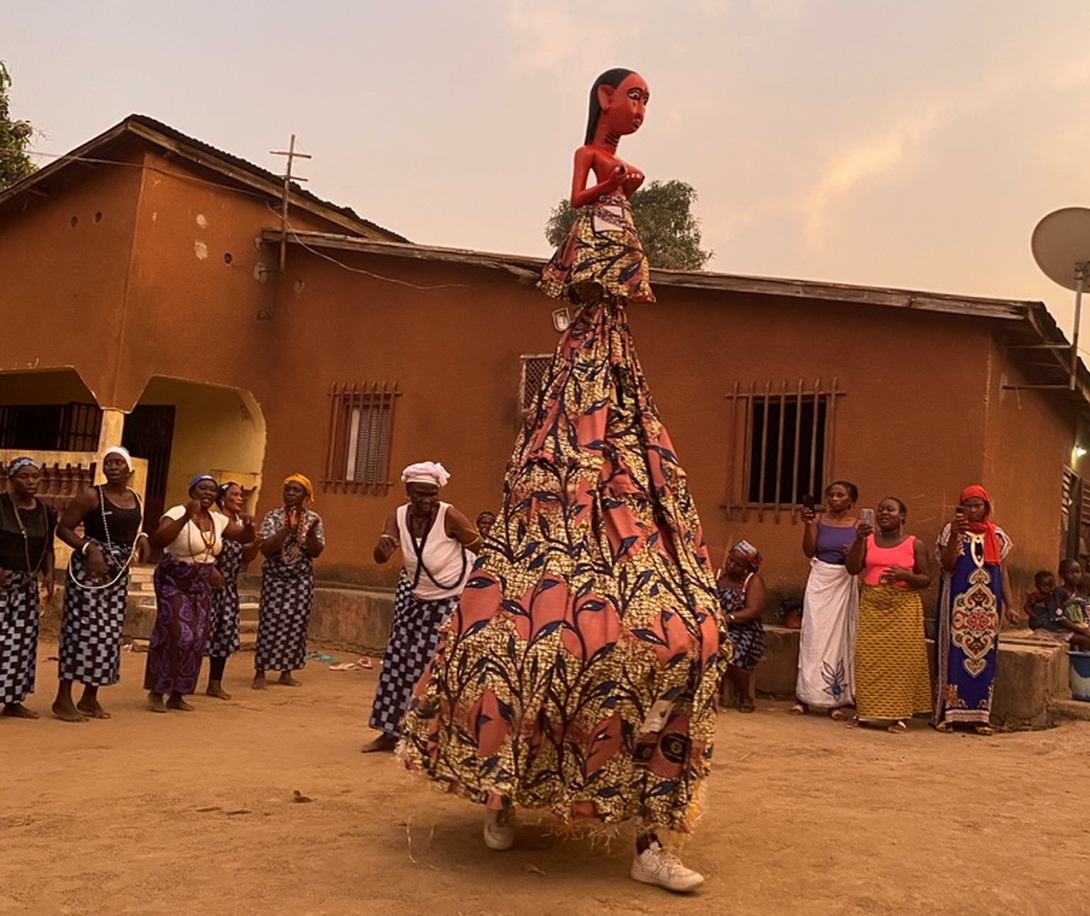
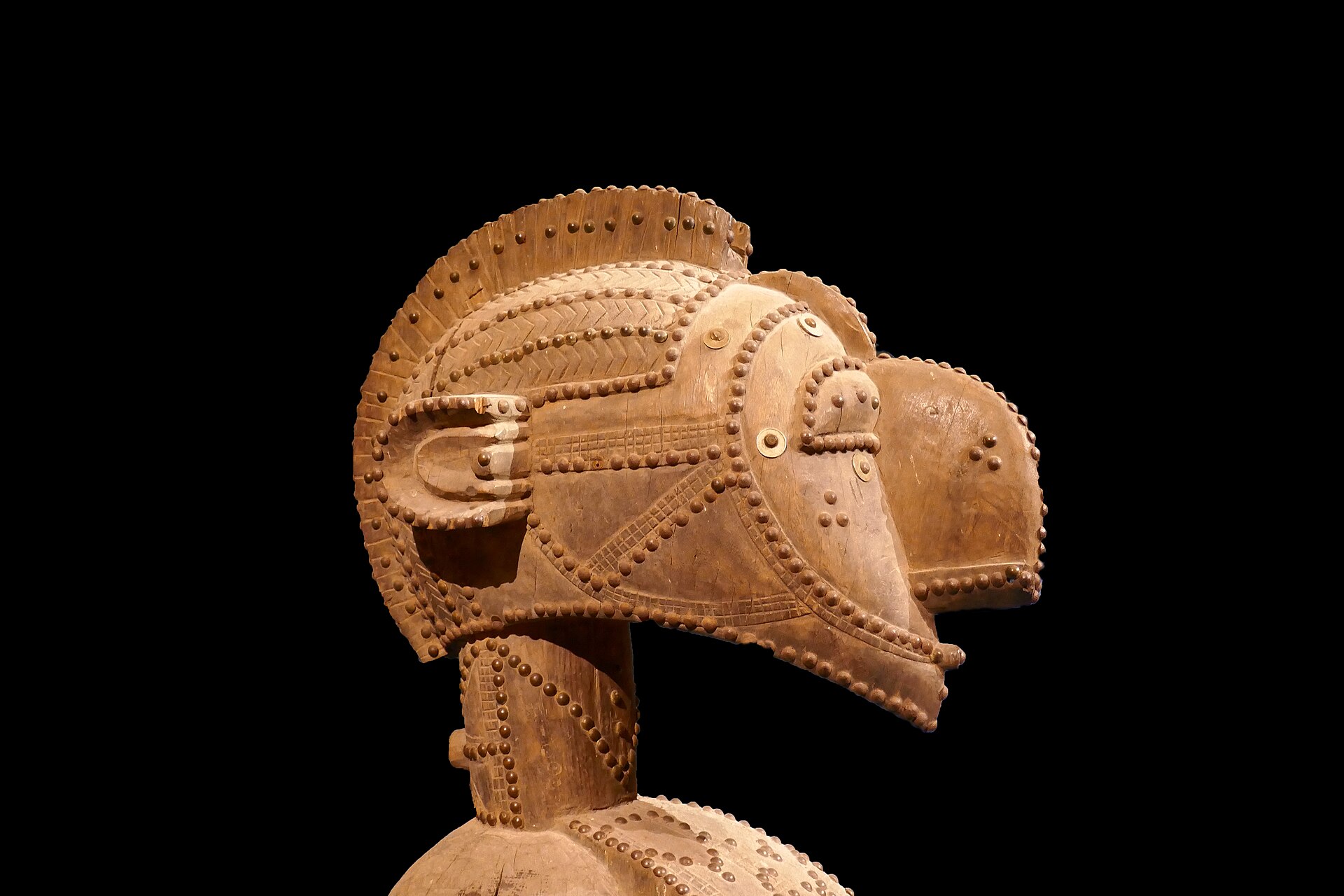
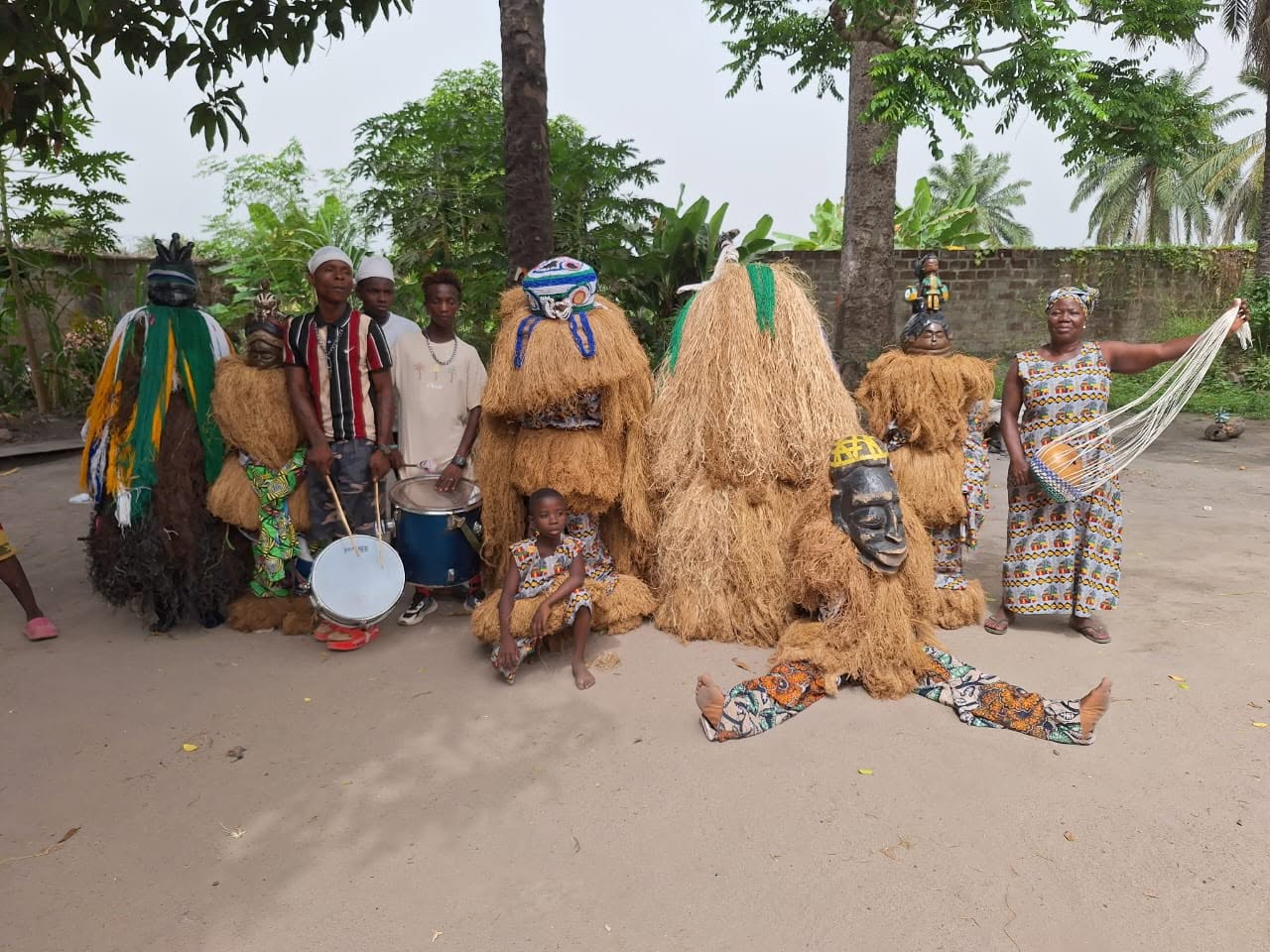
The highlight of the day comes after dark with a traditional ceremony accompanied by drums and masked dancers. In the firelight, the majestic Baga Nimba will appear before us. One of Guinea’s most famous and revered masks, it represents fertility, strength and protection for the Baga people and remains an important cultural symbol of the country.
Overnight at hotel. Air-conditioned rooms with private bathrooms. Twin rooms are not available.
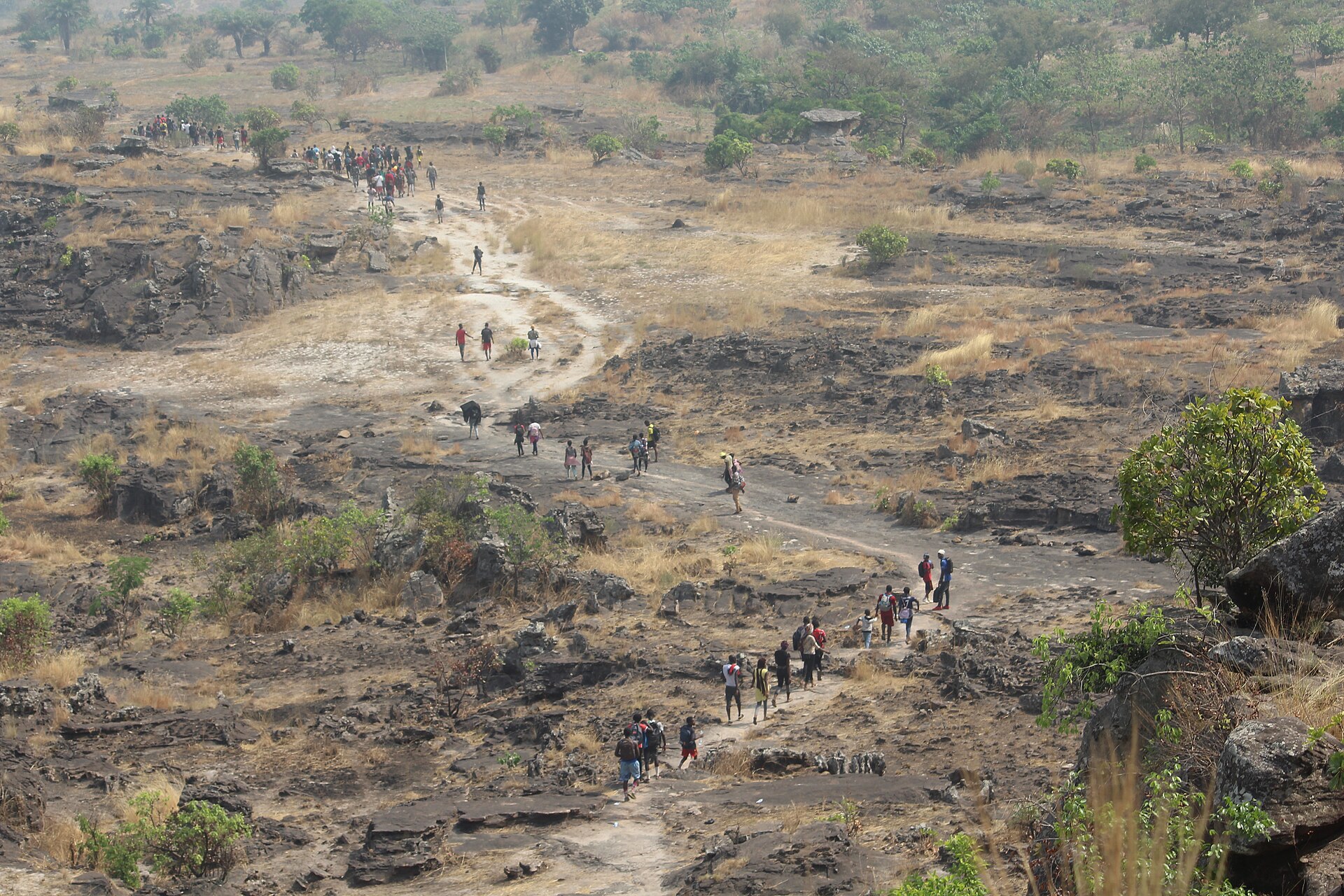
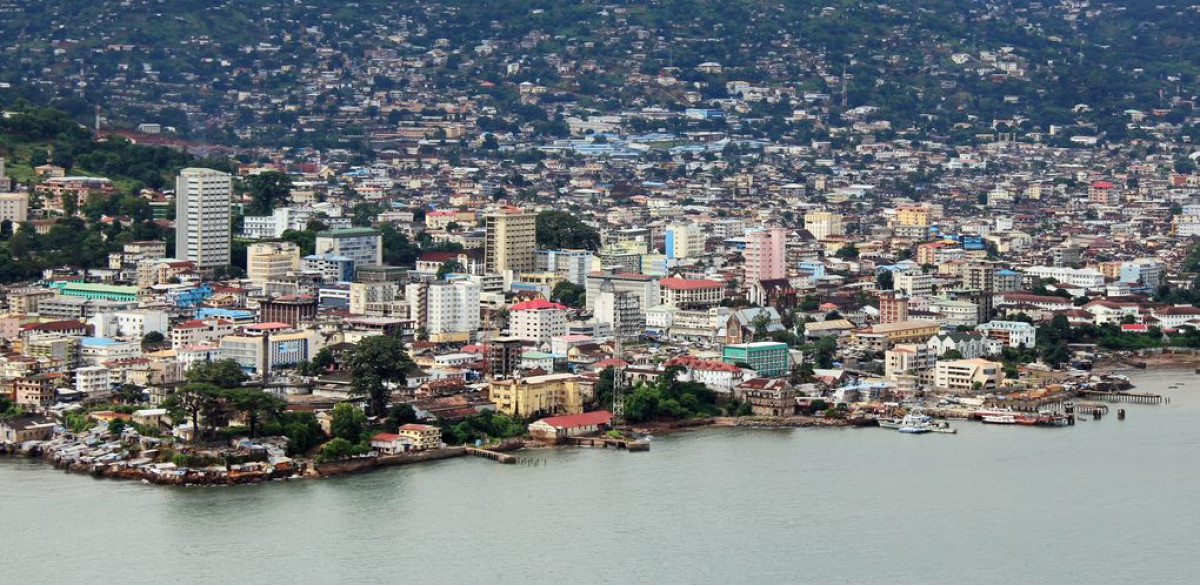
A long road and the first international border of our expedition await us. We depart early, leave Guinea and continue into Sierra Leone after completing the border formalities. Arrival in Freetown is expected towards the end of the day.
The history of the city is connected with attempts to establish a West African settlement for freed Black people who arrived from North America and Britain in the late eighteenth century. The first years of the new settlement were extremely difficult, as its inhabitants faced hunger, unfamiliar diseases and conflicts with local communities.
In 1794, the city was attacked by a French squadron and almost completely destroyed. Following the British abolition of the slave trade in 1807, the Royal Navy began freeing people from intercepted slave ships in Sierra Leone. One year later, Freetown became the capital of Britain’s first colony in tropical Africa.
An influential Krio community gradually emerged, while the development of education turned Freetown into one of the intellectual centres of the region. During the colonial period, the city became known as the “Athens of West Africa.”
Dinner and overnight at the comfortable four-star Hotel, offering international standards of accommodation.
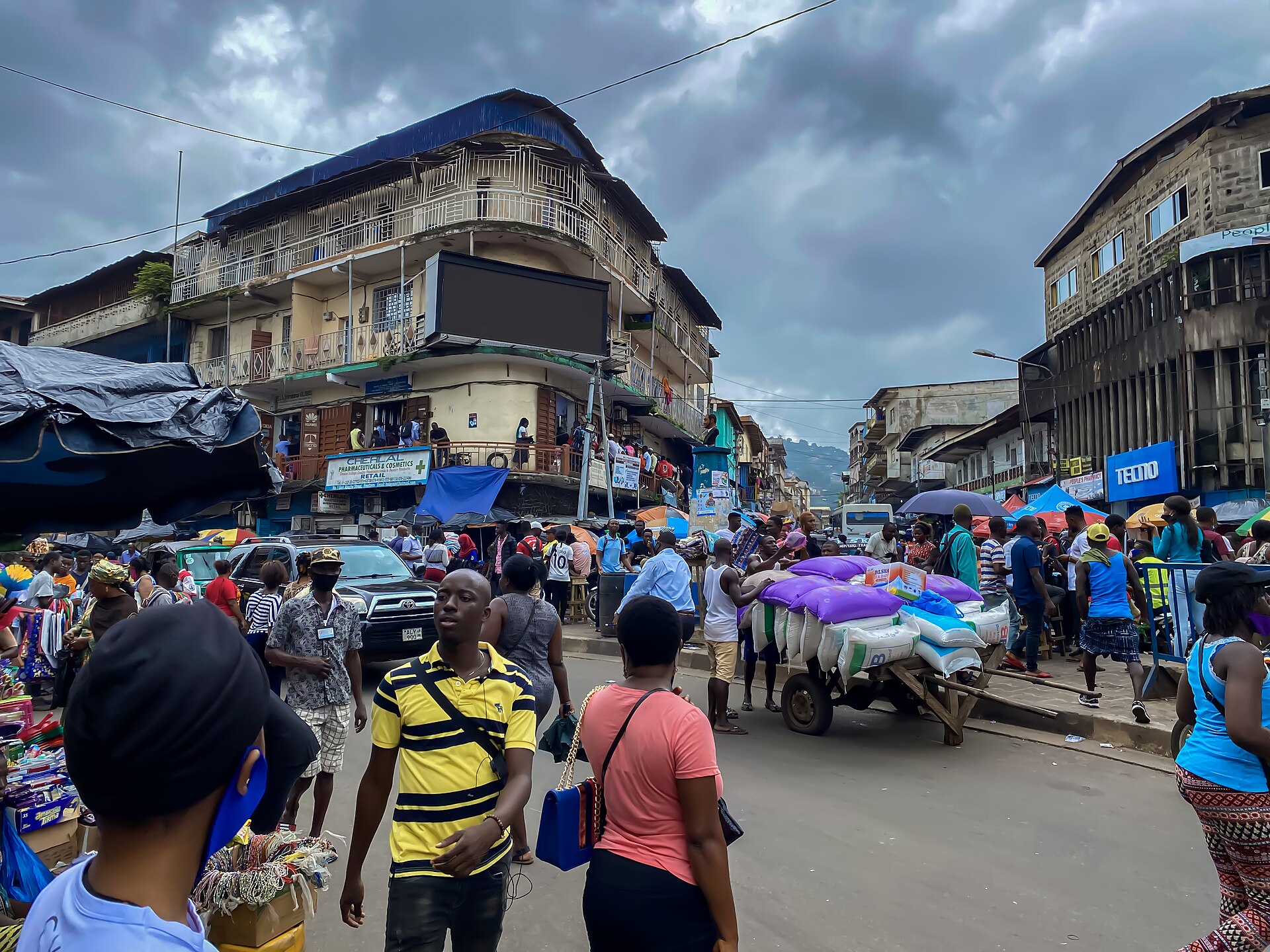
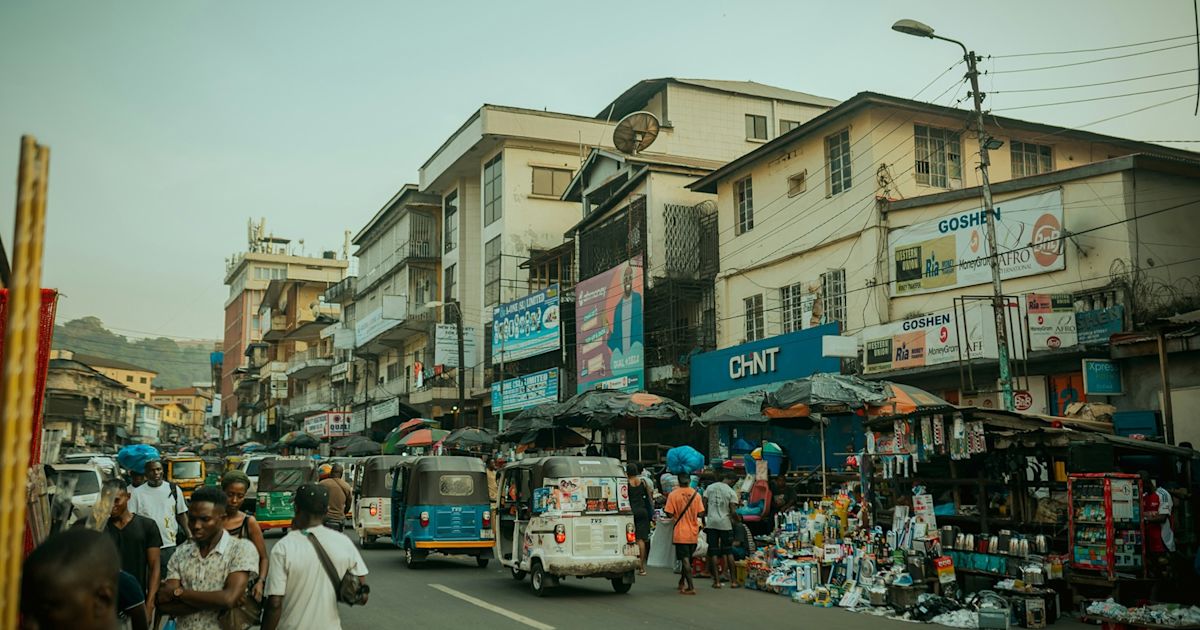
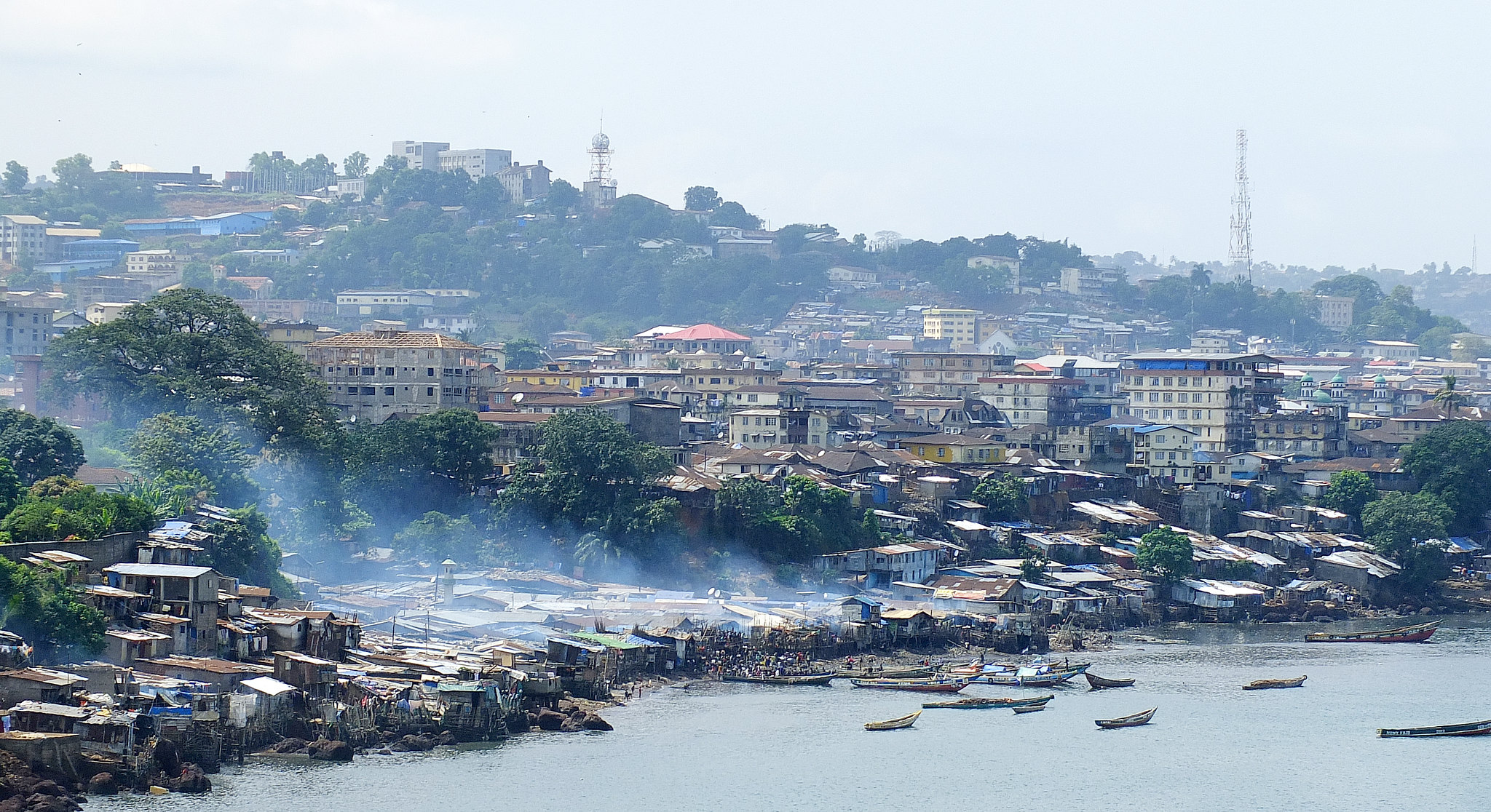
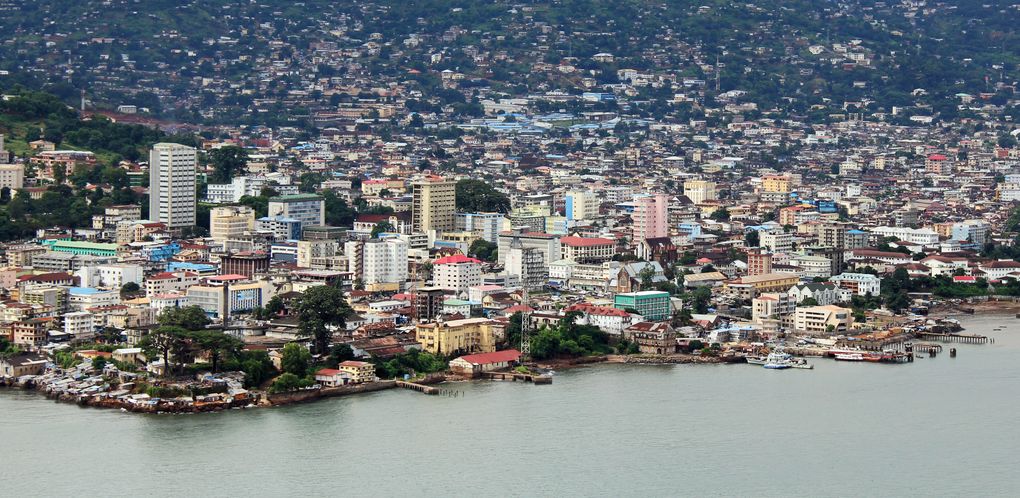
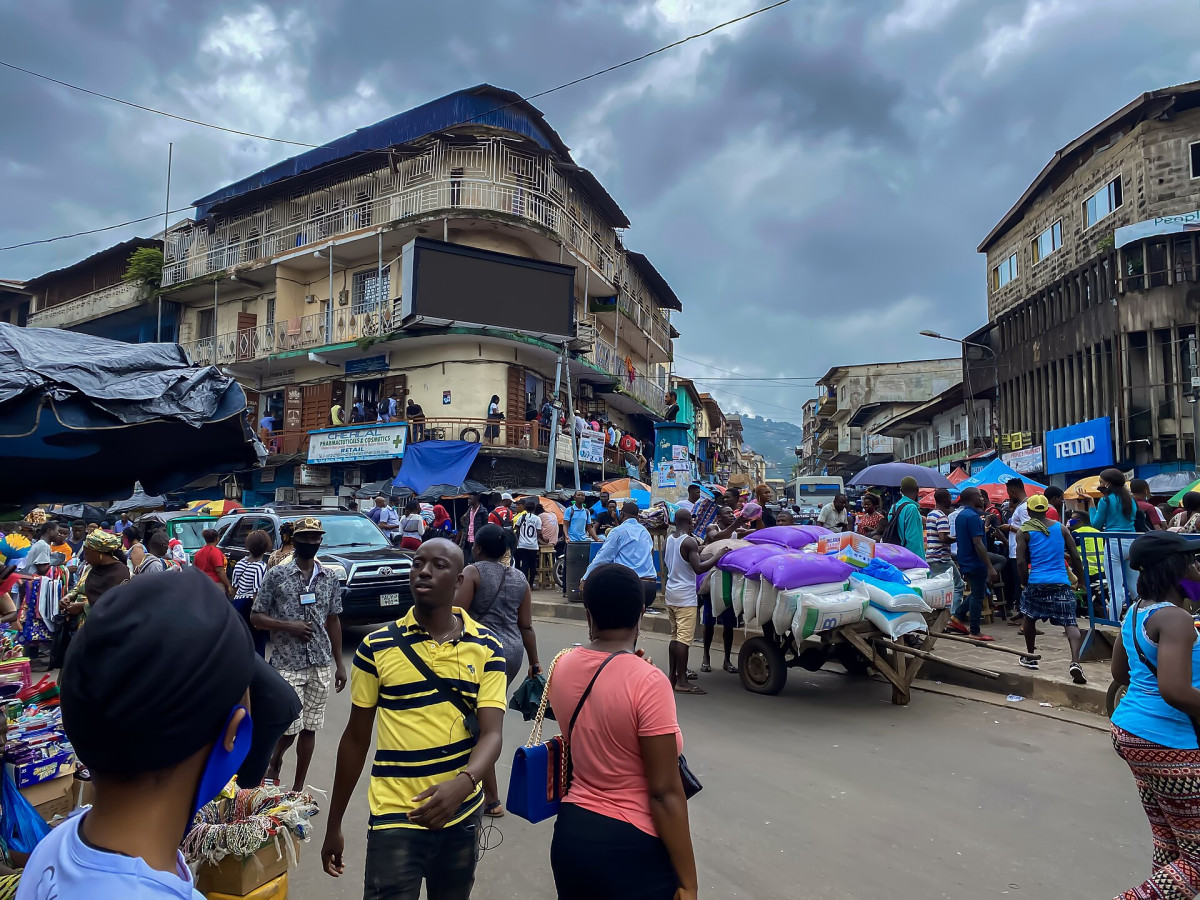
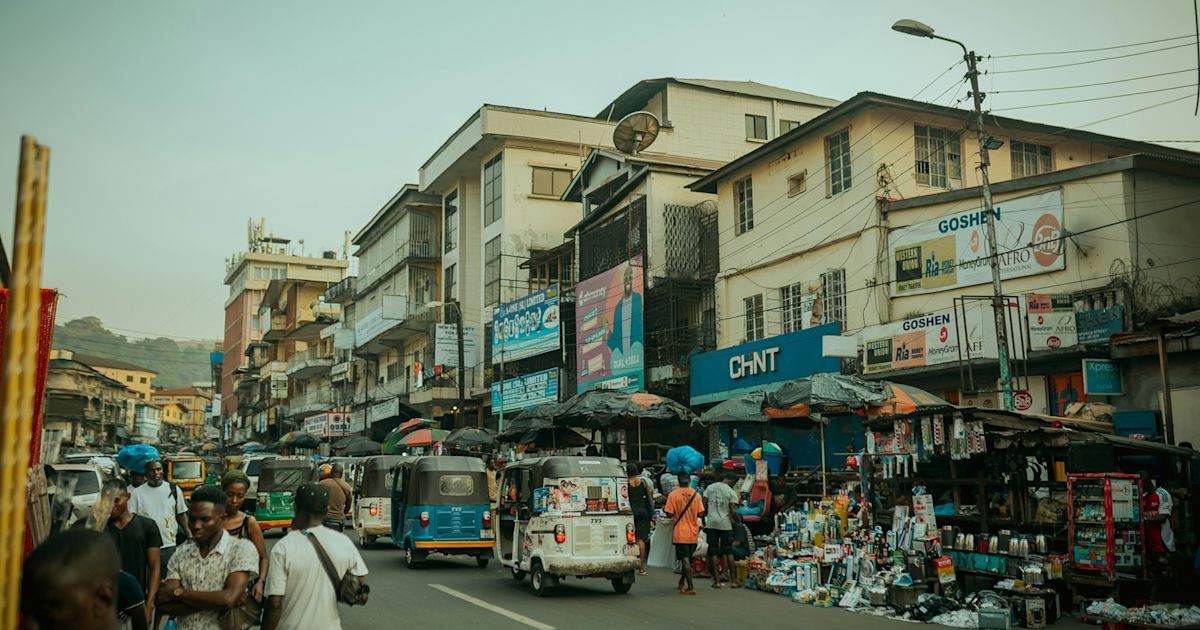
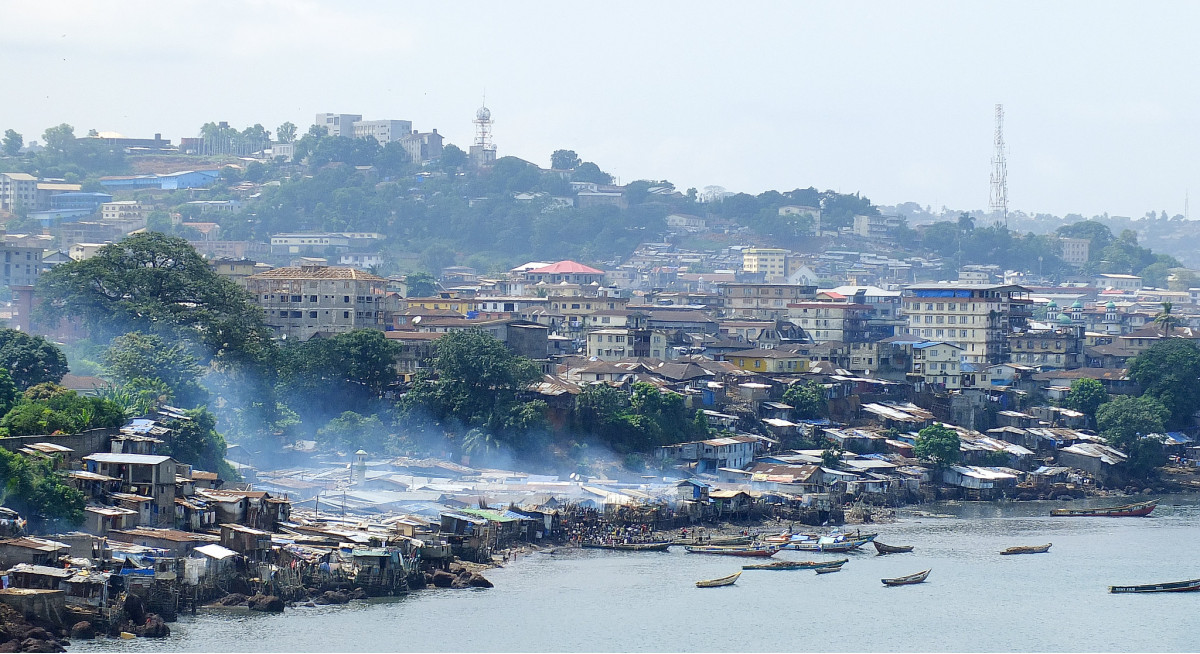
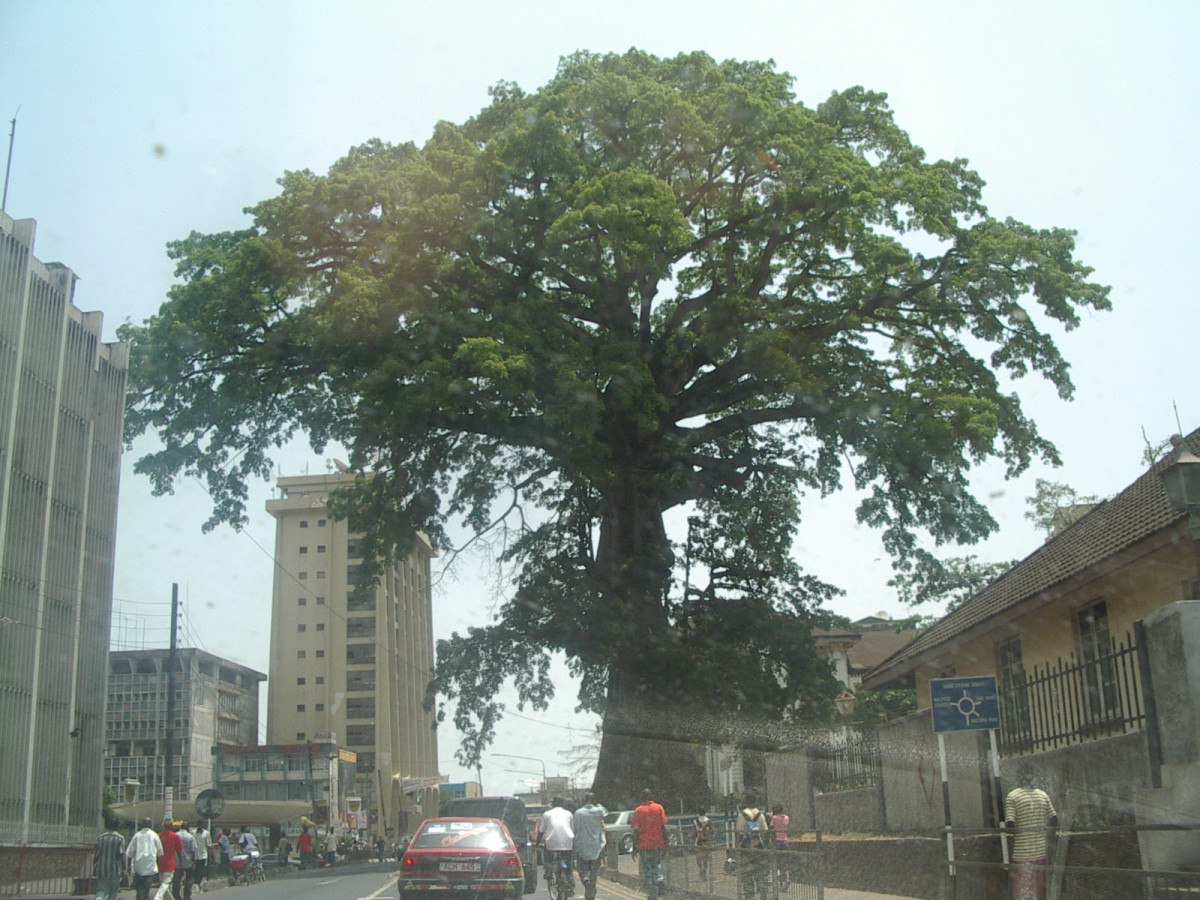
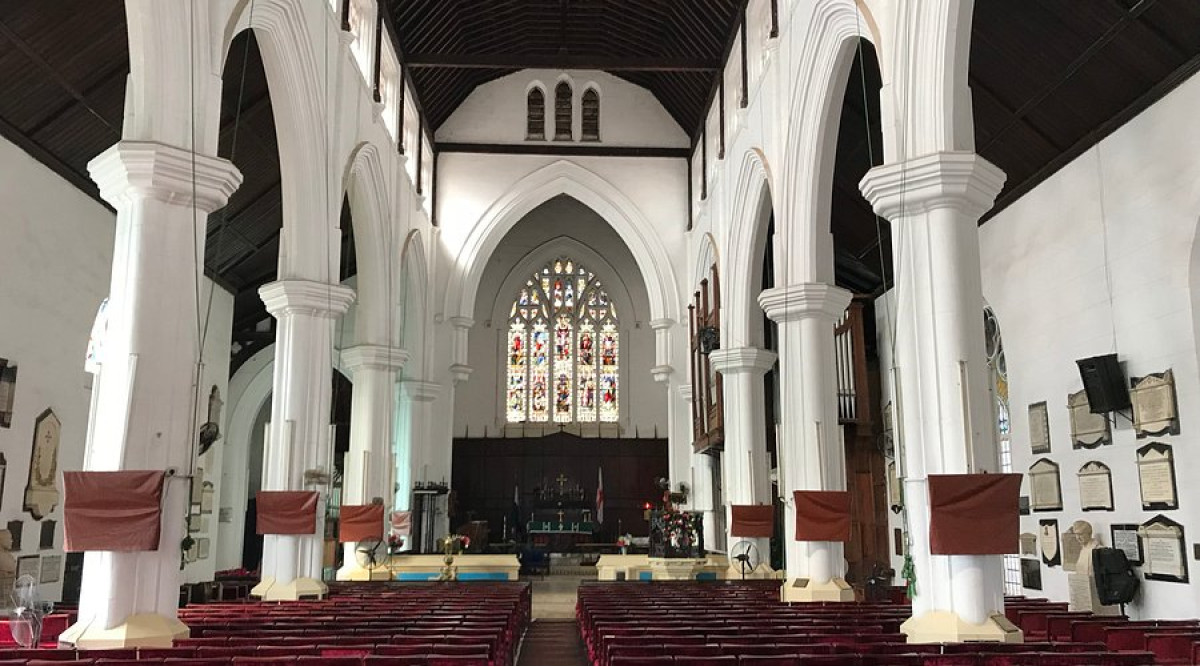
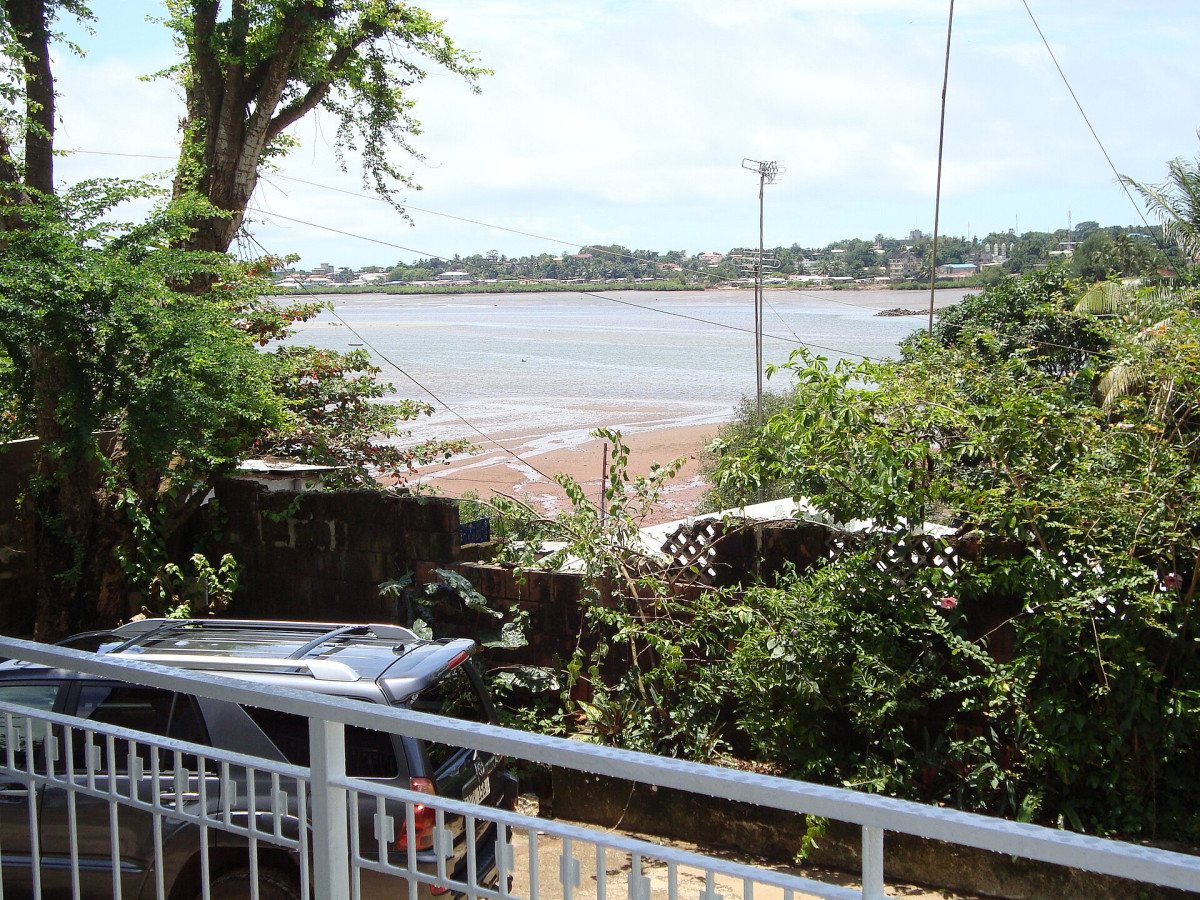
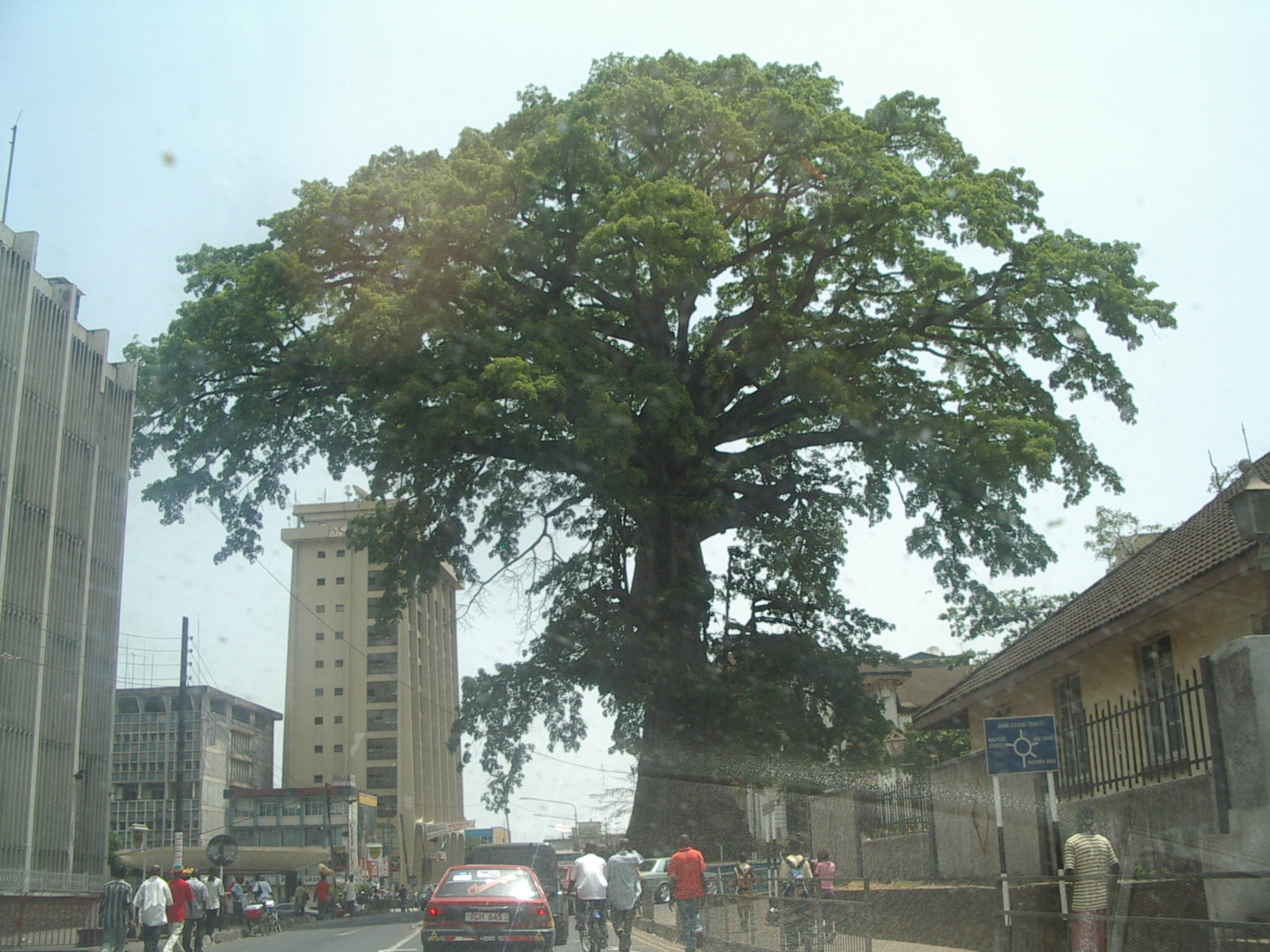
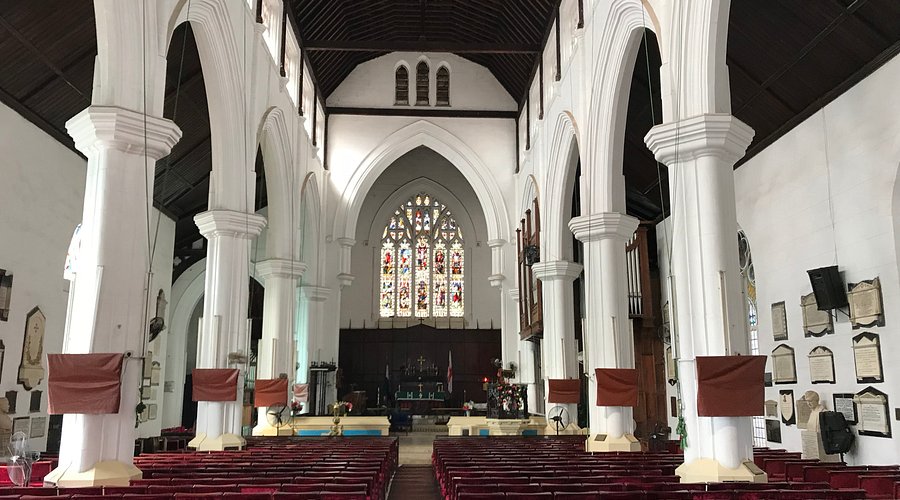
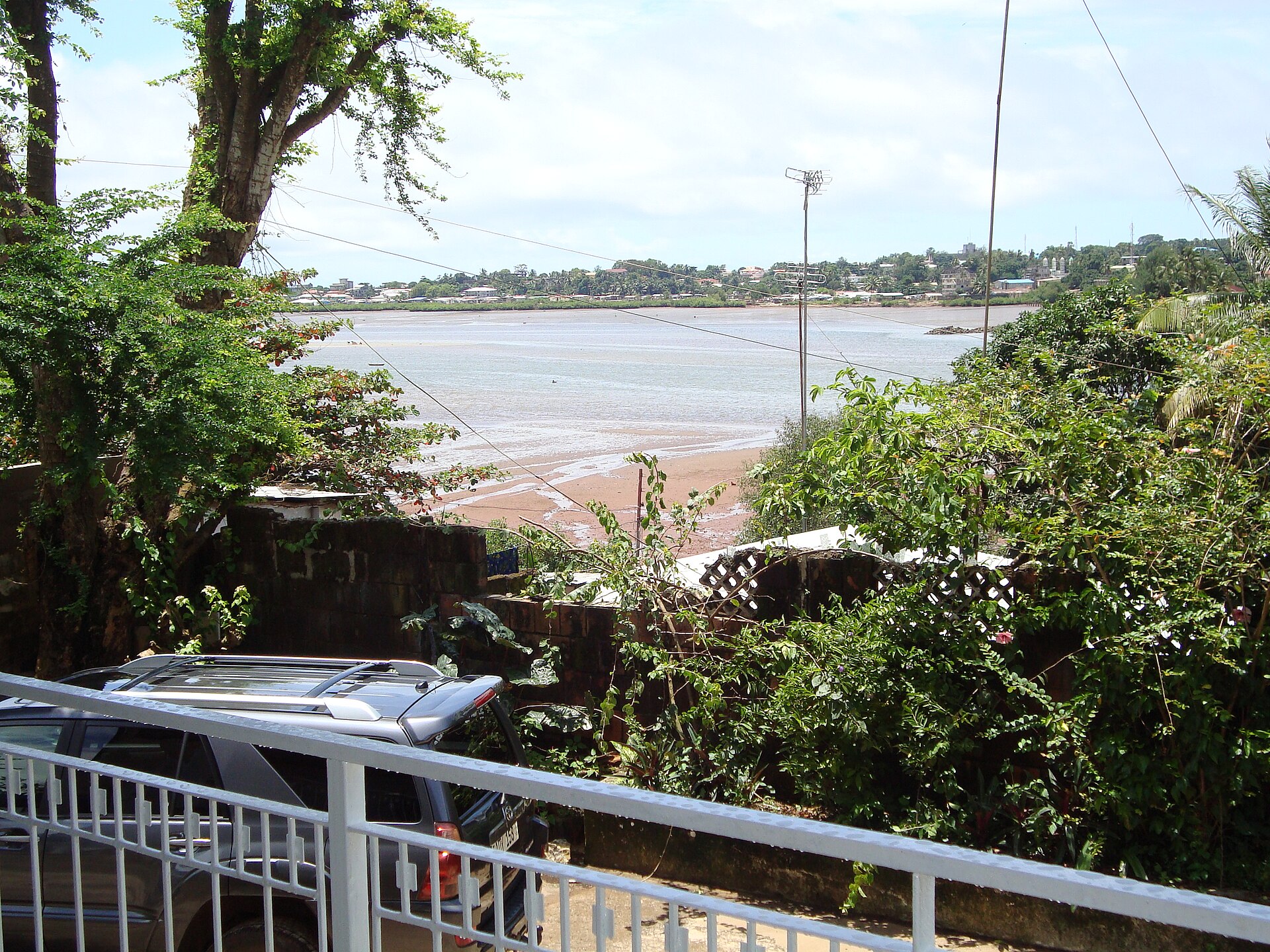
Freetown reveals itself as a long and crowded city set between rocky mountains and the Atlantic Ocean. Our tour includes the colonial and Krio architecture of the city centre, the remains of the famous Cotton Tree, the National Museum, the Law Courts and St George’s Cathedral.
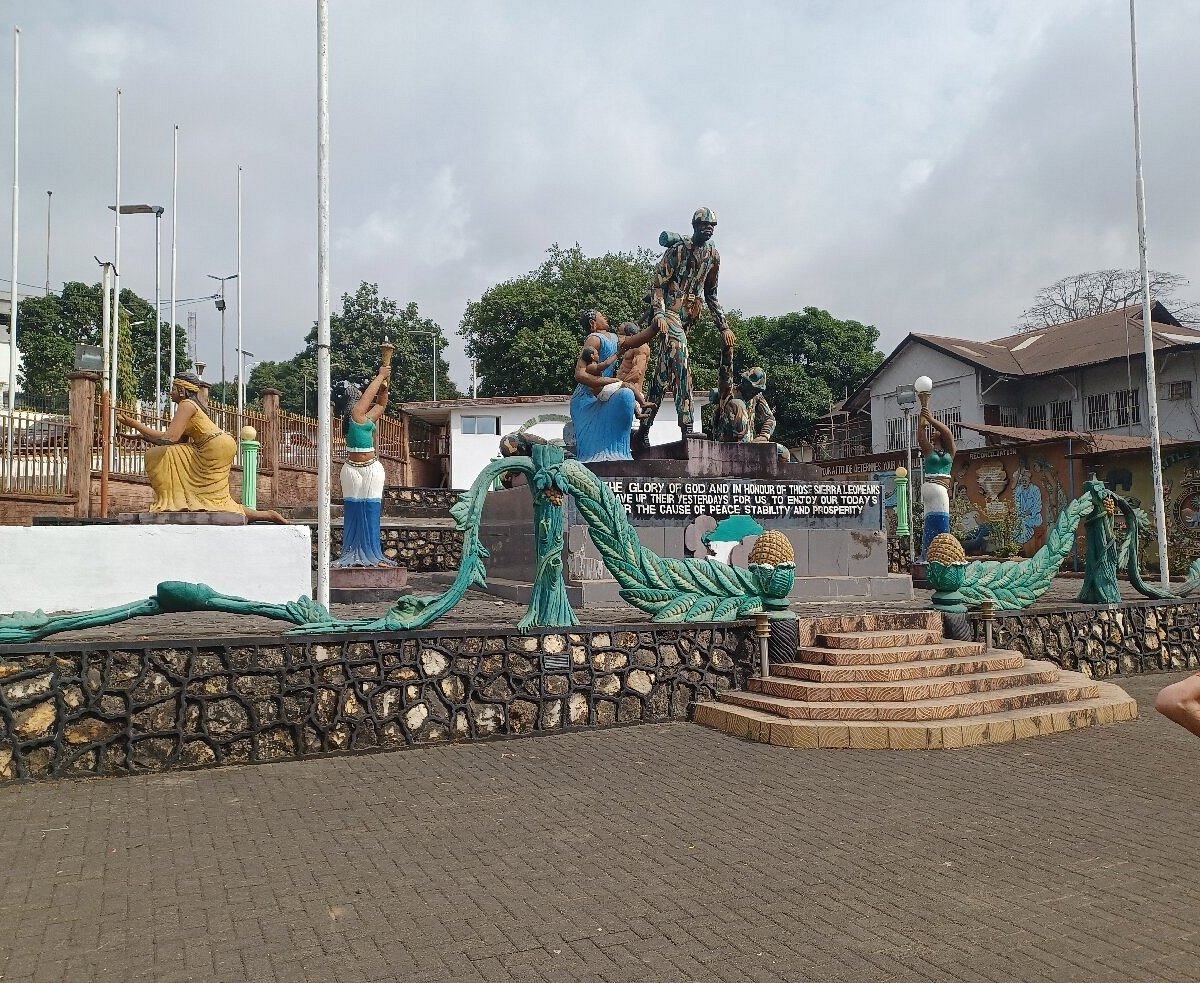
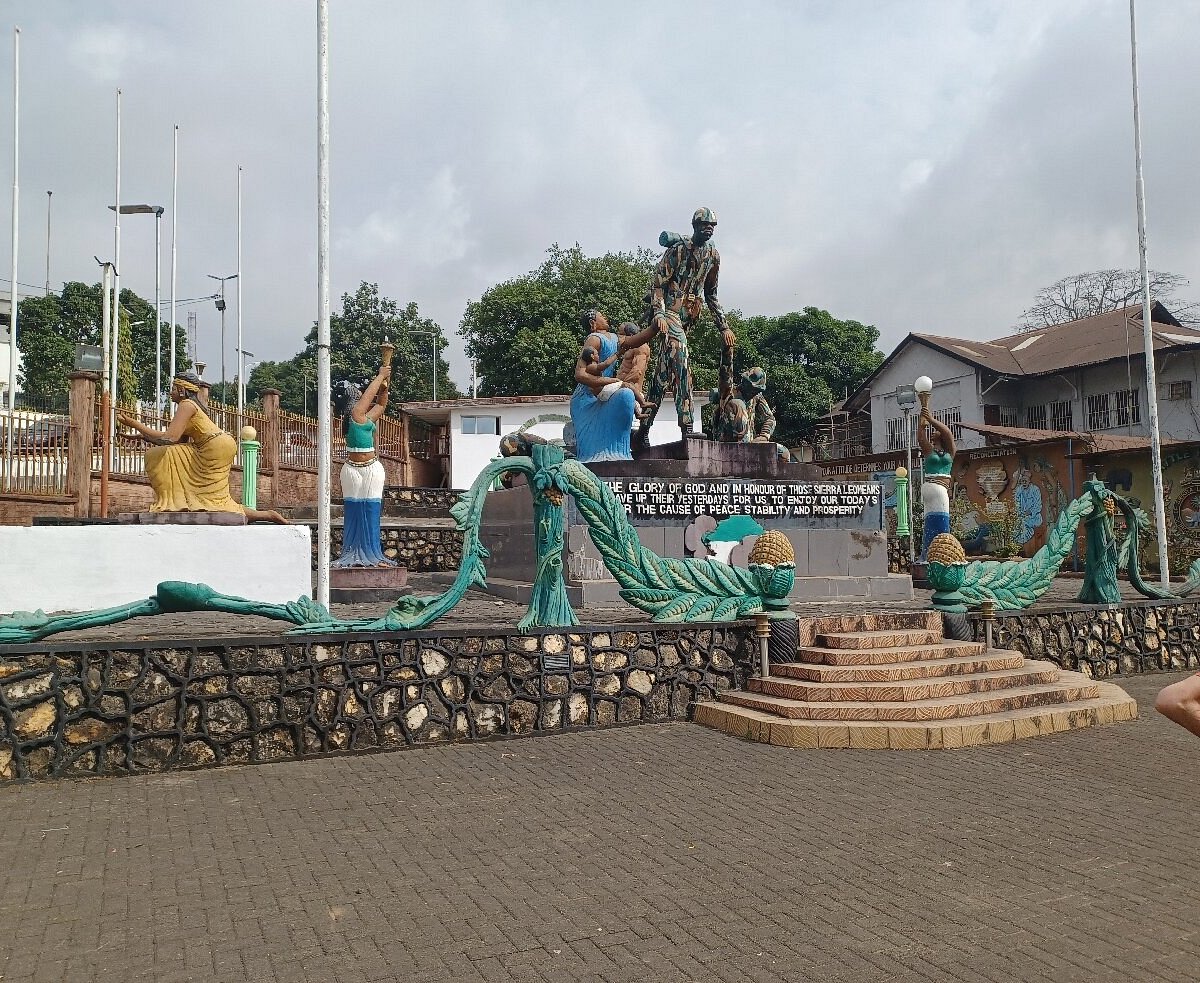
We will also visit the Sierra Leone Peace Museum, whose exhibition recounts the civil war that lasted for more than ten years.
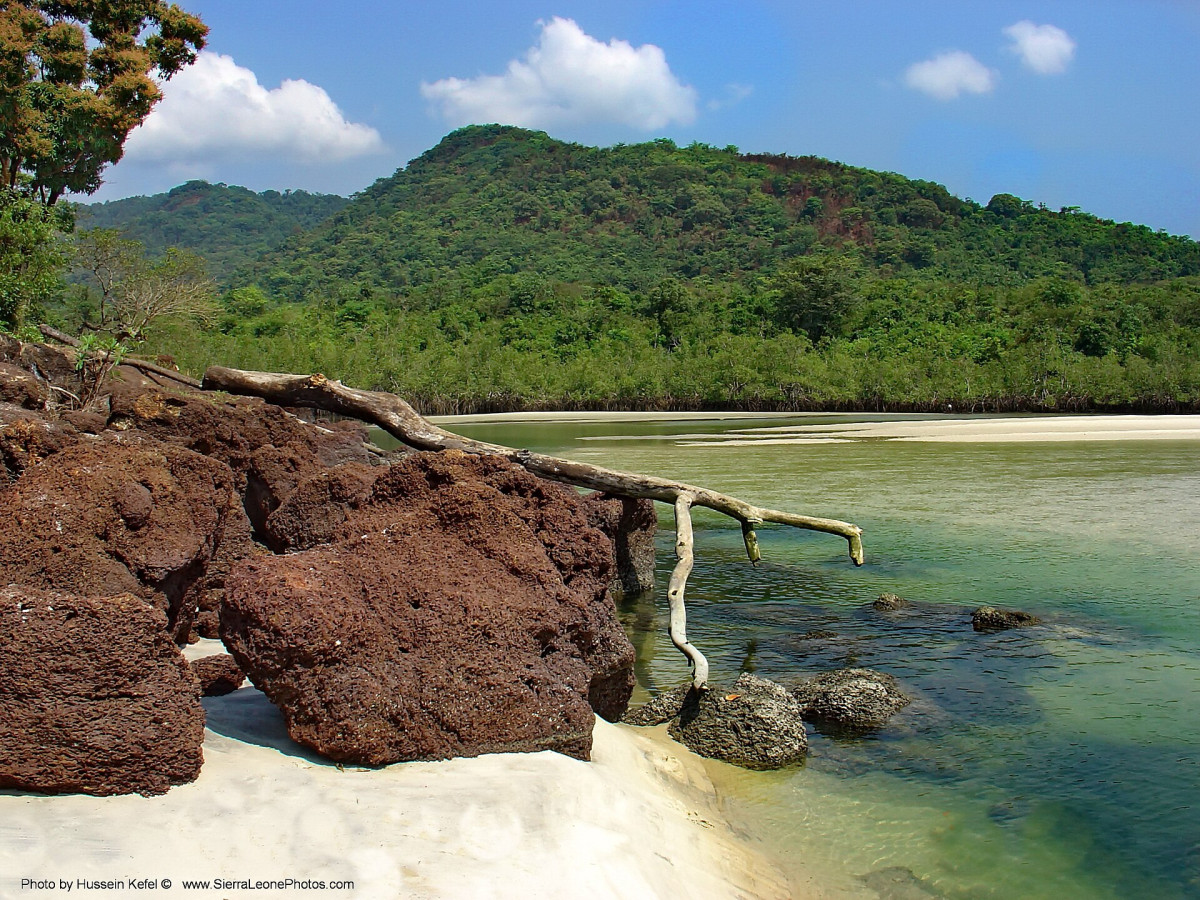
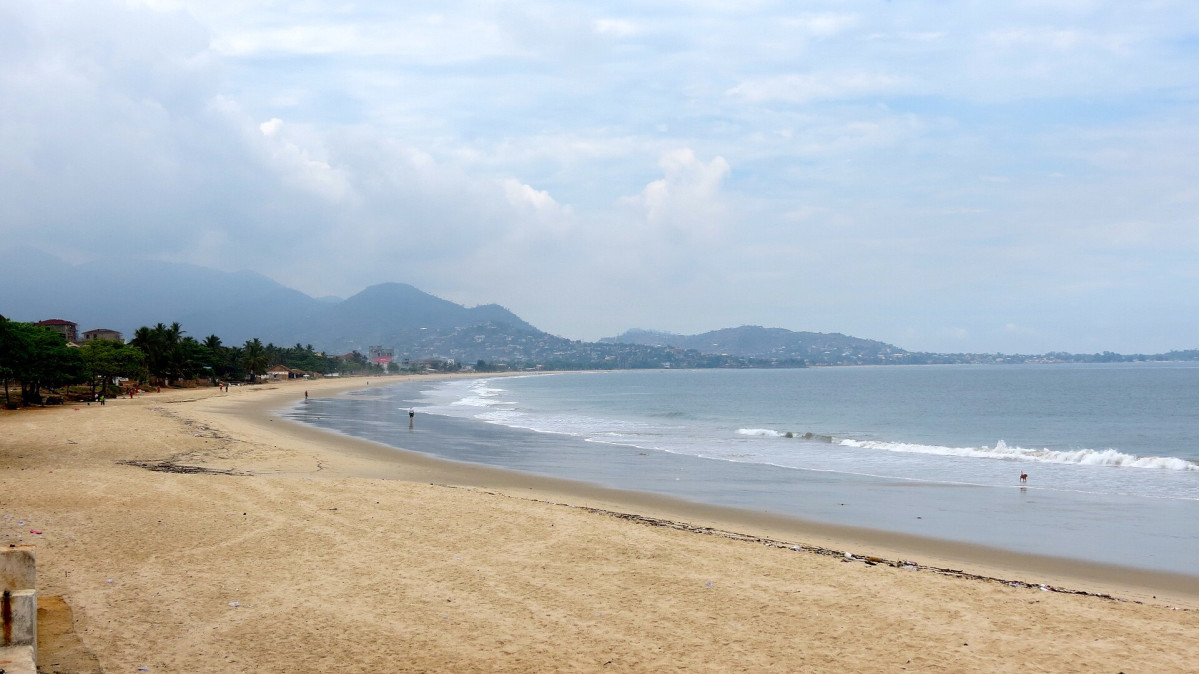
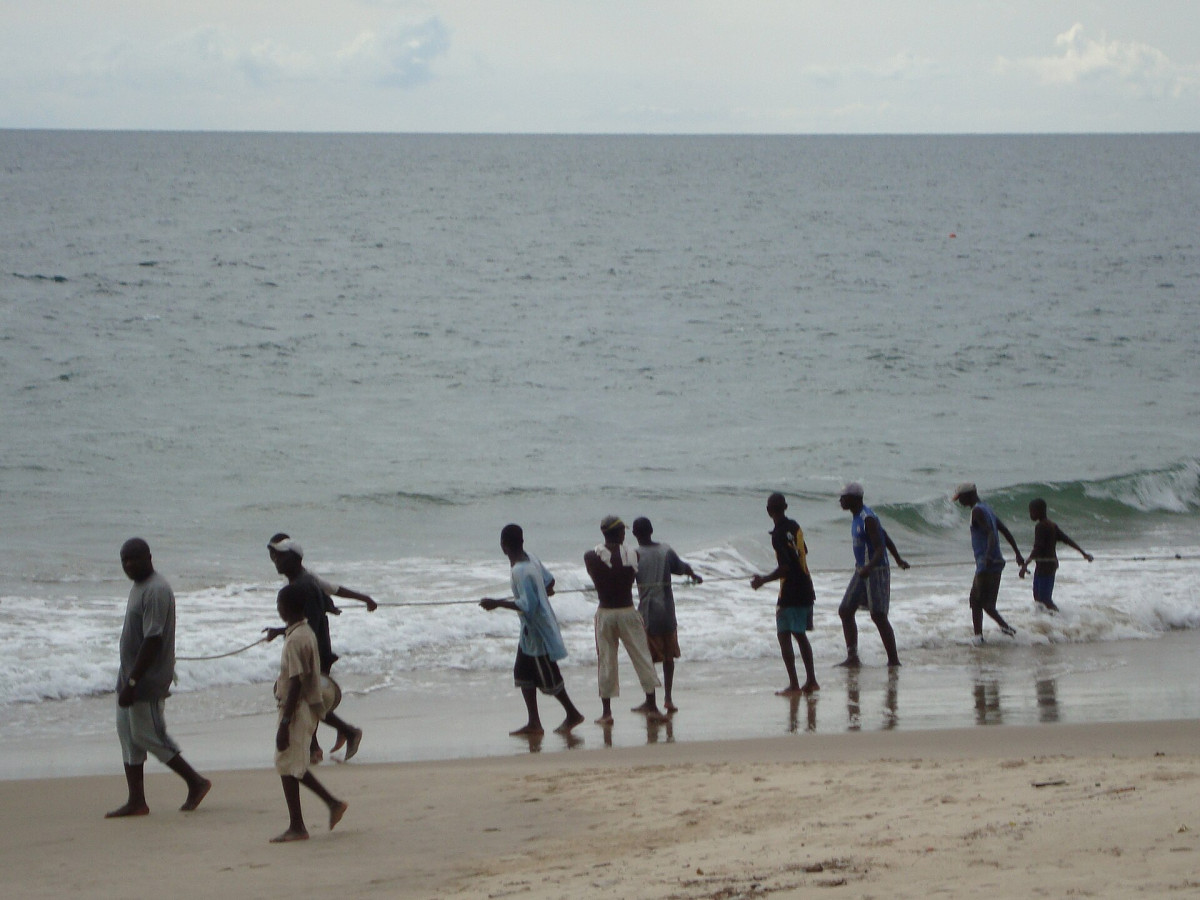
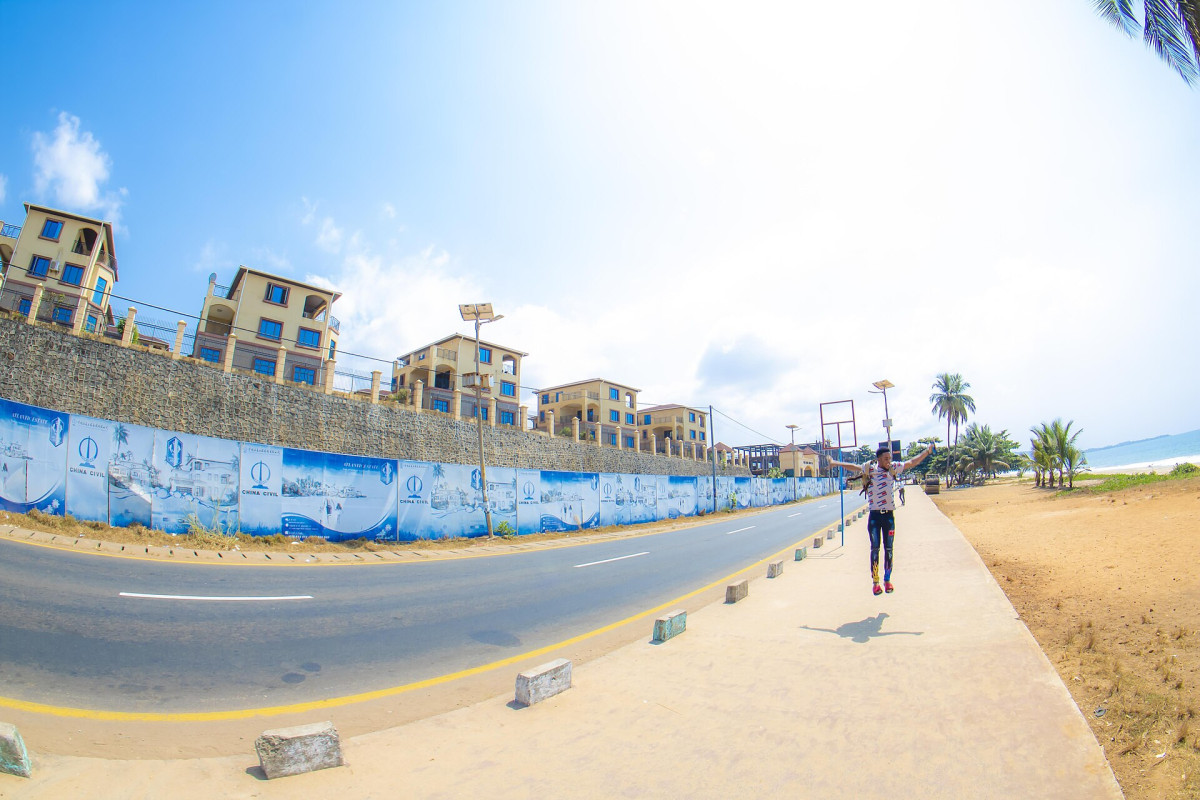
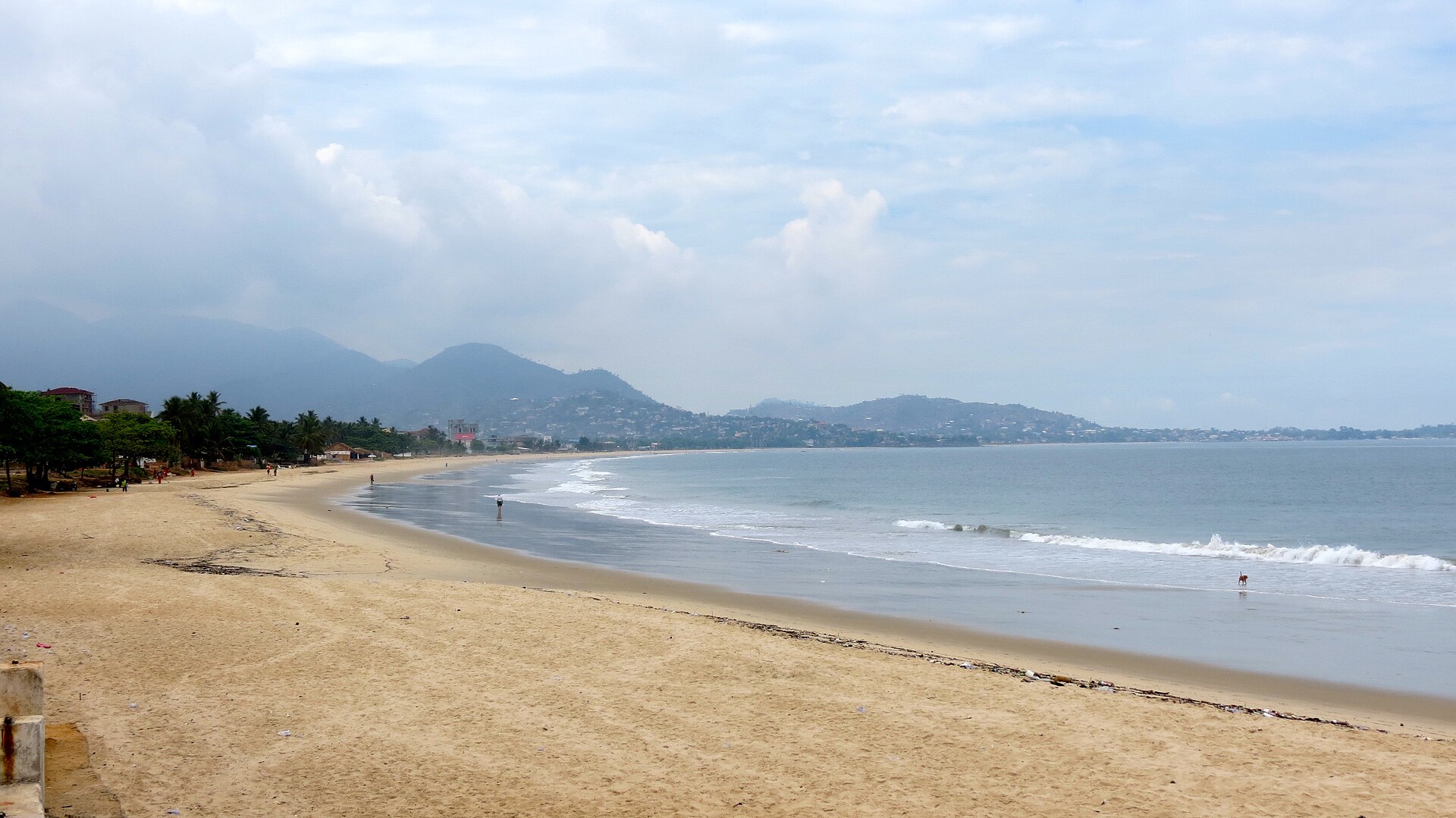
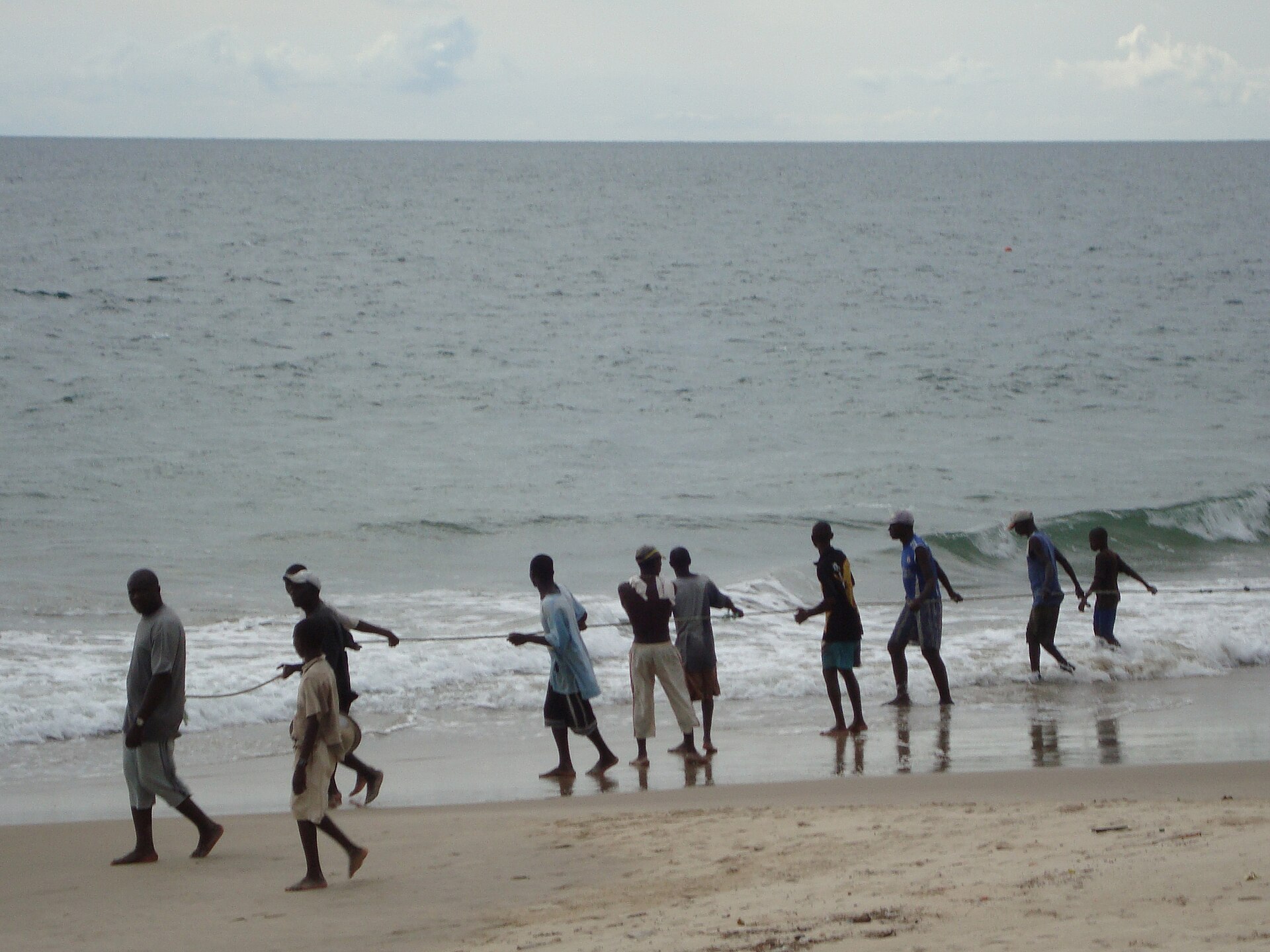
The route then follows the coast along the Freetown Peninsula. Here, only a strip of golden sand separates the green forested slopes from the blue Atlantic. These mountains gave Sierra Leone its name, meaning the “Lion Mountains.”
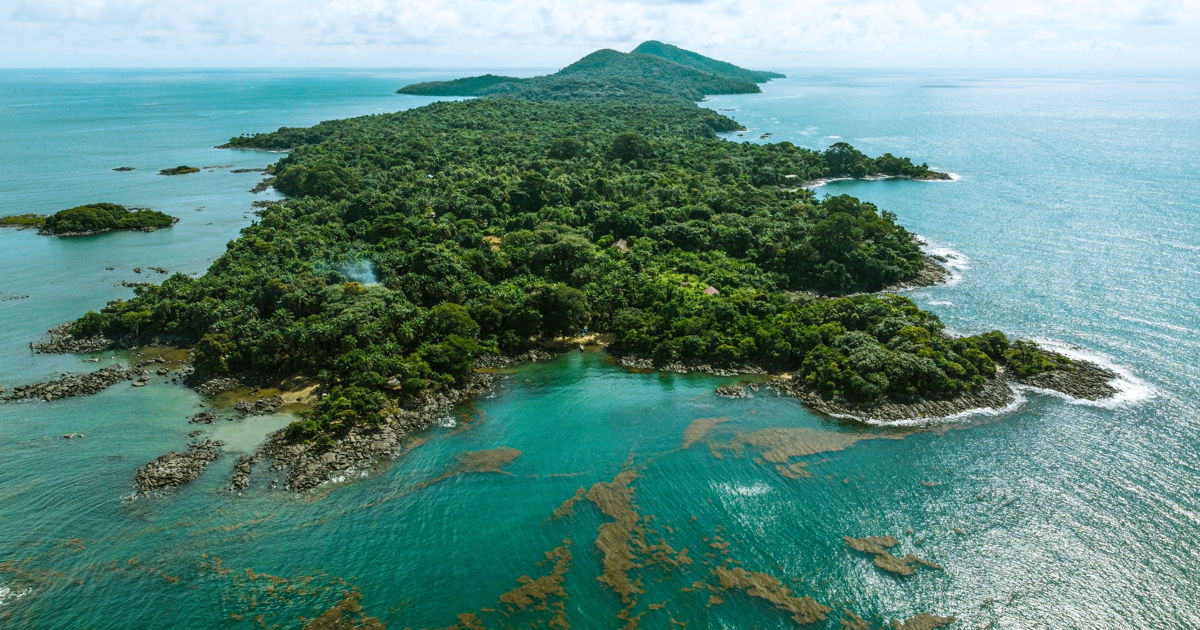
We stop at River Number Two, considered one of the most beautiful beaches in West Africa. From there, we reach the village of Kent and board a local boat to Banana Island.
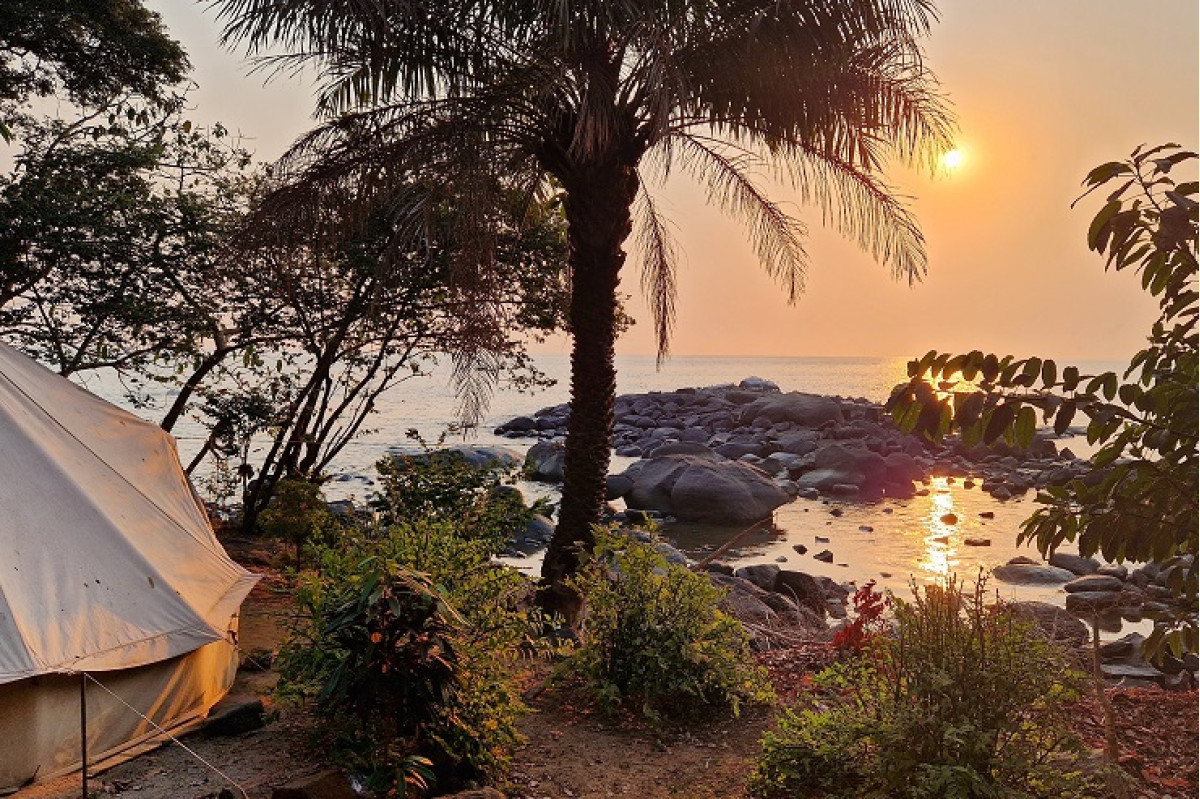
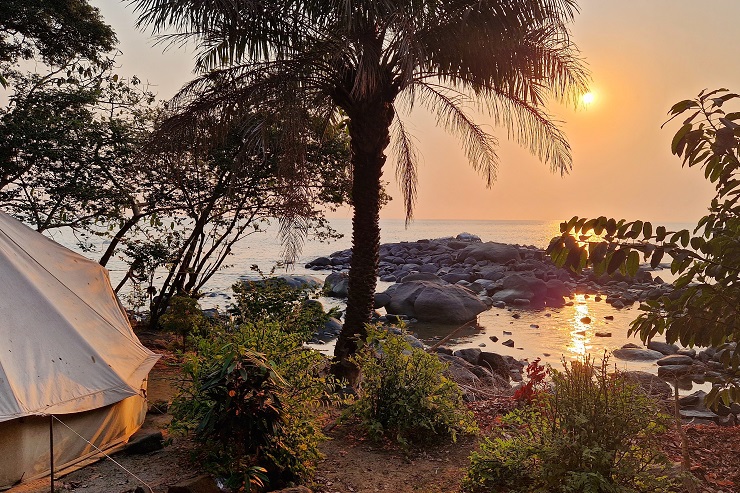
Dinner and overnight at the welcoming Lodge, our base for the next two nights. Accommodation is provided in permanent tents hidden among the trees and facing the ocean. Showers and toilets are located in a separate shared facilities block.
Dinner is prepared using the fresh catch of the day. The lodge also has an open-air bar. Alternative meal options must be requested in advance.
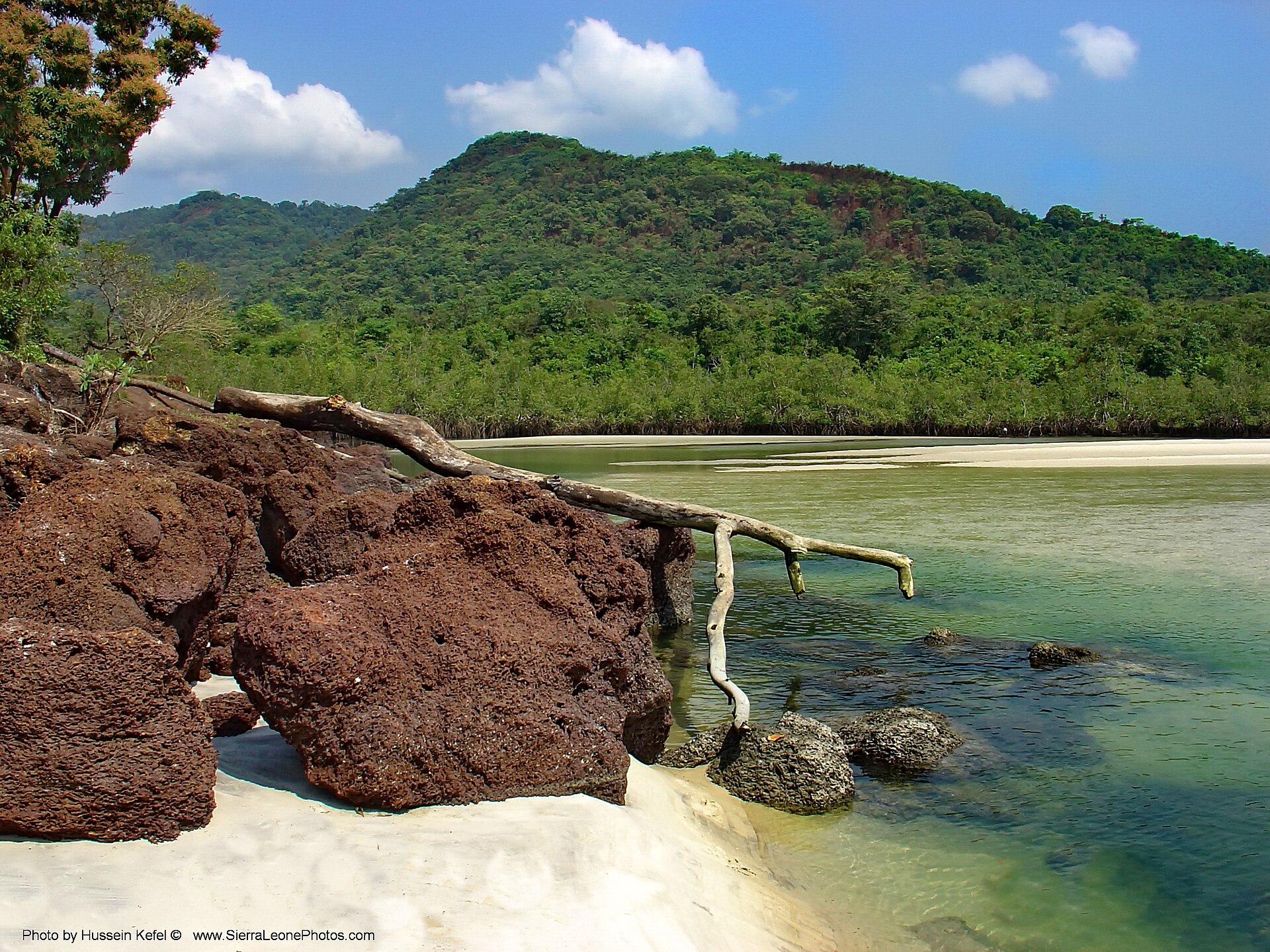
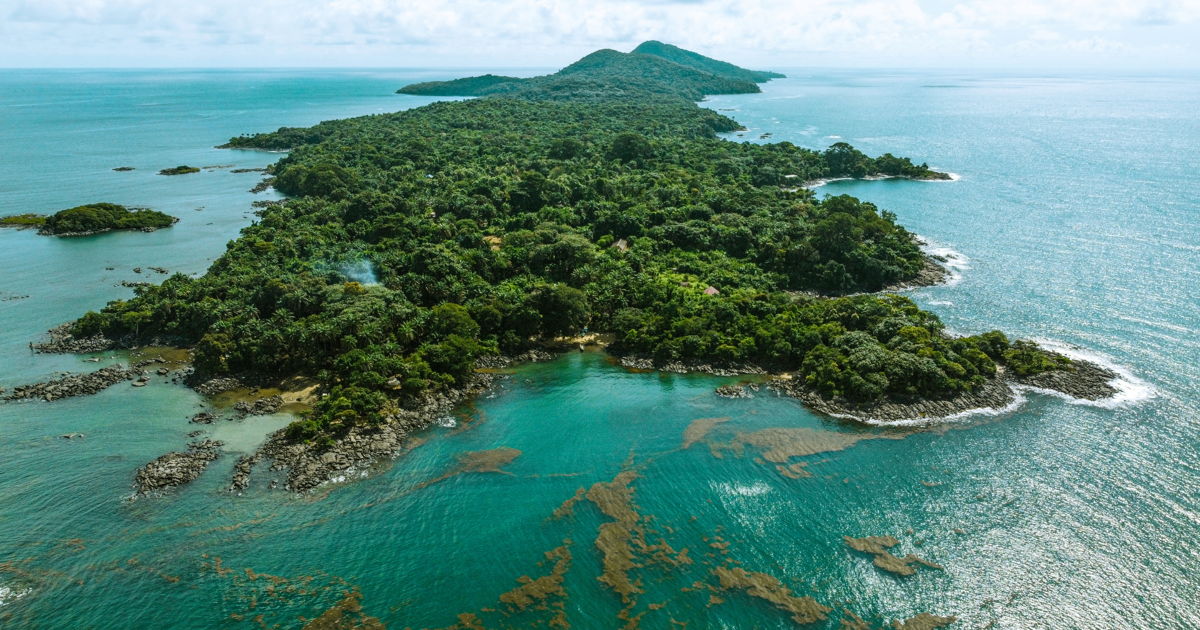
After an eventful journey on the mainland, we devote an entire day to Banana Island. Travelling around its coastline, we discover secluded beaches, mountains covered by primary forest and a Krio village whose atmosphere carries distant Caribbean influences.
There are no large cities or long road transfers today. The ocean, tropical vegetation and the unhurried rhythm of island life set the pace.
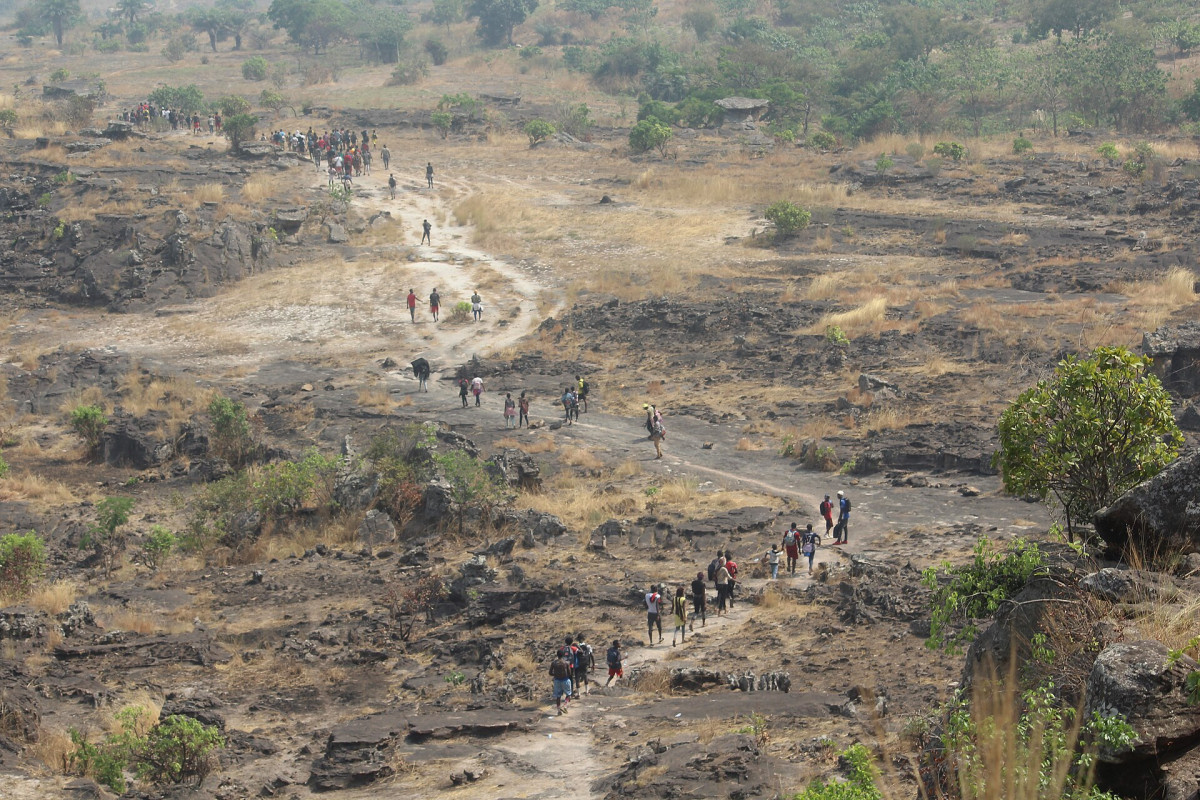
An optional walk of approximately two hours through the forest can be arranged.
Return to our permanent camp at Lodge. Dinner and overnight.
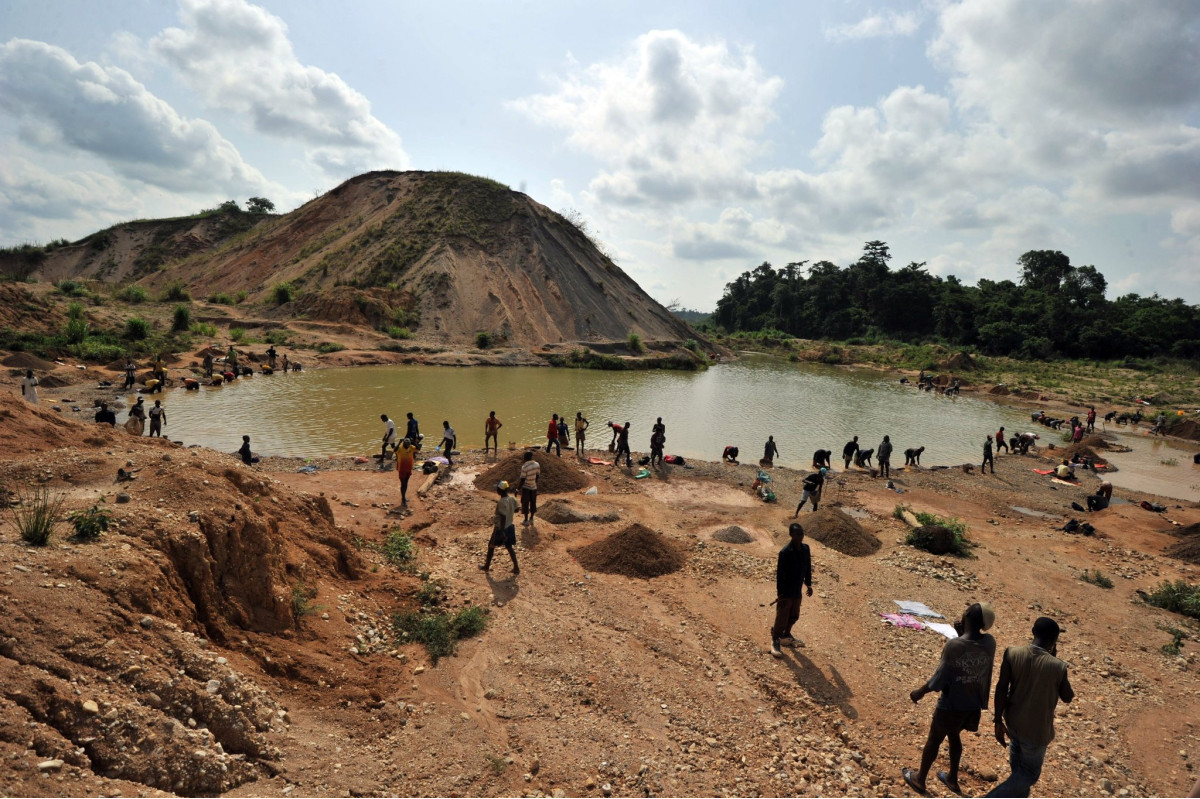
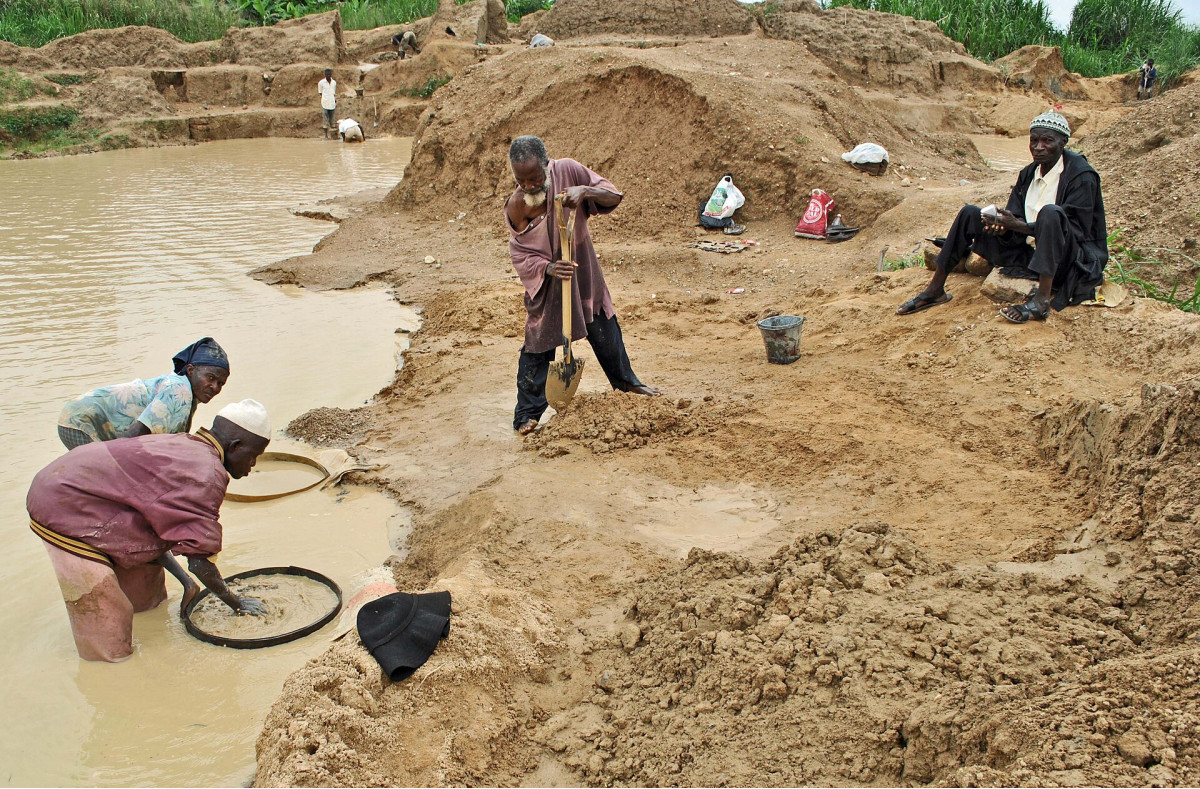
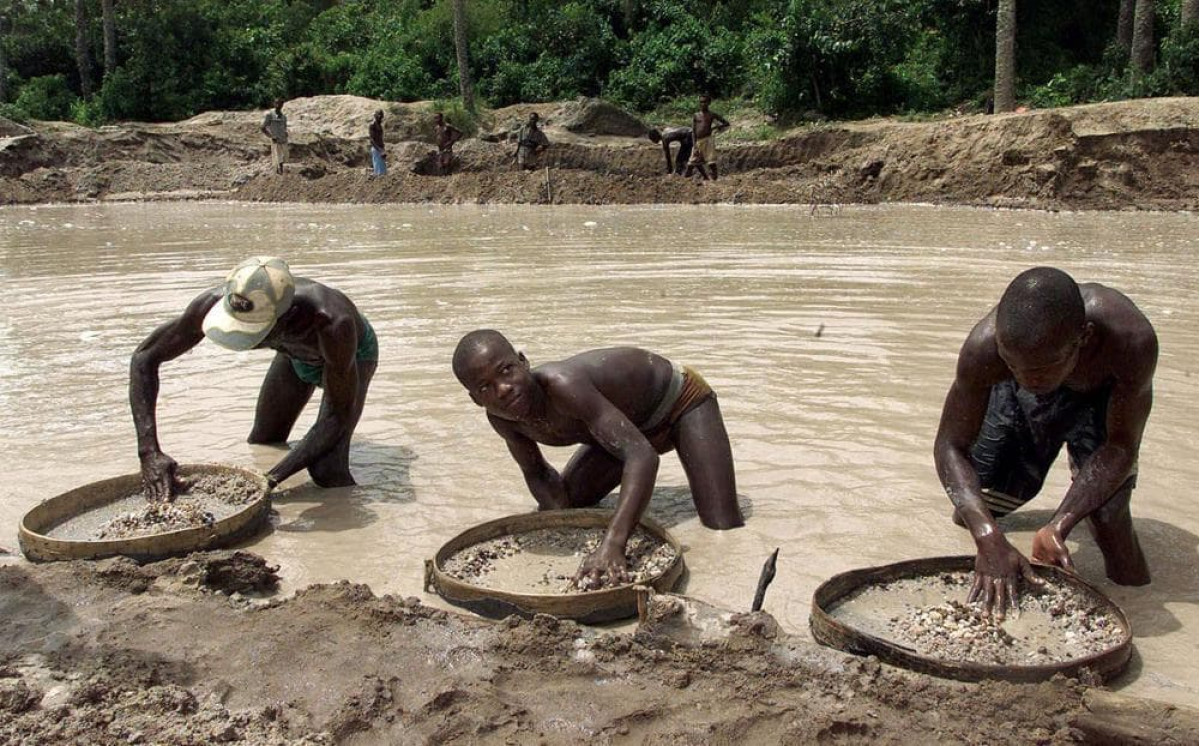
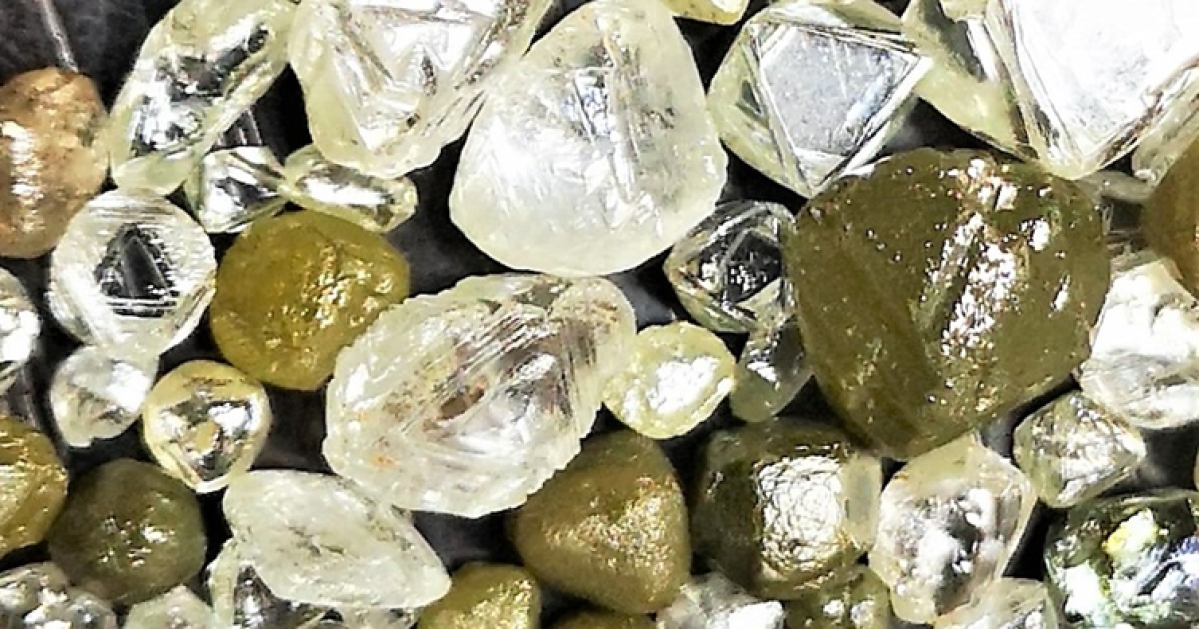
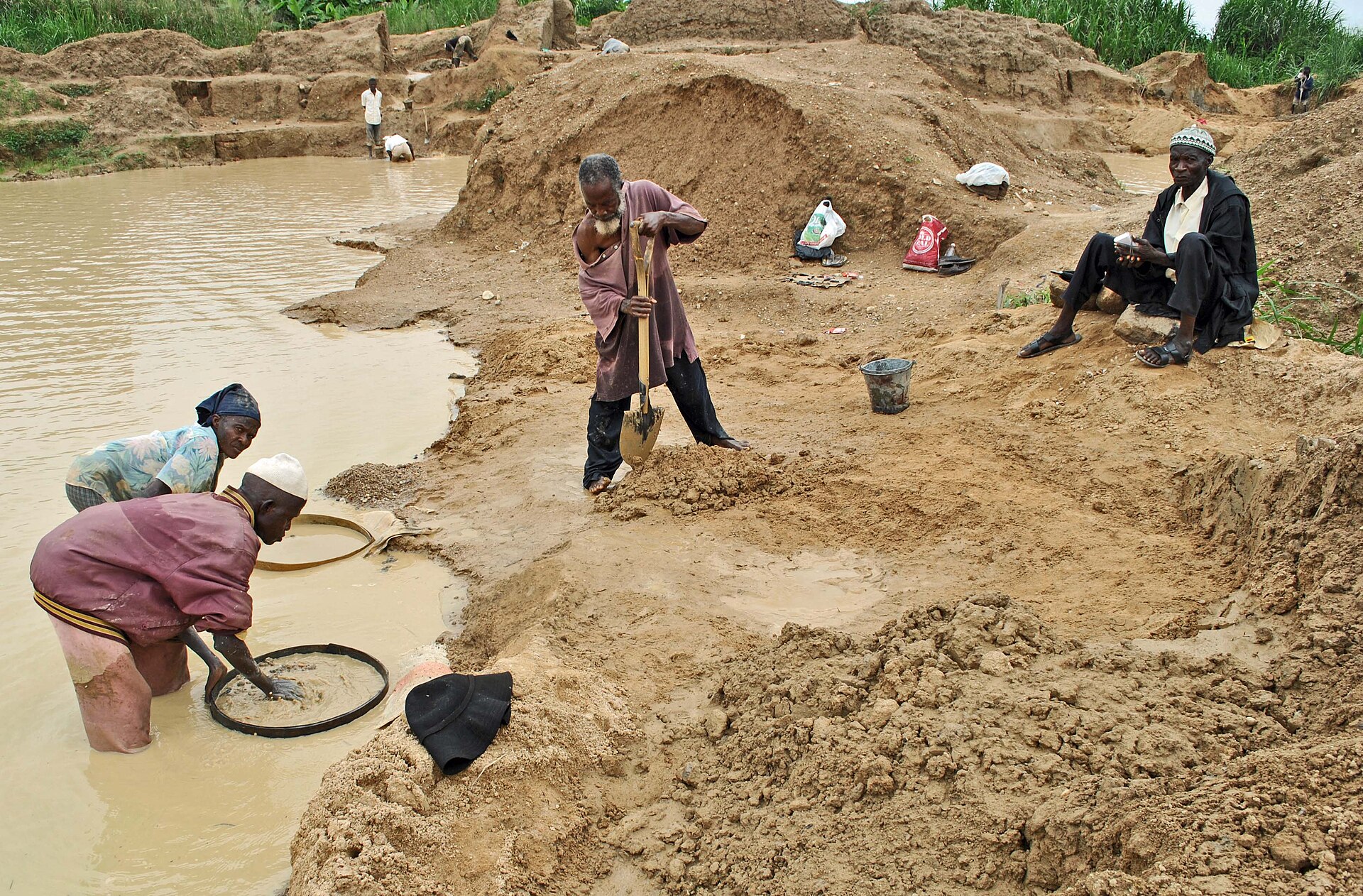
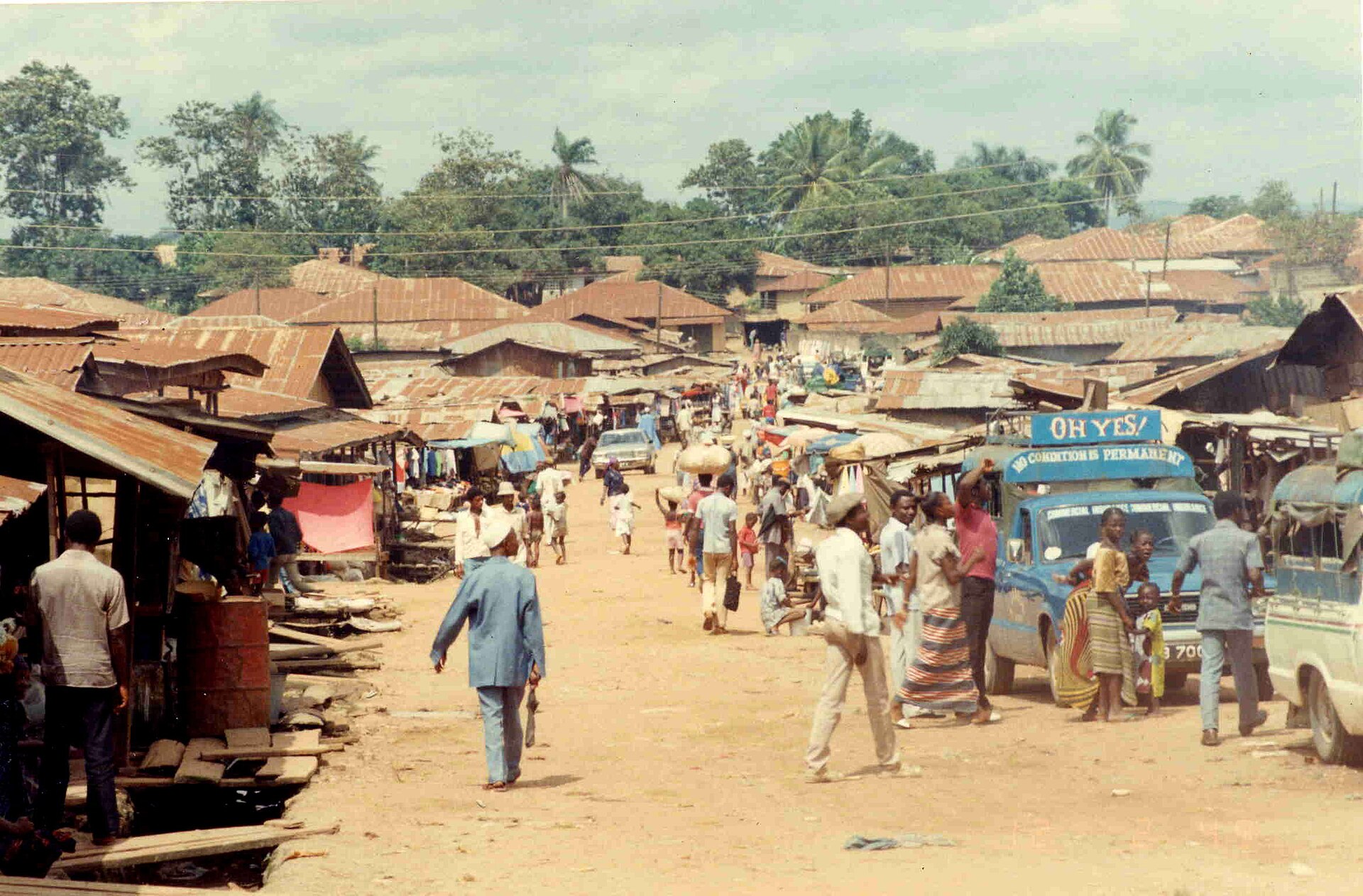
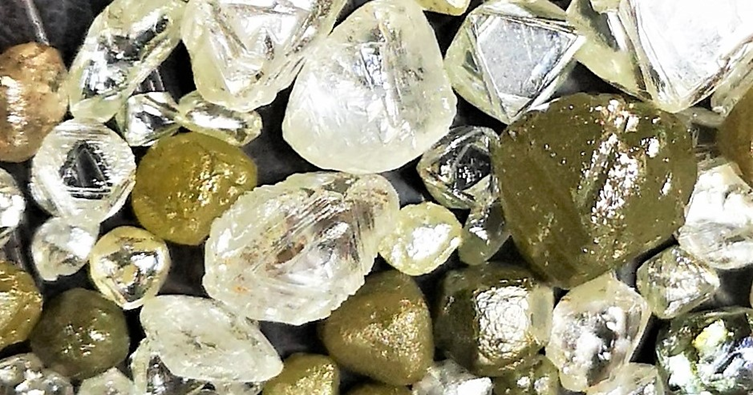
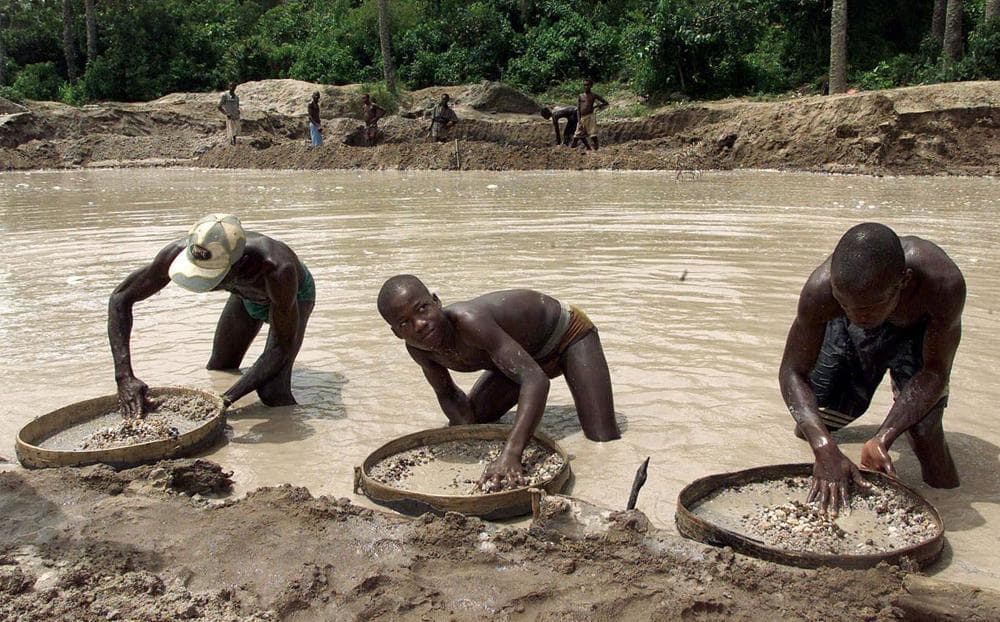
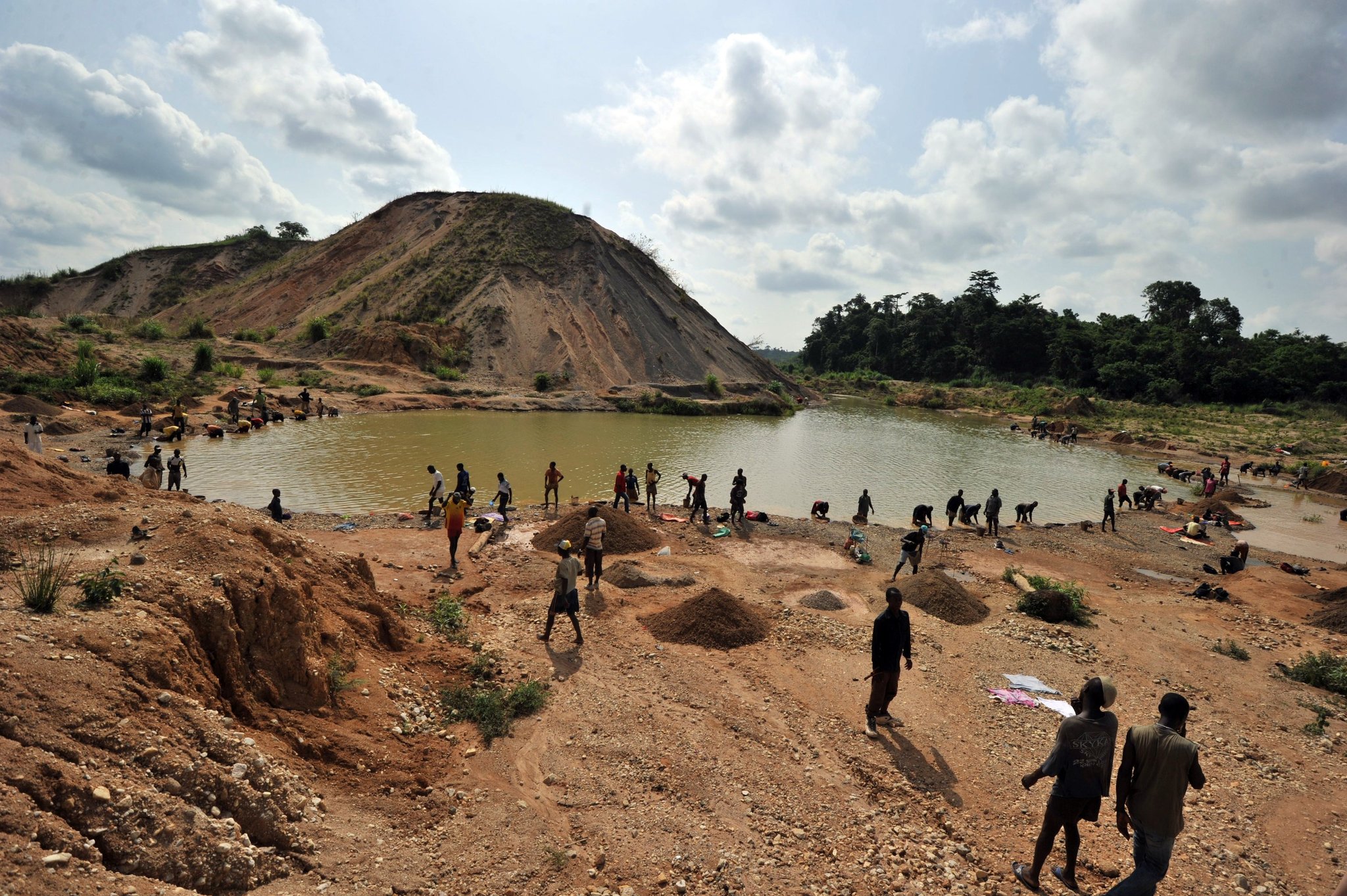
We leave the Atlantic coast and travel into the interior of Sierra Leone, where people have searched for diamonds for decades. These stones have played a major role in the country’s economy and troubled recent history, while the hope of discovering a valuable find continues to attract local miners.
We reach a village and follow local tradition by asking permission from its chief. Villagers will then accompany us to an area where artisanal diamond miners work.
A local specialist explains the mining process and demonstrates the sand-washing techniques used to separate precious stones from the surrounding material.
Later, we visit a local diamond shop where rough diamonds and mining equipment are traded.
Dinner and overnight at hotel. Air-conditioned rooms with private bathrooms. Twin rooms are not available.
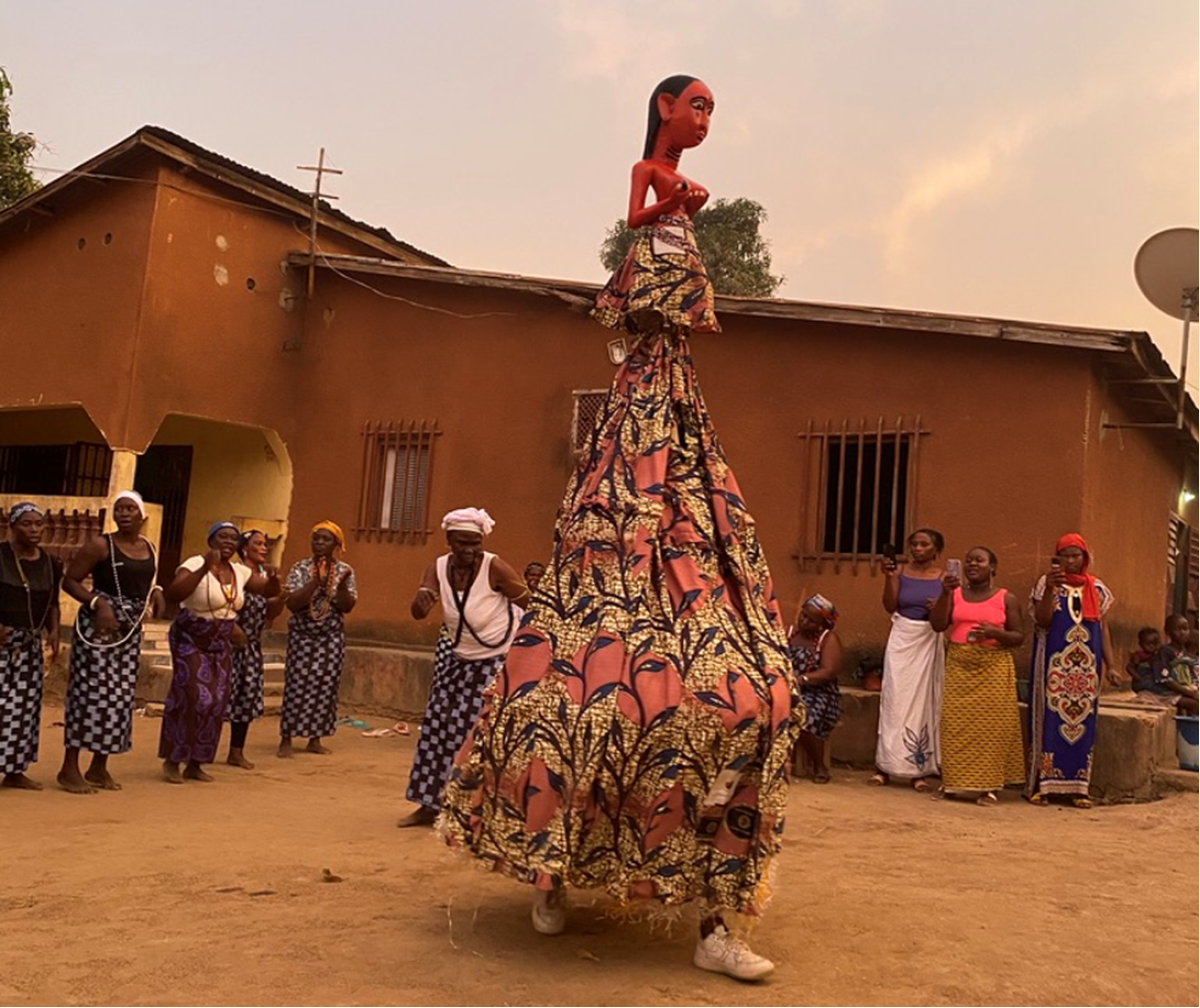
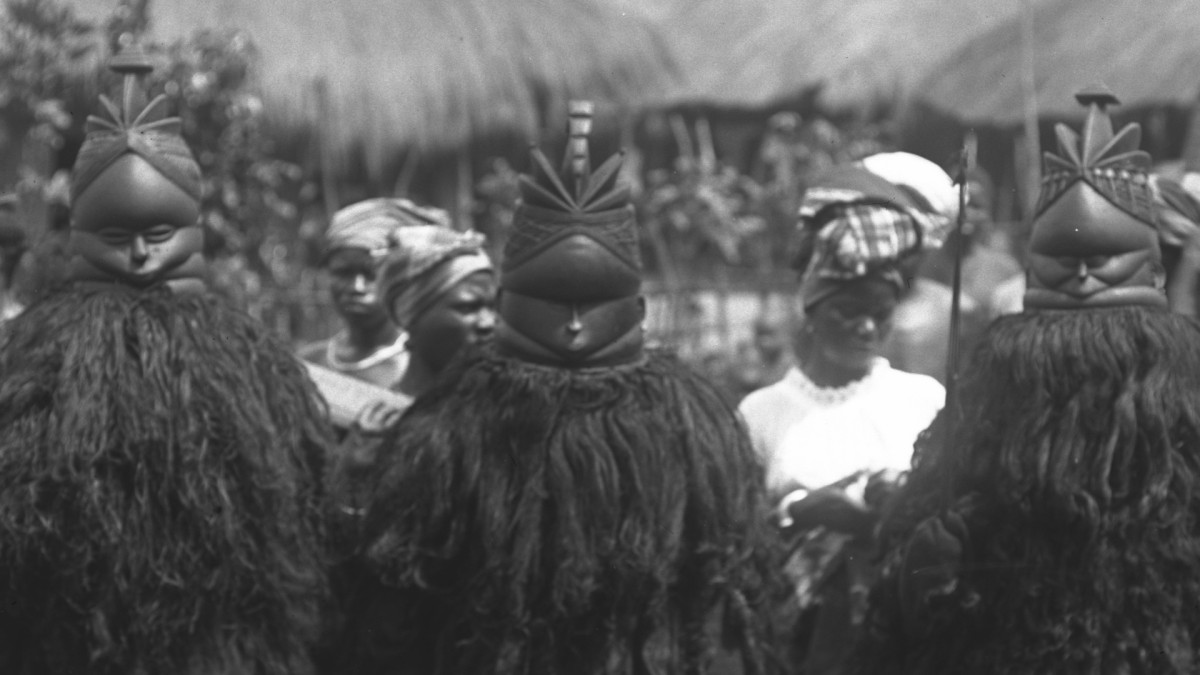
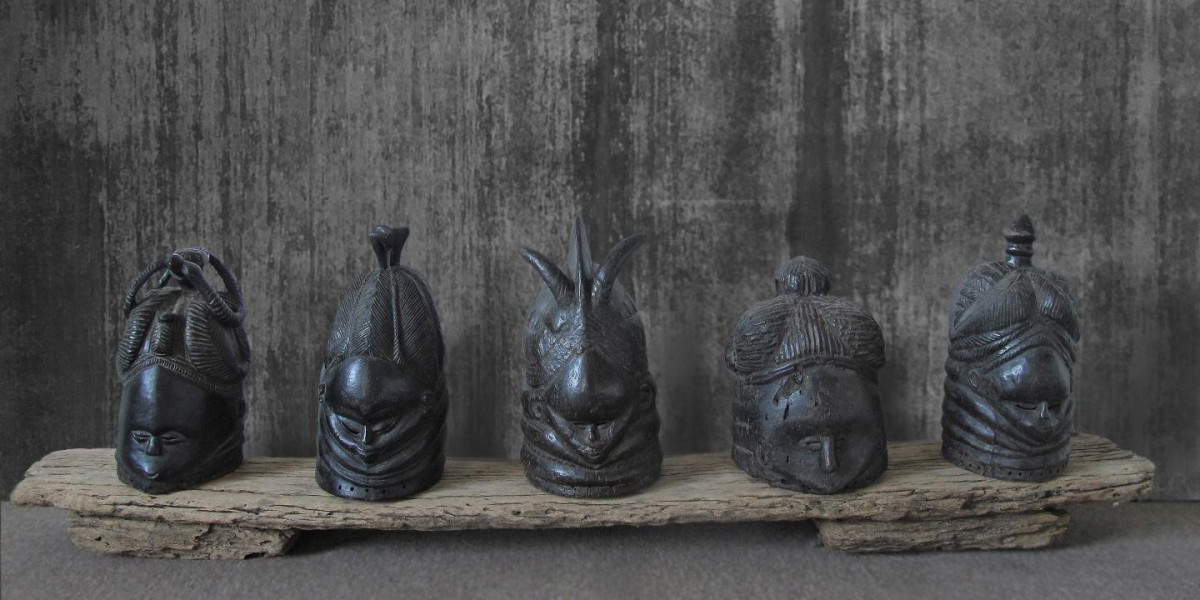
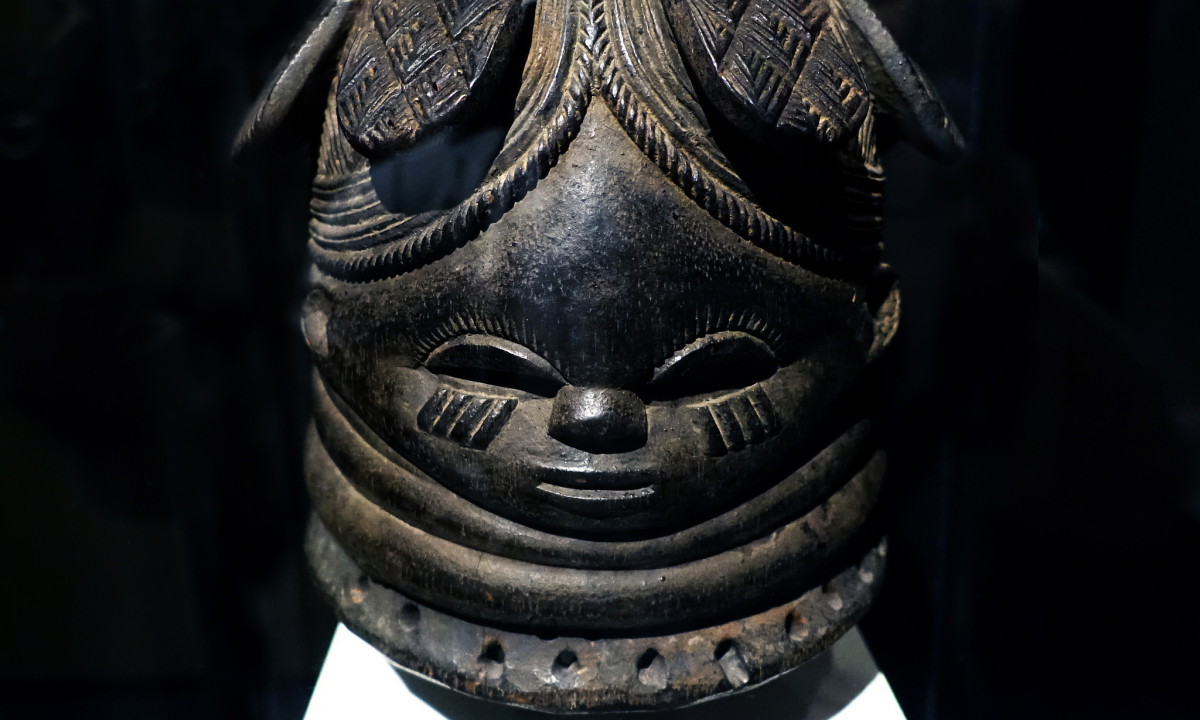
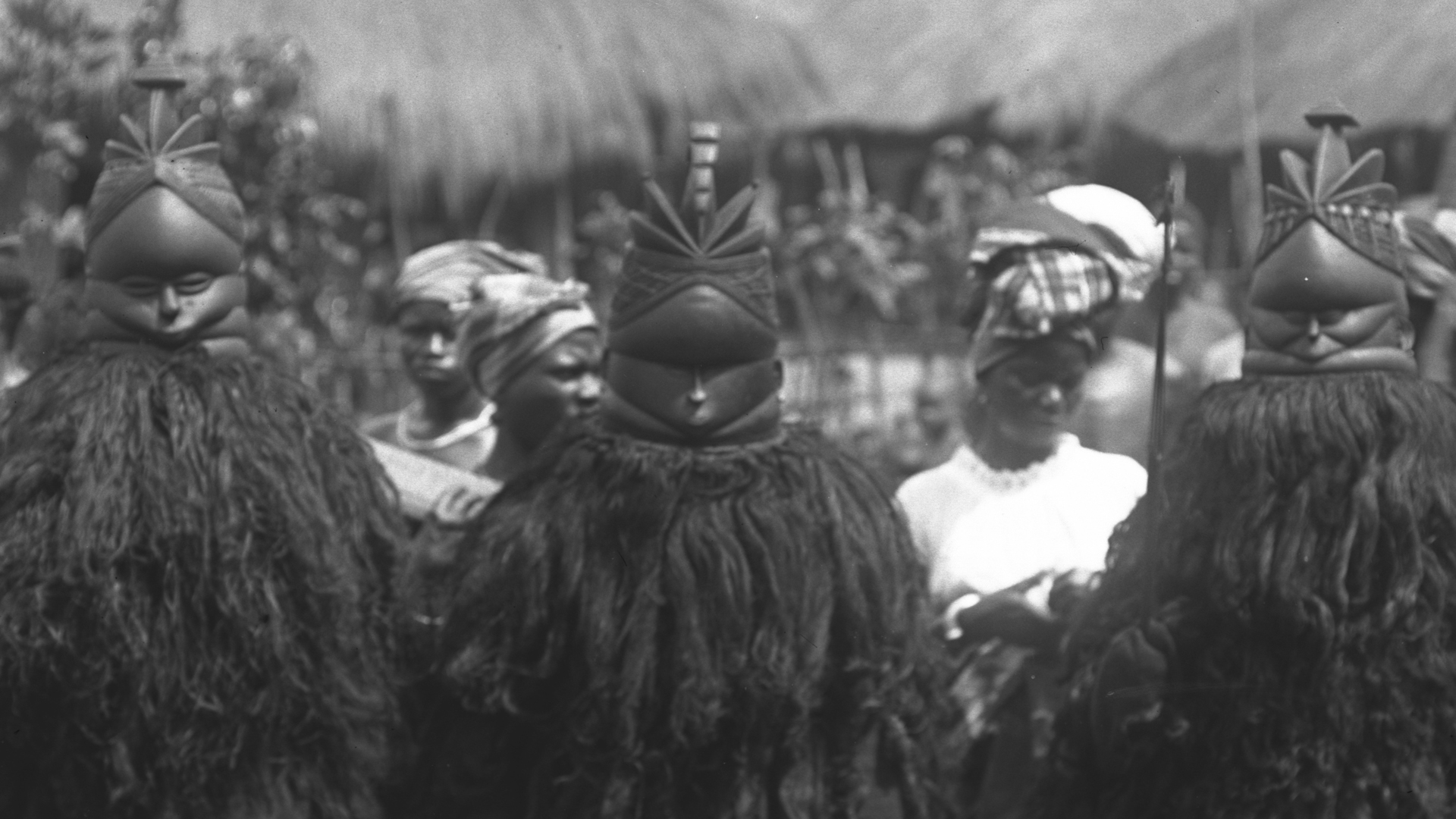
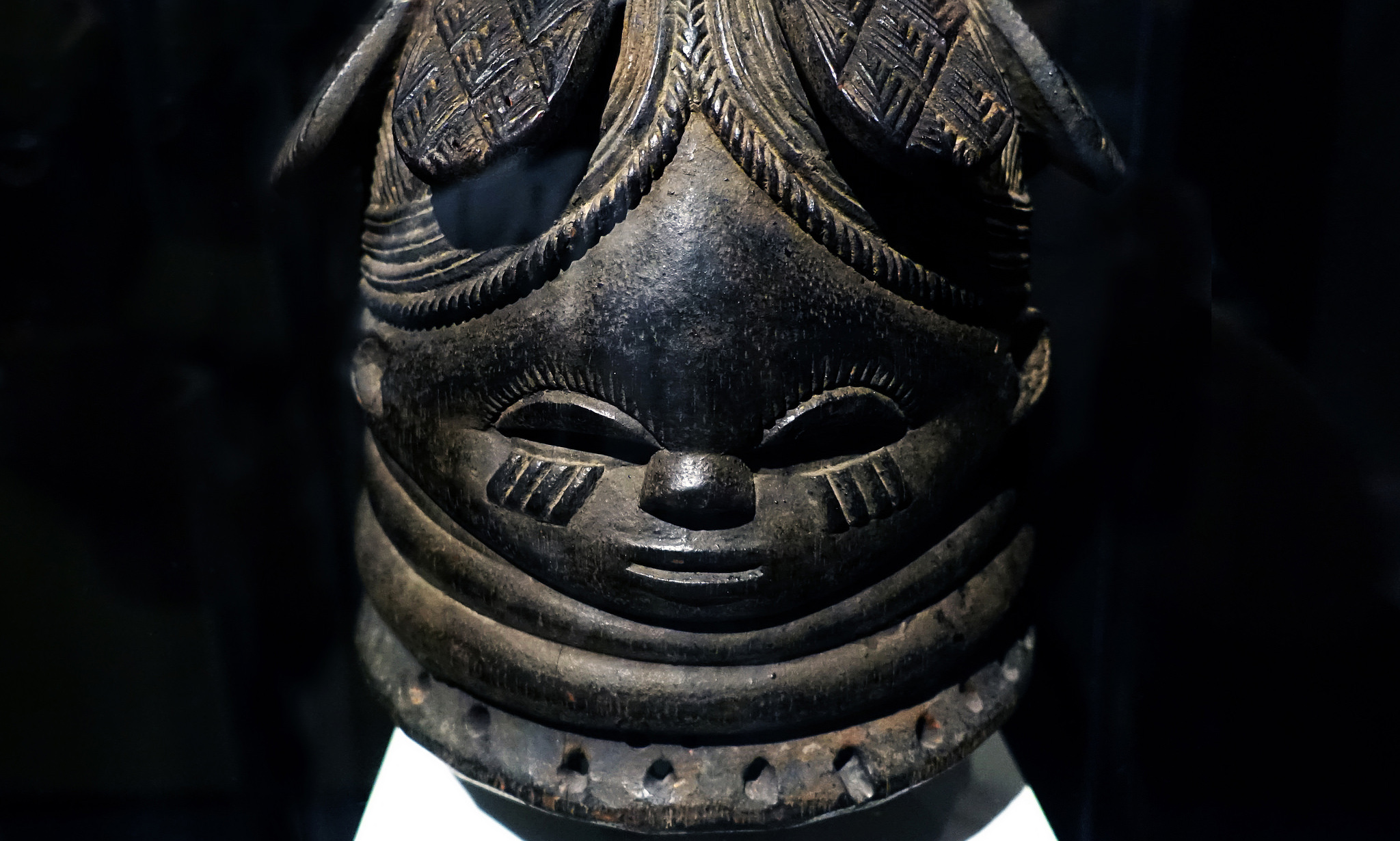
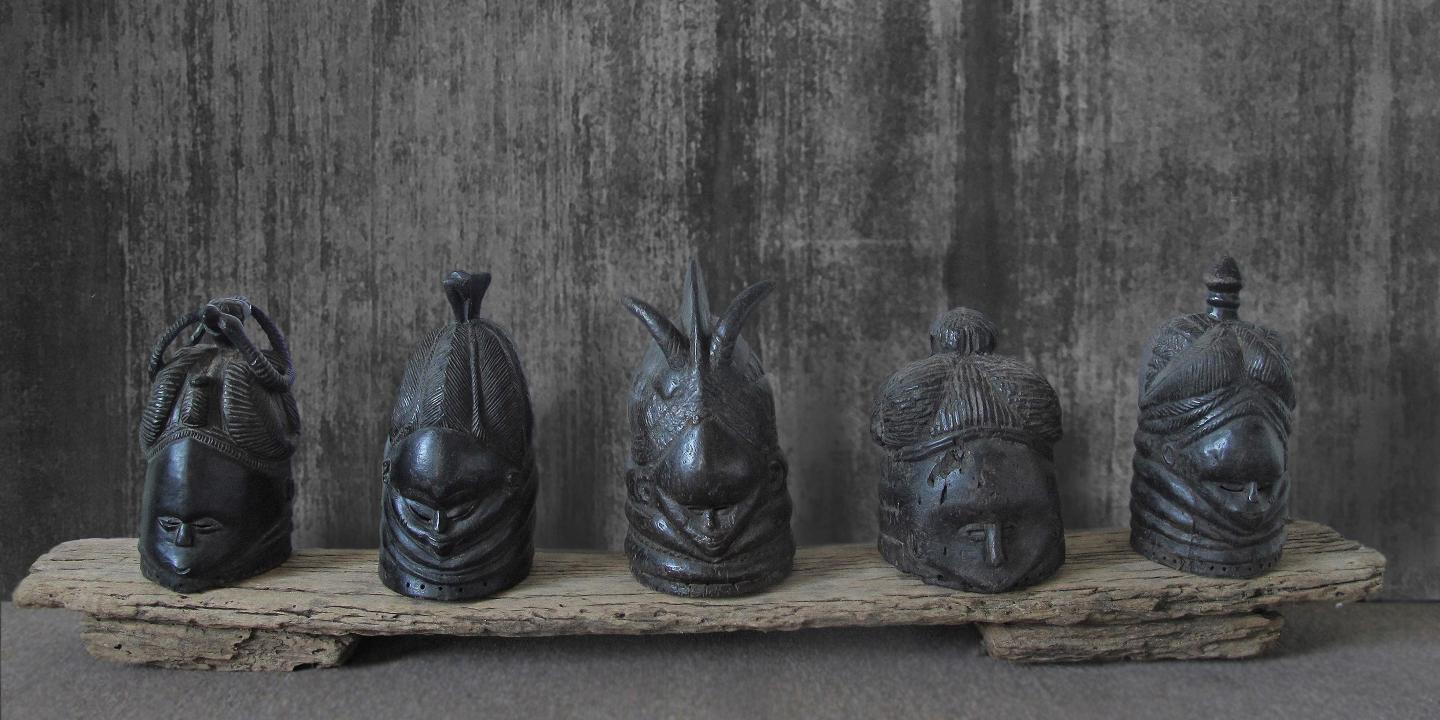
This day introduces us to one of the region’s most unusual traditions. In many African cultures, ritual masks are worn exclusively by men. Among the Mende people and neighbouring communities, however, the Bundu masks belong to the female domain and play an important part in girls’ initiation traditions.
We travel to a village to witness the appearance of the masks, an event that draws people from the surrounding communities and becomes a colourful public celebration.
After the ceremony, a spectacular forest road leads us towards the Mano River. A bridge across this broad river marks the border between Sierra Leone and Liberia. We complete the police and customs formalities and enter the third country of our expedition.
European navigators once called the Liberian shoreline the Pepper Coast. Traders came here for melegueta pepper, a rare spice then known as the “Grains of Paradise.”
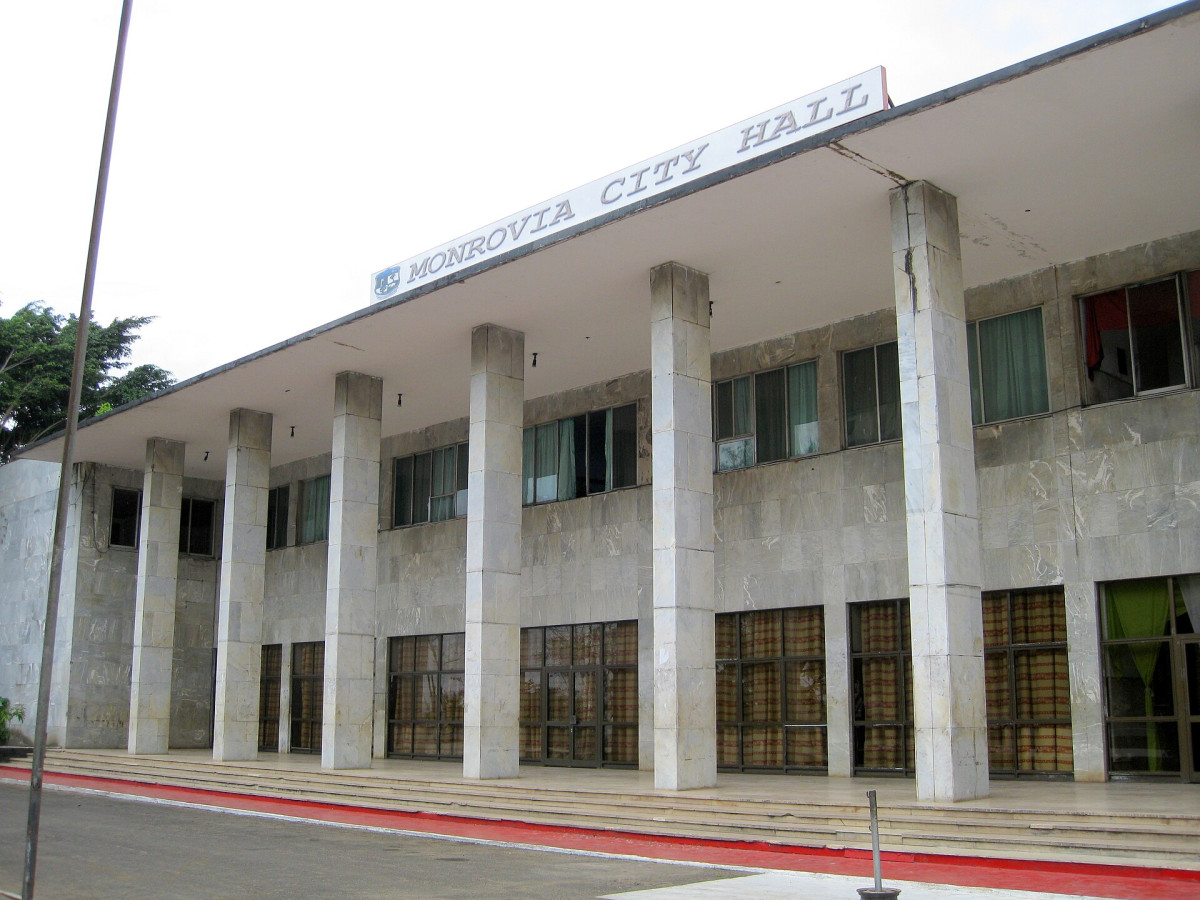
We arrive in Monrovia in the evening and remain here for two nights.
Dinner and accommodation at the comfortable four-star hotel.
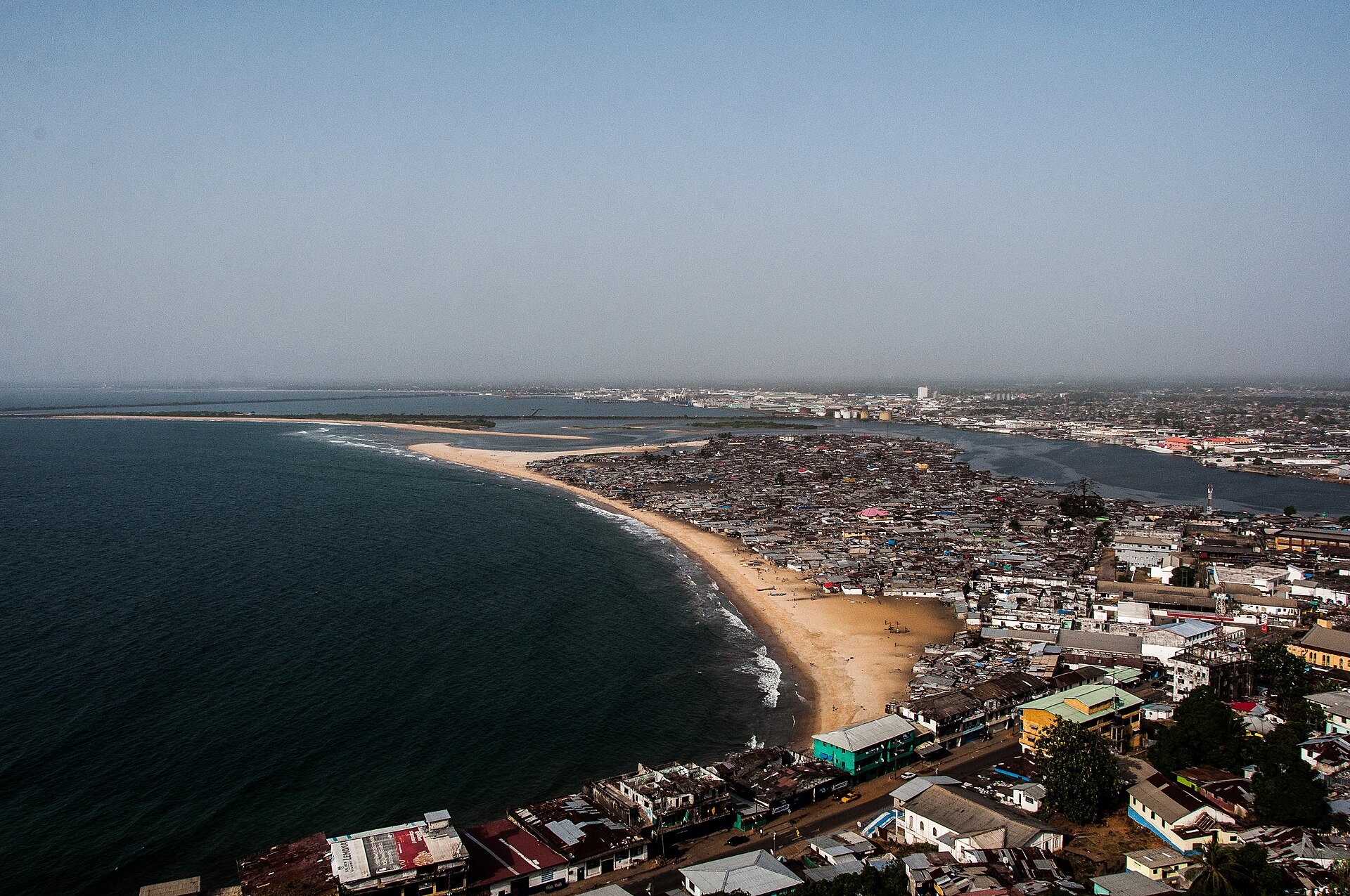
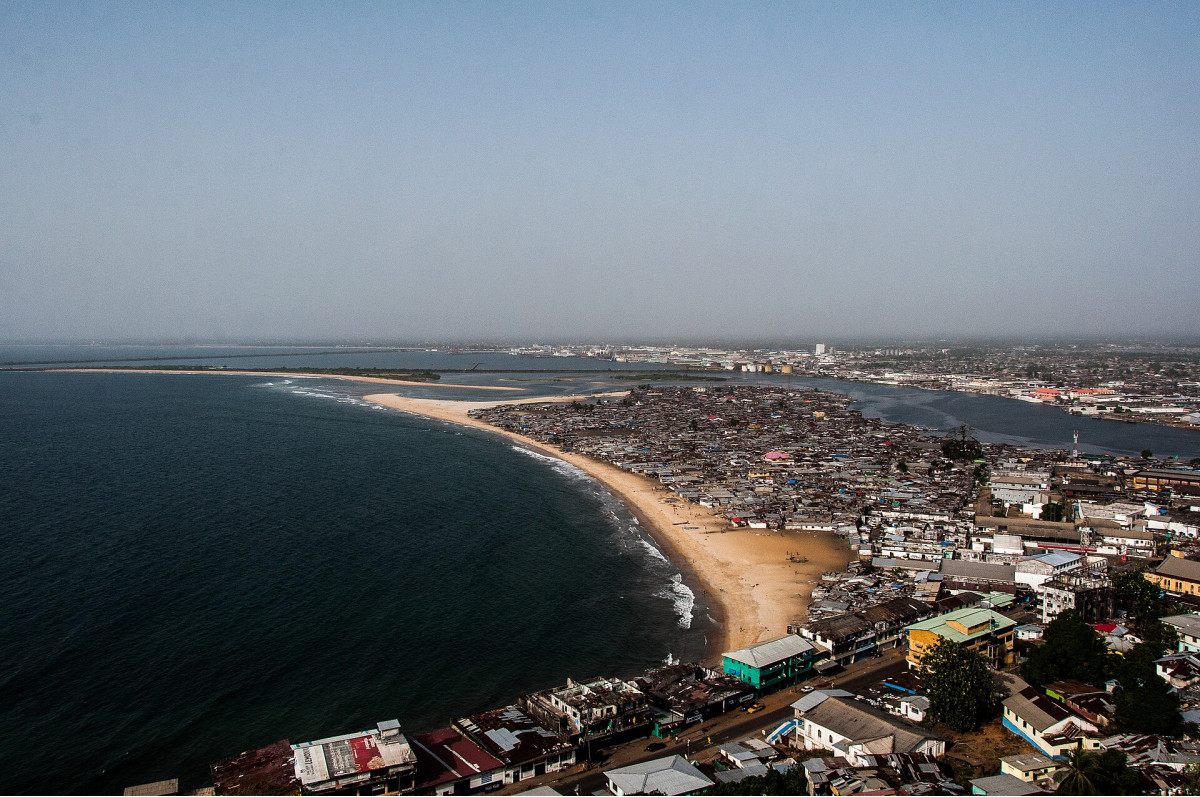
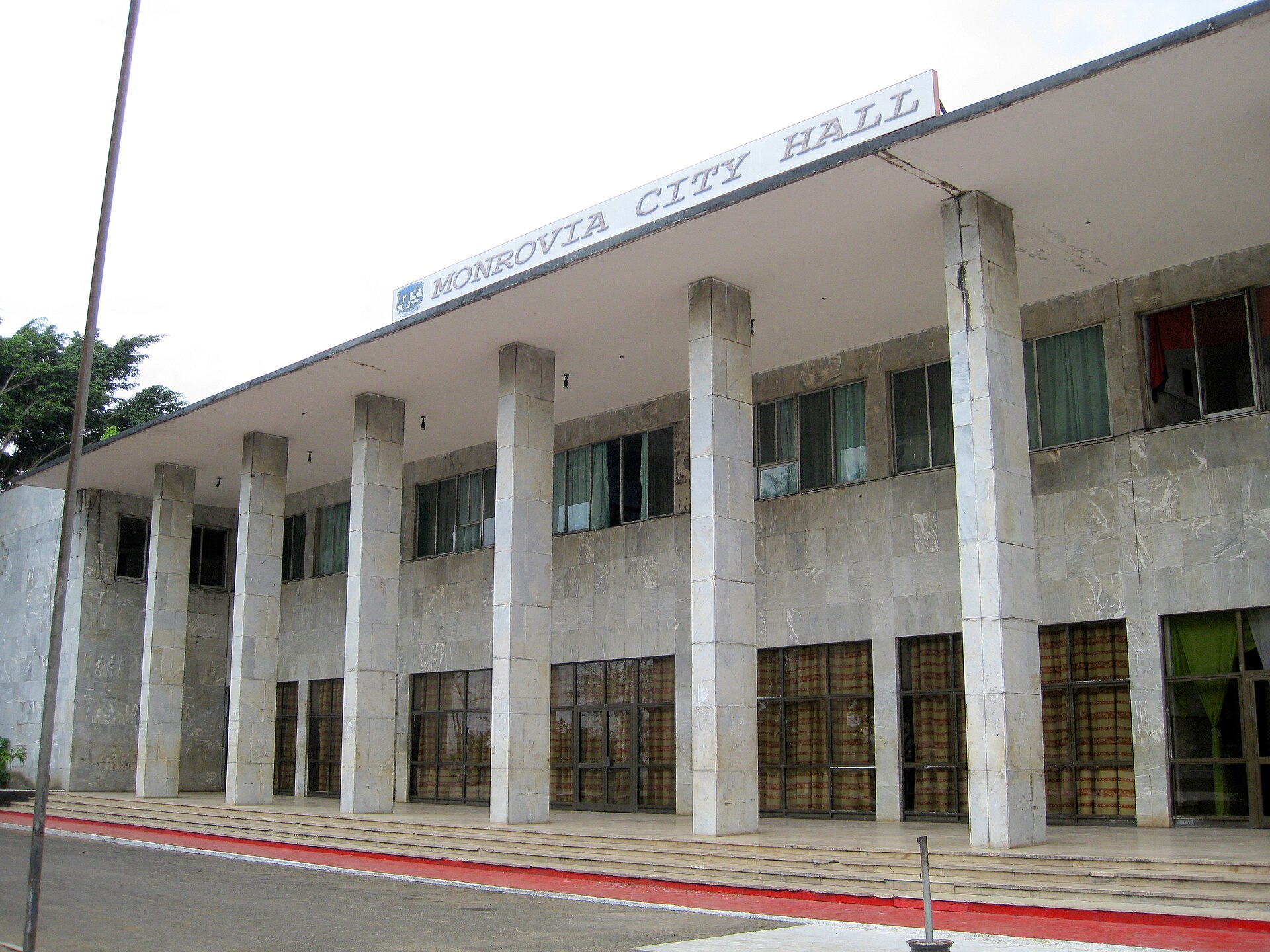
Monrovia introduces us to the history of a country with a distinctive place on the African map. Liberia was never formally colonised by a European power. It was founded by freed Black settlers who returned to the African continent from the United States, and the country’s name reflects this history.
Their descendants, known as Americo-Liberians or Krios, represent a minority of the population but played a leading role in the country’s politics and economy for many years. Liberian Kreyol, an English-based creole language, is also widely spoken throughout the country.
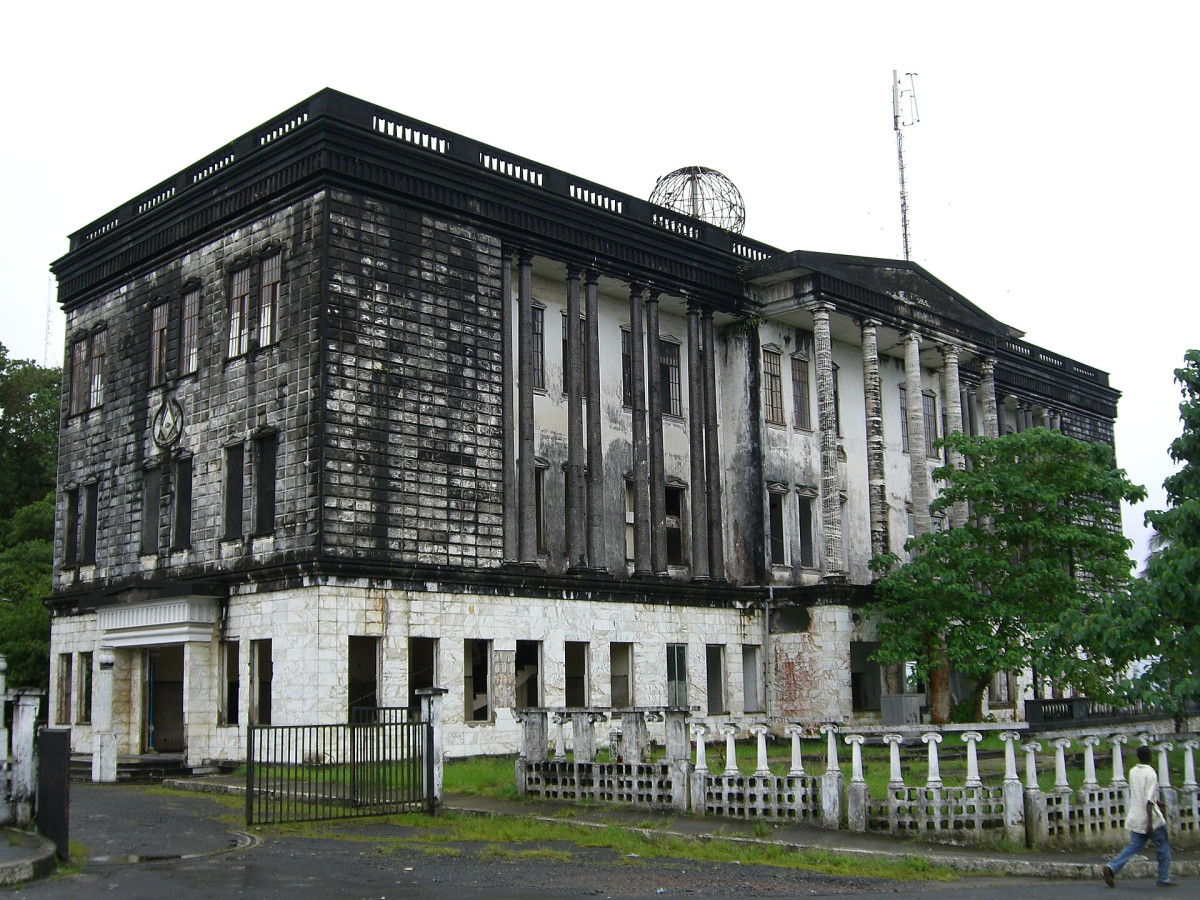
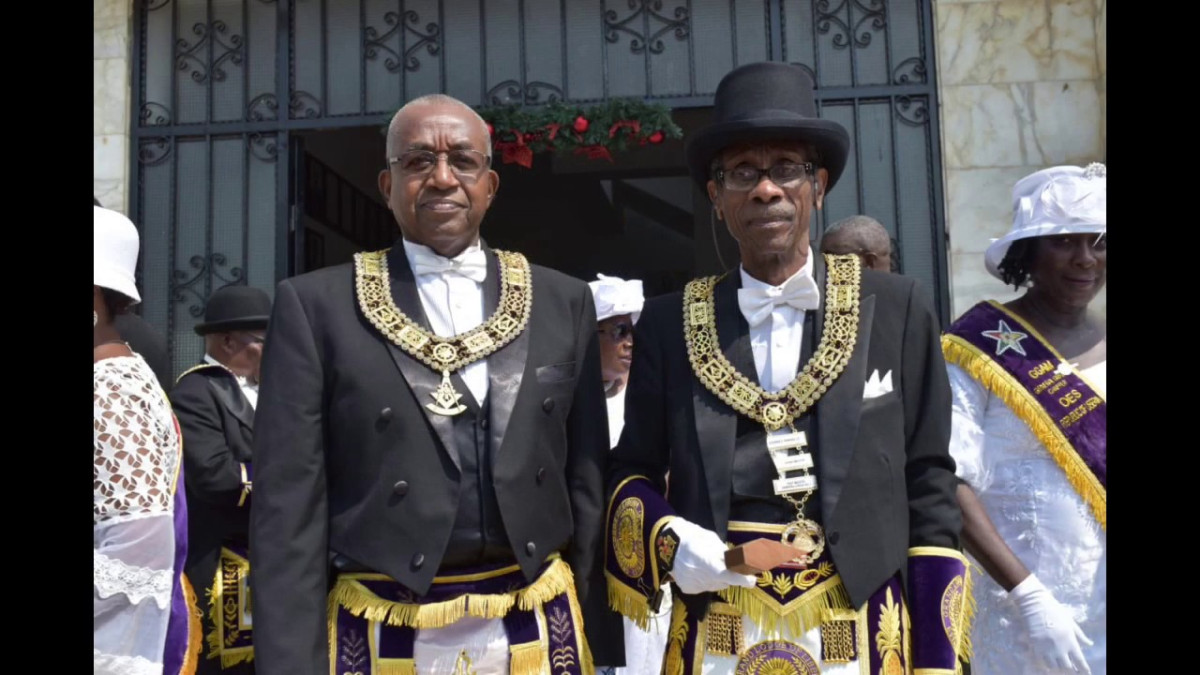
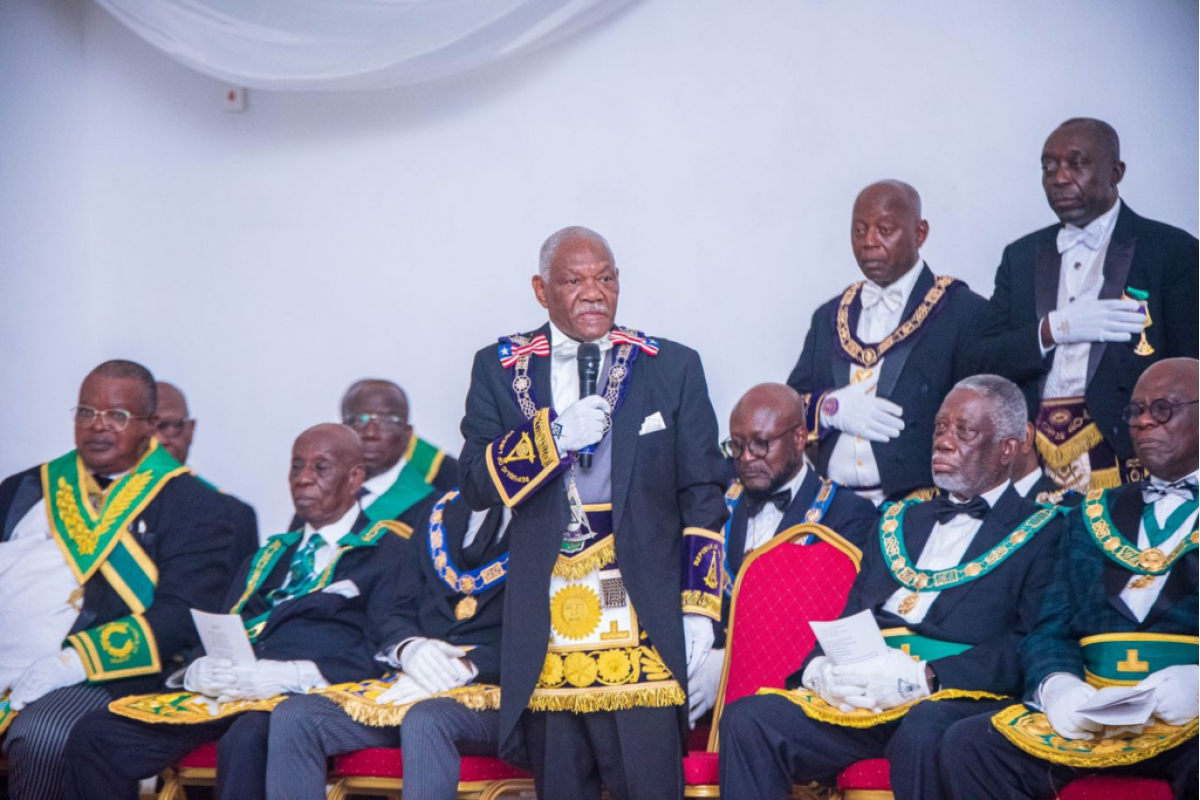
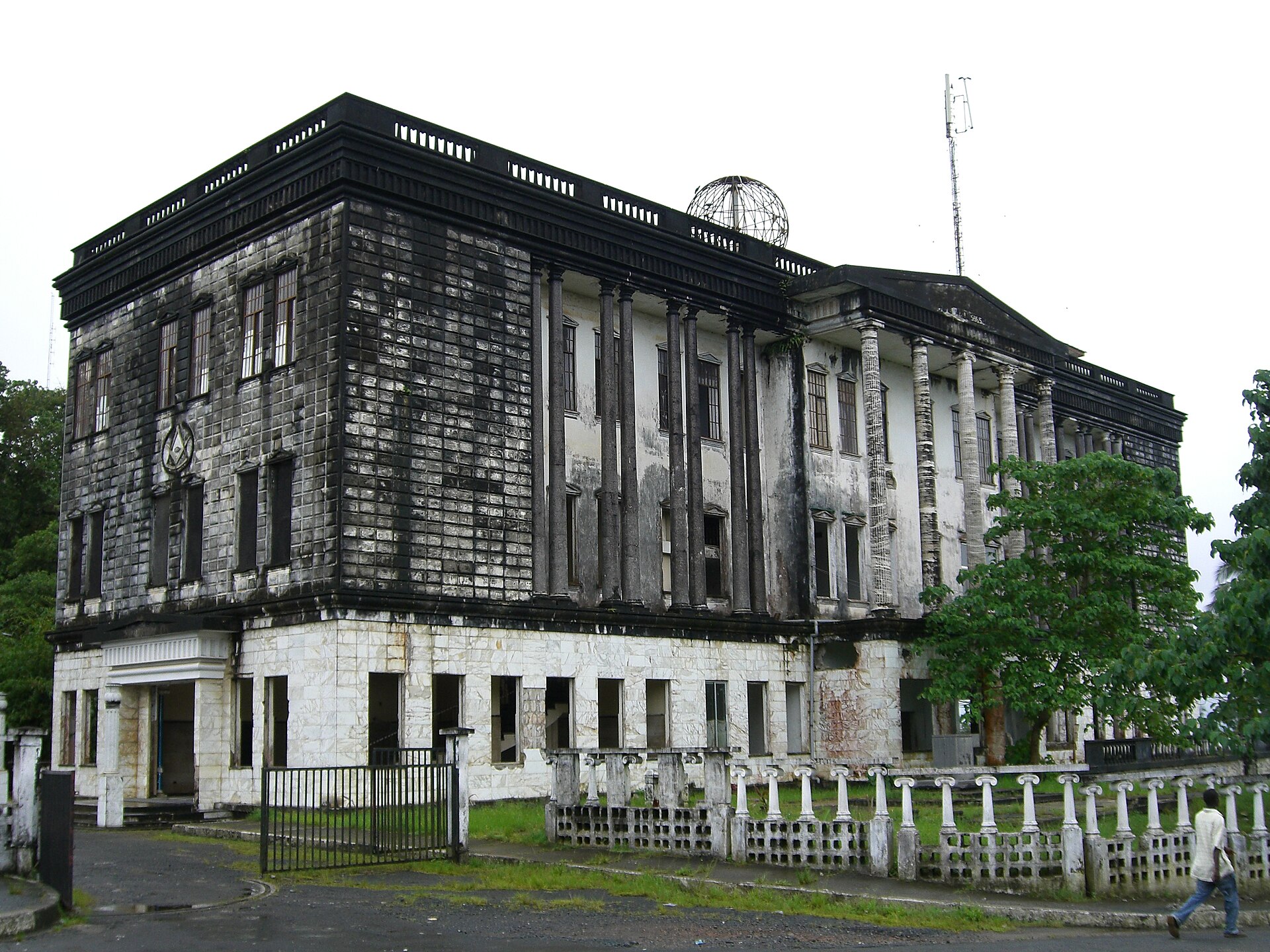
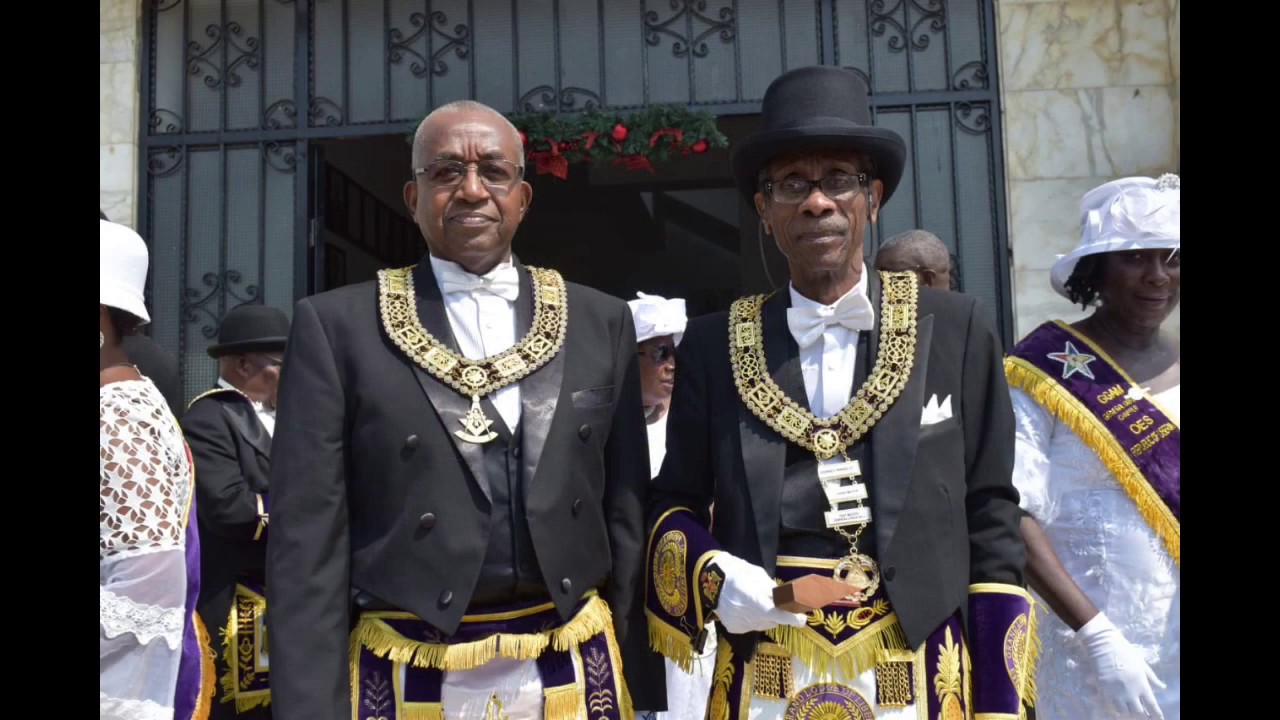
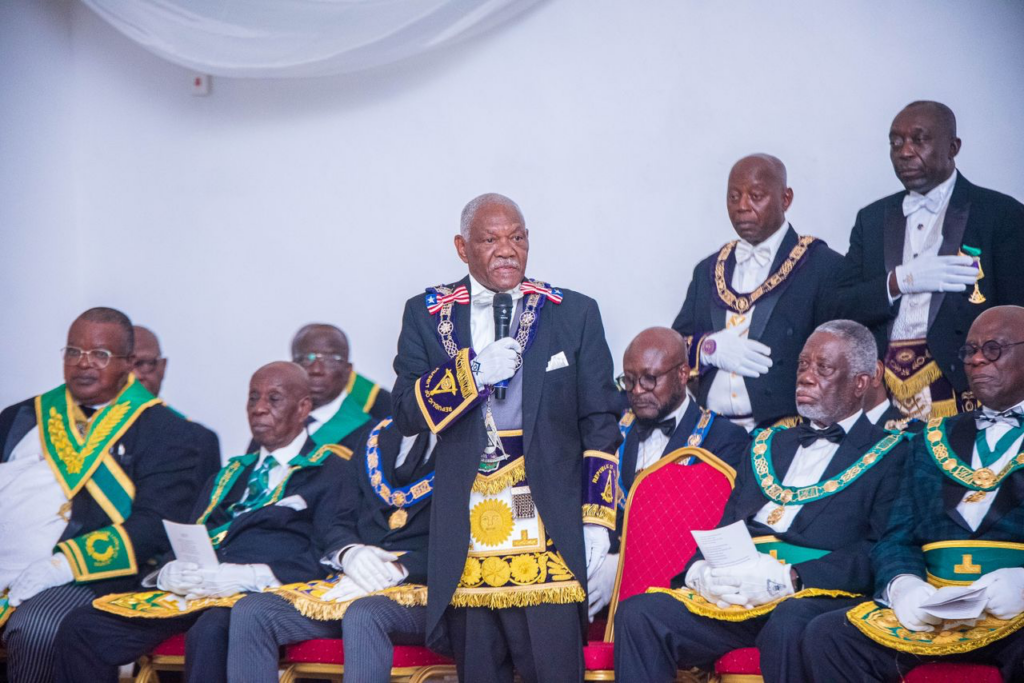
From our ocean-side hotel, we set out on a walking tour of Monrovia. Freemasonry left a noticeable mark on Liberian history and Krio culture, and our route includes the imposing Grand Masonic Temple. If circumstances allow, we may also have an opportunity to meet the Grand Master.
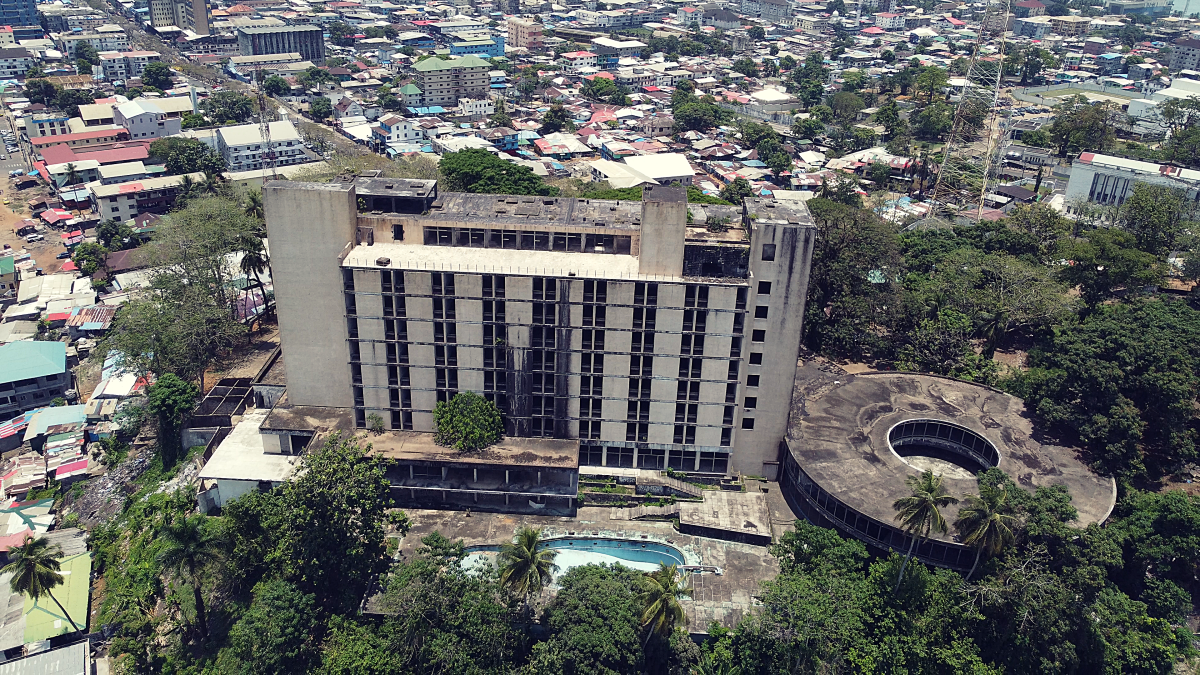
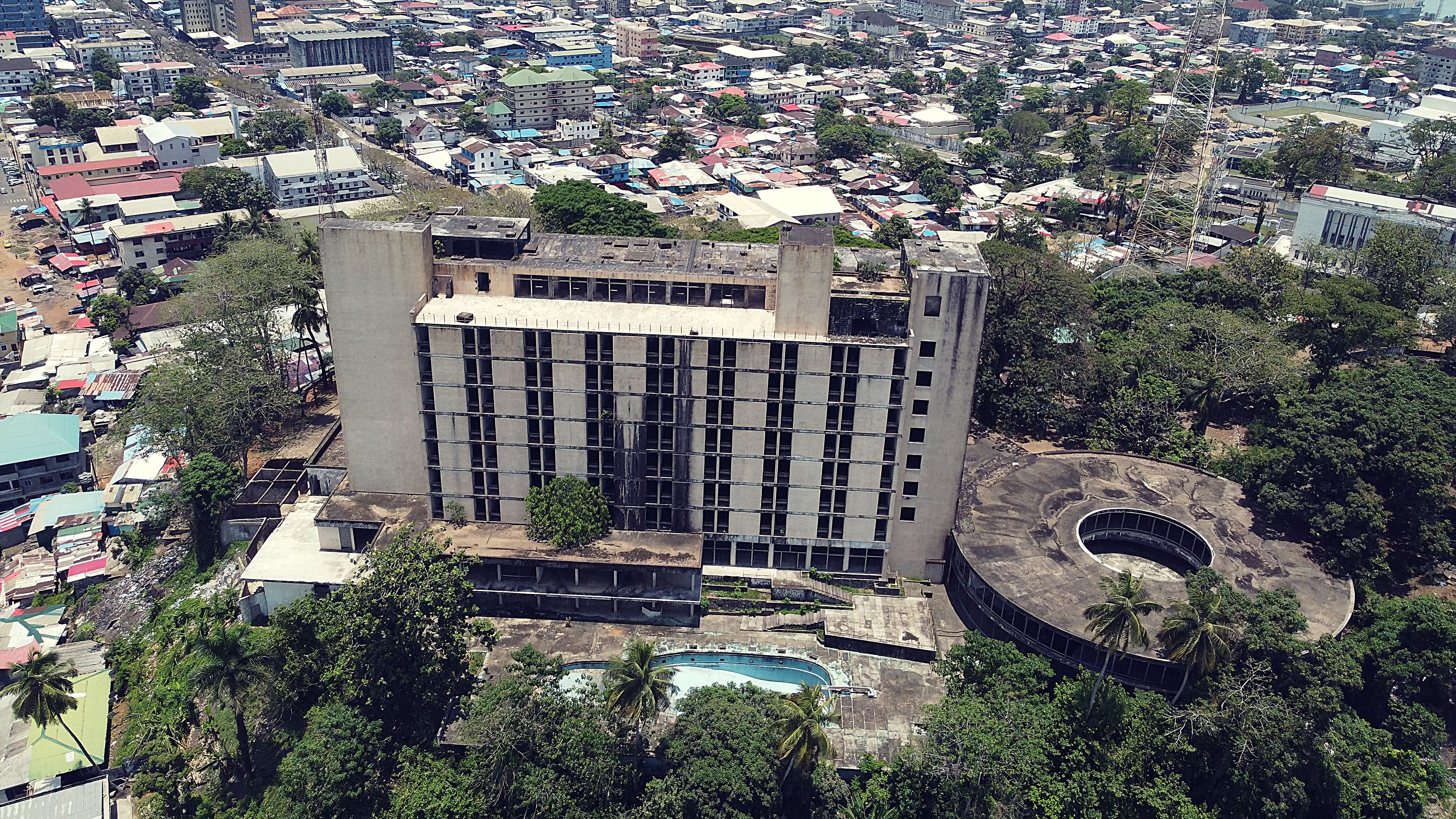
Another symbol of the capital is the former Ducor Palace Hotel. Opened in 1960, it was one of Africa’s first five-star hotels. Standing on a rocky hill, the building overlooks the city and the Atlantic coast. During the era of African independence, it hosted receptions and gatherings attended by the continent’s political and cultural elite.
The hotel was repeatedly looted following the civil war and is now abandoned and closed. With the necessary permission, we may be able to enter the building. A Libyan-supported restoration project was proposed in 2008 but was never completed.
Our exploration continues at the National Museum. The building itself displays elements of traditional Krio architecture, while its collection contains ancient masks, ritual objects and a photographic exhibition devoted to the civil war of 1989–2003.
The walk also includes old colonial buildings and stone Krio churches.
Lunch at a local restaurant serving Liberian cuisine. We then return to the hotel and have the afternoon free to relax.
Dinner and overnight at hotel.
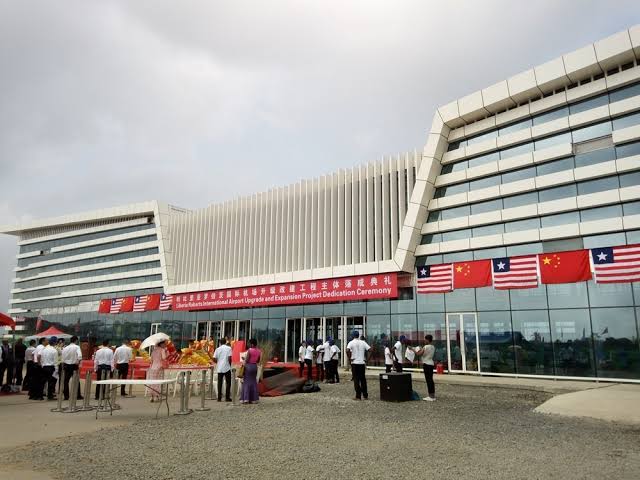
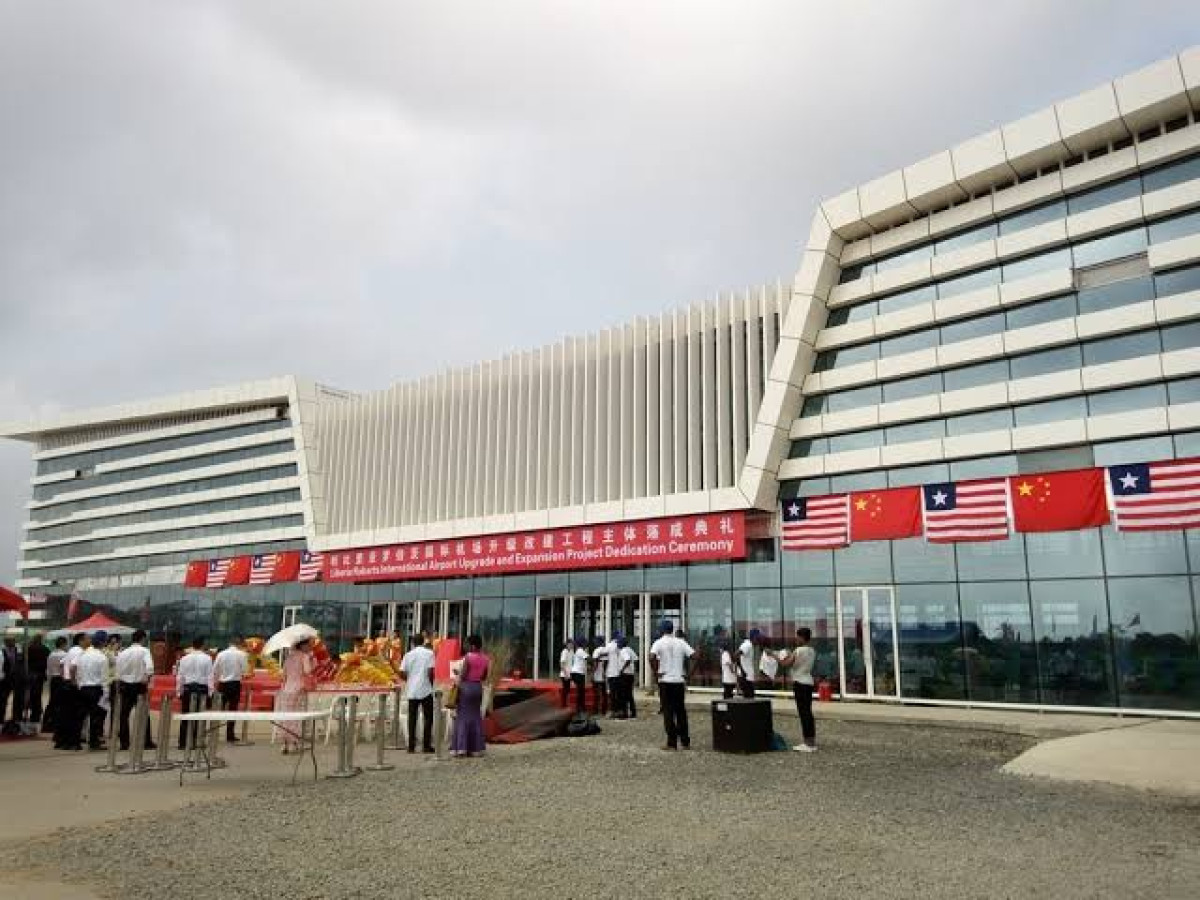
The final stage of our West African journey takes us to Robertsfield International Airport. The transfer from Monrovia takes approximately two and a half hours.
We leave for the airport to board our morning flight to Dakar. This marks the end of our expedition through three countries of West Africa.