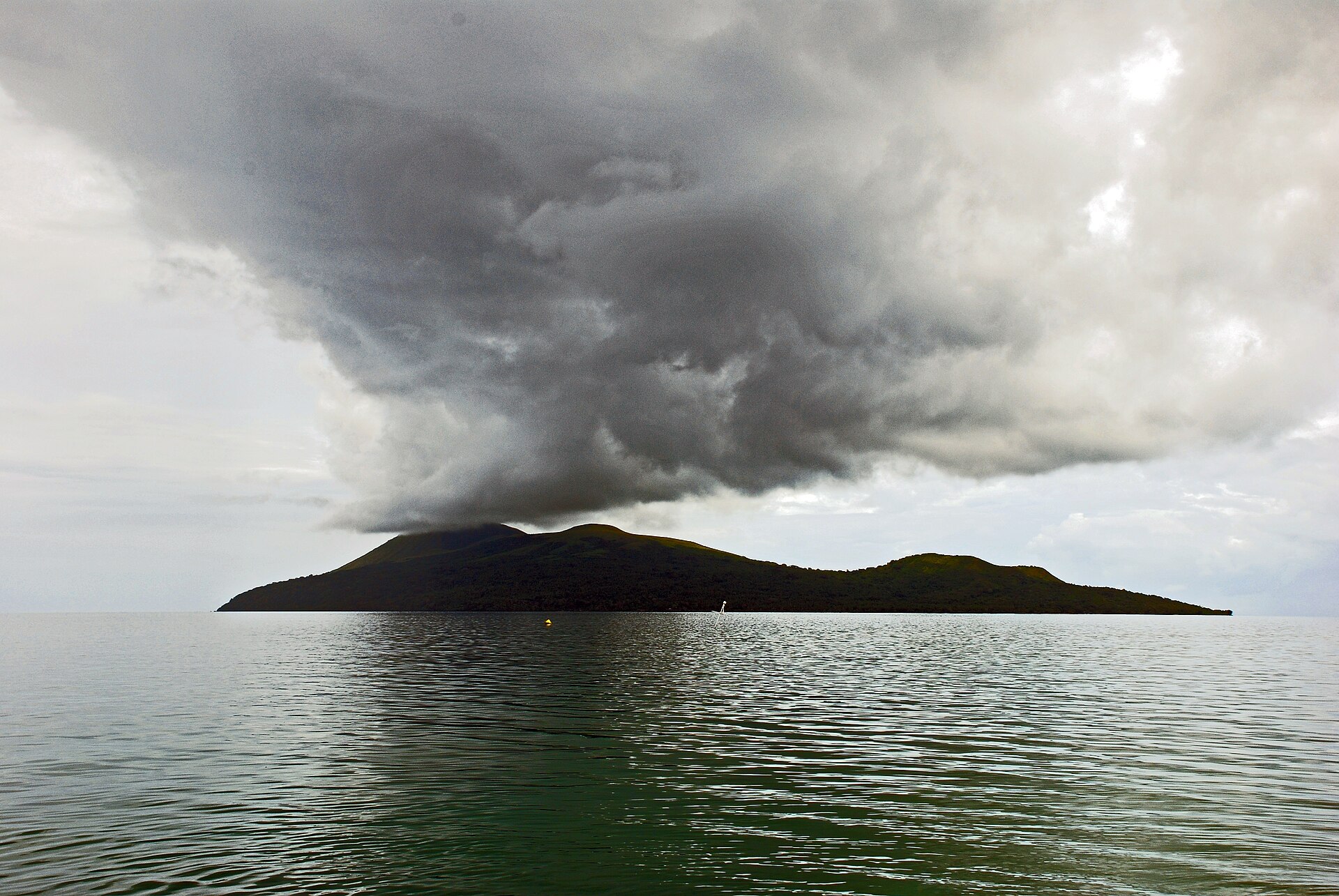
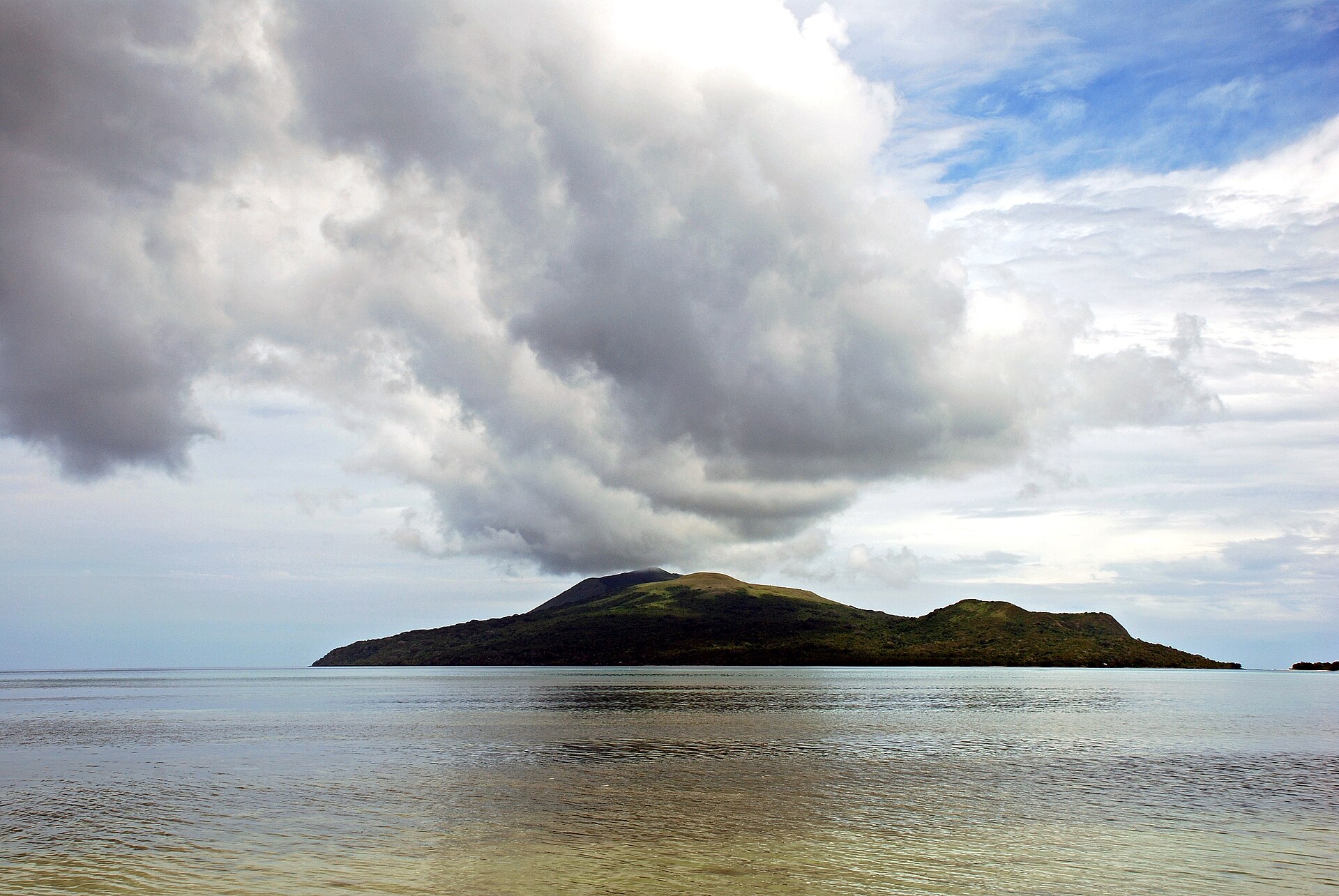
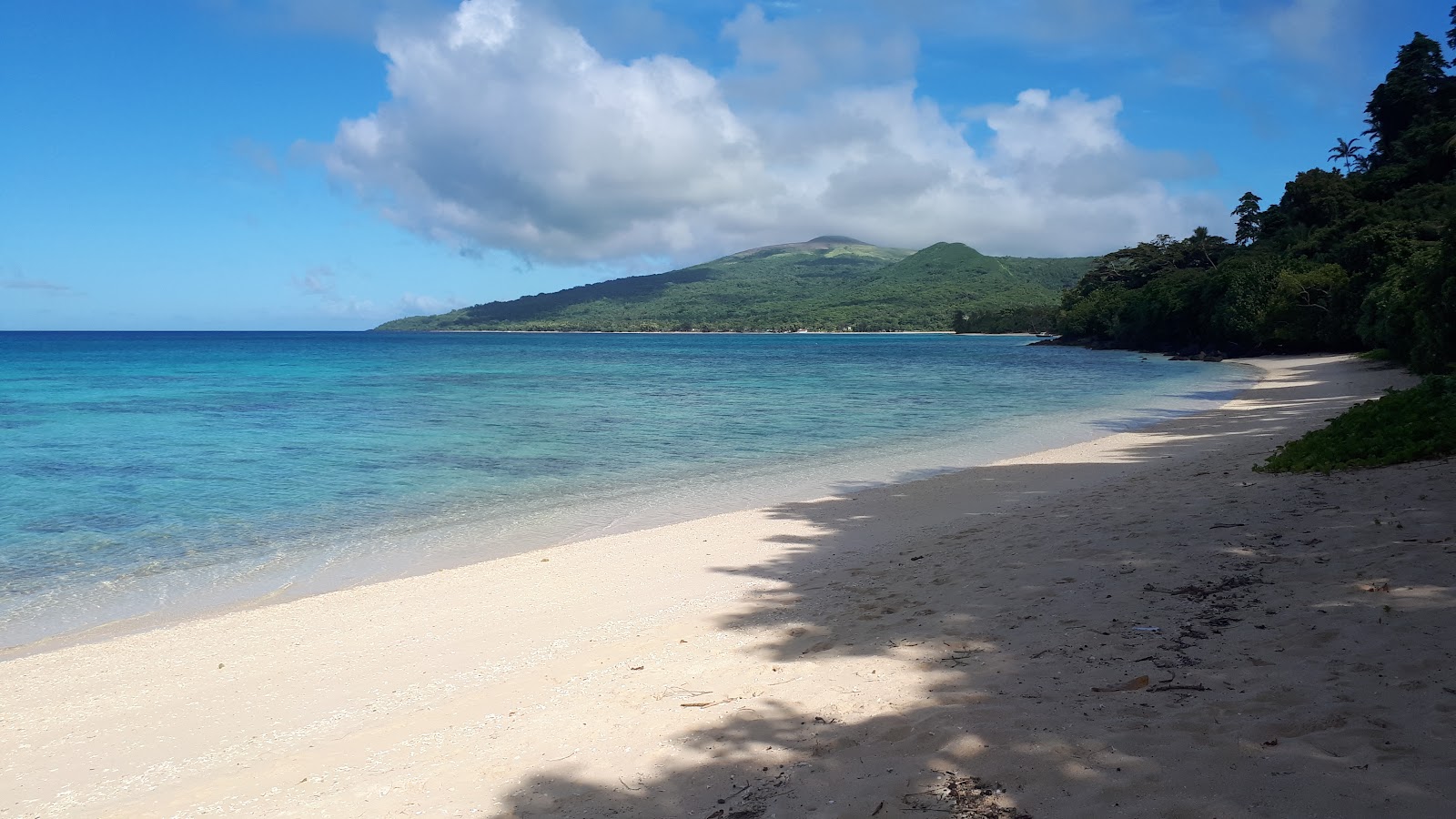
An expedition through the Solomon Islands and Vanuatu featuring Guadalcanal, the World Discoverer wreck, the remote Shortland Islands, Mount Yasur, the Blue Cave and the Naghol ceremony. A journey combining history, wild nature, ocean landscapes and Melanesian traditions.
Arrival at Honiara International Airport — the capital of the Solomon Islands and the main gateway to the archipelago. The local team will meet us at the terminal and take us to the hotel.
After check-in and lunch, we will begin our introduction to Guadalcanal — an island that became one of the key theatres of combat in the Pacific Ocean during the Second World War. Our route will run along the western coast through the village of Kakabona, the Poha River, the Tasifarongo area and the places where Japanese forces attempted to regain control of Henderson Field.
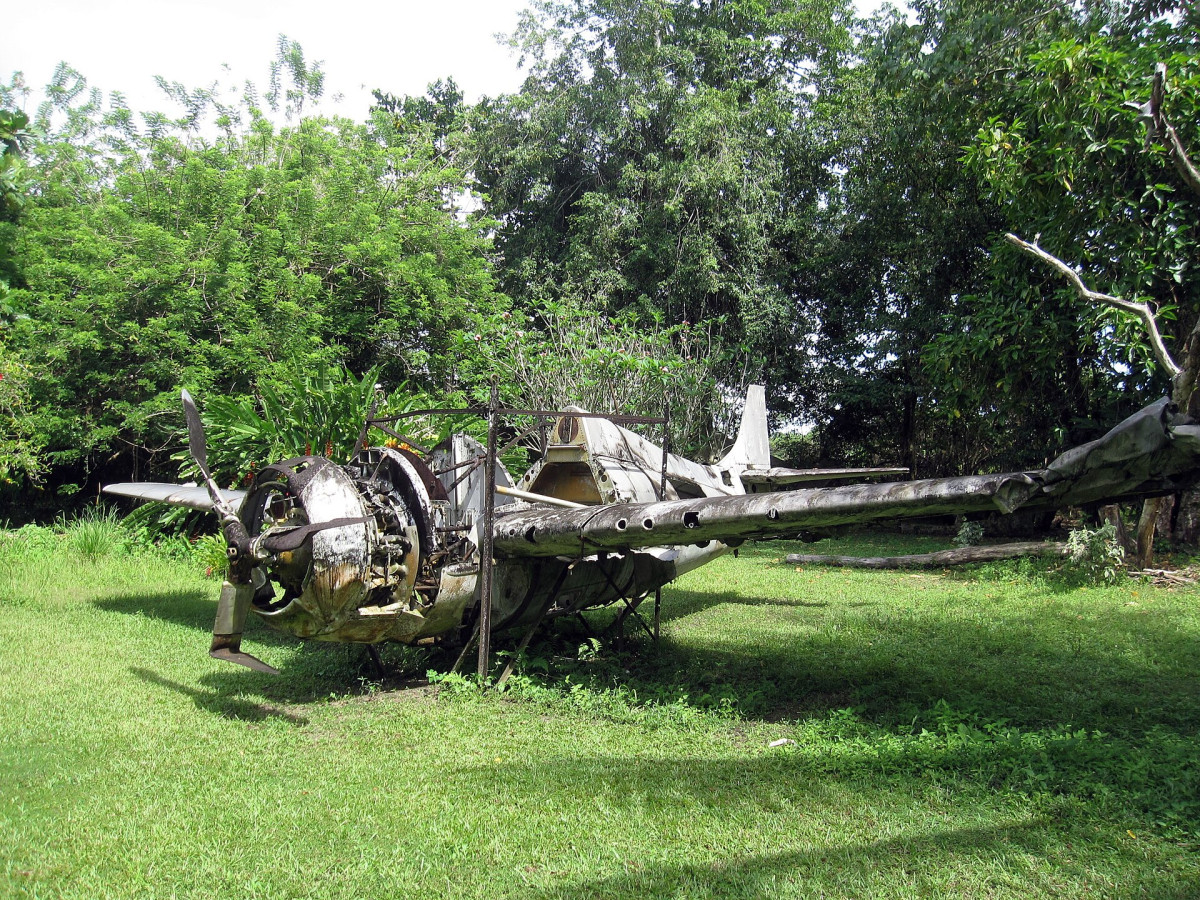
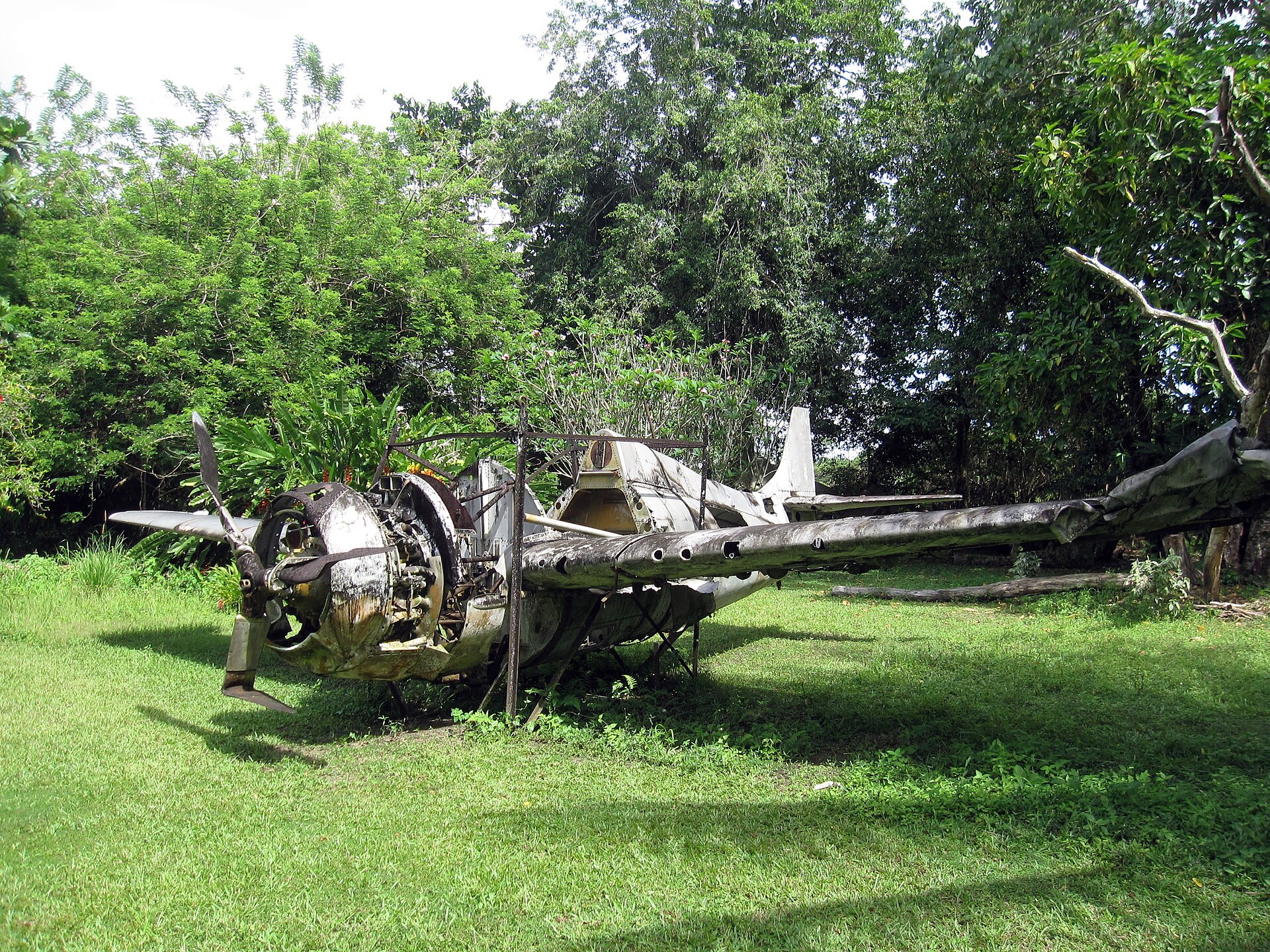
The main stop will be the open-air Vilu War Museum. Aircraft, artillery guns and other reminders of the battles for the Solomon Islands are preserved here among tropical vegetation.
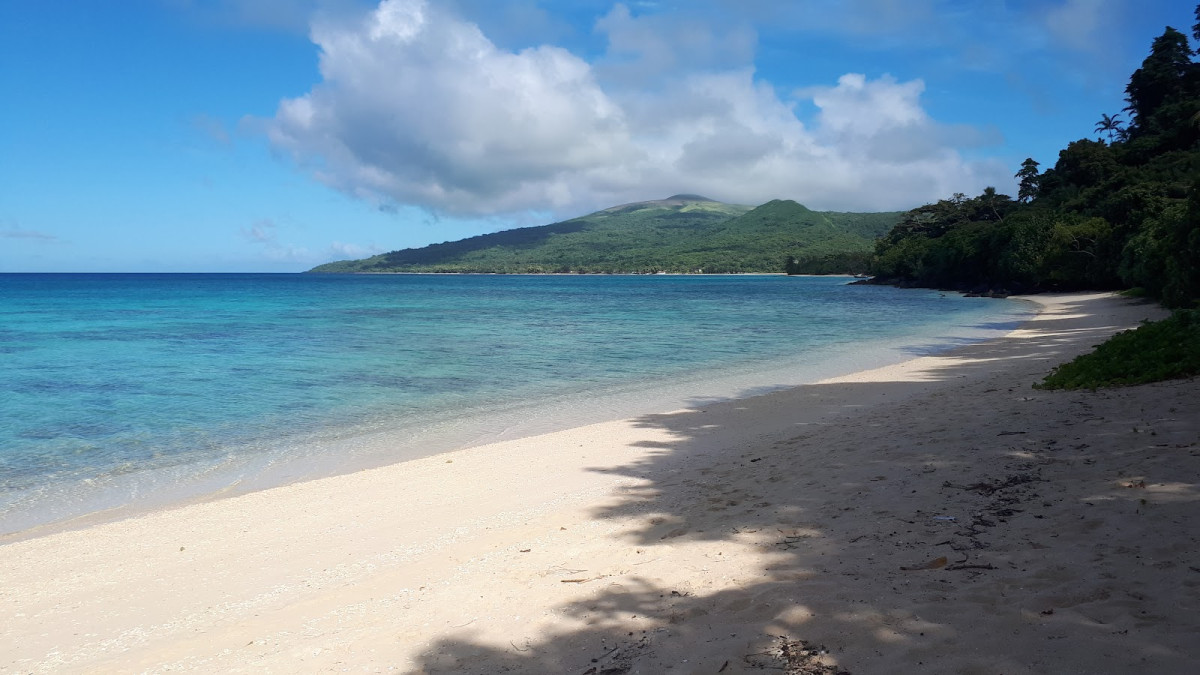
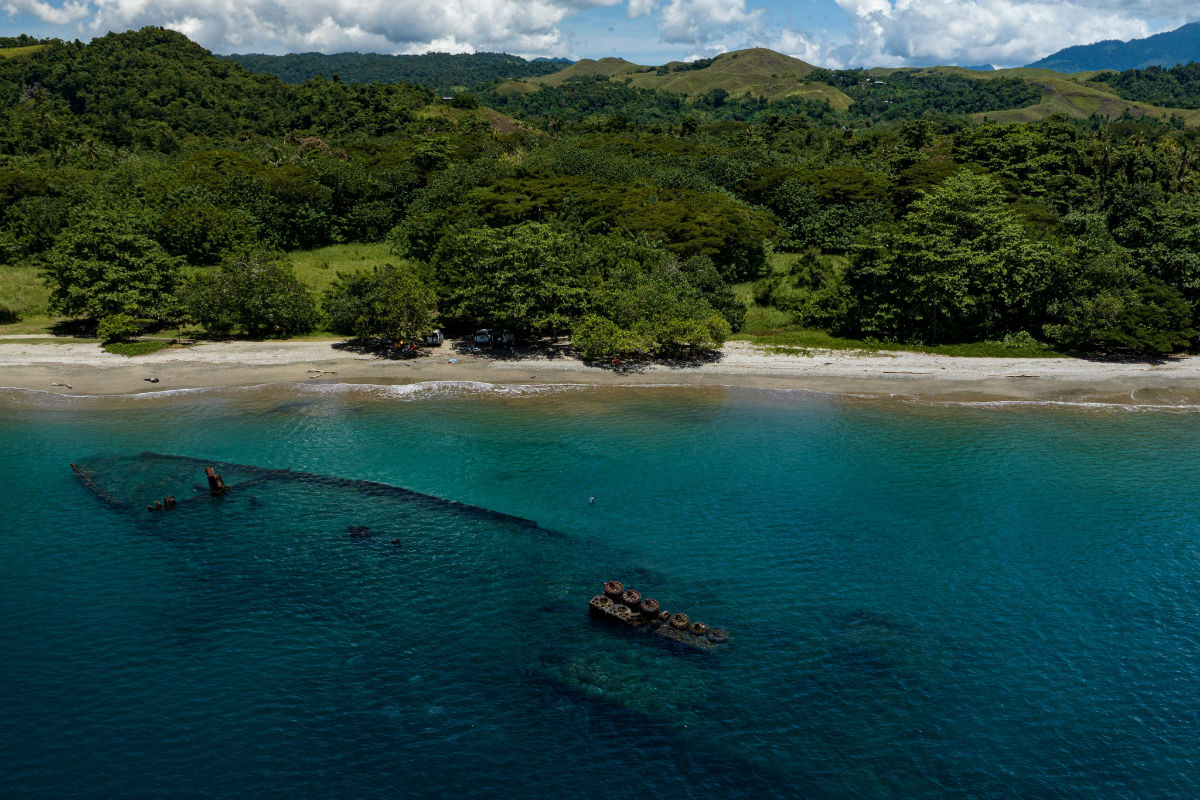
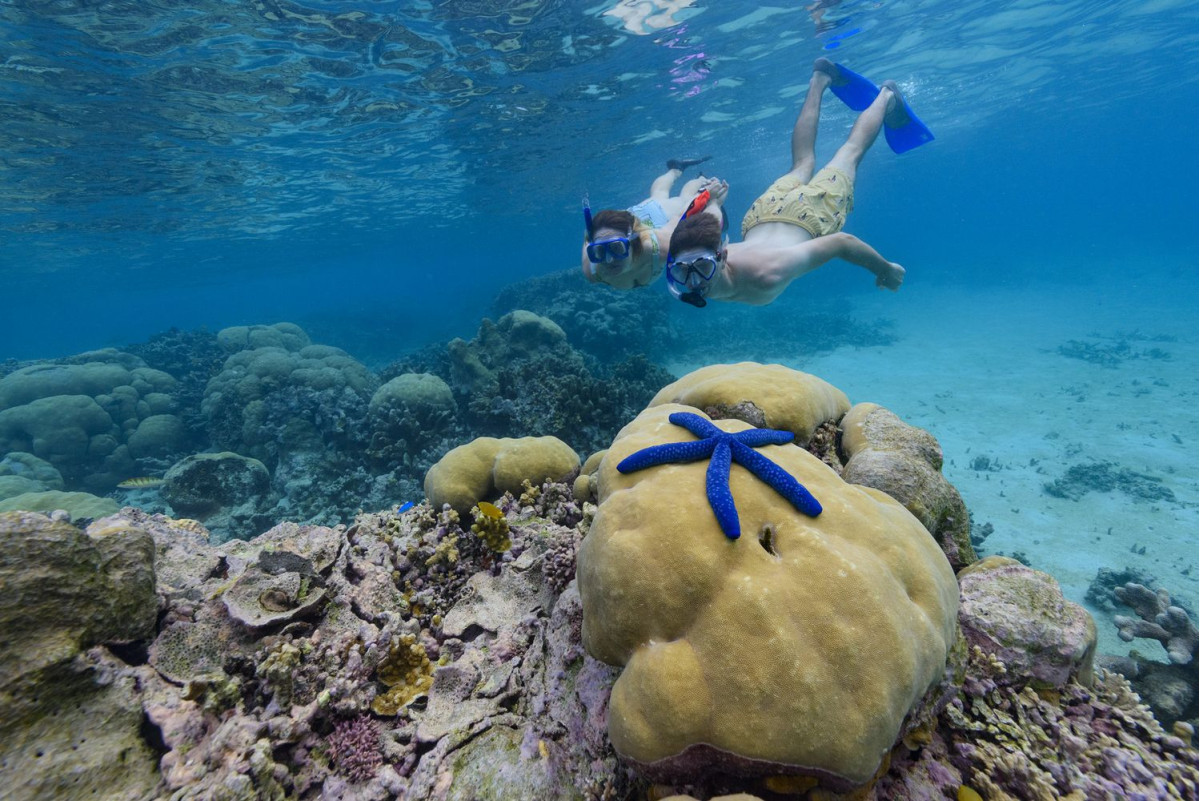
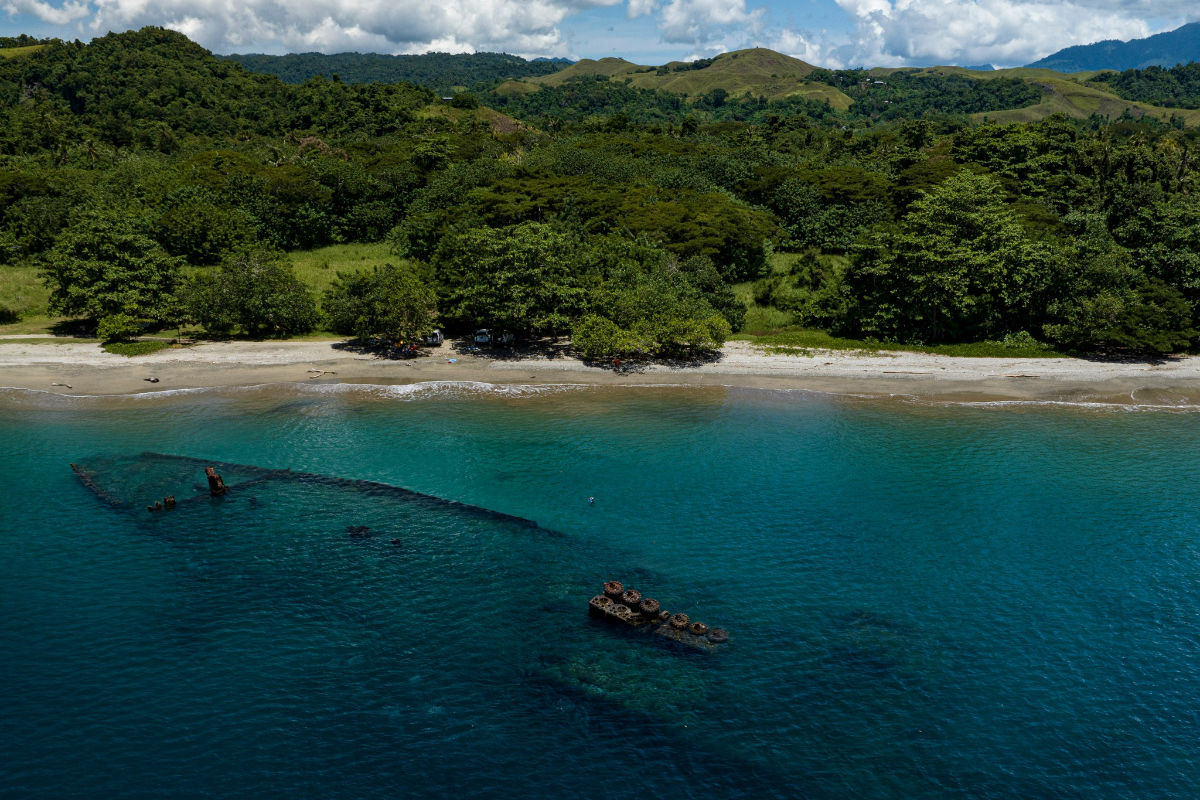
On the way back, we will visit Bonegi Beach, where we will see a Sherman tank and a sunken Japanese ship. Under favourable conditions, those who wish will be able to snorkel near the wreckage lying close to the shore.
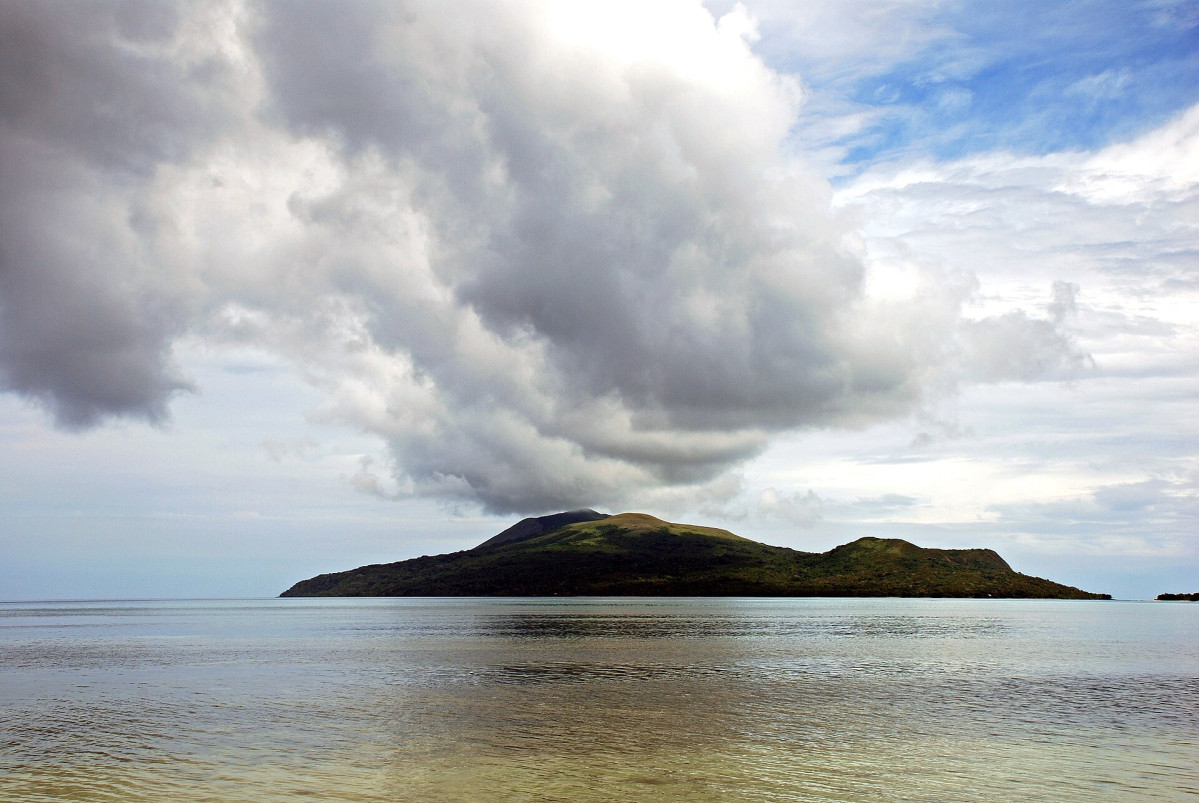
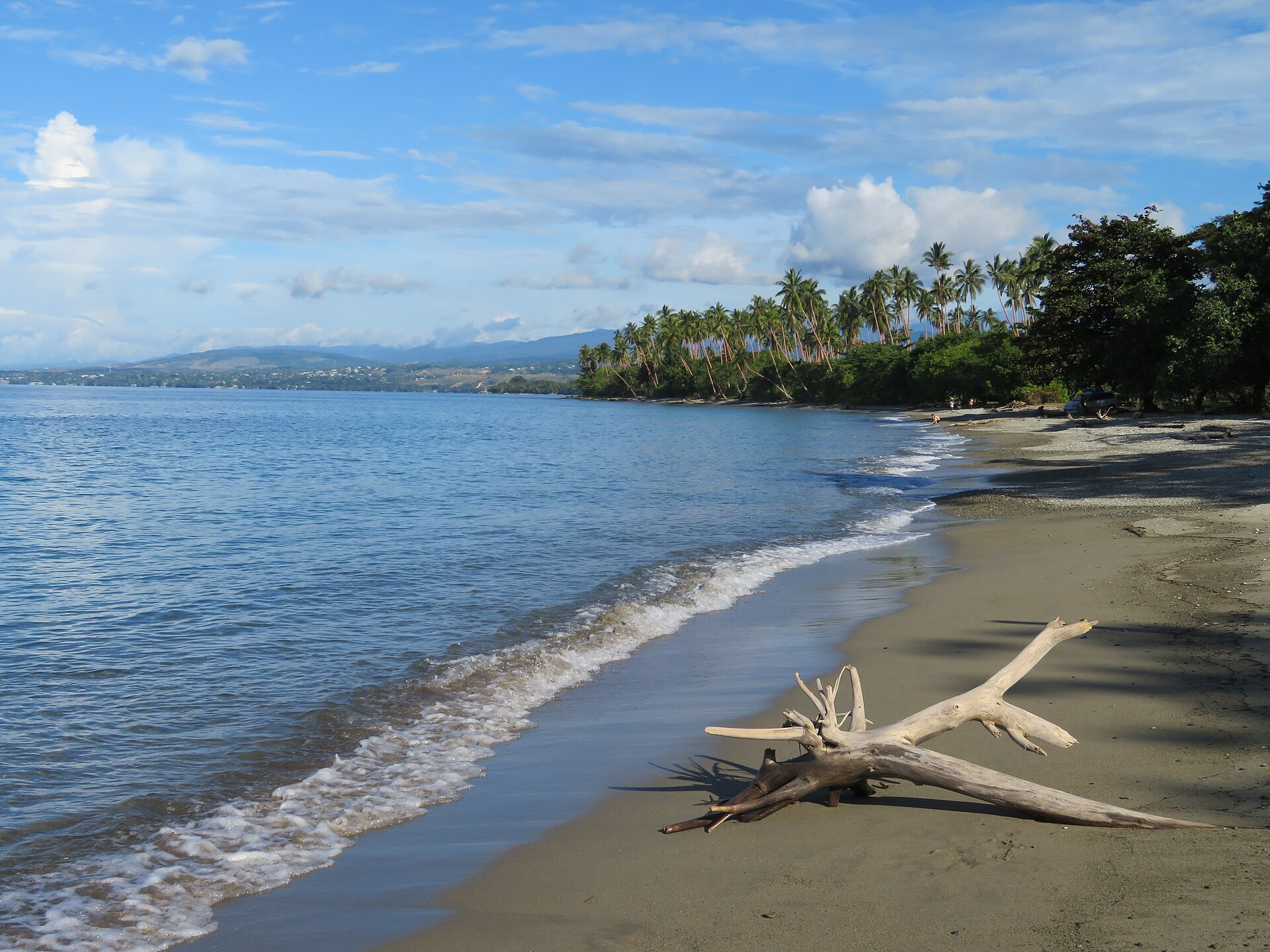
The road will pass through coconut plantations, with views of Savo Island, the Florida Islands and Iron Bottom Sound — named after the large number of ships that remain on its seabed.
Return to Honiara and rest at the hotel.
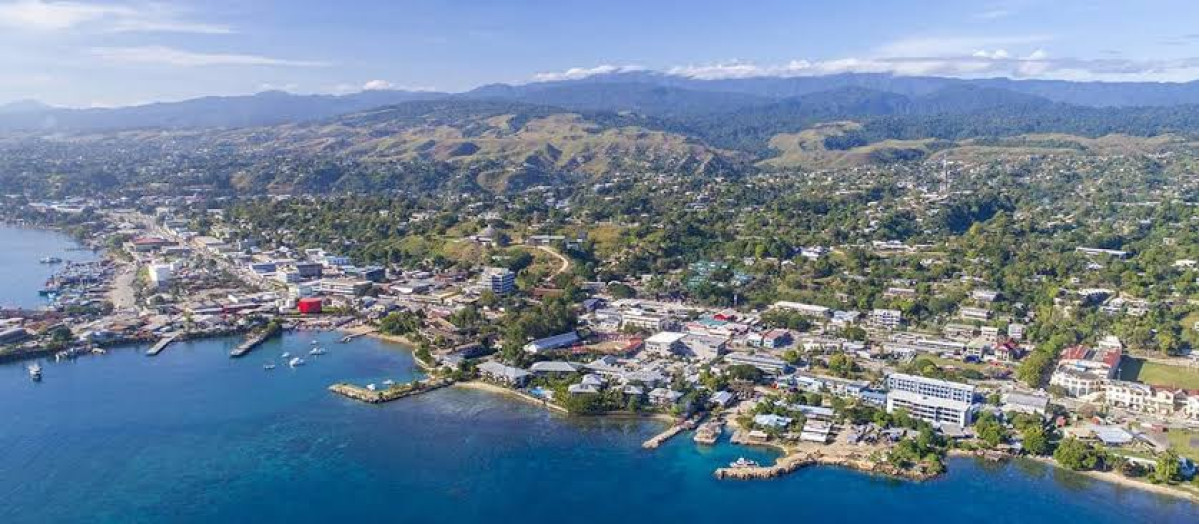
A new day will introduce us to the modern life of the Solomon Islands. During a sightseeing tour of Honiara, we will see the Point Cruz area, the city harbour, Unity Square, the Ranadi industrial zone and Chinatown.
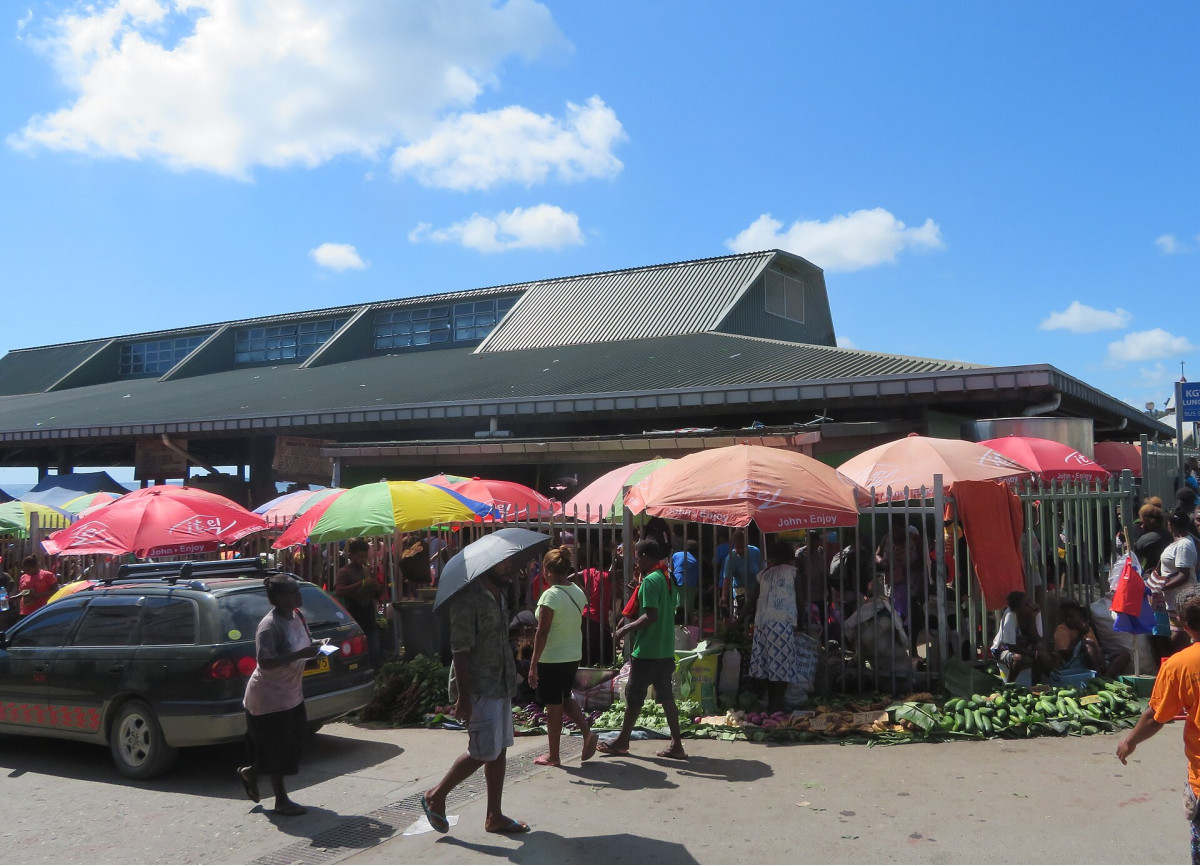
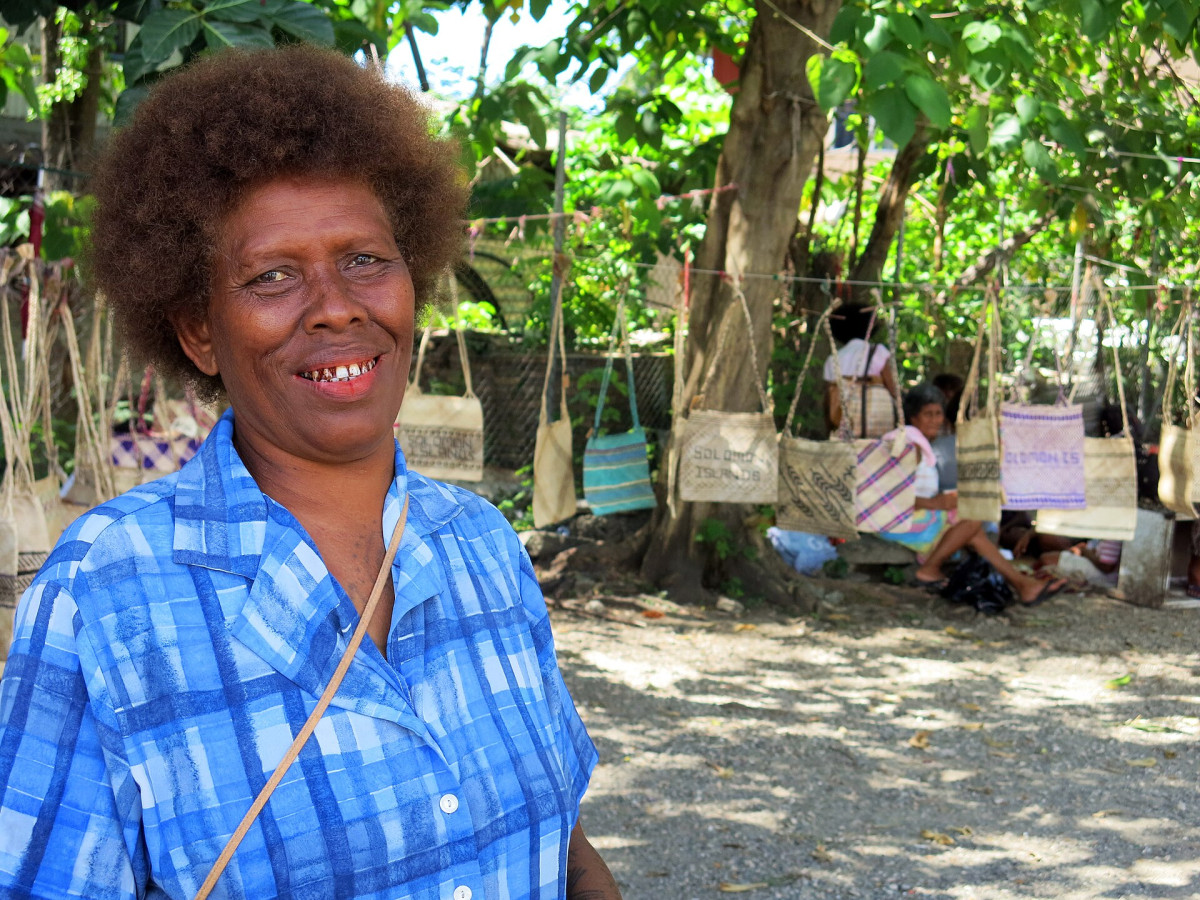
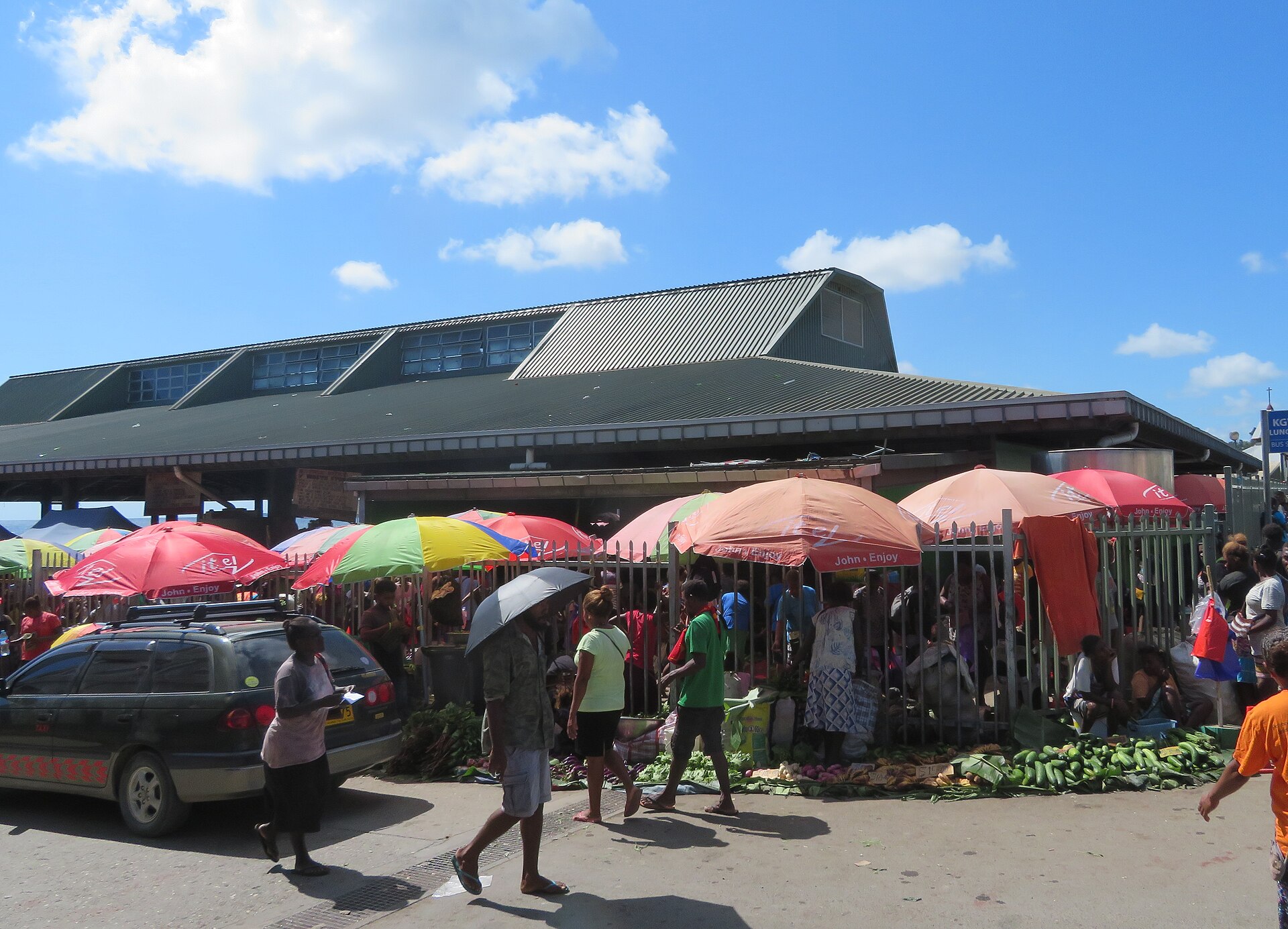
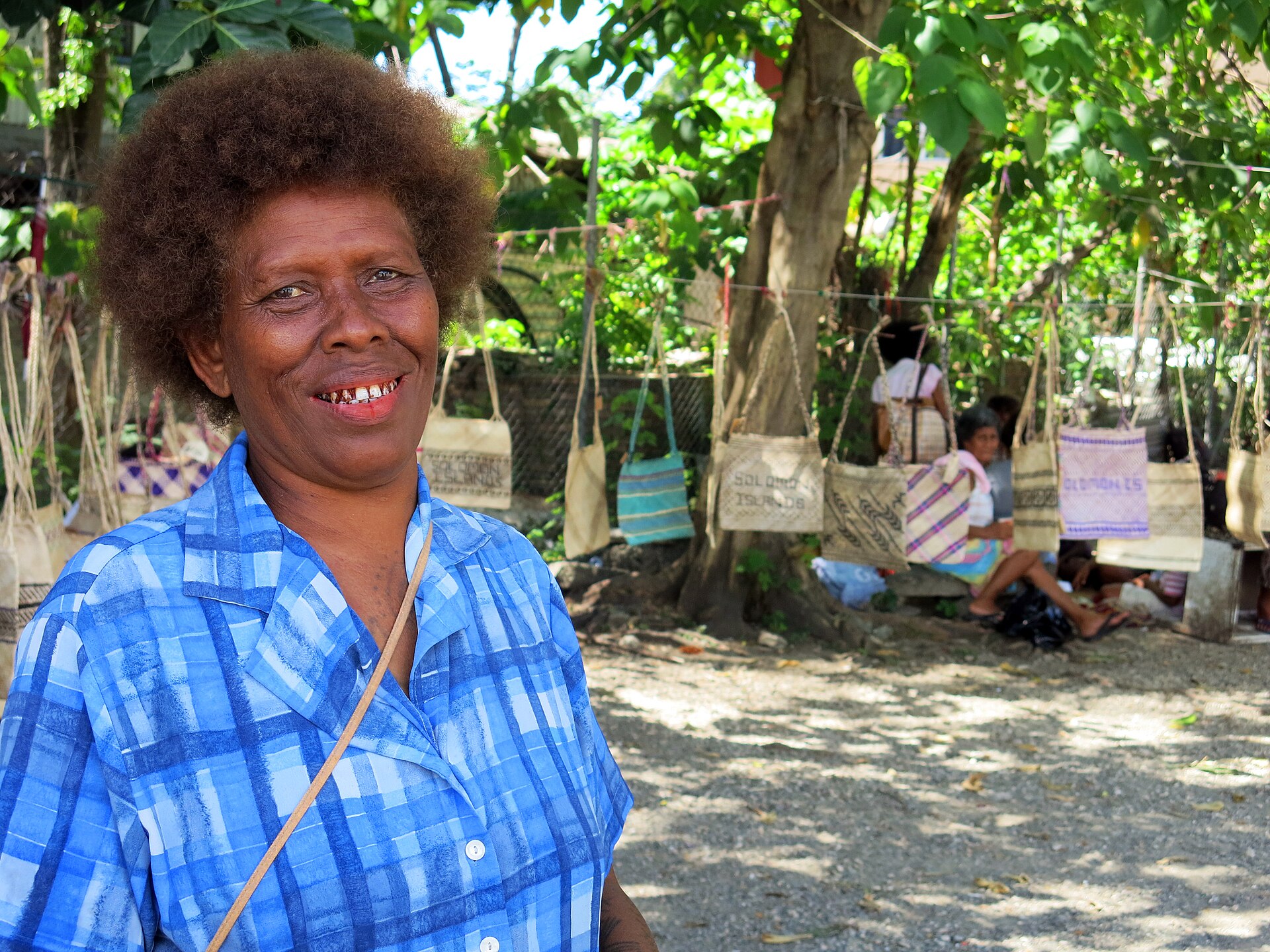
We will make a separate stop at the Central Market — a lively and colourful place where residents of different islands bring fruit, vegetables, fish, betel nuts and products made by local craftspeople.
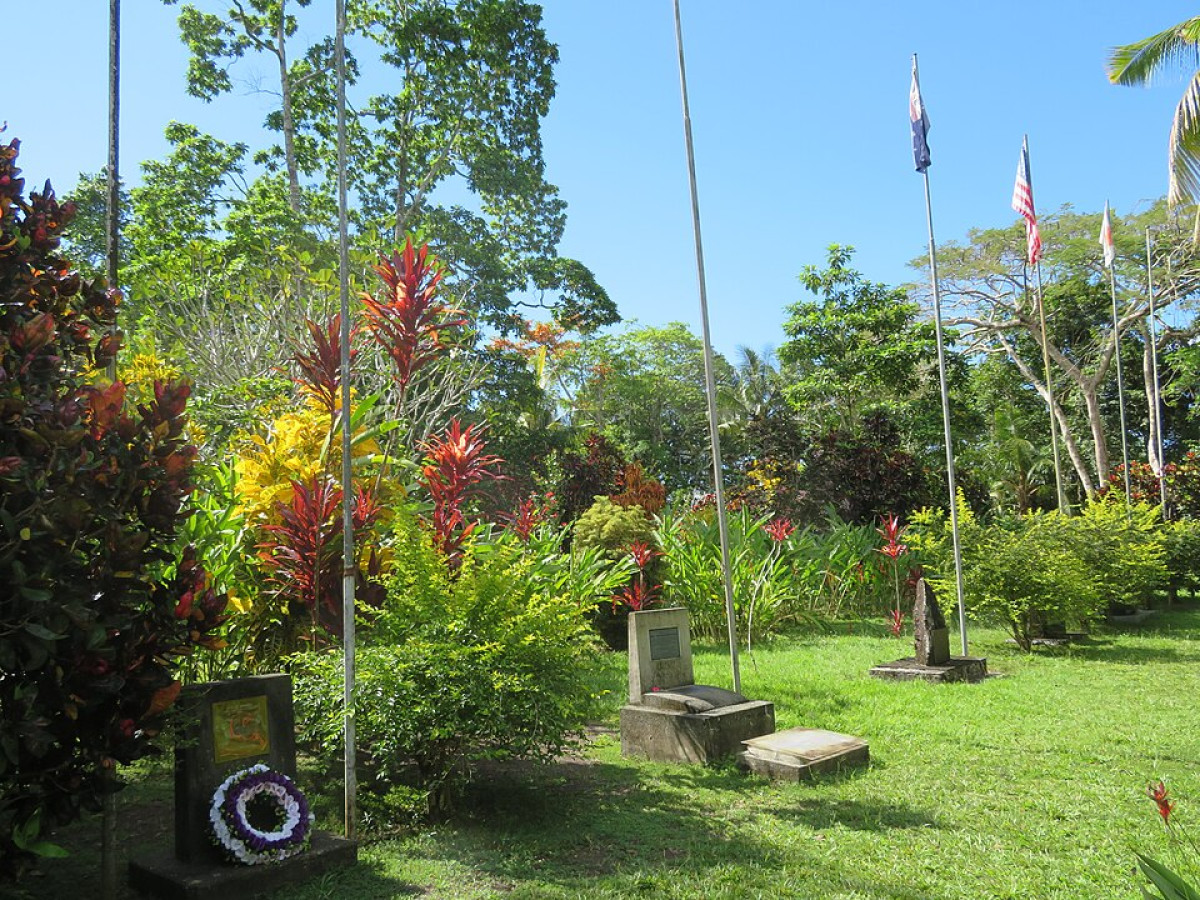
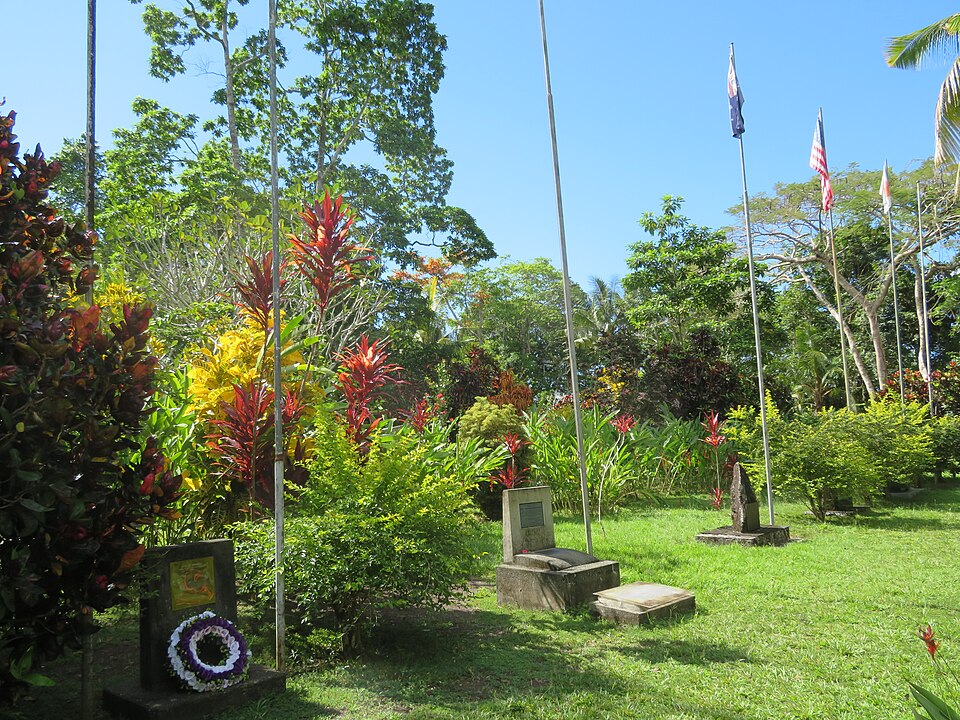
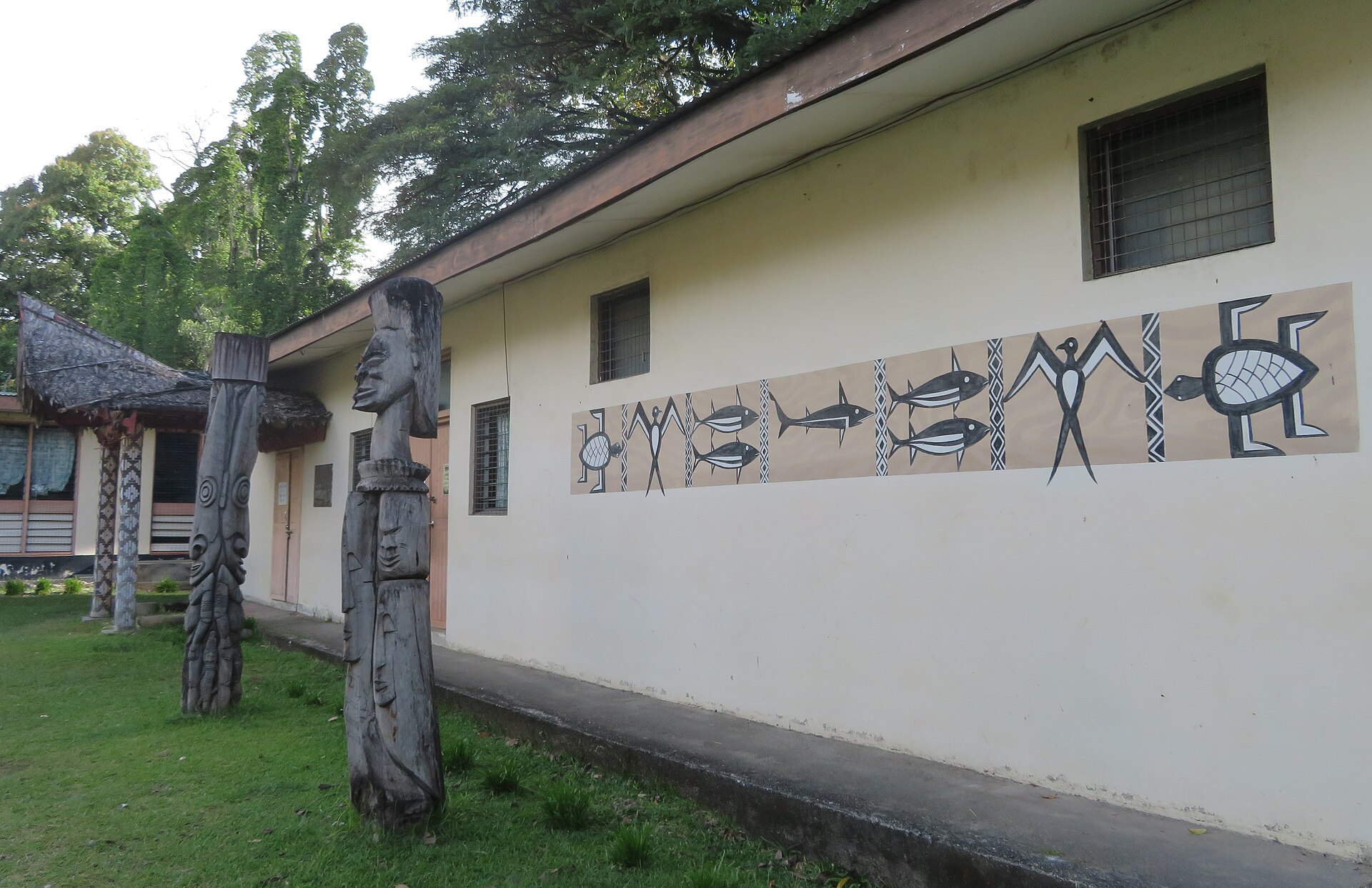
The National Parliament building, the National Museum and the Art Gallery will introduce us to the country’s history and system of government. The route will also include the Coastwatchers Memorial, the Cenotaph, the Kawaguchi Memorial, the monument to Sergeant Vouza and the Police Memorial Park in the Rove area.
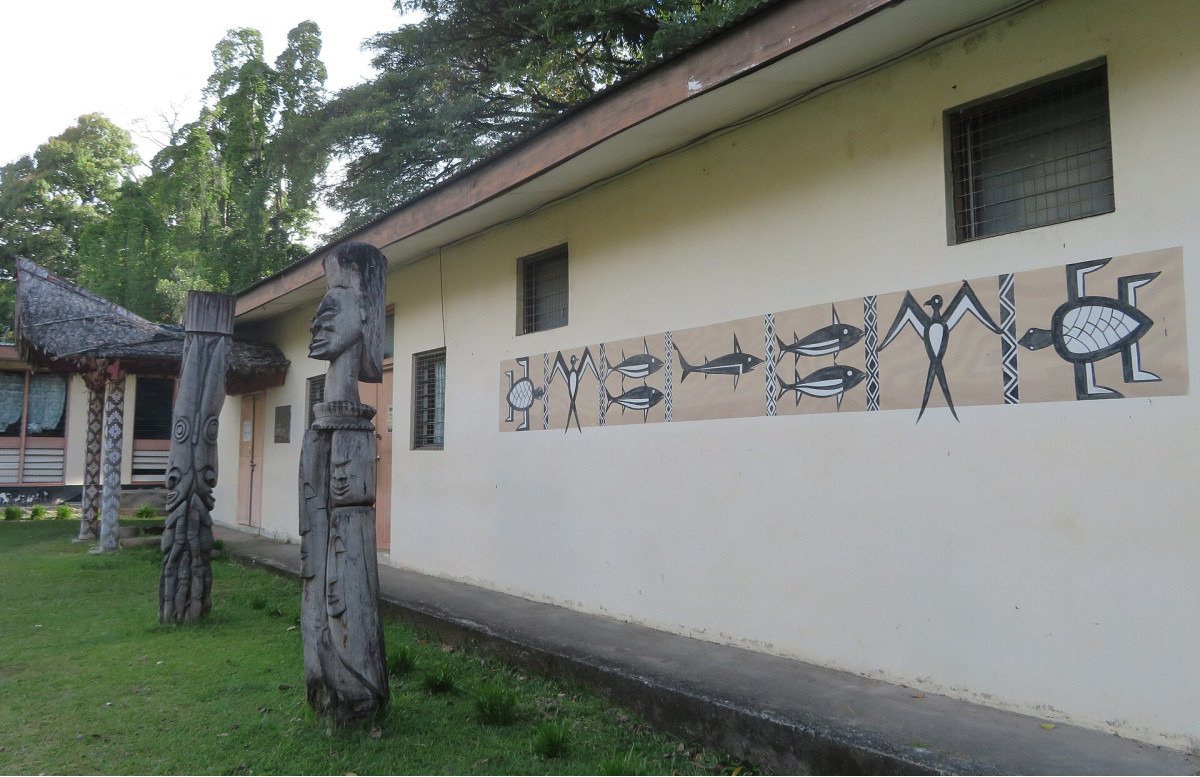
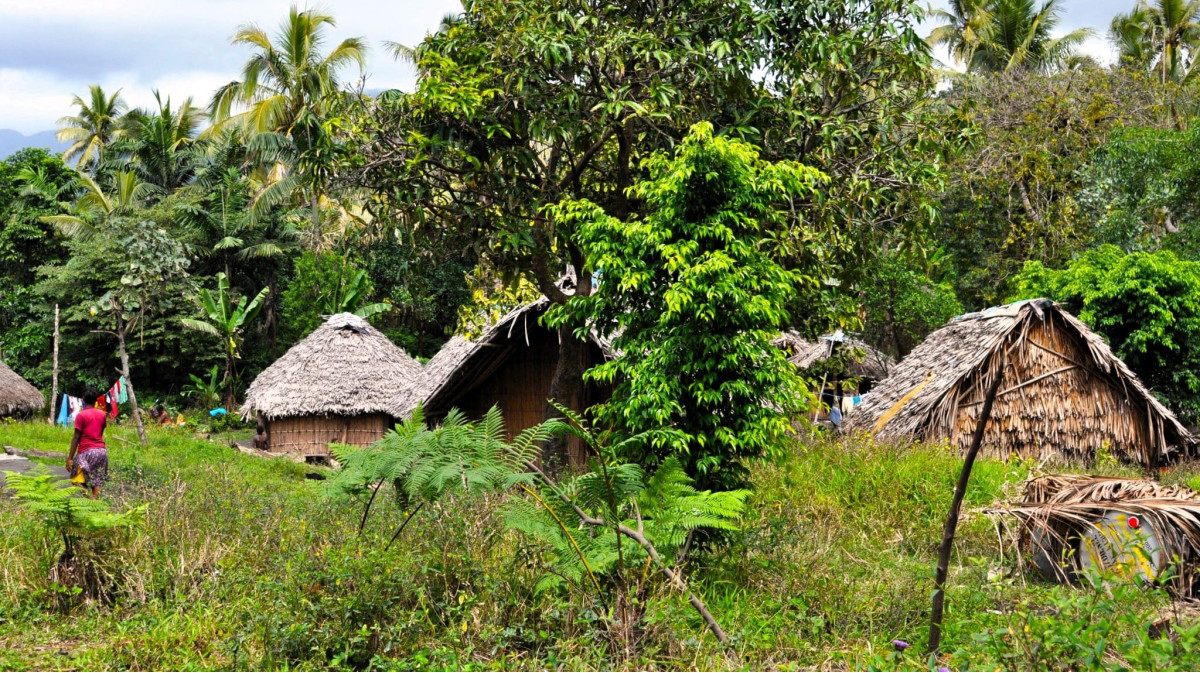
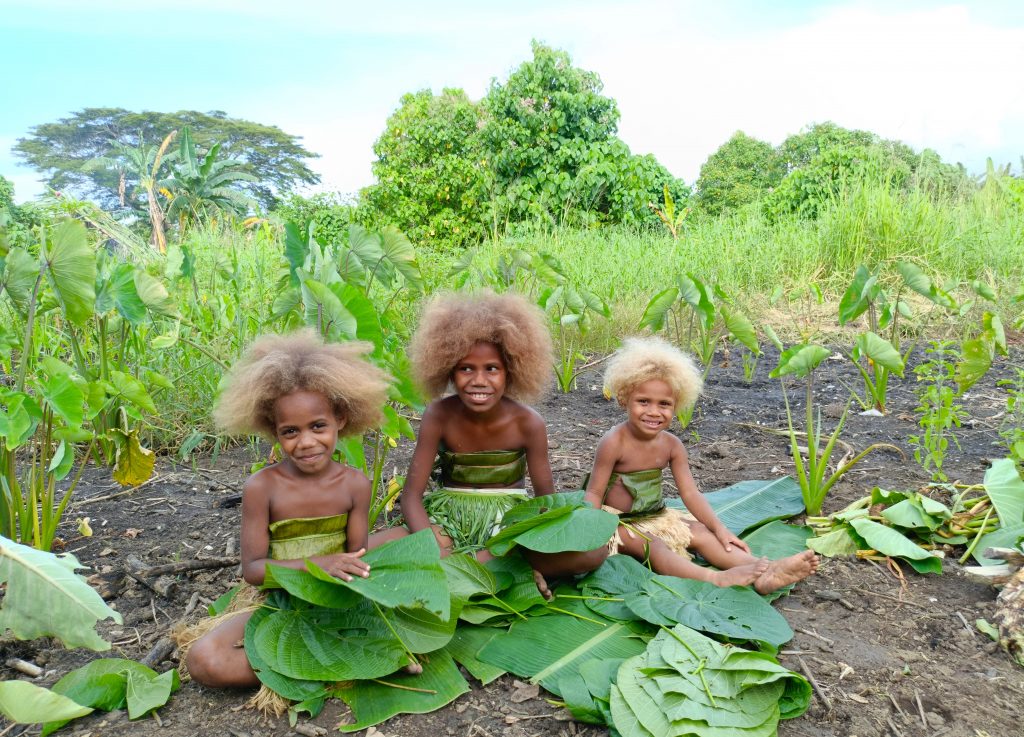
After lunch, the urban atmosphere will give way to rural scenery as we head to Hotomai Cultural Village. The local community will welcome us with a traditional ceremony and introduce us to the crafts, everyday life and customs of the islanders.
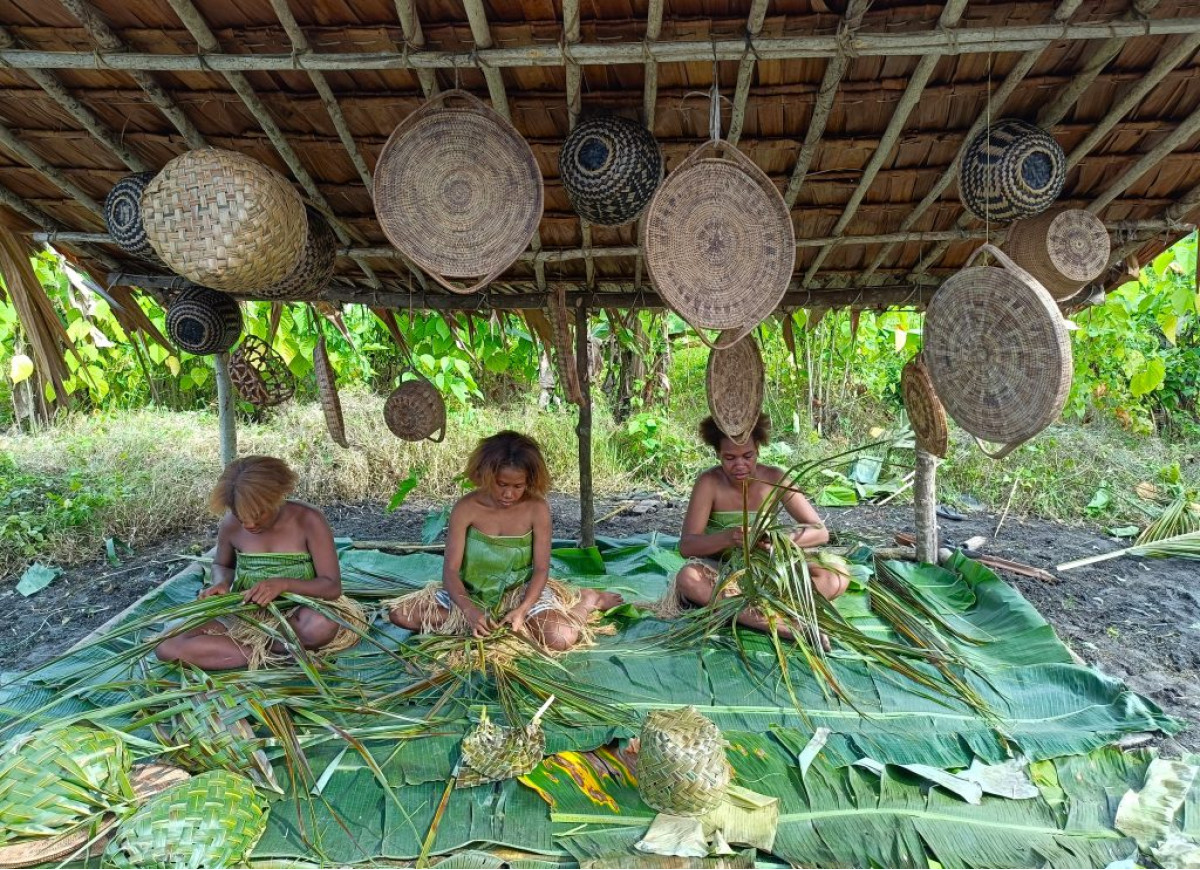
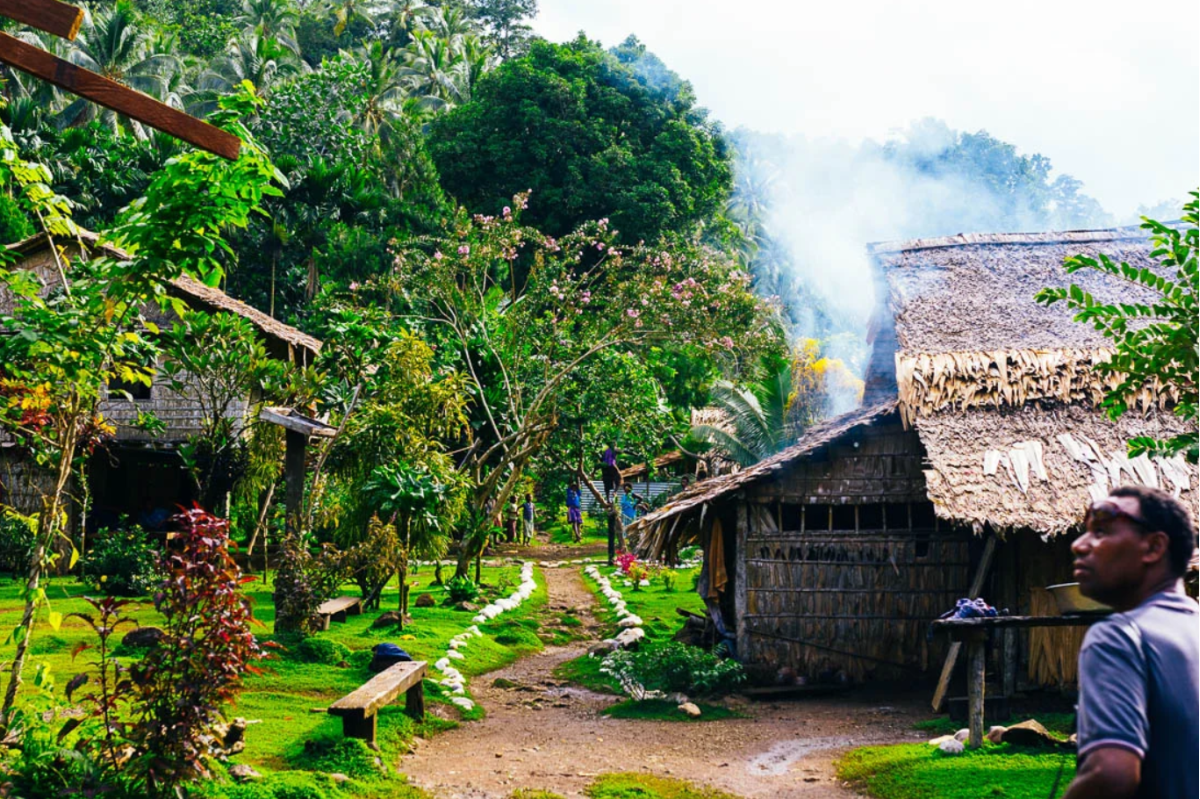
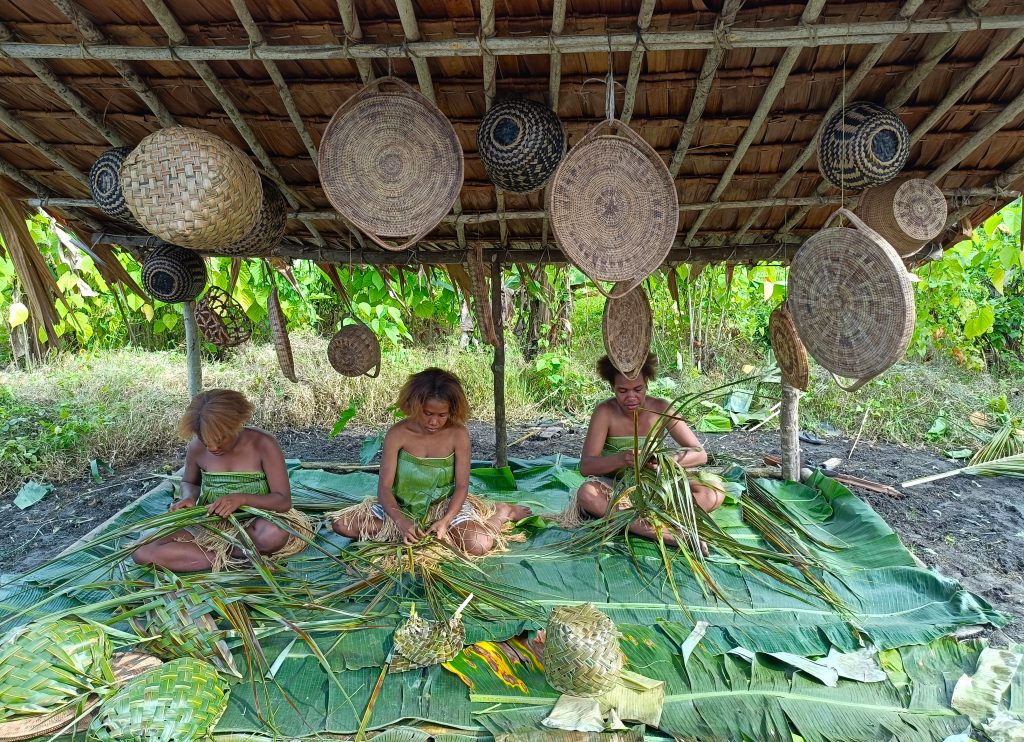
We will see how baskets and grass skirts are woven, how fire is made using traditional methods and how food is cooked on heated stones. We will learn about different types of dwellings, be invited to taste local dishes and take part in selected elements of the programme.
In the evening, we will return to the hotel.
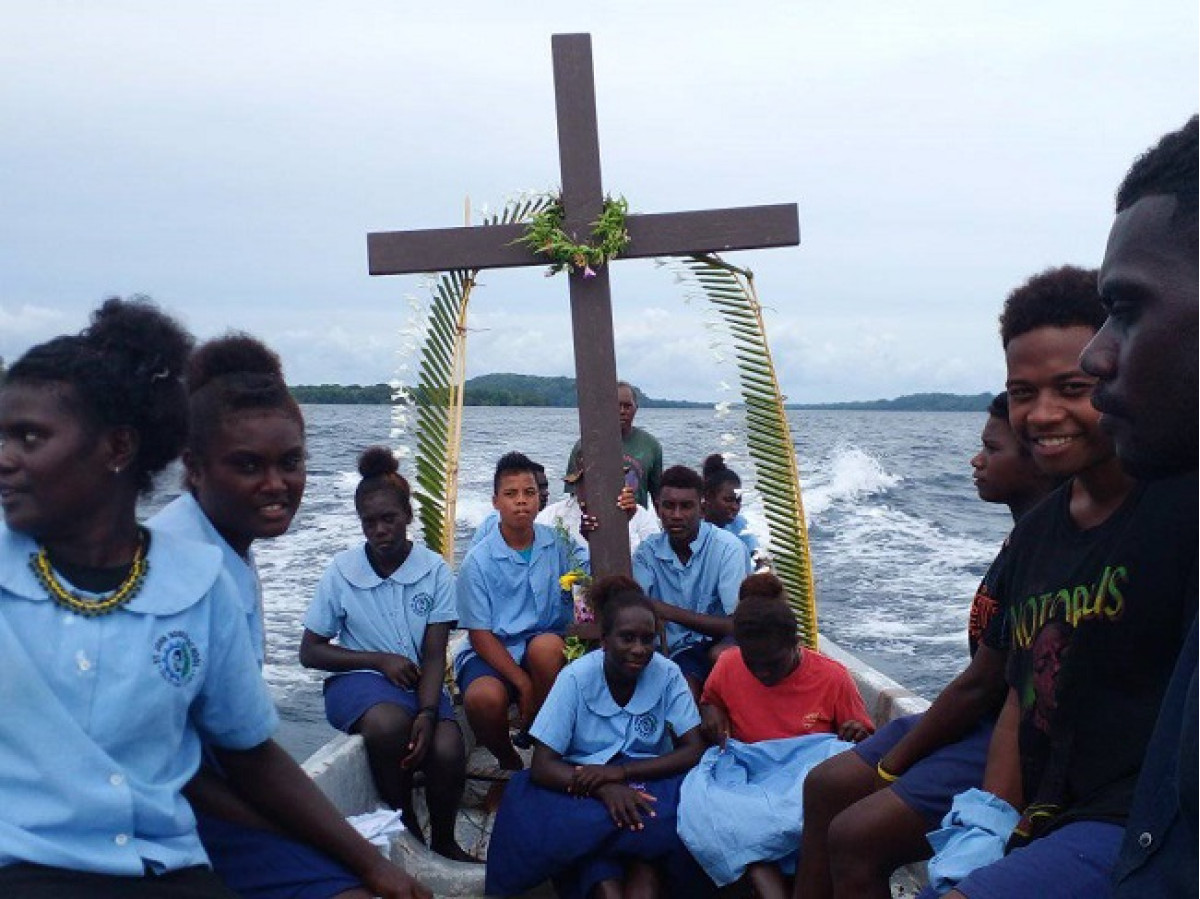
Today, the ocean will replace the land. From the pier, we will travel by speedboat to Tulagi Island, located in Central Province. The journey will take approximately an hour and a half, and the conditions will depend on the weather and the state of the sea.
Before the Second World War, Tulagi was the administrative capital of the British Solomon Islands Protectorate. Together with our guide, we will visit the island’s historical sites and learn about the role this small piece of land played in the events of the Pacific campaign.
Lunch is planned at Vanita Restaurant, after which the boat will take us to Tanambogo and Gavutu — neighbouring islands also connected with the military history of the archipelago.
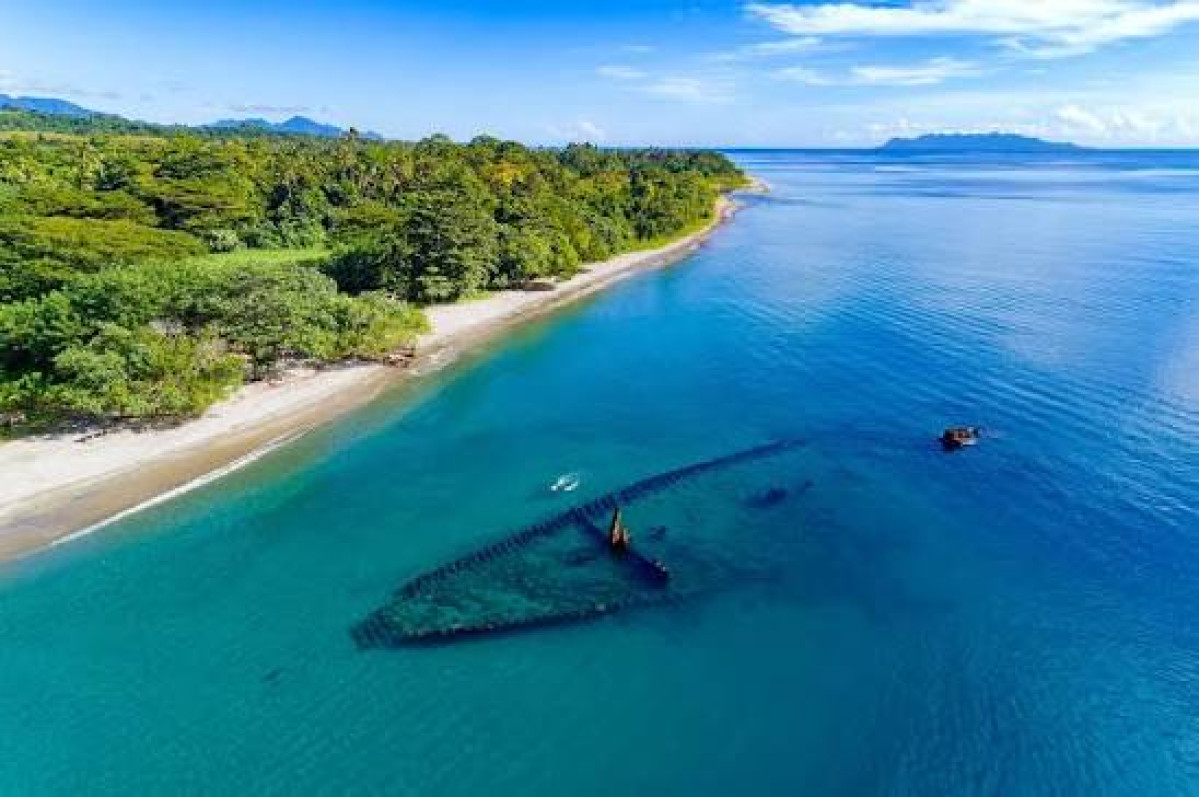
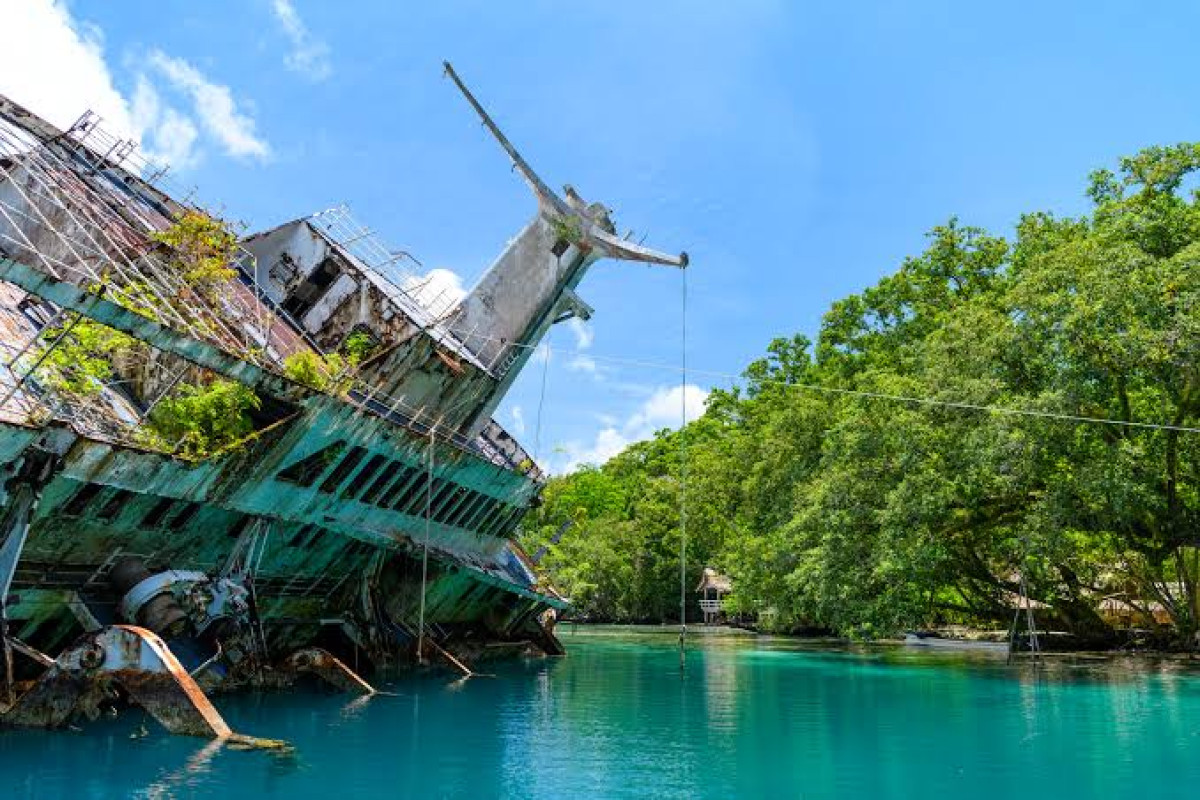
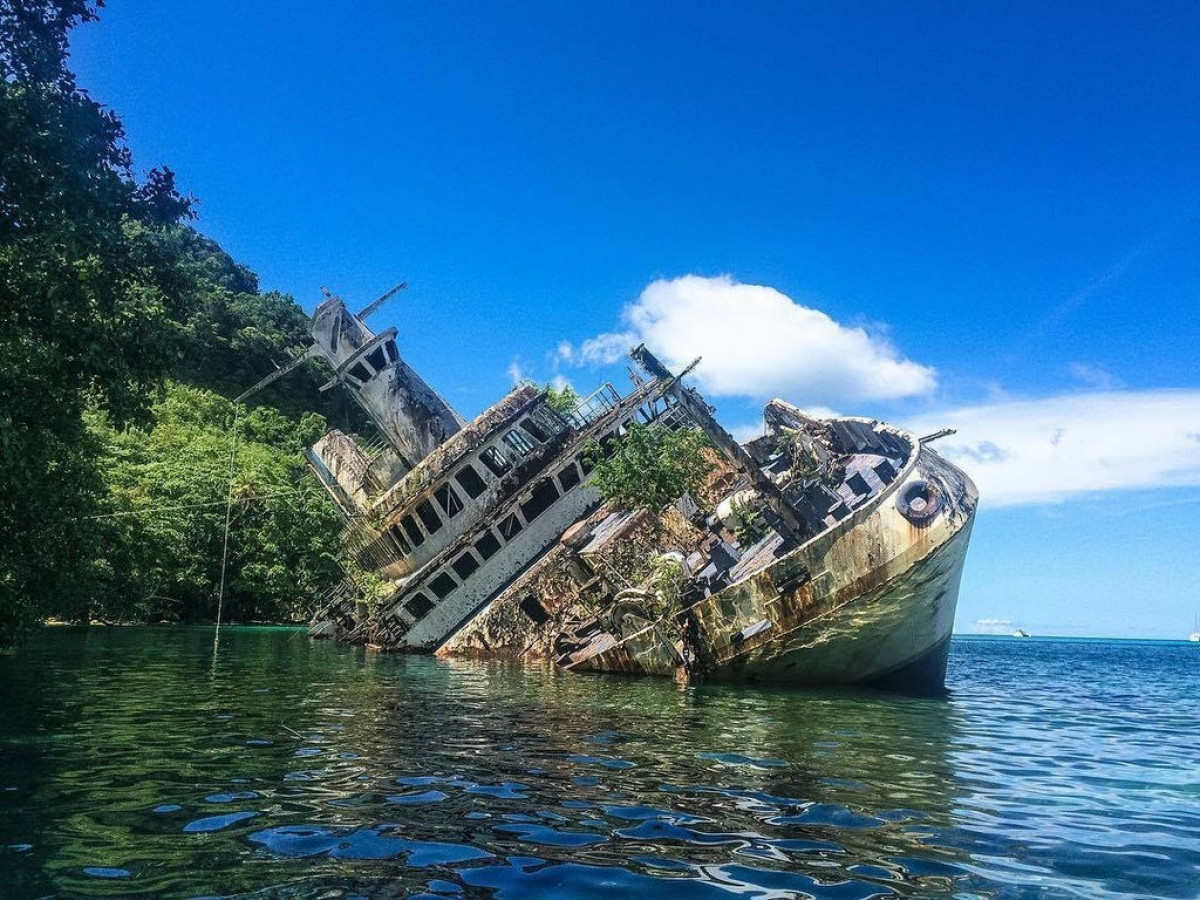
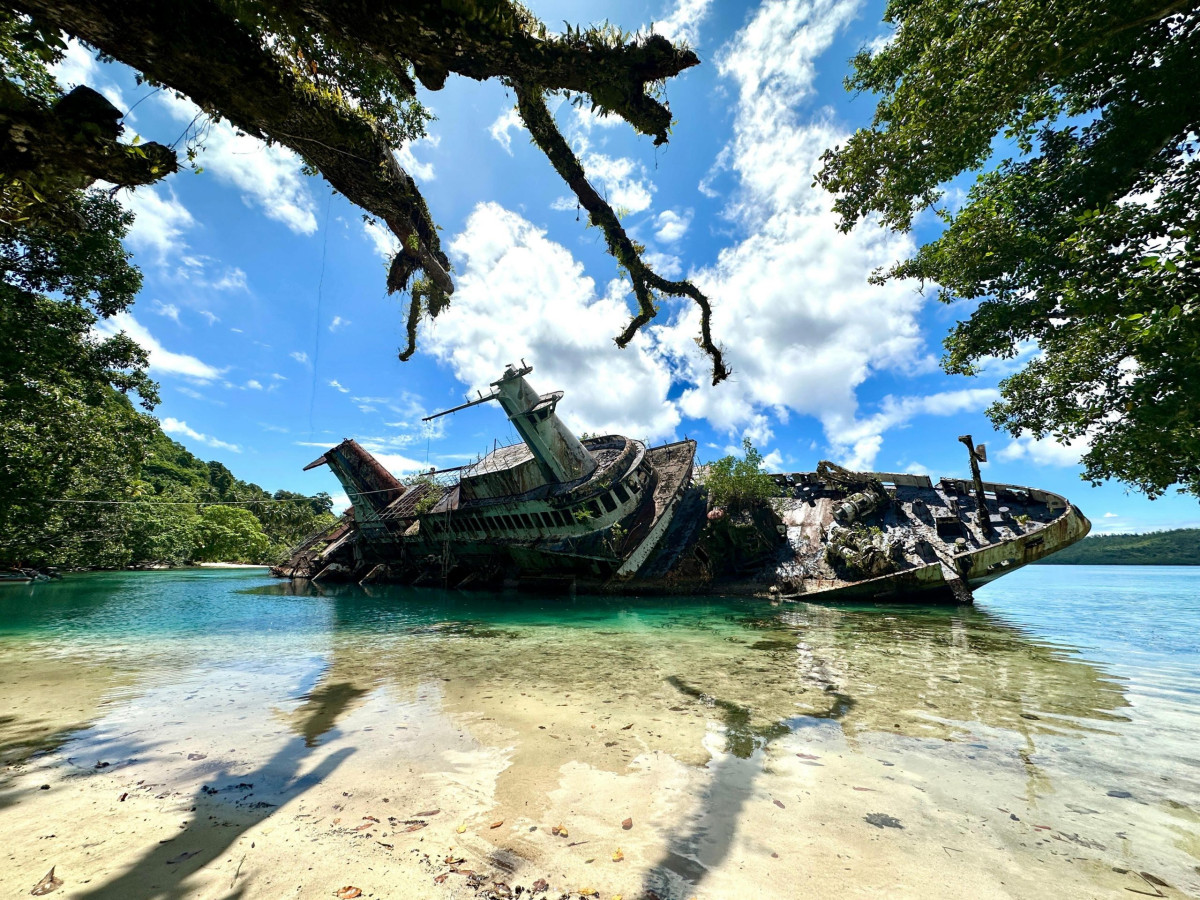
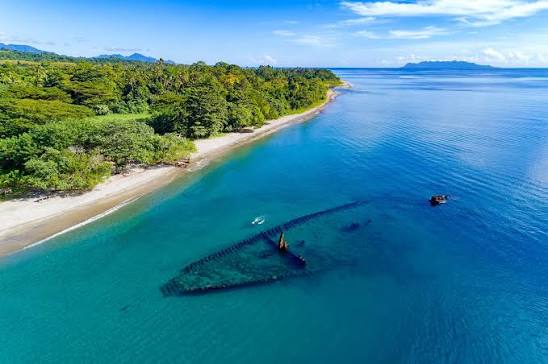
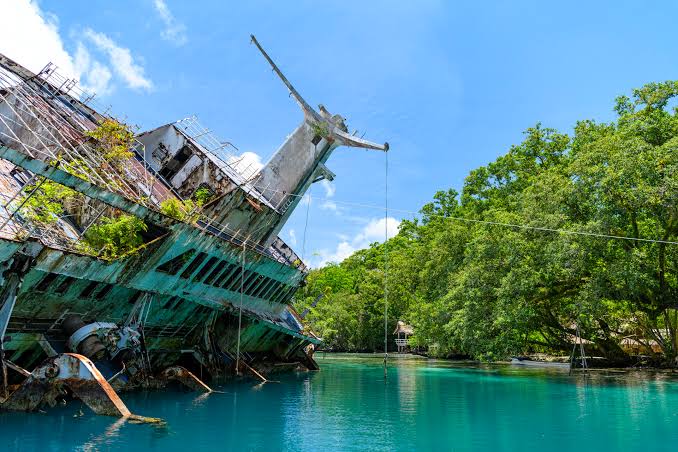
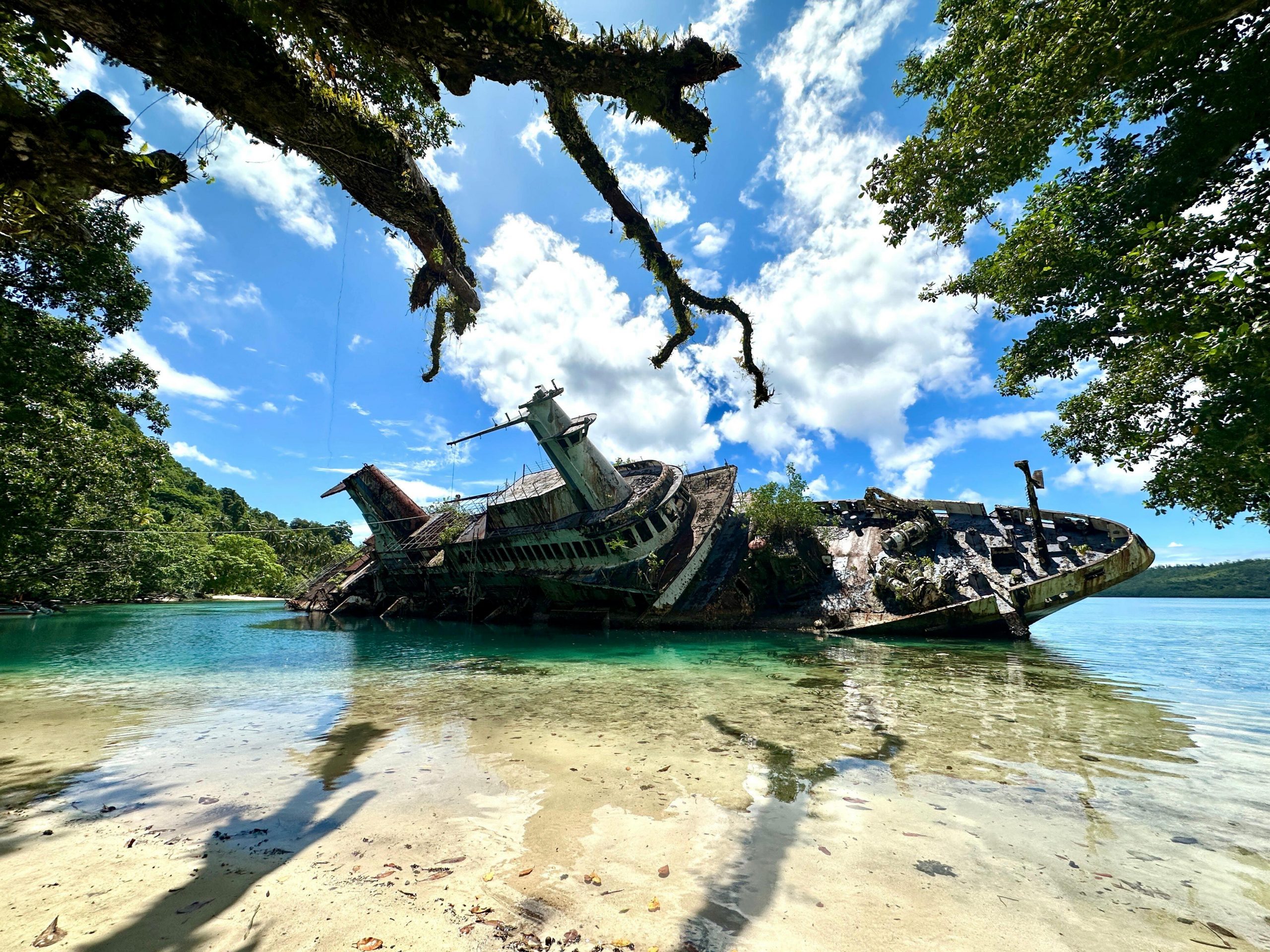
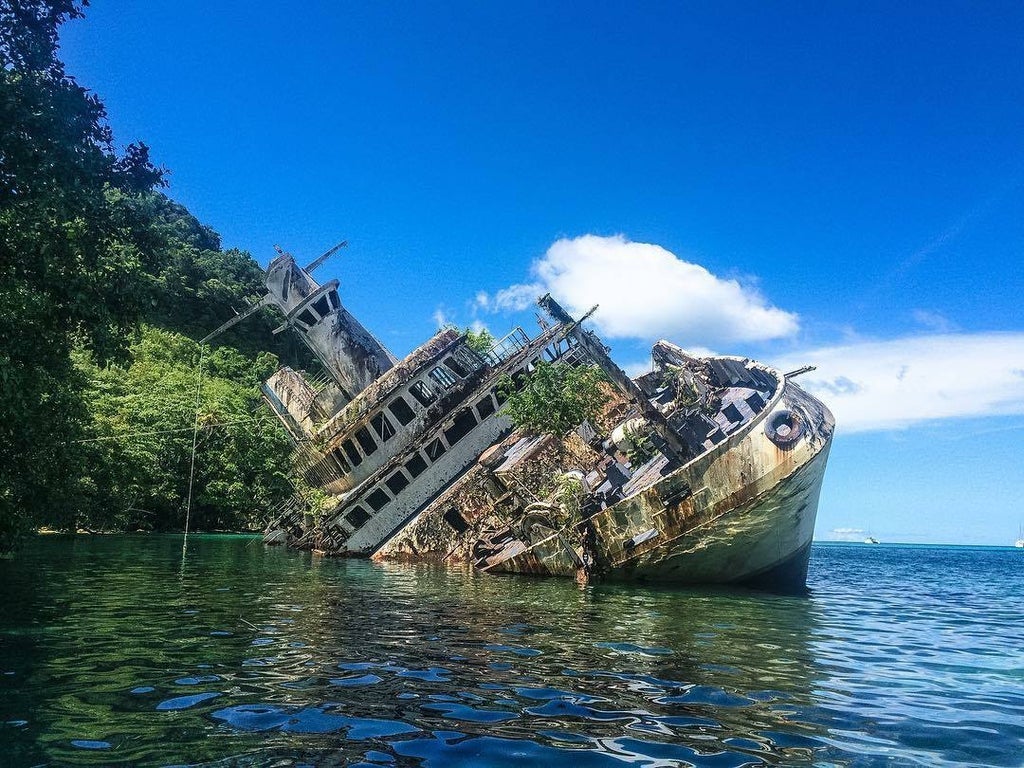
The final point of the sea route will be Roderick Bay. Near its shore lies the hull of the World Discoverer, which has become one of the most recognisable sights of the Solomon Islands. Here we will have time for swimming, snorkelling and relaxing by the water.
At the end of the day, we will return by sea to Honiara and transfer to the hotel.
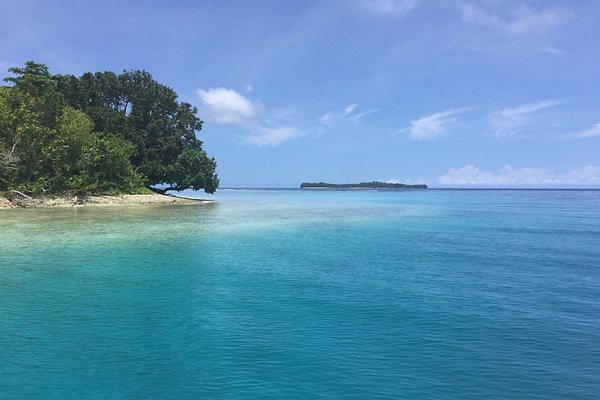
Early in the morning, we will leave Honiara and take a domestic flight to Balalae. As we move away from Guadalcanal, we will see from above a mosaic of islands, reefs and lagoons stretching almost as far as the coast of Papua New Guinea.
From Balalae, we will continue by boat to the settlement of Tuha, located in the inner part of the Shortland Islands. Our home for the next three nights will be a local lodge — a small eco-lodge built using a combination of modern and traditional materials and powered by solar energy.
After lunch, the Yukan Trails route will begin. The Japanese word yūkan means courage, bravery and heroism, while the programme itself reveals the history of the Second World War in the Solomon Islands from a Japanese perspective.
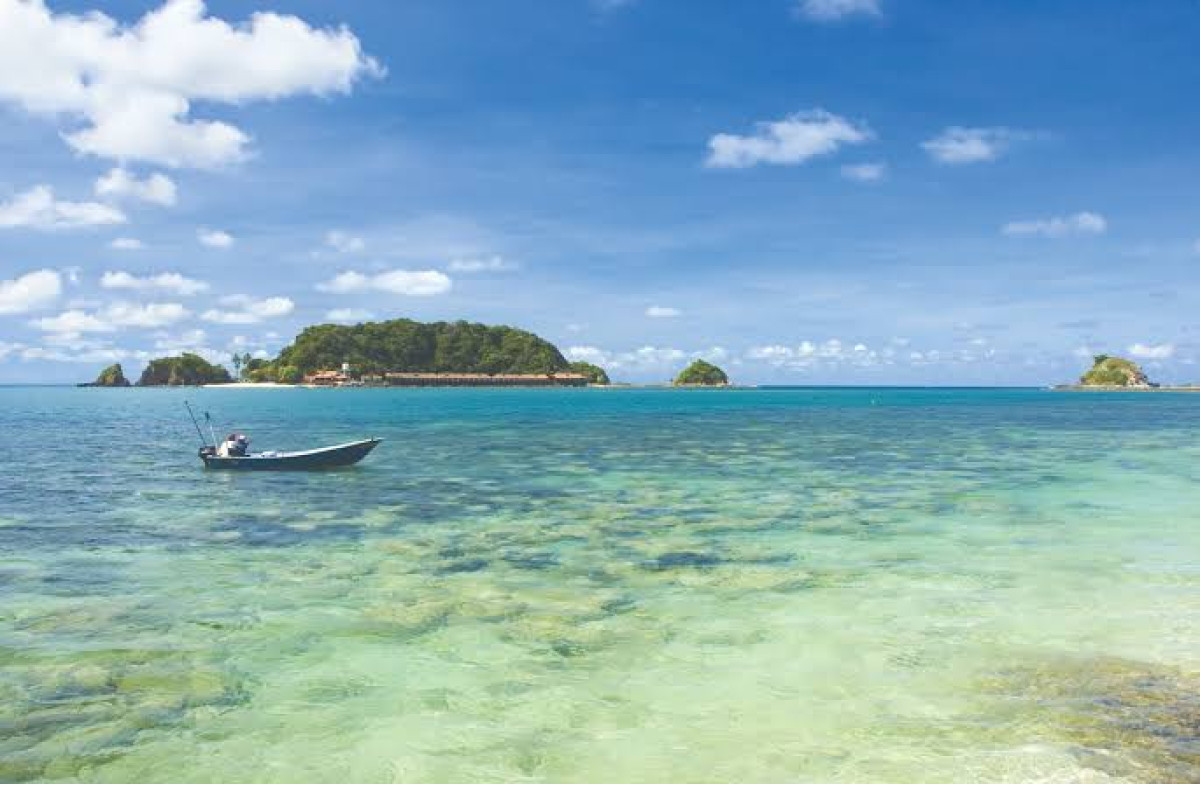
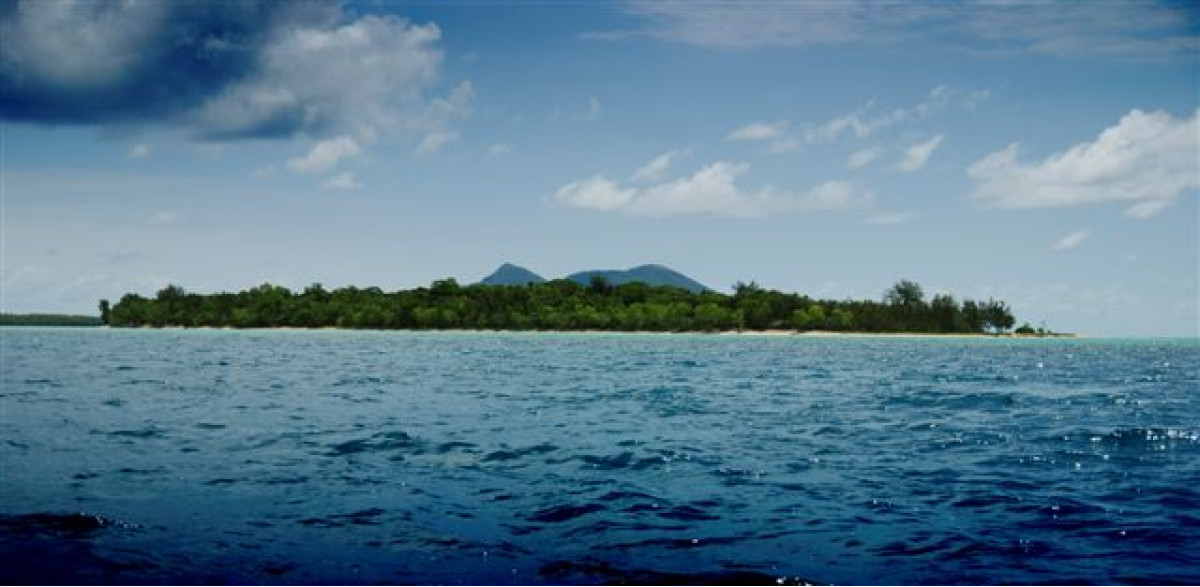
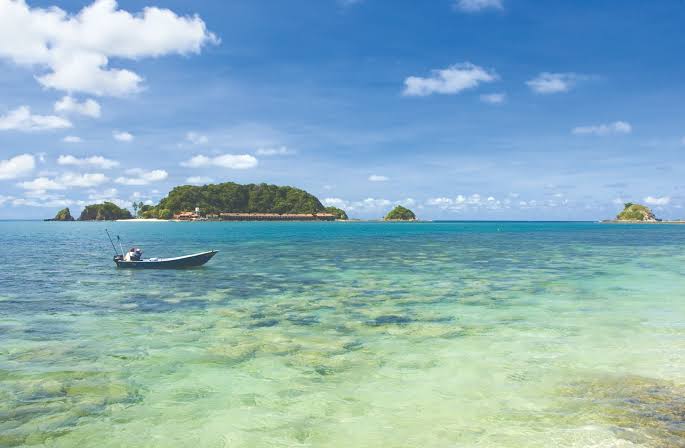
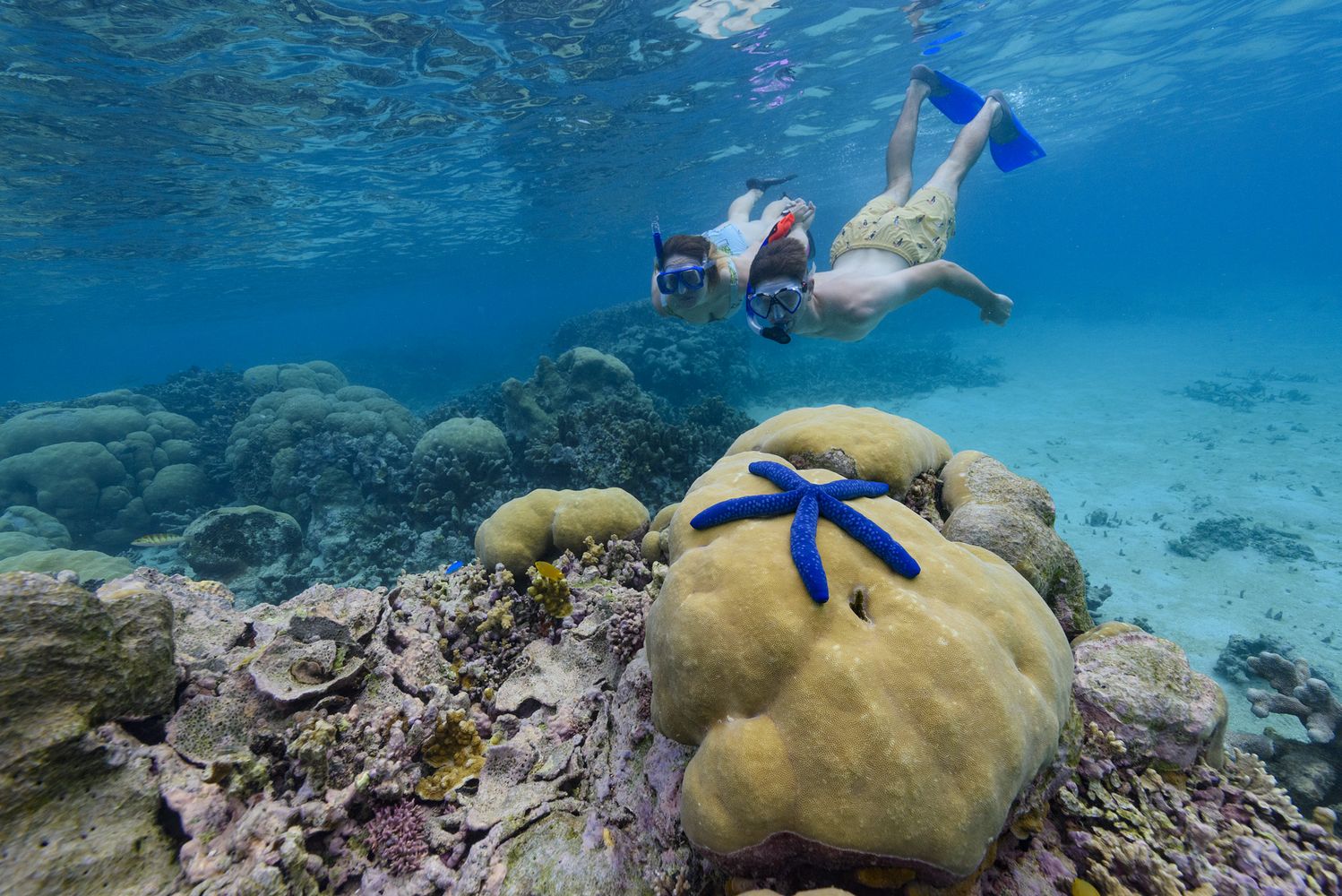
Our first adventure will be a boat trip around Shortland Harbour. We will then head to Onua Island, where clear water and coral areas create excellent conditions for snorkelling.
In the evening, we will return to the settlement of Tuha, where the lodge hosts will prepare a welcome dinner for us in the form of a traditional island feast.
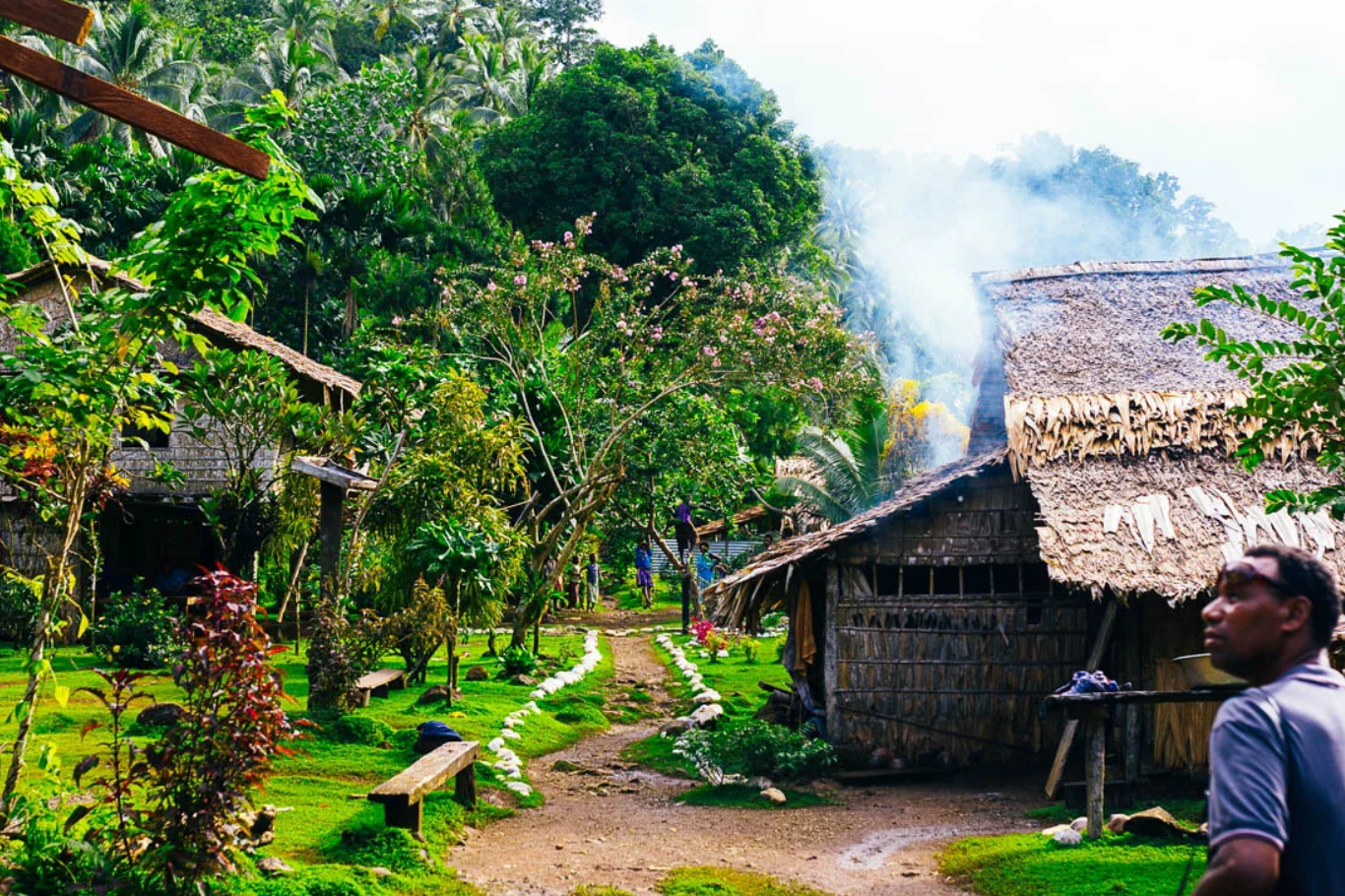
Today, we will become more closely acquainted with everyday life in the Shortland Islands. The morning waka bout programme will take us around Faisi Island — through settlements, coastal trails and places where the life of the local community is concentrated.
There is no bustle of large cities here. People travel between the islands by boat, fish, grow food for their own families and maintain a close connection with the land and the ocean. The walk will allow us to see the Shortlands not only as a historical place, but also as a living archipelago with its own distinctive way of life.
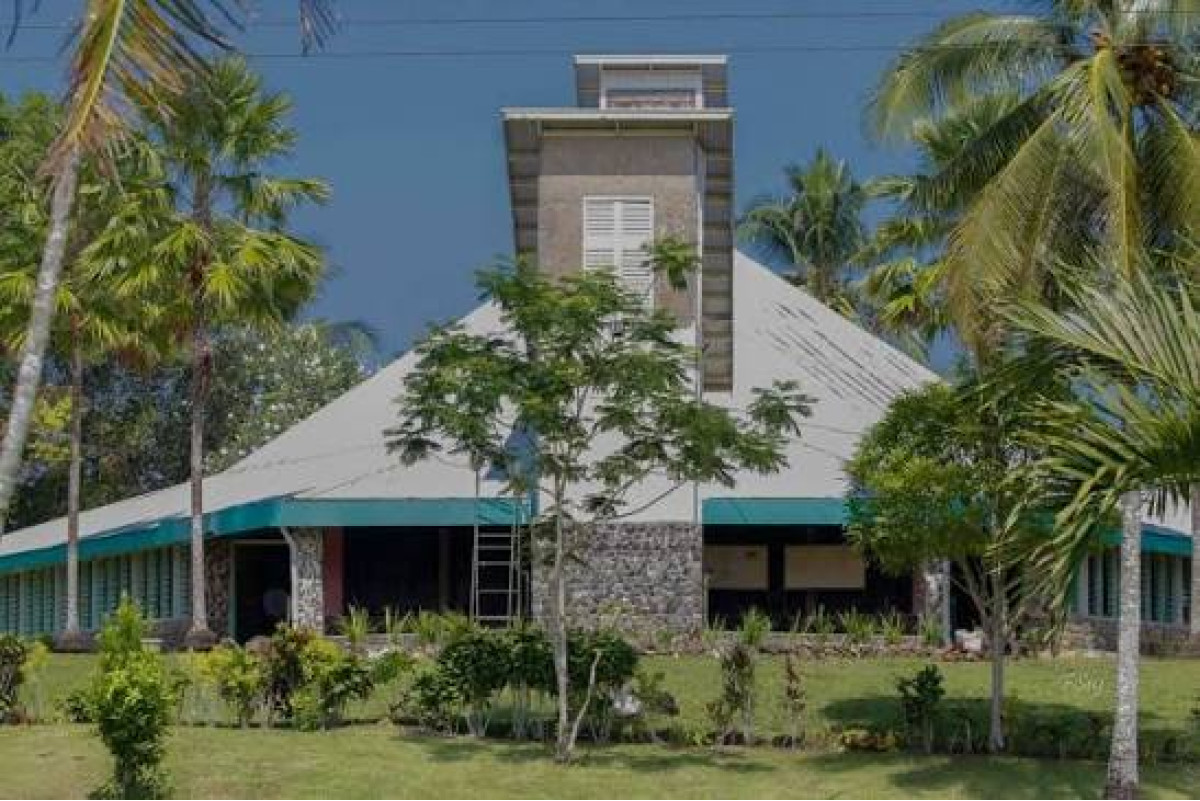
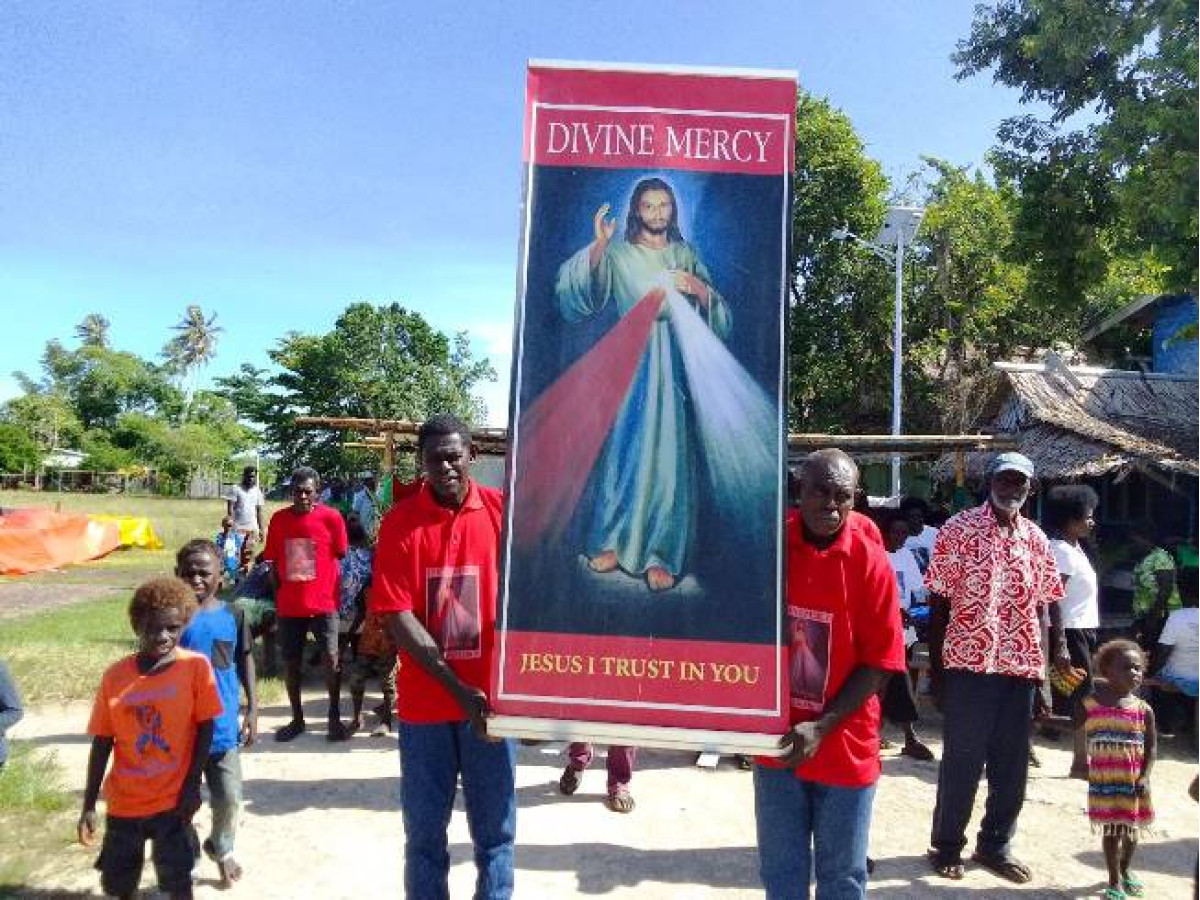
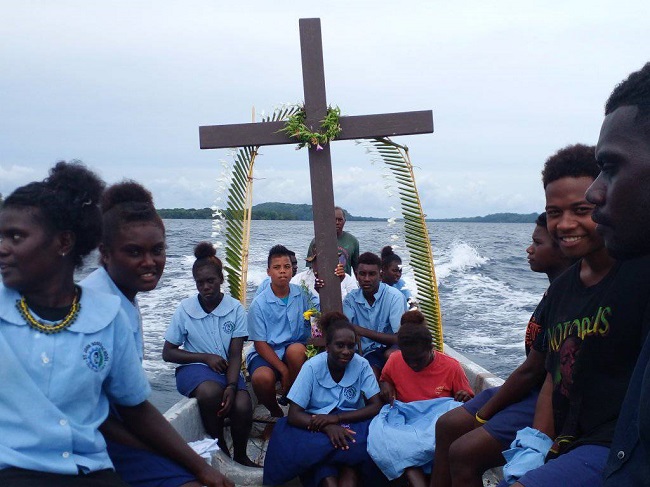
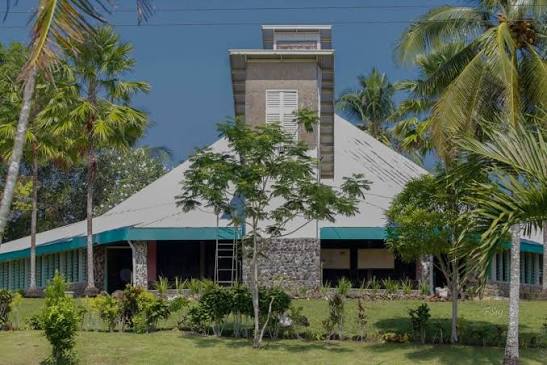
After lunch at the lodge, we will head to Nila Catholic Mission — one of the important spiritual and community centres of this remote region.
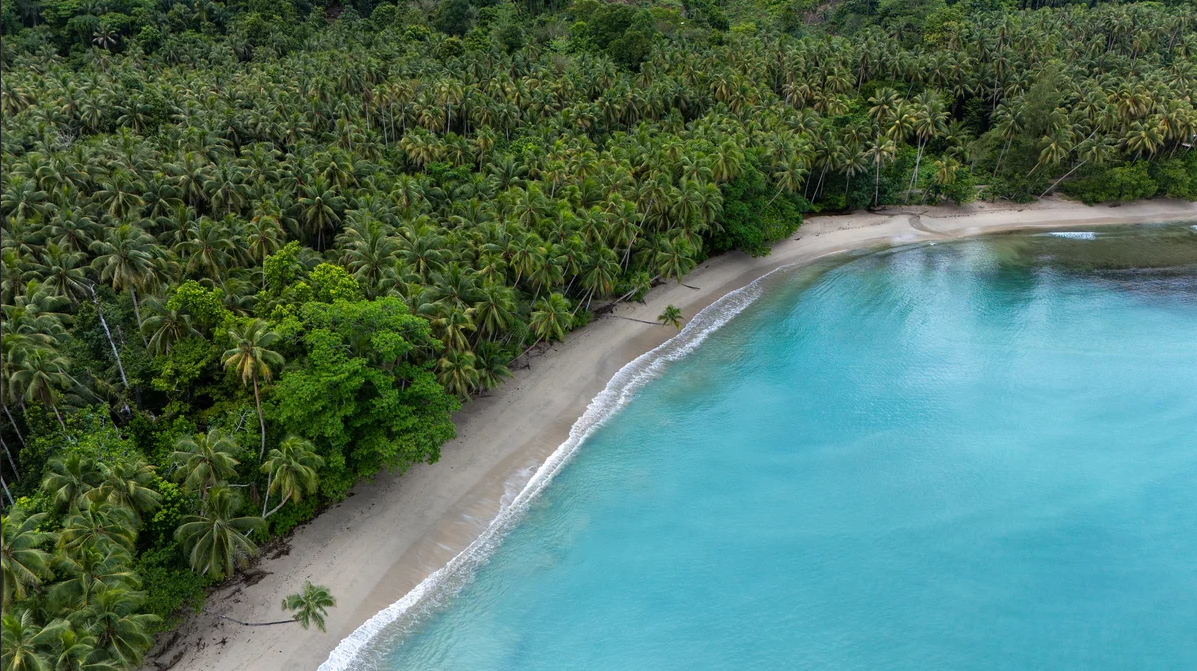
From here, the route will continue to the summit of Poporang Hill. From above, views will open over Tuha Channel, the neighbouring islands, green shores and numerous bays forming a complex natural labyrinth of the Shortland archipelago.
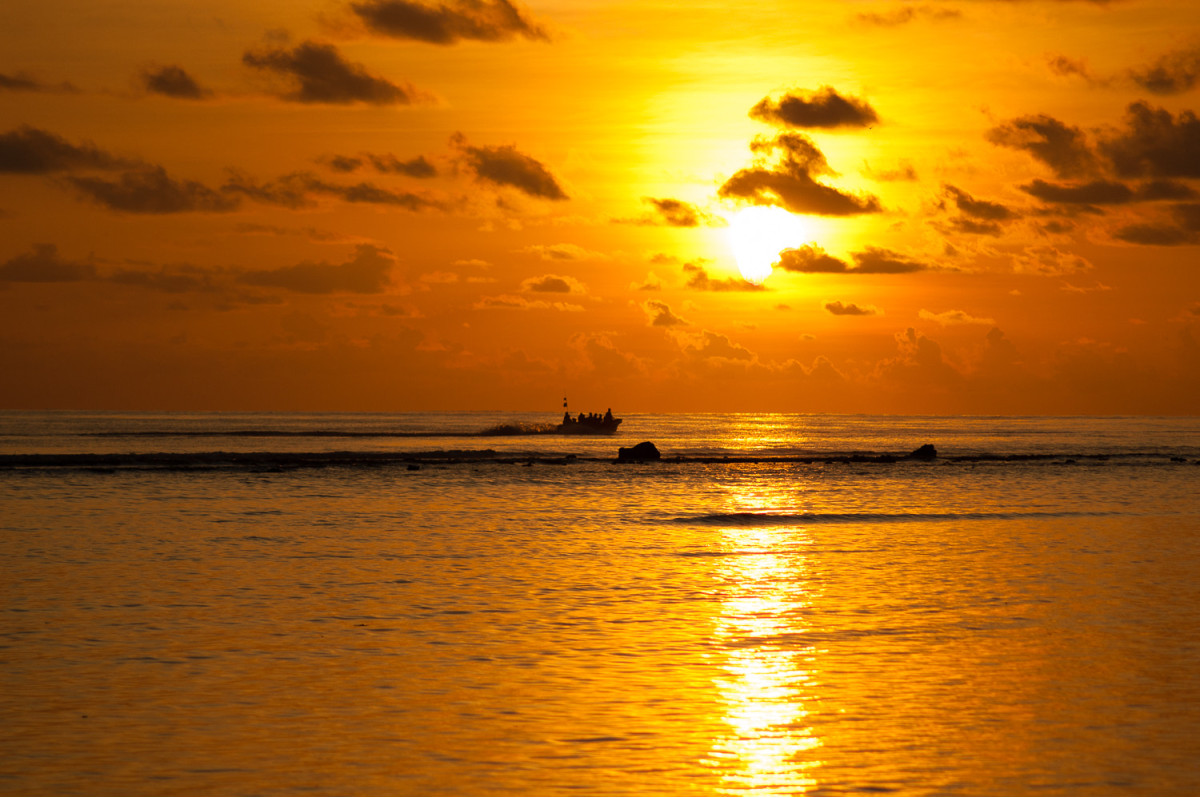
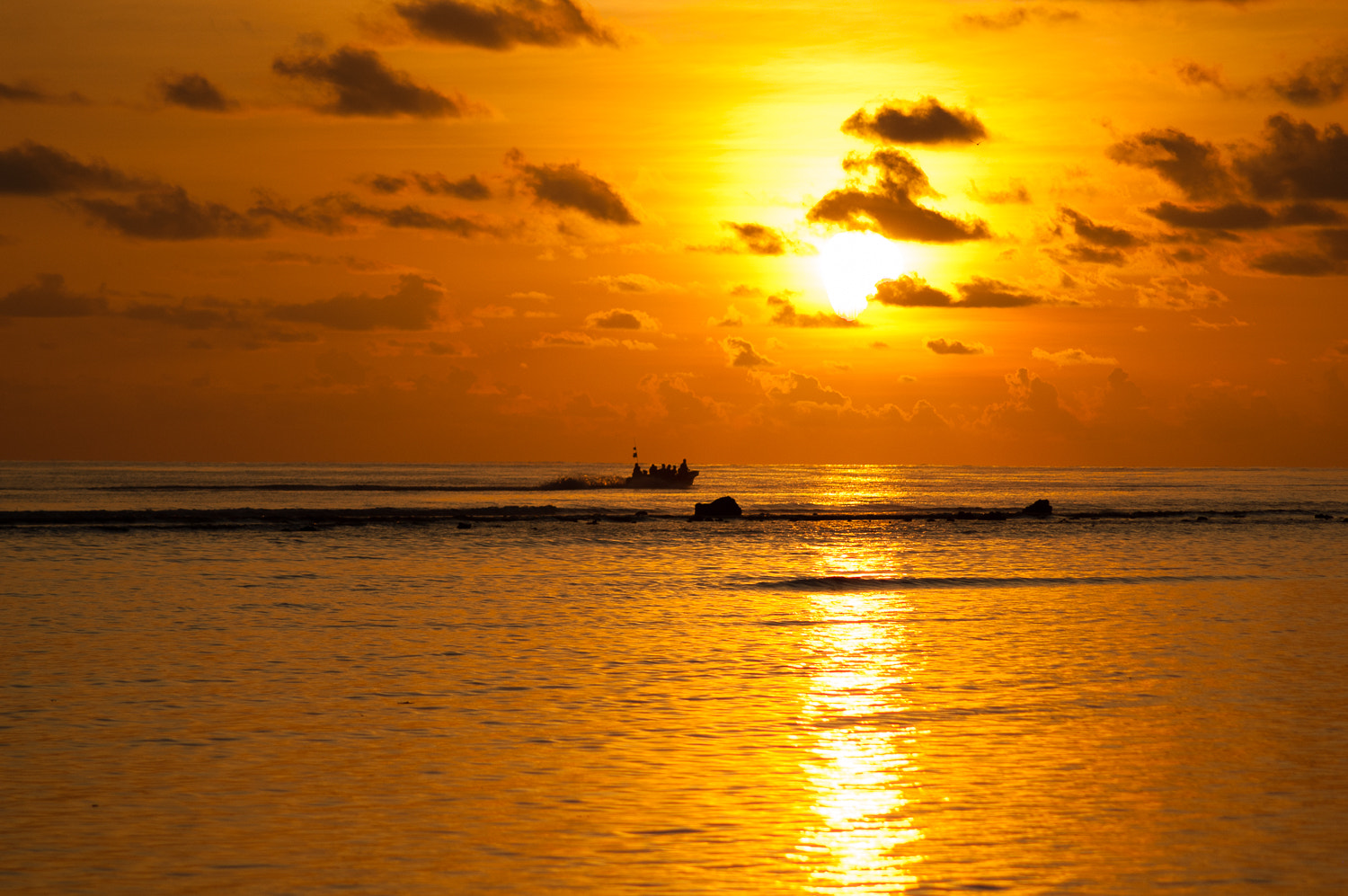
Towards evening, we will return to the lodge. The remaining time can be spent by the water, observing village life and the evening colours of the tropical sky.
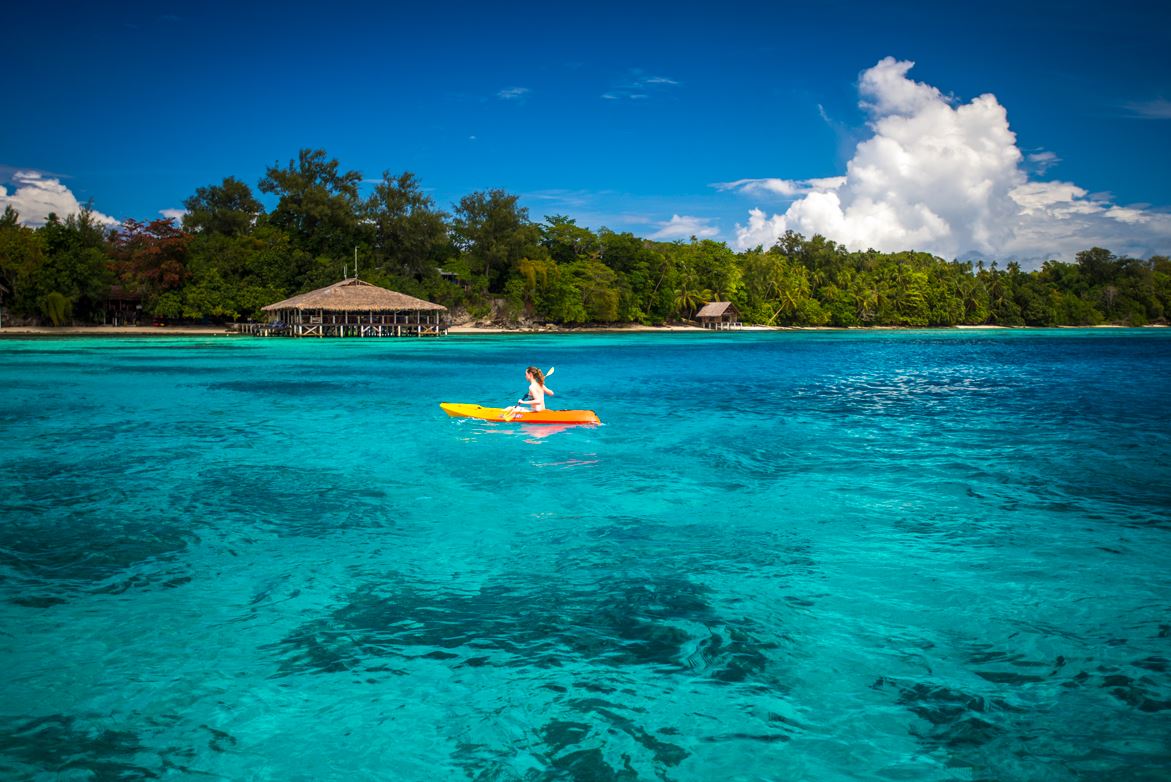
A morning boat journey will take us to Nankai Point. Along the way, we will admire green shores, small islands and open sea views that change with every turn of the channel.
This area preserves traces of past events, but today nature has gradually reclaimed most of the space. Tropical vegetation covers the coast, while the sea routes once used by military vessels are now travelled by fishermen and residents of the surrounding islands.
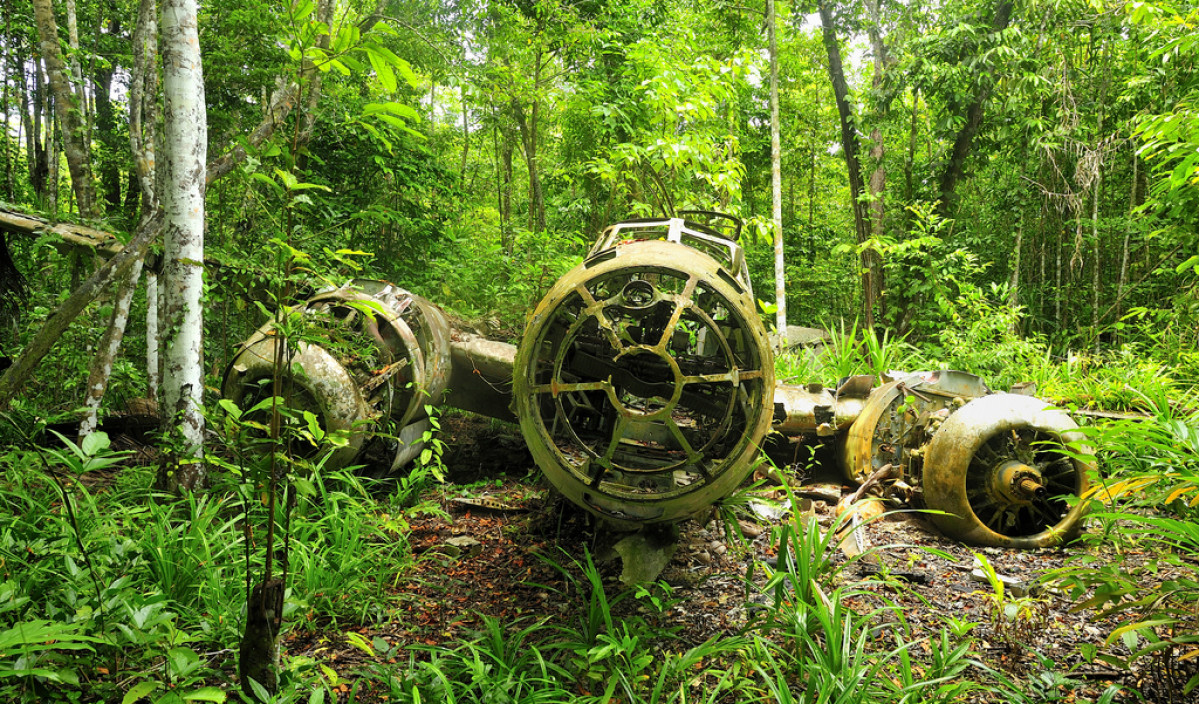
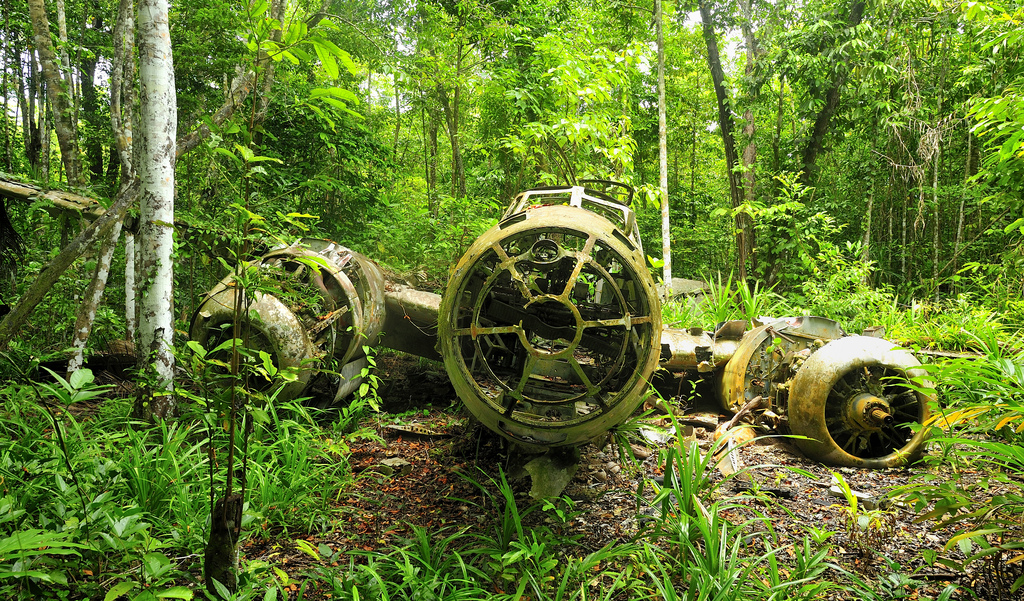
After lunch, we will reach Olifi Island by boat. Here, among dense greenery, we will examine the remains of equipment left behind from the Second World War. They have already become part of the island landscape and remind us of how nature gradually absorbs the traces of human history.
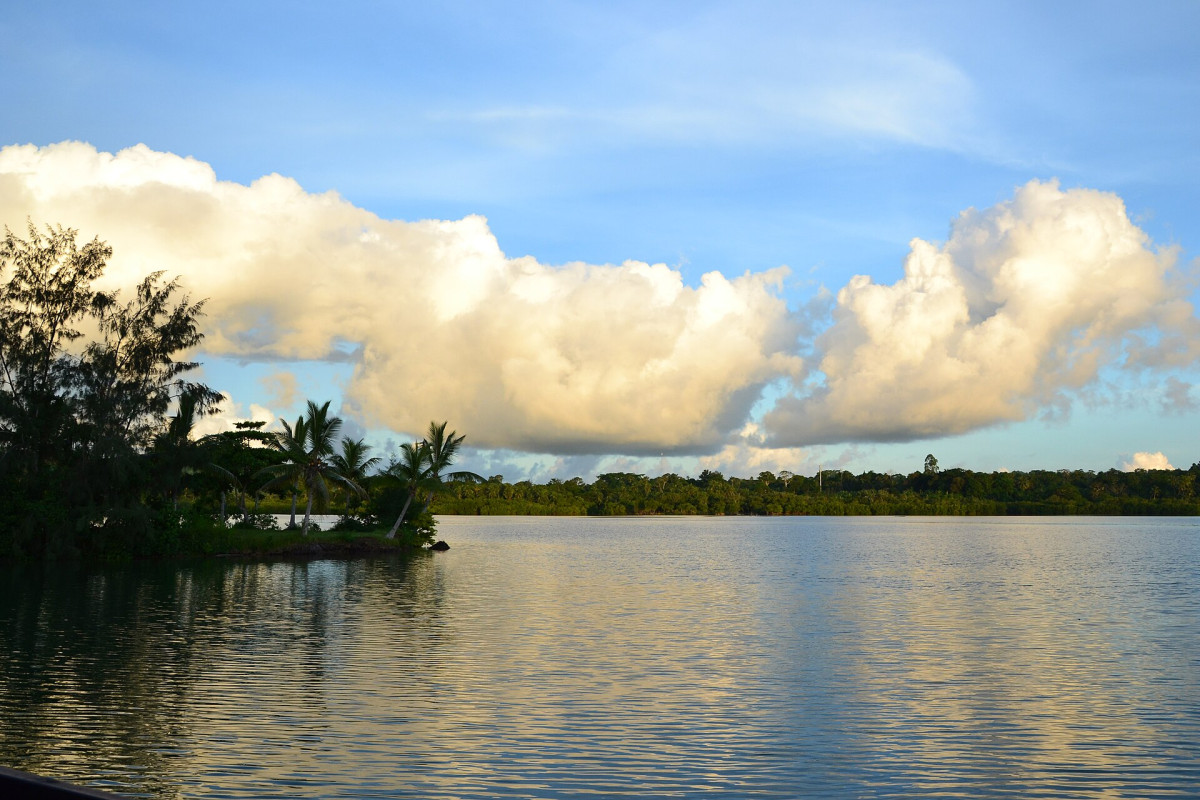
We will finish the day in Tuha Channel. Its calm waters, surrounded by the islands of Shortland and Poporang, create excellent conditions for swimming and exploring the underwater world.
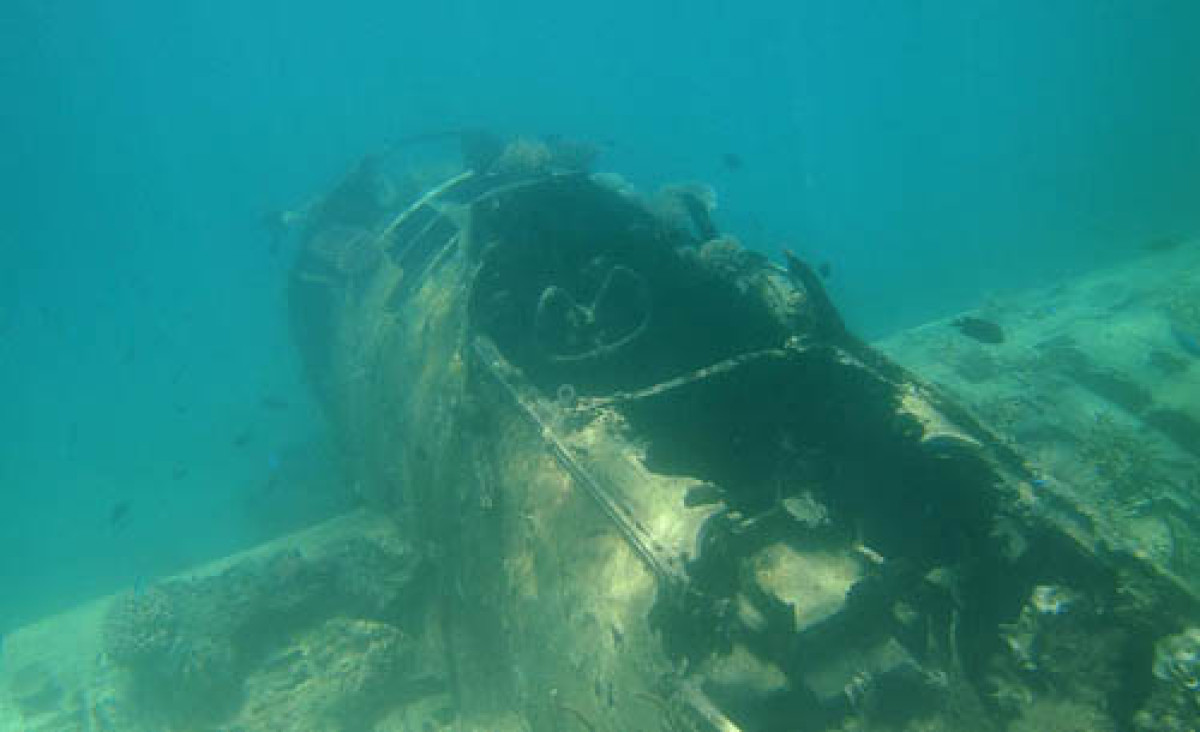
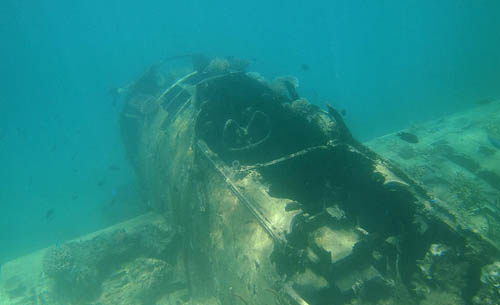
On the seabed of the channel lie the remains of a Japanese seaplane known by the code name Jake. Depending on the conditions and the participants’ level of preparation, this site can be viewed while snorkelling or diving. An underwater environment is gradually forming around the old aircraft fuselage, where history merges with marine nature.
In the evening, we will gather for a farewell island dinner — our last one in Tuha and among the Shortland Islands.
It is time to leave the remote islands. After checking out of the lodge, a boat will take us to Balalae Airfield, from where we will fly back to Honiara.
At the airport, the group will be met by the local team, who will arrange the transfer to the hotel.
The rest of the day will be left for relaxation. After several busy days of sea crossings, flights and walks around the islands, we will be able to relax at the hotel, have dinner and prepare for the next part of the expedition.
The Shortland Islands will therefore remain in our programme not only as a place of wartime history, but also as a living tropical world of remote communities, sea channels, coral waters and almost untouched nature.
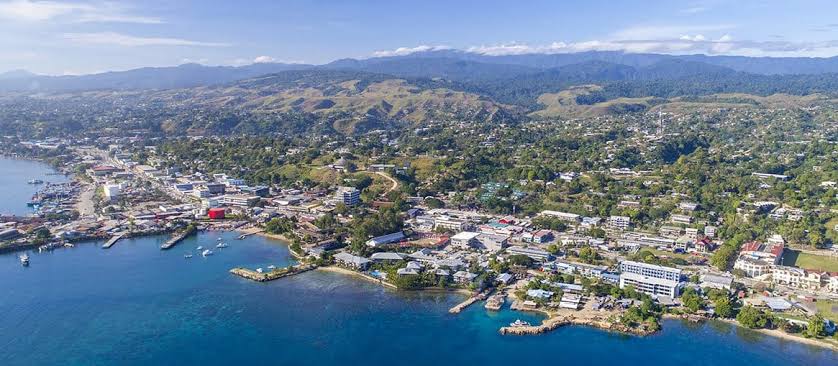
We leave the Solomon Islands and continue our expedition through the southern part of the Pacific Ocean. From the hotel, we will head to Honiara International Airport, from where we will fly to Vanuatu.
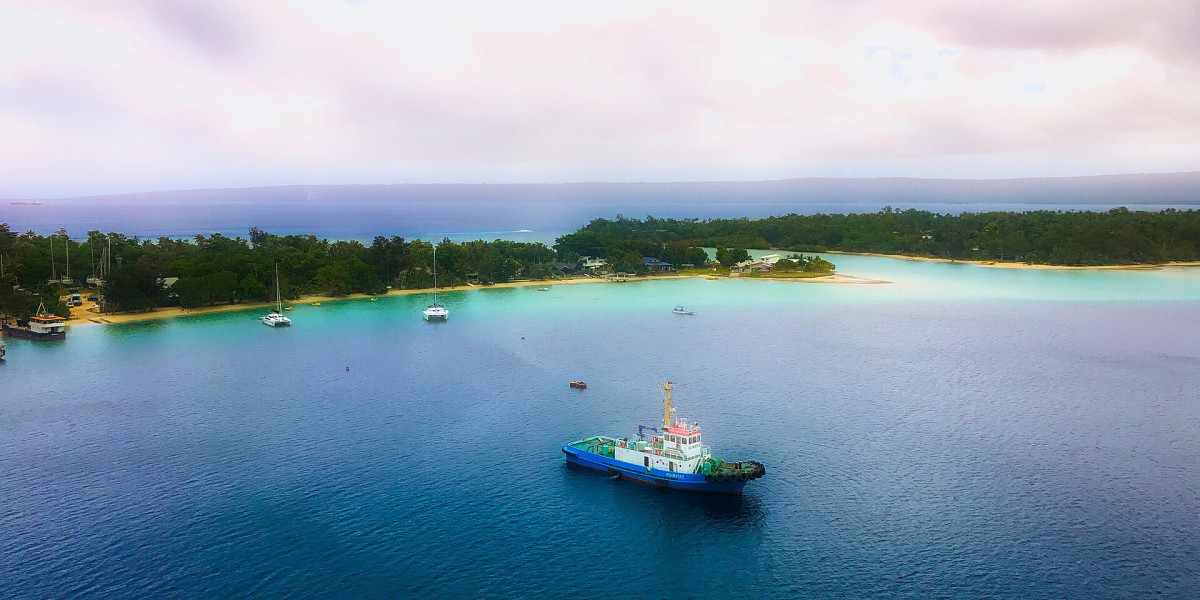
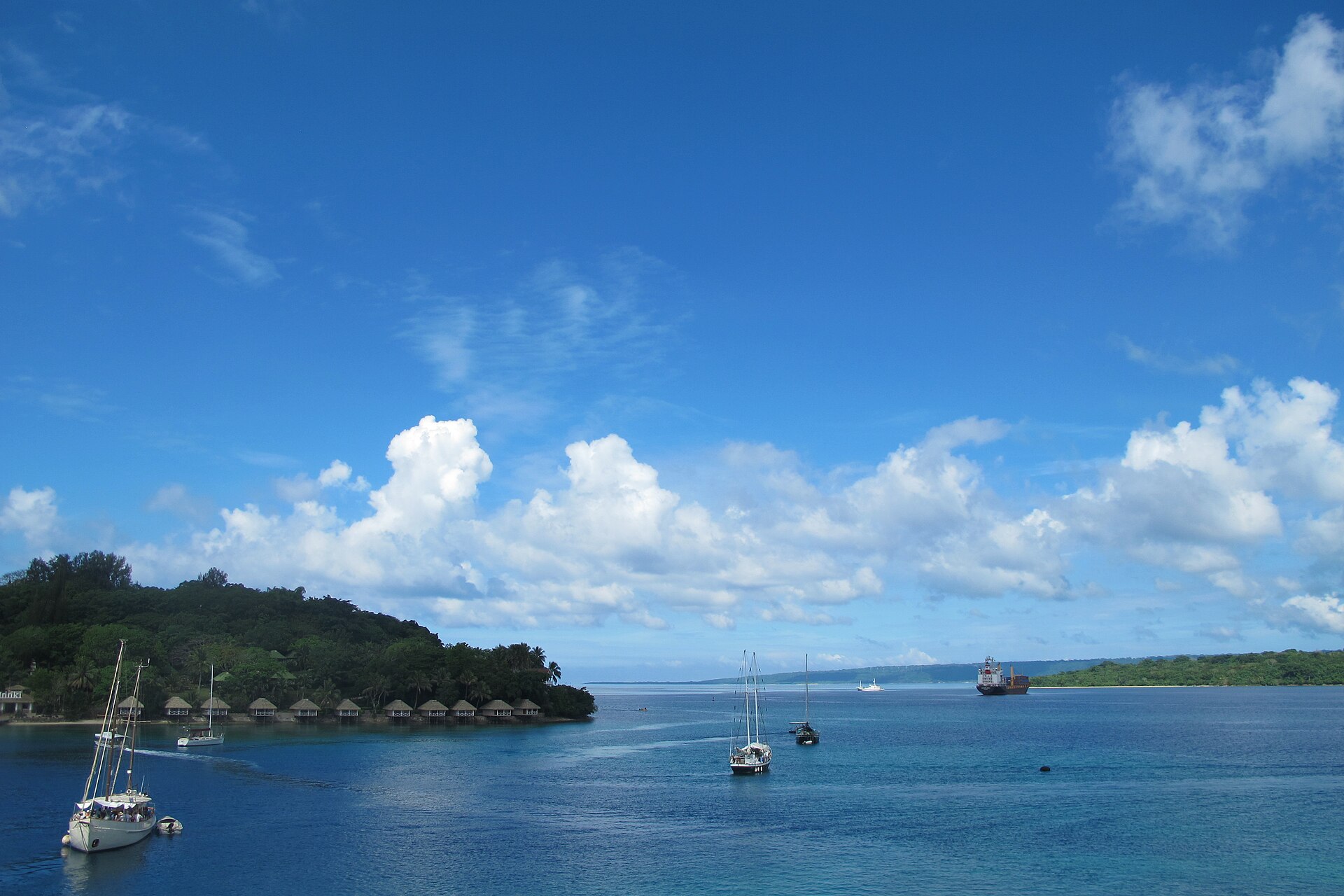
After arriving in Port Vila, we will be met by the local team. The road to the hotel will pass through the capital and its green suburbs, gradually revealing the atmosphere of a new archipelago.
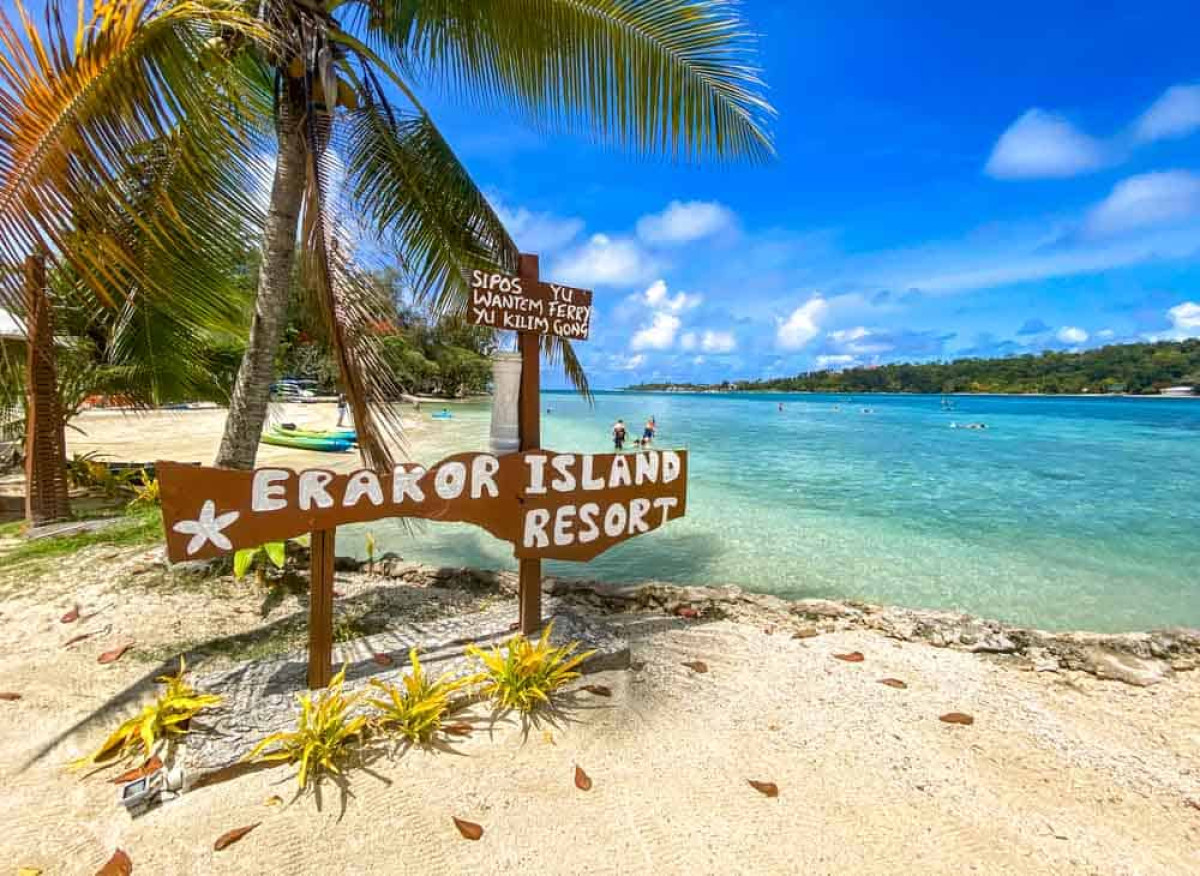
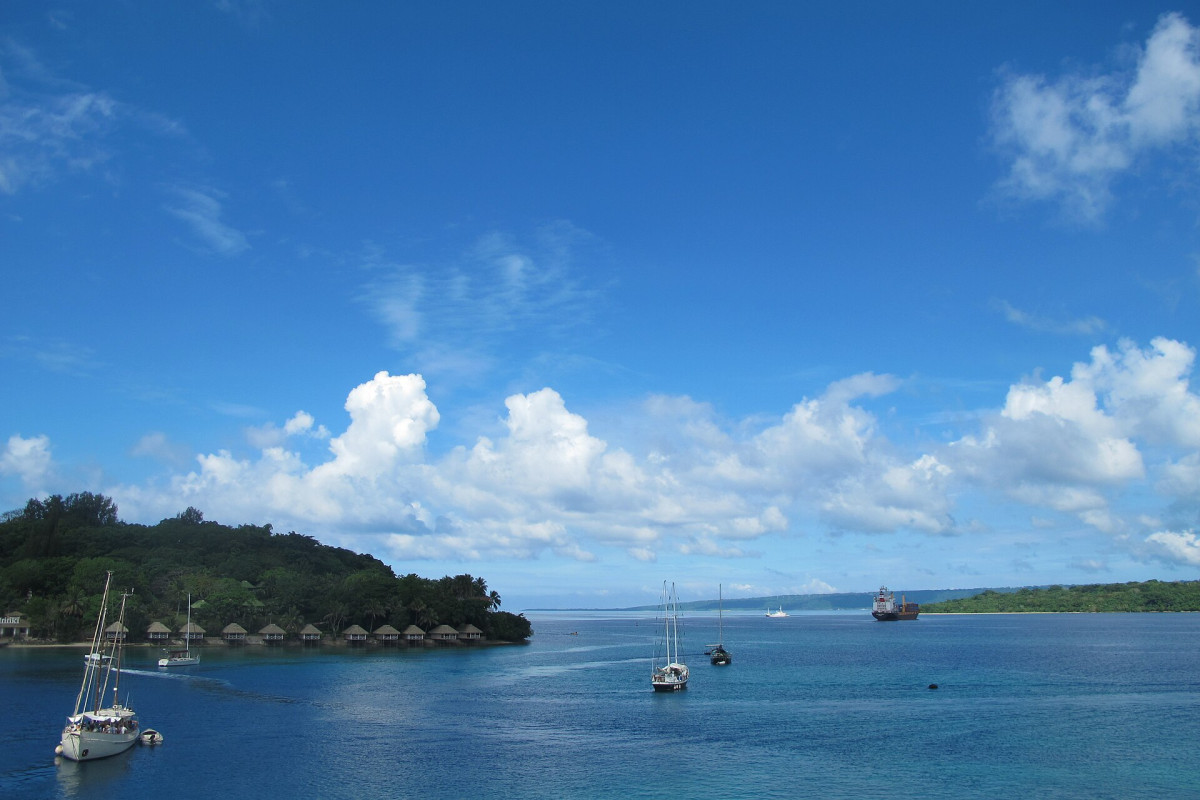
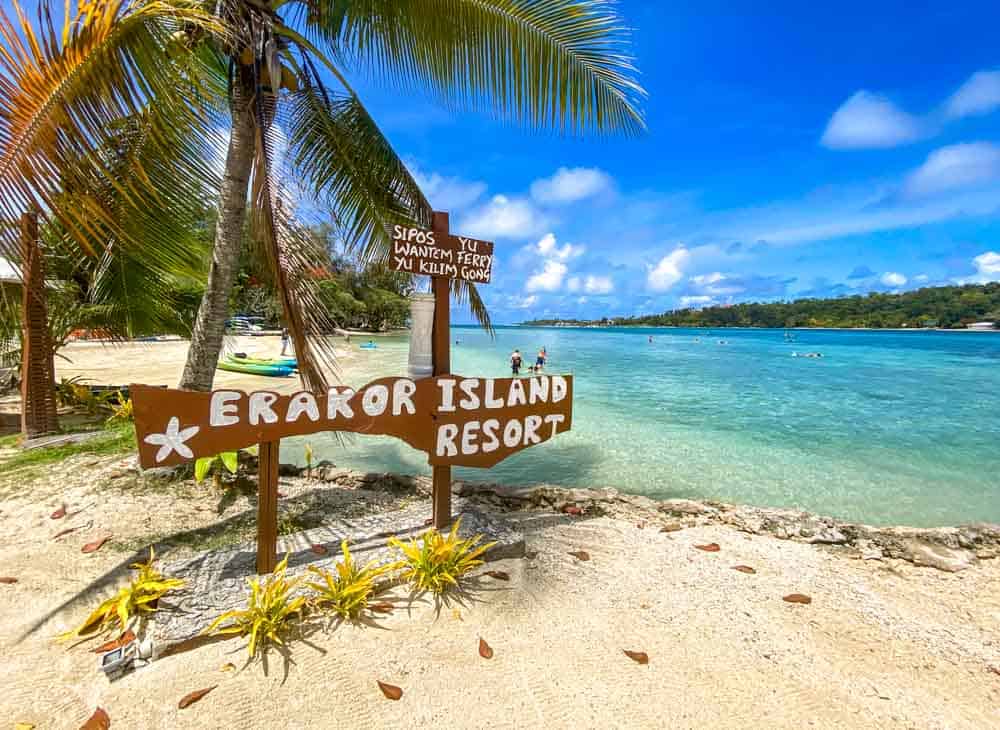
We will settle on the shore of Erakor Lagoon and devote the rest of the day to relaxing after the flight. Ahead of us are the rivers and waterfalls of Efate Island, volcanic Tanna, the Blue Cave, traditional villages and the Naghol ceremony.
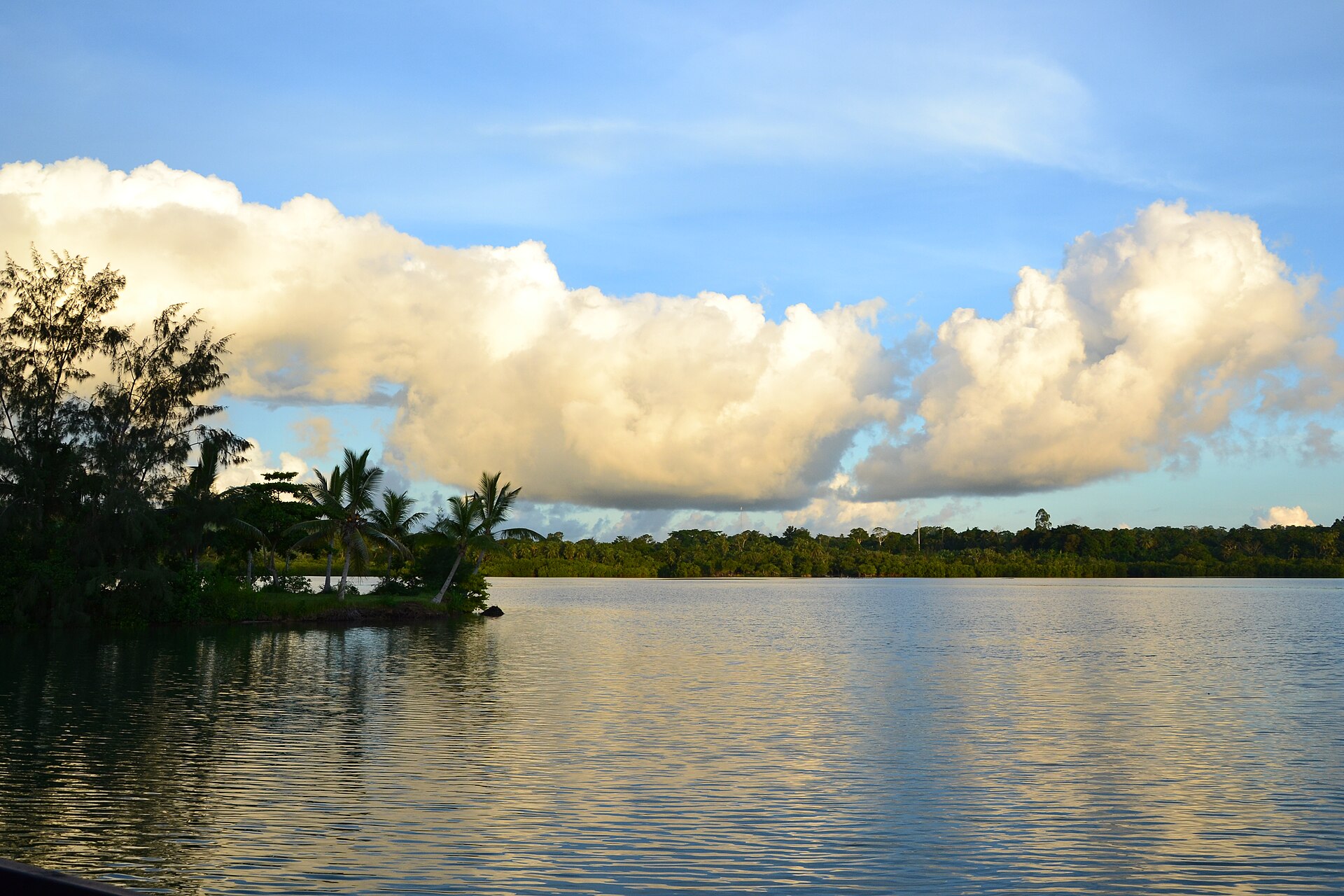
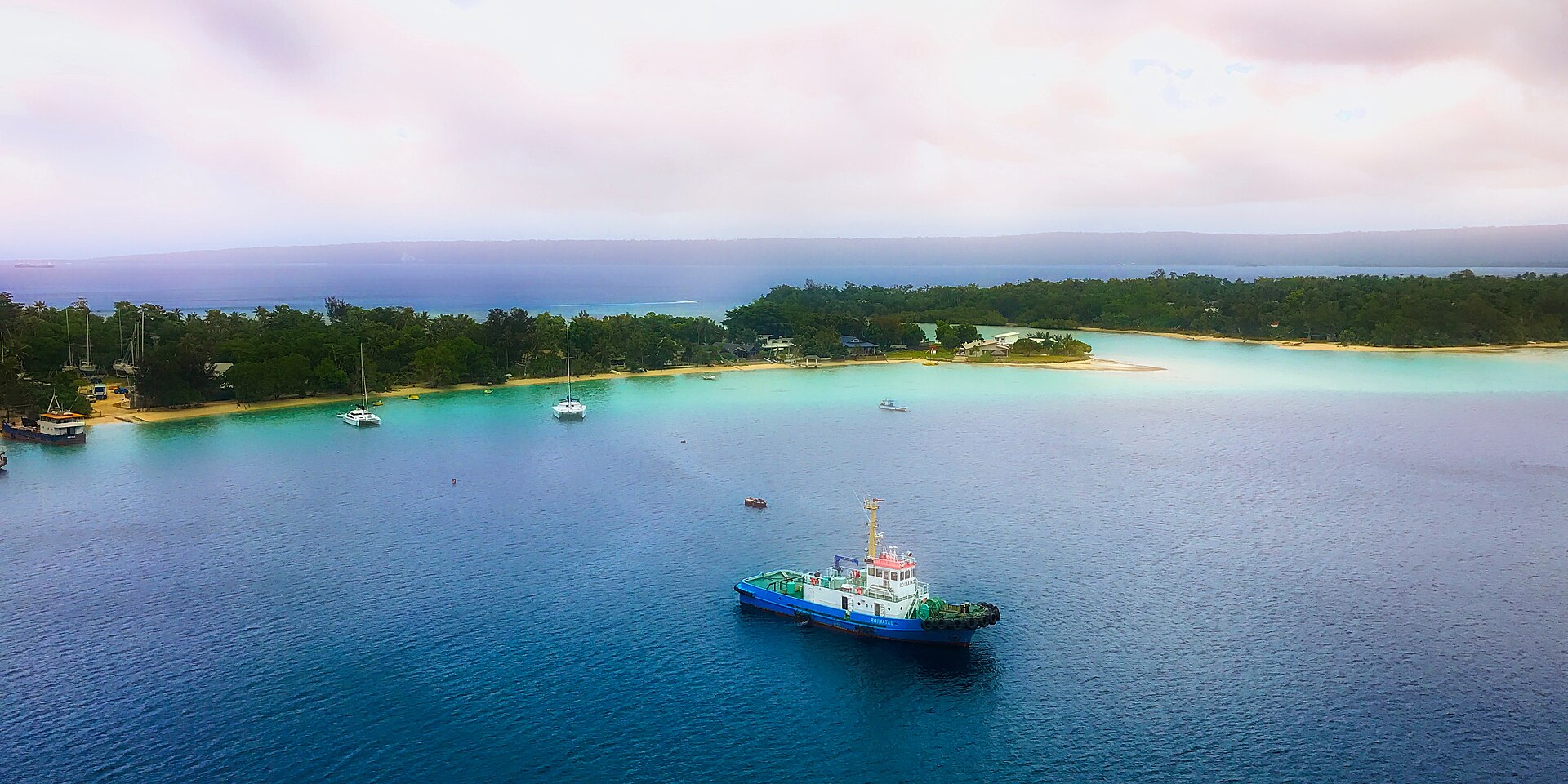
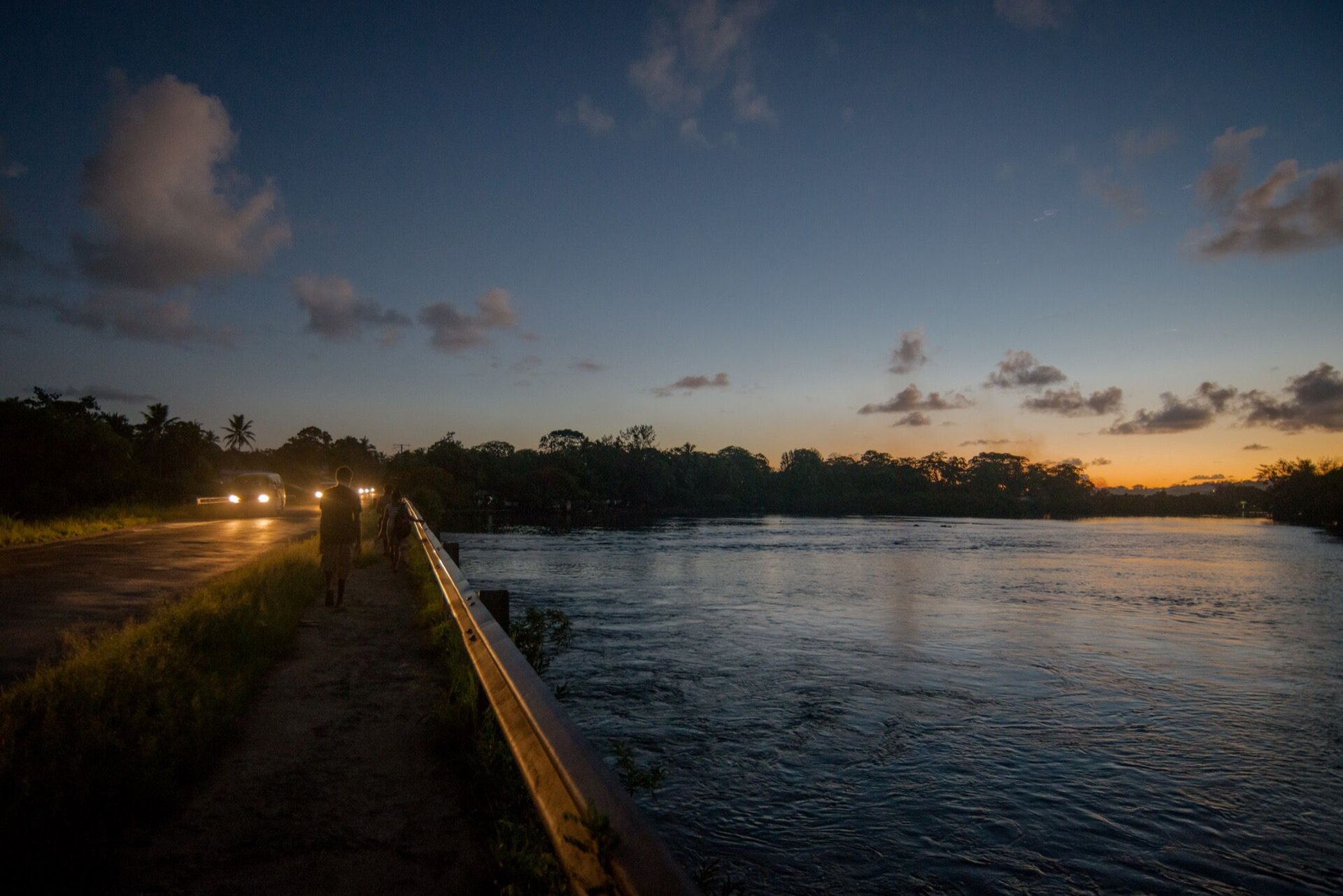
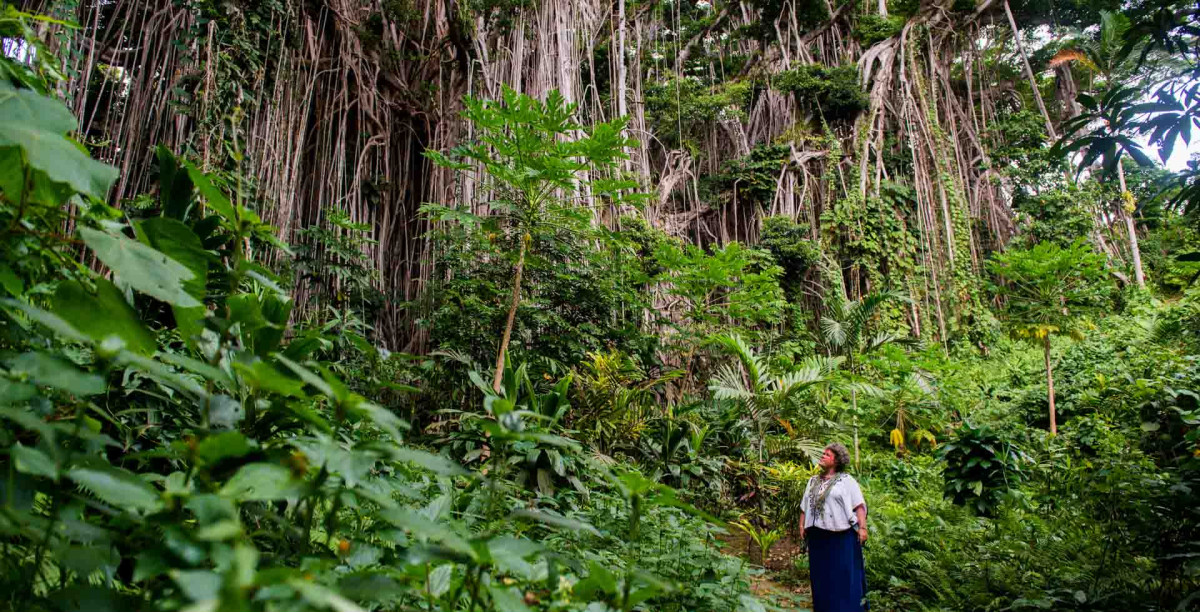
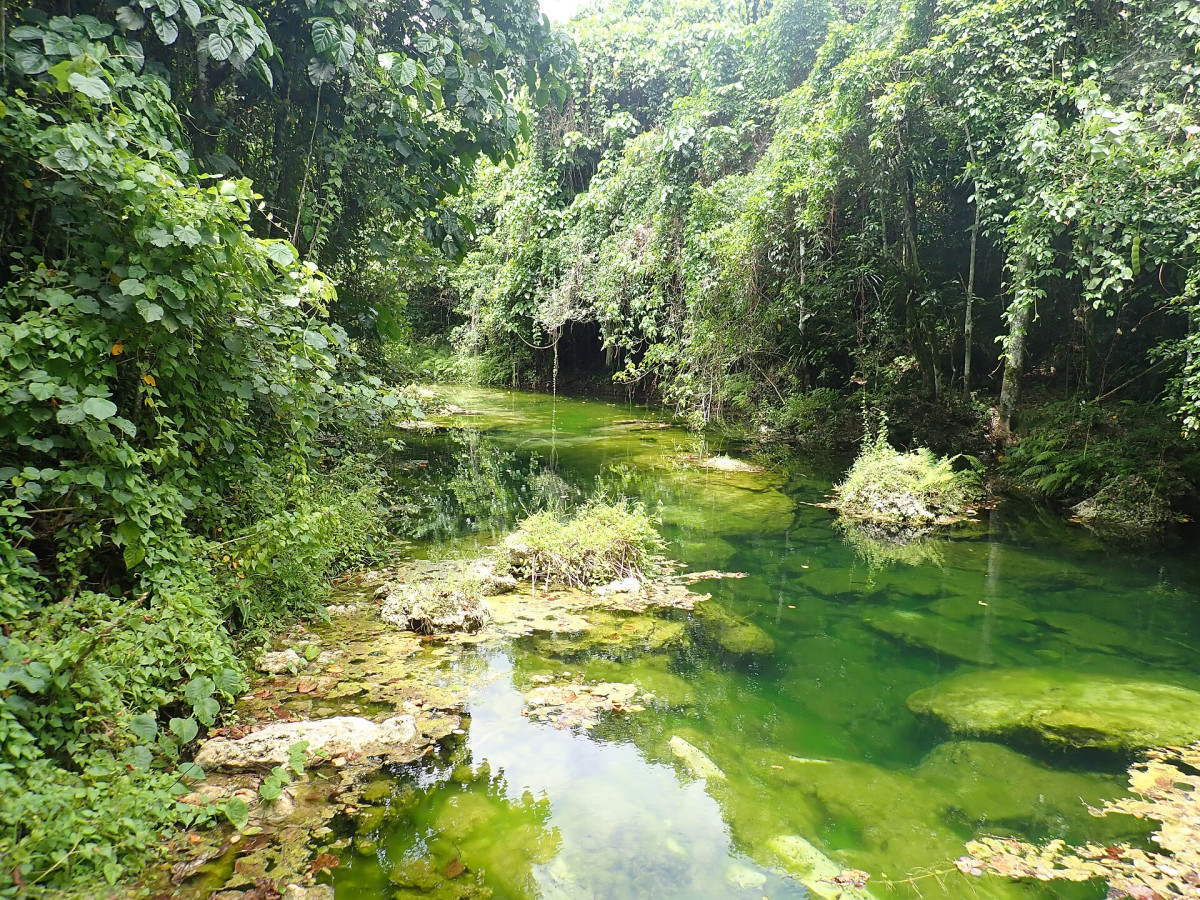
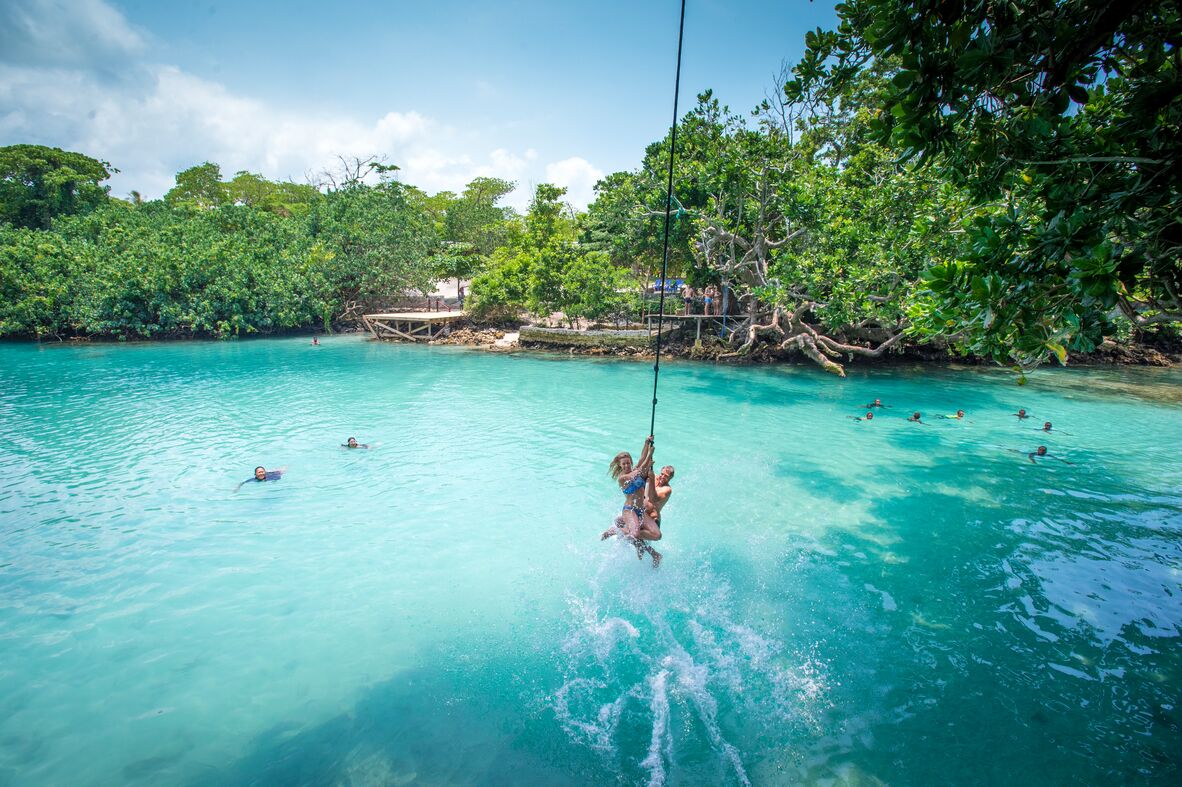
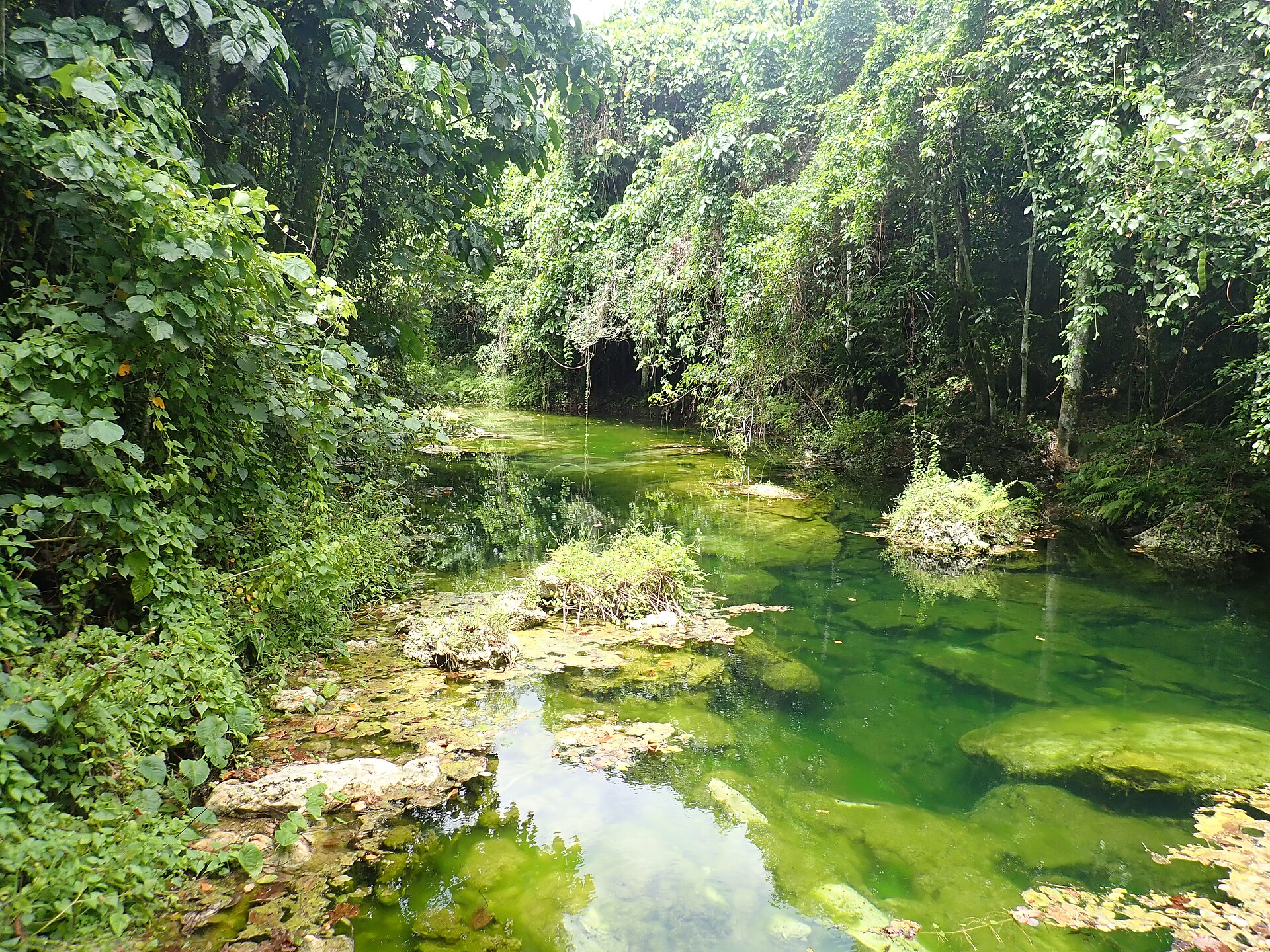
Today, we leave Port Vila and head into the green heart of Efate Island. Our route will follow the Rentapao River, whose calm waters we will explore by kayak among dense tropical forest.
Along the way, we will see the island’s rural areas and learn how local communities live far from the capital. In the most picturesque places, we will be able to stop, swim and refresh ourselves in the clear river water.
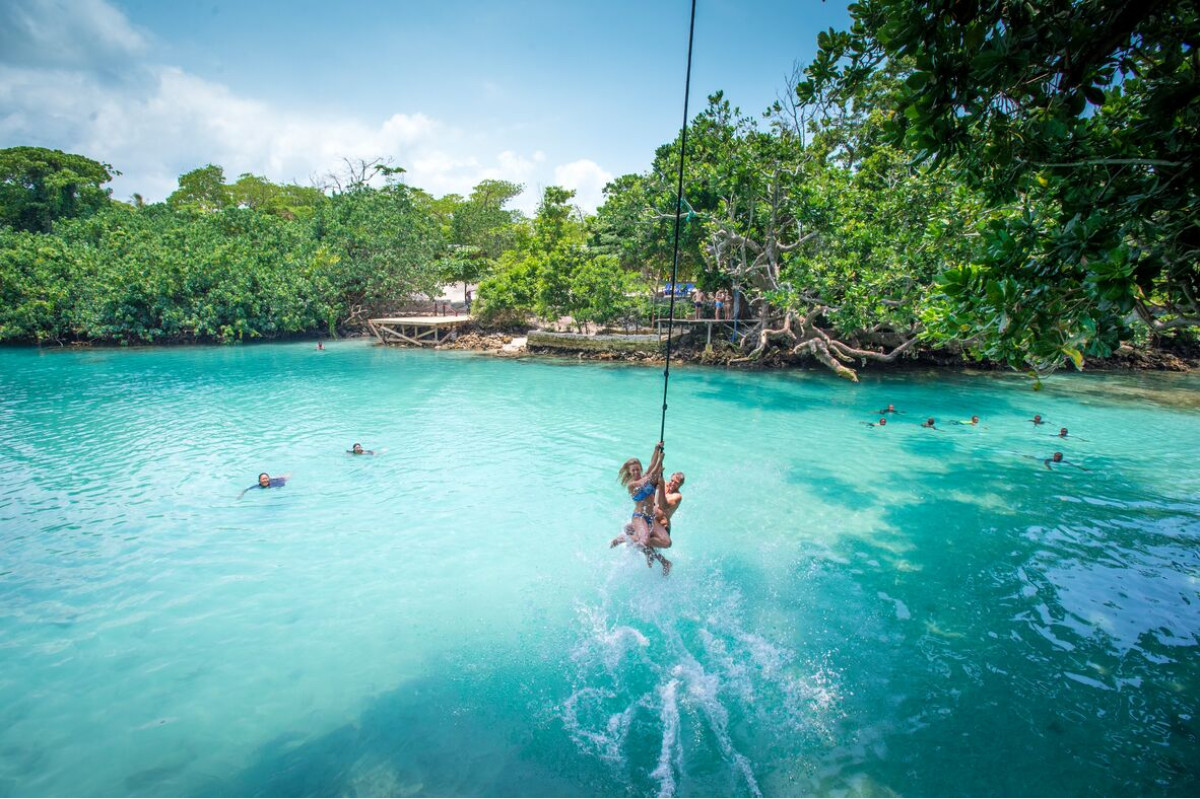
After a French-style lunch, we will continue our walk to the natural cascades. Here, among the jungle, cool pools have formed where we can relax and swim while listening to the sound of the water and the tropical forest.
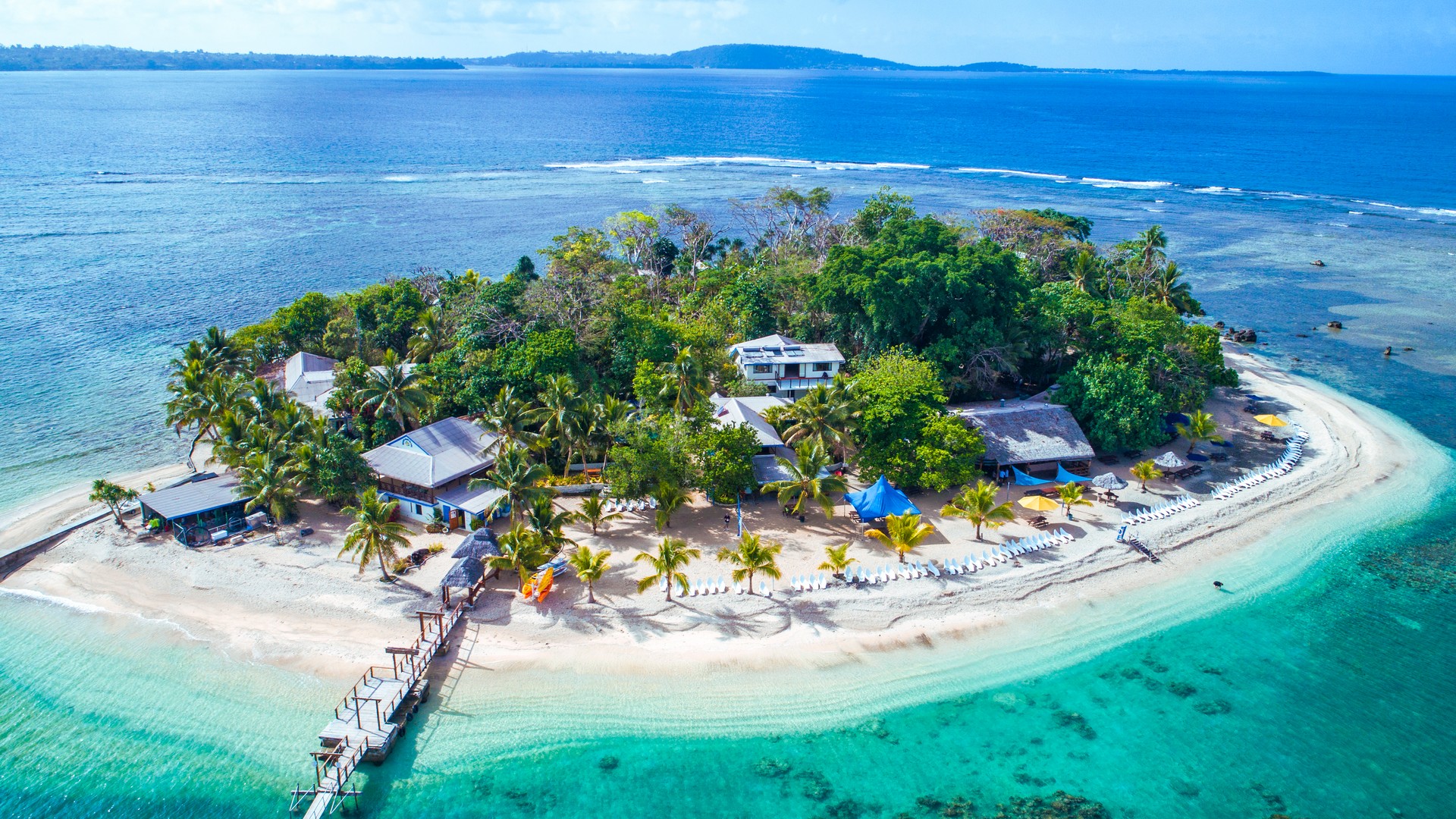
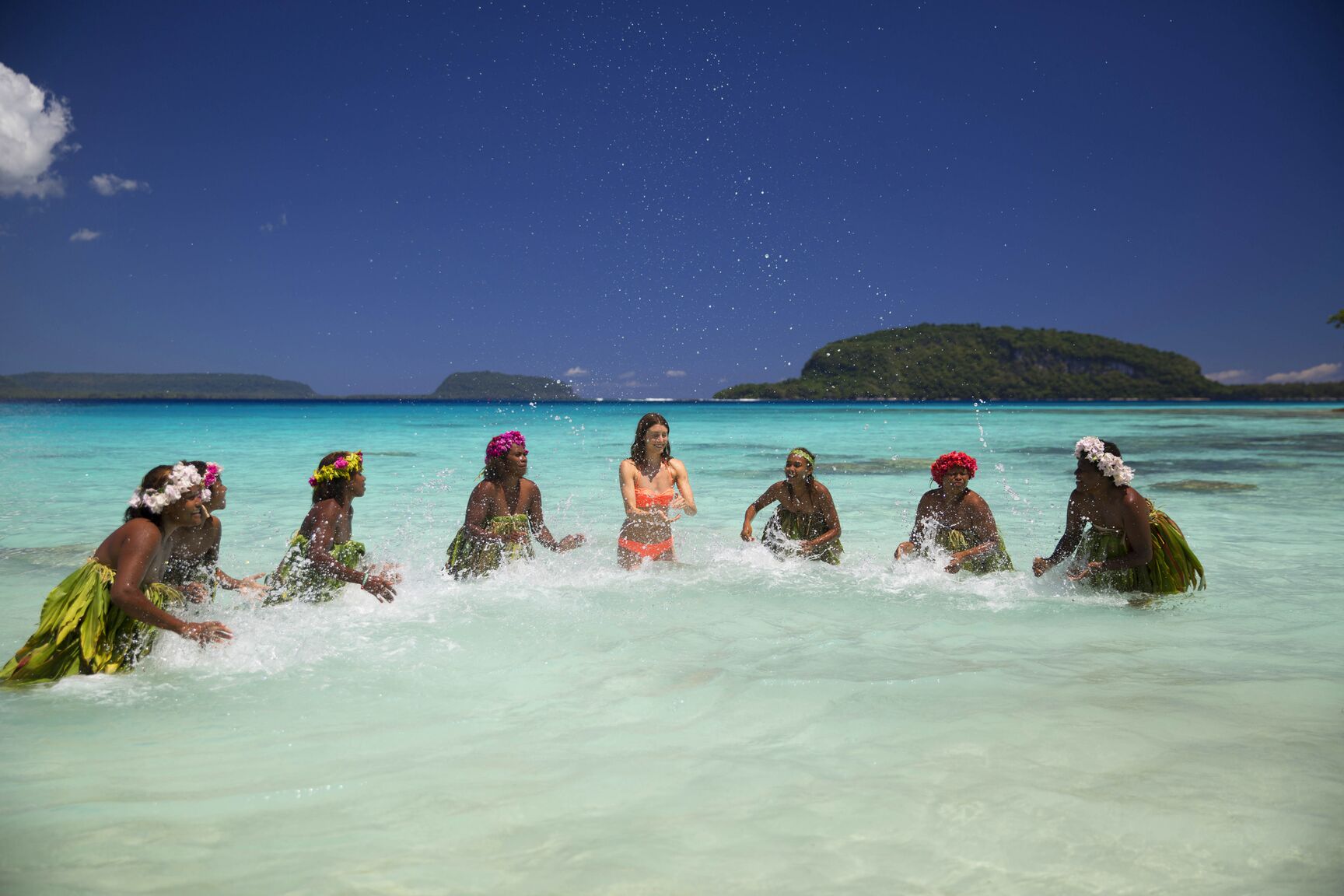
The morning will begin with a transfer to the airport and a short flight to Tanna Island — one of the most distinctive places in Vanuatu. After landing at Whitegrass Airport, we will transfer to our coastal resort hotel.
Almost without a pause, we will immerse ourselves in the island’s history. First, we will visit an old settlement of followers of the John Frum movement and a memorial site connected with its history. We will then visit the new village and the community headquarters, where we will have the opportunity to speak with local residents over a delicious lunch with fruit and afternoon tea.
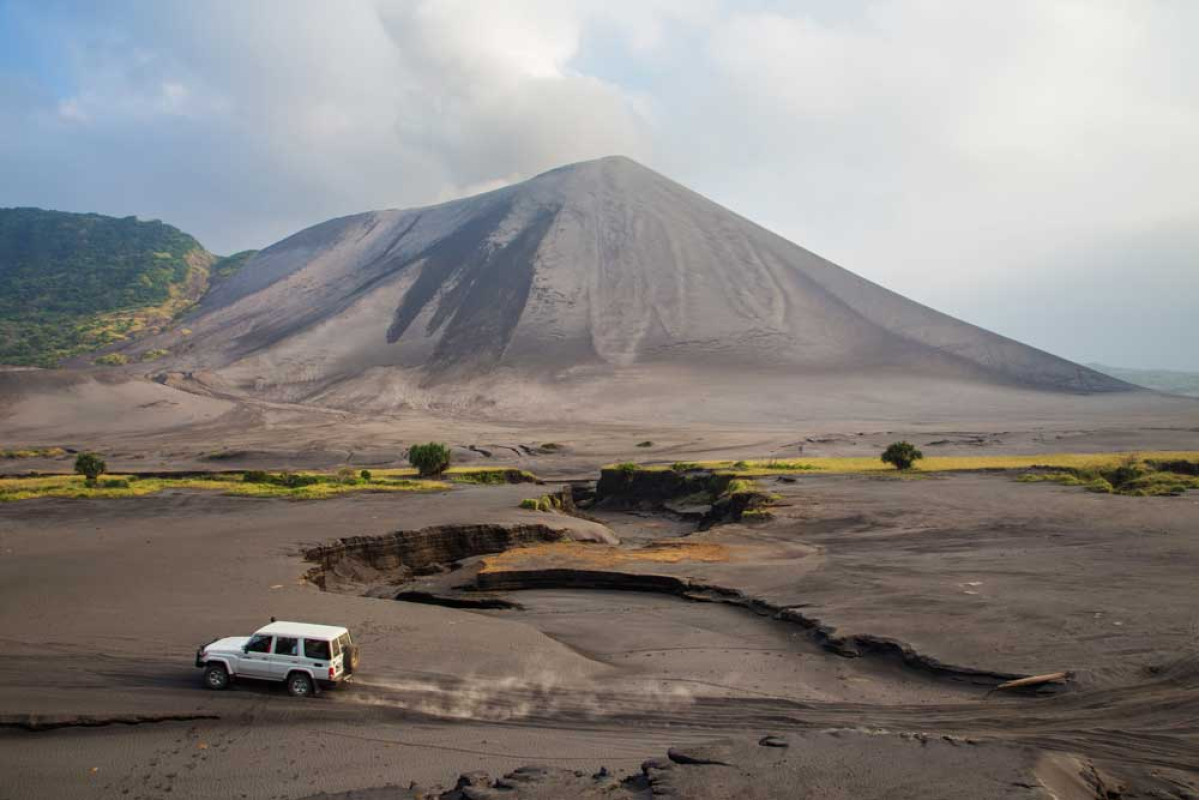
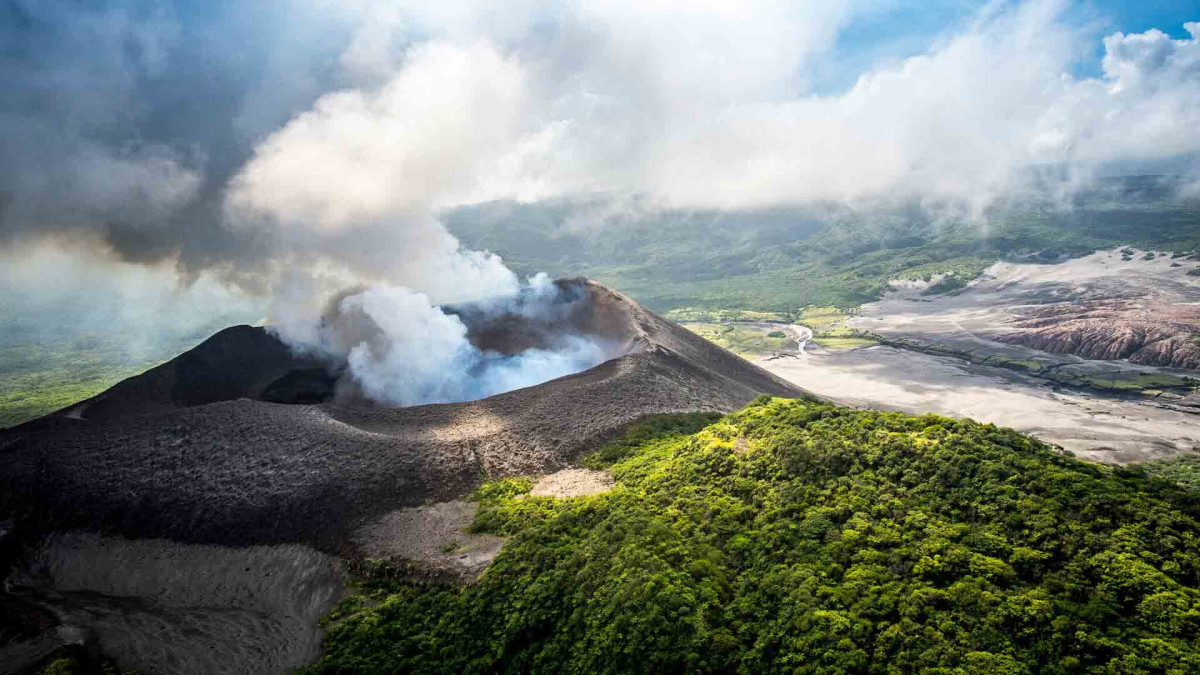
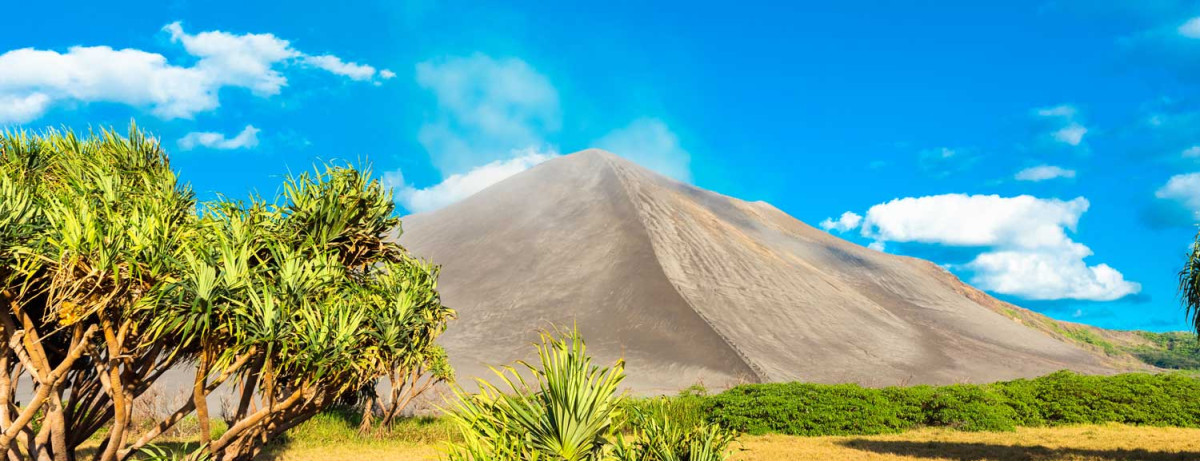
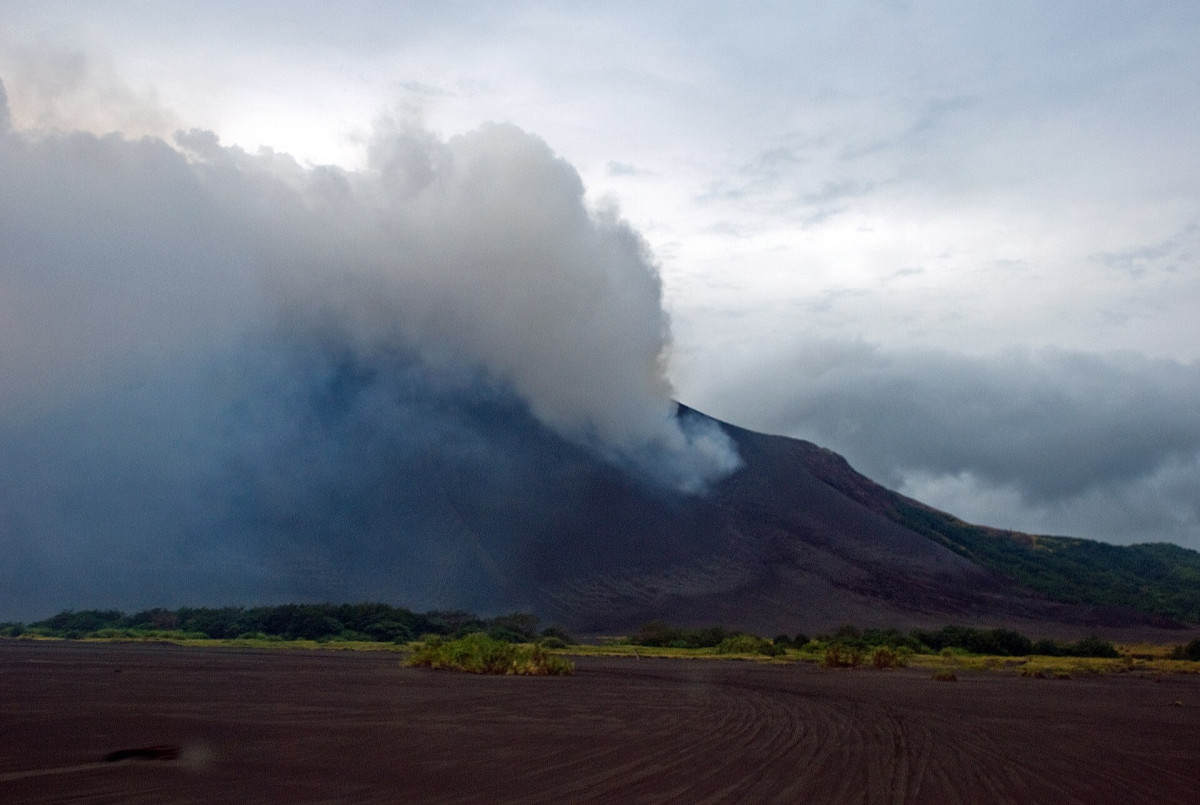
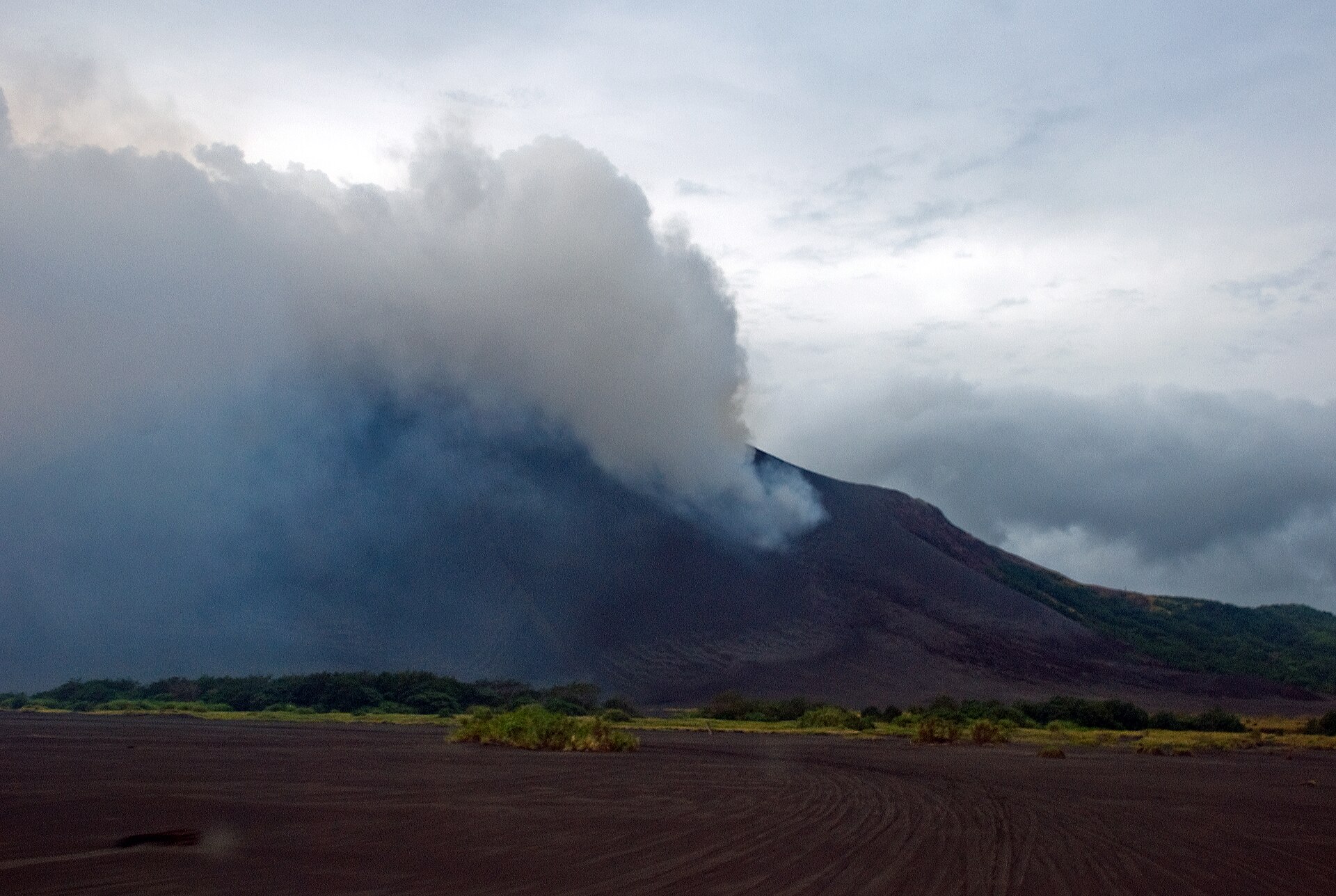
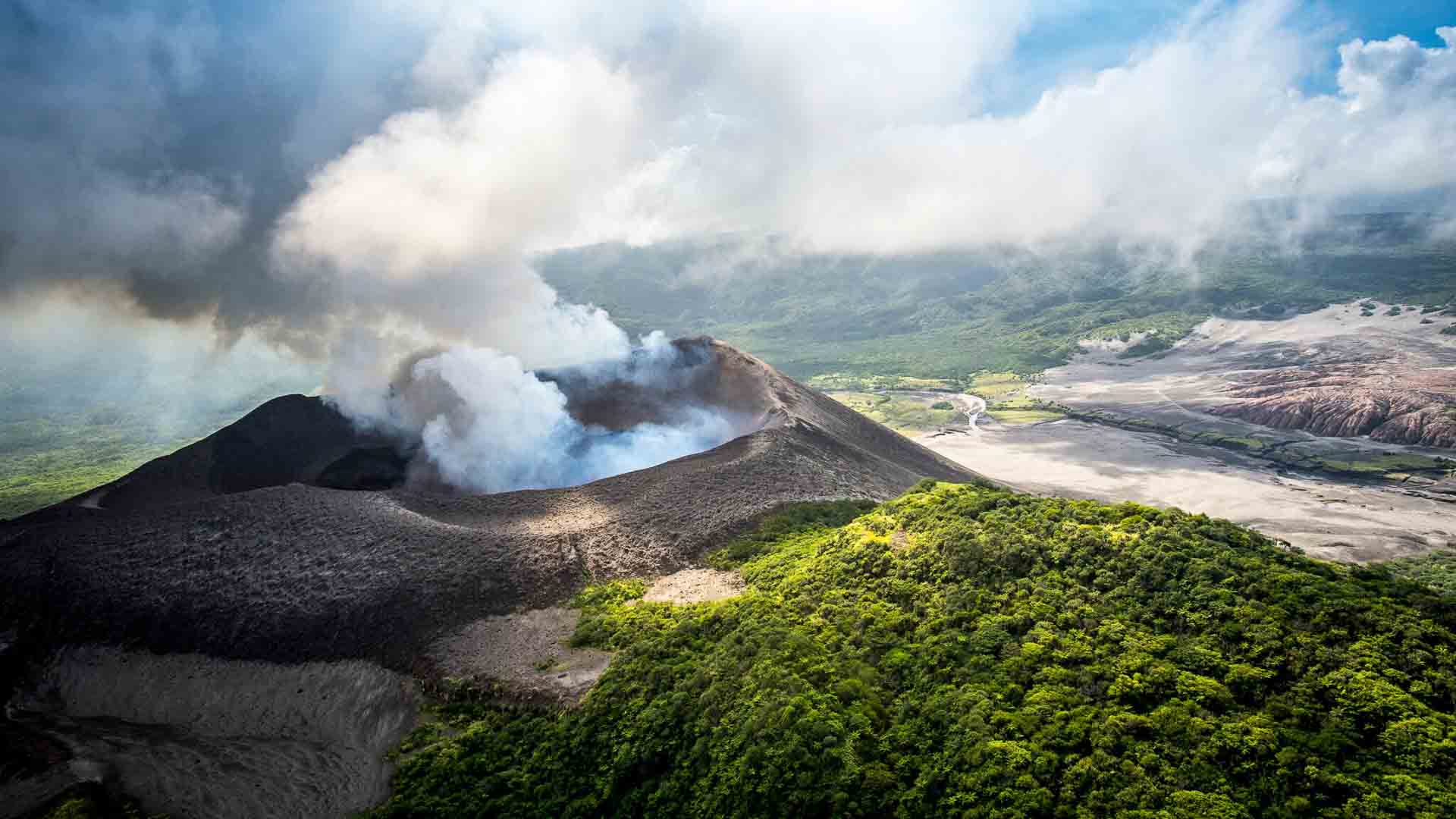
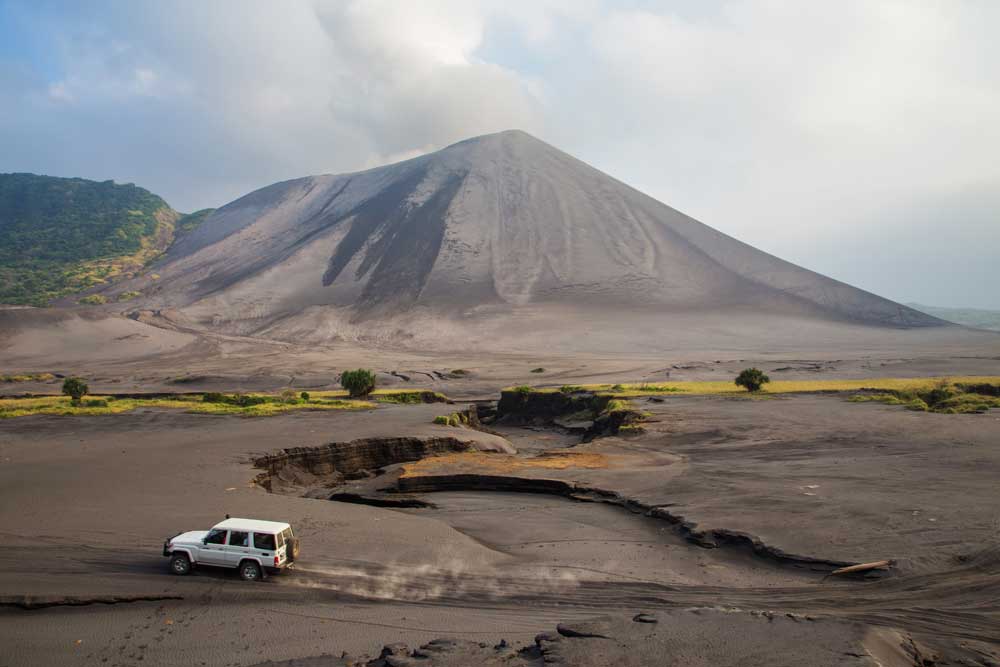
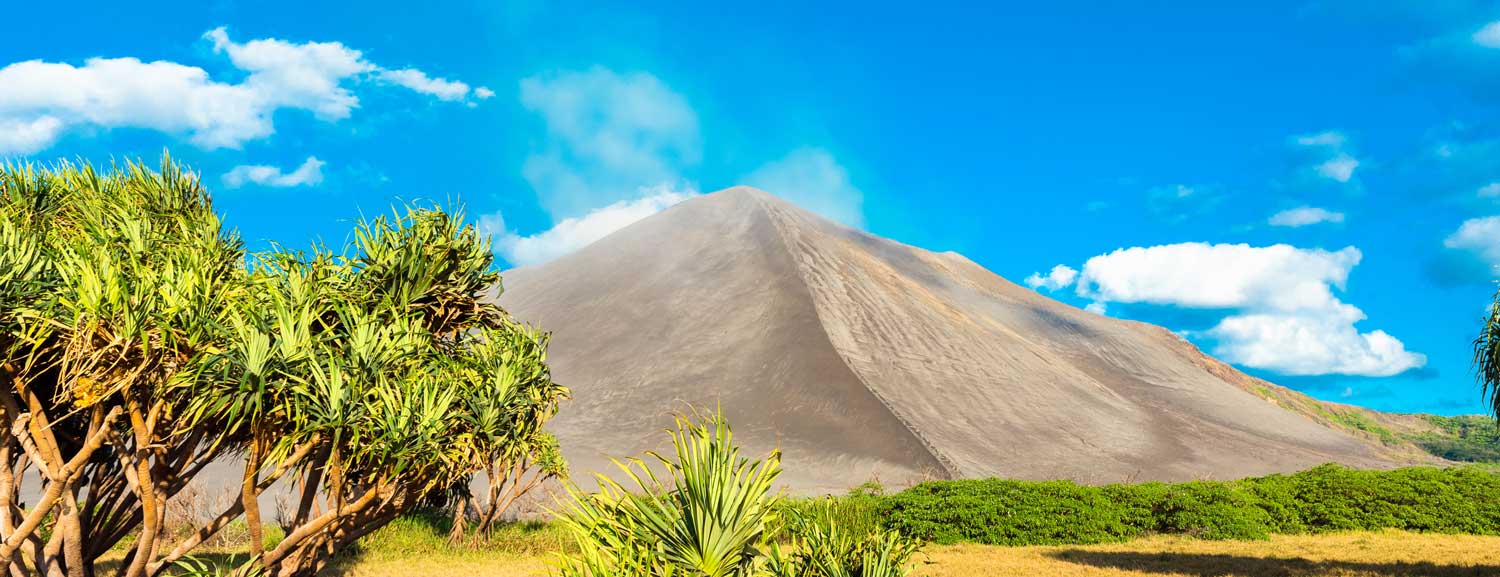
The main event of the day will be our encounter with Mount Yasur. We will see it in the evening light, when twilight gathers over the volcanic landscape and the activity of the crater becomes especially visible.
At around 20:00, we will return to the hotel, where a dinner of fresh local produce and seafood will await us.
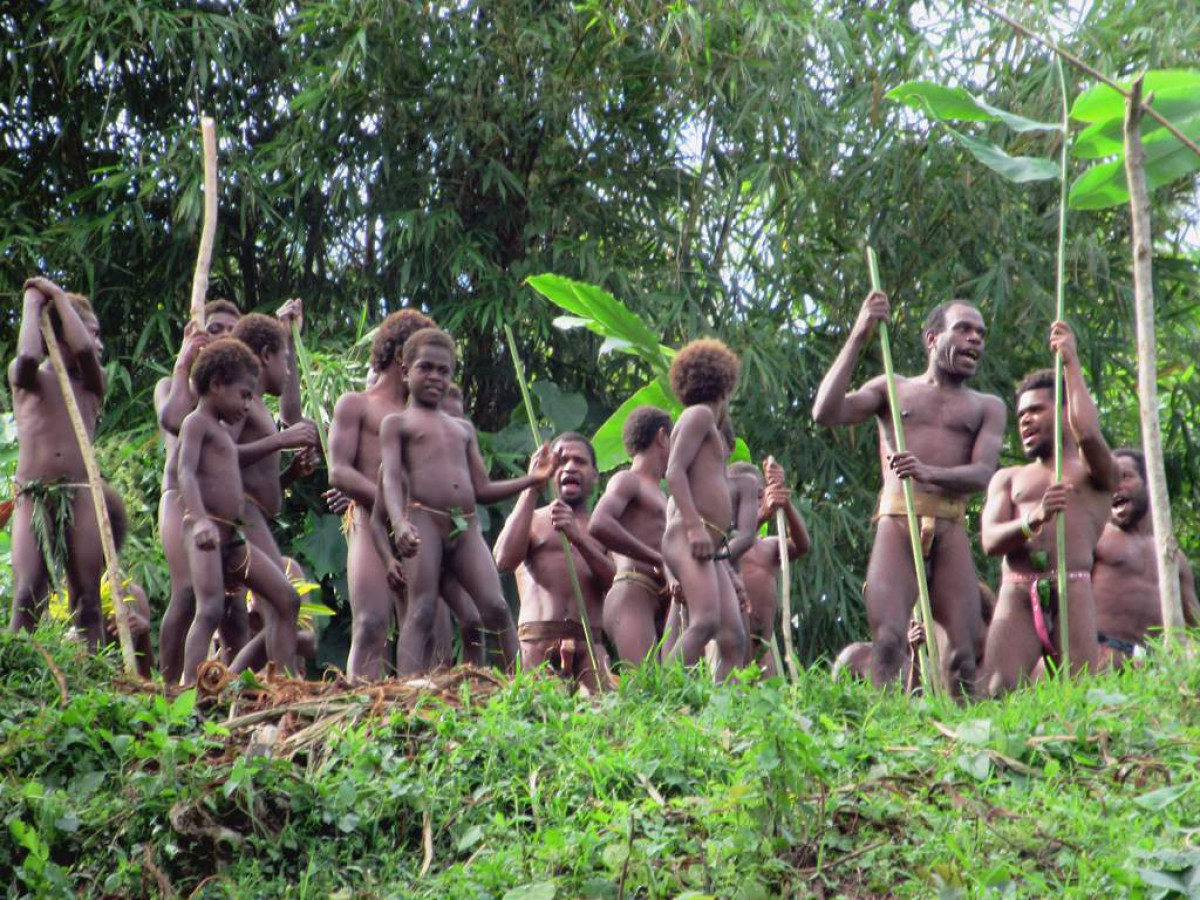
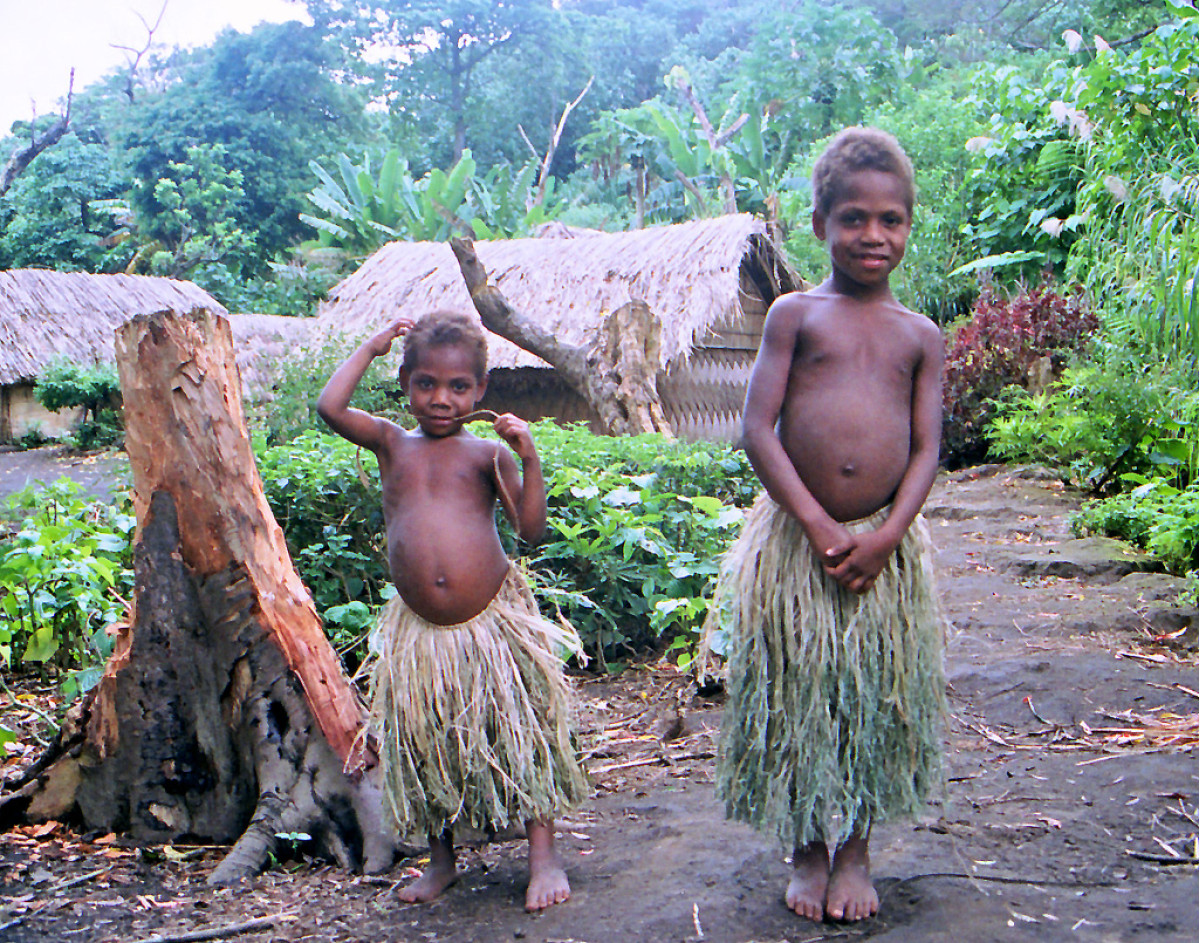
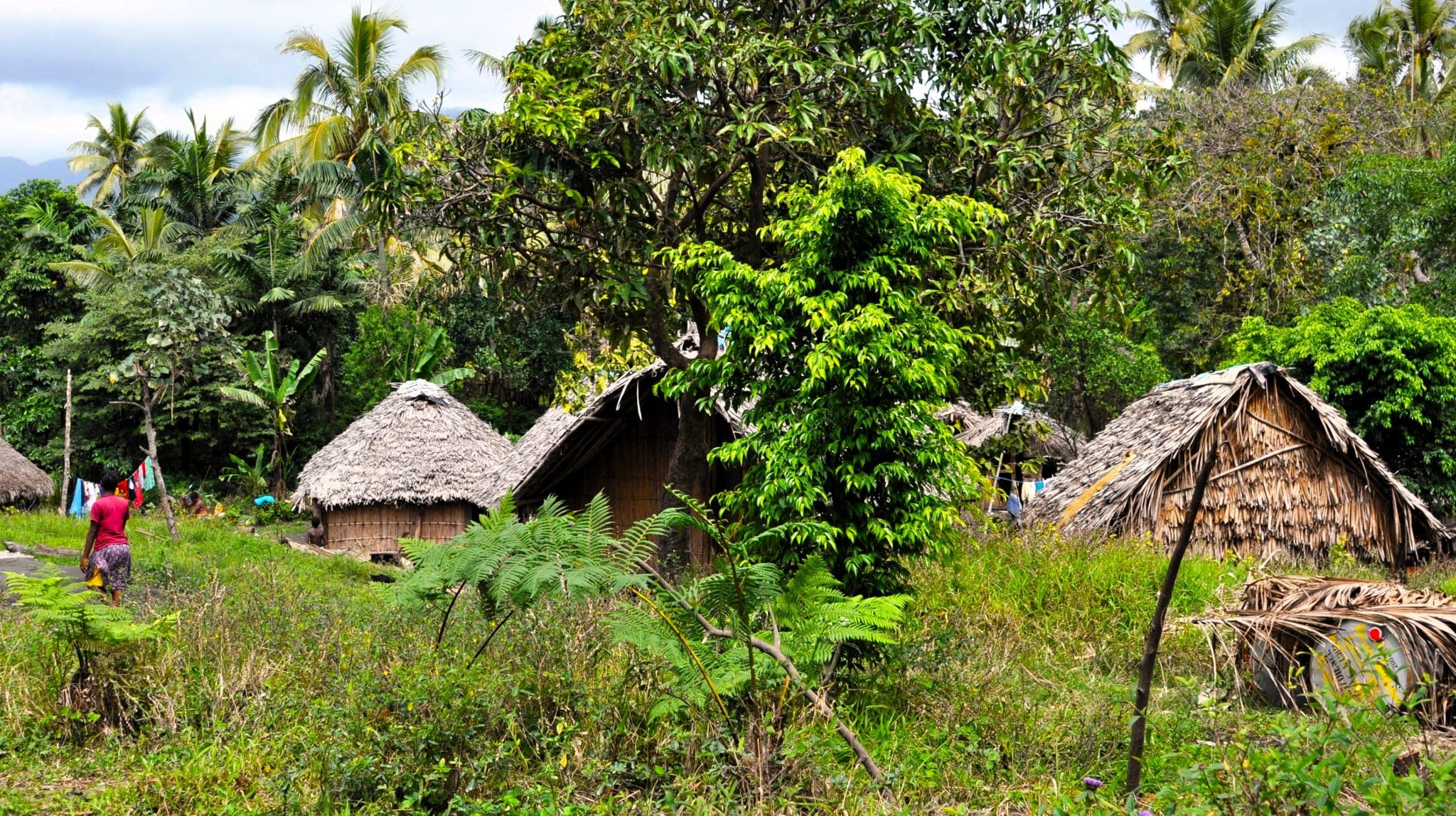
This day will be devoted to the traditions of Tanna and the everyday life of its inhabitants. The road will take us into the jungle of the Lovinio area, where villages are located whose residents still follow the system of customs known as kastom.
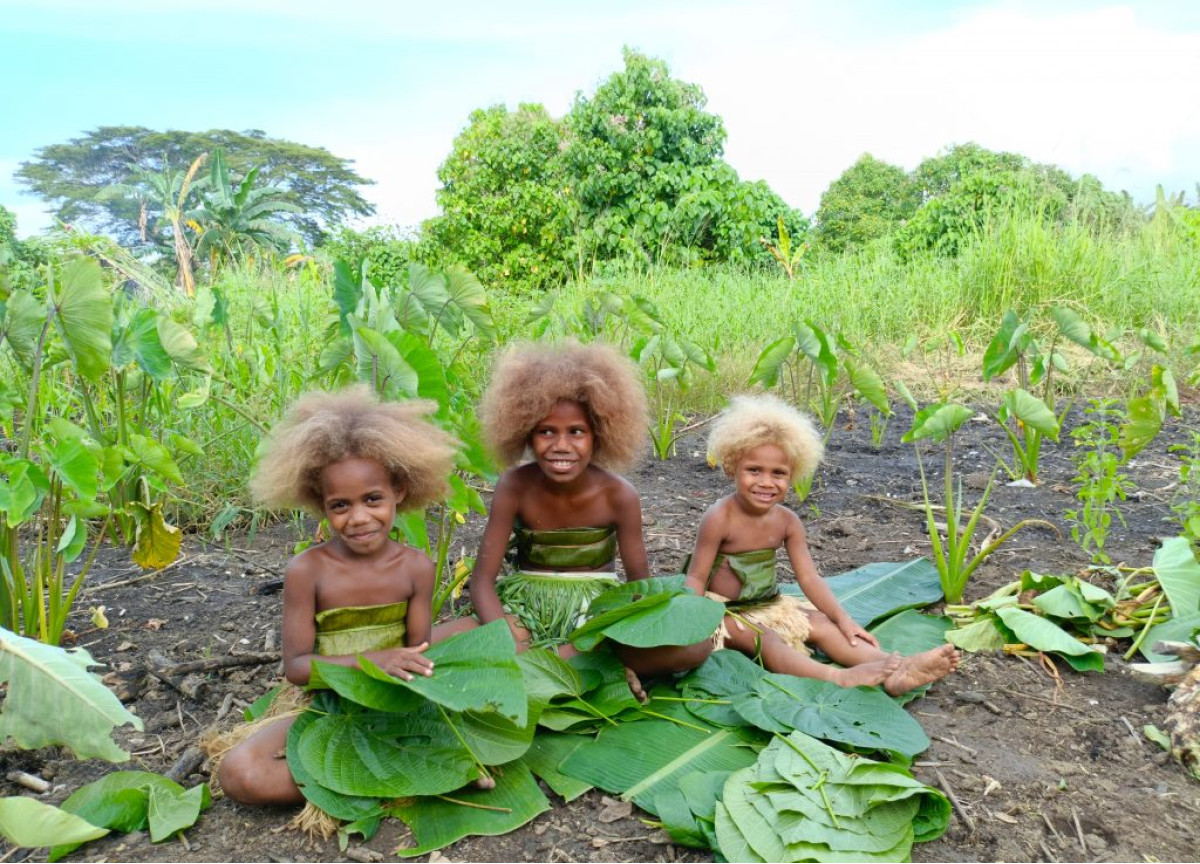
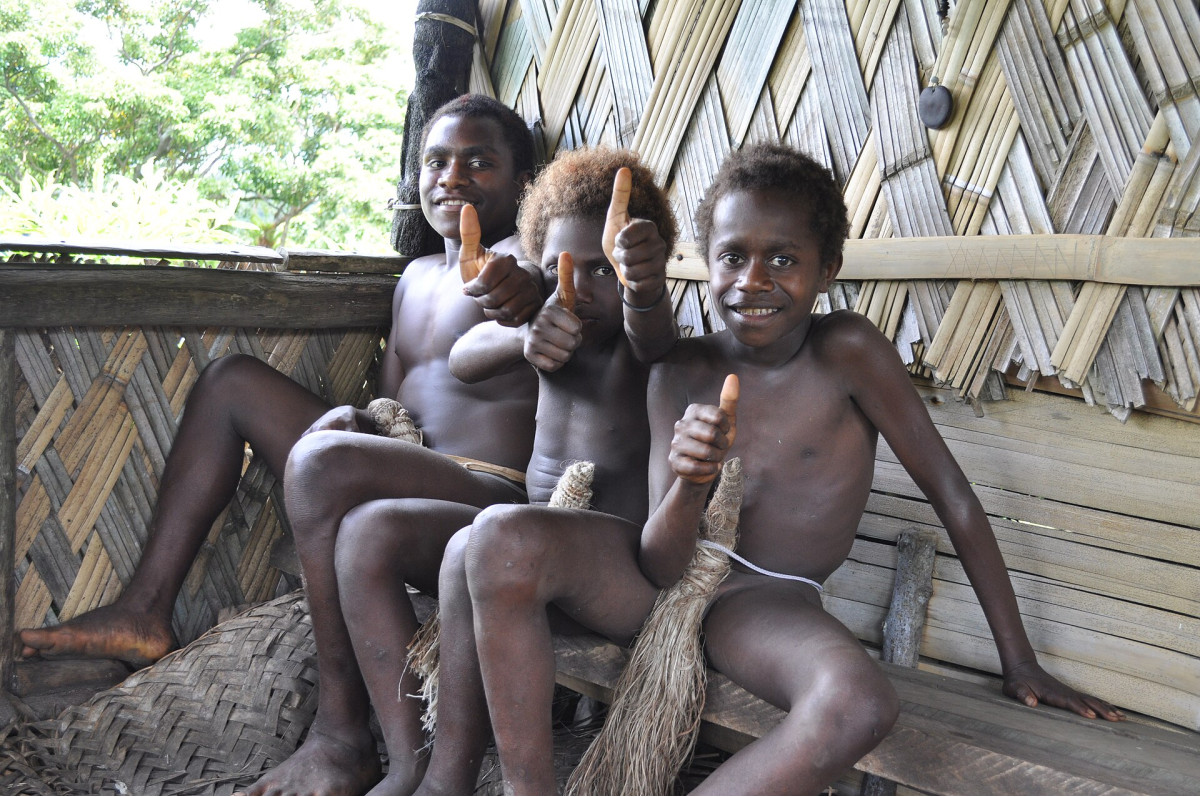
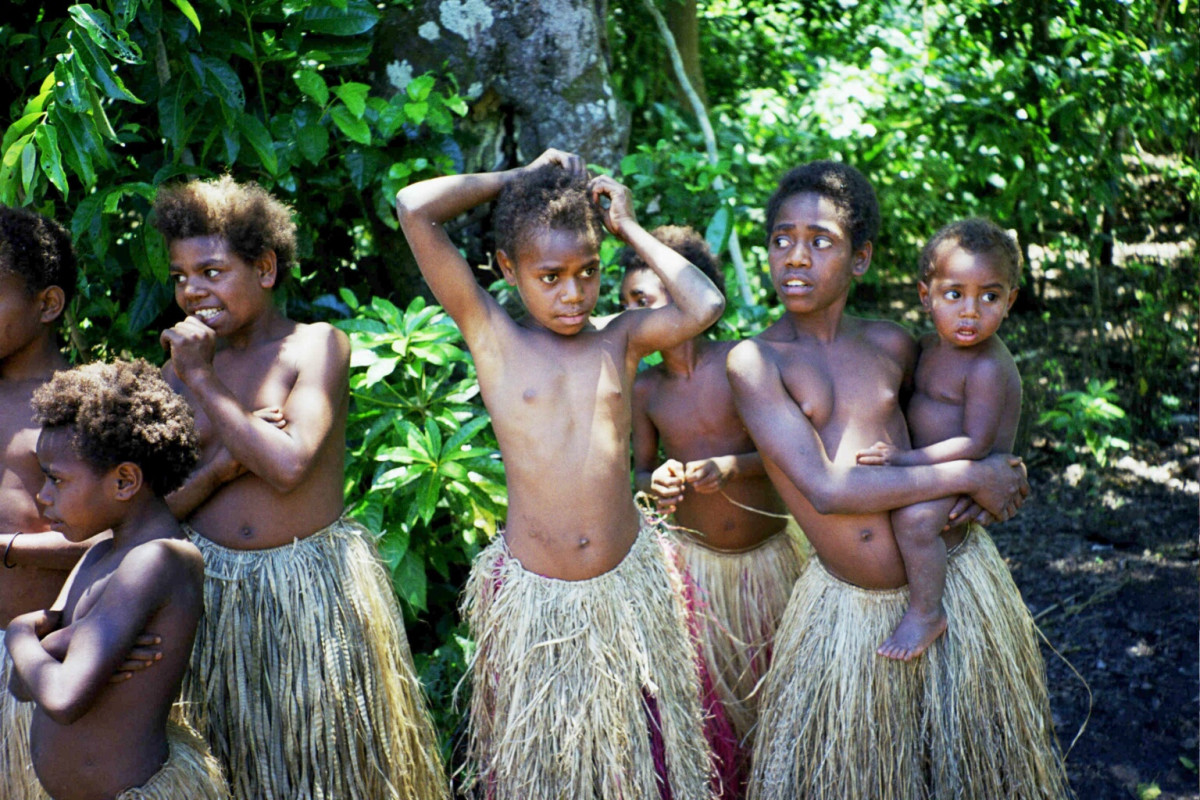
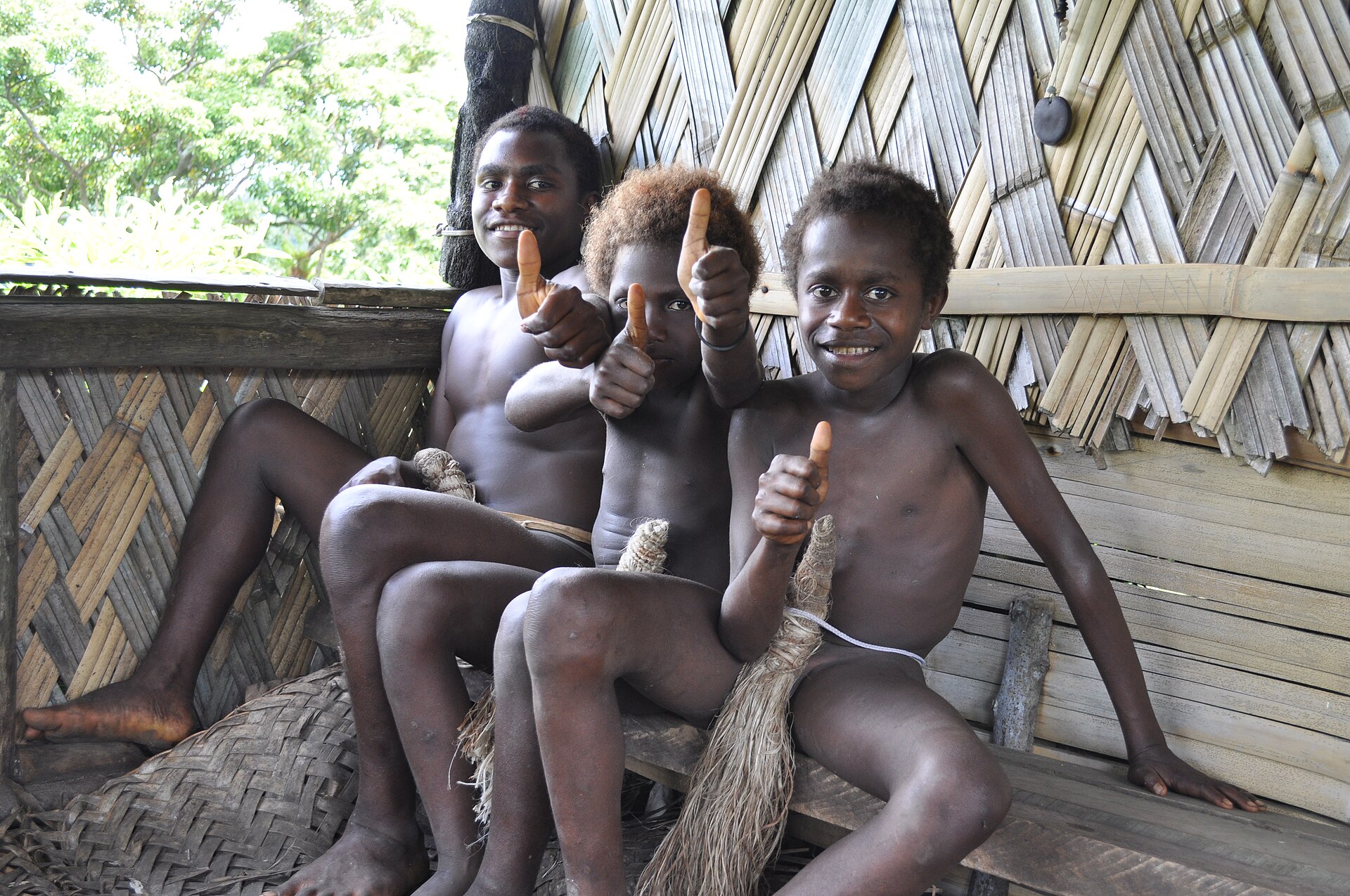
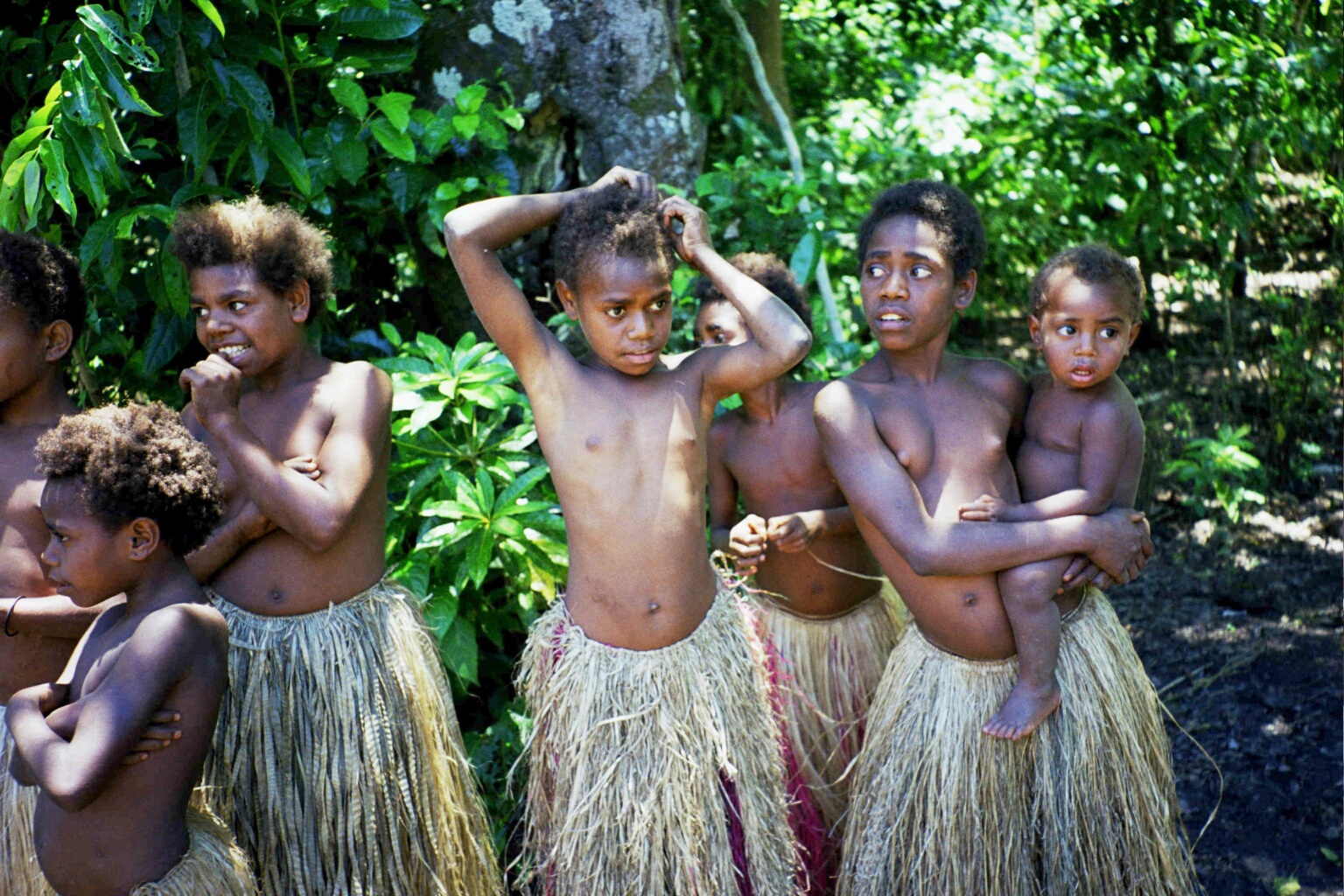
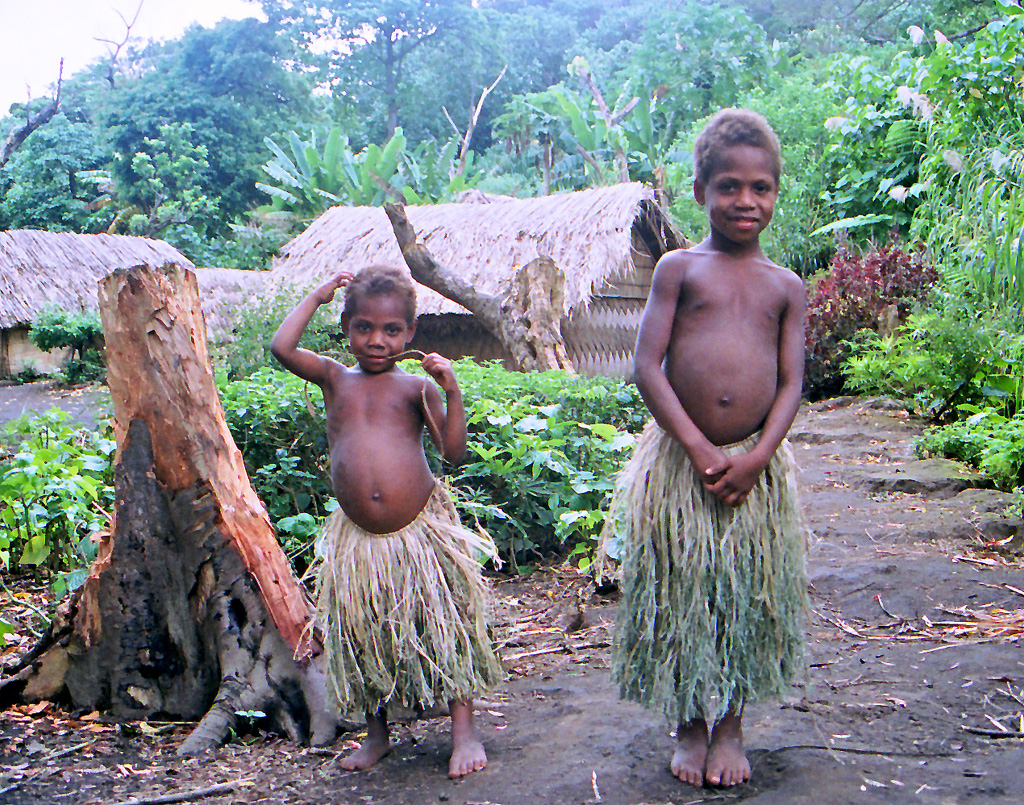
Depending on local conditions, we will visit Yakel or Lokalangia. There is no familiar urban rhythm here, and community life is built around the land, family, oral traditions and rules passed down from generation to generation. We will see the dwellings, learn about the daily life of local families and have an opportunity to purchase traditional handmade products.
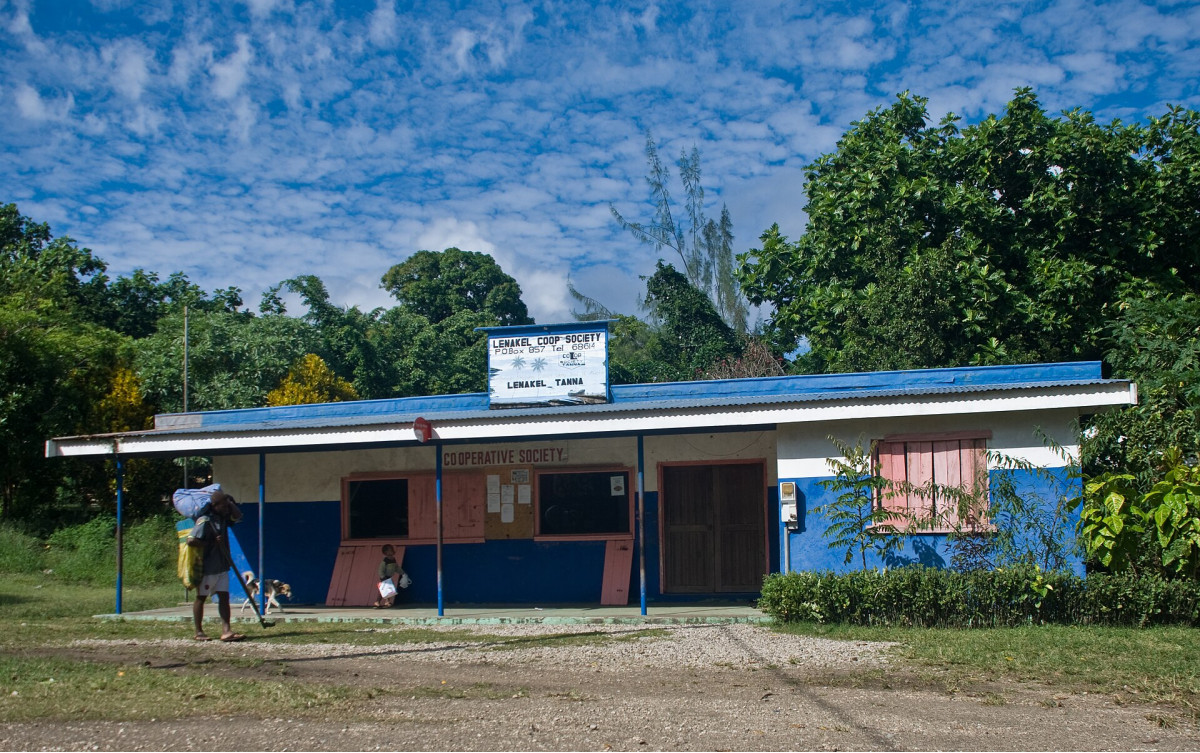
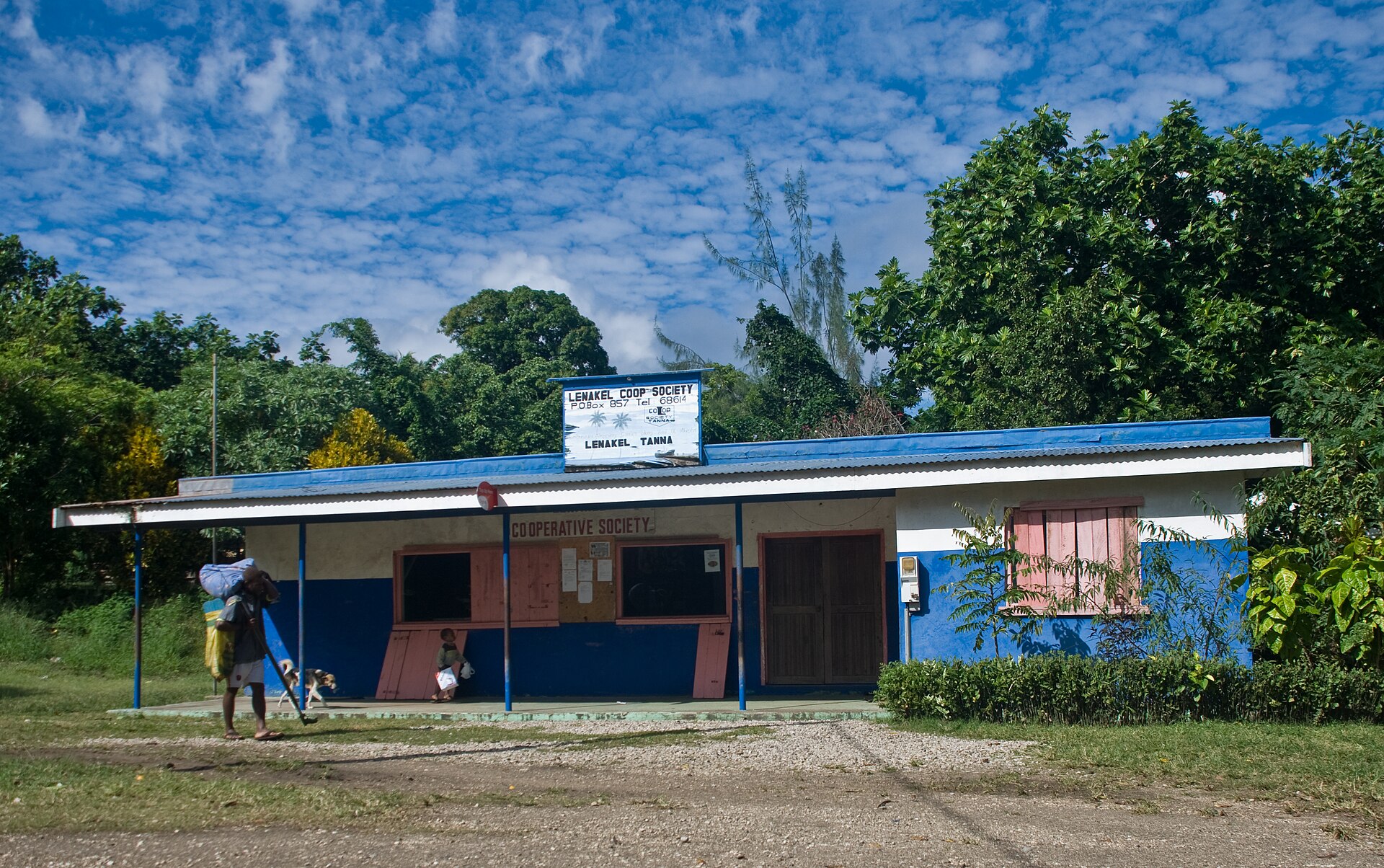
In the second half of the day, we will discover another side of Tanna. We will visit an organic coffee processing facility, the Lenakel market, a local college and an unusual open-air site where sessions of the Supreme Court are held.
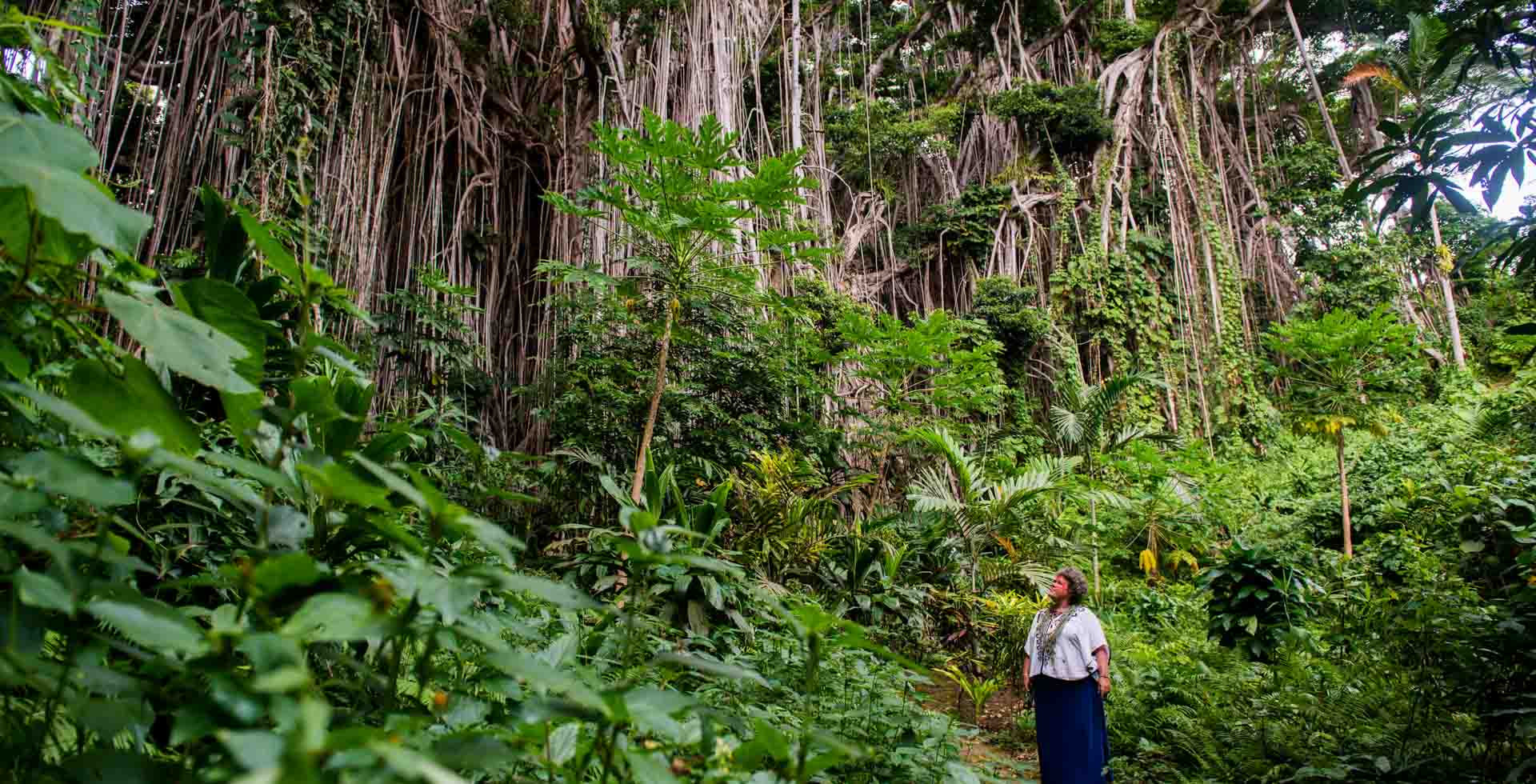
The route will continue along the coast past a Catholic mission and end beside a giant banyan tree — one of the island’s most impressive natural symbols.
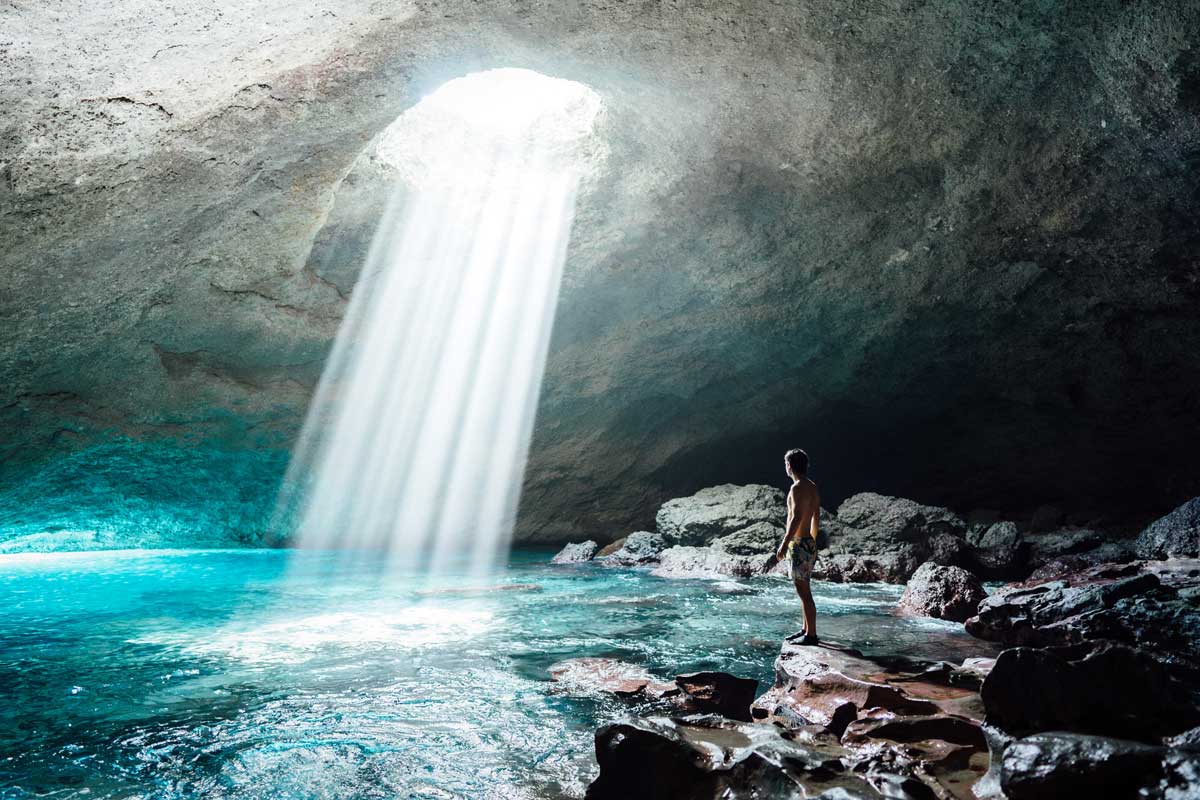
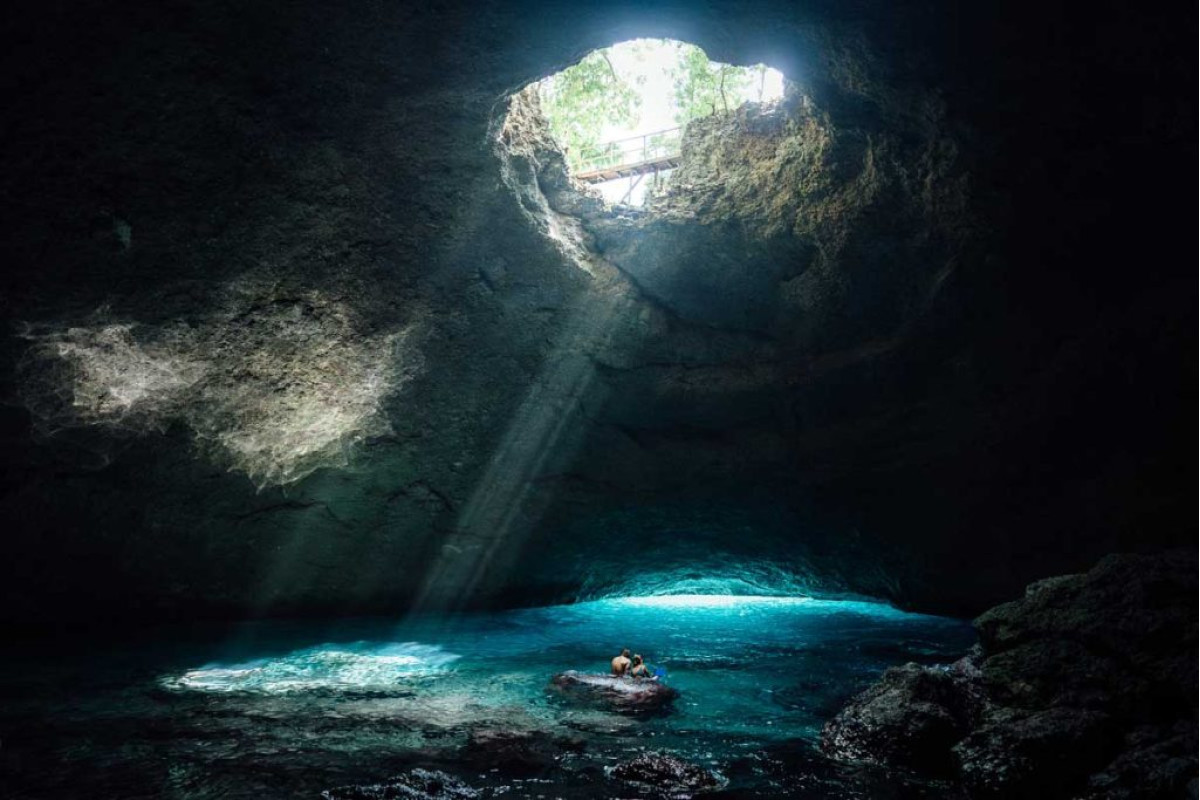
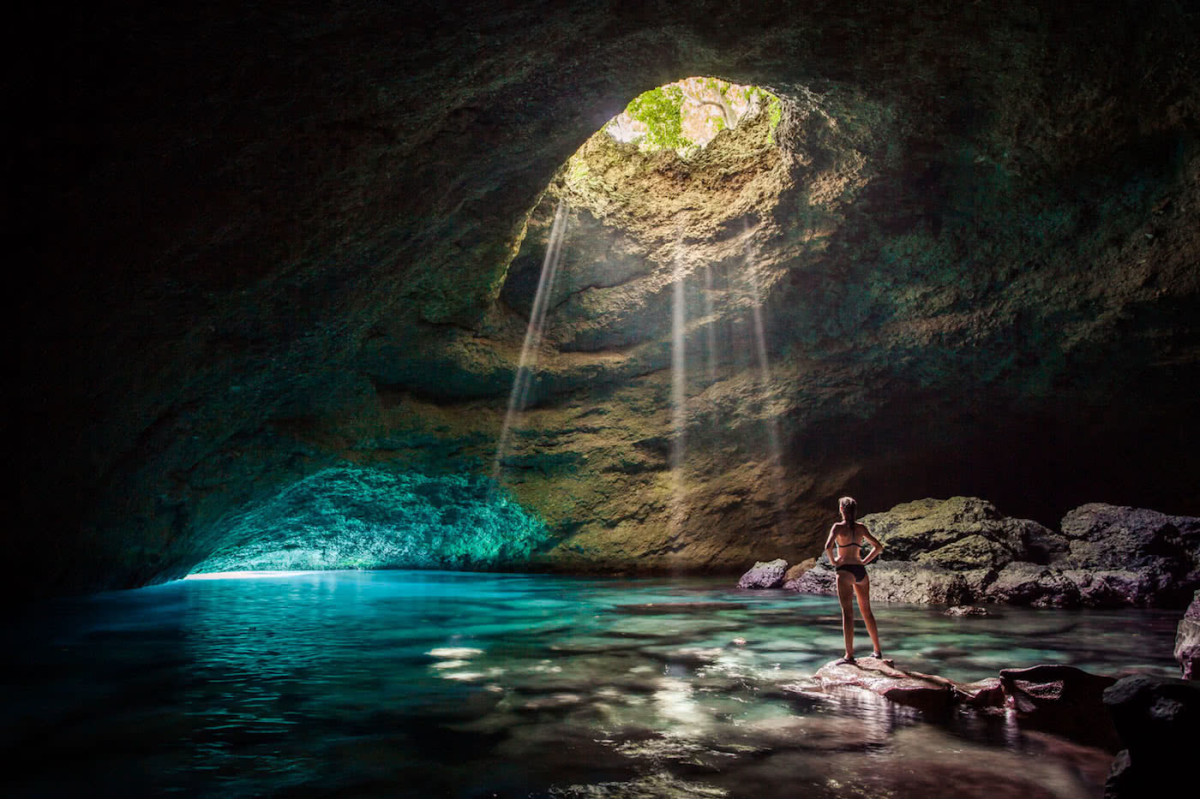
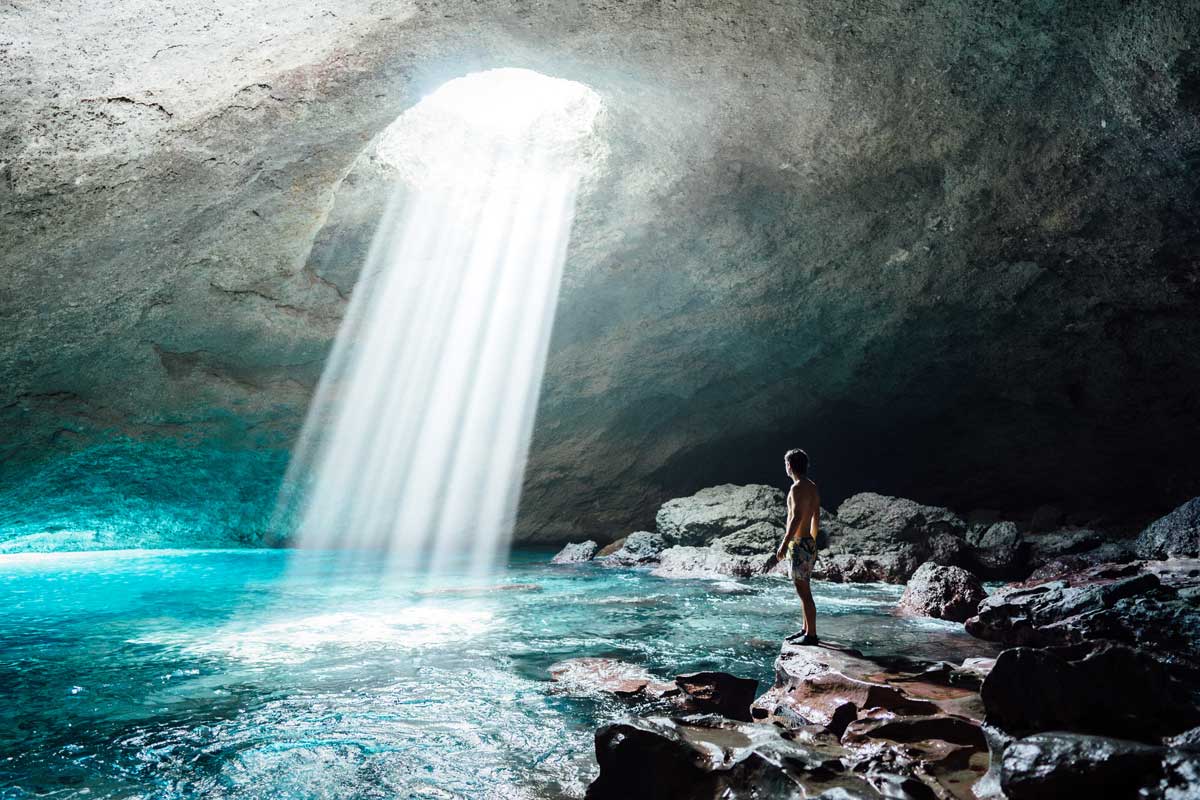
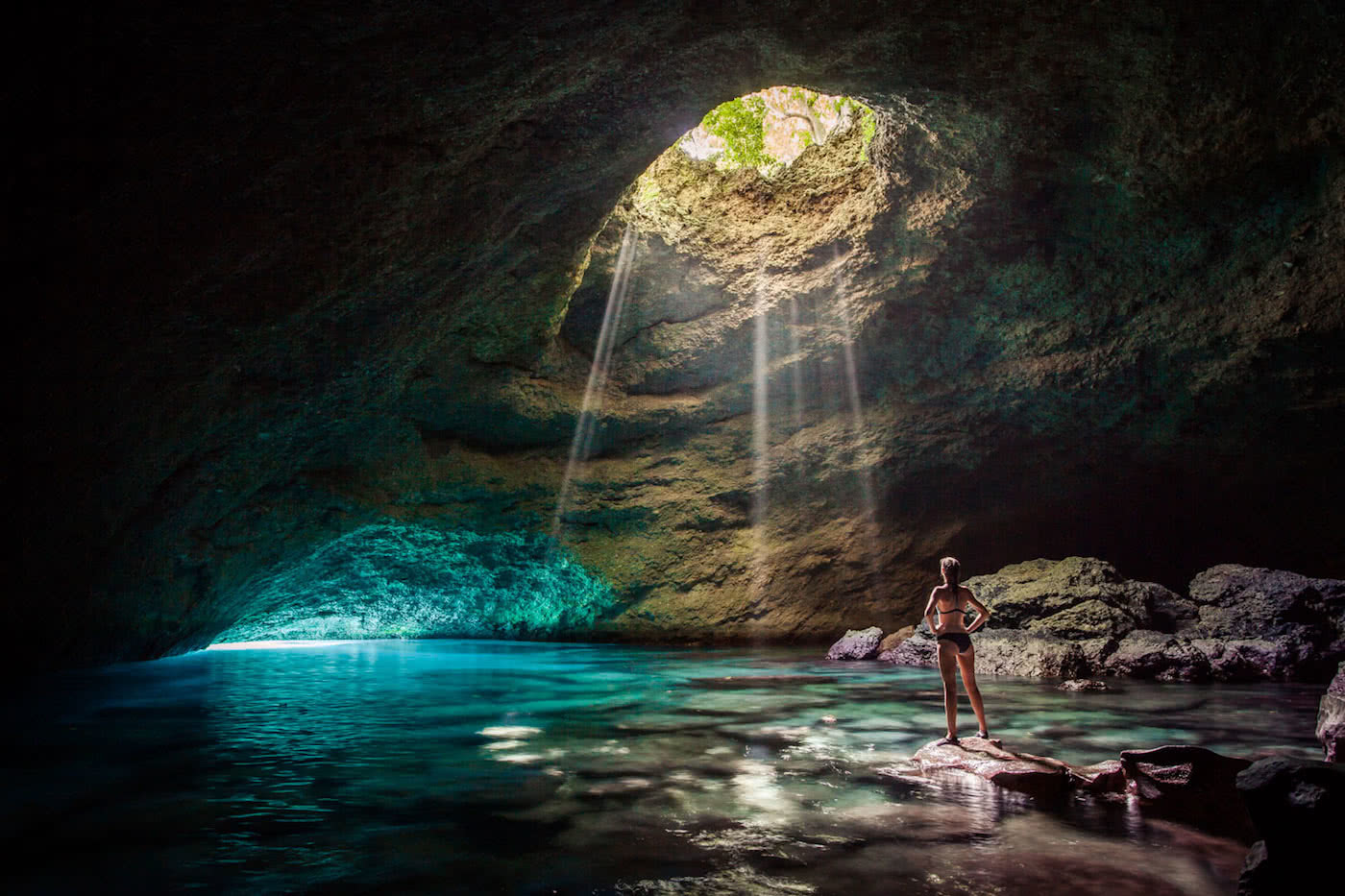
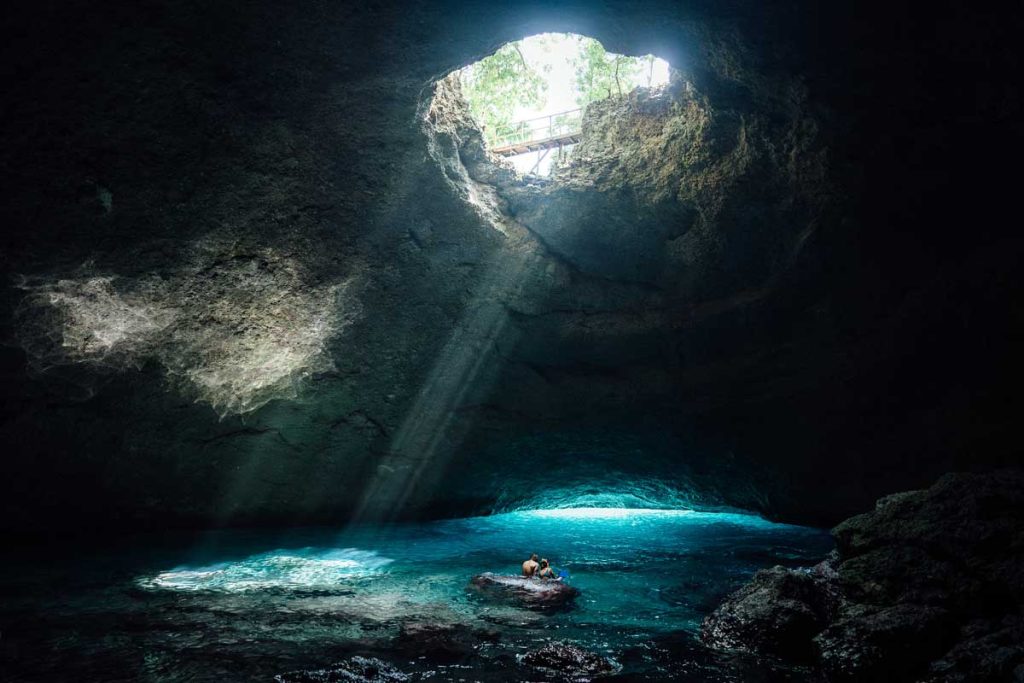
We will spend the morning on the water. A boat will take us along the limestone coast to Lemnap Cave, better known as the Blue Cave.
Inside, an enormous natural grotto approximately 60 metres in diameter opens before us. Sunlight enters through an opening and colours the water and the cave walls in intense shades of blue. The possibility of visiting depends on the tide, weather and sea conditions.
After returning to shore, we will head to Whitegrass Airport and fly back to Port Vila. After being met at the airport and checking into the hotel, we will get to know the capital more closely.
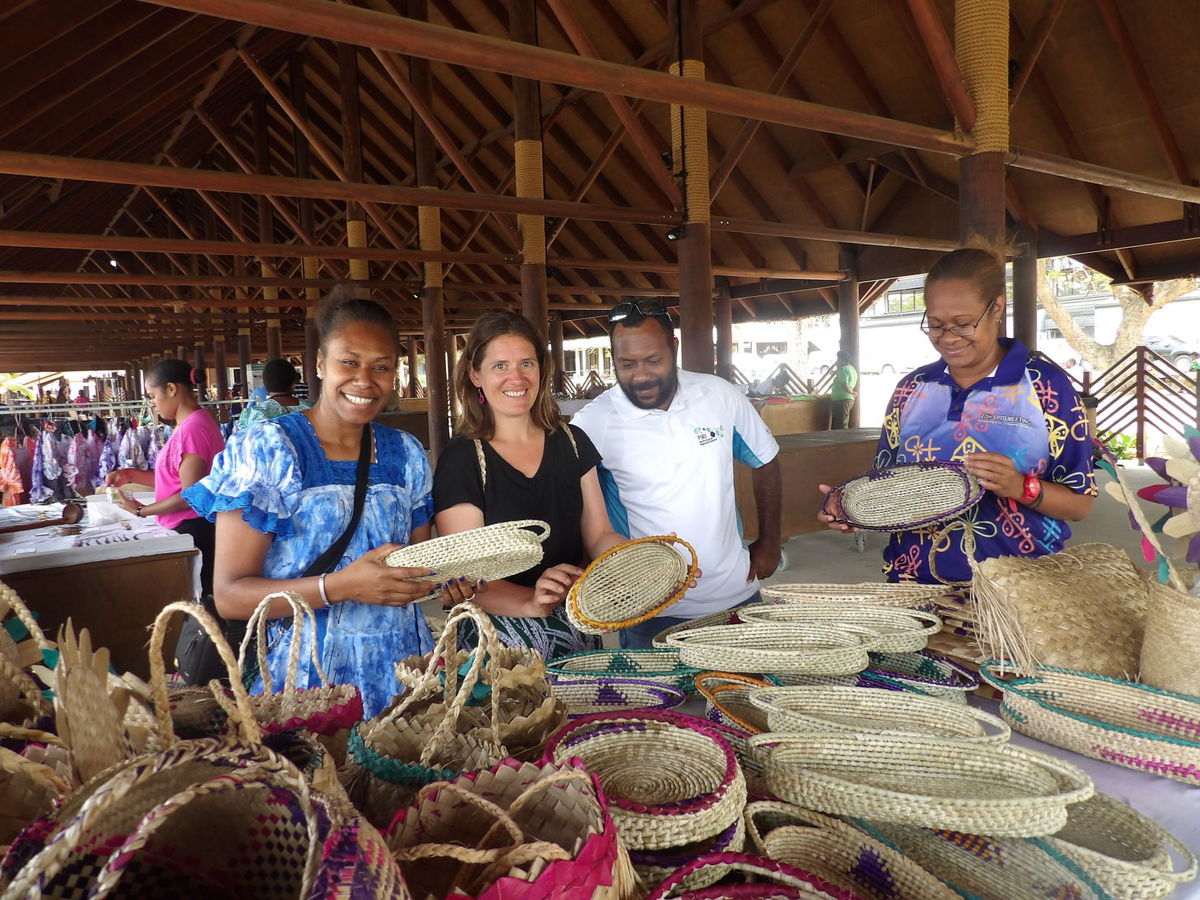
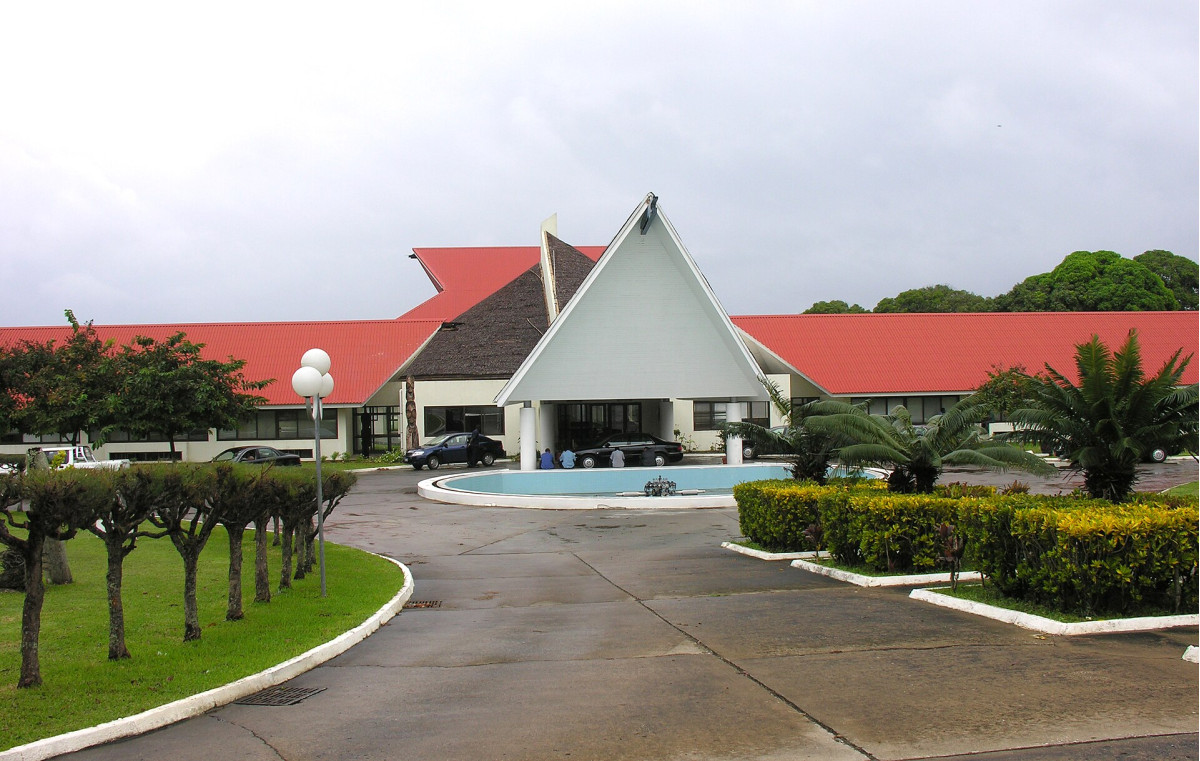
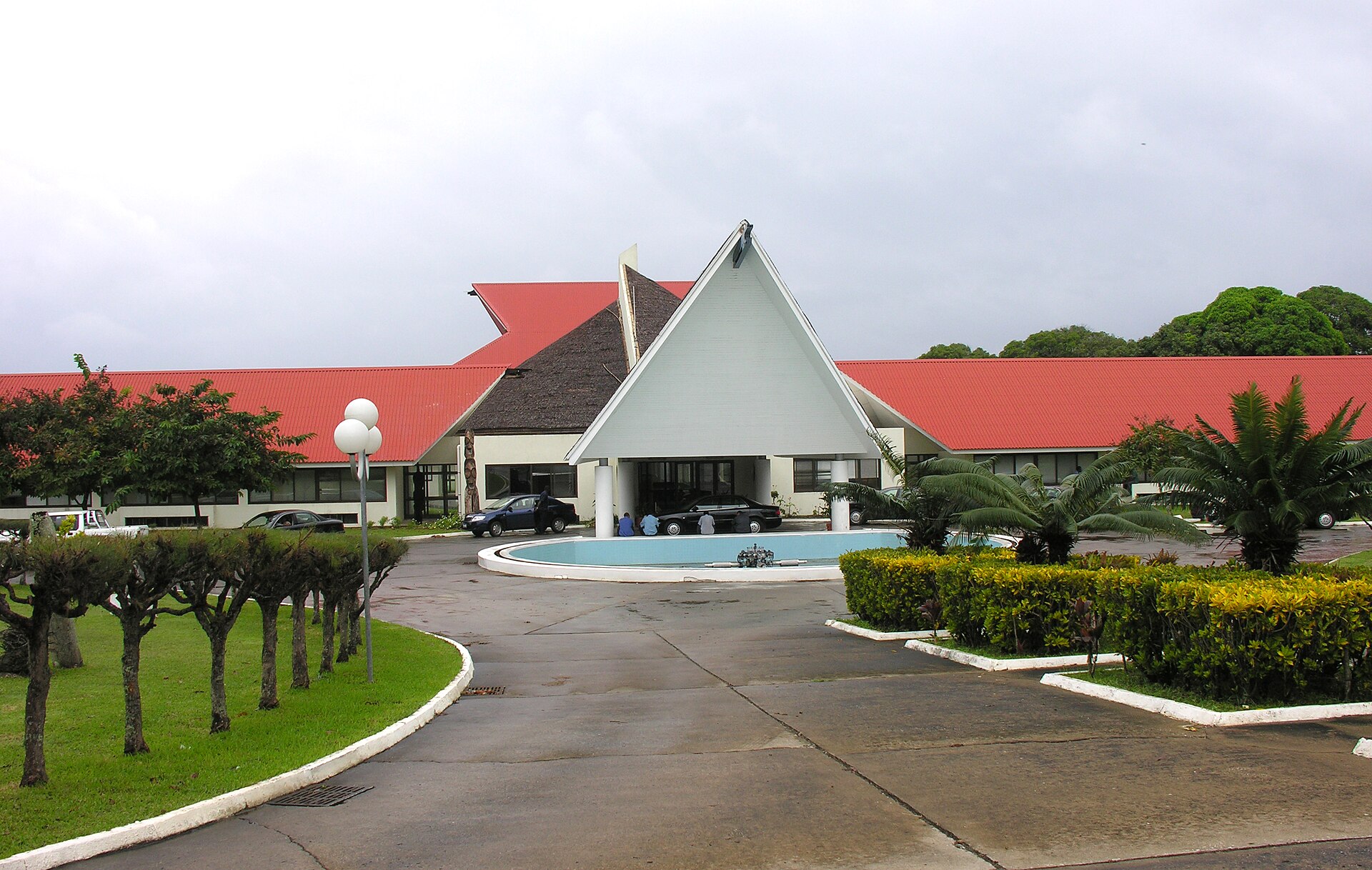
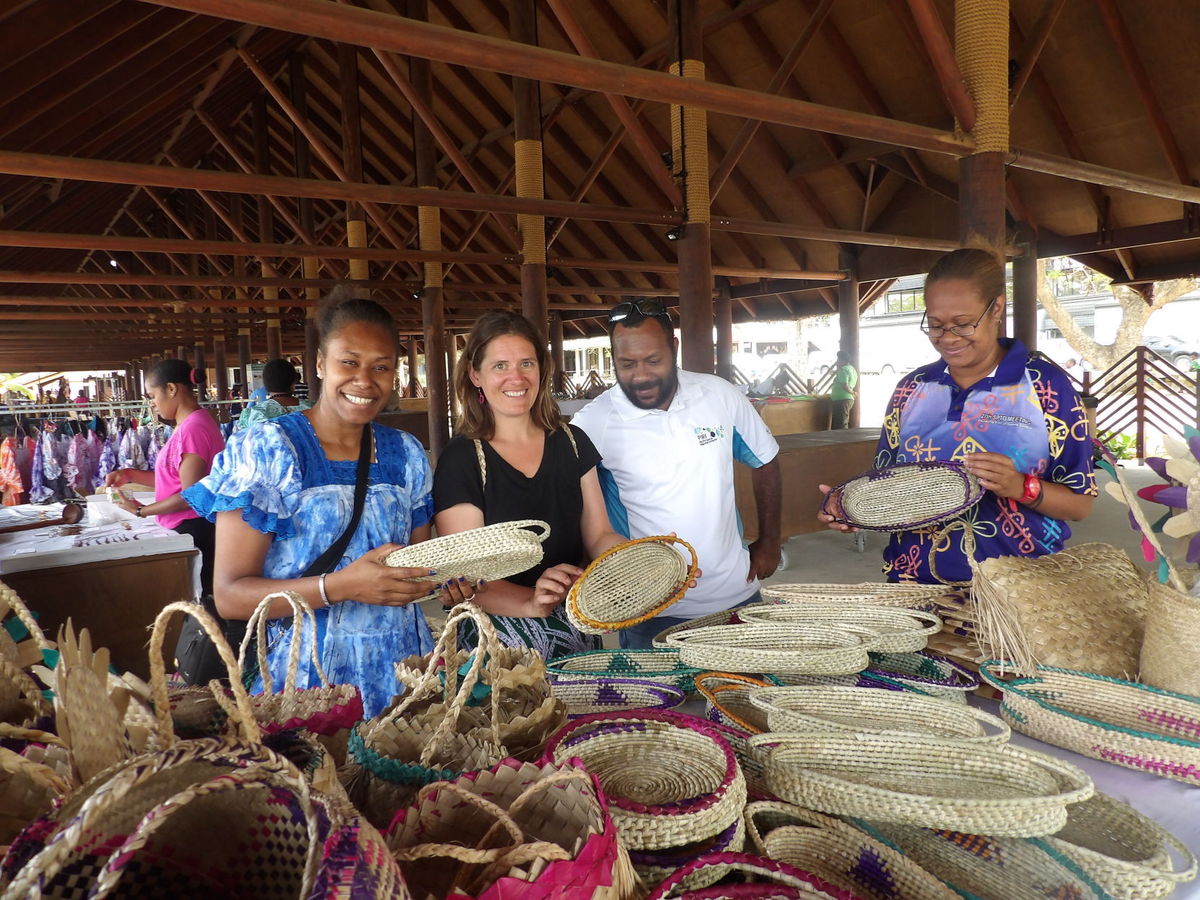
During a private sightseeing tour, we will see the Parliament building, the Council of Chiefs, Erakor Wharf and Independence Park. We will visit the Central Market, where tropical fruits, vegetables and local products are sold, as well as the Mahitahi handicraft market with works by craftspeople from different islands of the archipelago.
A journey to Pentecost Island awaits us, located approximately 200 kilometres north of Port Vila. We will reach it by small aircraft, and the flight itself will become a separate part of the adventure.
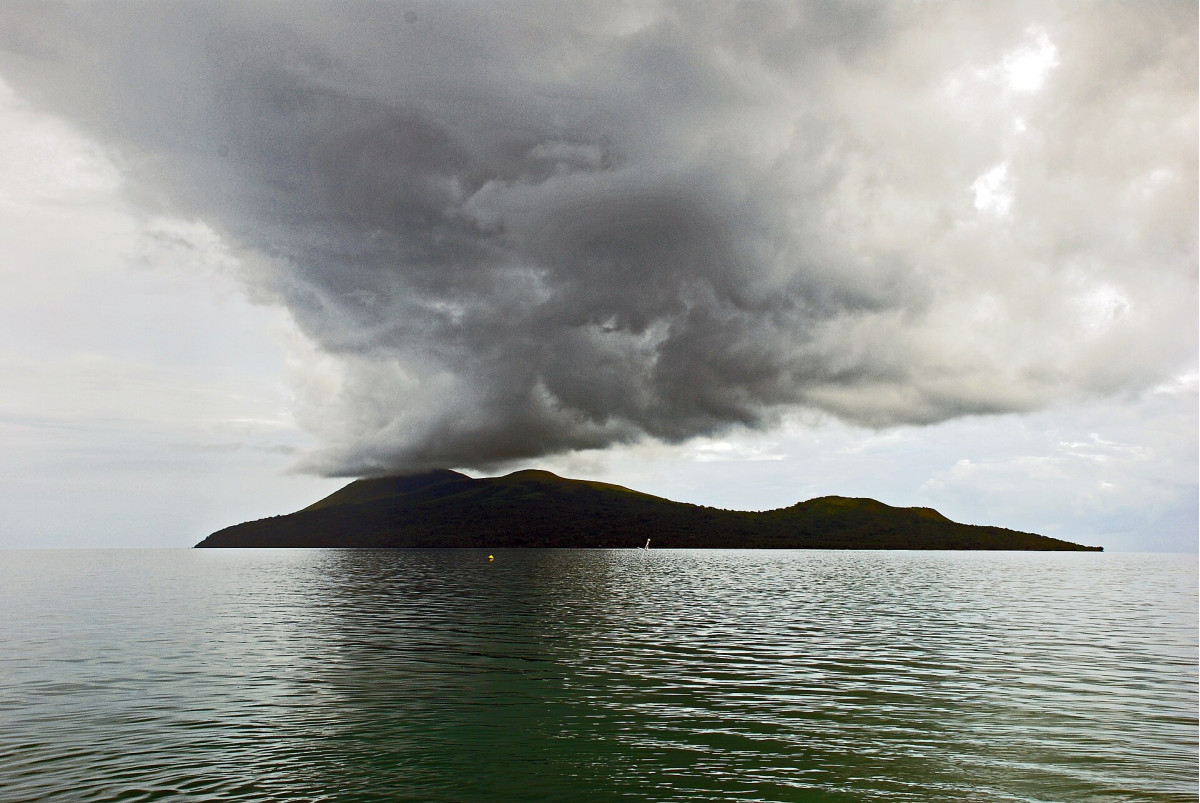
From above, we will see Cook Reef and the volcanic island of Lopevi. Under favourable weather conditions, the route will pass over Ambrym Island, where the volcanic craters of Benbow and Marum are located.
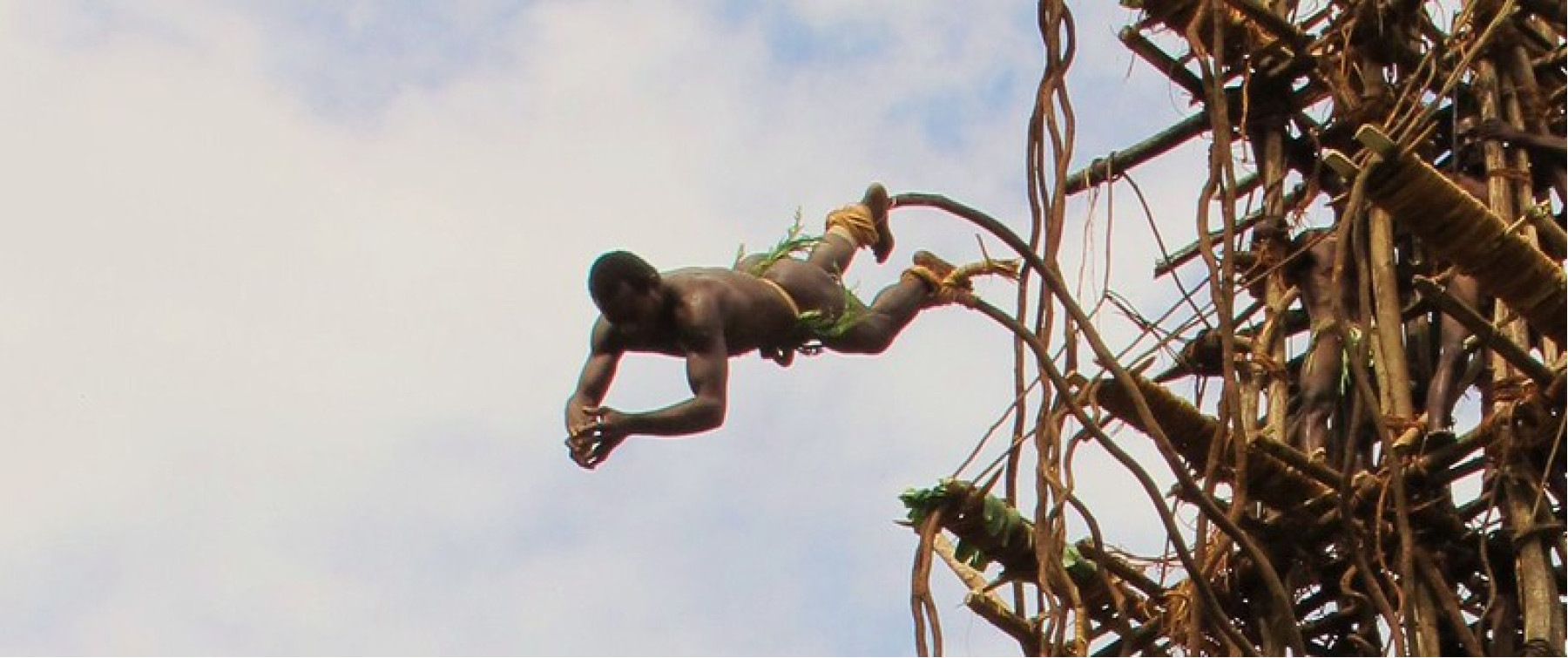
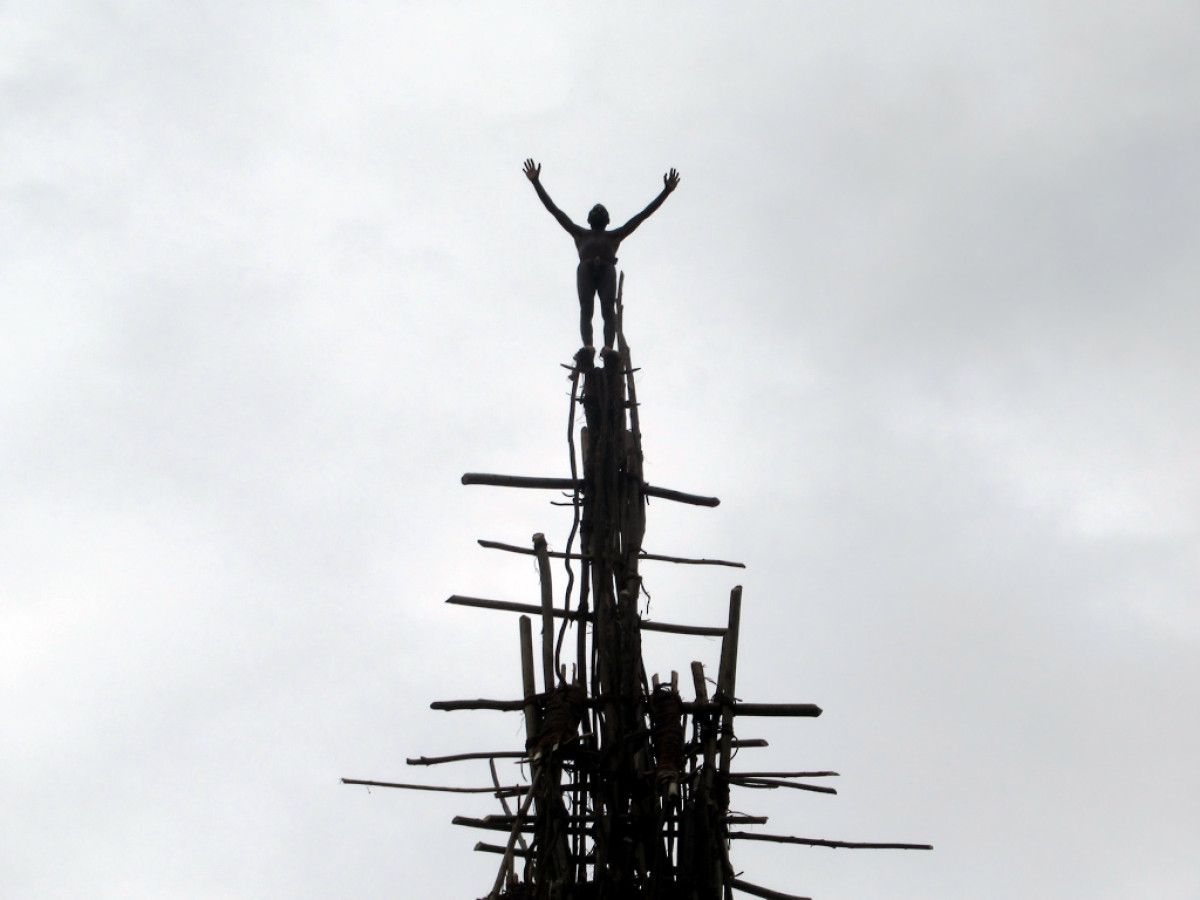
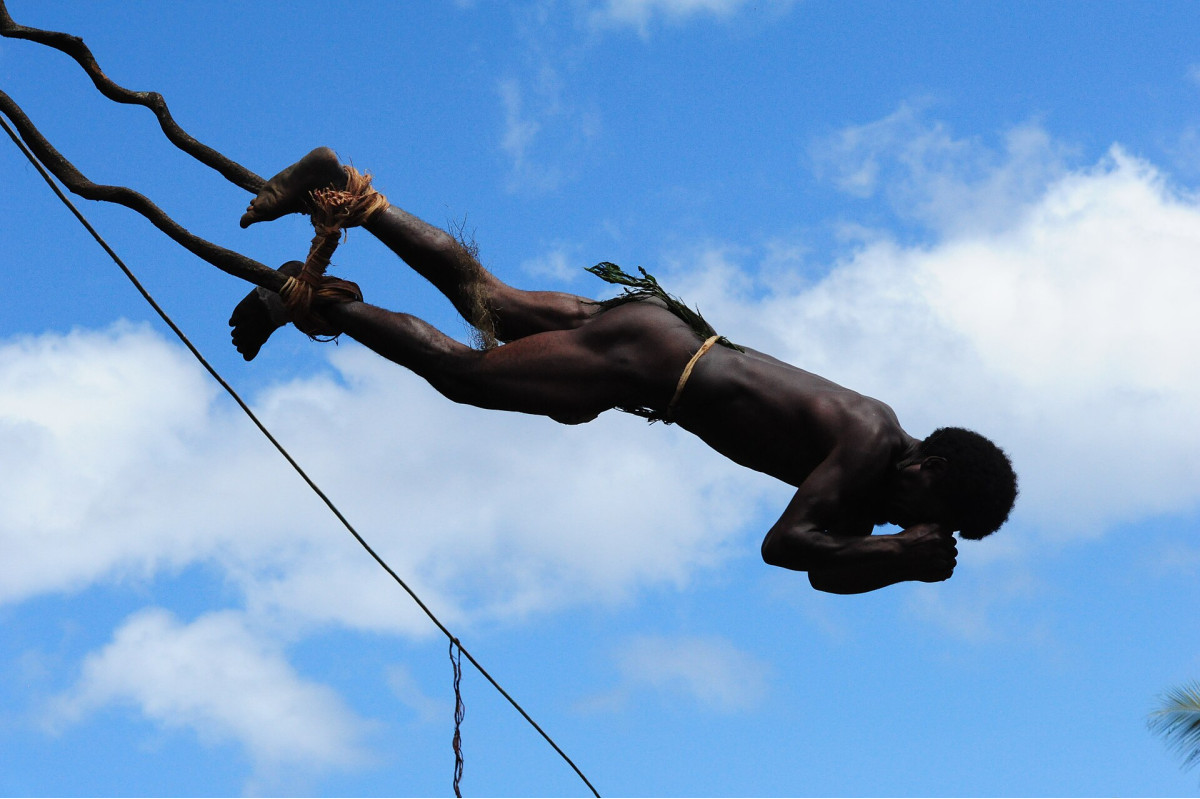
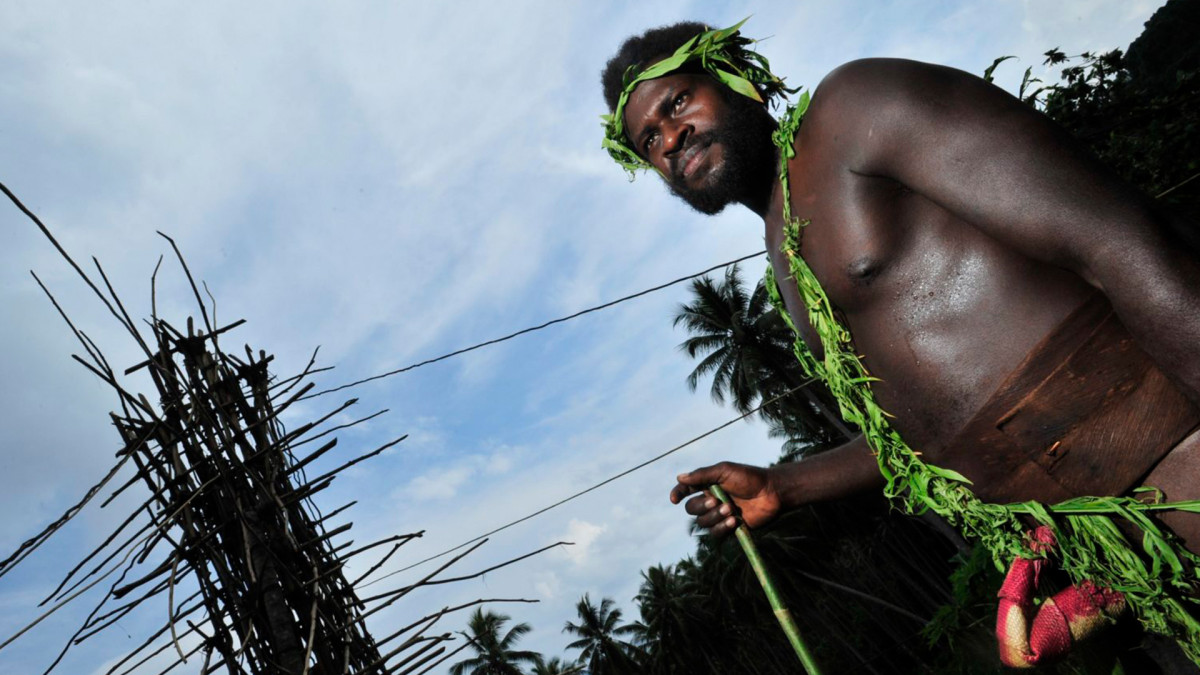
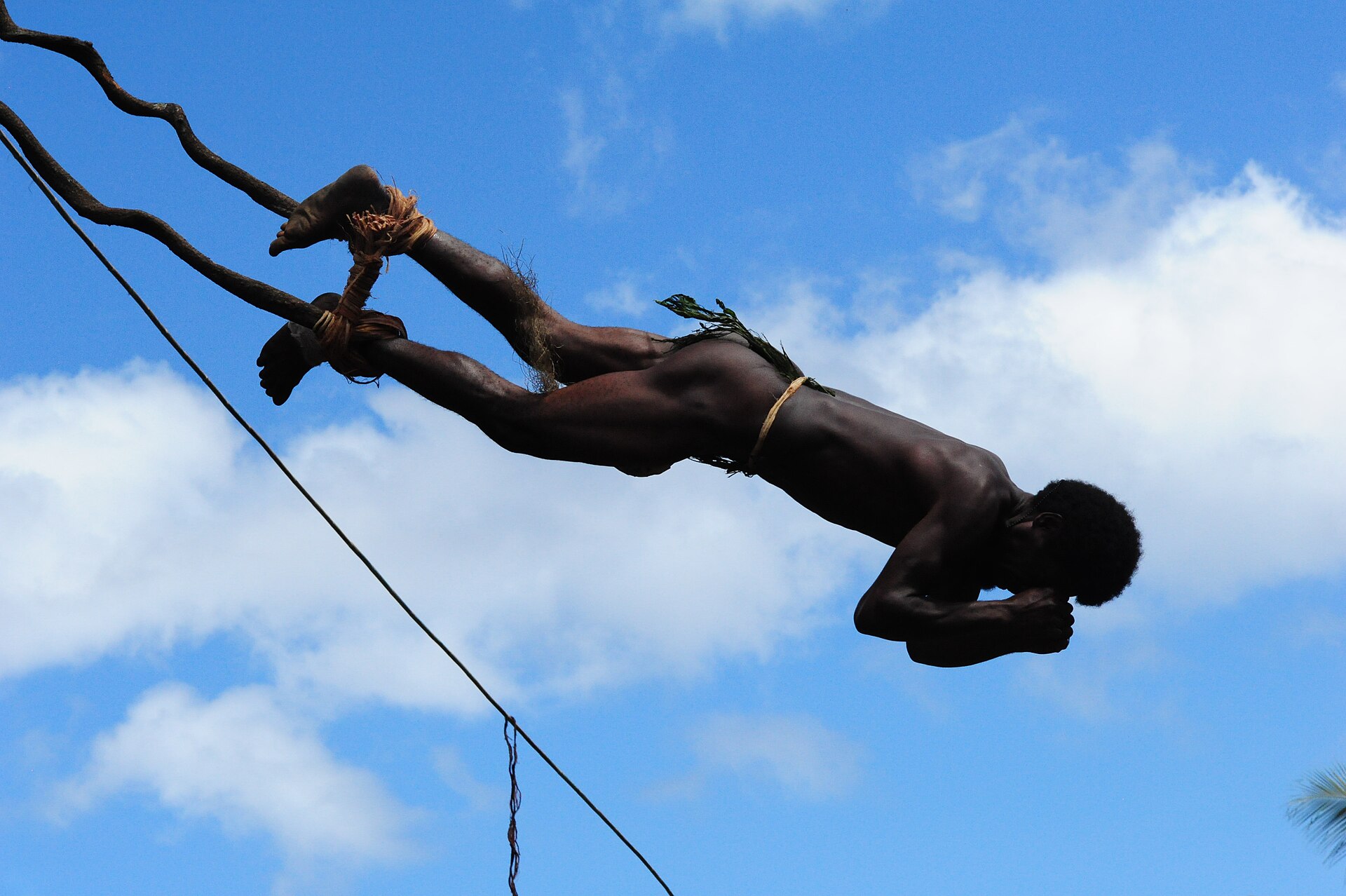
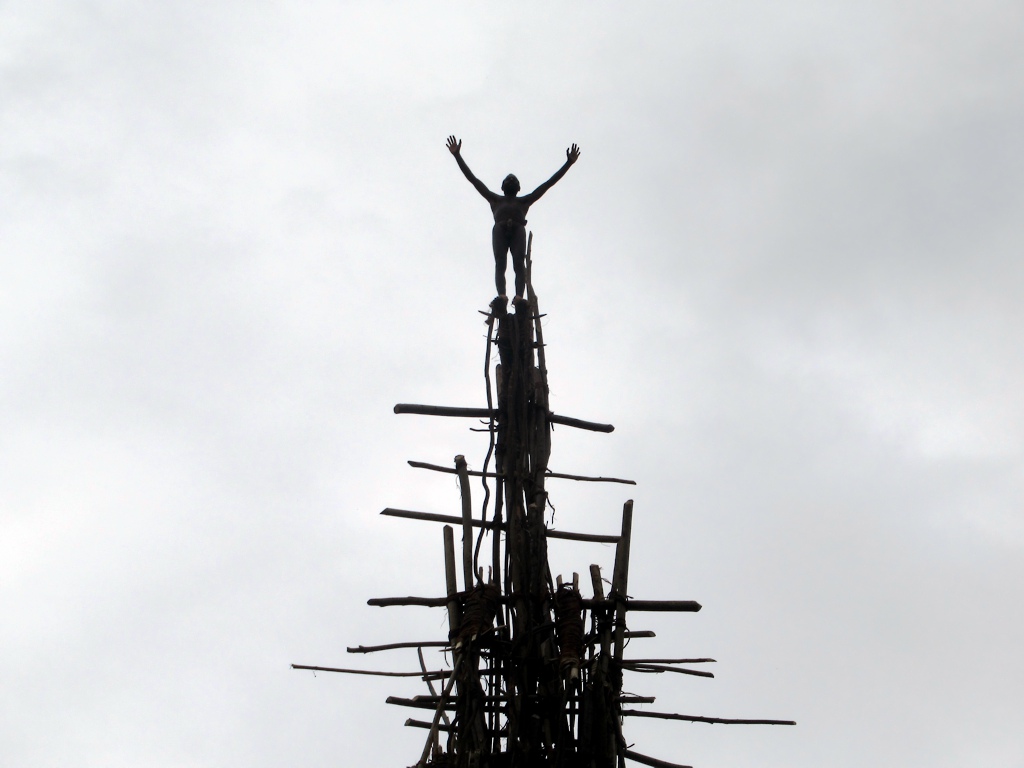
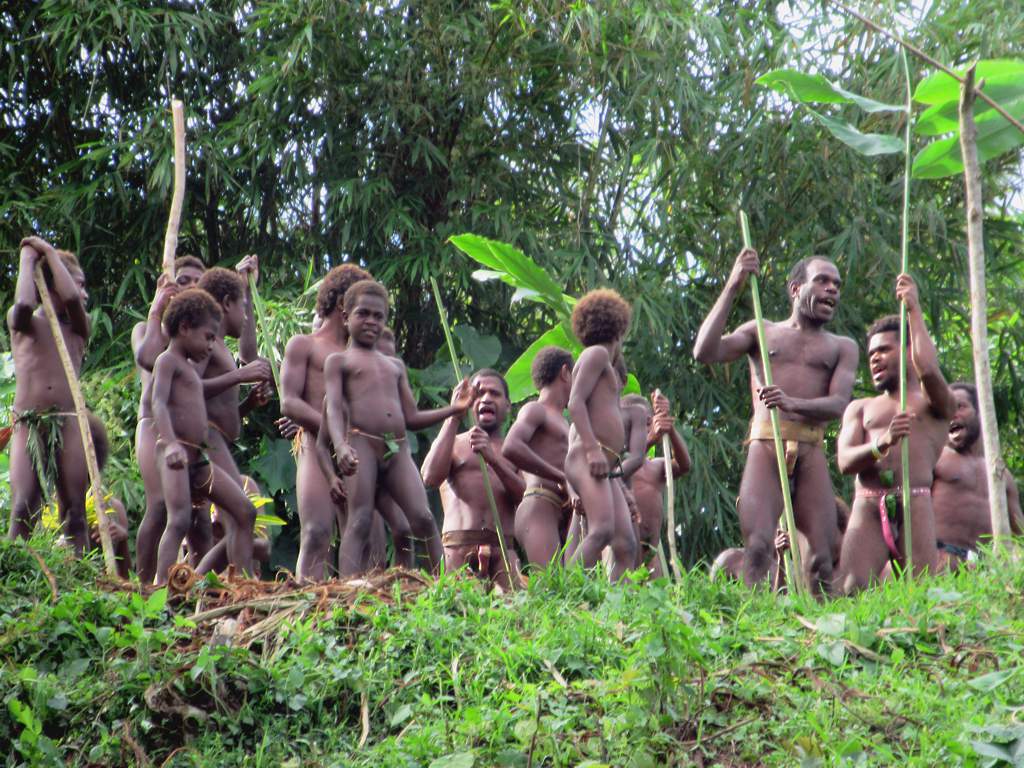
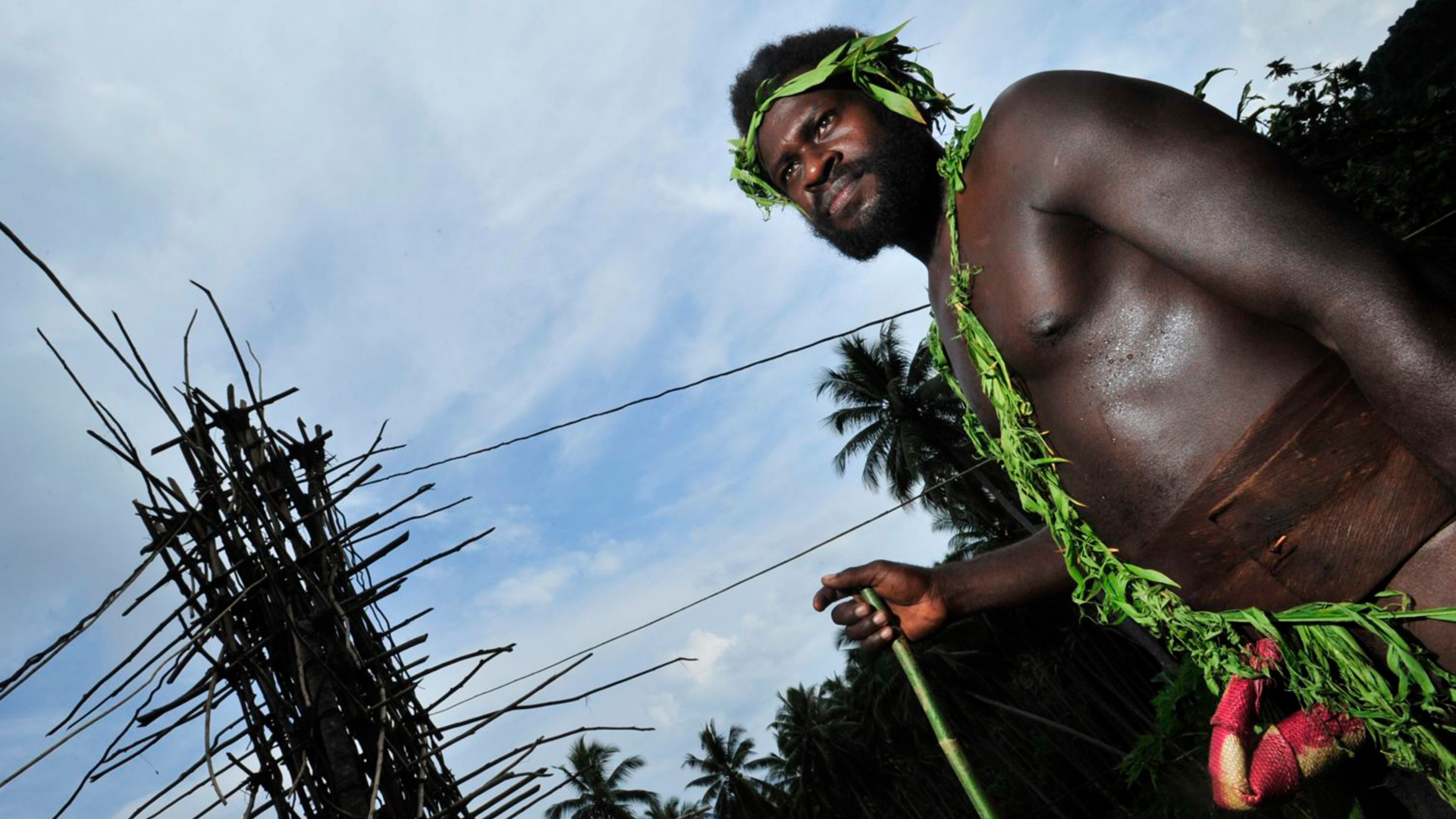
On Pentecost, we will witness Naghol — a traditional ceremony held by communities in the south-western part of the island during the yam-growing season. Local men perform ritual jumps from wooden towers using vines, and the tradition itself is associated with wishes for a generous harvest.
This is not a tourist show, but an important part of the island’s culture, preserved and passed down within the community. After the ceremony, we will leave Pentecost and return by air to Efate Island. A transfer to our hotel in Port Vila will be waiting for us at the airport.
Early in the morning, we will leave Port Vila and head to the islands of Nguna and Pele, located near the northern coast of Efate. The first half of the day will be devoted to a hike on Nguna Island.
The trail leads to the summit of the extinct Mount Marou, 472 metres high. The ascent takes approximately three hours, and from the highest point, panoramic views open over the Shepherd Islands and the coast of Efate.
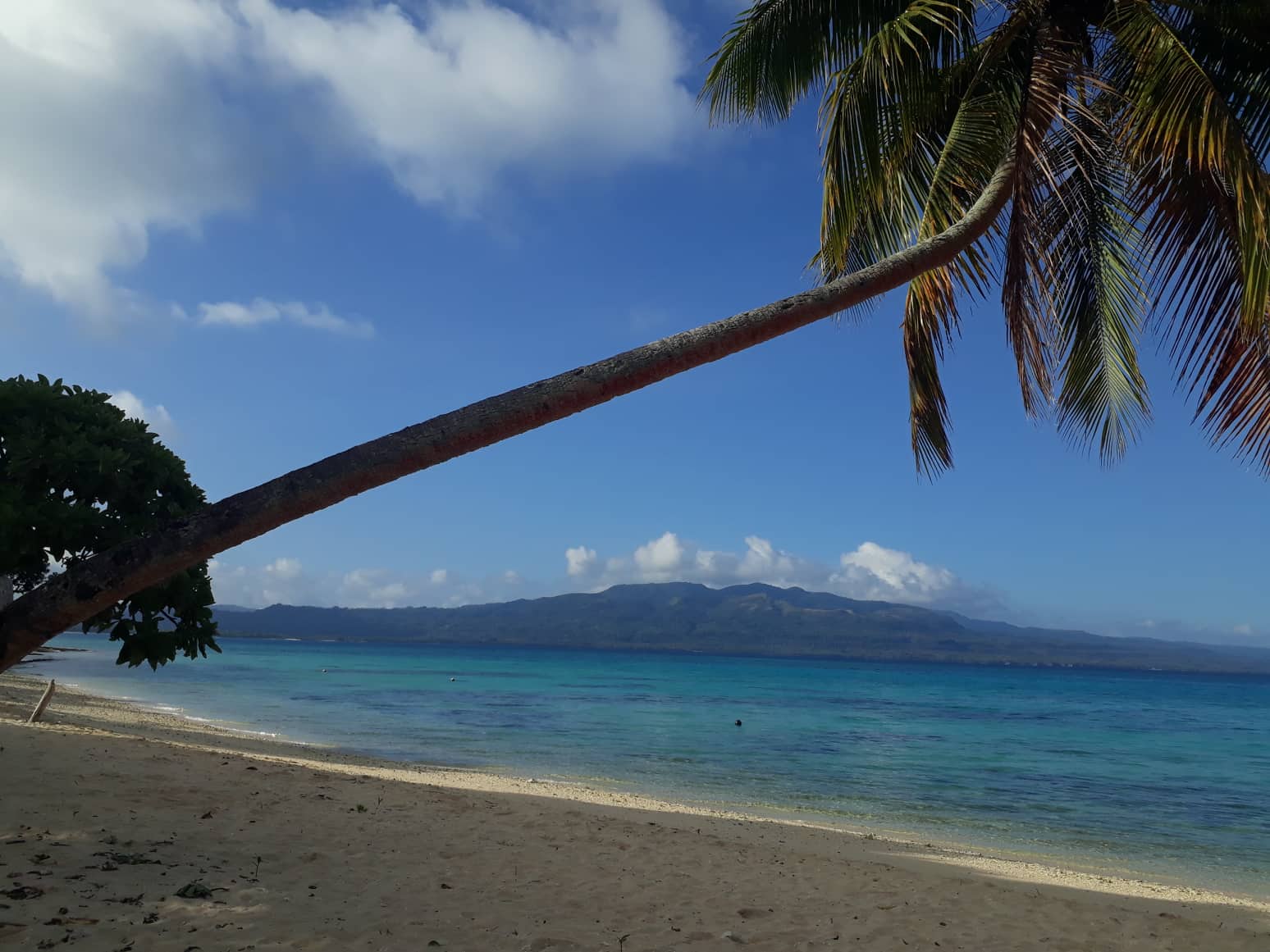
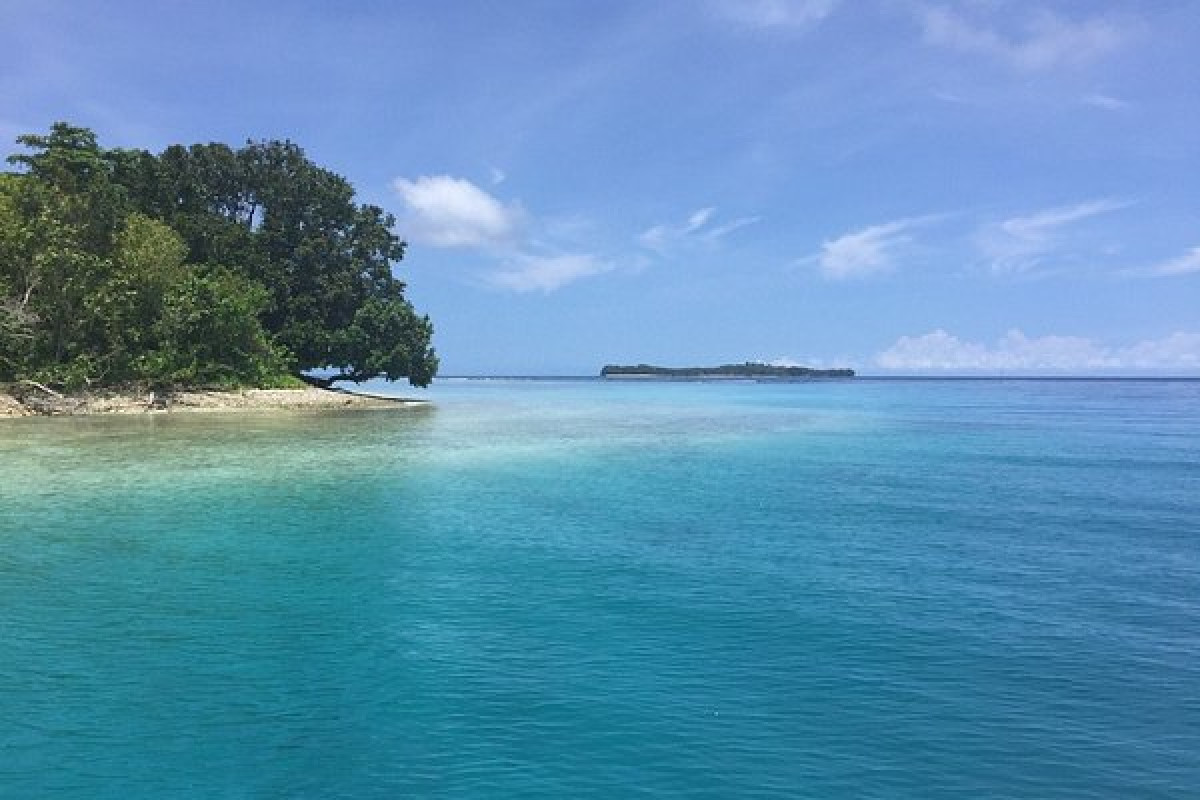
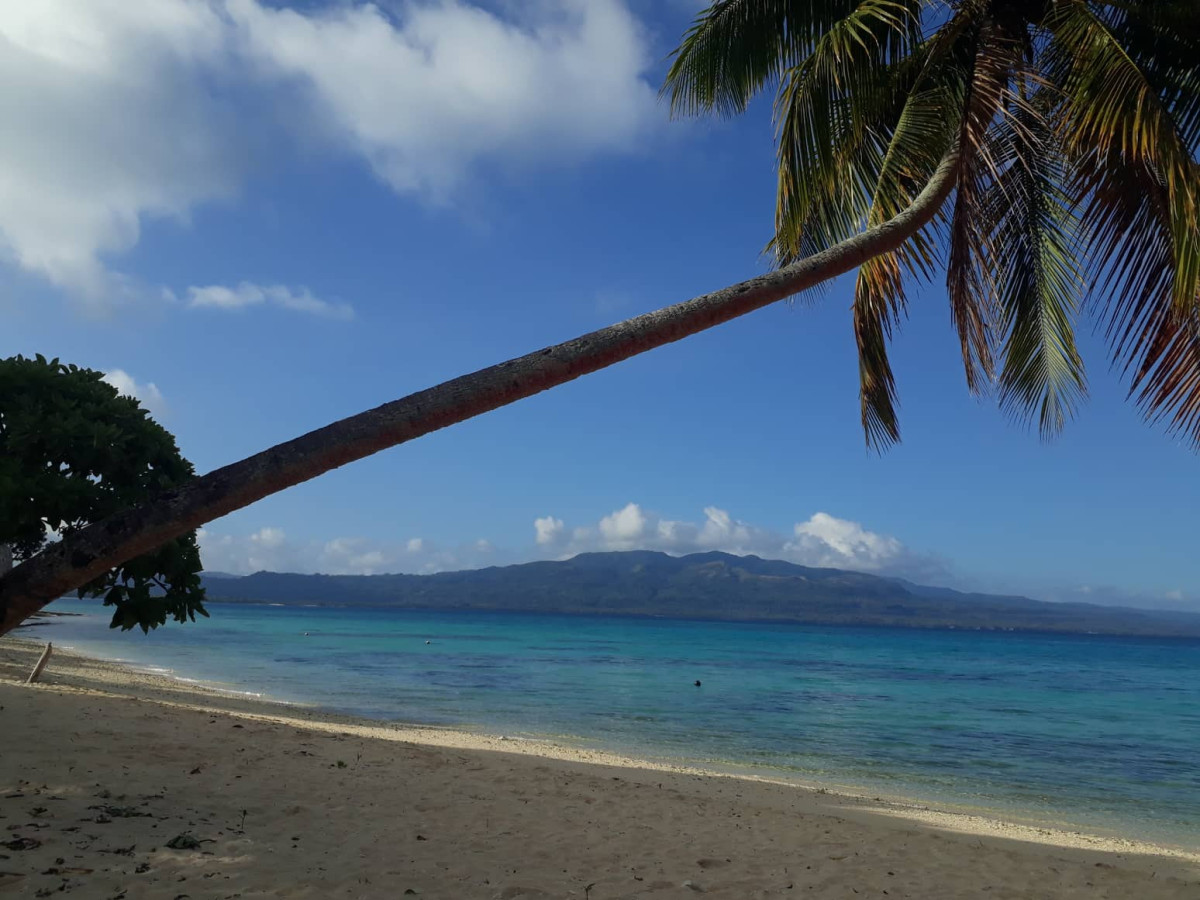
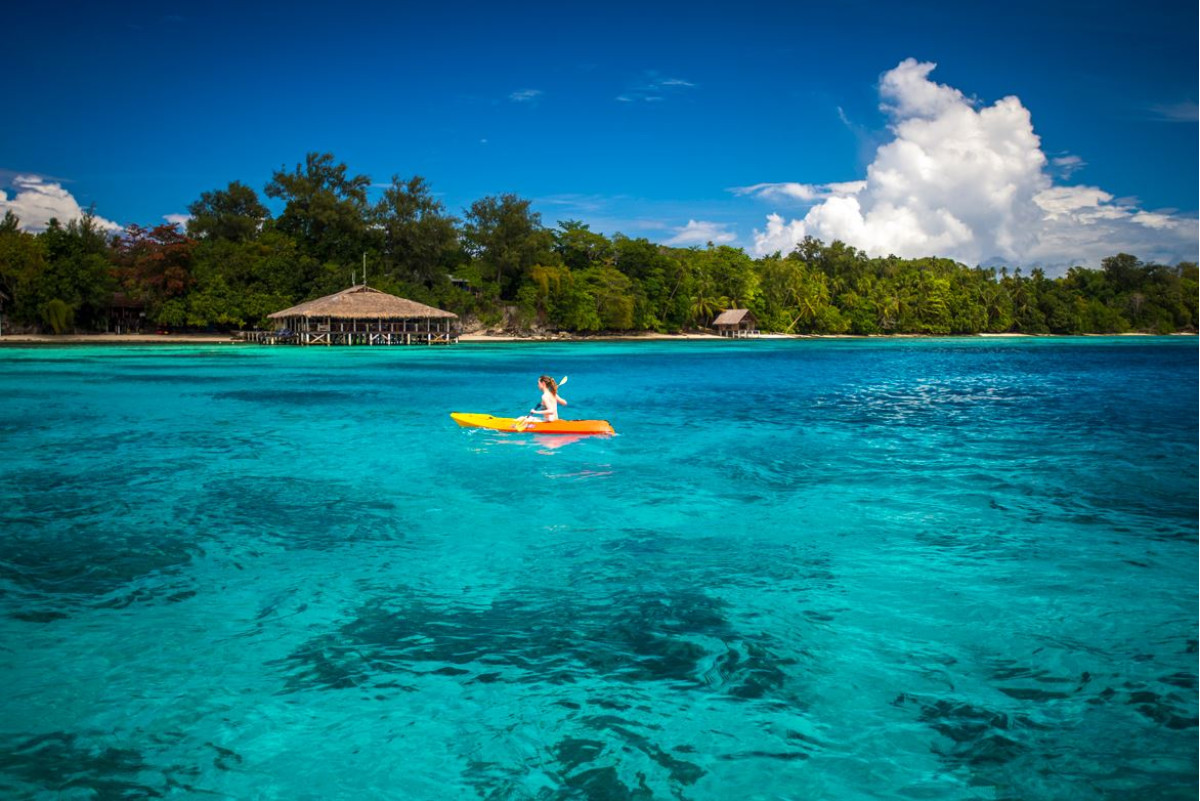
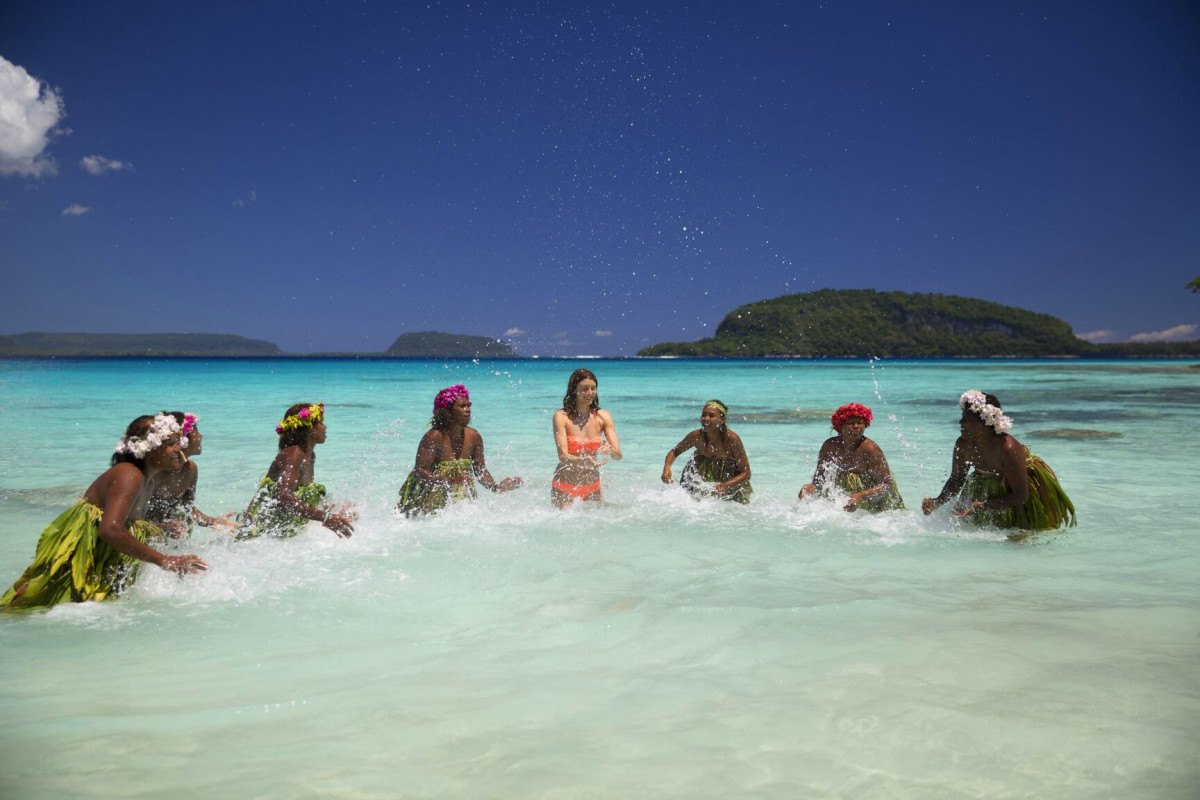
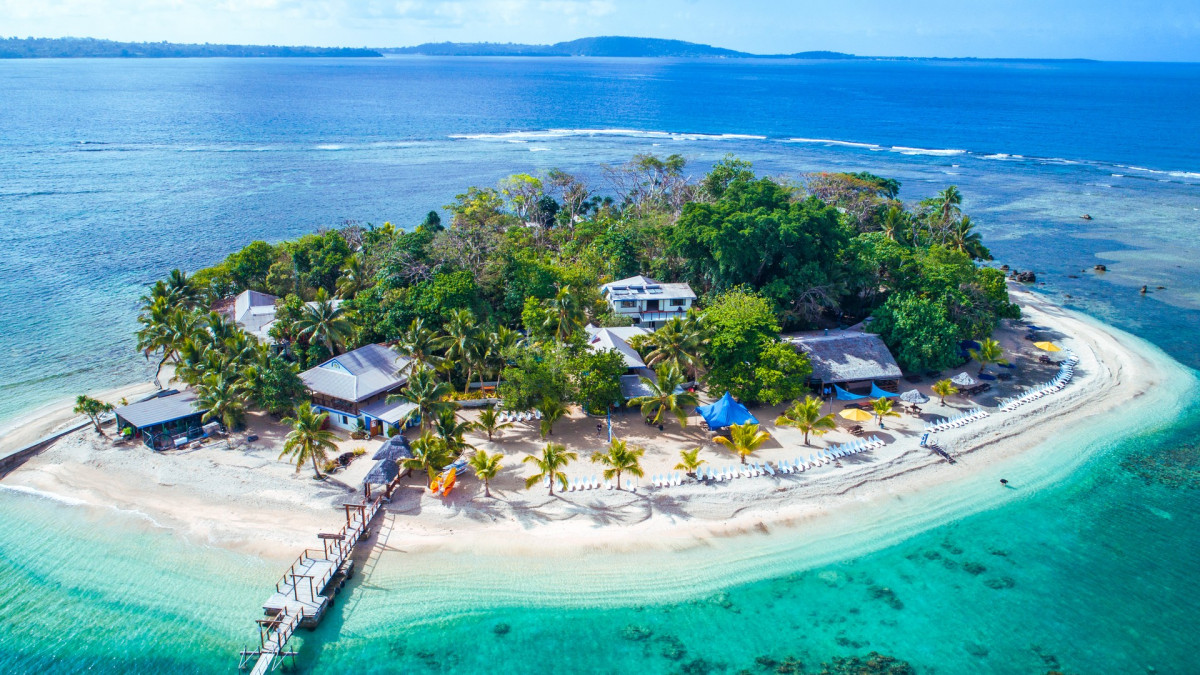
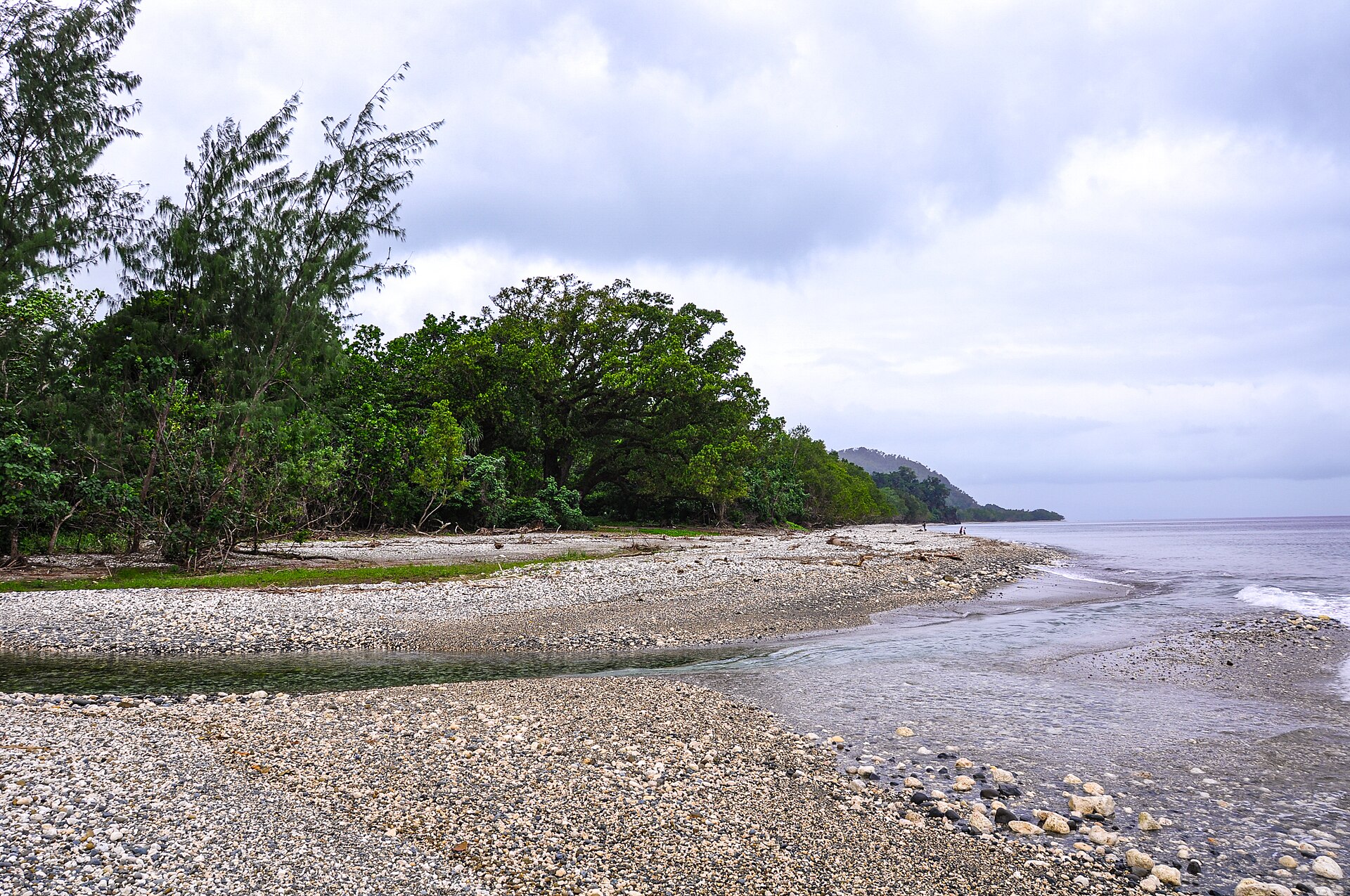
After the hike, we will cross to the neighbouring island of Pele. Lunch will be prepared for us on the shore, and we will spend the rest of the day by the water — swimming and exploring the coral reef with masks and snorkels. Afterwards, we will return to Port Vila, where a transfer to the international airport will be waiting for us.