10 days / 9 nights
6 lunches, 2 dinners (Mardin and Urfa)
A program designed for experienced travelers. We will cross the border between Turkey and Iraq, enter the real East, explore mountainous Iraq, visit biblical sites, and touch the mysteries of human civilization.
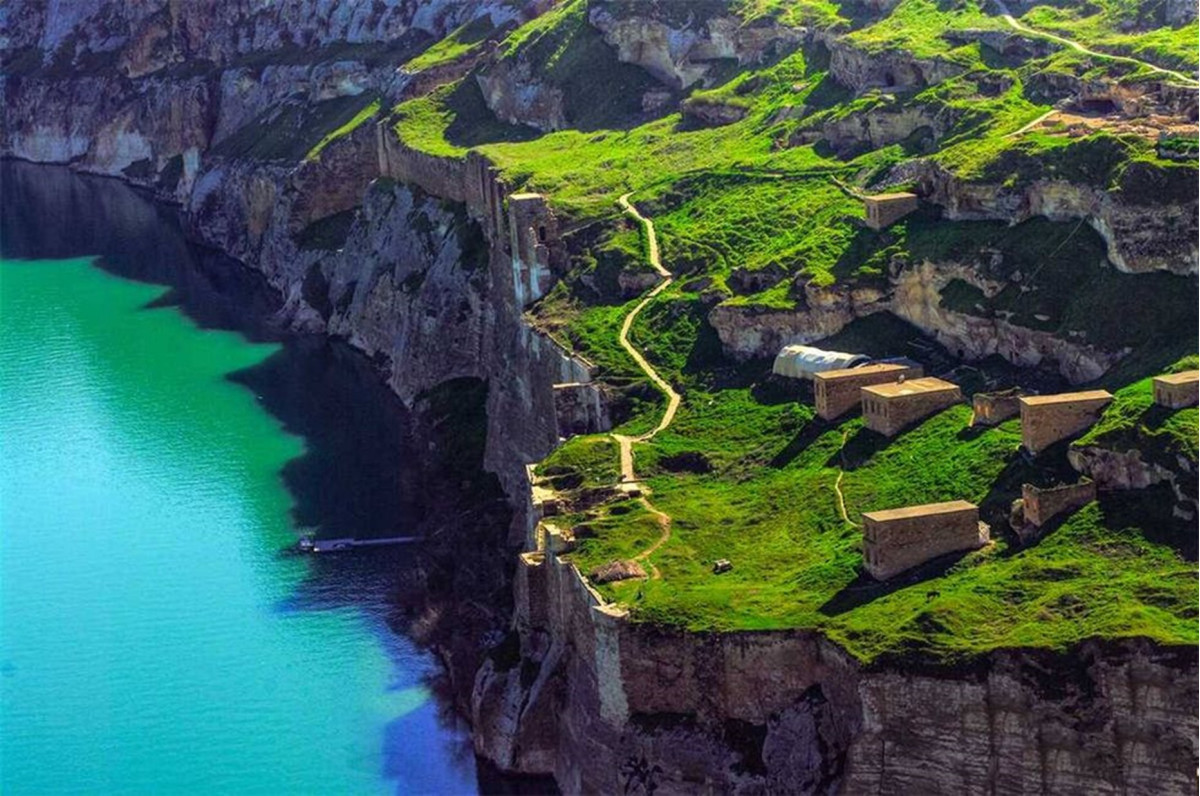
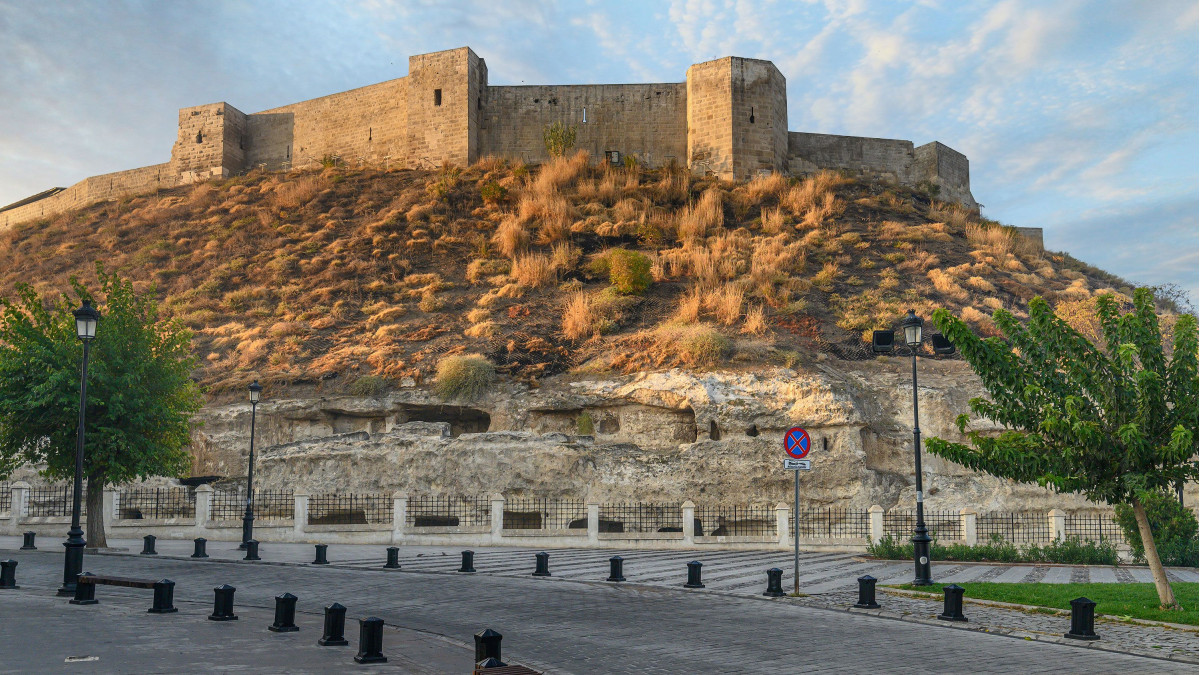
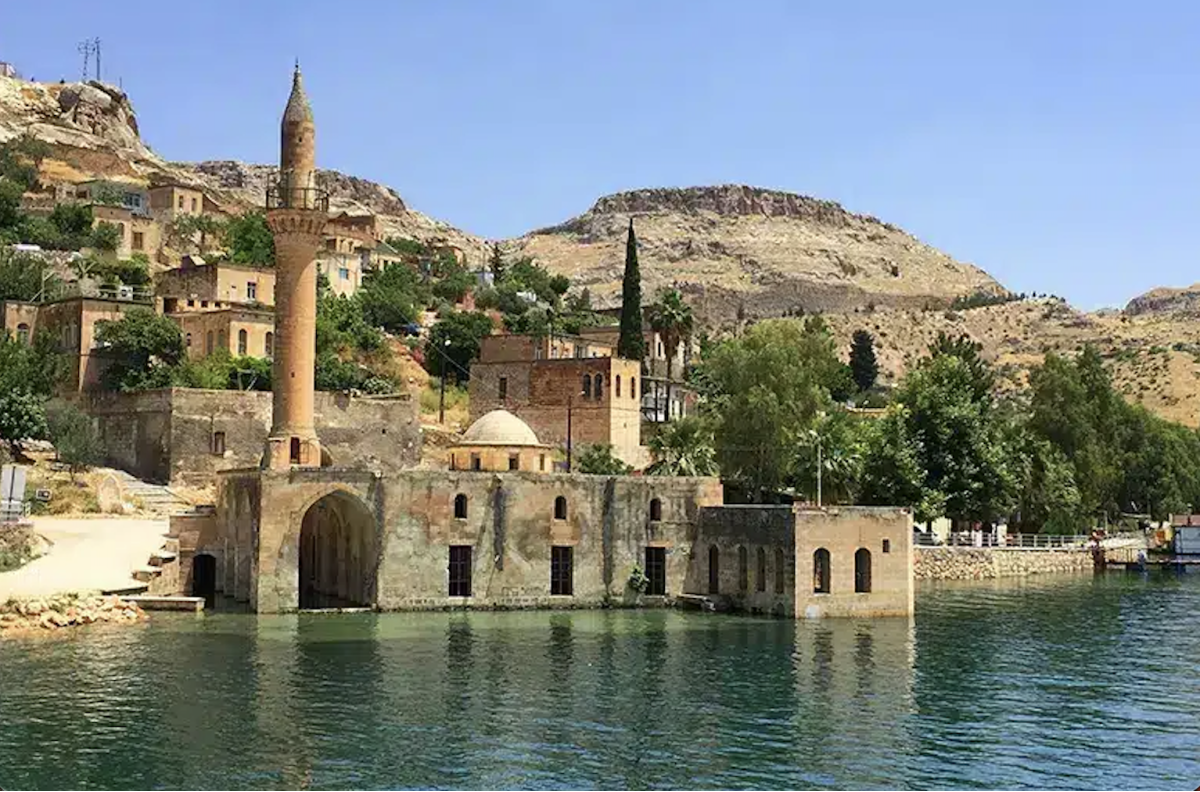
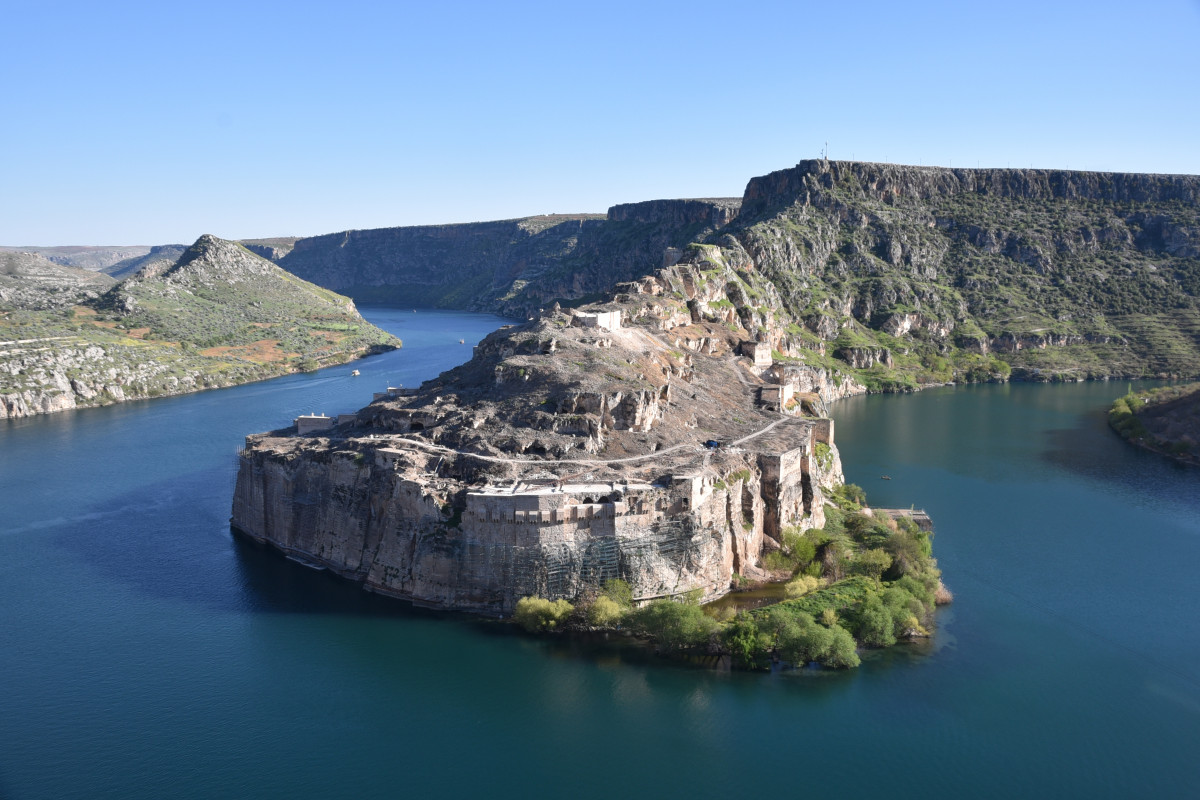
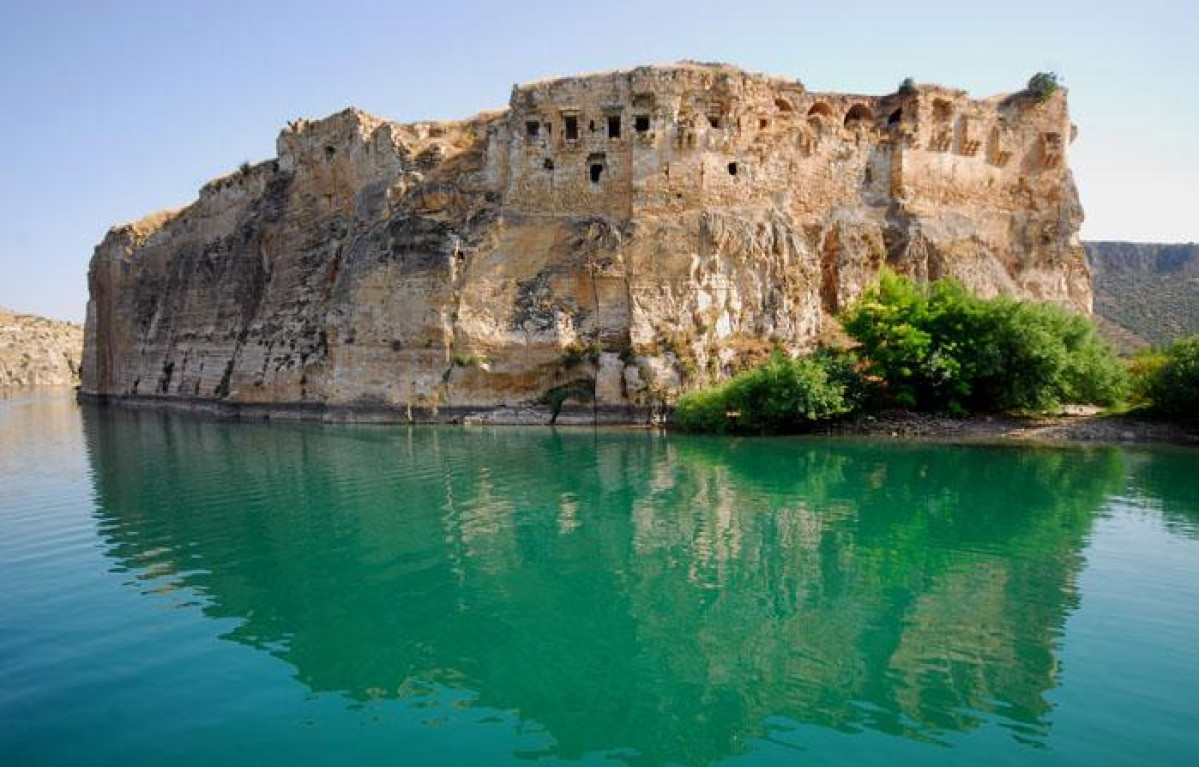
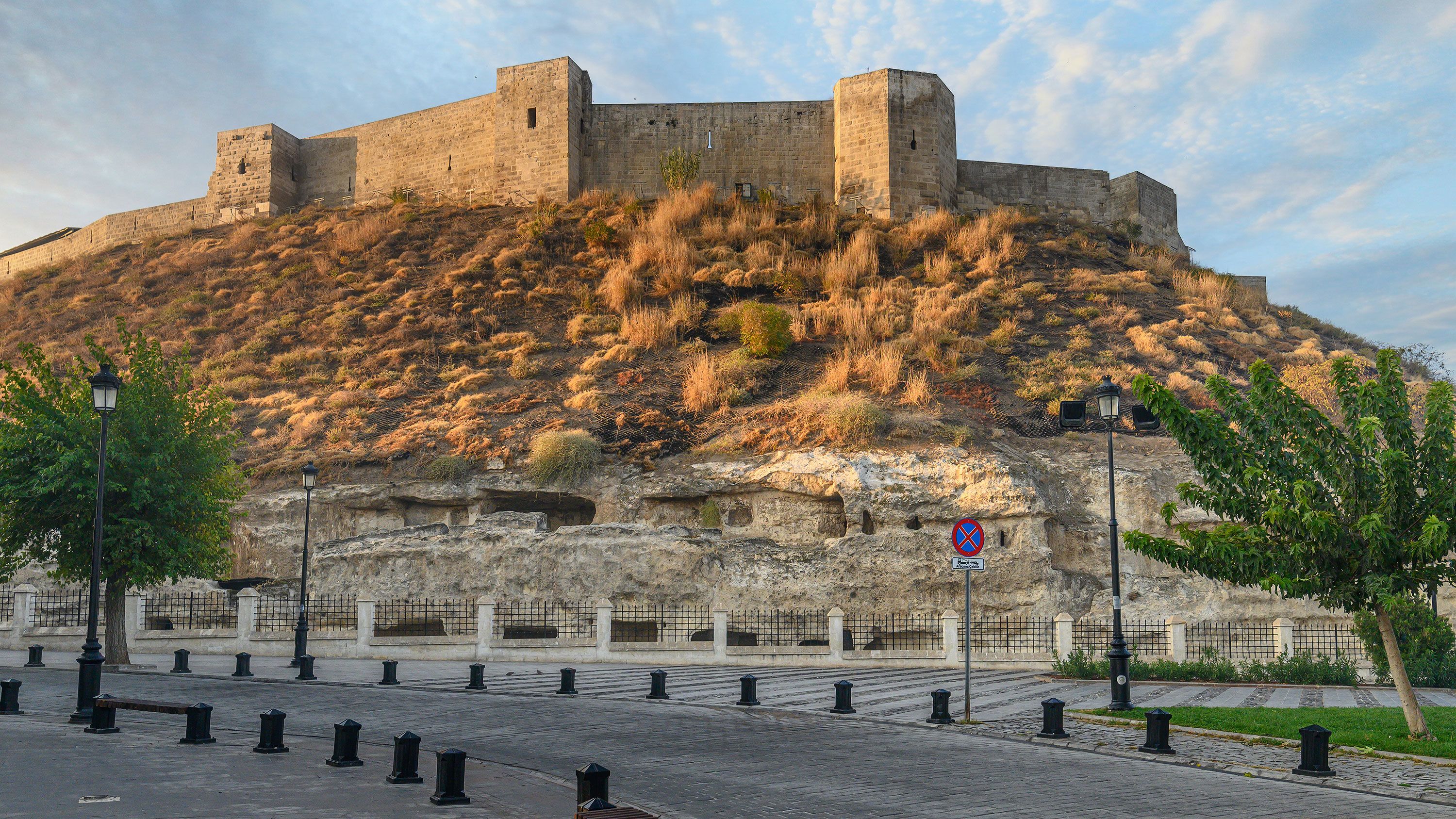
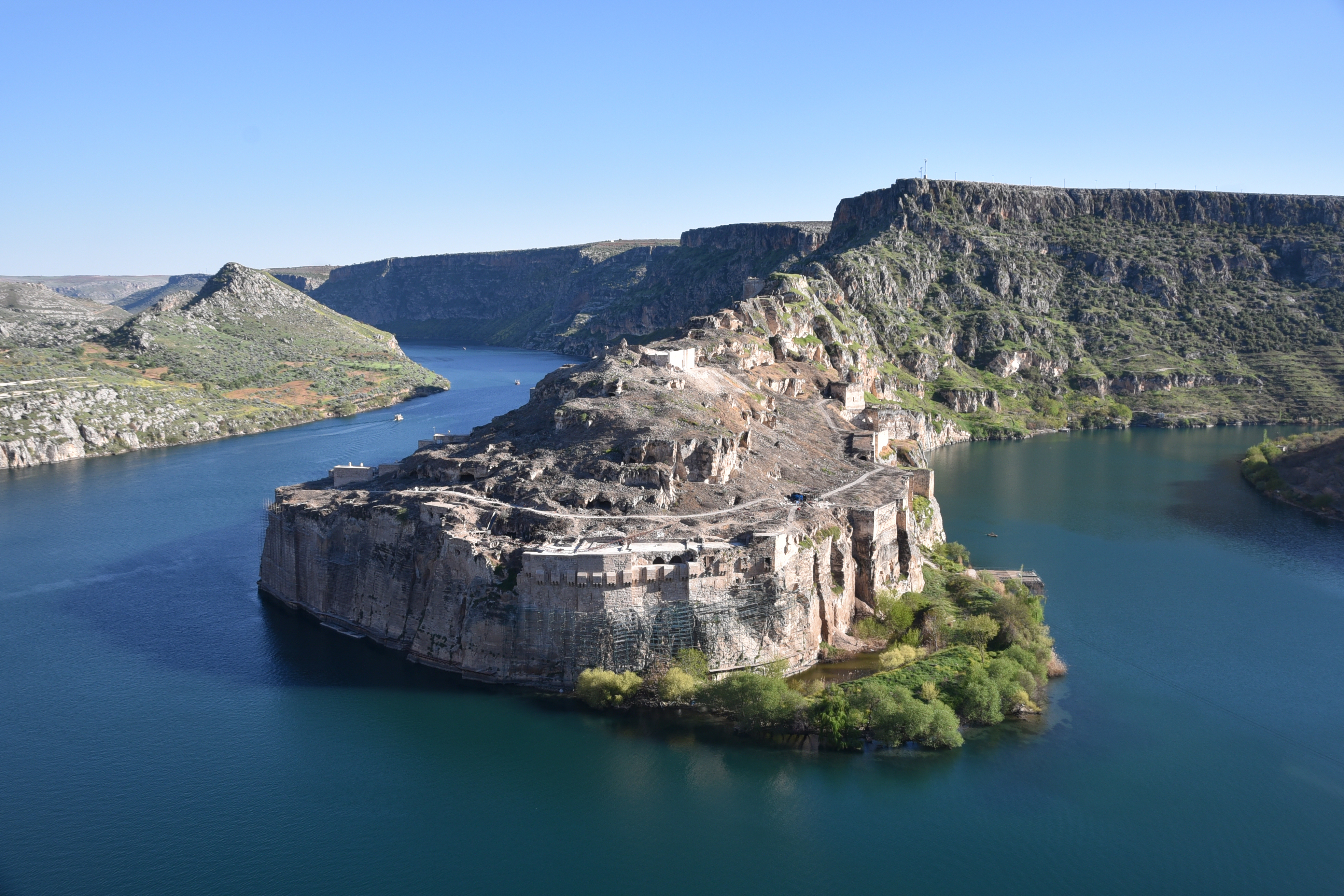
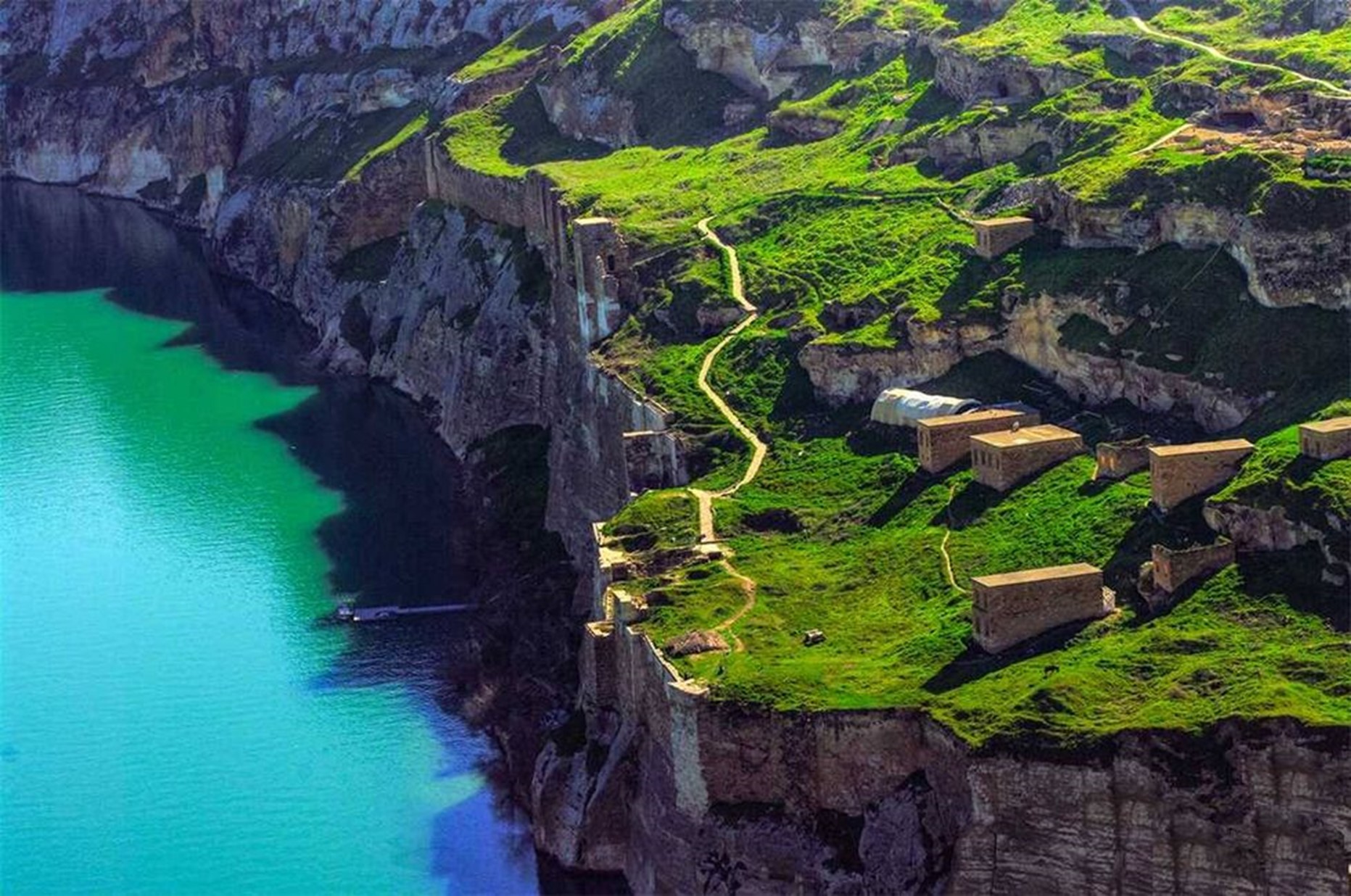
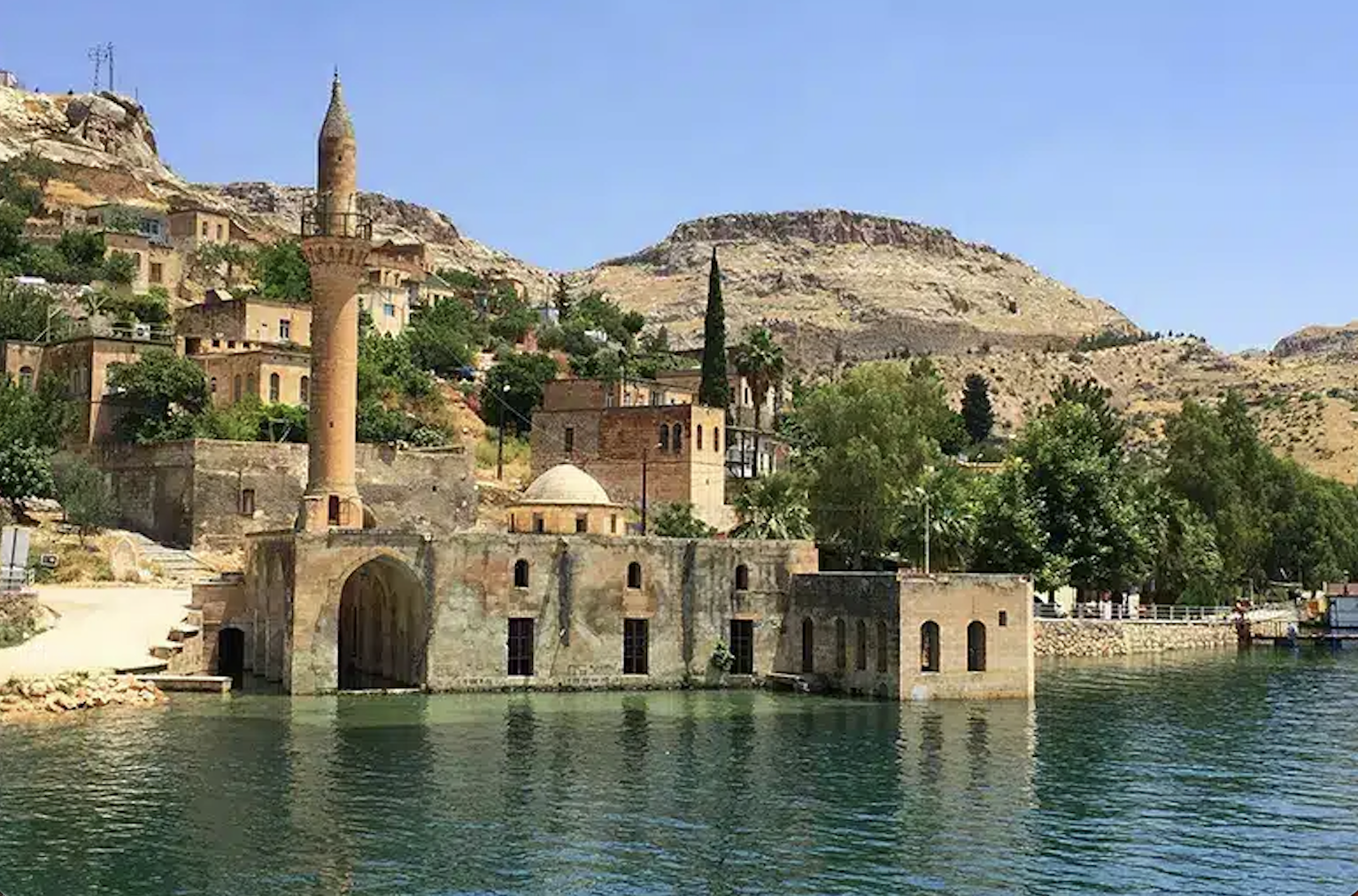
Arrival in Gaziantep. City sightseeing tour. Transfer to the valley of the biblical Euphrates River. Stop in the town of black roses — Halfeti. River cruise with views of the ancient Rumkale Fortress and the historic quarter of the city submerged during the construction of the reservoir. Overnight in Halfeti.

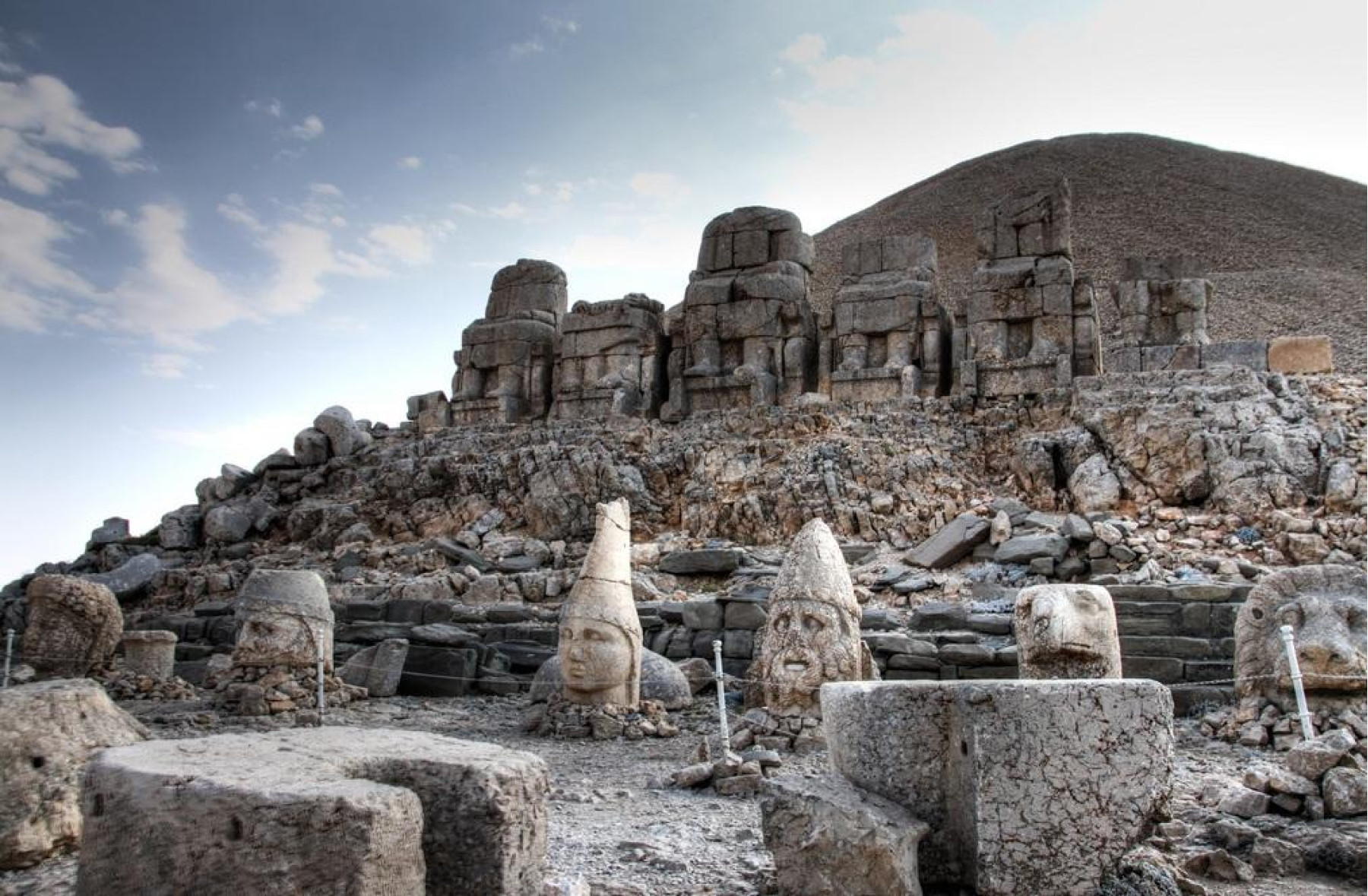
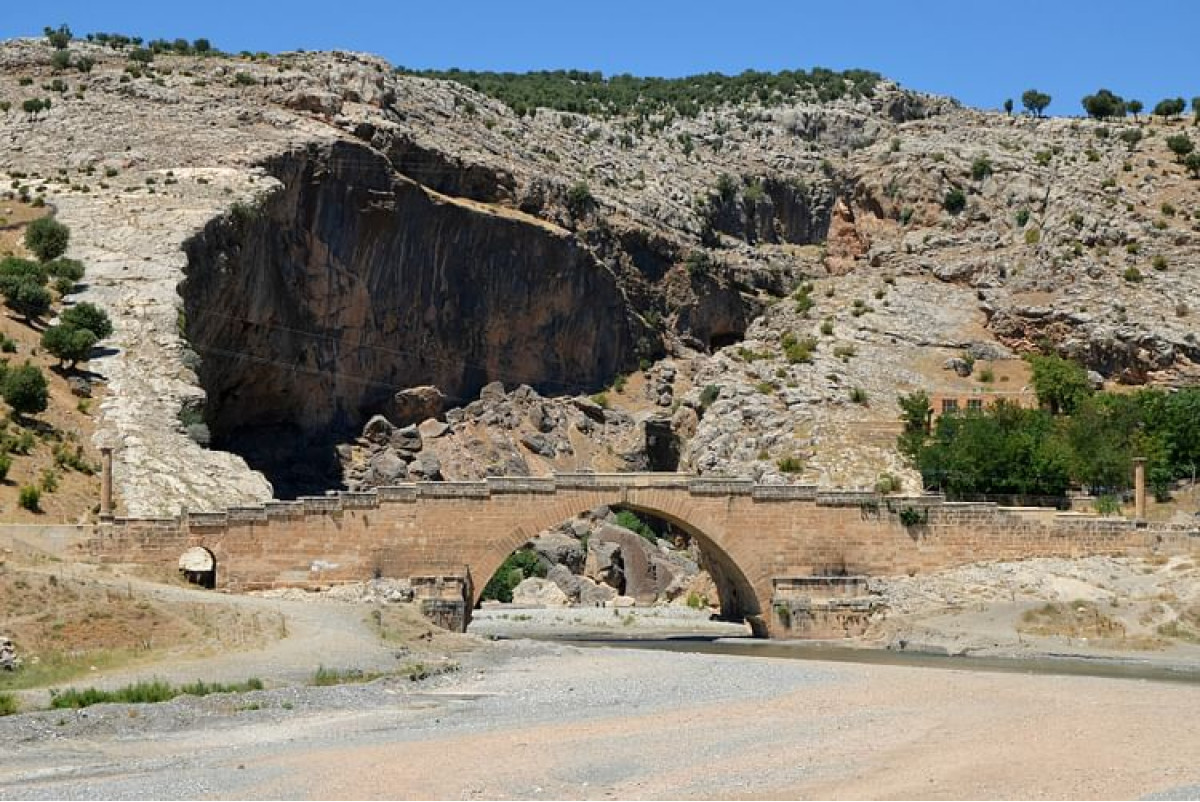
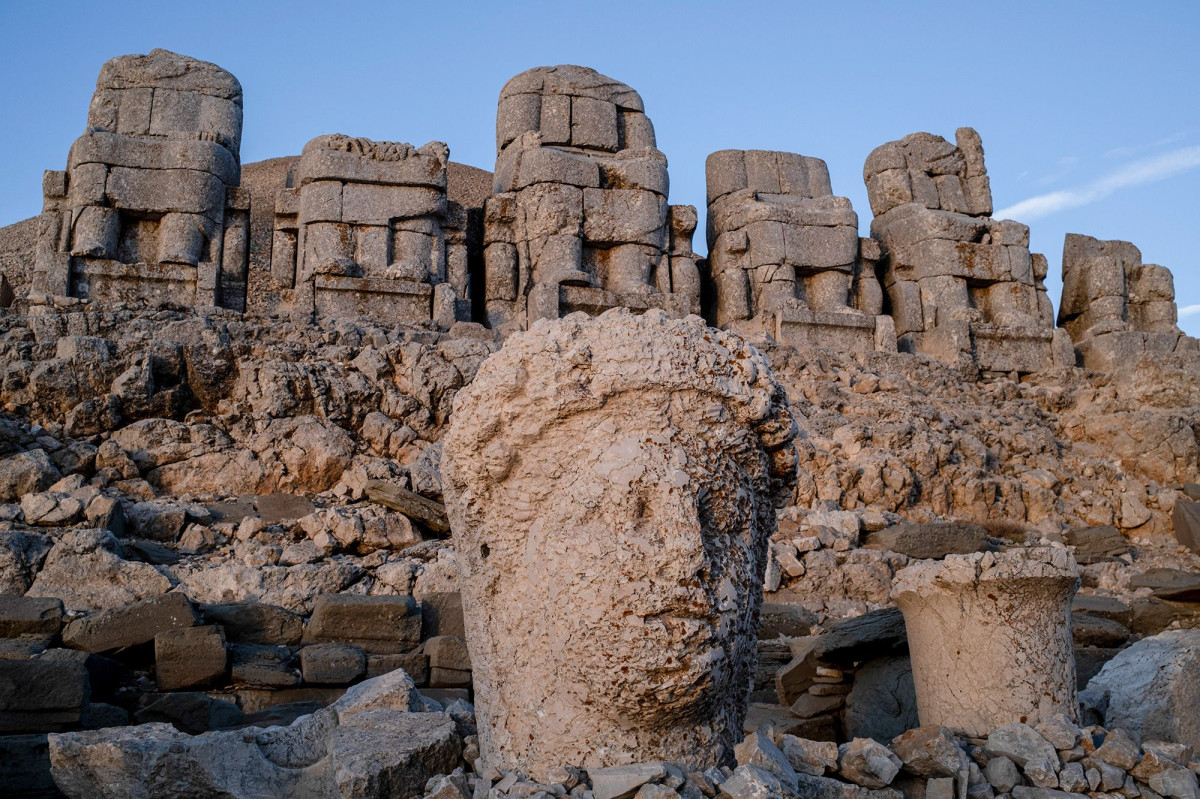
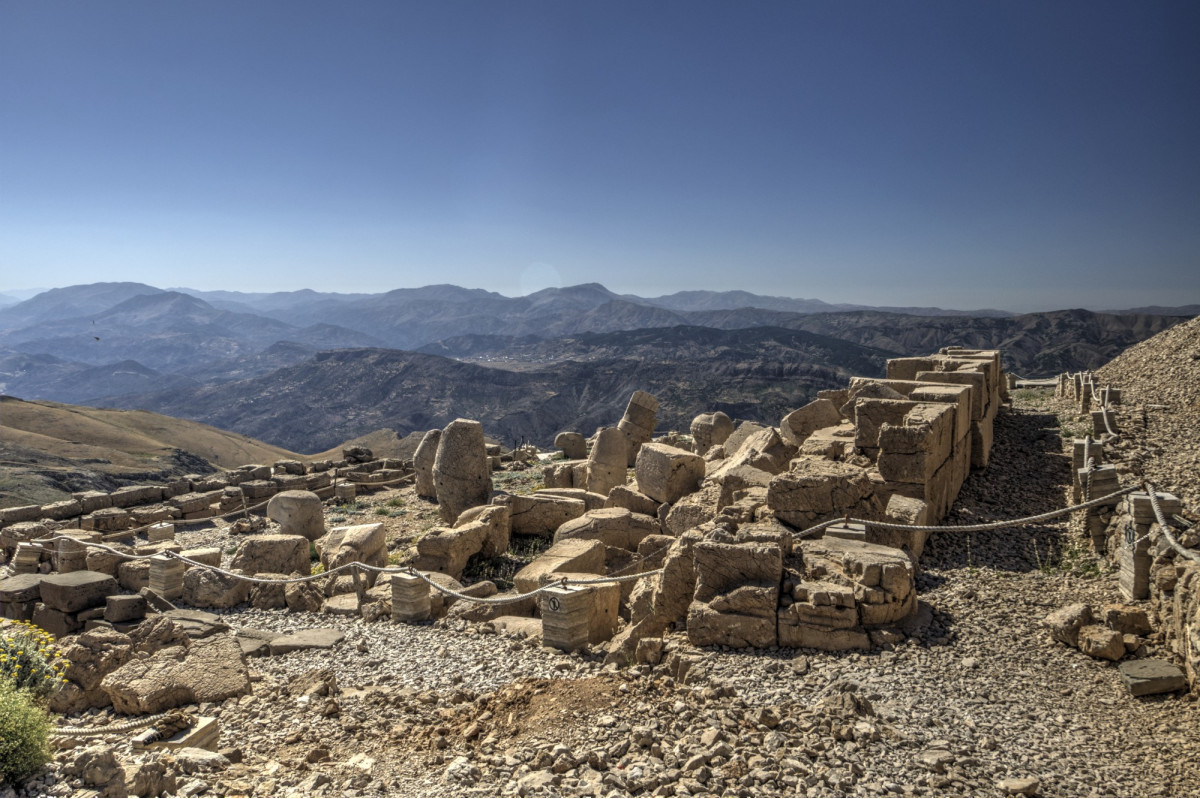
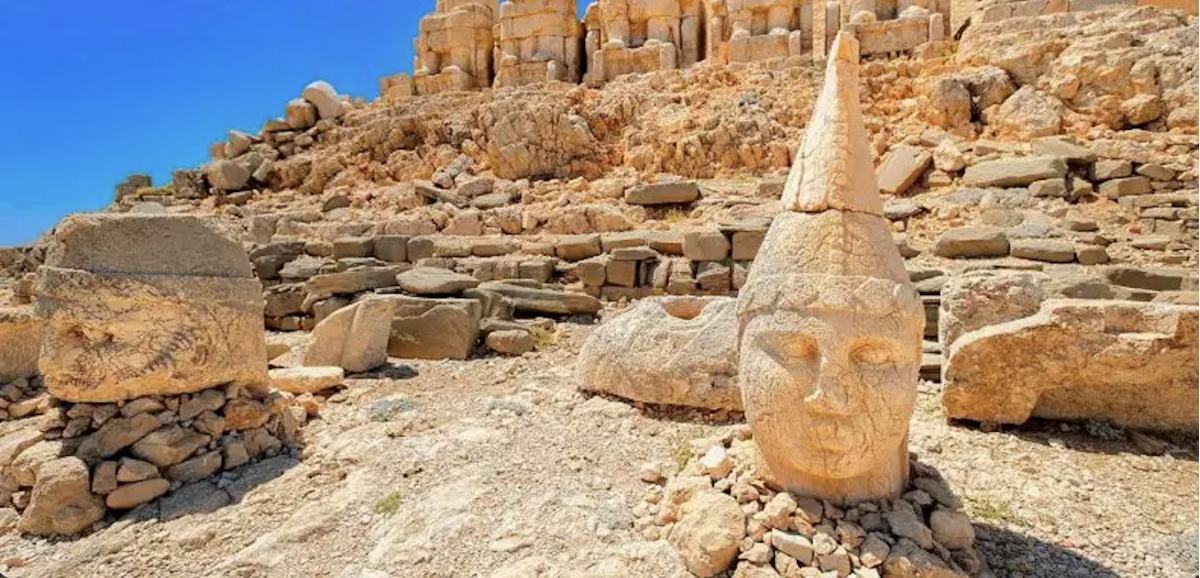
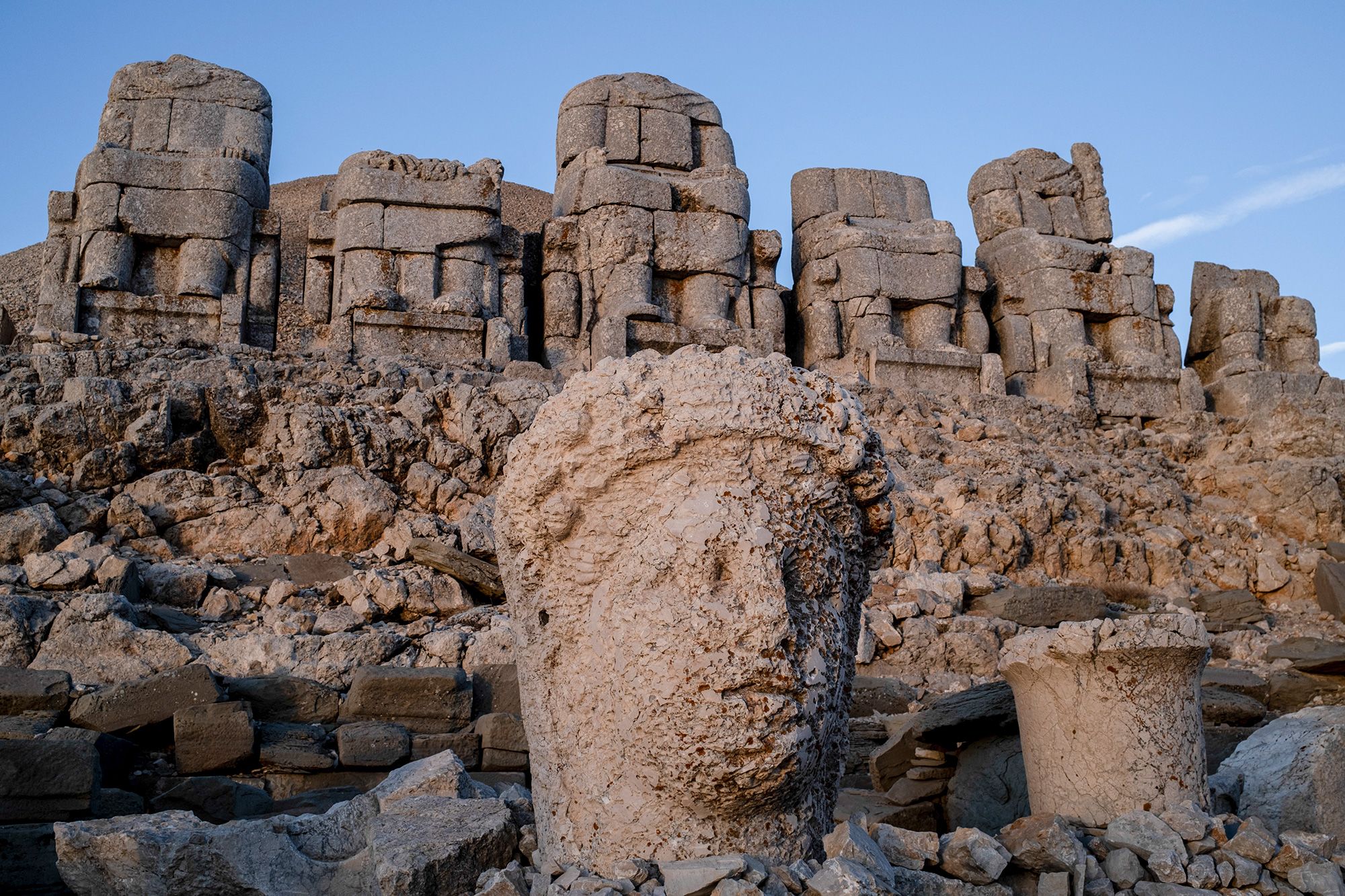
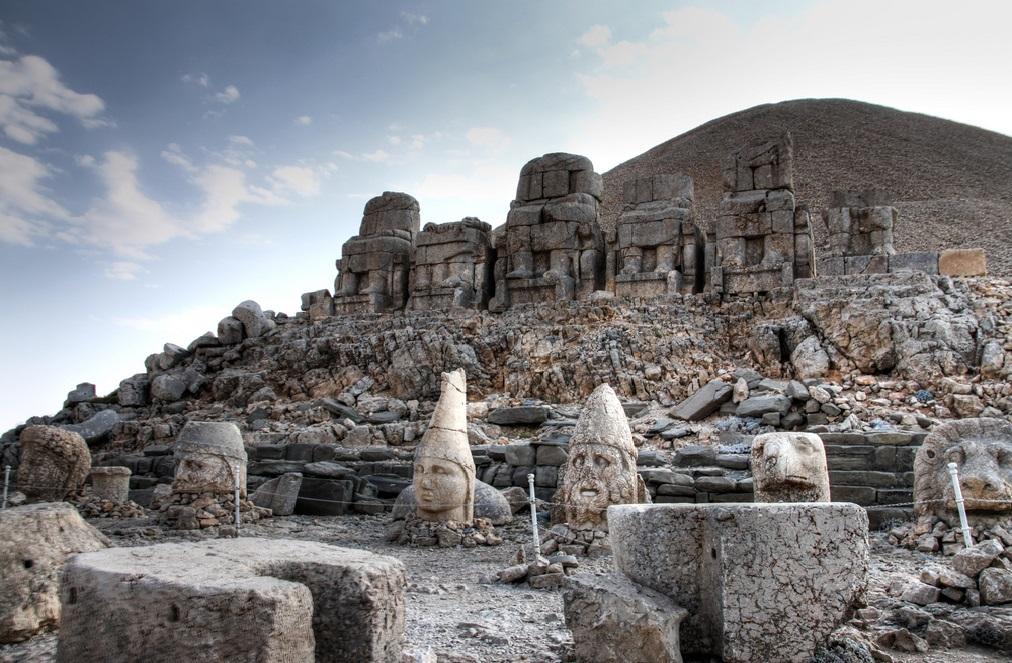
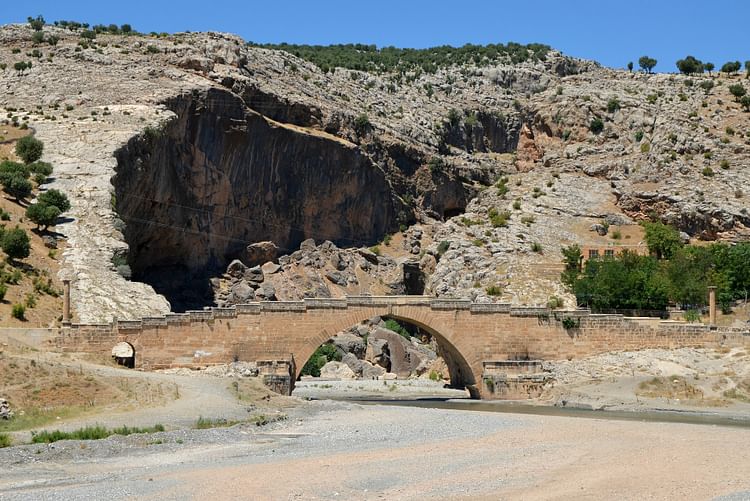
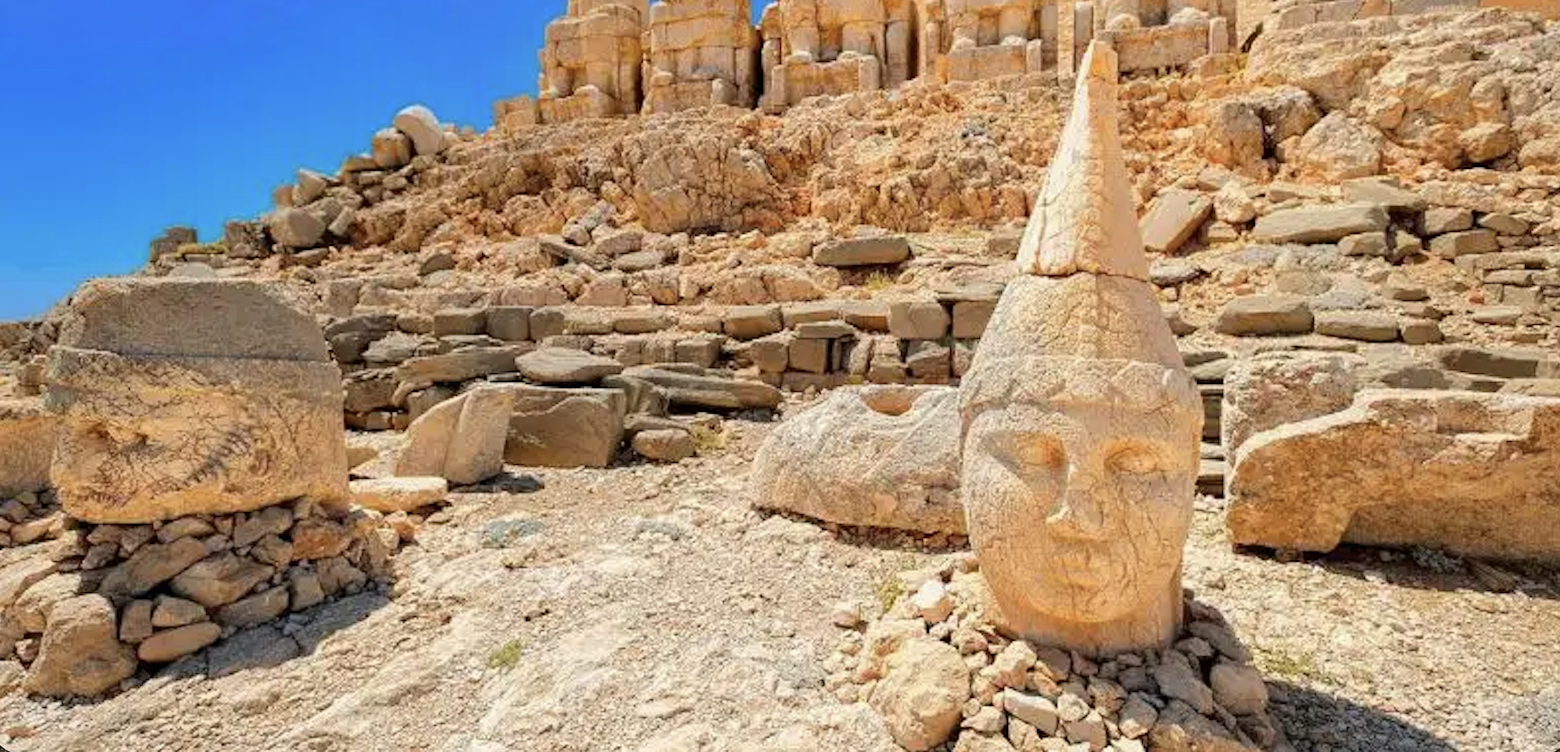
Visit to the ancient Roman Cendere Bridge. Mount Nemrut — the main landmark of eastern Turkey and, for many travelers, the sole reason to journey so far east. The site is protected by UNESCO and lies high in the mountains of Eastern Anatolia. Visit to Nemrut Dağ National Park and the sacred tumulus containing the tomb of King Antiochus. A remarkable combination of dramatic mountain landscapes and prehistoric monuments. Arrival in Şanlıurfa. Evening walk through the historic center. Overnight in Urfa.

Şanlıurfa claims to be the oldest city on the planet. It is indeed an ancient city, known as the biblical city of Ur, where the Prophet Abraham was born and began his teachings. Walking tour of the historic center. Visit to the impressive Archaeological Museum and Mosaic Museum. The Şanlıurfa bazaar is considered one of the most authentic in Turkey, unlike the highly touristic markets of Istanbul.
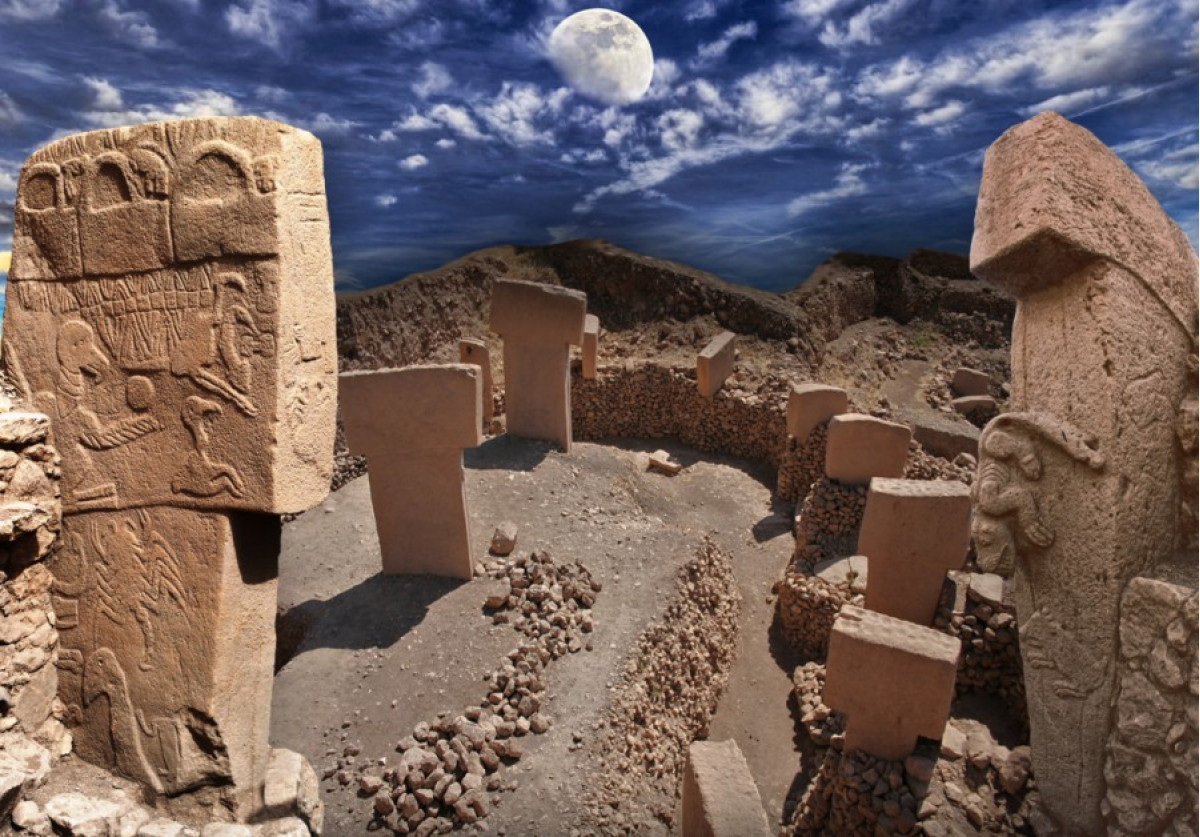
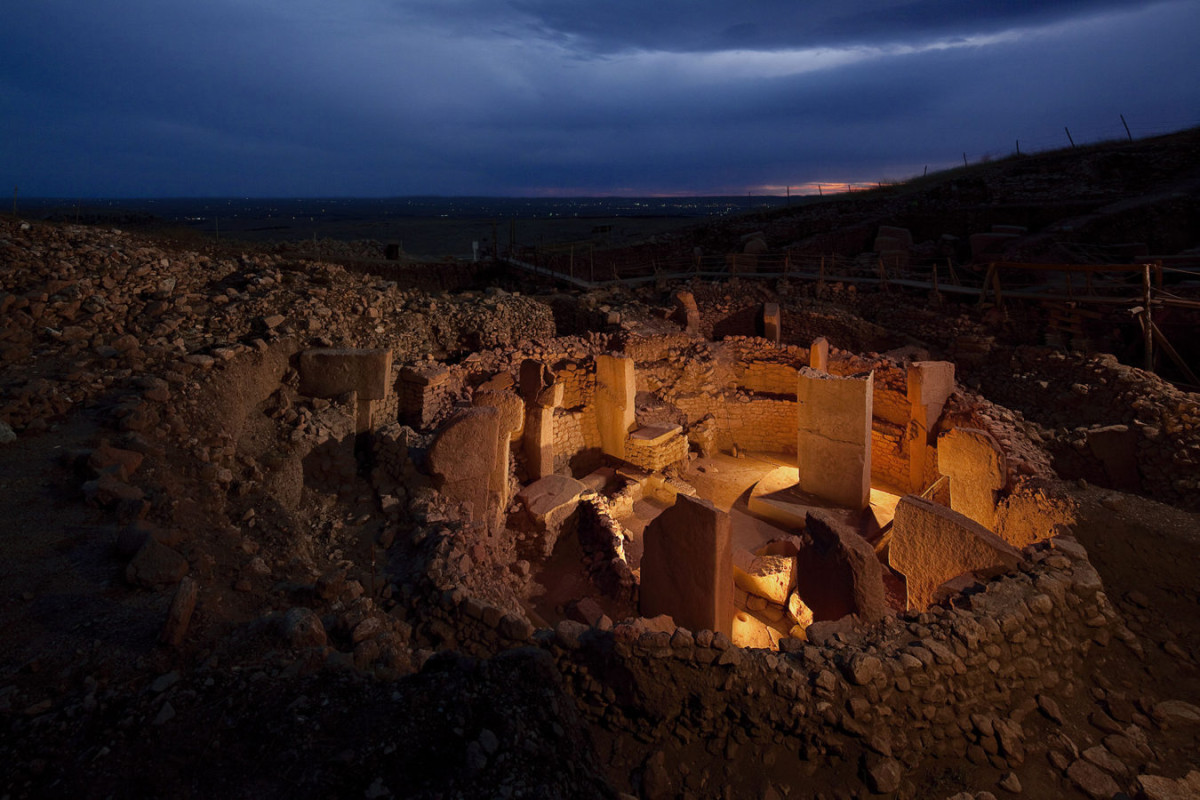
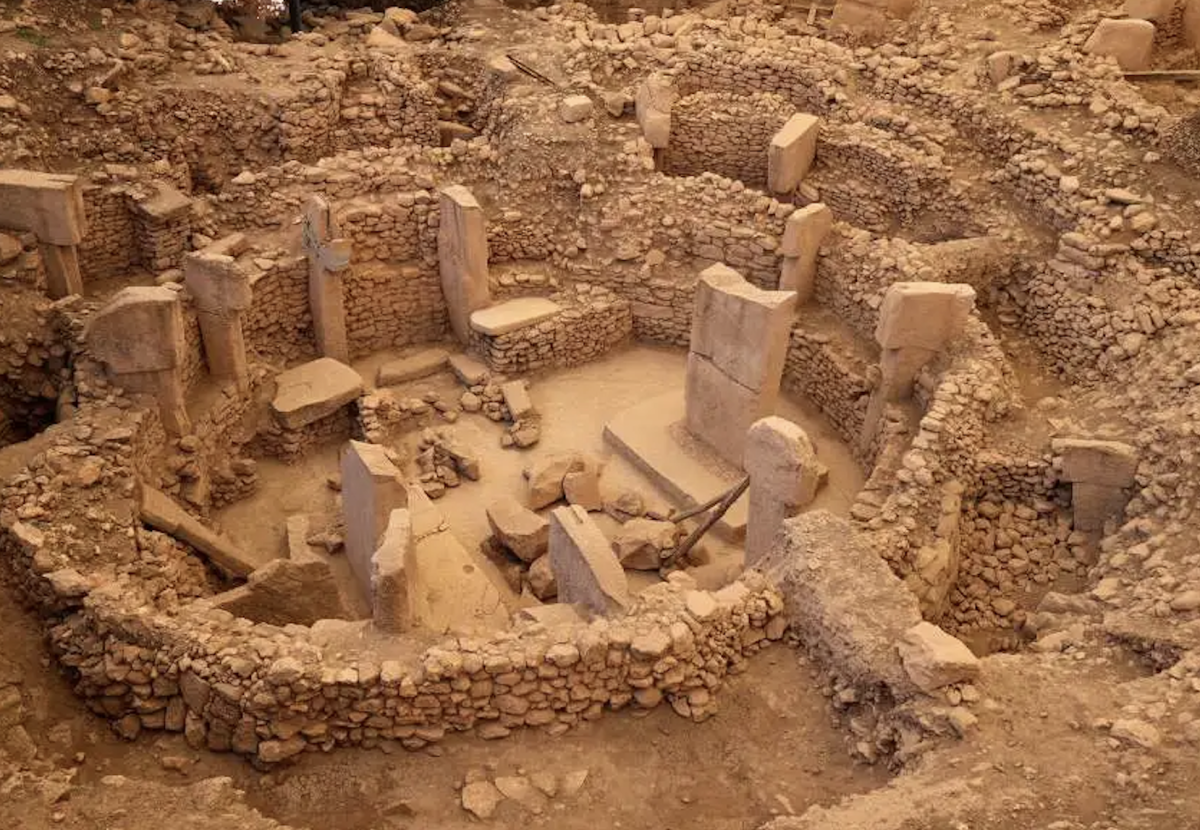
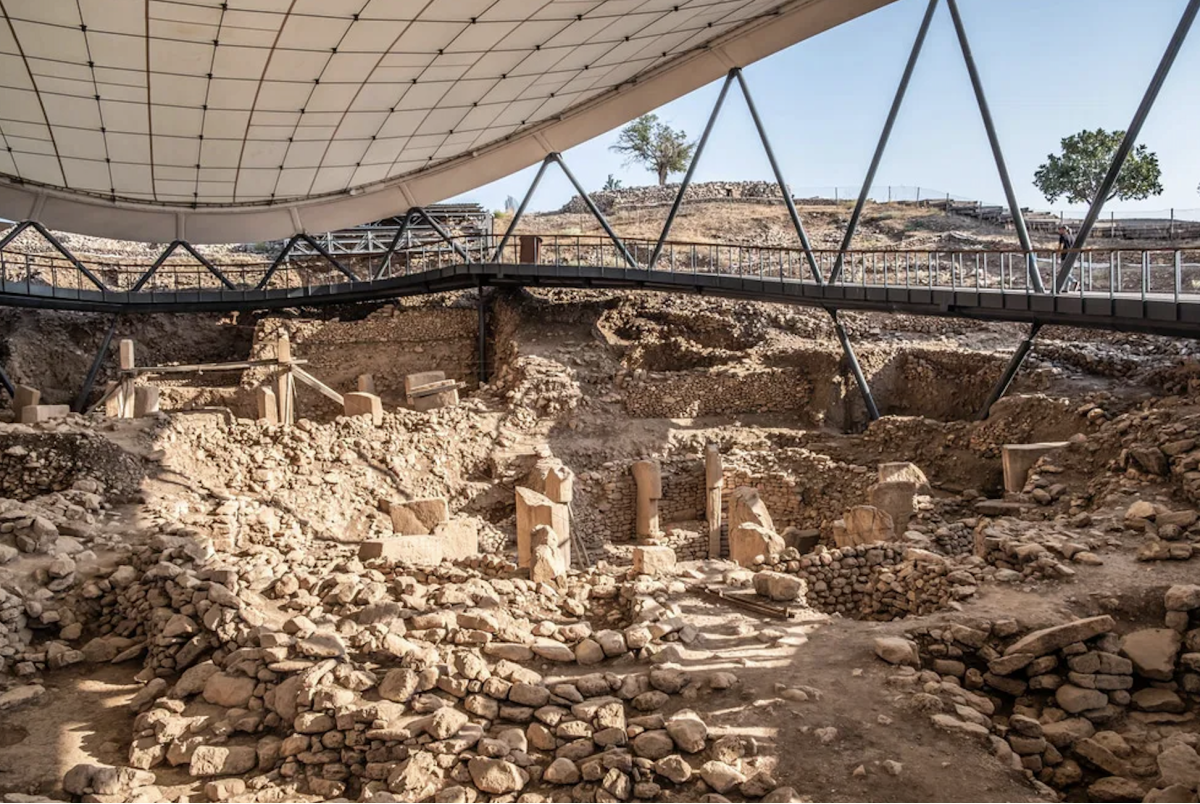
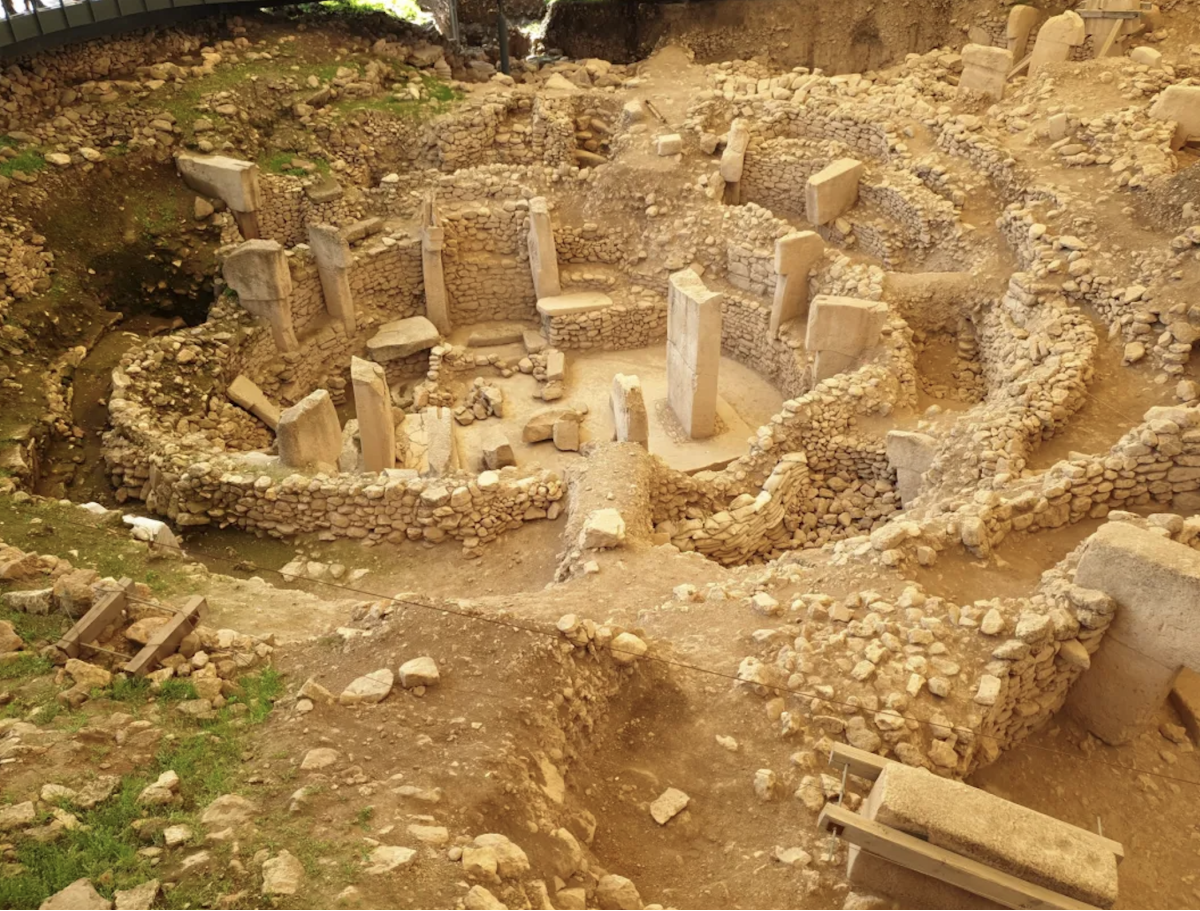
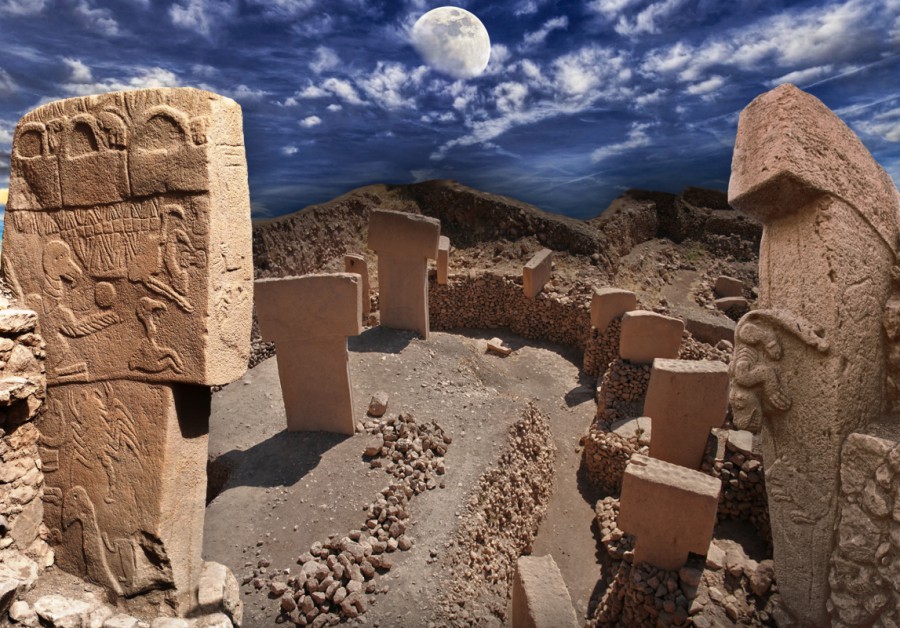
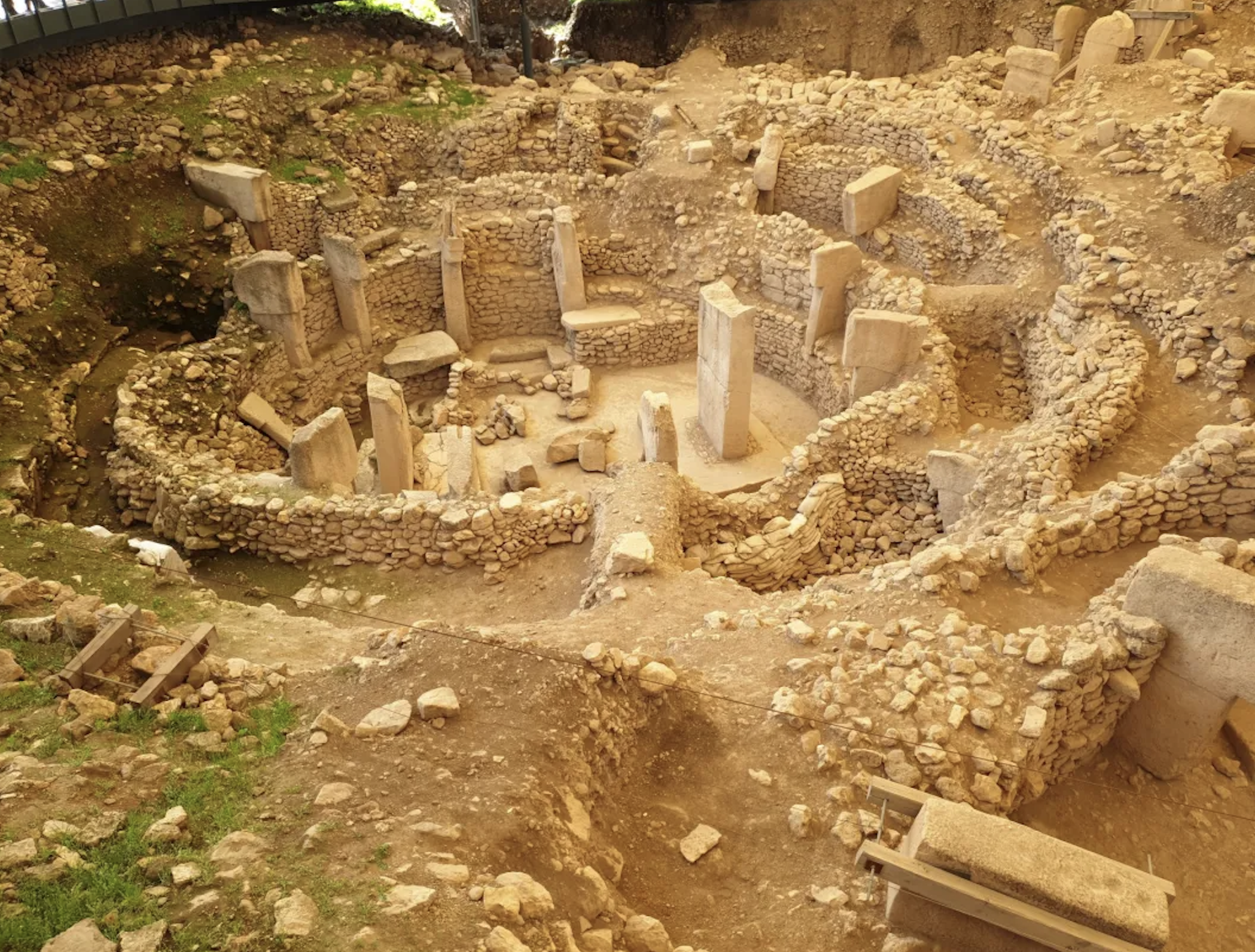
Next, we visit one of the most extraordinary places in the world — Göbekli Tepe, an open-air museum opened only a few years ago. More than 6,500 years before the construction of the Great Pyramid and 6,000 years before Stonehenge, the tribes of the Urfa plain built a temple with dozens of carved stone pillars, which at the time was the largest structure in the world. Today, the archaeological discoveries at Göbekli Tepe are considered the oldest temple complex on Earth and force a complete rethinking of the history of human civilization.
Transfer to Mardin. Overnight.



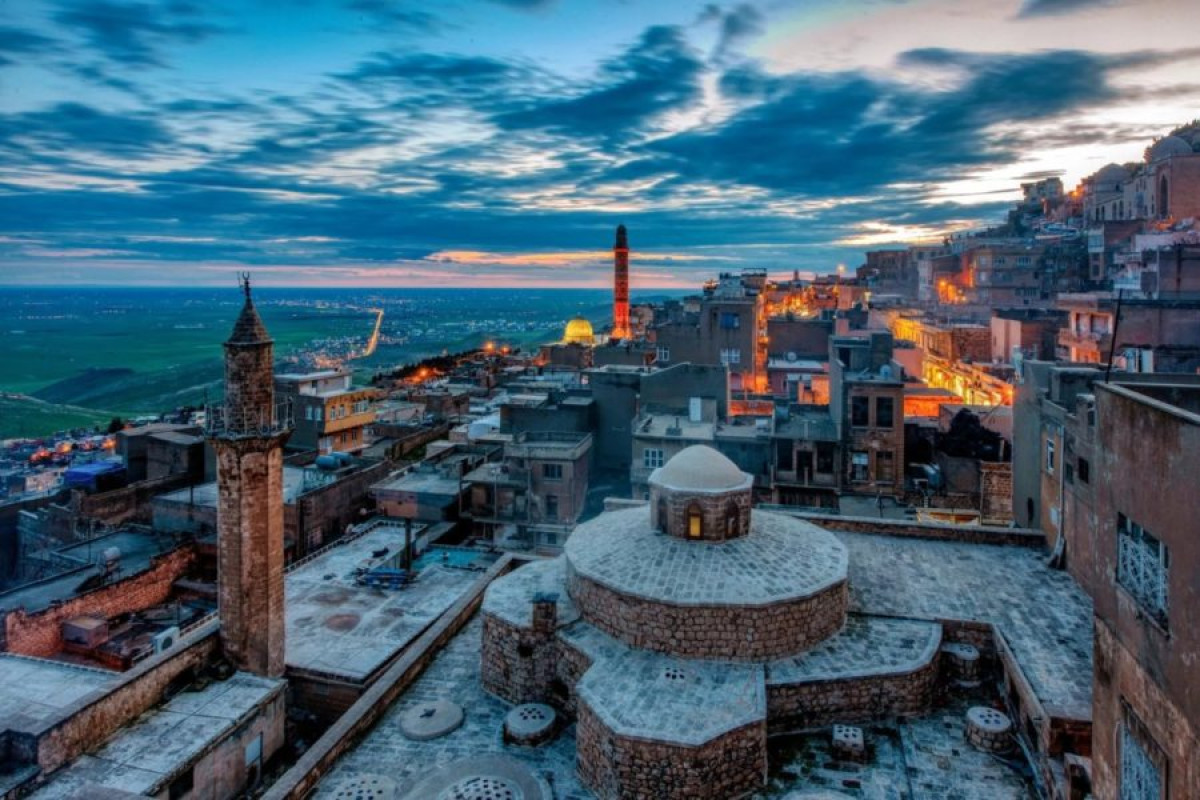
Mardin is arguably the most fascinating city in Turkey. One of the oldest cities in the world, it clings to a steep mountainside with narrow ancient streets and tiny alleys. An ancient citadel crowns the hill, while dozens of equally old mosques cascade down the stepped streets. The city is a complete labyrinth, and everything here is vertical.
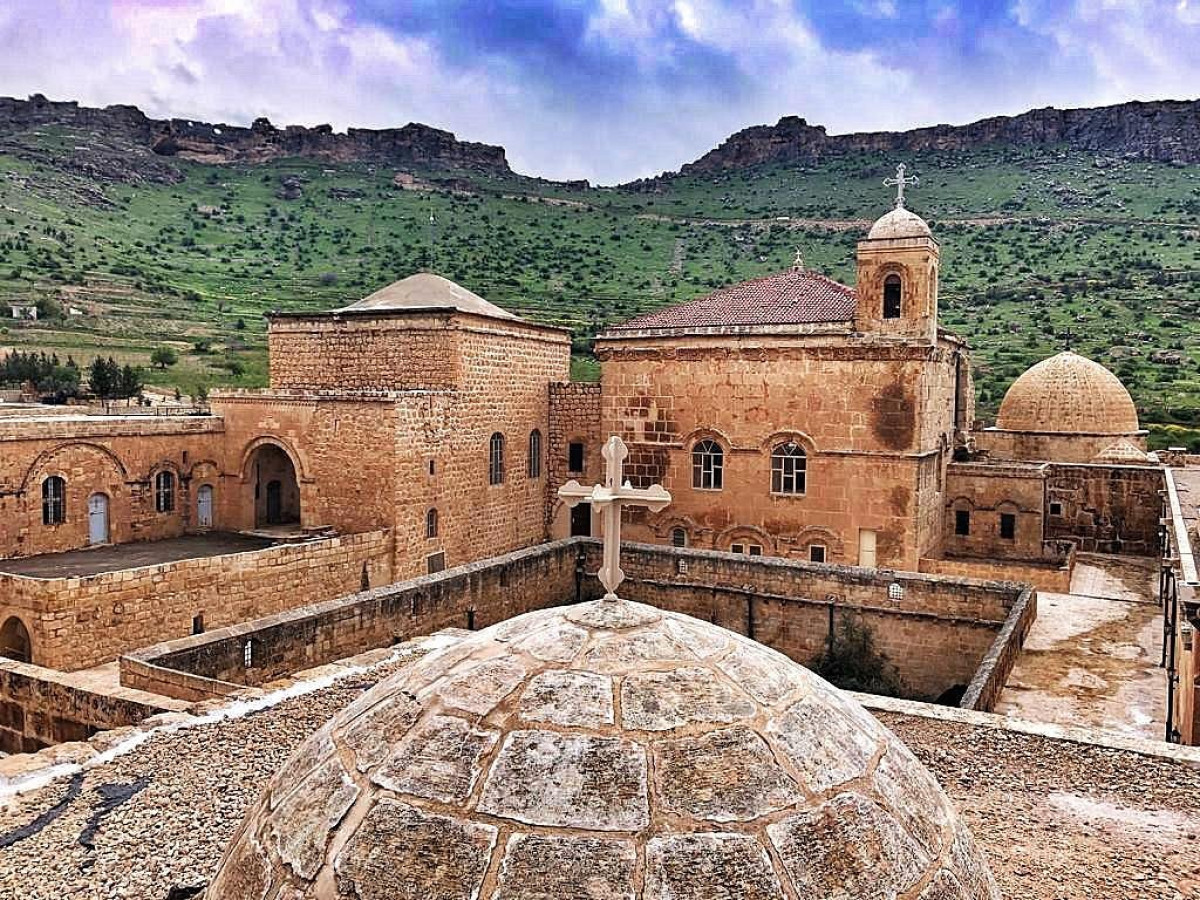
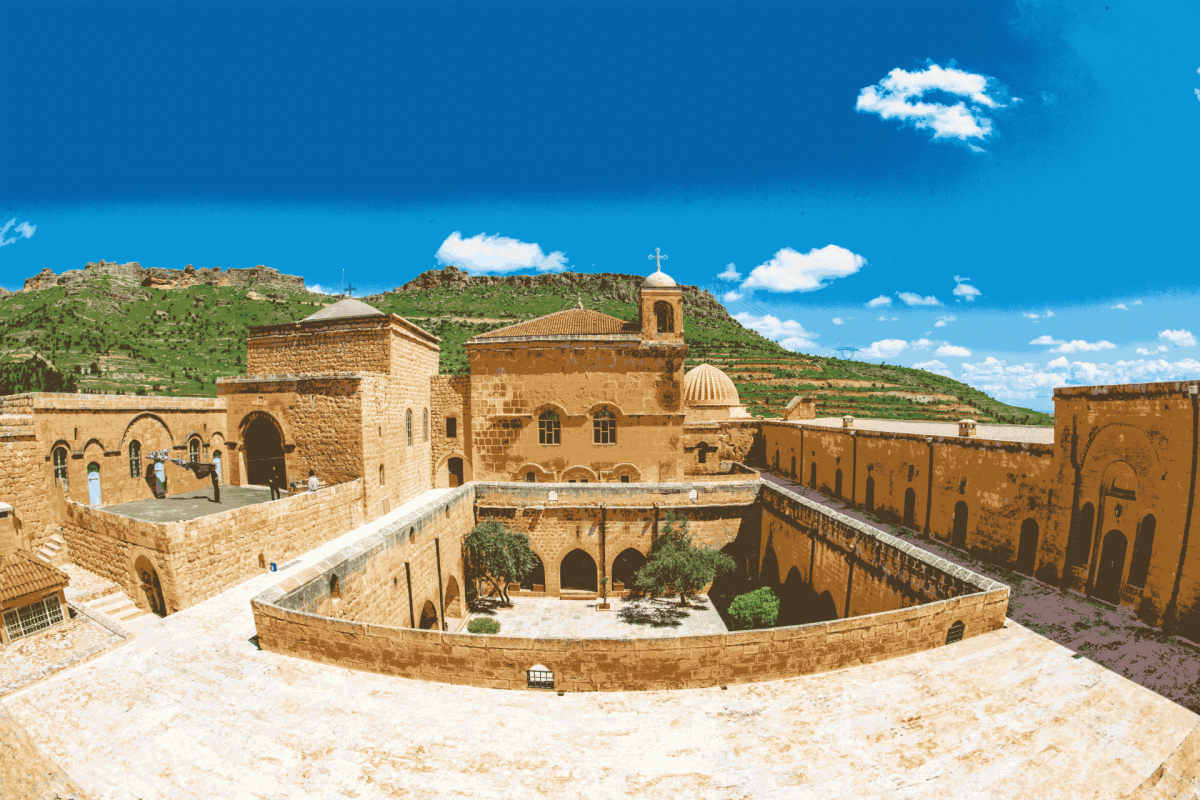
Visit to the impressive Deyrulzafaran Monastery (also known as the Saffron Monastery), located just a few kilometers south of Mardin. This large Syriac Orthodox monastery was founded in 493 AD. The word “saffron” refers to the rich yellow color of the stone used in its construction. The massive complex contains several large churches and chapels, as well as 365 rooms — one for each day of the year.
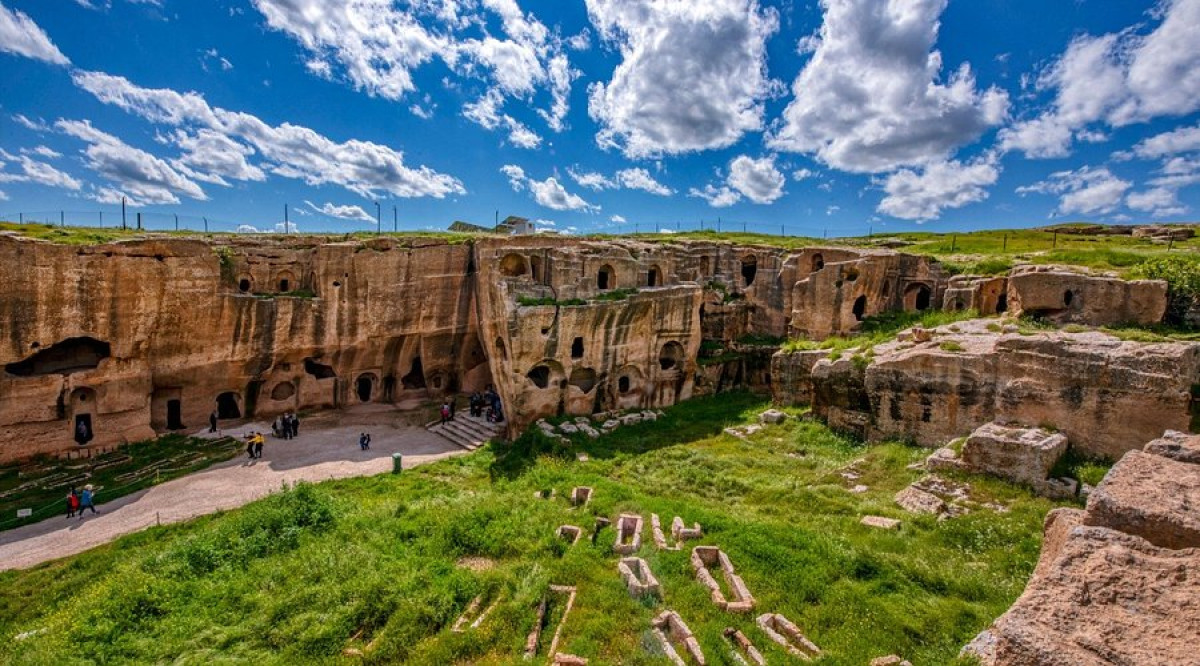
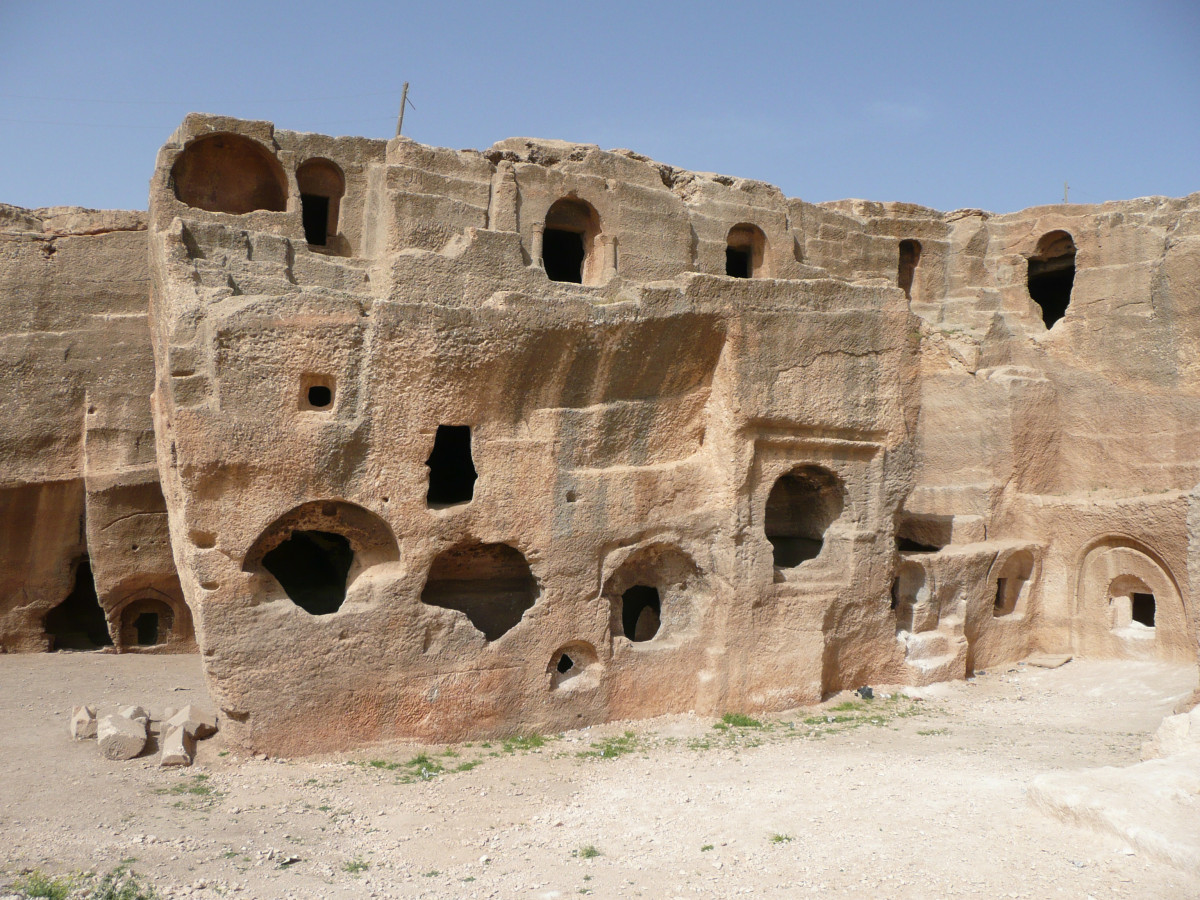
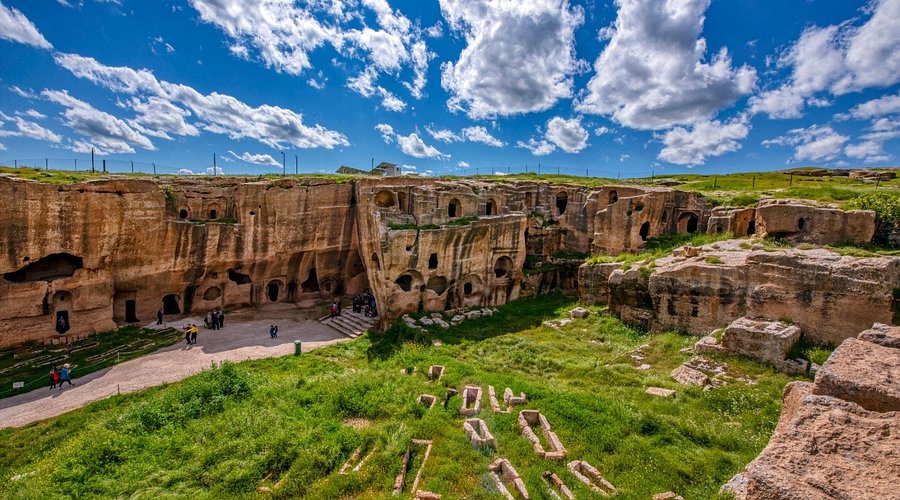
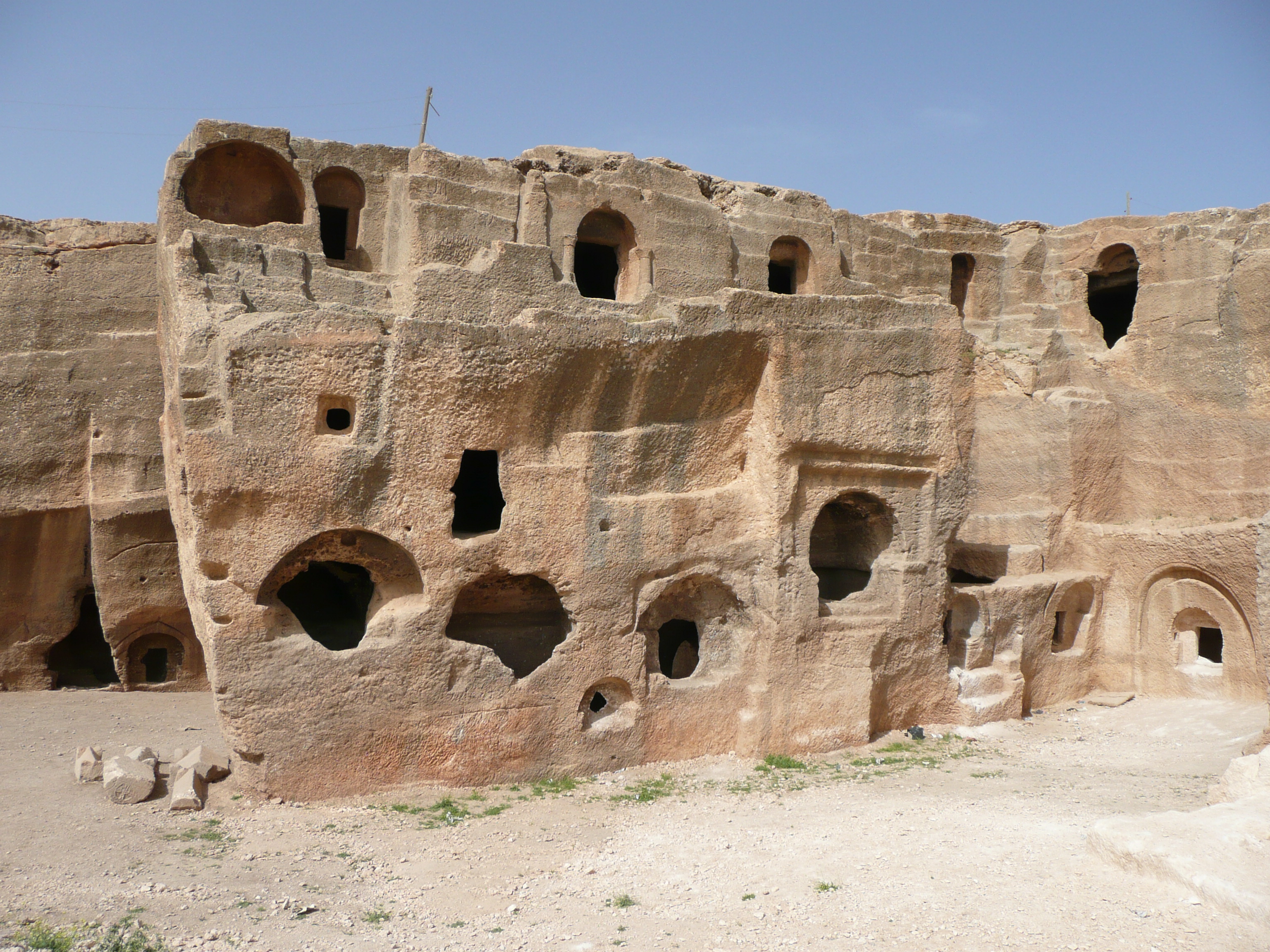
Dara. The ruins of the ancient city of Dara lie far from Turkey’s main tourist routes, just a few kilometers from the Syrian border. Founded in 506 AD as Anastasiopolis, Dara was the easternmost outpost of the Roman Empire, directly on the frontier with Persia. The city hides a remarkable treasure, discovered and opened to the public only in 2018 — vast underground water cisterns carved deep beneath the desert. The experience is truly unforgettable. Return to Mardin. Overnight.



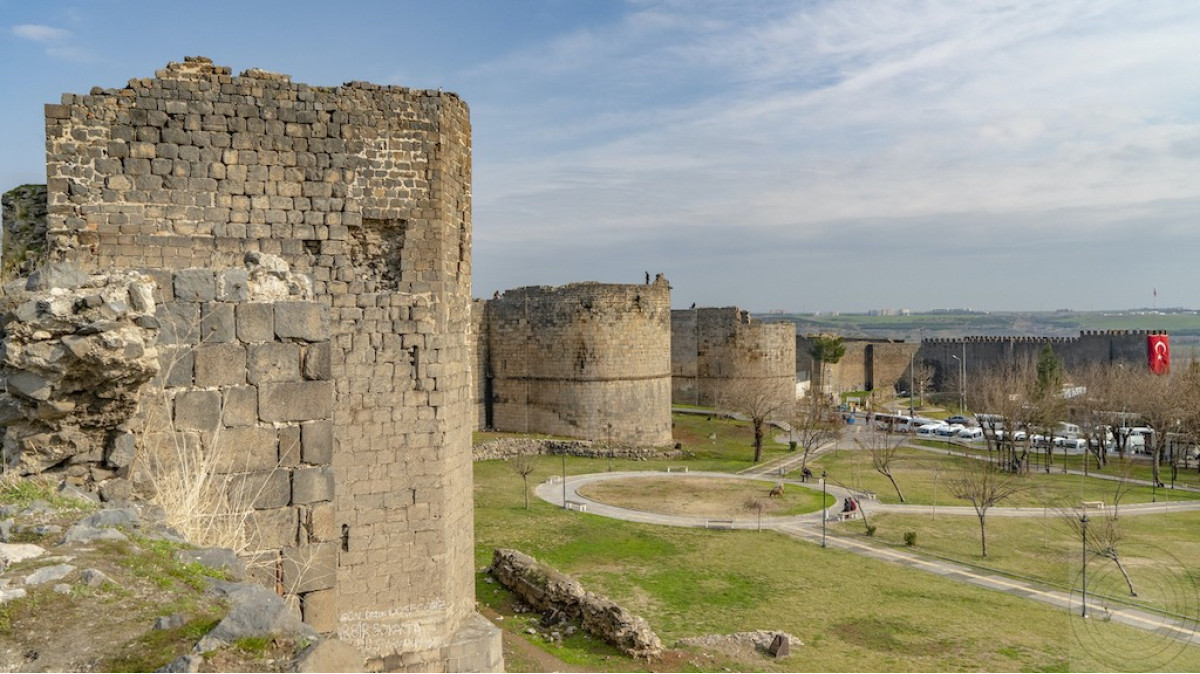
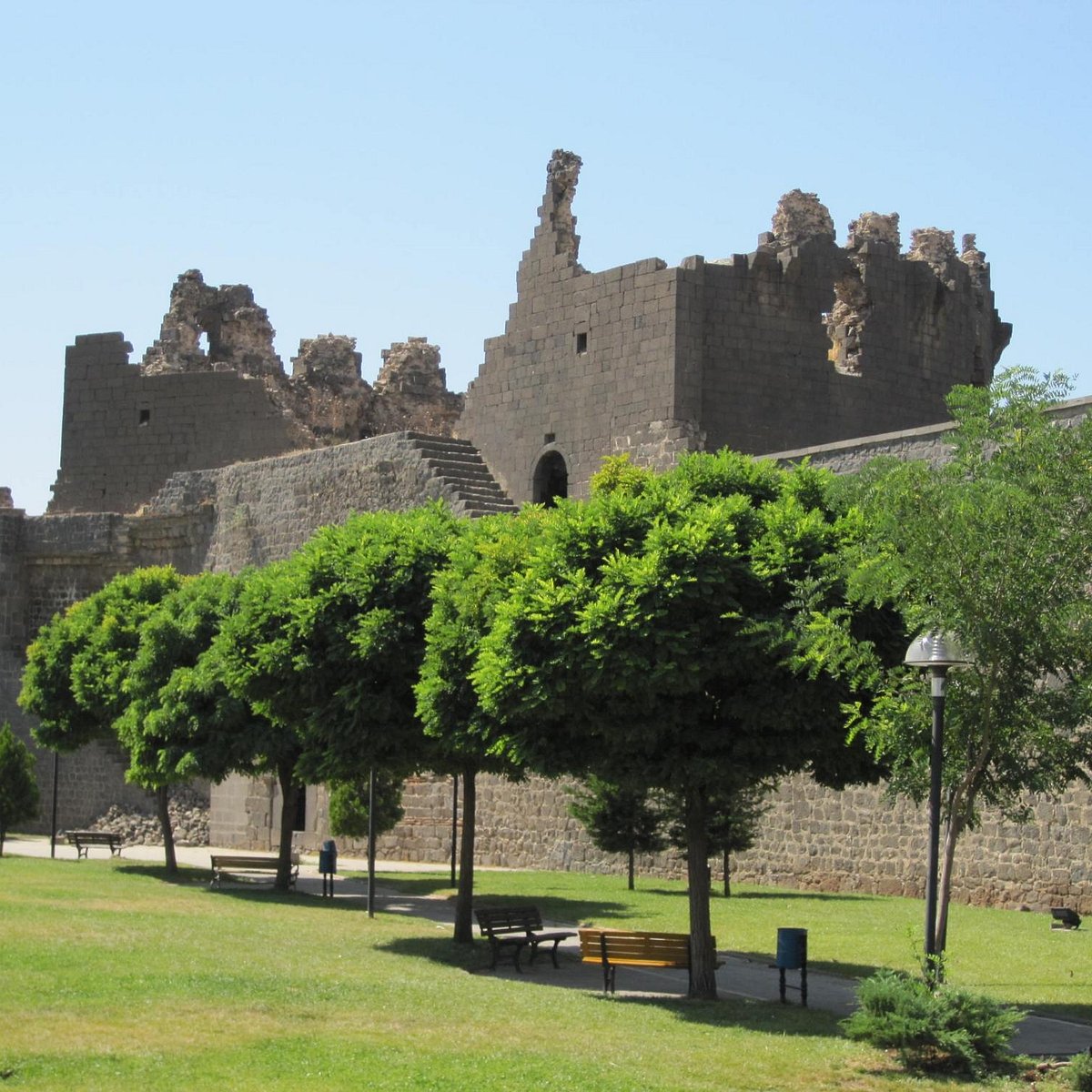
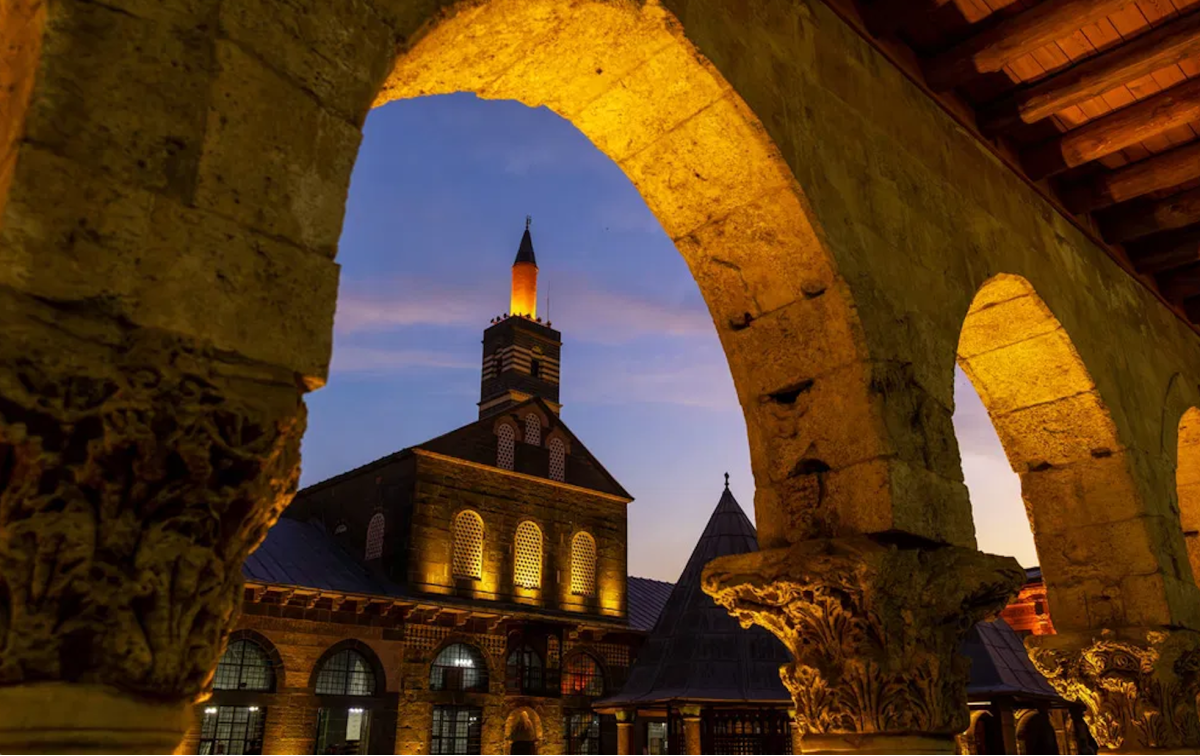
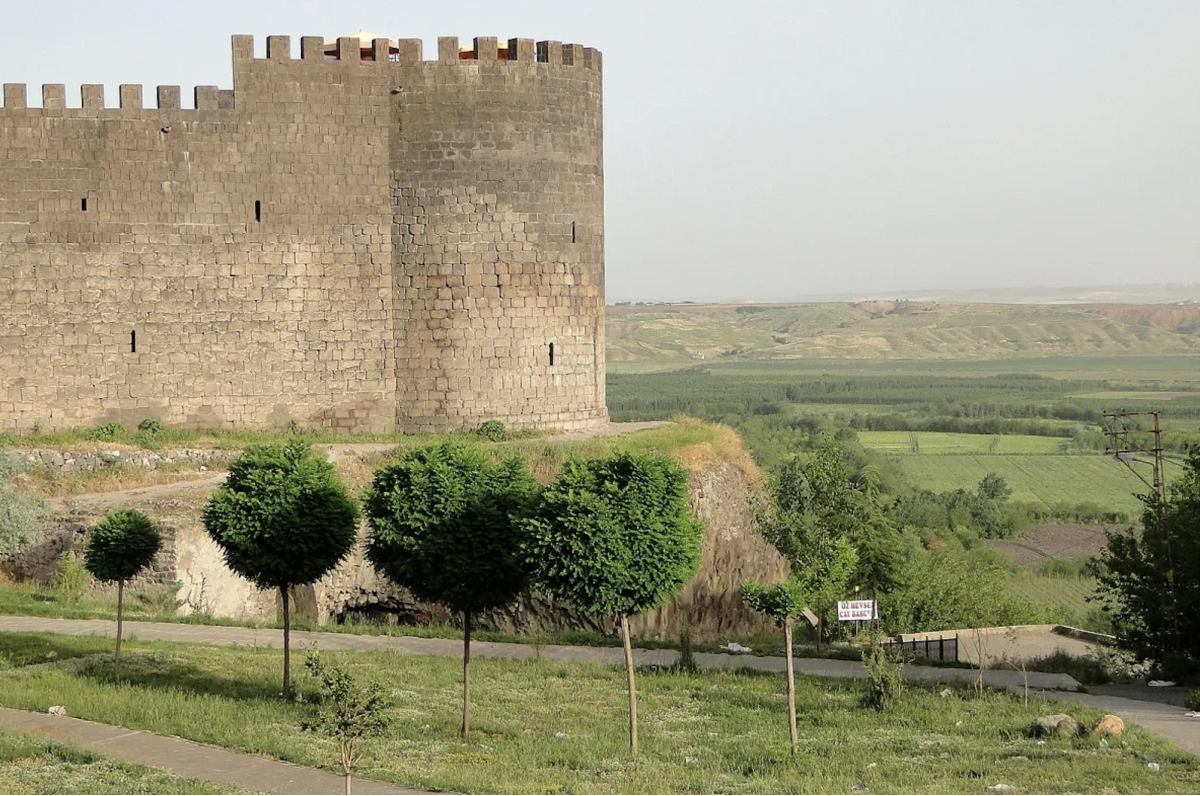
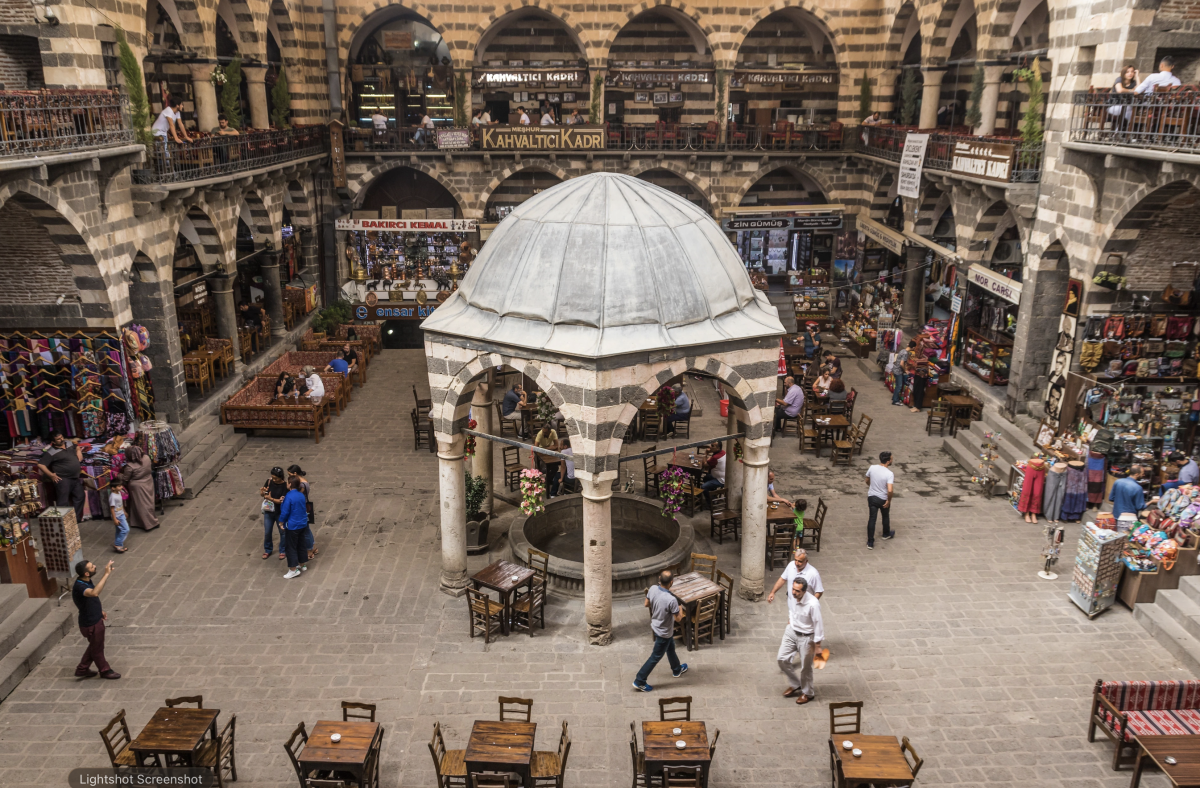
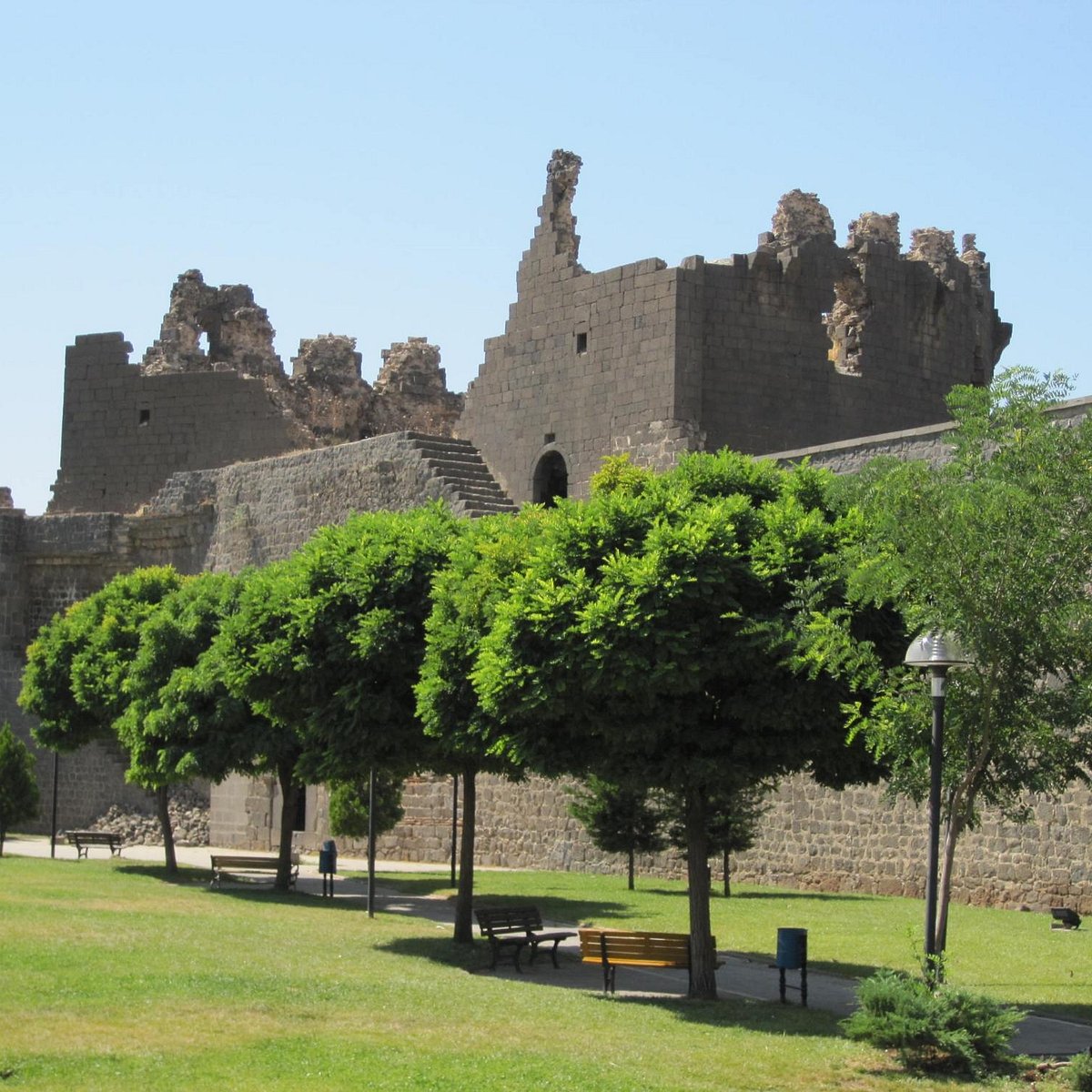
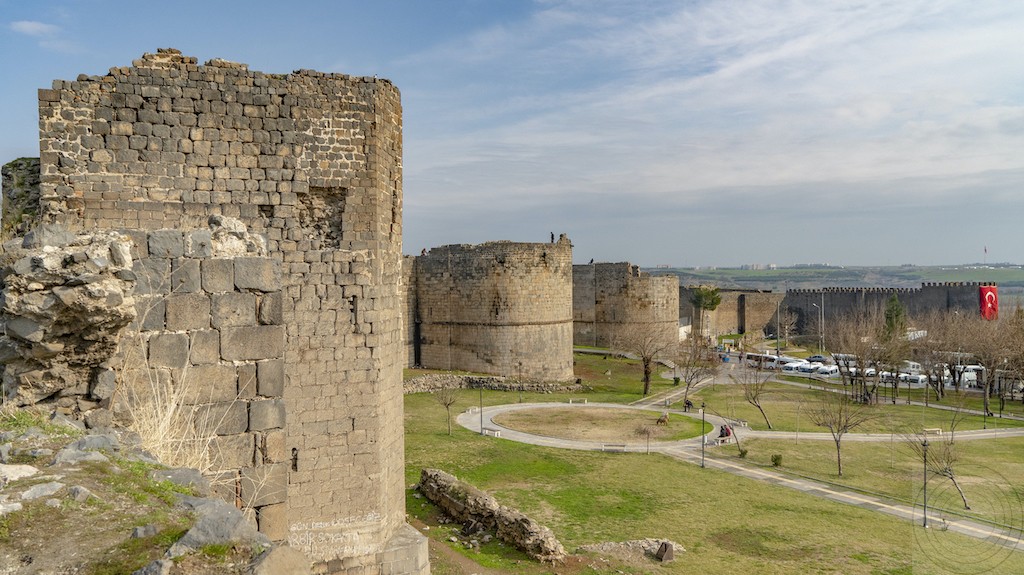
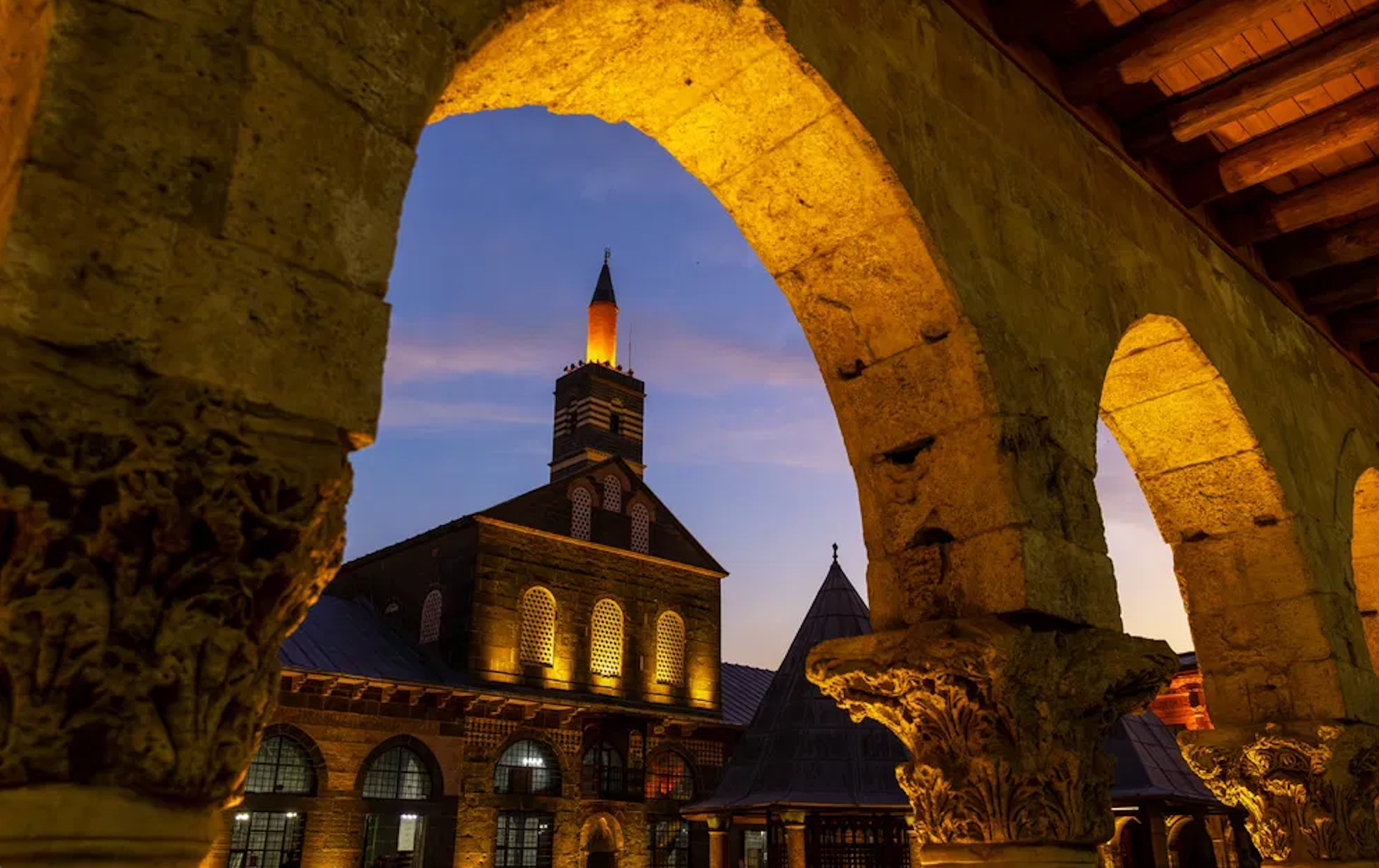
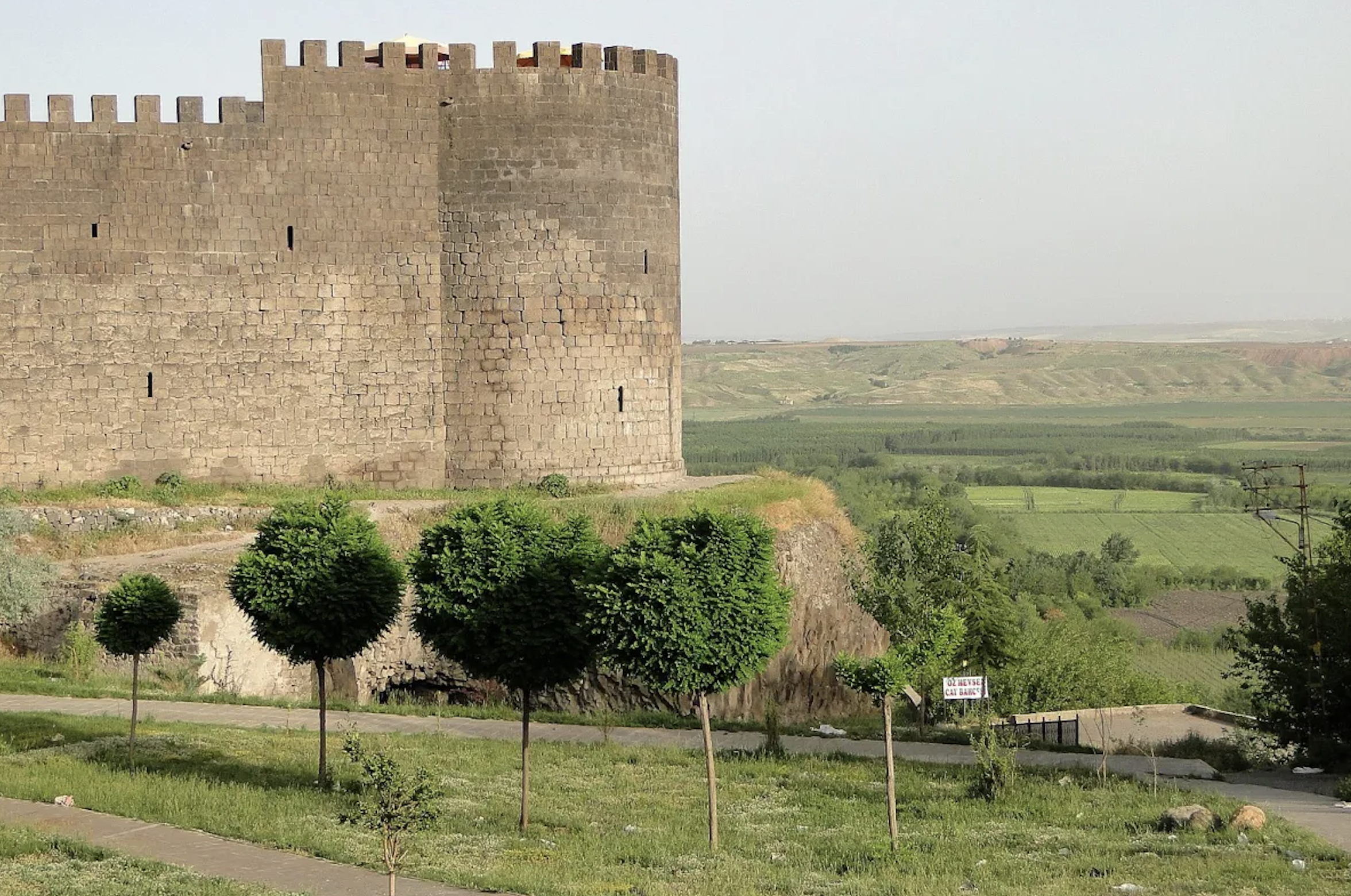
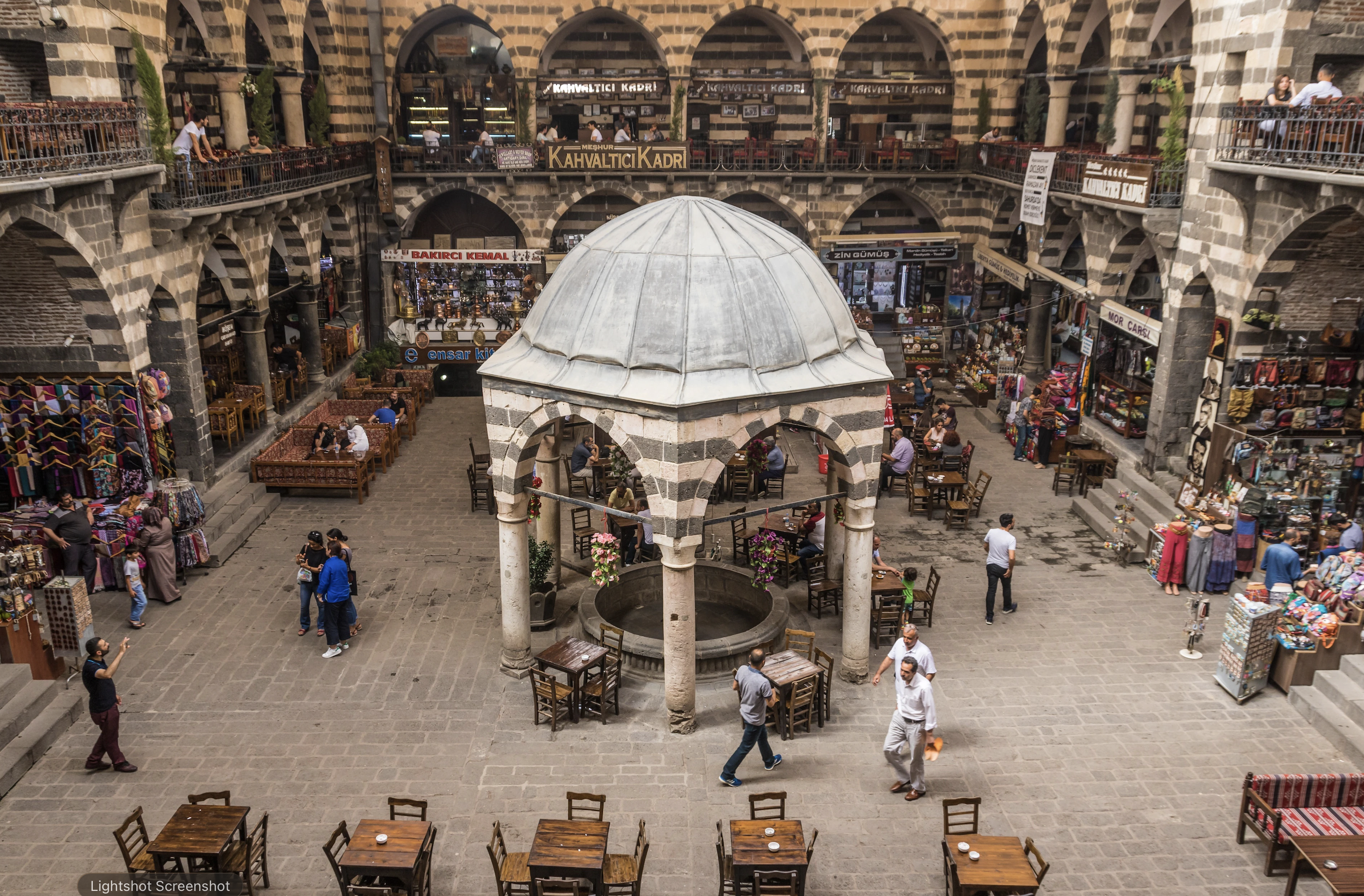
Visit to the historic stone bridge over the Tigris River. Transfer to Diyarbakır, a major city in eastern Turkey and a UNESCO World Heritage Site. The entire city is surrounded by massive ancient walls built in the 4th century AD by Roman emperors Constantius II and Valentinian I. The old city features more than a dozen remarkable medieval mosques and madrasas, narrow streets, bustling markets and caravanserais.
Transfer to the Lake Van region.
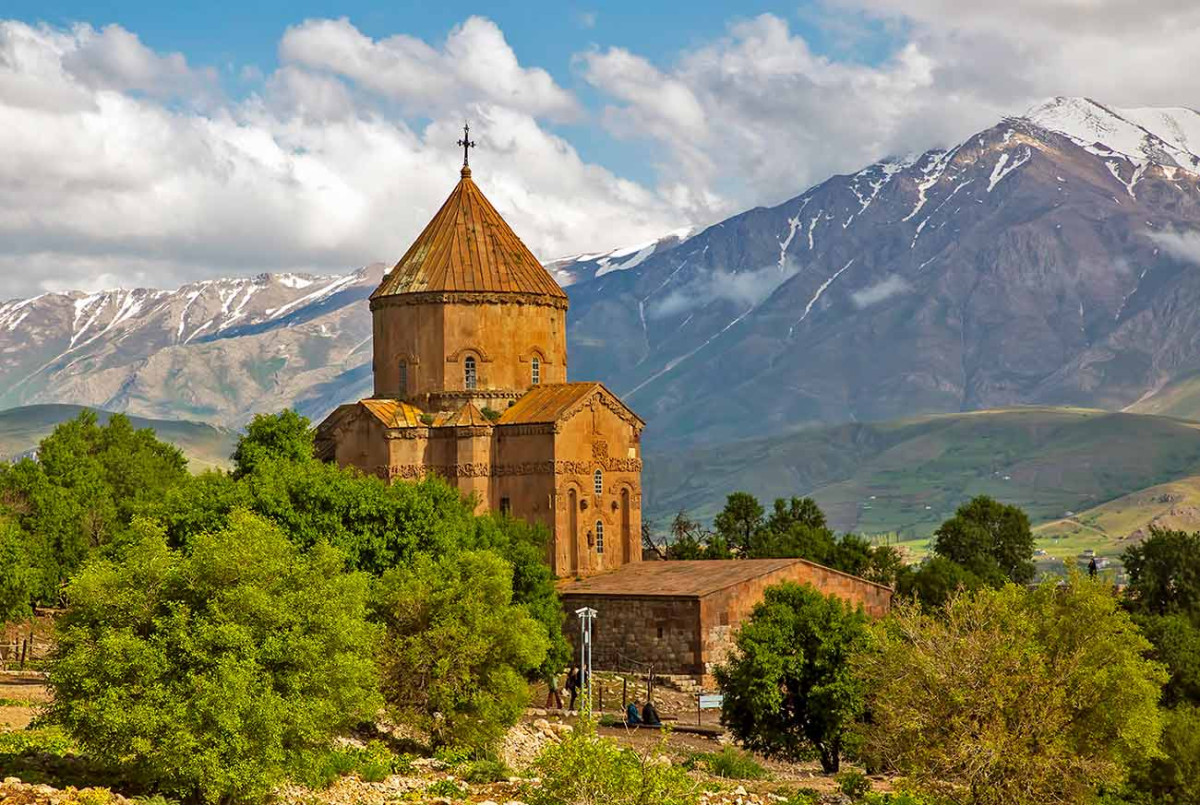
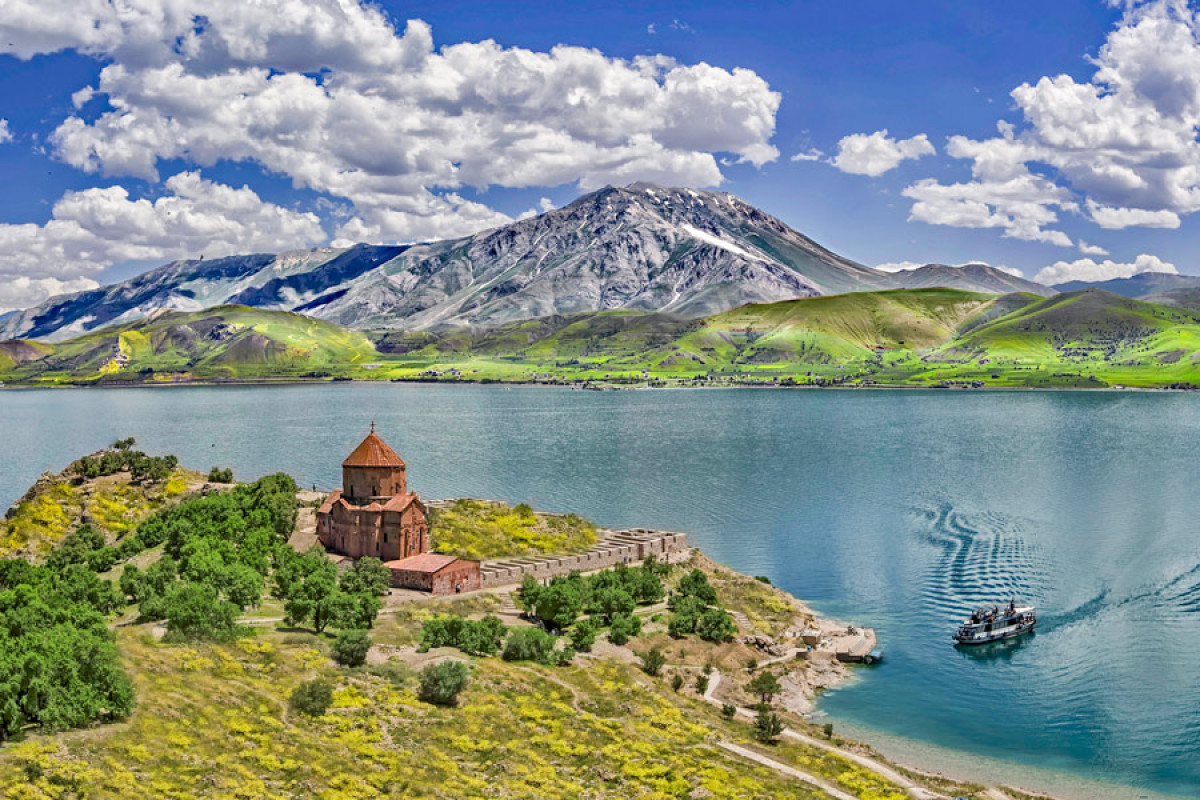
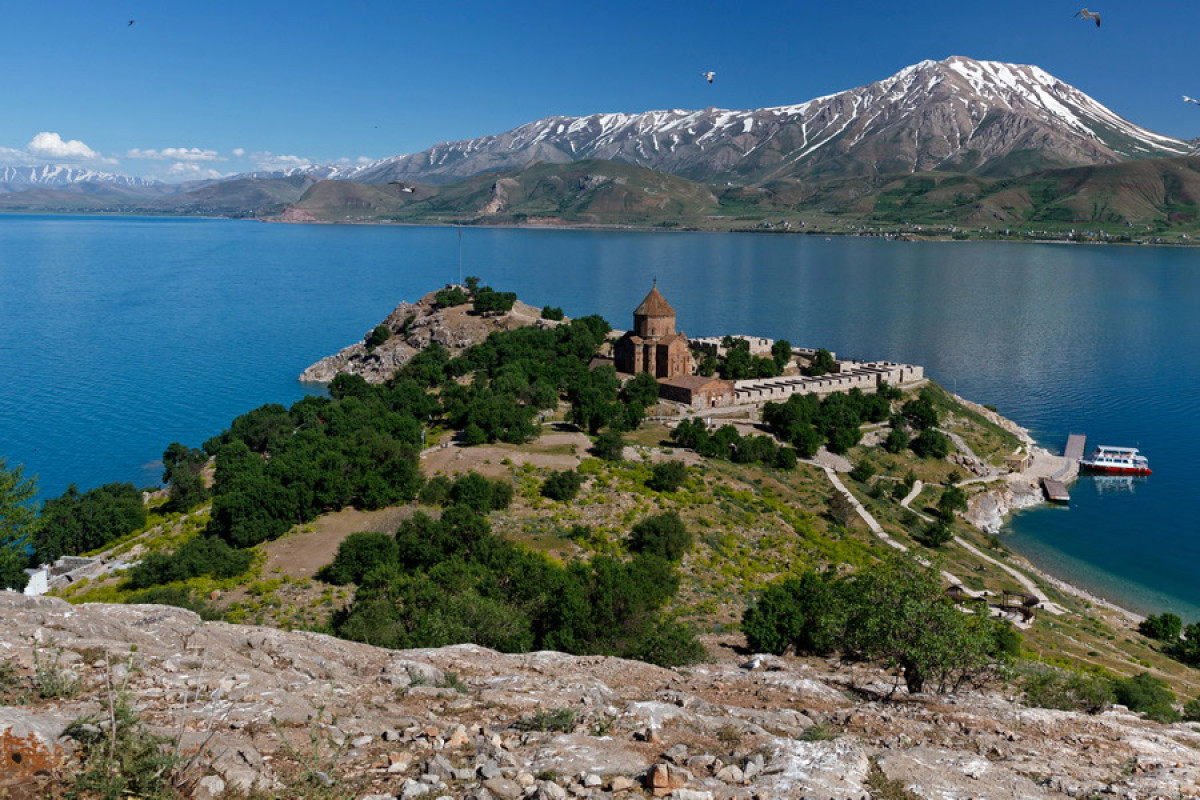
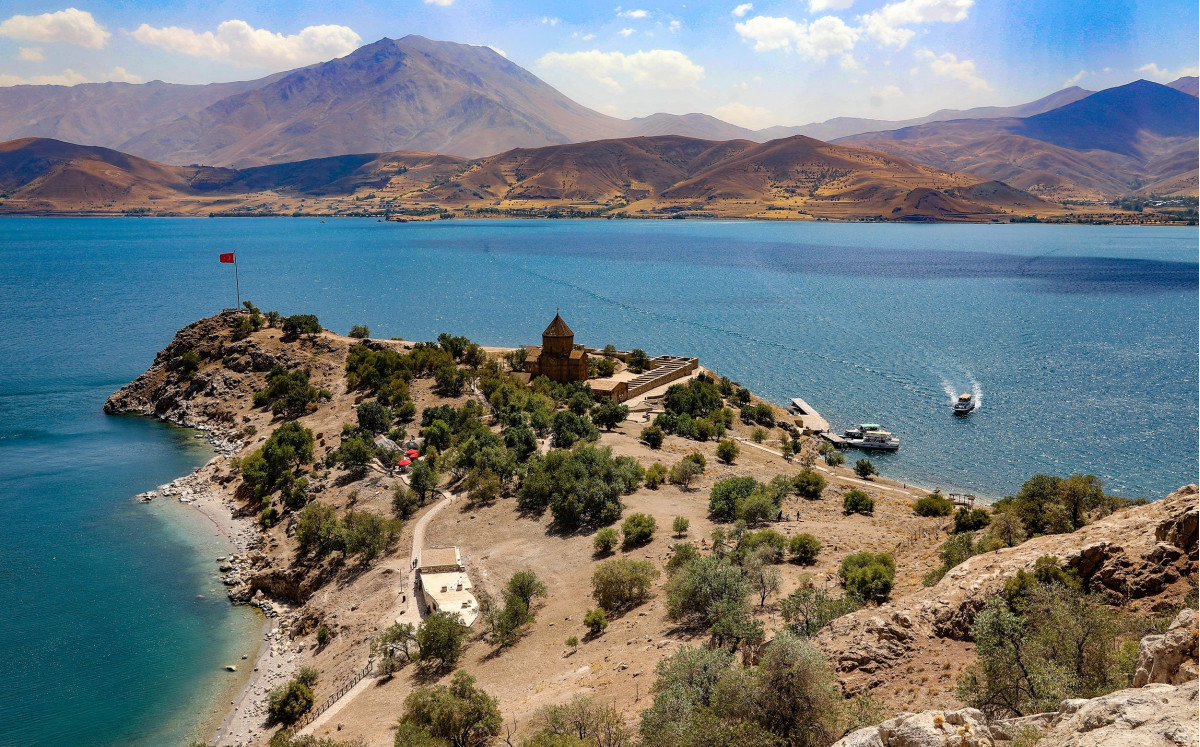
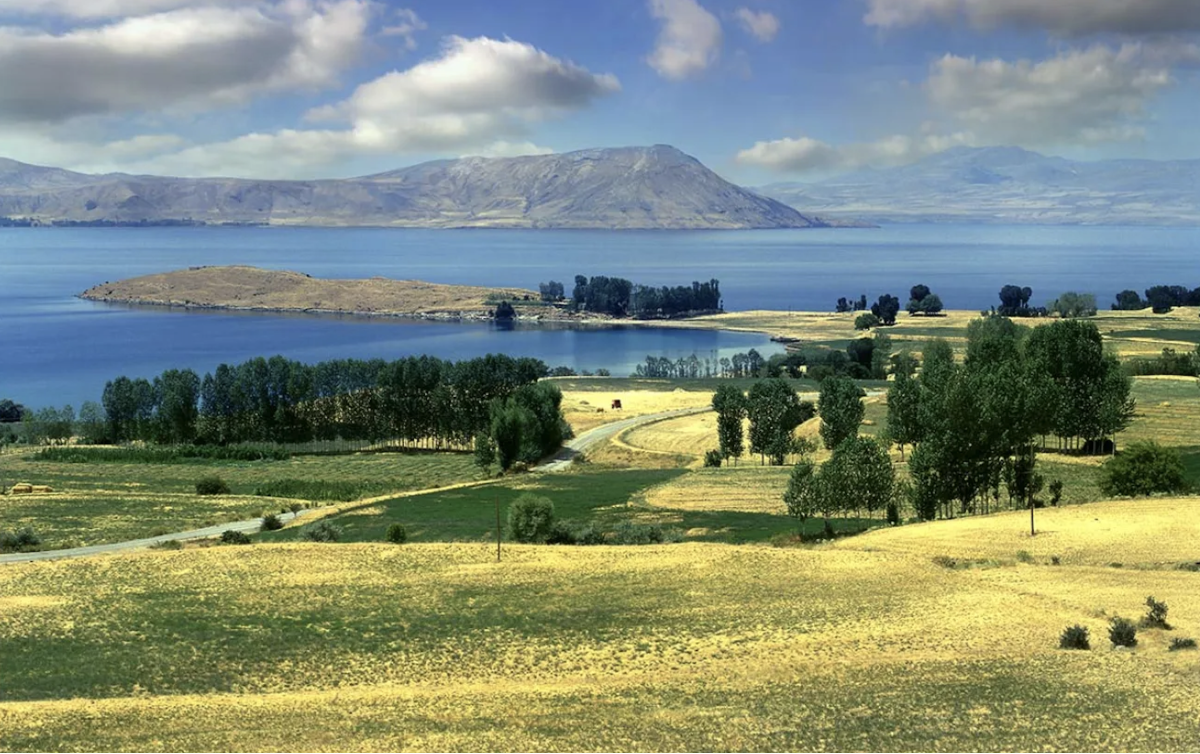
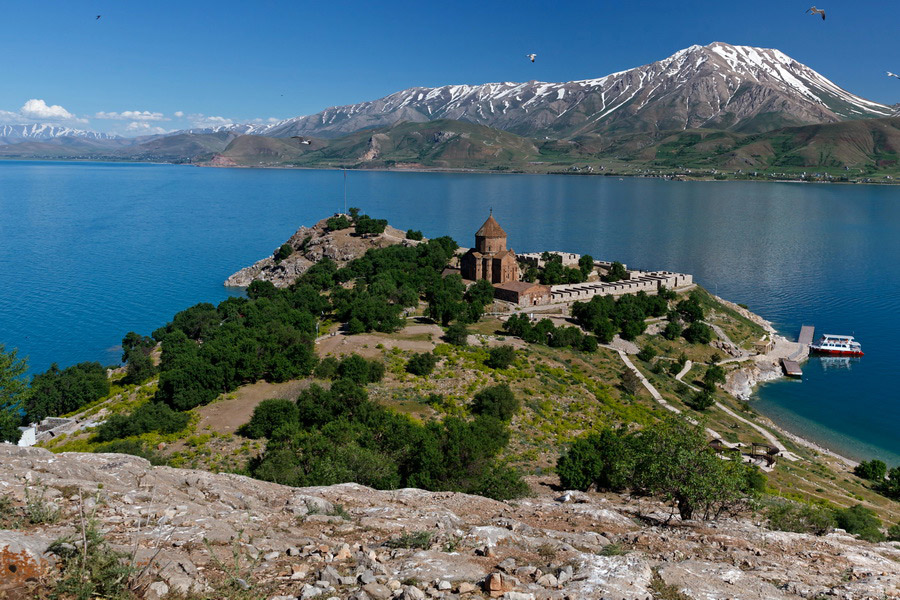
Lake Van, the largest lake in Turkey, has a small island near its southern shore — Akdamar Island, home to one of Eastern Turkey’s greatest historical treasures: the Armenian Cathedral of the Holy Cross. Overnight on the shores of Lake Van. The day is dedicated to the lake and its surroundings.

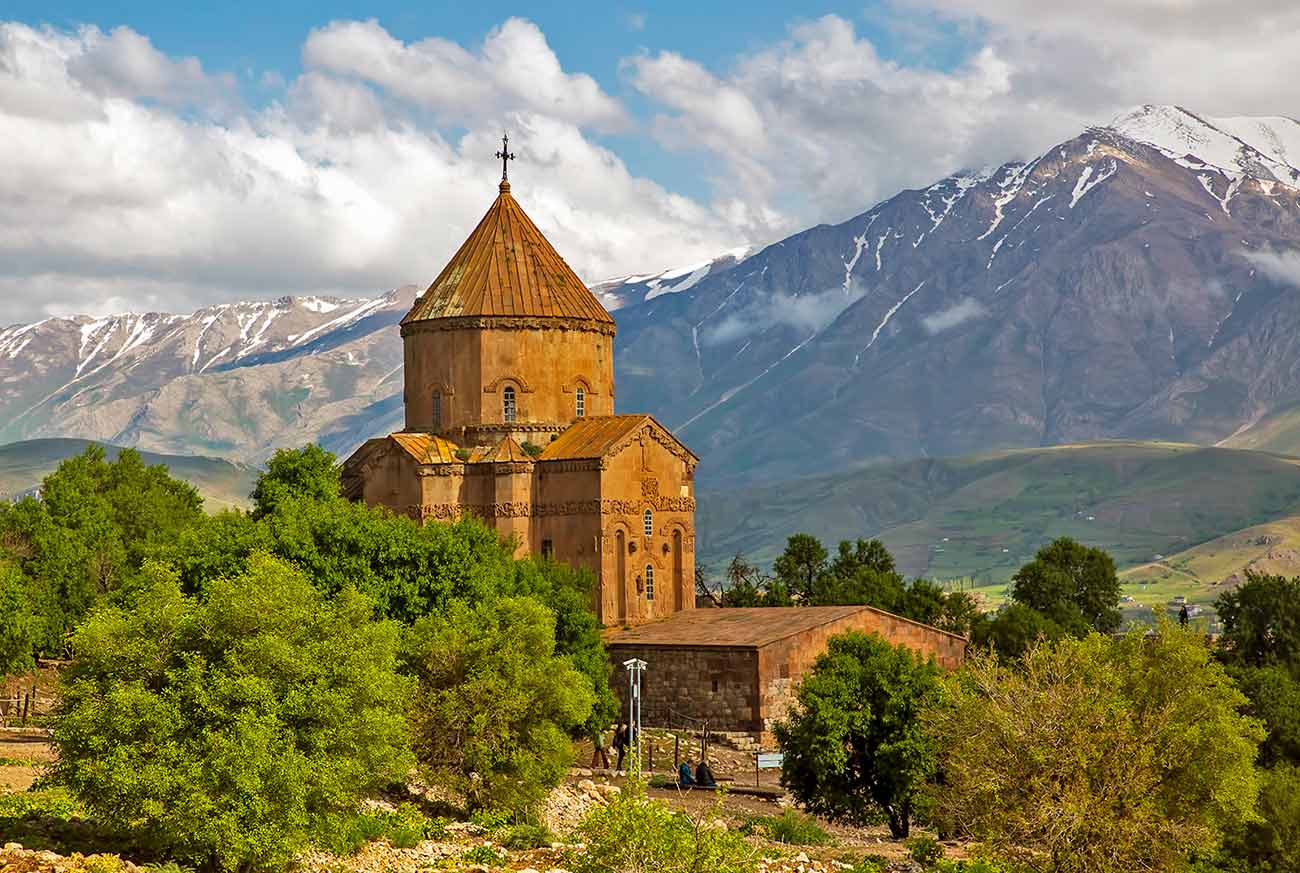
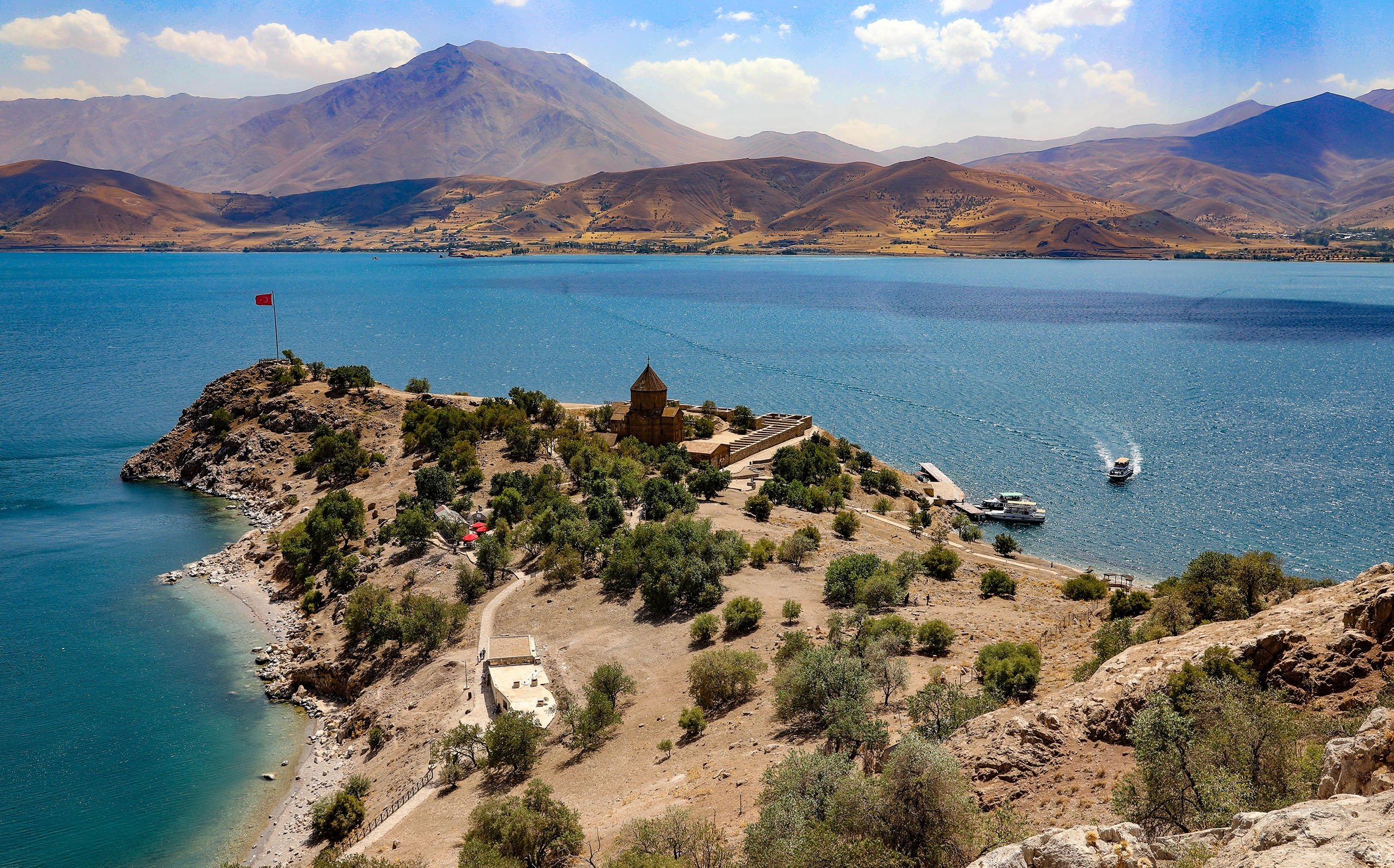

Early morning (possibly overnight) departure from Van toward Duhok (Iraq). Approximately 550 km on the road, requiring about 7–8 hours of travel. A long and demanding day, but the only way to enter Iraq by land.
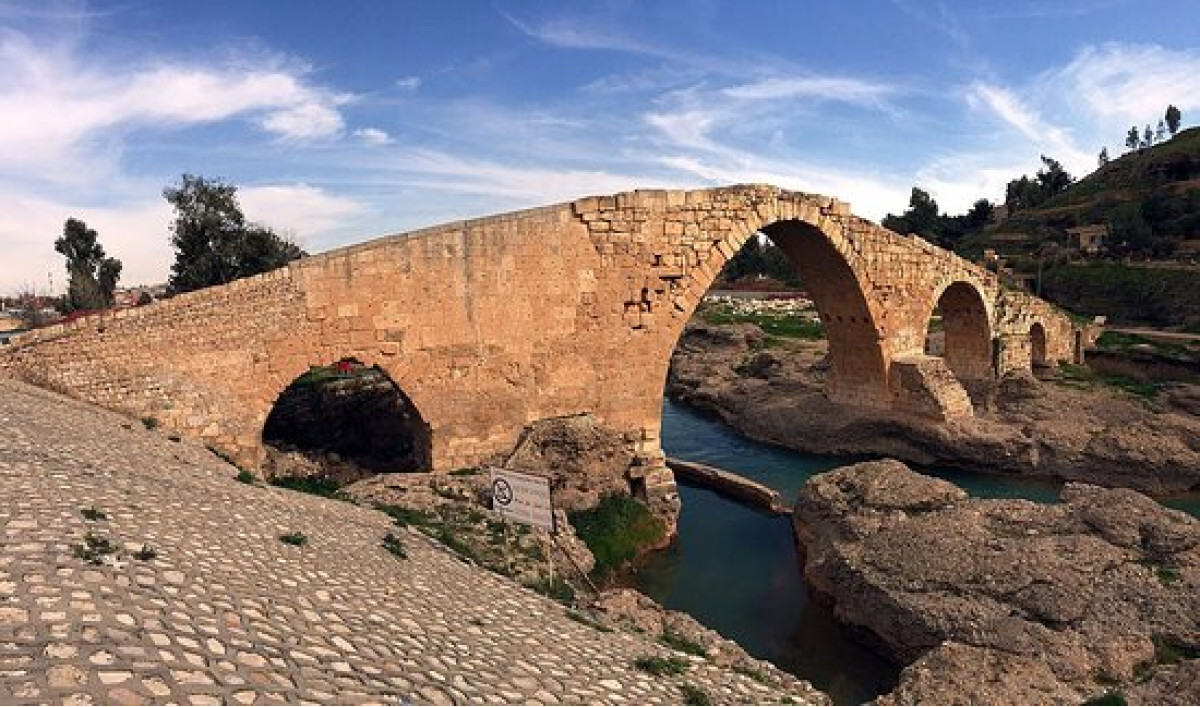
If time allows, we will visit the Delal Bridge (Pira Delal), also known as the Zakho Bridge — an ancient stone arch bridge in the city of Zakho in northern Iraq. One of the most iconic historical structures of the Kurdistan Region, it is a symbol of the city and a popular landmark combining architectural heritage with local legends.
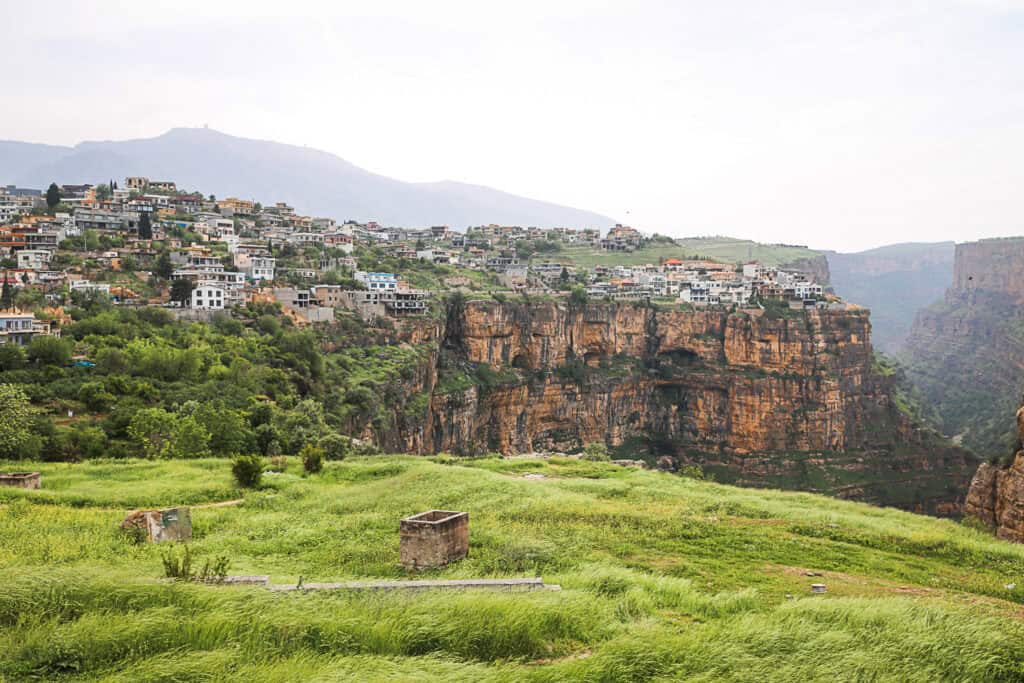
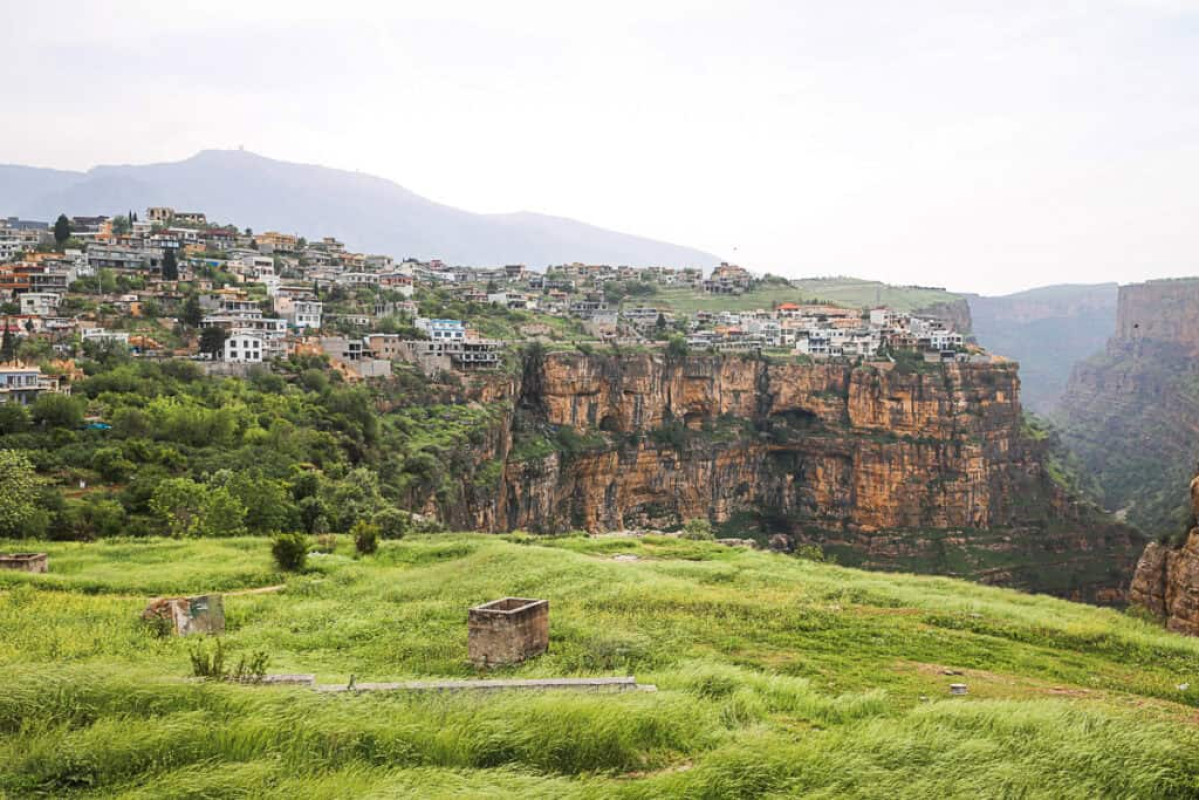
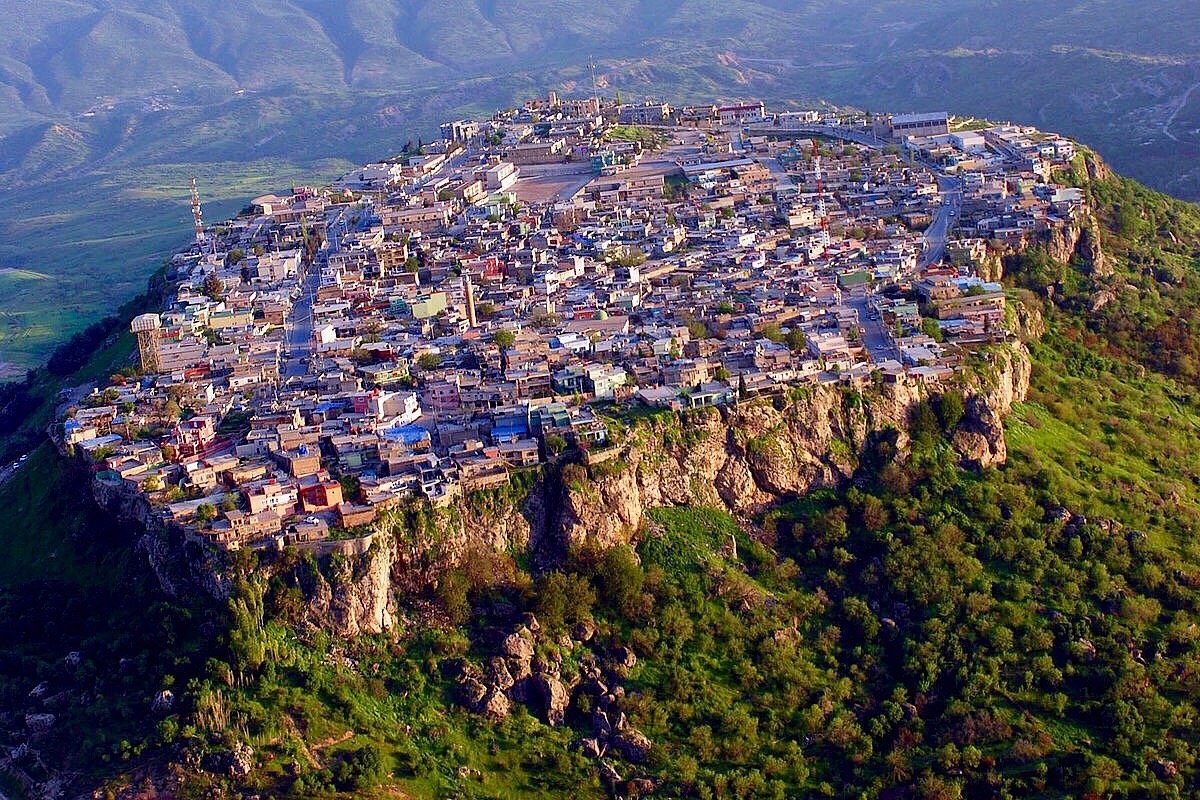
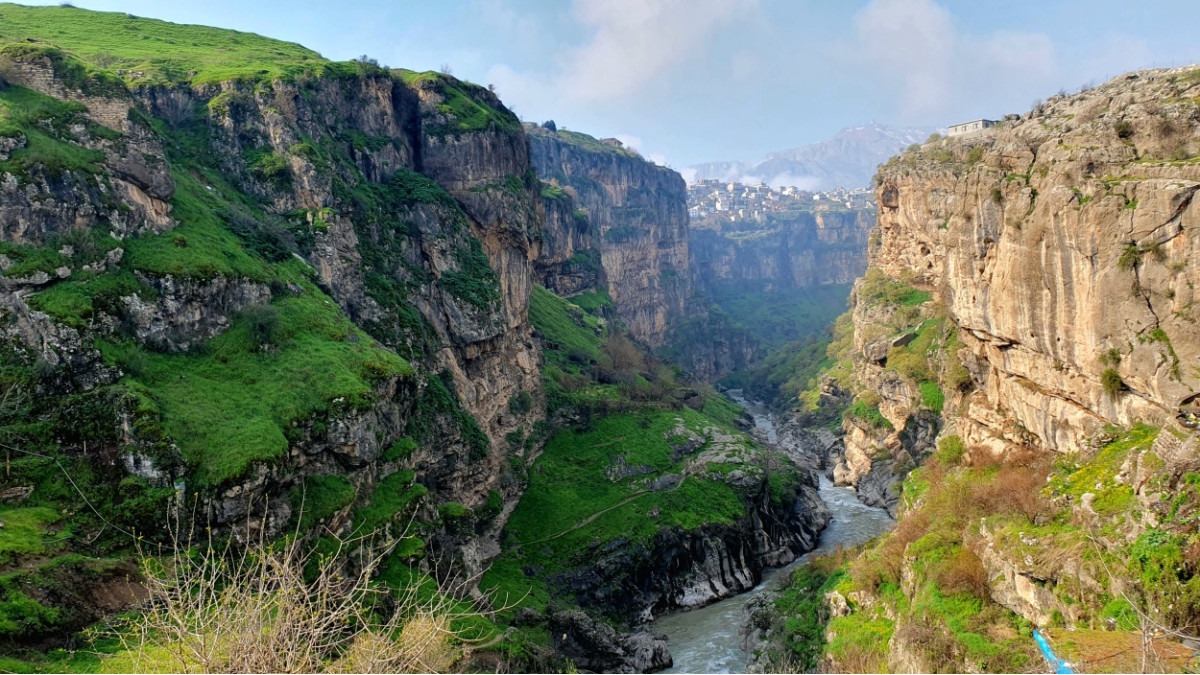
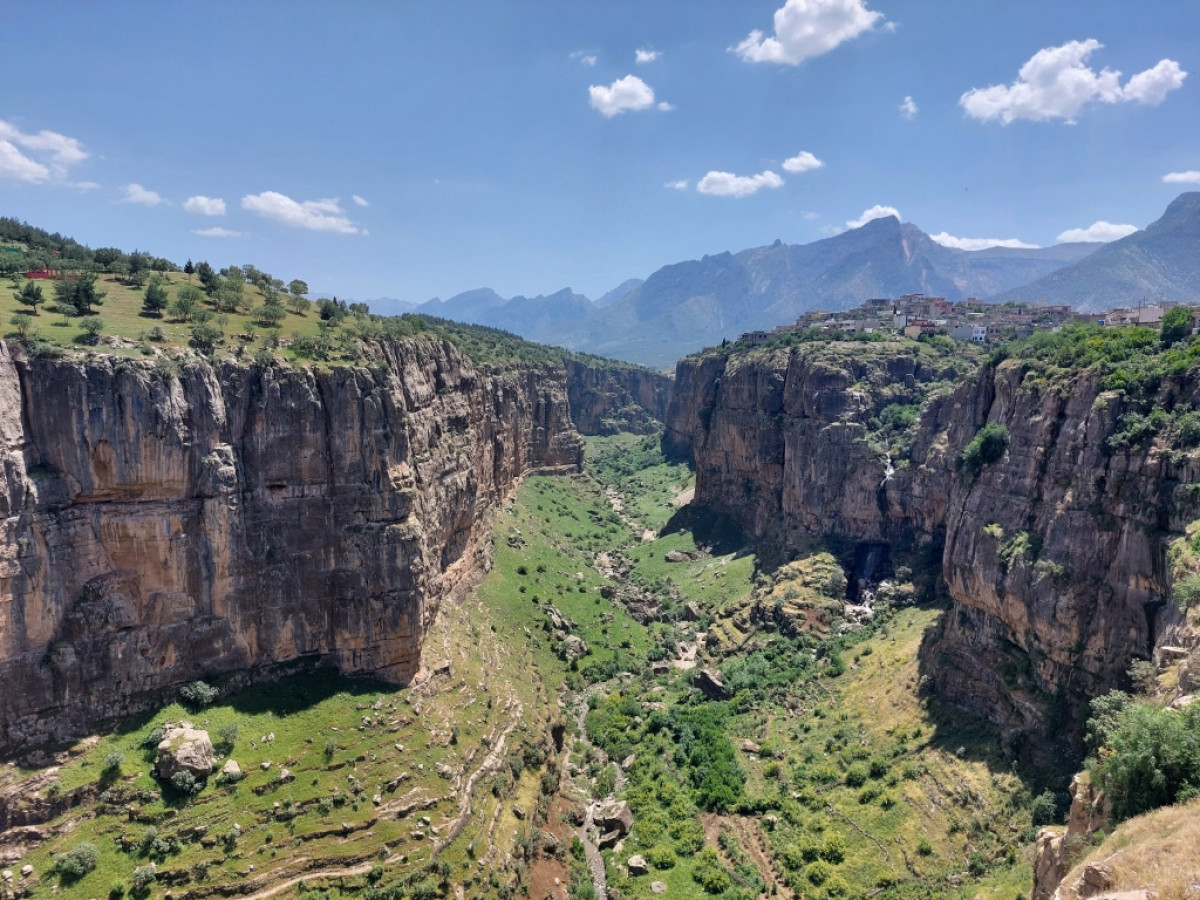
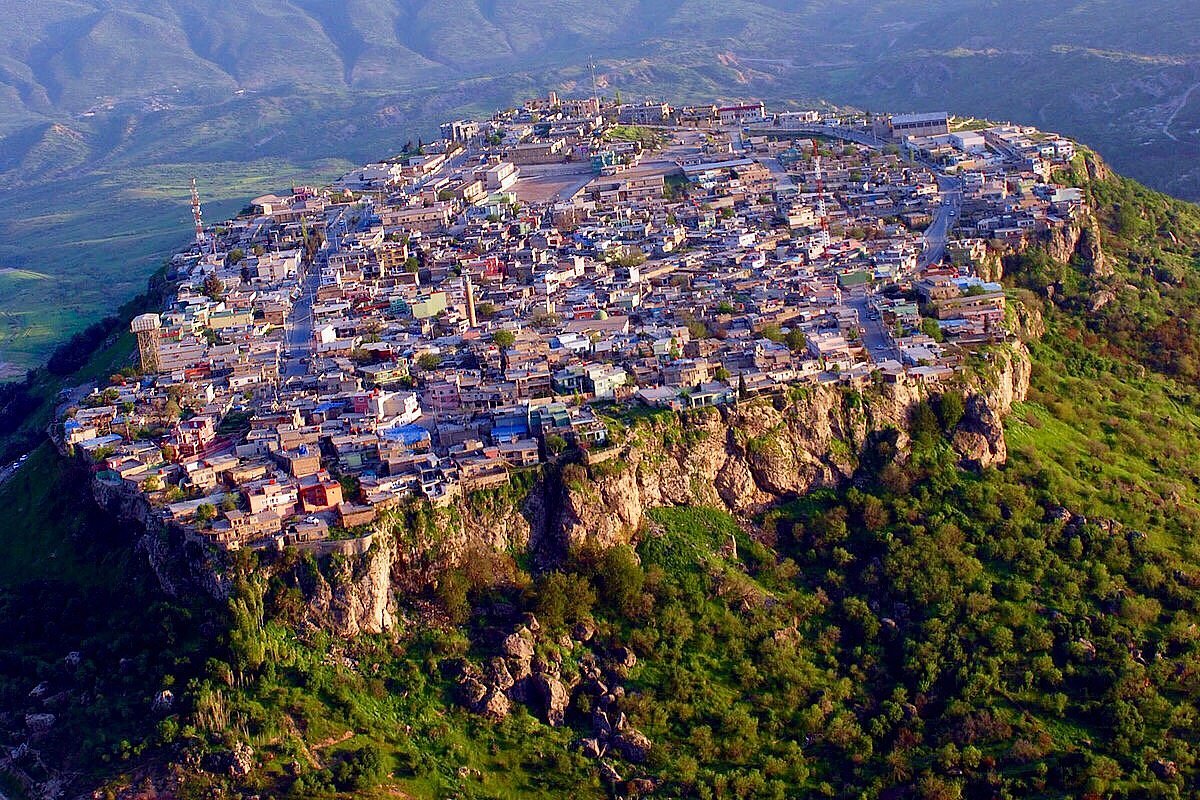
Further transfer to the town of Amedi (time permitting), dramatically located on a high plateau in the mountains of northern Iraq. Amedi has a history spanning thousands of years as a strategic center of the Bahdinan region and is renowned for its naturally fortified position. Overnight in Duhok.


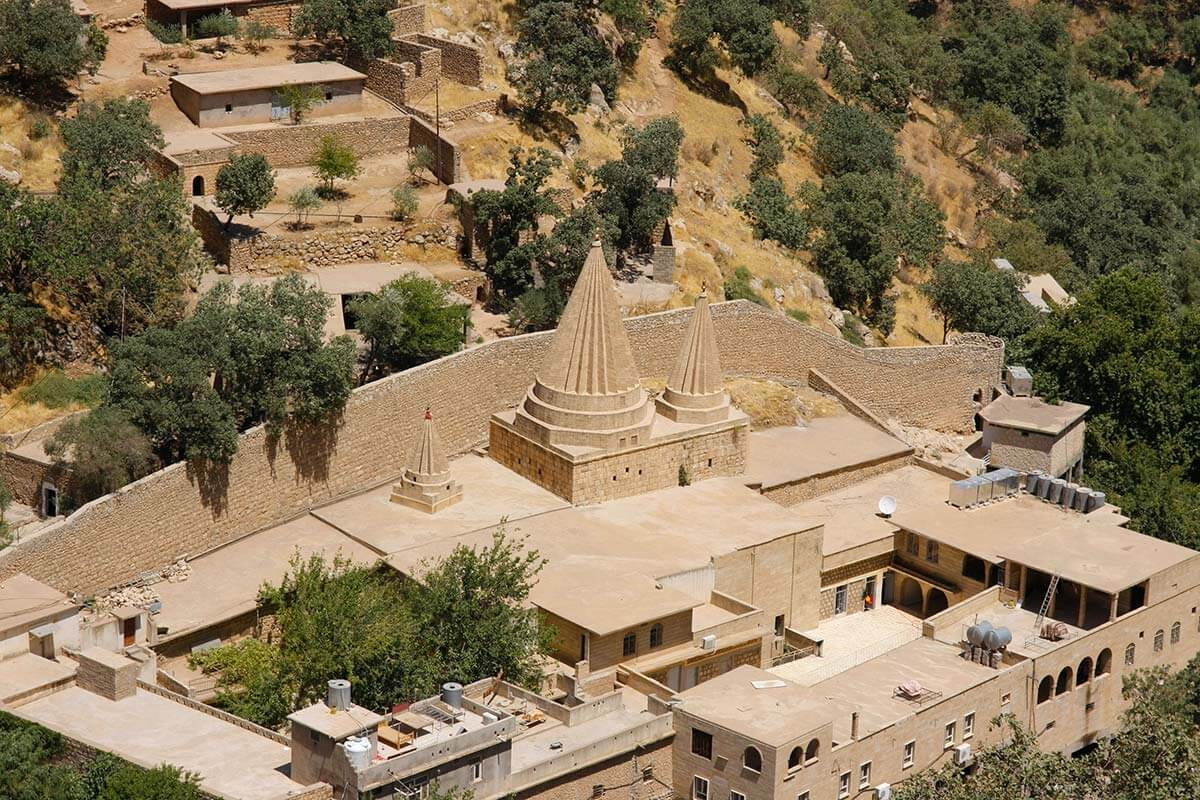
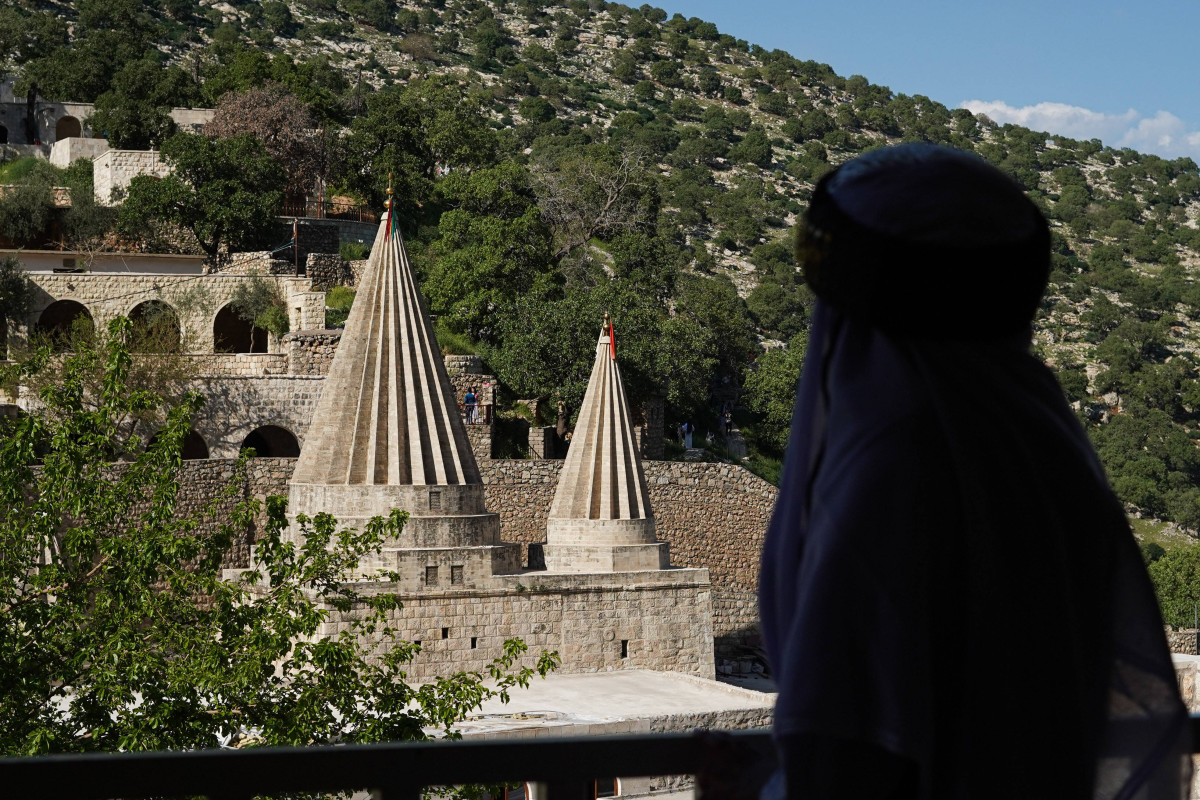
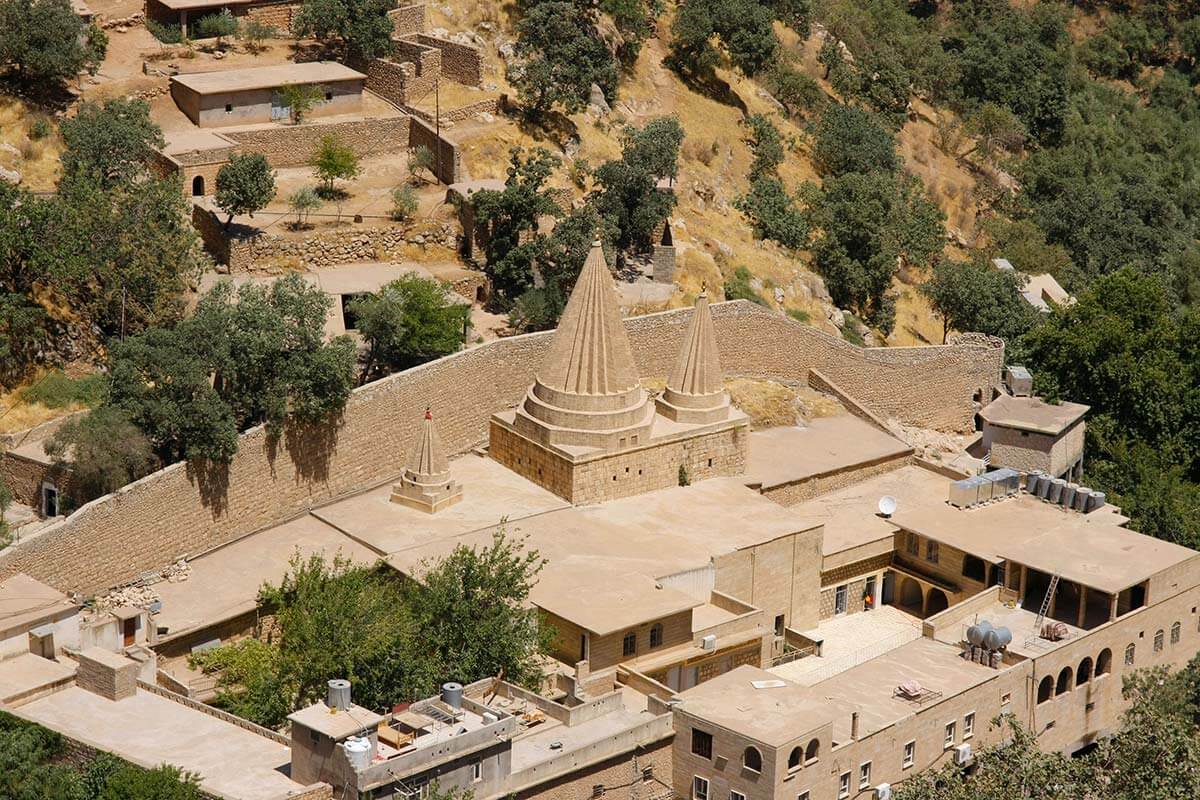
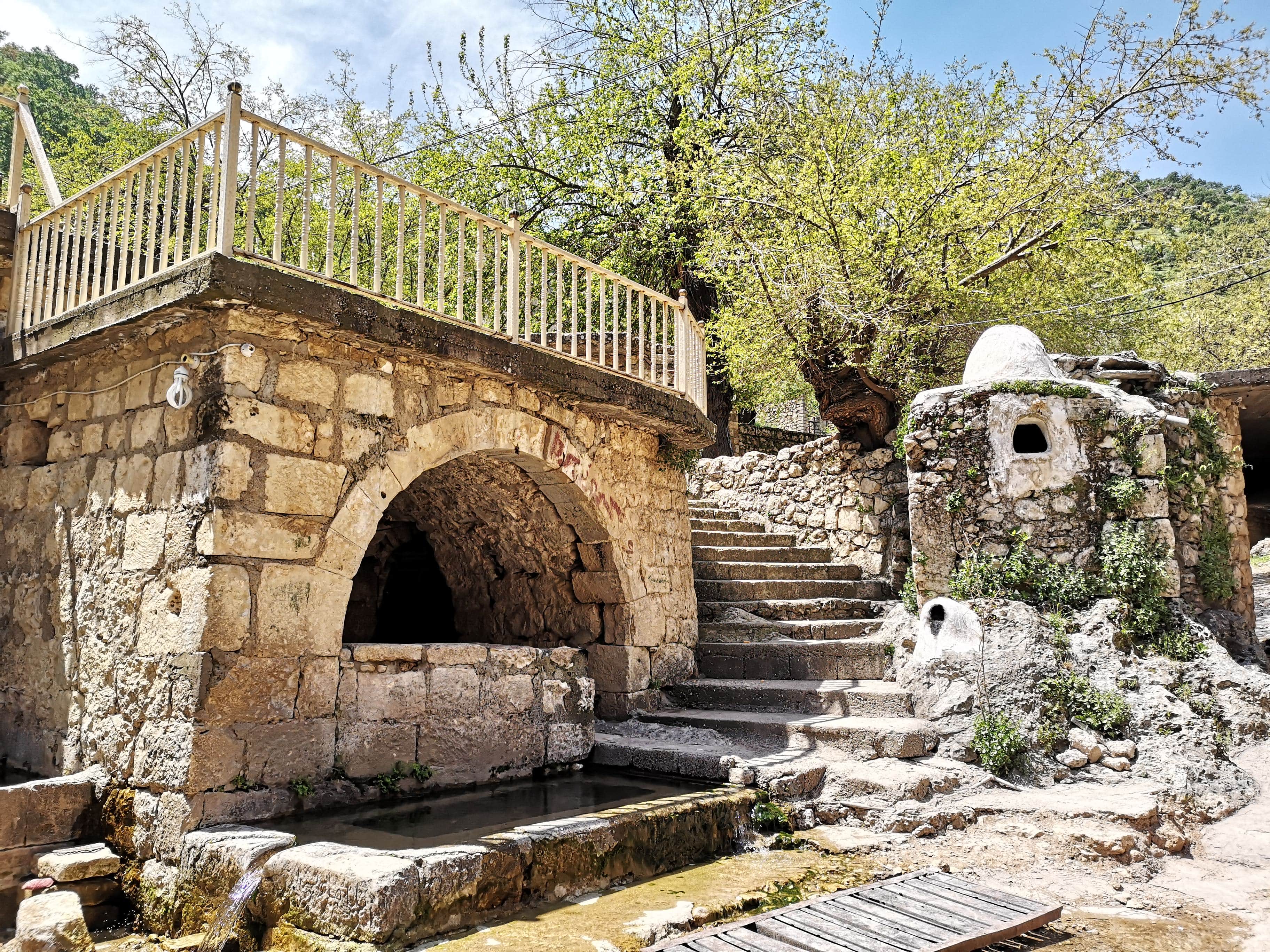
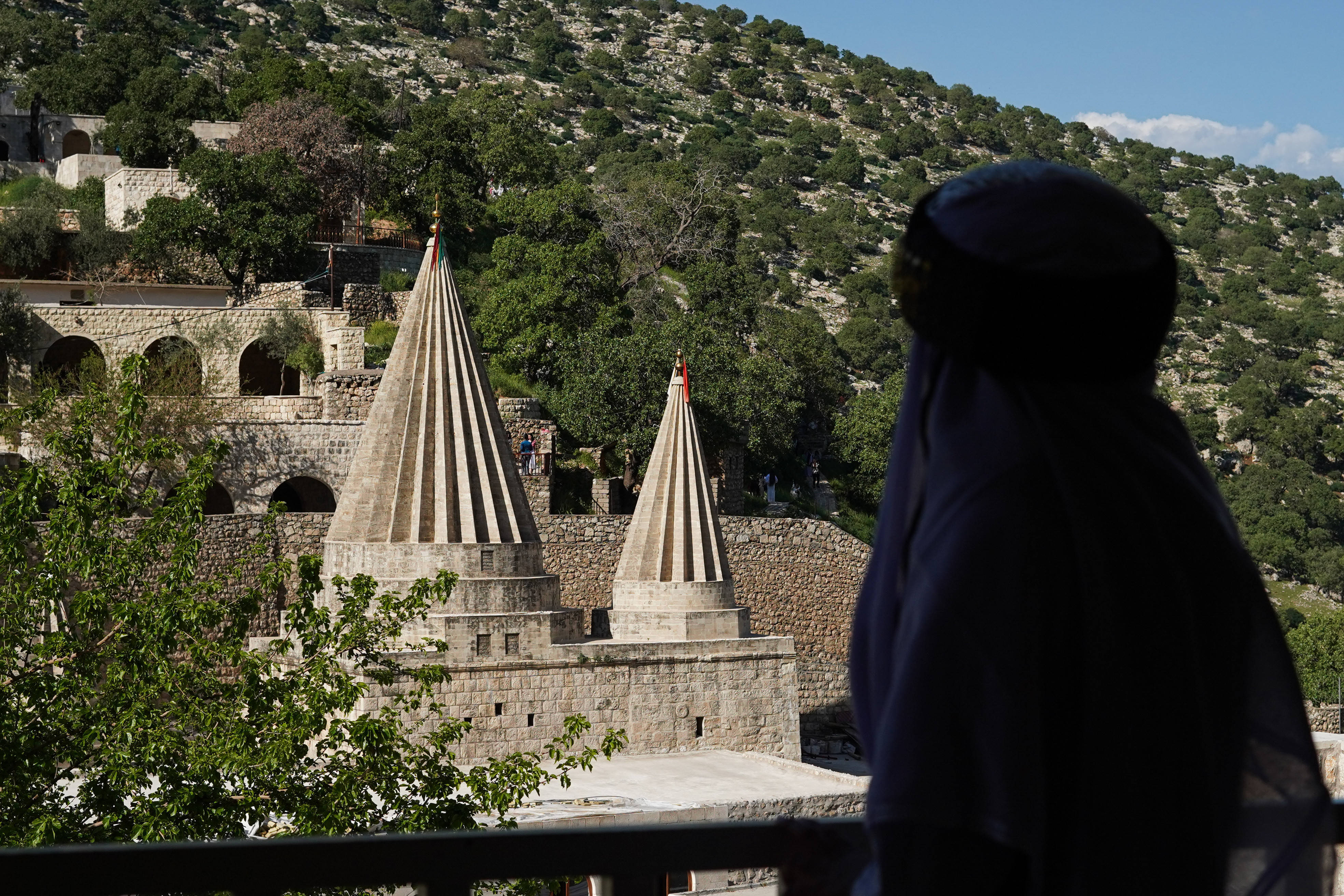
We begin the day with sightseeing in Duhok, then travel to Lalish — the holiest sanctuary of the Yazidi people. A sacred place with unique architecture and strict traditions, Lalish is one of the key spiritual centers of the Middle East.
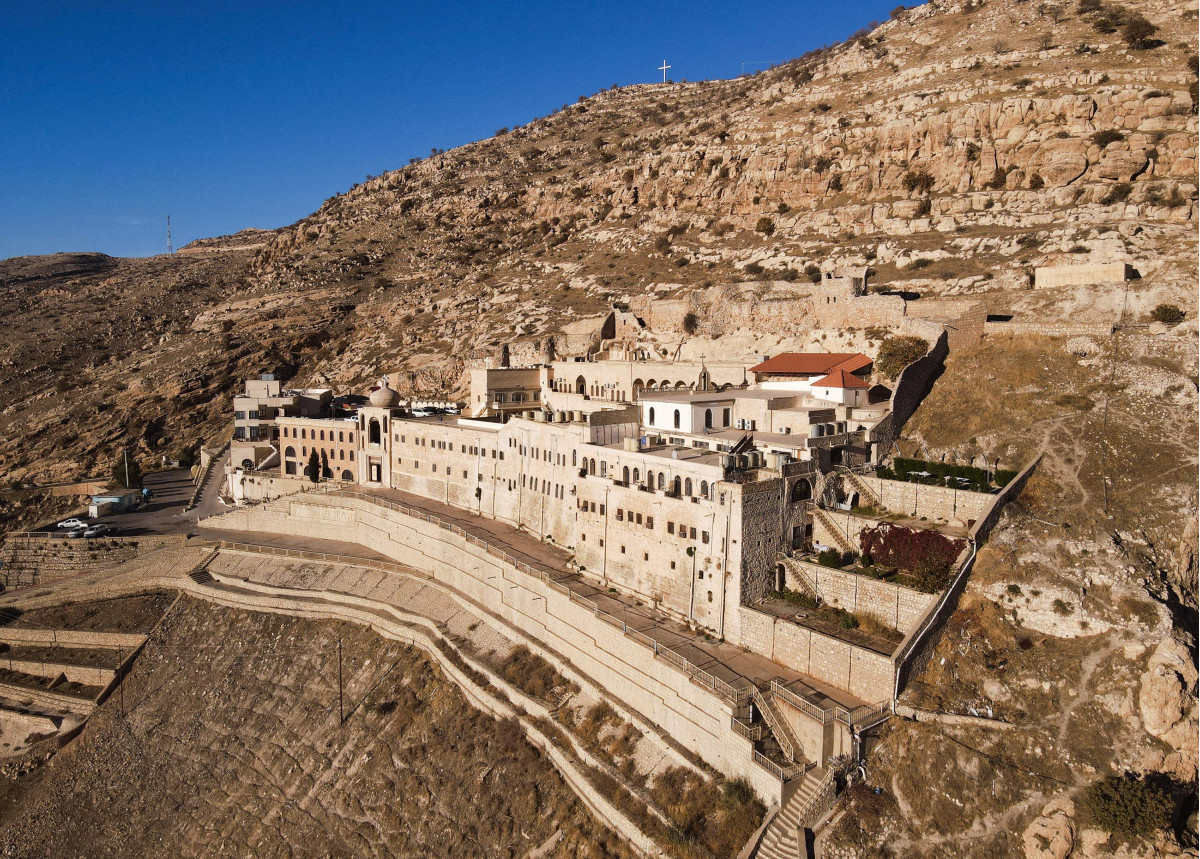
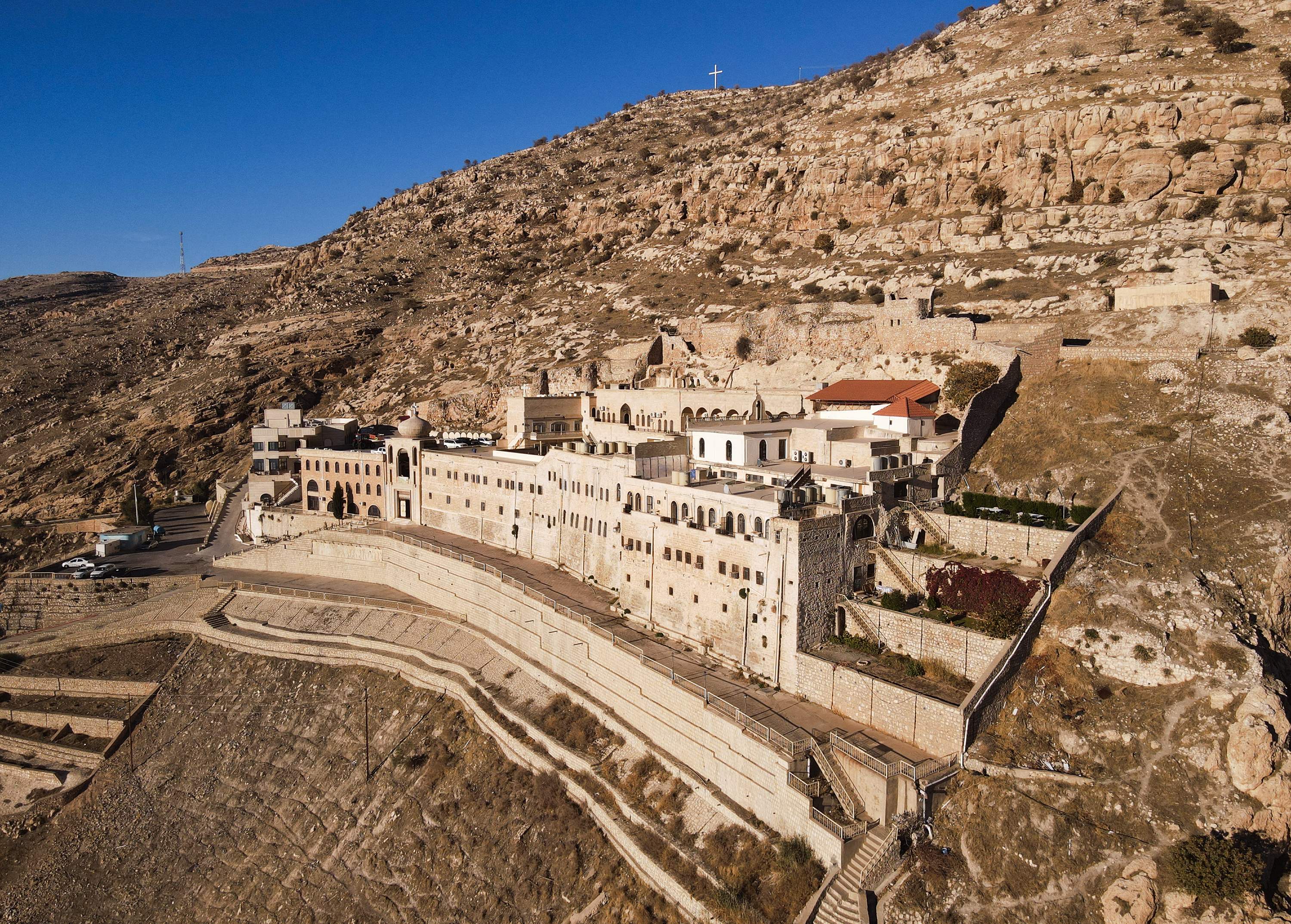
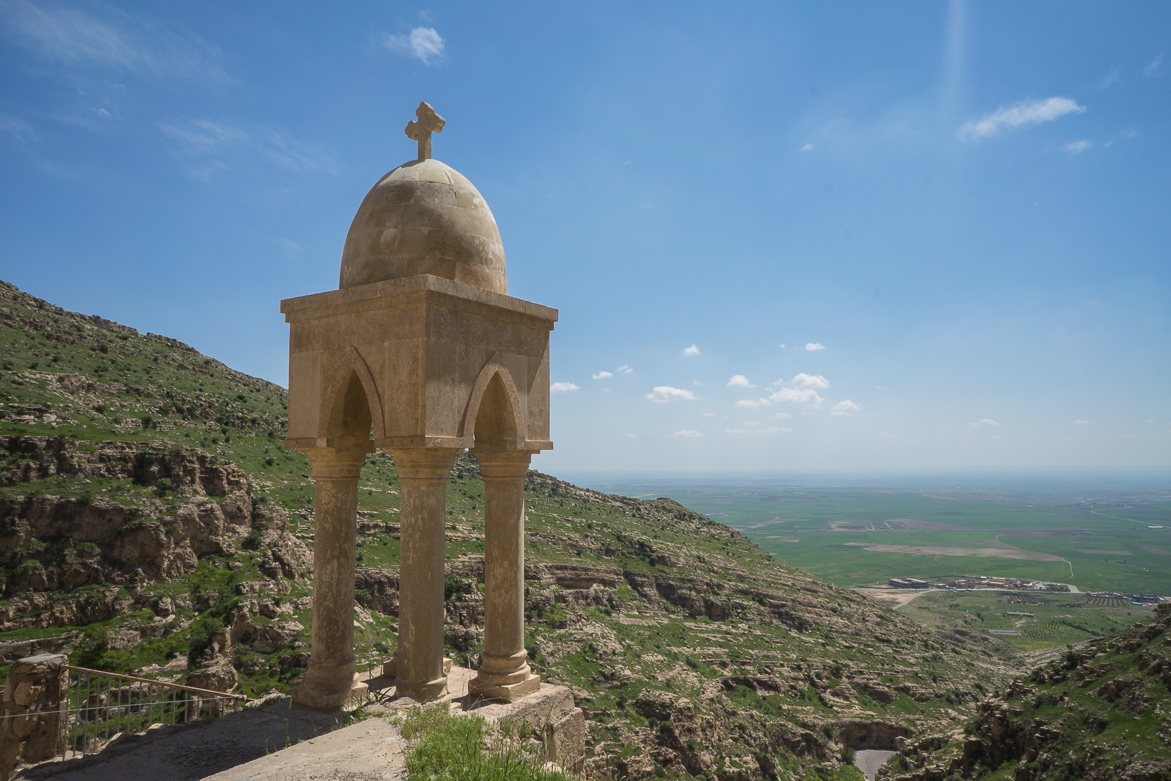
Mar Mattai Monastery is one of the oldest and most significant Christian monasteries in the Middle East, founded in the 4th century and located on the summit of Mount Maqlub. The monastery belongs to the Syriac Orthodox Church and for centuries served as a spiritual, educational and cultural center for the Christians of Mesopotamia.
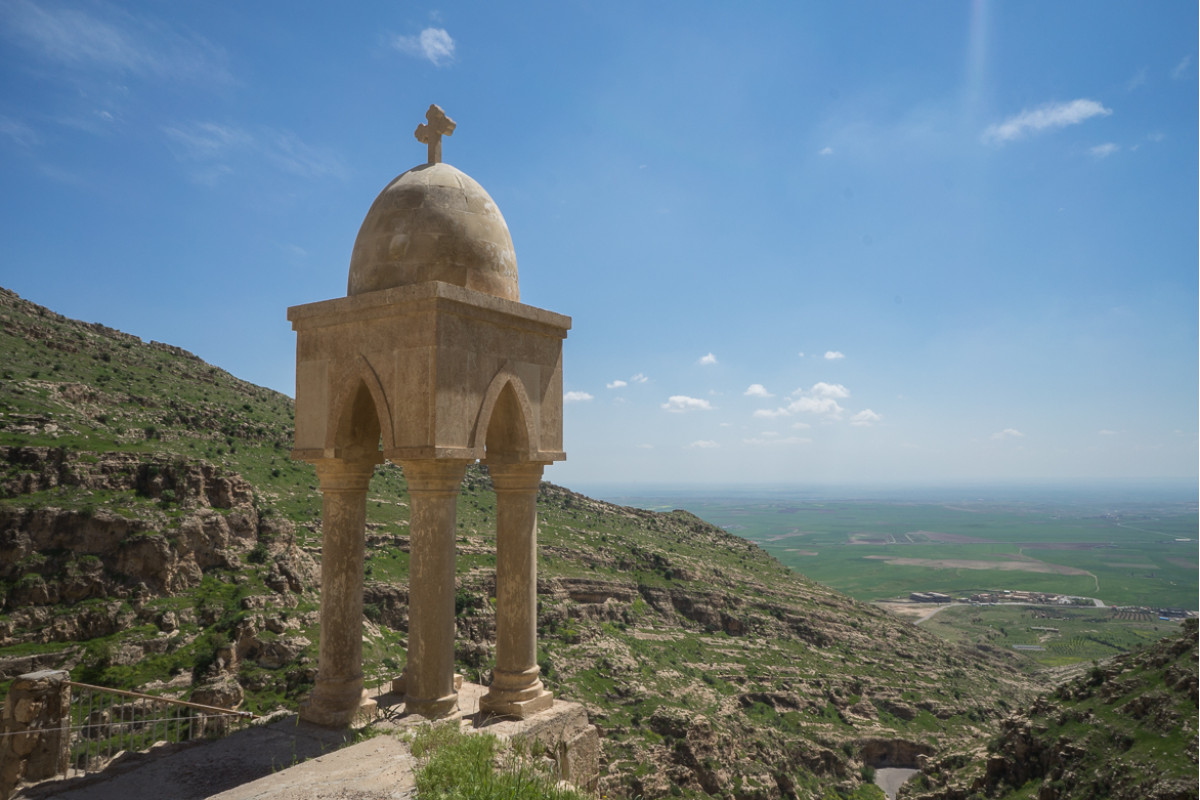
Rabban Hormizd Monastery is one of Iraq’s most impressive landmarks, located on the steep slopes near the town of Alqosh. Founded in the 7th century, this ancient Chaldean Catholic monastery is literally carved into the rock, forming a labyrinth of cave cells, richly decorated churches and panoramic terraces overlooking the Nineveh Plain.
Overnight in Erbil.
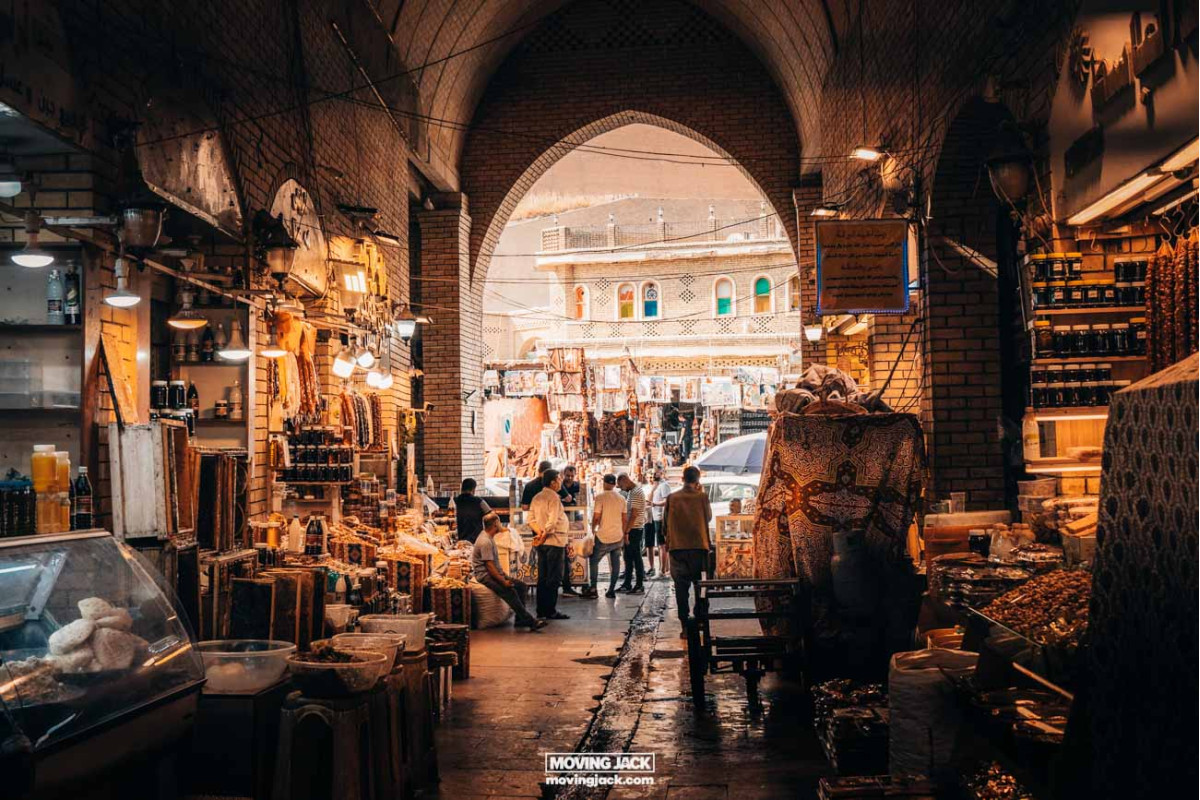
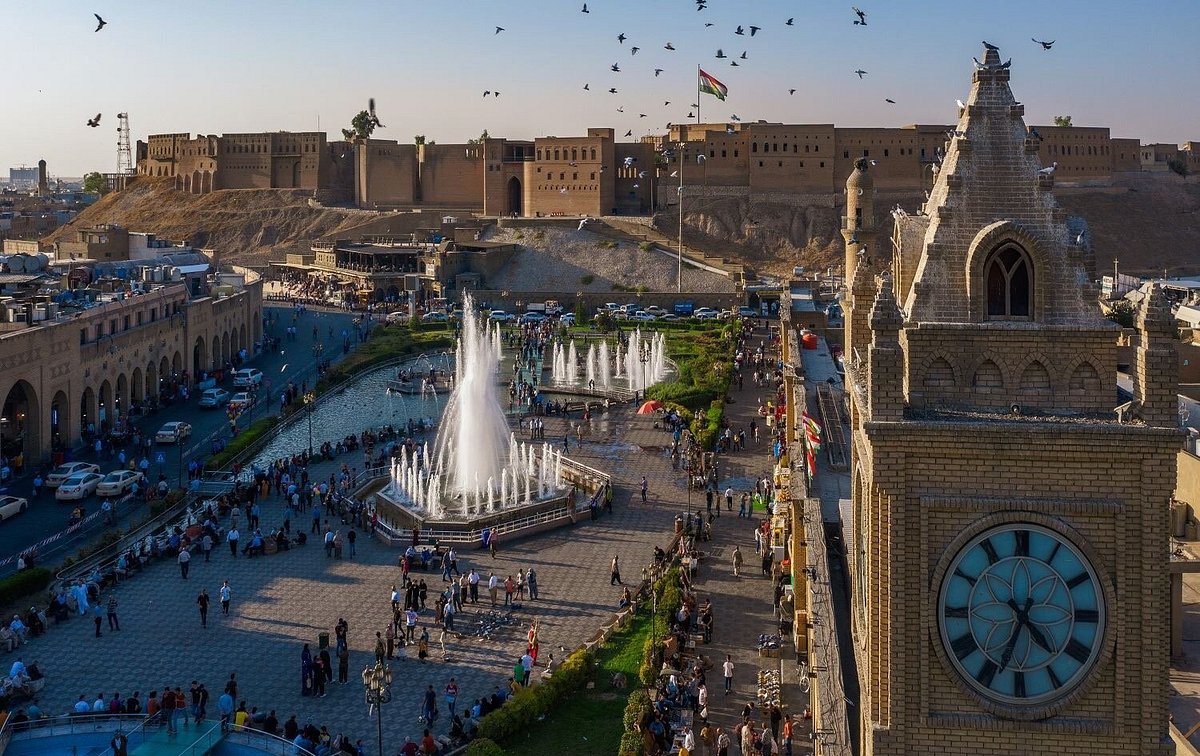
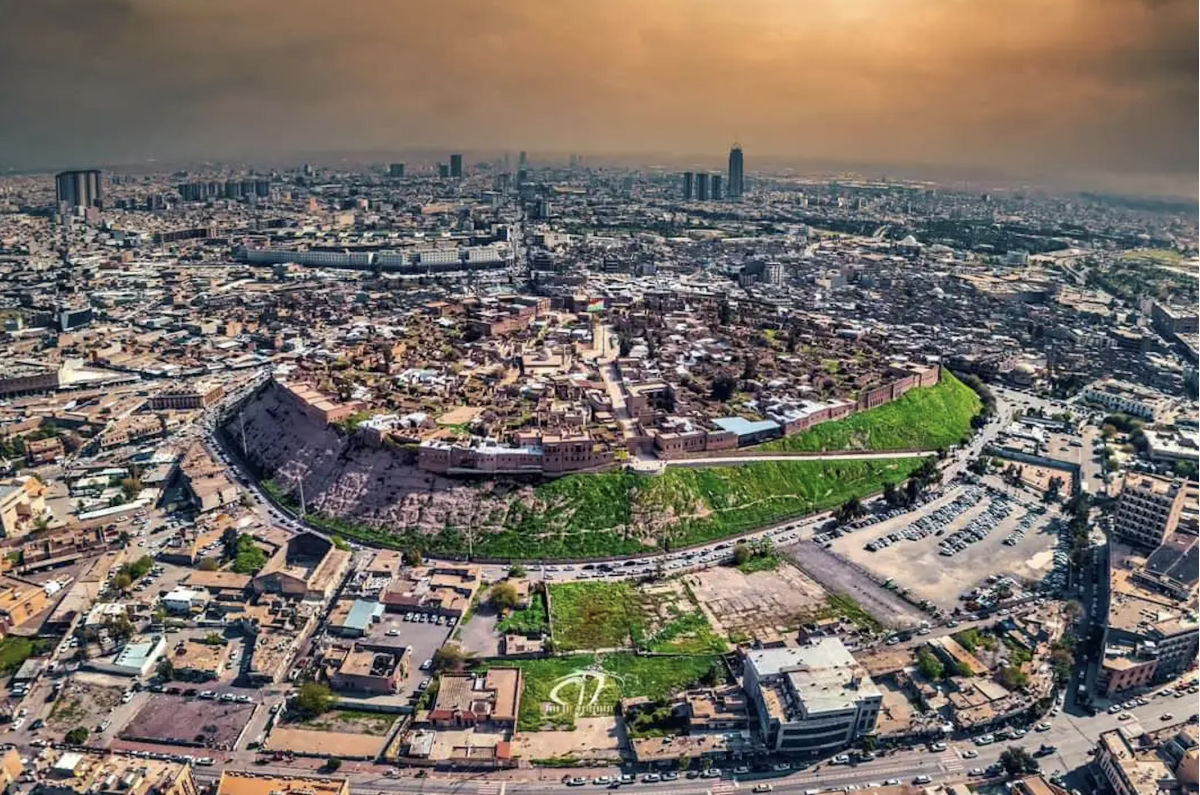
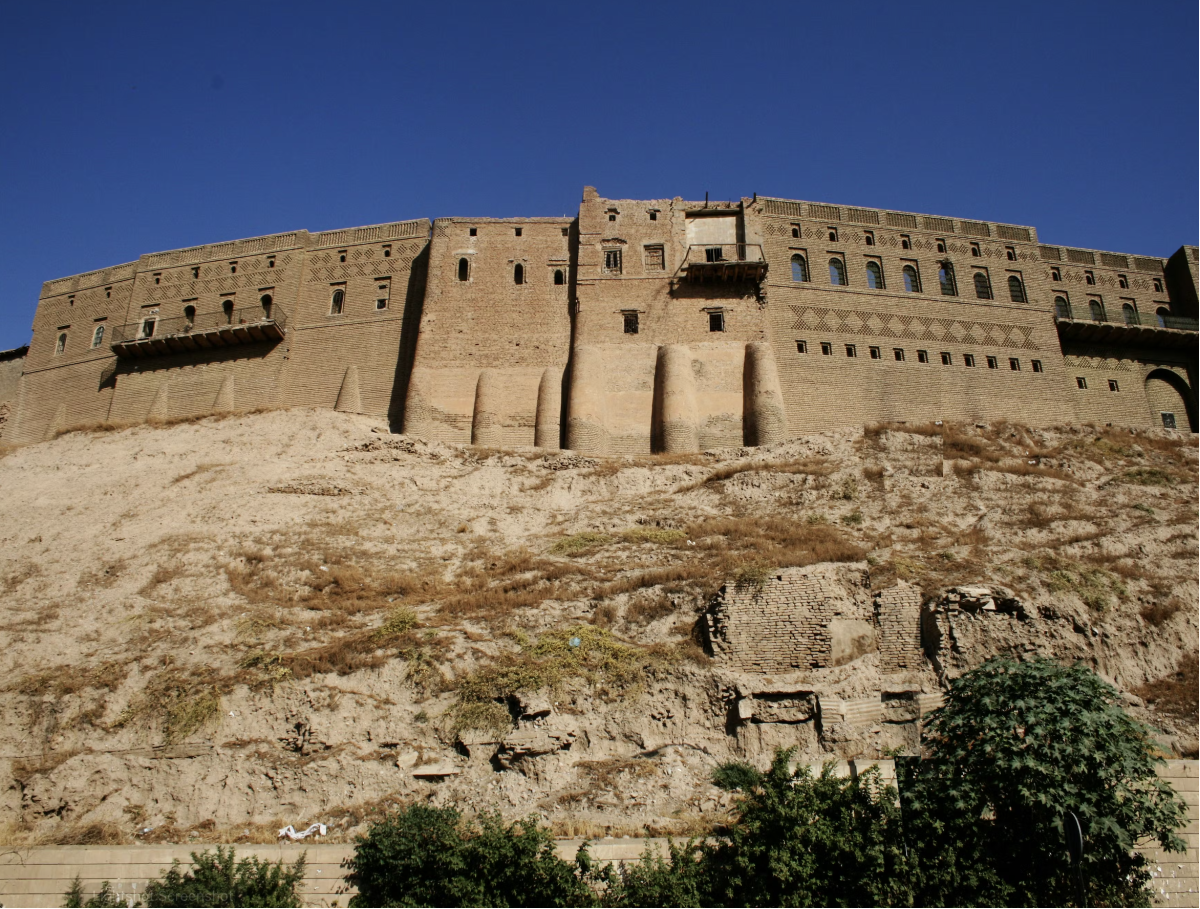
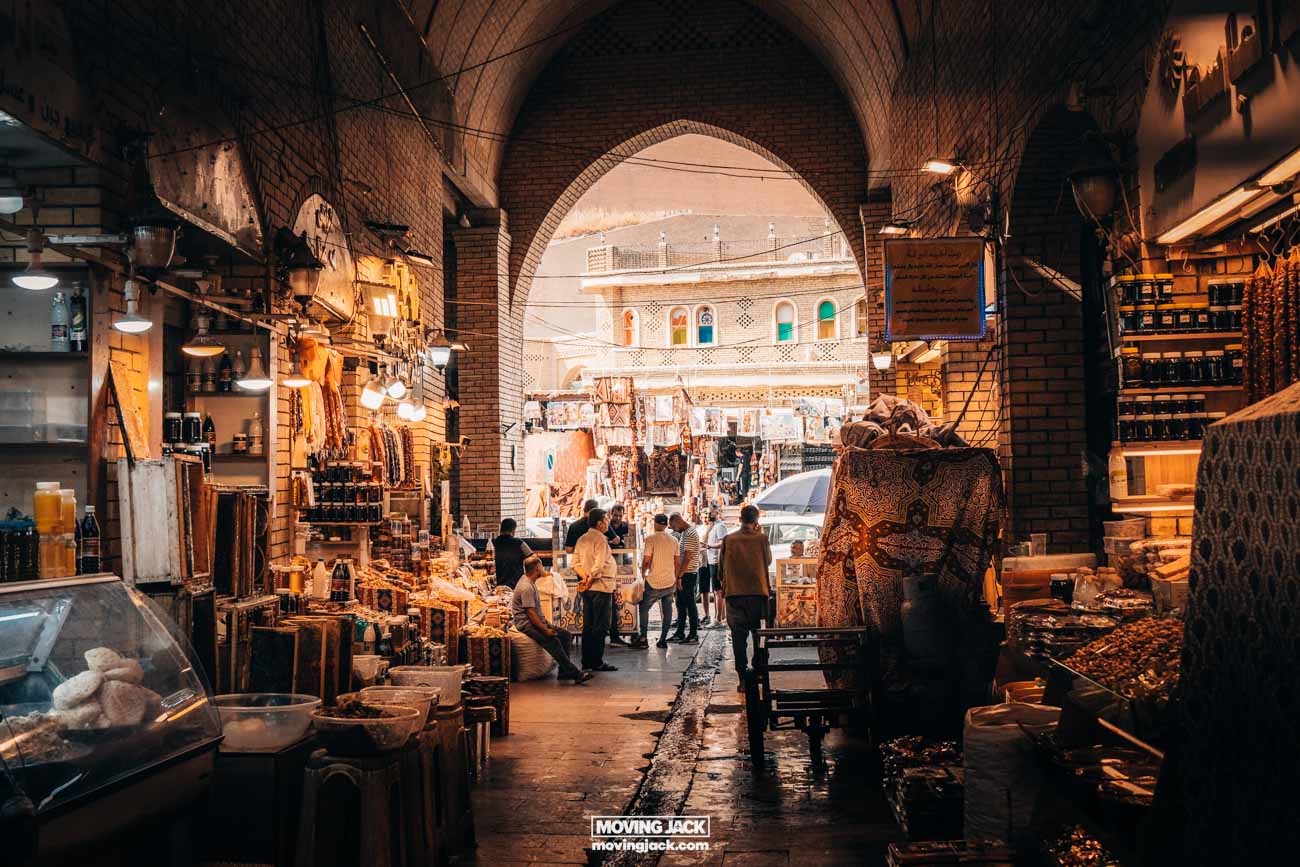
Sightseeing in Erbil. We begin with the Citadel of Erbil — an archaeological mound continuously inhabited for over 6,000 years and listed as a UNESCO World Heritage Site, offering panoramic views over the old city. We then descend into the historic center to visit the Qaysari Bazaar, the vibrant commercial heart of Erbil, filled with traditional shops, spices and handicrafts.
After lunch featuring Kurdish cuisine, we continue with a visit to the 12th-century Muzaffari Minaret, one of the few surviving medieval monuments of the city, followed by a walk through Sami Abdulrahman Park, a symbol of modern Kurdistan. The day concludes in Erbil’s newer districts with coffee or dinner overlooking the city and a sunset above the citadel — a fitting and atmospheric finale to the journey. Overnight in Erbil.


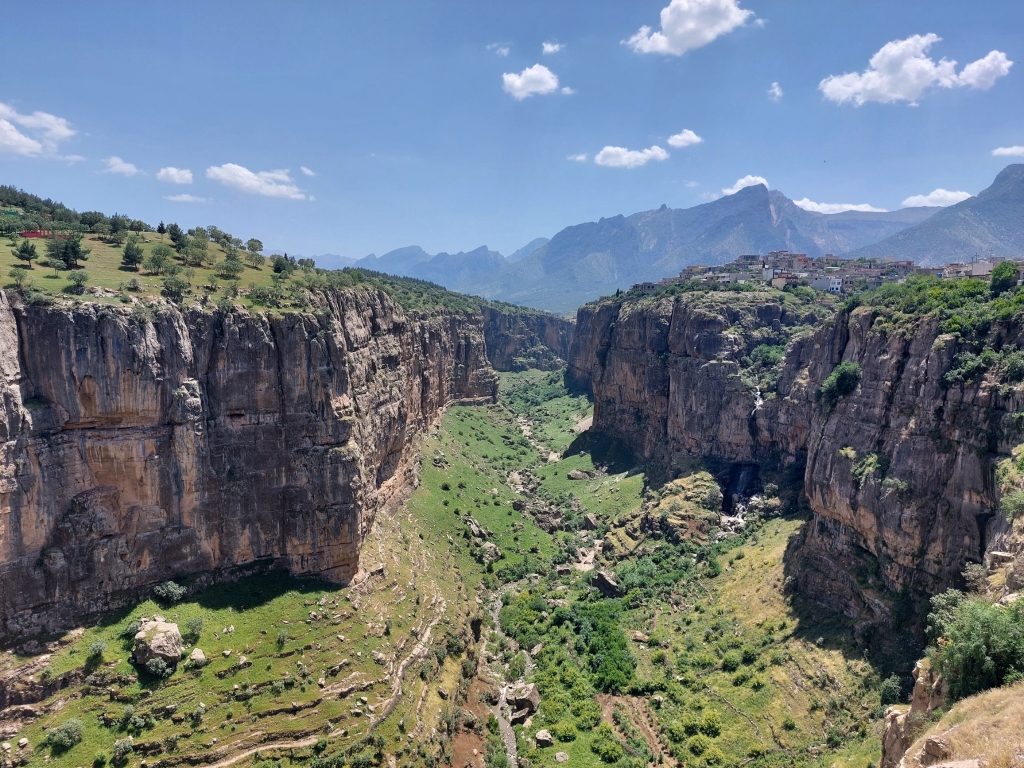
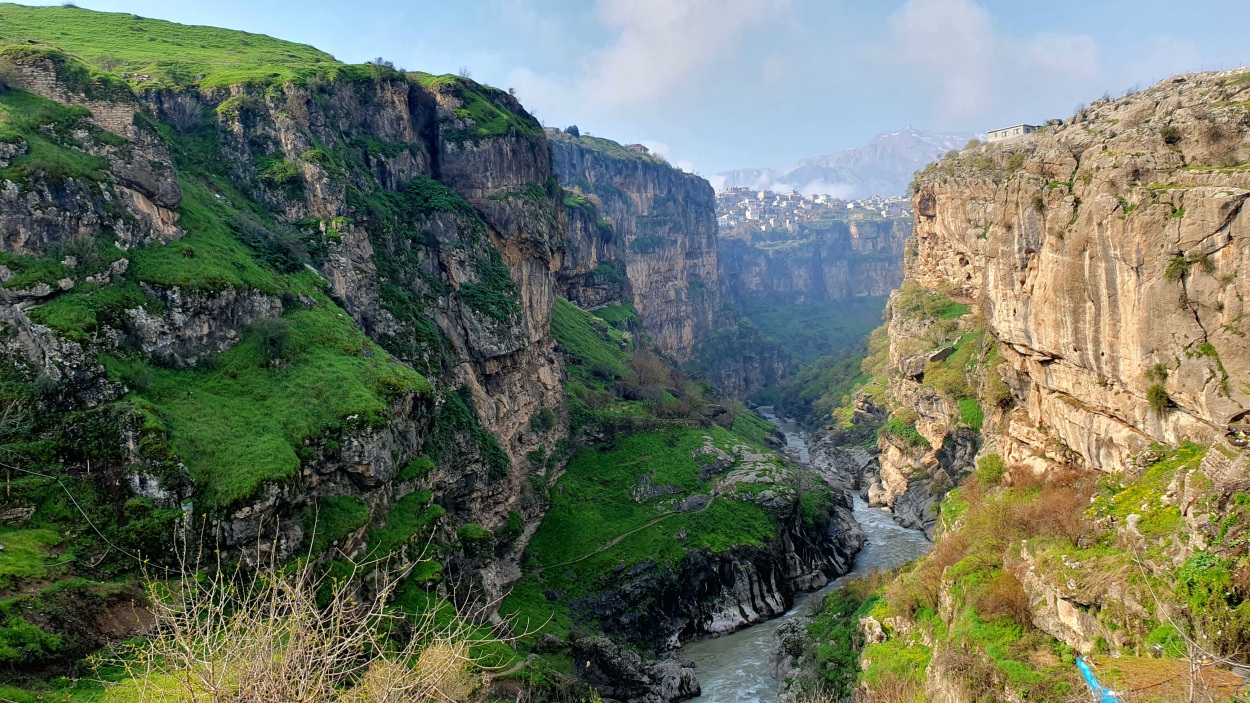
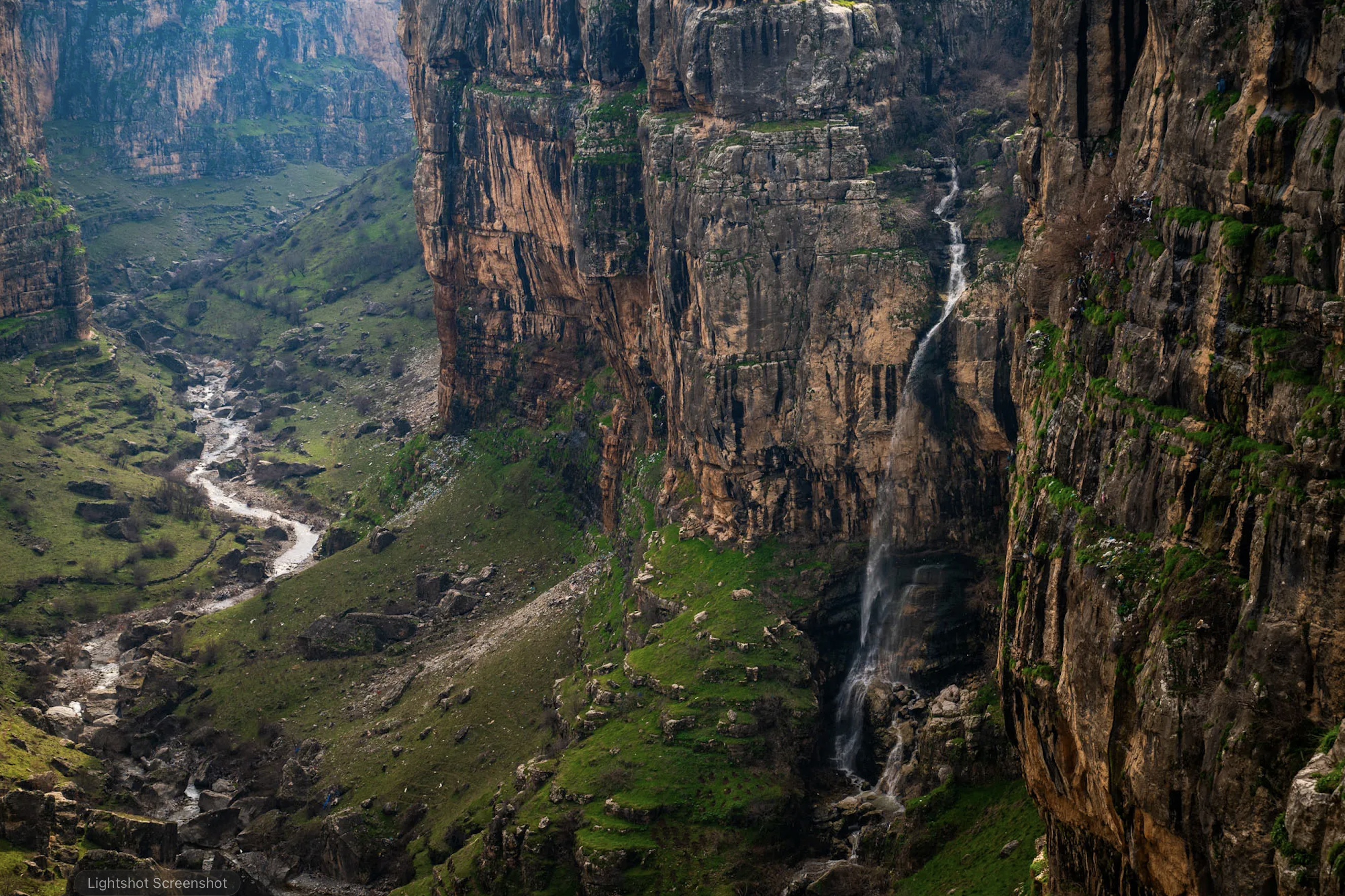
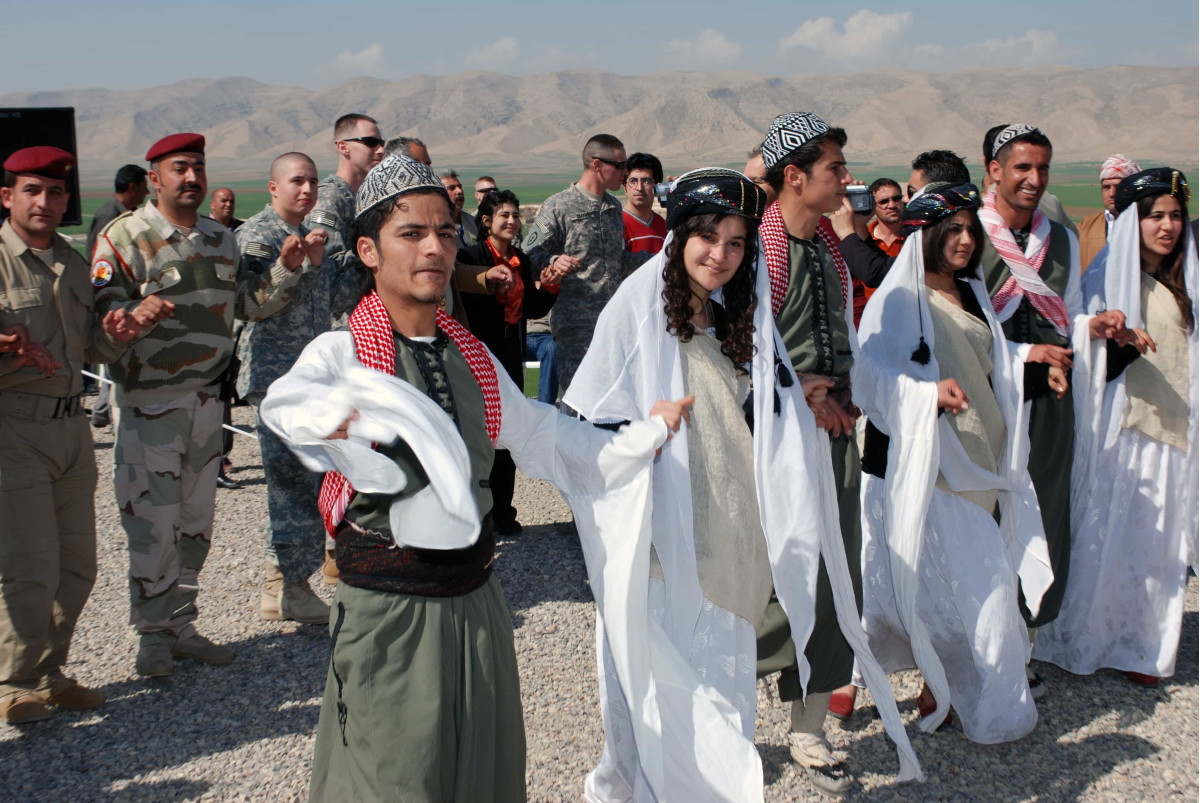
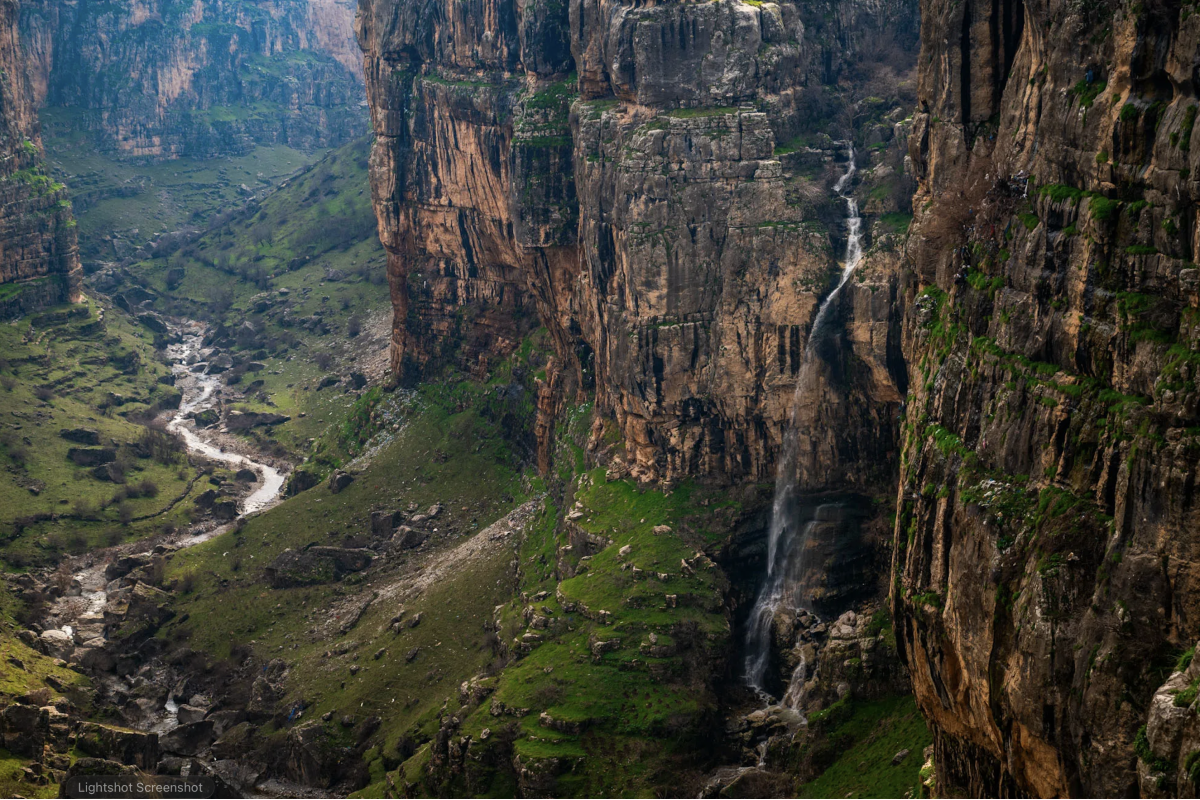
A full day in the mountains to experience the authentic life of Mountain Kurdistan. Late in the evening, return to Erbil. Overnight flight to Istanbul.