14 days / 13 nights
21.10.2026 – 03.11.2026
Tour route: Tokyo – Fuji Kawaguchiko – Kyoto – Nara – Osaka – Taipei
Japan is offered by many tour operators, and creating something truly new is almost impossible. Therefore, we decided to combine it with Taiwan and experience two incredible, ultra-modern countries within a single journey.
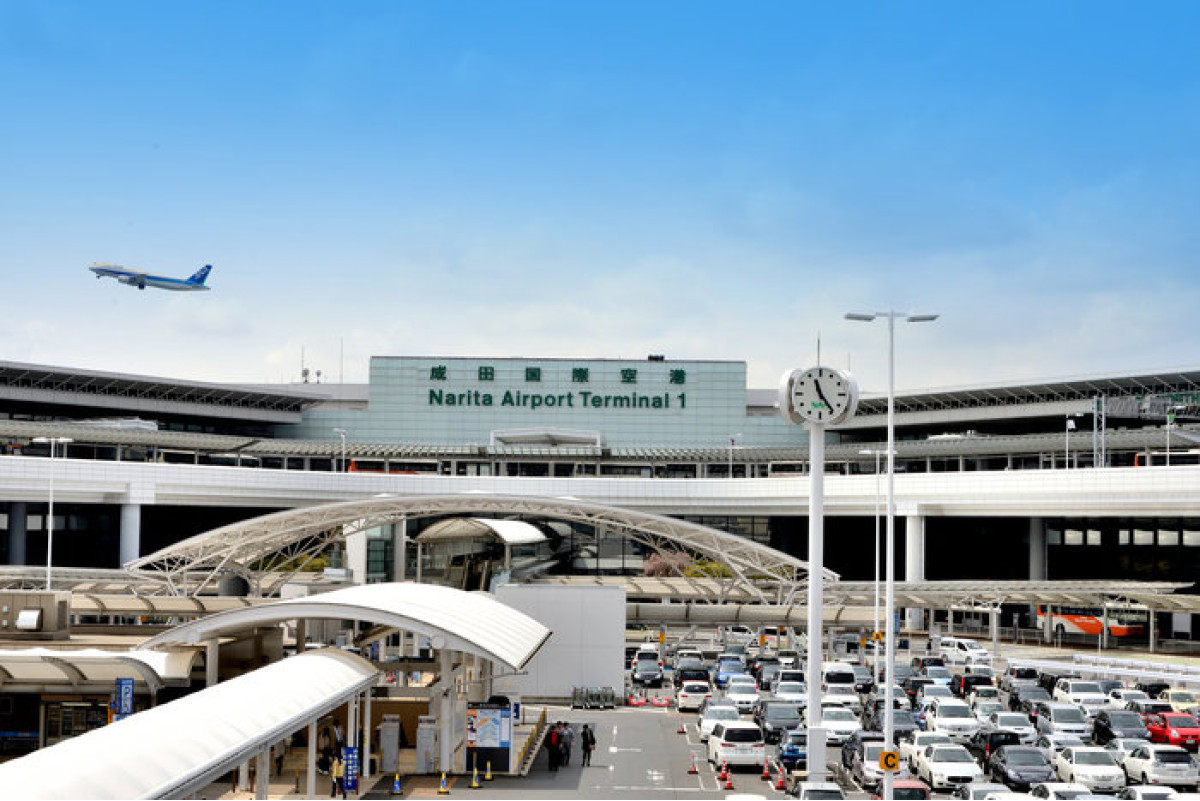
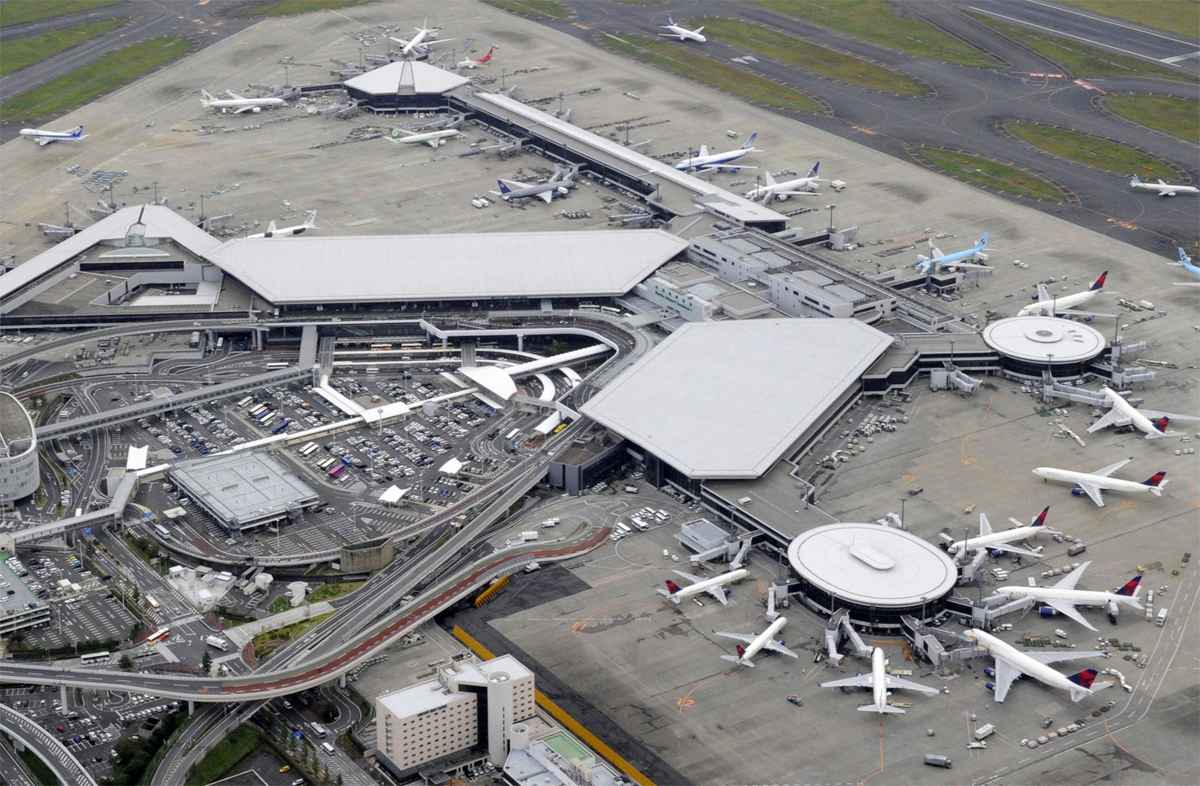
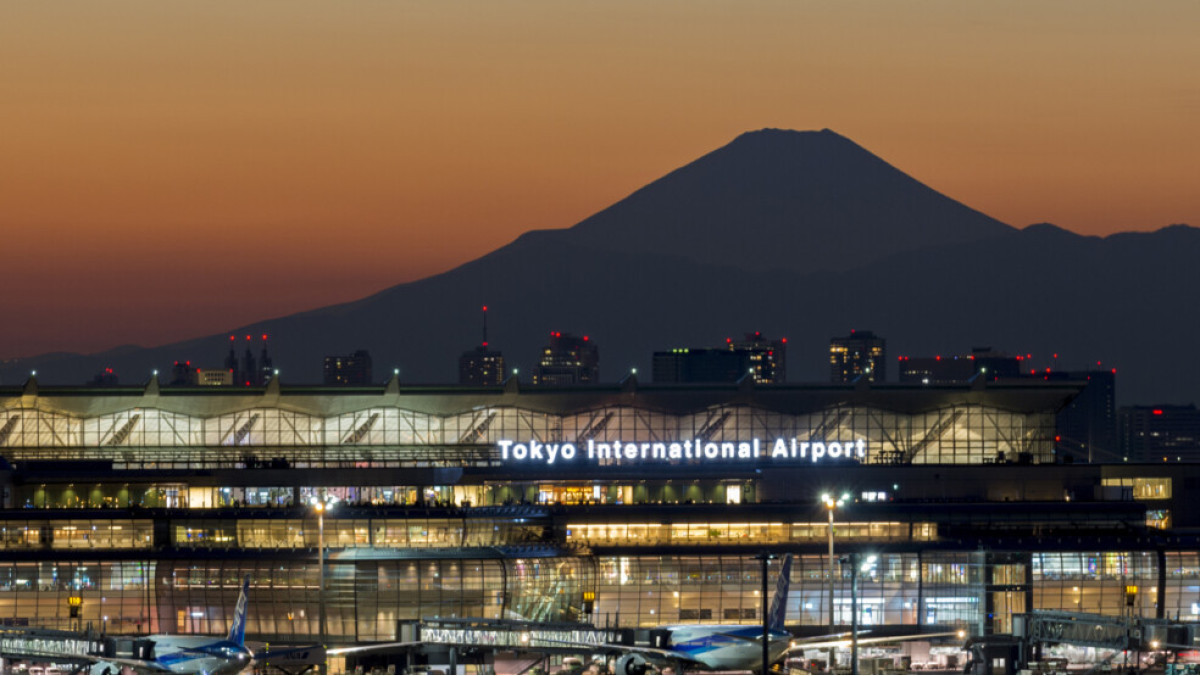
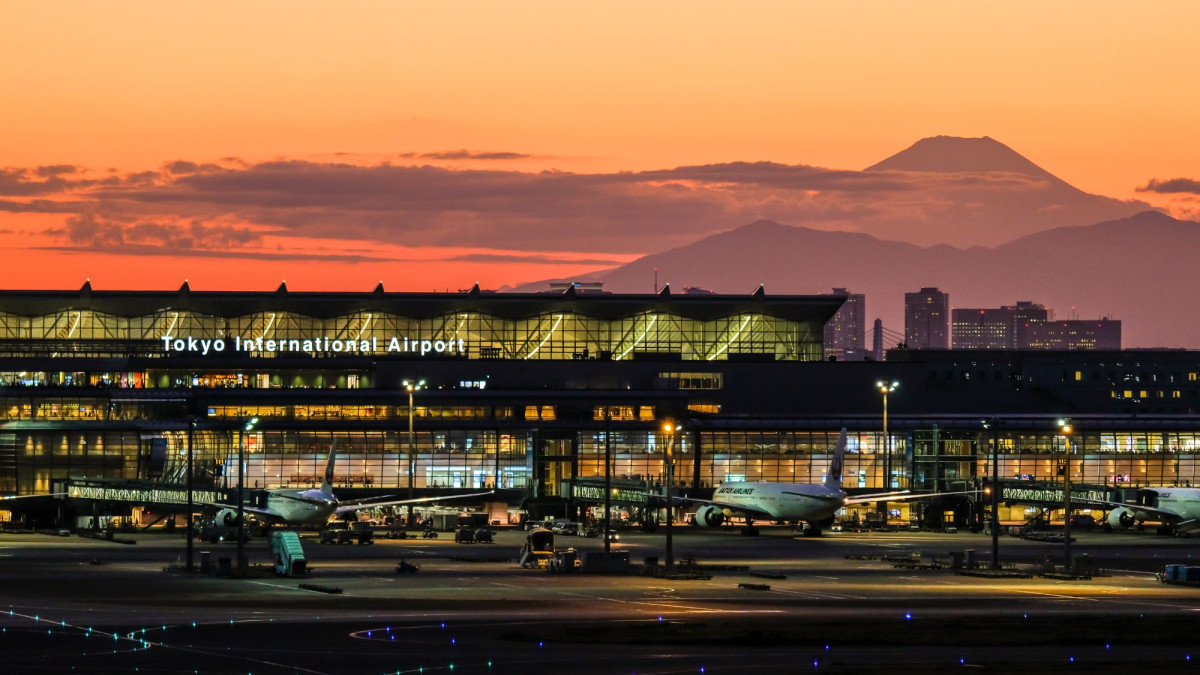
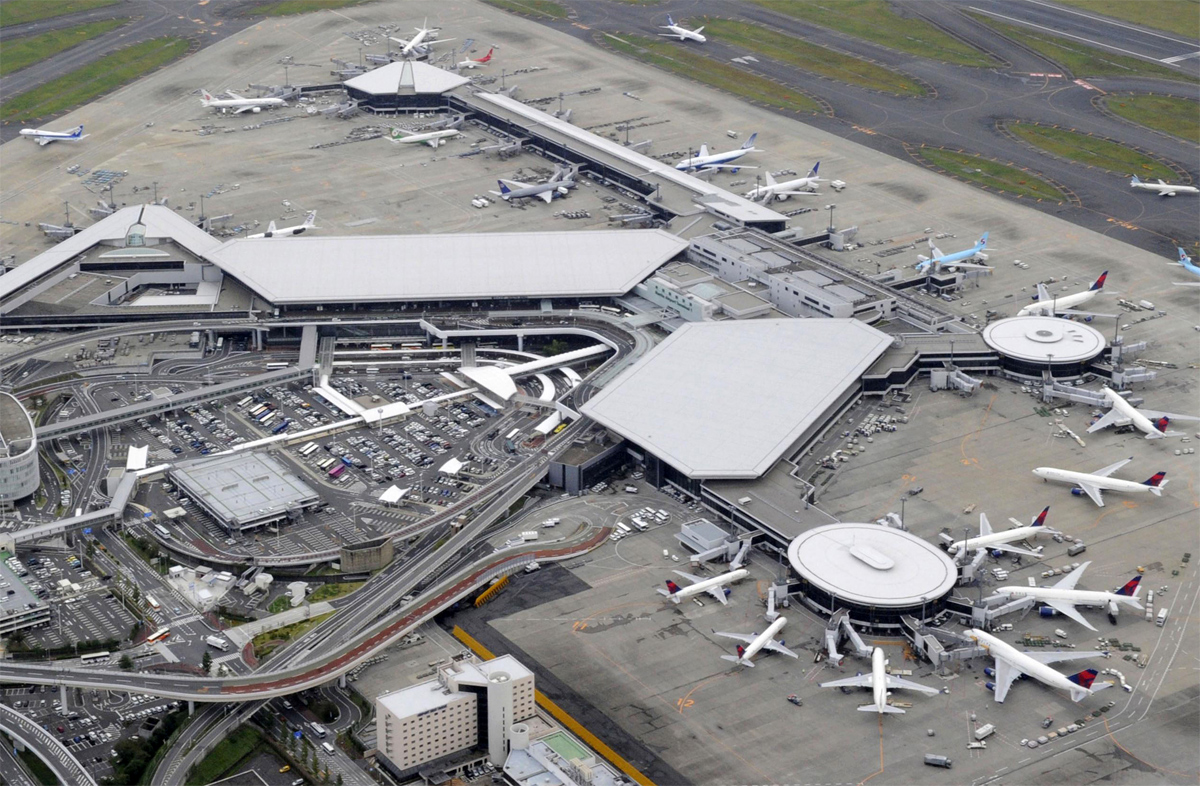
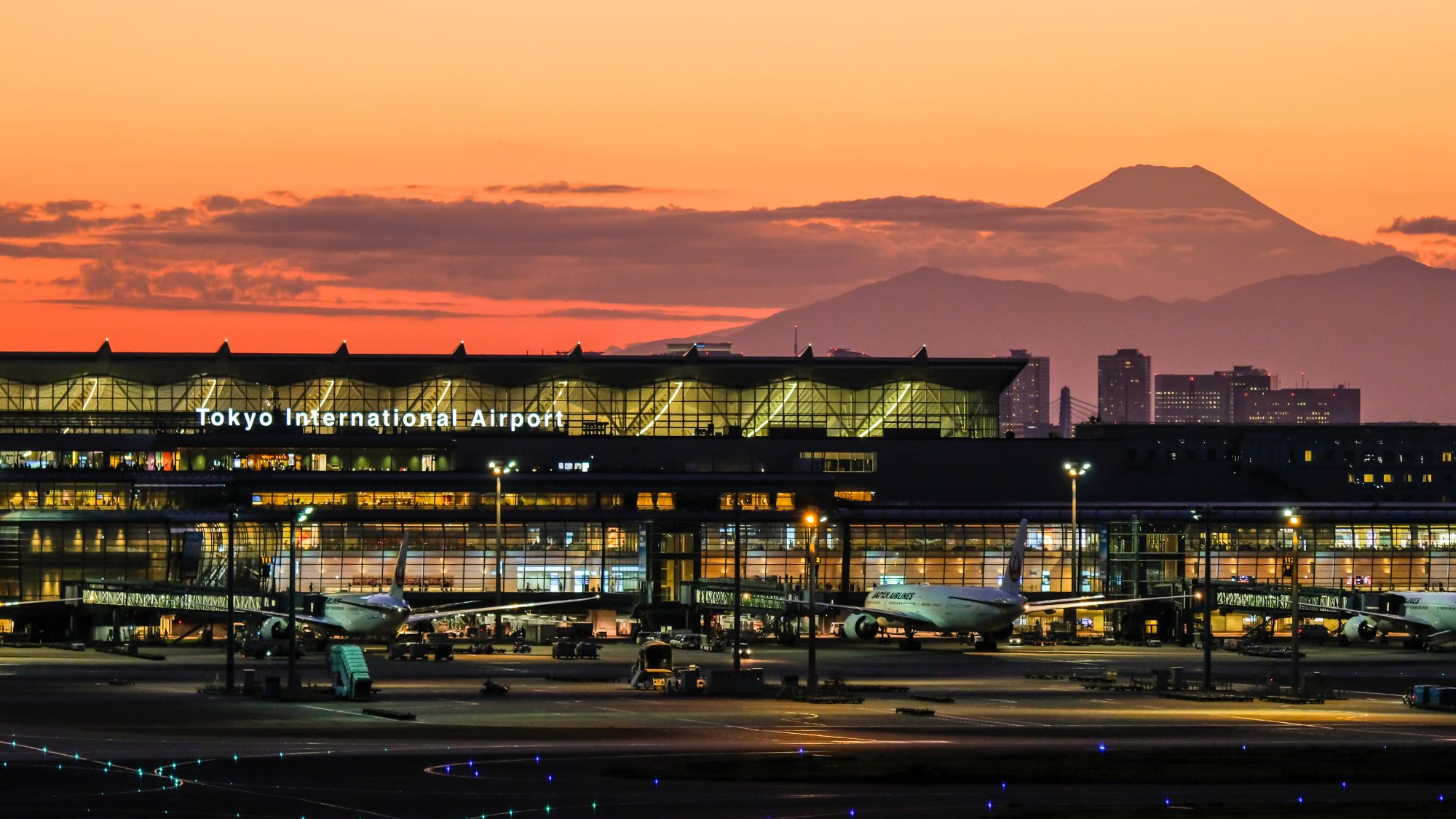
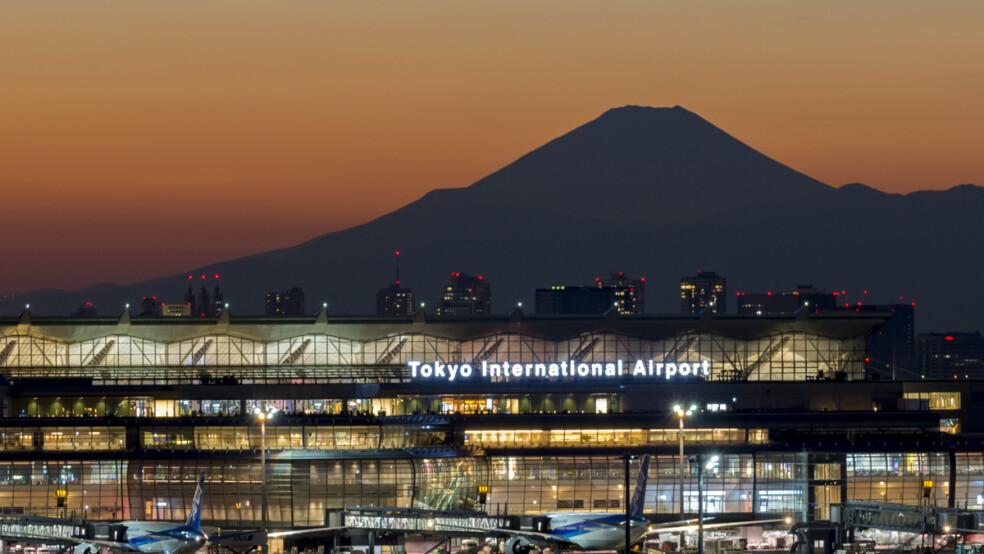
Arrival at Narita or Haneda Airport.
A transfer will meet us and take us to the hotel, where we can check in comfortably and rest after the journey.

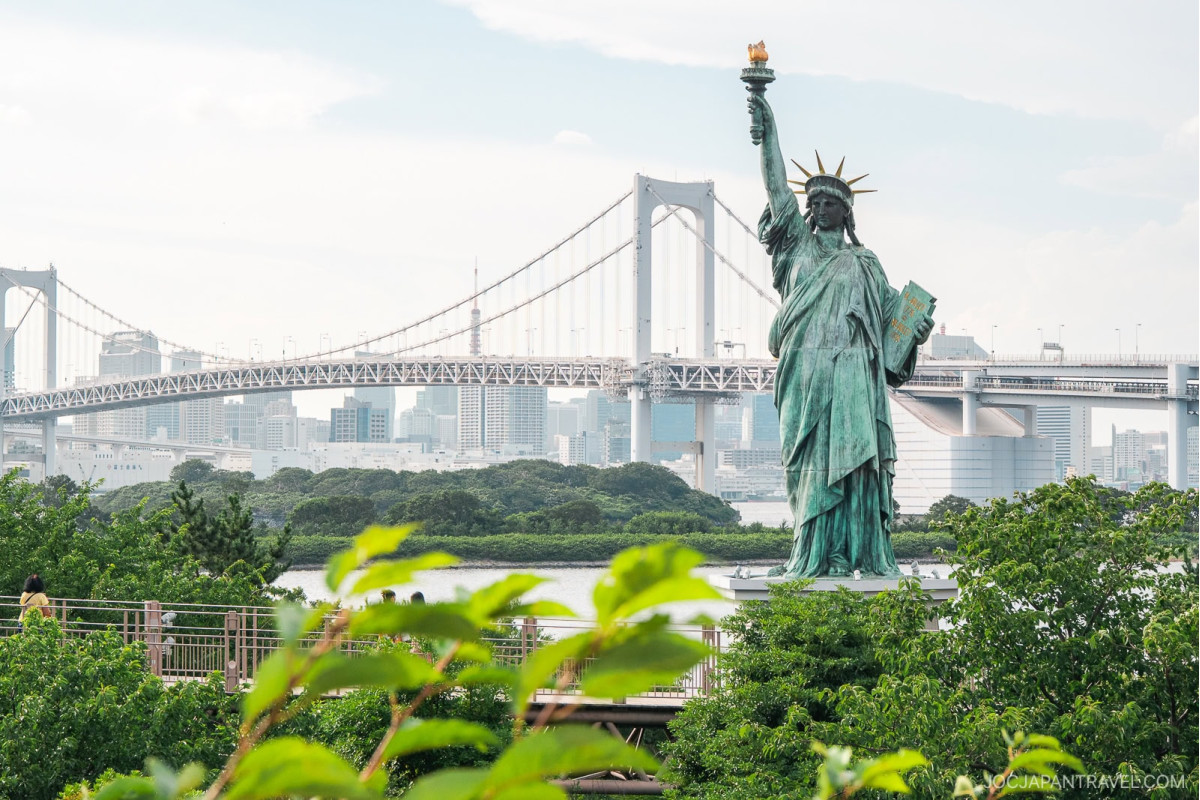
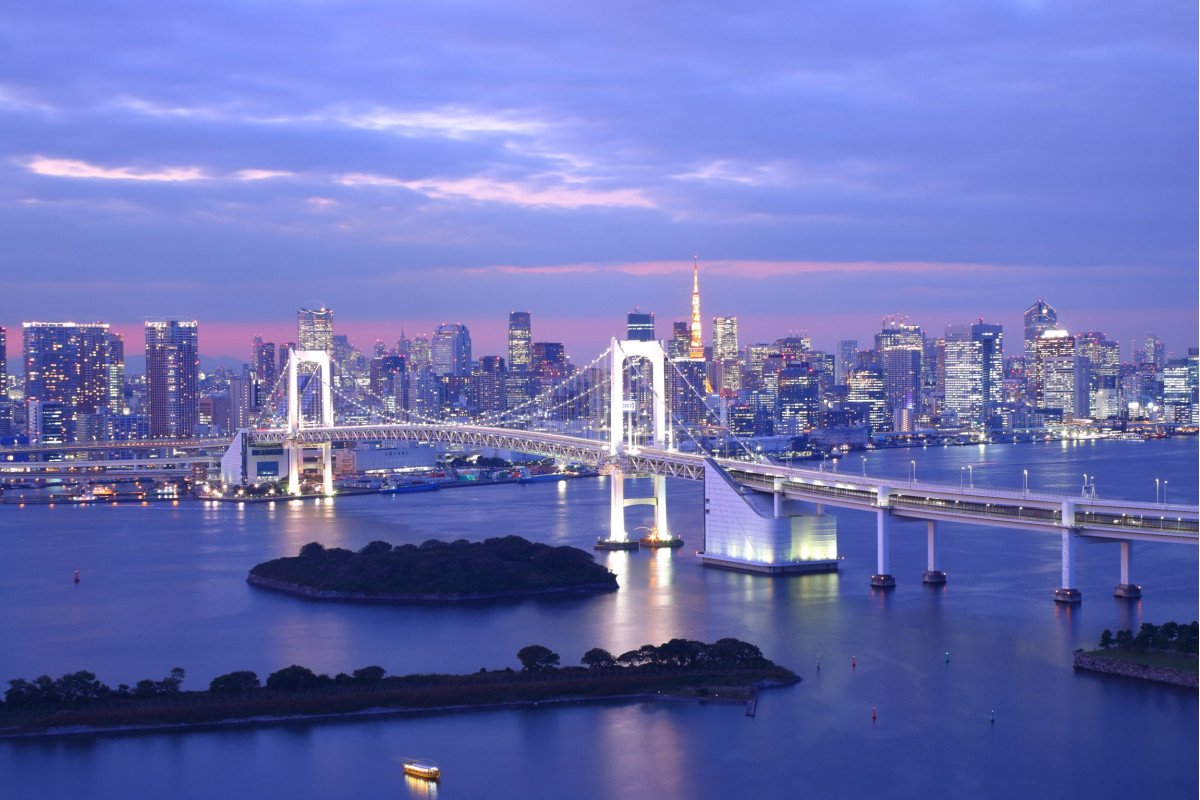
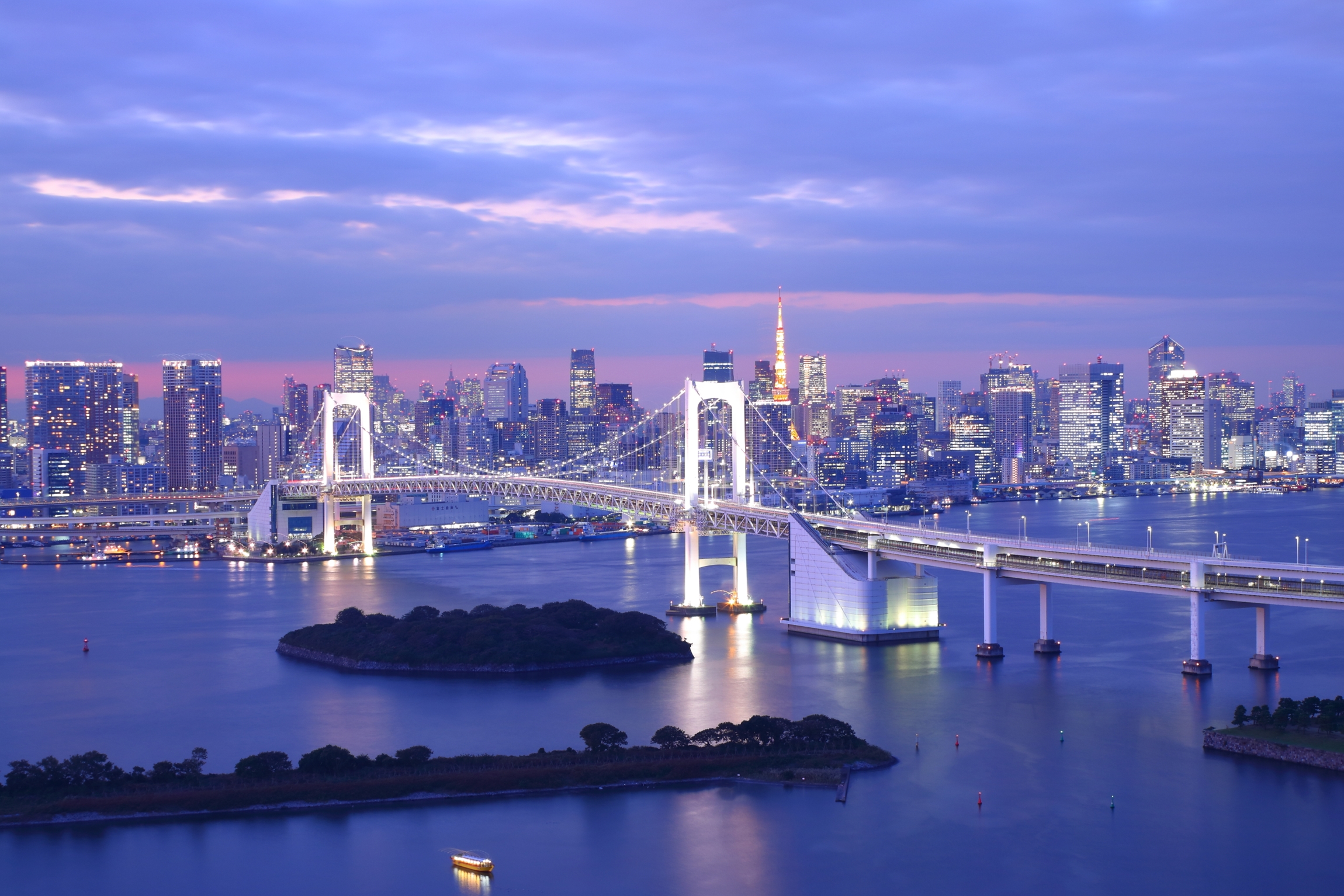
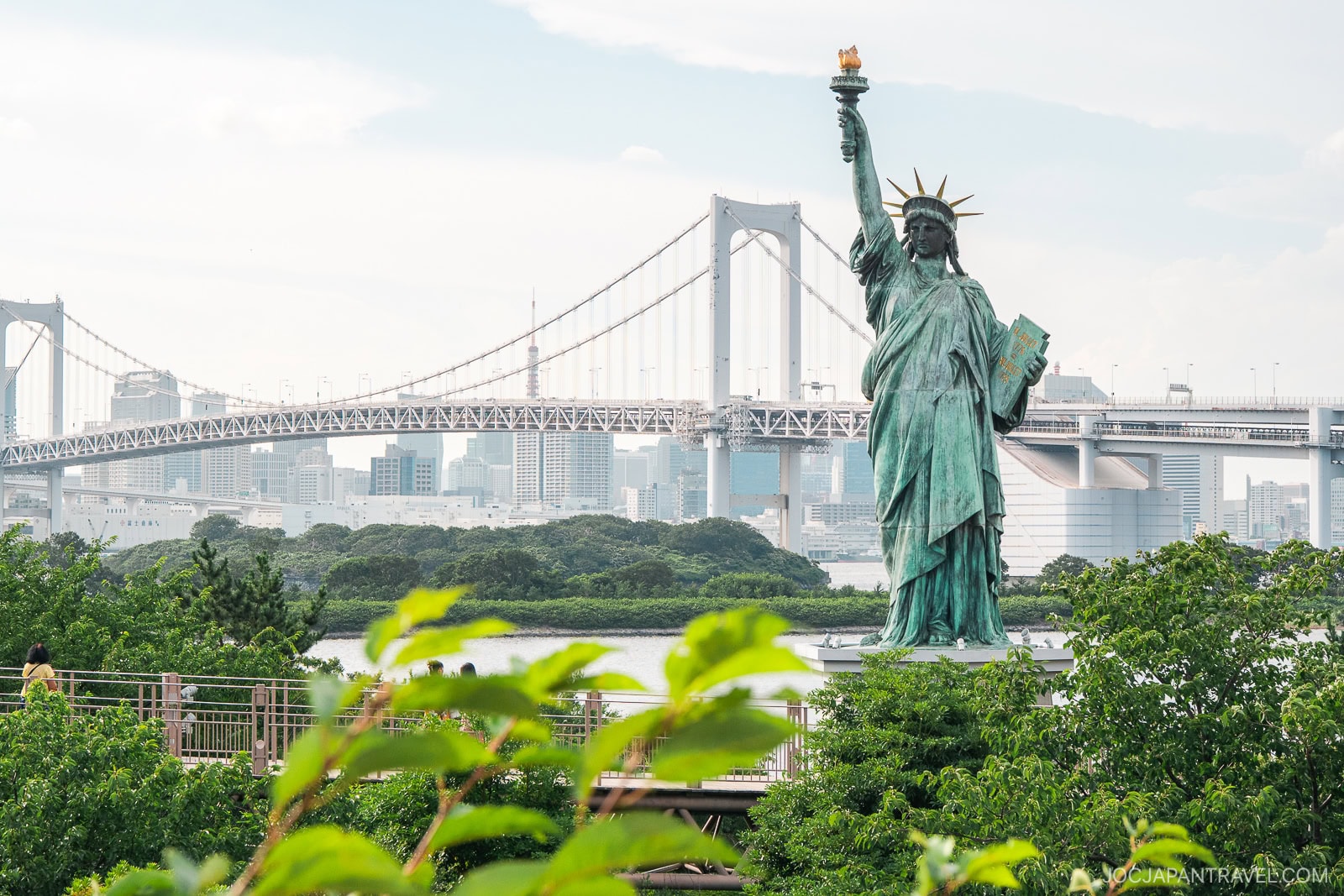
After breakfast at the hotel, we will set off on a city tour. We will travel to the artificial island of Odaiba, followed by a walk along the Tokyo Bay waterfront. From there, we will enjoy beautiful views of central Tokyo, see the Rainbow Bridge, and a reduced-scale replica of the Statue of Liberty.
Special attention deserves the digital art complex teamLab Planets. The unique combination of music, light, and visual installations allows us to feel like part of the artwork and almost dissolve into the music.
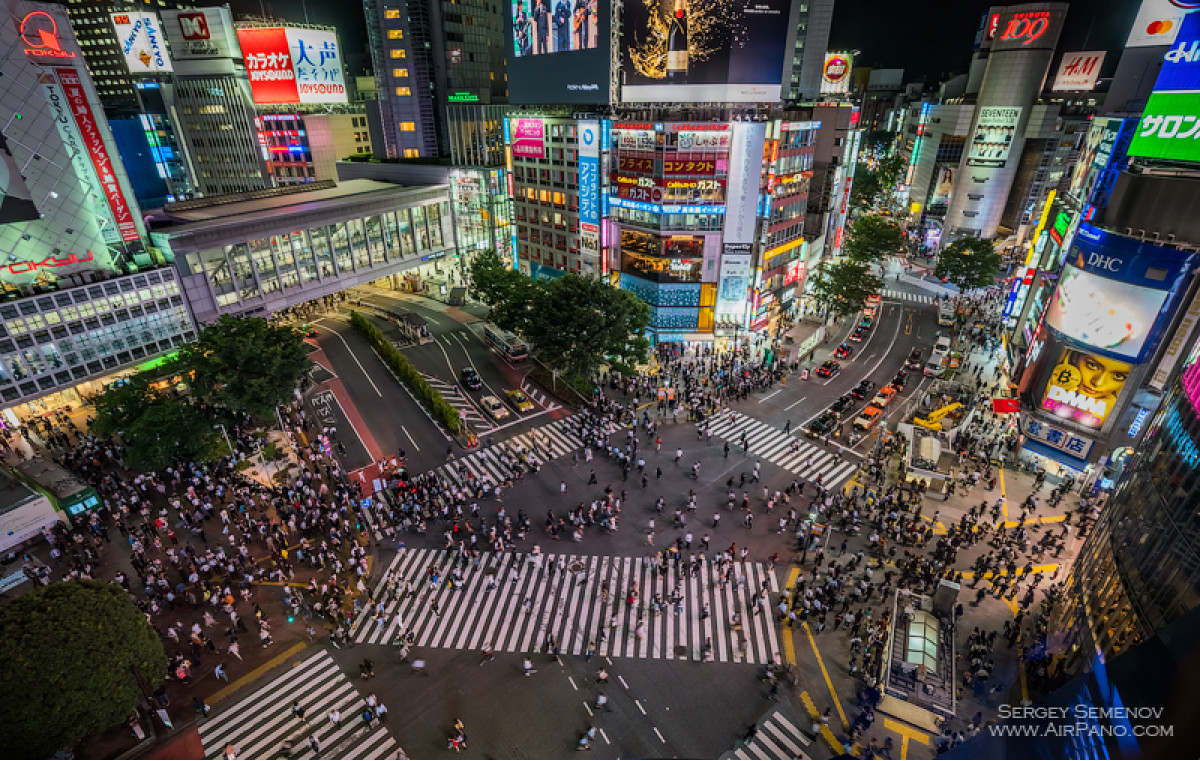
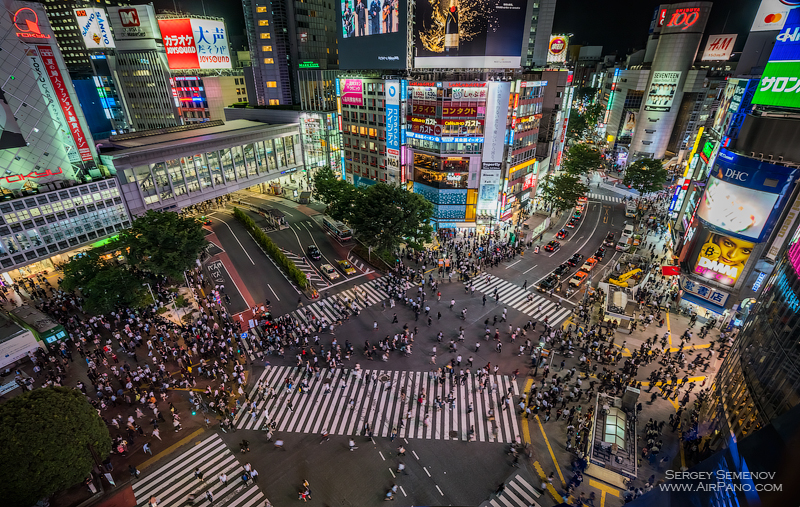
We will walk through the Shibuya district near the railway station of the same name. This area is full of fashionable locals, high-end boutiques, and cool Japanese pubs called izakaya. However, the main symbol of Shibuya remains the small statue of the loyal dog Hachiko, who waited for his owner by the station gates until his death.
In front of the small square with the bronze statue is the world’s busiest pedestrian crossing, which fills with enormous crowds at every green traffic light.
We will definitely go up to the largest observation deck in Japan — Shibuya Sky, located on the 45th and 46th floors and on the rooftop of the Shibuya Scramble Square building.
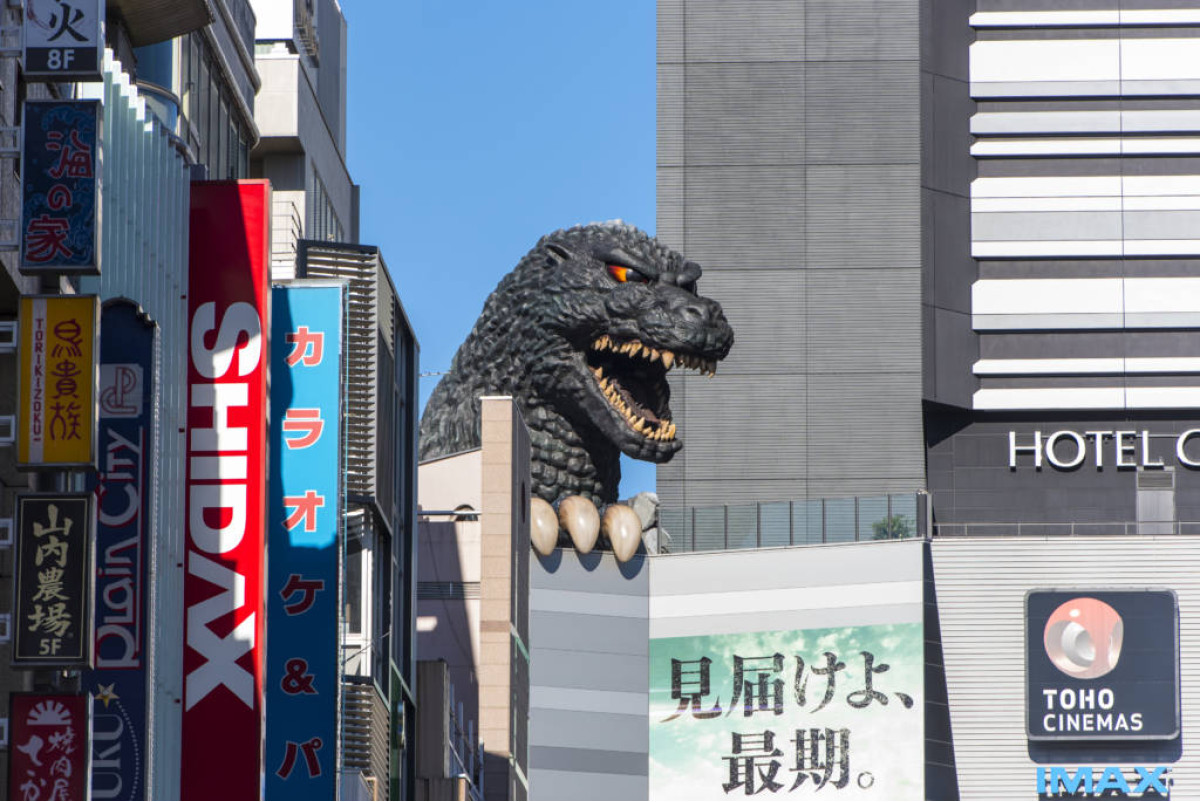
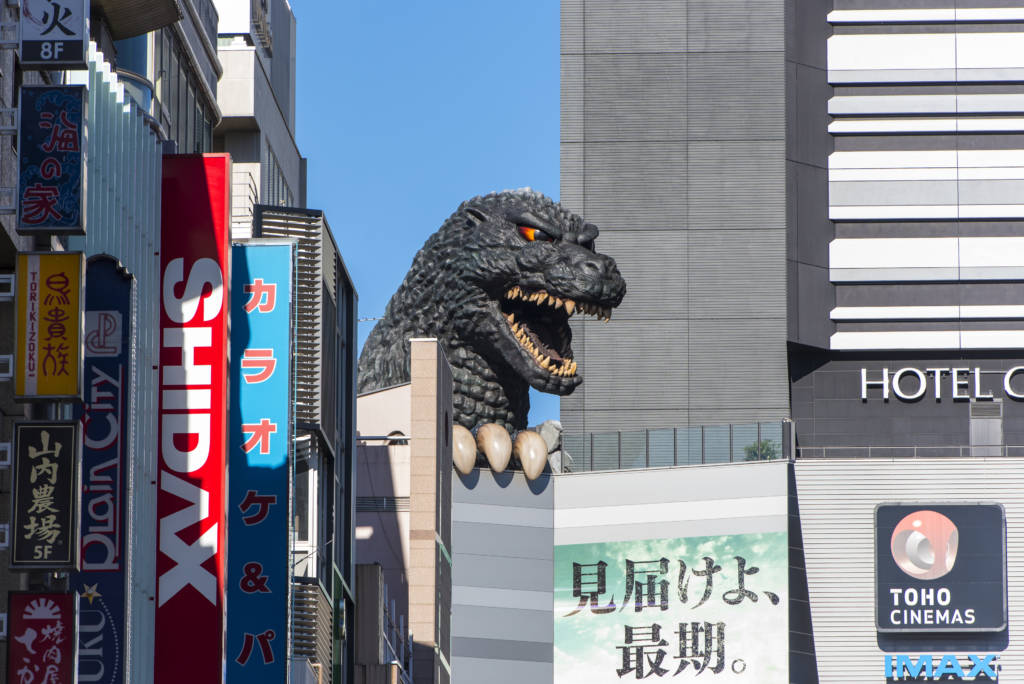
After that, we will visit the Shinjuku district — a major entertainment, business, and shopping area of Tokyo, home to the largest railway station in the world and the main administrative buildings of Japan, including the two skyscraper towers that house the Tokyo Metropolitan Government. It is also here that we will see the famous Godzilla head!
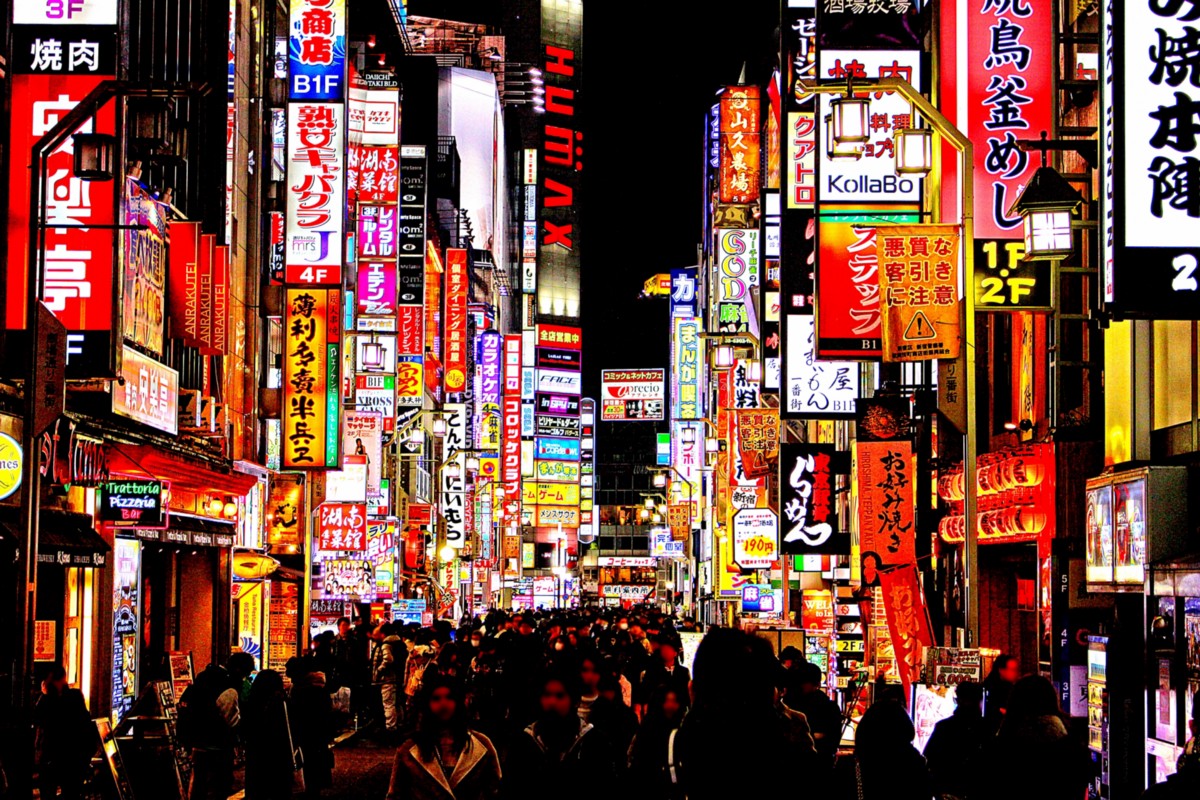
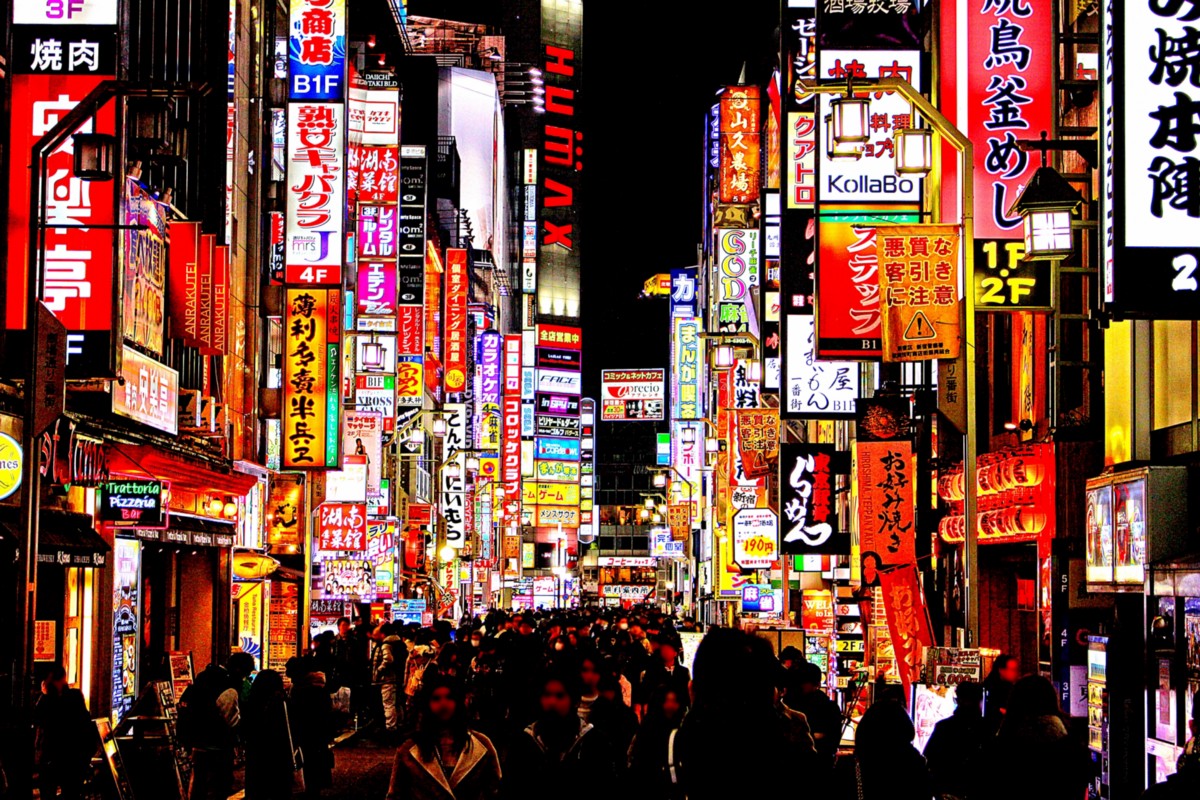
To conclude this eventful day, we will visit Kabukicho. Crowded, glowing with neon lights, the loudest yet safest red-light district in Asia — and possibly in the entire world!
Return to the hotel and overnight stay.
Today we have a Tokyo tour by public transport (subway + taxi).
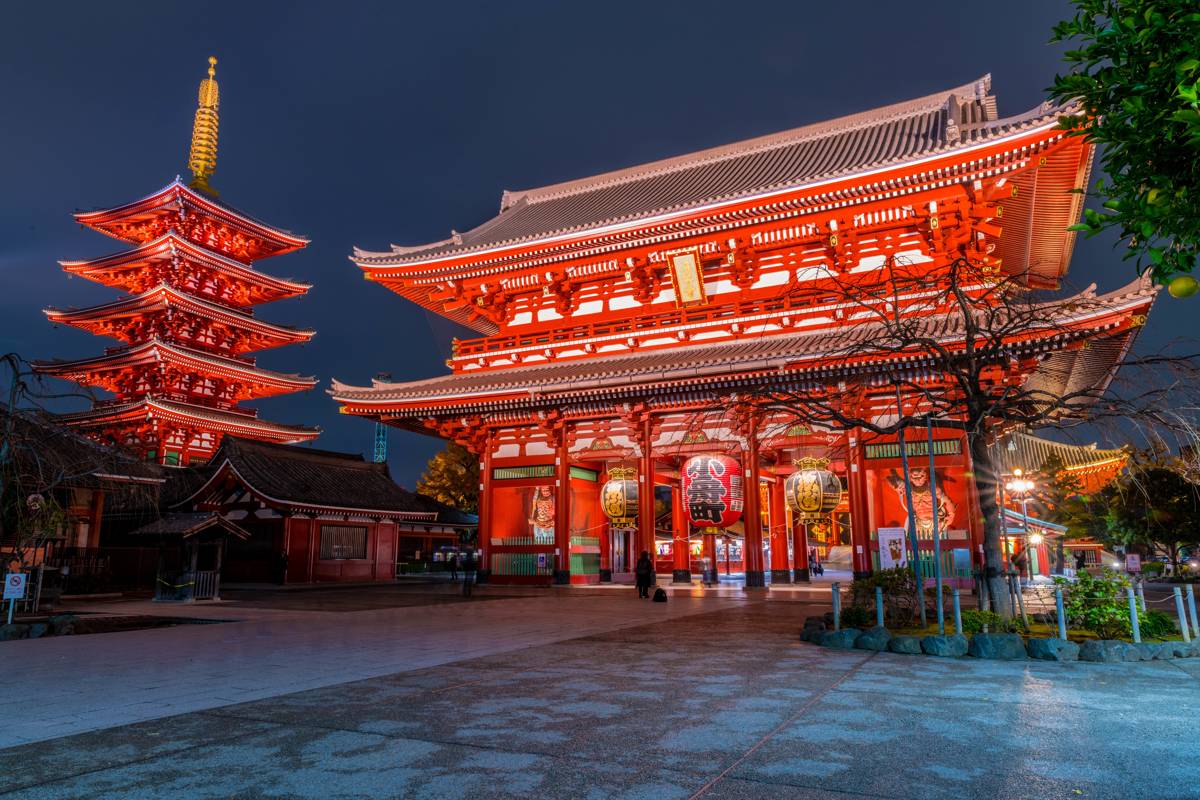
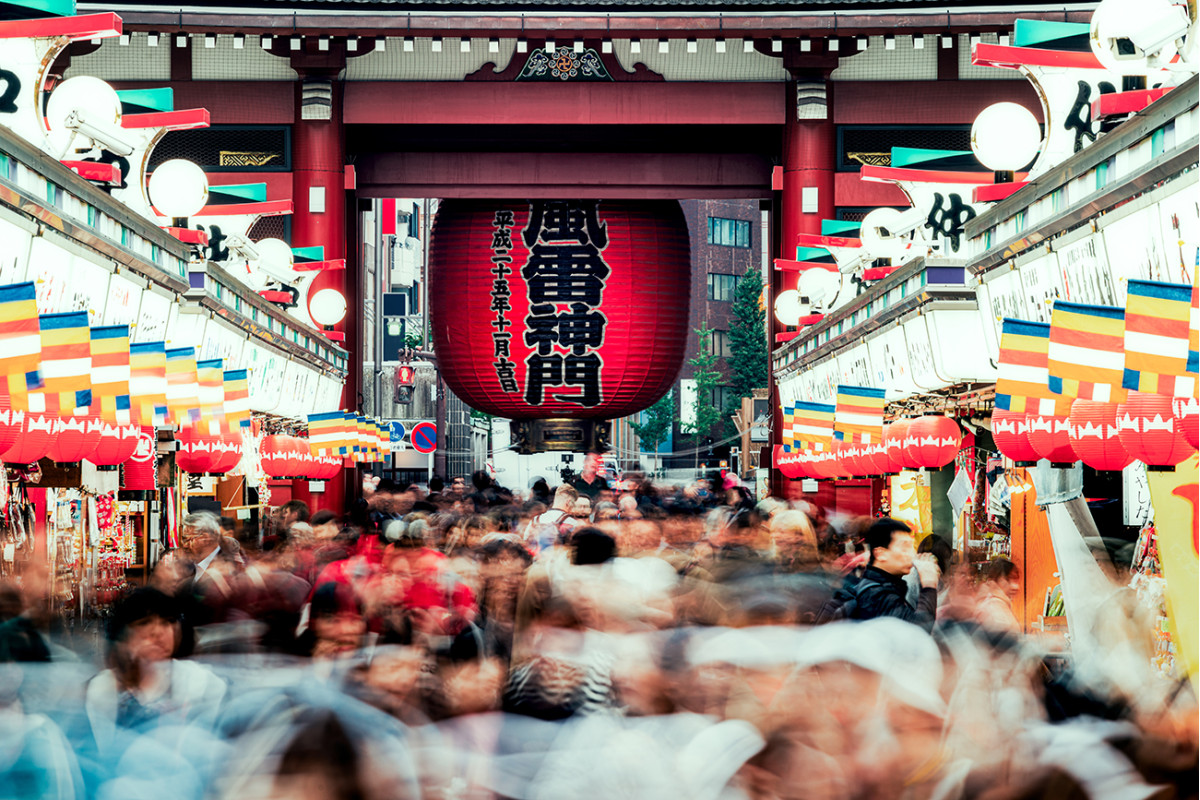
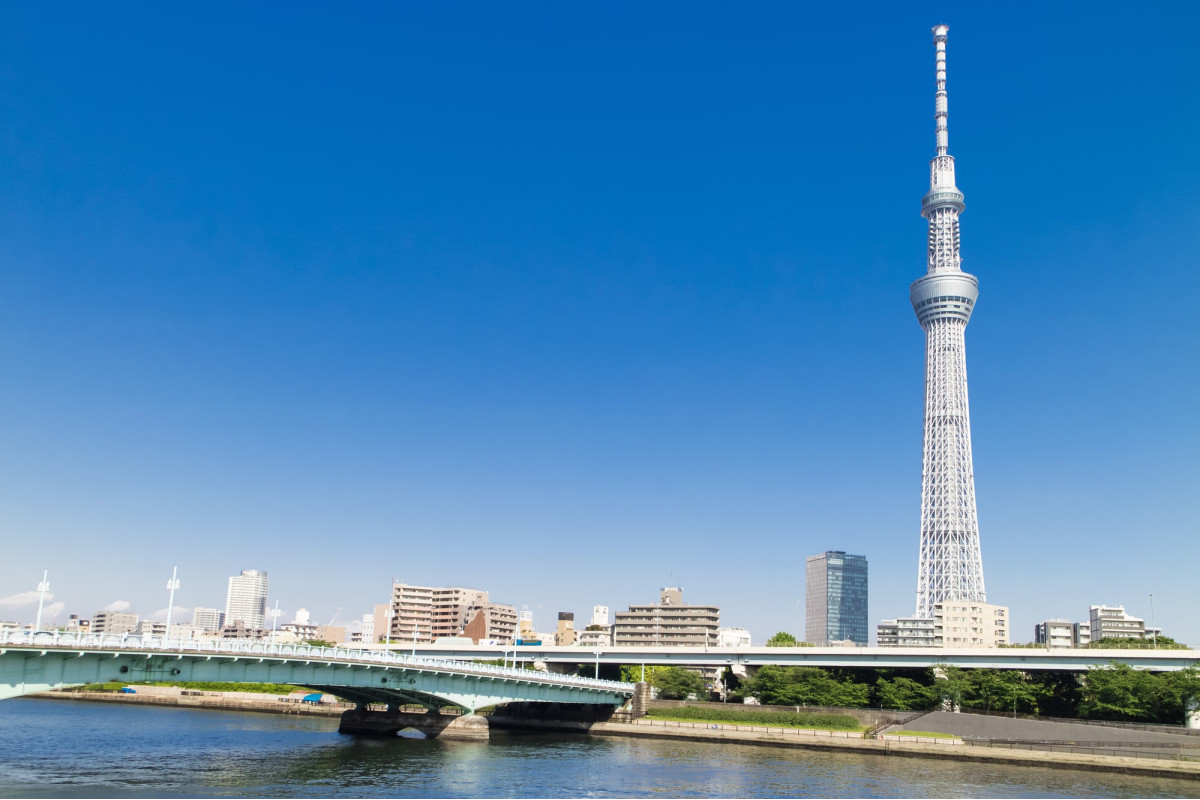
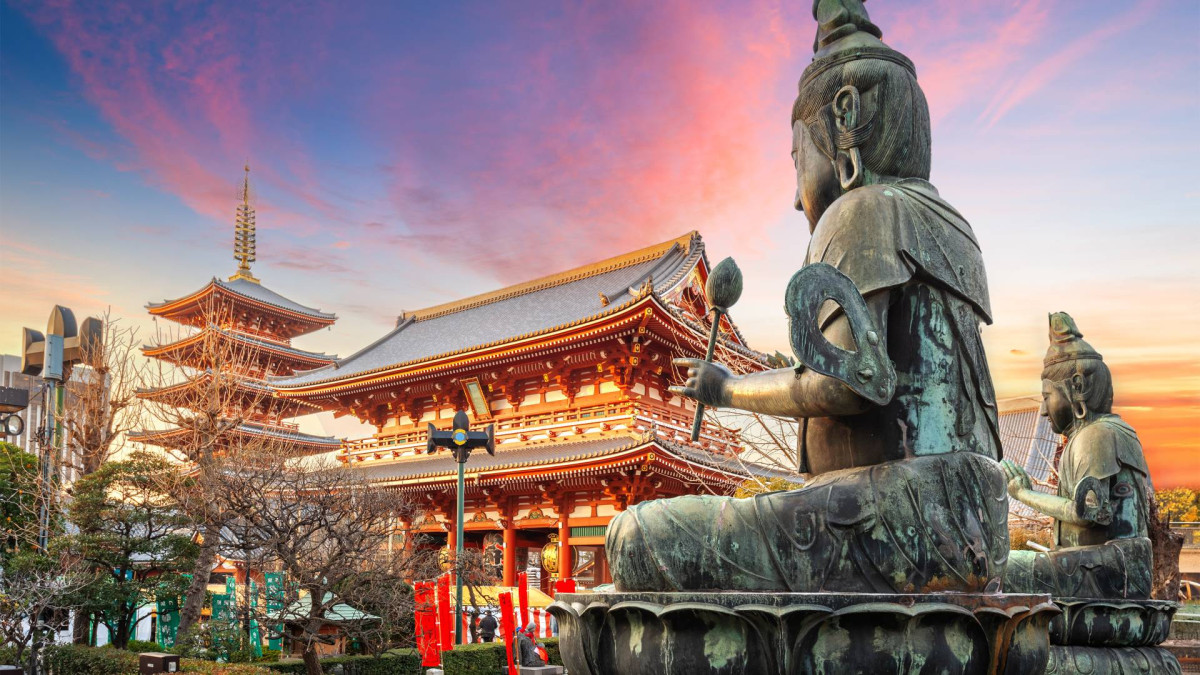
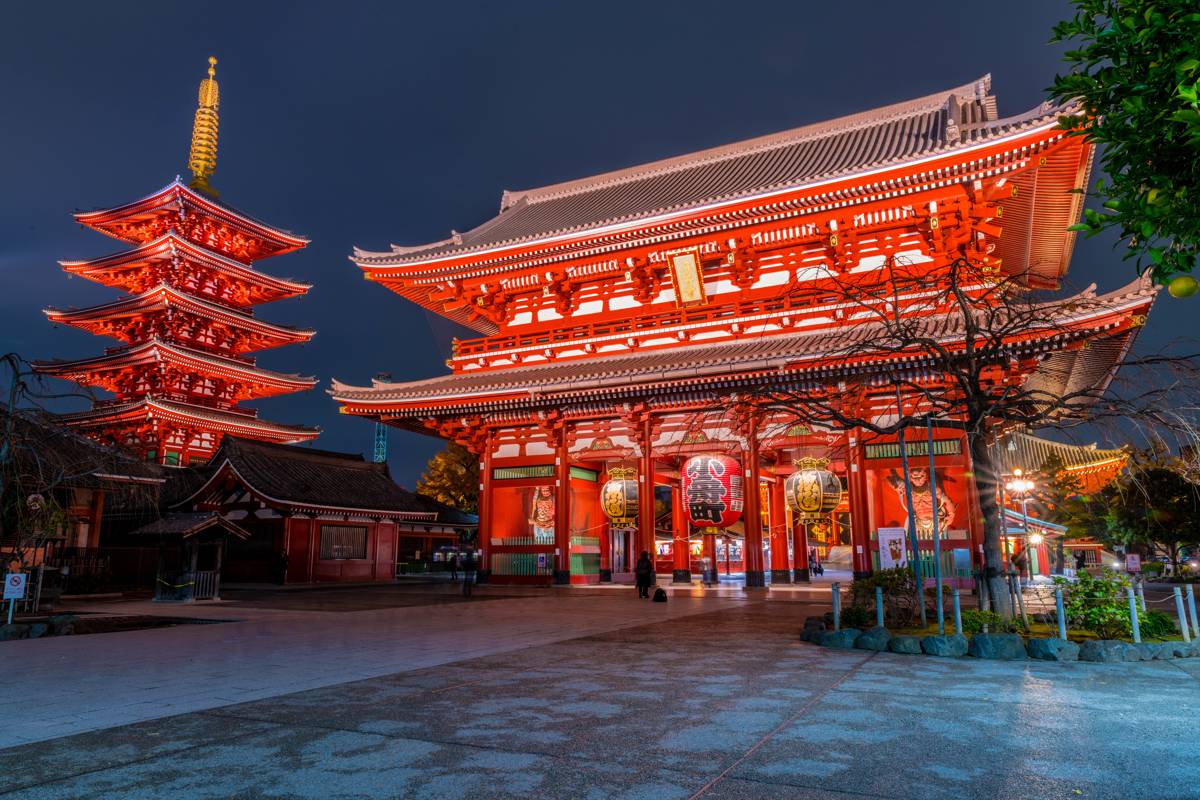
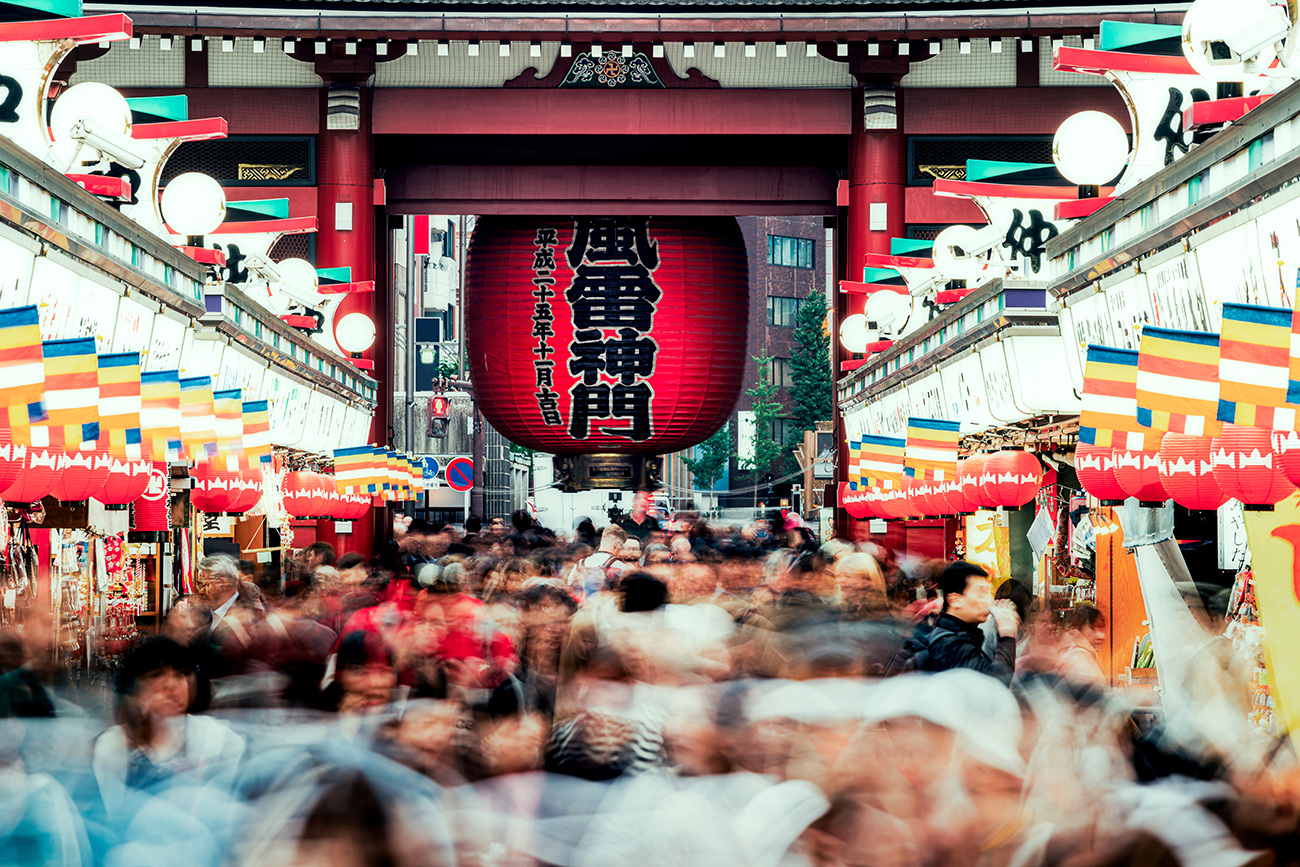
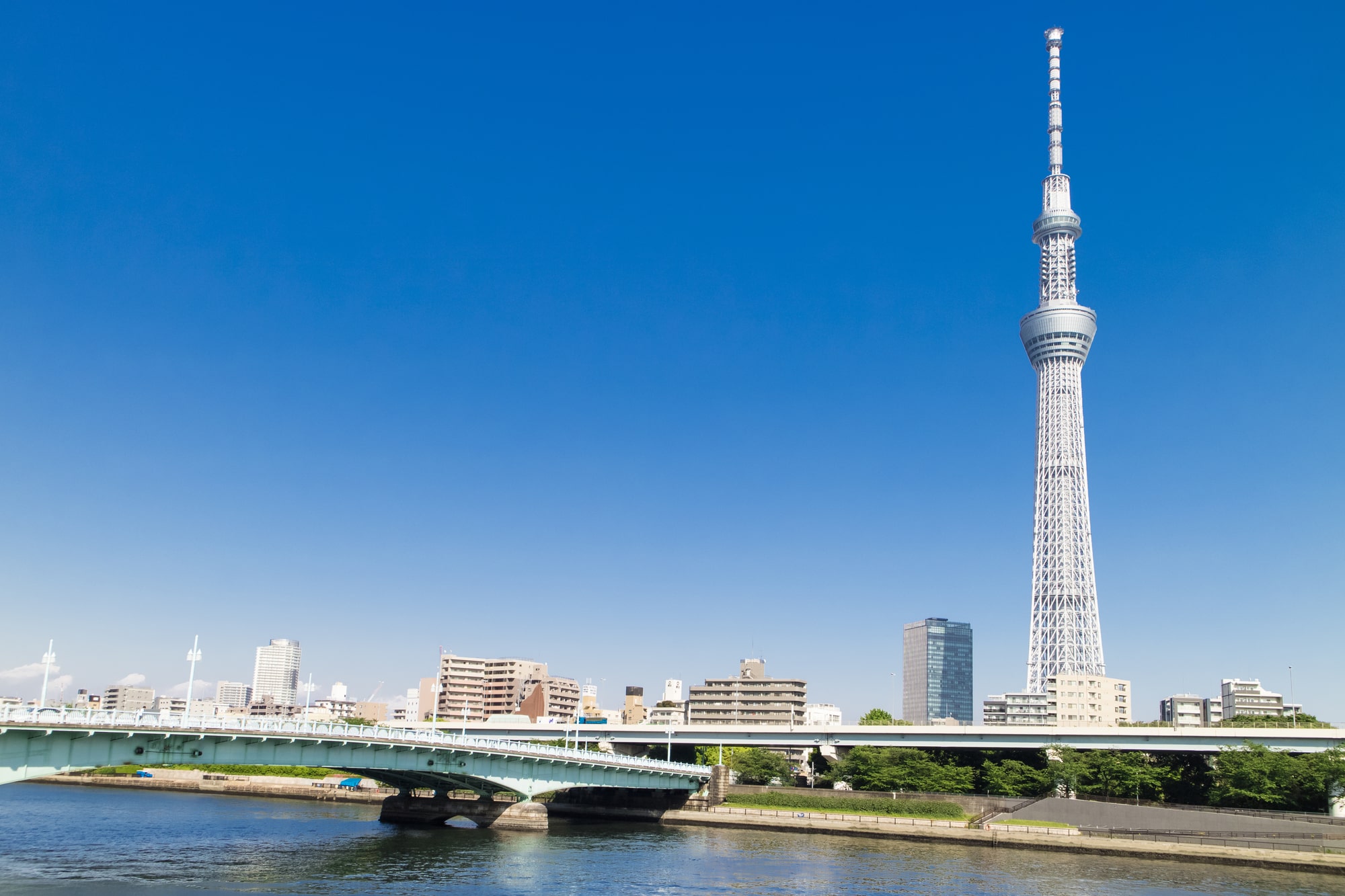
In the Asakusa district, we will experience the atmosphere of the capital during the Edo period. We will visit the Senso-ji Temple complex with the statue of Kannon, the Goddess of Mercy, and stroll along Nakamise-dori Street, famous for its handmade souvenirs and traditional Japanese crafts. We will also see the world’s tallest television tower, Tokyo Sky Tree, standing 634 meters high!
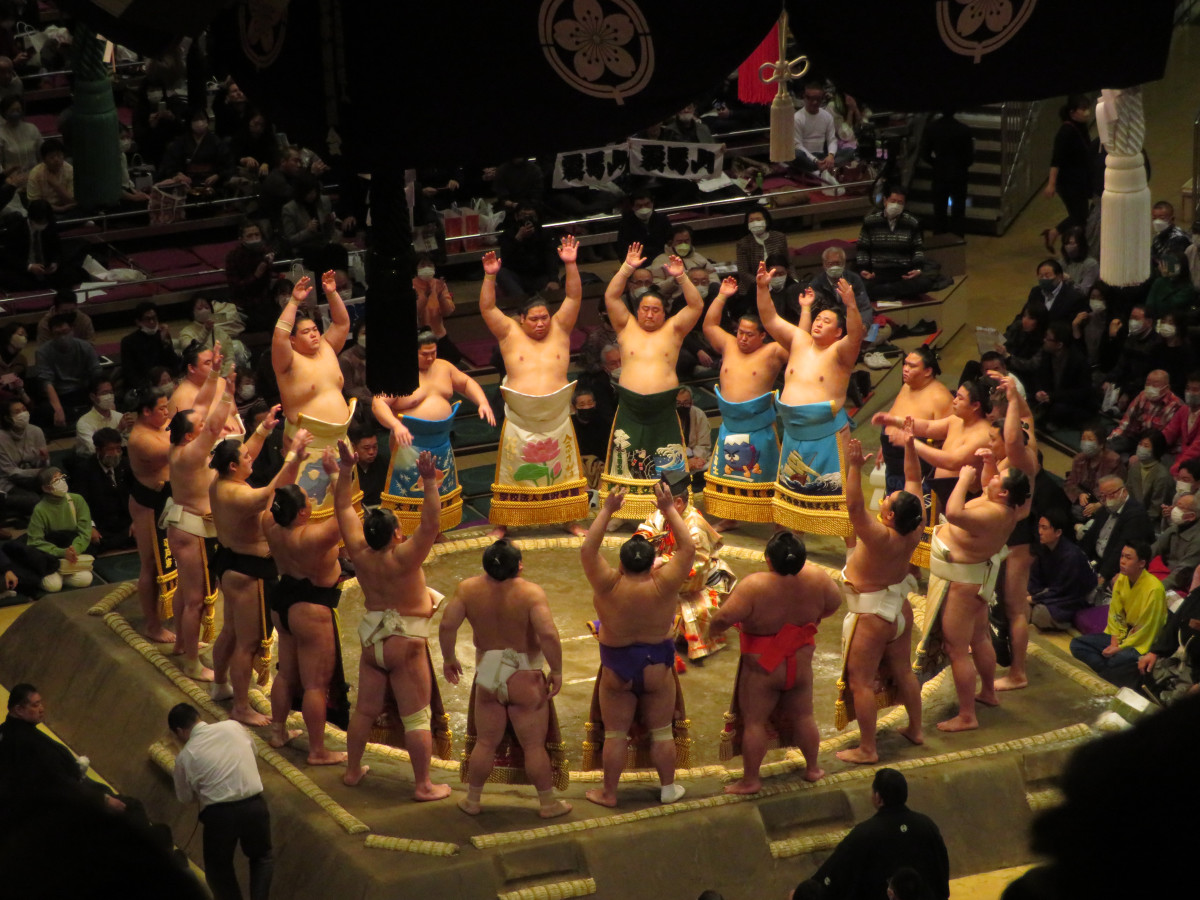
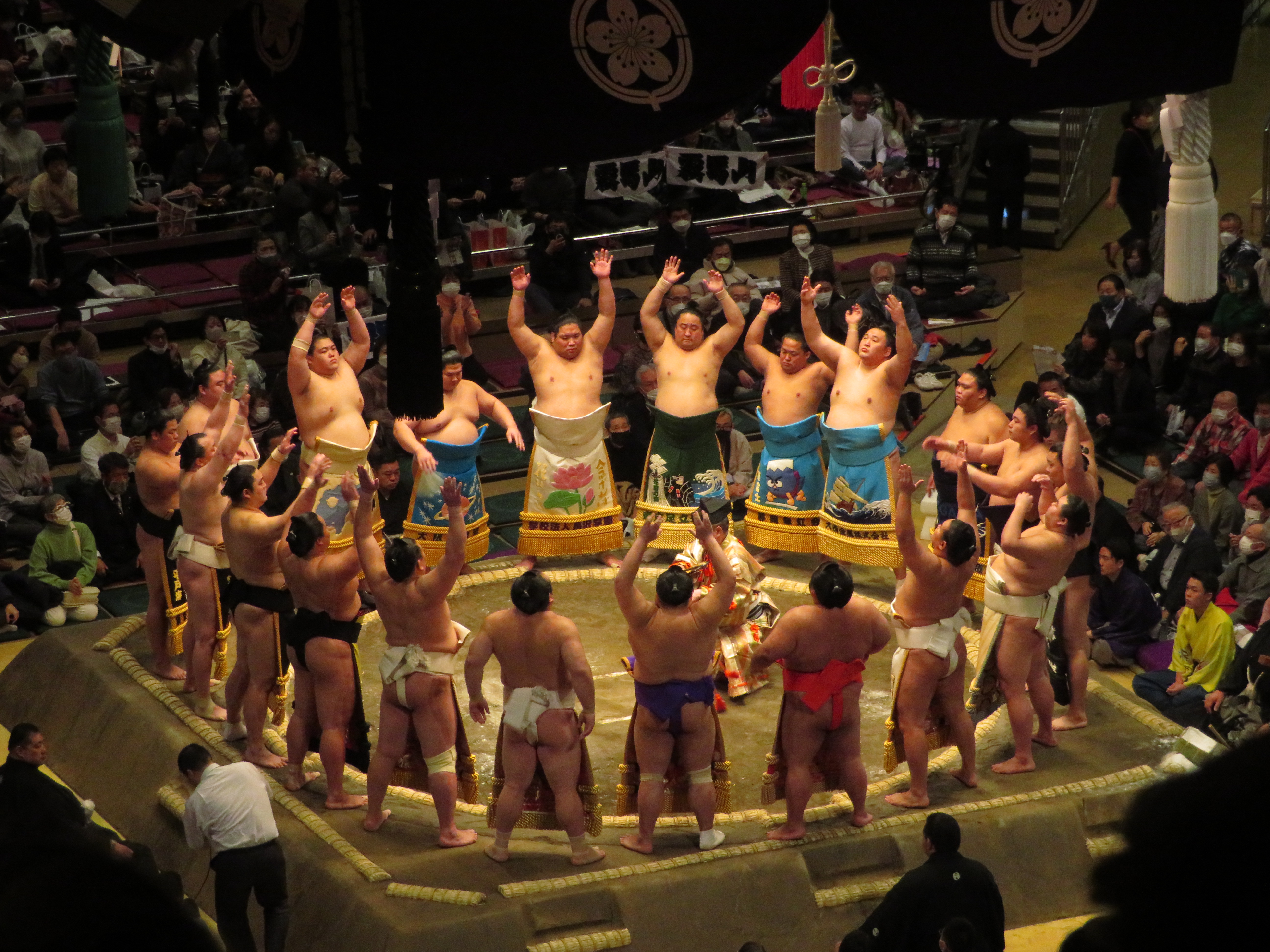
After lunch, a special event awaits us — a meeting with real sumo wrestlers. We will go behind the scenes of this world, talk with sumo wrestlers, learn about their daily lives, take part in interactive activities, and even learn a few forbidden techniques! For dinner, we will enjoy sukiyaki.
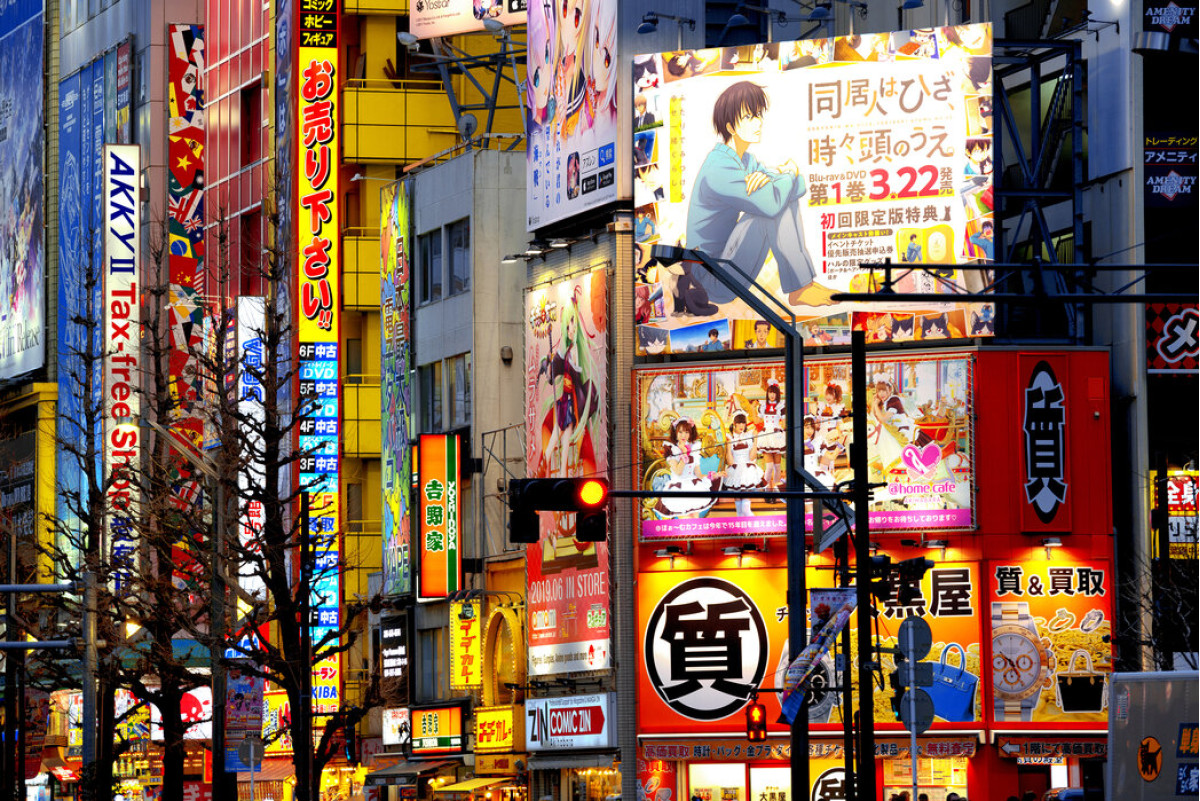
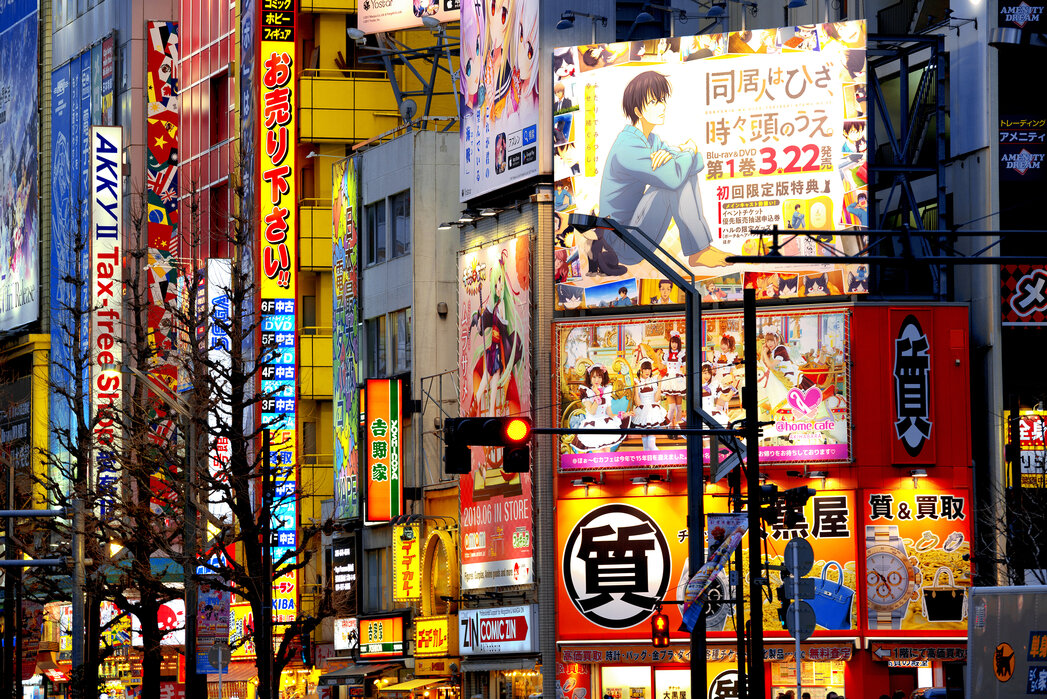
How could we not visit Akihabara! This is an iconic place for pop culture enthusiasts. It is packed with countless electronics stores, video game shops, collectible anime figures, and more. The area is filled with cosplay sellers and characters from famous games and animated films.
In the evening, we return to the hotel and relax.
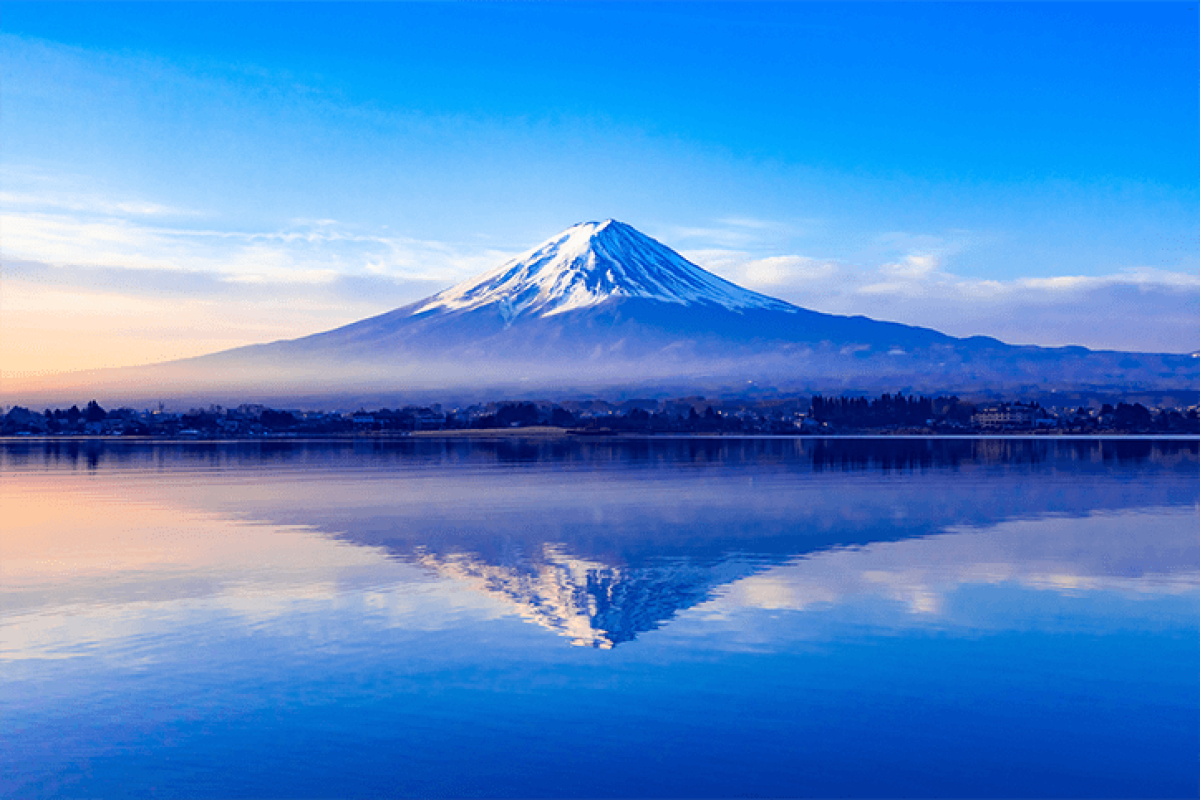
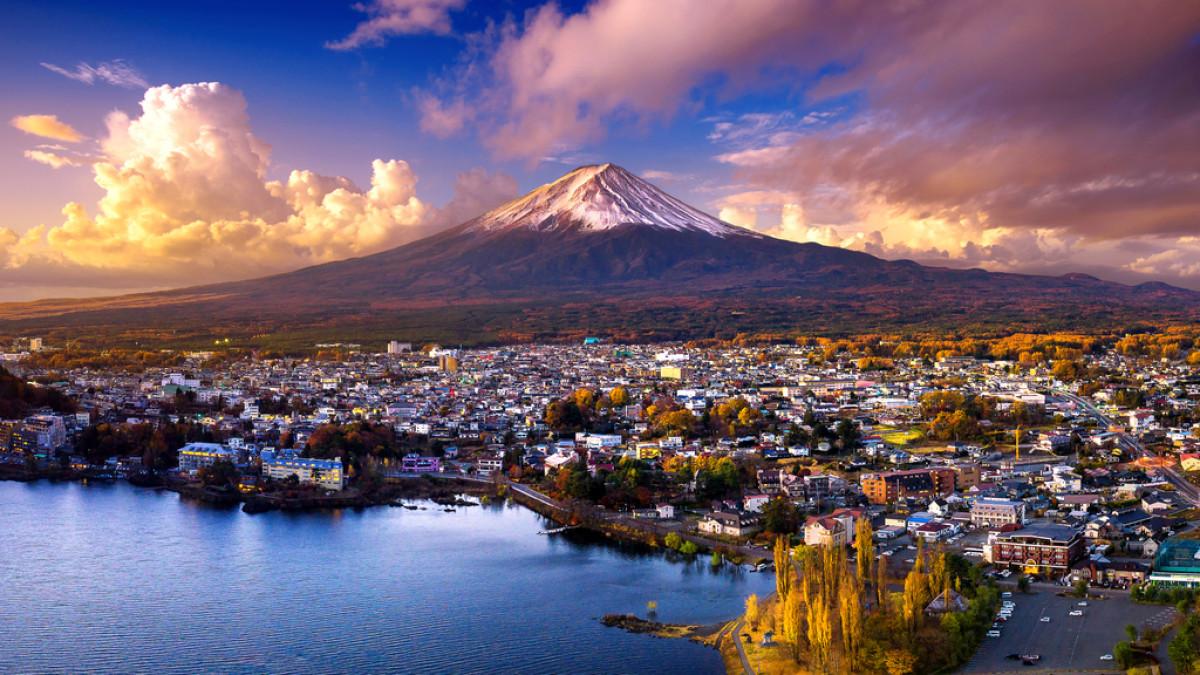
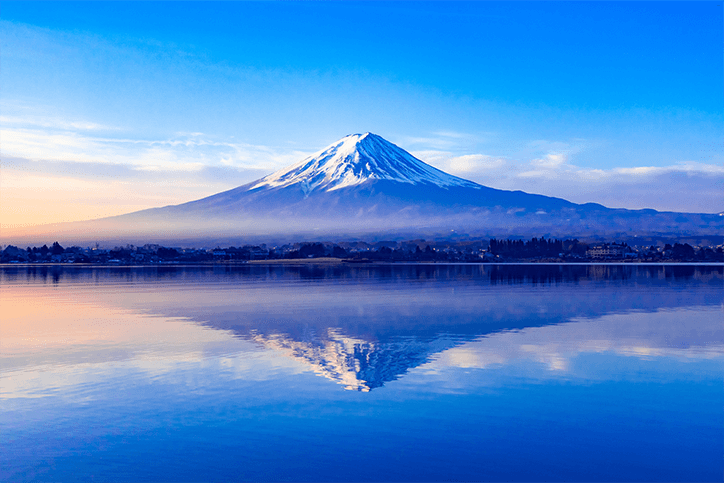
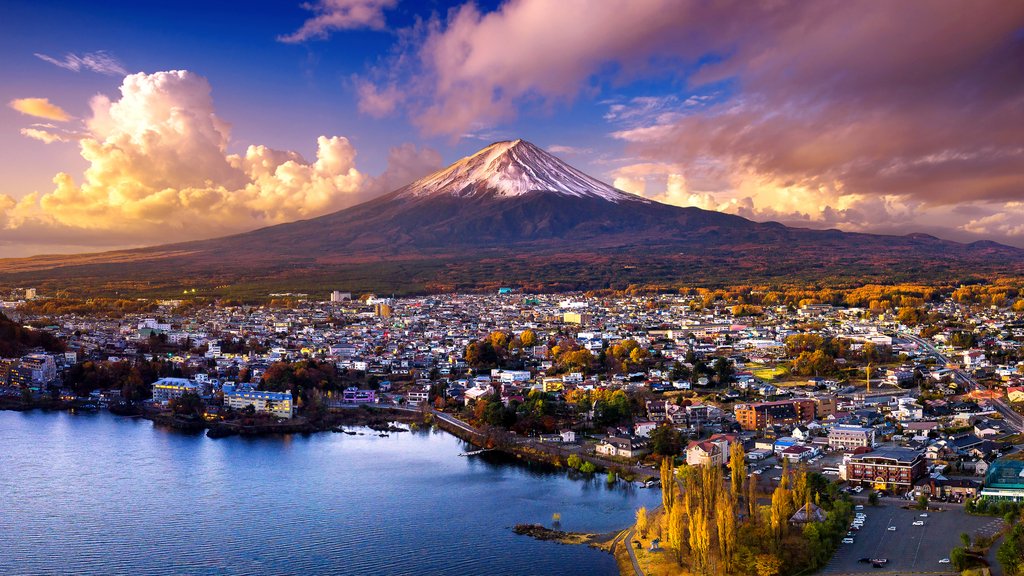
We will have breakfast at the hotel and dedicate this day to Mount Fuji. We will travel by private transport to the Fuji Five Lakes area and reach our destination in about 2 hours.
Lake Kawaguchiko is the largest of the local lakes and is renowned for its picturesque views of Mount Fuji. Along its shores lies a cozy resort town with hotels and hot mineral springs.
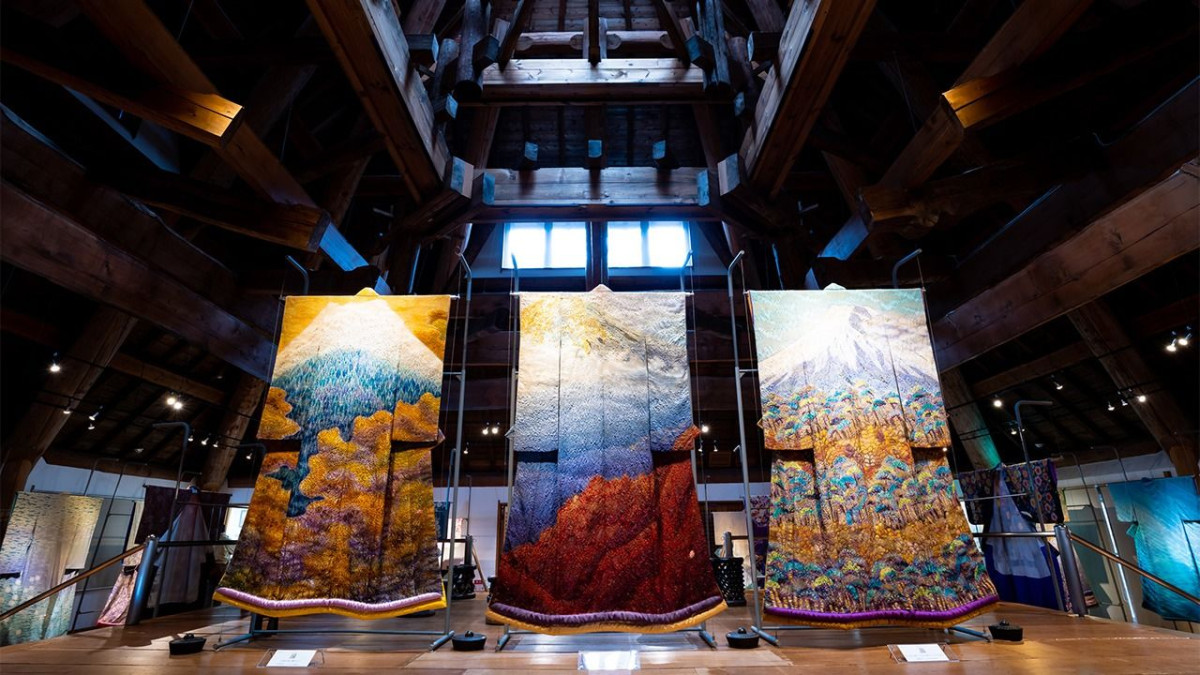
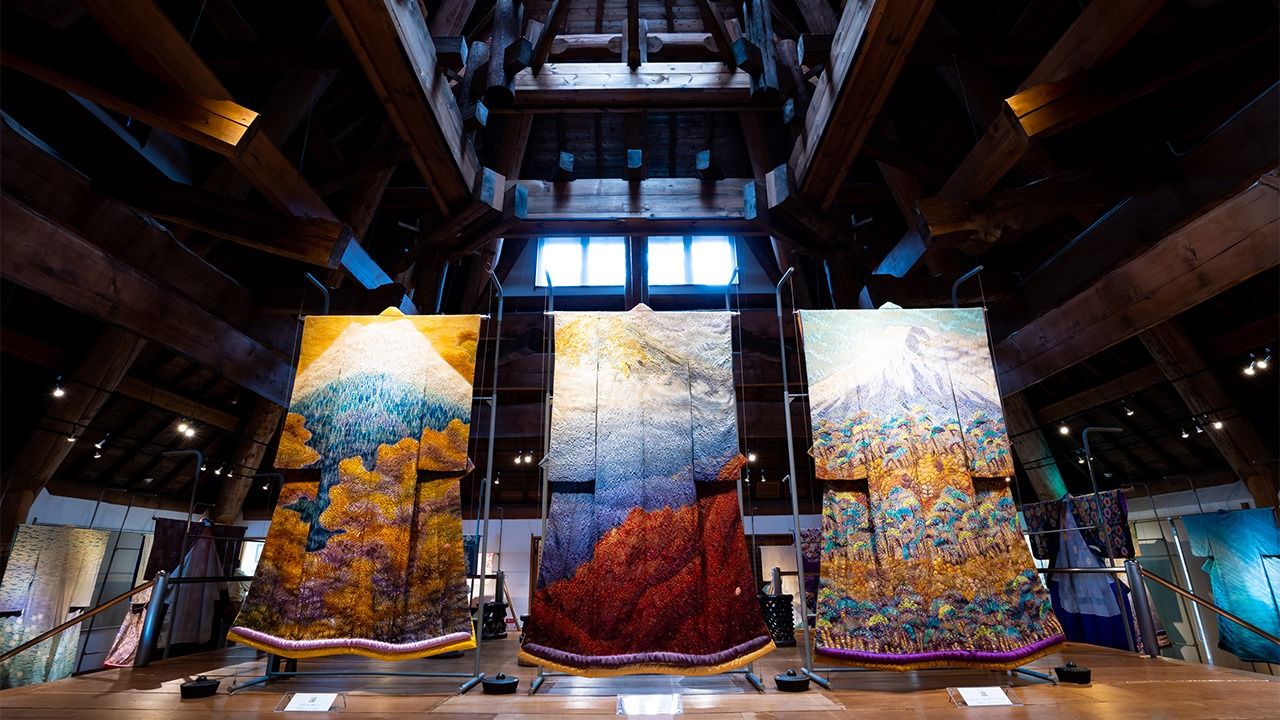
Not far from the lake, at the foot of Mount Fuji, we will visit the Kubota Itchiku Art Museum. The museum holds 3 Michelin stars. It houses ancient masterpieces and extraordinary kimonos hand-painted by the renowned artist Kubota Itchiku. Each kimono is unique, as the artist managed to recreate lost dyeing techniques.
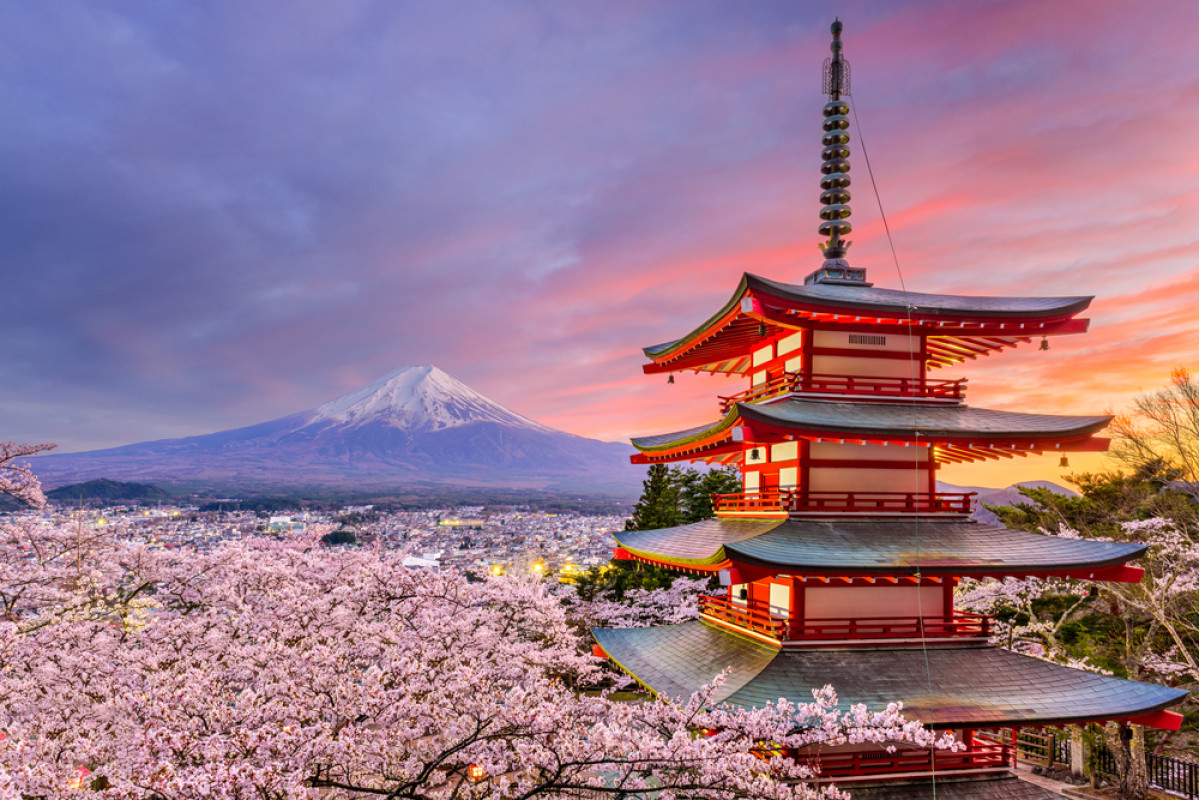
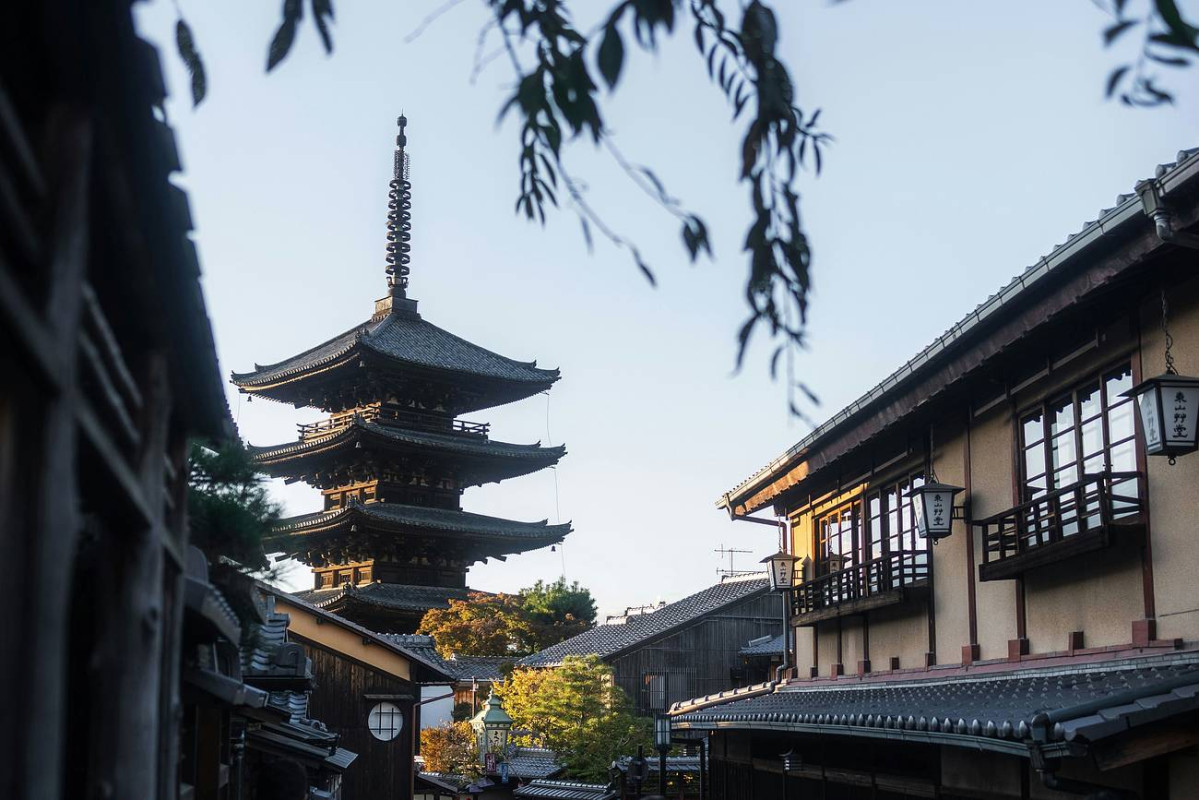
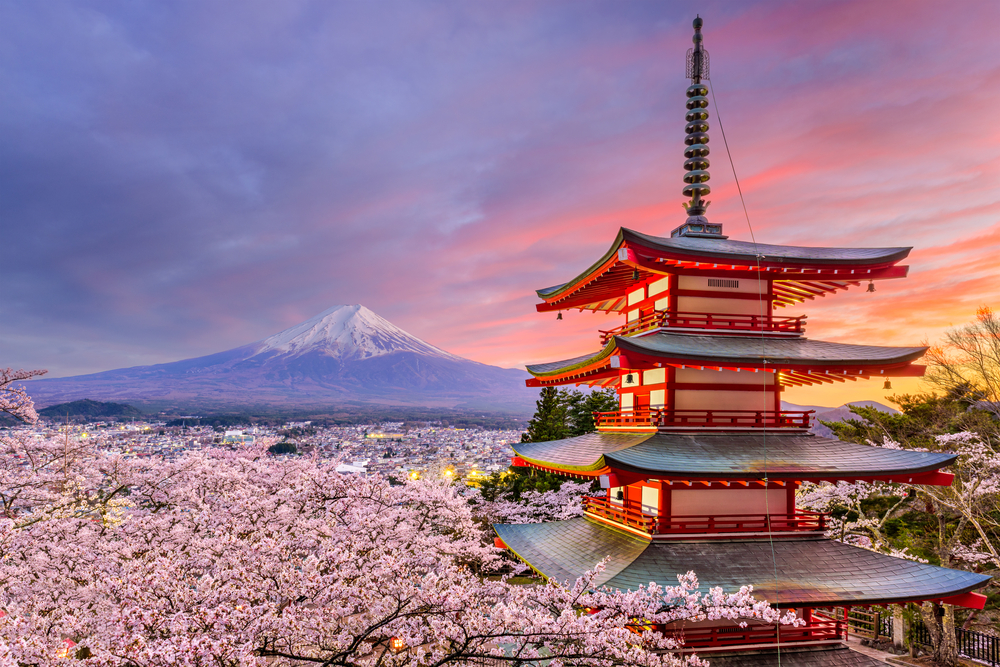
Chureito Pagoda is a five-story pagoda on a mountain slope overlooking the city of Fujiyoshida and Mount Fuji. It was built as a memorial and is part of the Arakura Sengen Shrine.
*In case of cloudy weather, an alternative site will be visited:
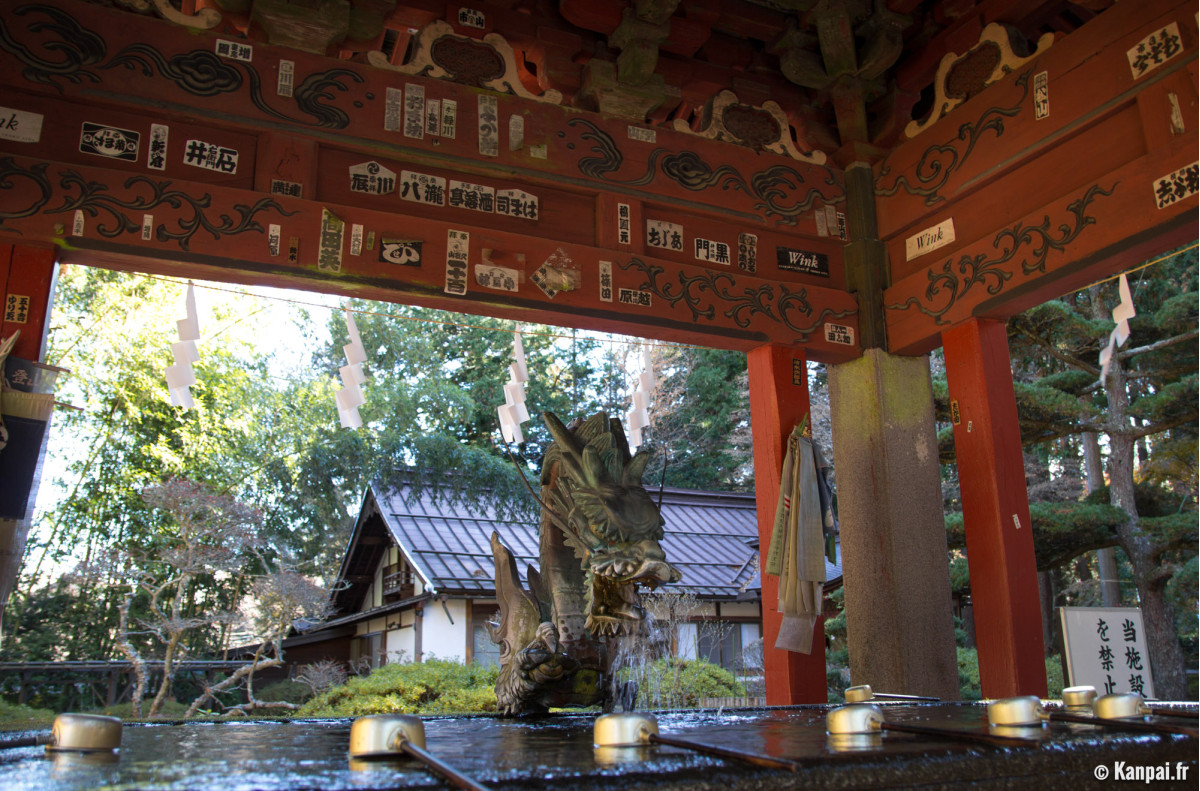
Kitaguchi Hongu Fuji Sengen Shrine, built among thousand-year-old trees in southeastern Yamanashi.
In the evening, we will spend time on the scenic lakeshore at the Iyashi no Sato folk village. Wooden houses with thatched roofs form a true open-air historical museum. We will learn about traditional folk crafts, get acquainted with the daily life of medieval Japan, and take memorable photos in an exotic setting wearing kimono or samurai attire.
We will enjoy a kaiseki-style dinner and stay overnight in a ryokan by the lake.

After breakfast at the hotel, we will check out and continue our journey. The transfer to Mishima Station will take about 1 hour. From there, we will reach Kyoto by high-speed Shinkansen train in just 2 hours.
Upon arrival, our guide will meet us by the train carriage and accompany us to the hotel.
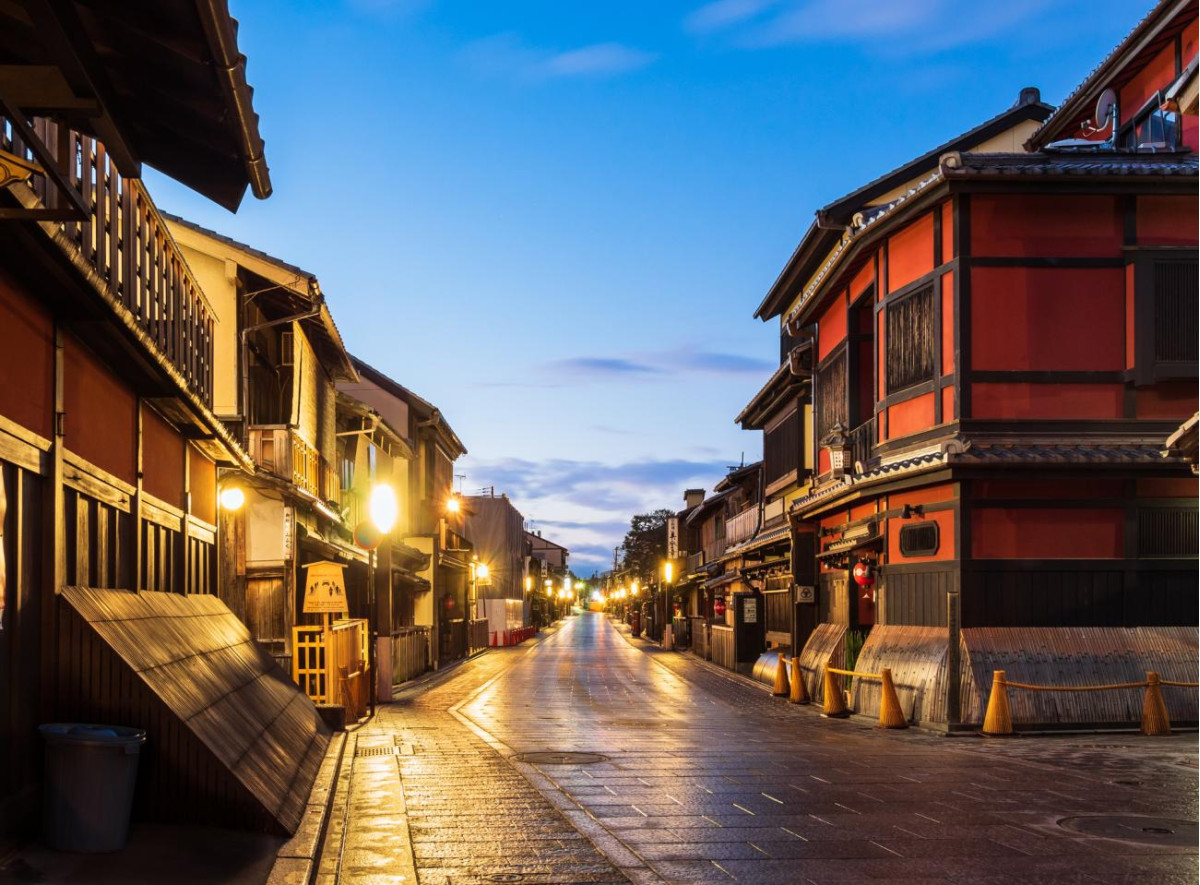
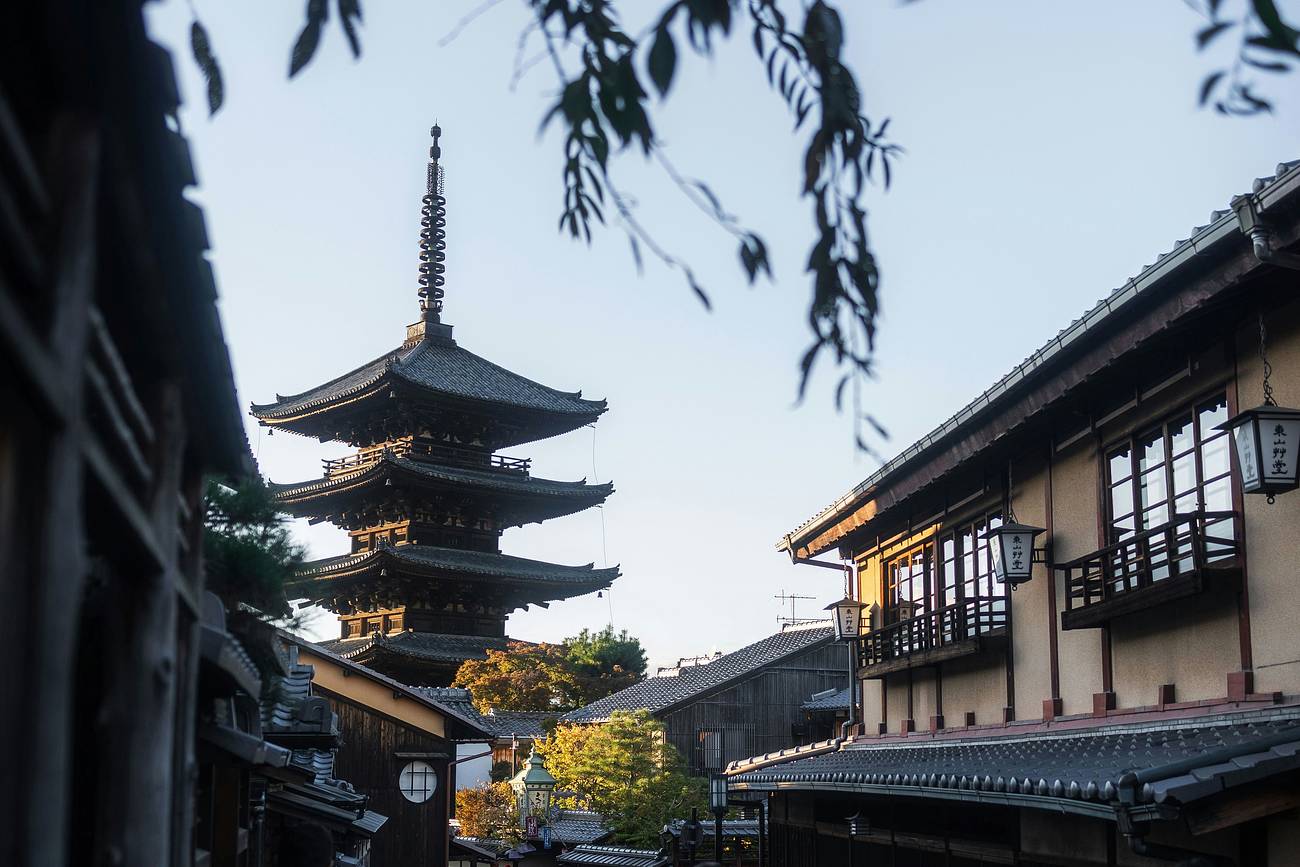
After check-in, we will go on a Kyoto sightseeing tour on foot and by subway. We will explore Eastern Kyoto (Higashiyama) with its authentic historic streets of Ninenzaka, Sannenzaka, and Chawanzaka.
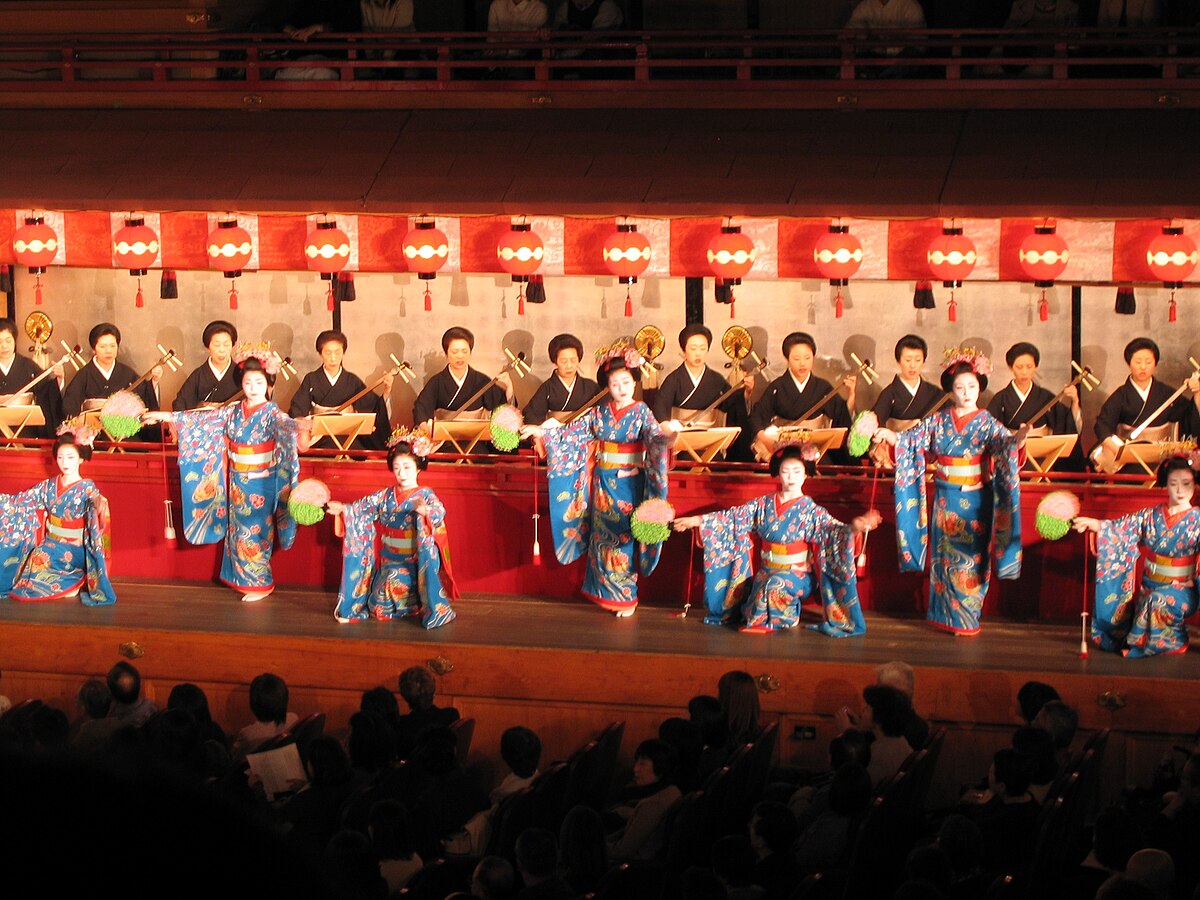
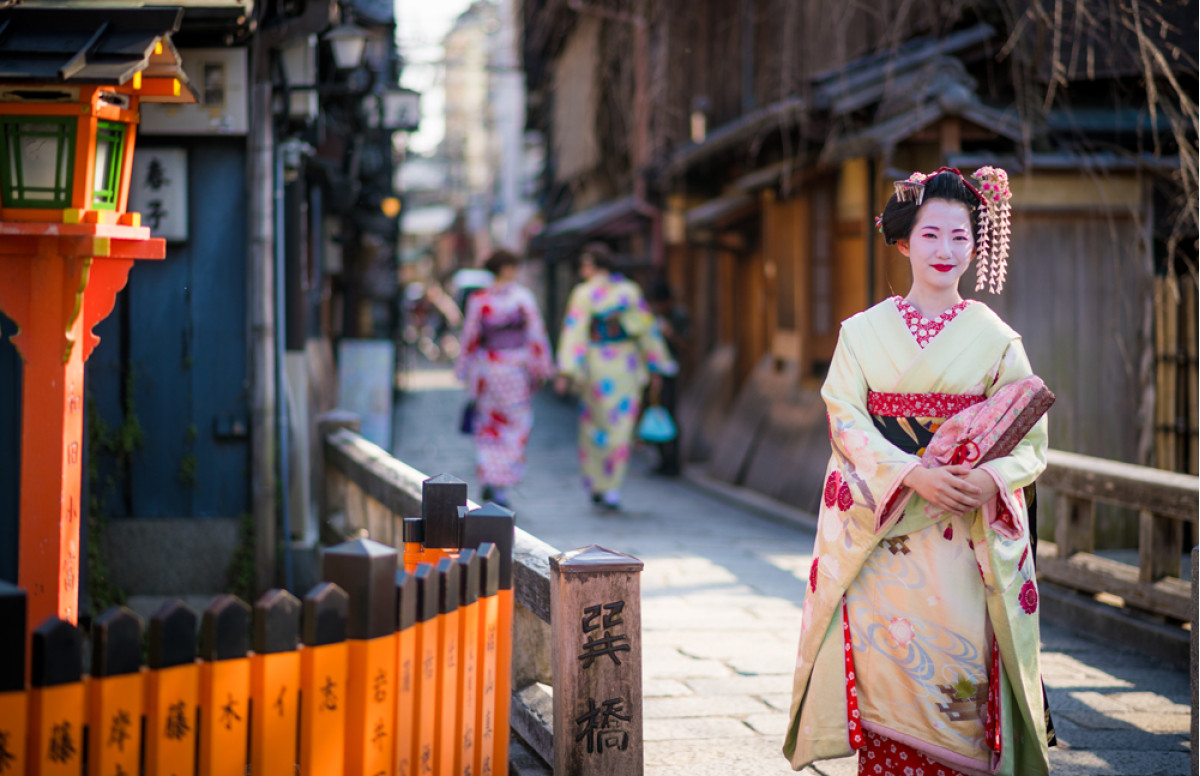
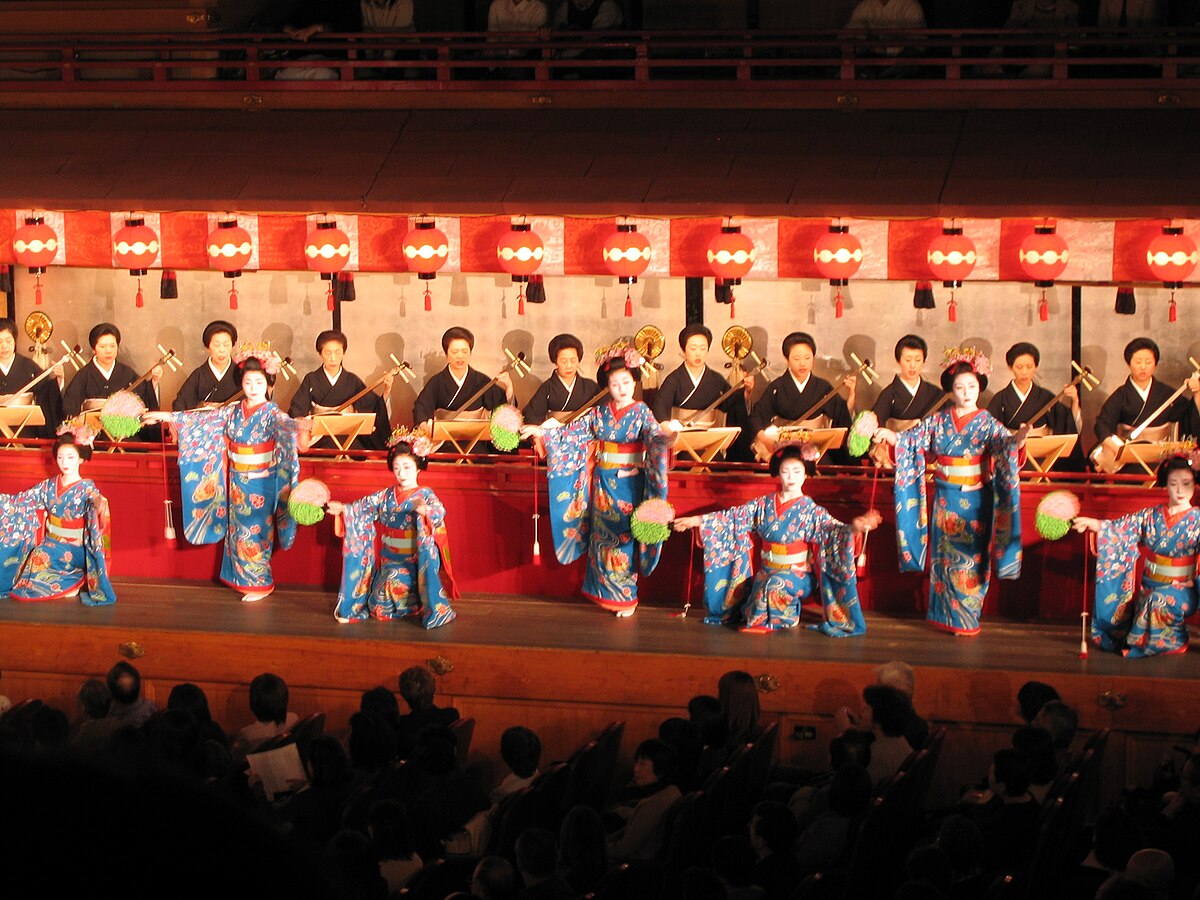
We will have lunch in the company of a maiko (a geisha apprentice). The meal will take place in a private room in traditional Japanese style with a beautiful garden. We will enjoy an exquisite kaiseki lunch and a performance by the maiko.
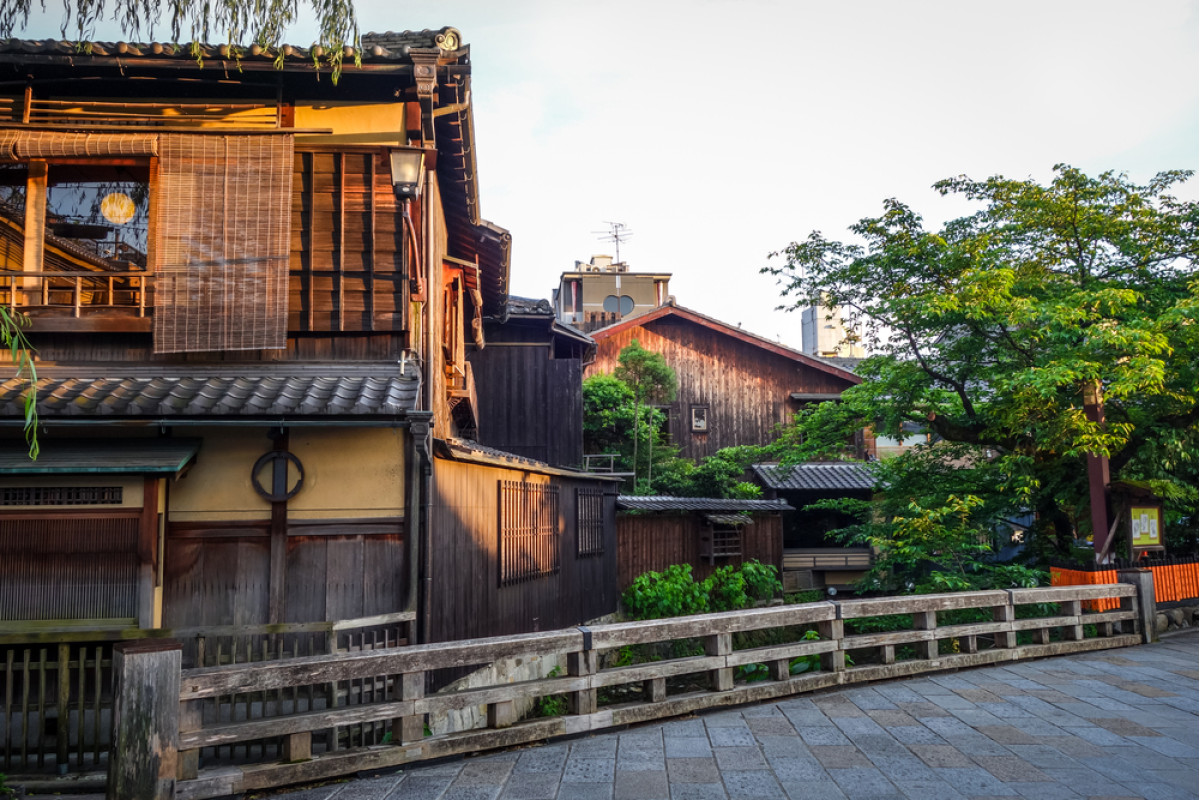
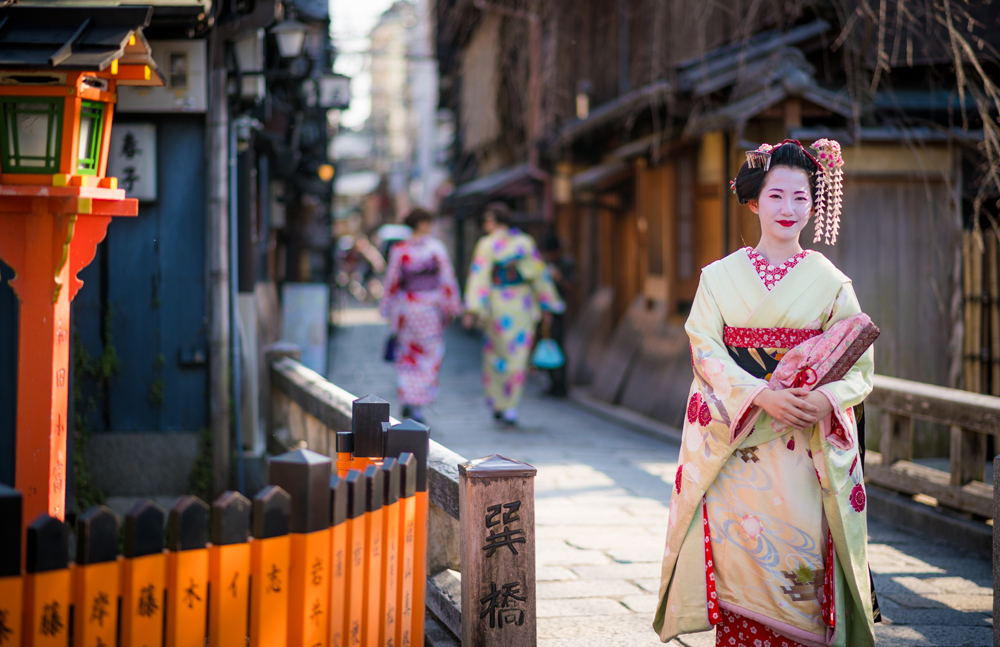
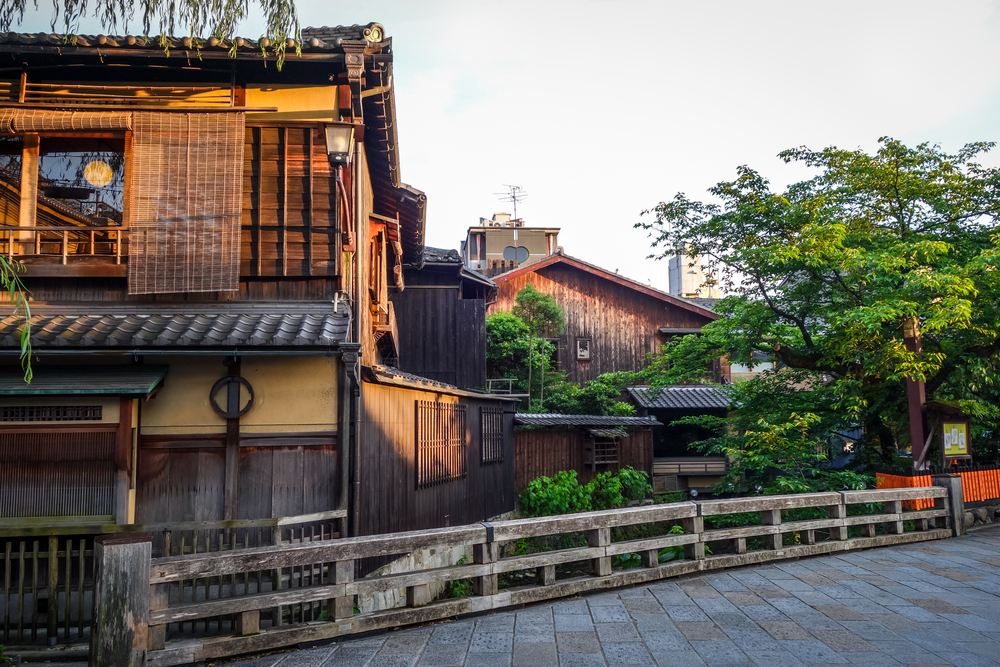
After lunch, we will stroll through the Gion district — the ancient geisha quarter, known for its traditional architecture and many cozy shops selling local products.
In the evening, we return to the hotel.
Optionally, you may independently attend the spectacular show “House of Curiosities.” This strange, intimate, and eerie cabaret, where the boundaries between stage and audience blur, offers a unique theatrical experience. It is a true transformative journey from darkness to light, filled with mystery, art, and wonders that will leave a lasting impression.
Start time: 9:00 PM, duration: 90 minutes.
*Tickets must be booked in advance.

We have breakfast at the hotel and set off on a Kyoto tour by private transport.
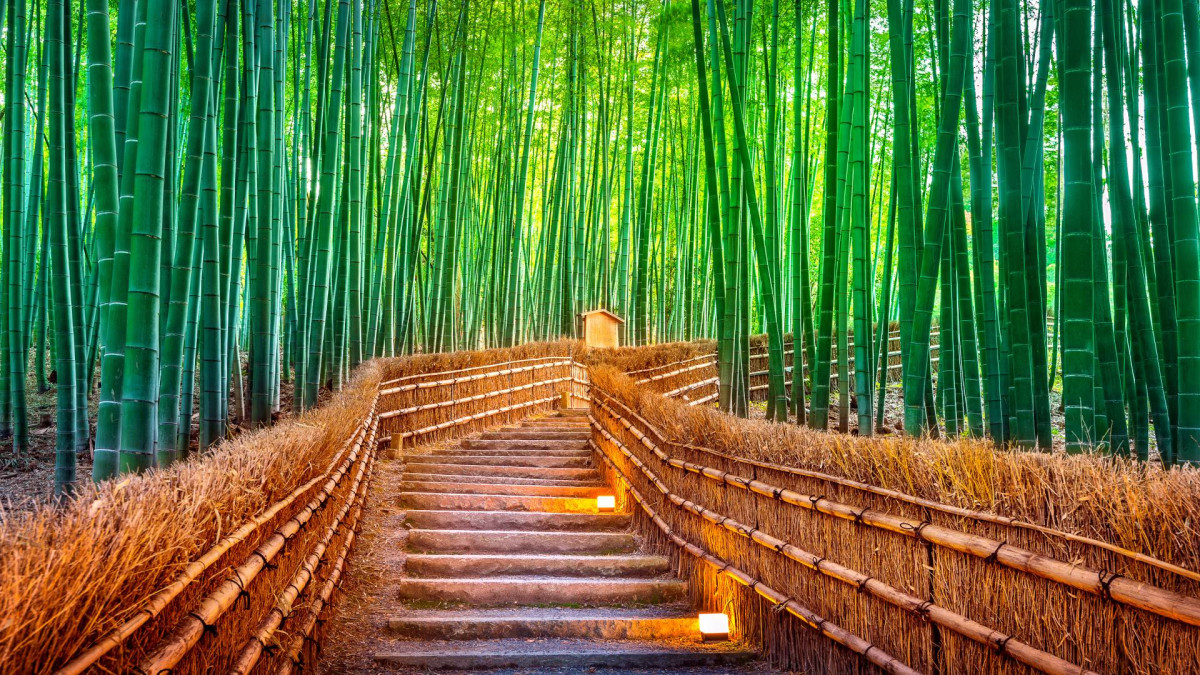
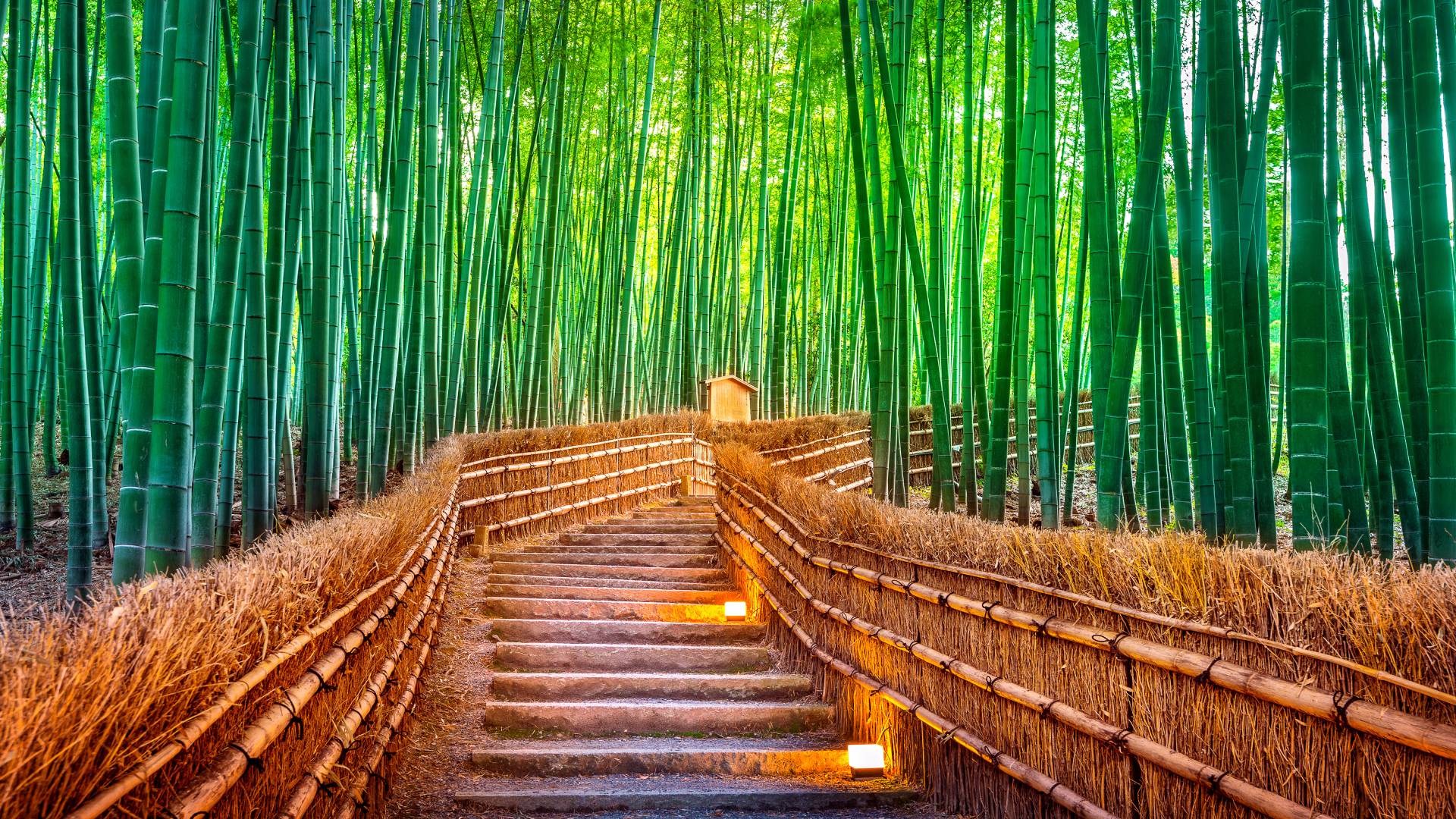
Our route leads to the Arashiyama district. Here, we will change into kimono and take a walk through the famous bamboo grove. A quiet path winds between tall bamboo stalks, setting a calm pace for contemplation and inner peace.
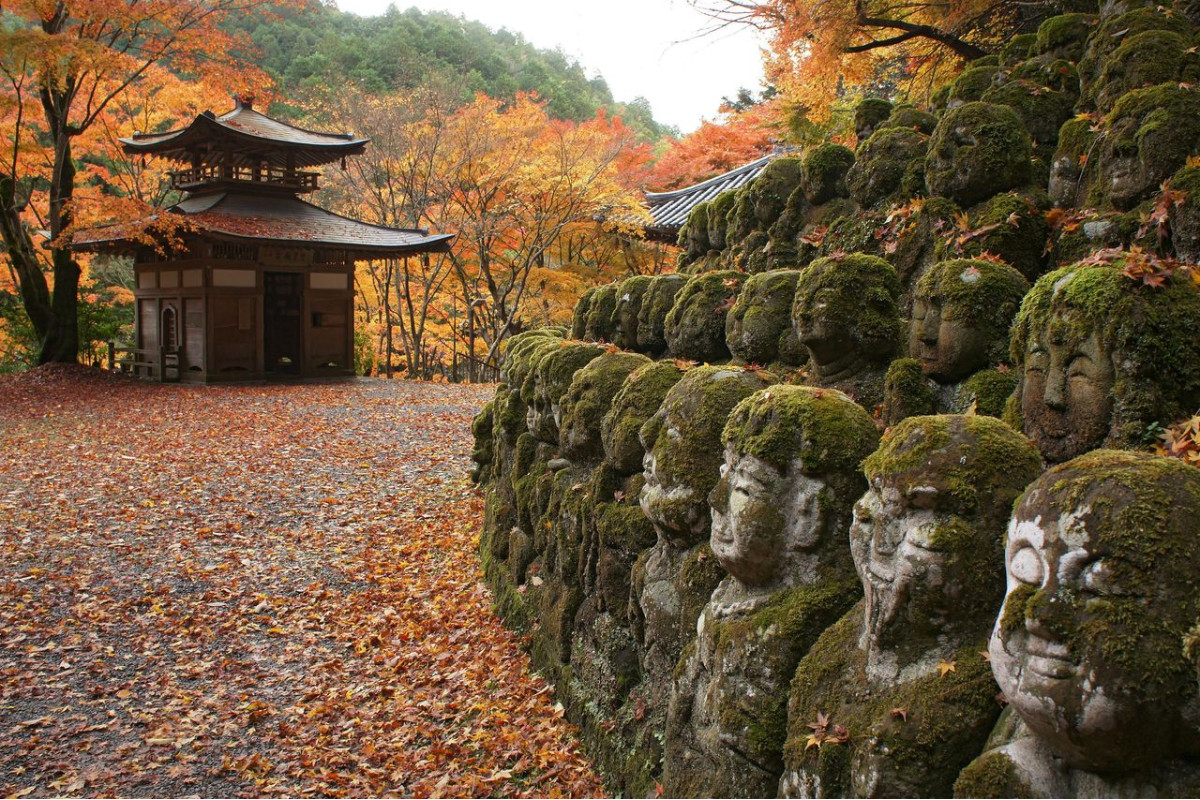
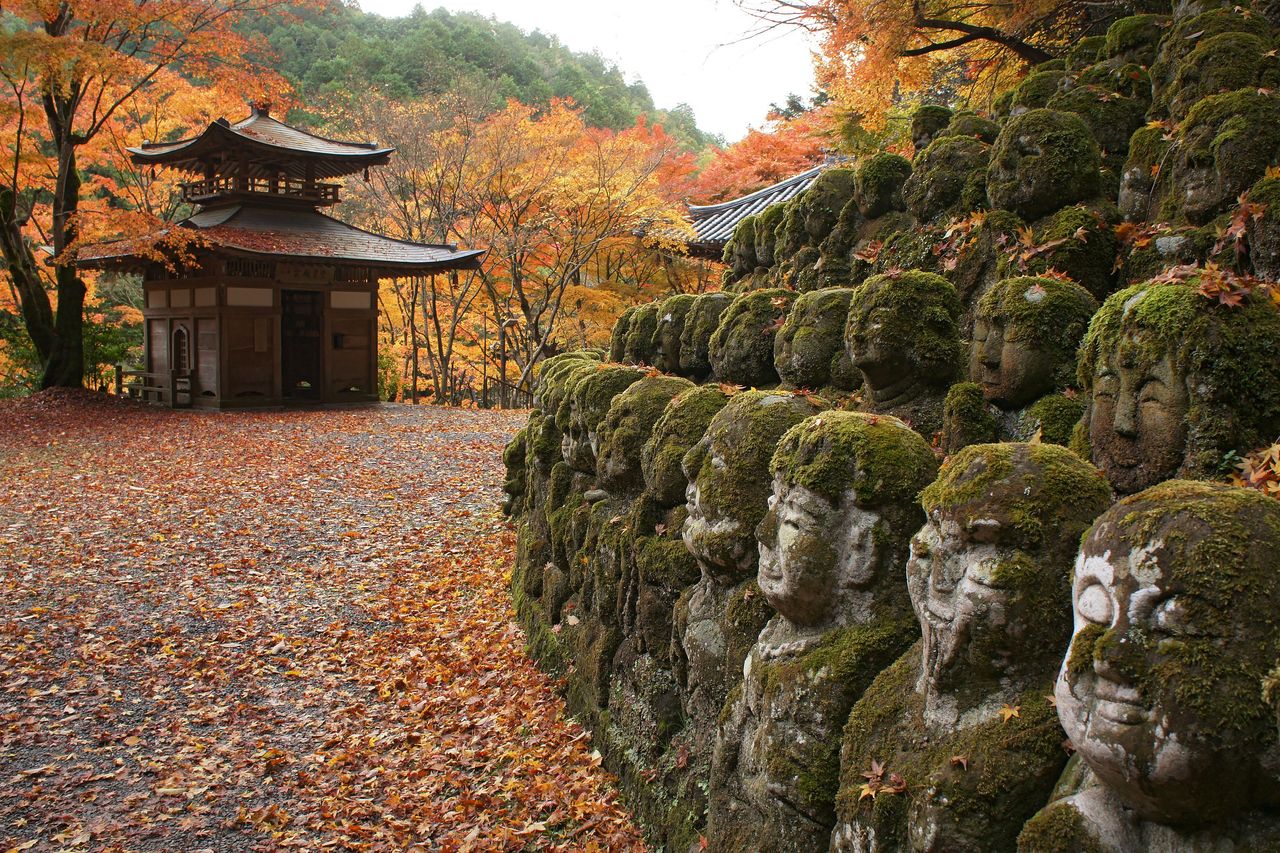
We will visit Otagi Nenbutsu-ji Temple, known for its hundreds of stone statues of rakan — disciples of Buddha who achieved nirvana. These small stone figures, covered in moss, create the feeling that they have stood here since the temple’s founding in the 8th century.
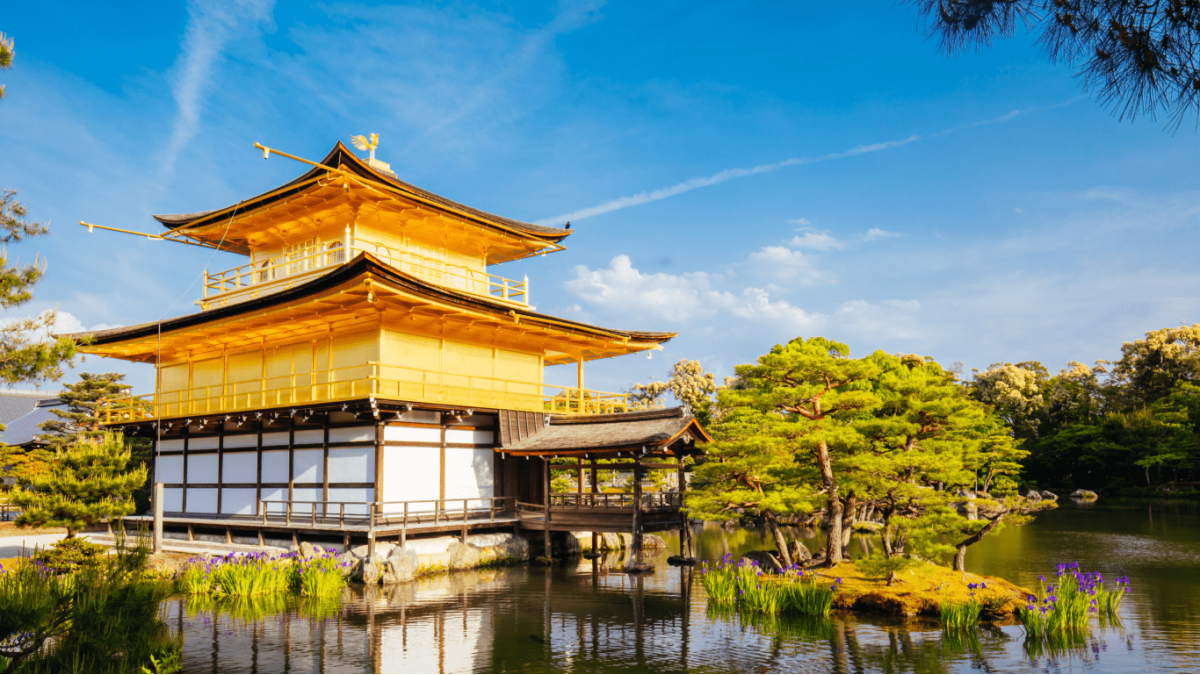
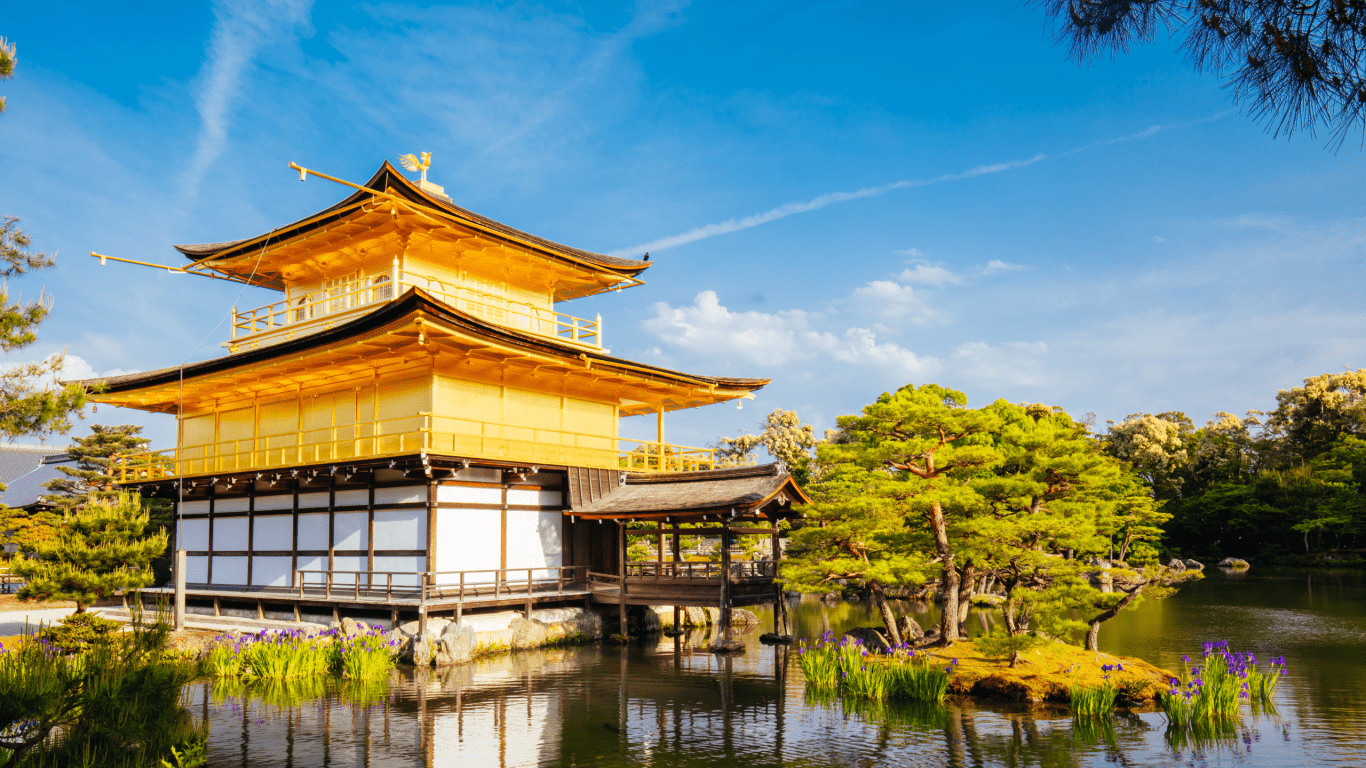
We will then visit the Golden Pavilion, Kinkaku-ji — one of the country’s main Zen Buddhist temples. Its top two floors are completely covered in real gold leaf!
The calm surface of Kyokochi Pond reflects the pavilion’s glow, while the small islands and stones enhance the sense of harmony and refinement of this place.
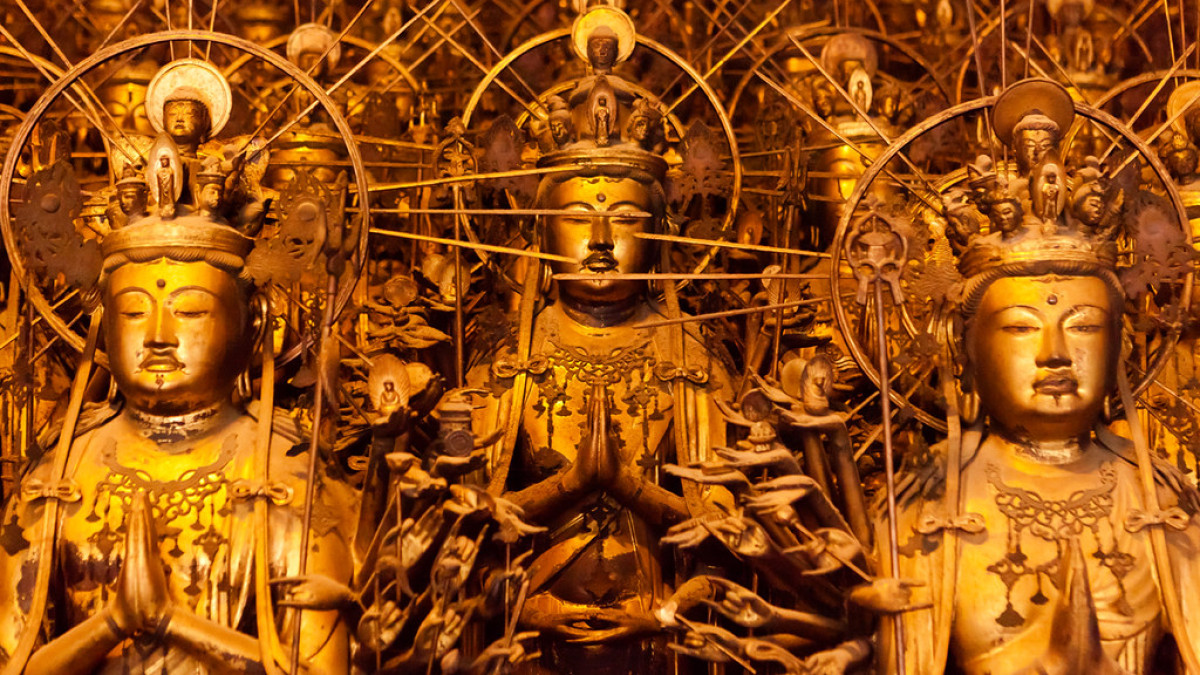
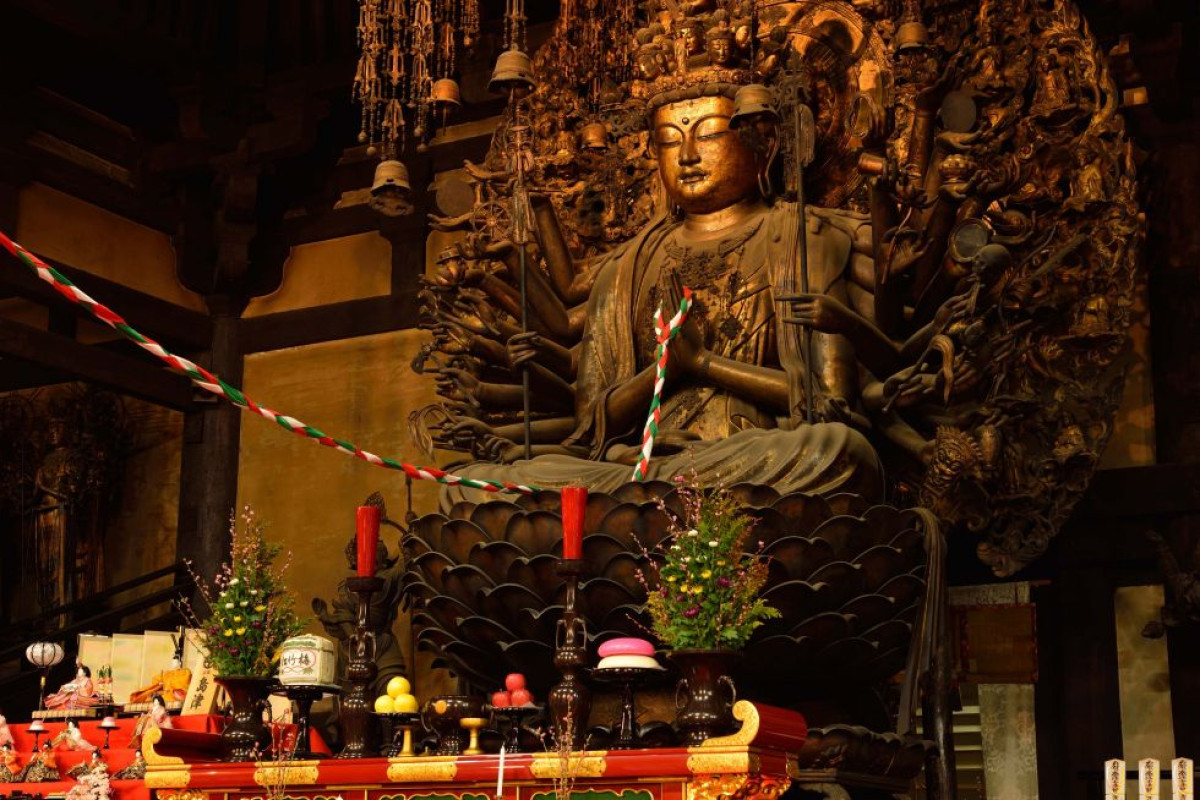
Next, we will head to the Buddhist temple Sanjusangen-do, founded in 1164. It impresses with its unique collection of 1,001 statues dedicated to Kannon, the Goddess of Mercy and Compassion, and is rightly considered one of the most famous temples in Japan.
After that, we will immerse ourselves in the world of samurai. Changing into hakama, the traditional warrior attire, in an old Japanese house and under the guidance of a master, we will learn about the philosophy of Bushido — the samurai code of honor. We will try cutting tatami mats with a real sword and conclude this experience with a short meditation.
Return to the hotel in Kyoto and rest.


After breakfast, we will travel to Nara (approximately 1.5 hours). This small, tranquil Japanese city is considered a true place of power for travelers from around the world. It attracts those who wish to deeply feel the history of Japan and its Eastern traditions. About 1,200 years ago, the first capital of the country was established here, and the imperial court moved to this location.
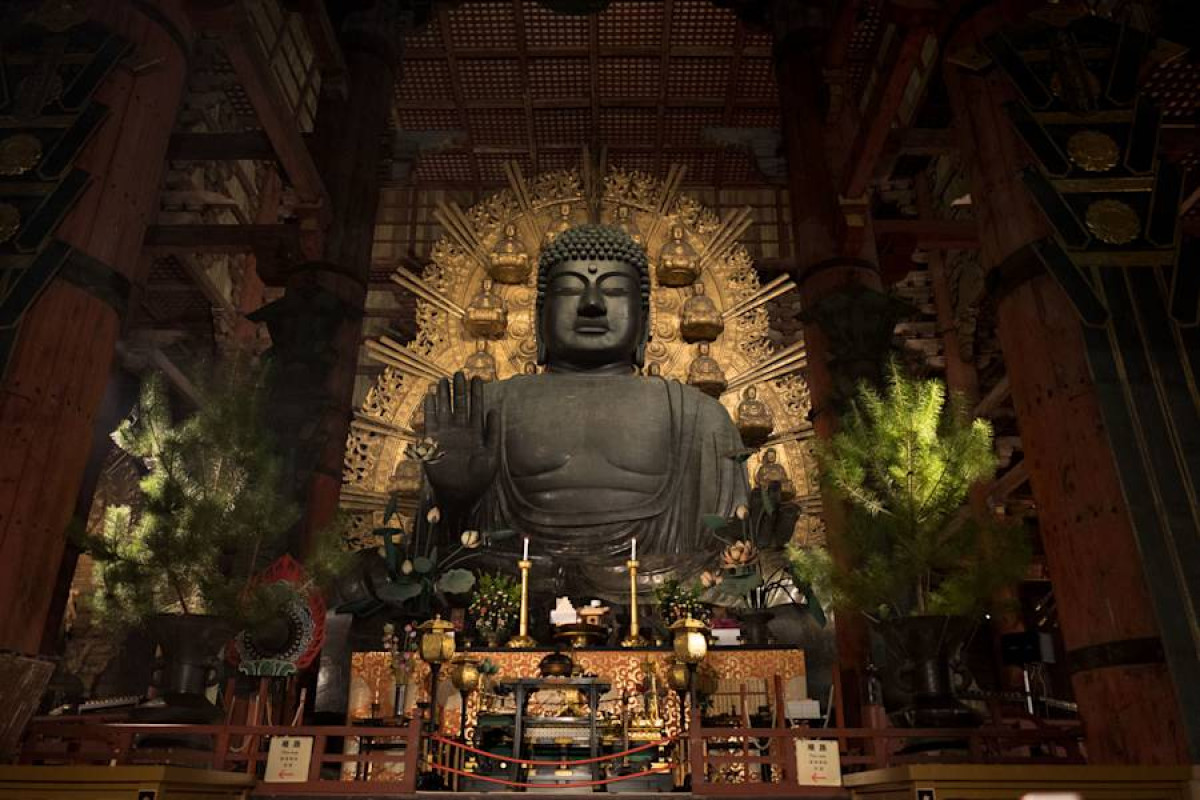
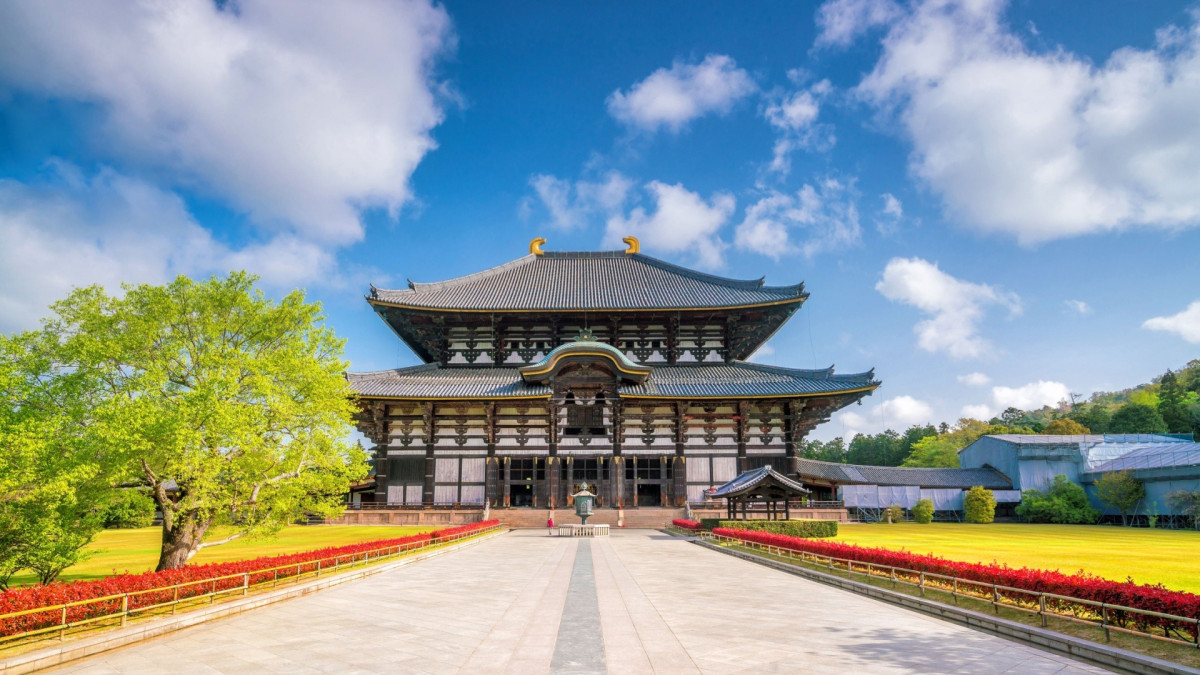
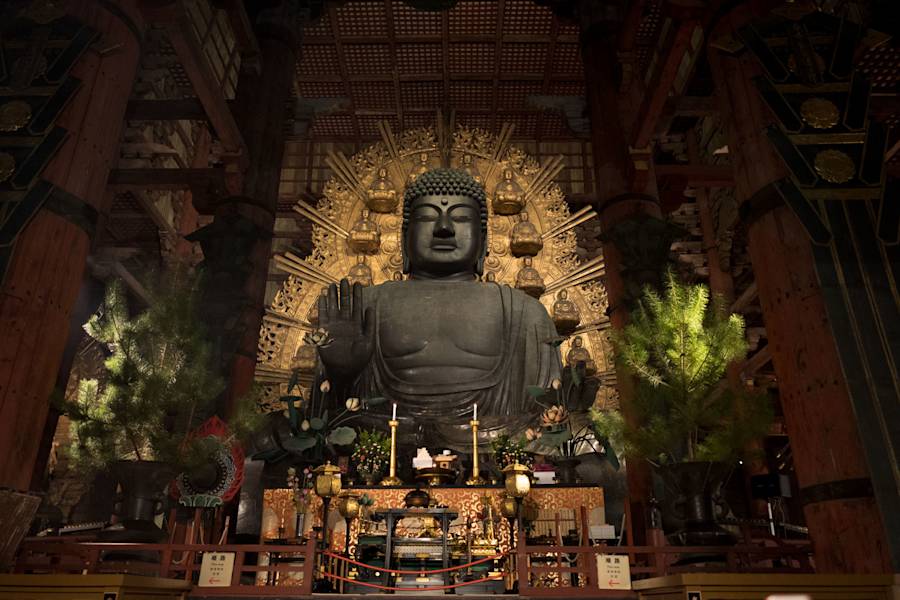
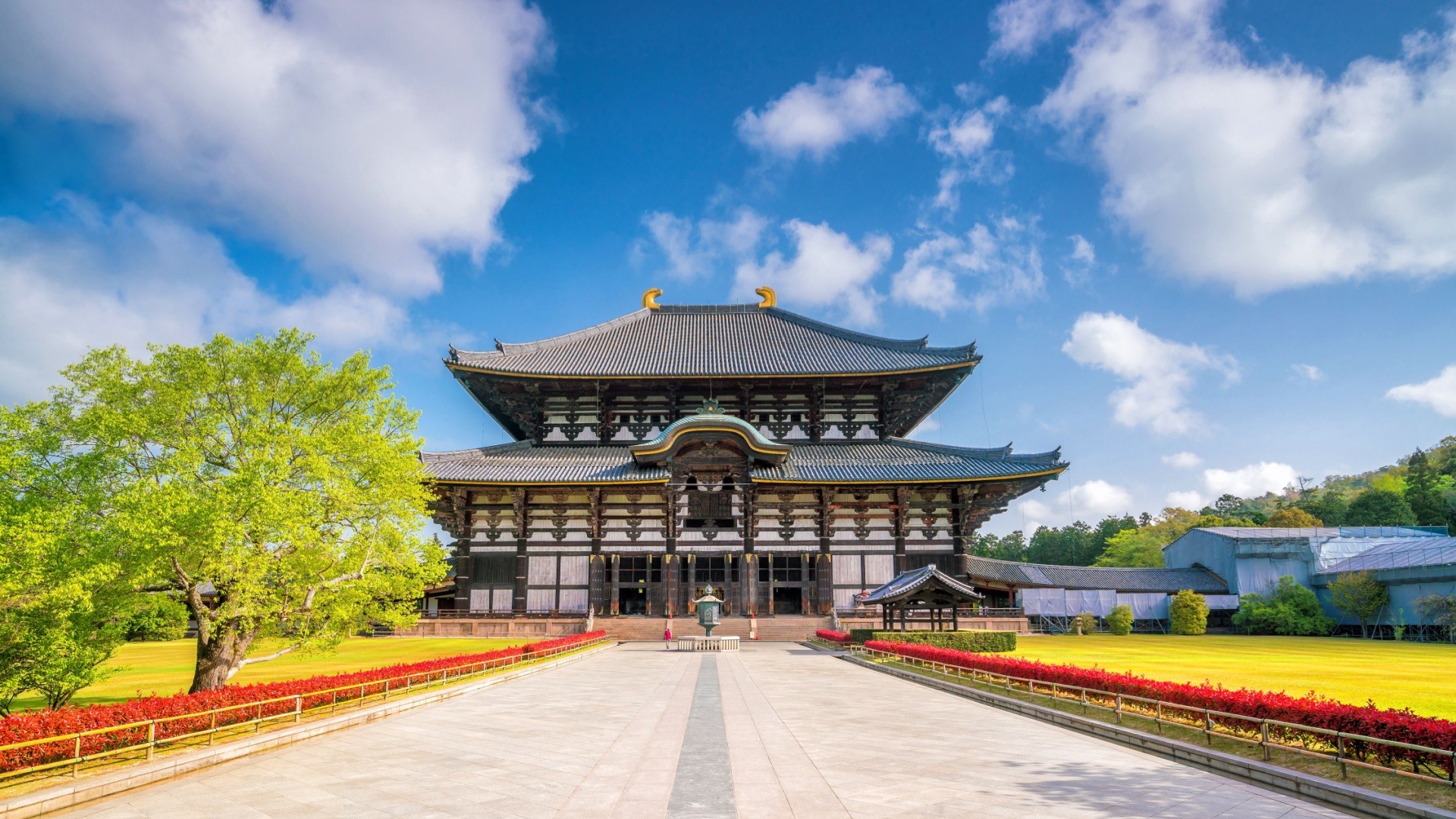
At Todai-ji Temple, home of the Great Buddha, we will see a majestic bronze statue of Buddha seated on the petals of a sacred lotus. At the time of its creation, all of Japan’s bronze reserves were used! The scale of this structure is astonishing — it weighs twice as much as the Statue of Liberty in New York.
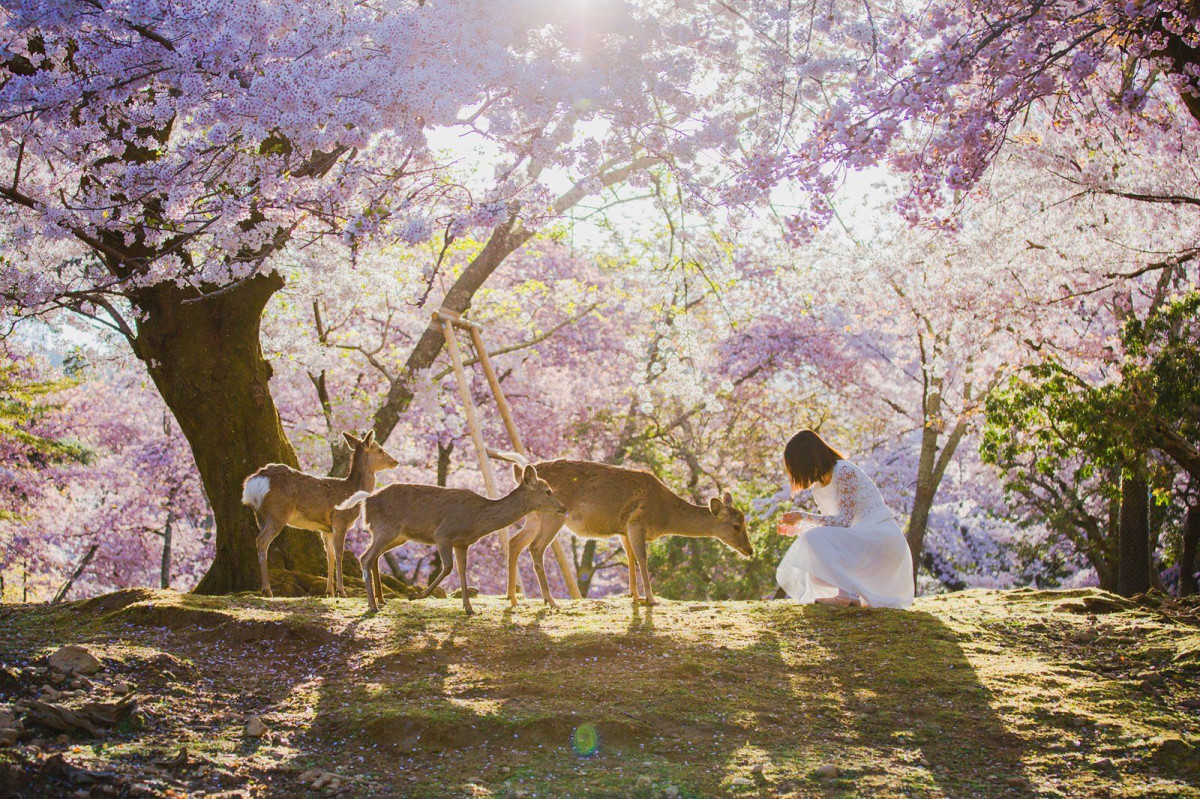
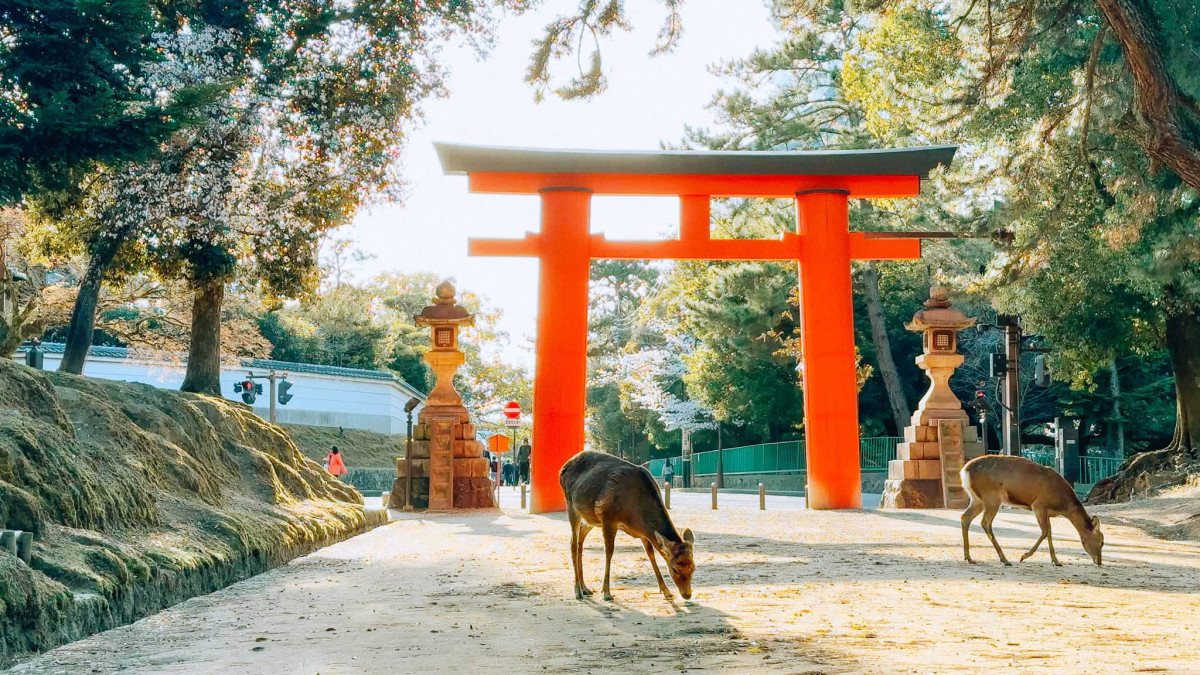
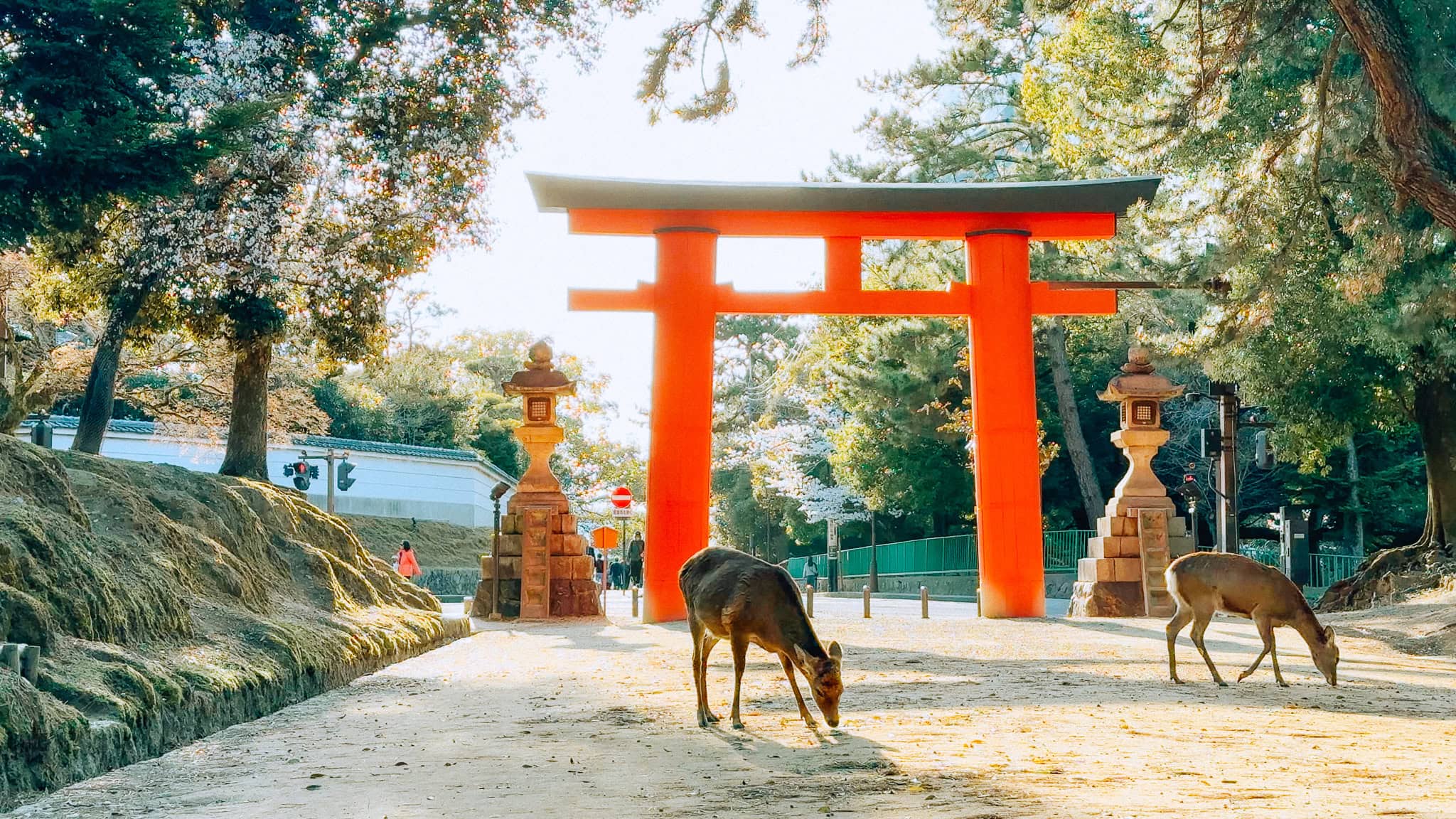
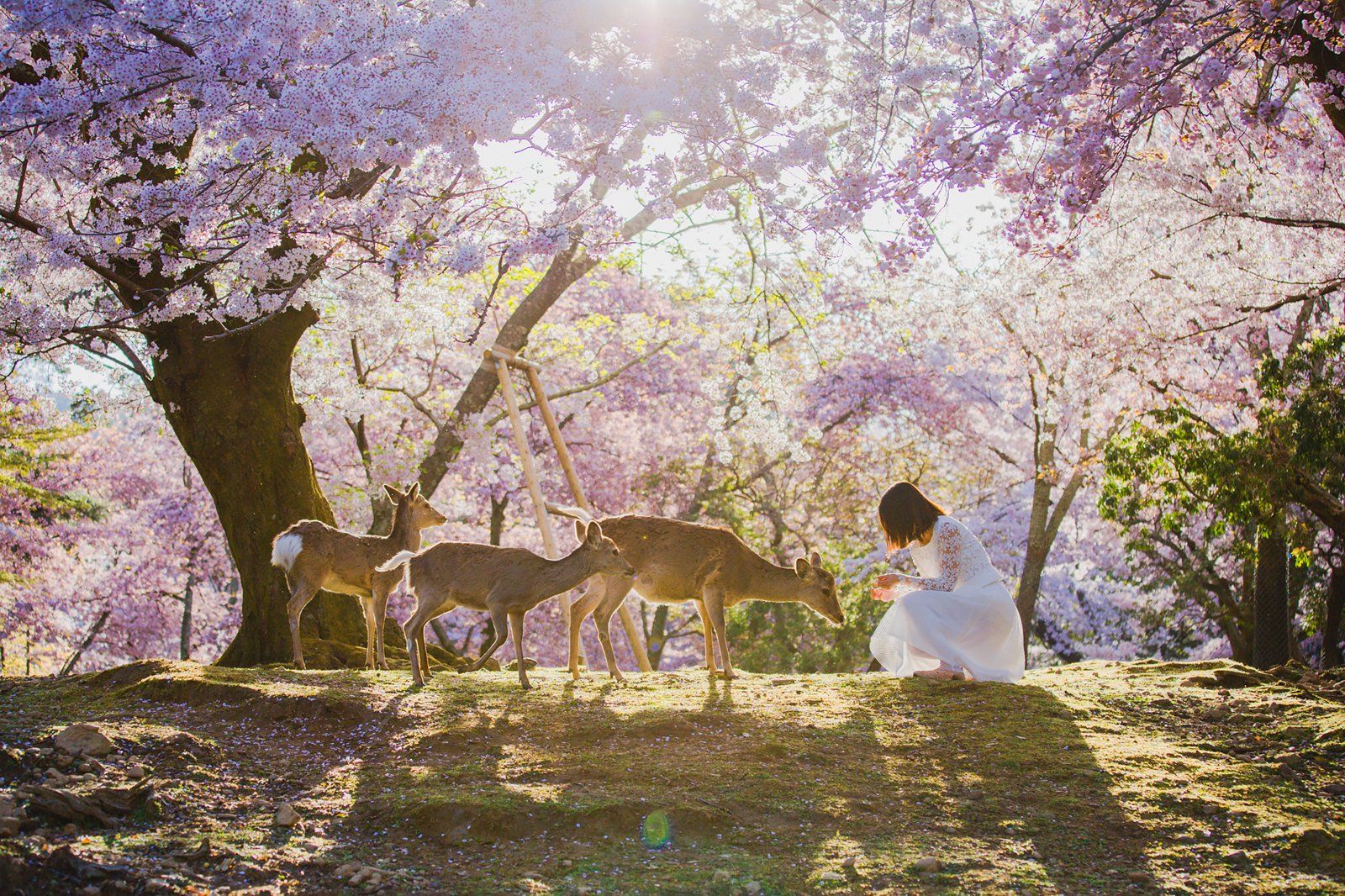
Next, we will walk through Nara Park in the company of tame deer. There are more than a thousand of them here. We will be able to feed them special crackers, pet them, and take many warm and amusing photos.
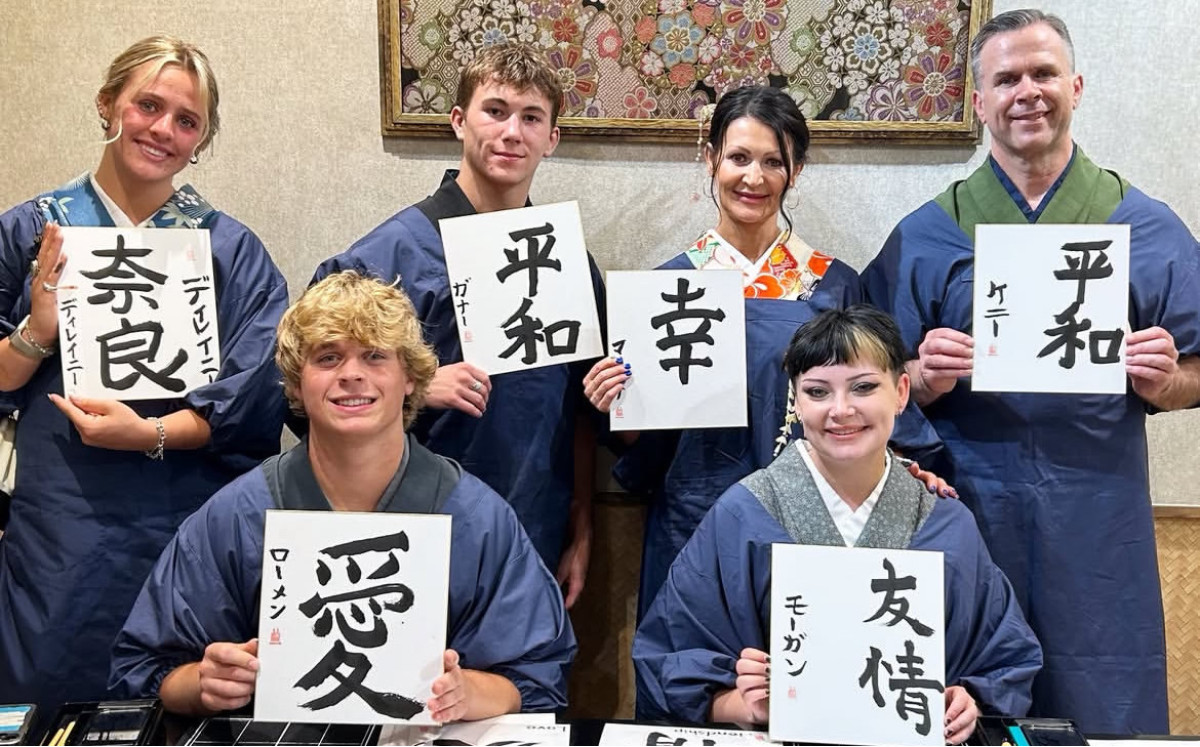
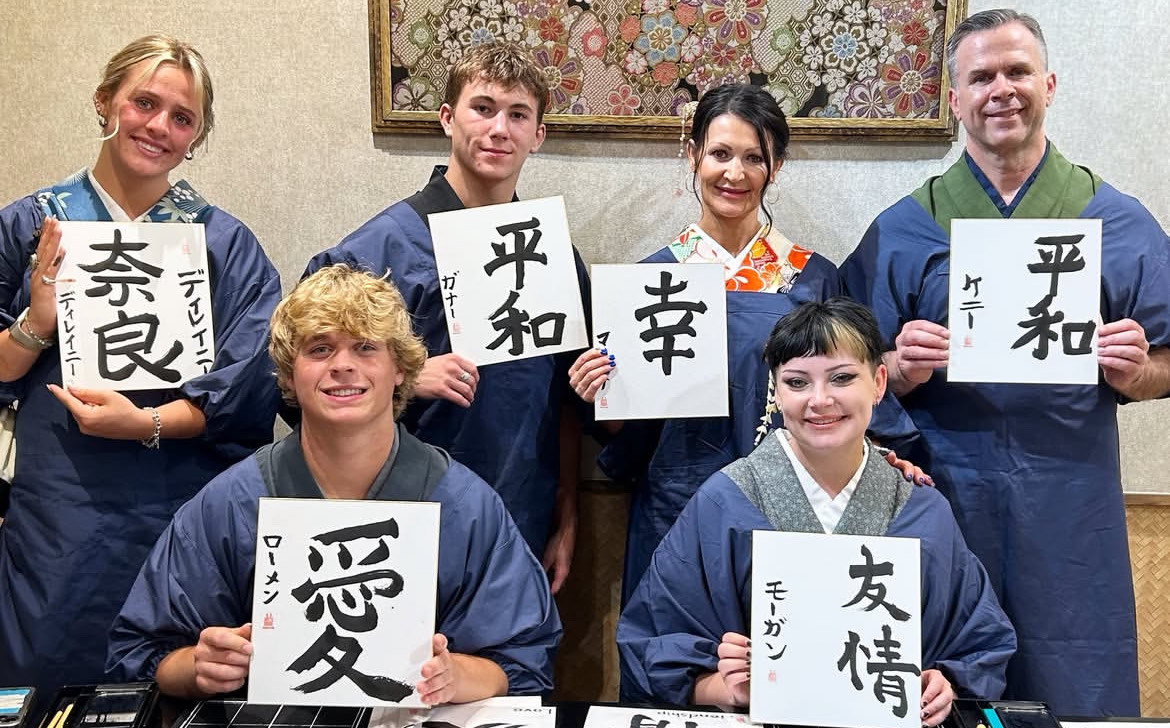
We will also attend a calligraphy lesson. This will not be a classical class but a true creative process, where calligraphy appears as an art form and a means of self-expression. The lesson will be conducted by a calligraphy artist, the owner of a small ryokan in Nara. Each of us will create our own calligraphy piece and take it home as a memorable souvenir.
In the afternoon, we will travel to Osaka (about 1 hour).
Upon arrival, we will check into the hotel and rest.
We will have breakfast and head out for a sightseeing tour of Osaka.
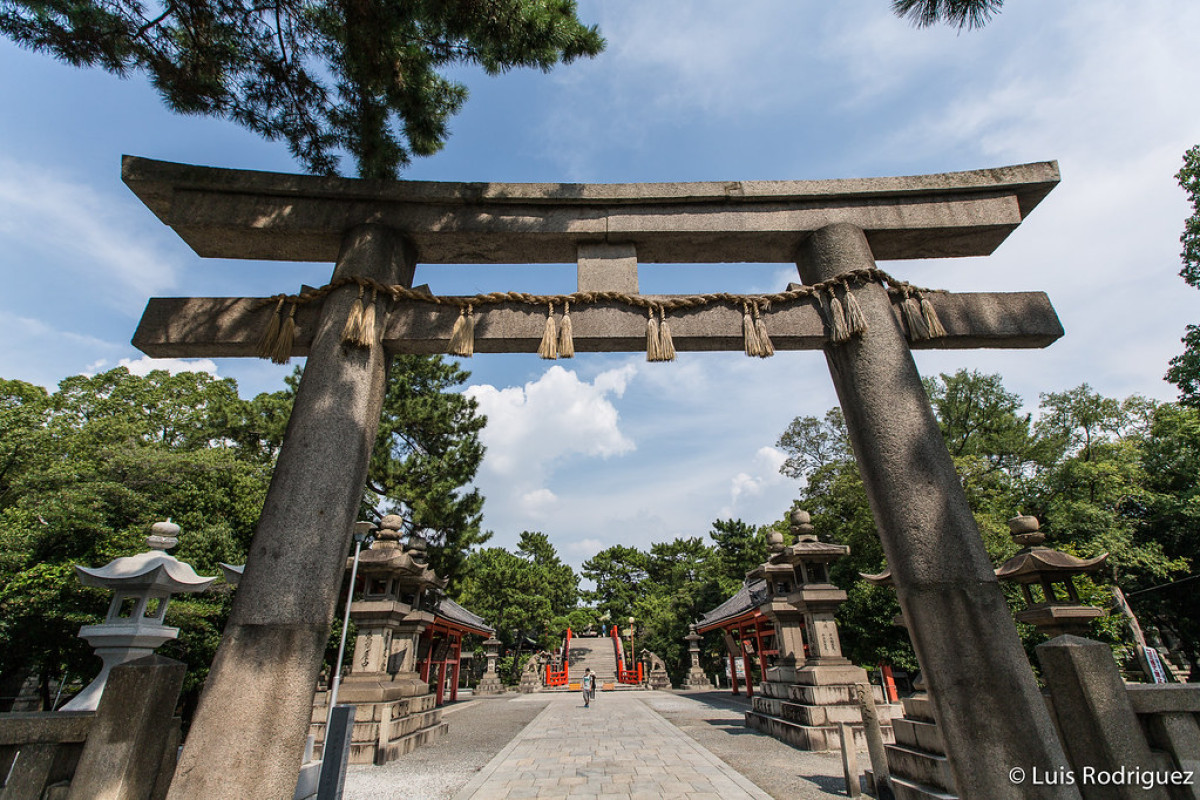
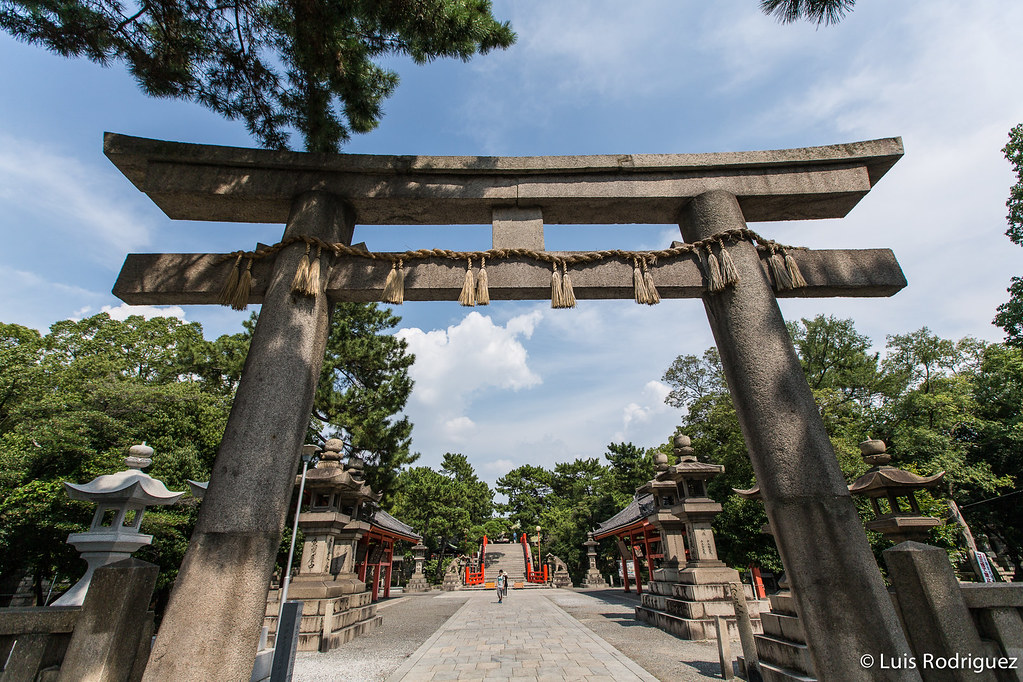
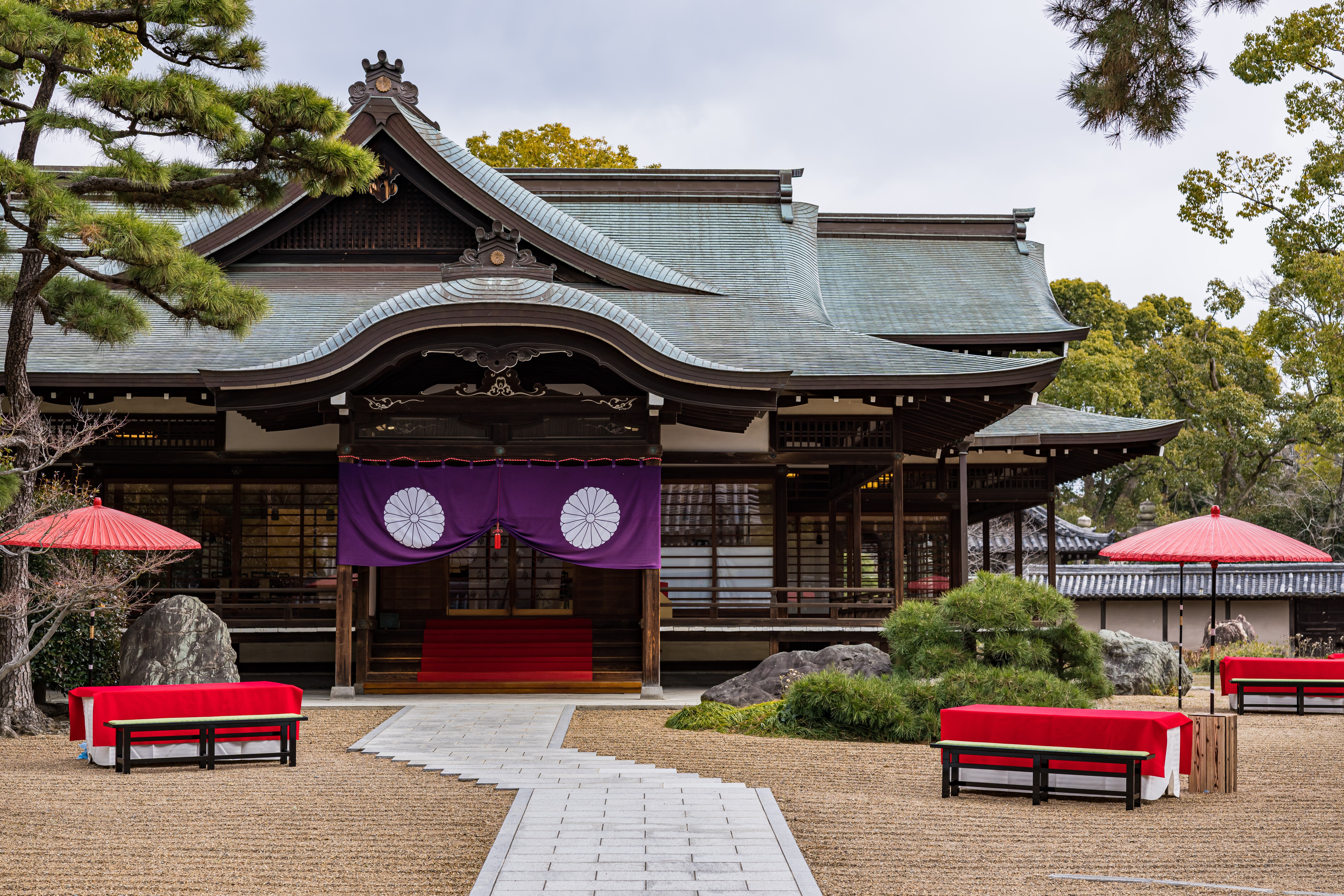
We will visit Japan’s oldest shrine — Sumiyoshi Taisha. It is one of the few shrines built in the Sumiyoshi-zukuri architectural style and was founded as early as the 3rd century. It is the main and most famous of more than 2,000 Sumiyoshi shrines across the country. The Sorihashi Bridge leads to the main shrine, forming an impressively high arch over the pond and serving as one of the site’s recognizable symbols.
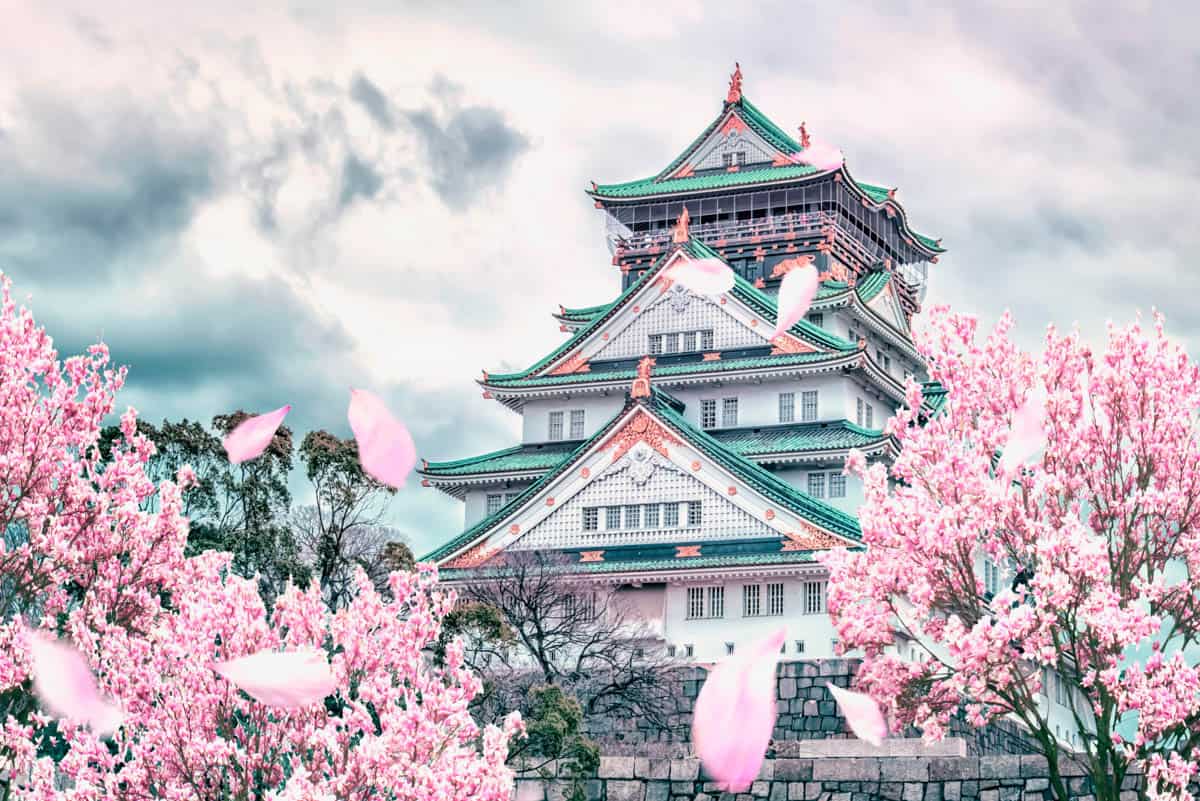
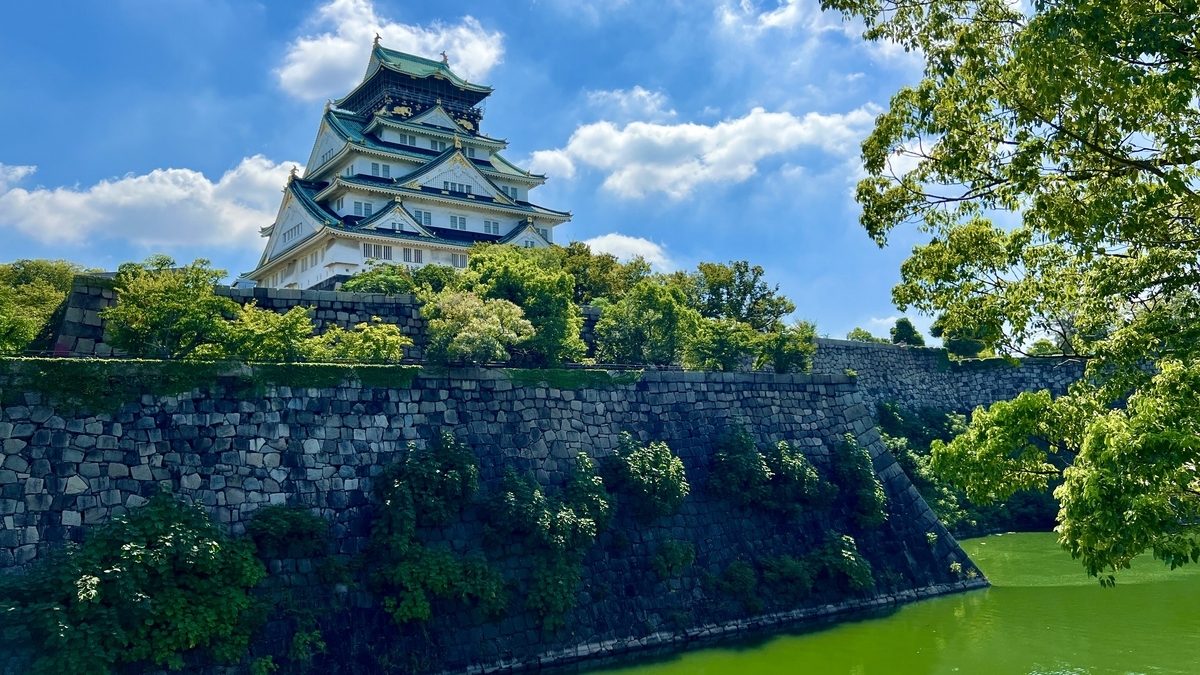
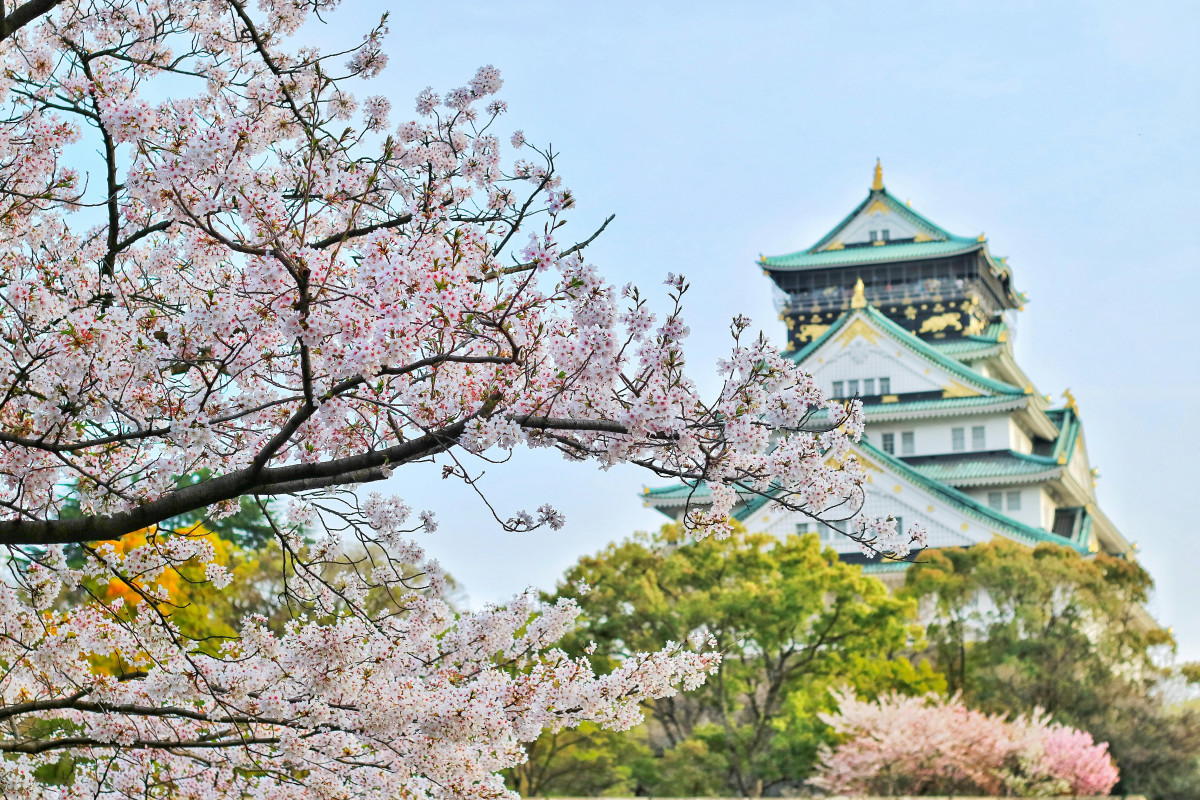
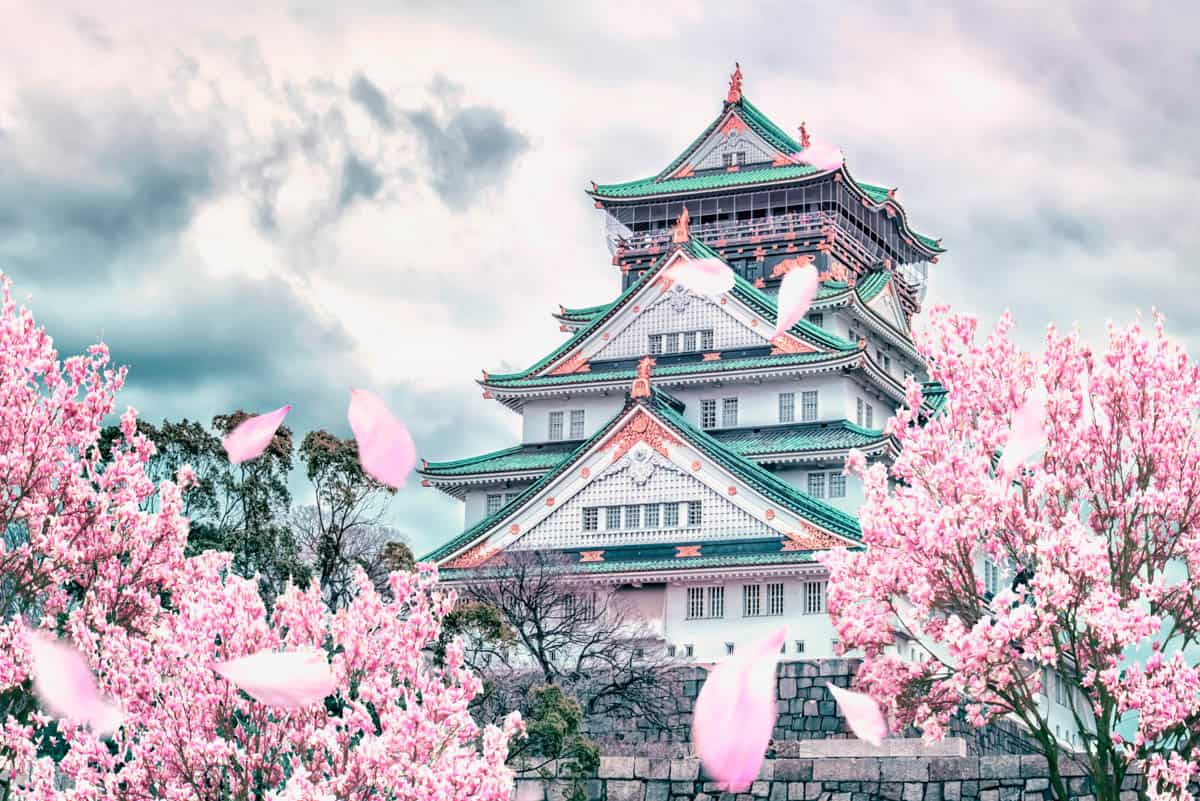
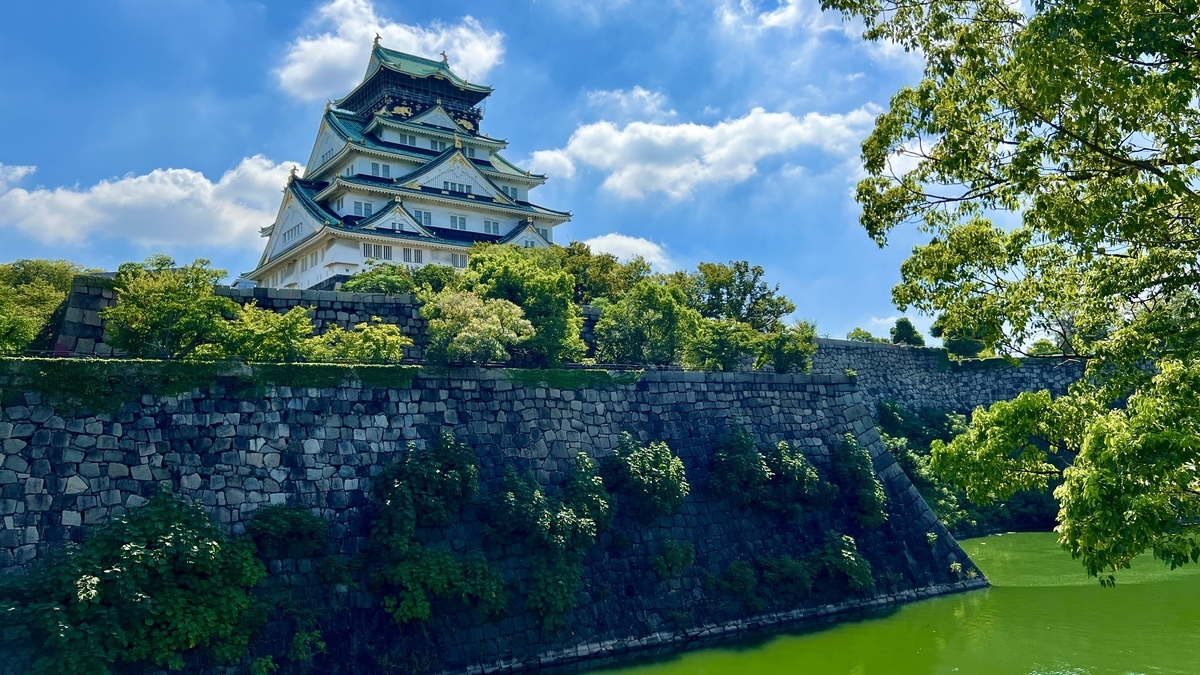
We will see Osaka Castle — a five-story samurai fortress. In the late 16th and early 17th centuries, it played a key role in Japanese history. Today, its water-filled defensive moats are equally impressive, reaching widths of up to 90 meters in some places. After exploring the castle, we will stroll among cherry trees in the Nishinomaru Garden.
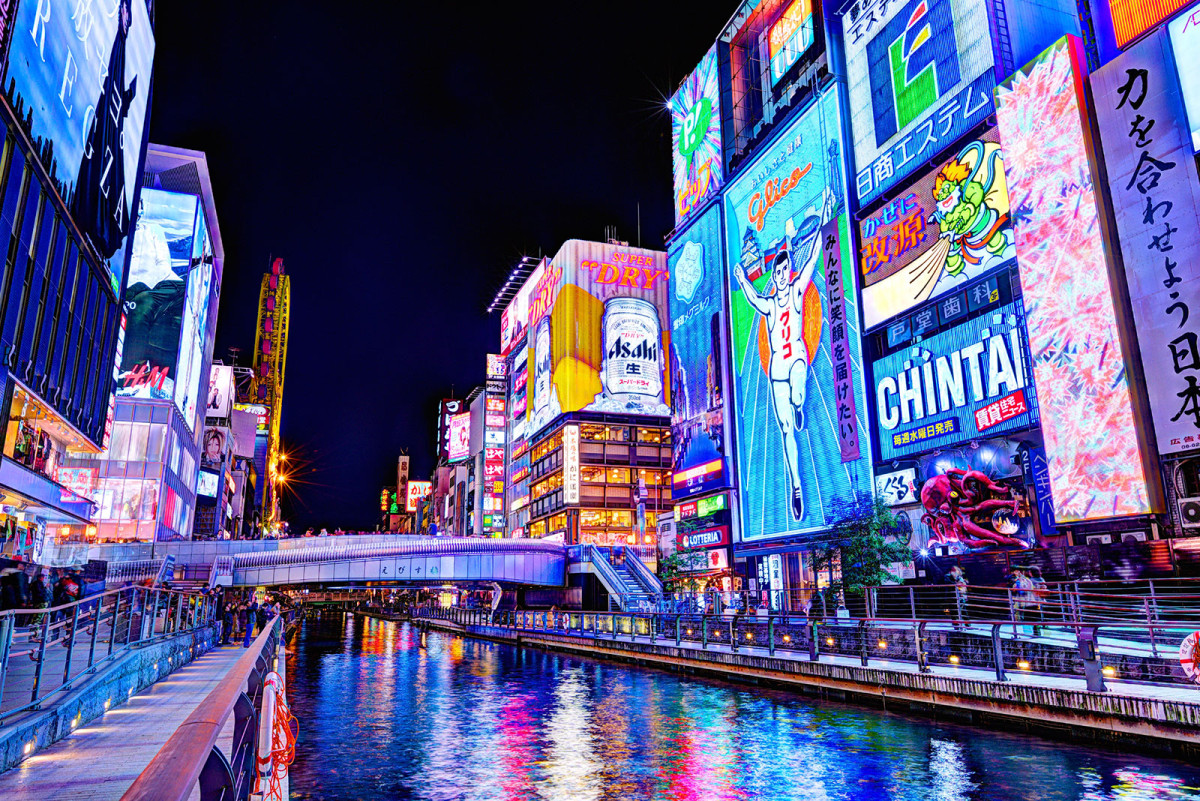
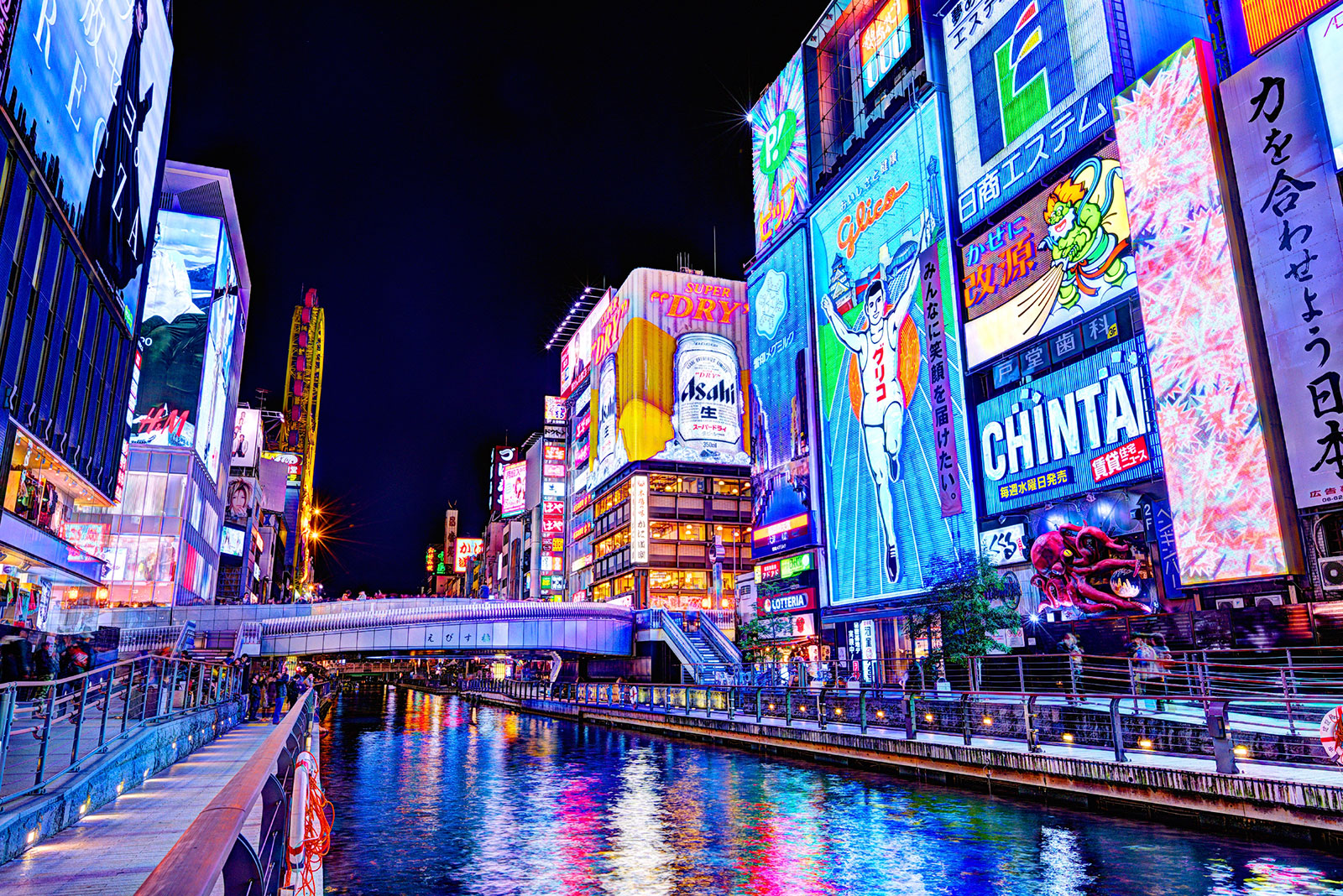
We will conclude the day with an evening walk through the Dotonbori district. We will walk along its passages leading to Namba — an area where, after nightfall, the streets are flooded with the lights of hundreds of bars and restaurants. Giant glowing lobsters and crabs will greet us, while the remarkable Kirin Plaza will shine like a surreal lantern amid the urban flow.
We will have breakfast at the hotel and prepare for our return home.
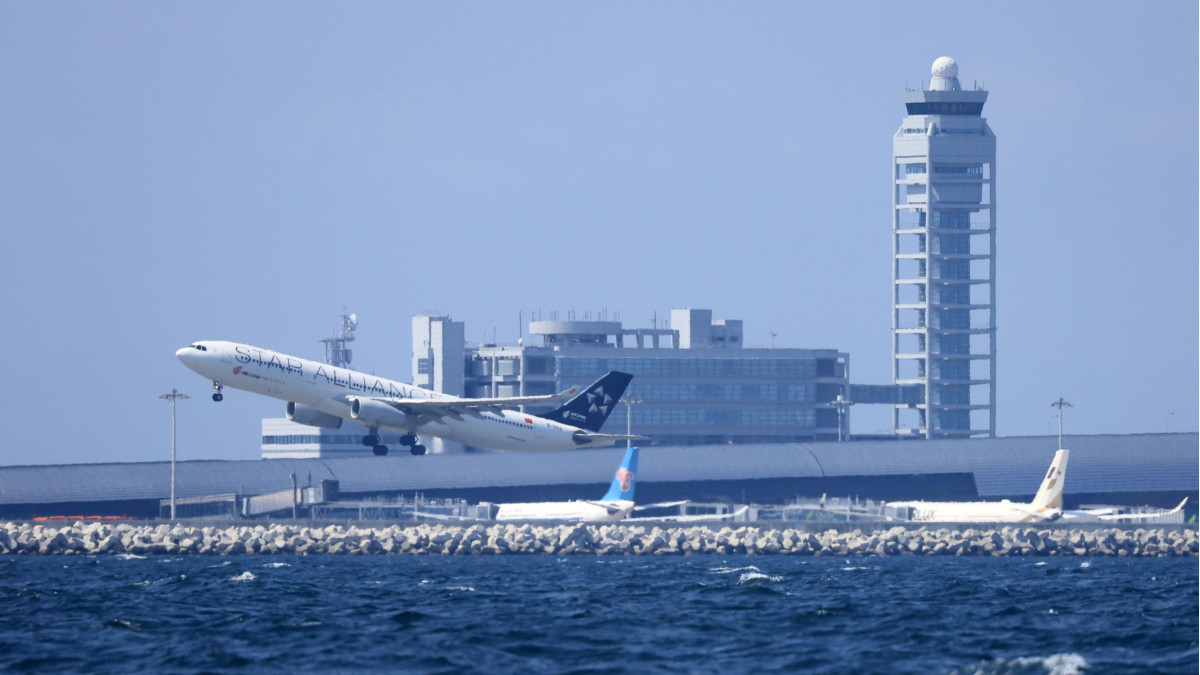
A driver will meet us, and a transfer by shuttle minivan will take us to the airport.
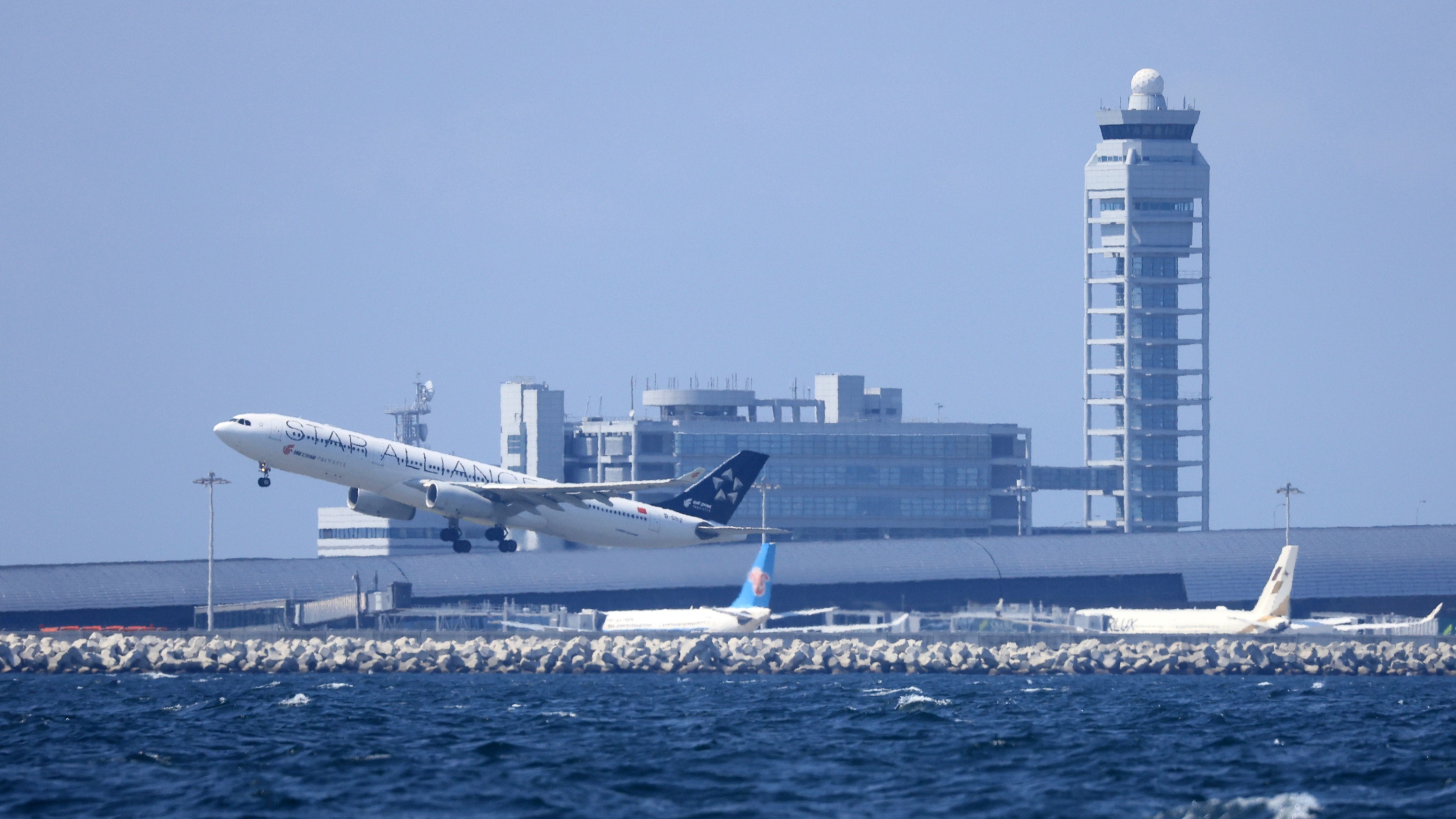
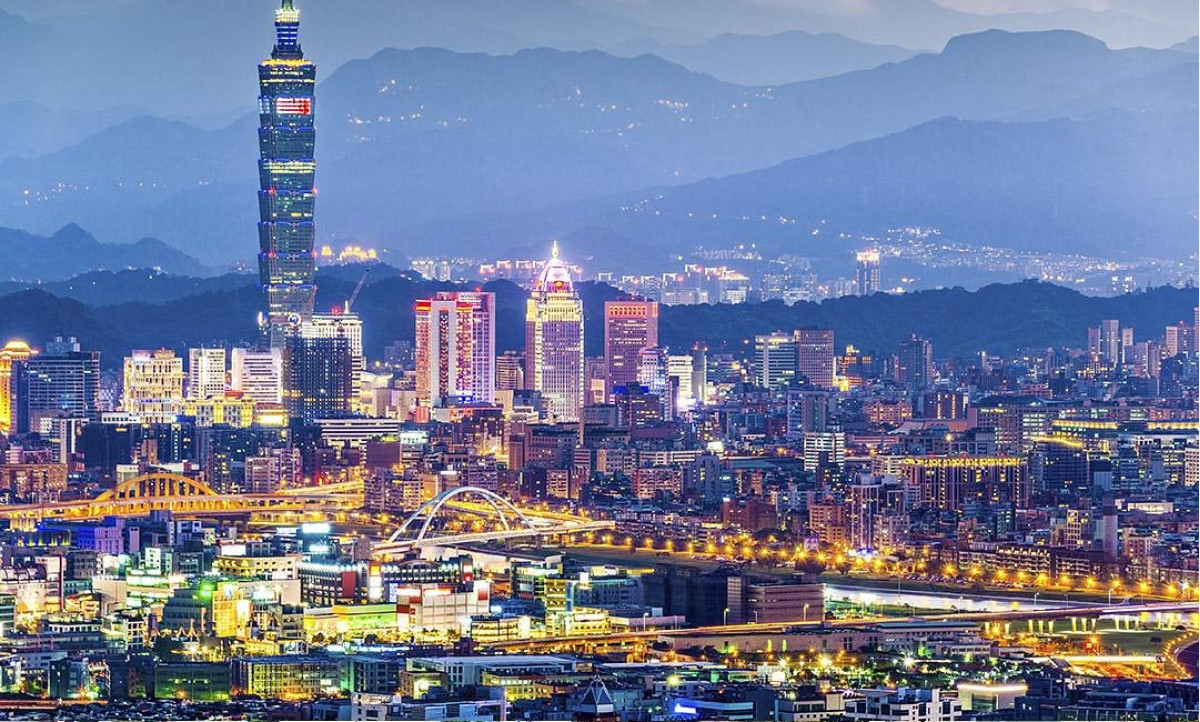
Arrival in Taipei. Transfer to the hotel and rest after the flight.
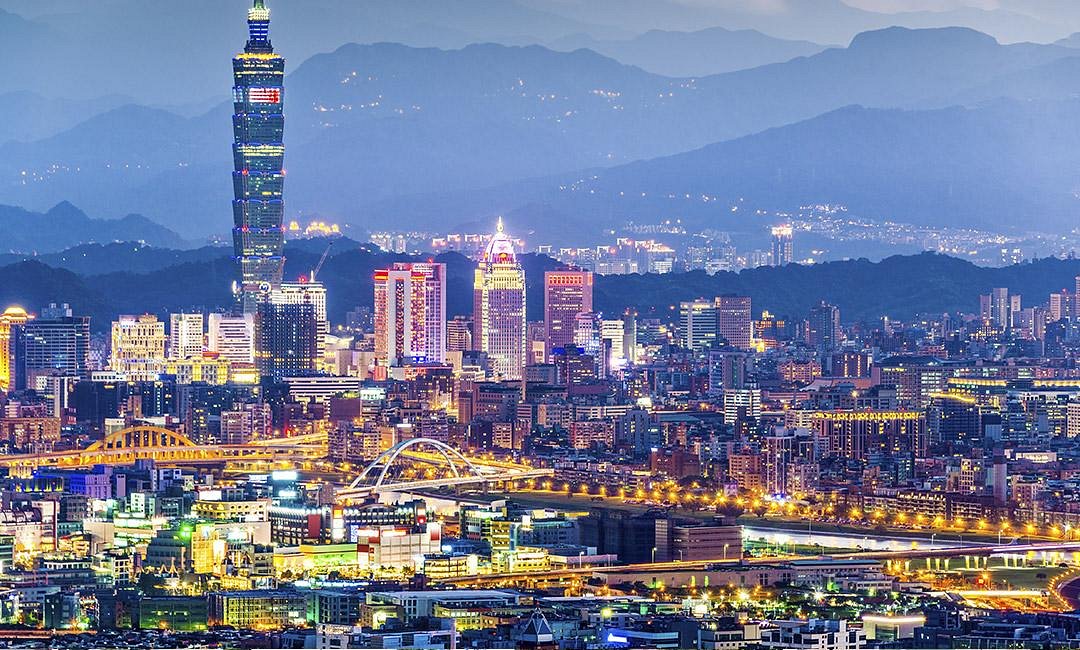
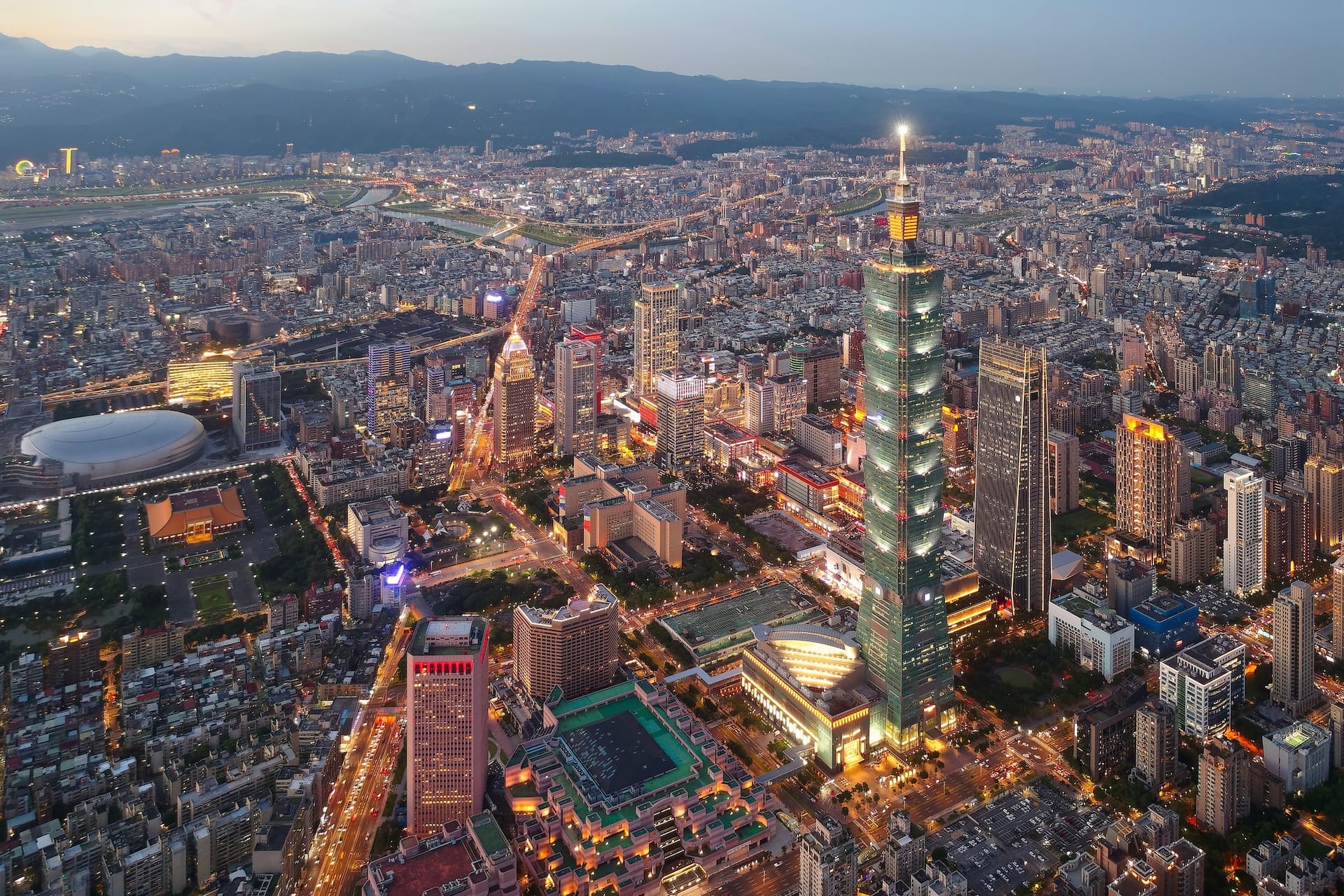
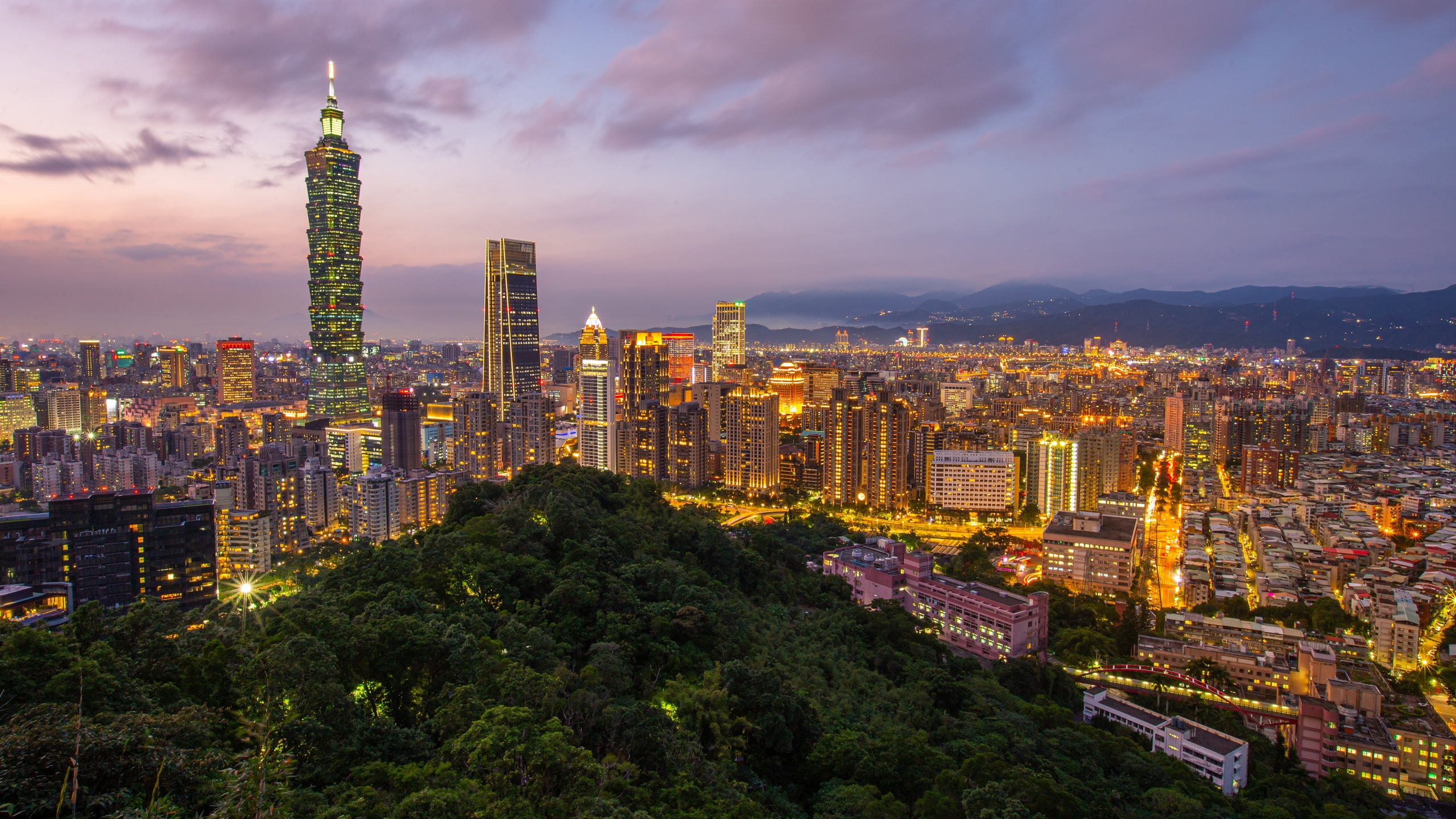
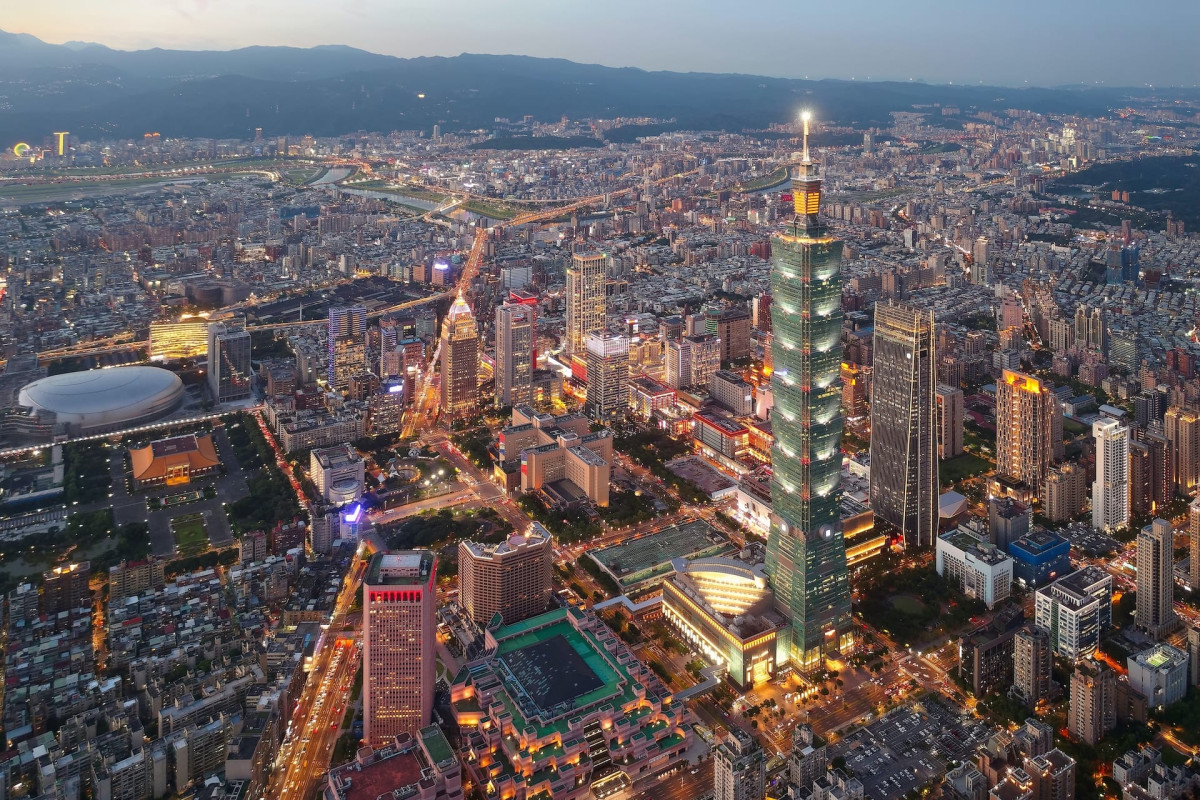
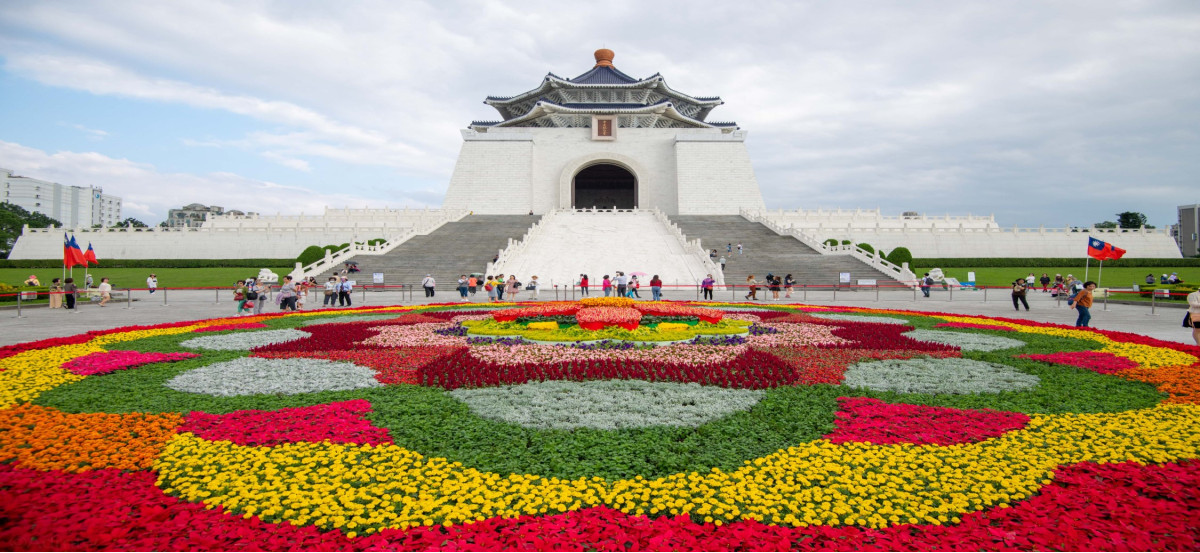
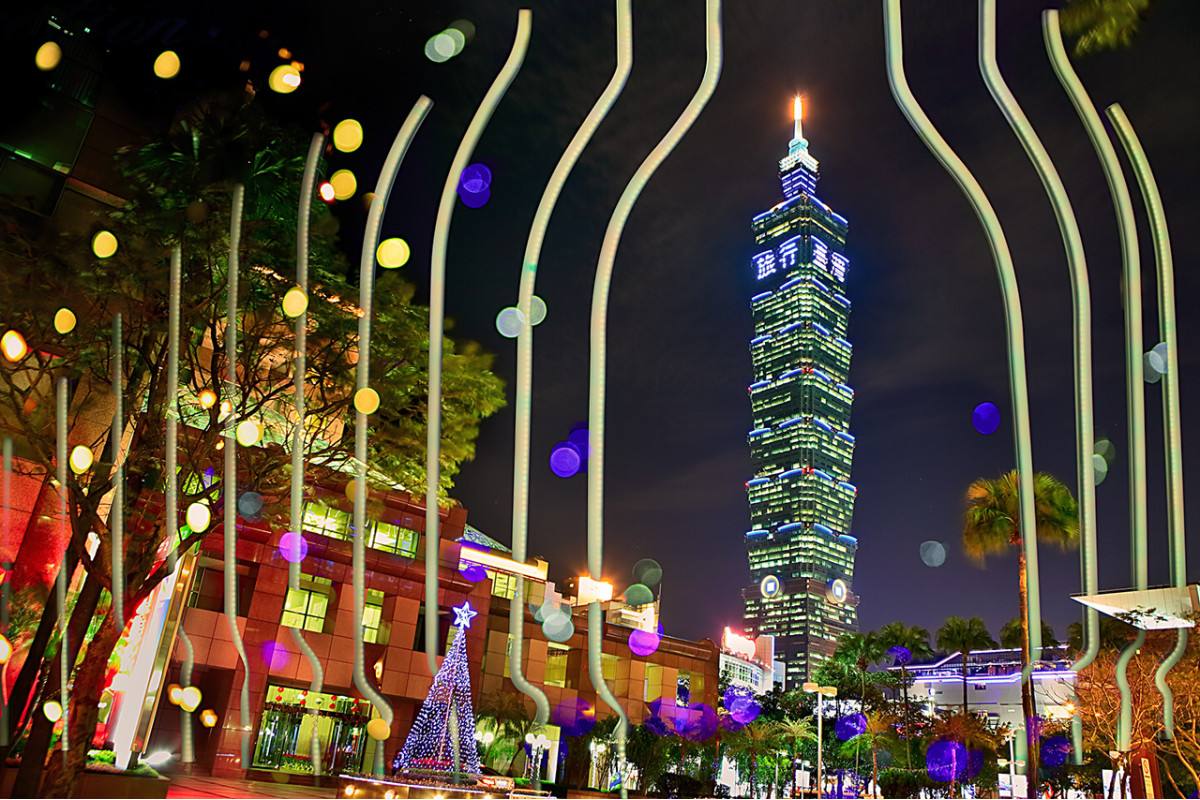
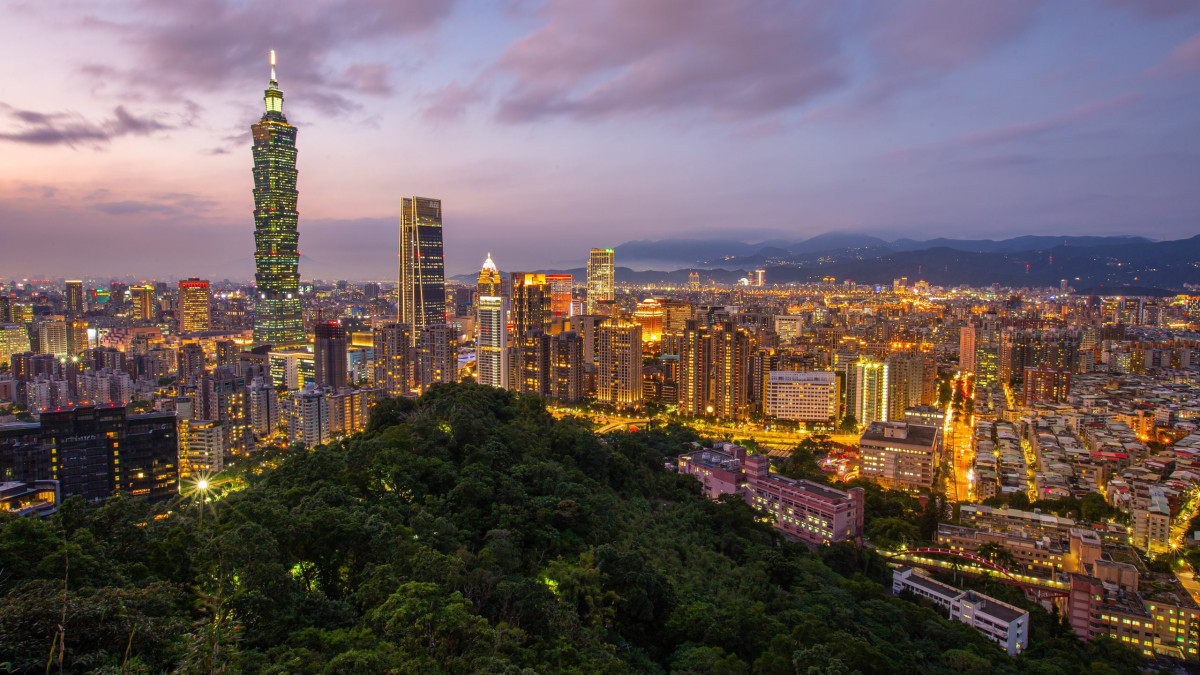
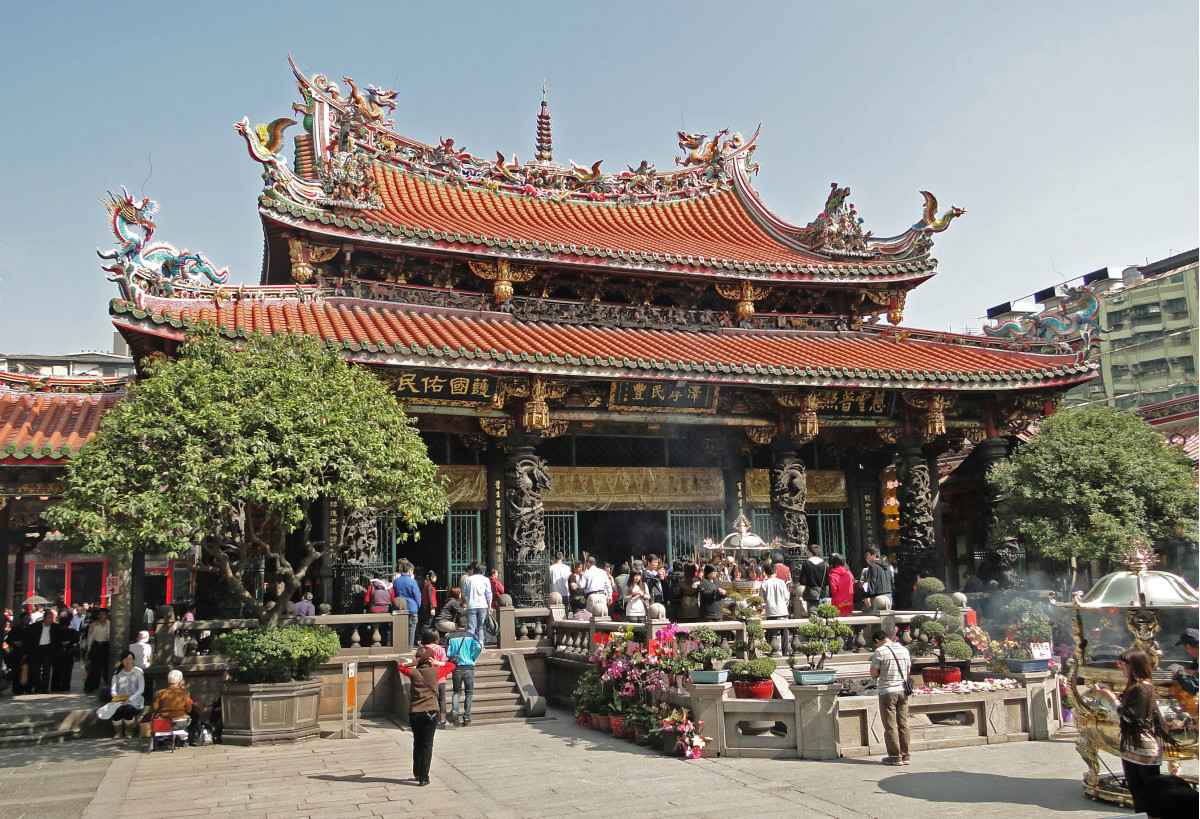
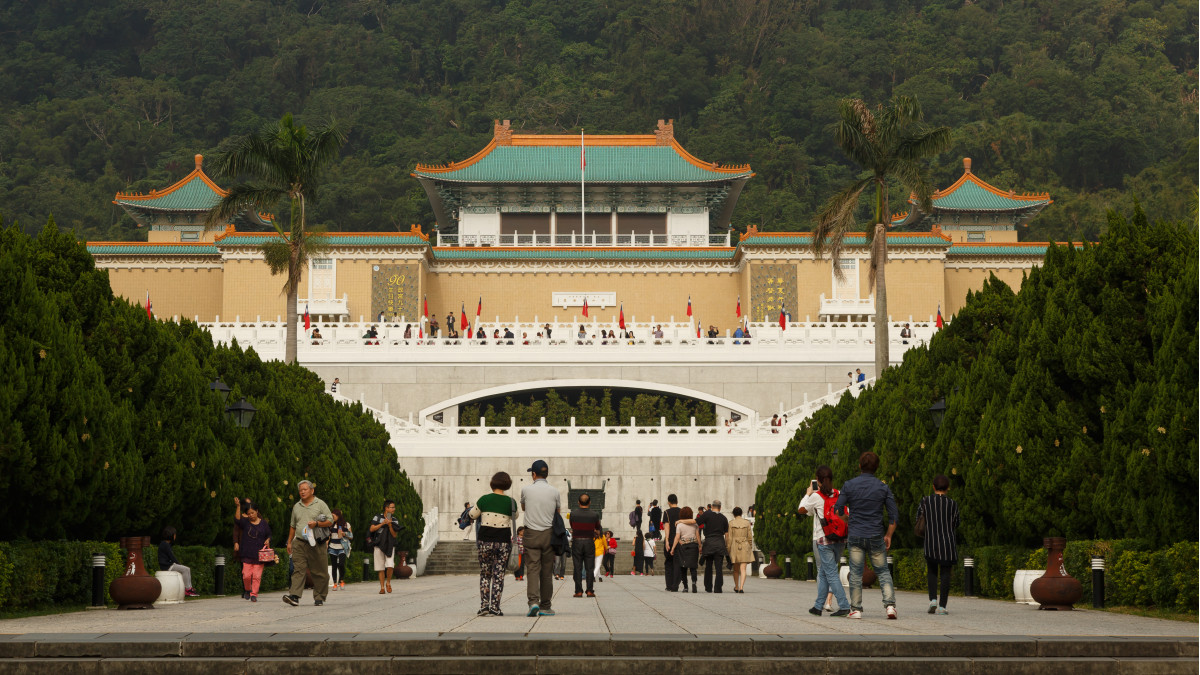
We get acquainted with the past and present of Taiwan’s capital. The program includes iconic landmarks, spiritual centers, and atmospheric historic districts of the city.
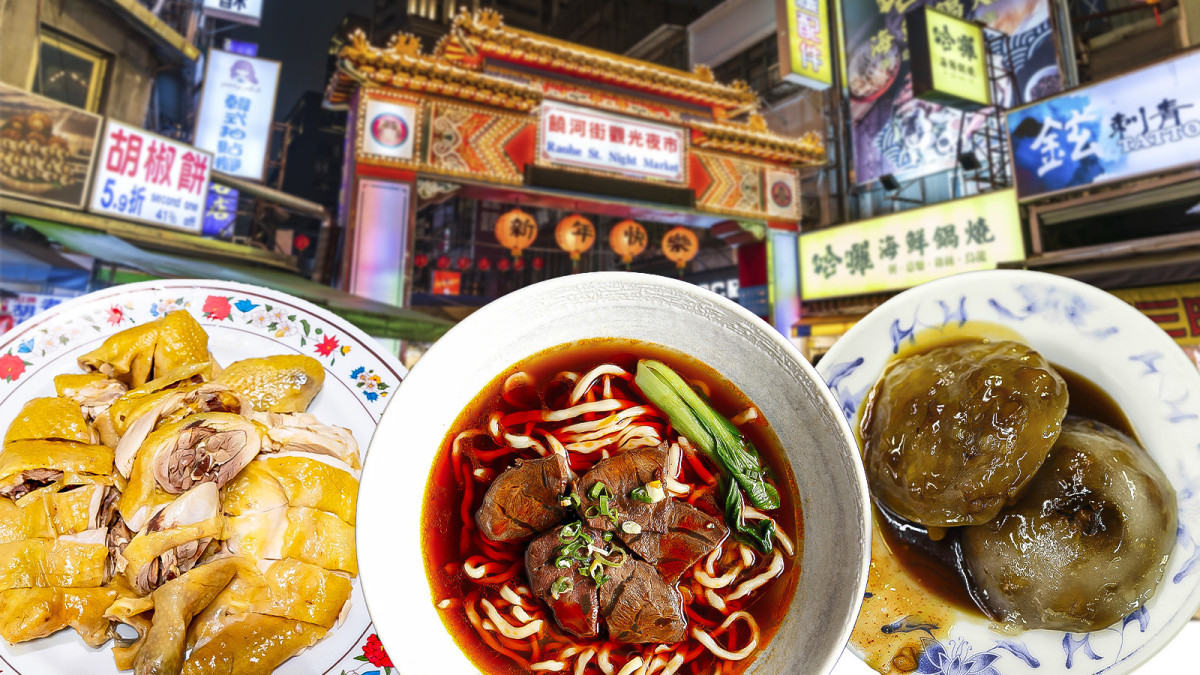
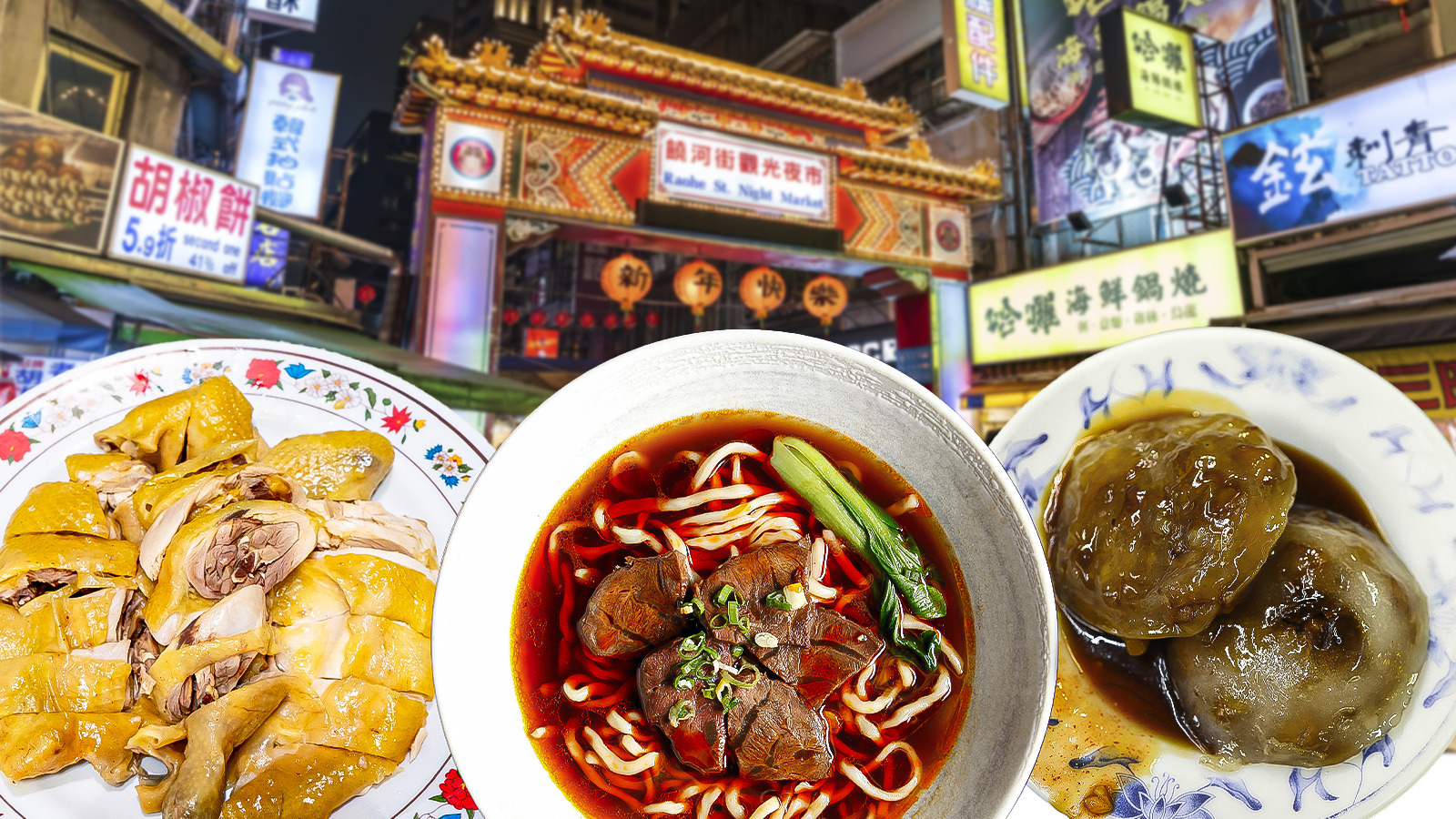
In the evening, a culinary walk featuring 10 iconic Taiwanese dishes — night markets, Michelin-recognised street food and the authentic flavours of old Taipei.
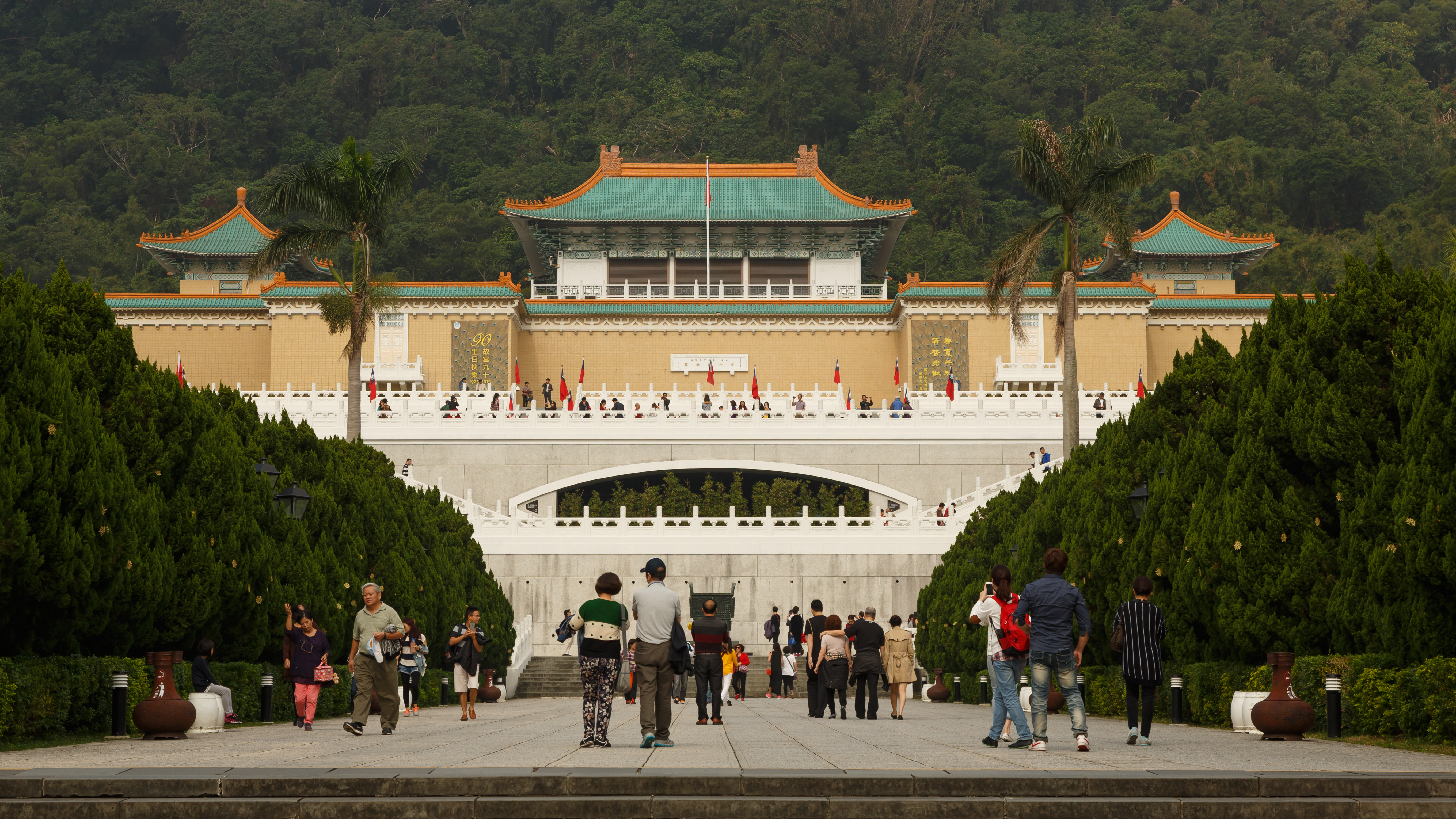
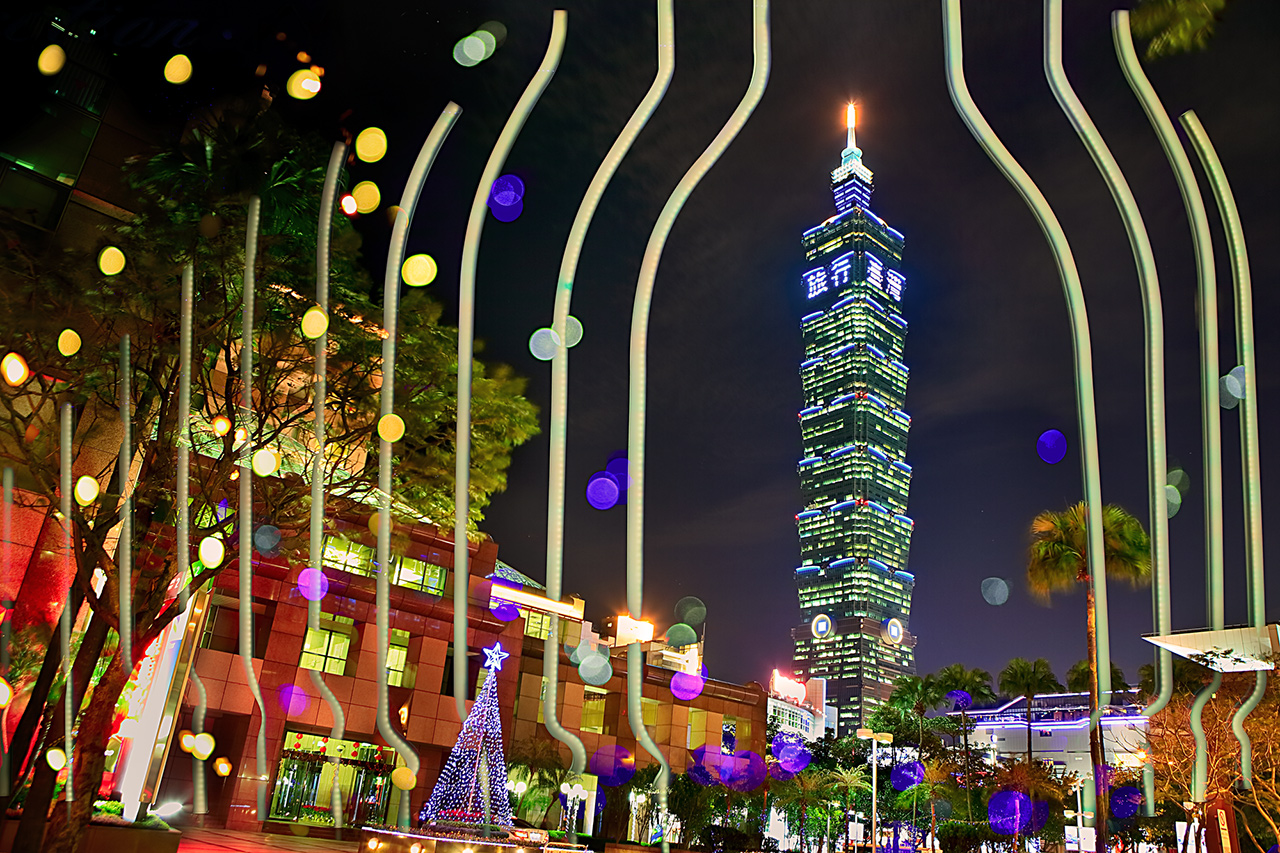
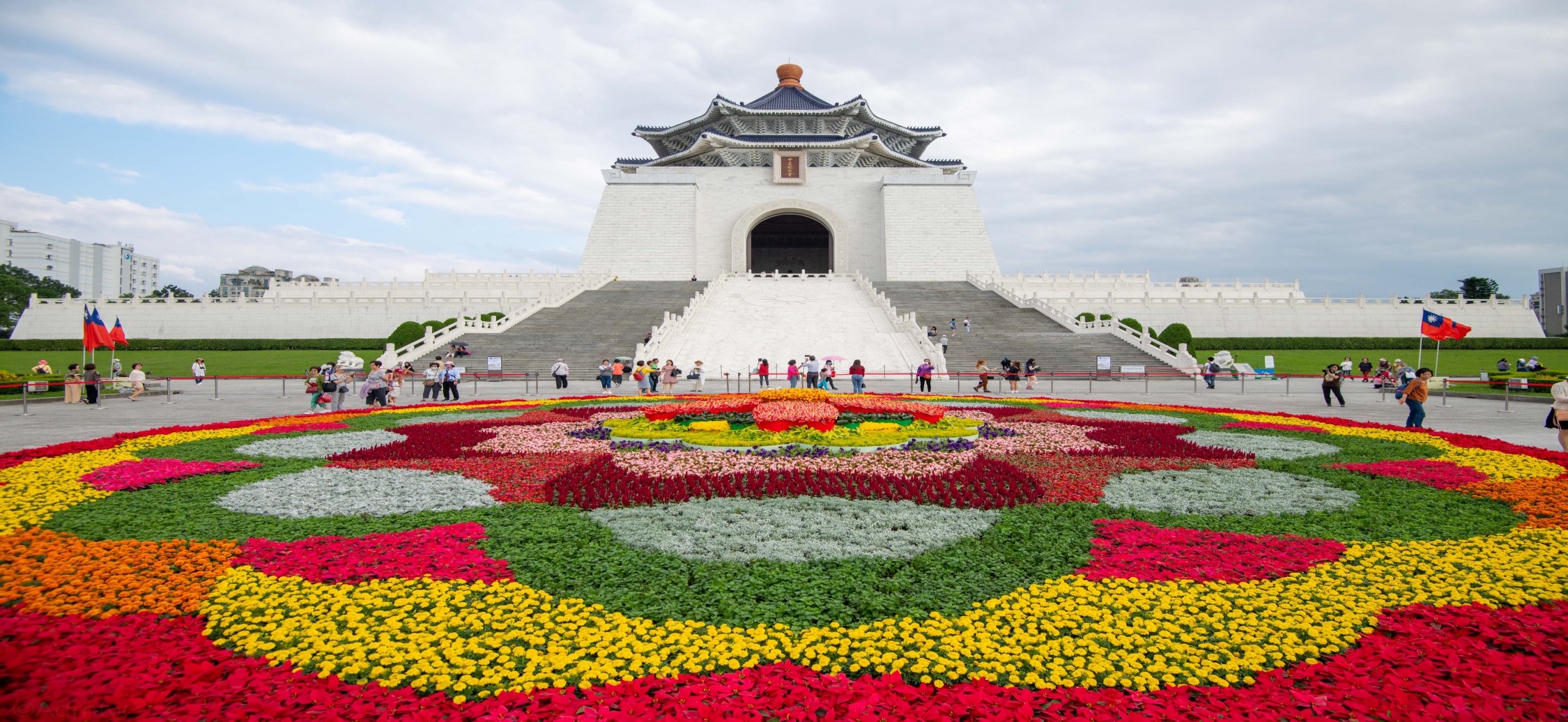
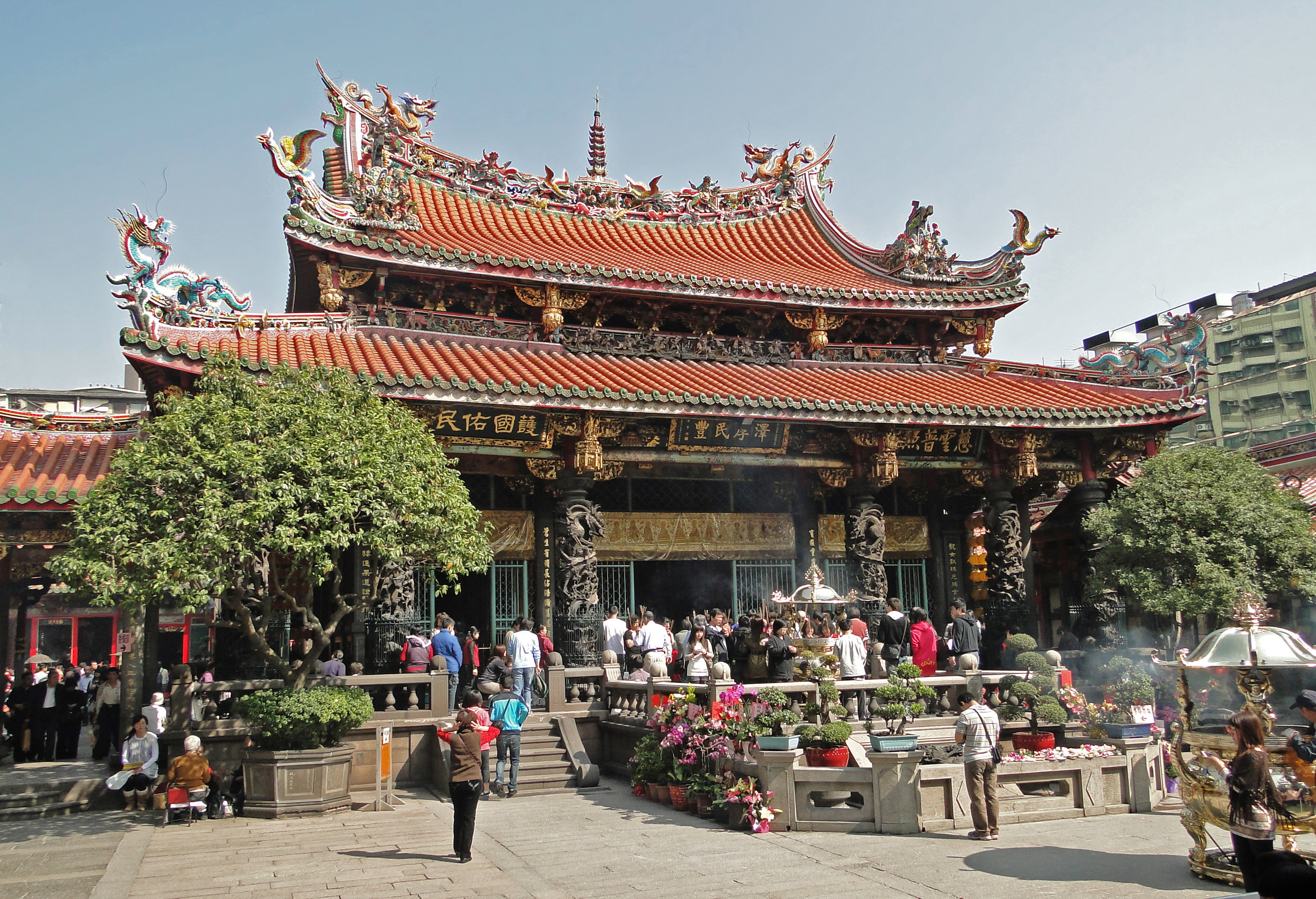
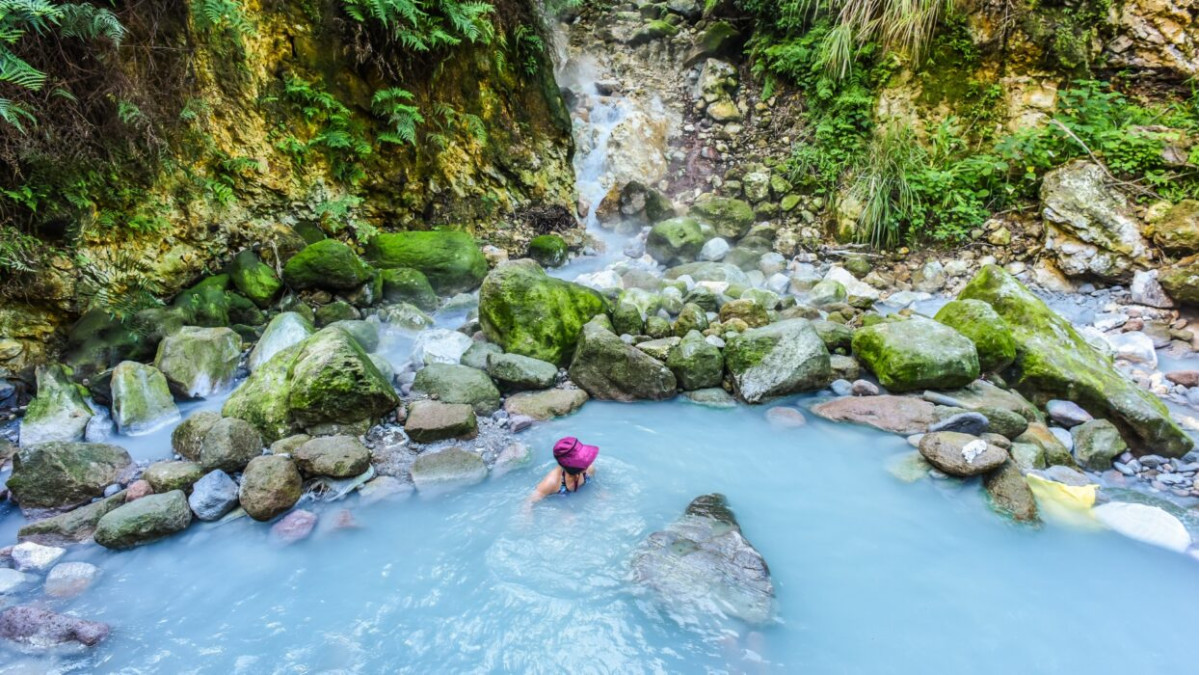
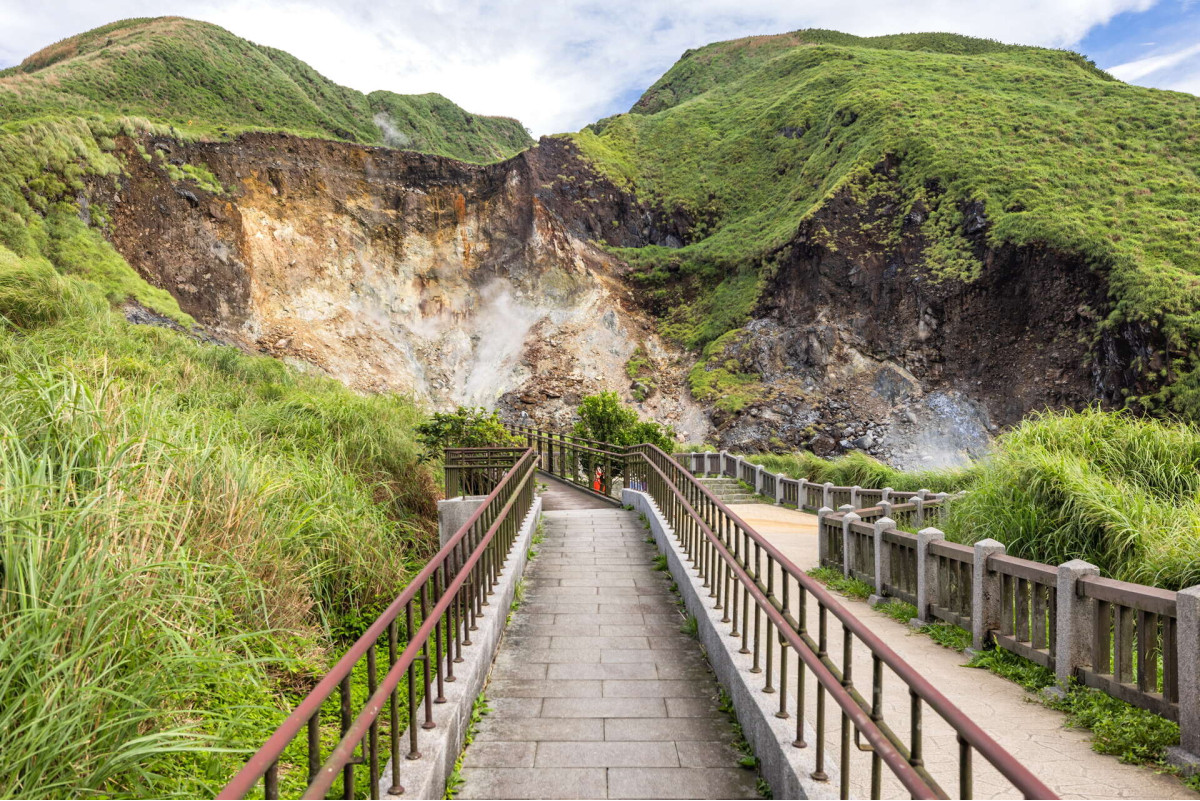
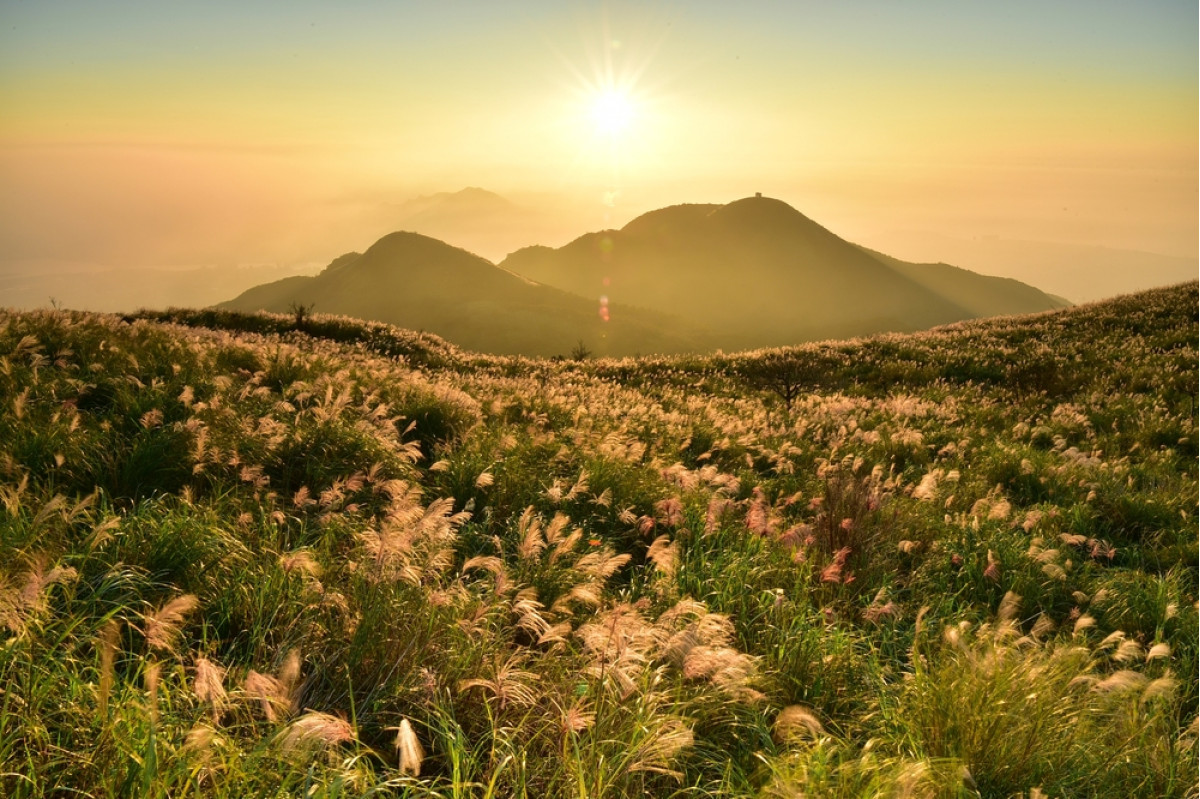
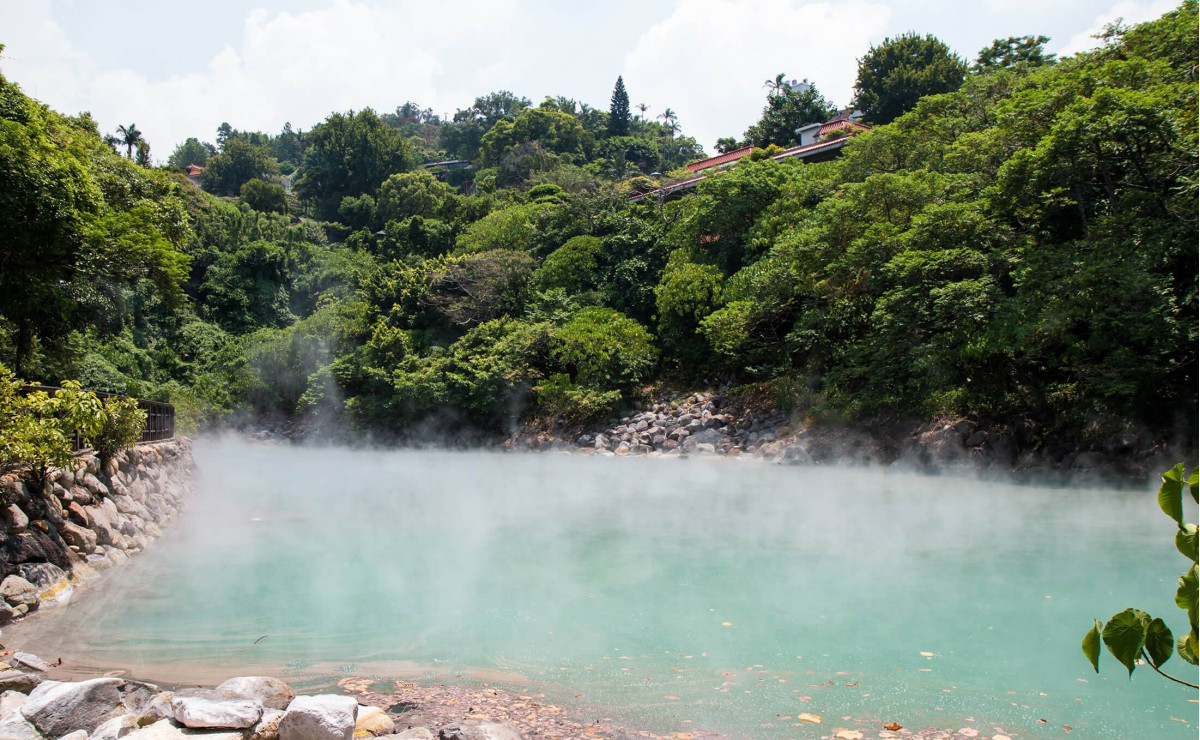
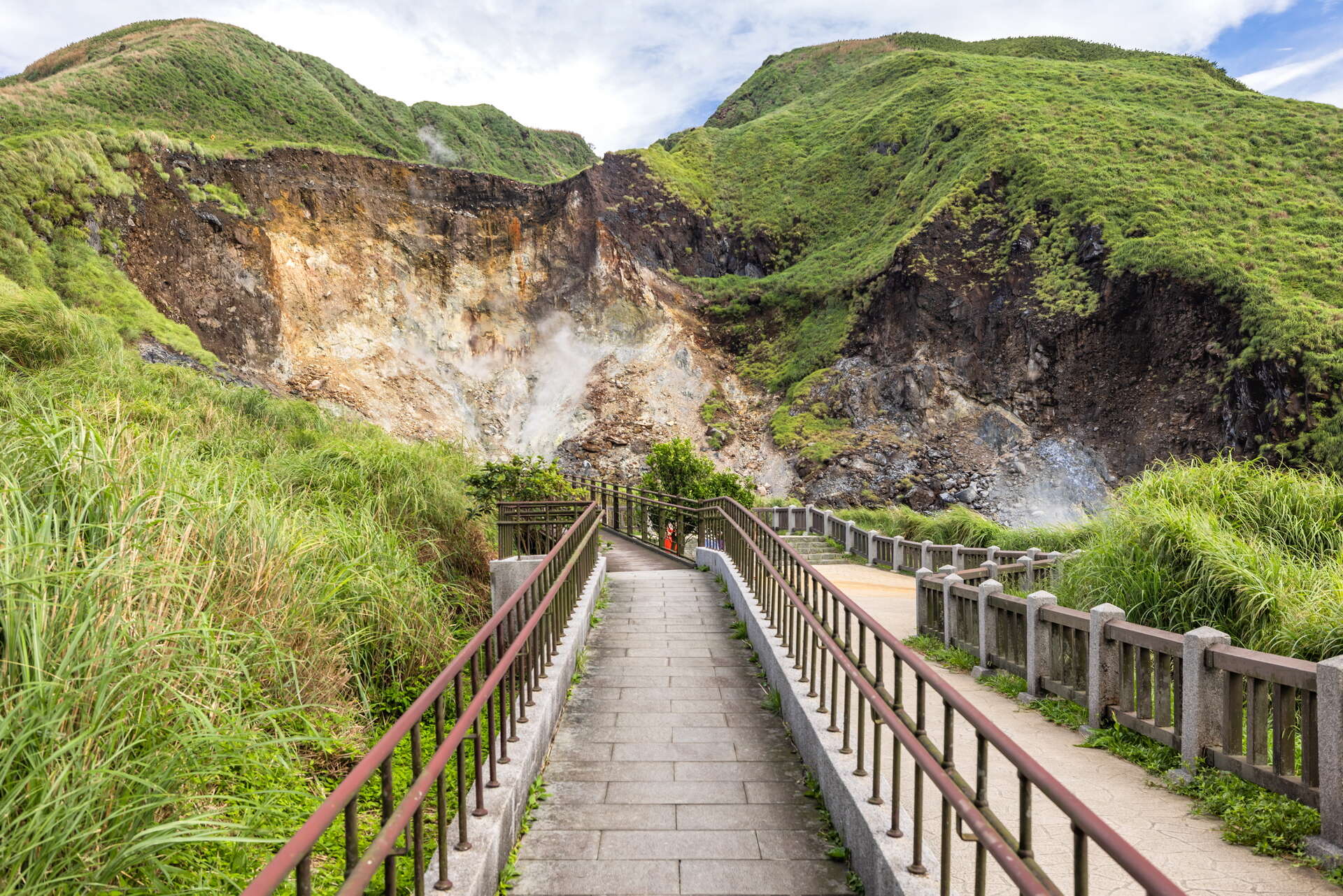
A nature-focused day just outside the city. Volcanic landscapes, fumaroles, panoramic views and gentle walks in Yangmingshan National Park.
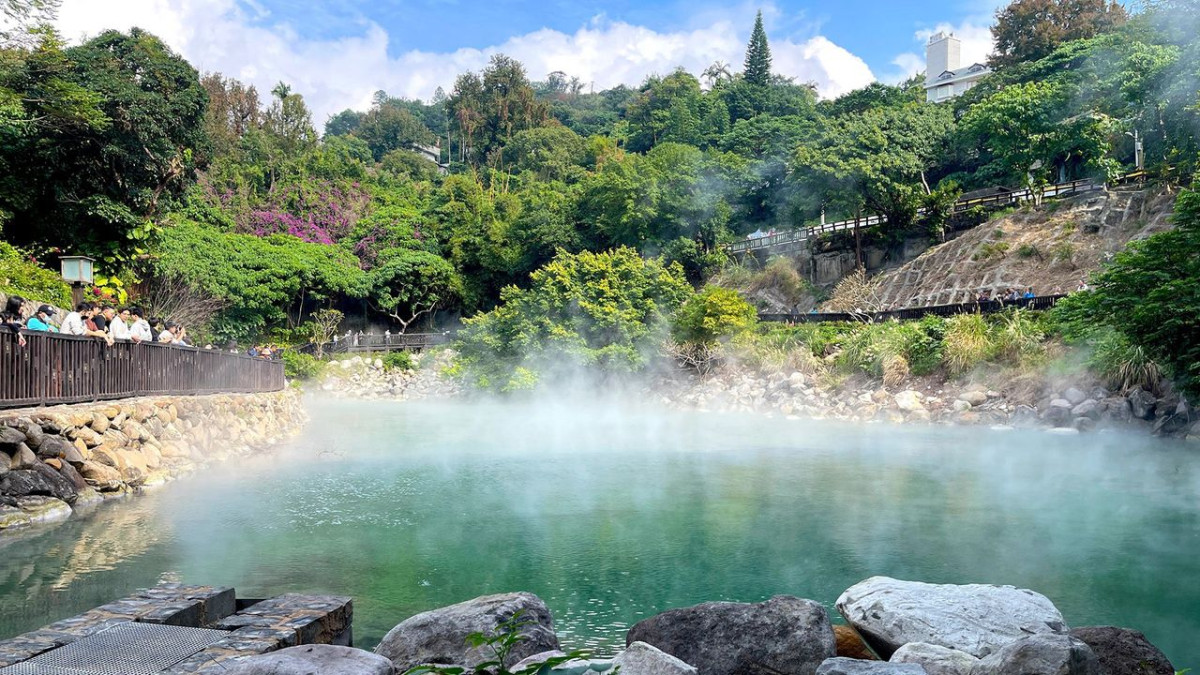
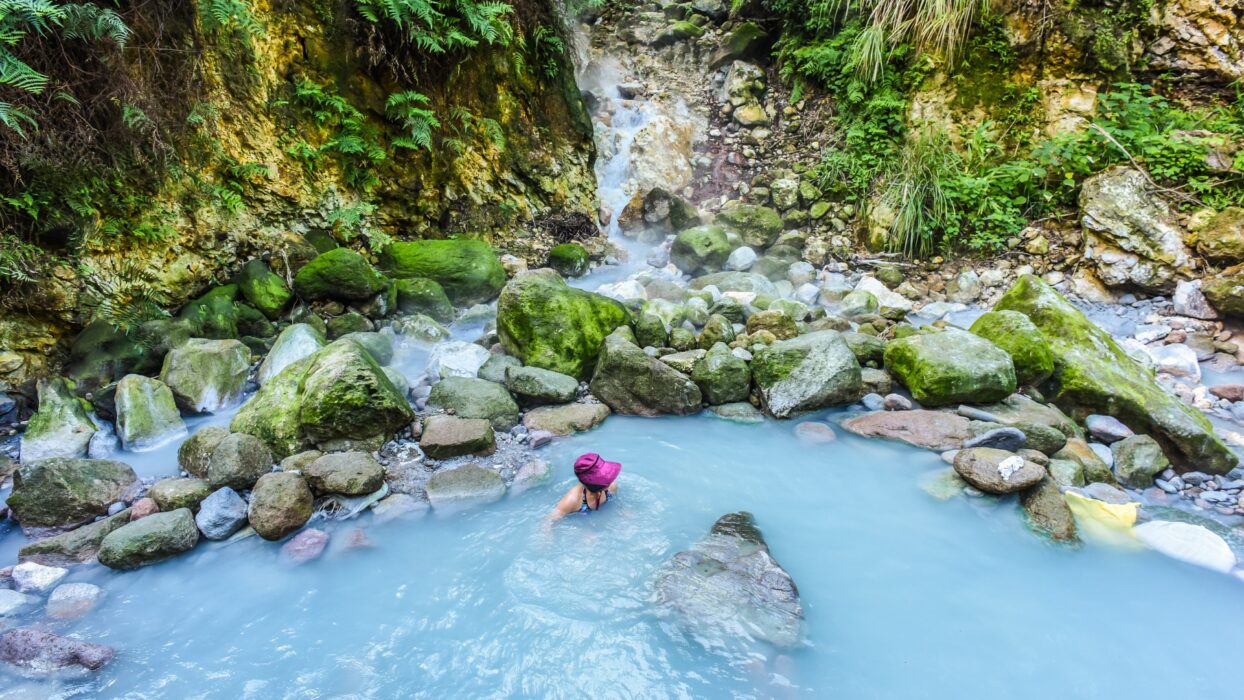
Afterwards, relaxation in the Beitou hot springs, a key element of Taiwan’s cultural heritage shaped during the Japanese era.
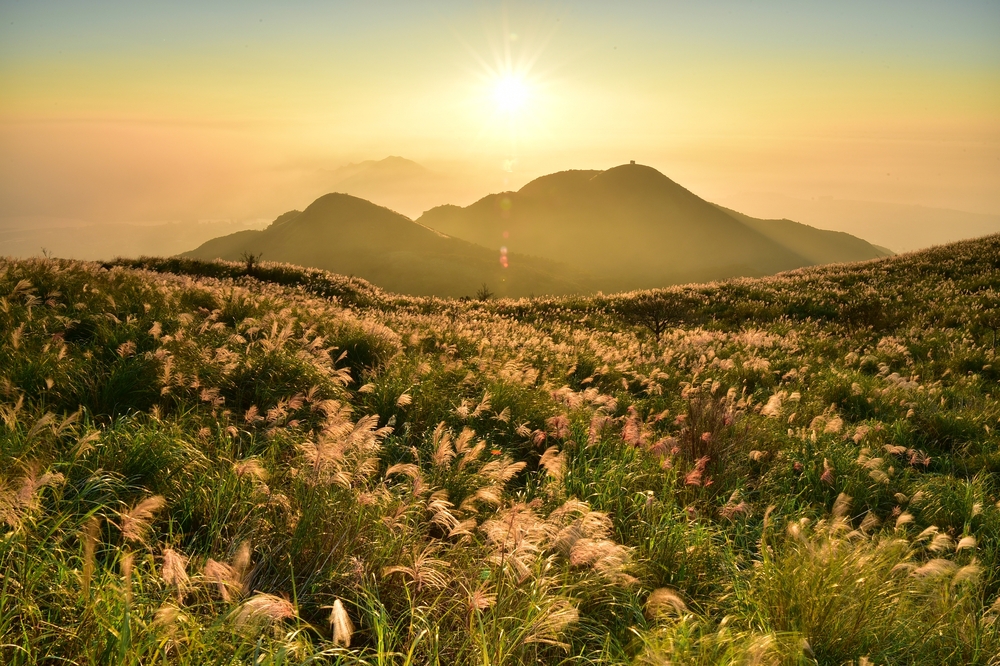
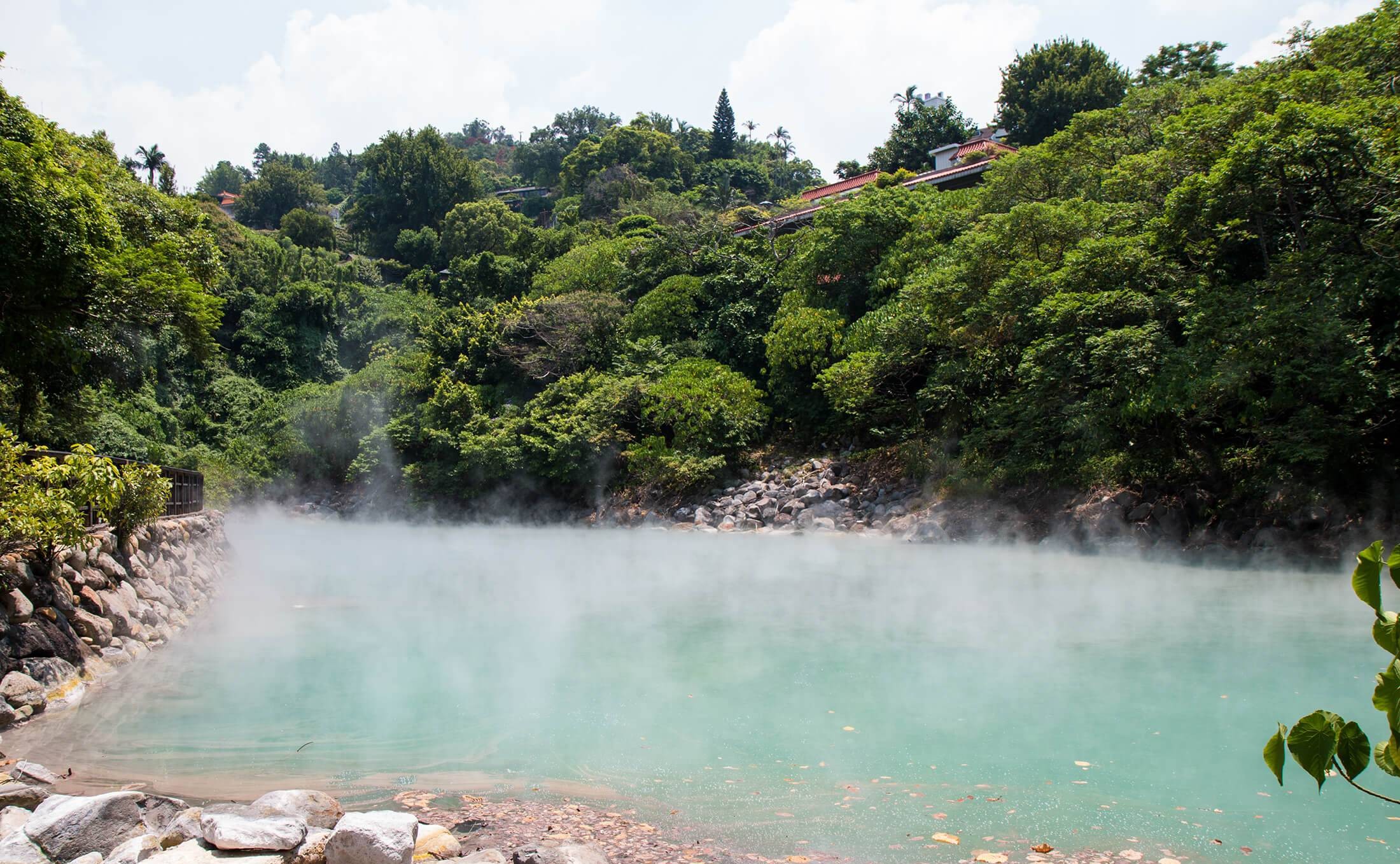
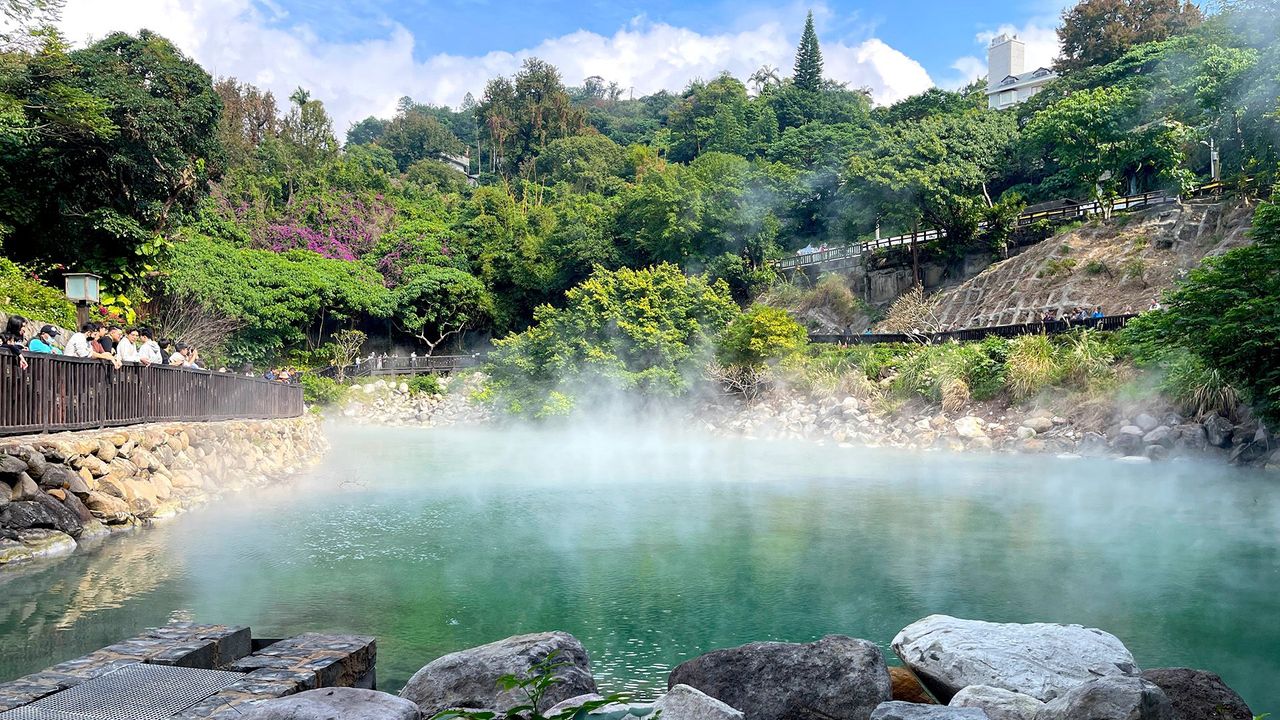
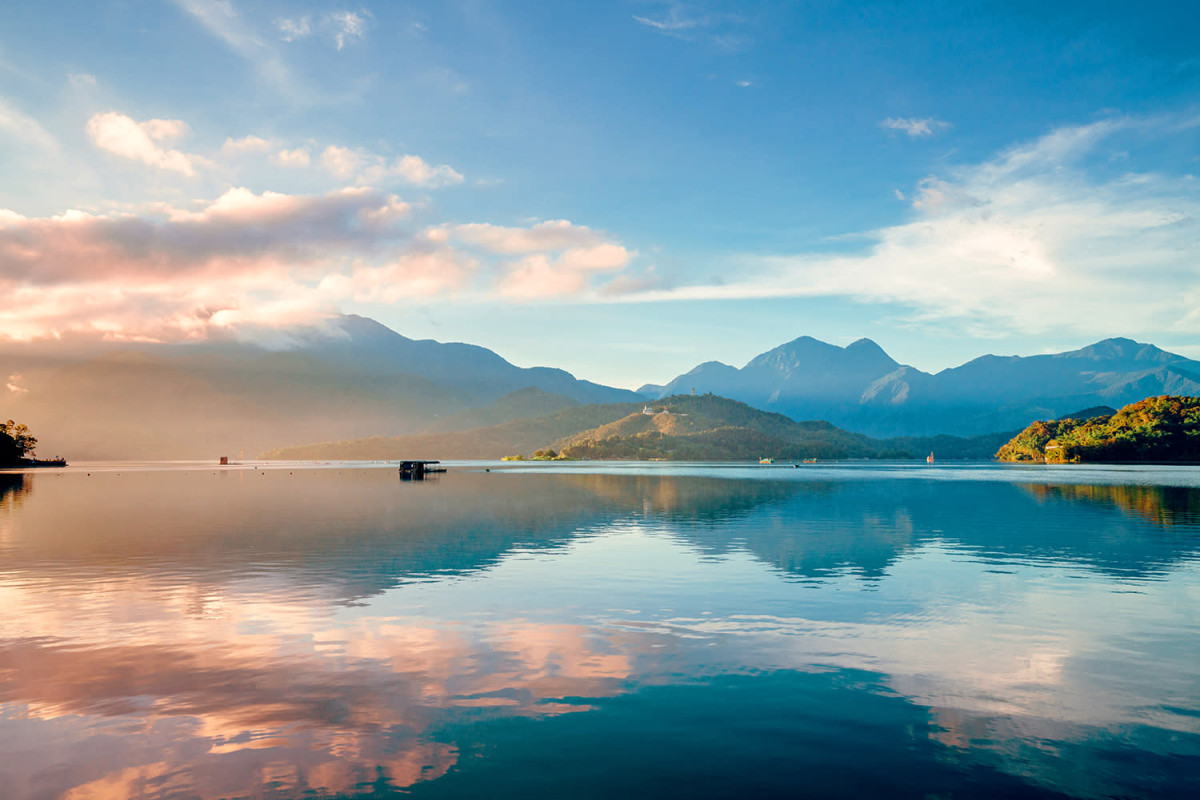
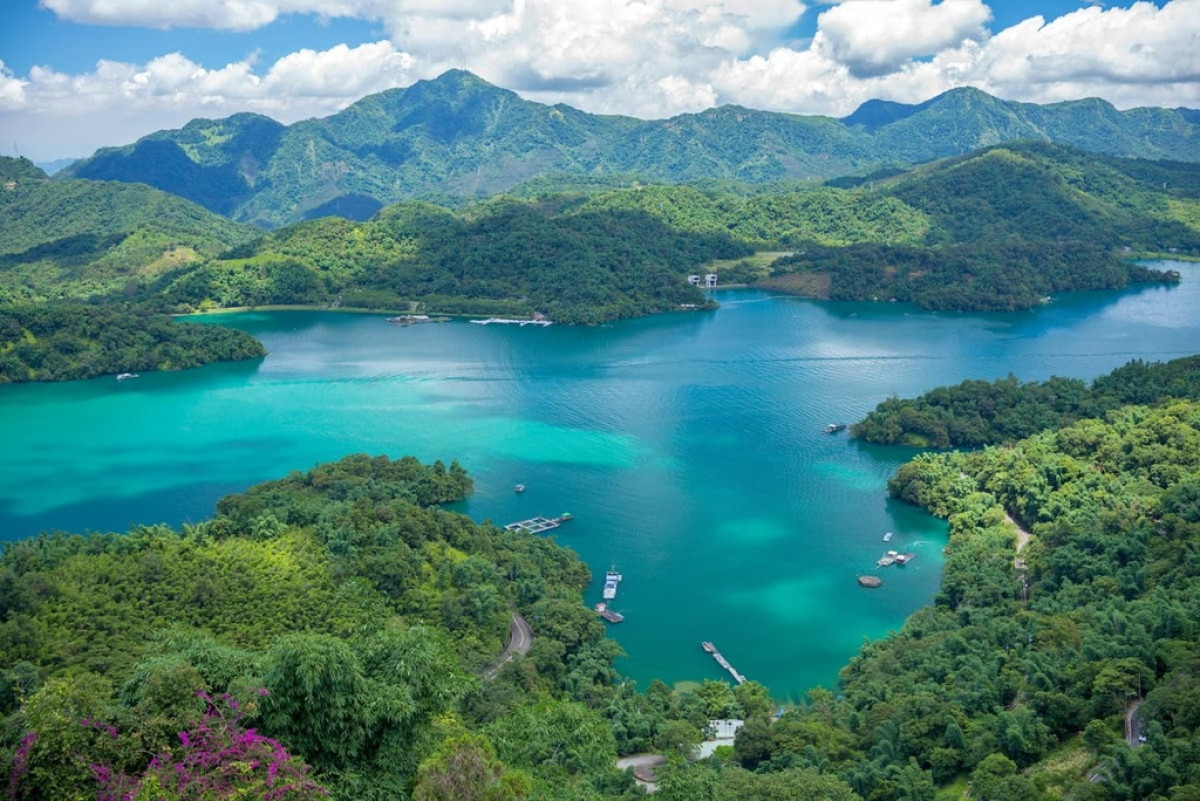
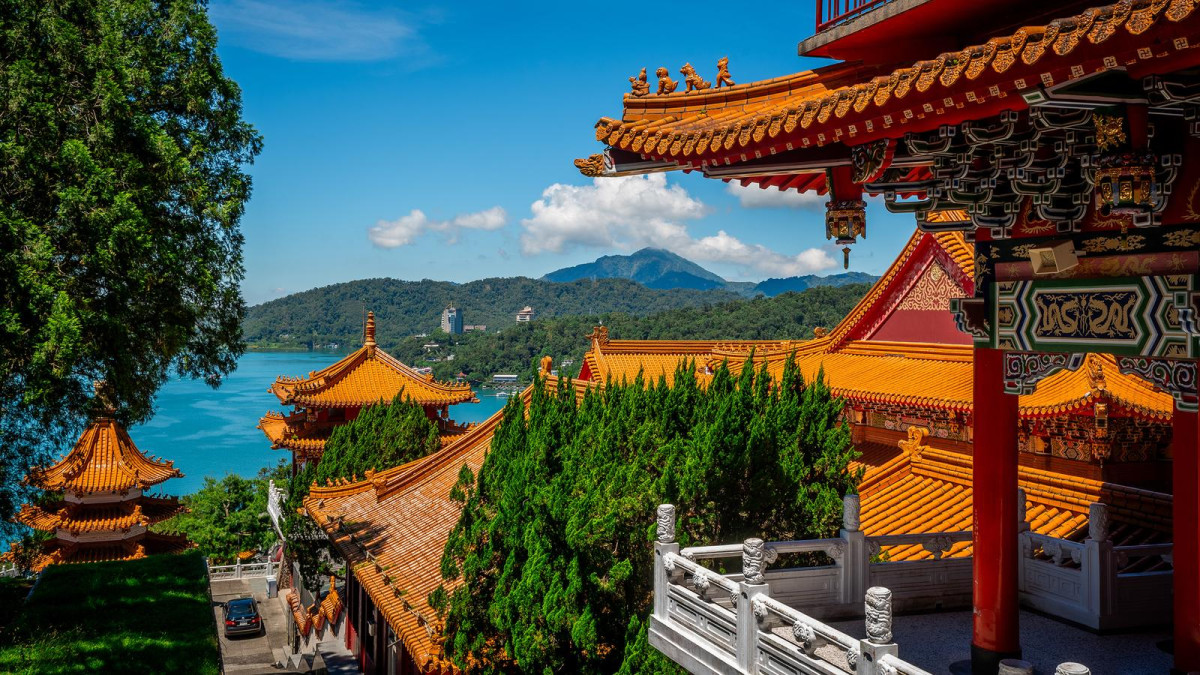
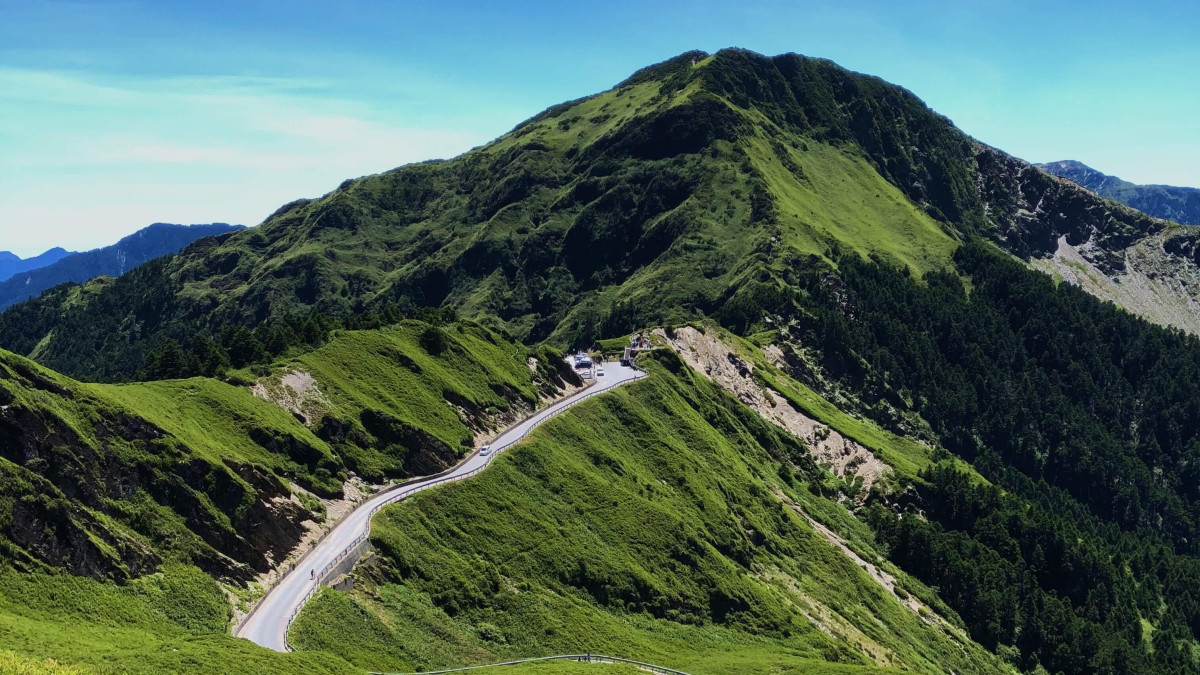
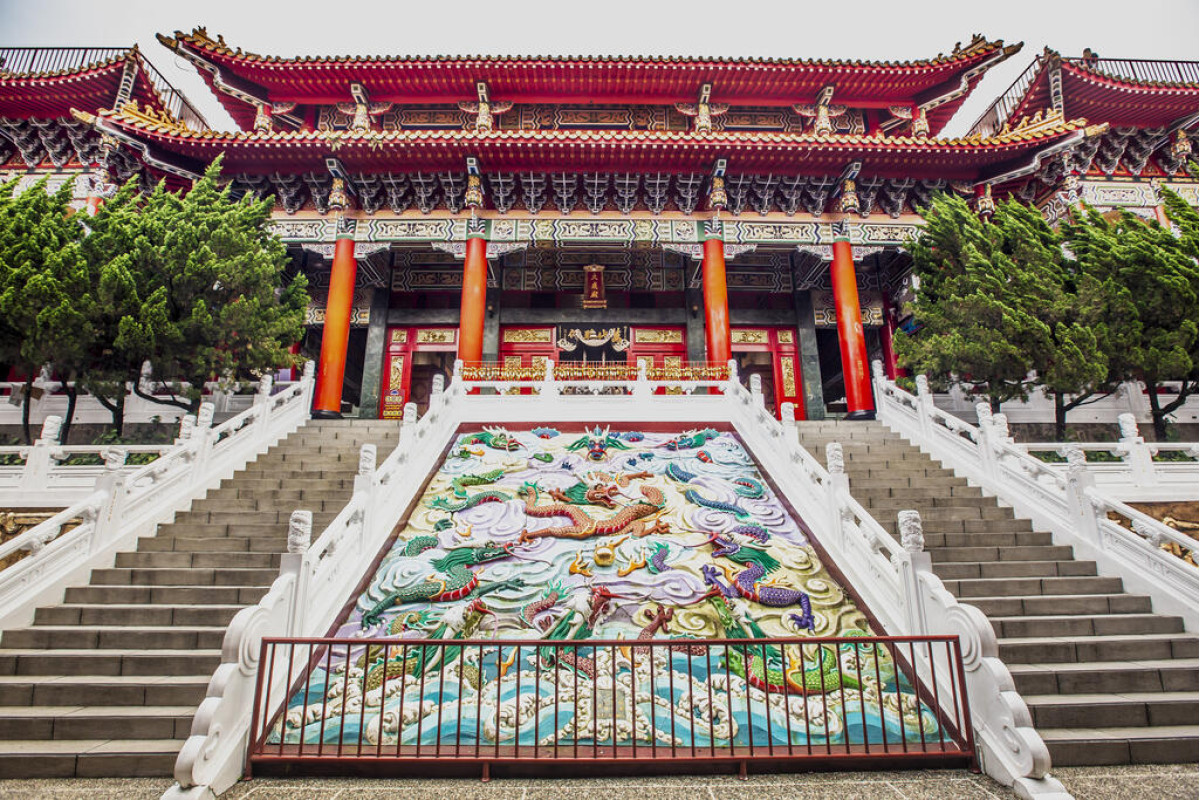
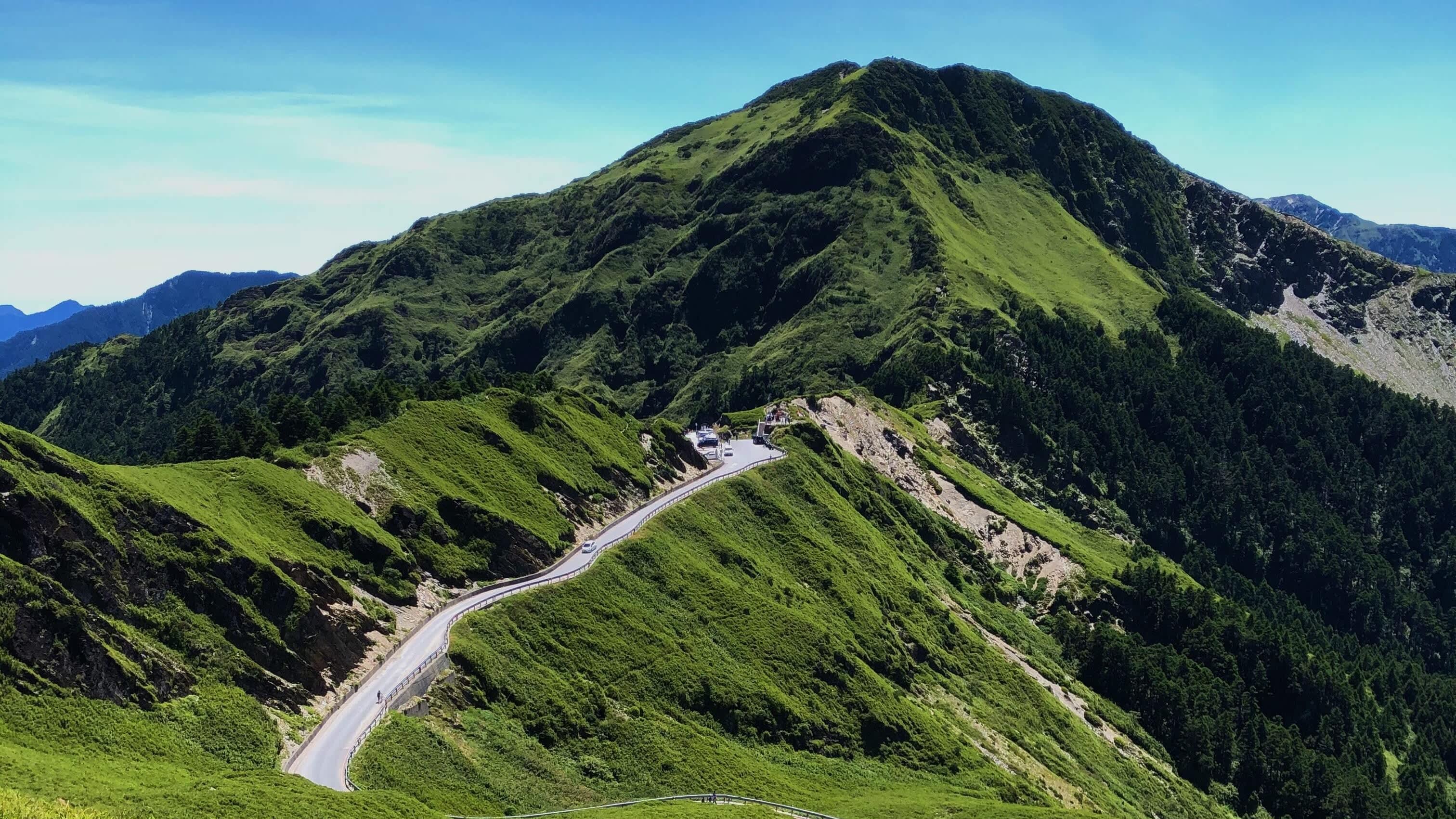
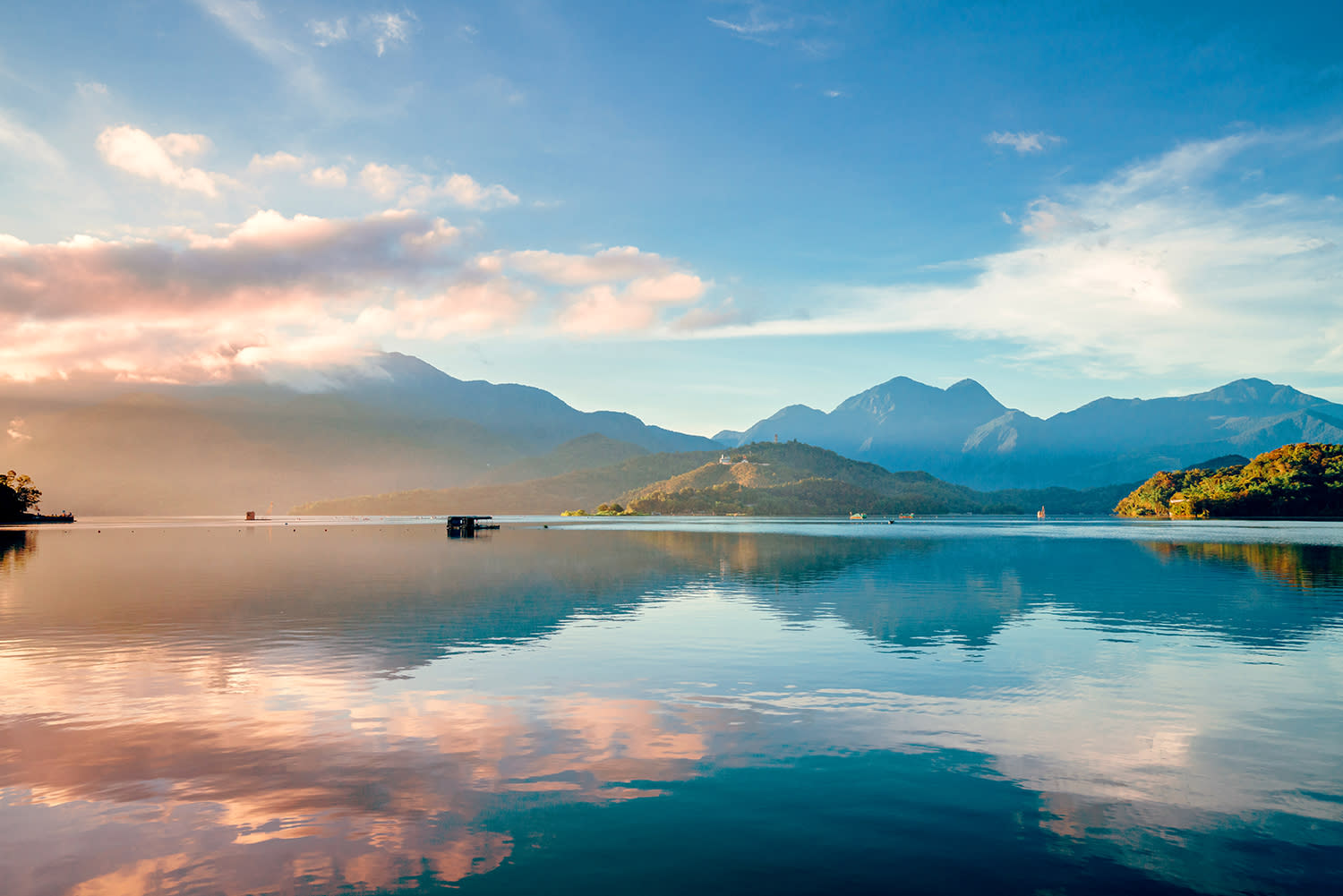
Journey to central Taiwan to Nantou Province and Sun Moon Lake. Mountain scenery, lakeside walks, panoramic viewpoints and Wenwu Temple. Optional boat ride on the lake.



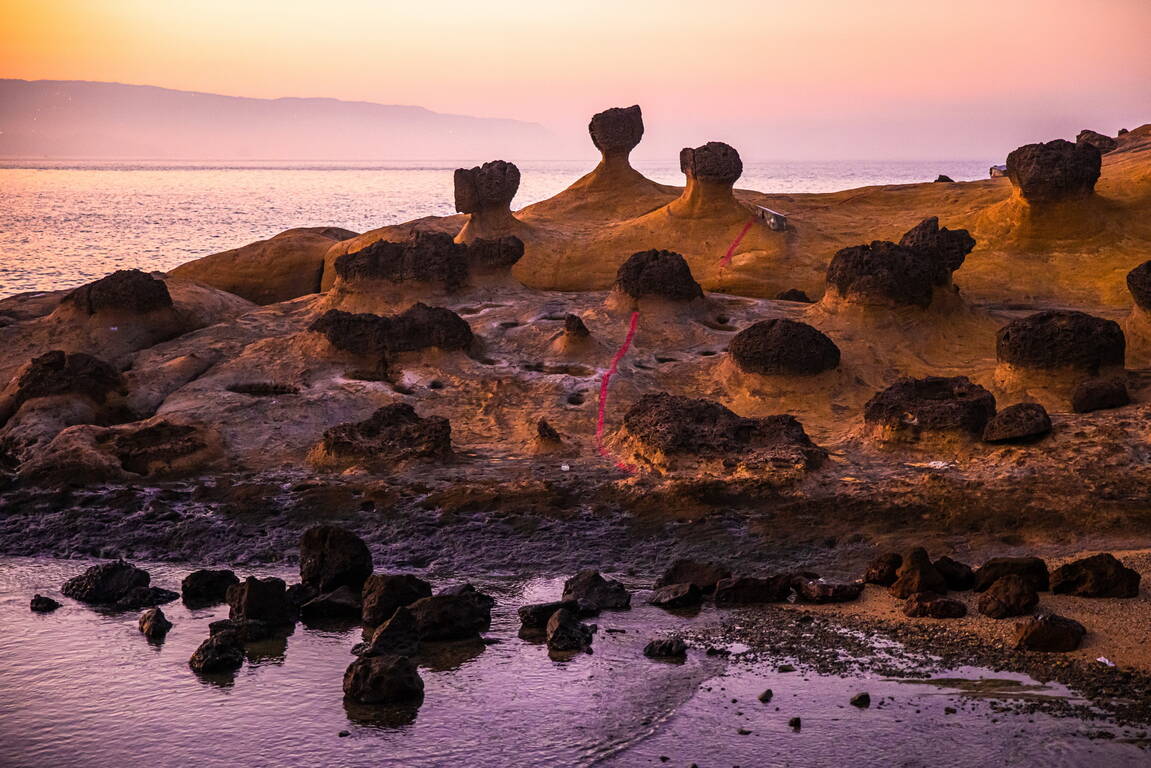
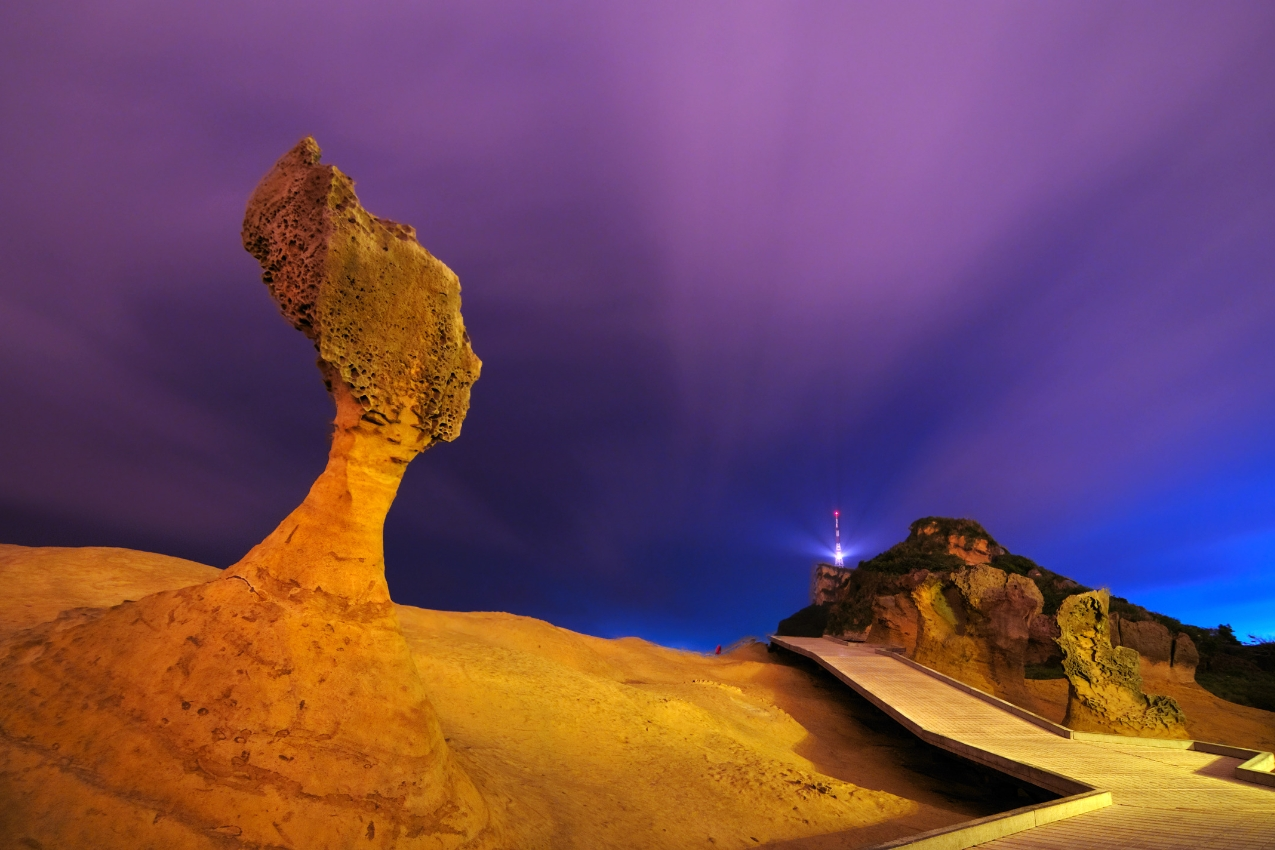
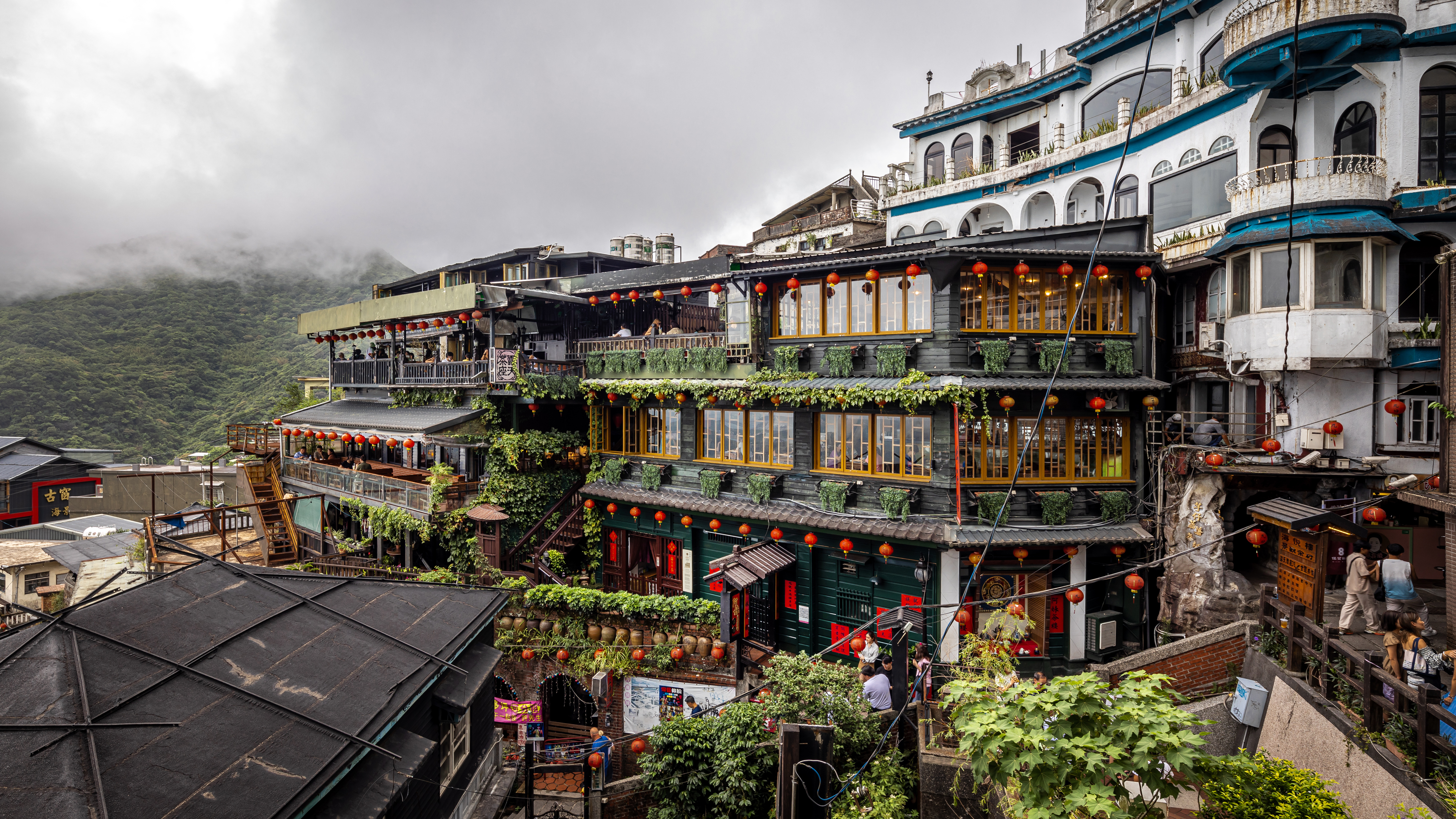
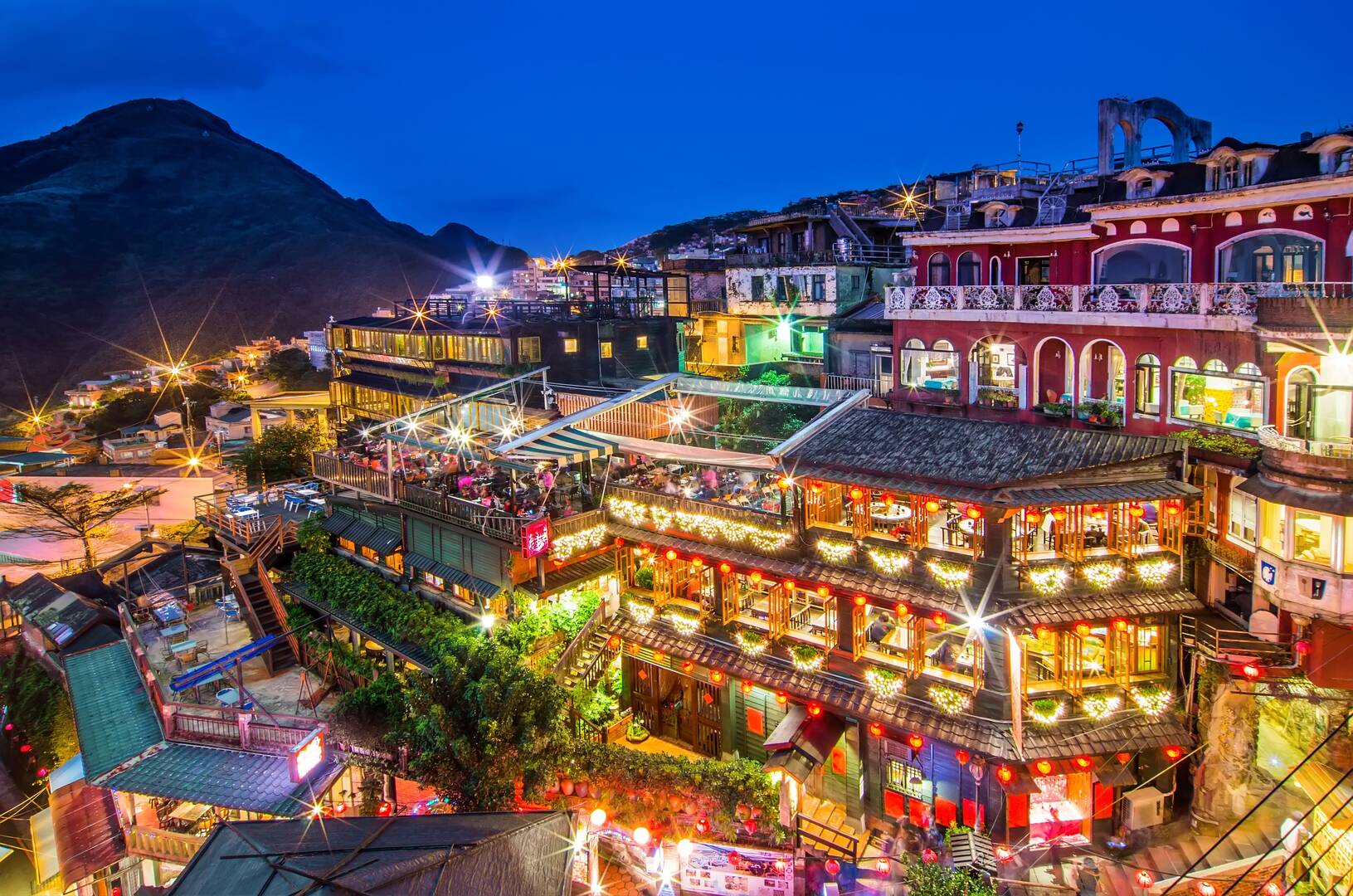
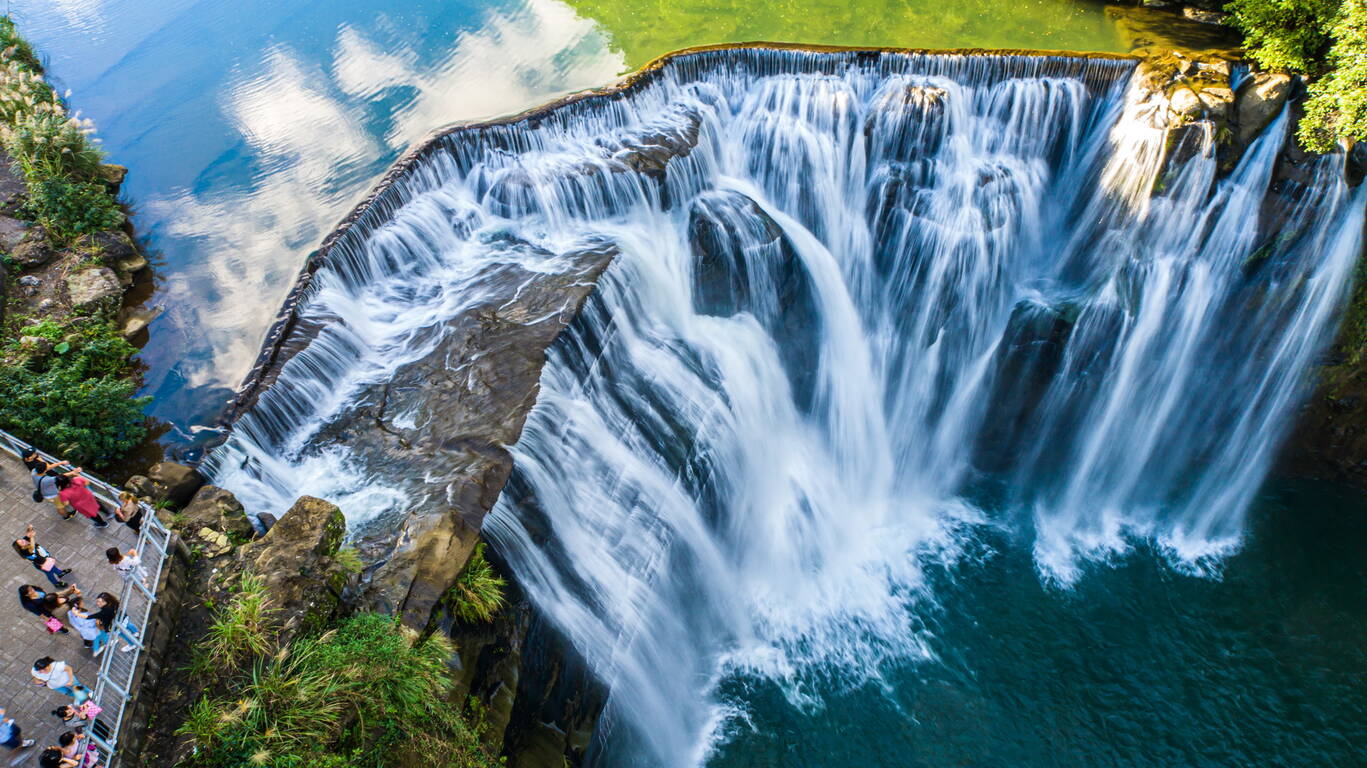
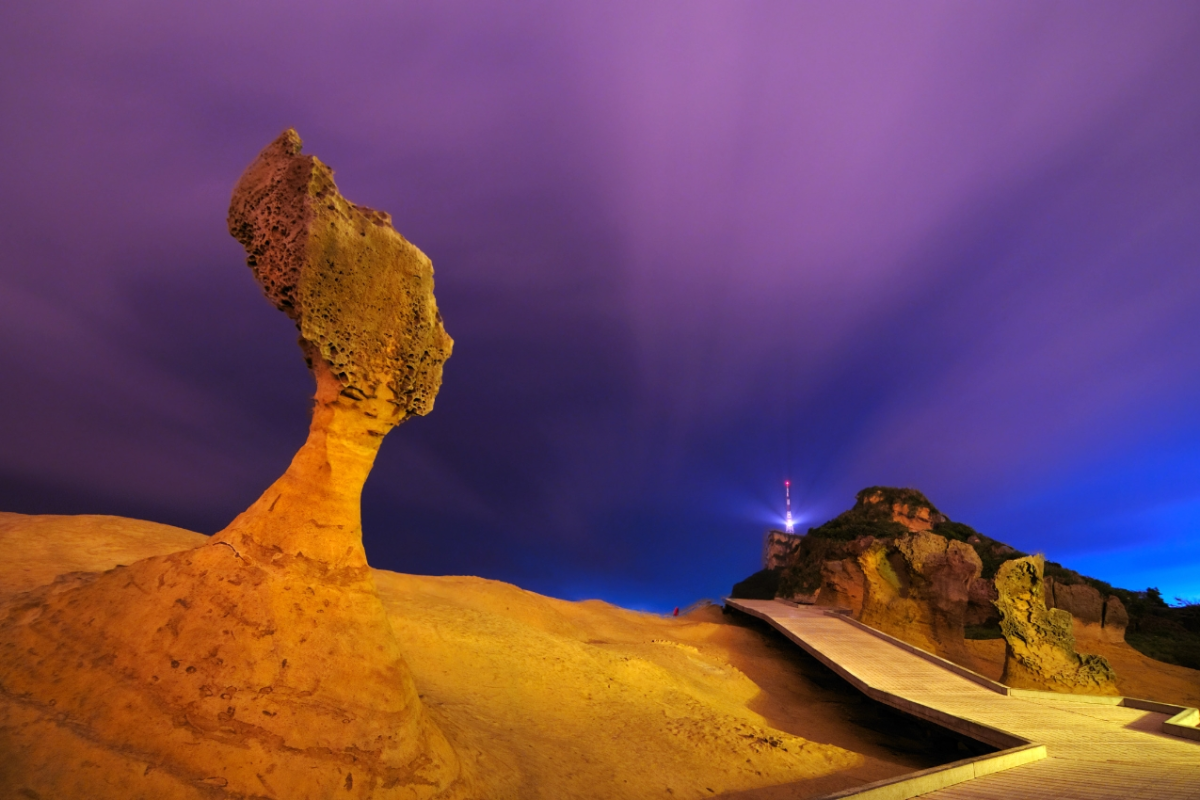
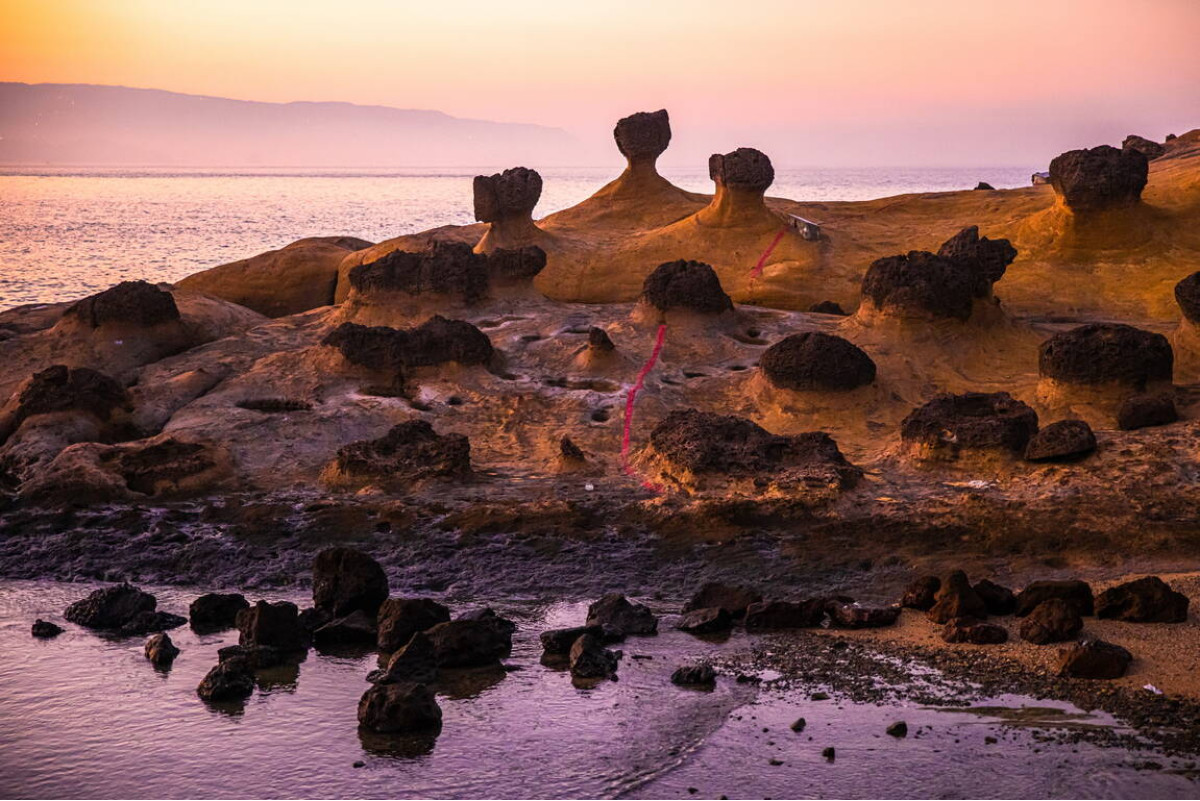
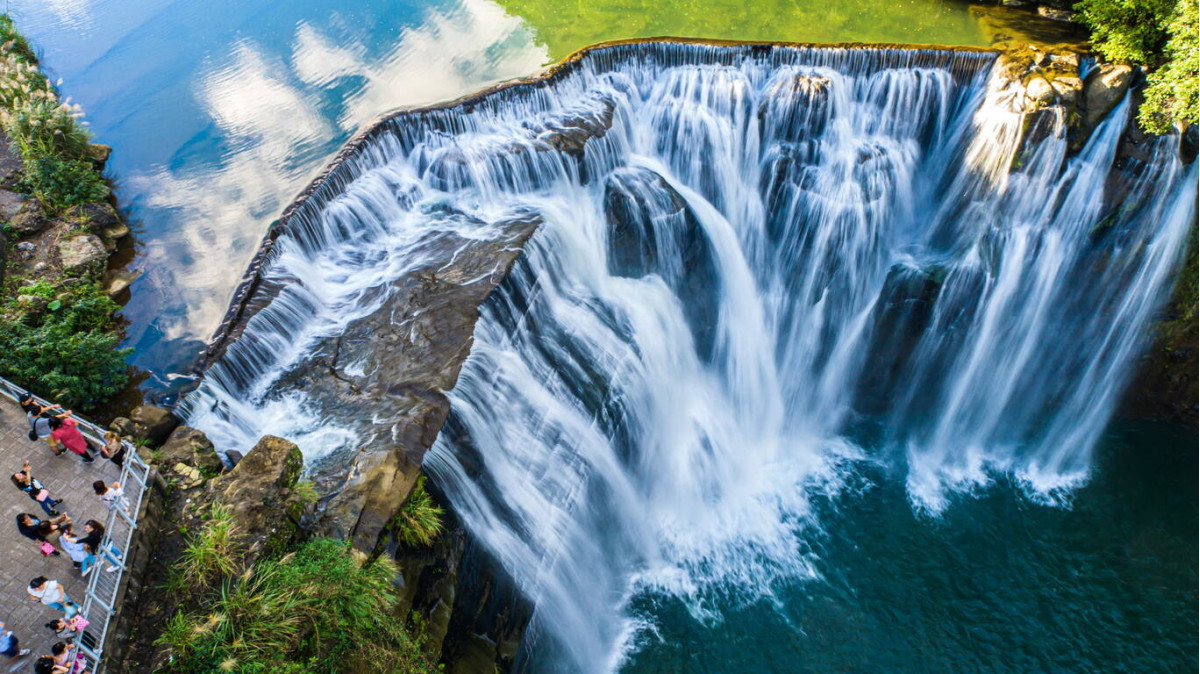
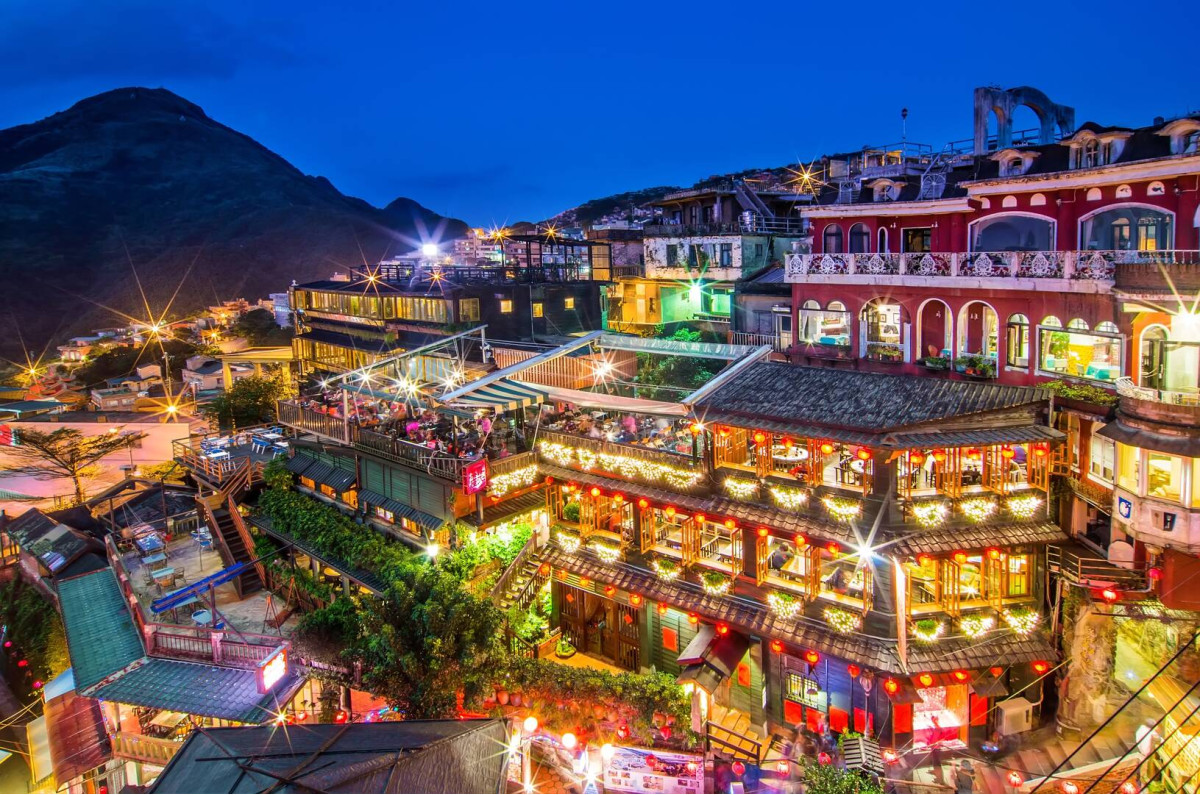
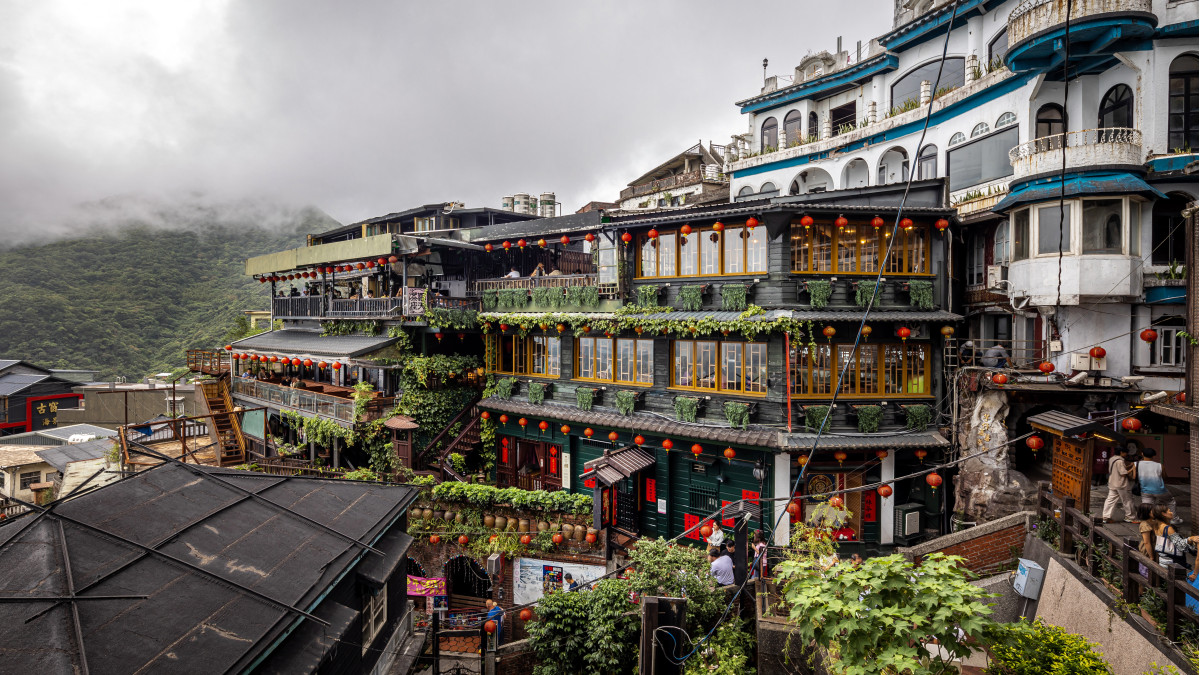
A contrasting day in northern Taiwan. Yehliu Geopark with its dramatic coastal formations, the atmospheric mountain town of Jiufen, and Shifen Waterfall — the widest on the island.
In the evening, departure to Europe.