Afghanistan and Iraq will reveal a completely different Asia — rugged, welcoming, ancient and incredibly alive. One itinerary will combine mountain valleys, ruined cities, bustling eastern streets, majestic fortresses, sacred mosques and reed settlements among the Mesopotamian Marshes.
A journey from the Hindu Kush Mountains to the banks of the Tigris is an expedition through thousands of years of history and two countries that still remain beyond the usual tourist routes. We will see Kabul and ancient Bamiyan, the turquoise lakes of Band-e Amir, legendary Babylon, the shrines of Iraq and the water world of Mesopotamia.
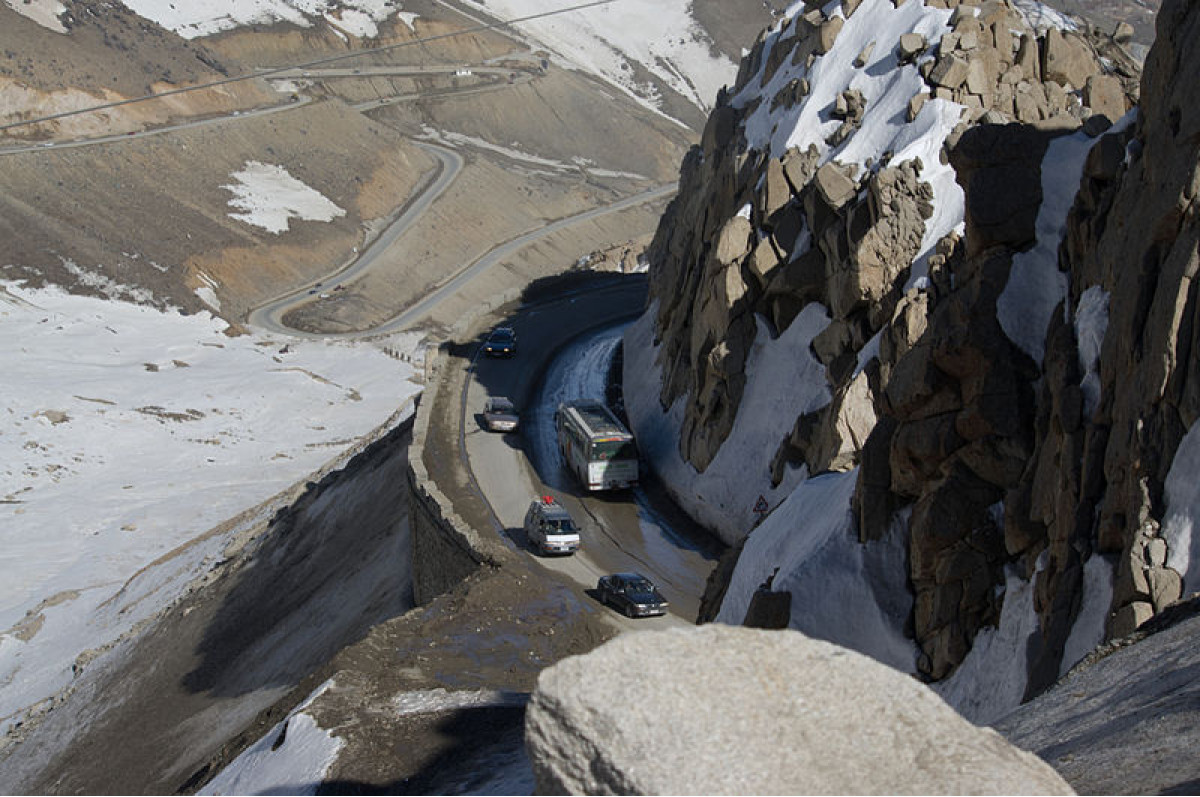
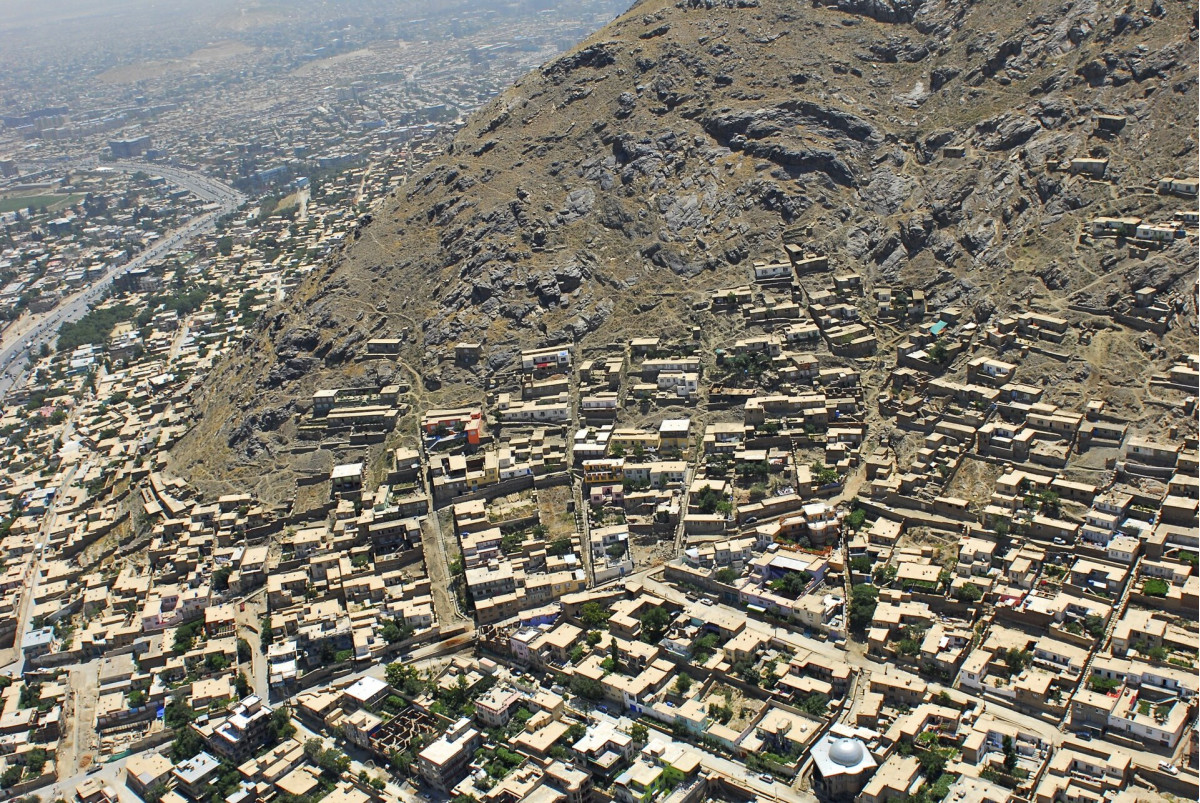
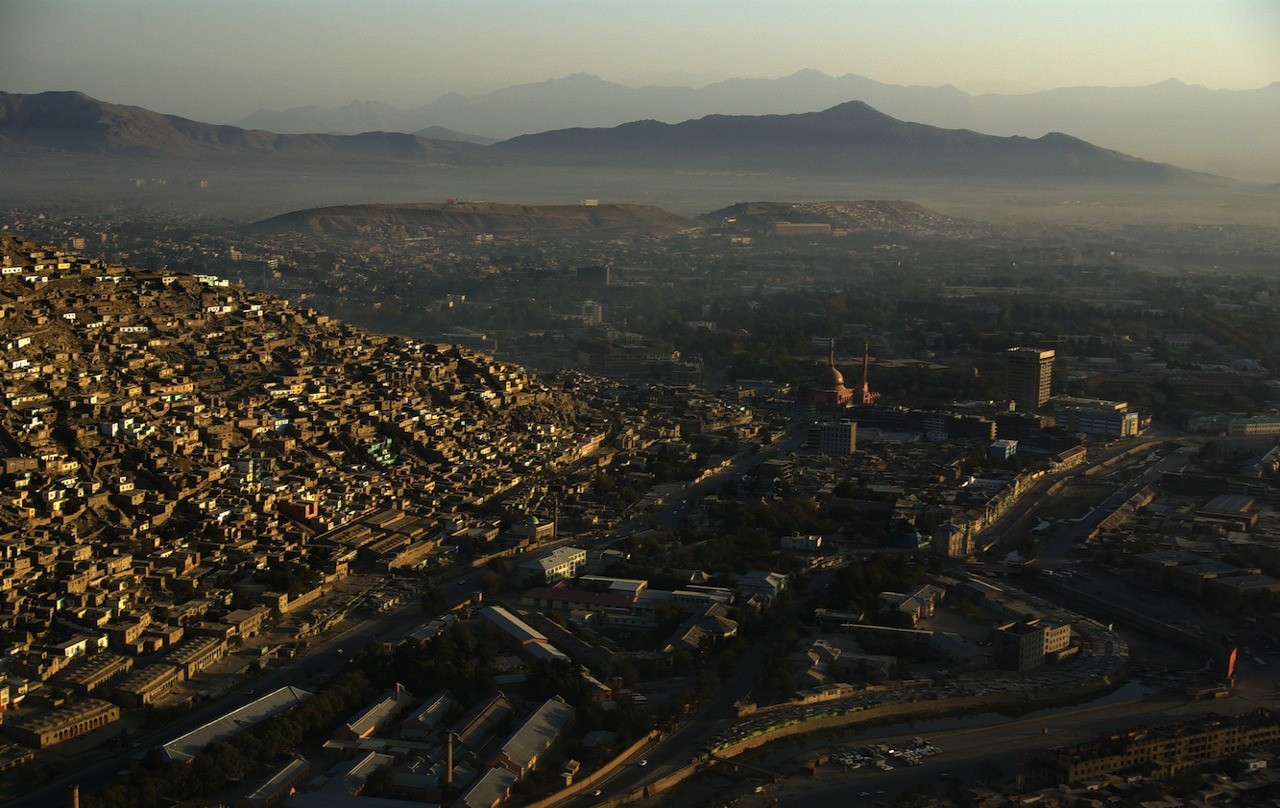
Arrival in Kabul, the capital of Afghanistan and one of the oldest cities in Central Asia. Our local team will meet us at the airport and accompany us to the hotel, where we will attend a short organizational and safety briefing.
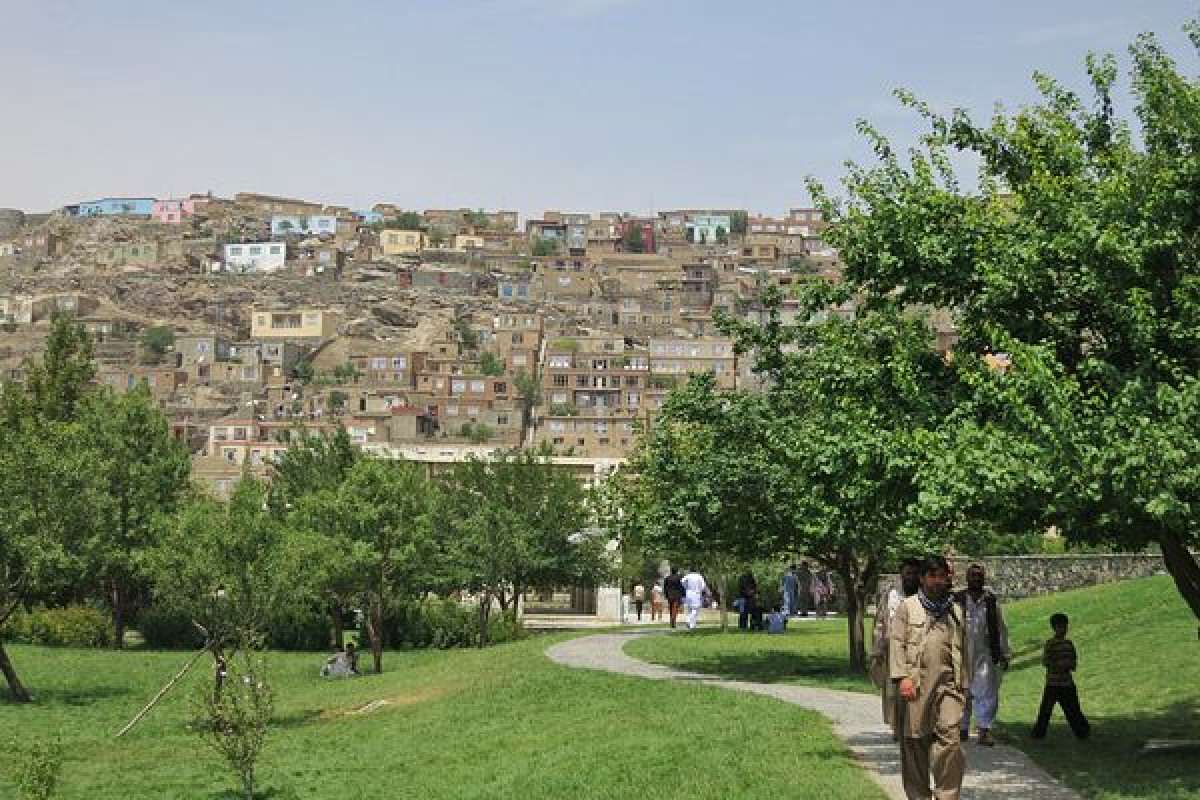
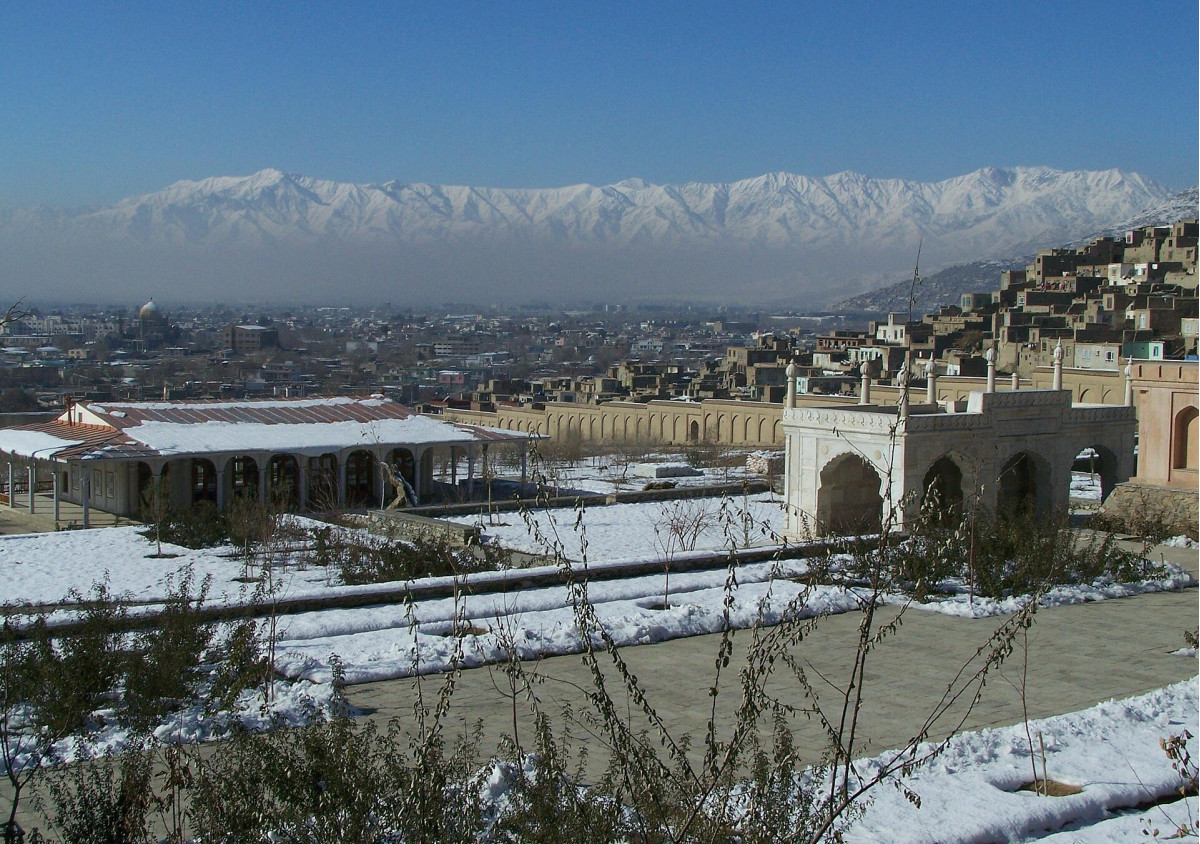
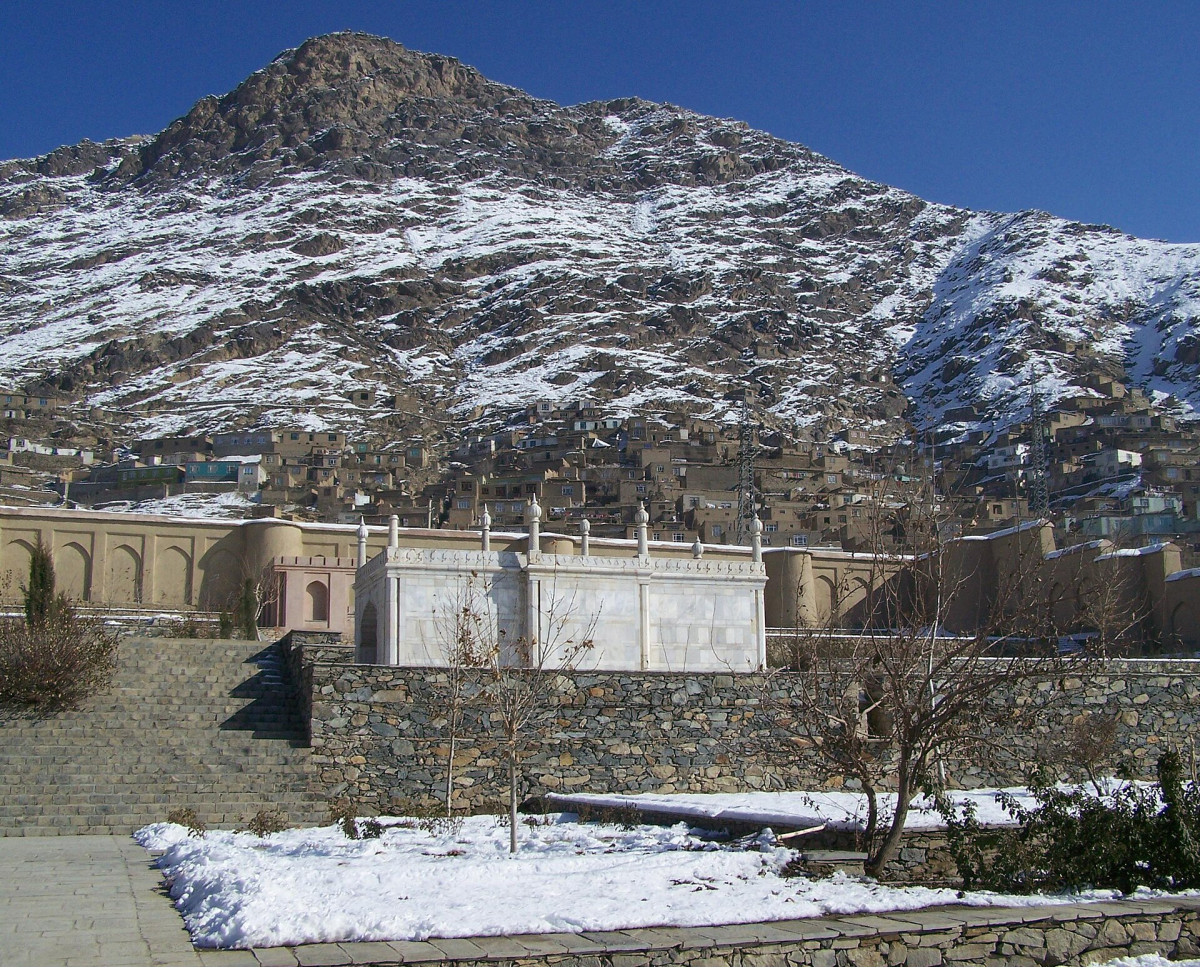
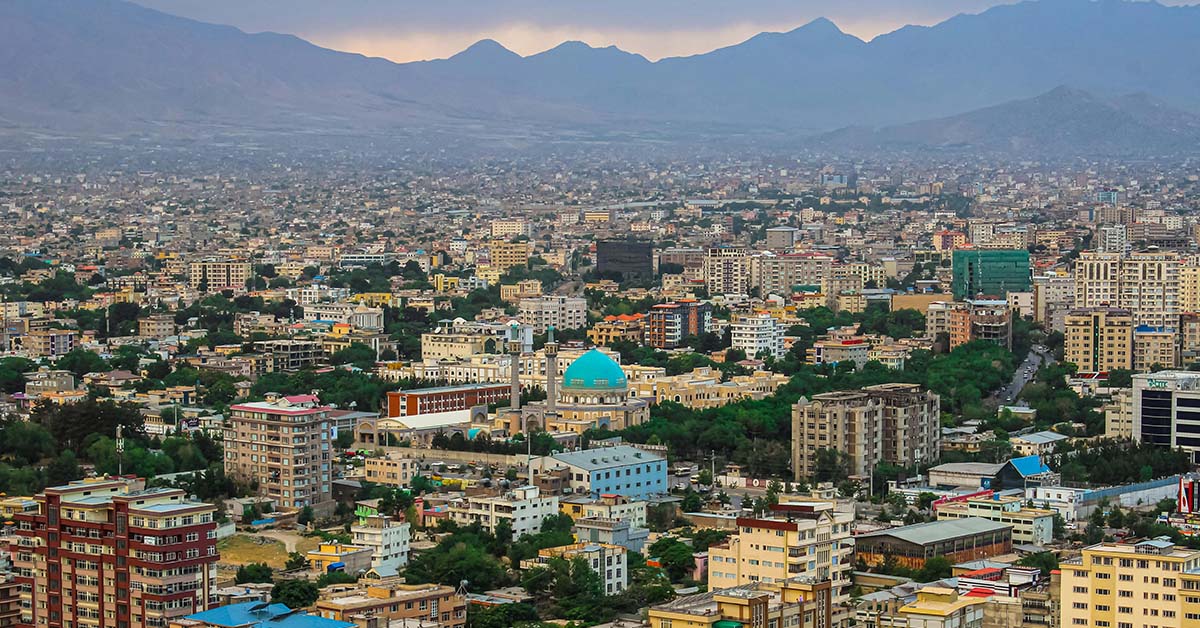
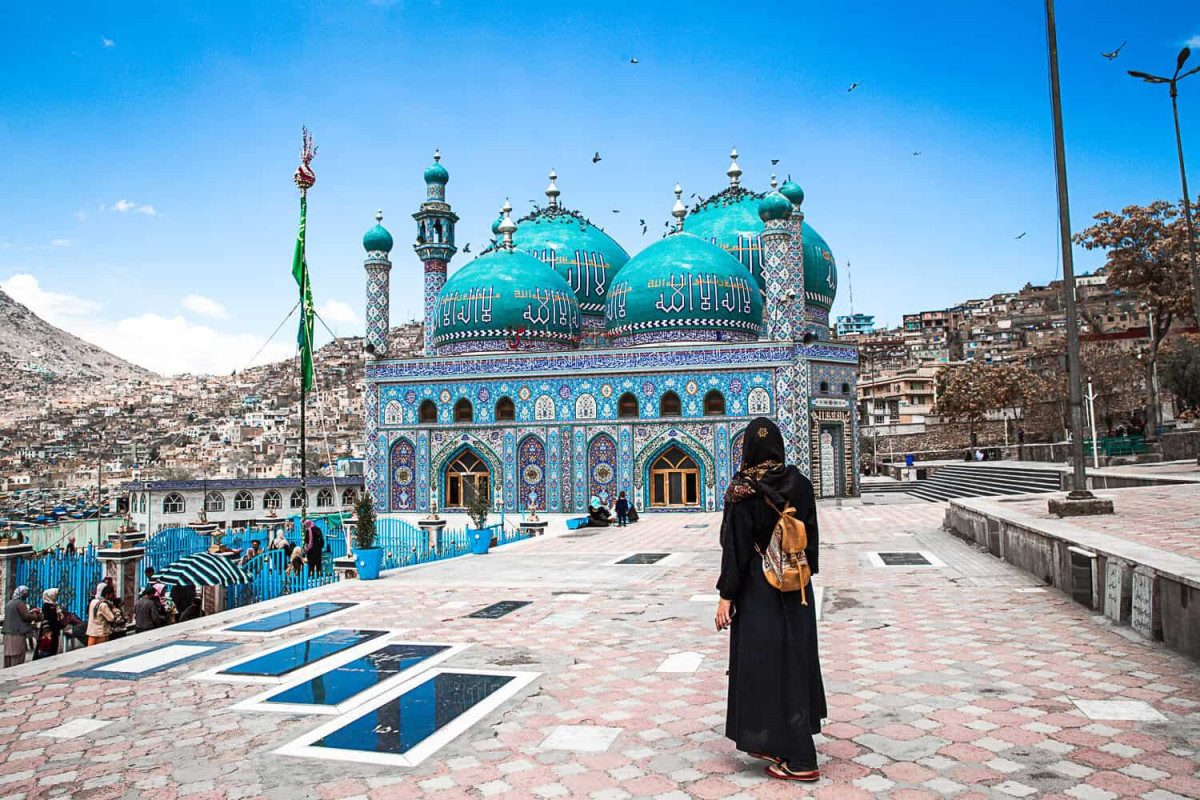
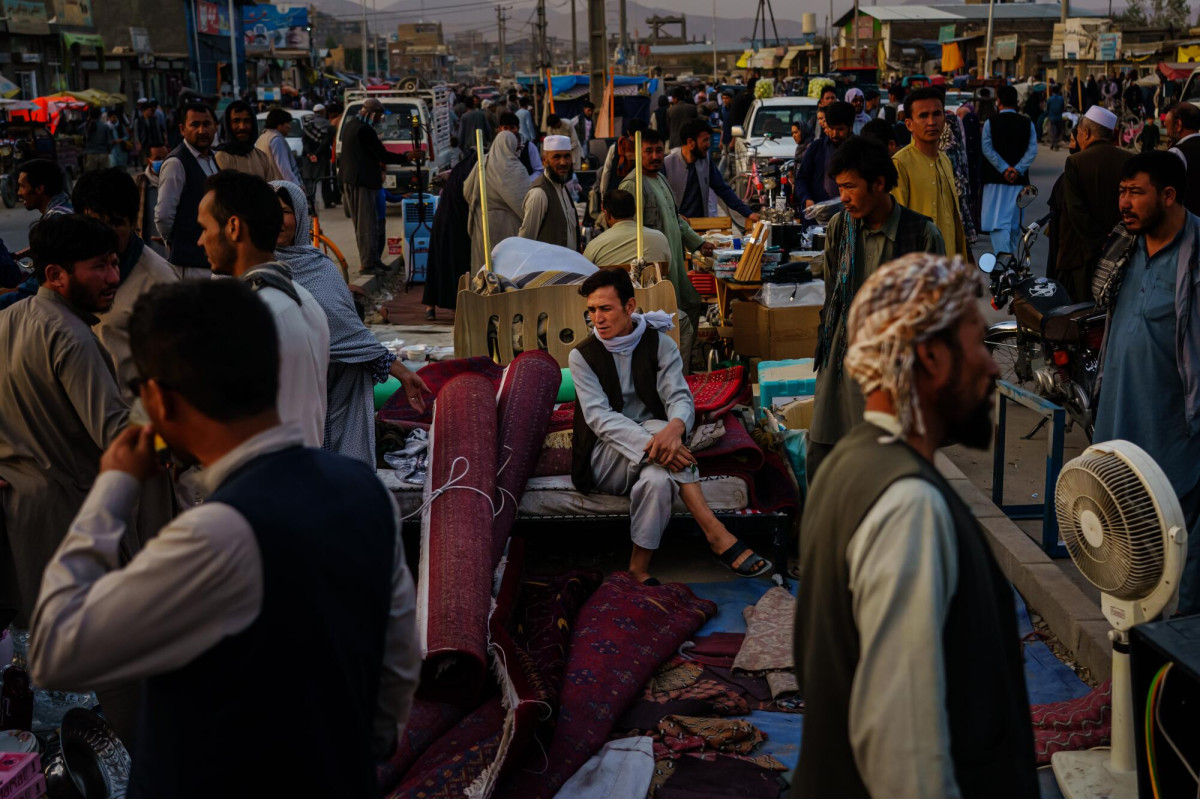
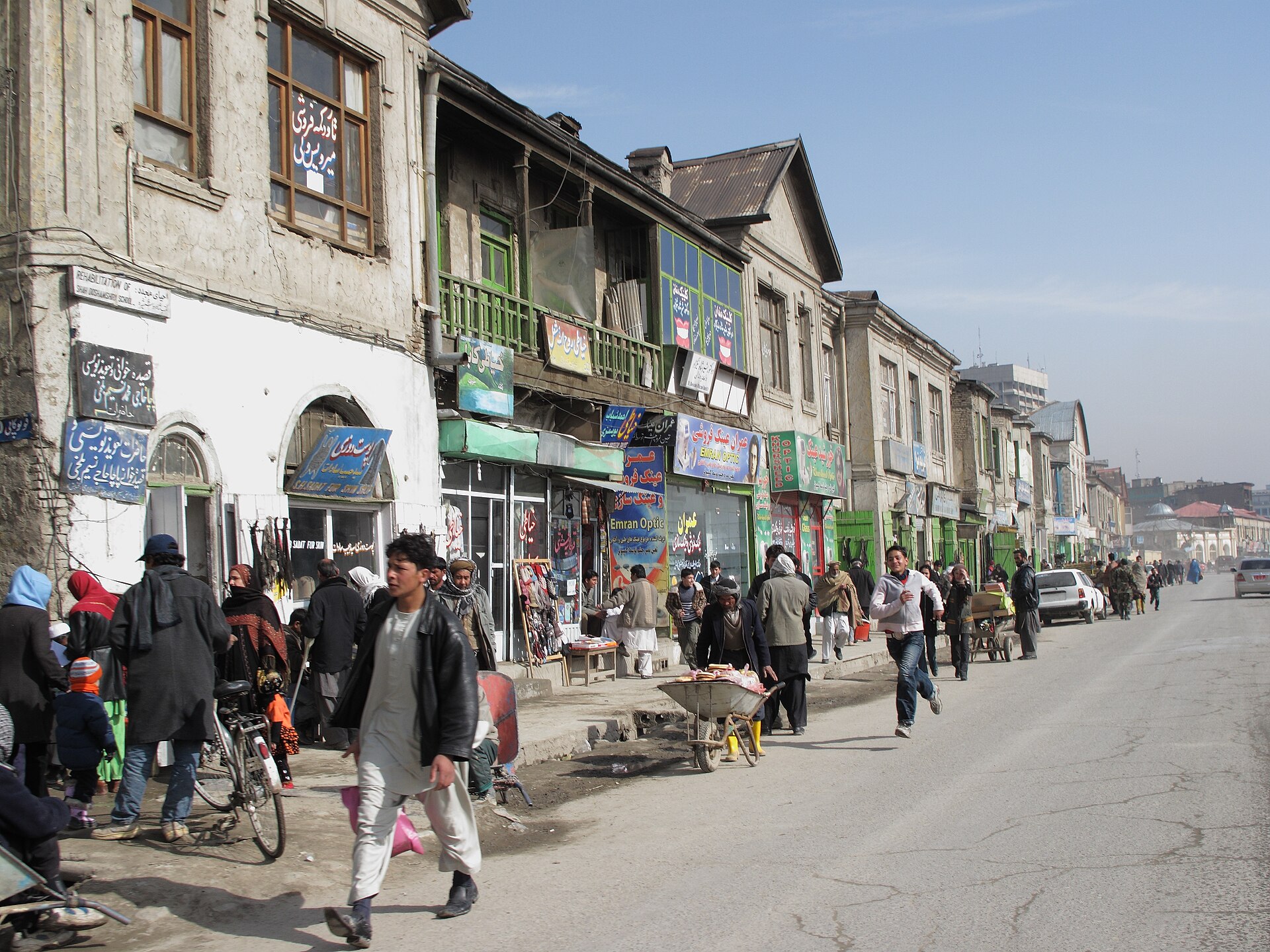
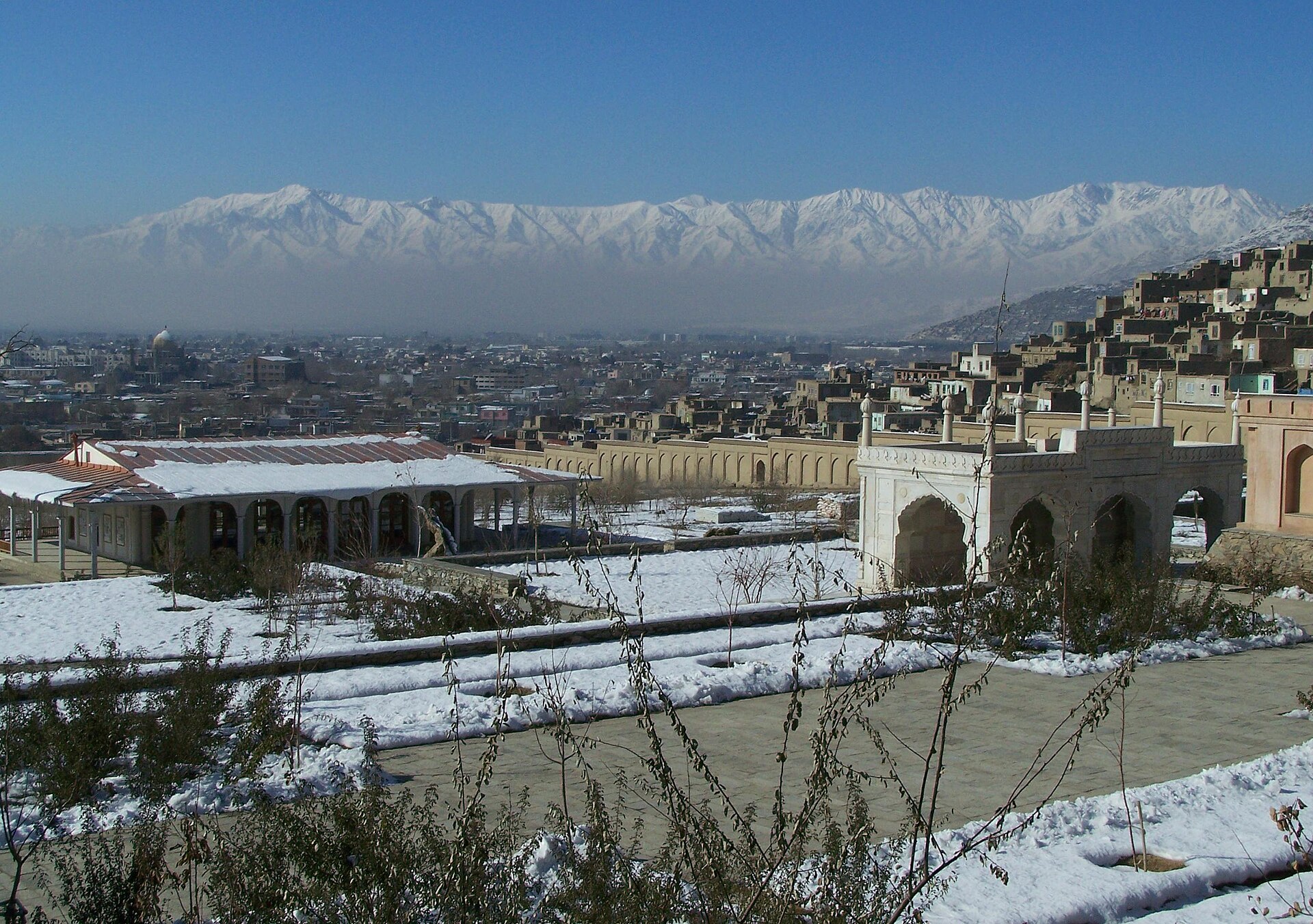
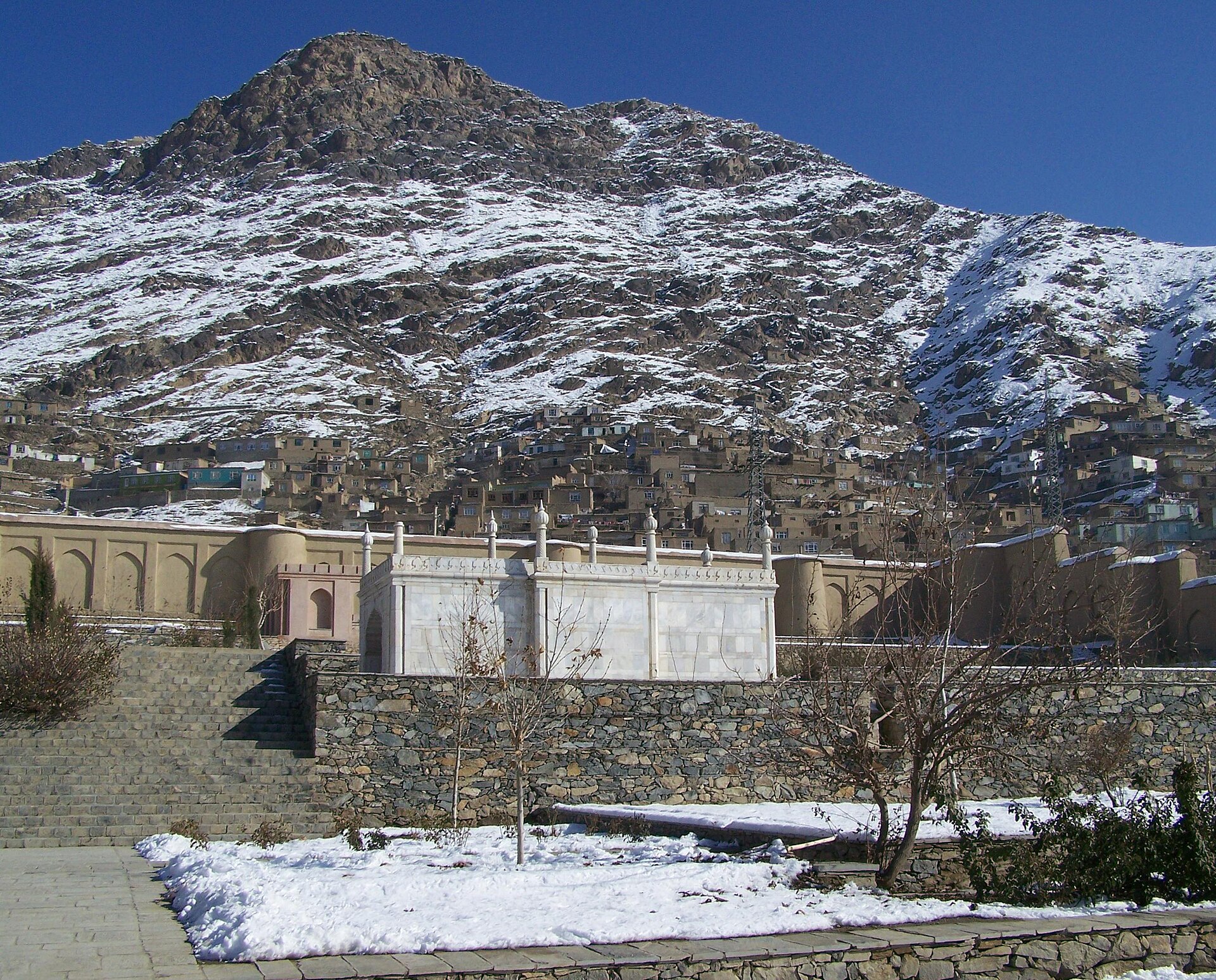
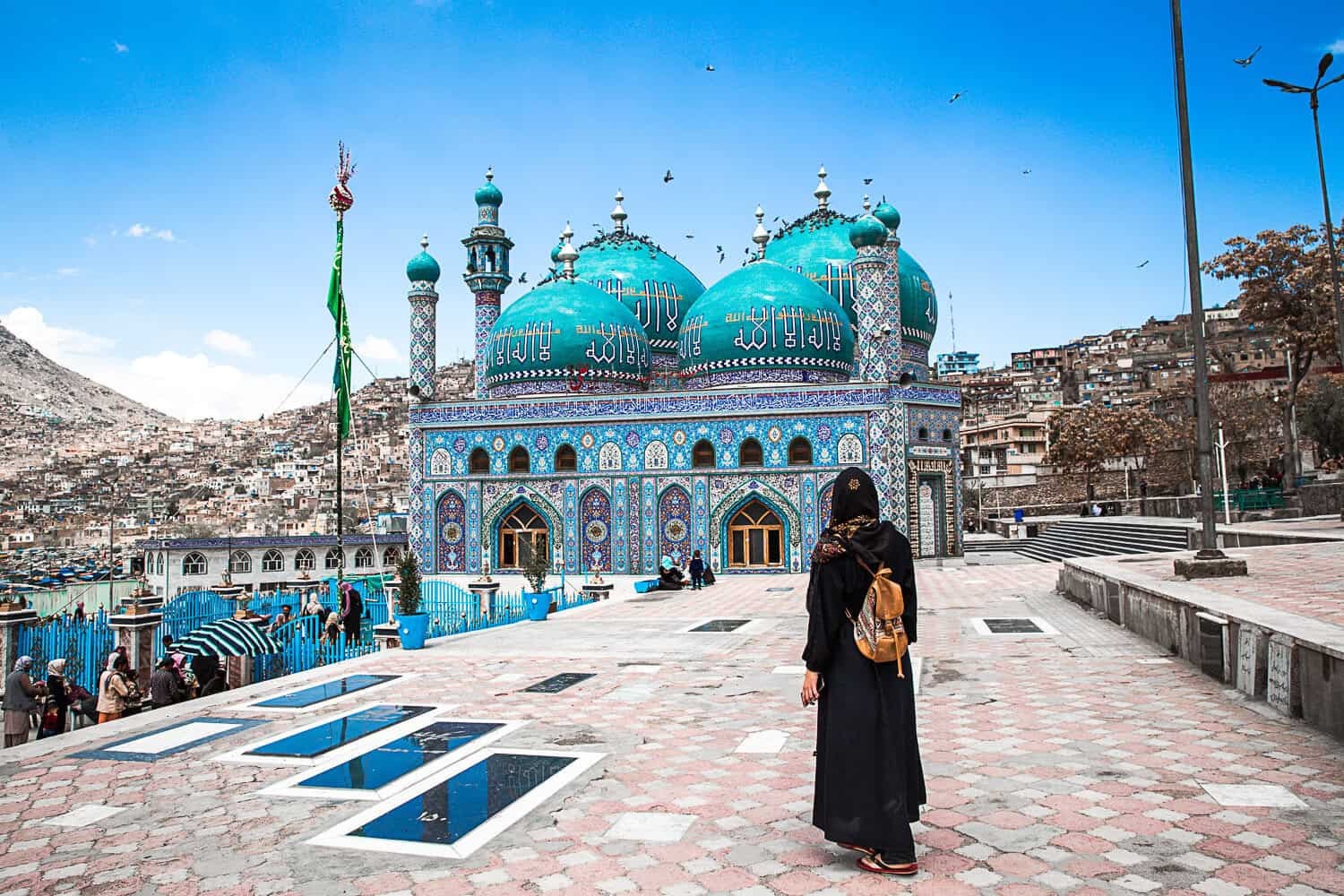
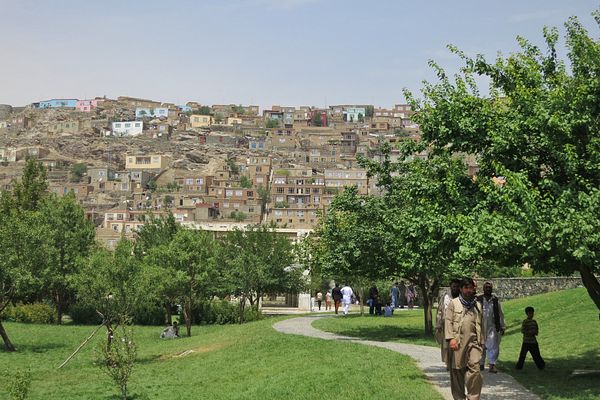
If time permits, we will begin exploring the city. Depending on the schedule and local conditions, we may visit the National Museum of Afghanistan, see the former royal palace, walk through the historic Gardens of Babur and explore the famous Bird Market, one of Kabul’s oldest and most atmospheric trading streets.
Overnight at a hotel in Kabul.
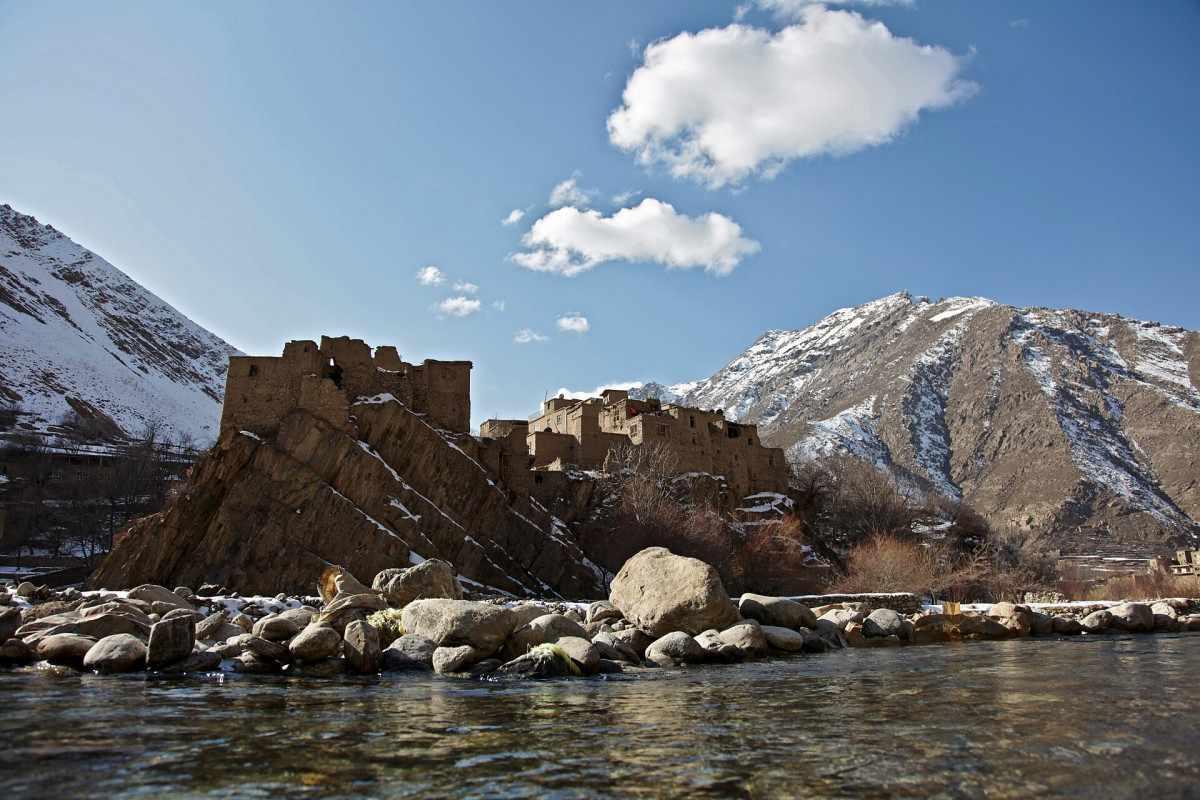
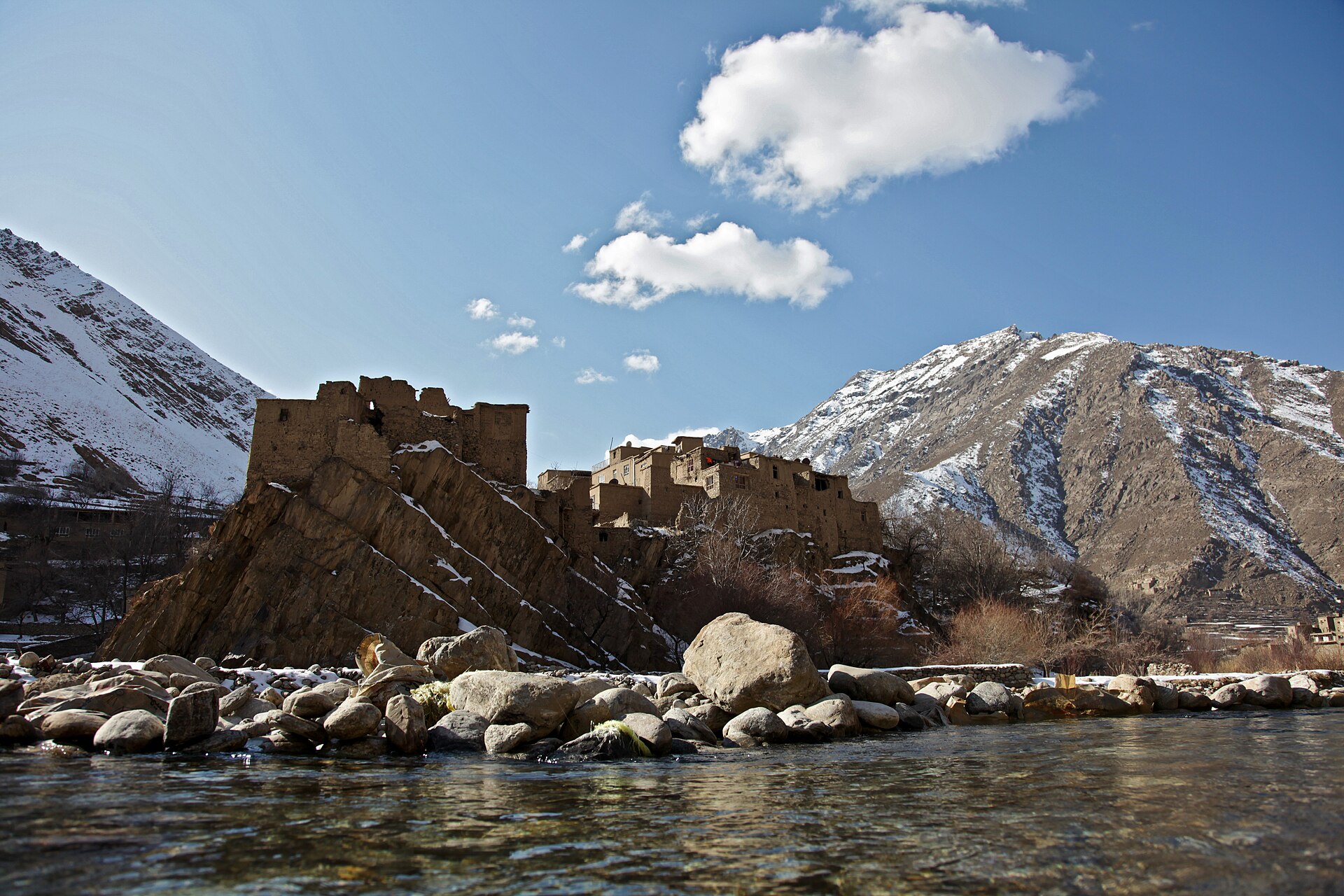
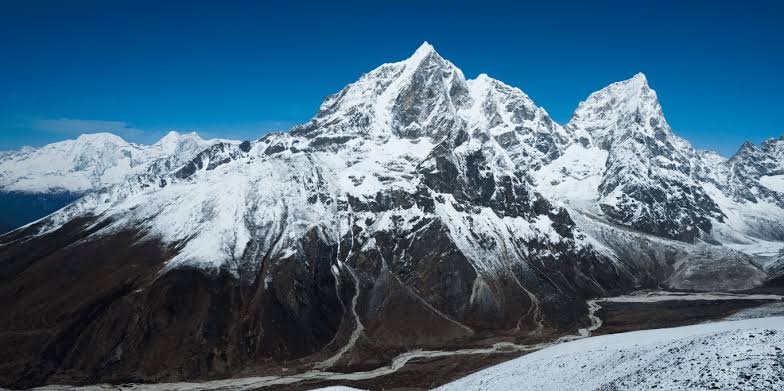
Today we travel to the Panjshir Valley, one of Afghanistan’s most famous mountain regions. Towering rocky slopes, a narrow river valley and fertile farmland create a remarkable contrast.
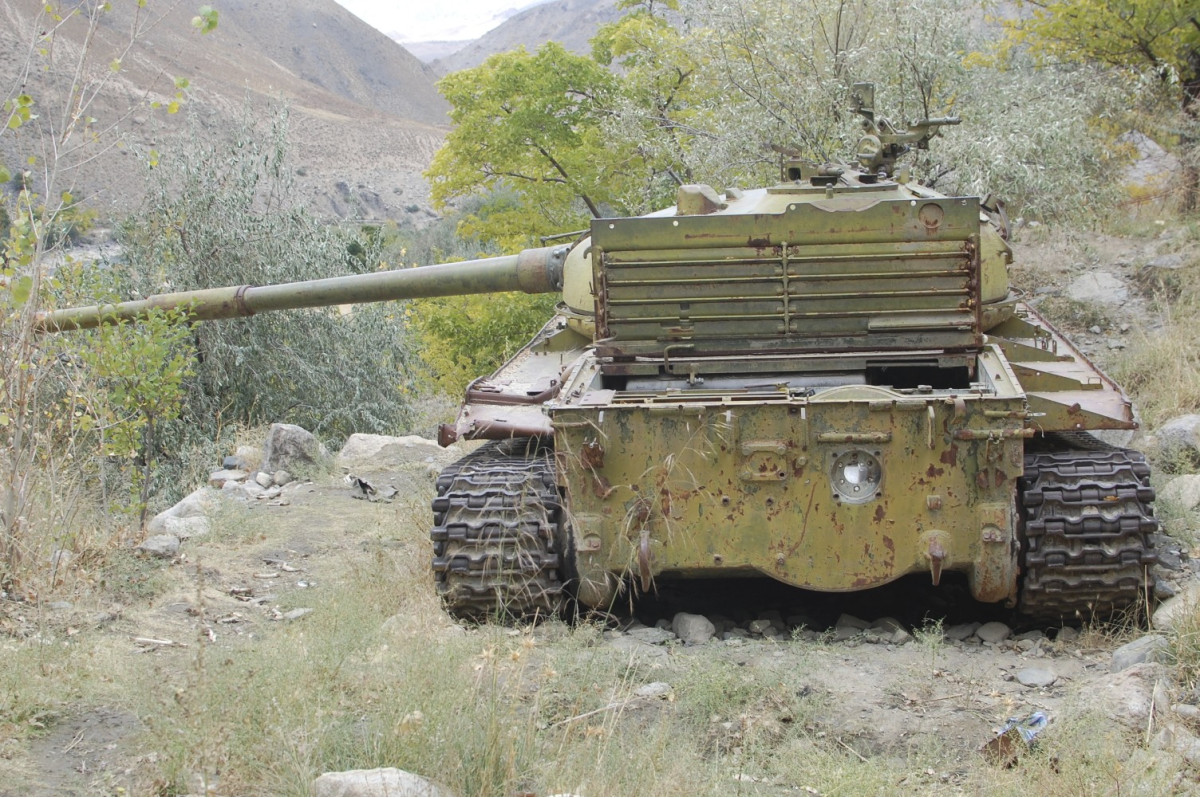
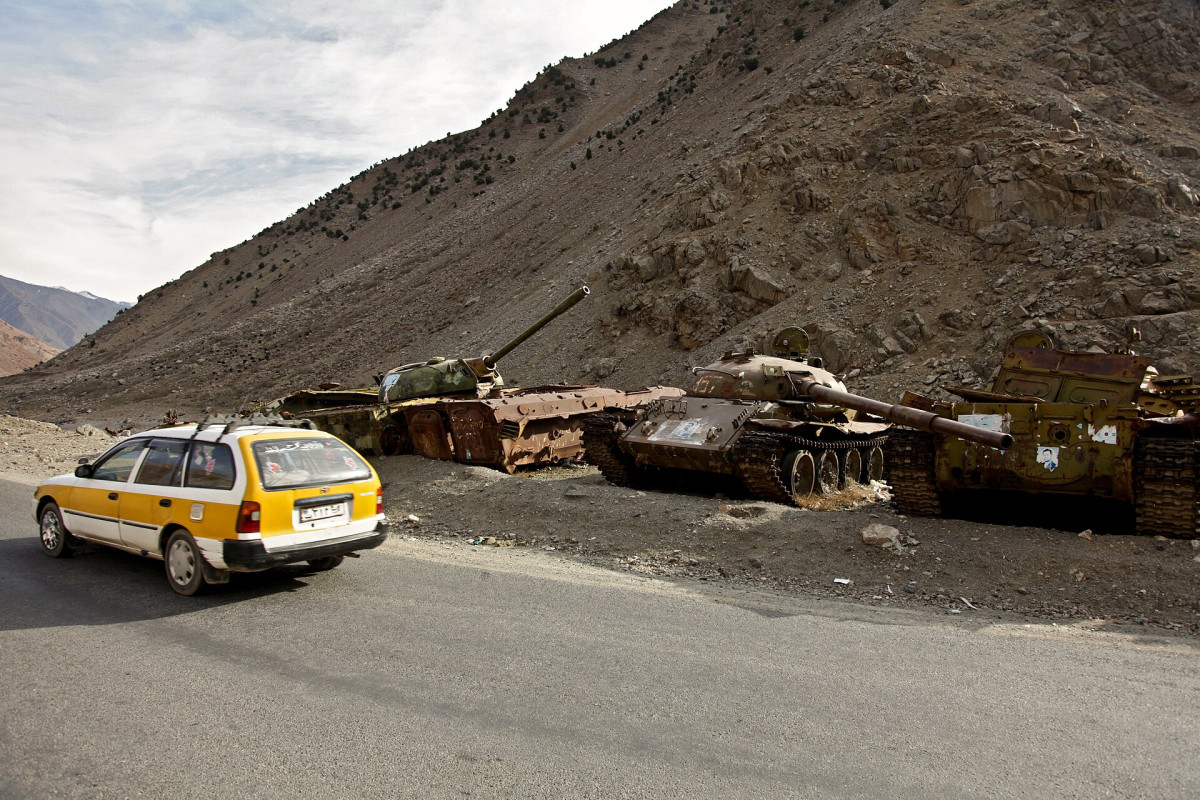
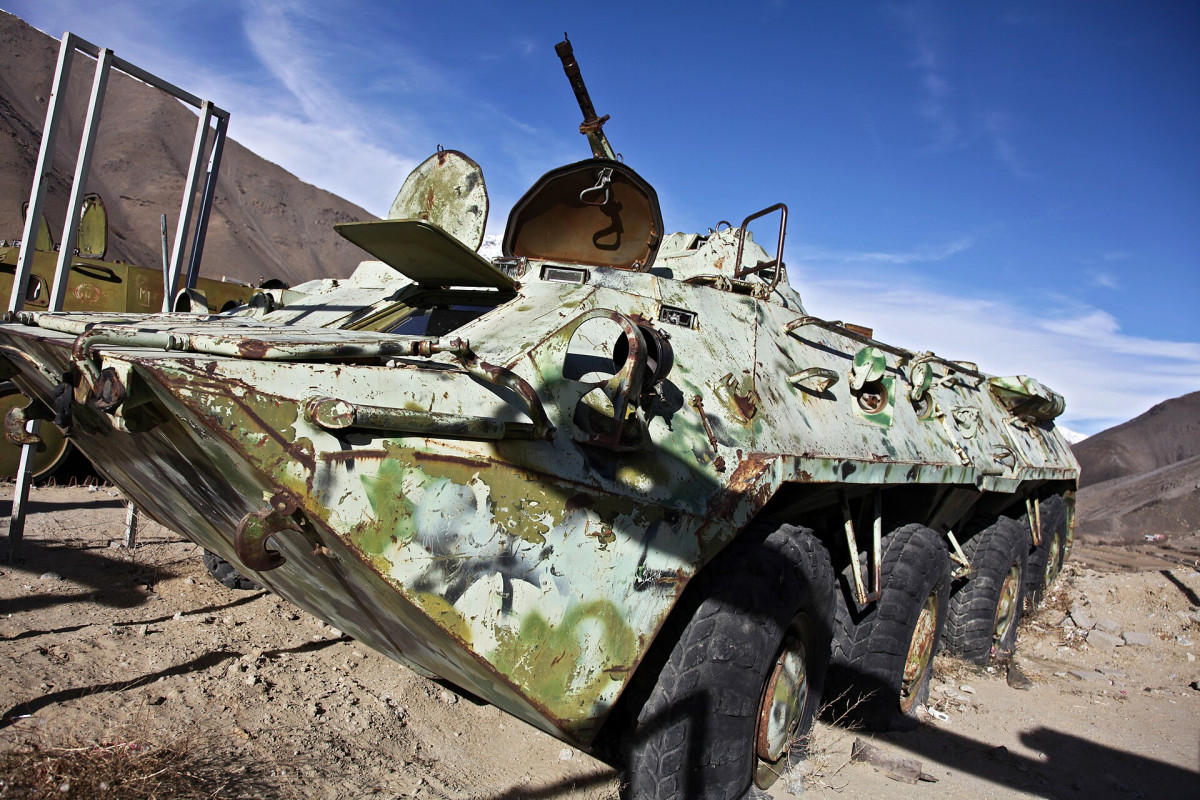
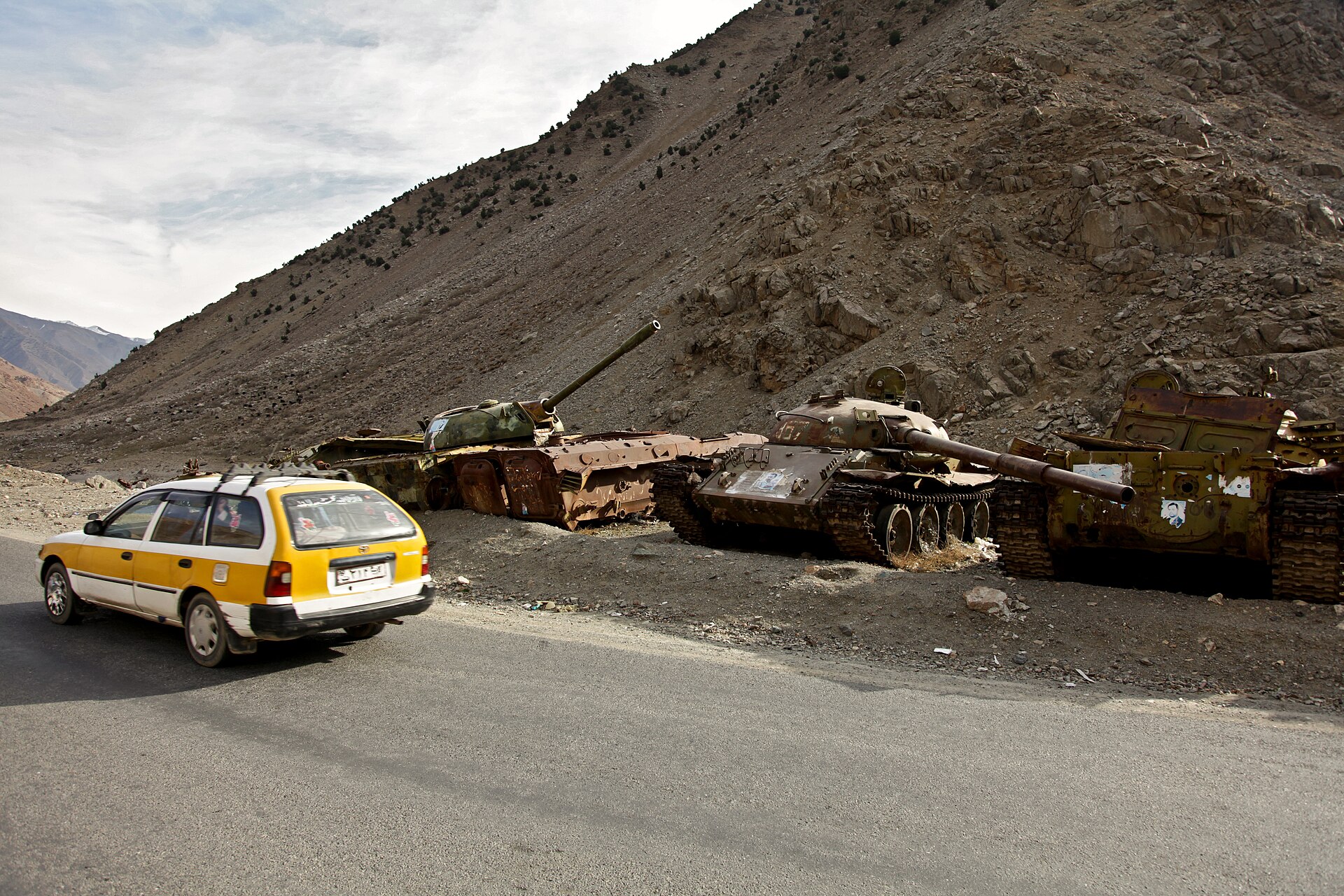
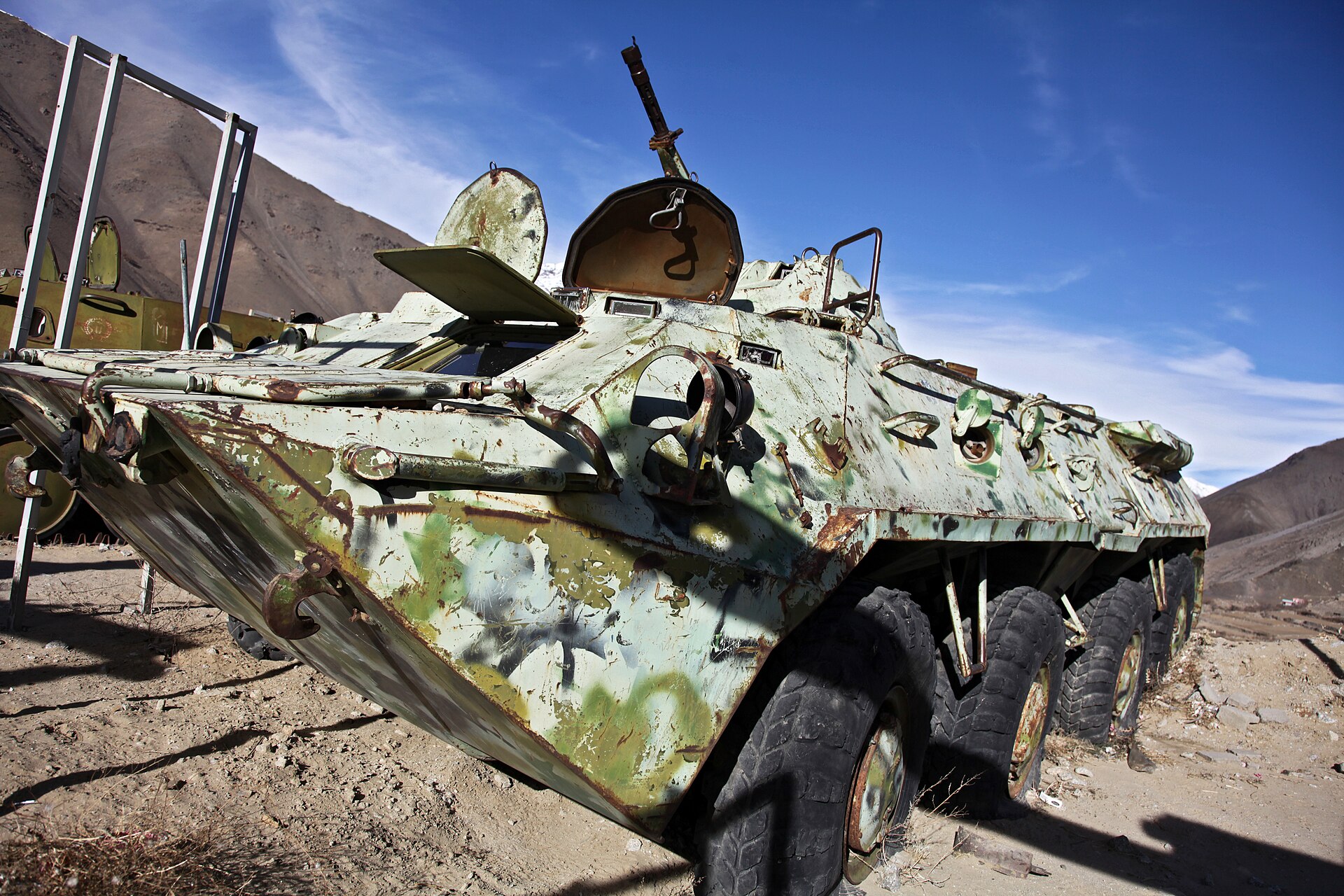
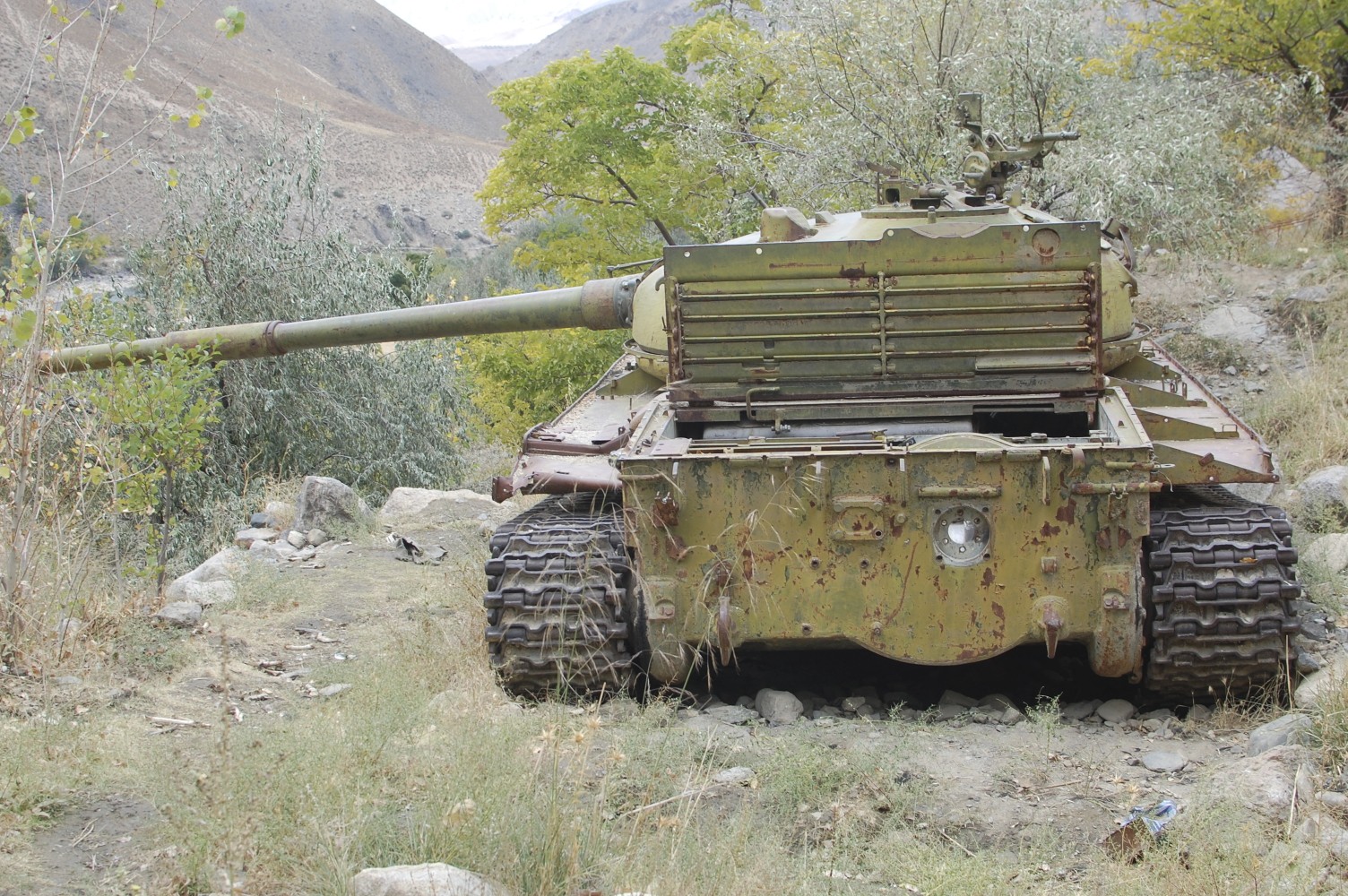
Panjshir became known as a fortified stronghold and the principal base of Ahmad Shah Massoud, the legendary Afghan commander widely known as the Lion of Panjshir. Protected by its dramatic geography, the valley remained extremely difficult to capture for many years.
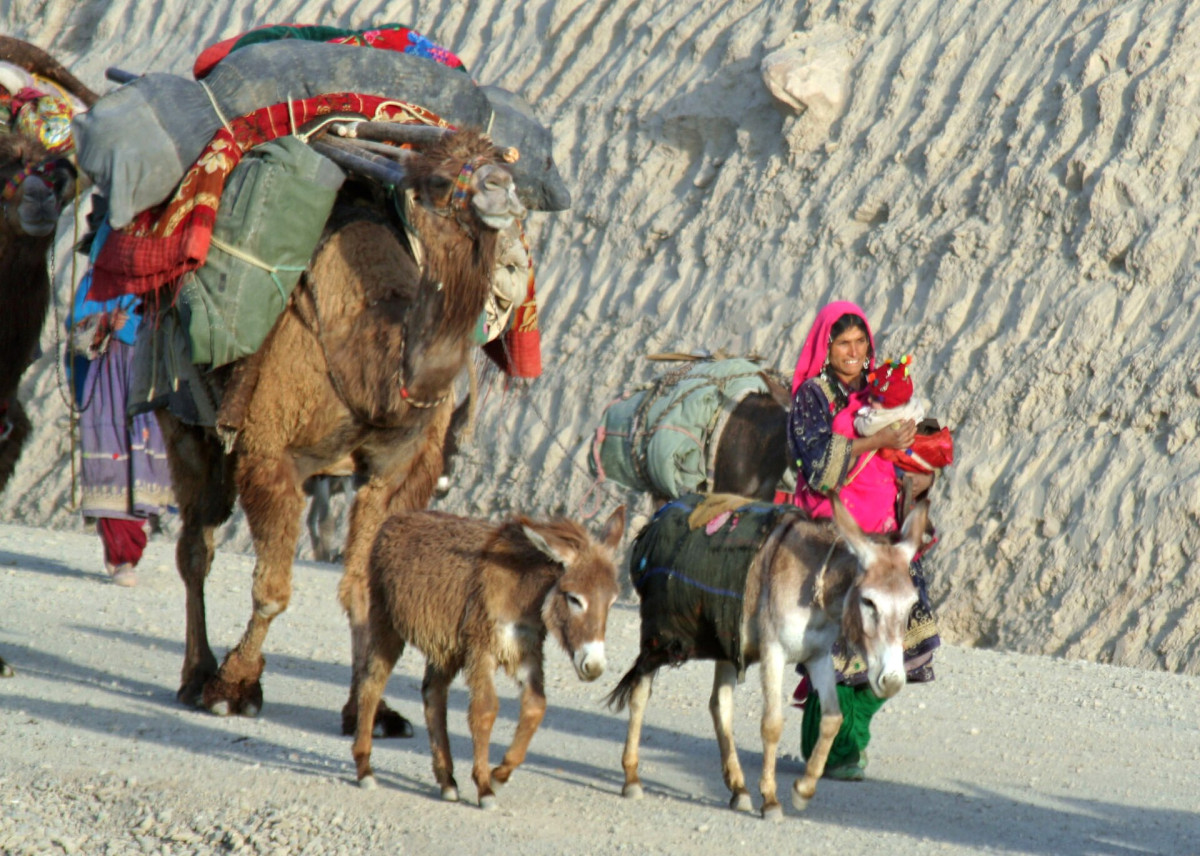
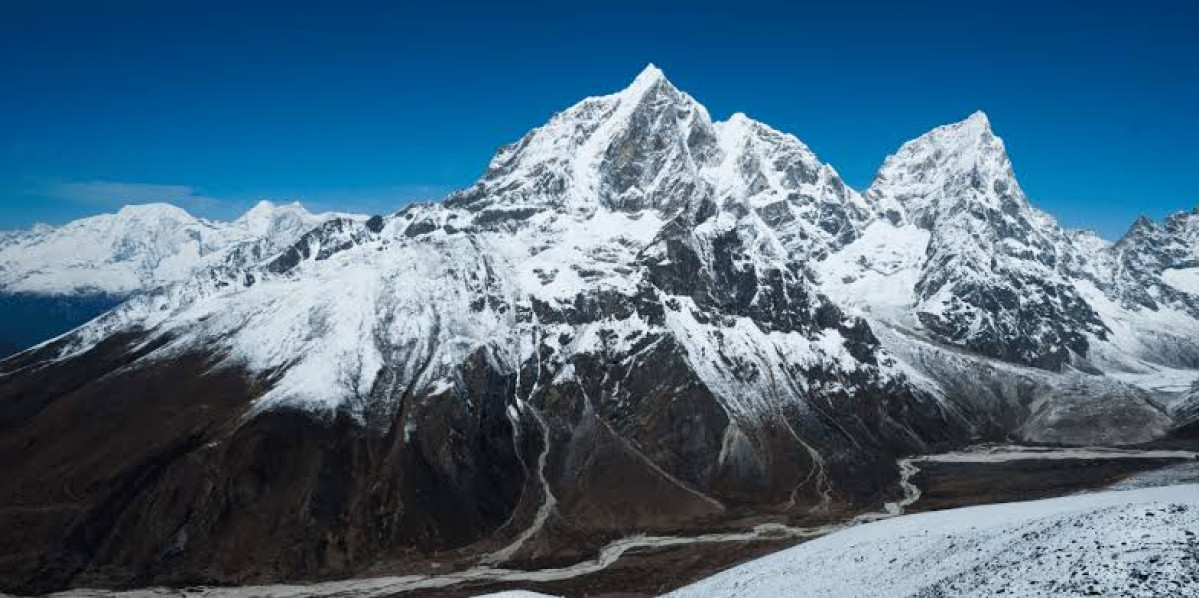
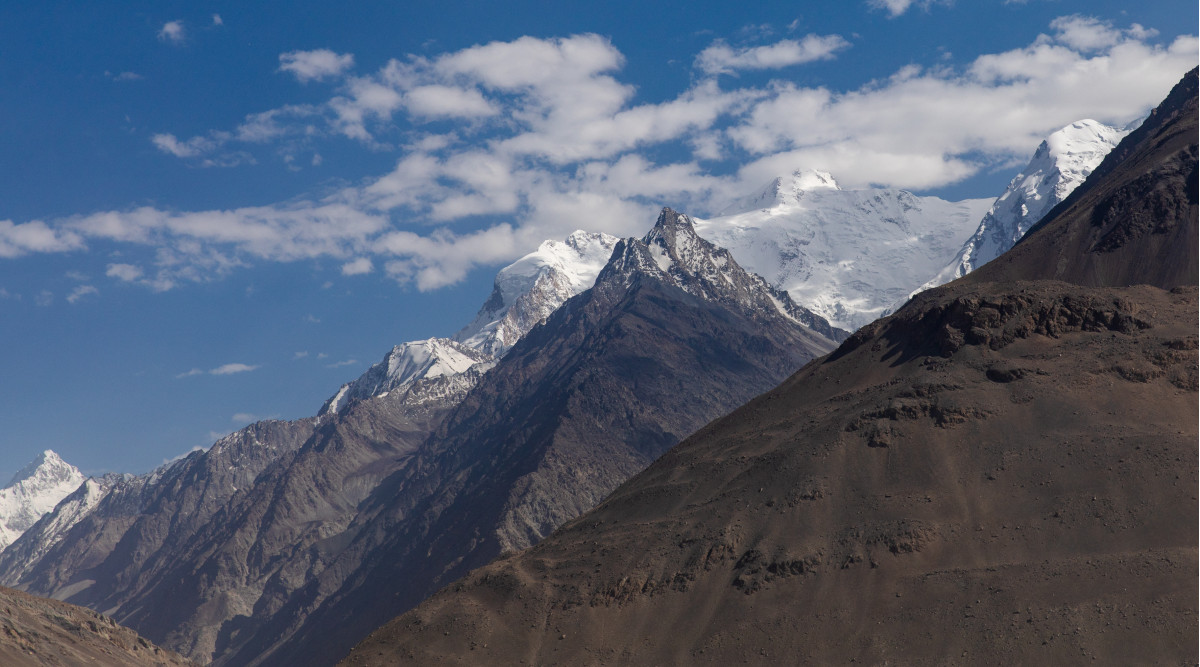
We will admire the rugged landscapes of the Hindu Kush, visit the memorial of Ahmad Shah Massoud and see places connected with his life and activities. Along the route, we will also observe everyday life in the small communities scattered beside the river.
In the evening, we return to Kabul.
Overnight at a hotel in Kabul.
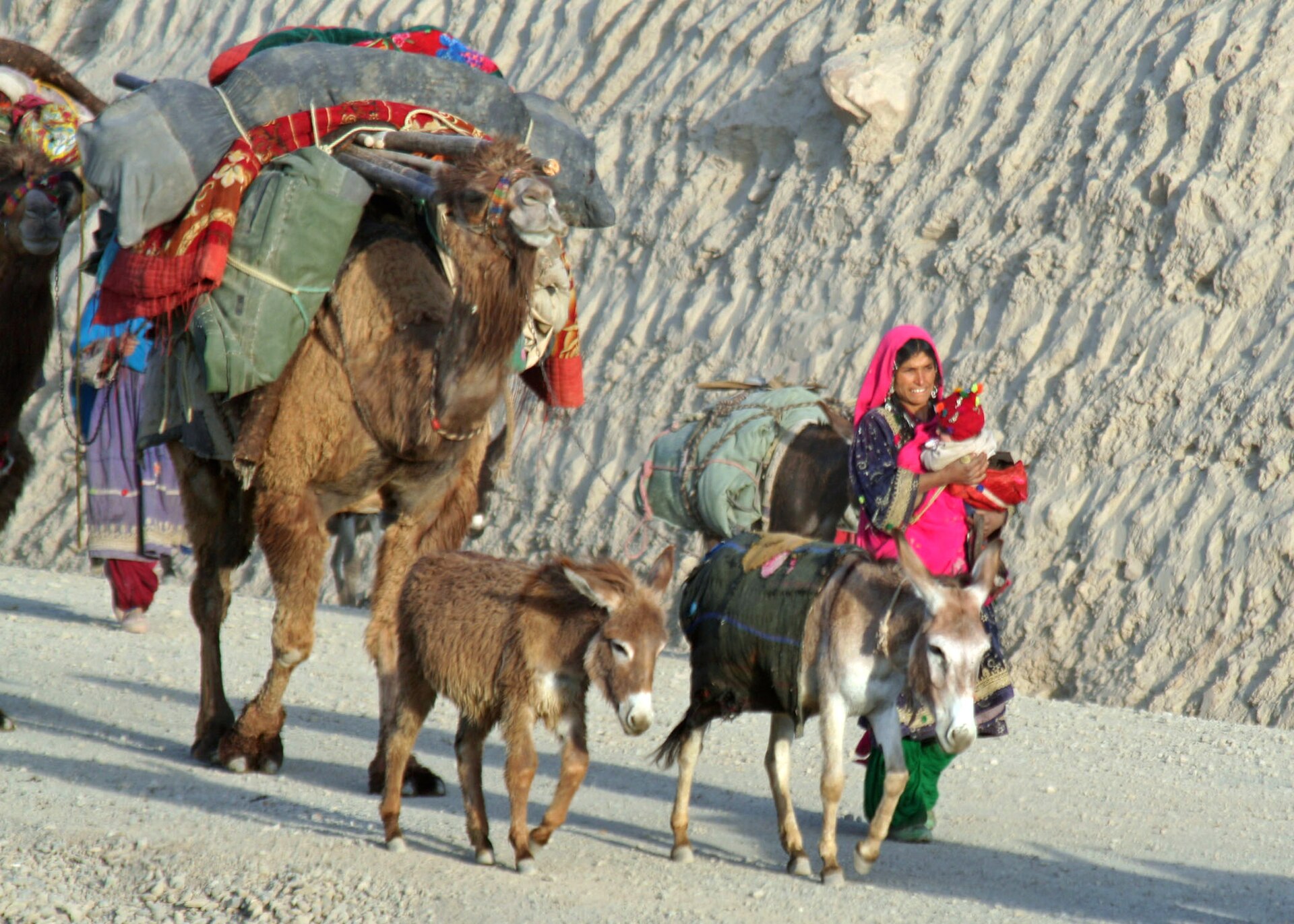
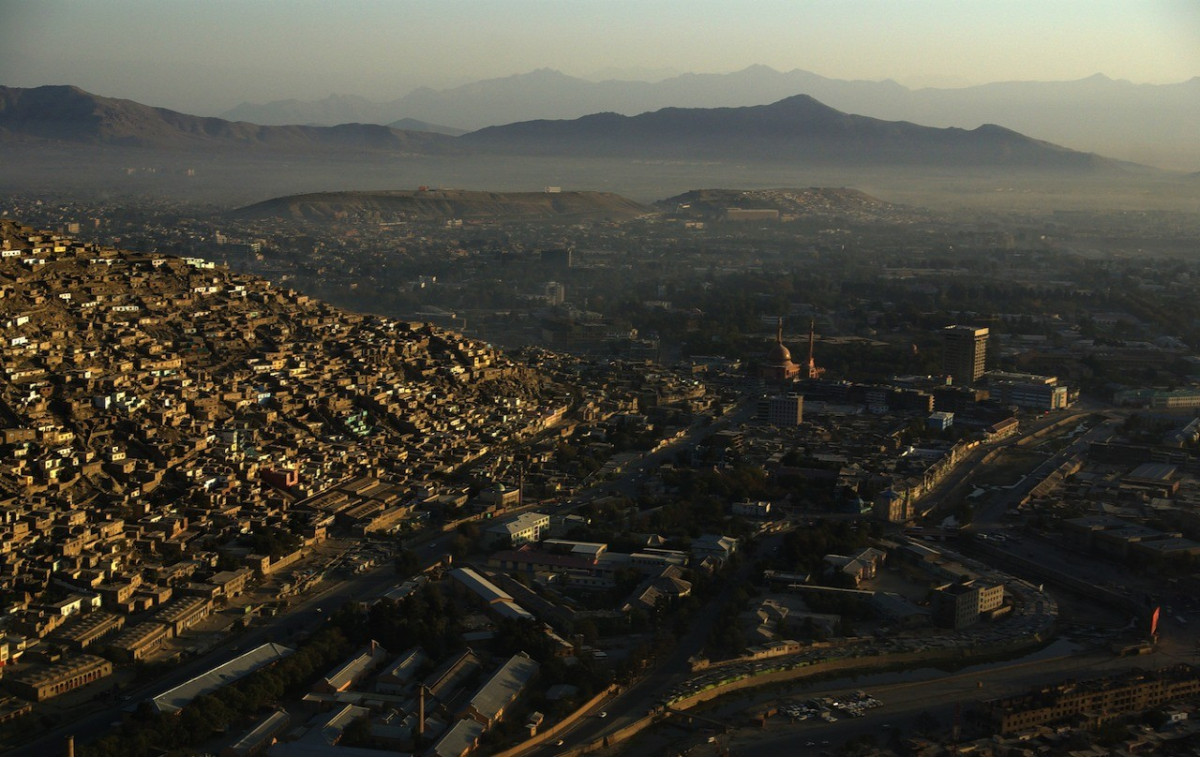
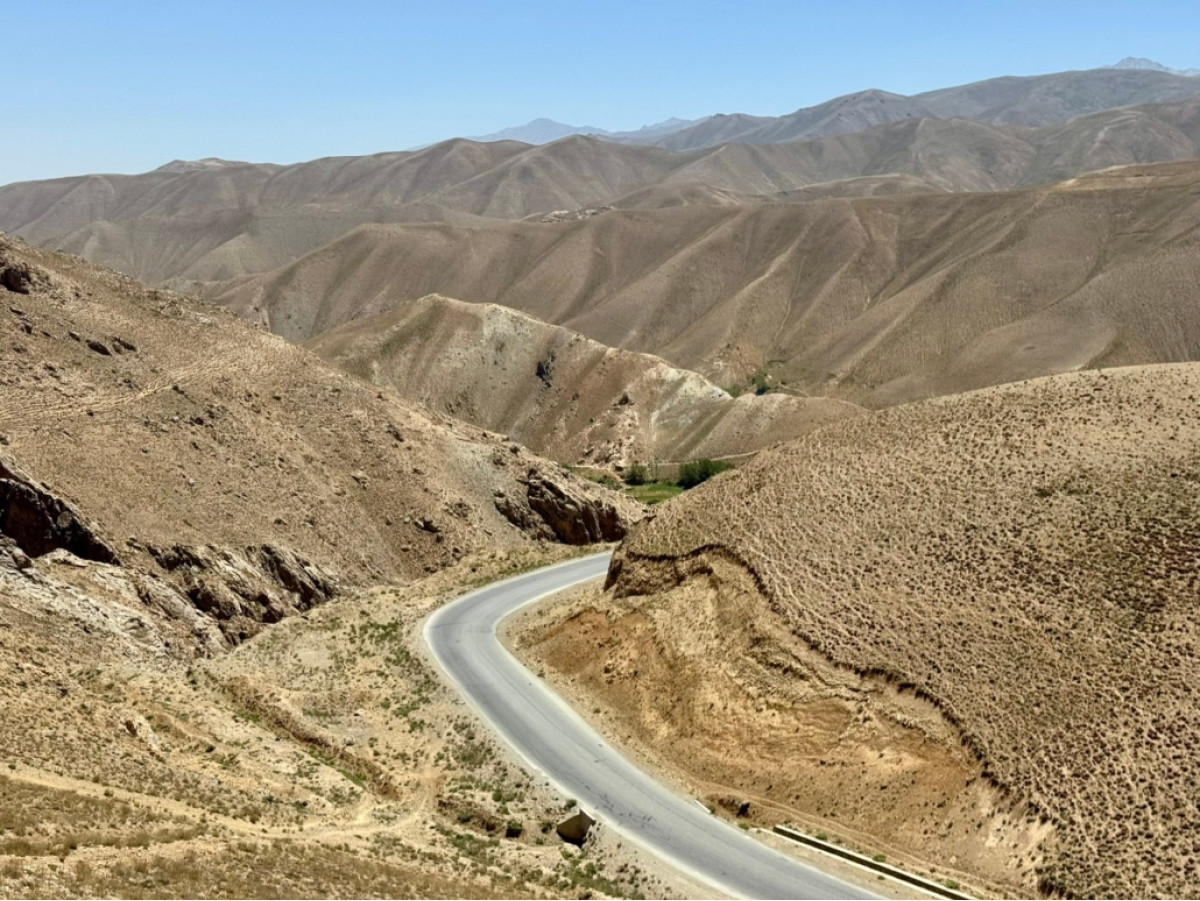
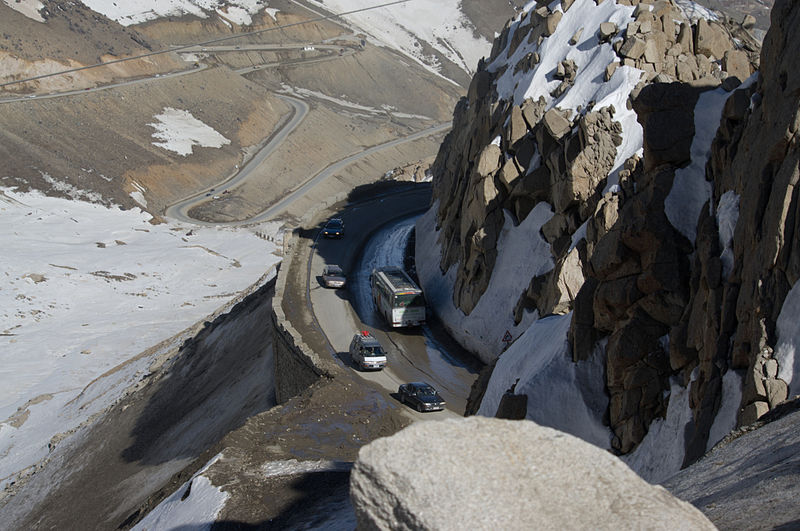
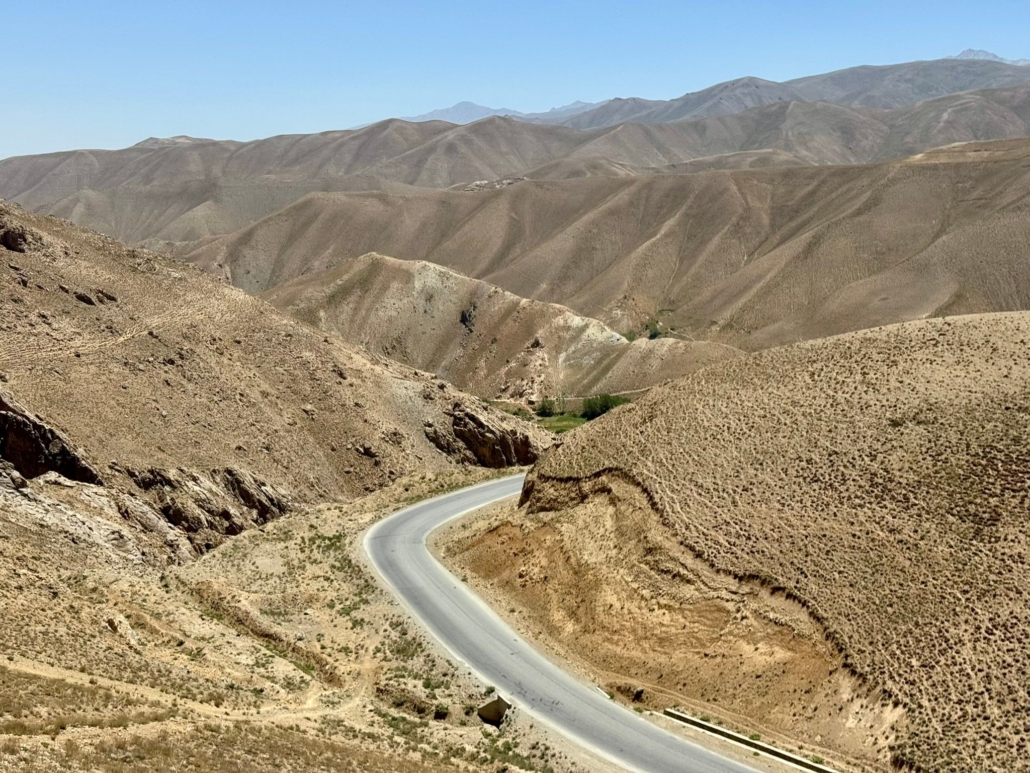
We leave Kabul and begin our journey into central Afghanistan. Our route takes us through Charikar and across the high-altitude Shibar Pass, situated at approximately 3,285 metres above sea level.
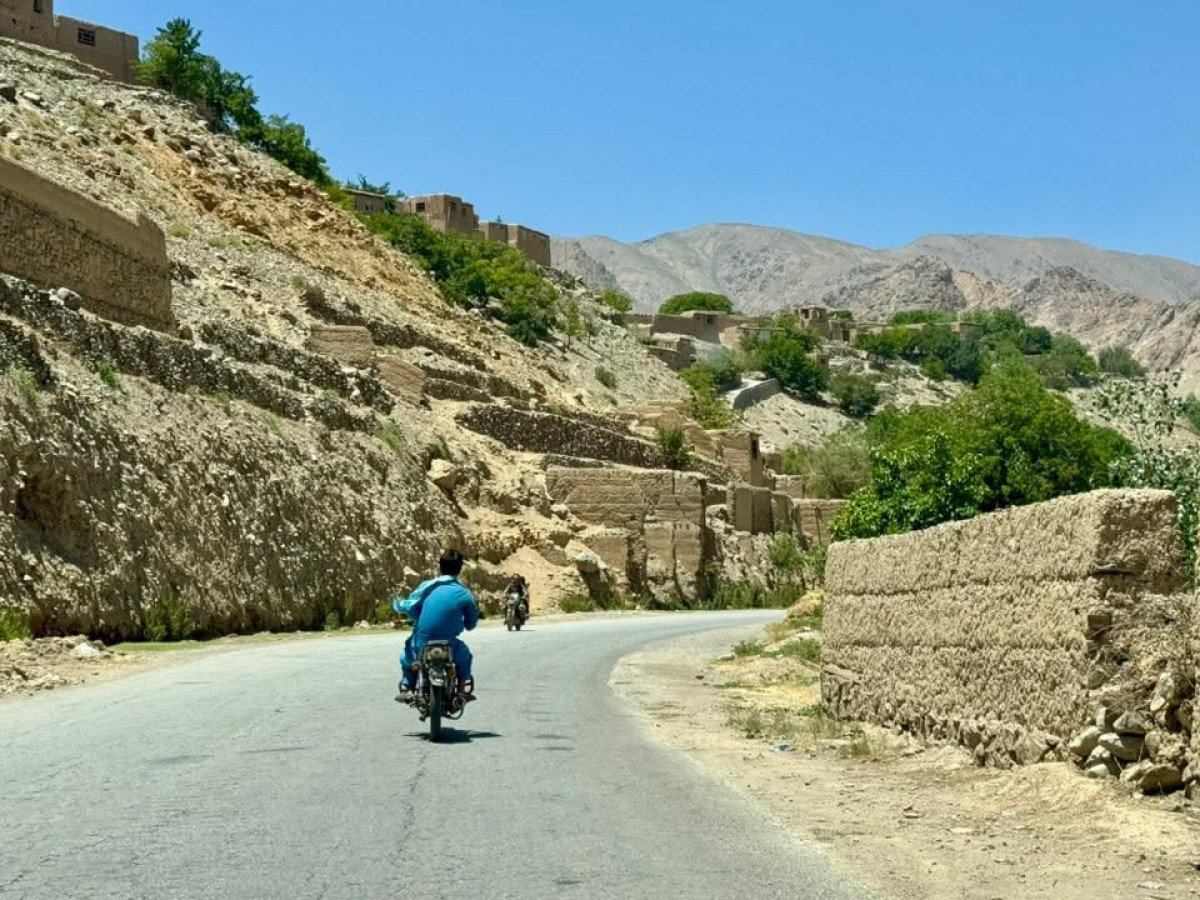
The road reveals a completely different side of Afghanistan: vast mountain ranges, open valleys, isolated villages and sparsely inhabited highlands. During the journey, we will stop for lunch at a local restaurant.
The Shibar Pass lies near the watershed dividing the Indus and Amu Darya river systems. After crossing it, we descend towards the Bamyan Valley. The journey is expected to take approximately six to seven hours.
Arrival in Bamyan and hotel check-in.
Overnight in Bamyan.
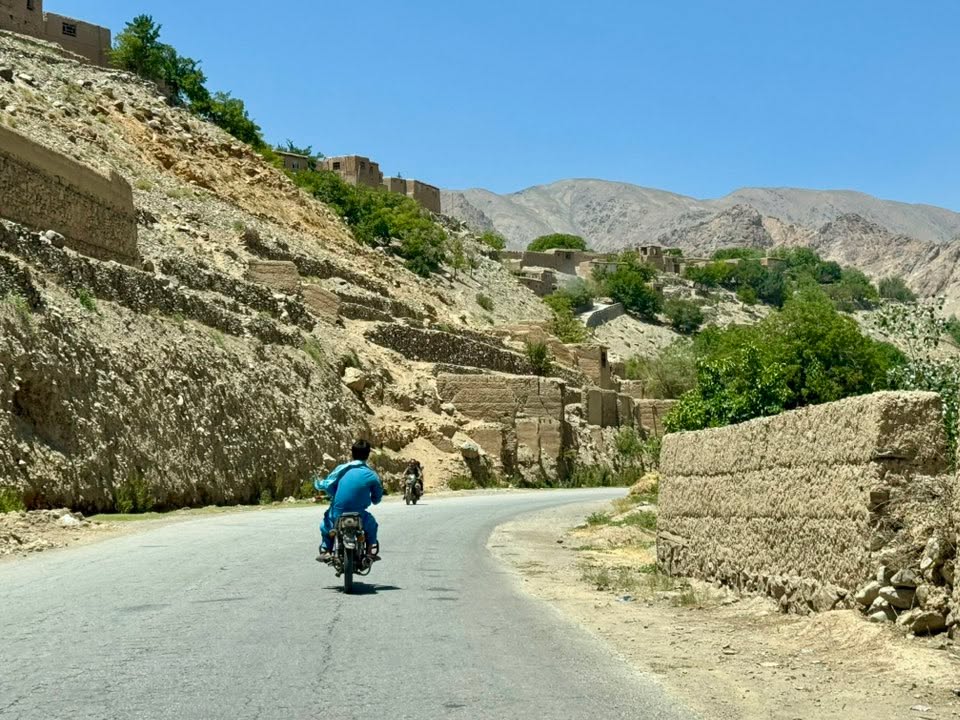
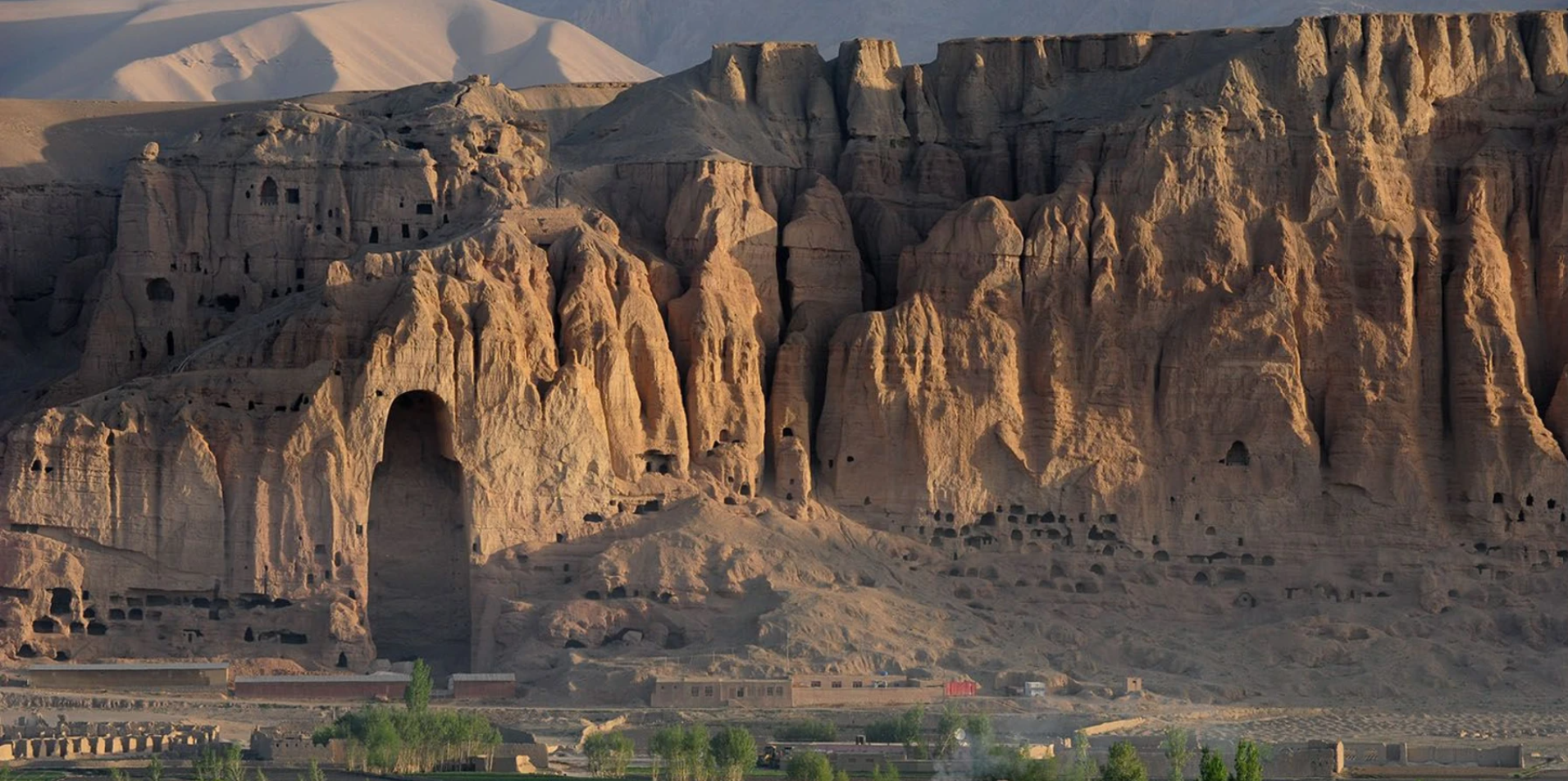
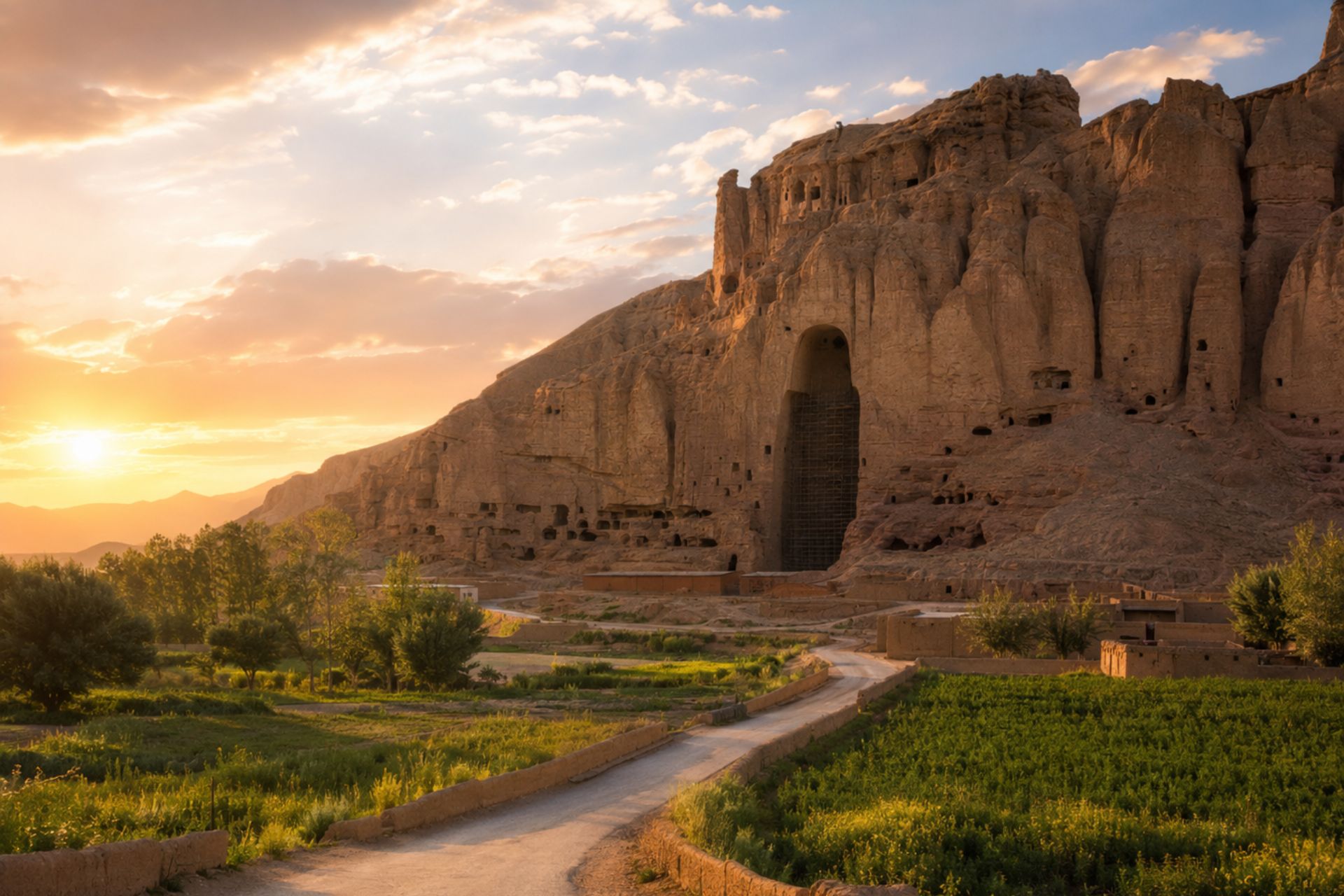
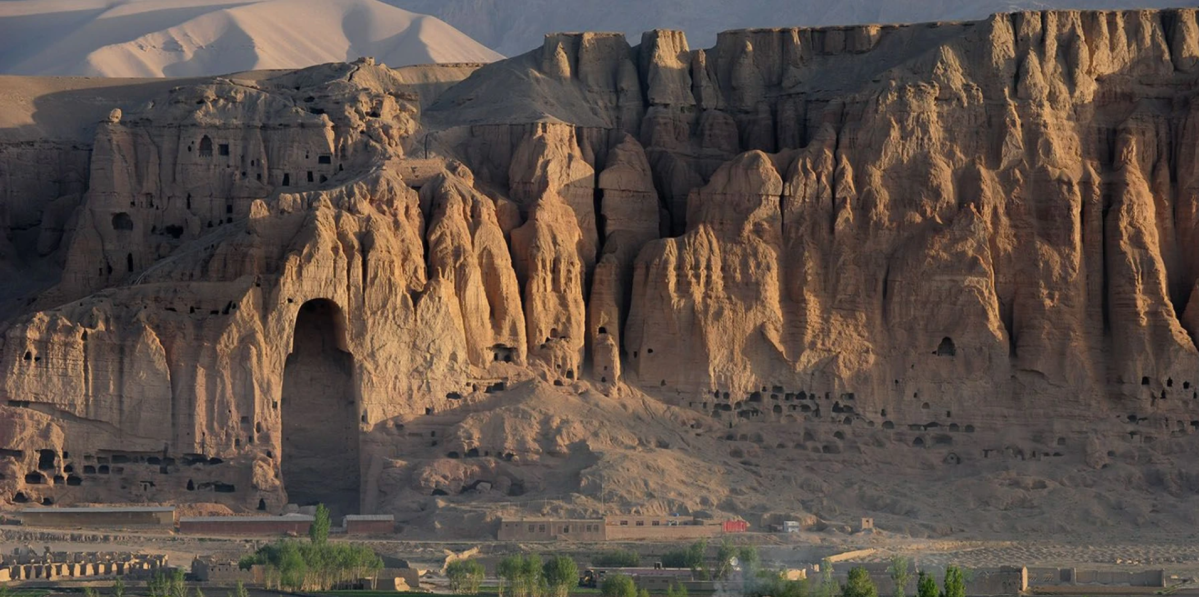
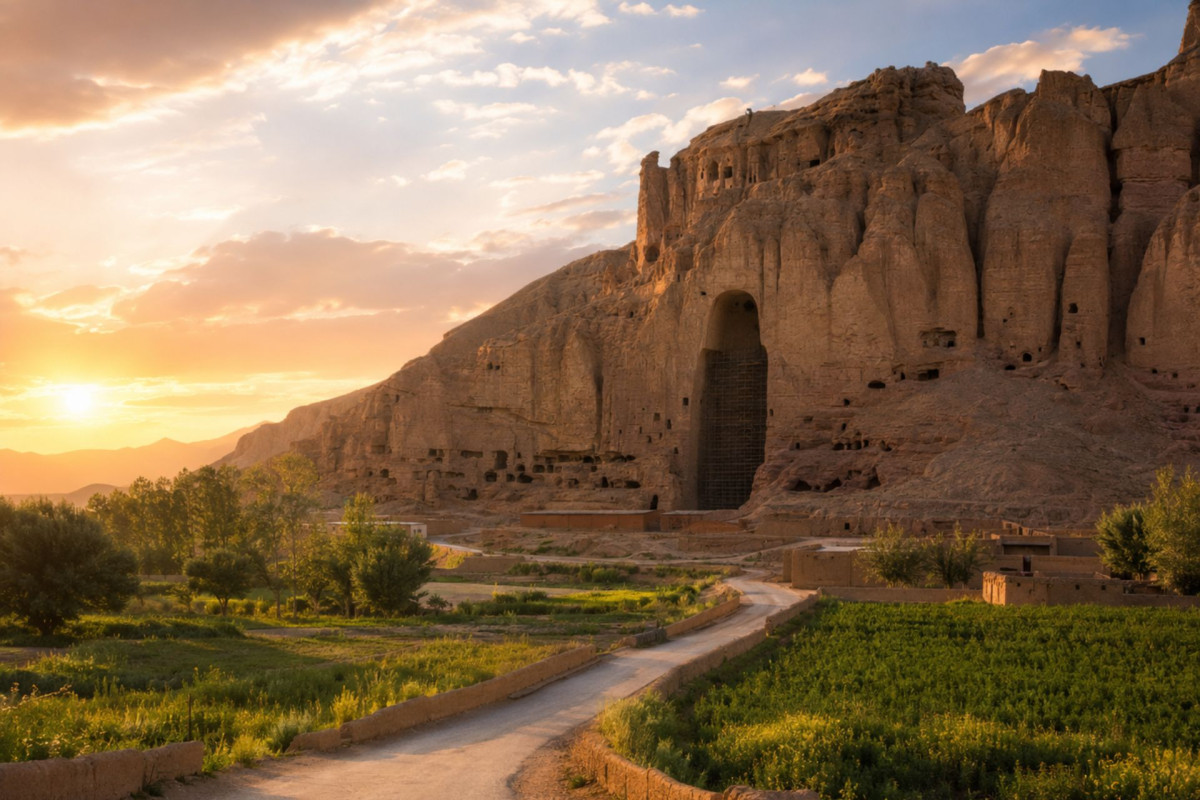
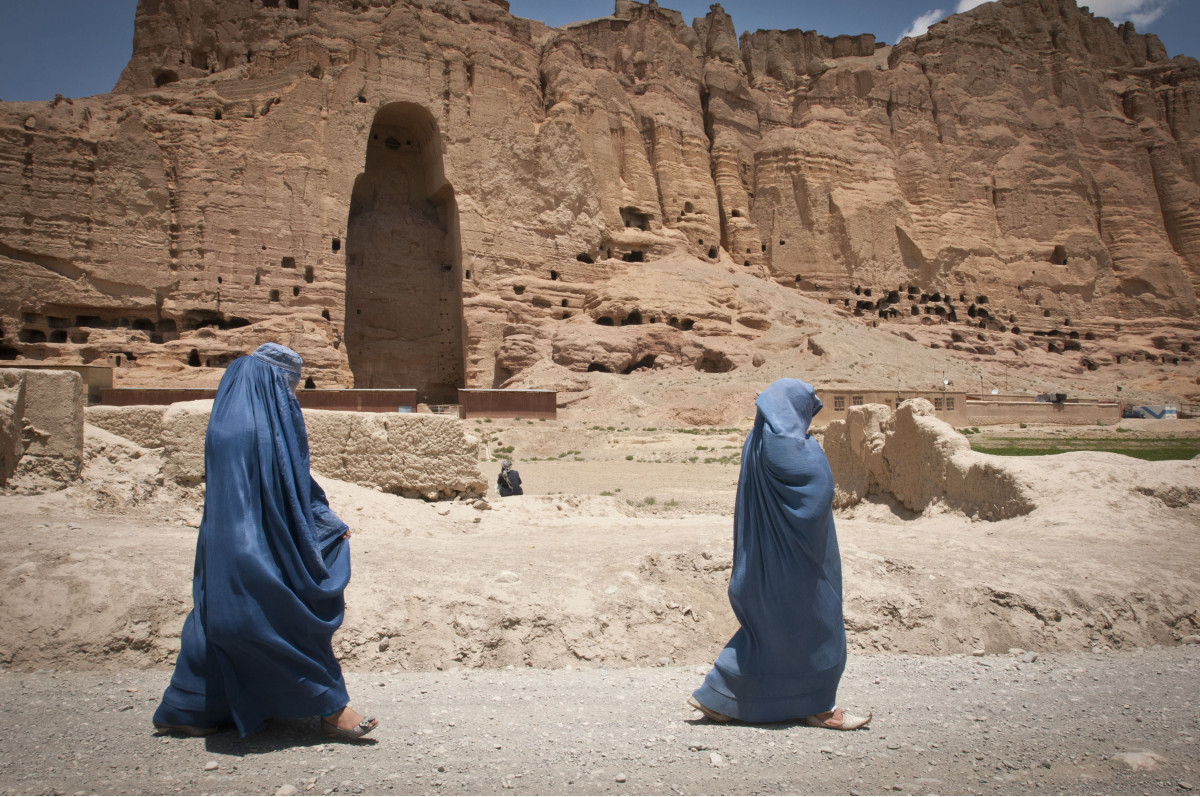
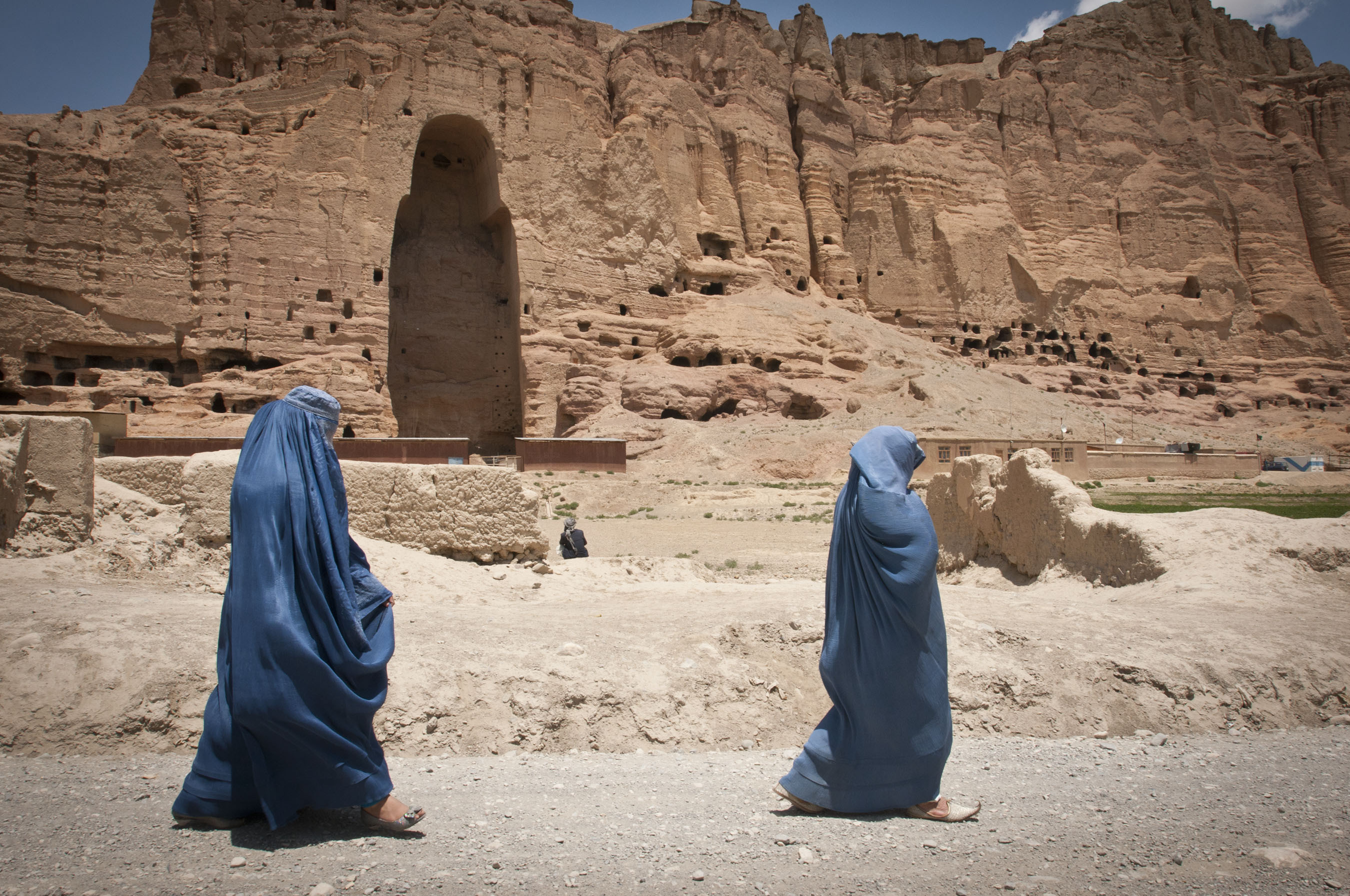
Morning in Bamyan offers an excellent opportunity to photograph the Hindu Kush, the ancient caves and the enormous niches that once contained the monumental statues of the Bamyan Buddhas.
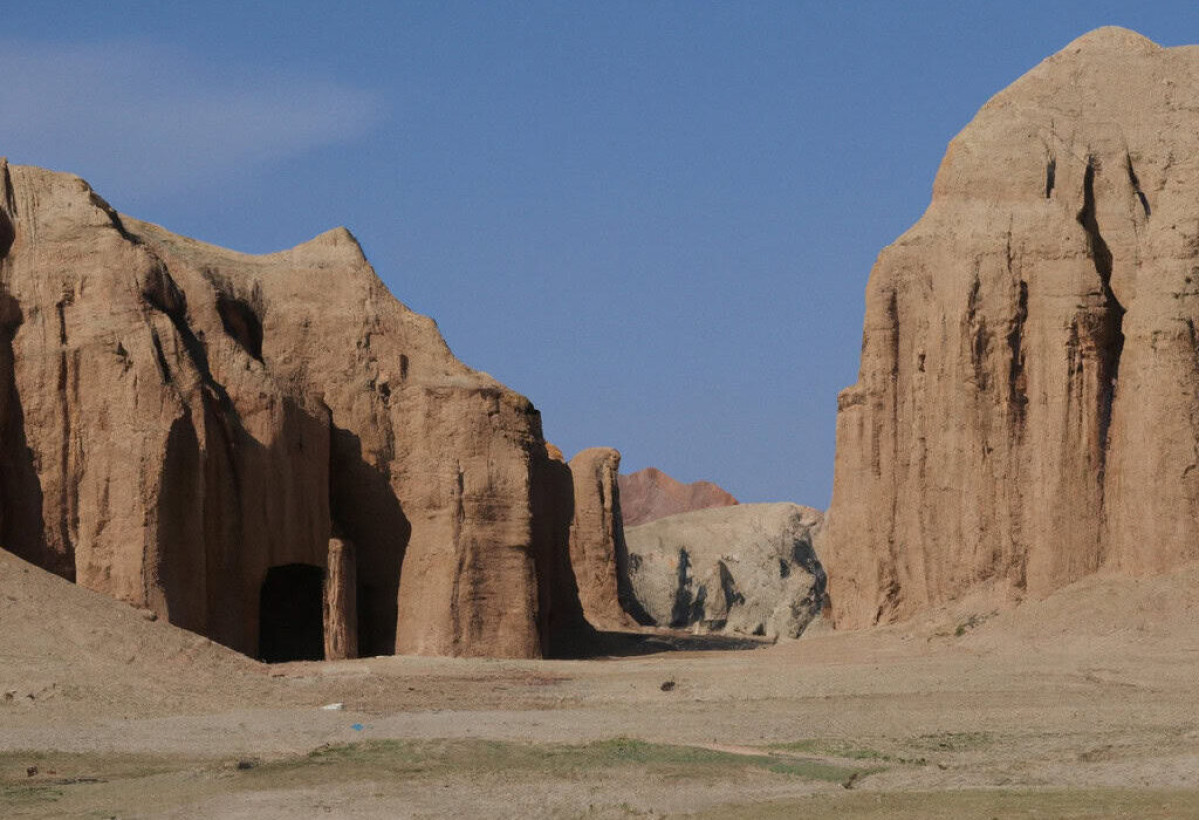
We will visit the archaeological site of the Bamyan Buddhas and explore the surrounding cliffs, which are pierced by numerous caves. Buddhist monks once lived here, while many cave walls were decorated with frescoes and religious artwork. Much of this cultural heritage has been lost, but Bamyan remains one of Afghanistan’s most significant historical destinations.
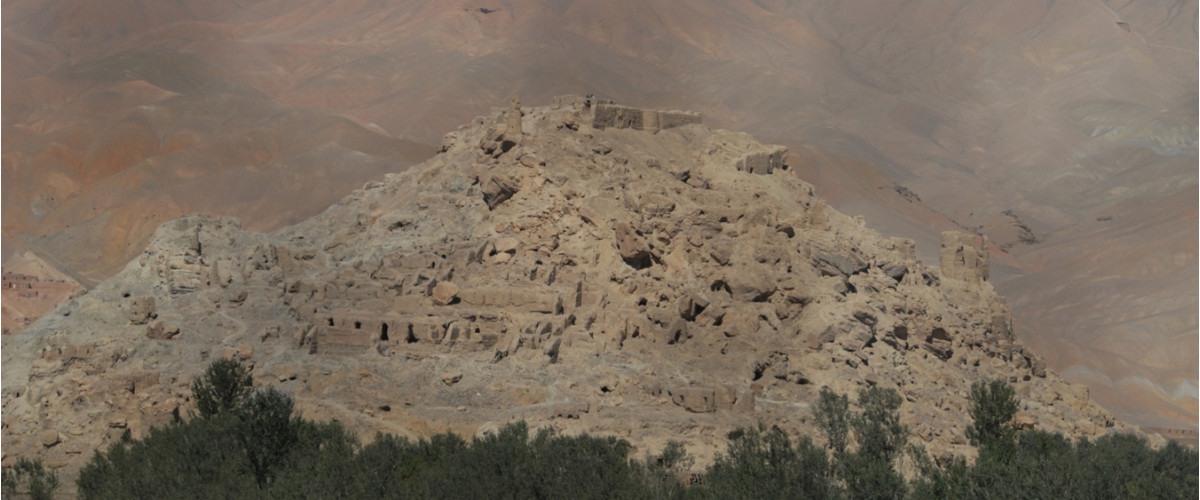
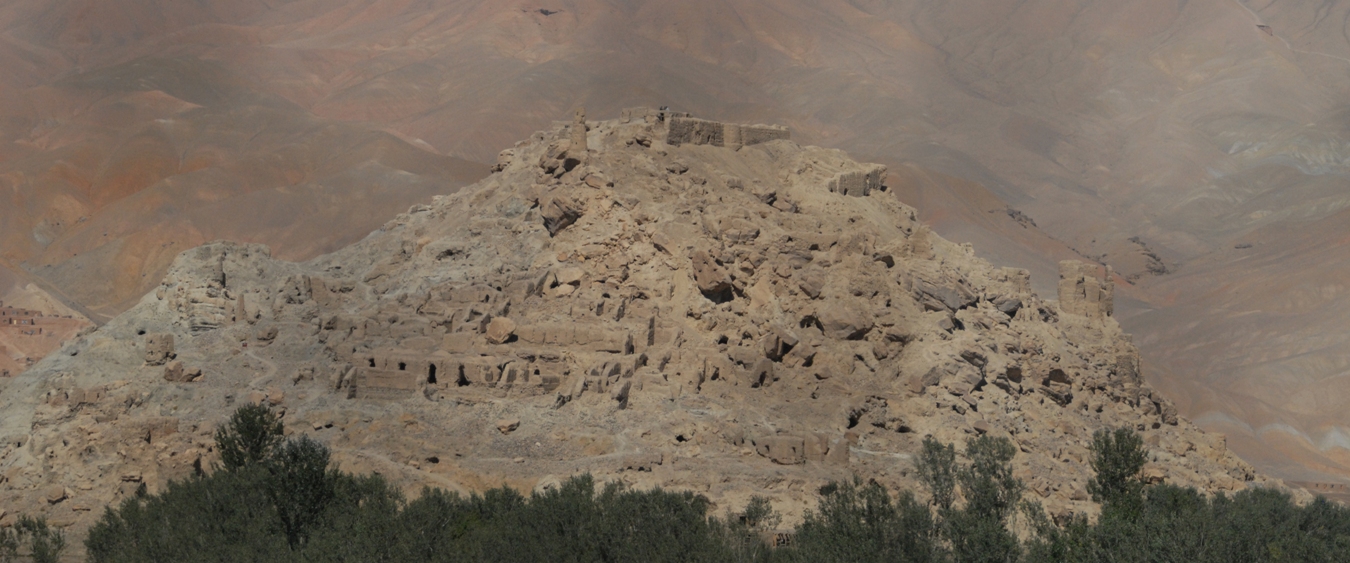
We then continue to the ruins of Shahr-e Gholghola, an ancient fortified city destroyed by the armies of Genghis Khan in the 13th century. Time and local conditions permitting, we will also visit Shahr-e Zohak, commonly known as the Red City.
After lunch, we travel to the Valley of the Dragon, or Darra-e Ajdahar. According to local legend, the unusual rock formation represents the remains of a dragon defeated by Hazrat Ali.
In the evening, we return to Bamyan.
Overnight in Bamyan.
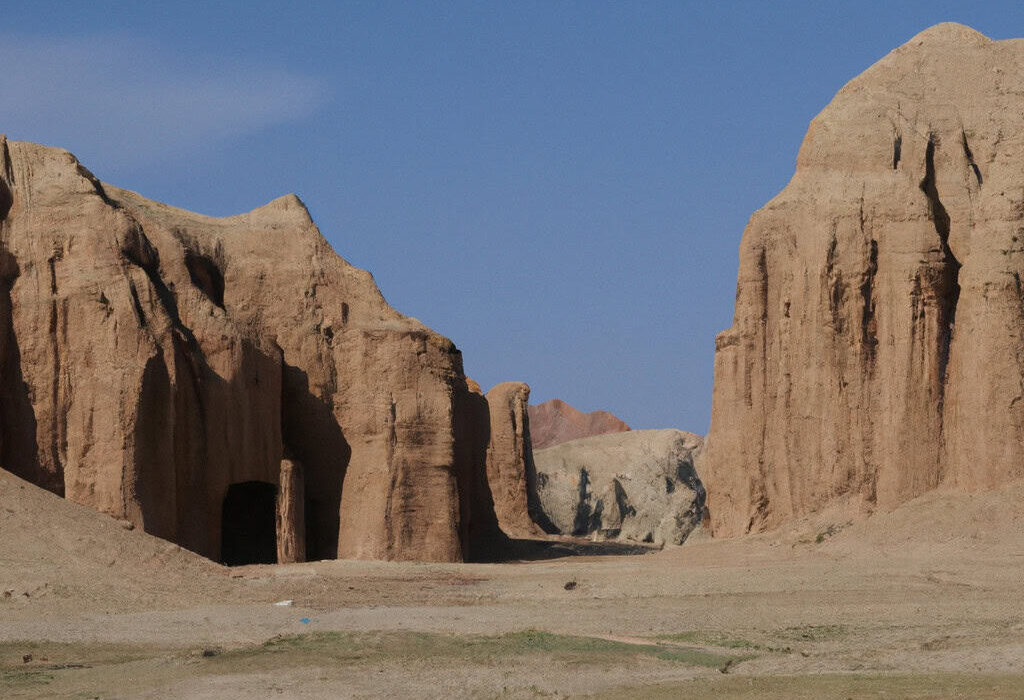
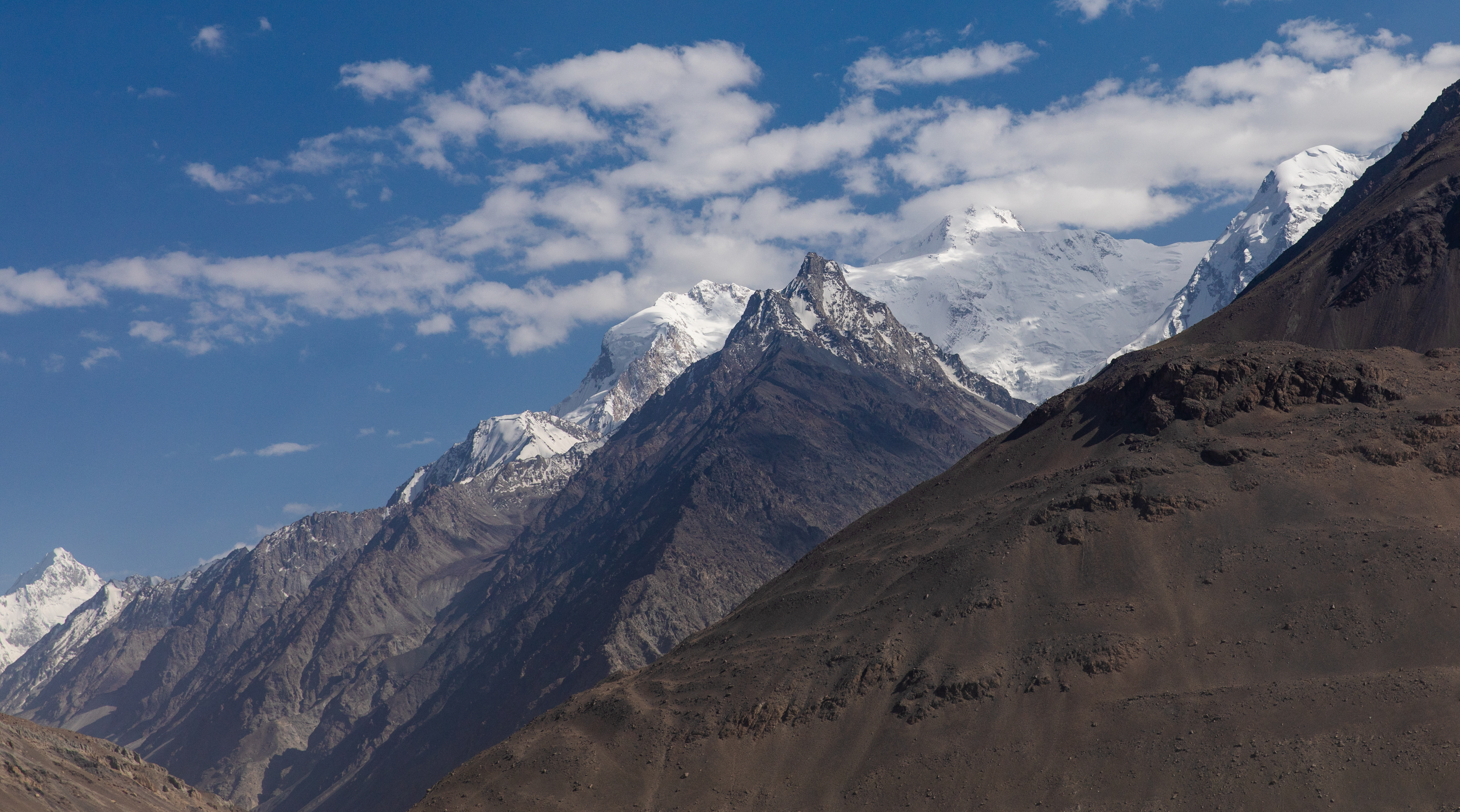
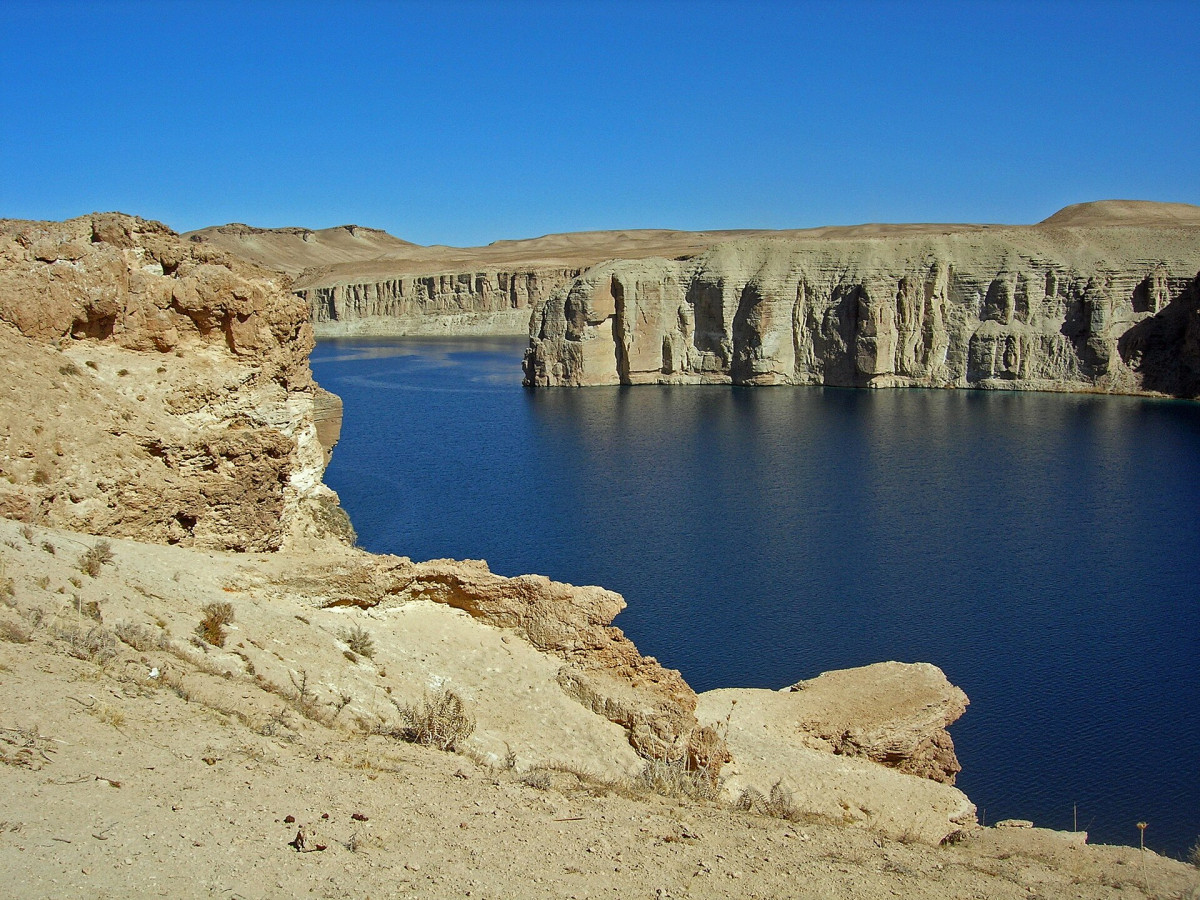
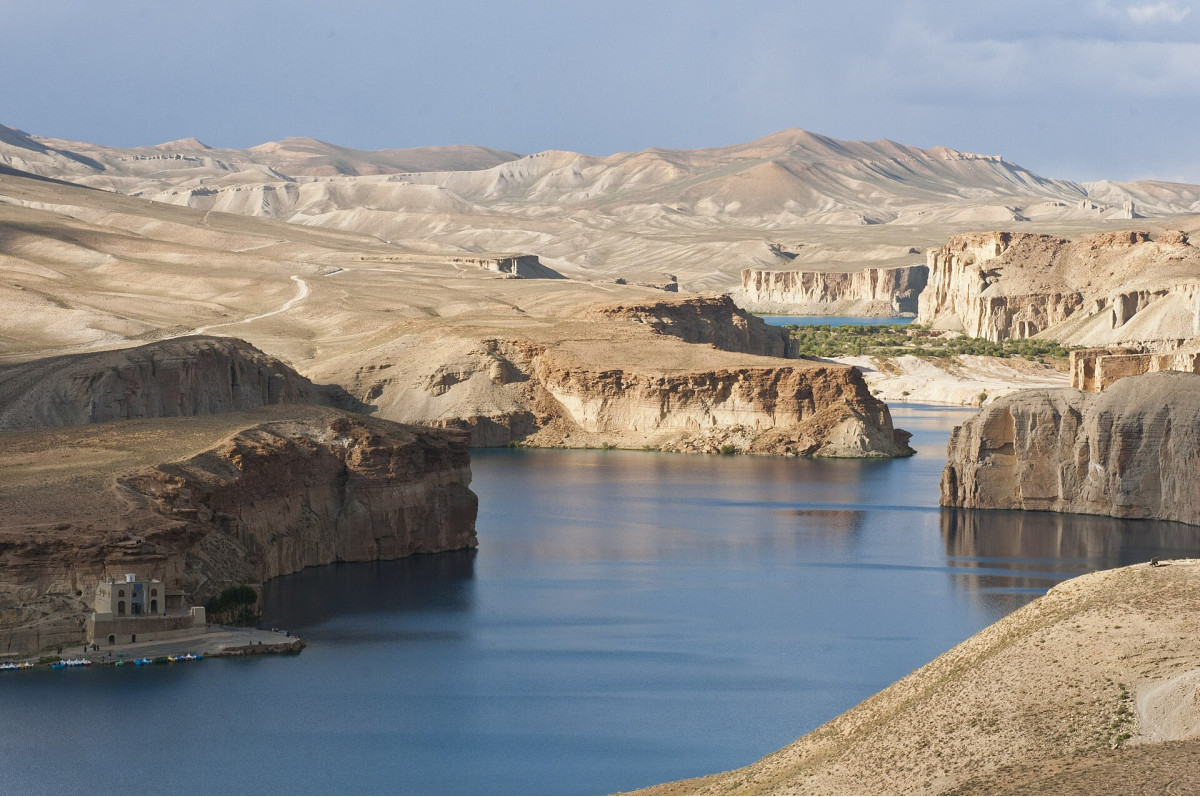
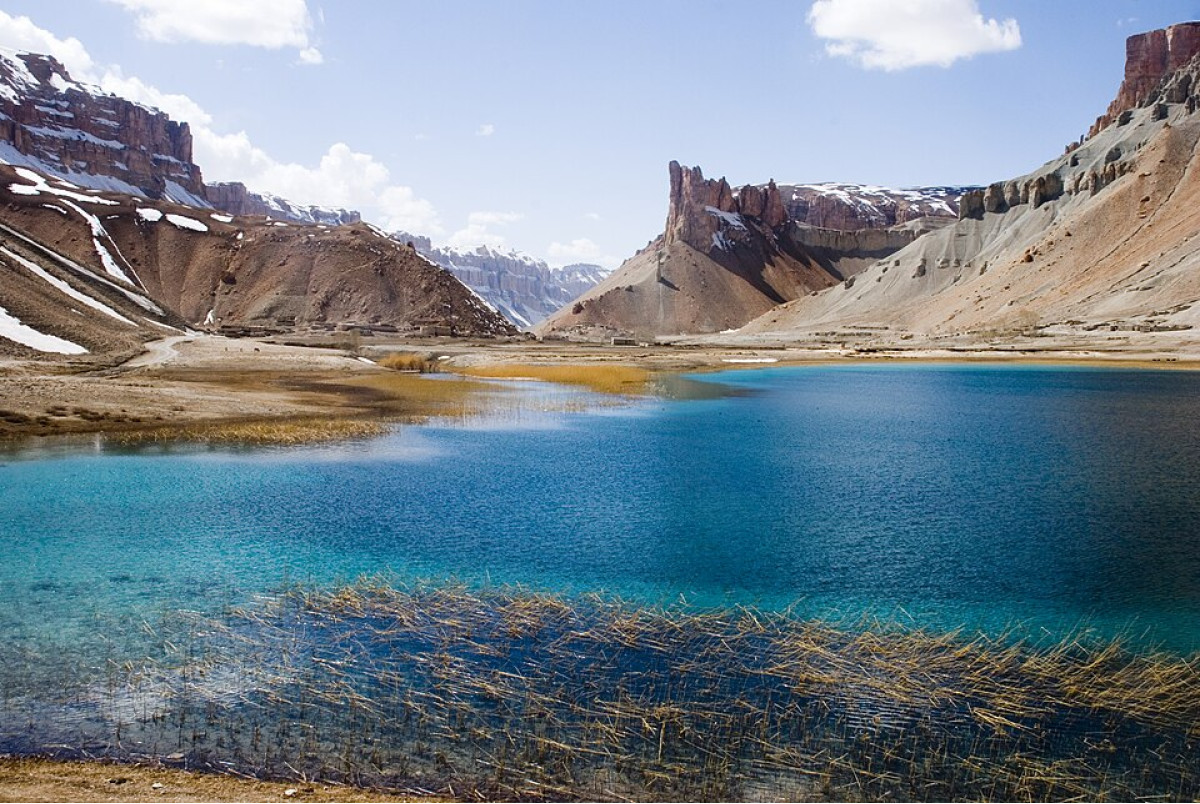
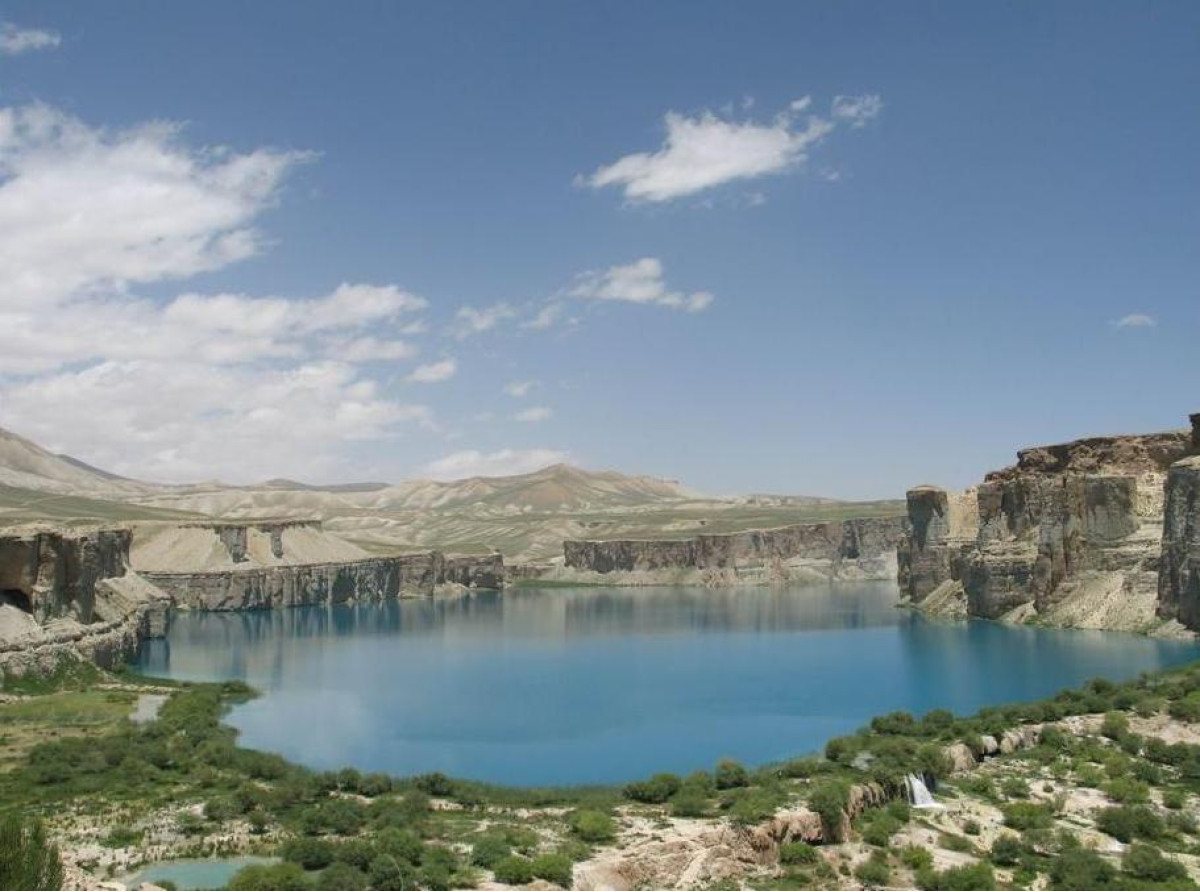
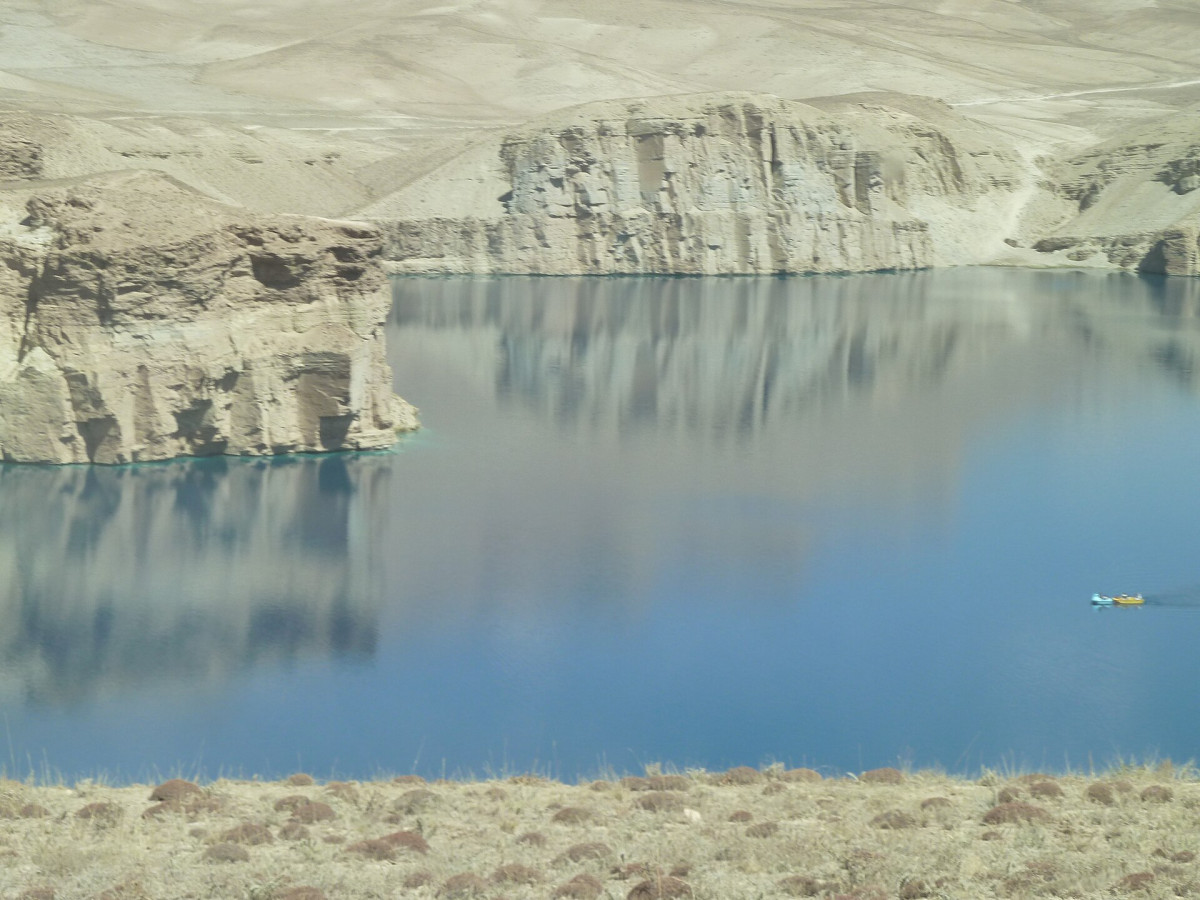
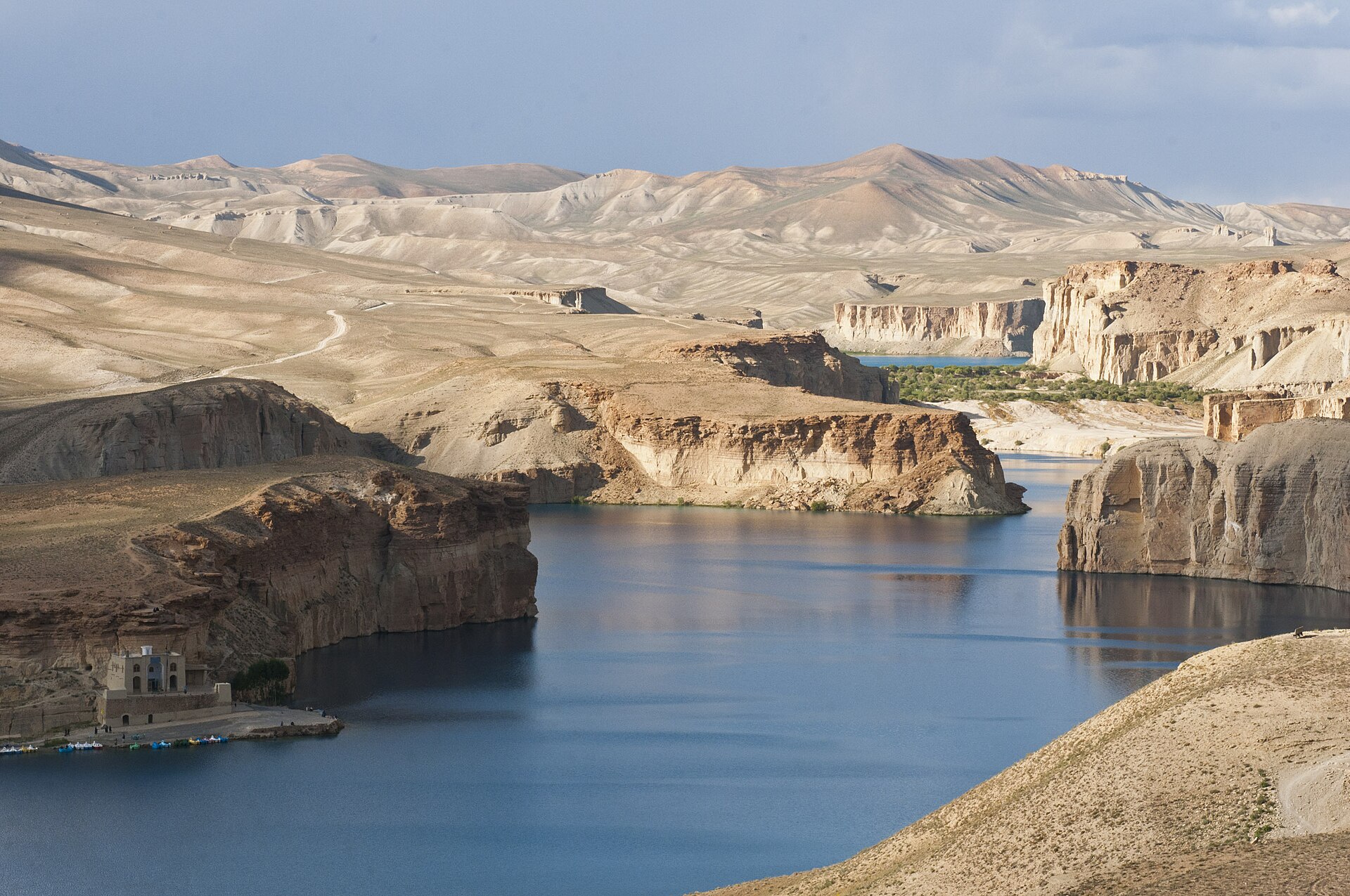
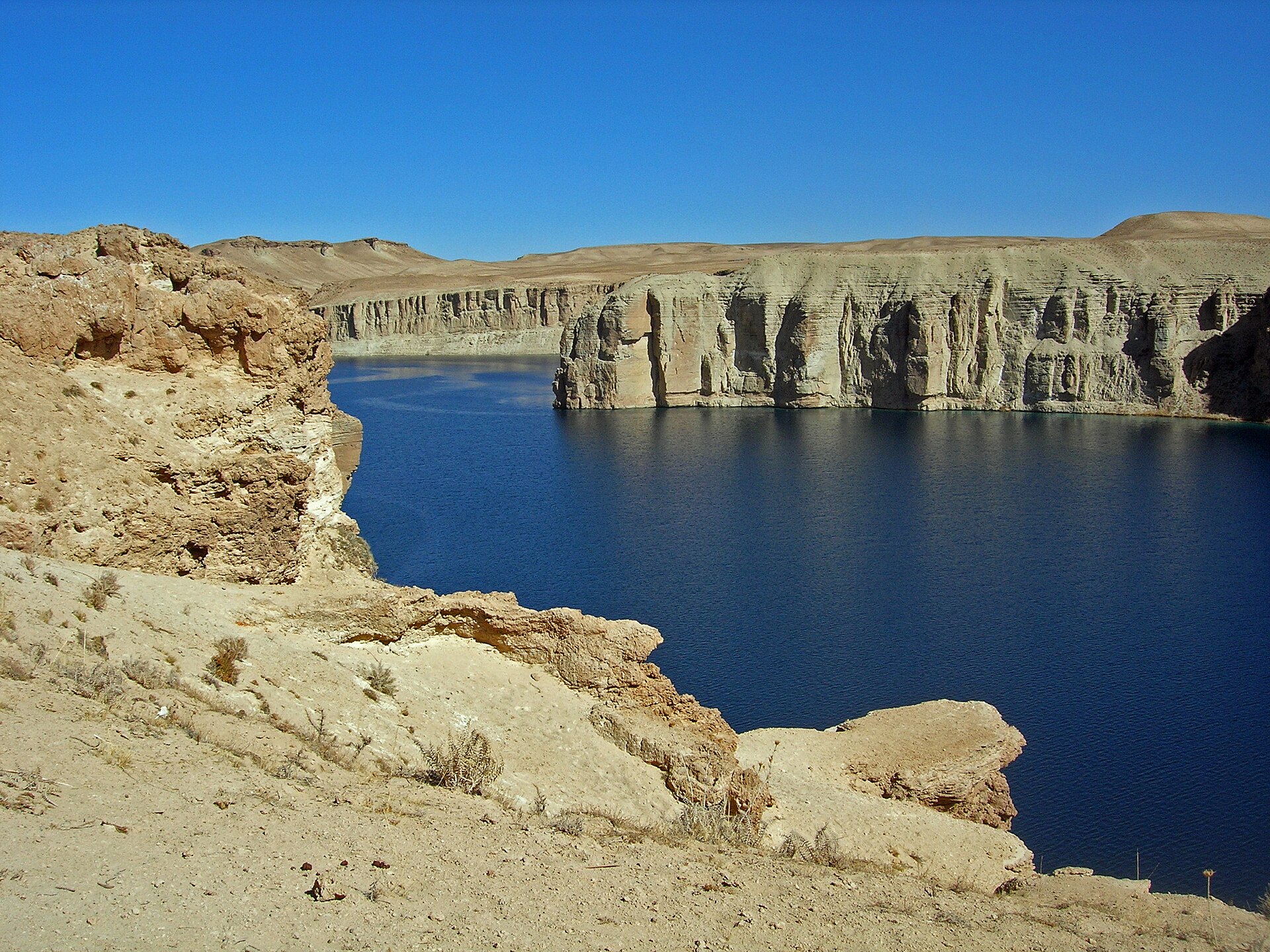
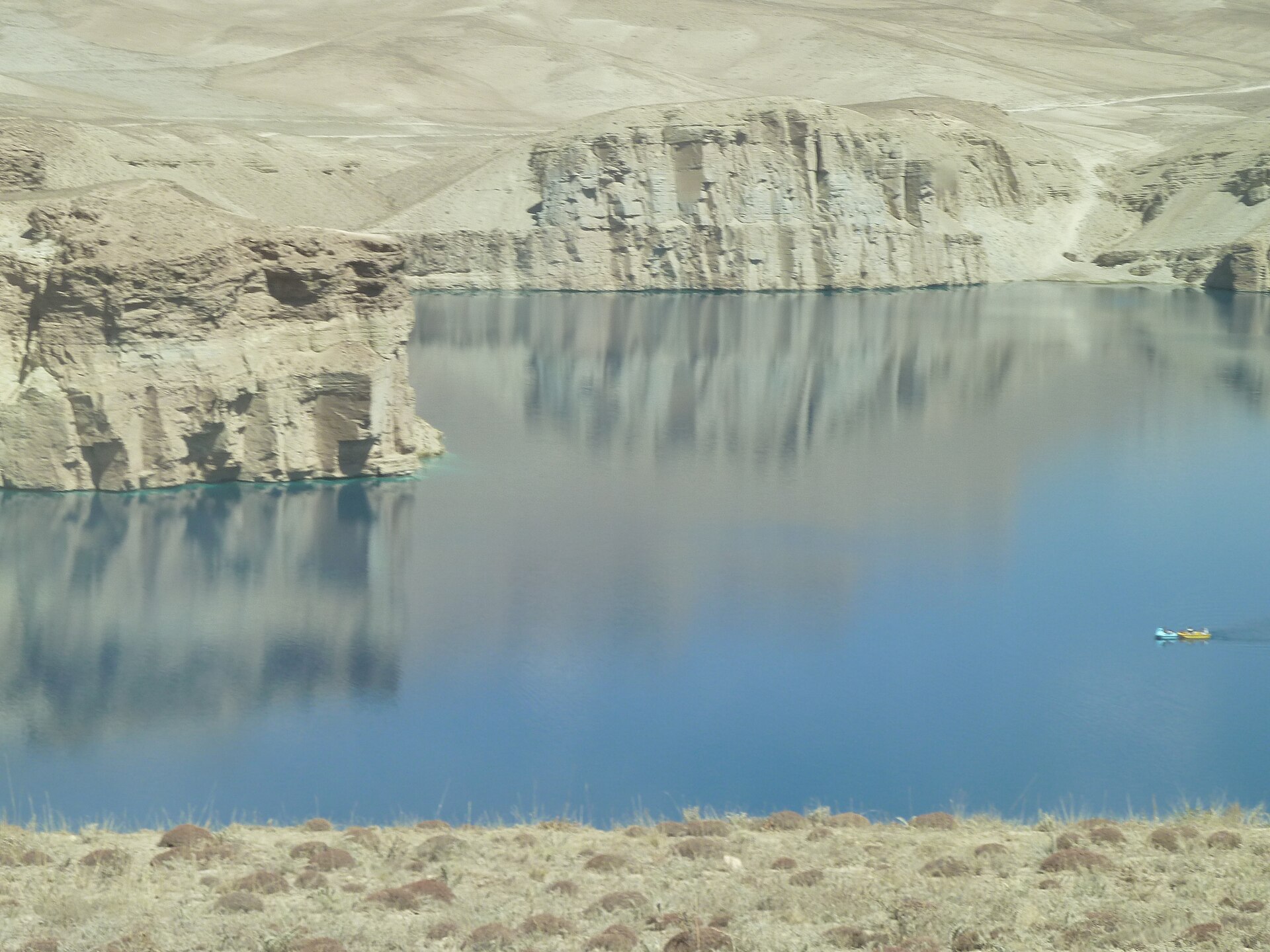
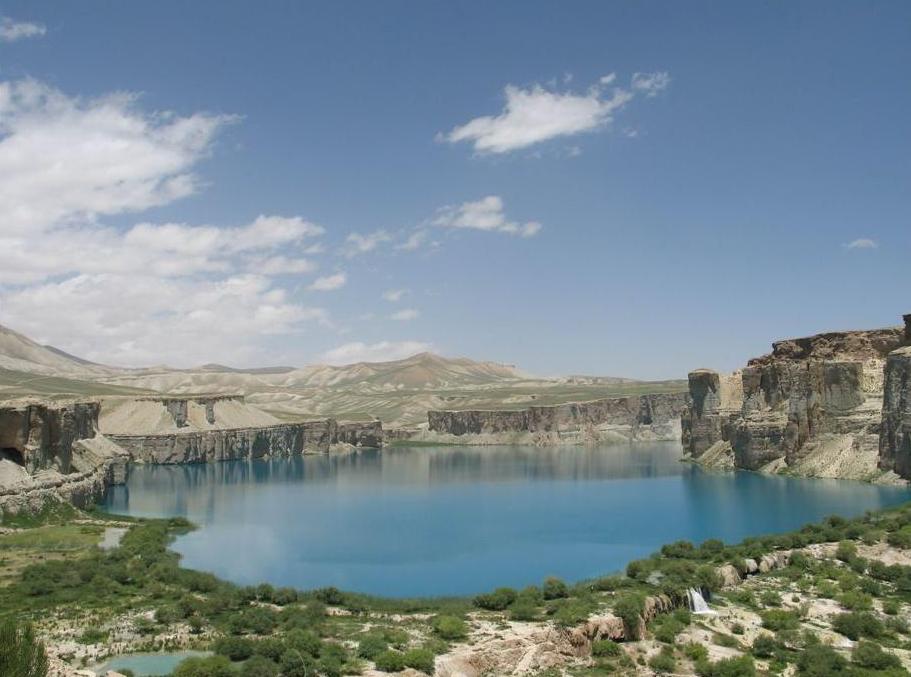
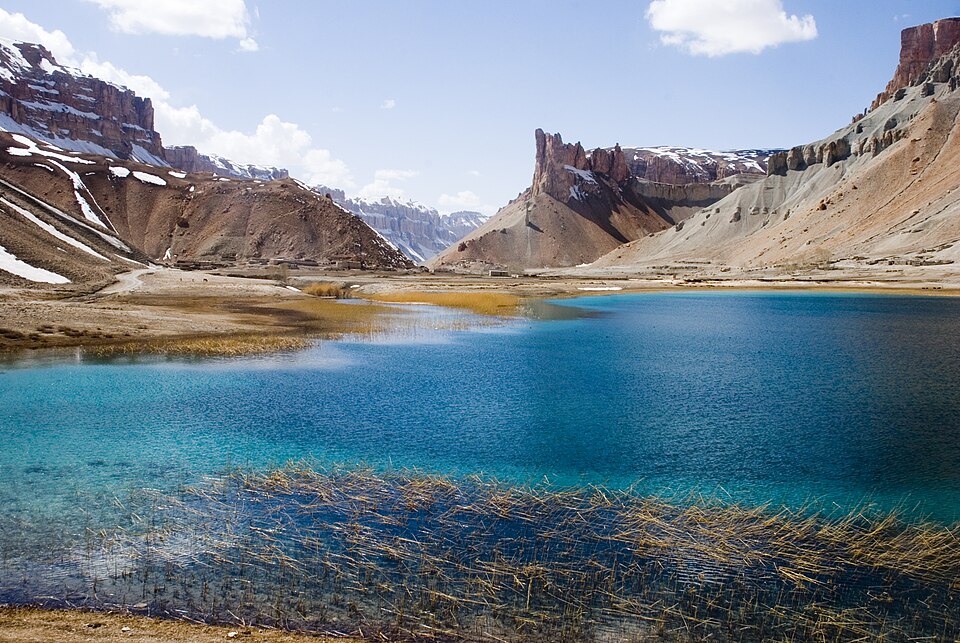
Today we visit one of Afghanistan’s greatest natural wonders — the lakes of Band-e Amir.
Surrounded by the rugged mountains of central Afghanistan, this spectacular chain of high-altitude lakes is separated by natural mineral dams. The colour of the water ranges from bright turquoise to deep blue, created by the minerals found in the springs that feed the lakes.
We will spend time enjoying the extraordinary mountain scenery, walking along the lakeshores and discovering a side of Afghanistan rarely seen by international travellers.
In the late afternoon, we return to Bamyan.
Overnight in Bamyan.
After breakfast, we leave Bamyan and begin the return journey to the Afghan capital.
Our route once again crosses the high-altitude Shibar Pass and continues through scenic valleys and the Shomali Plains. Along the way, we will stop for lunch at a local restaurant and enjoy the vast landscapes of central Afghanistan for the final time.
The drive to Kabul will take approximately six to seven hours. If we arrive early enough and local conditions permit, we will continue exploring the capital or visit one of the locations we were unable to see on the first day.
Overnight at a hotel in Kabul.
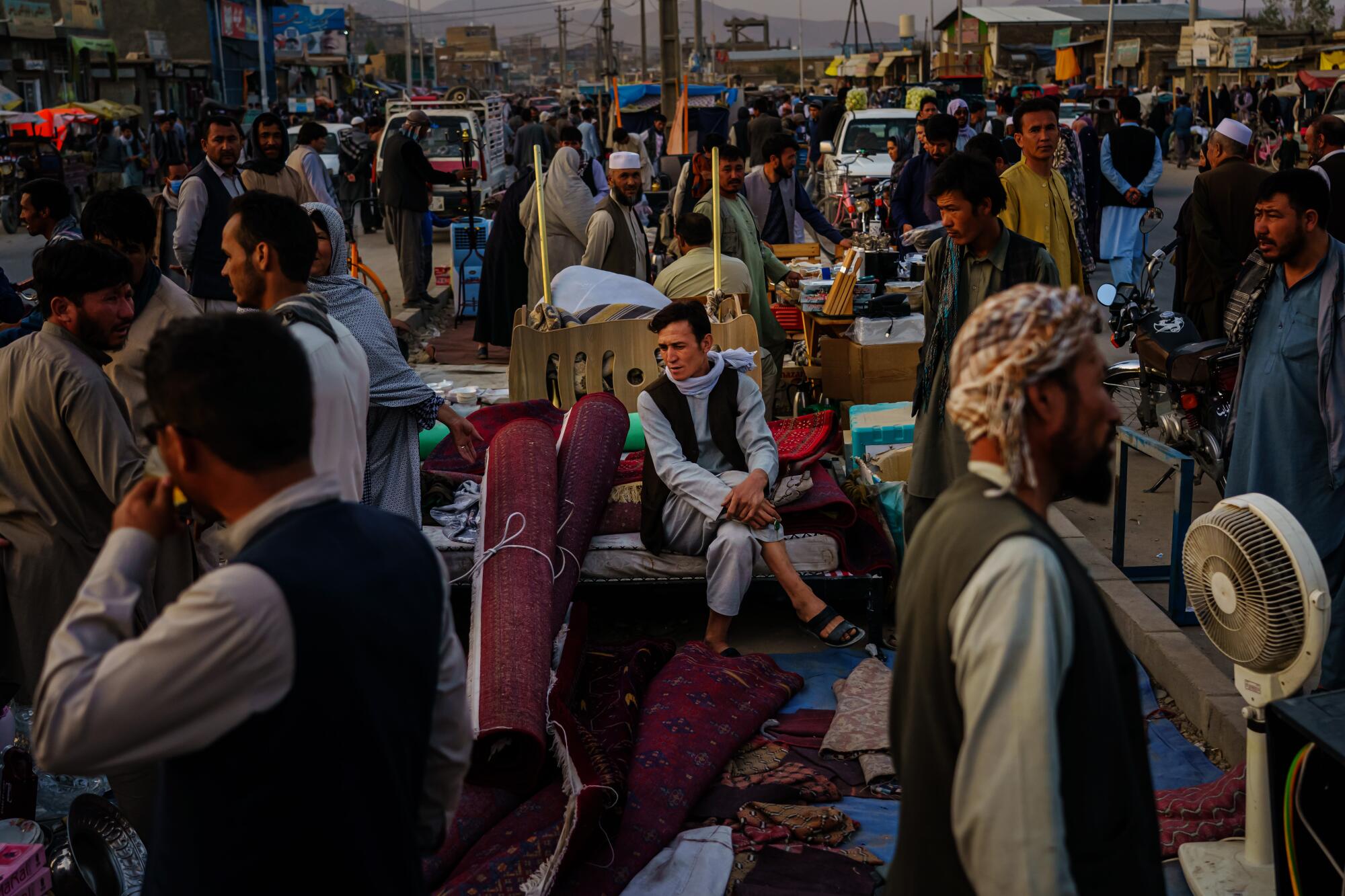
Today, the Afghan part of our great journey comes to an end, but the expedition itself is only gaining momentum. Ahead of us lies Iraq — the land of ancient Mesopotamia, legendary Babylon and magnificent cities on the banks of the Tigris and Euphrates rivers.
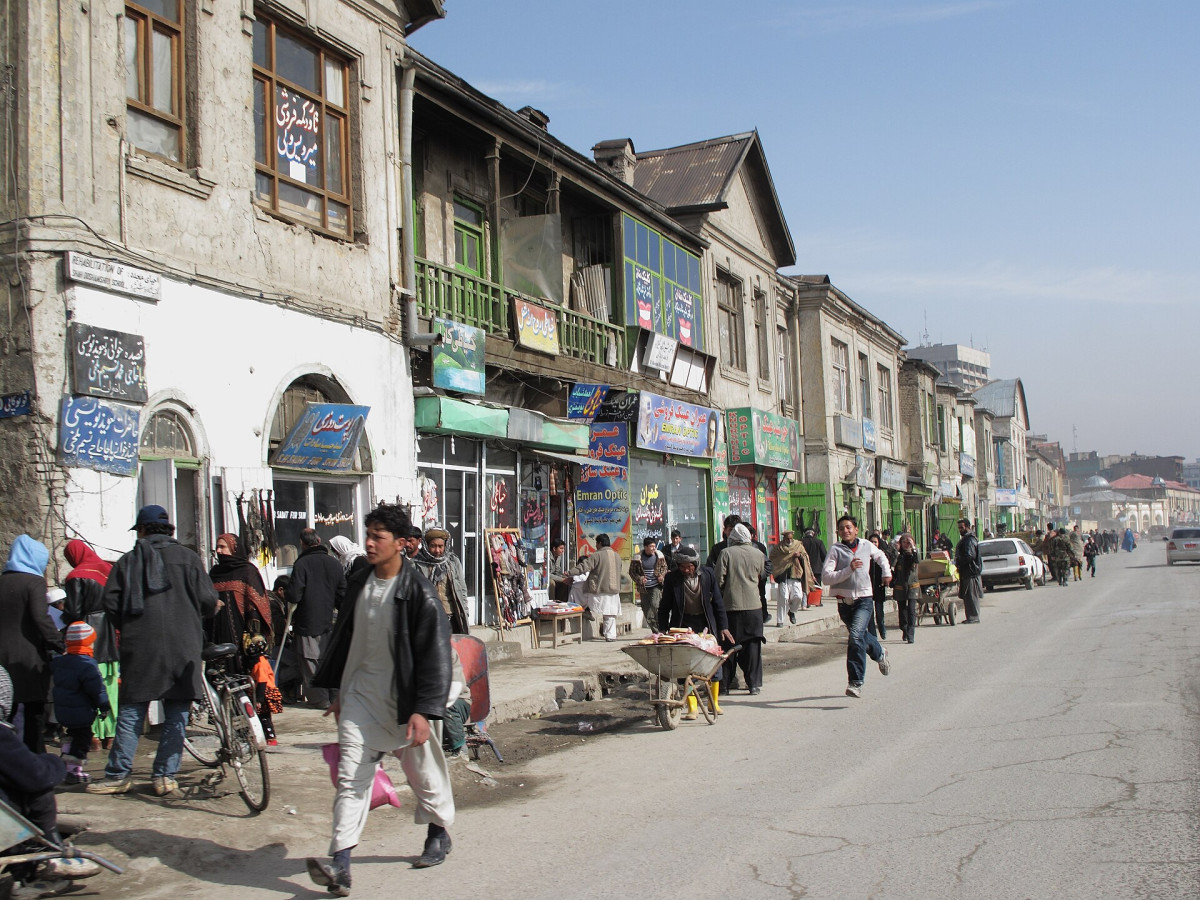
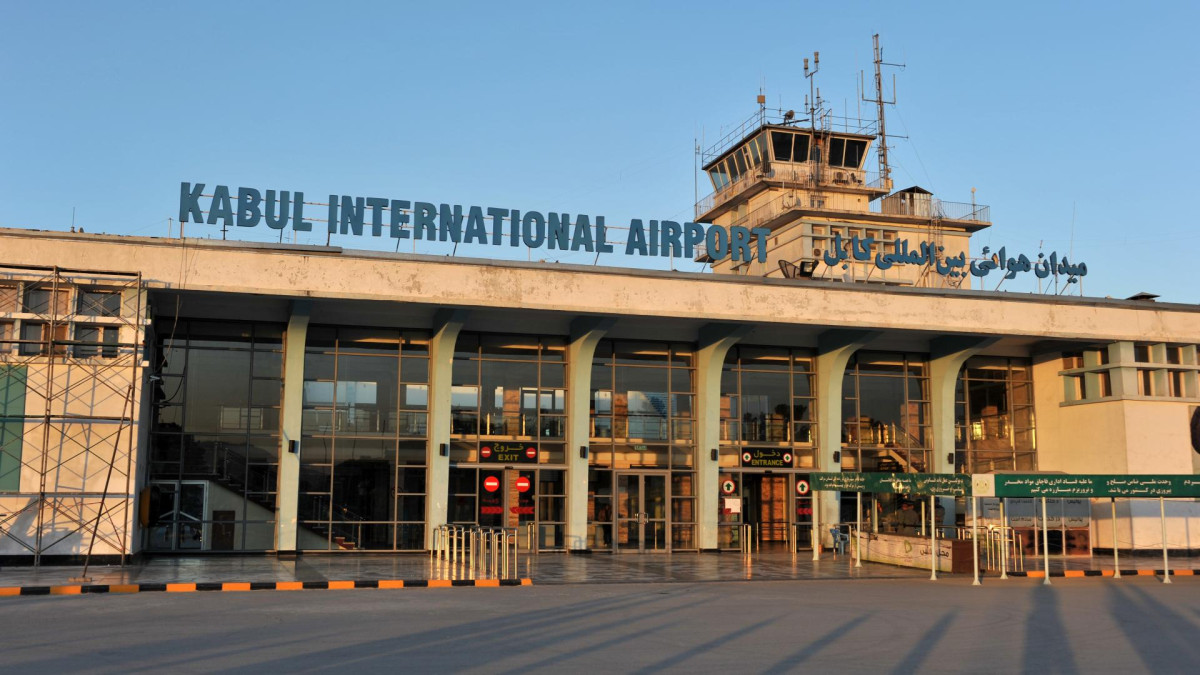
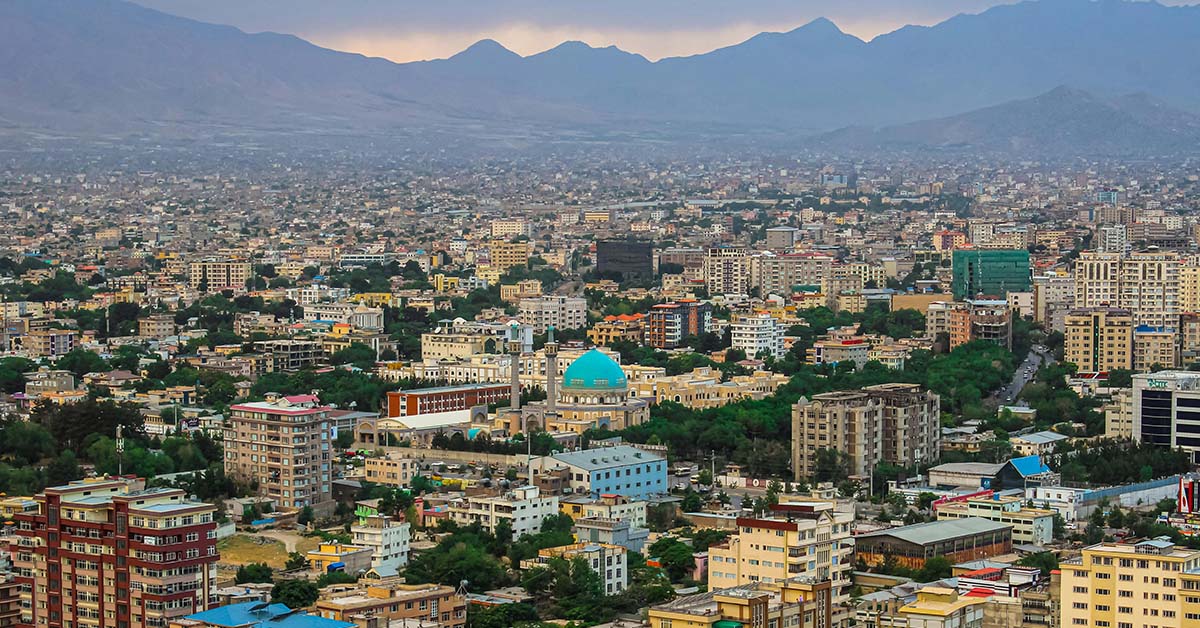
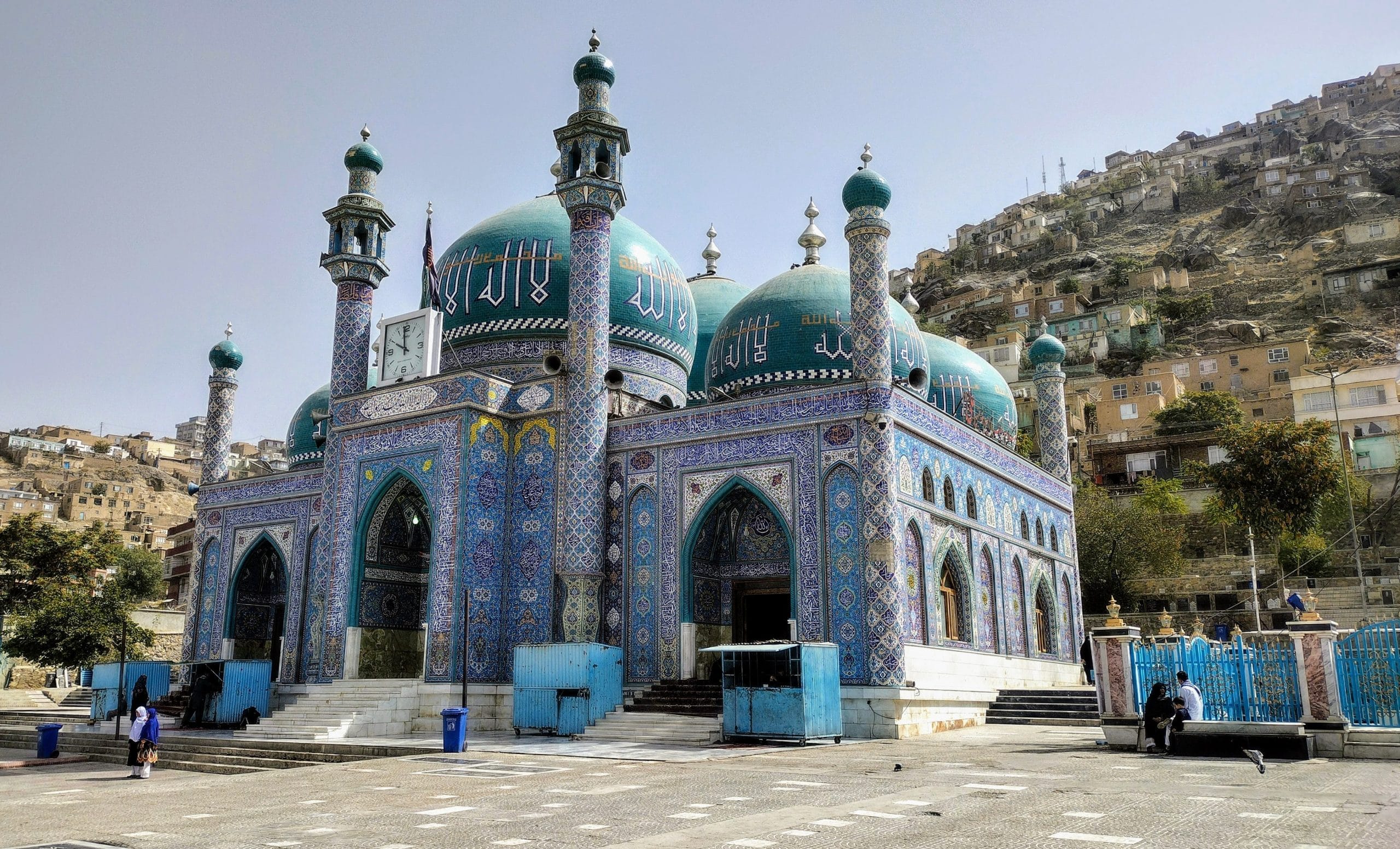
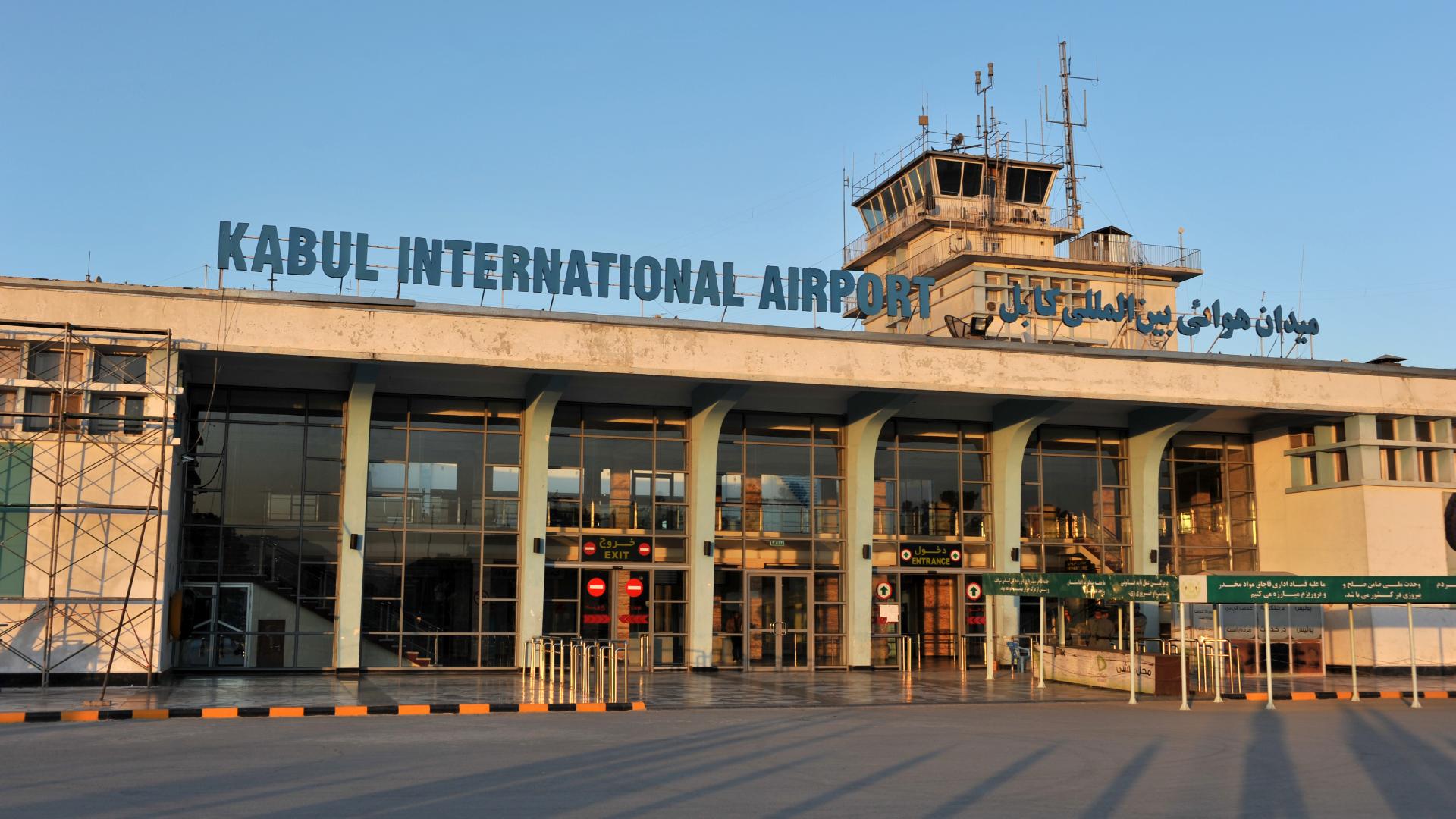
At the appointed time, we leave the hotel and head to Kabul International Airport. As we say goodbye to Afghanistan, we will once again see the mountain landscapes, colourful streets and everyday life of its capital.
Completion of the necessary formalities and flight to Baghdad, where the next part of our expedition will begin.
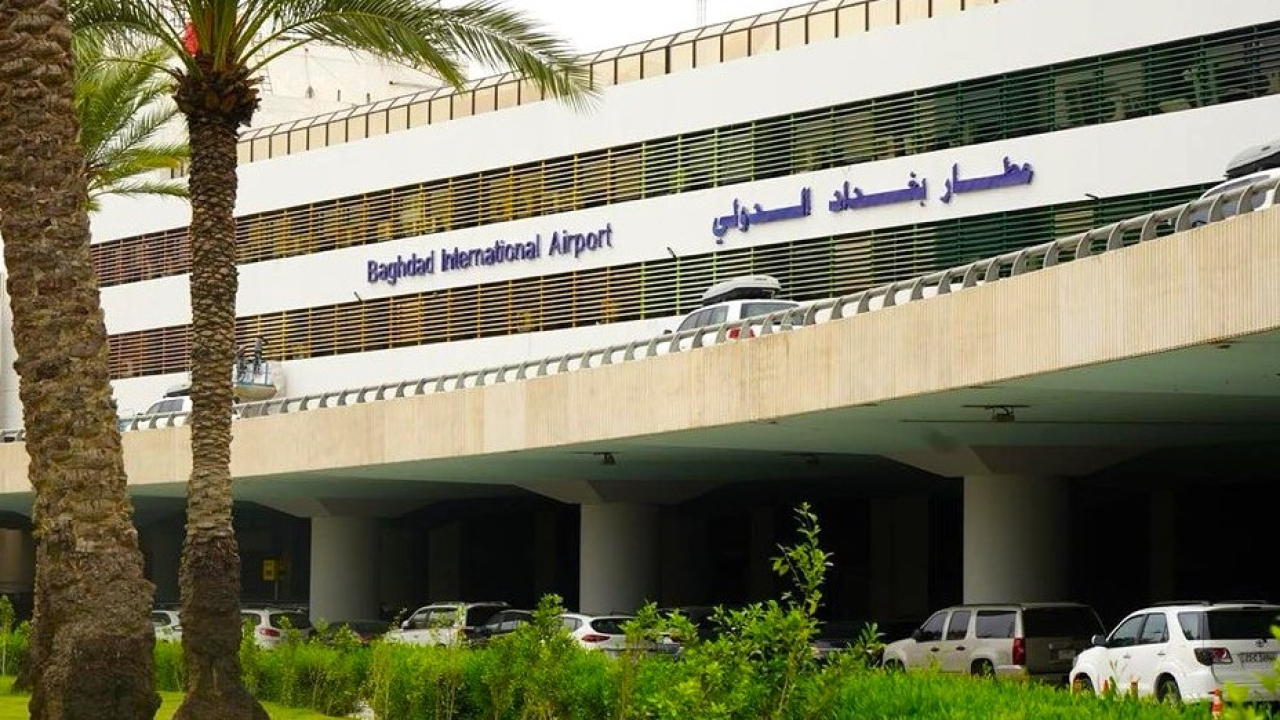
Arrival in Baghdad — the capital of Iraq and a city whose history is inseparably connected with the Tigris River, the Great Silk Road and the golden age of the Arab Caliphate. At the airport, we will be met by a local English-speaking guide, after which we will head for a welcome breakfast.
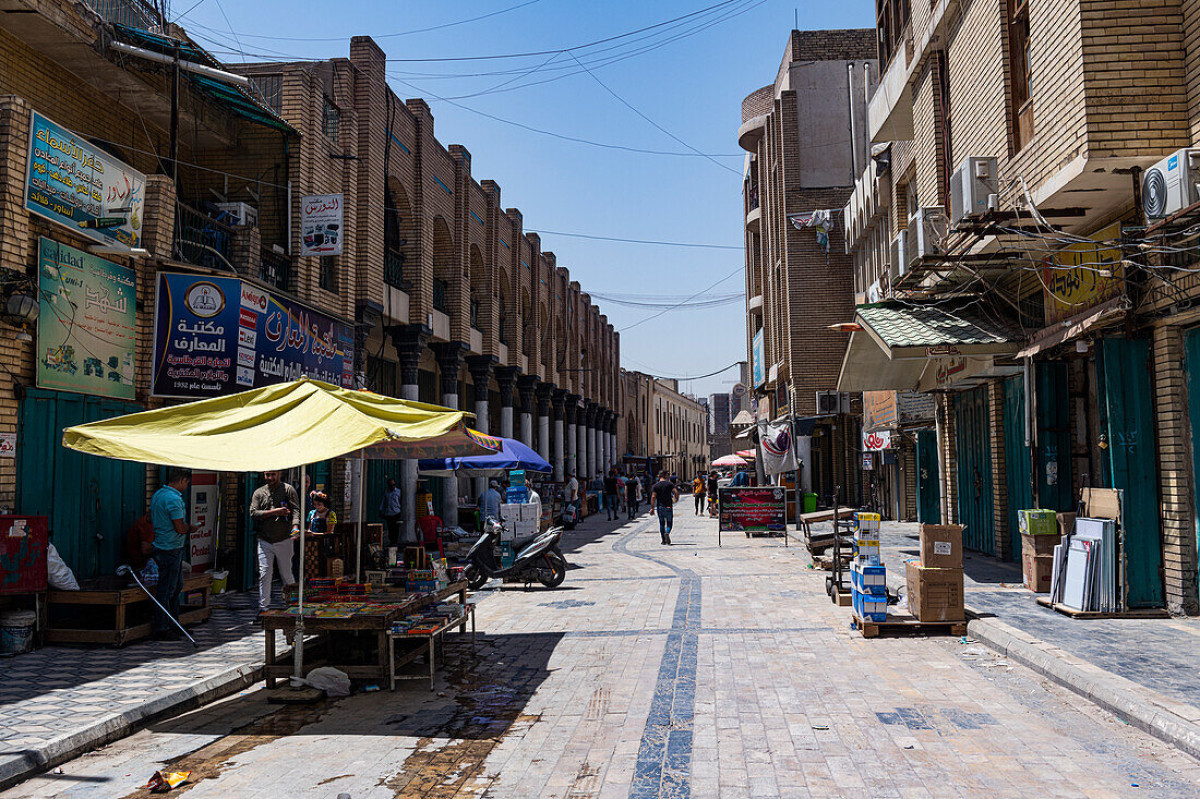
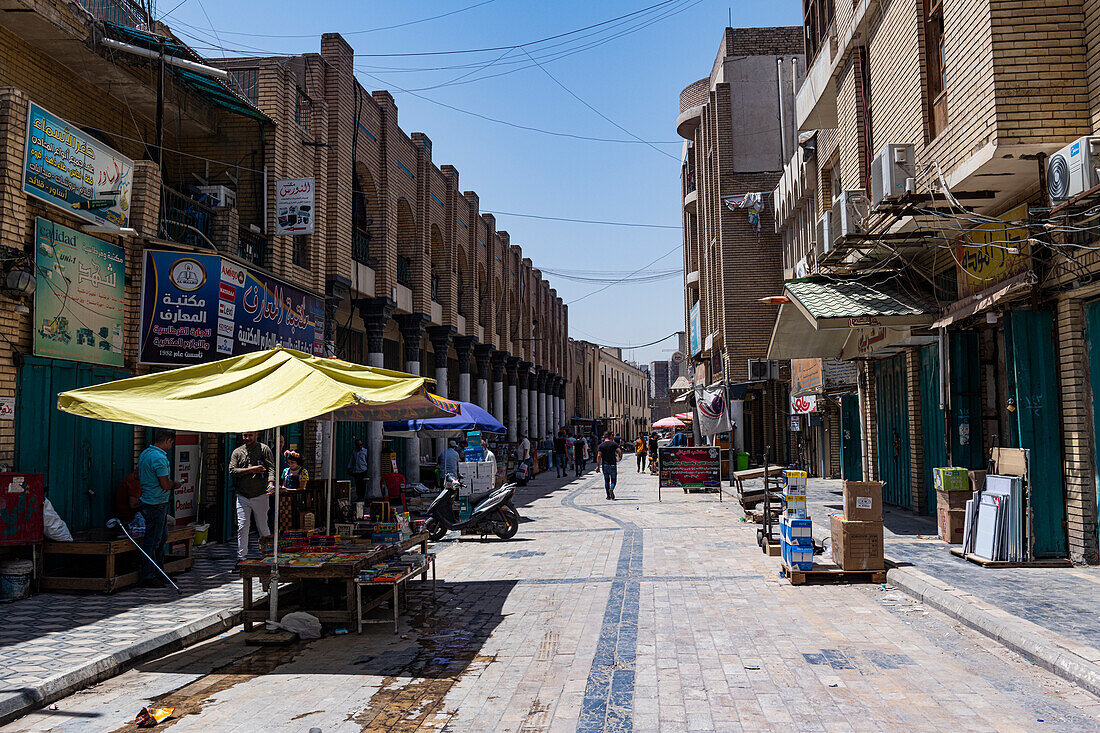
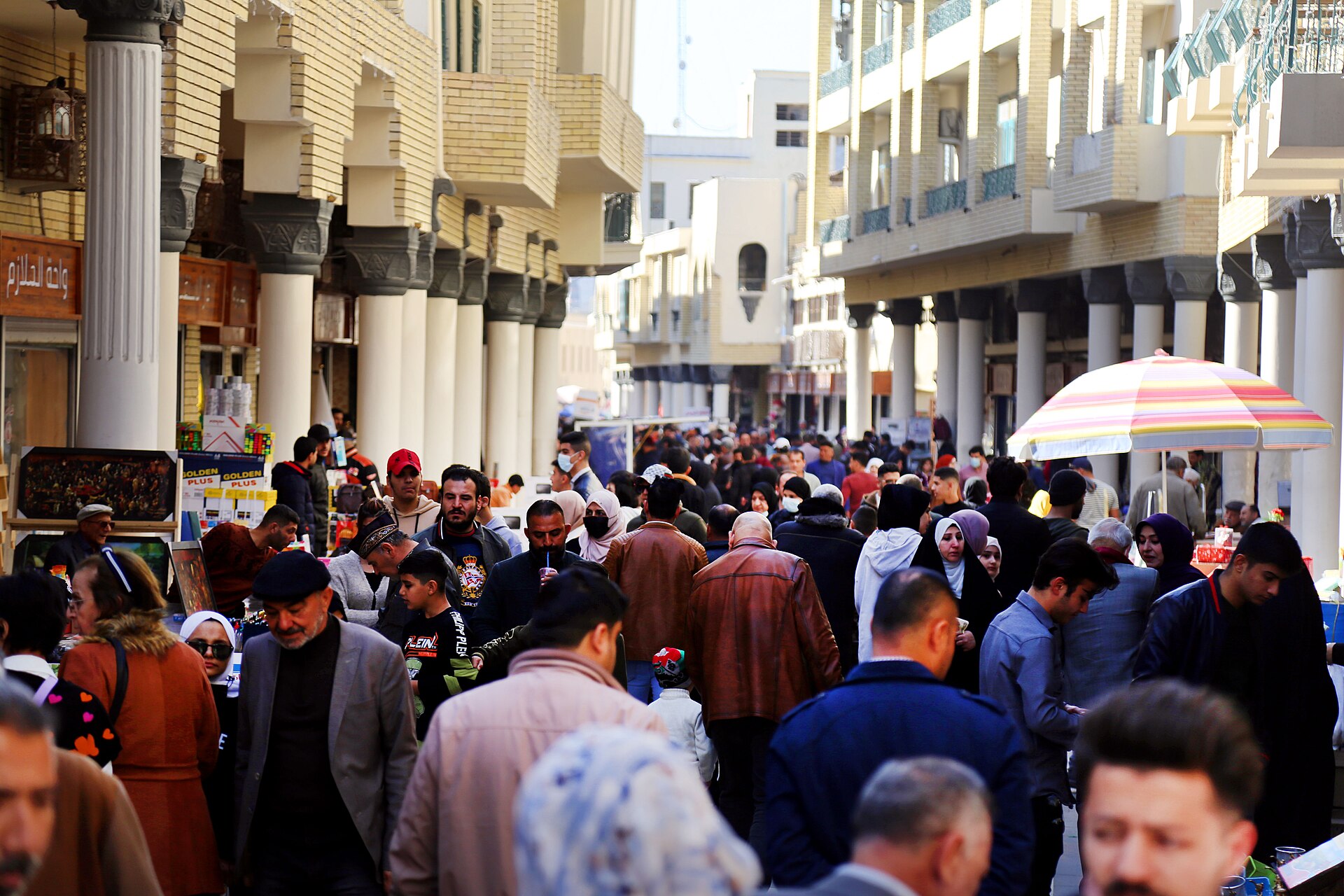
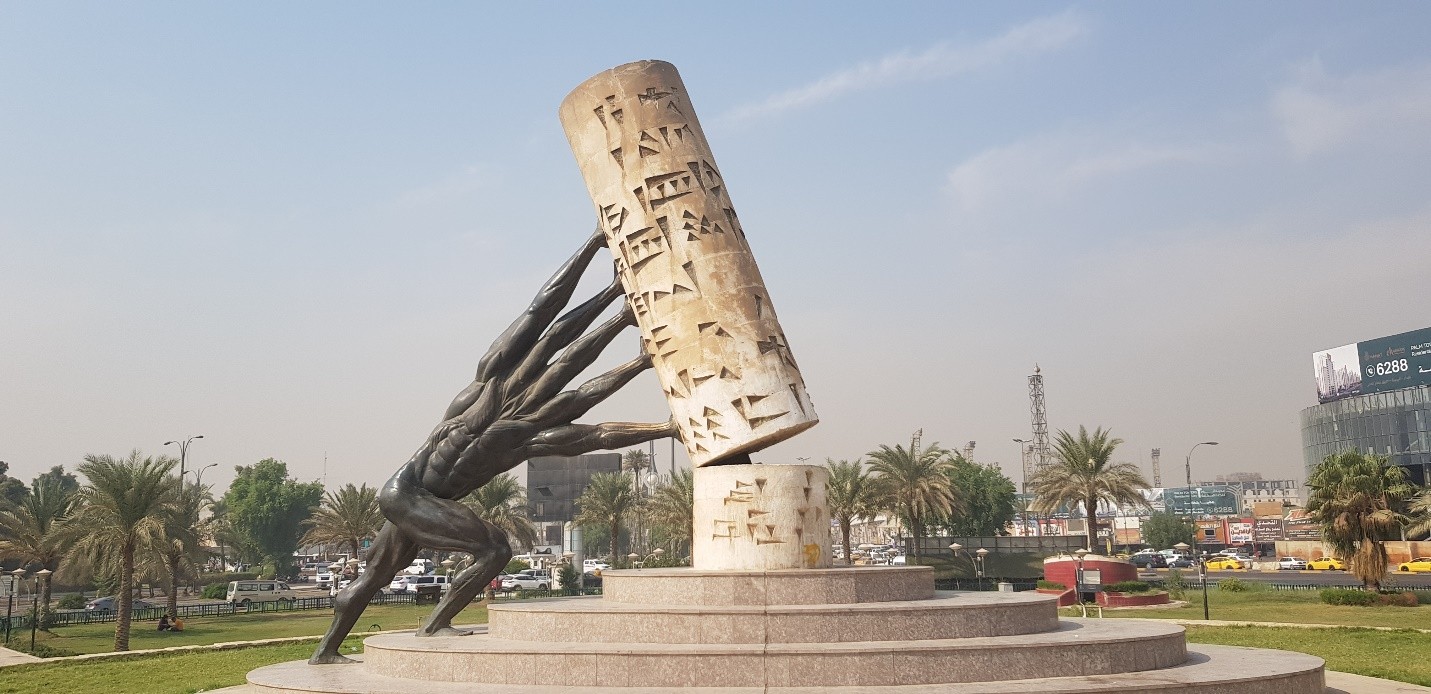
Our acquaintance with the city will begin with Al-Rashid Street — one of the most famous historic arteries of the Iraqi capital. We will then walk along Al-Mutanabbi Street, where bookshops, coffee houses and traditional market stalls are located.
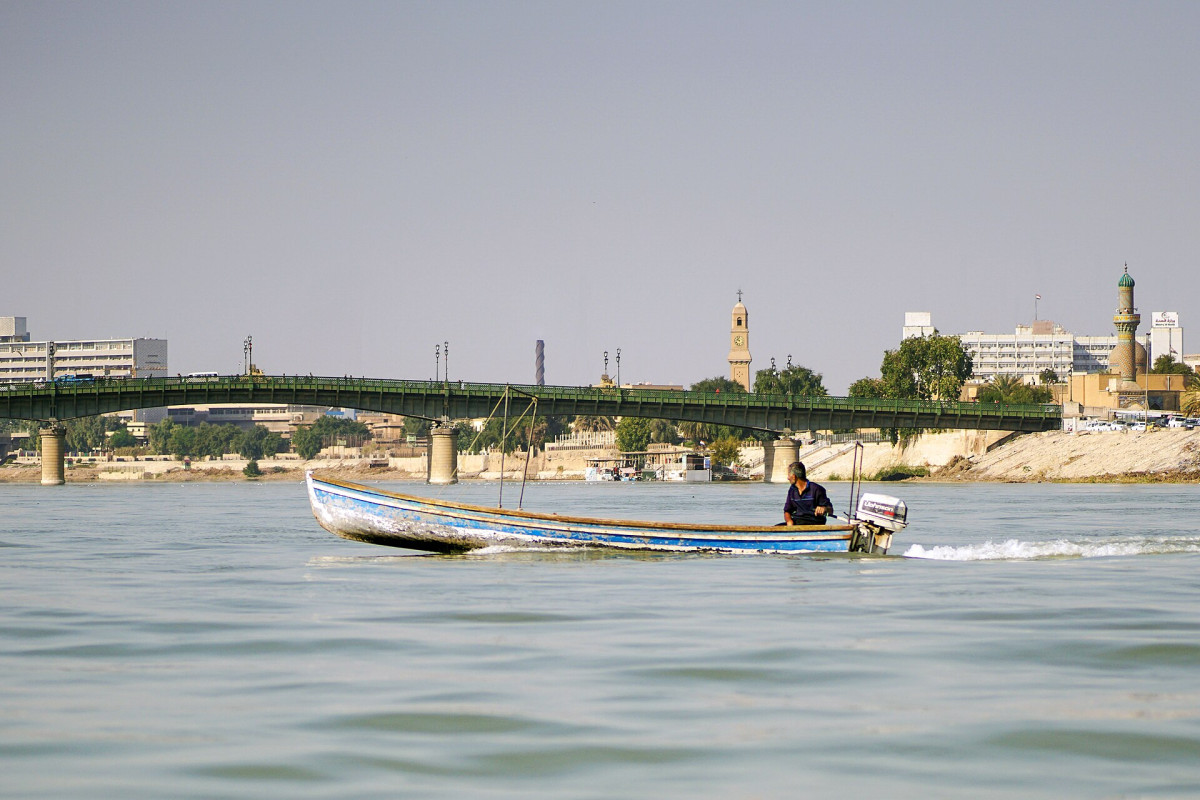
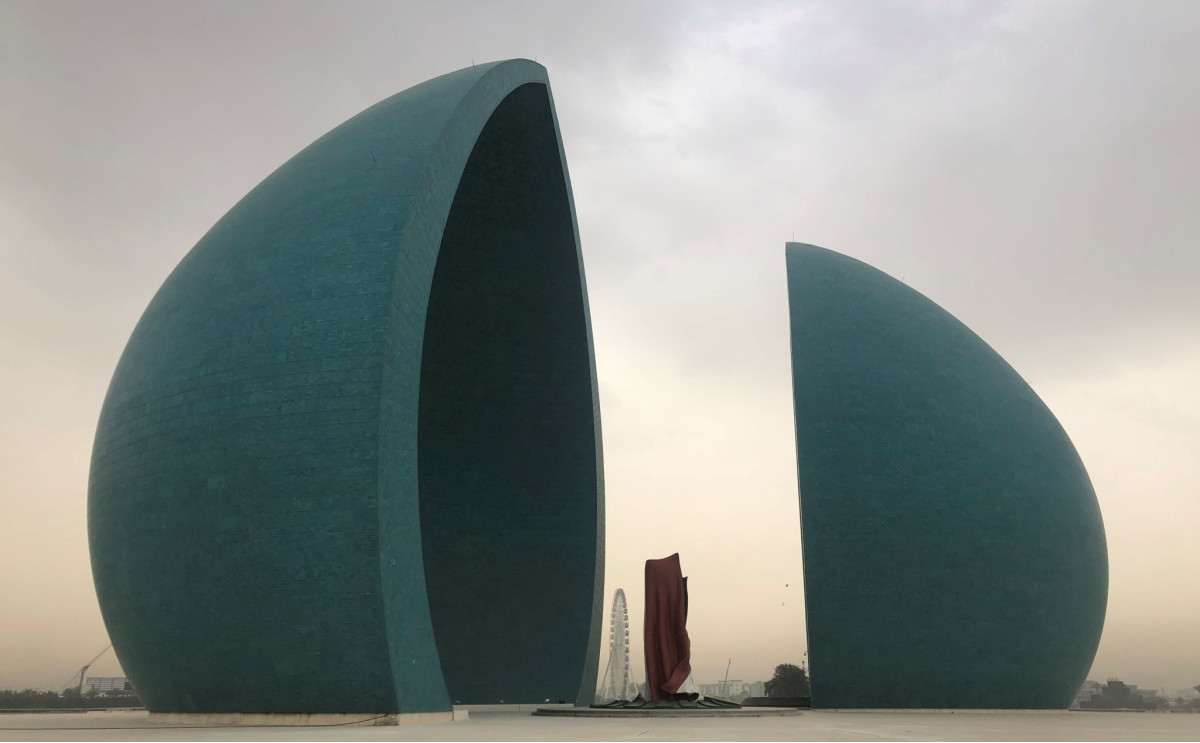
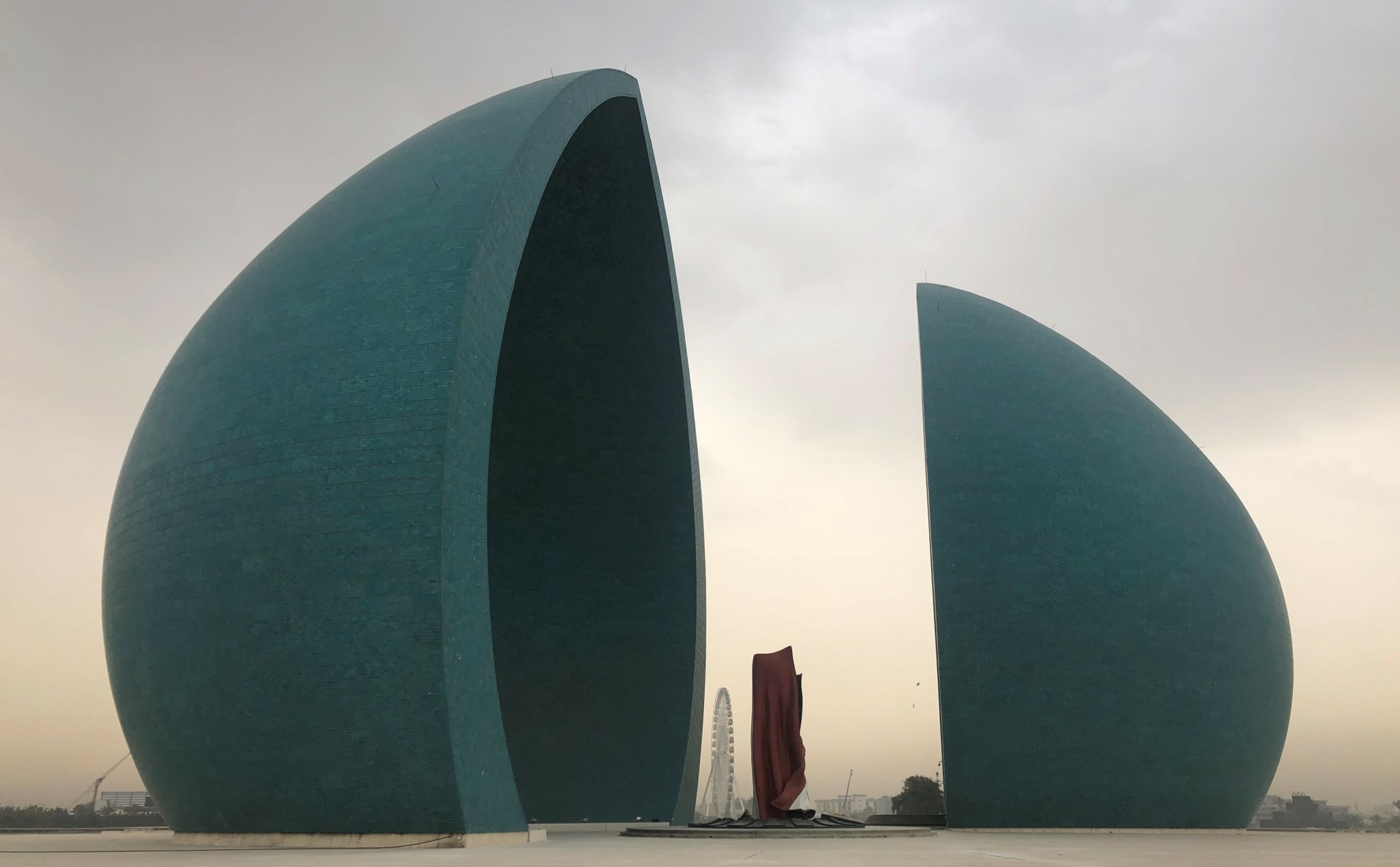
We will also take a short ride on a traditional boat along the Tigris River, see the Al-Shaheed Monument dedicated to fallen Iraqis, and visit Tahrir Square and Firdos Square.

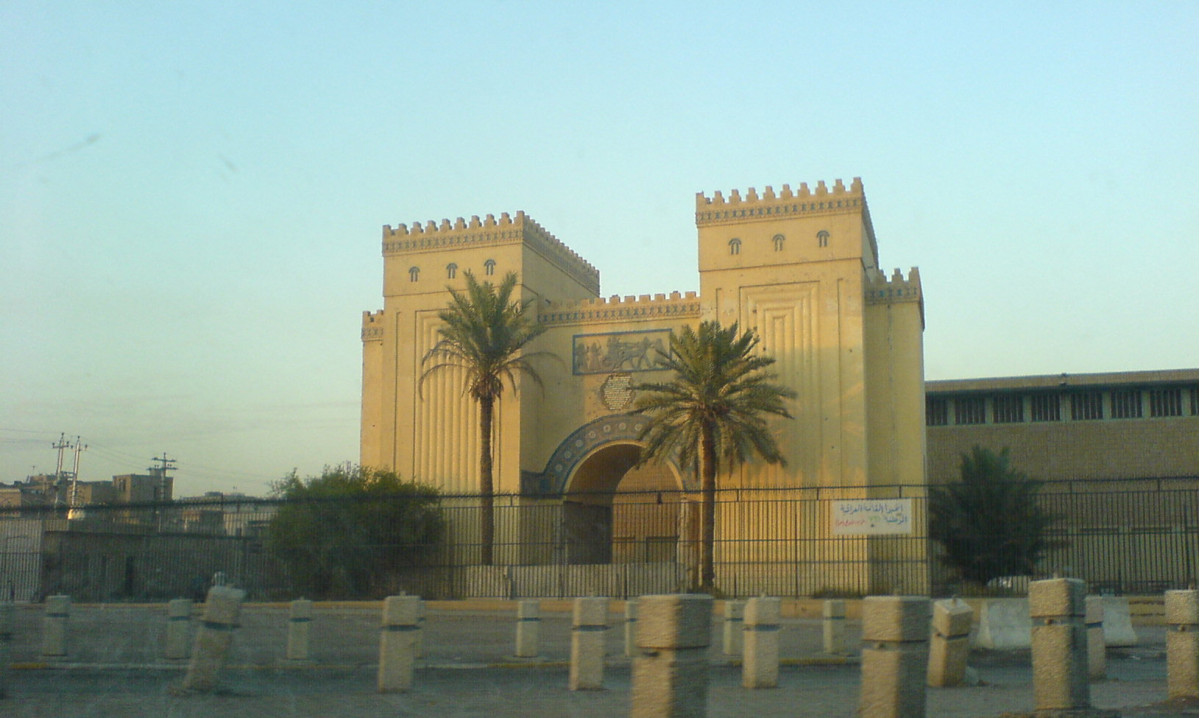
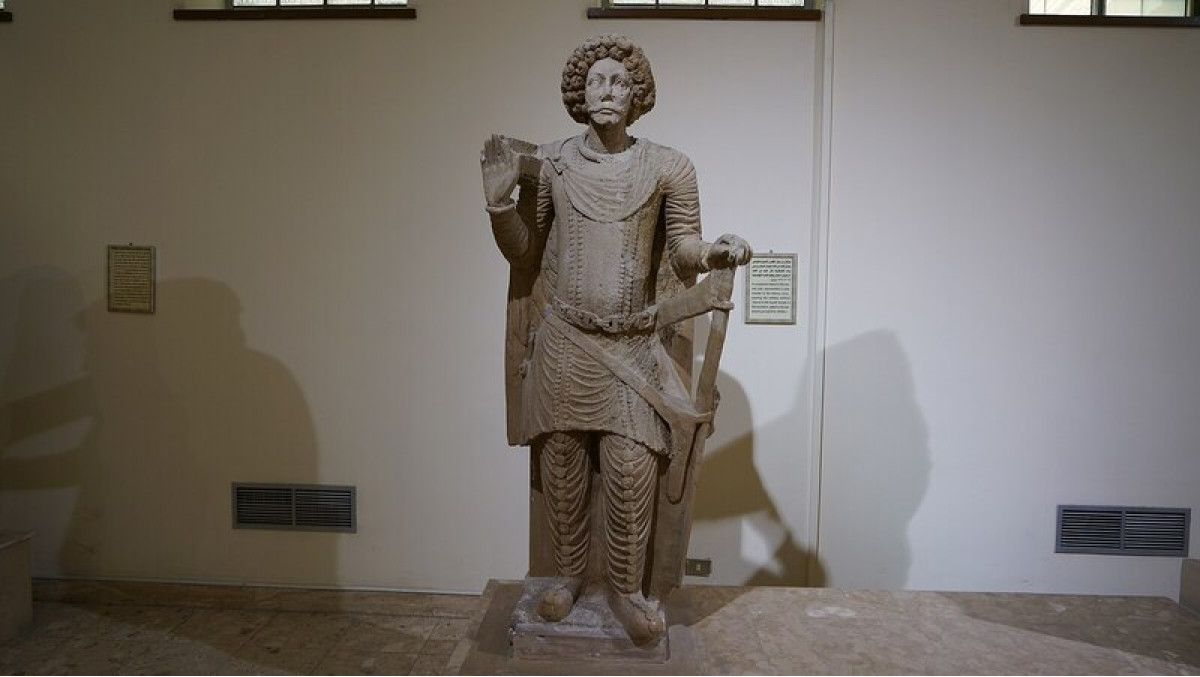
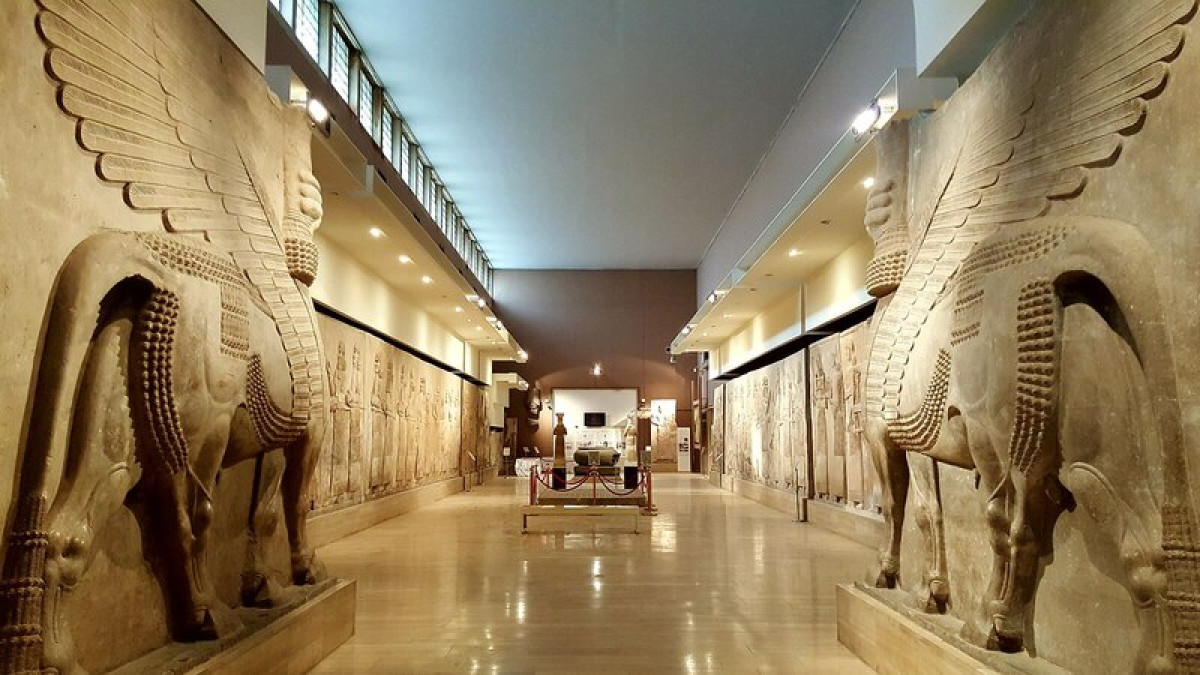
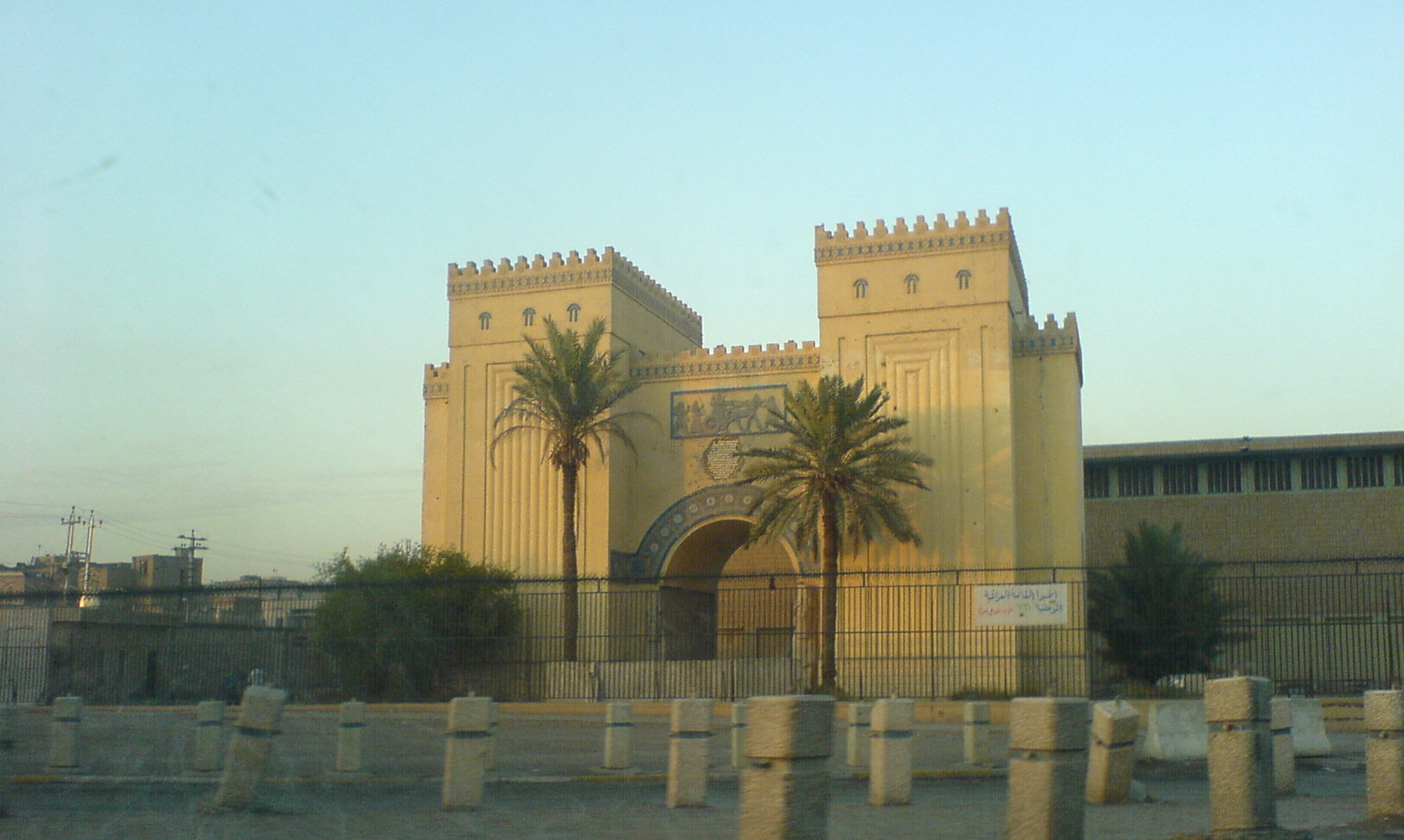
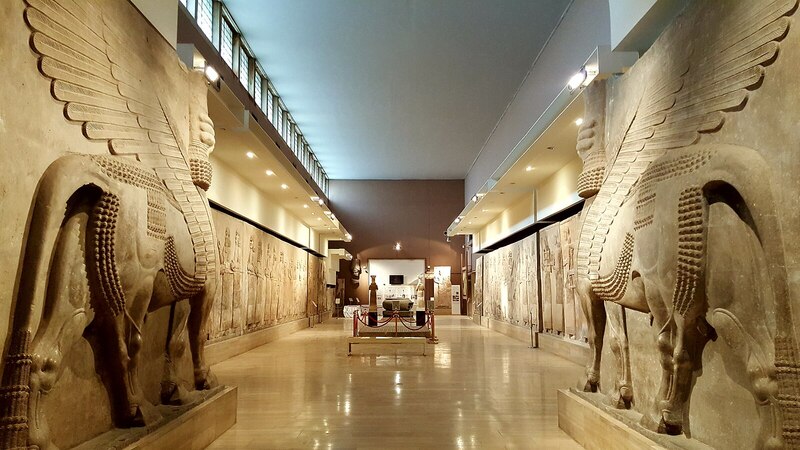
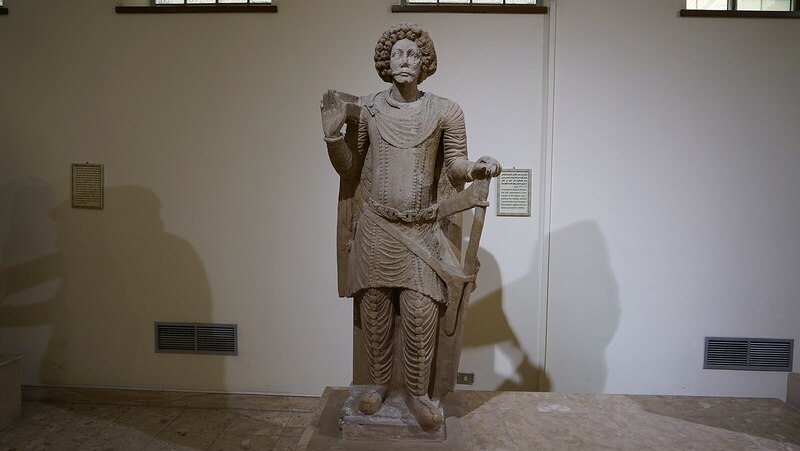
Today we will continue exploring the Iraqi capital and visit the National Museum of Iraq. Its collection introduces us to the civilizations of Sumer, Akkad, Babylon and Assyria, which developed on the lands of Mesopotamia over thousands of years.
After visiting the museum, lunch at a local restaurant awaits us.
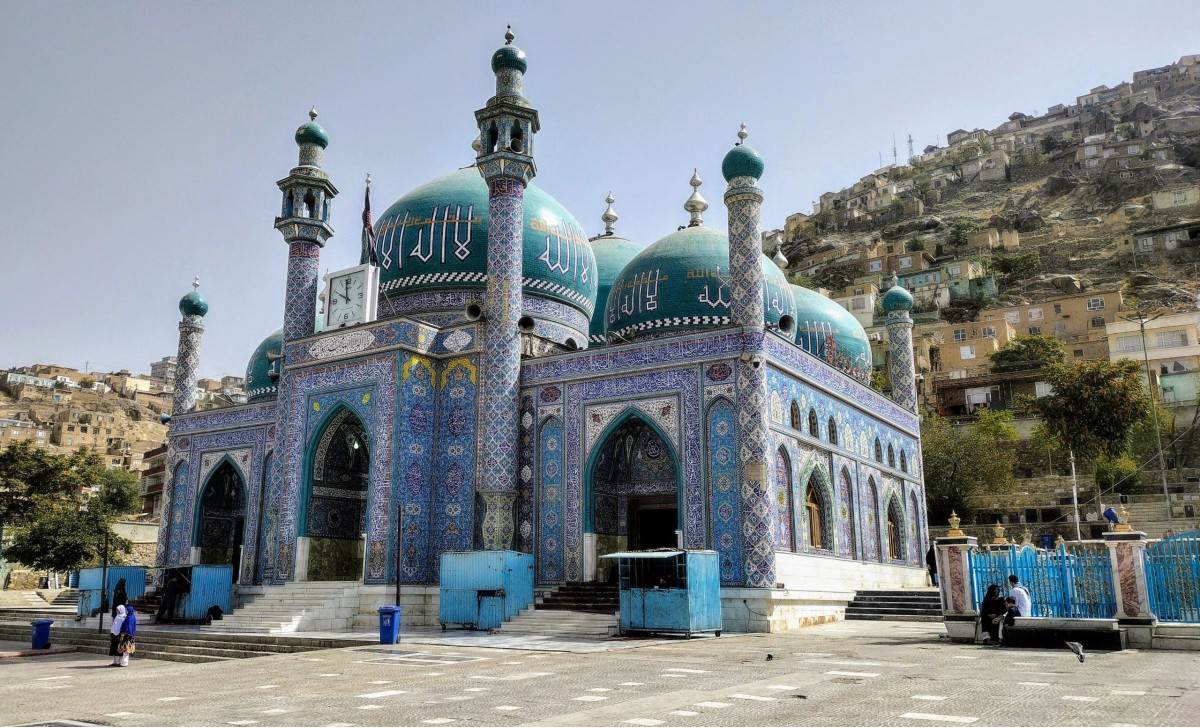
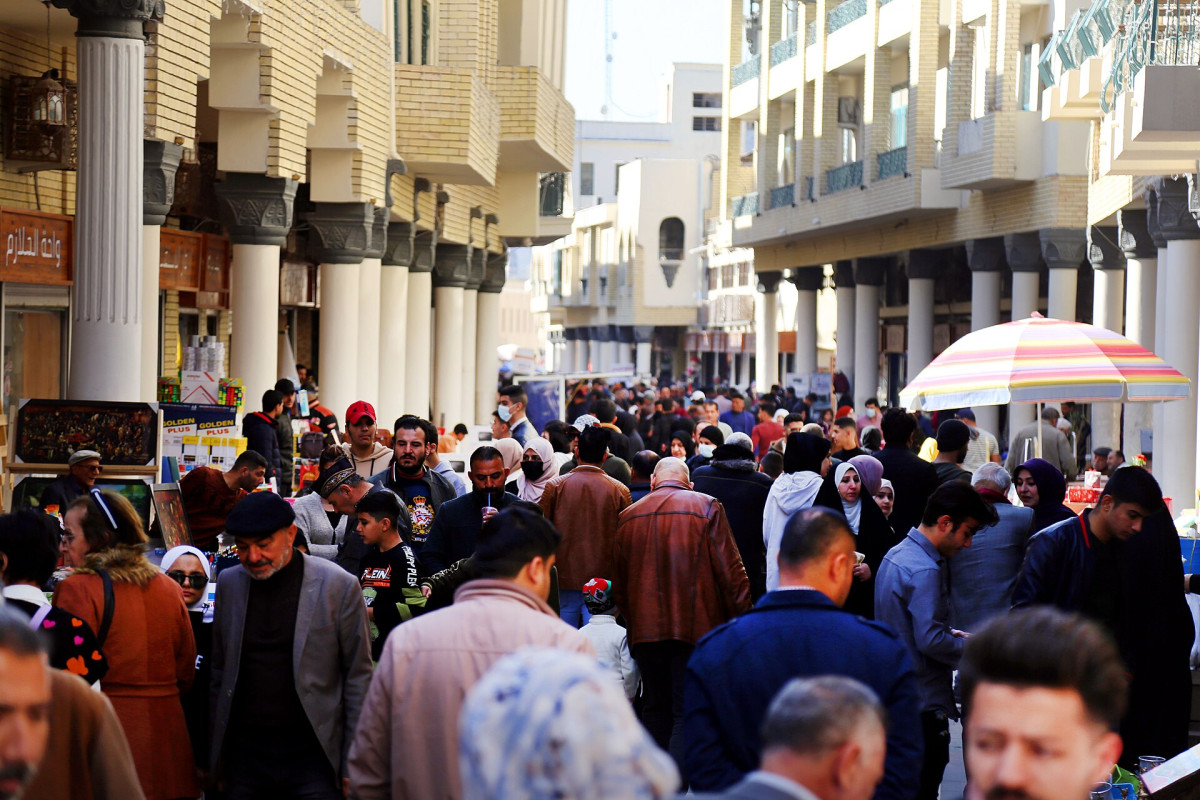
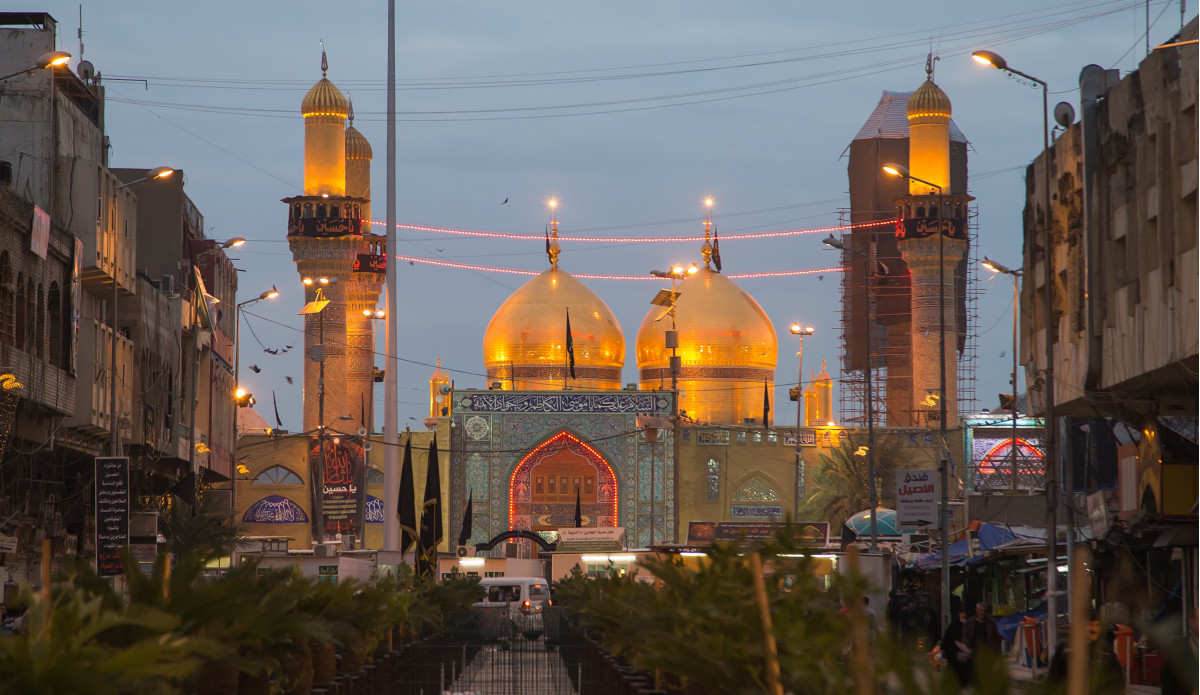
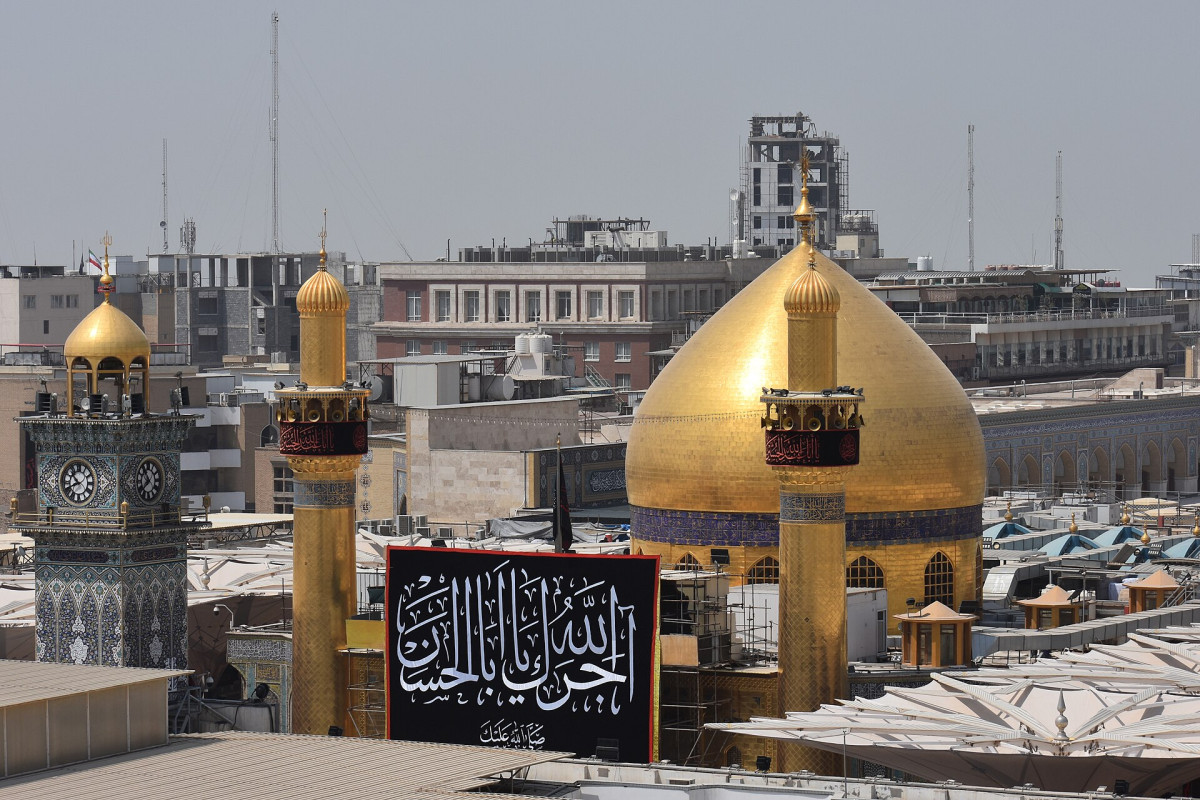
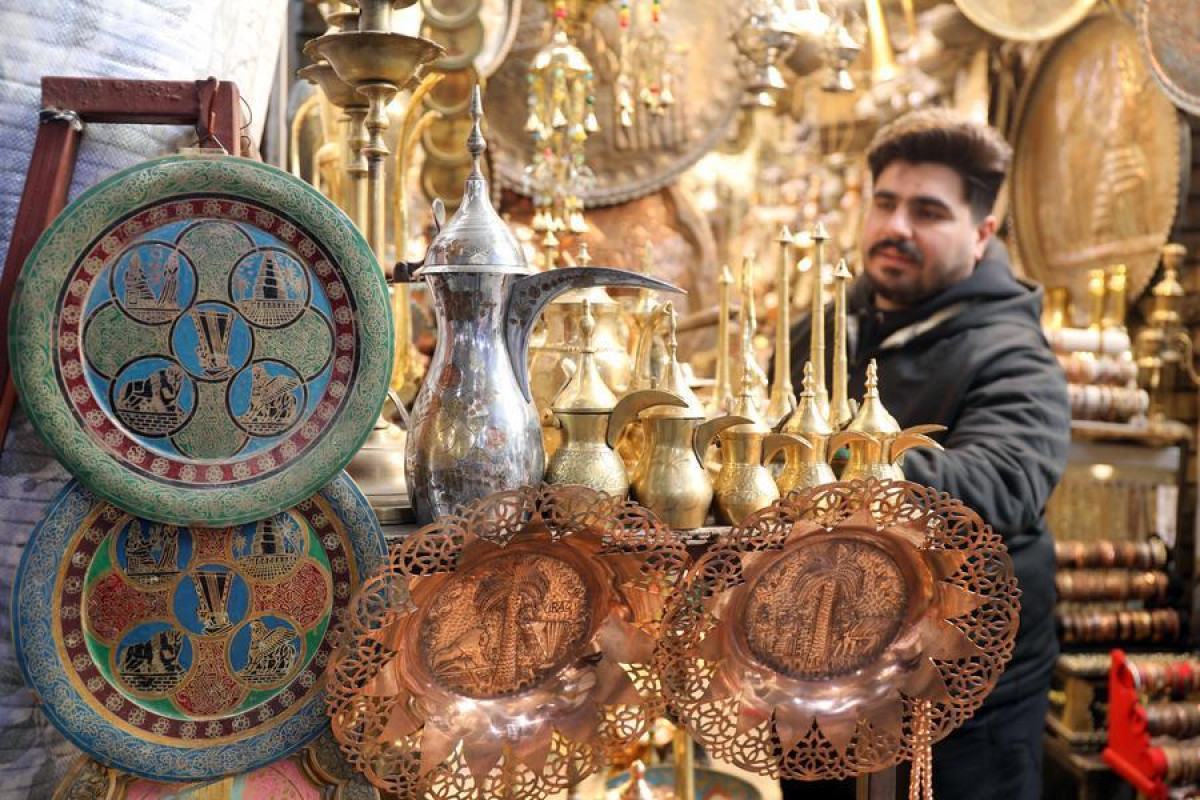
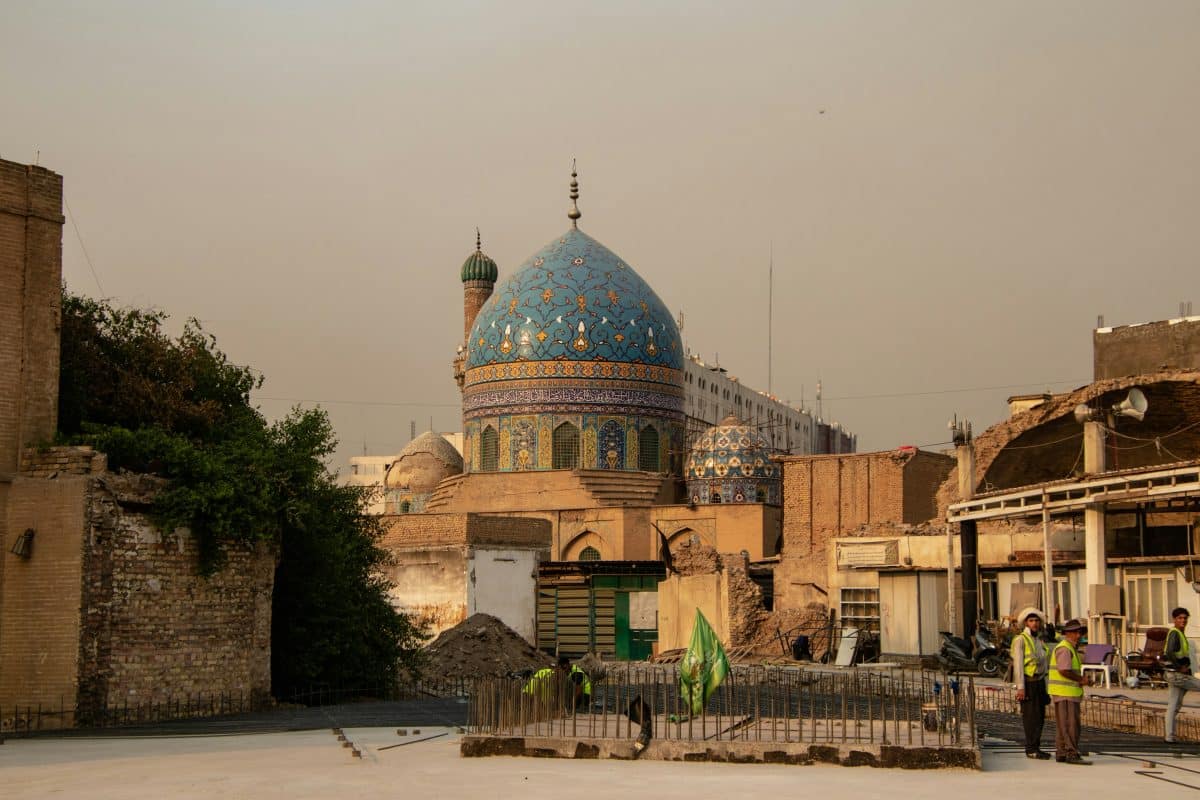
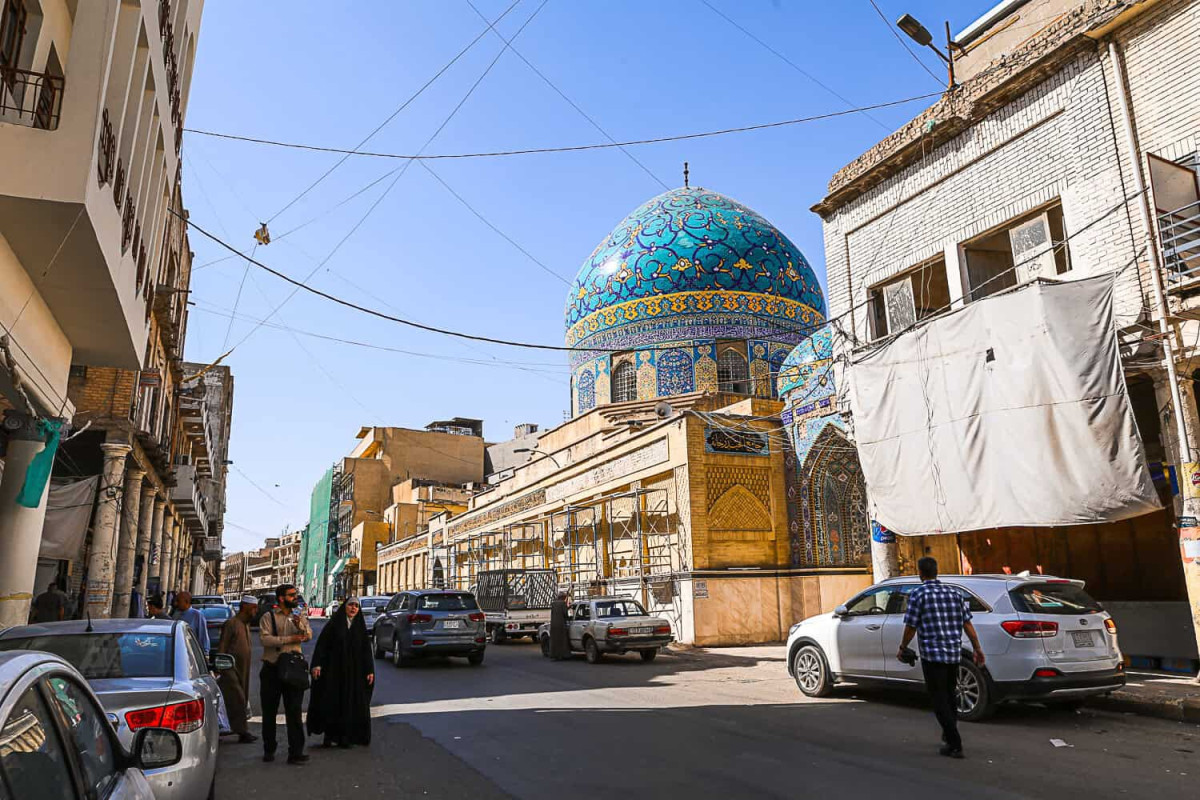
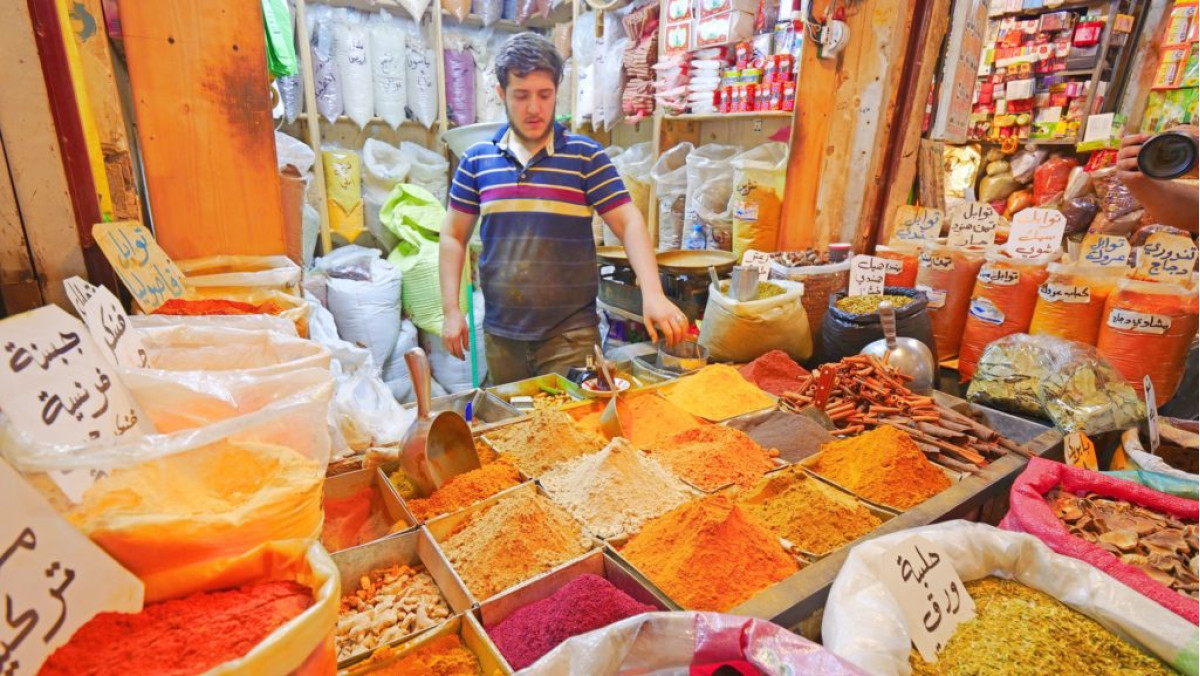
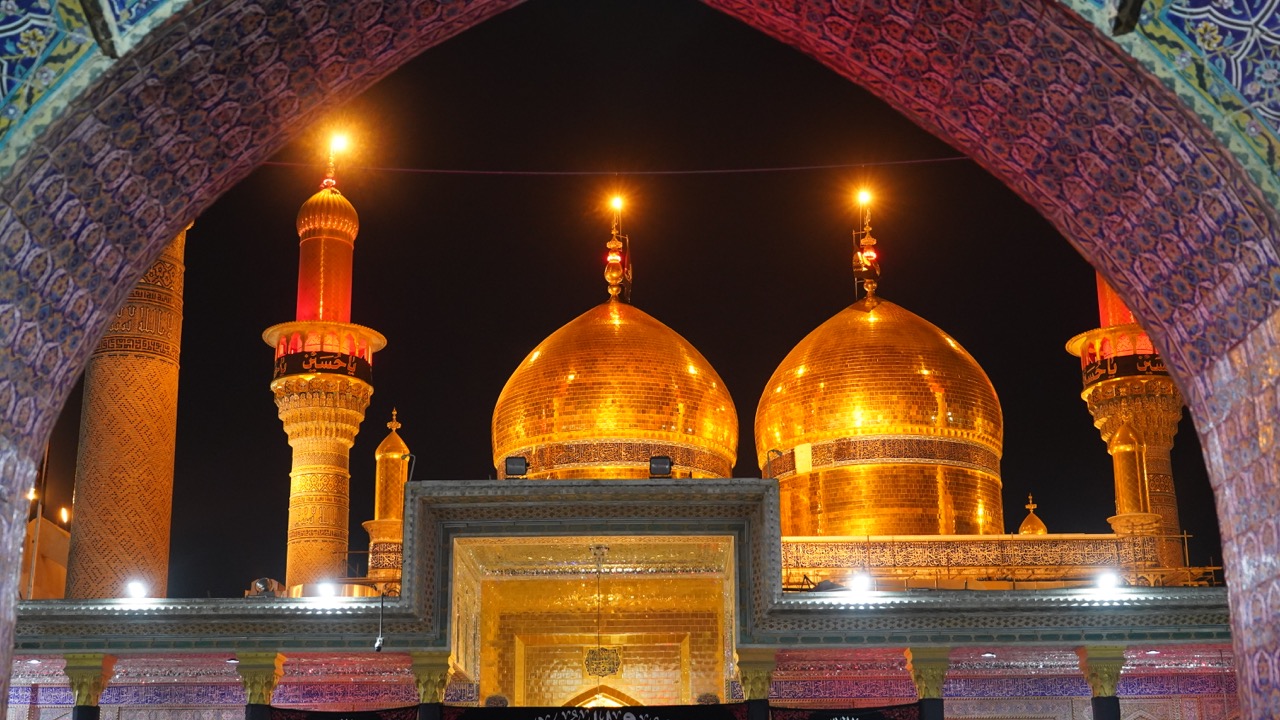
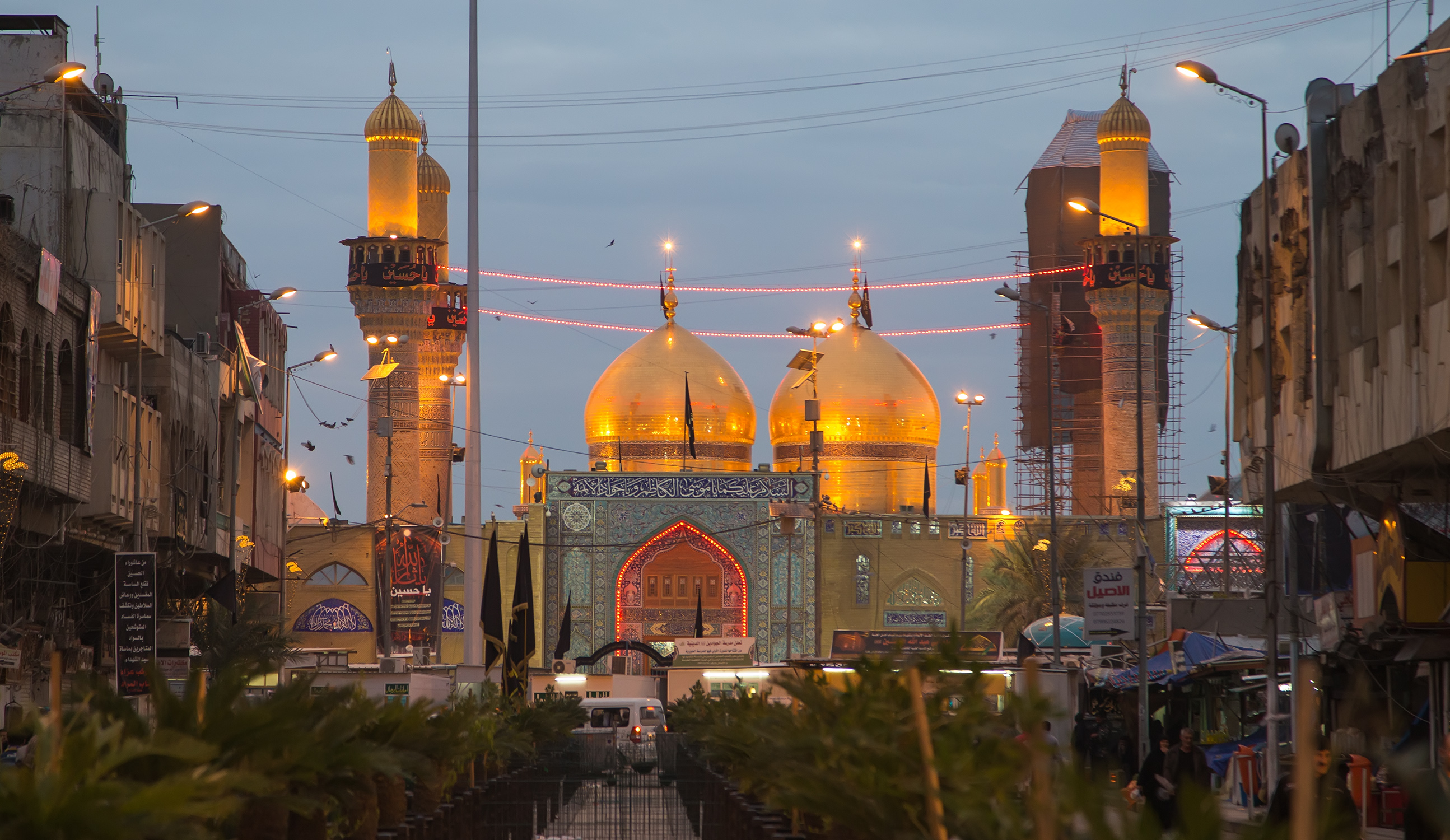
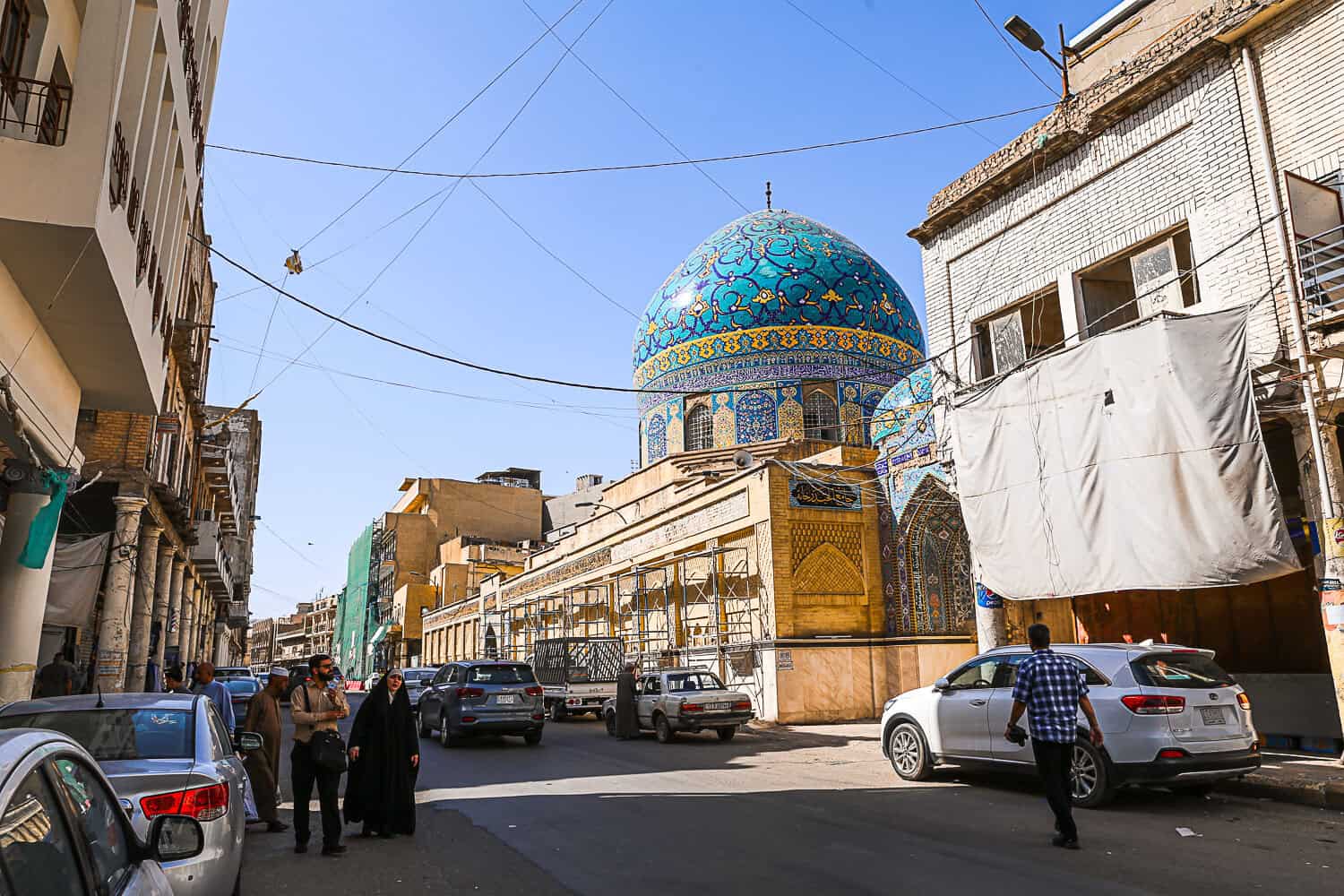
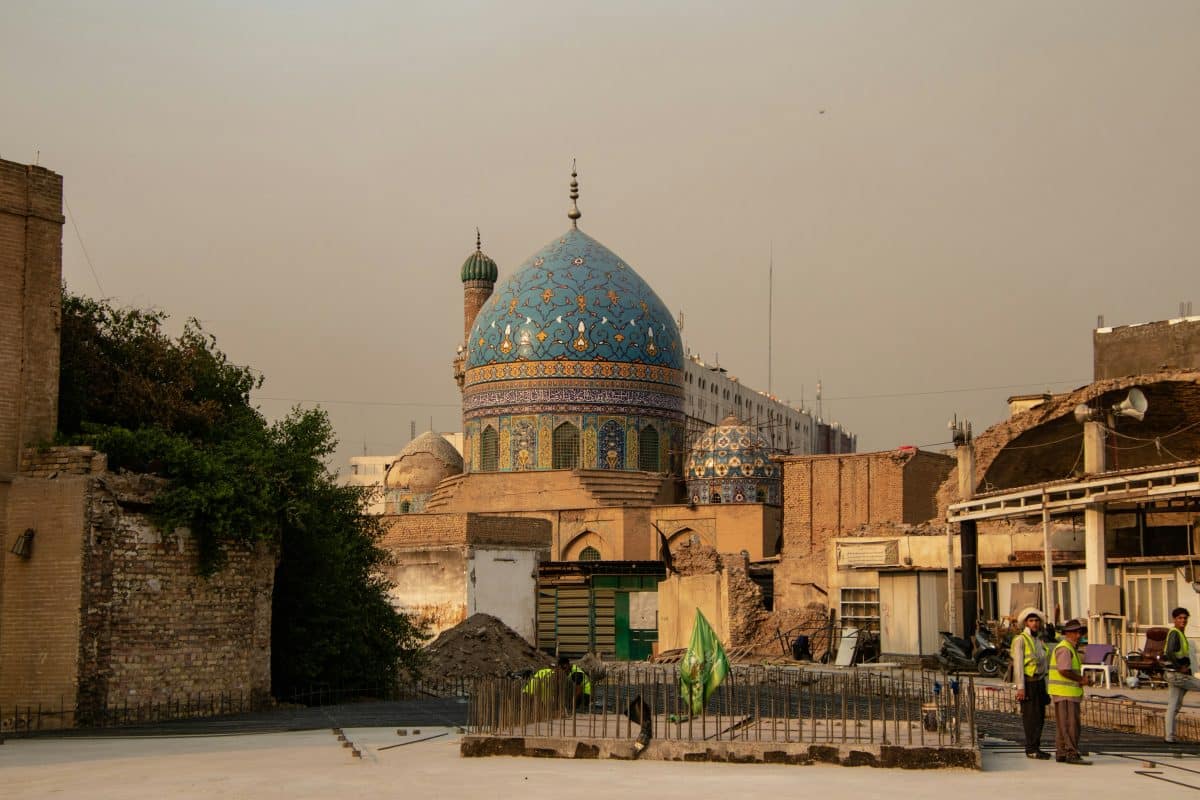
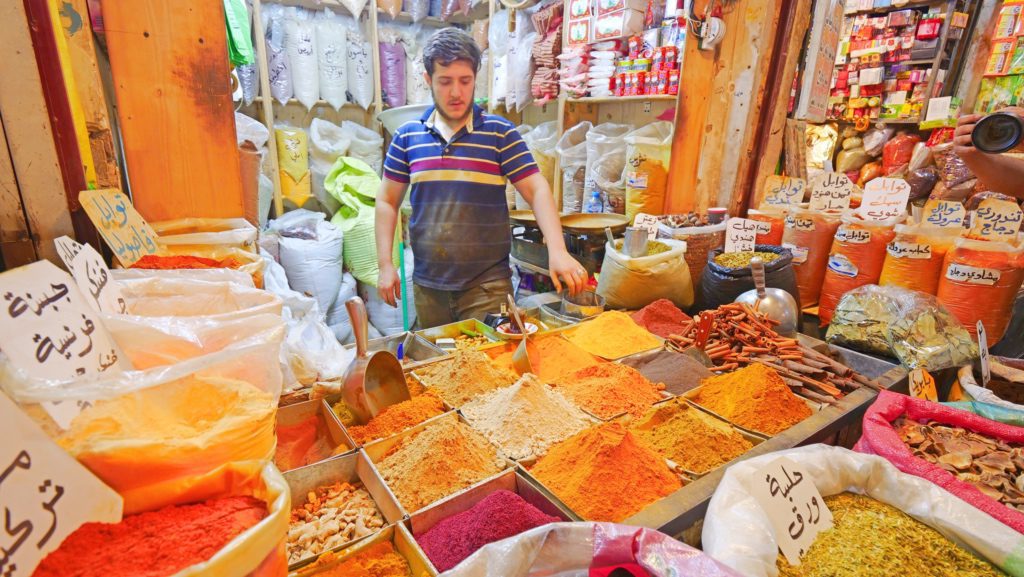
In the afternoon, we will head to the Al-Kadhimiya district — one of Baghdad’s most important religious centres. We will see the mosque and mausoleum complex of Al-Kadhimiya and walk through the surrounding traditional market, where sweets, spices, fabrics, jewellery and religious souvenirs are sold.
After breakfast, we leave Baghdad and head to one of the most famous ancient cities in the world — Babylon.
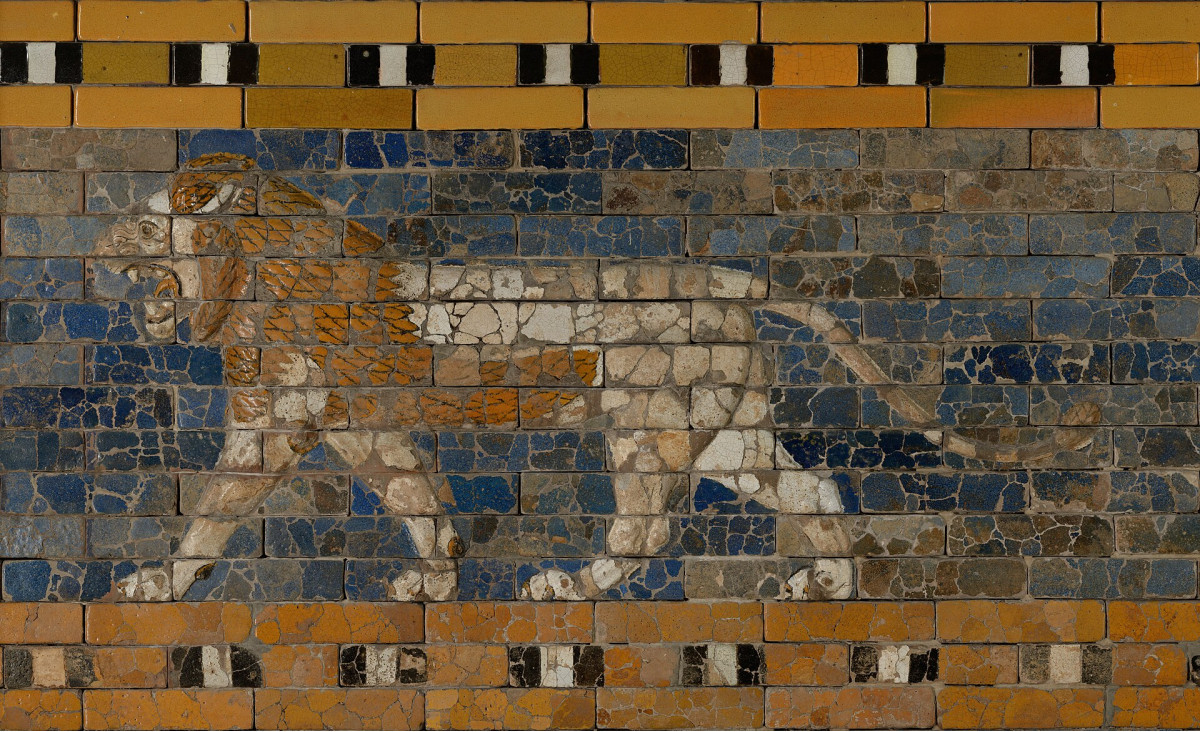
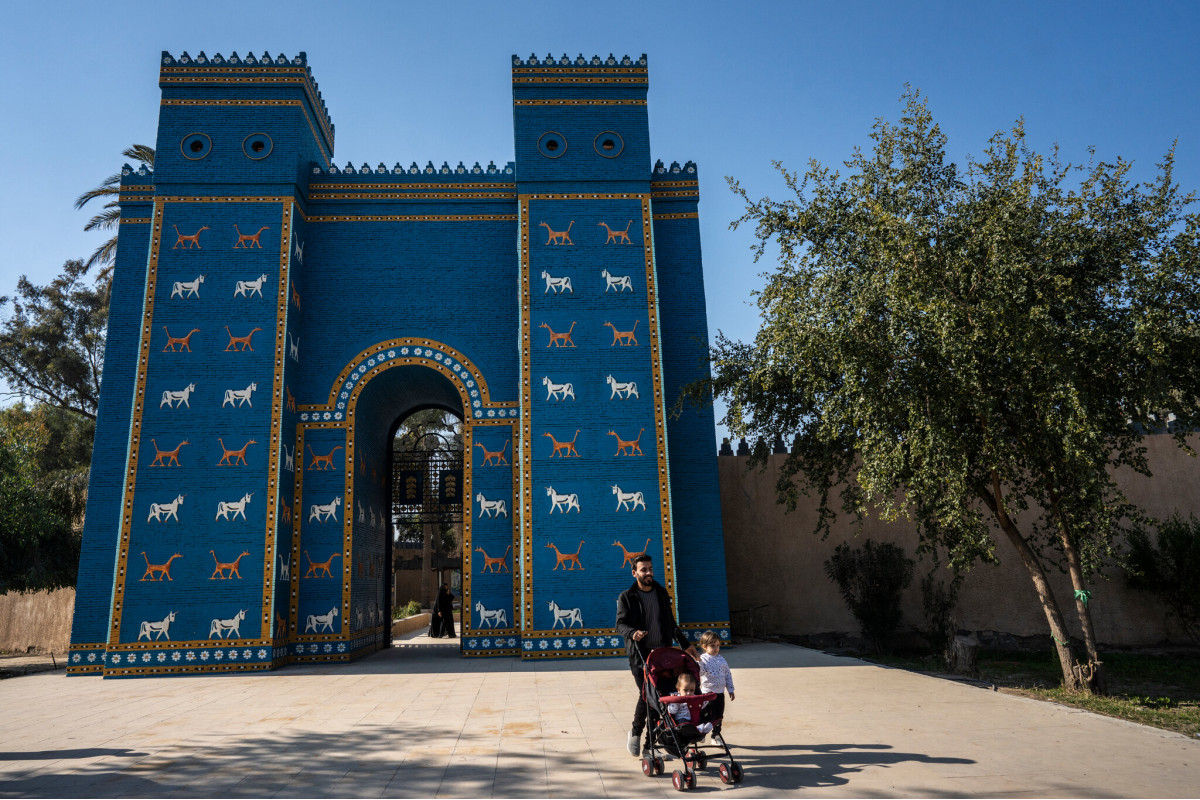
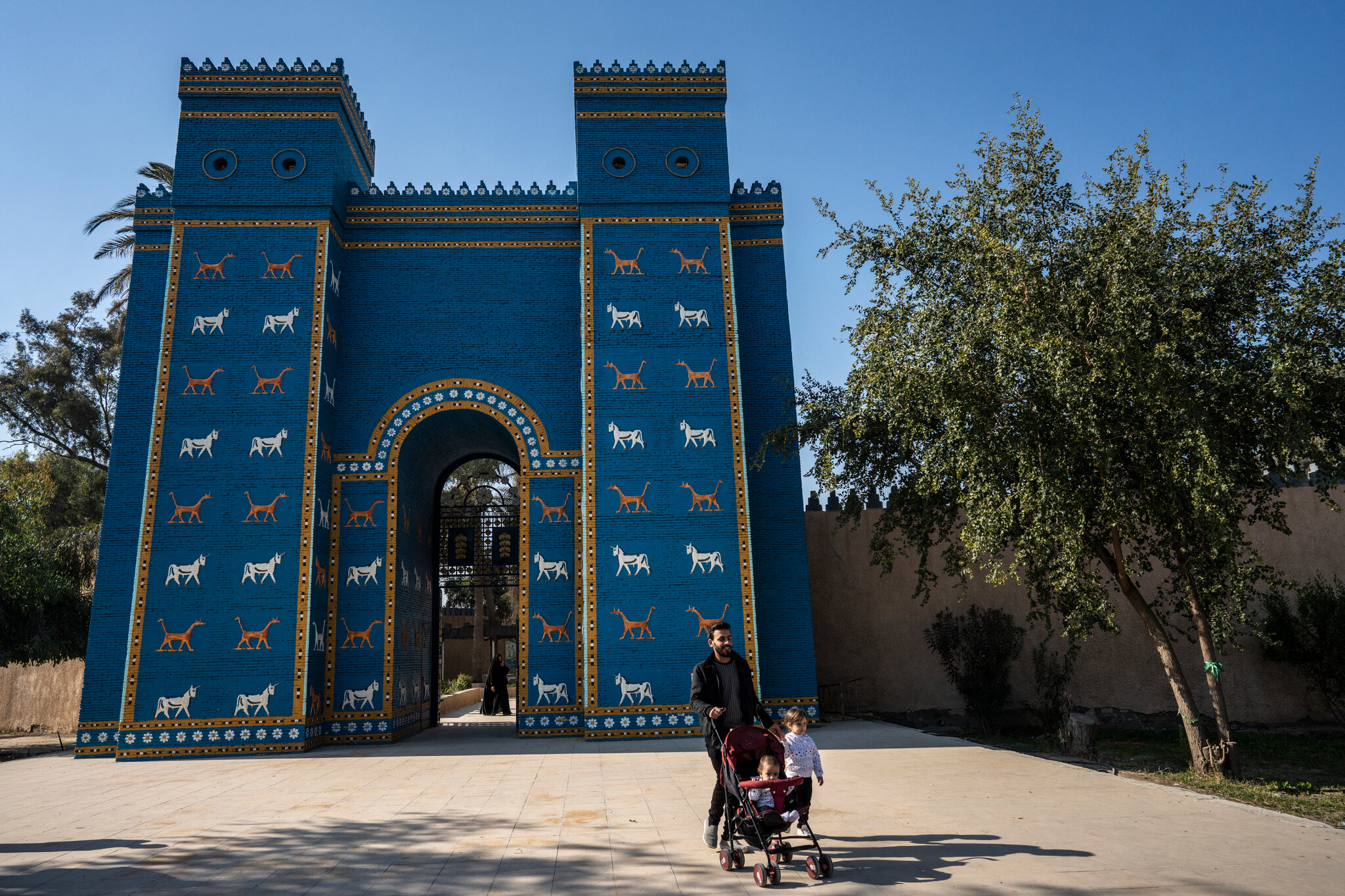
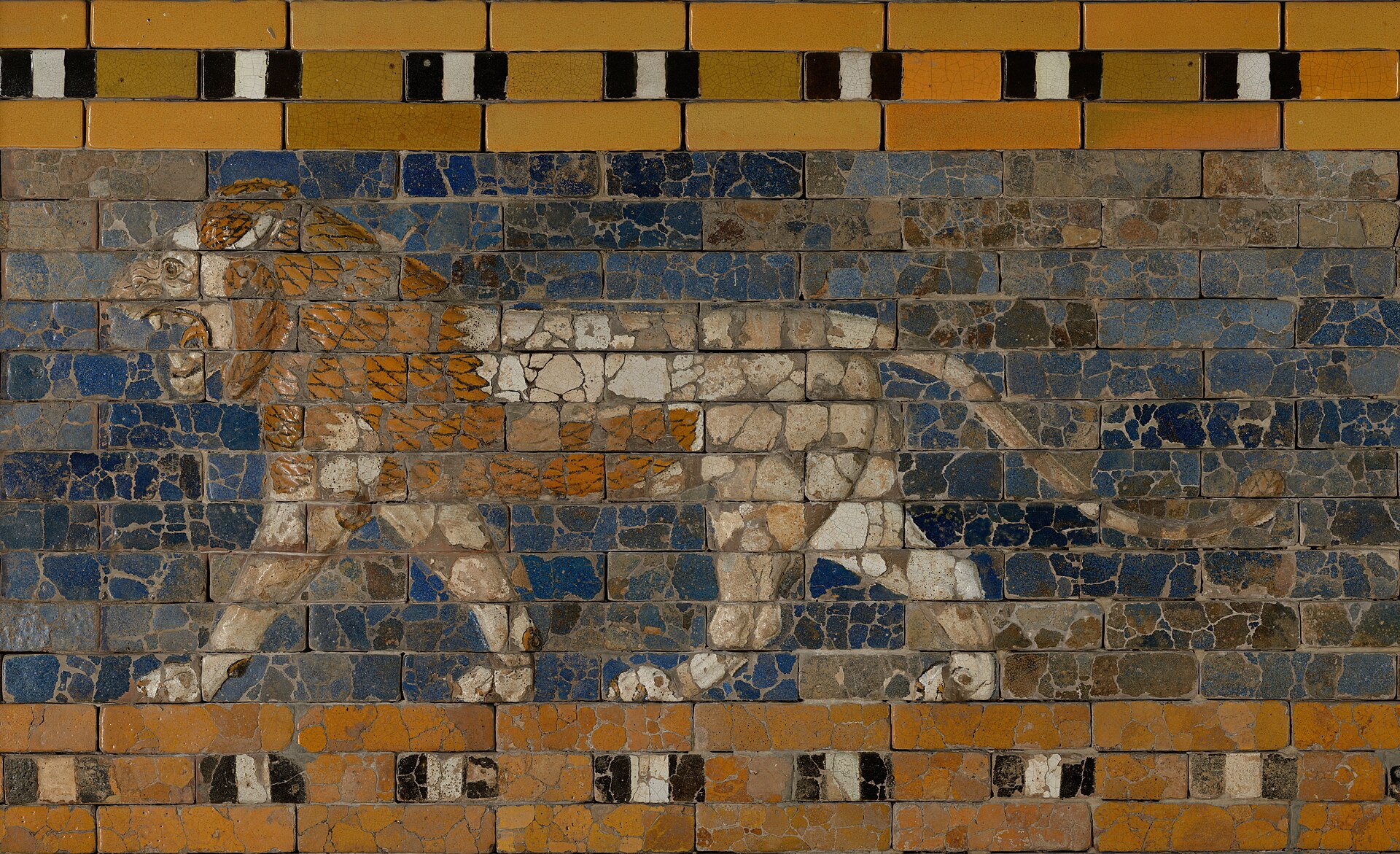
During our tour of the archaeological complex, we will see the famous Lion of Babylon, the remains of the ancient city walls and sections of the Processional Way, along which solemn religious processions once passed.
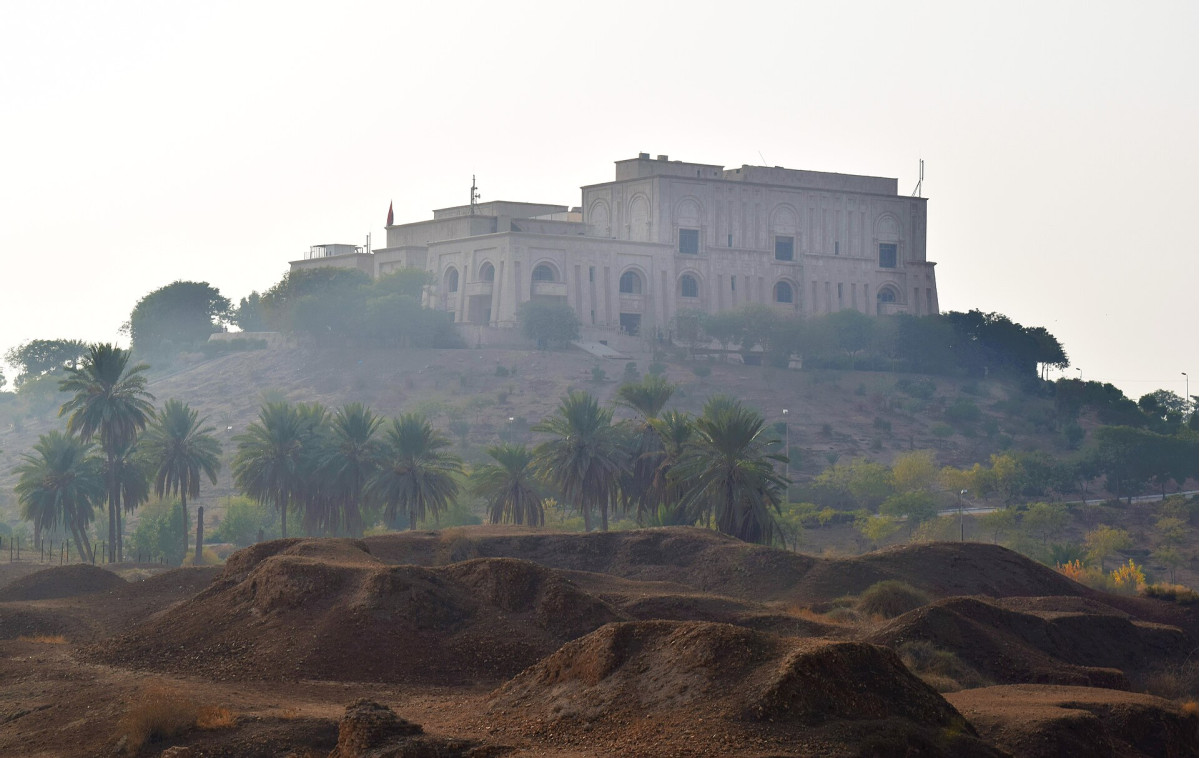
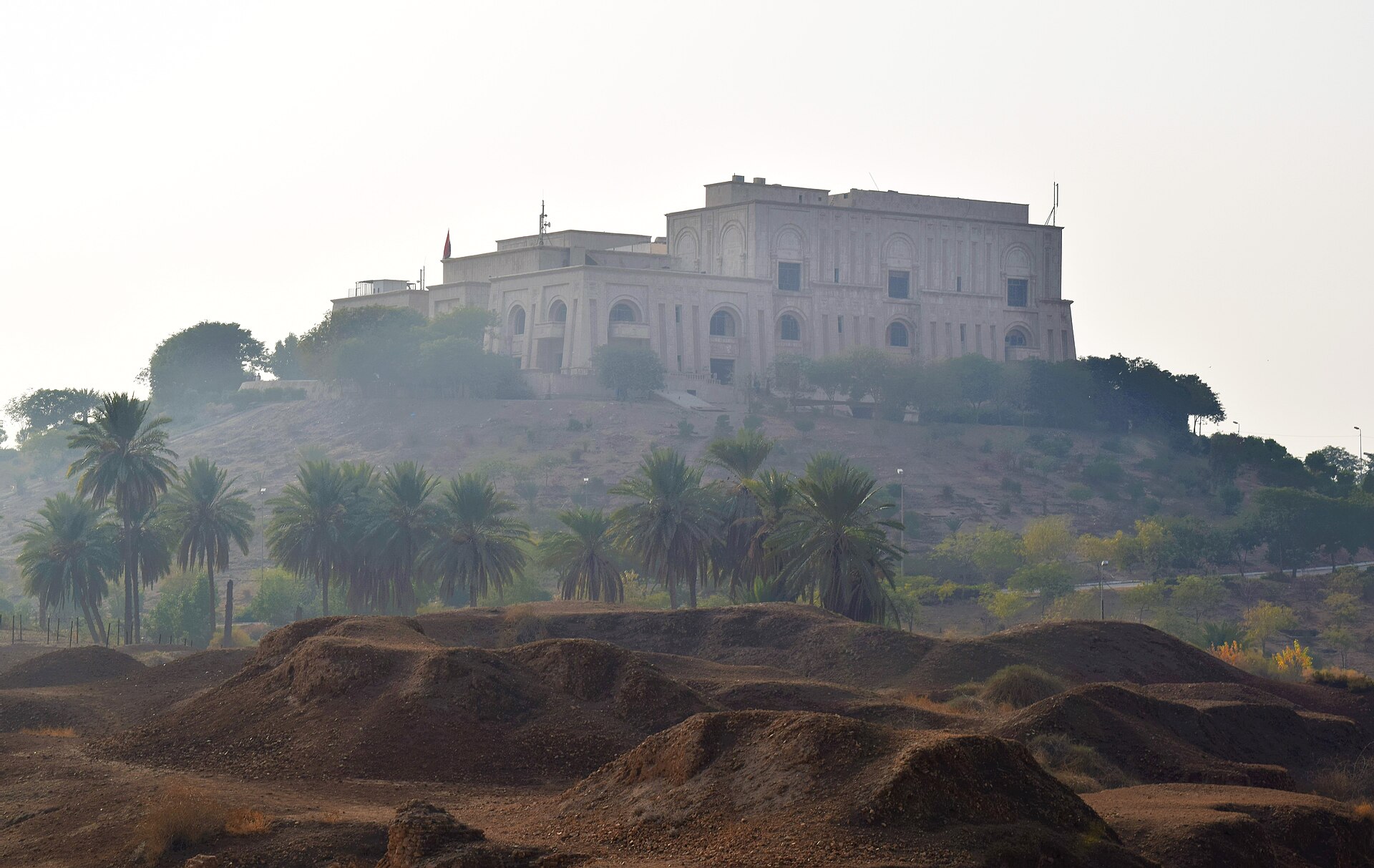
We will also visit the former palace of Saddam Hussein, built on a hill near the ruins of the ancient city. Its grounds offer panoramic views of Babylon and the surrounding plain.
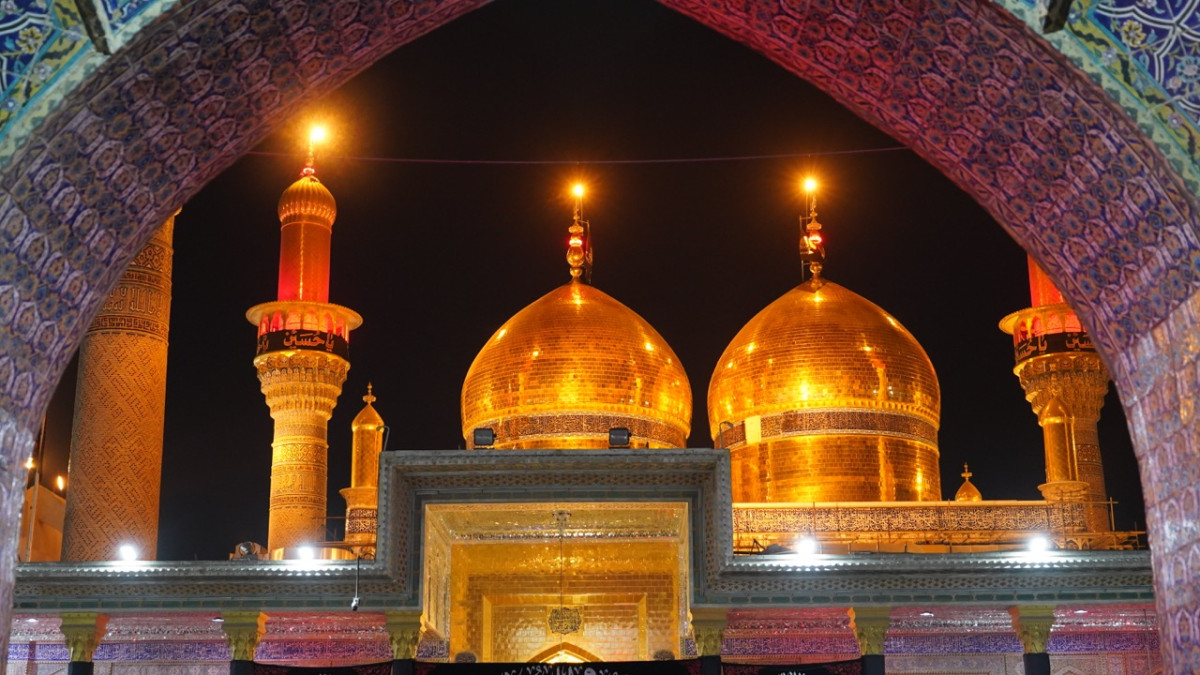
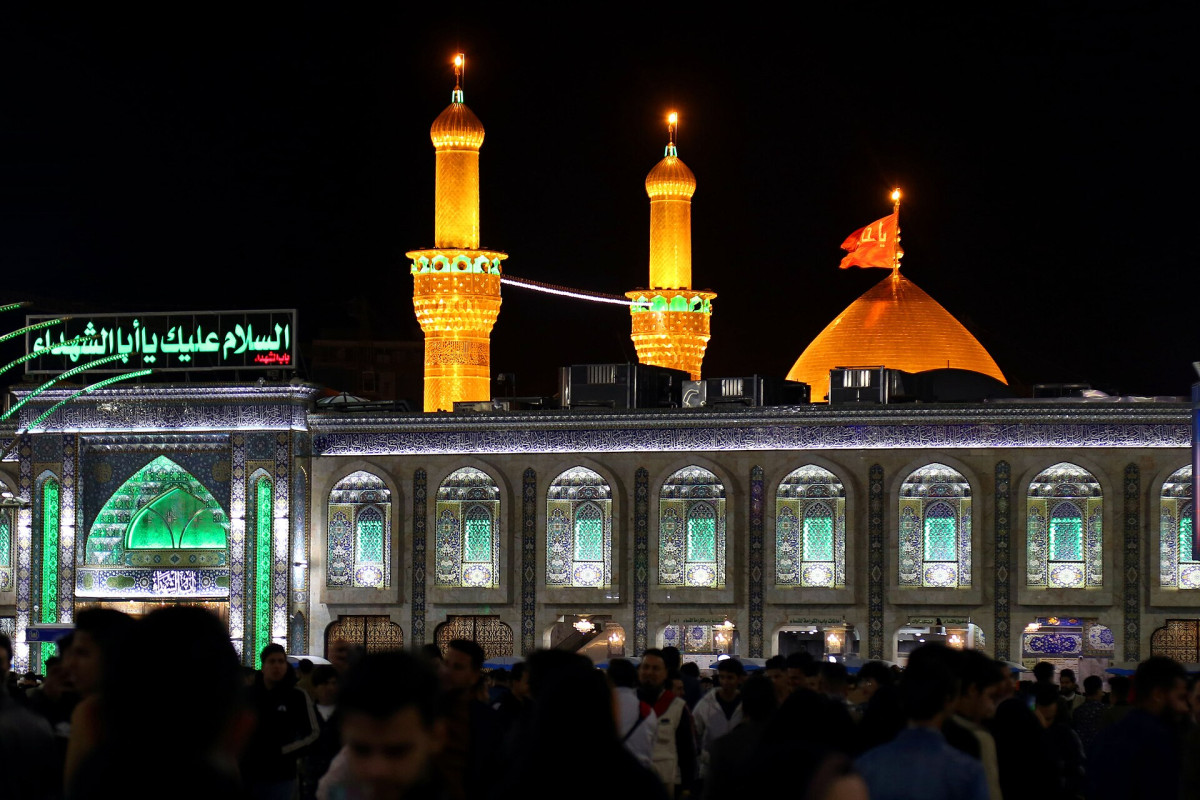
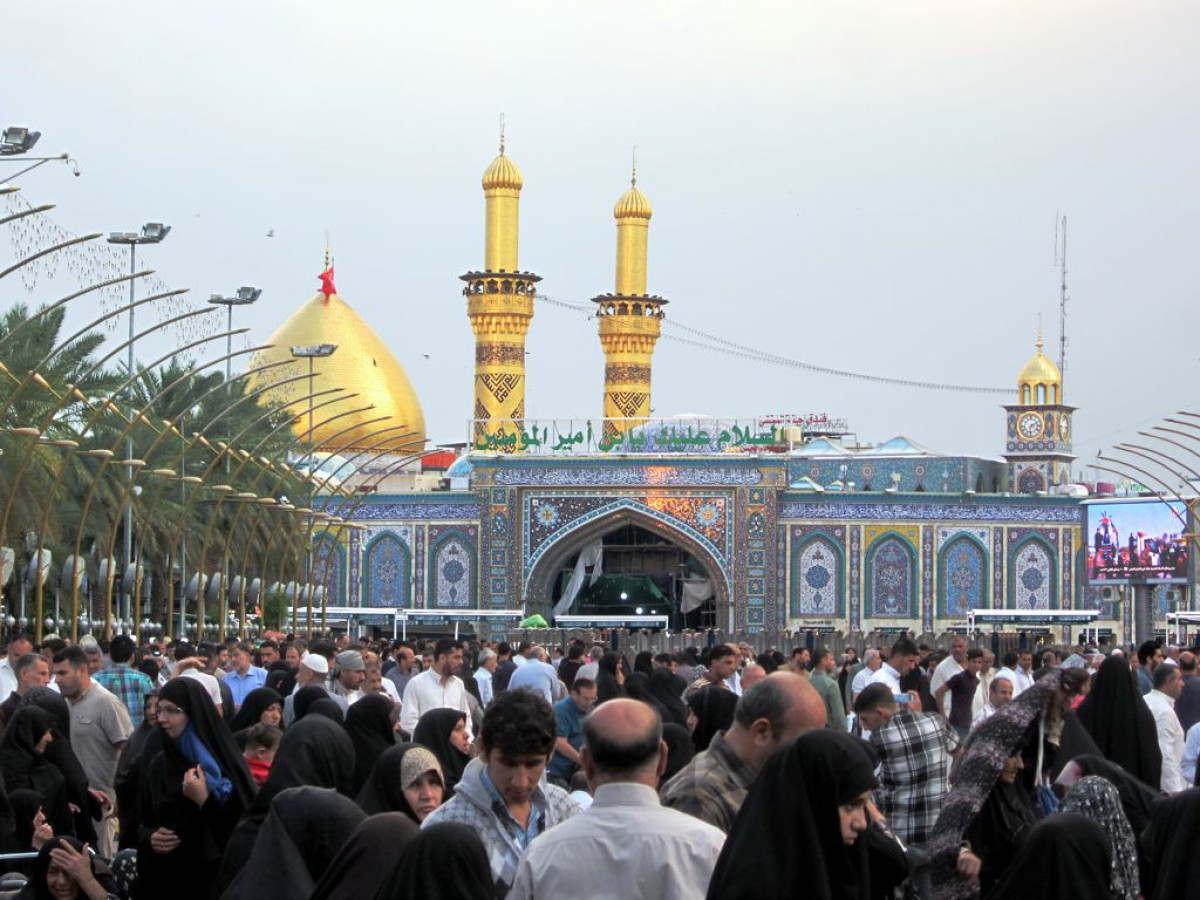
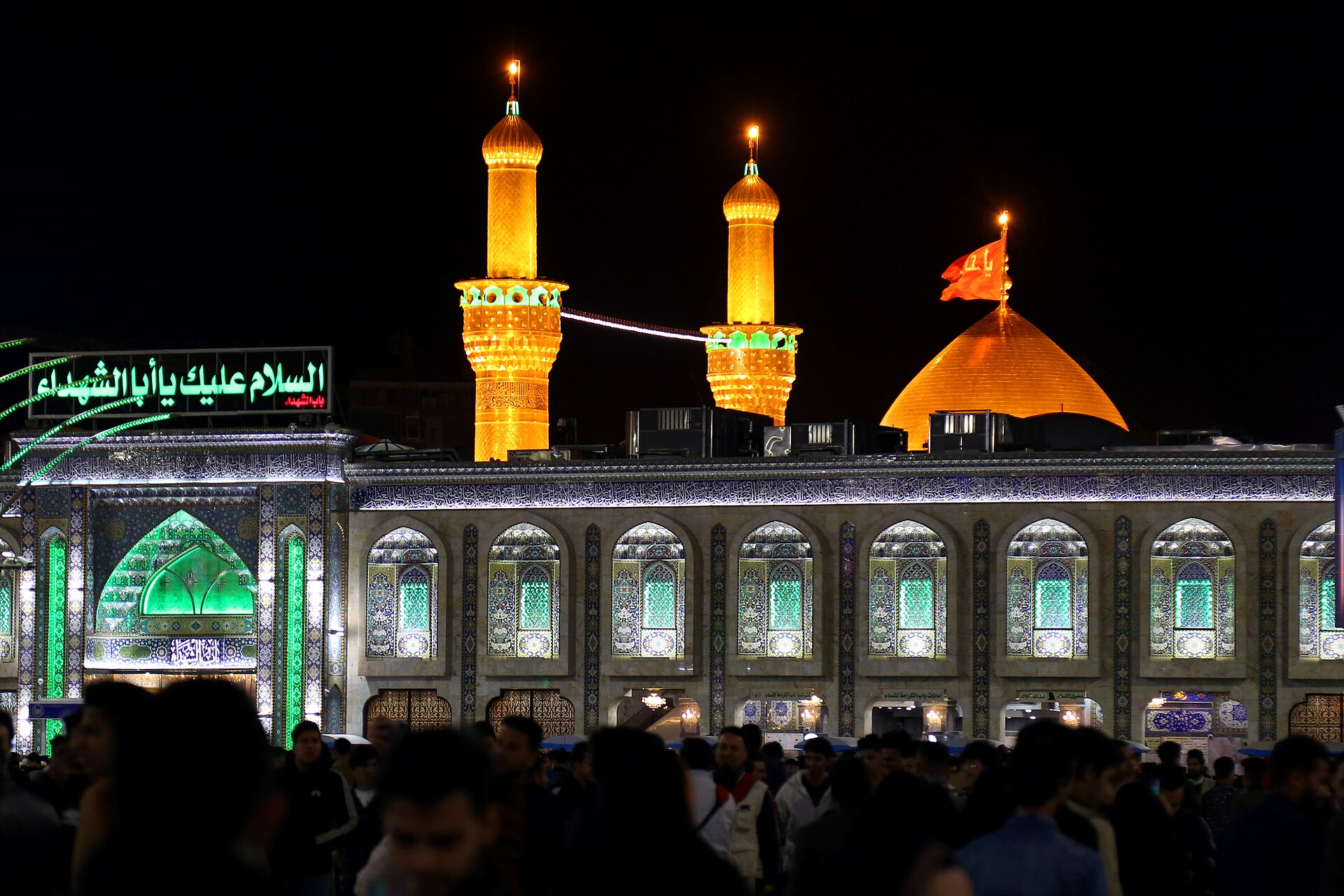
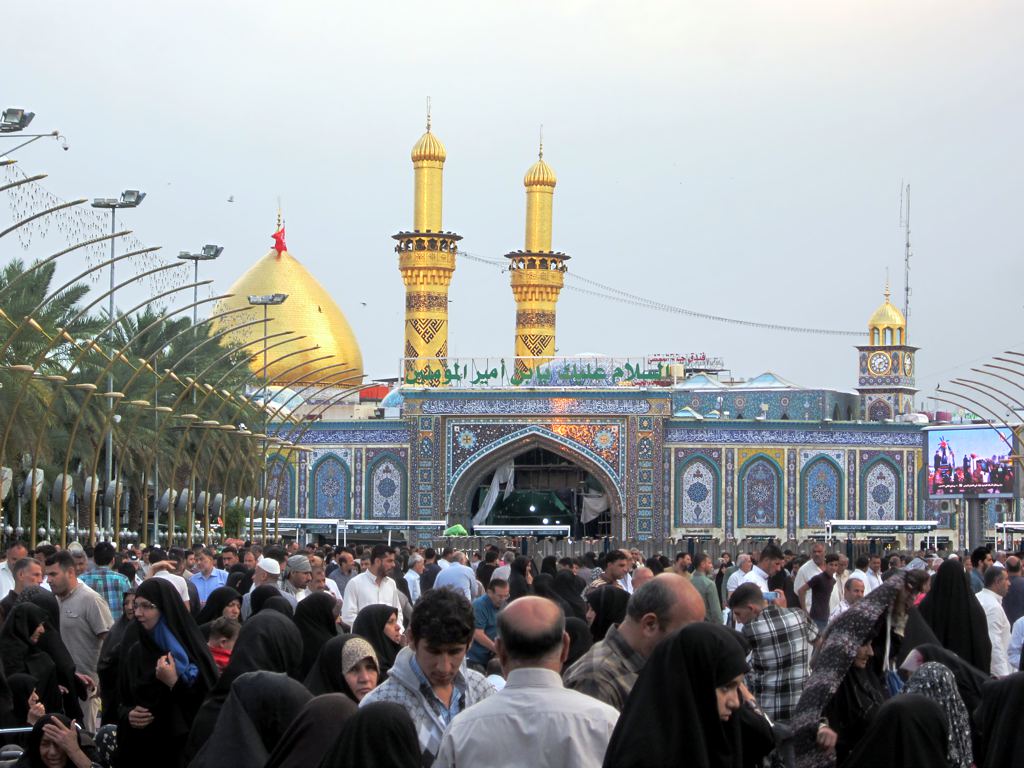
After lunch, we will continue to Karbala — one of the main spiritual centres of the Shia world. Here we will visit the mosque and mausoleum of Imam Hussein, as well as the shrine of his brother Abbas.
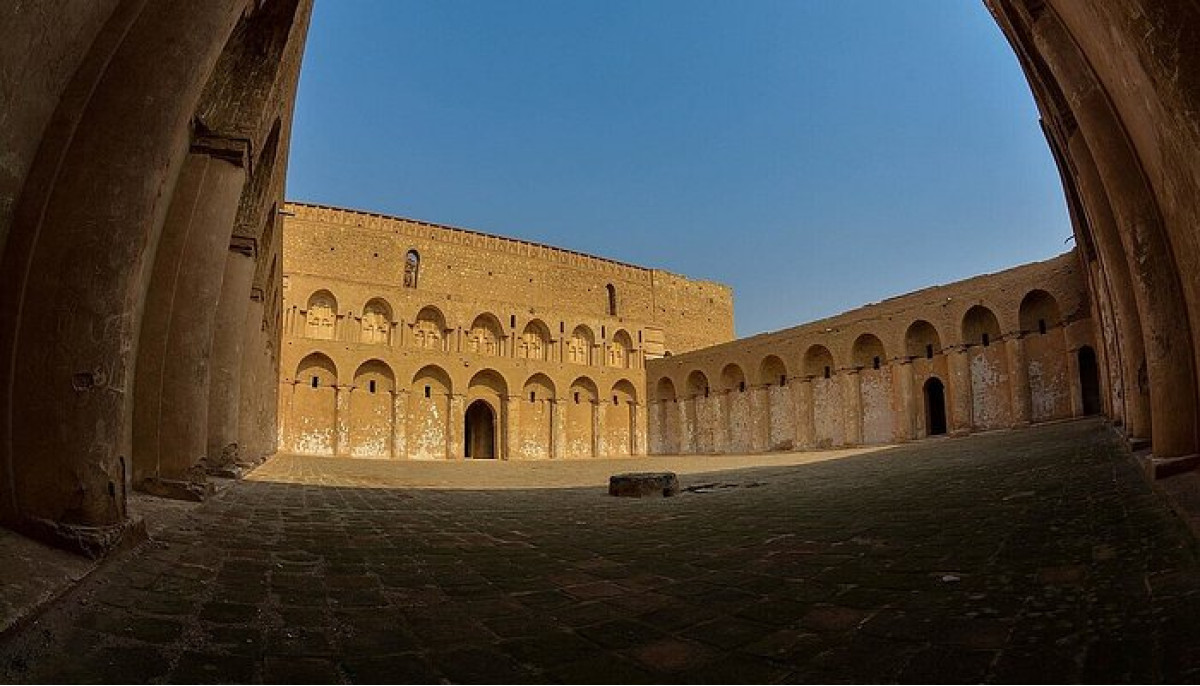
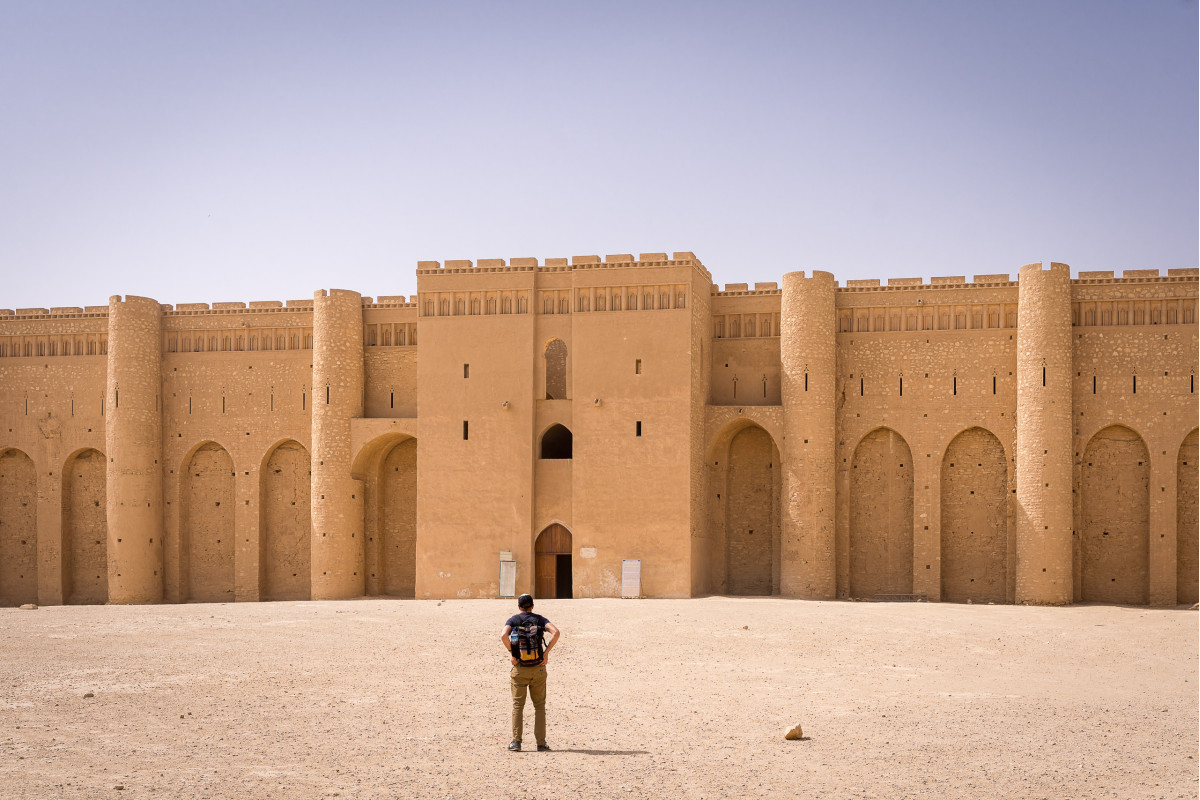
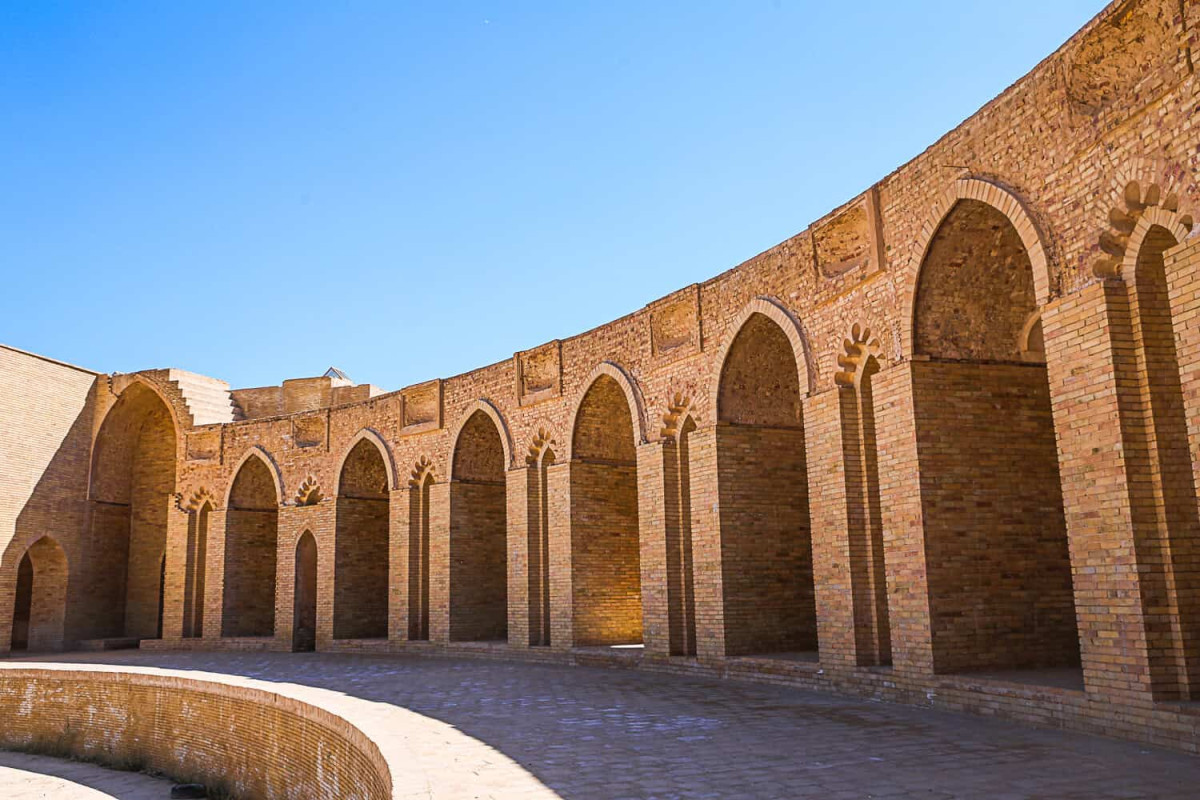
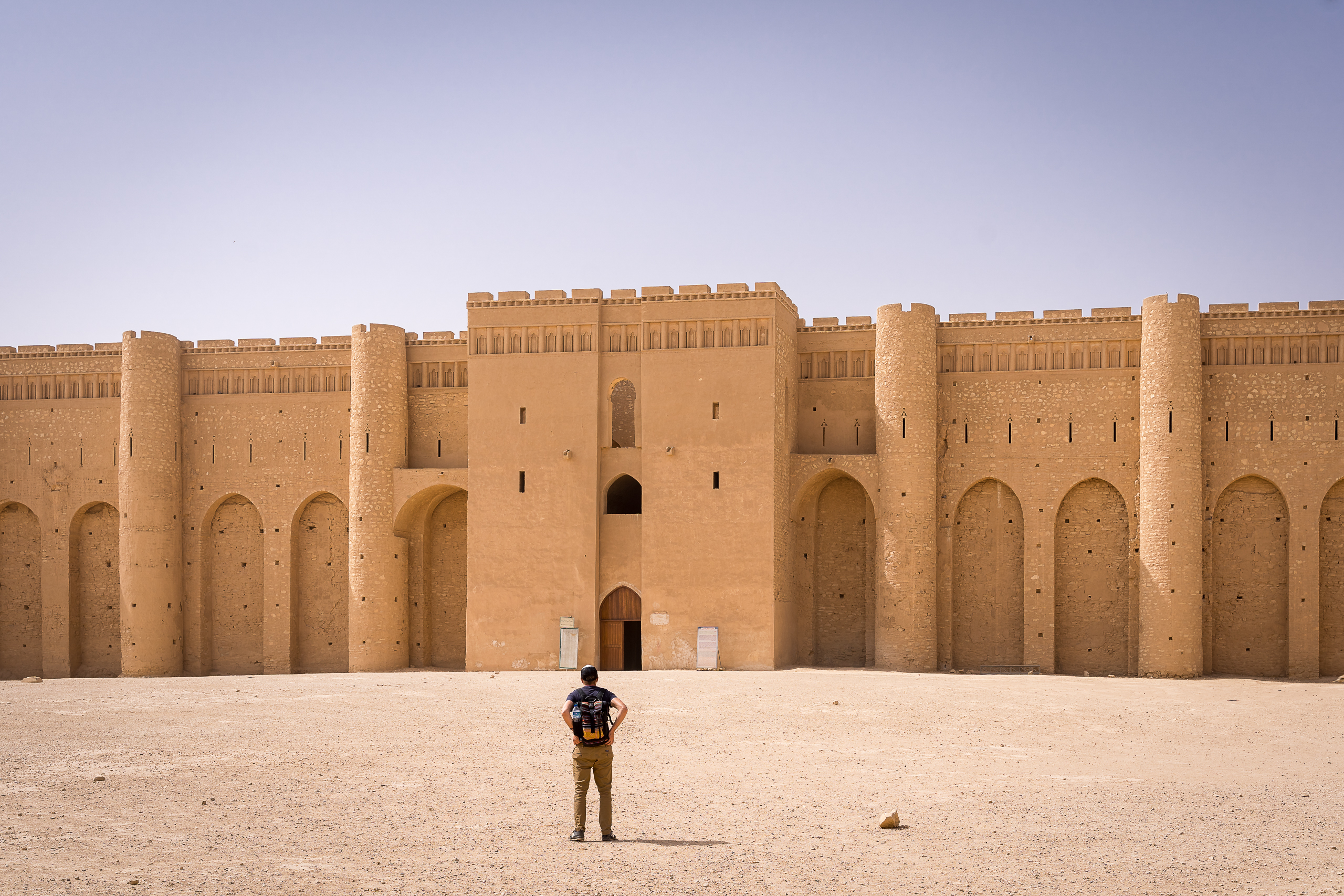
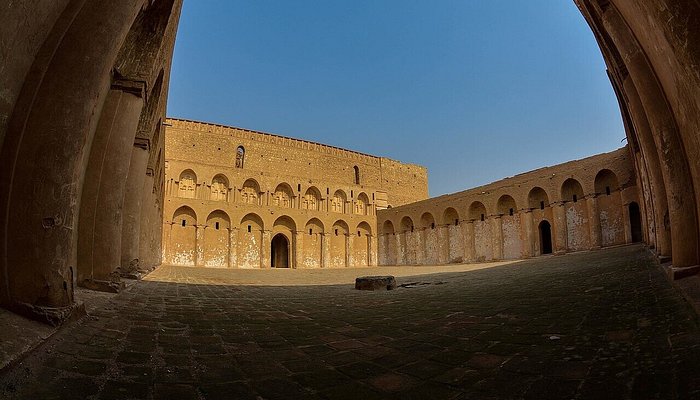
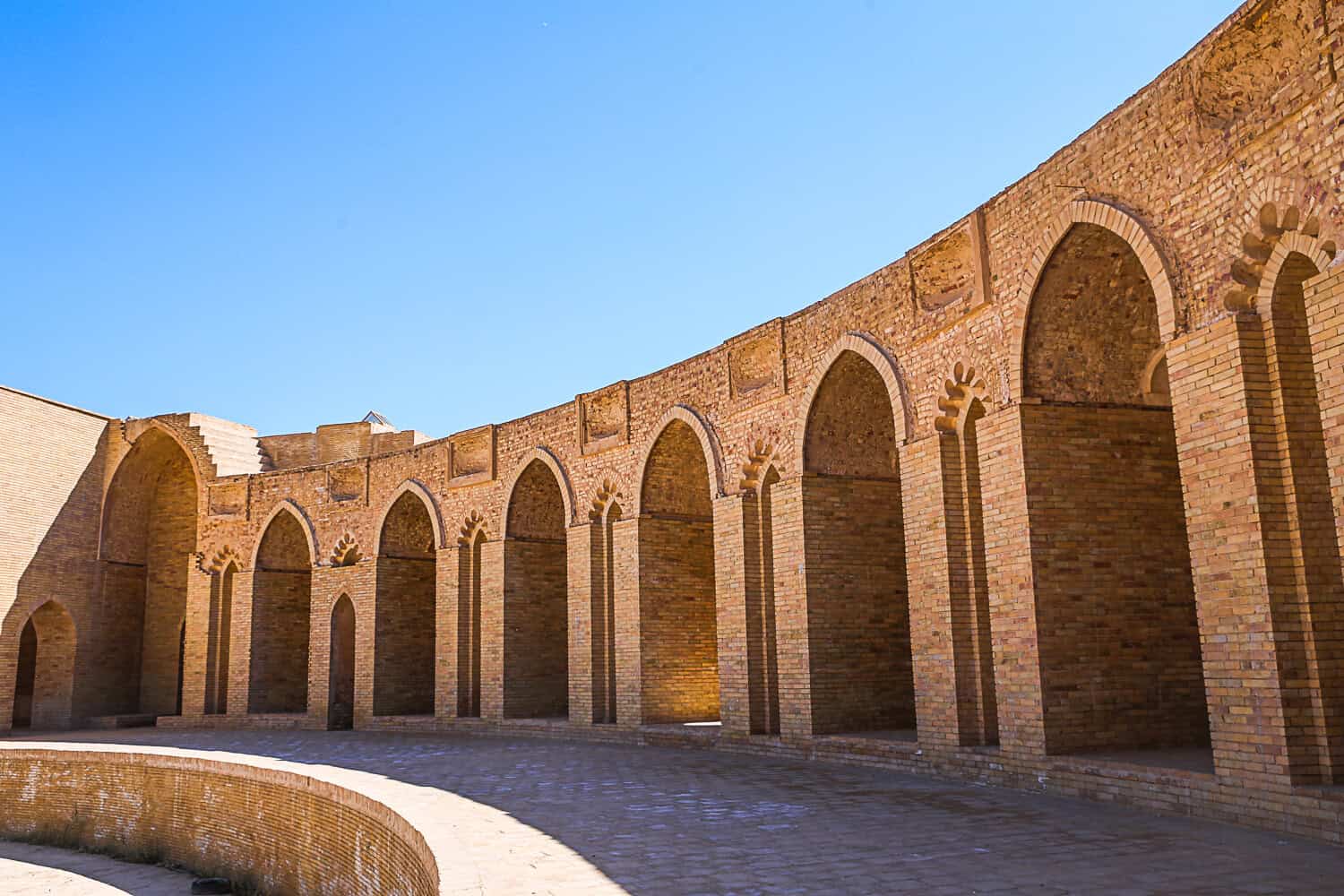
Today we will travel to Al-Ukhaidir Fortress — a monumental fortified complex rising amid the desert landscapes of central Iraq.
Its massive walls, defensive towers, inner courtyards and long corridors allow us to imagine what one of the region’s most important desert fortresses once looked like.
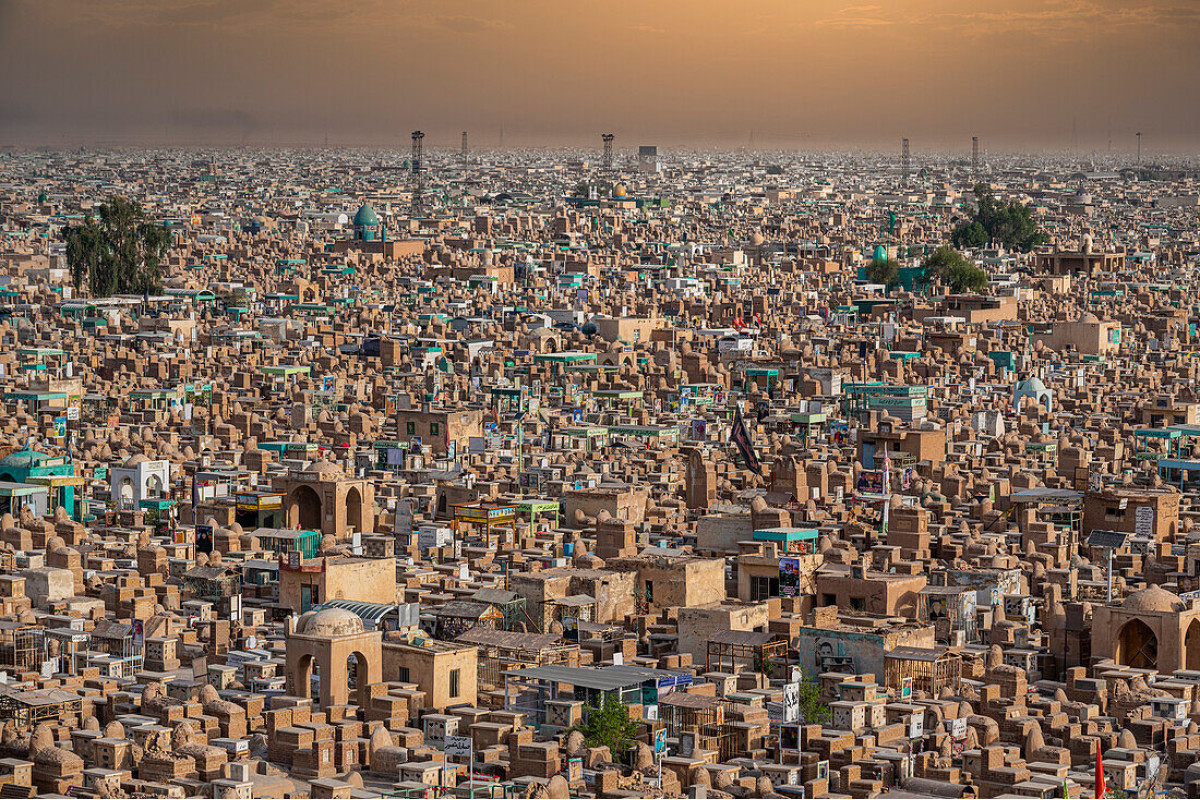
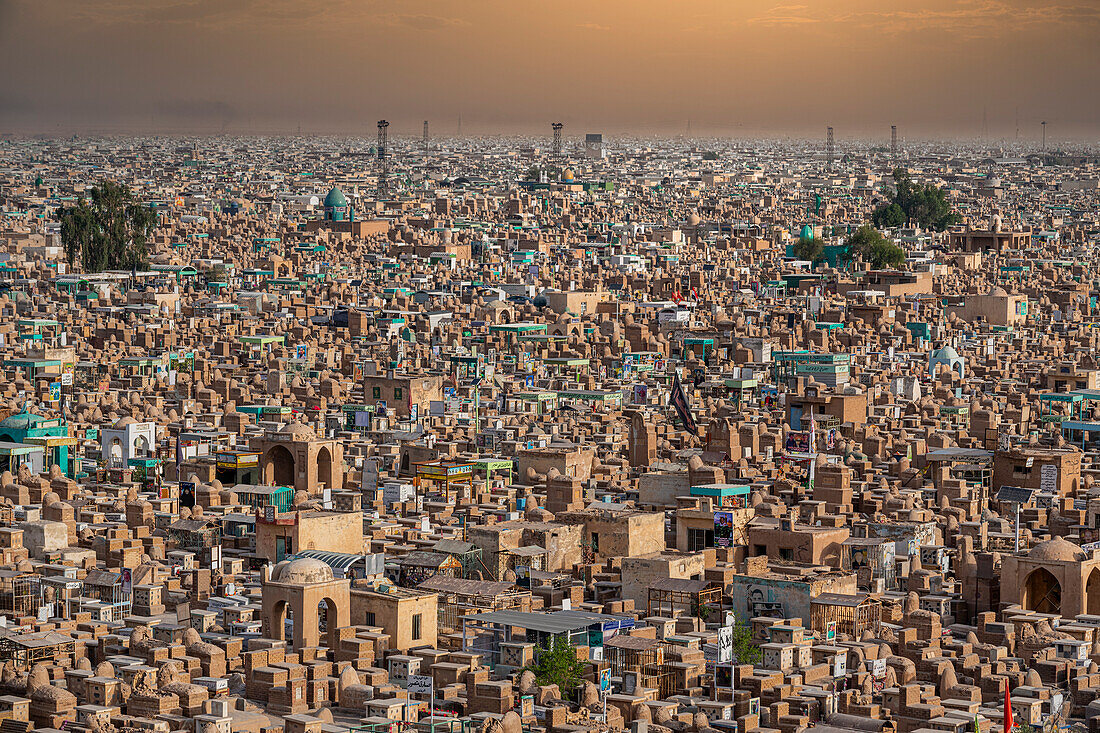
We will then continue our journey to Najaf. Here we will see Wadi Al-Salam — a vast historic cemetery stretching for many kilometres and considered one of the largest burial sites in the world.
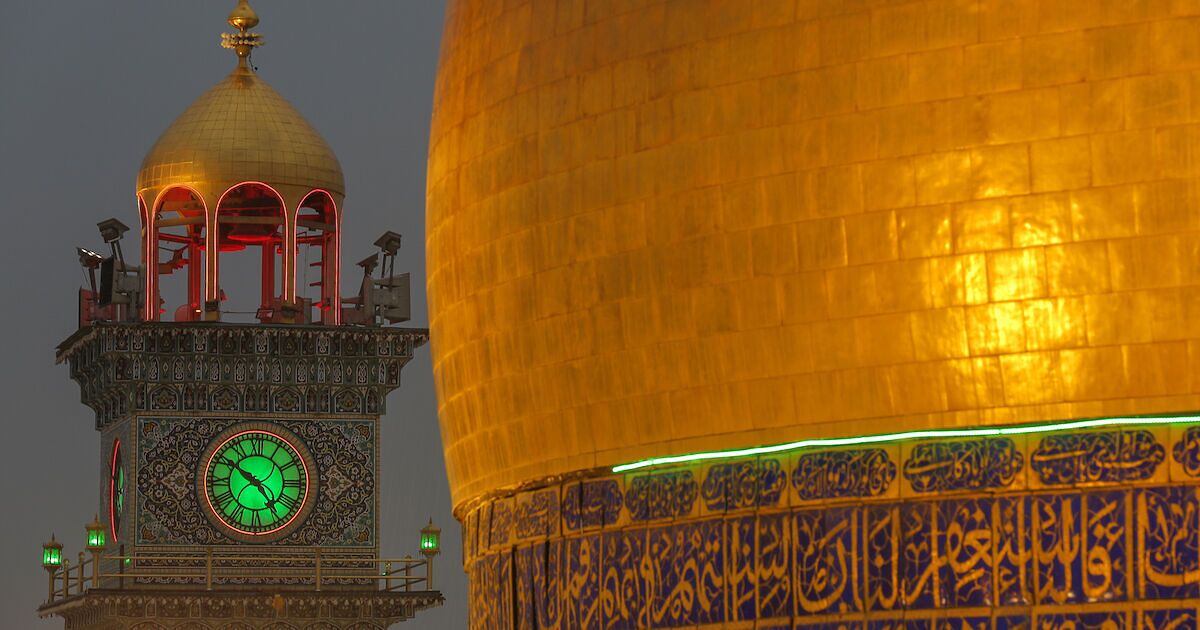
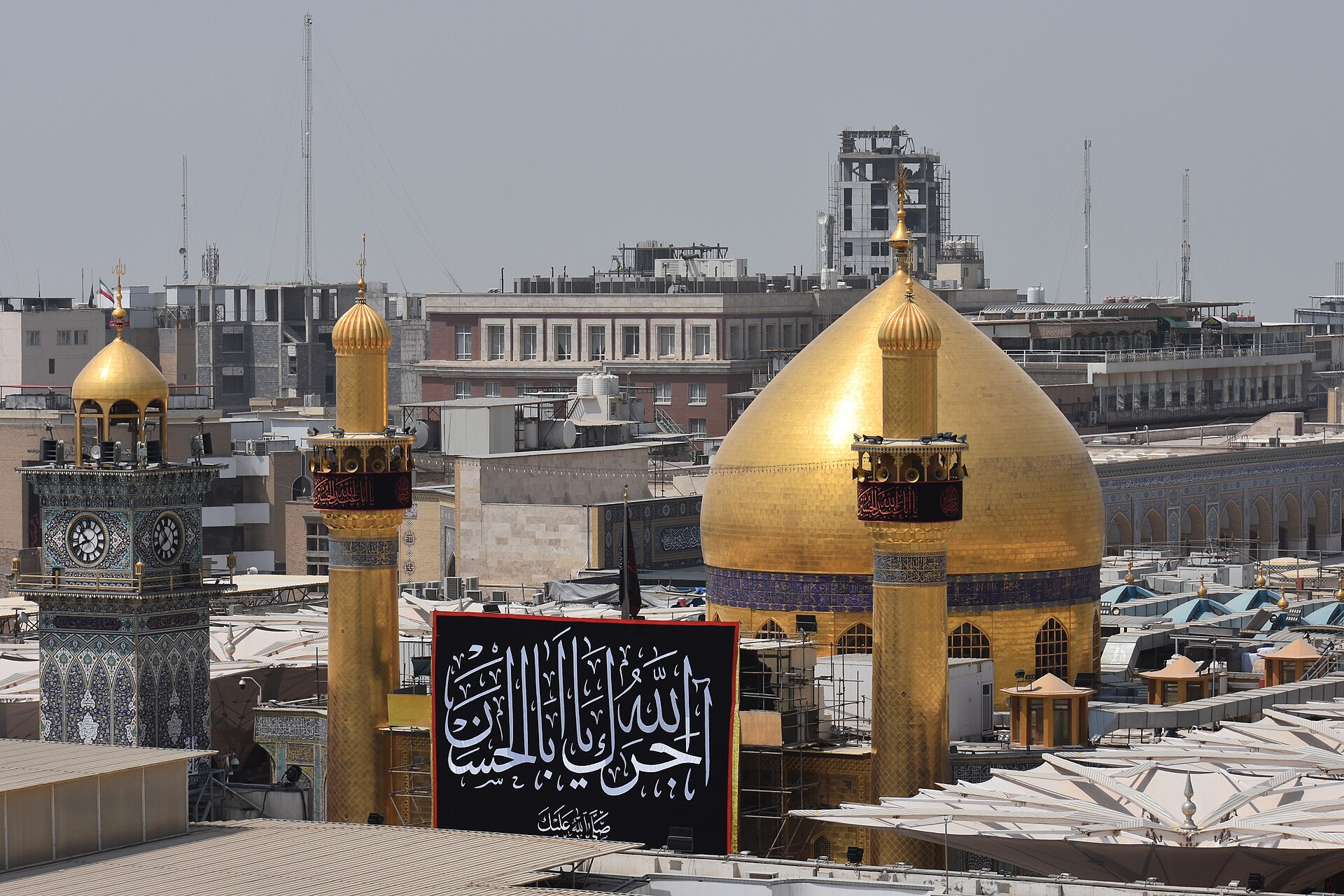
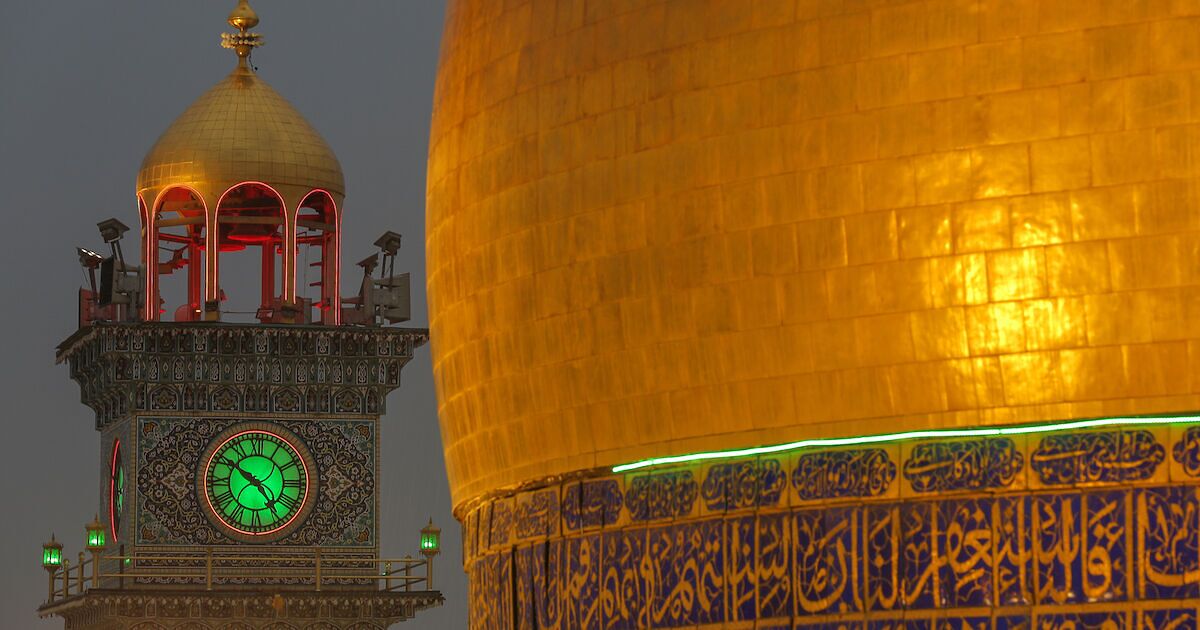
After lunch, we will visit Najaf’s main shrine — the mosque and mausoleum of Imam Ali. It is one of the most important pilgrimage centres for Shia Muslims.
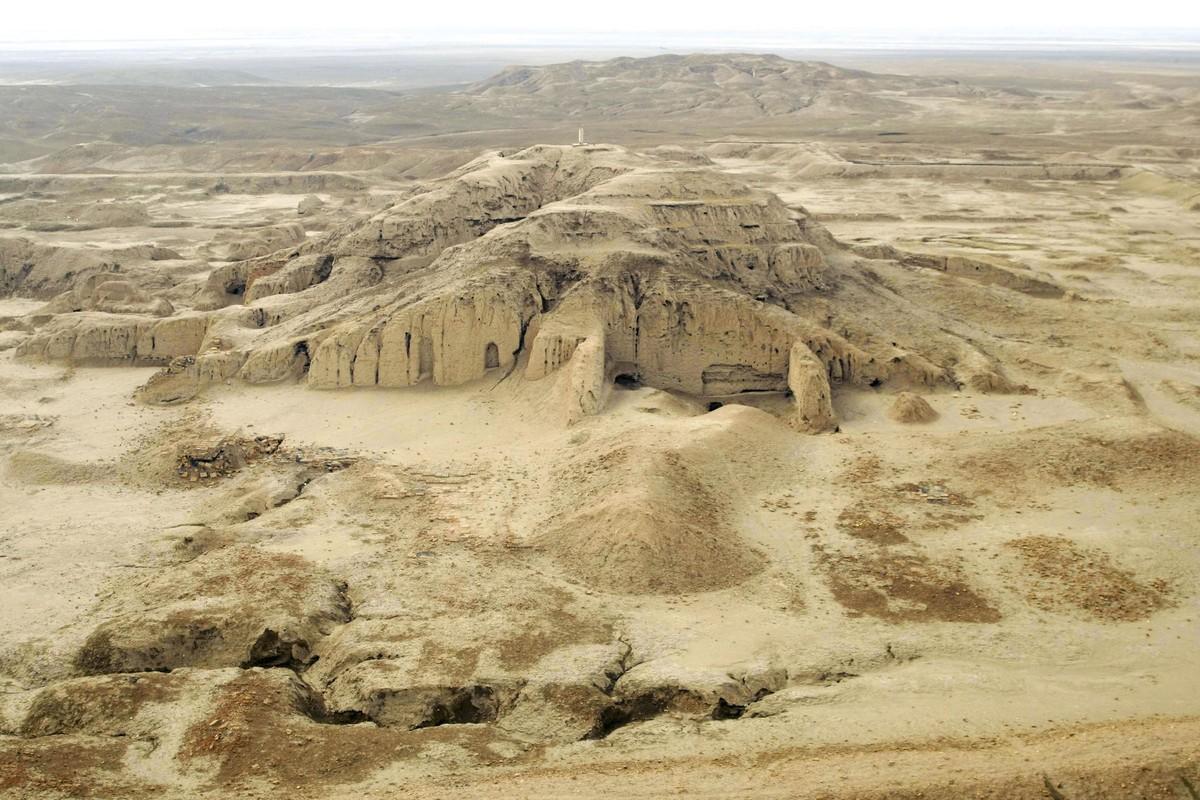
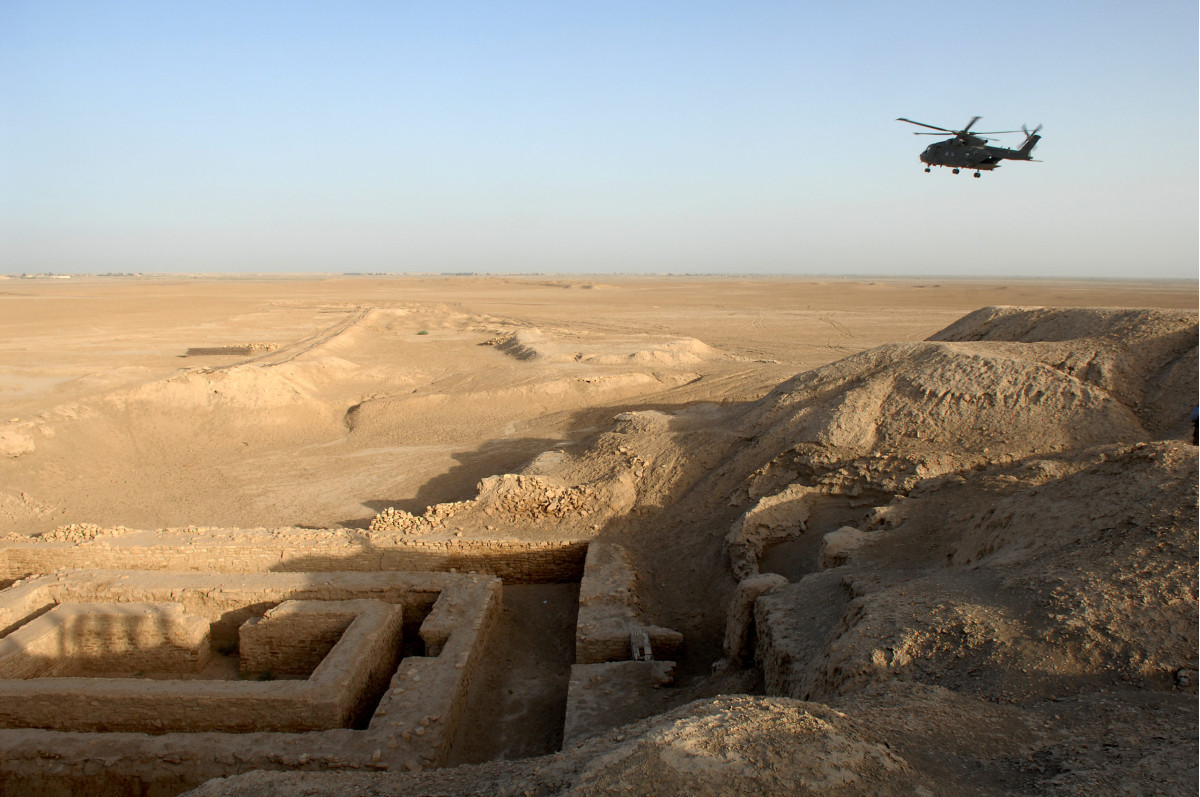
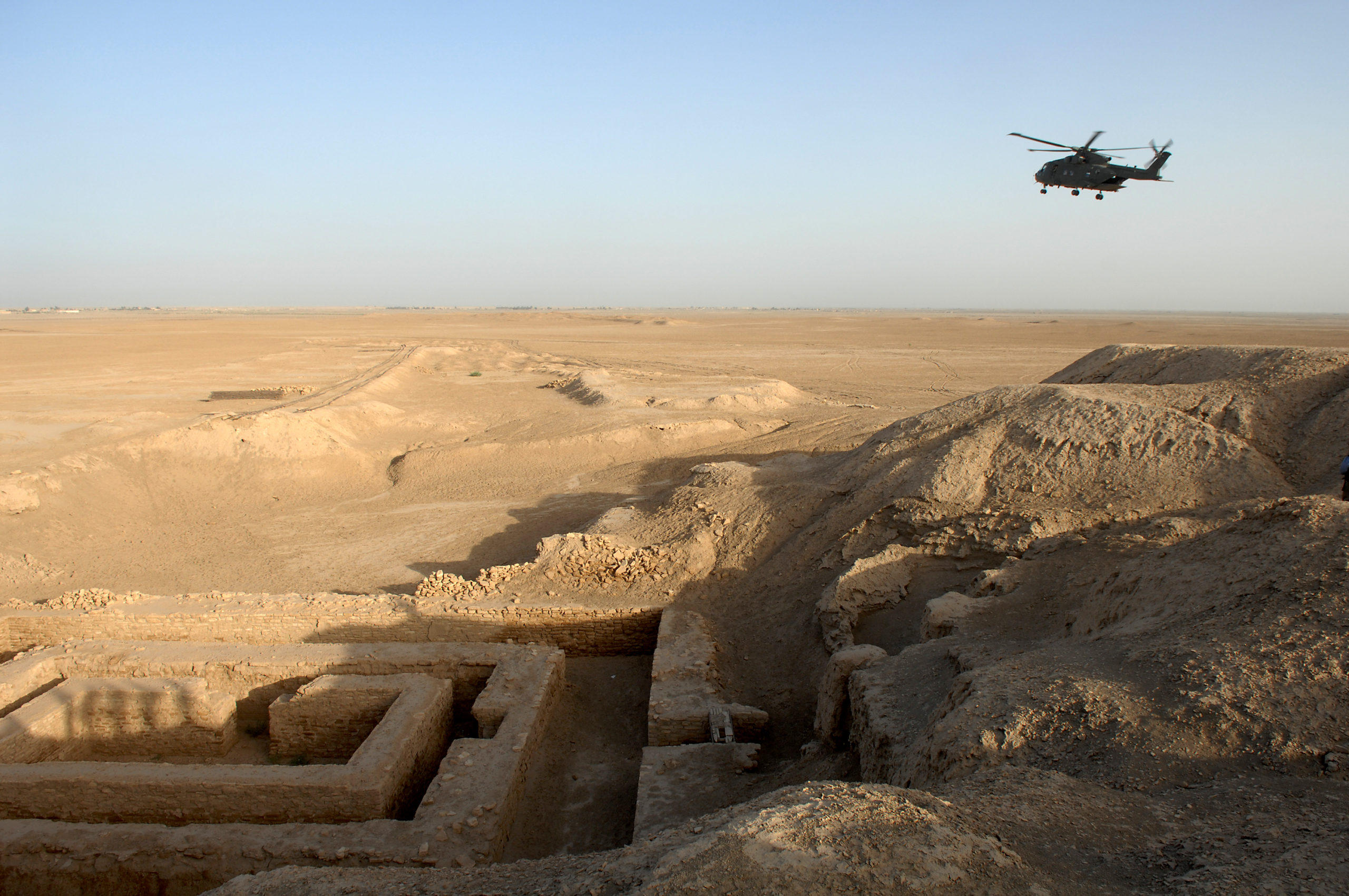
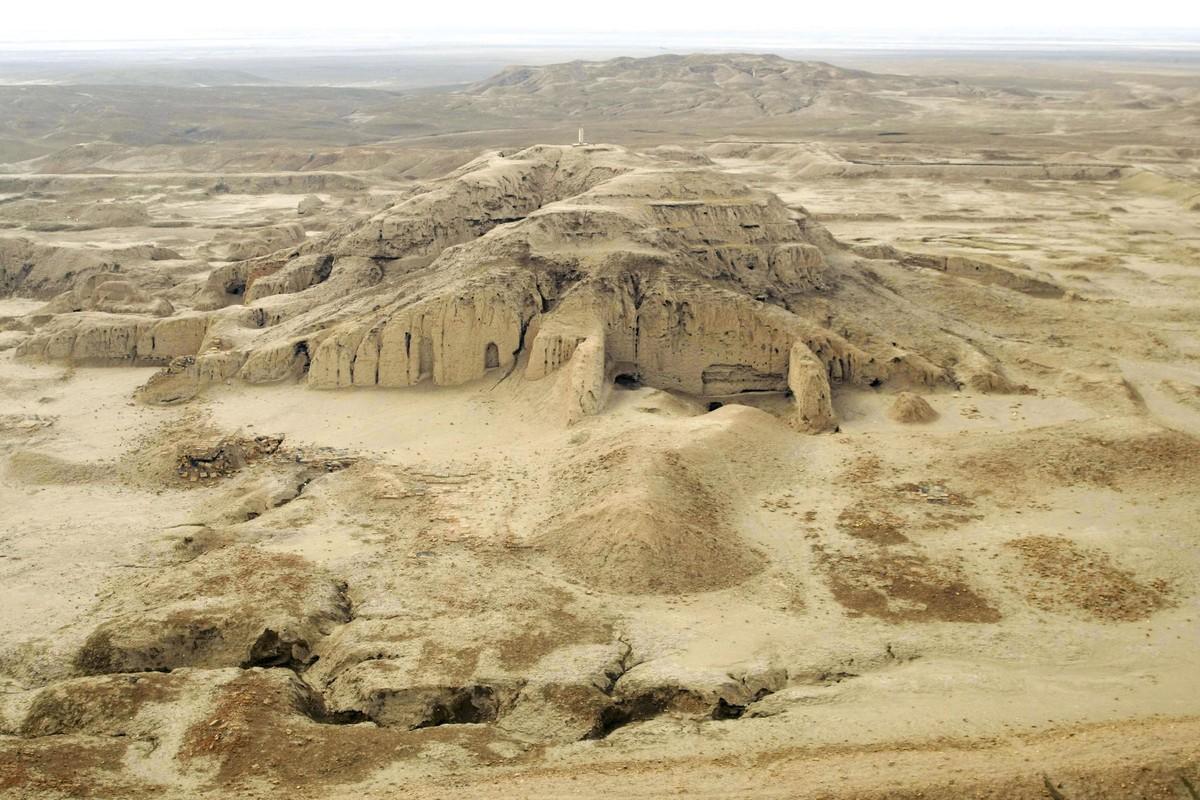
Early in the morning, we leave Najaf and head to the archaeological complex of Uruk — one of the oldest urban centres of Mesopotamia.
Uruk is associated with the development of the first great cities, state institutions and early forms of writing. During the tour, we will see the remains of temple structures, ancient city districts and defensive walls.
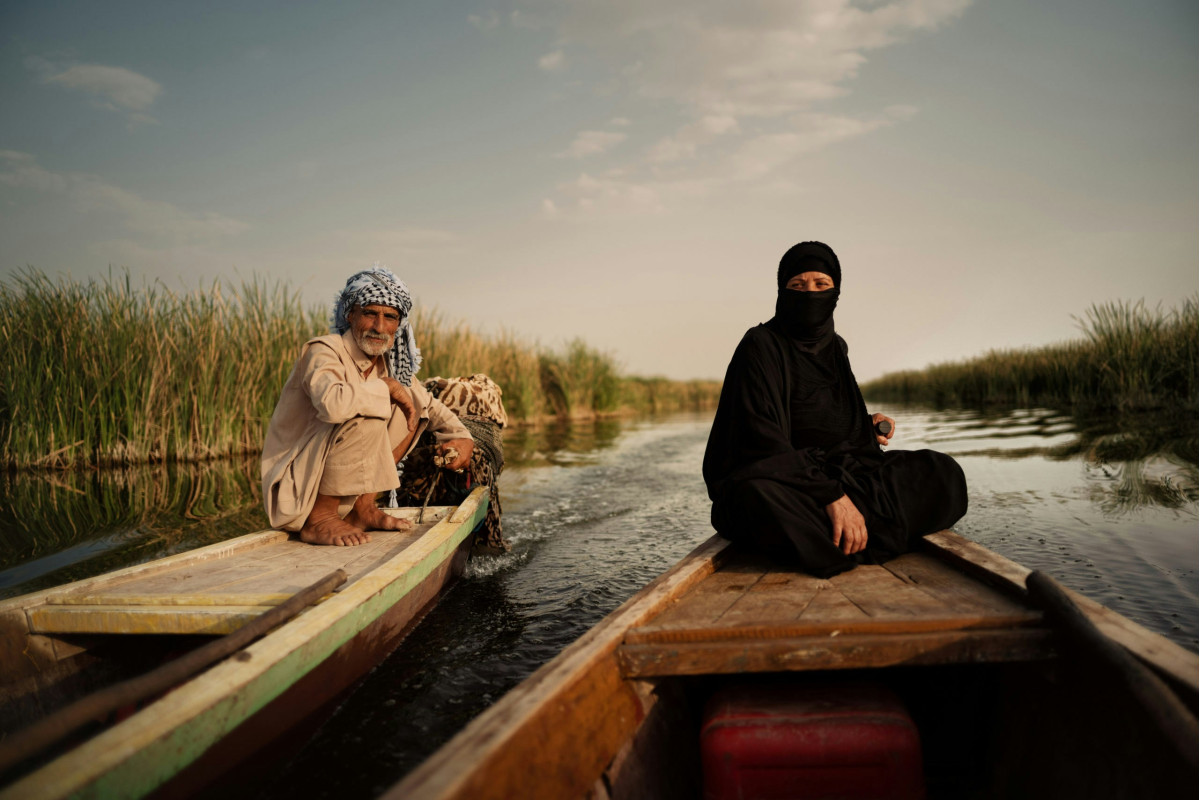
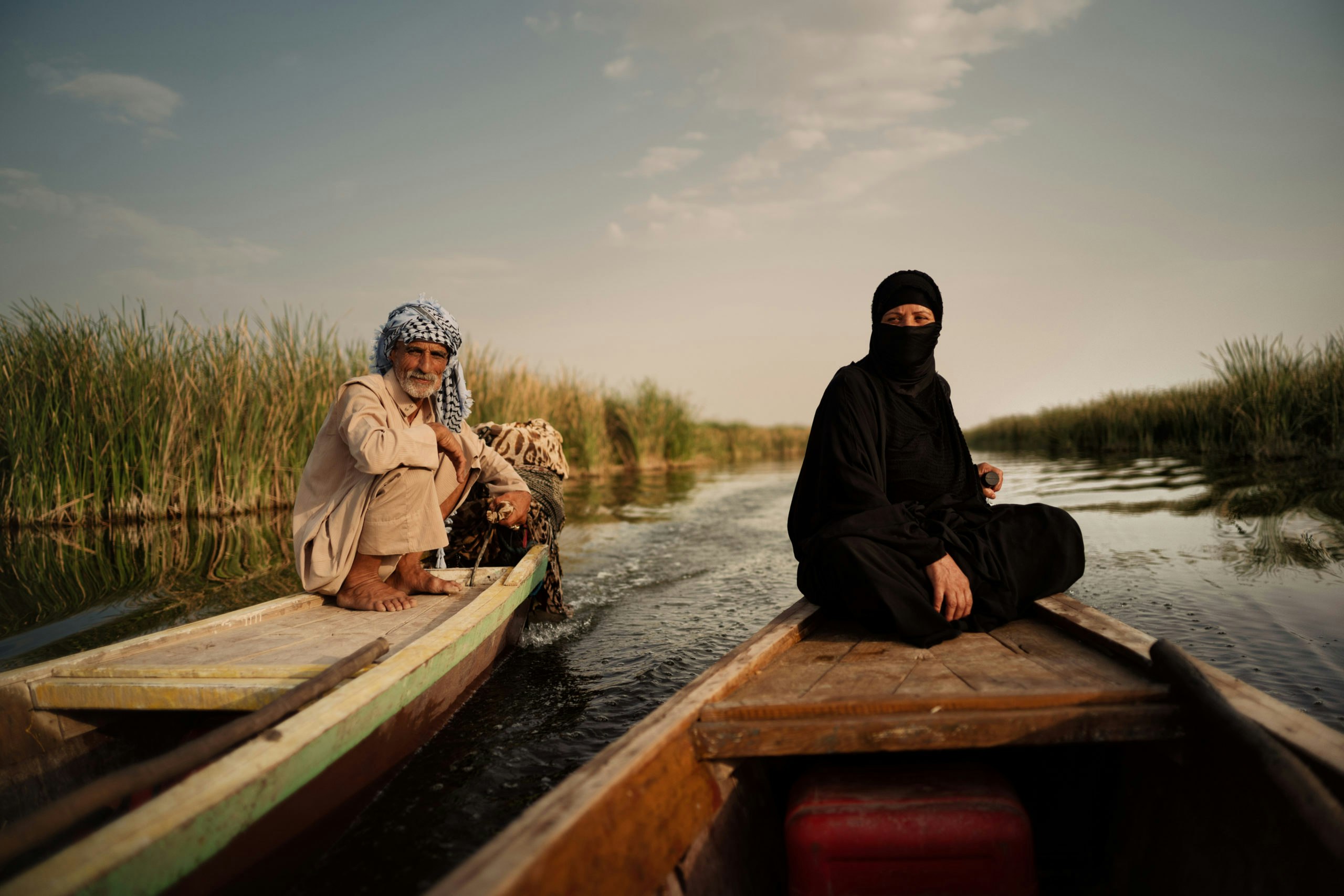
After discovering Uruk, we will continue to the Mesopotamian Marshes near Nasiriyah. Among reed islands, narrow channels and open stretches of water lies a completely different Iraq — peaceful, green and almost isolated from the major cities.
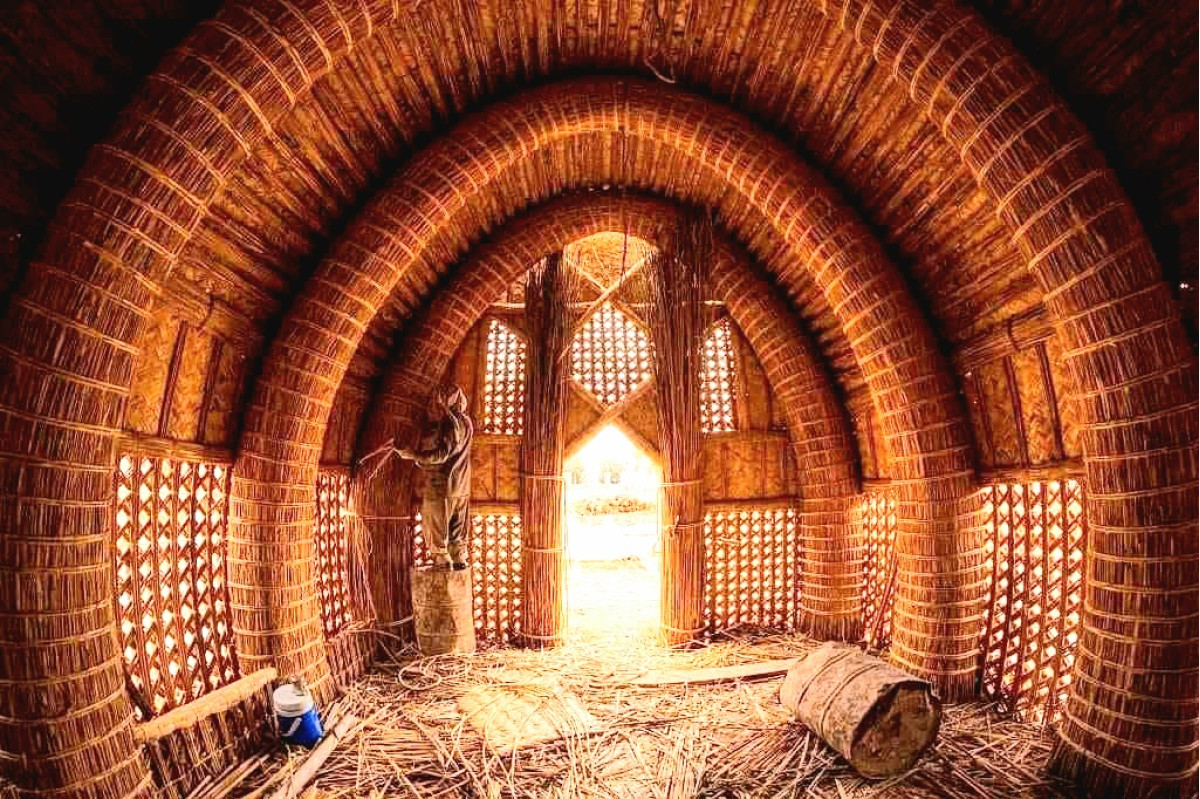
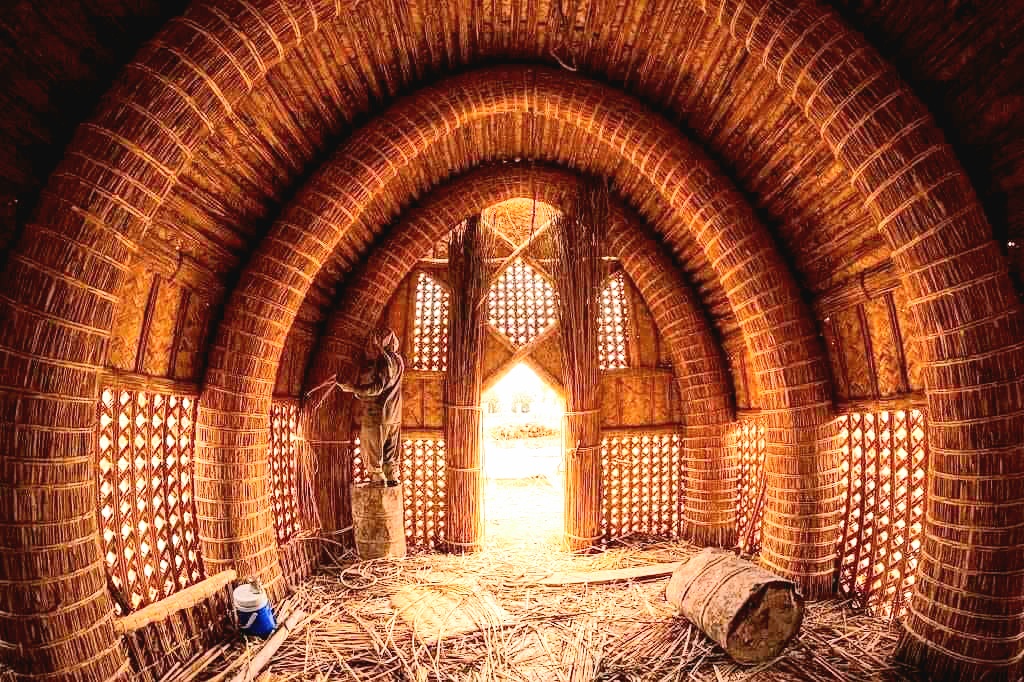
We will take a ride on a traditional wooden boat called a mashoof, visit a reed house known as a mudhif and learn about the culture of the Marsh Arabs. Along the way, we may see water buffalo, local birds and traditional settlements hidden among the reeds.
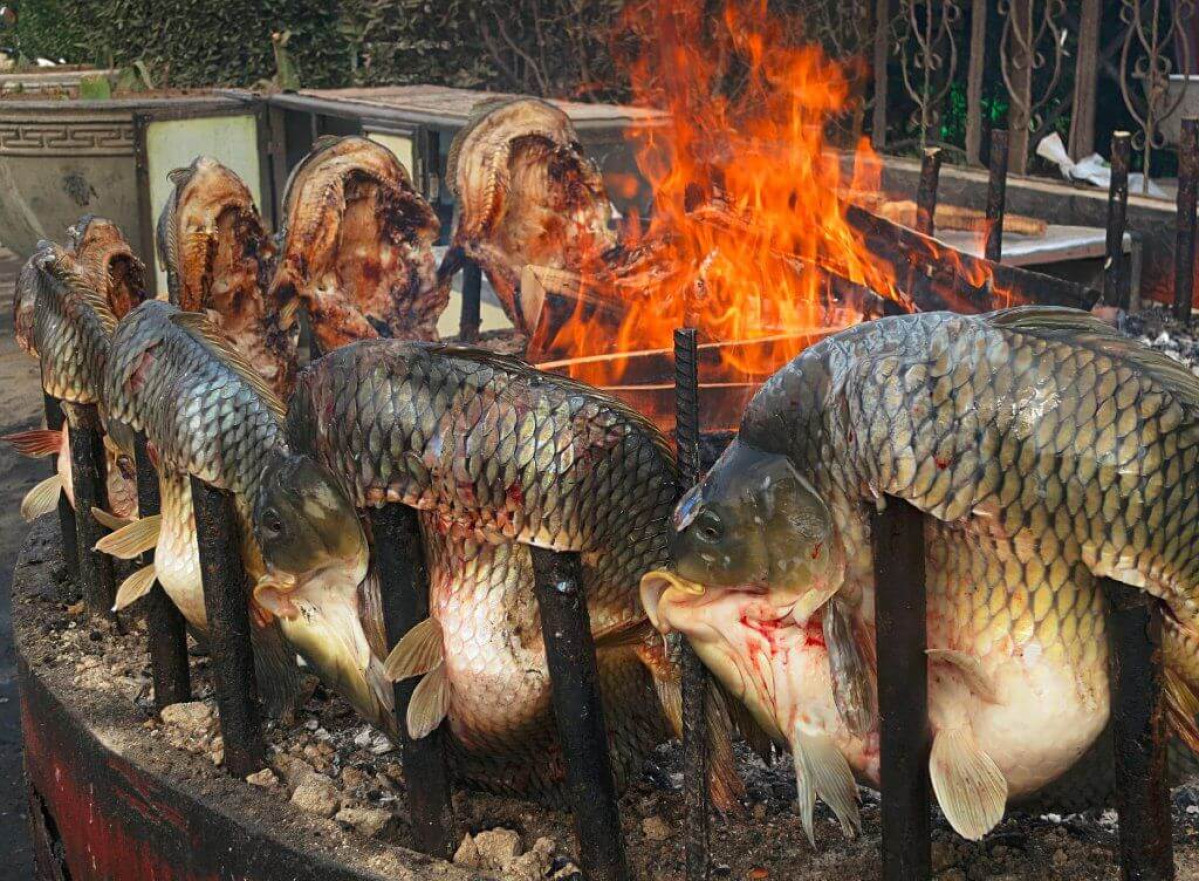
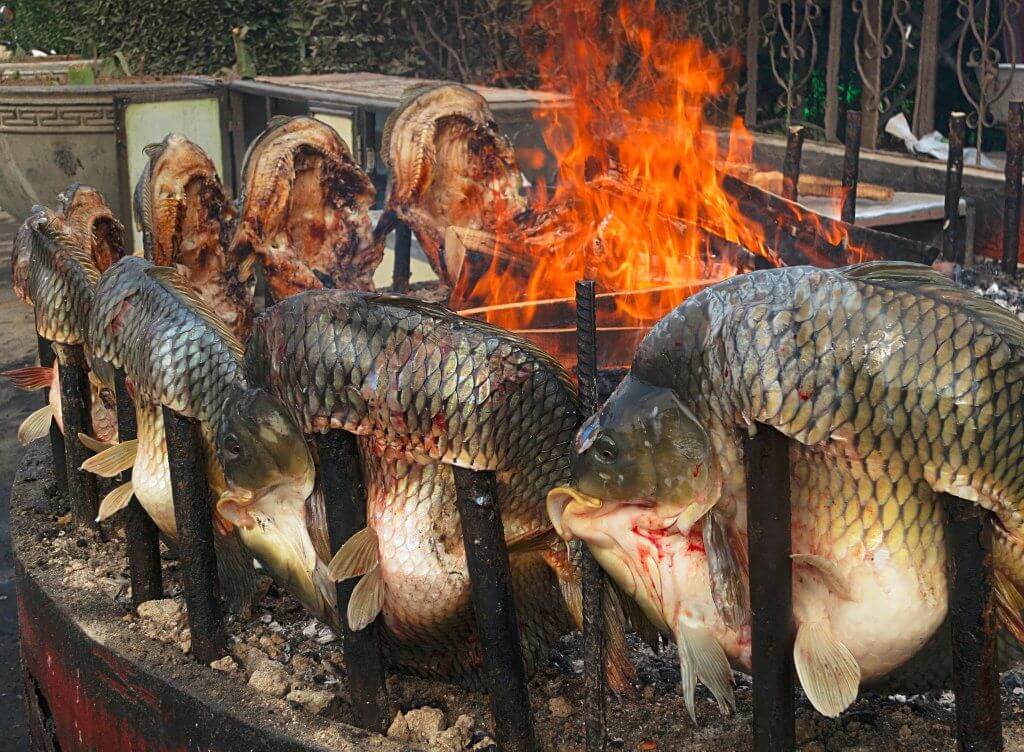
For lunch, we will try masgouf — traditional Iraqi carp slowly grilled over an open fire.
Transfer to Nasiriyah and hotel check-in.
After breakfast, we leave Nasiriyah and return to the Iraqi capital.
The road will take us through the central regions of the country, where modern cities alternate with desert plains, agricultural lands and small settlements.
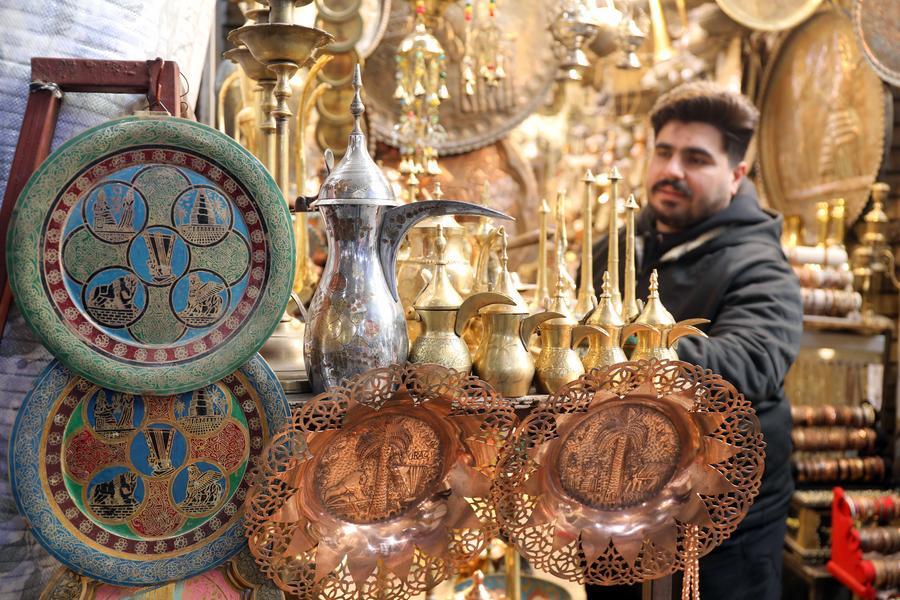
After arriving in Baghdad, we will have a free evening. This will be an opportunity to relax, walk around the city, visit local shops or purchase souvenirs.
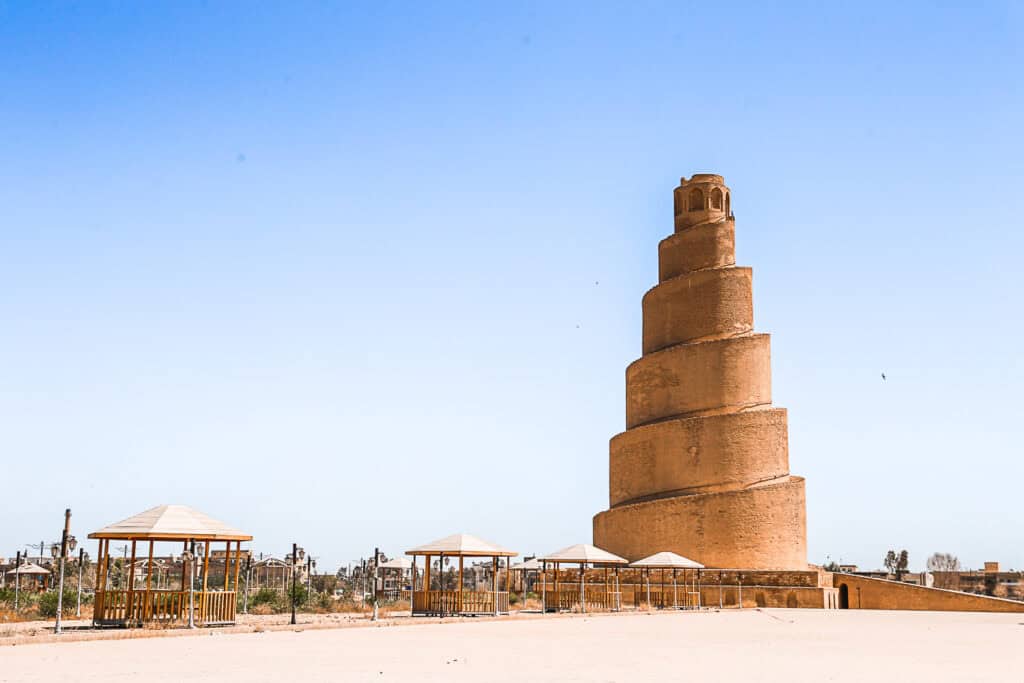
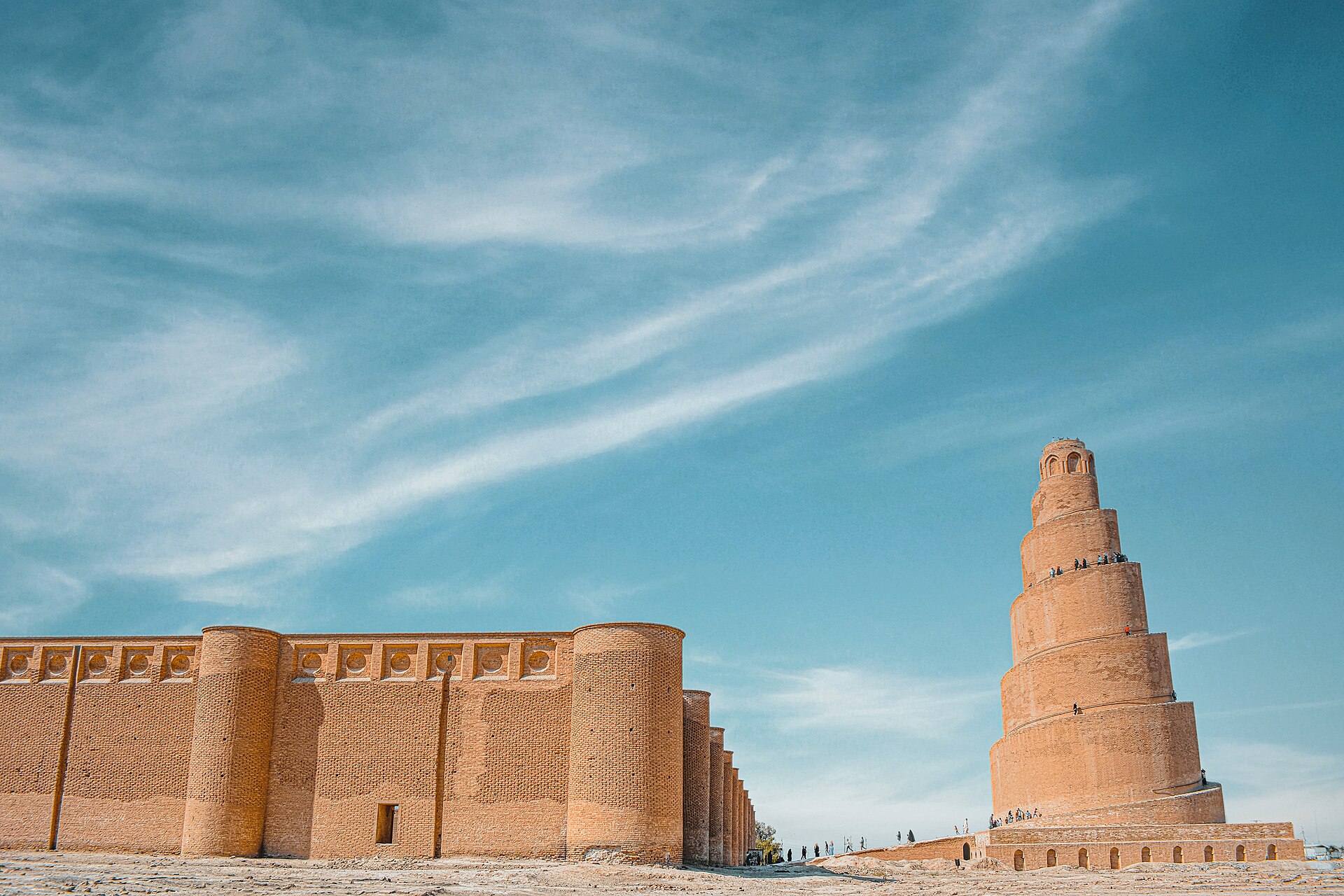
Today we will travel north of Baghdad to ancient Samarra — a city that was once the capital of the Abbasid Caliphate.
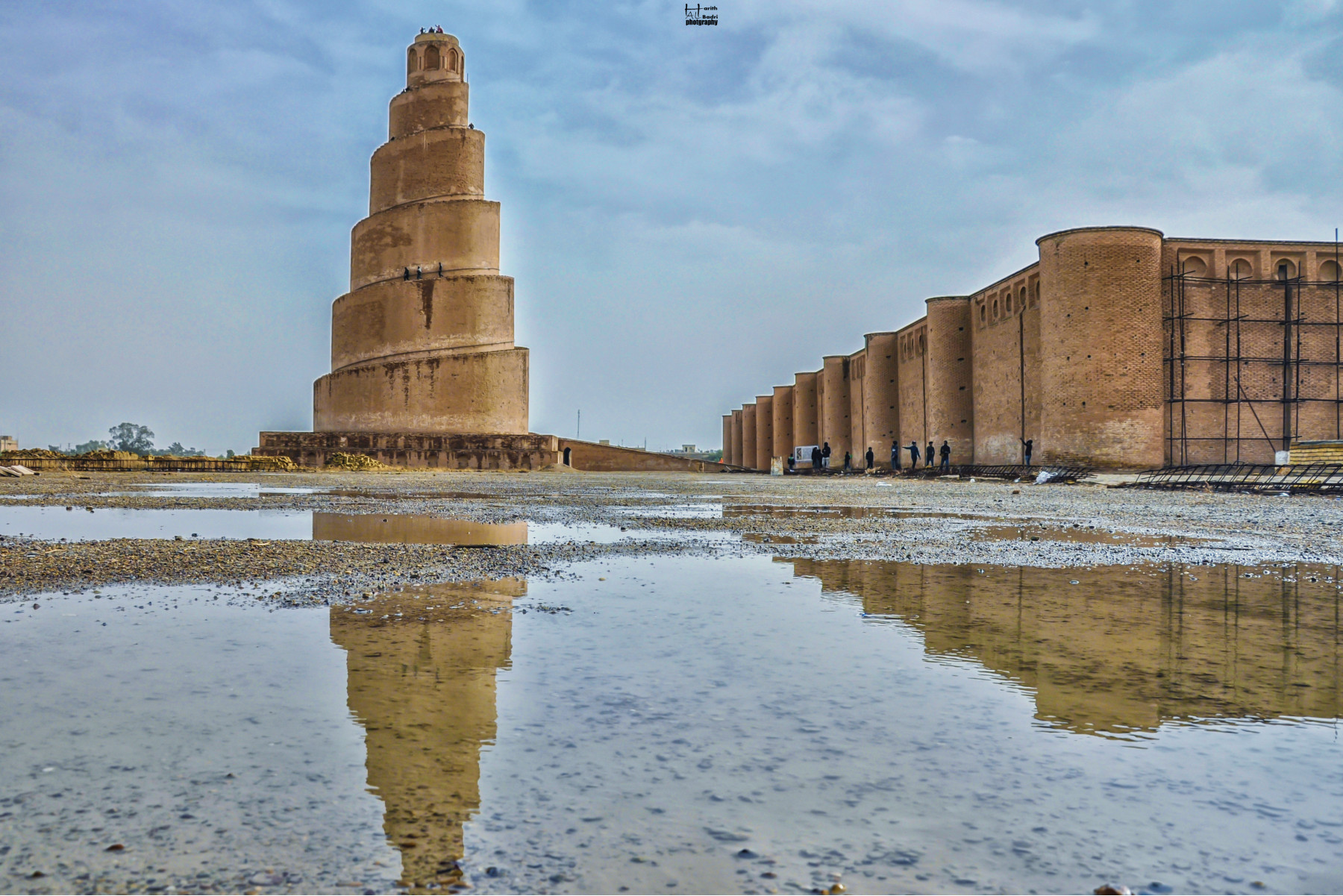
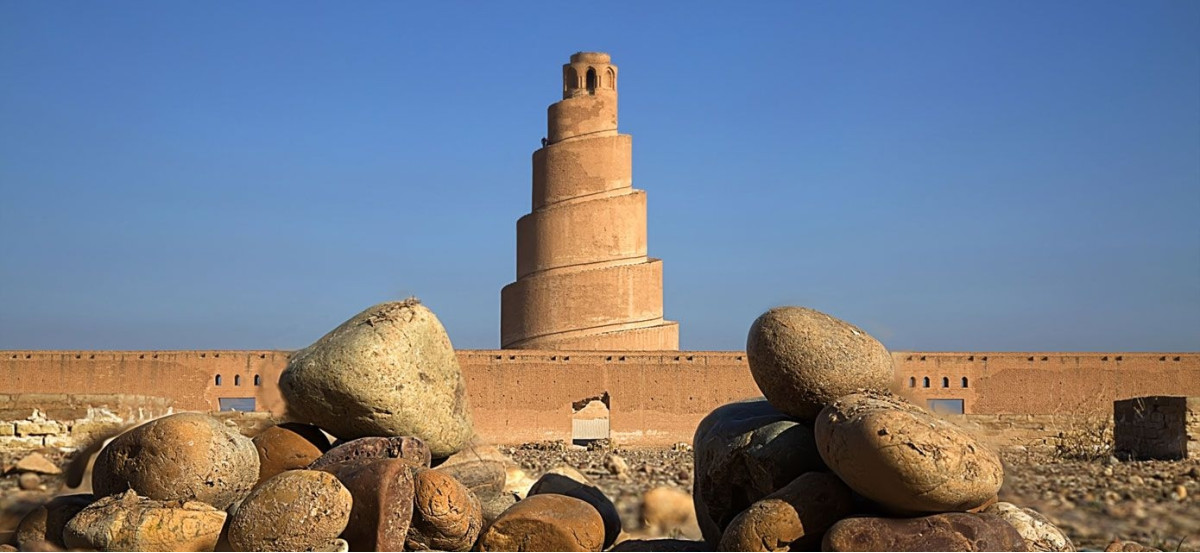
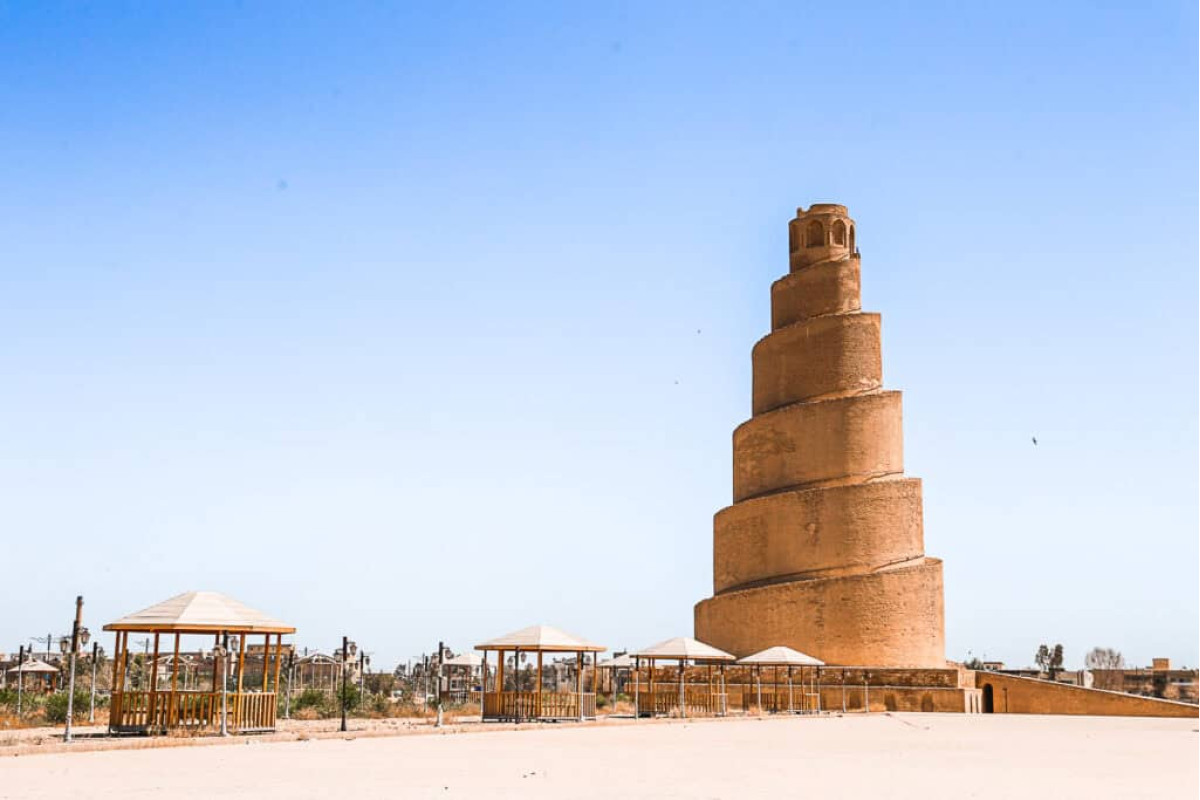
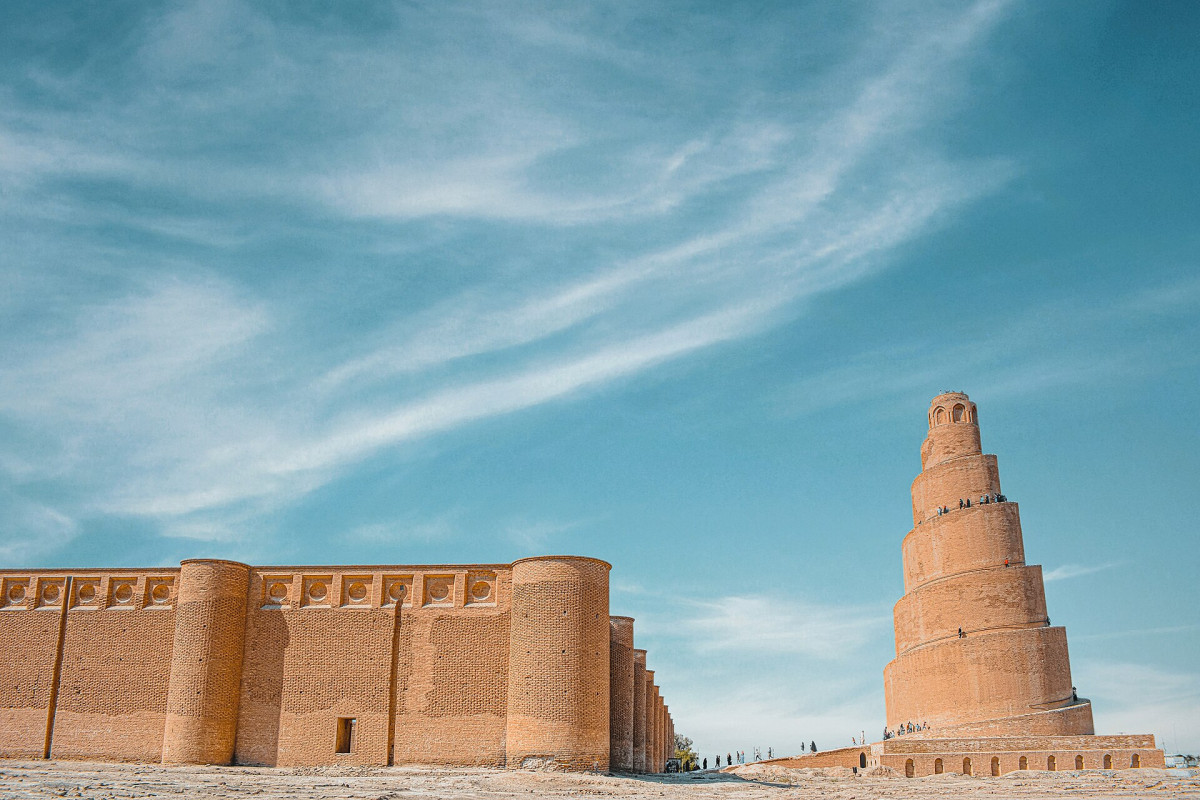
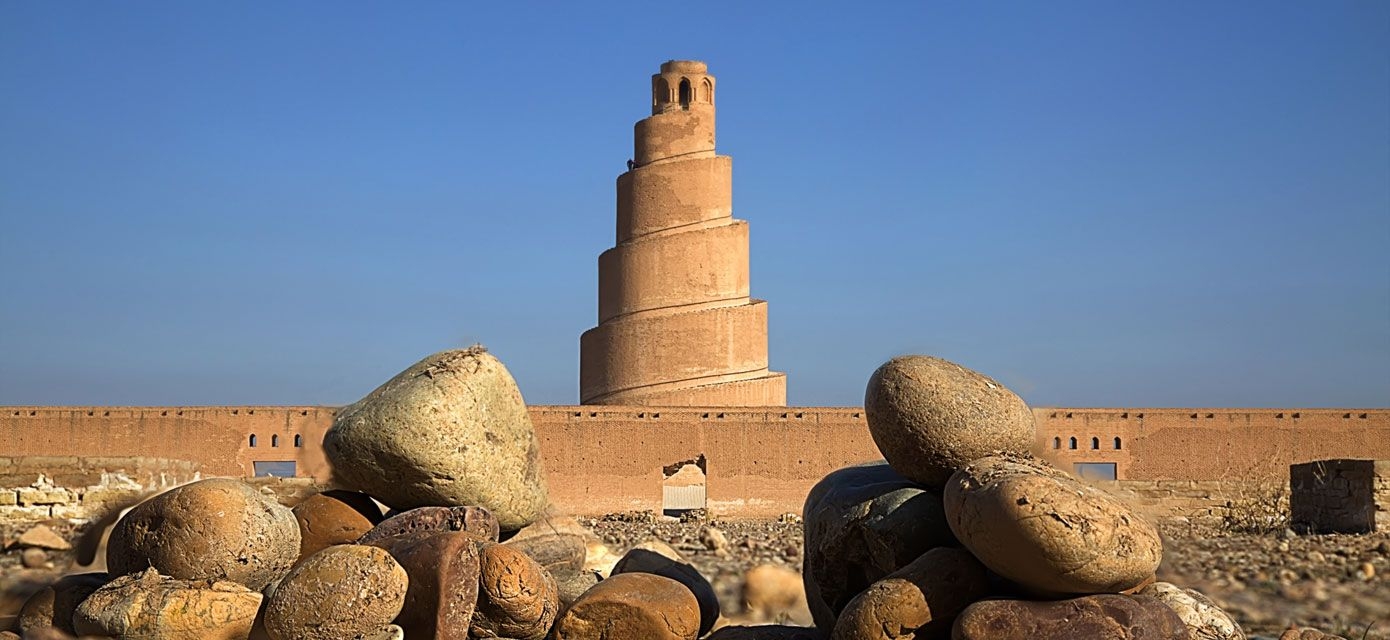
The main highlight of our journey will be the Great Mosque of Samarra and its famous spiral minaret, Al-Malwiya. Its unusual shape resembles a giant stone spiral rising above the plain.
During our walk through the complex, we will learn about the period of Samarra’s prosperity and see the remains of monumental Islamic architecture from the 9th century.
After the excursion, we will return to Baghdad.
Our great expedition through two remarkable countries of Asia is coming to an end.
During these days, we have seen the mountain valleys of Afghanistan, ancient Bamiyan, the turquoise lakes of Band-e Amir, the streets of Baghdad, the ruins of Babylon, the sacred cities of Iraq, Sumerian Uruk and the water world of Mesopotamia.
After breakfast, hotel check-out and transfer to Baghdad International Airport.
Flight home.