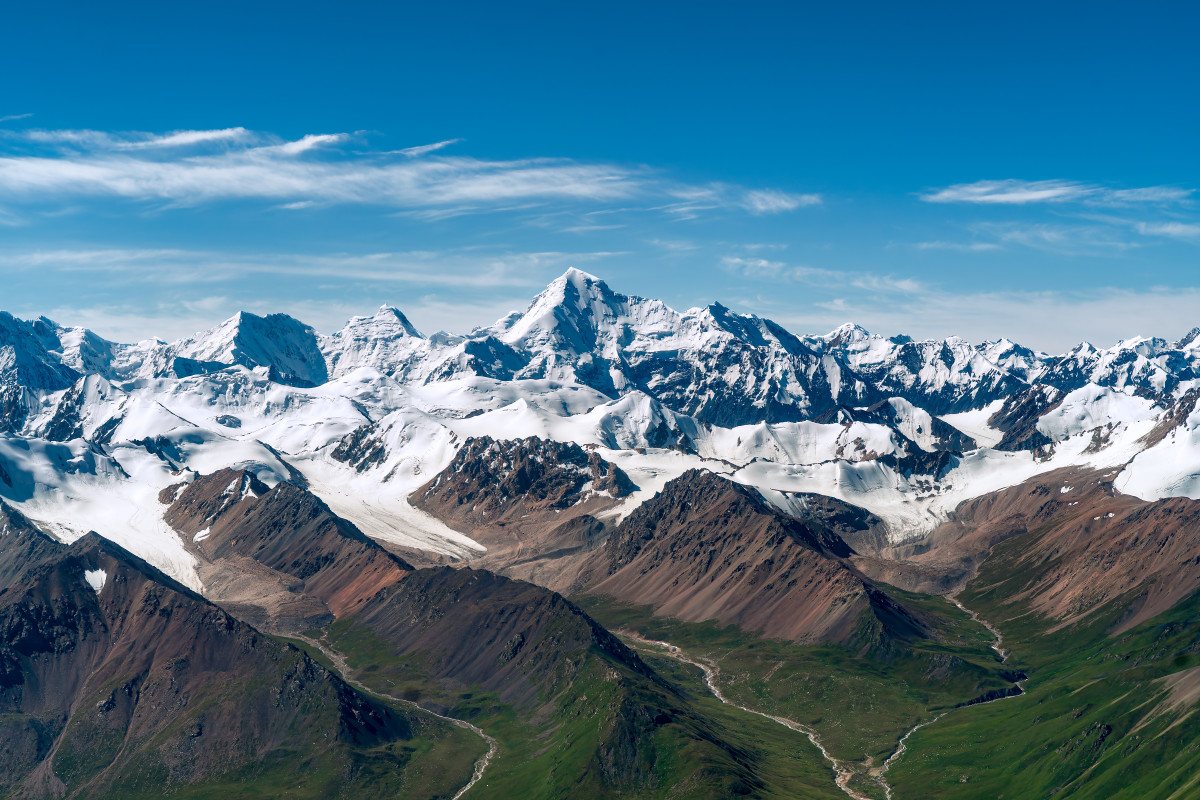
Expedition to Central Asia: Kyrgyzstan - Uzbekistan - Tajikistan
Expedition duration: 13 days/12 nights
Tour dates: August 19 – 31, 2027
Expedition route: Dushanbe – Iskandarkul – Penjikent – Khujand – Kokand – Osh – Chychkan – Kochkor – Tash-Rabat – Naryn – Bokonbaevo – Karakol – Bishkek – Tashkent
It is possible to join a group at any stage of the tour and take part only in part of the expedition!
This was the first Expedition we organized back in 2017. Since then, it has taken place dozens of times both in group format and individually.
The program can be combined with an expedition to Uzbekistan and Turkmenistan.
Early in the morning we arrive in Dushanbe.
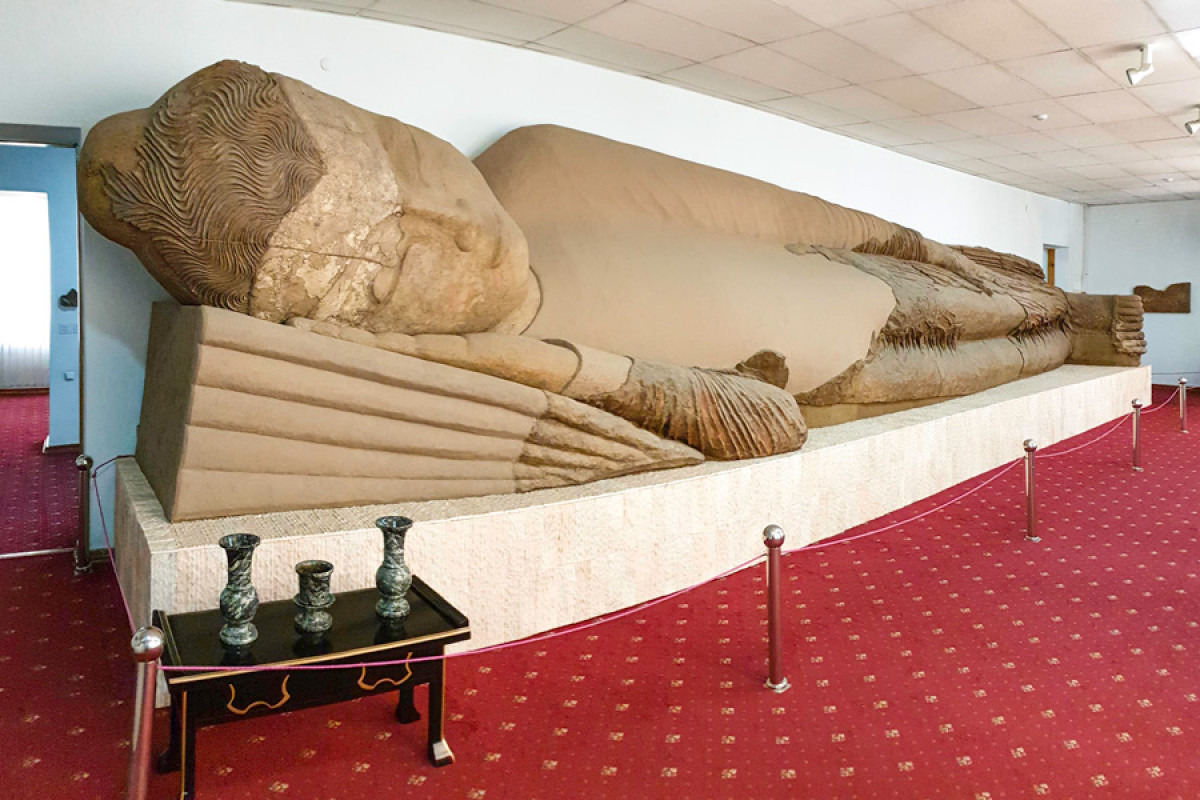
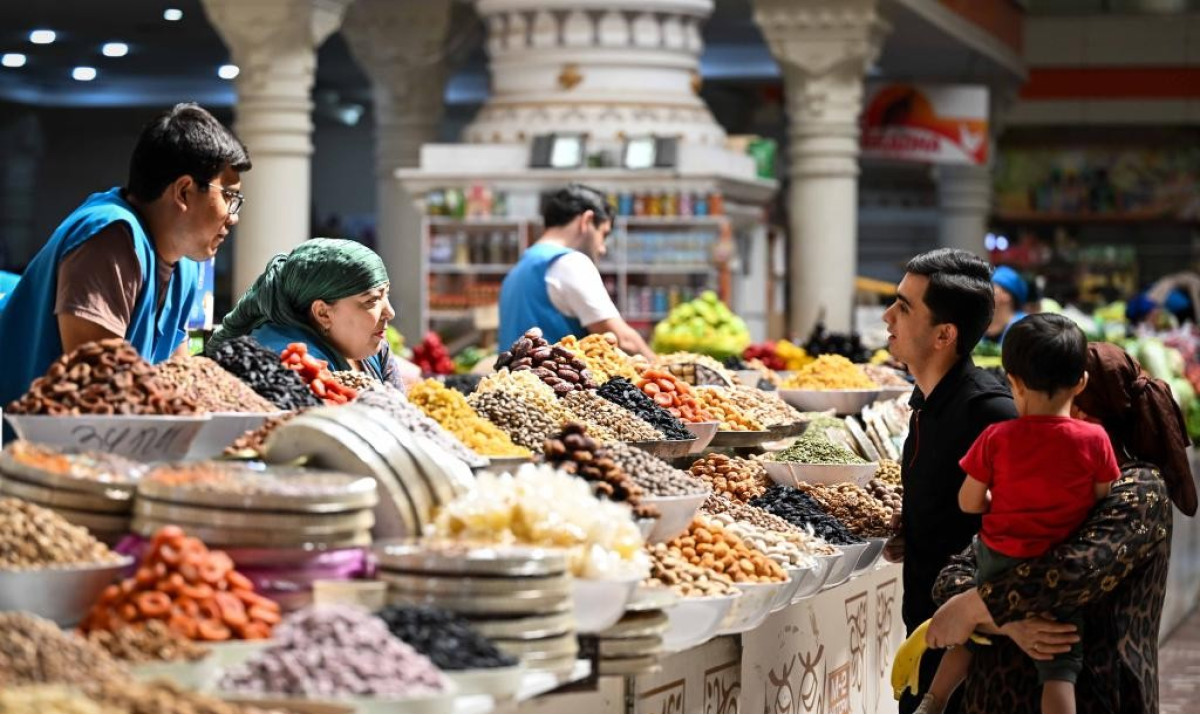
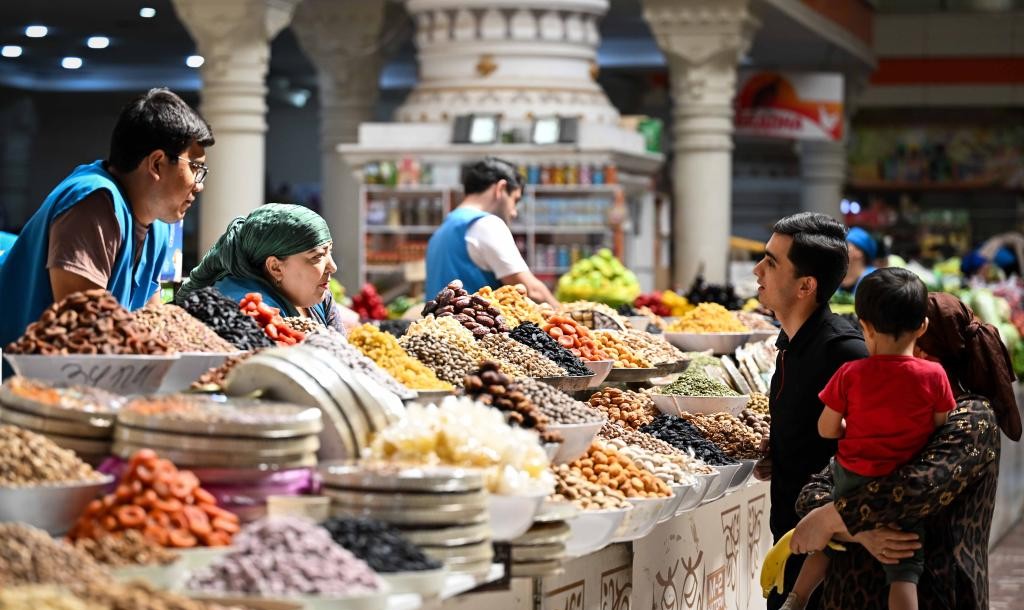
We will visit the National Museum of Tajikistan, whose exhibitions present collections on the country’s history, natural sciences, and art. One of the most valuable exhibits of the museum is the famous statue of Buddha in Nirvana. Then we will take a walk through the Botanical Garden — an exceptionally picturesque place with a large number of old trees, which is a favorite recreation area for the residents of Dushanbe. And we will definitely visit a crowded traditional Eastern bazaar.
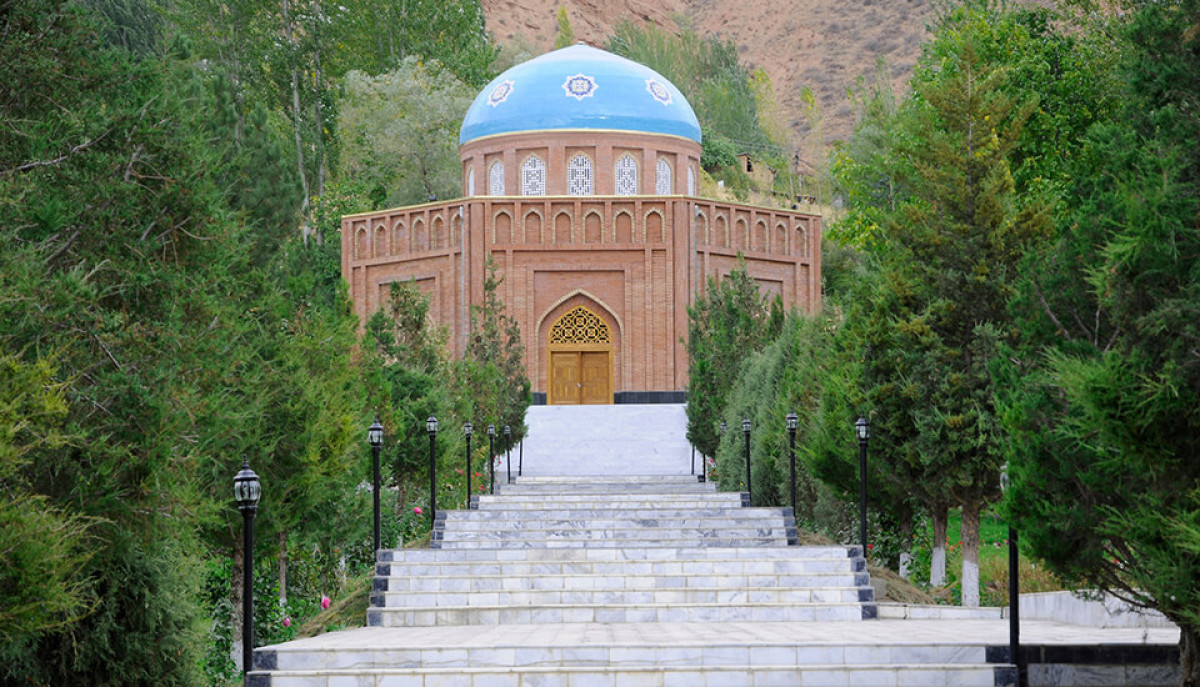
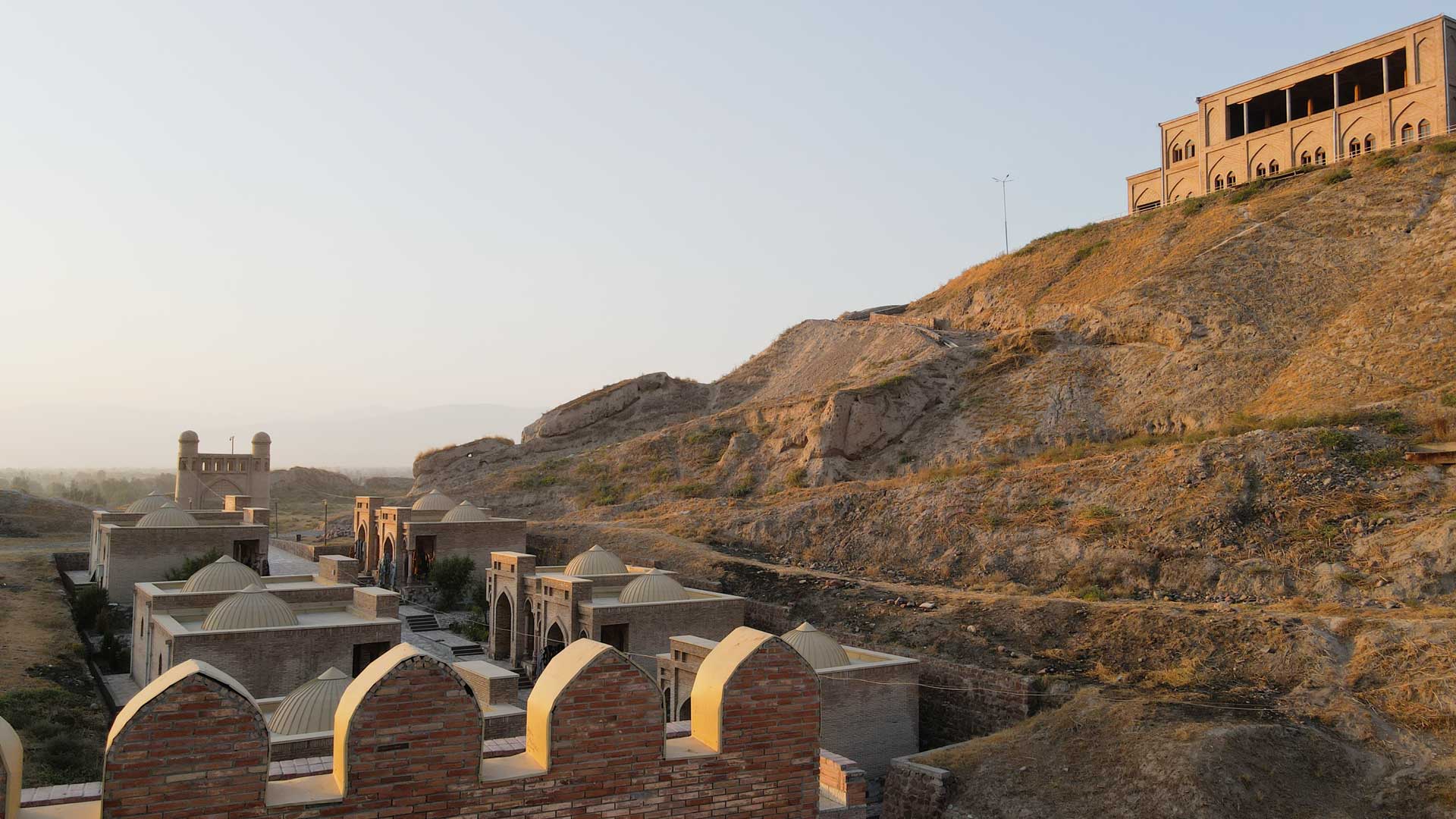
Thirty kilometers from the city are the remains of the Hissar defensive fortress of the 18th century. We will see it with our own eyes, as well as two simple madrasahs of the 18th and 19th centuries and a mausoleum of the 16th century.
We return and spend the night at the hotel.
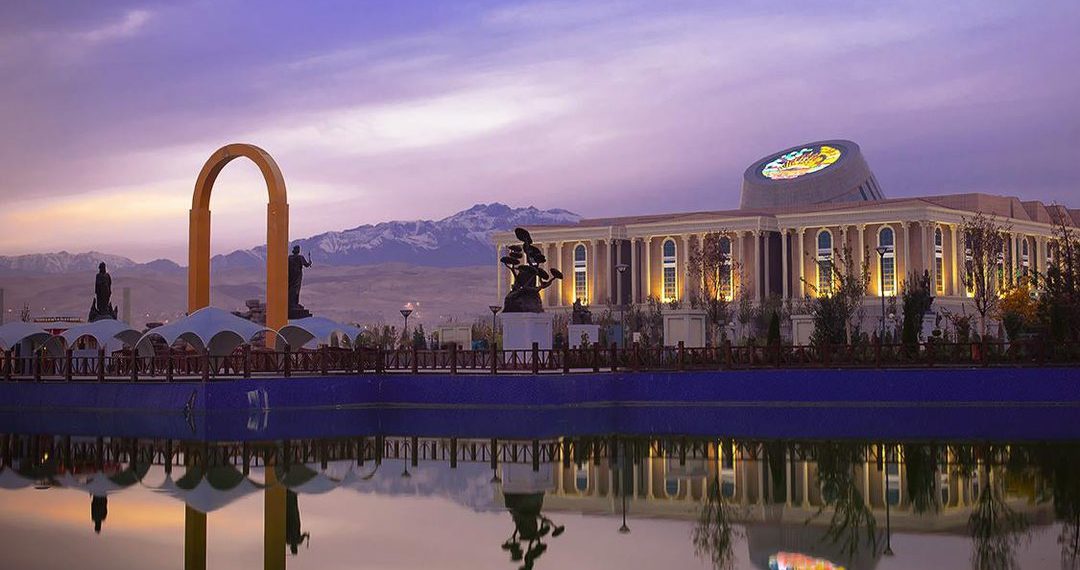



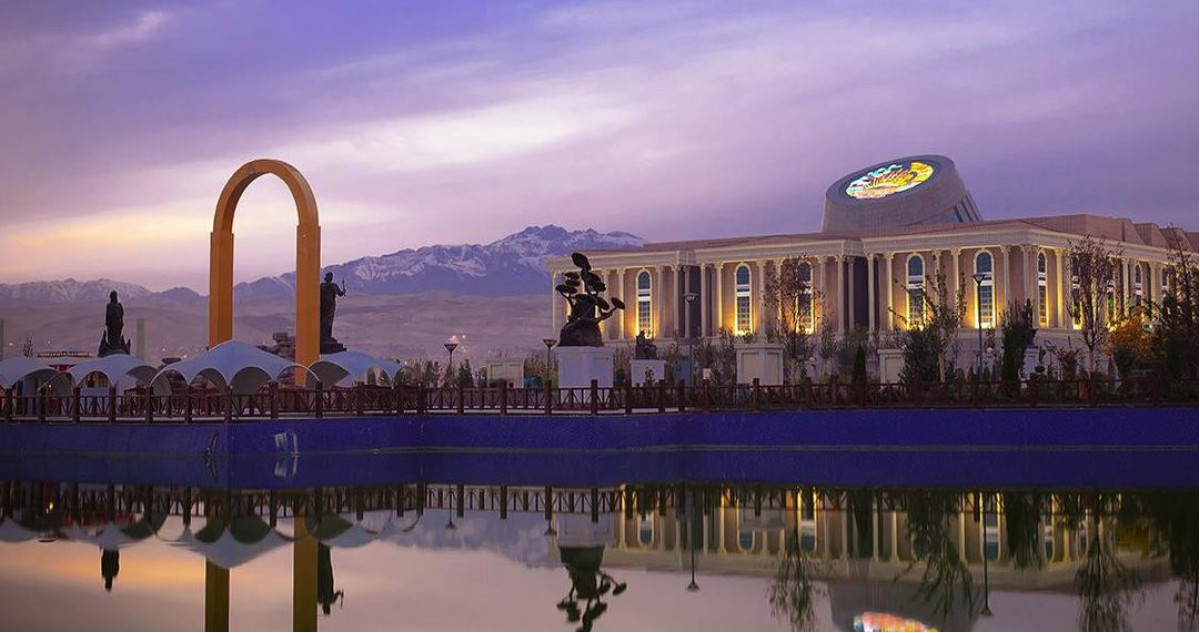
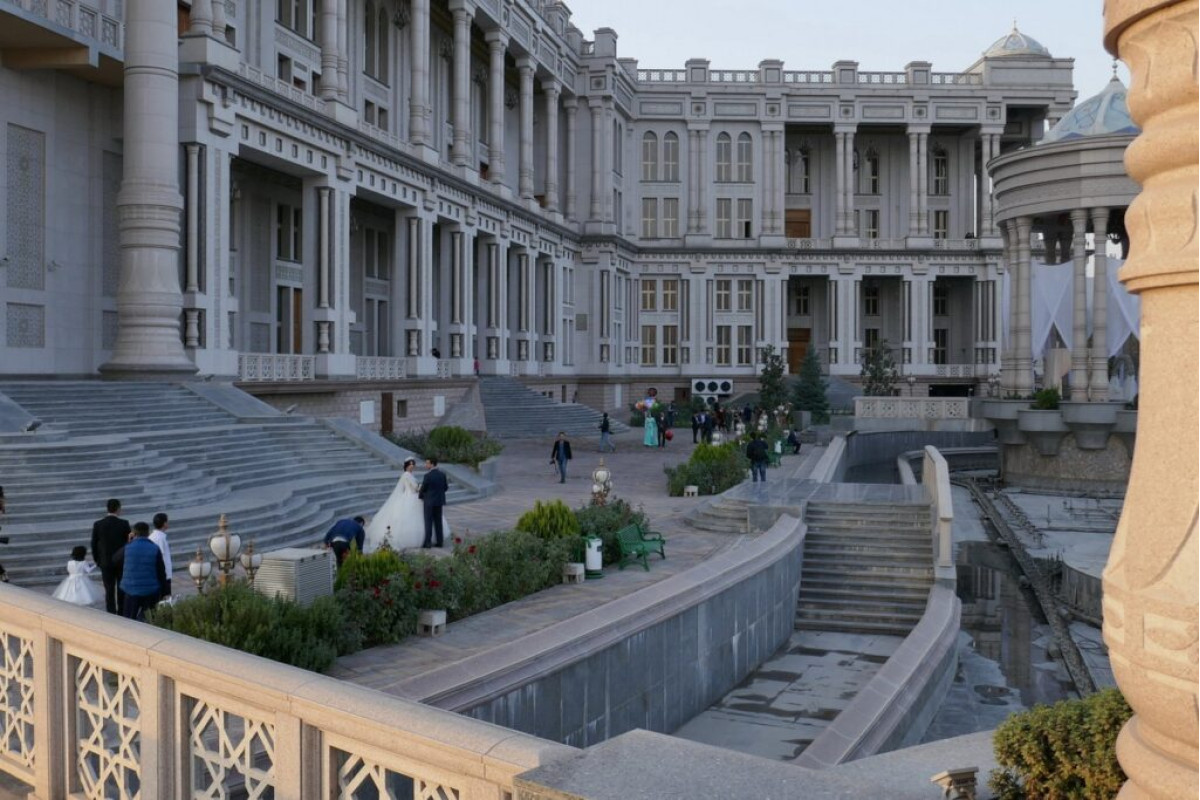
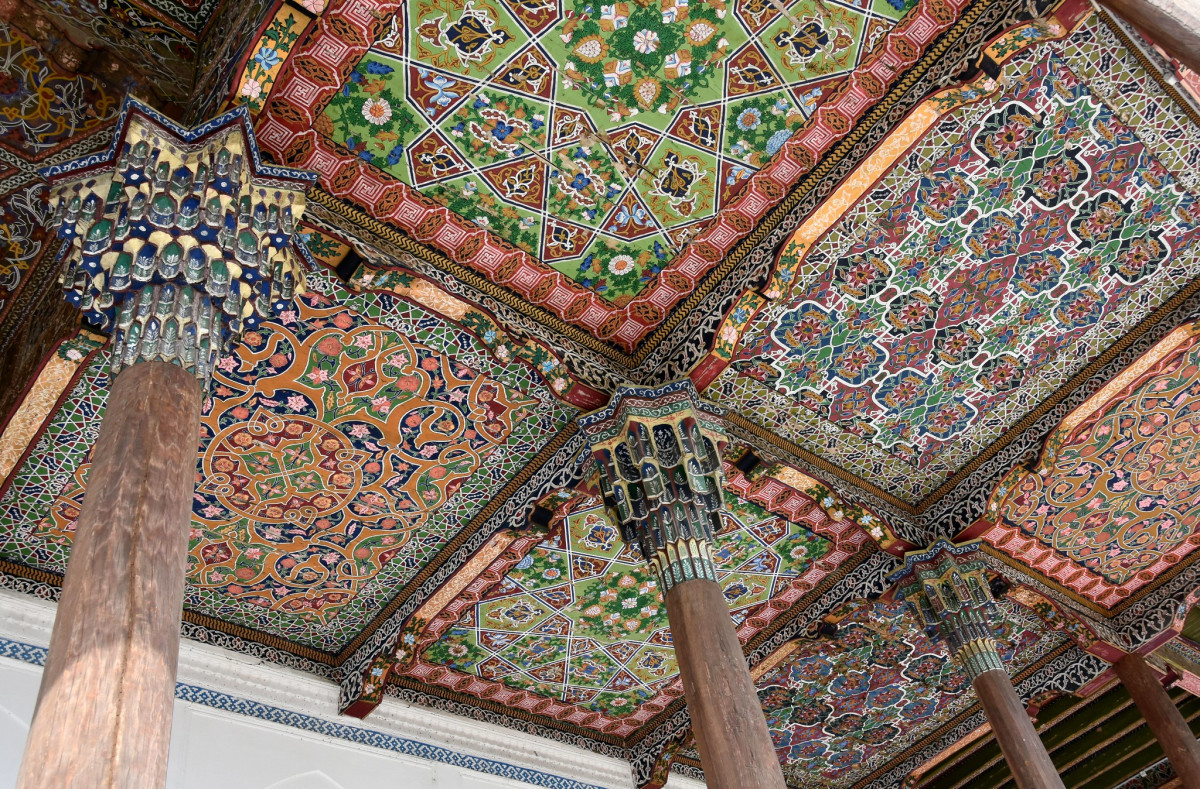
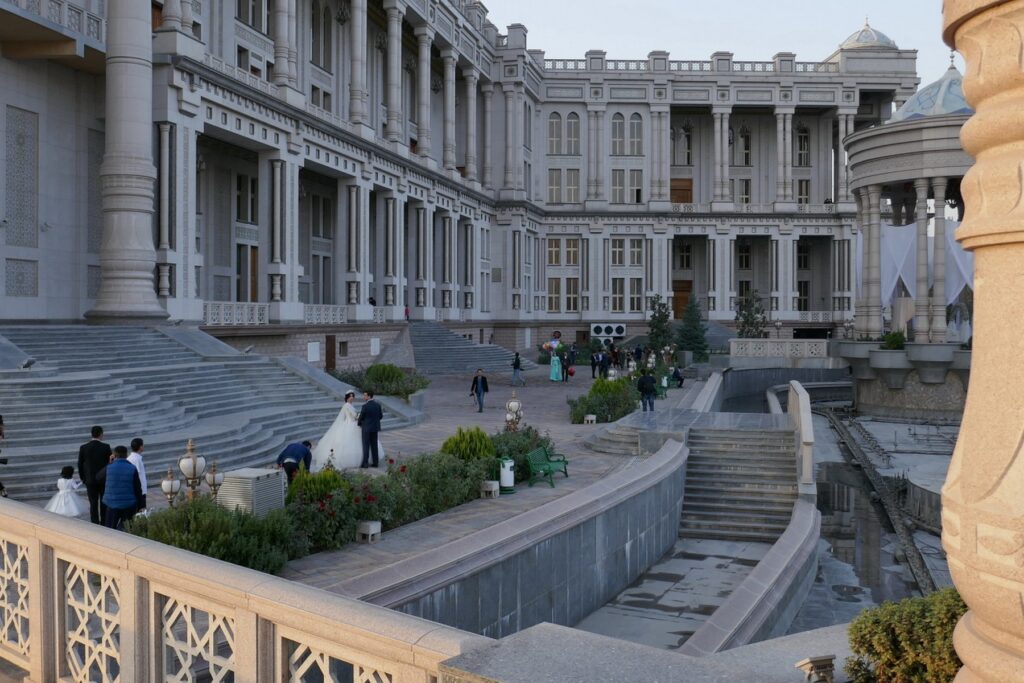
In the morning, we start with breakfast and head to the Kohi Navruz complex. It was intended to be the largest national teahouse in Central Asia, but during construction it turned into a true museum of national crafts of the Tajik people. About 4,000 craftsmen from all corners of Tajikistan took part in its creation.
The total area of the craft works within the complex is approximately 40,000 m²: decorative wood carving on columns and ceilings, wall decorations made of carved wood, Florentine mosaics in colored mirrors, painted ceilings... The height of the largest dome reaches 40 m!
Overall, the modern territory of the complex, together with fountains, summer pavilions, and a garden, covers more than 4 hectares.
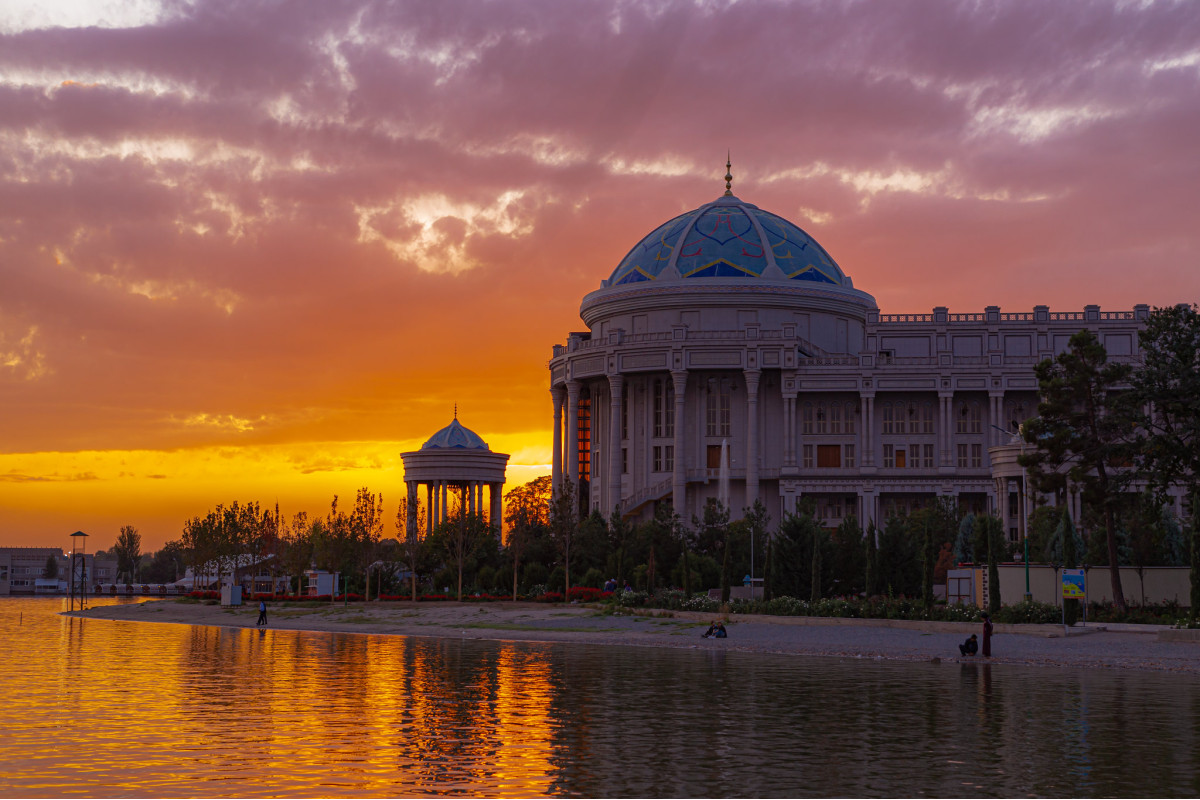
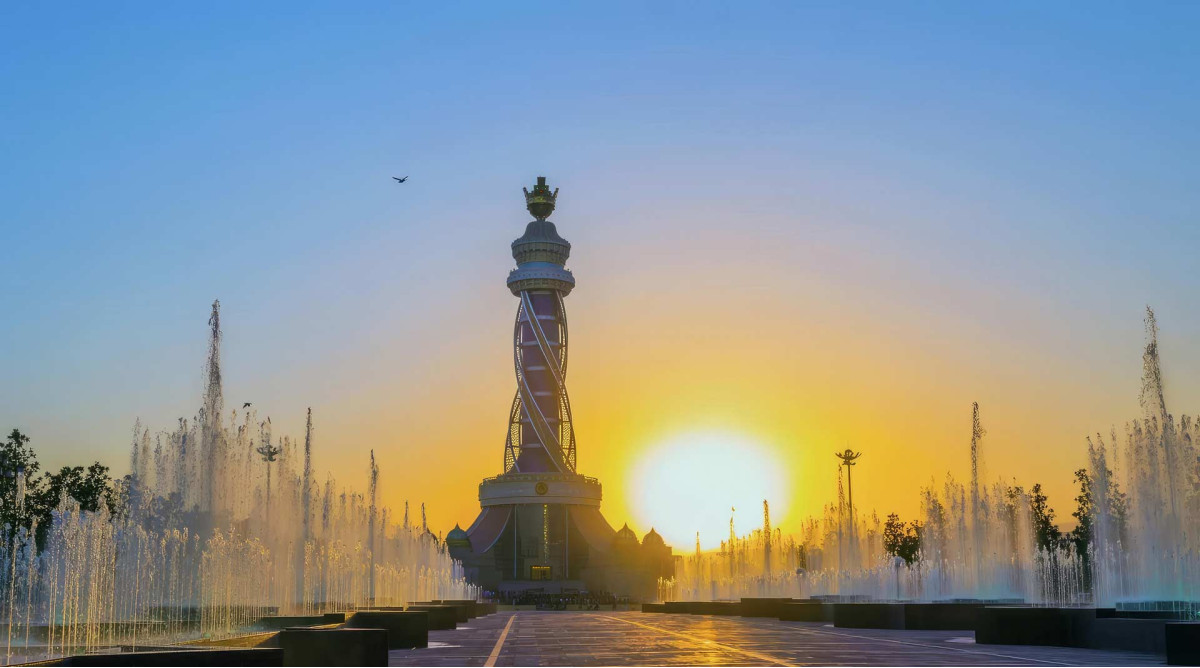
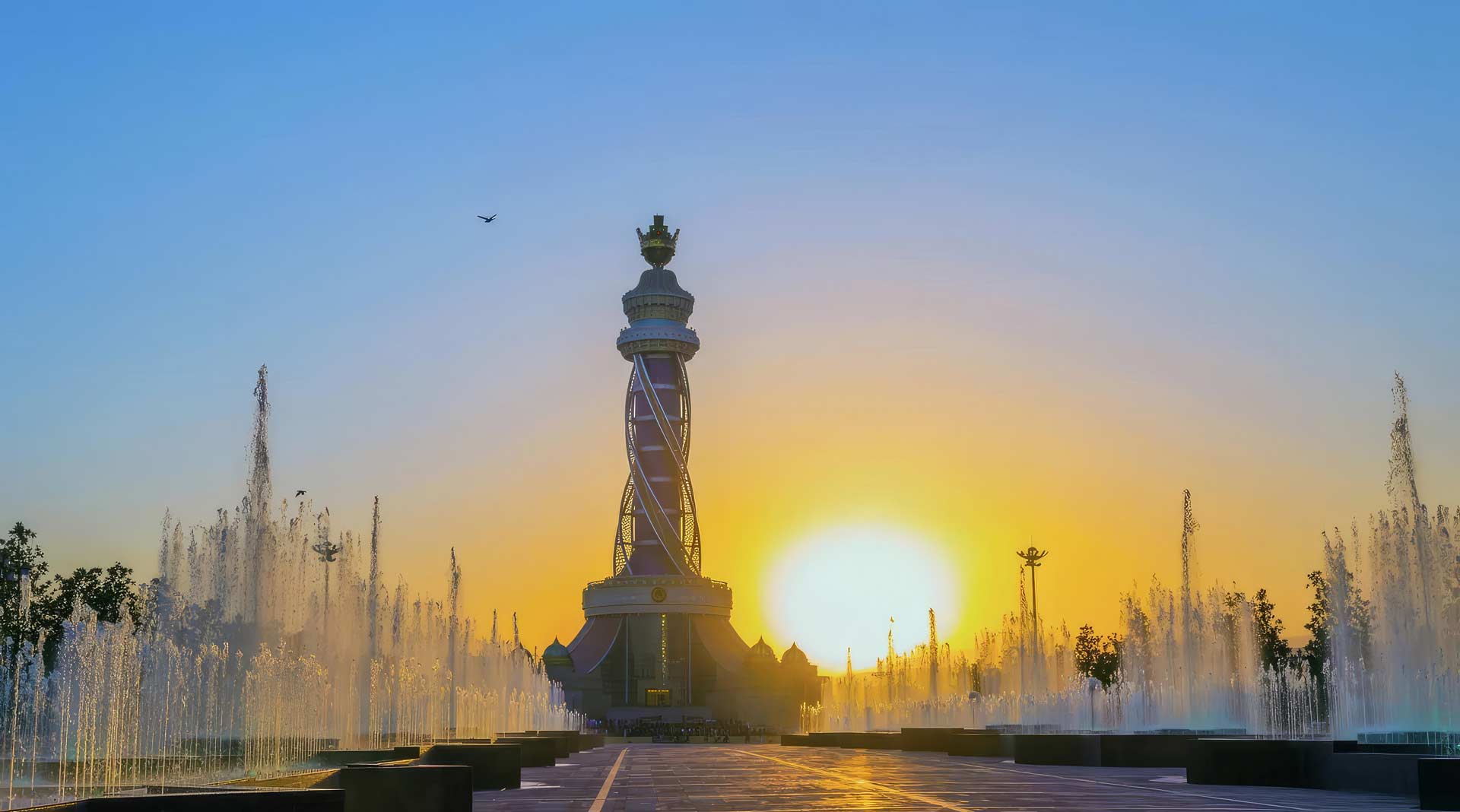
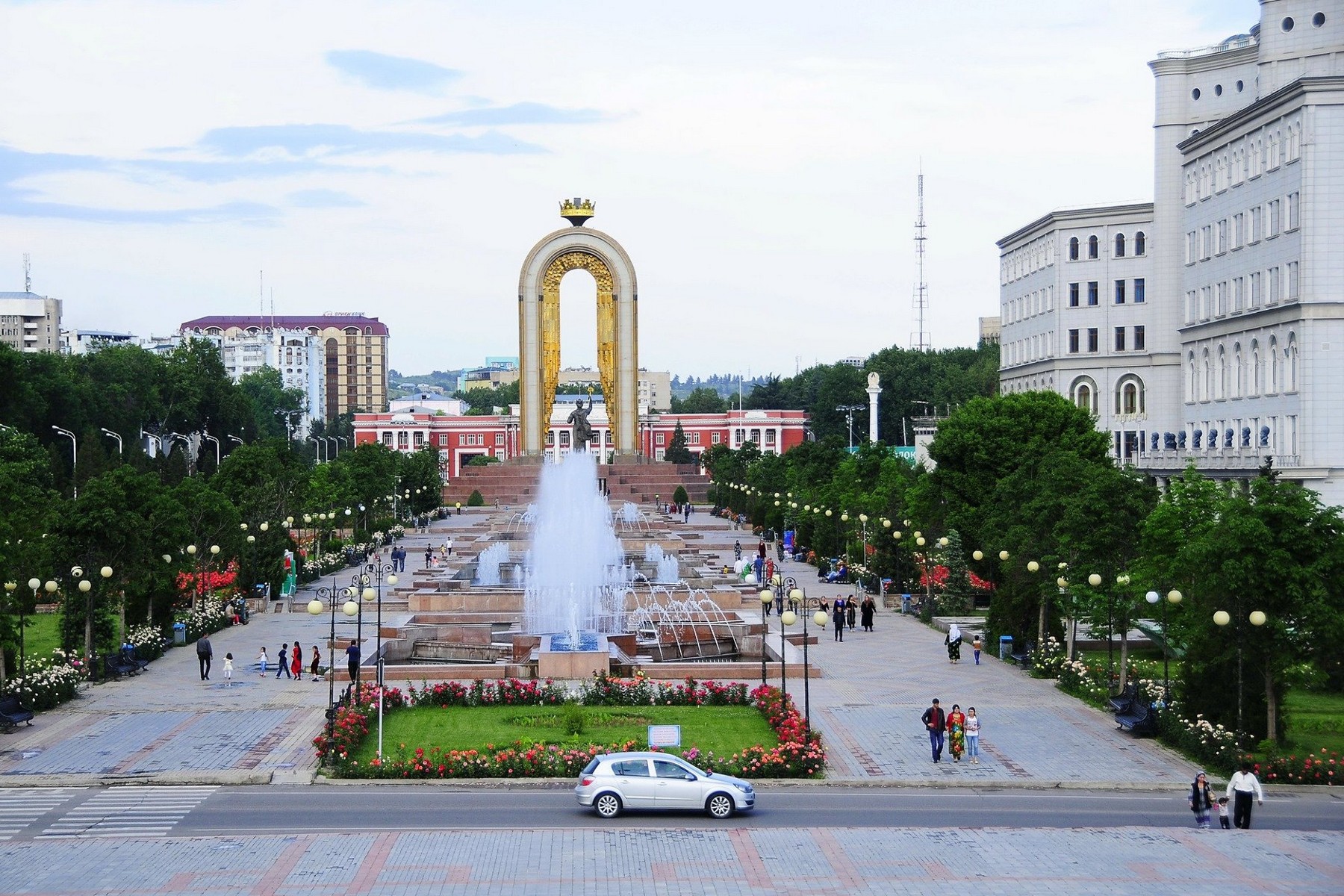
After that, we once again immerse ourselves in the atmosphere of the city and visit the Eastern bazaar, and then continue our walk in Kurushi Kabir Park. We end the day with a visit to Independence Square — one of the key symbols of the modern capital.
We return to the hotel and stay overnight there.

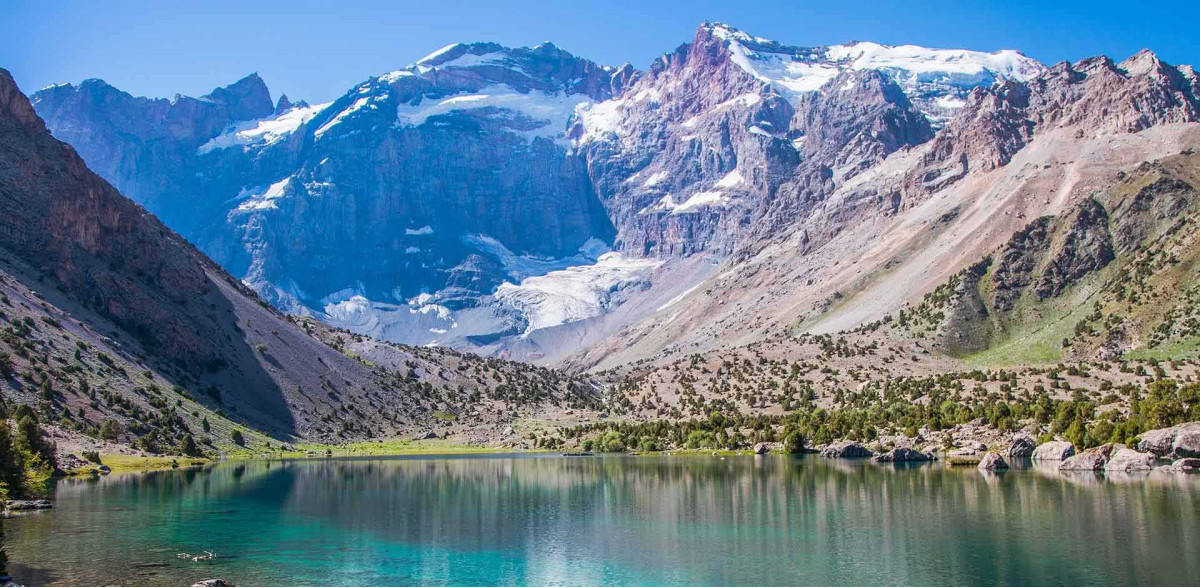
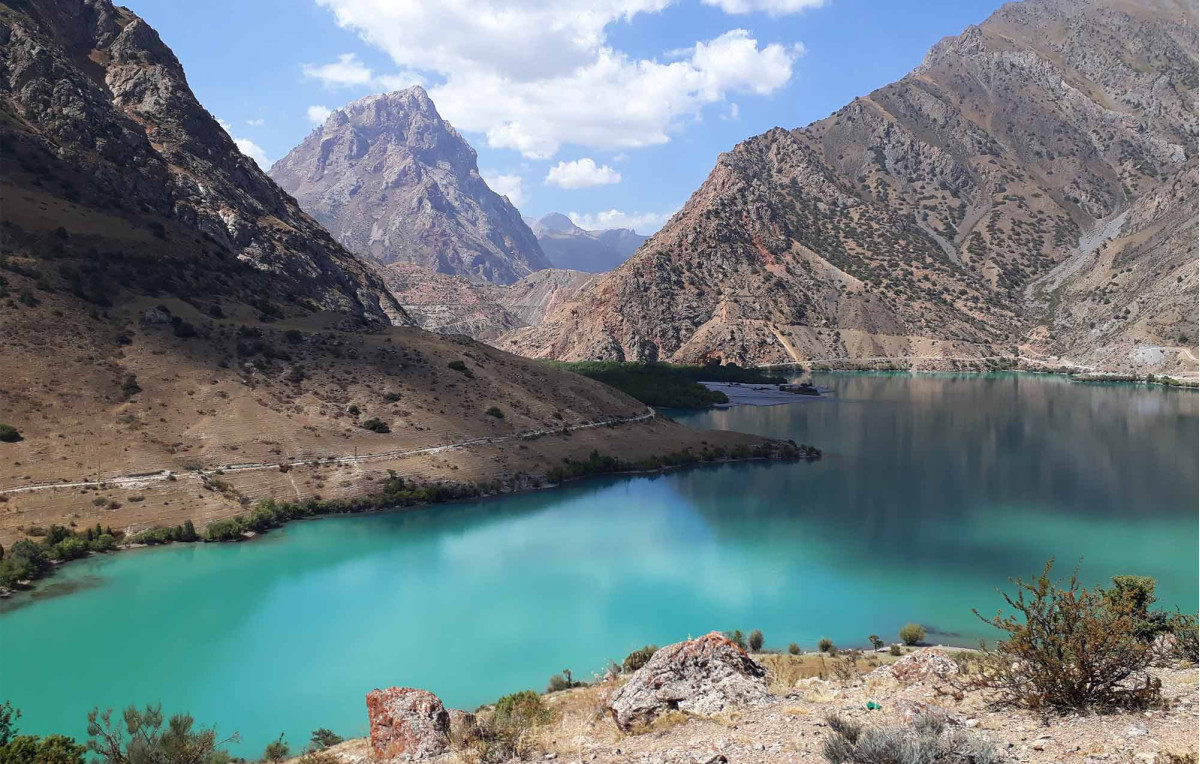
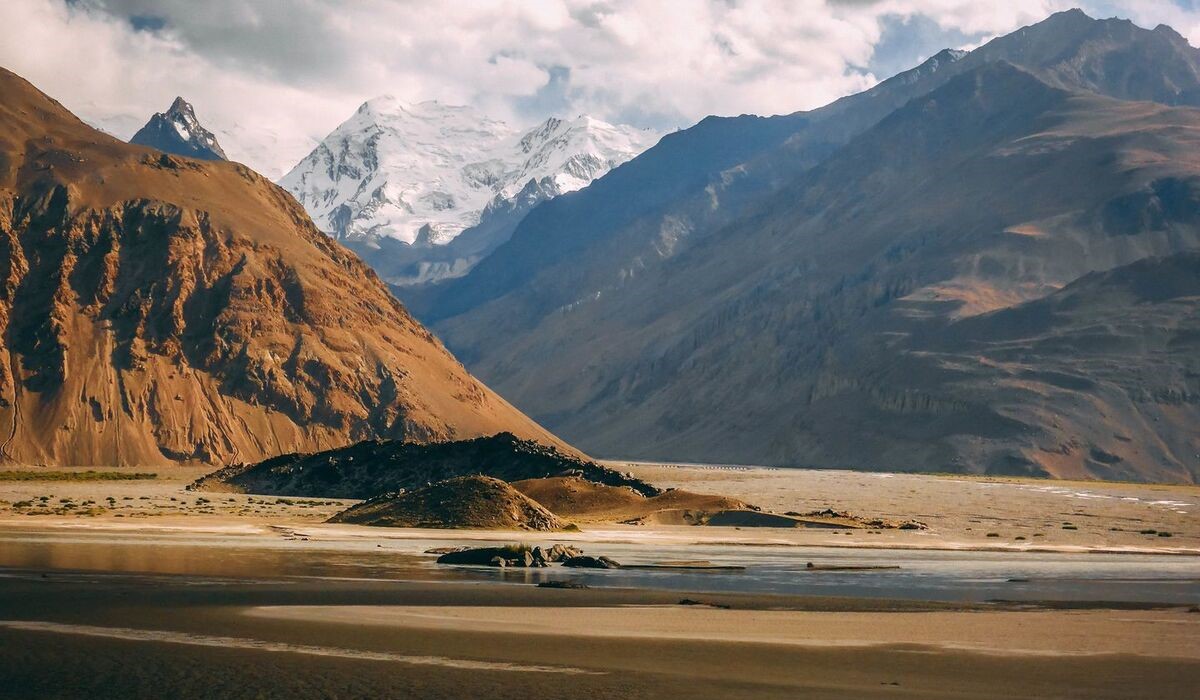
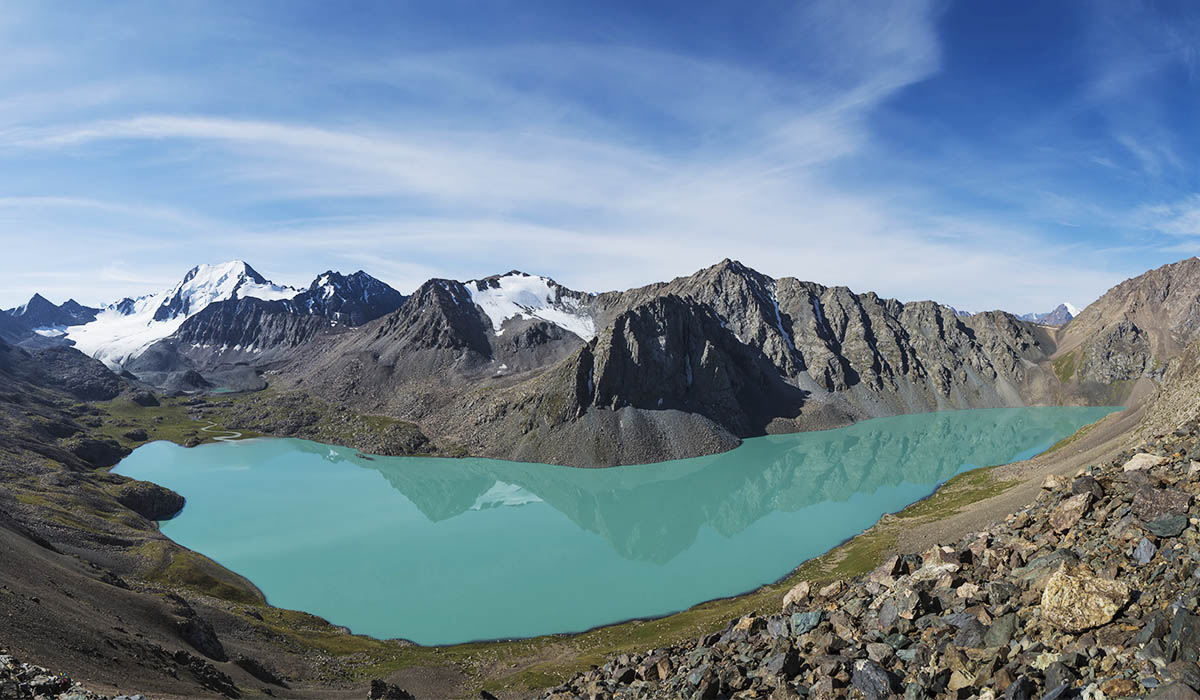
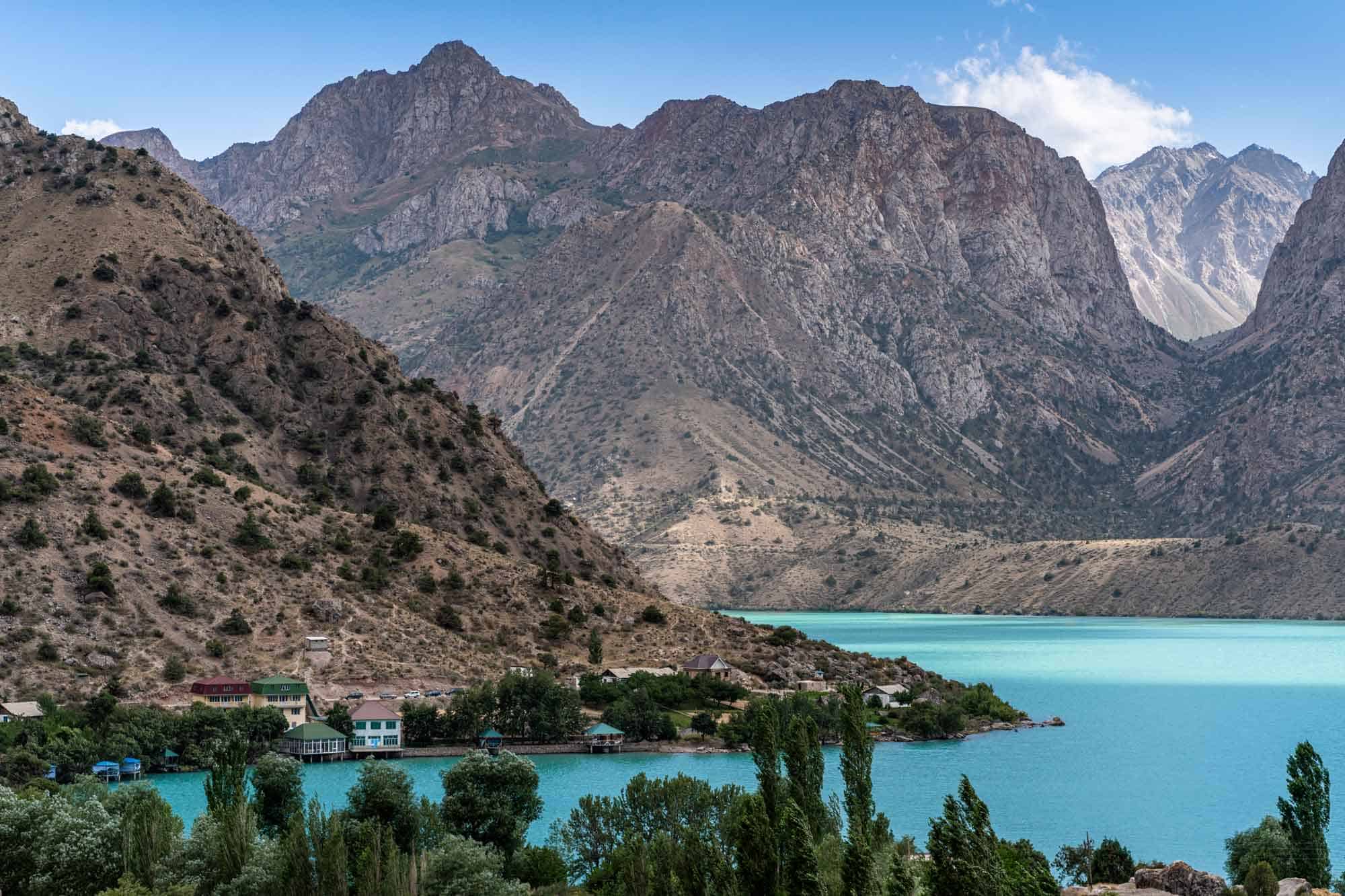
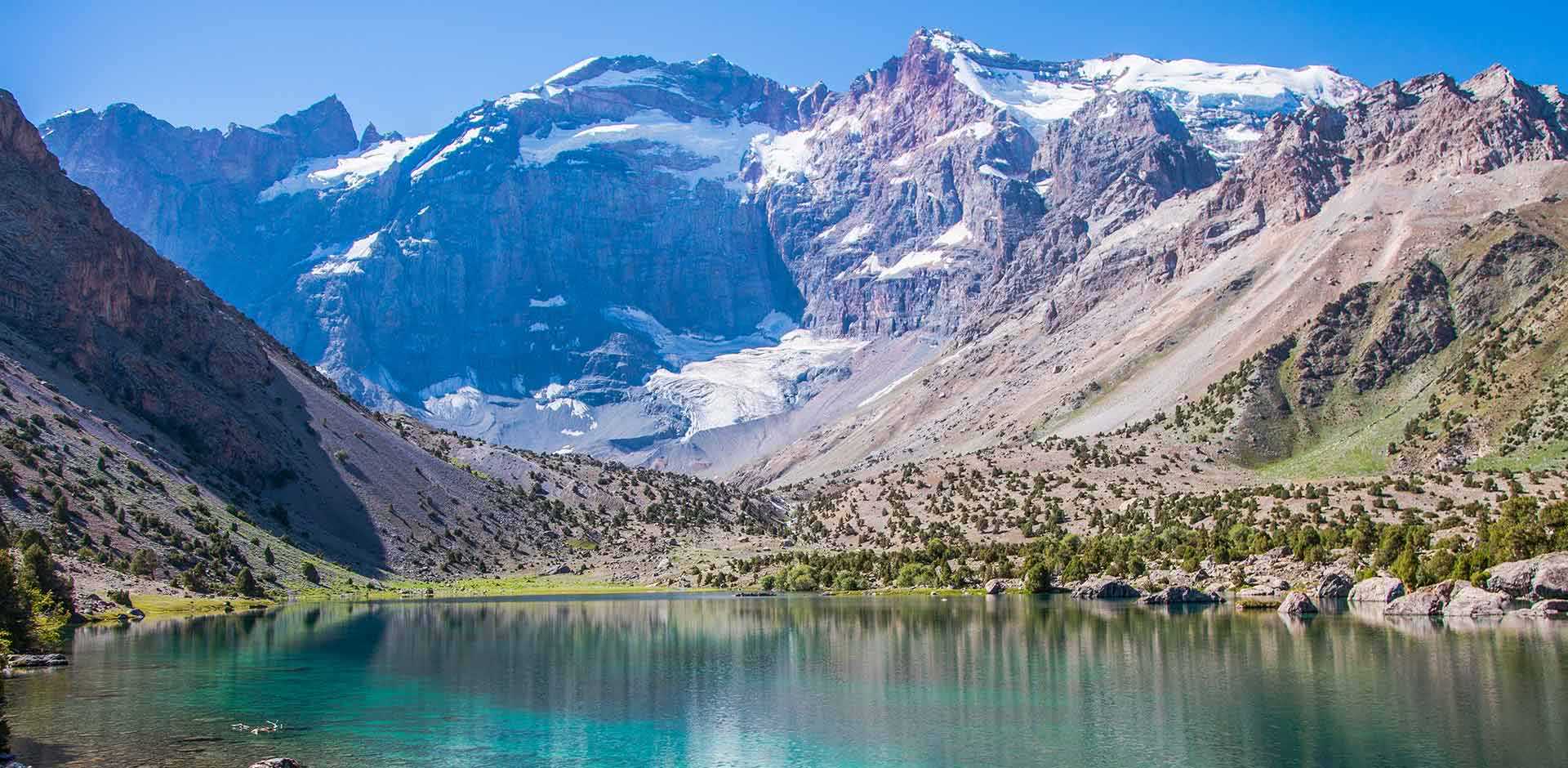
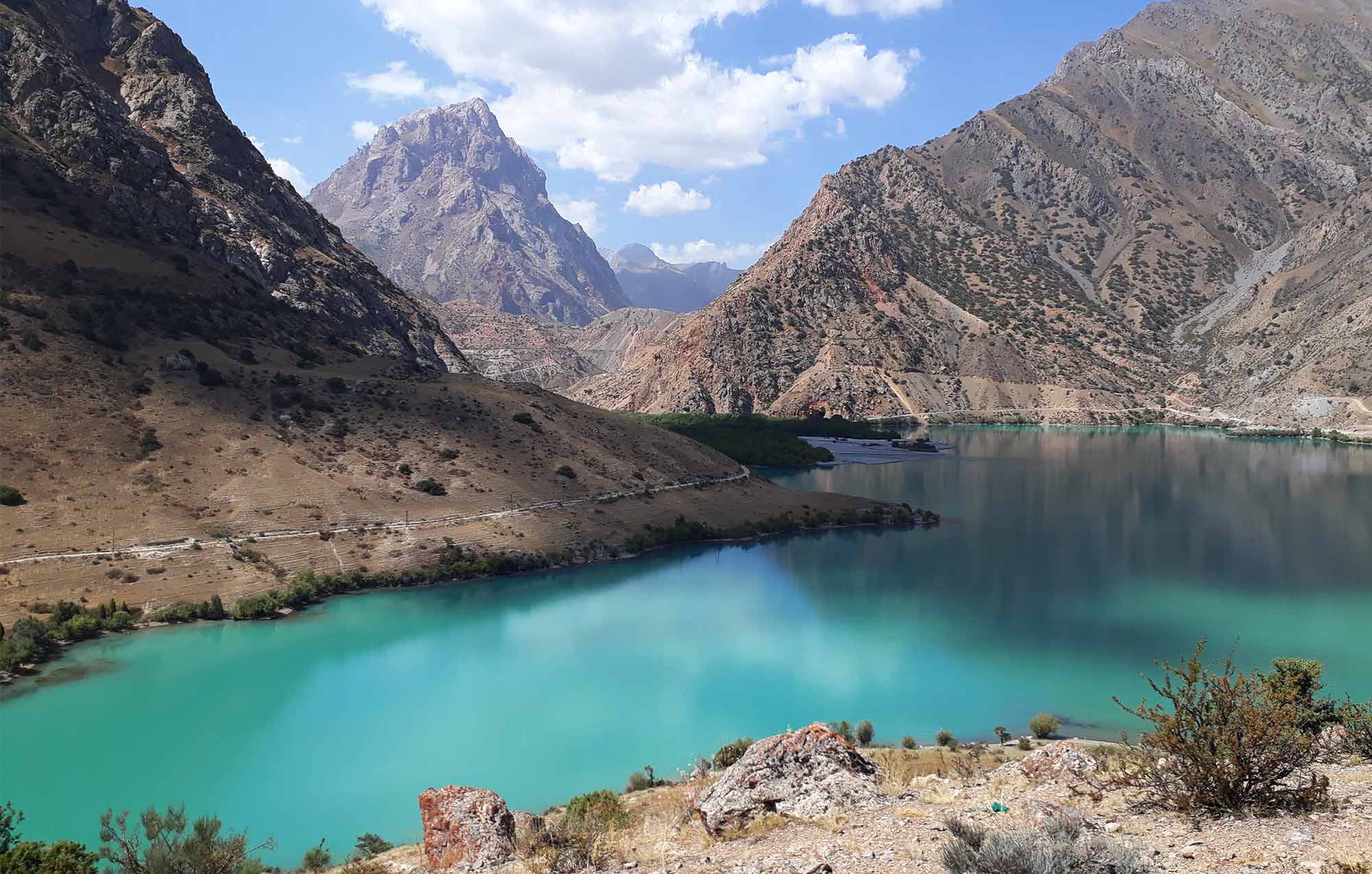
The highlight of today will be the high-mountain lake Iskanderkul. It is located at an altitude of 2,255 meters above sea level in the famous Fann Mountains. This picturesque area is rightfully considered one of the most beautiful in Central Asia.
The road to the lake passes through the Istiklol Tunnel at an altitude of 2,630 m, offering impressive panoramic views. After arriving at Iskanderkul, we will walk along its shores and calm beaches.
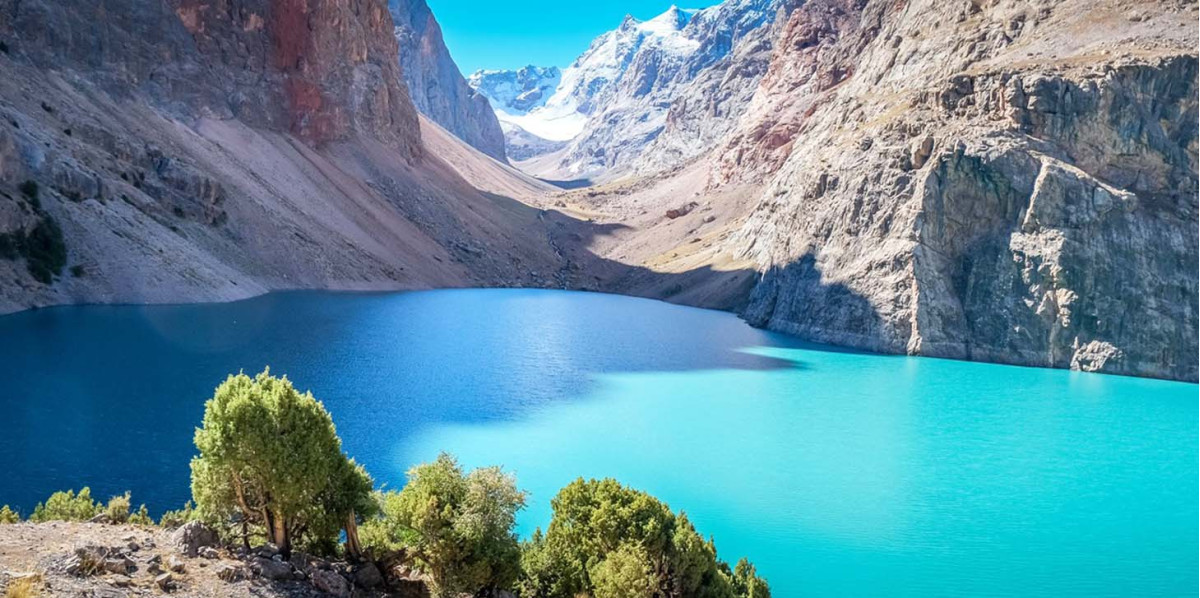
We also have a 40-minute hike to a waterfall. It is no coincidence that Tajikistan ranks second among the CIS countries in terms of water resources: the largest water reserves in Central Asia are concentrated here — more than 1,000 rivers, about 2,000 lakes, and nearly 8,000 glaciers.
Late in the evening, we travel to Penjikent.
Overnight at the hotel.


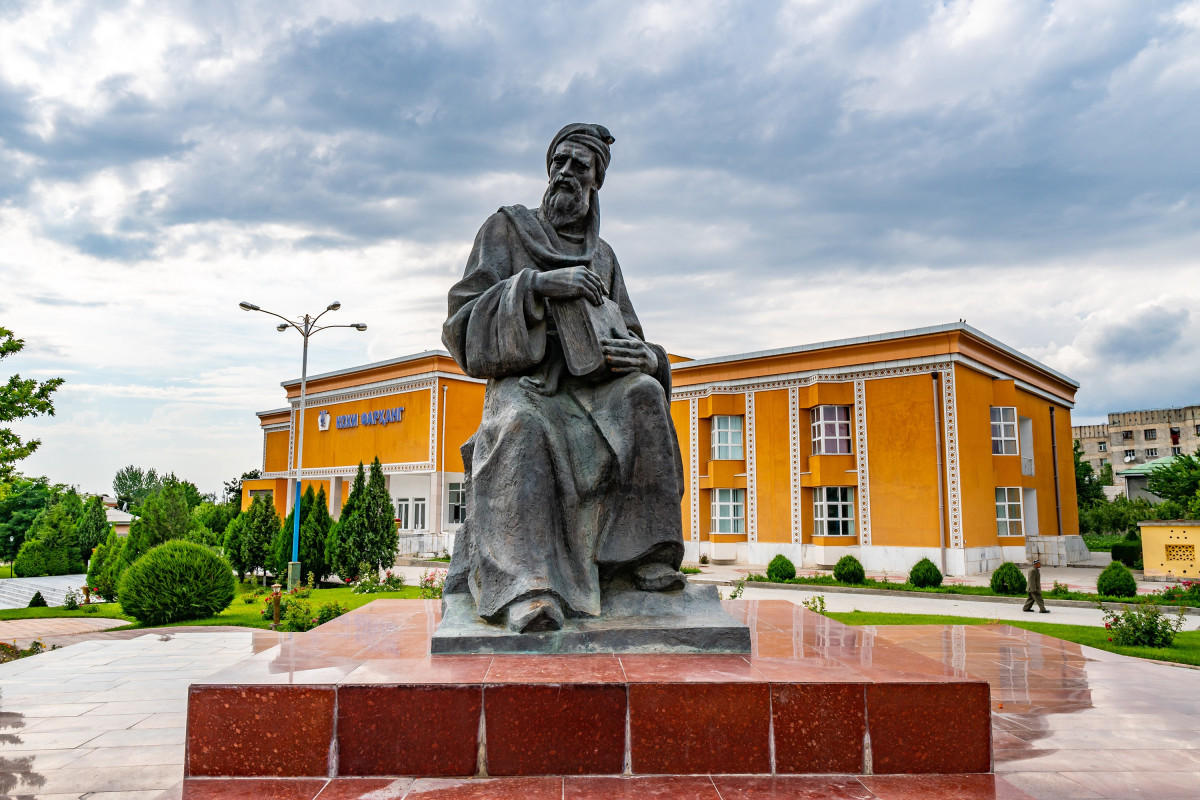
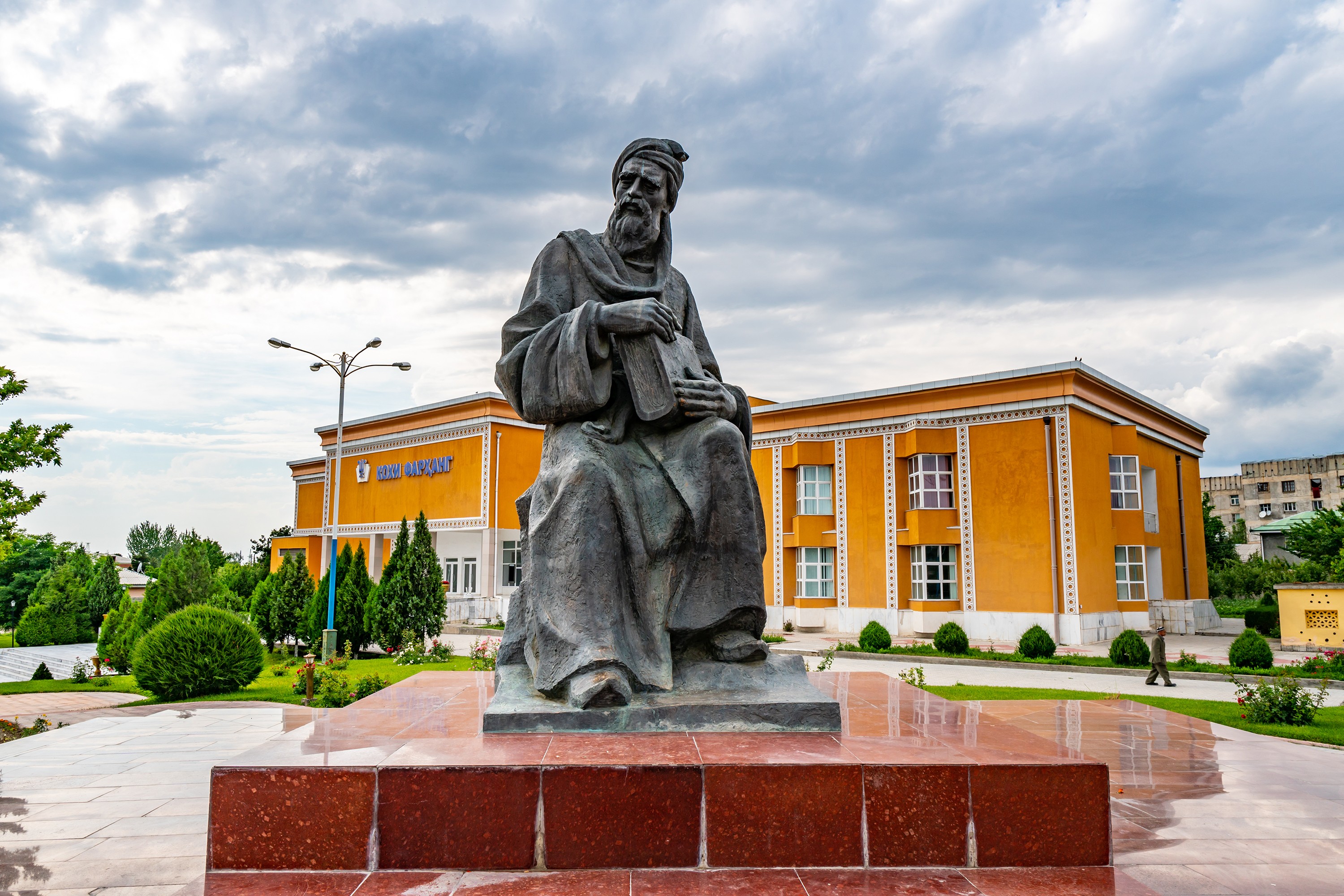
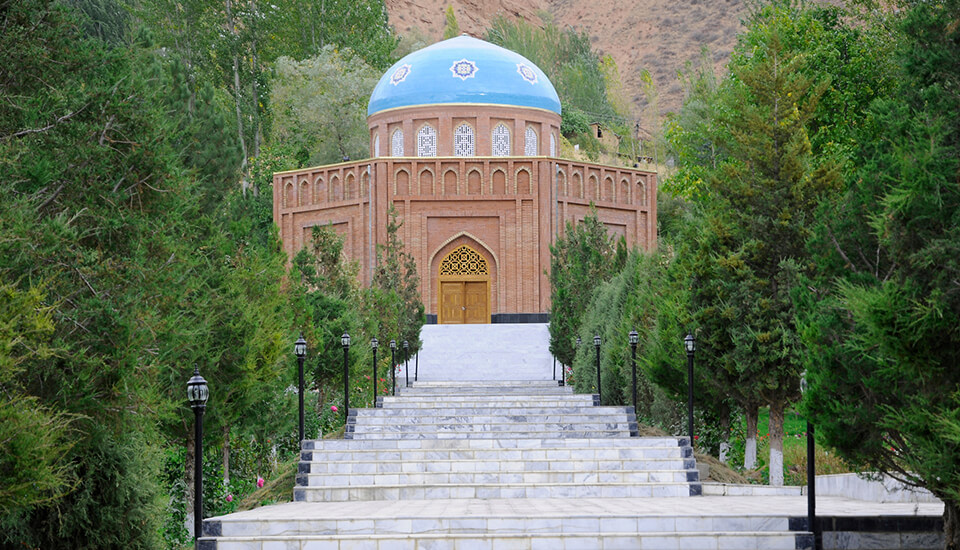
On this day, we get acquainted with the sights of Penjikent. First of all, we will visit the Rudaki Museum, as Penjikent is the birthplace of Abu Abdallah Rudaki — the poet considered the father of Persian poetry.
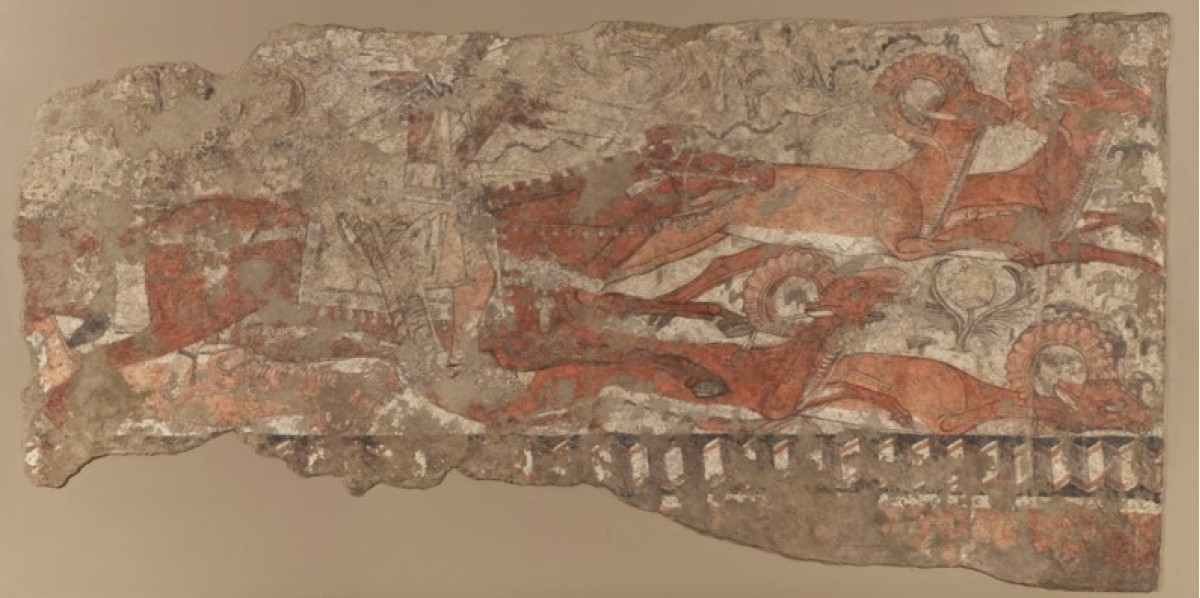
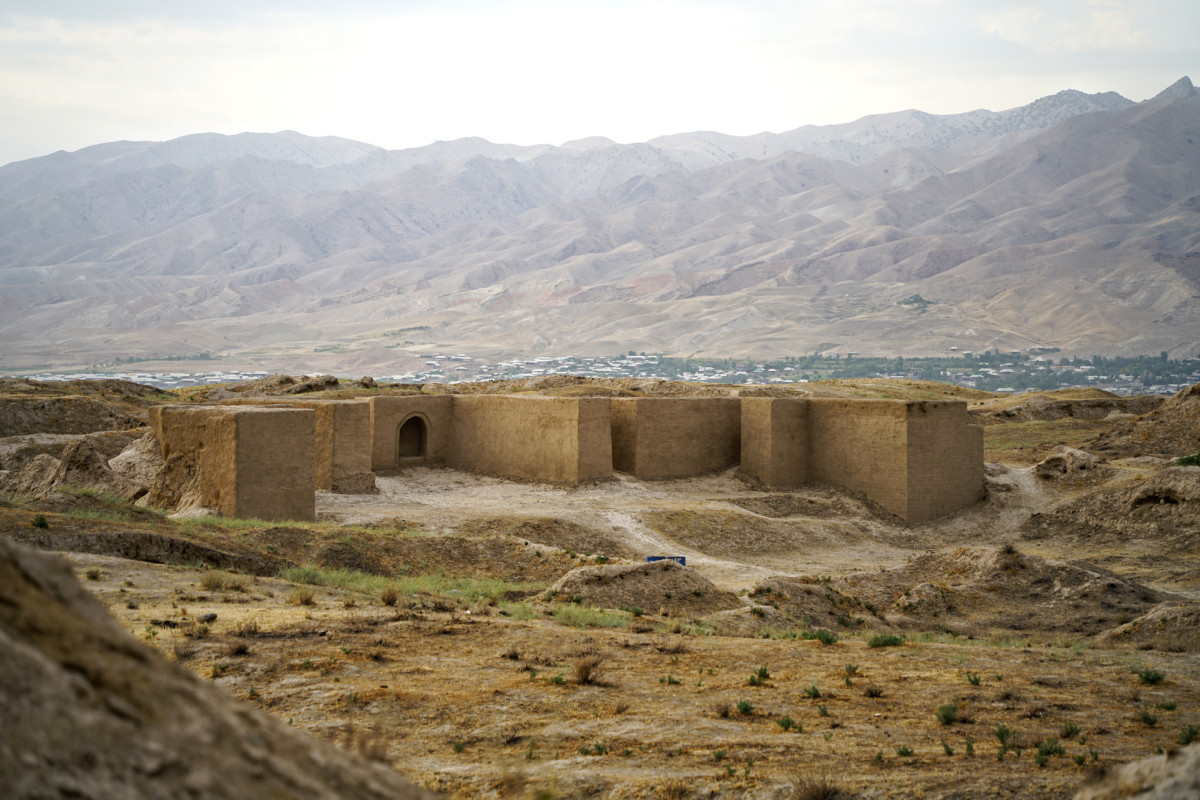
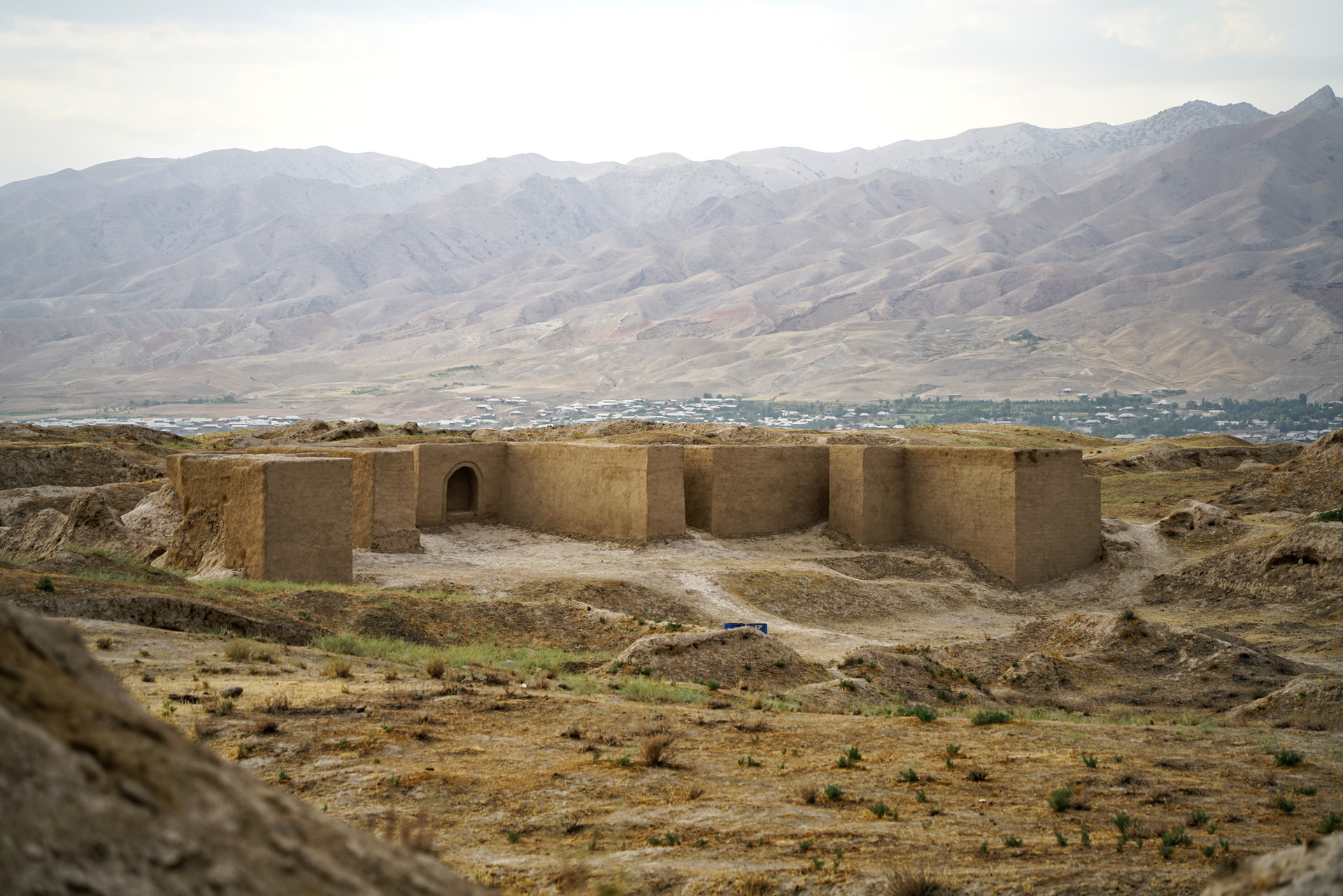
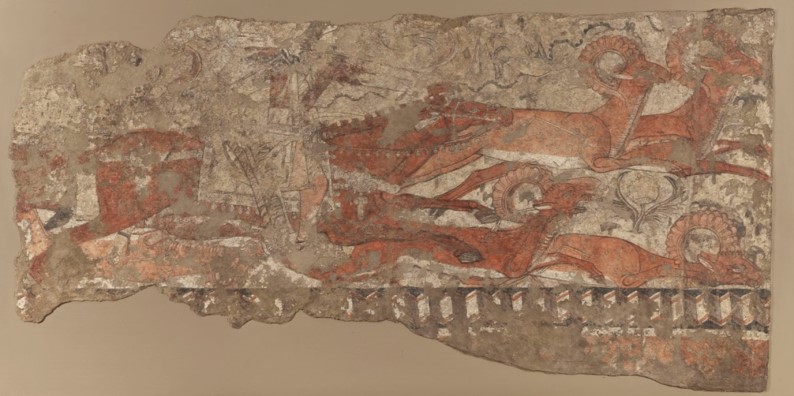
Then we will head to Ancient Penjikent — the ruins of an ancient Sogdian city founded in the 5th century and abandoned by the Arabs in the 8th century. During the archaeological site visit, we will see the foundations of residential houses, a citadel with two Zoroastrian fire temples, and the remains of the city bazaar.
In the second half of the day, we have a transfer to Khujand.
Upon arrival, we check into the hotel and stay overnight there.
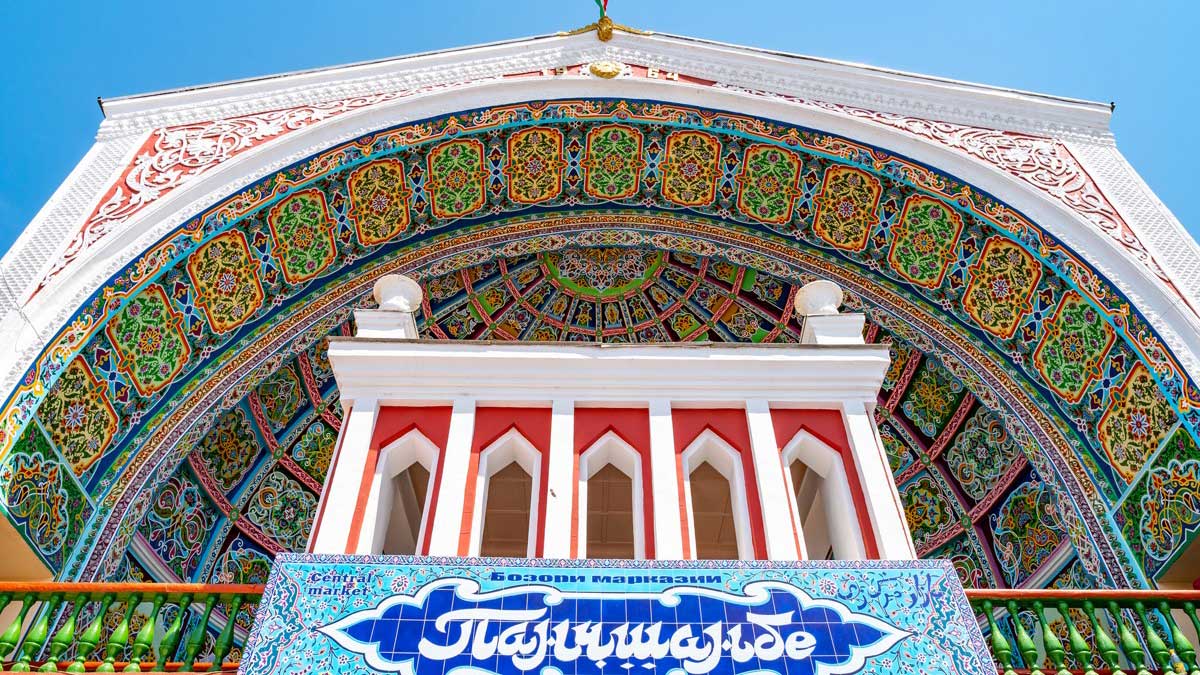
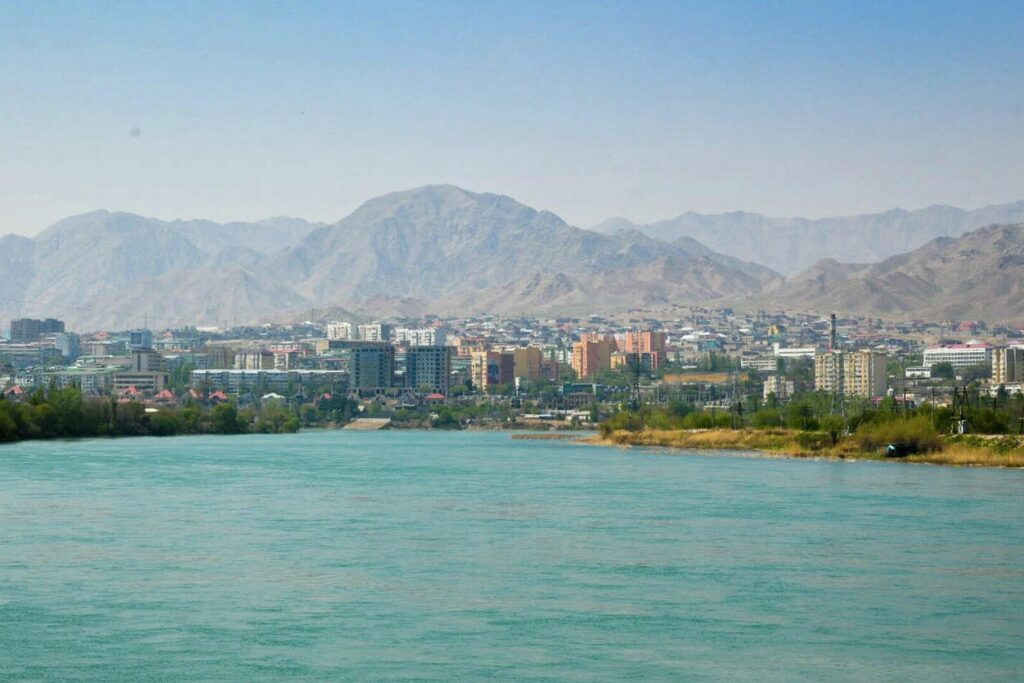
We start the morning with sightseeing in Khujand. We will visit the Museum of Archaeology and Fortification, see the Sheikh Muslihiddin Mosque, and also stop by the Payshanba Bazaar — the largest market in Tajikistan.
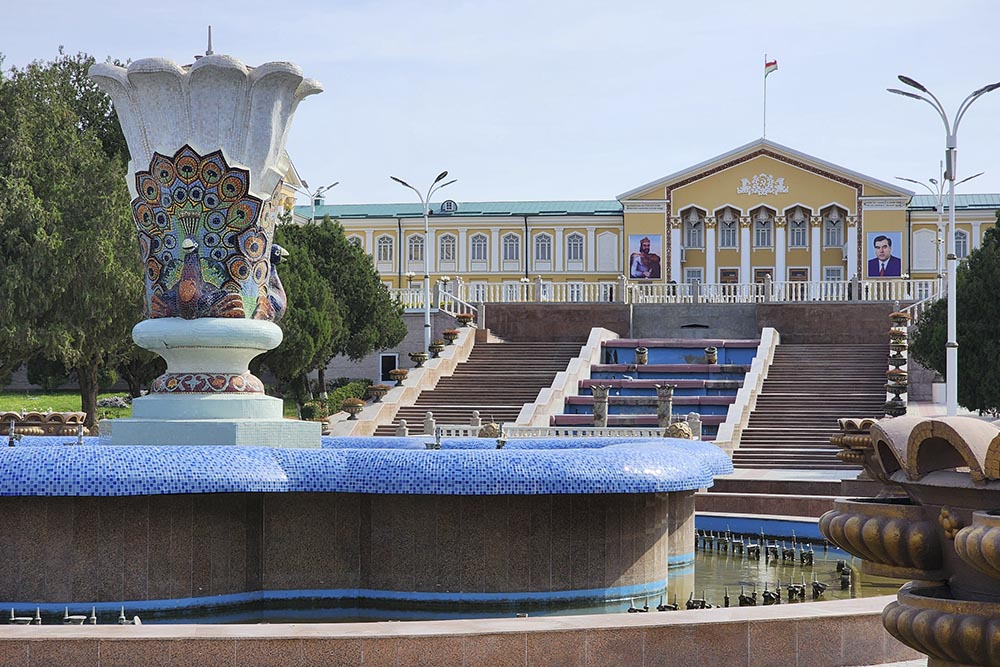
Next, we will see the Arbob Palace named after S. Urunkhodlaev, built in the 20th century, as well as the so-called “Tajik Sea” — the Kayrakkum Reservoir at the hydroelectric power station, which is a symbol of the Friendship of Peoples and was built in 1968.
After completing the sightseeing program, we head to the Tajik-Uzbek border via the Kanibadam checkpoint.
After crossing the border, we arrive in the city of Kokand.


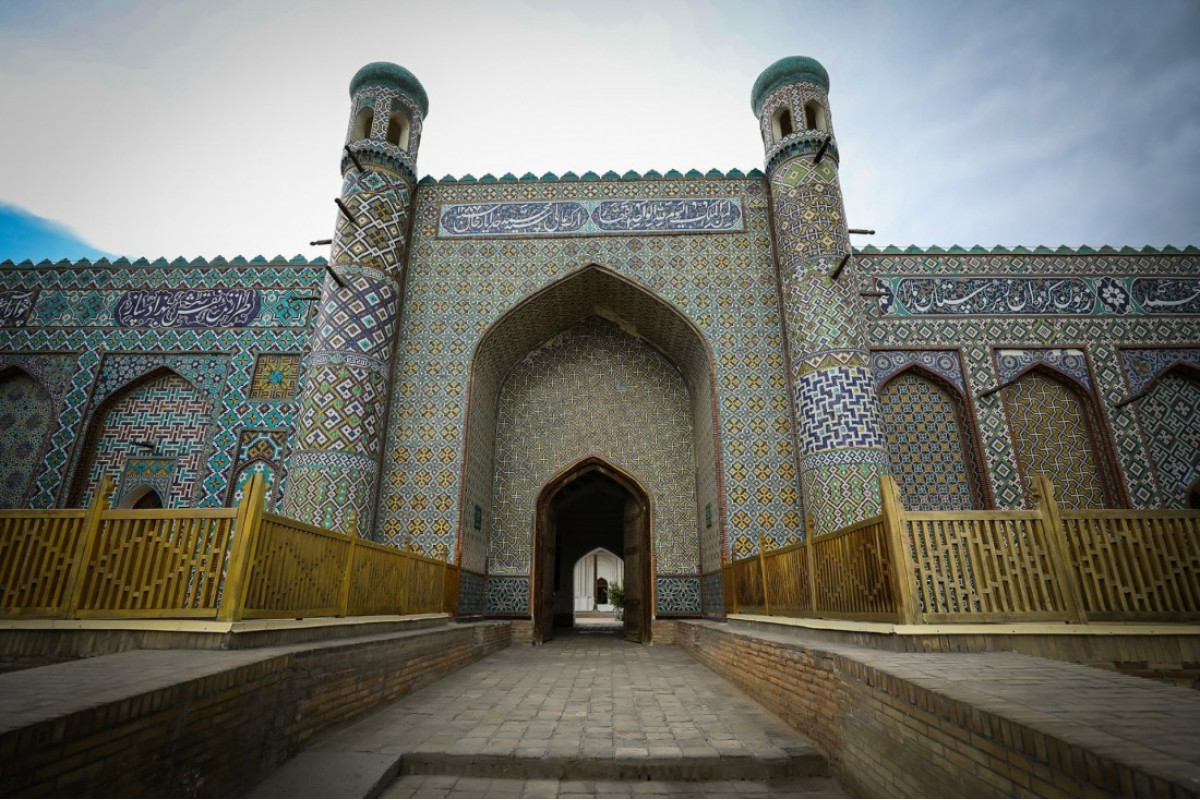
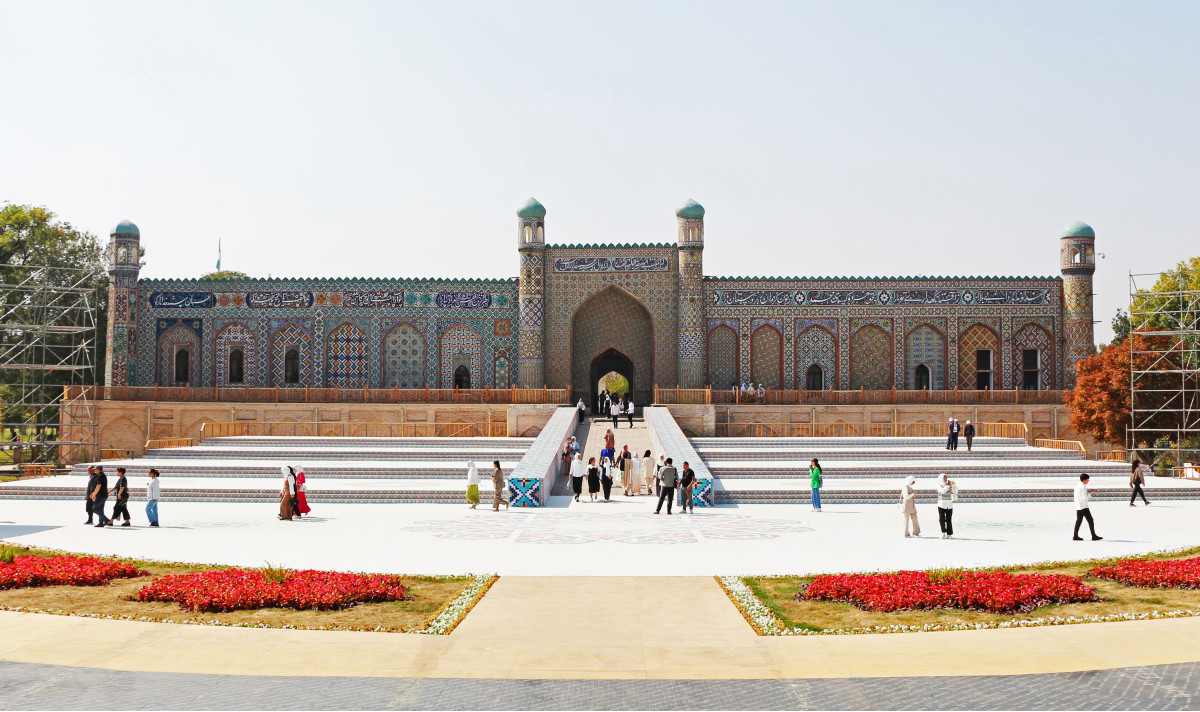
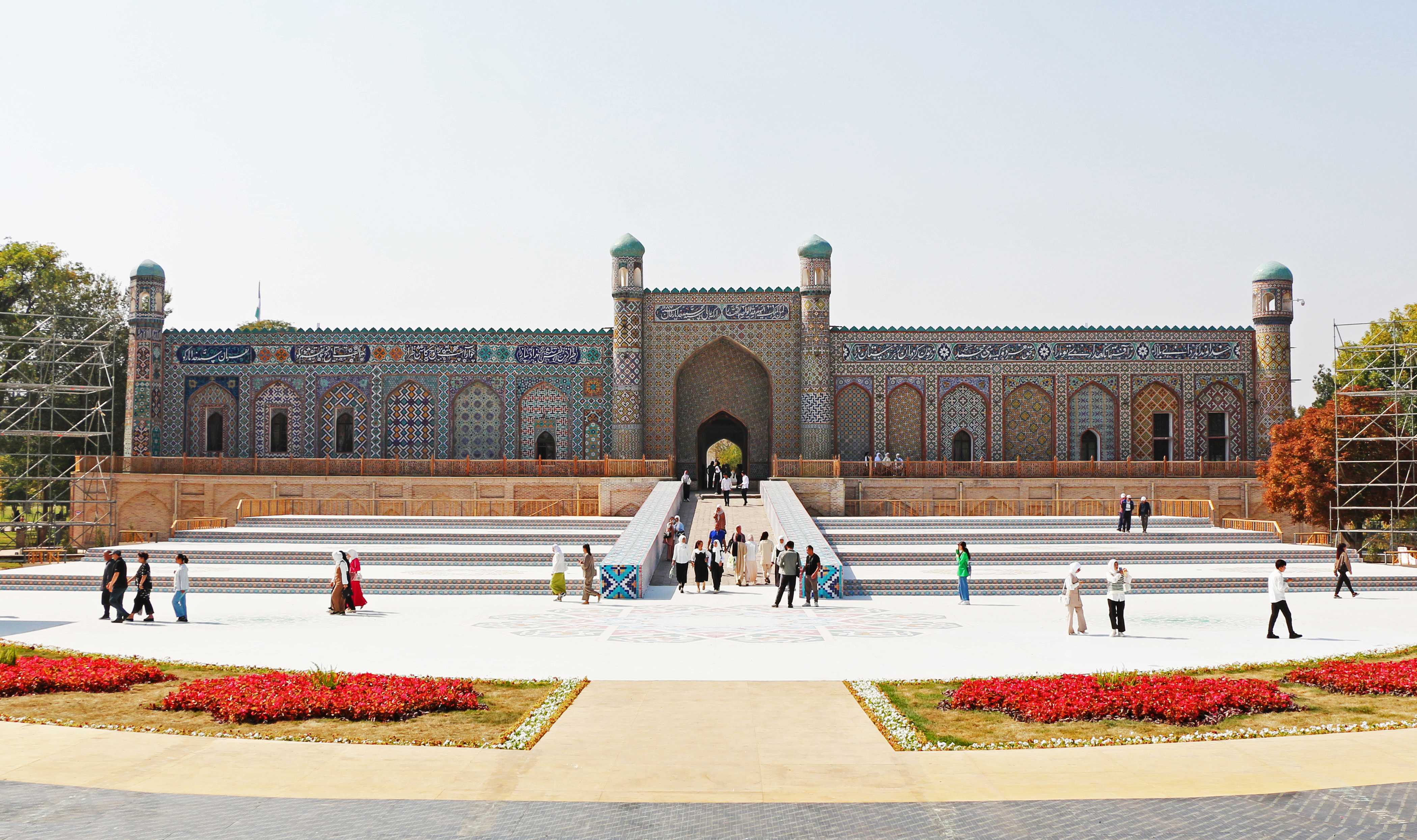
We have breakfast and begin exploring the historical heritage of Kokand. Our first stop is the residence of the last Kokand Khan — the Khudoyar Khan Palace, built in 1871. This magnificent complex, designed in the traditions of Central Asian architecture, impresses with its scale: the central portal with a large arch and four minarets forms a ceremonial facade.
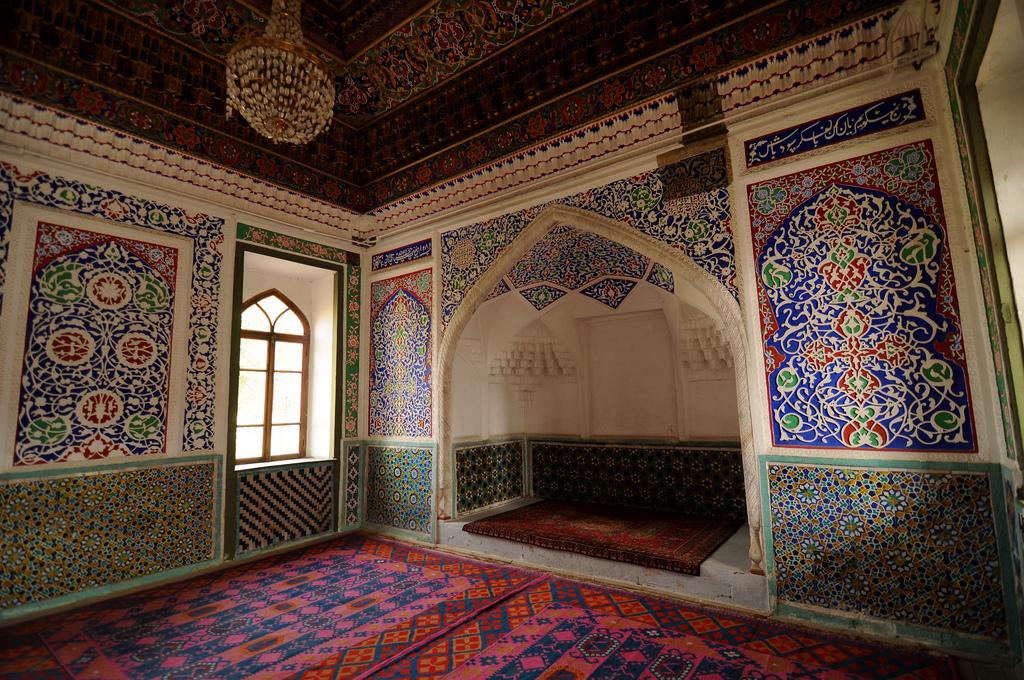
The palace is surrounded by a carved stone fence and once consisted of seven inner courtyards and 119 rooms, covering an area of about 4 hectares. Above the main gate, an Arabic inscription has been preserved: “Great Sayyid Muhammad Khudoyar Khan.” The fasade is decorated with bright ceramic ornaments — geometric patterns, arabesques, and floral motifs — creating the impression of a true Eastern palace.
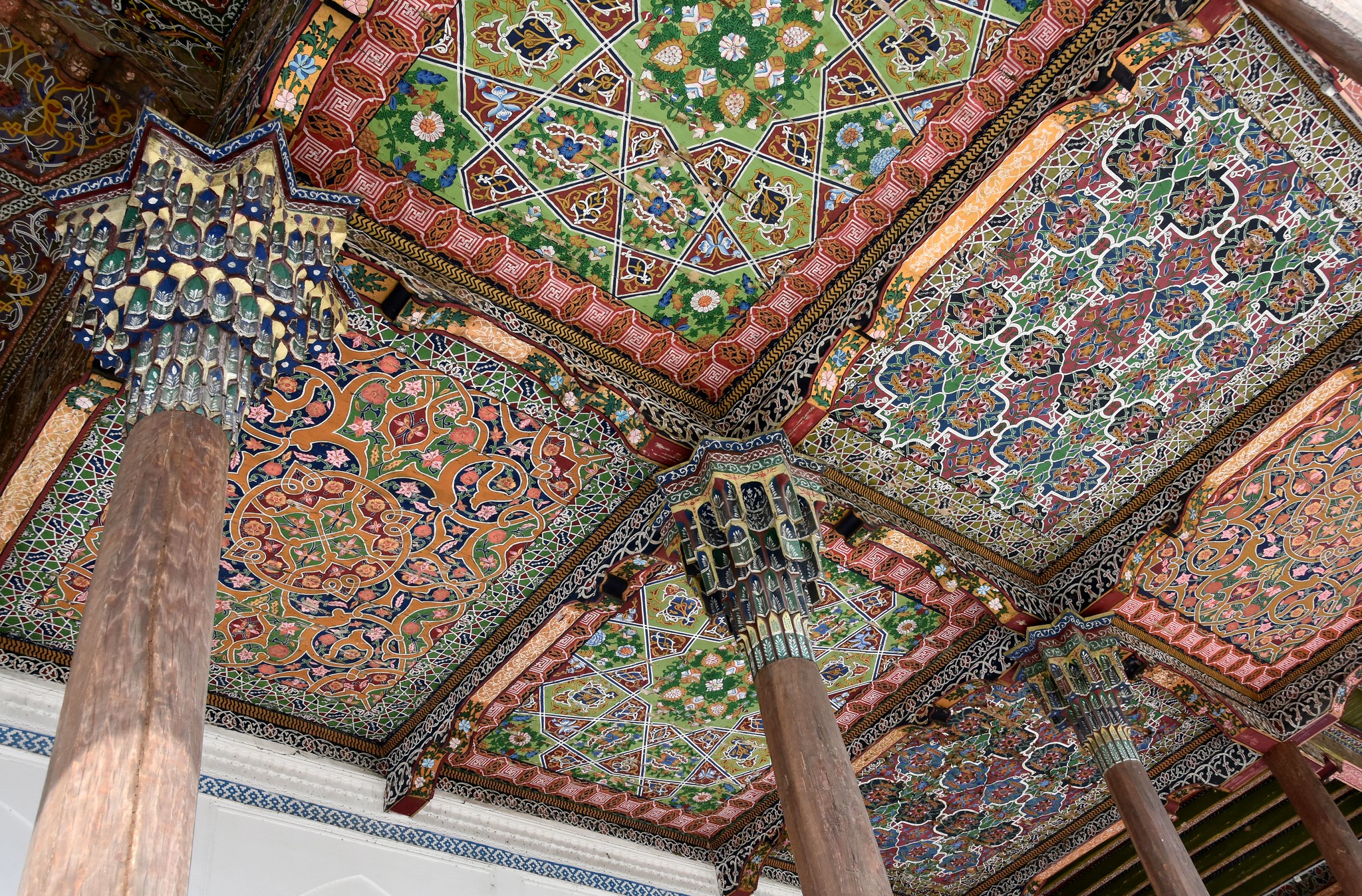
Next, we will visit the old Jami Mosque, built between the 9th and 12th centuries. The western part of the large inner courtyard is occupied by a spacious iwan, whose roof is supported by 98 columns painted with gold, and a khanaka. The khanaka is known for its high painted ceiling, and the walls of the mosque still preserve fine ganch carving. In the past, there were hujras — classrooms — as a madrasa operated at the mosque until 1918. In the center of the courtyard rises a minaret 22.5 meters high, from which the muezzin called the faithful to prayer, and from its top there was a view of all of Kokand.
After the excursion, we continue traveling toward the Fergana region.
Transfer to the Uzbek–Kyrgyz border, border crossing, and rest at the hotel in Osh.
Free time.

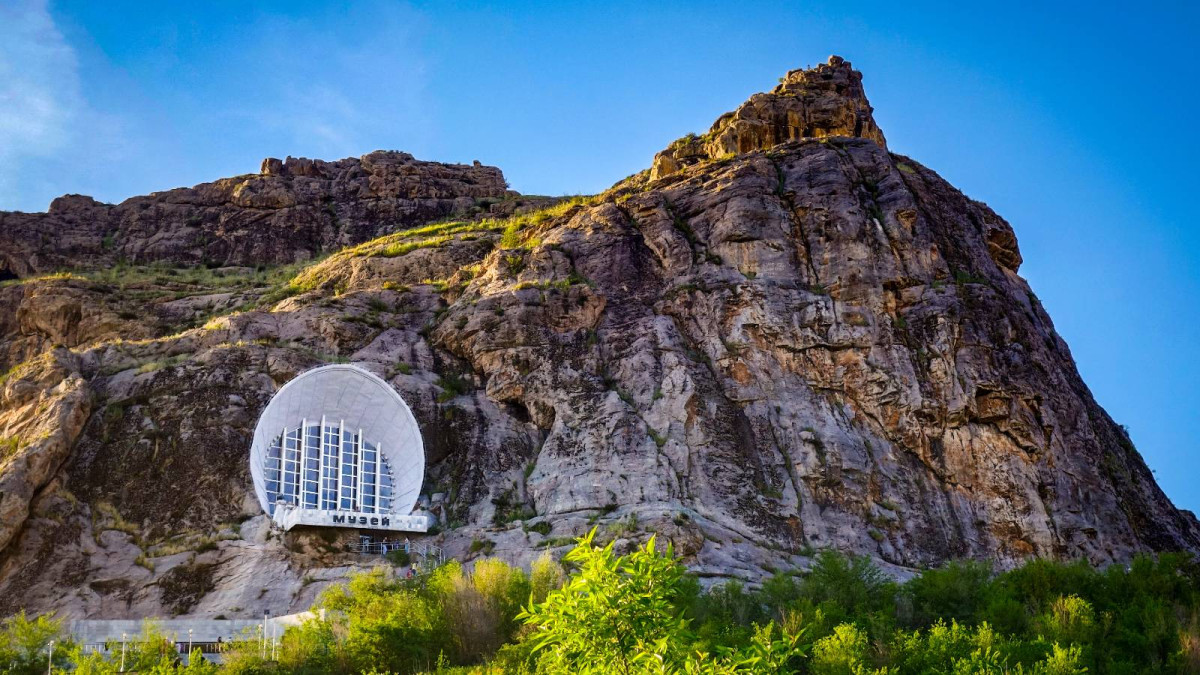
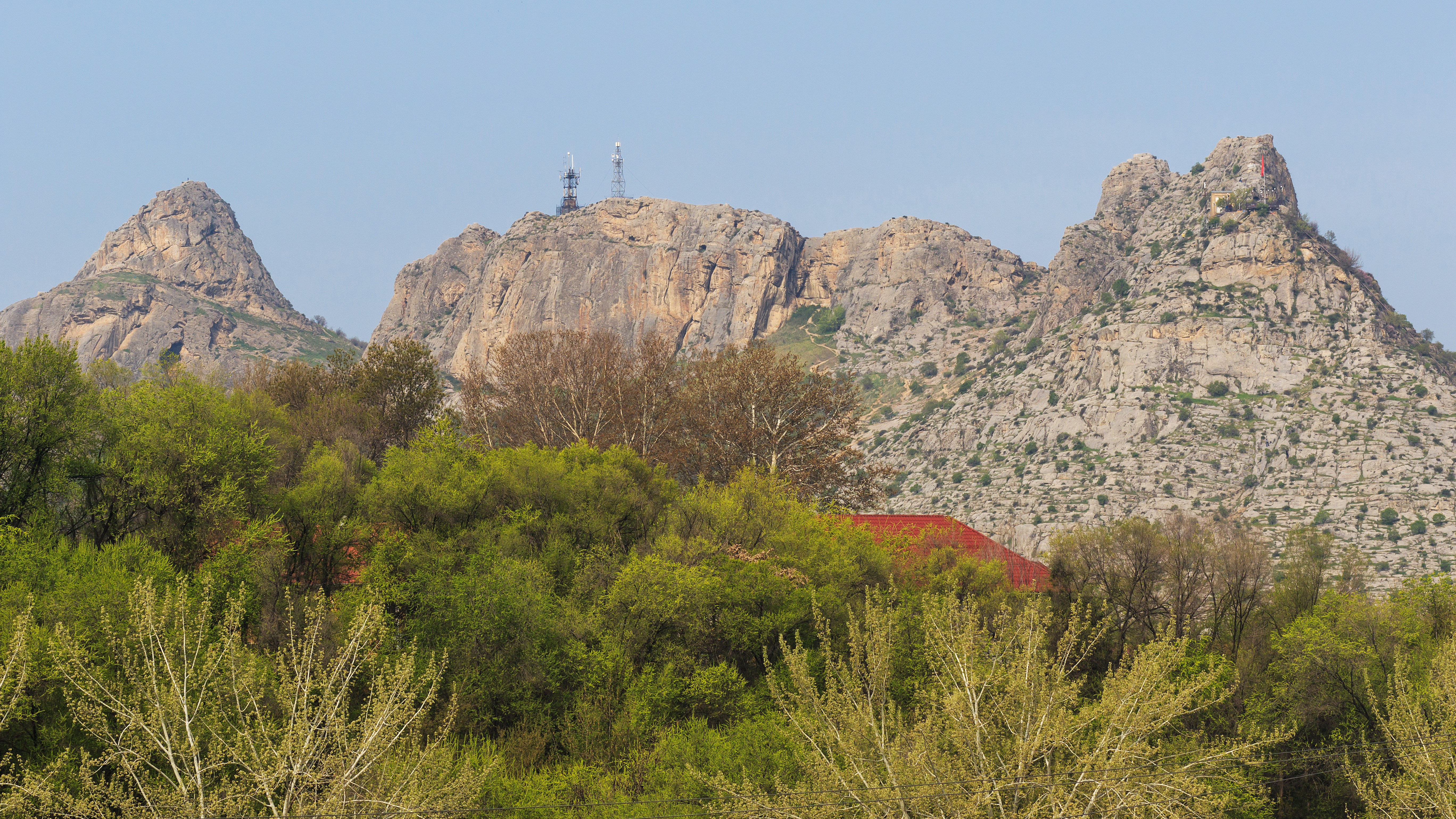
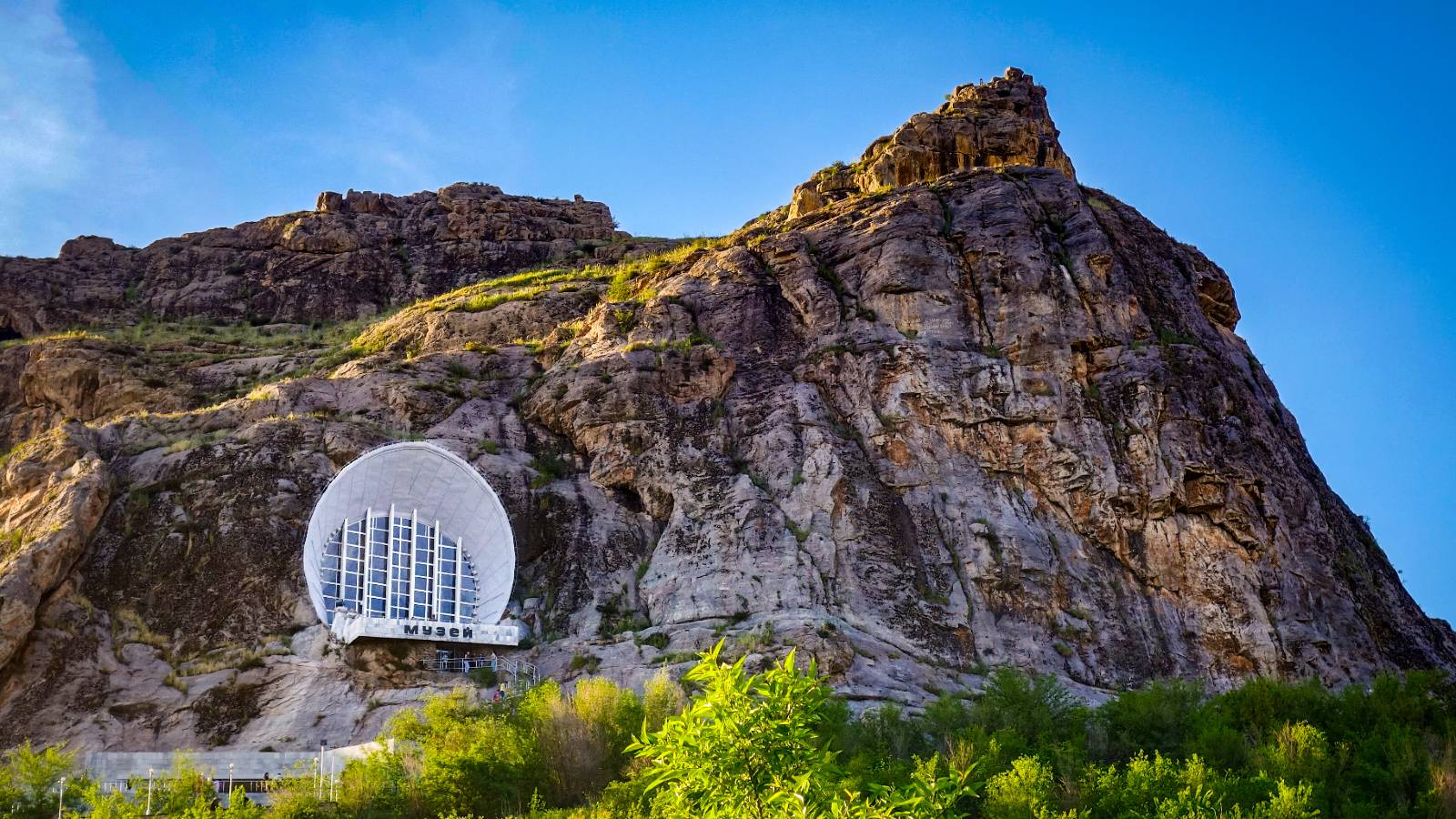
In the morning, we will visit Sulaiman-Too — a sacred mountain with panoramic views of Osh. If possible, we will take a walk through the city center, after which we depart for Chychkan.
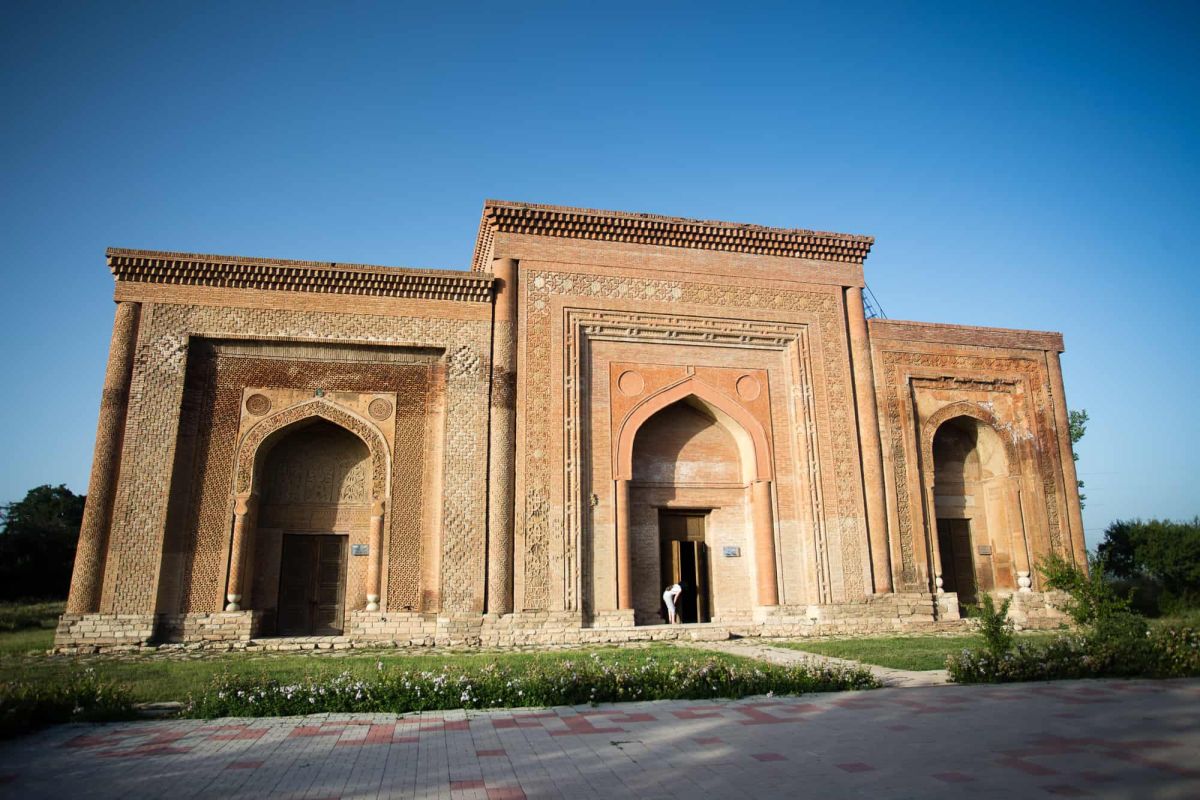
The road passes through mountain passes, gorges, and along rivers, with a stop at the Uzgen Minaret.
Closer to evening, we arrive in Chychkan, check into the hotel, and relax in the fresh air amid mountain landscapes.


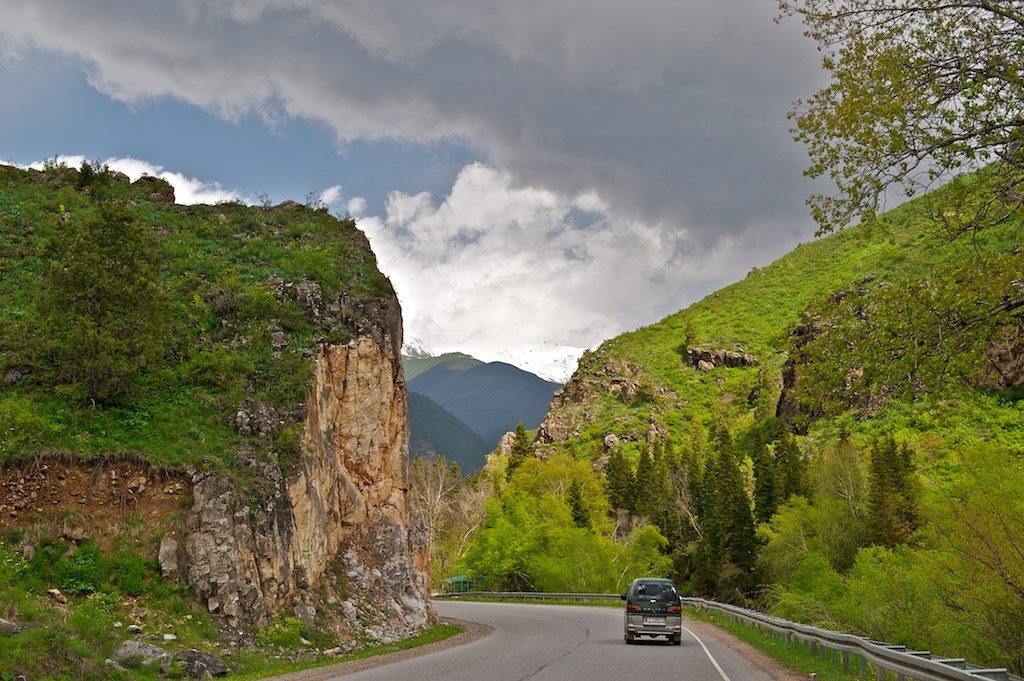
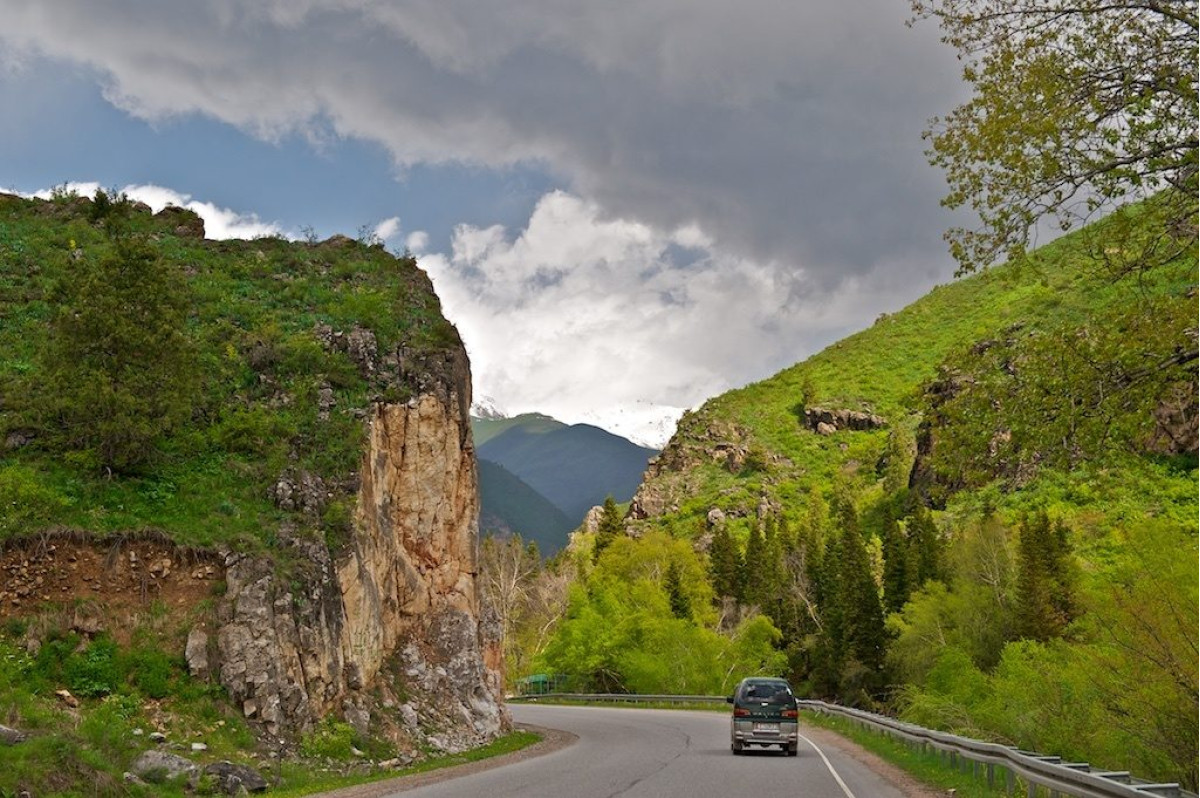
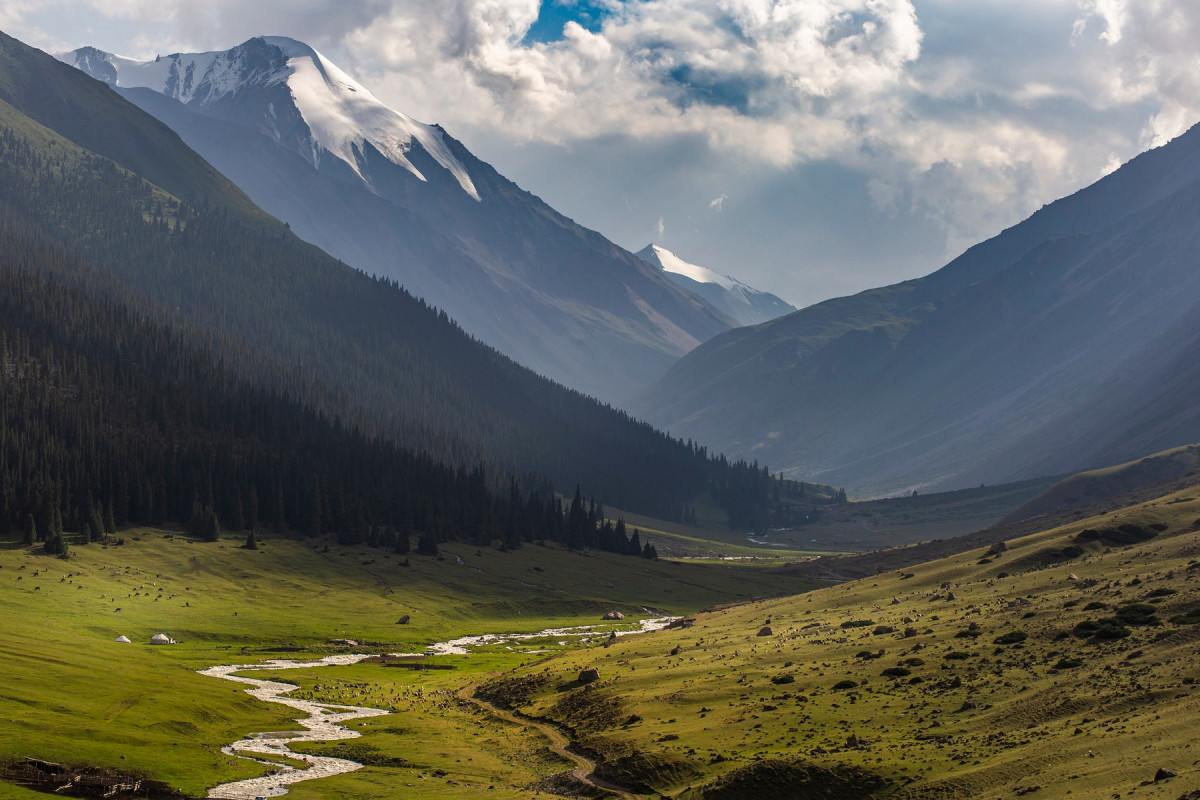
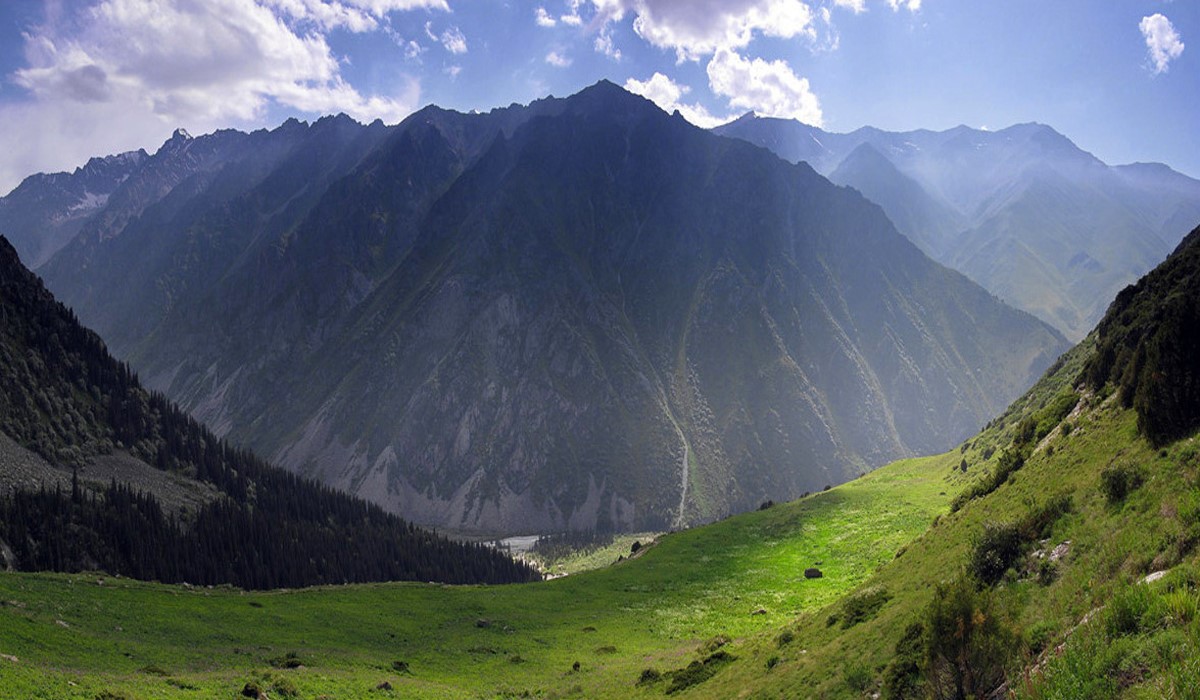
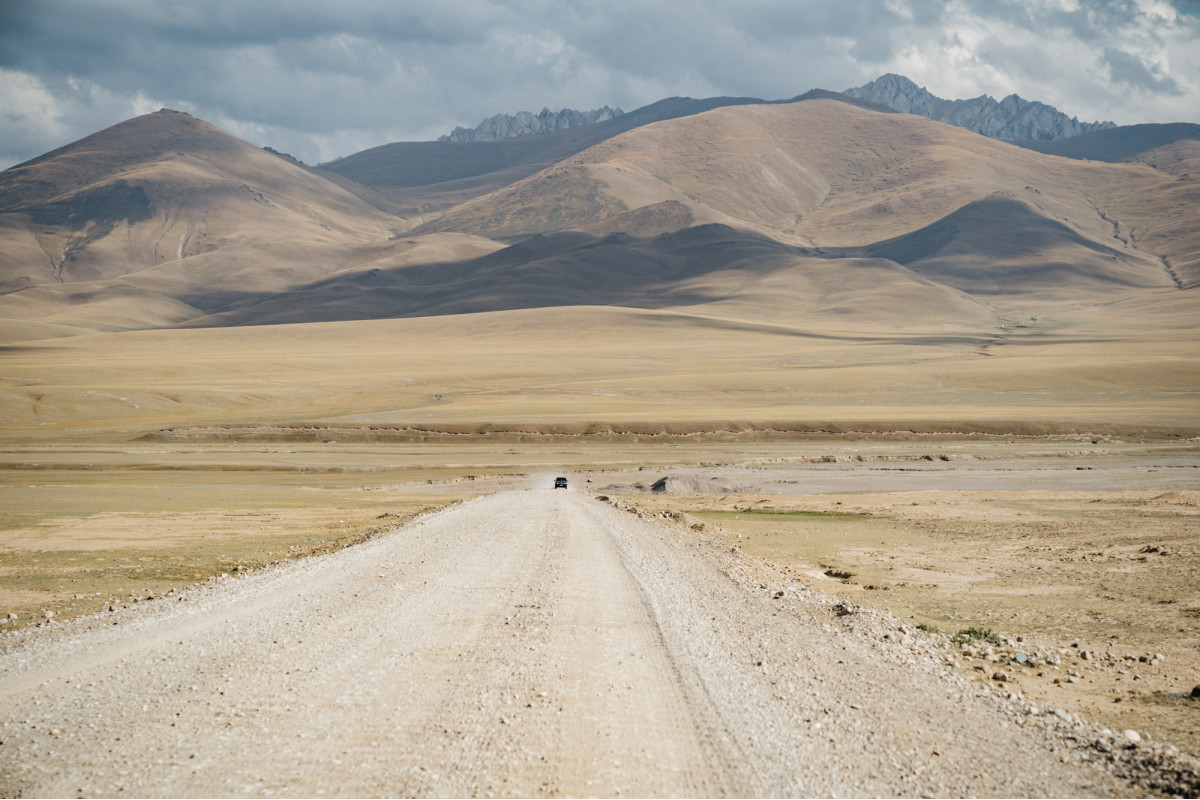
We travel through high-mountain valleys and central mountainous regions of Kyrgyzstan. The road reveals impressive panoramas of mountains, pastures, and traditional settlements.
We arrive in Kochkor — a small town known for its felt products. We check in and relax at a guesthouse.

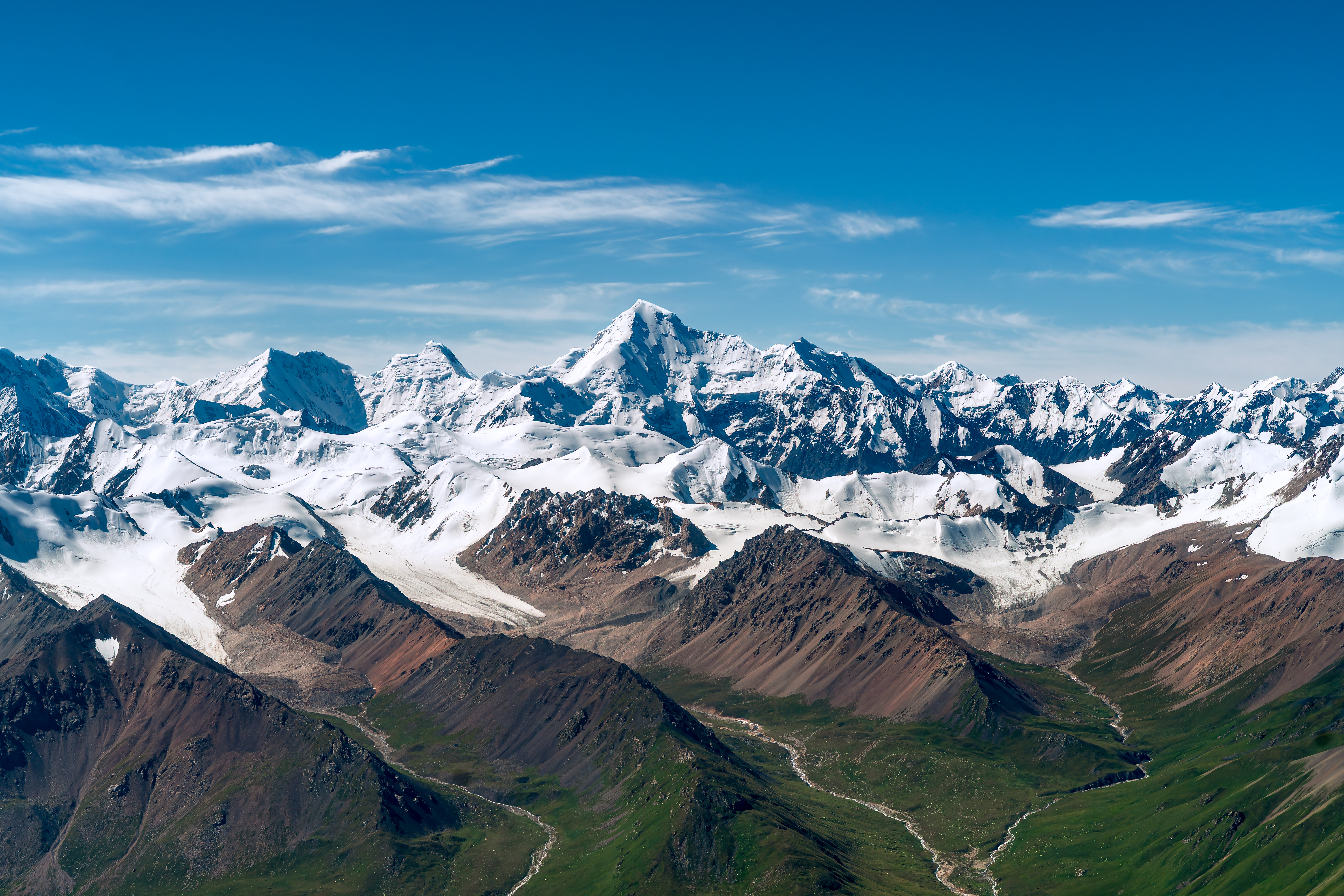

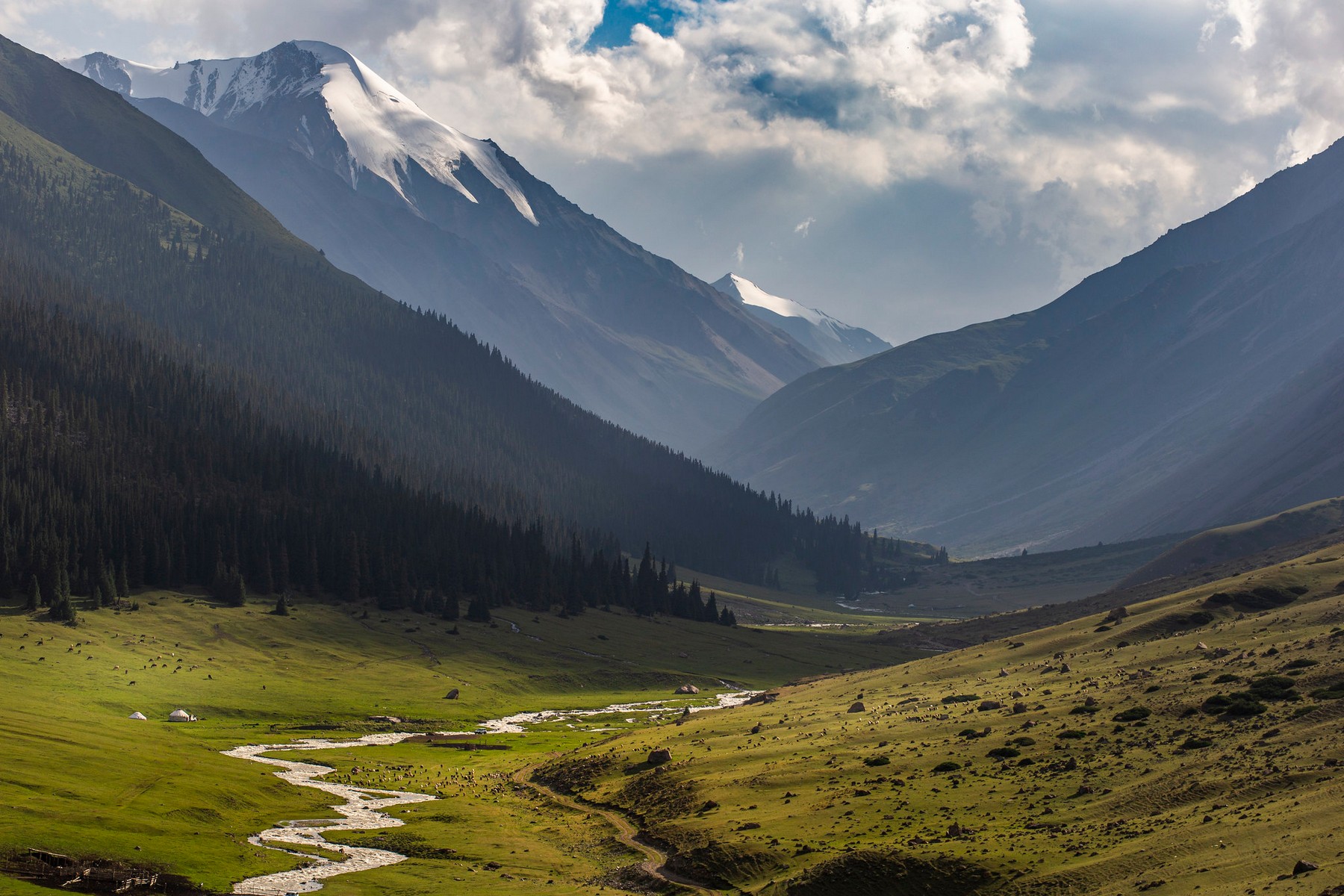

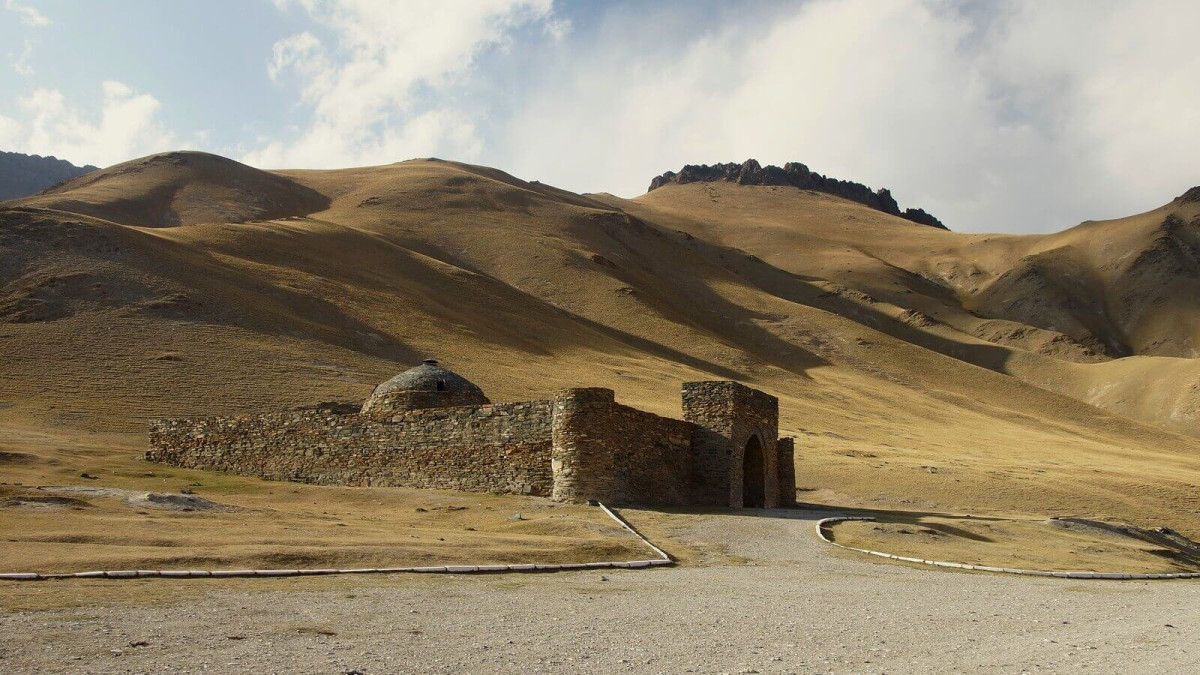
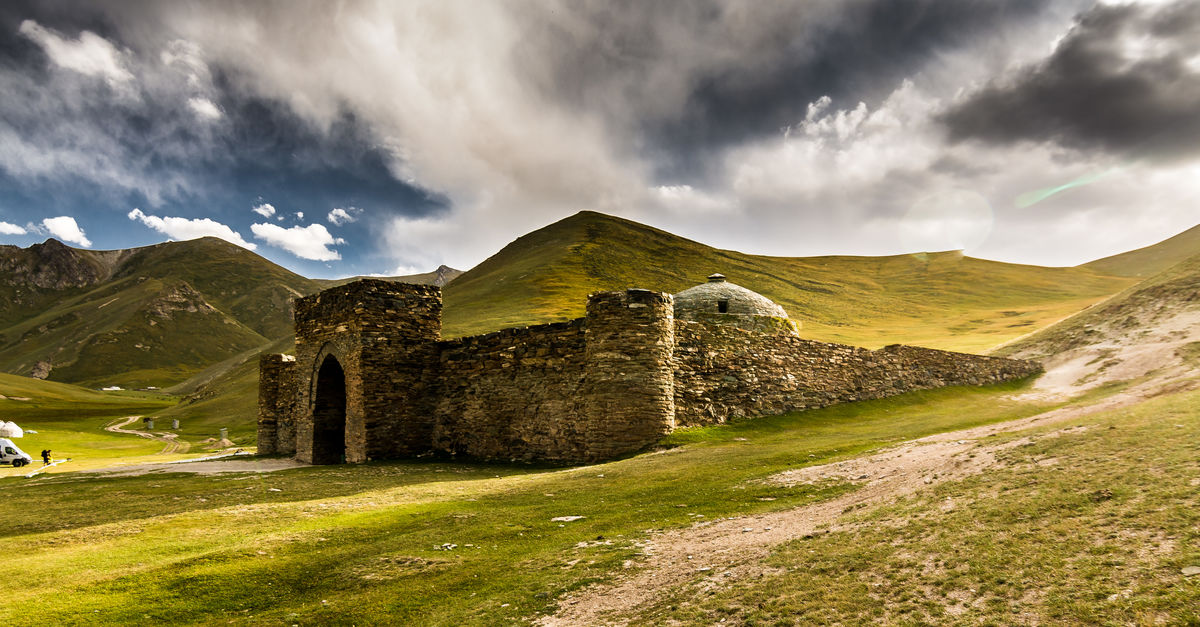
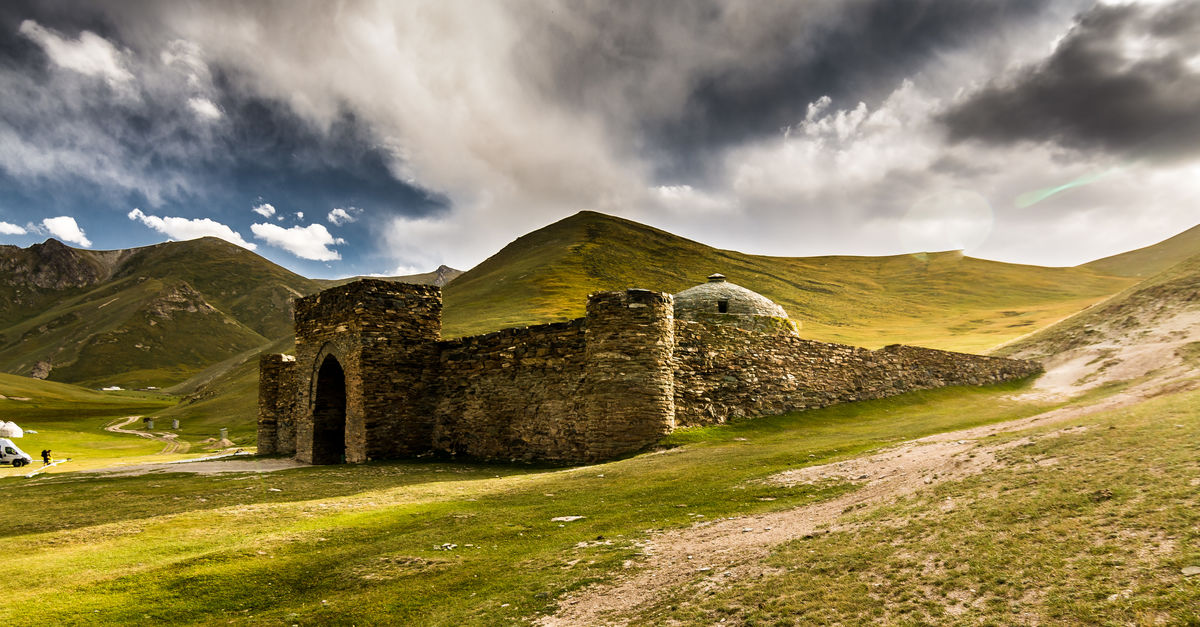
Today we head to the historic caravanserai of Tash-Rabat — a monument of the Great Silk Road era. The road runs through high-mountain landscapes with majestic views of mountain ranges.
After visiting Tash-Rabat, we travel to Naryn, where we stay overnight at a guesthouse.
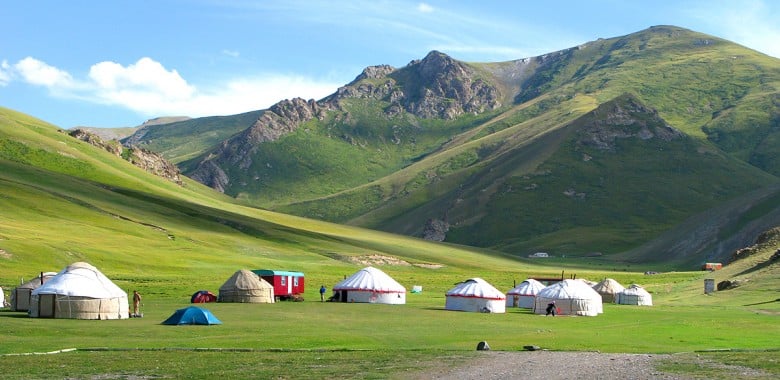
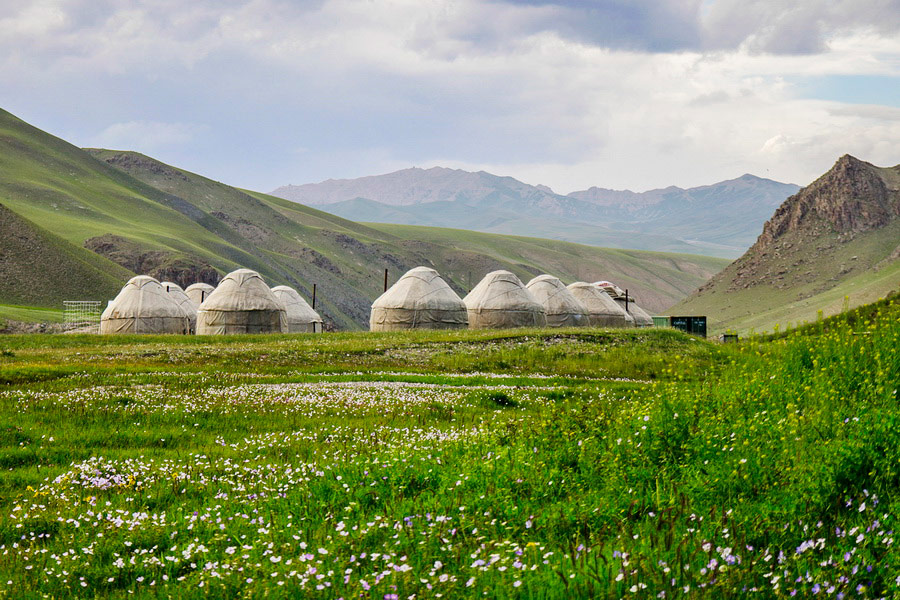

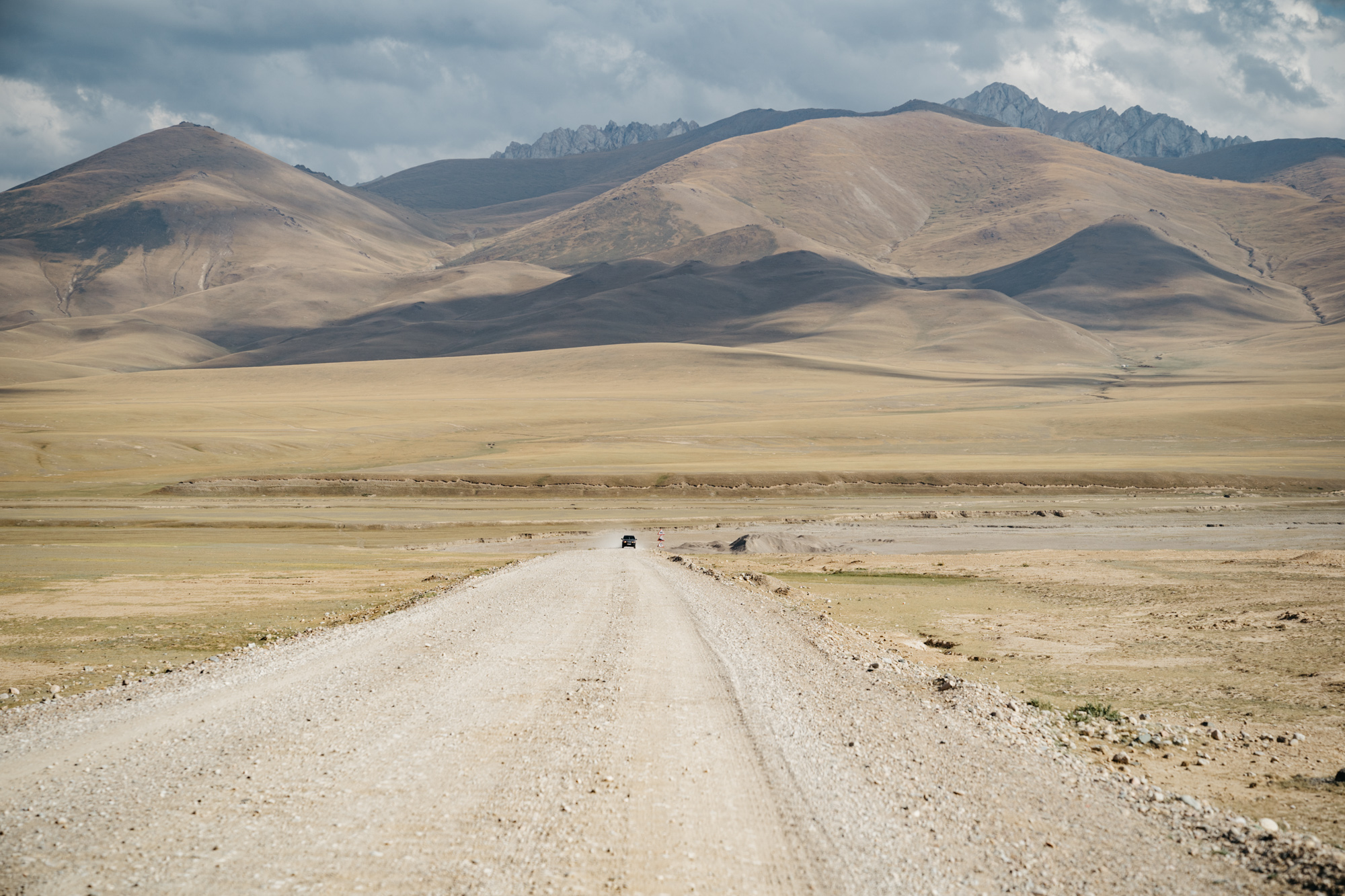
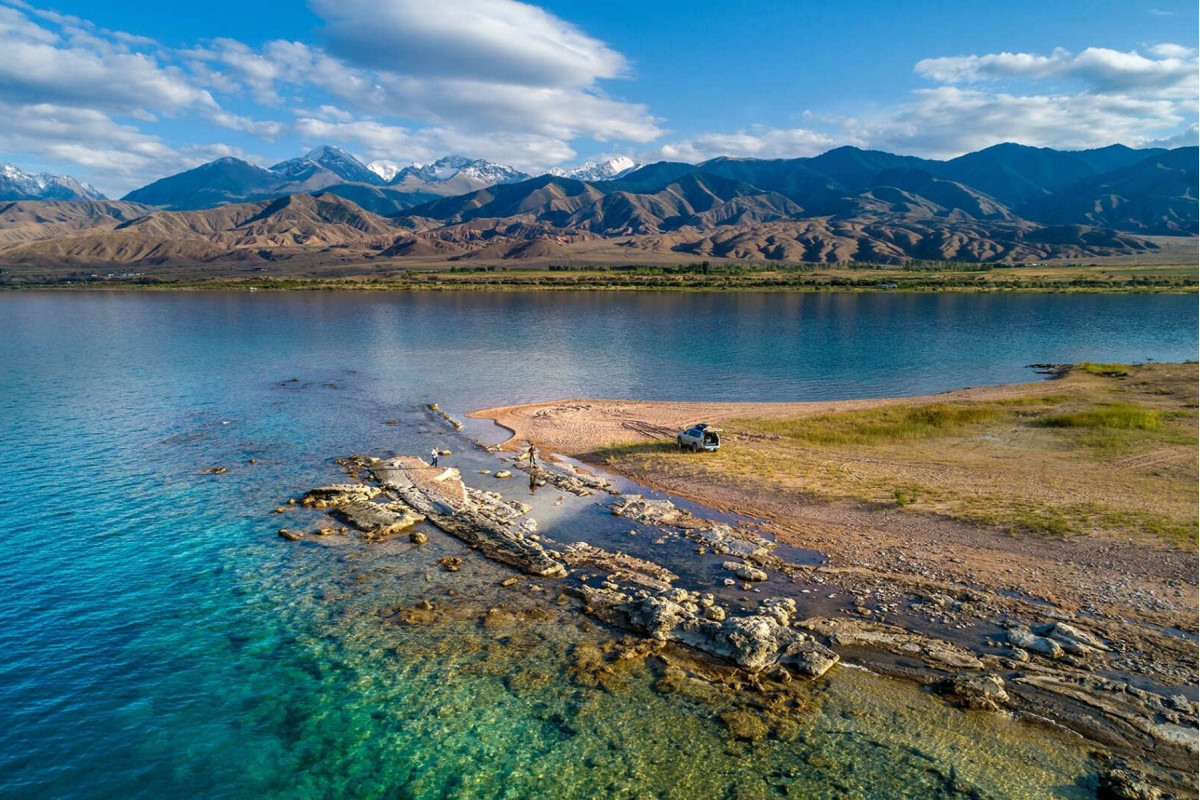
We head toward Lake Issyk-Kul, crossing high-mountain passes and steppe valleys. Along the way, we are accompanied by picturesque panoramas of mountains and open spaces.
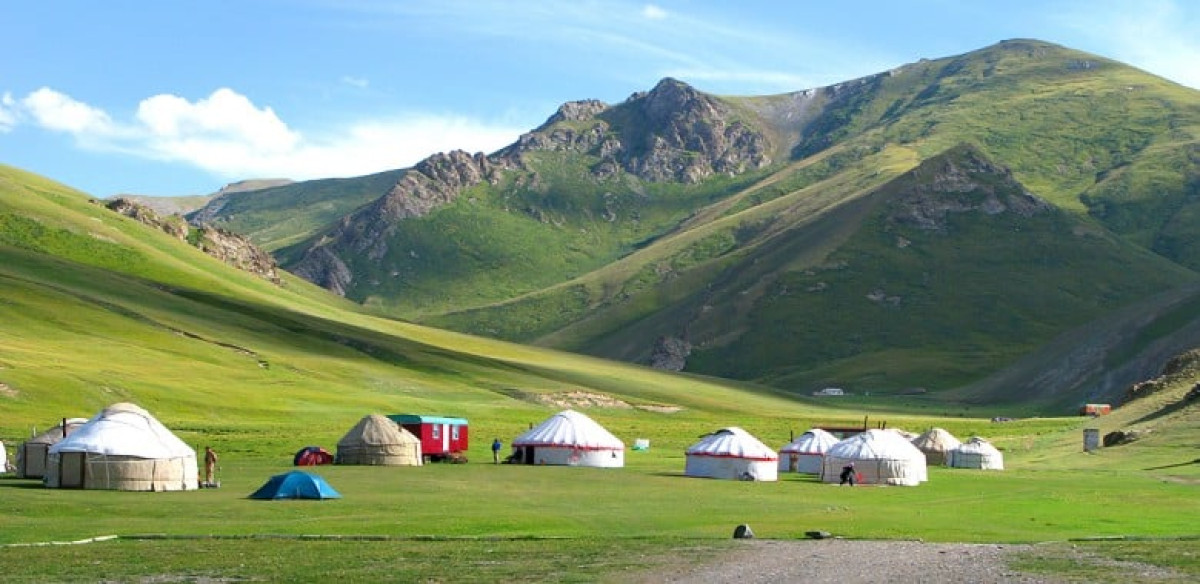
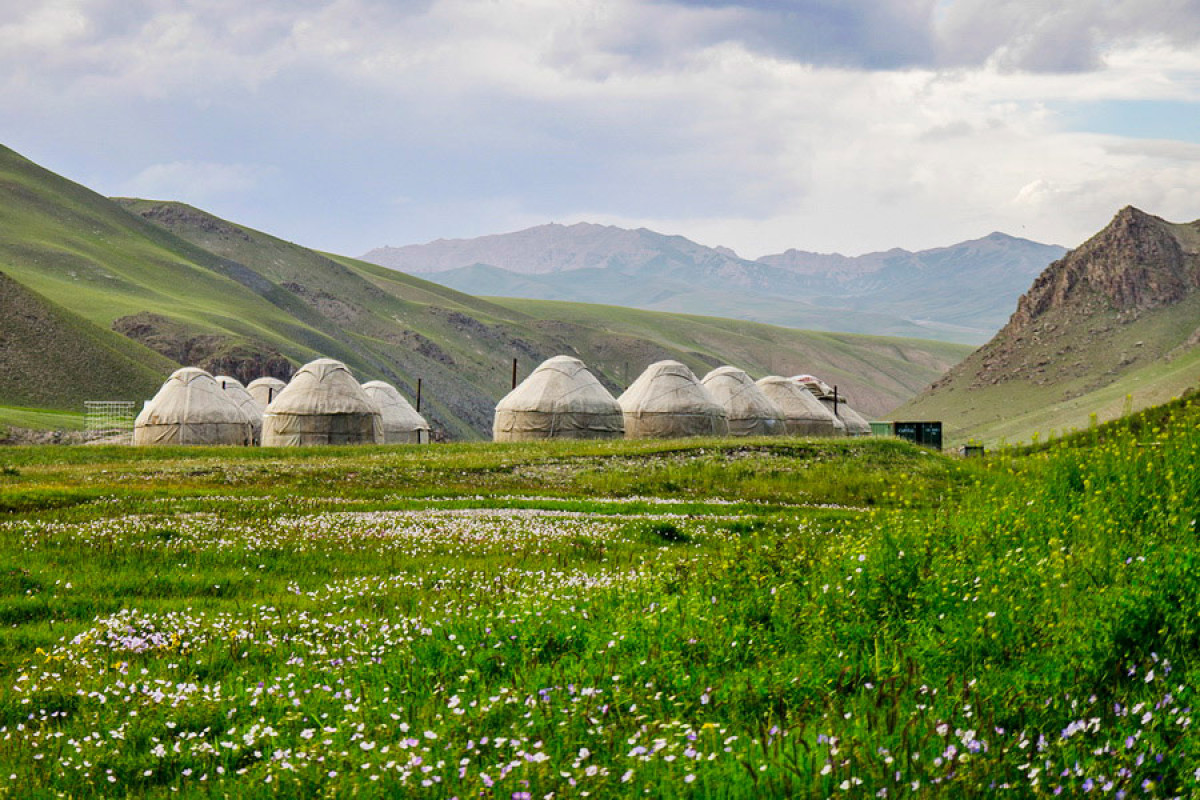
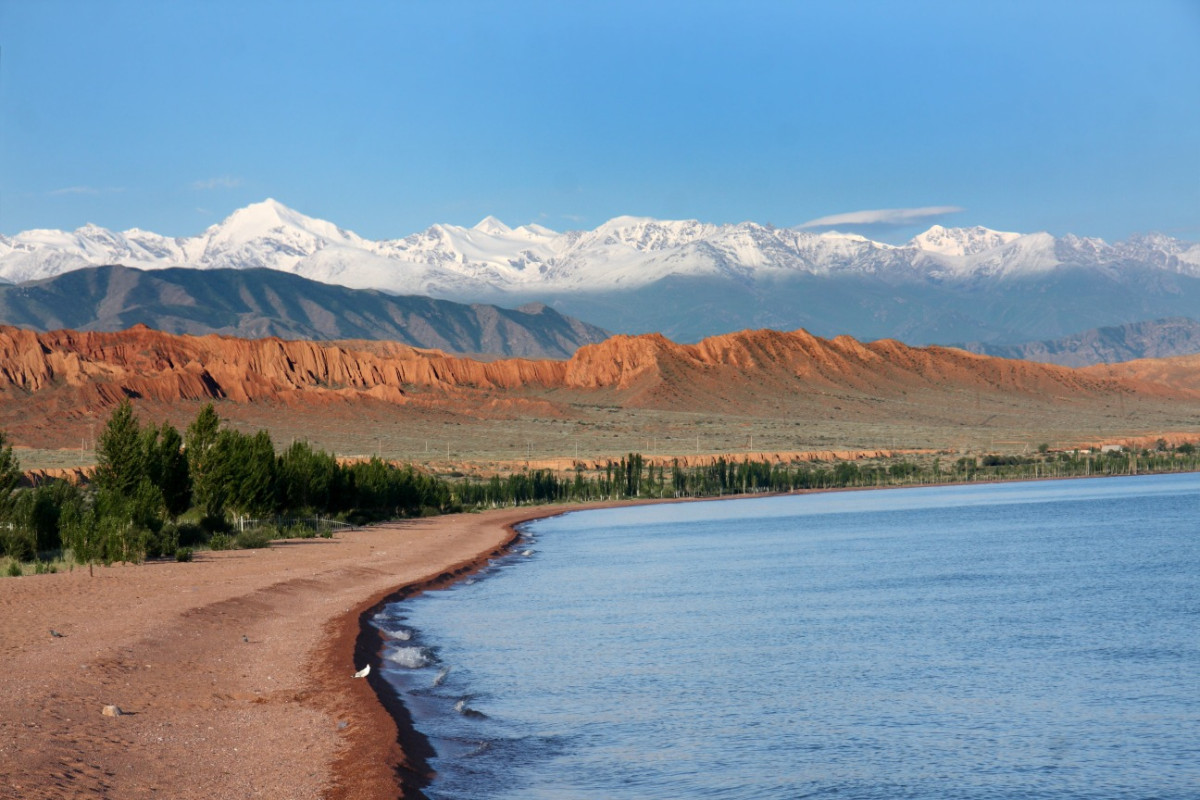
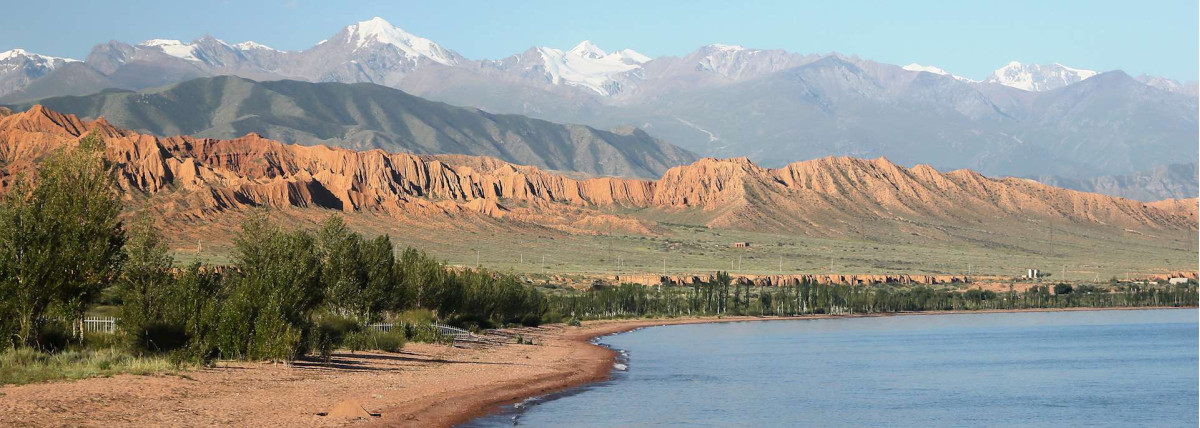
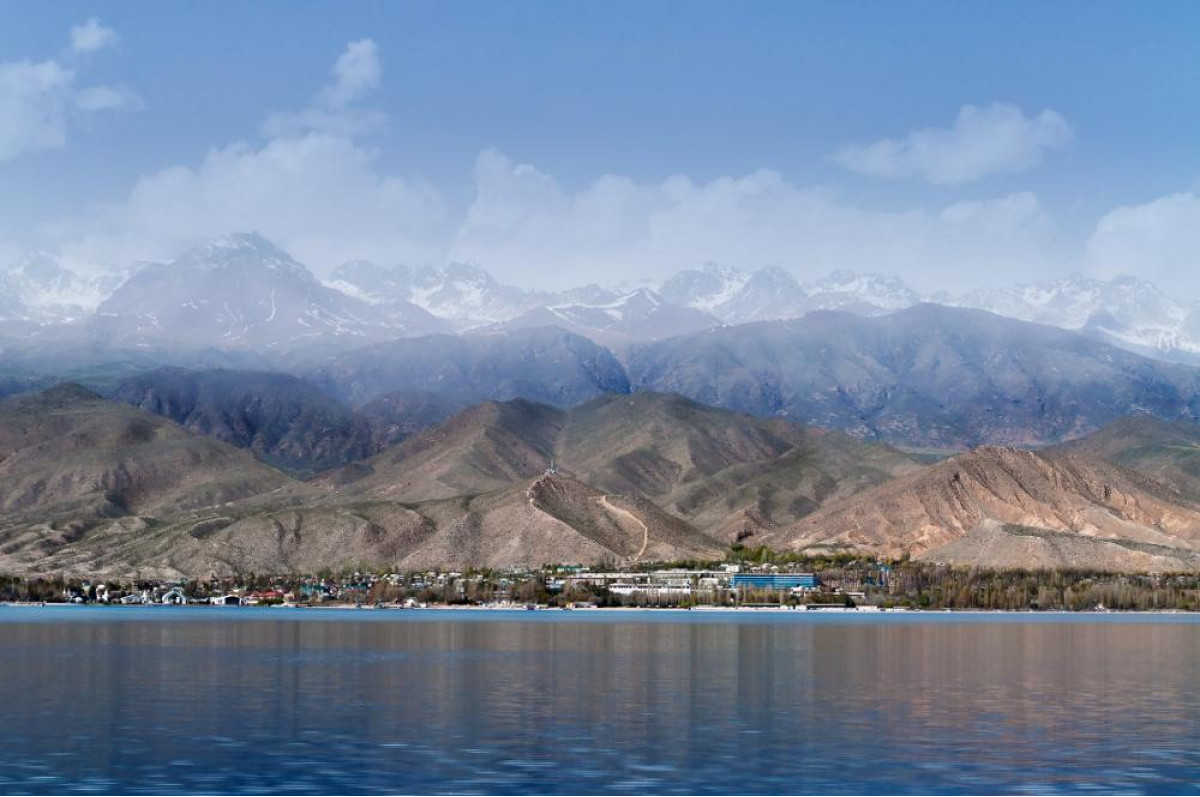
We arrive in Bokonbaevo on the southern shore of the lake and check into a yurt camp.
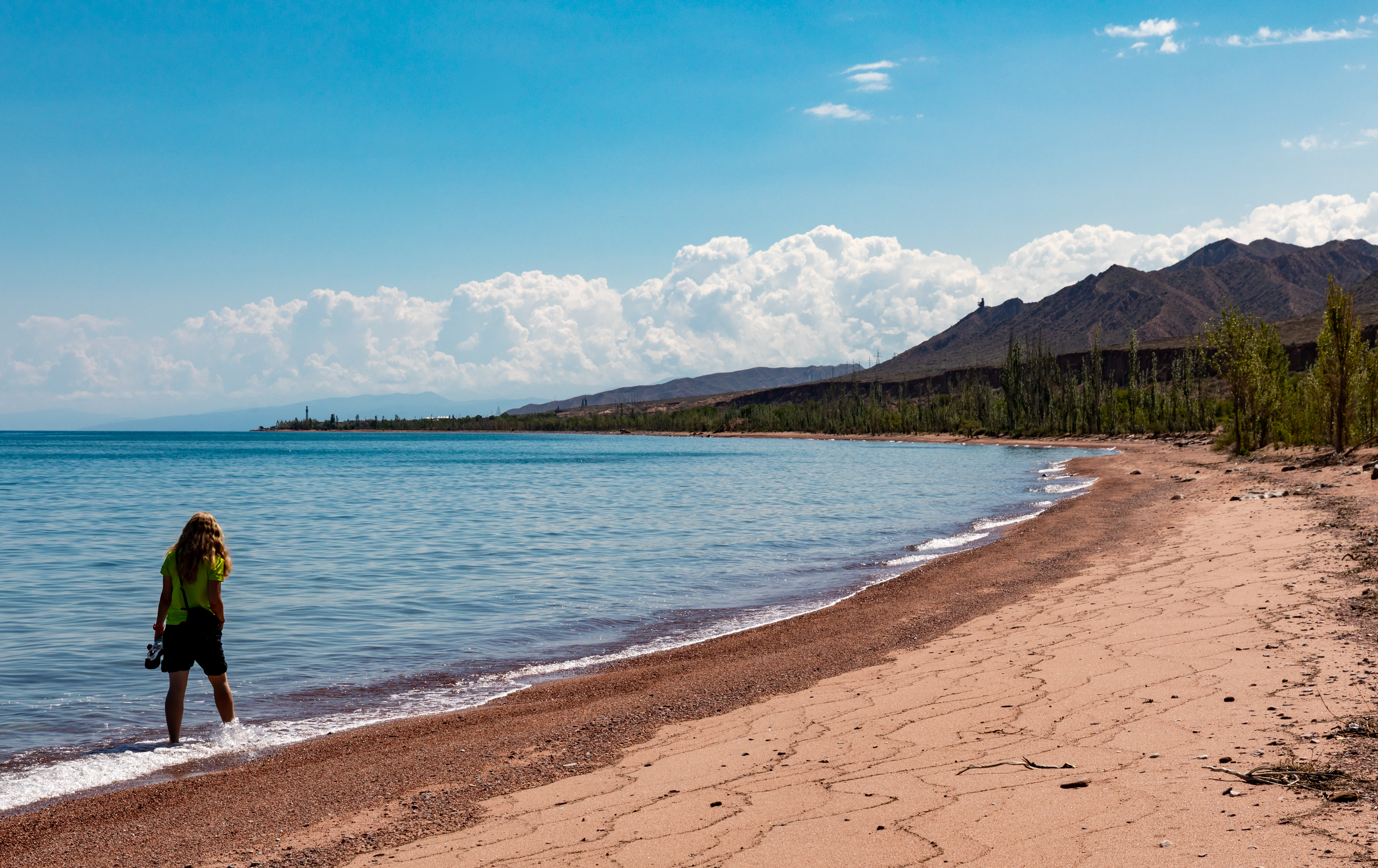


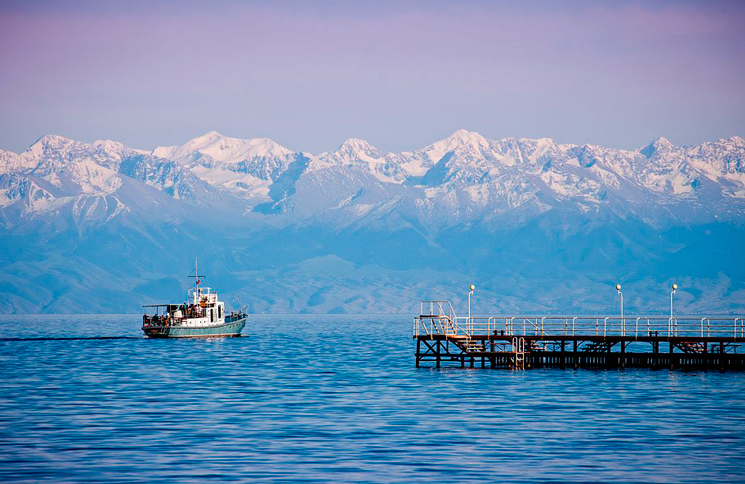
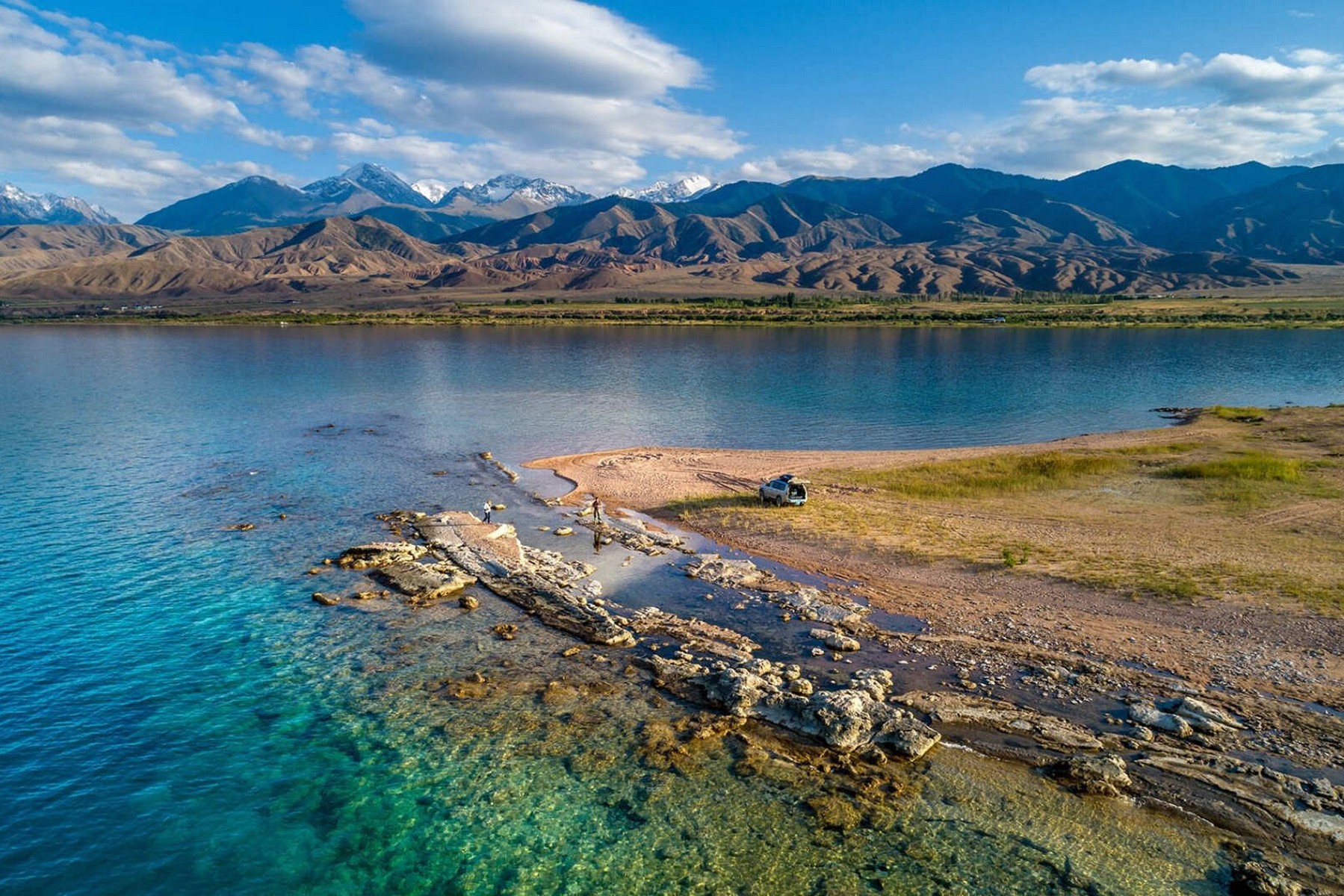
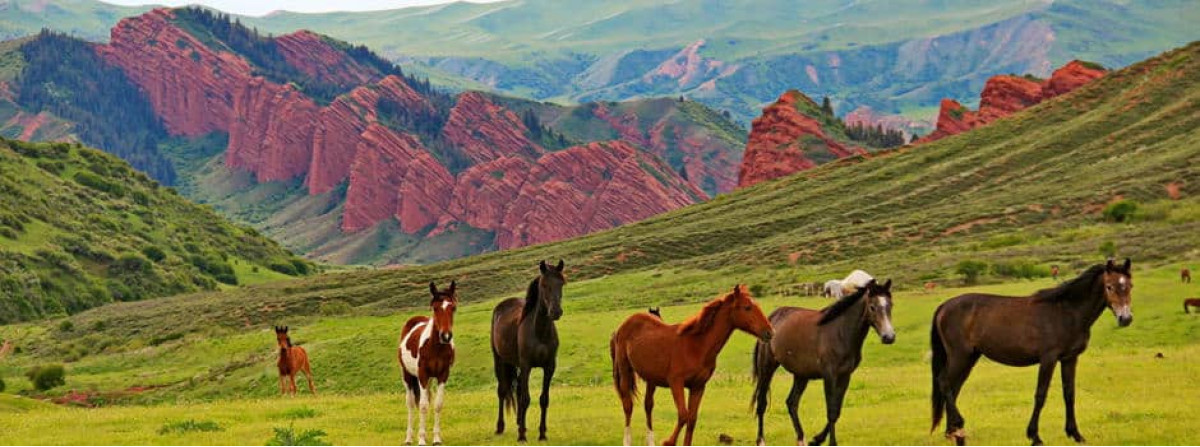
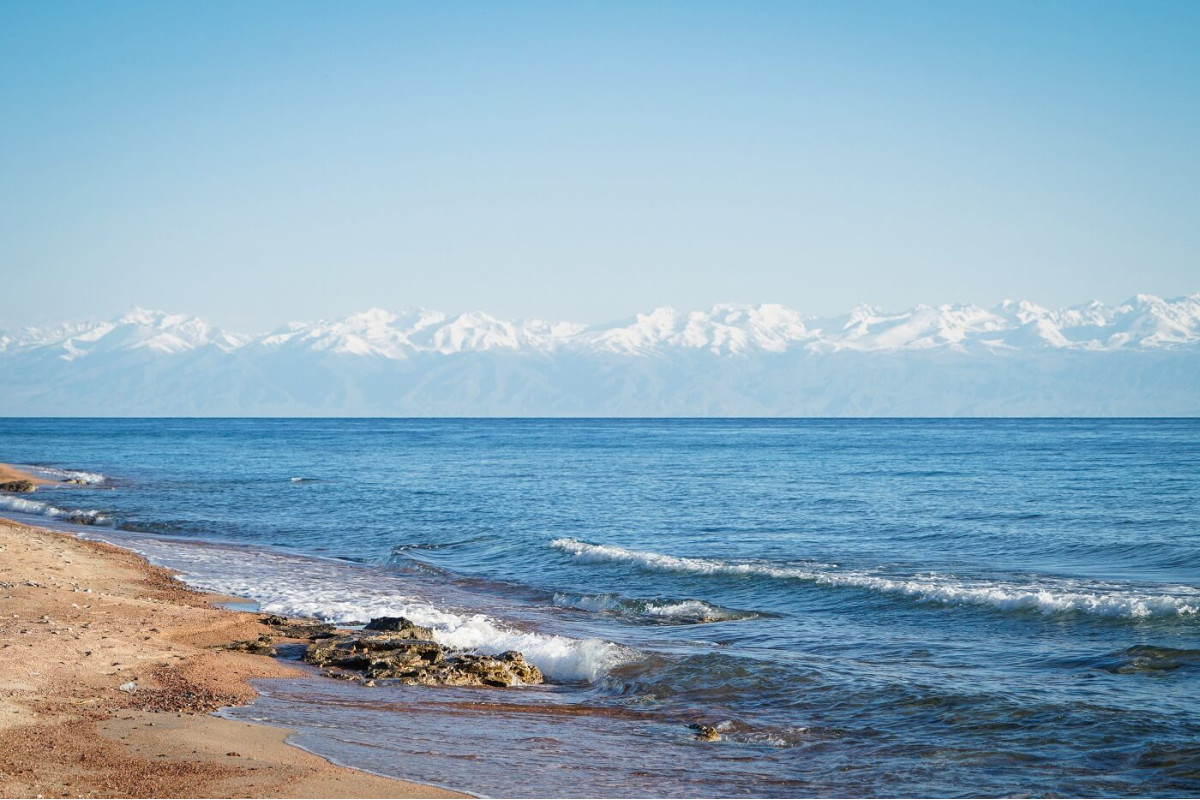
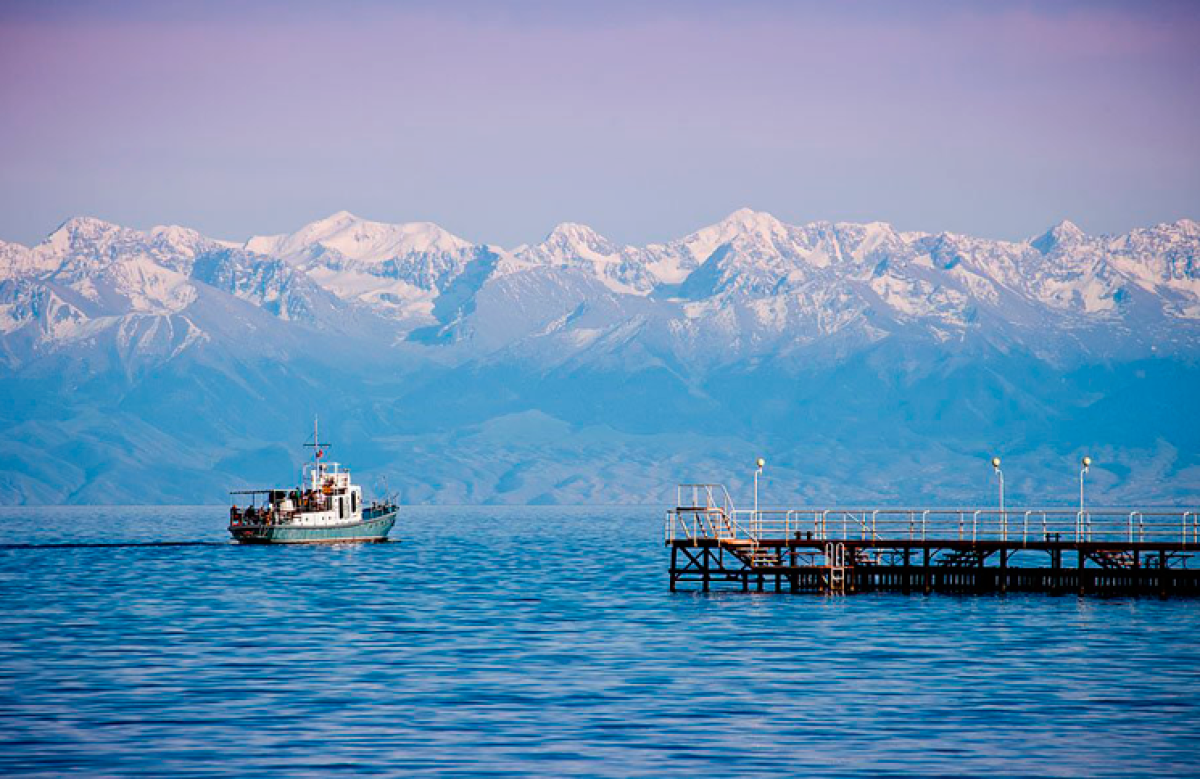
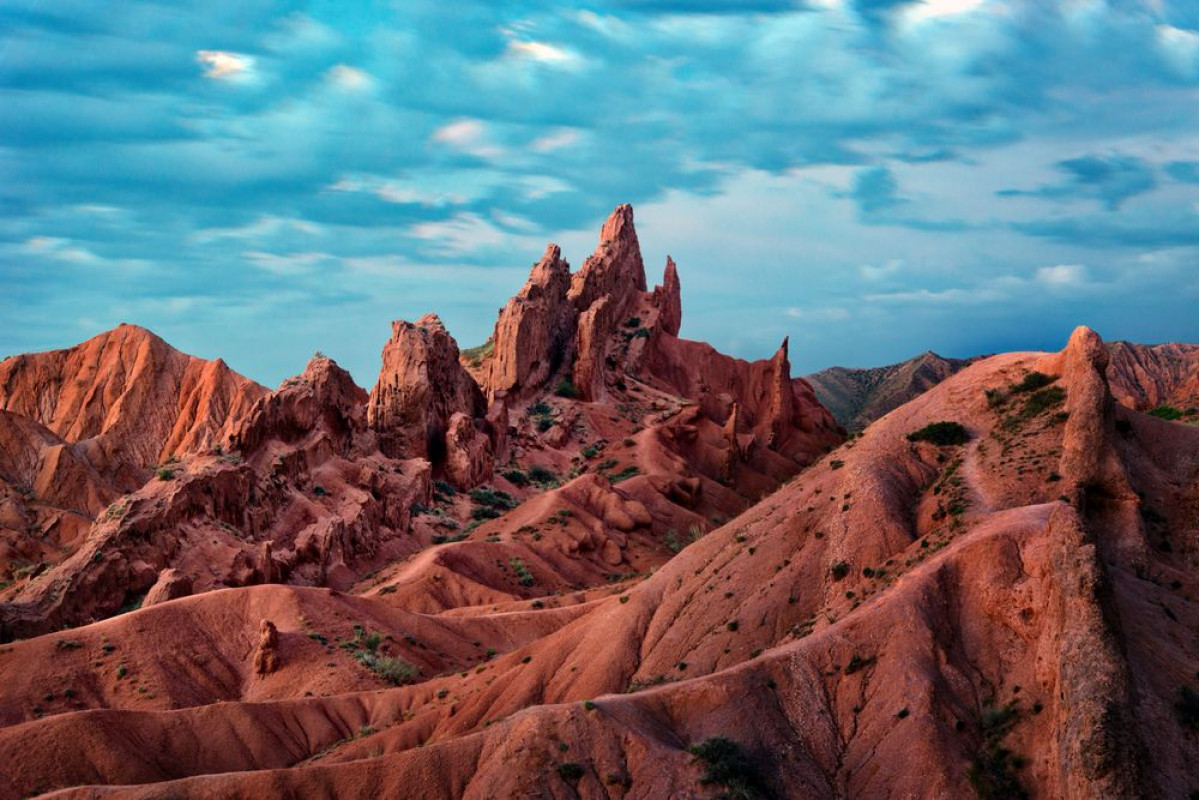
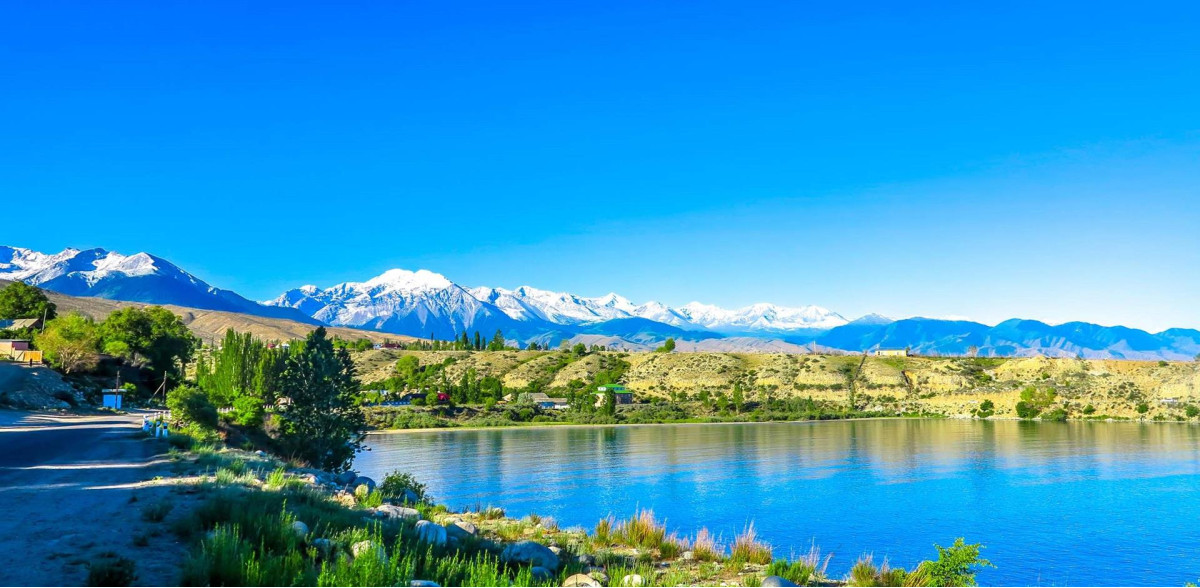
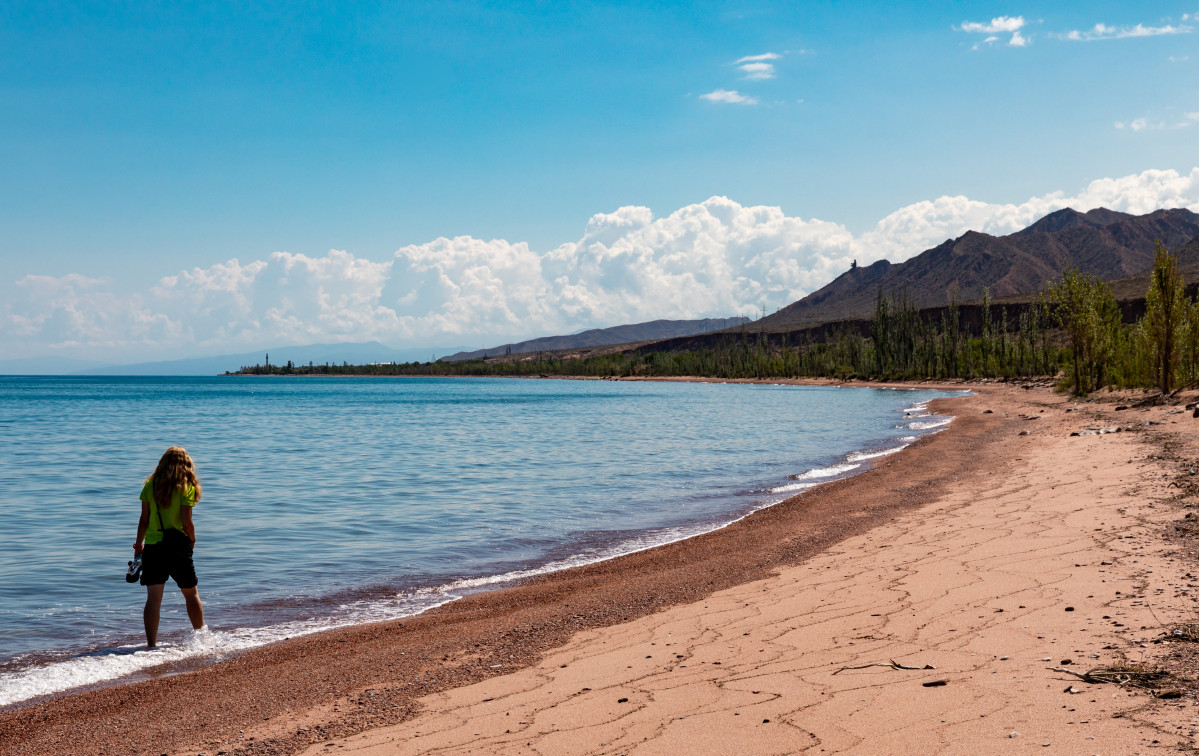
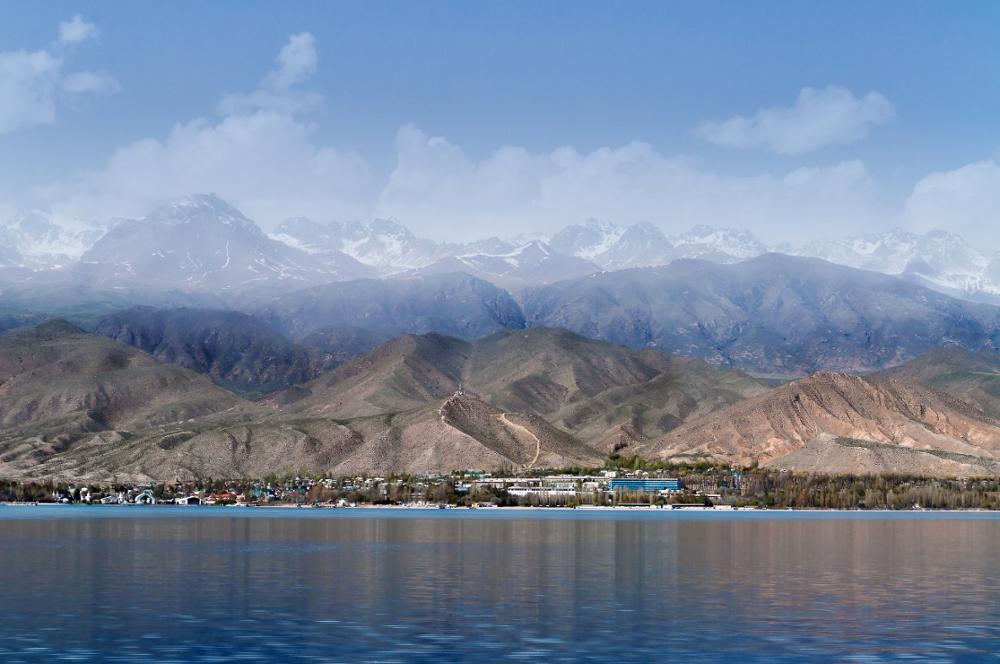
We travel along the southern shore of Issyk-Kul, admiring the charming views of the lake and the Terskey Ala-Too range. Along the way, we visit Skazka Canyon and the Jeti-Oguz Gorge.
We arrive in Karakol — a city with a rich historical heritage. Optionally, we will visit the Dungan Mosque, the cathedral, and the local market.
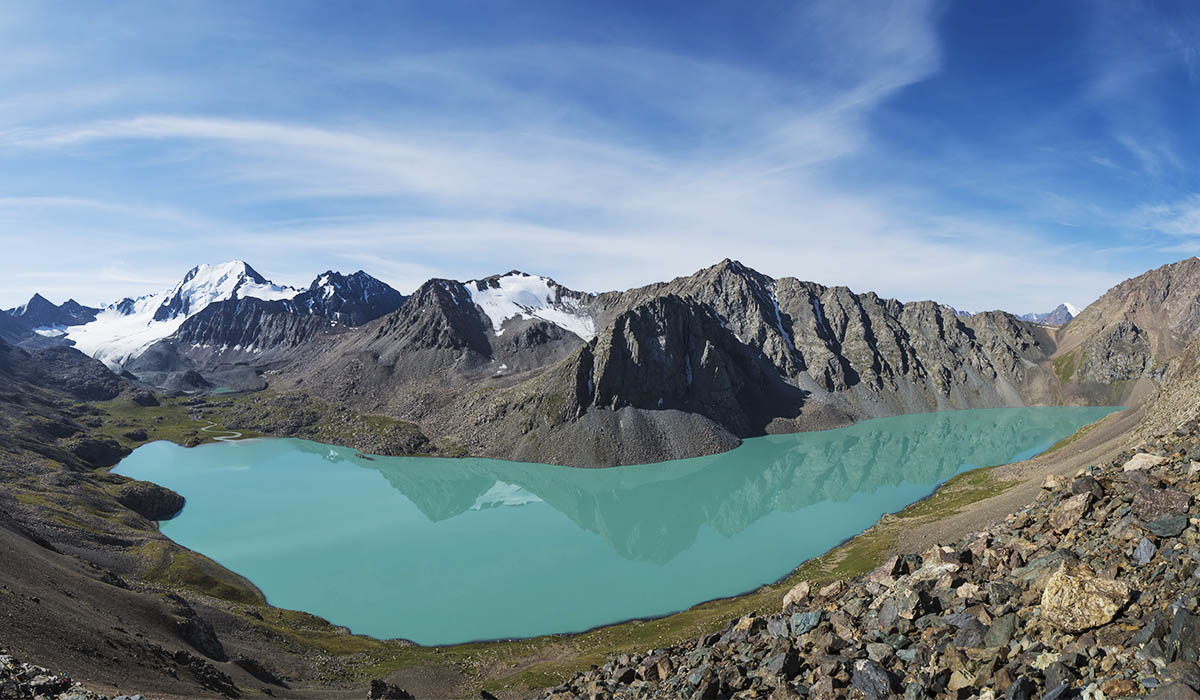
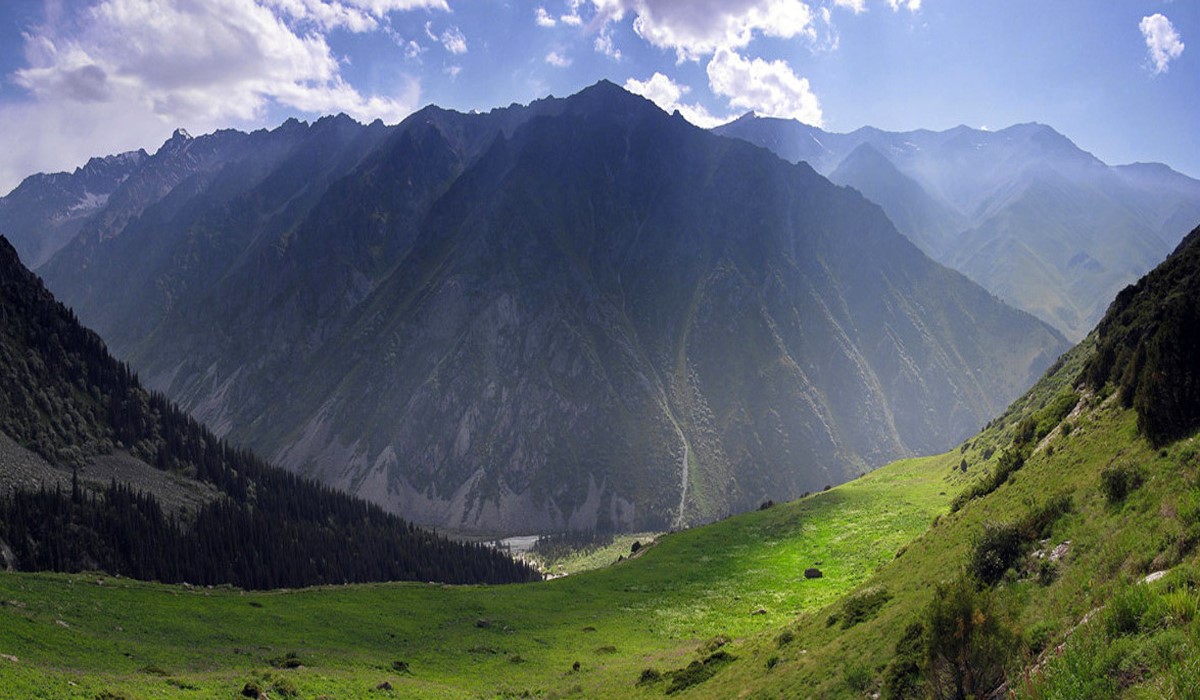
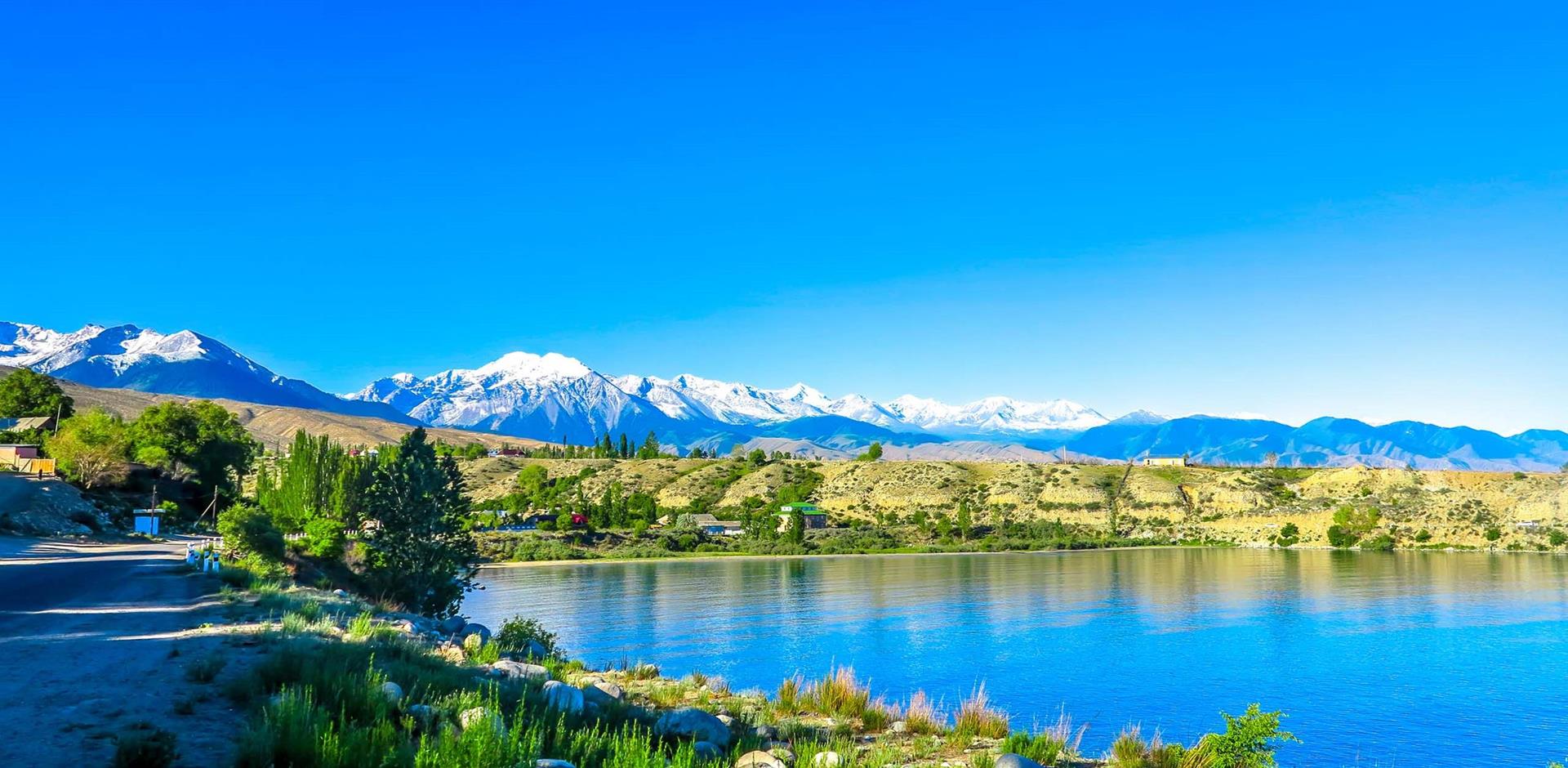
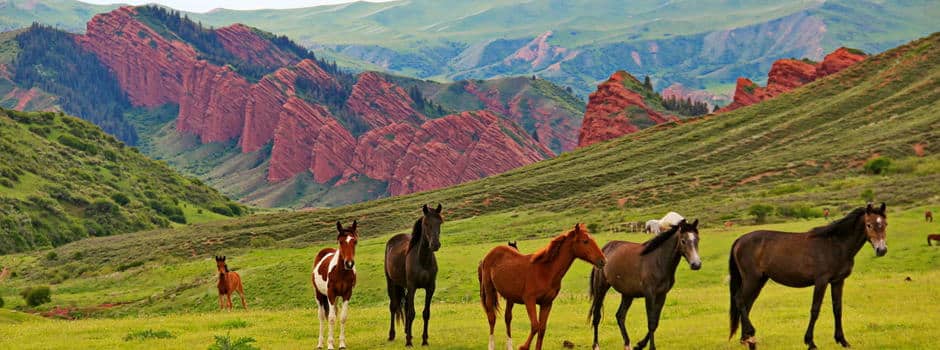

We travel along the northern shore of Issyk-Kul through picturesque valleys and small settlements.
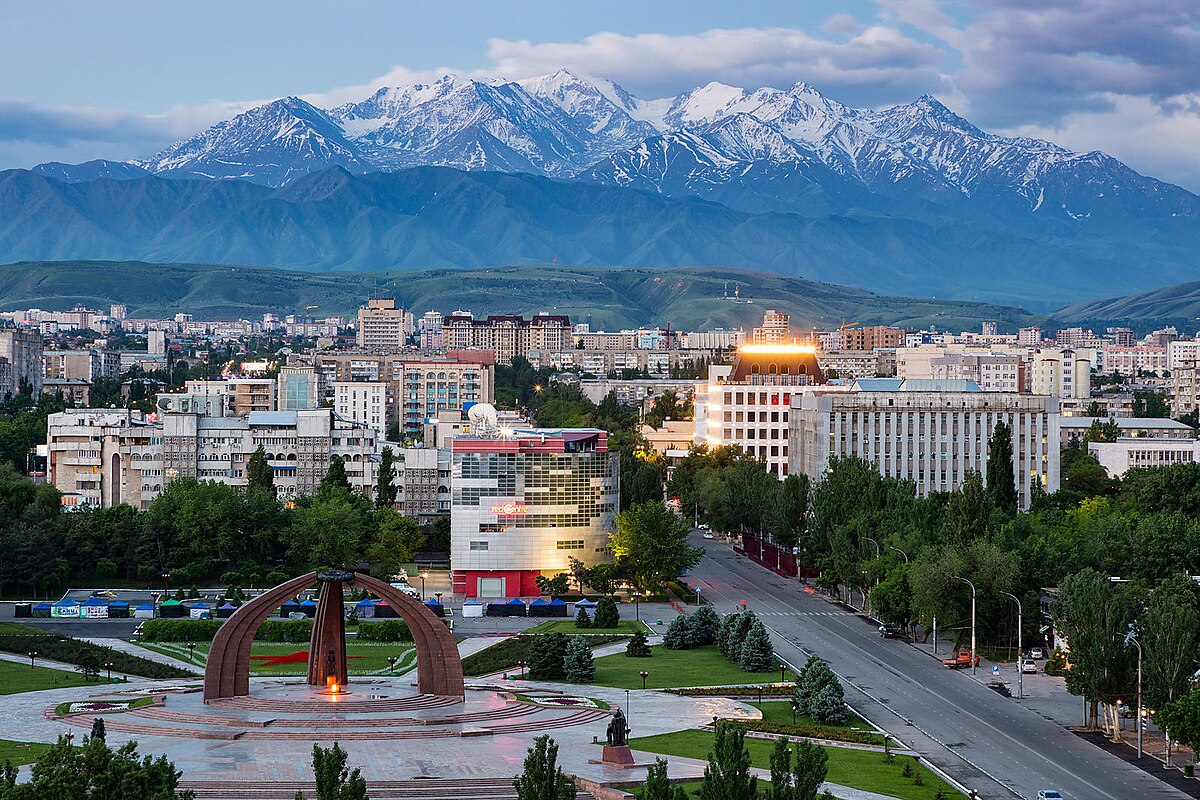
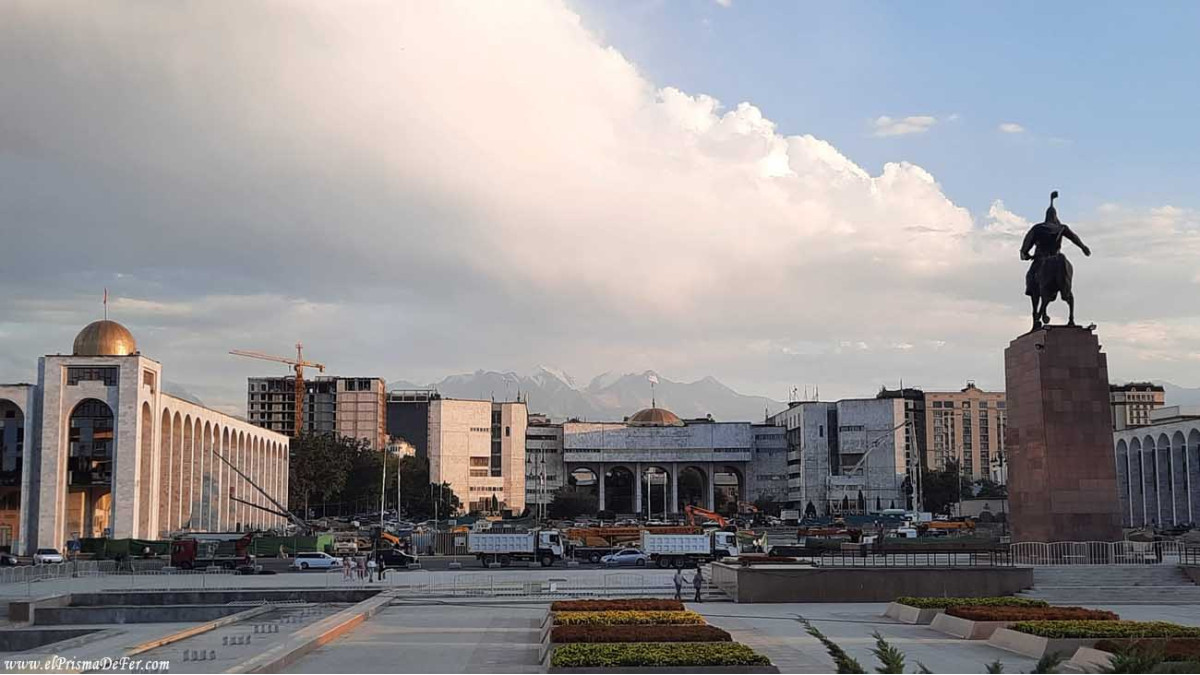
Upon arrival in Bishkek, we check into the hotel. In the evening, we take a walk through the city center and feel the modern rhythm of the capital of Kyrgyzstan.


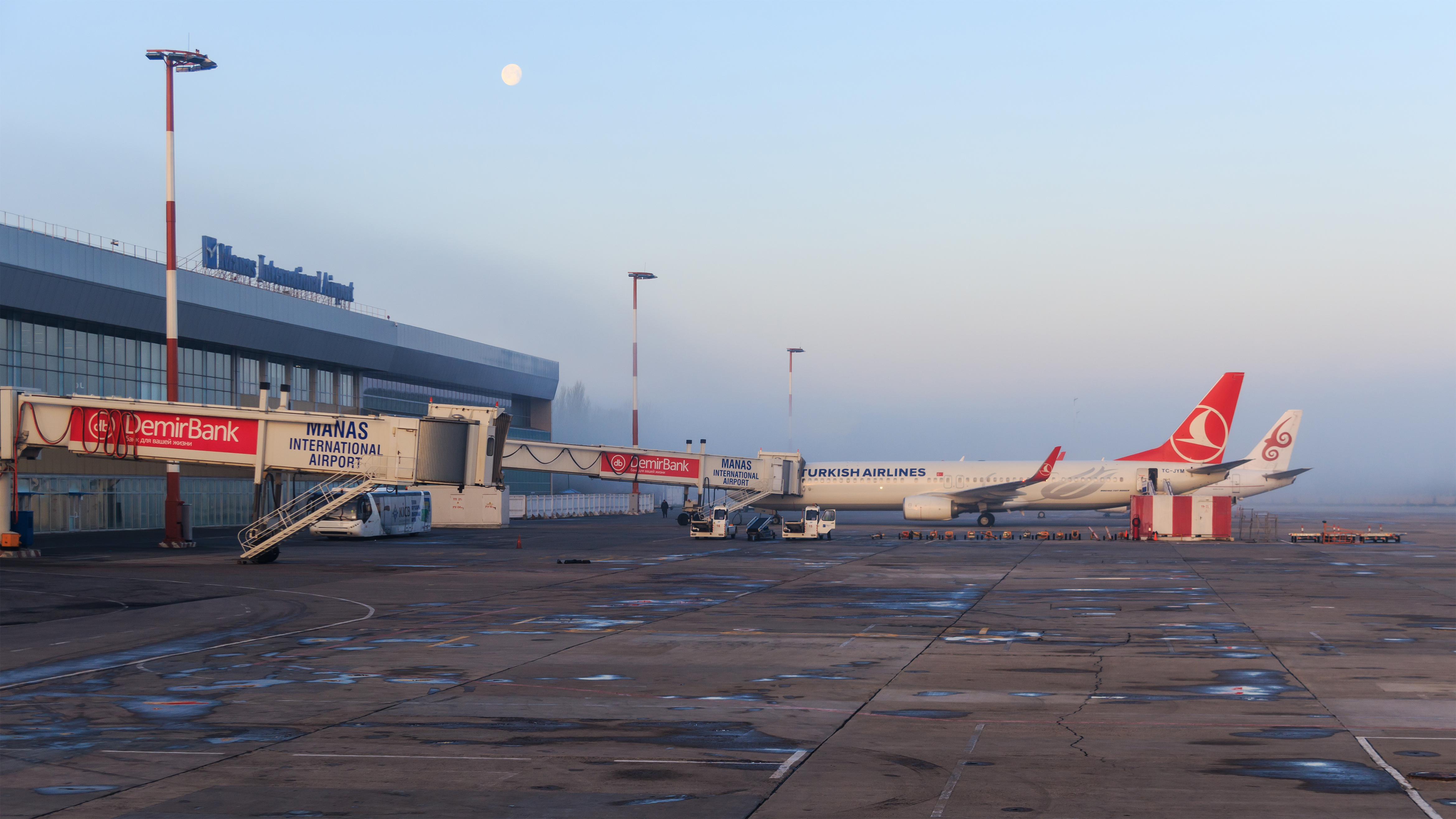
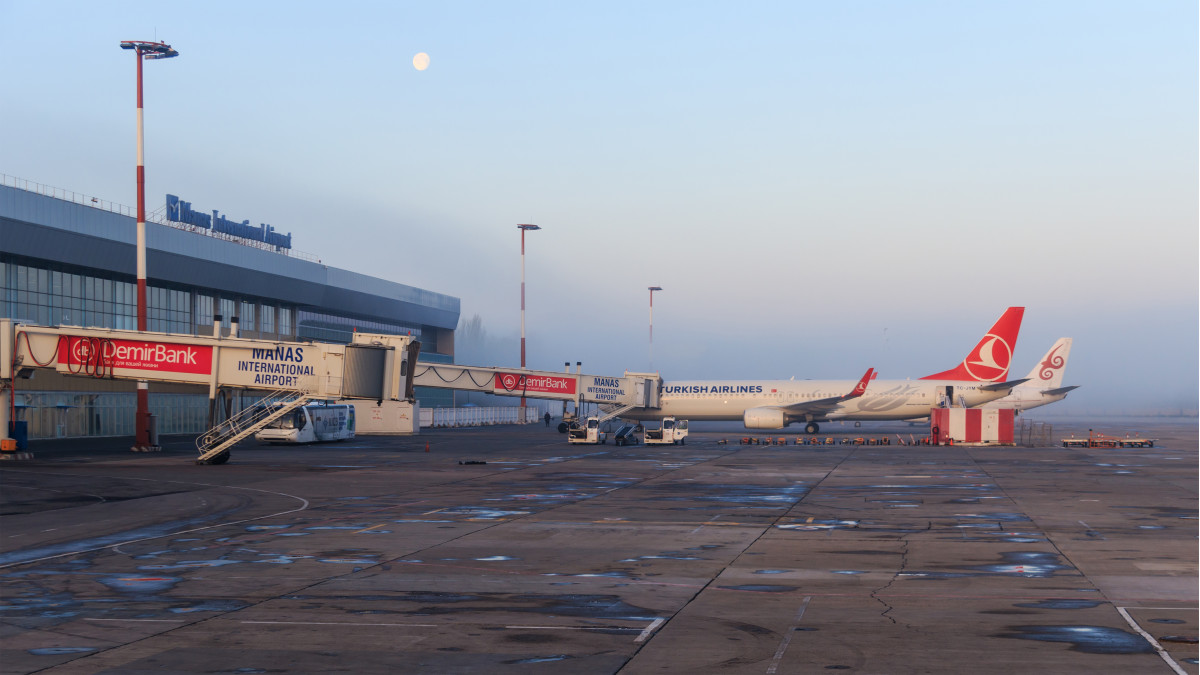
We are met by a transfer and taken to Manas Airport (approximately 30–40 minutes).
And then — a flight to Tashkent.
End of the journey.