DR Congo - Republic of the Congo - Gabon - Equatorial Guinea - Sao Tome and Principe
19 days / 18 nights
17.08.2027 – 4.09.2027
This expedition will be held only once.
Rituals and ceremonies, rivers and national parks, local markets, visits to schools and hospitals to fully understand the everyday life of these countries — and of course, the beaches and jungles of Equatorial Africa.
Arrival in Brazzaville.
Transfer to the hotel. Check-in and rest.
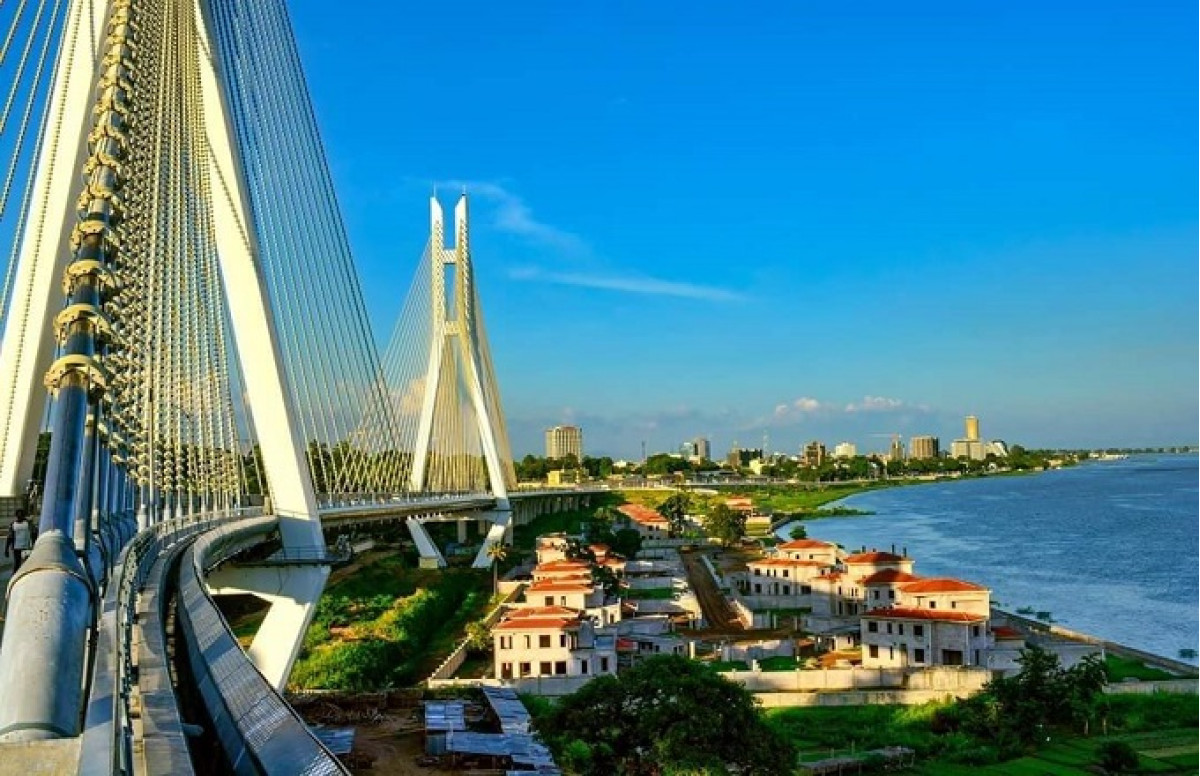
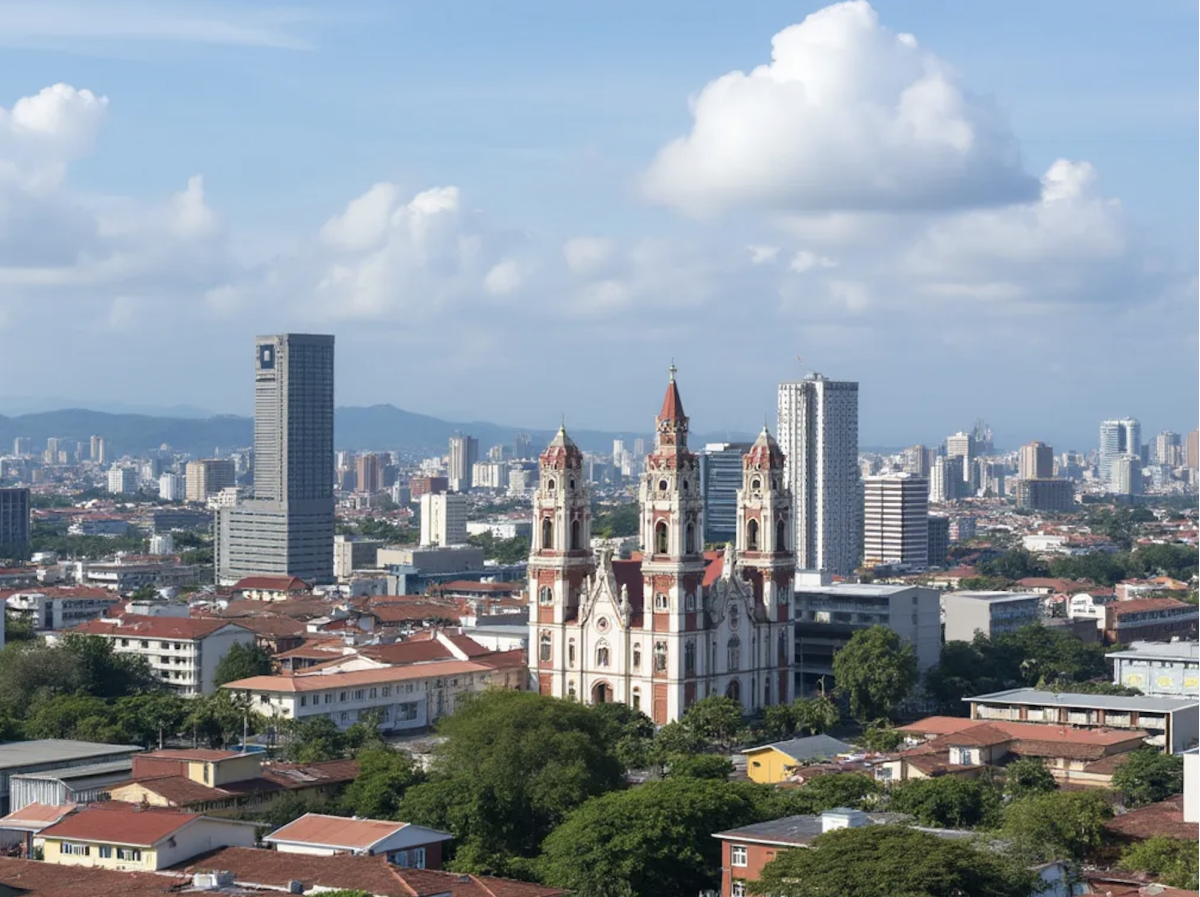
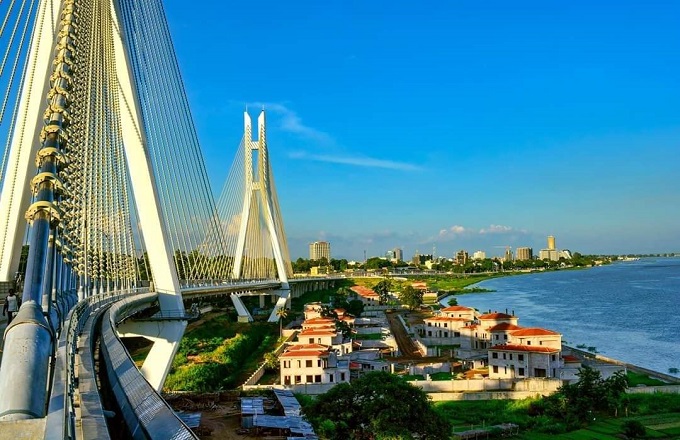
Today our journey continues in Brazzaville, the vibrant capital of the Republic of the Congo, located on the banks of the mighty Congo River directly opposite Kinshasa. It is a unique place on the map of Central Africa, where colonial history, modern African rhythm, and the atmosphere of two capitals separated only by water intertwine.
In the morning, we set out to explore the city’s key landmarks. We visit the Pierre Savorgnan de Brazza Memorial, dedicated to the man whose name is forever linked to the founding of Brazzaville. Next, we see one of the country’s architectural symbols, St. Anne’s Basilica, known for its distinctive silhouette and green roof. We drive through significant city sites, feel the pulse of the capital, stop at Gare Roundabout, at the “I Love Brazzaville 2026” square, and visit the lively Total Market, where everyday Congolese life unfolds most vividly.
At midday, lunch awaits us at the atmospheric Les Rapides de Djoué restaurant. It is one of the best places in the city to enjoy local cuisine while overlooking the wide Congo River and the panorama of Kinshasa on the opposite bank, a rare opportunity to see two worlds and two countries at once.
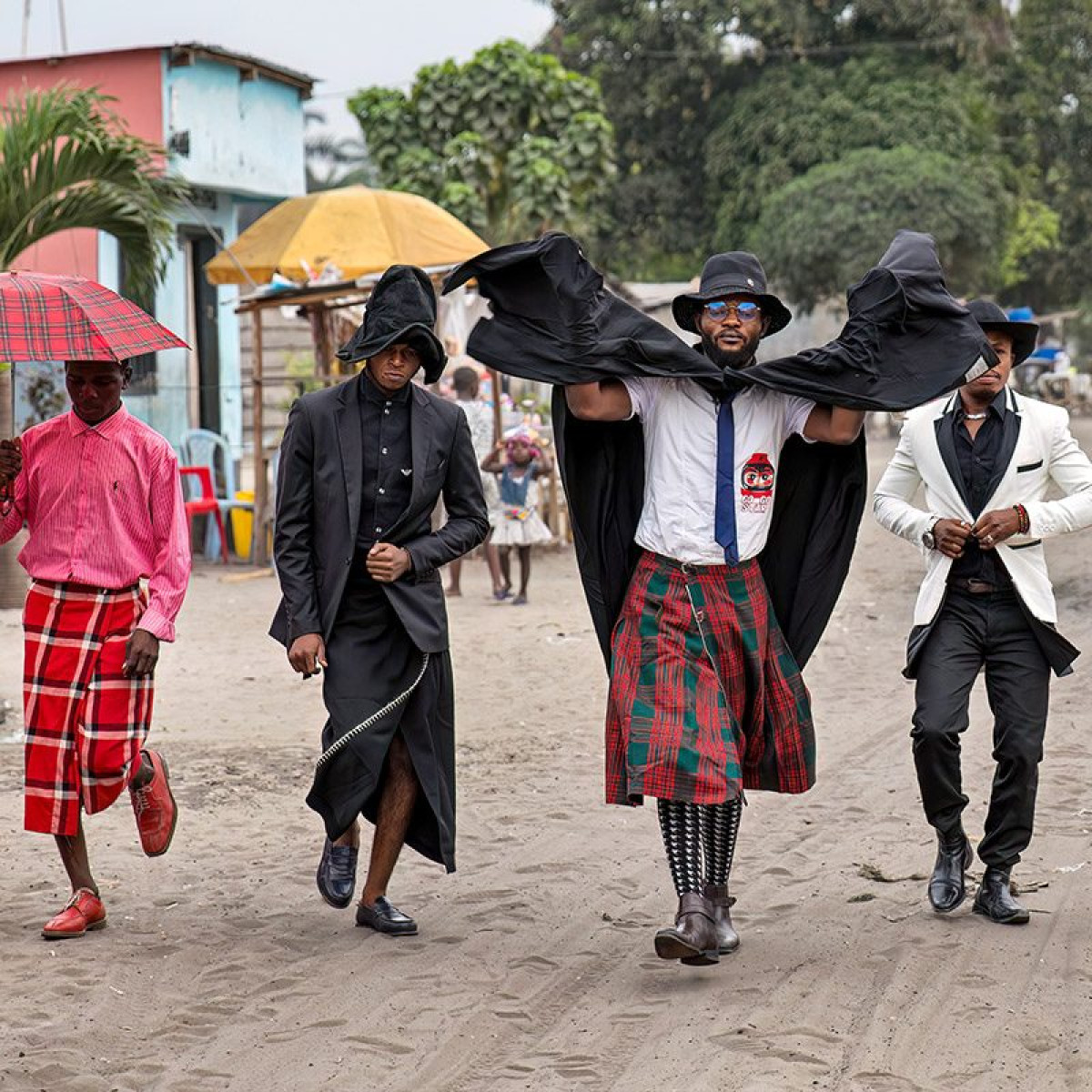
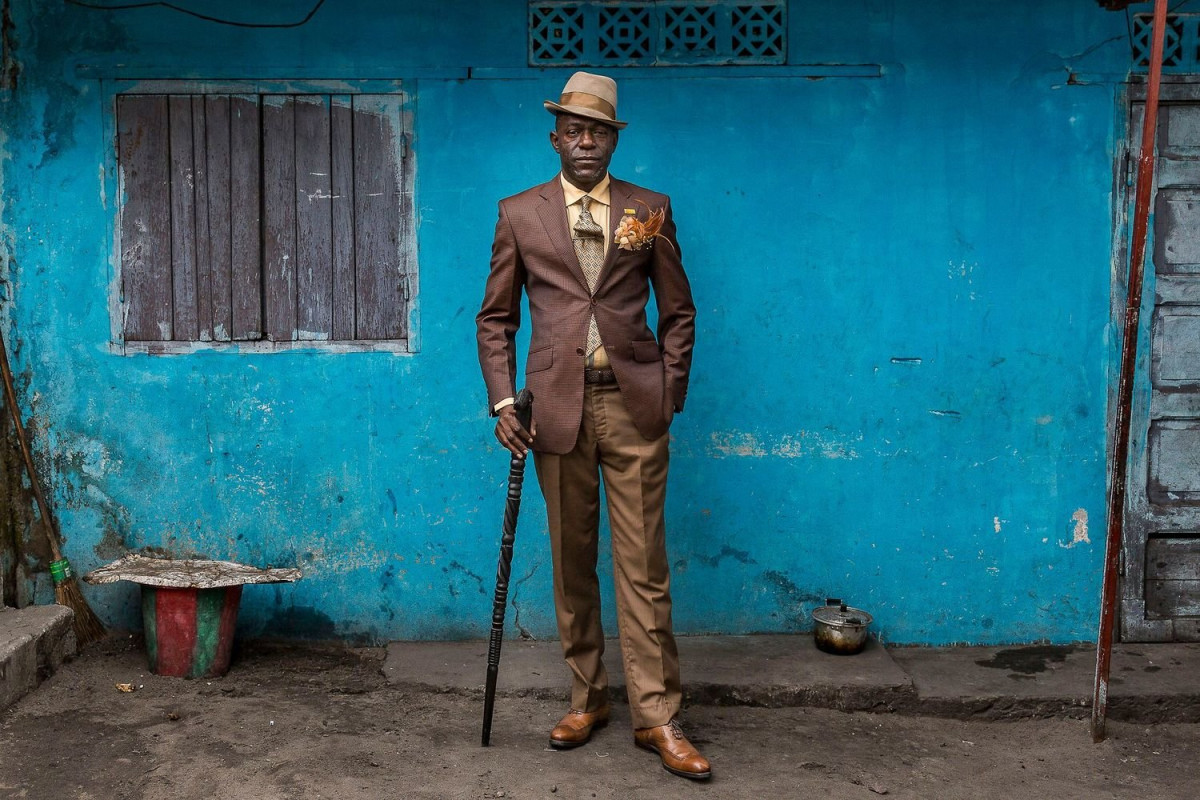
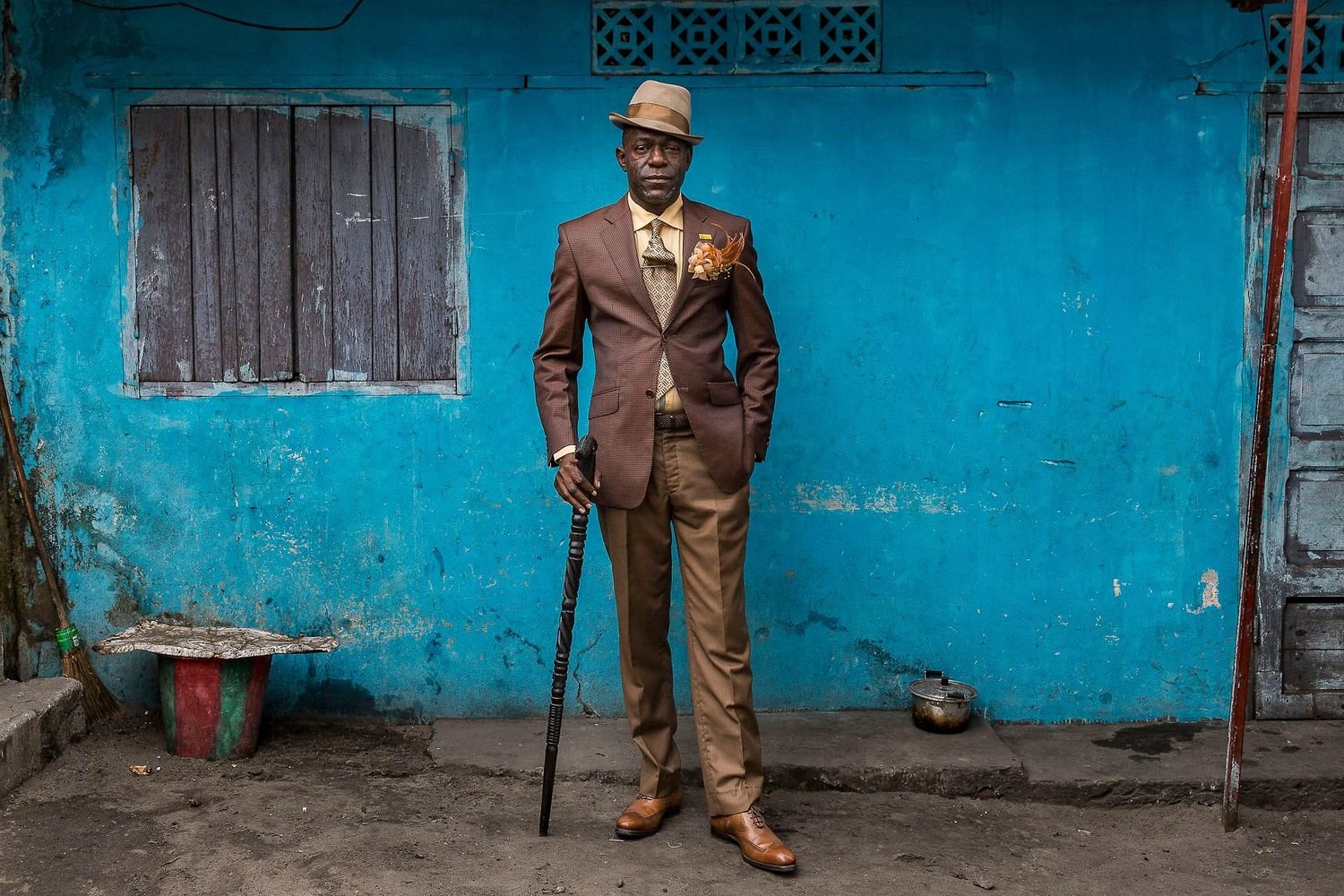
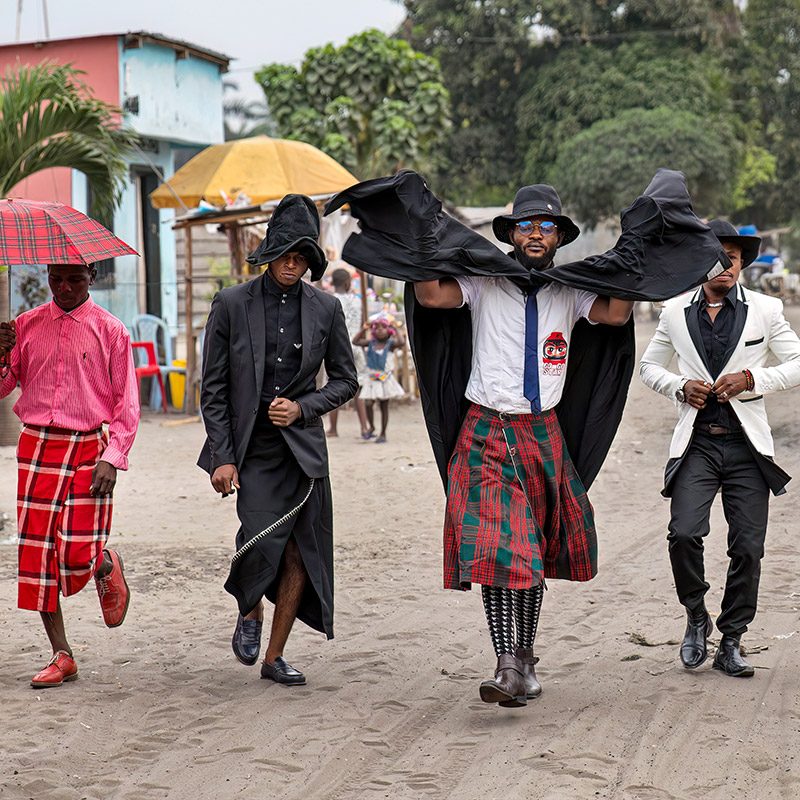
In the afternoon, one of the most fascinating encounters of the route takes place, meeting the legendary sapeurs, representatives of the SAPE movement (Société des Ambianceurs et des Personnes Élégantes). This is not just a style of dress but a true philosophy born in Congo that has become a symbol of dignity, self-expression, and inner freedom. The sapeurs turn the city streets into a runway, with vibrant suits, perfect tailoring, bold color combinations, and charisma that create the effect of a true show.
We will witness their parade of outfits, take photos, and hear the story of SAPE firsthand, learning how elegance in Congo became a cultural code and part of national identity.
In the evening, return to the hotel.
Overnight in Brazzaville.

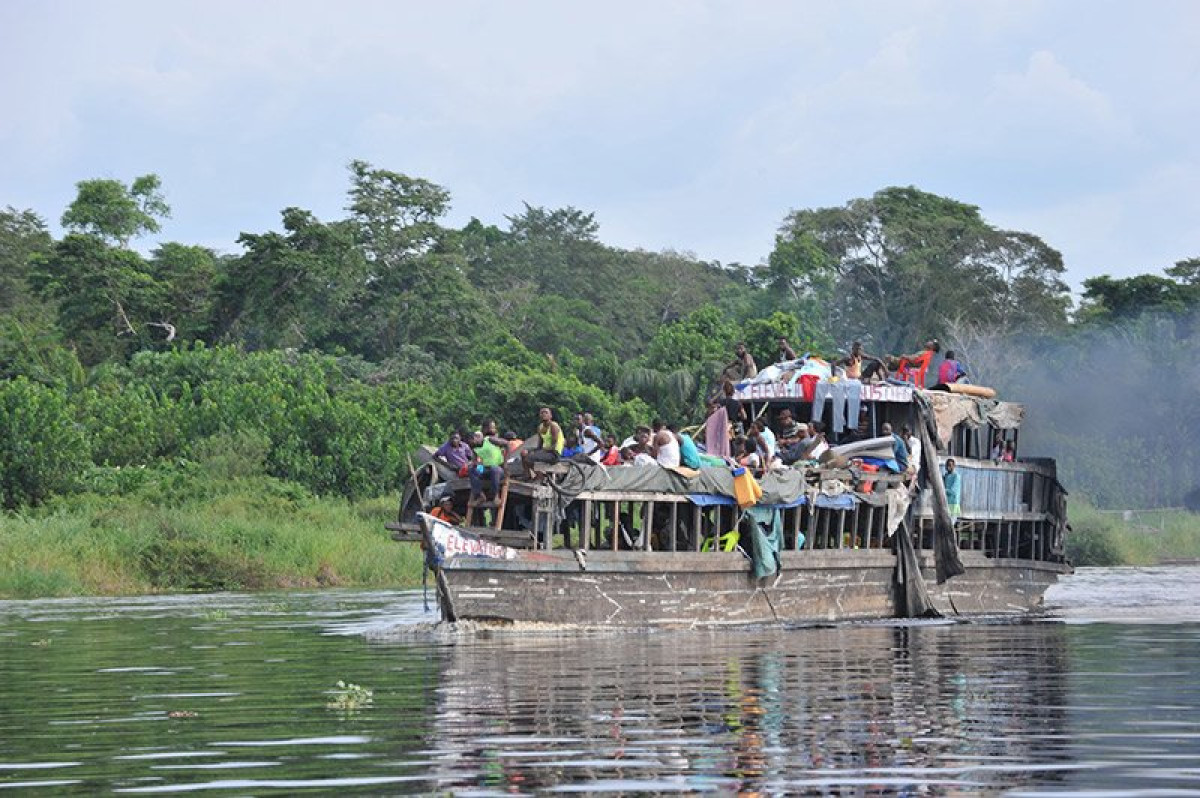
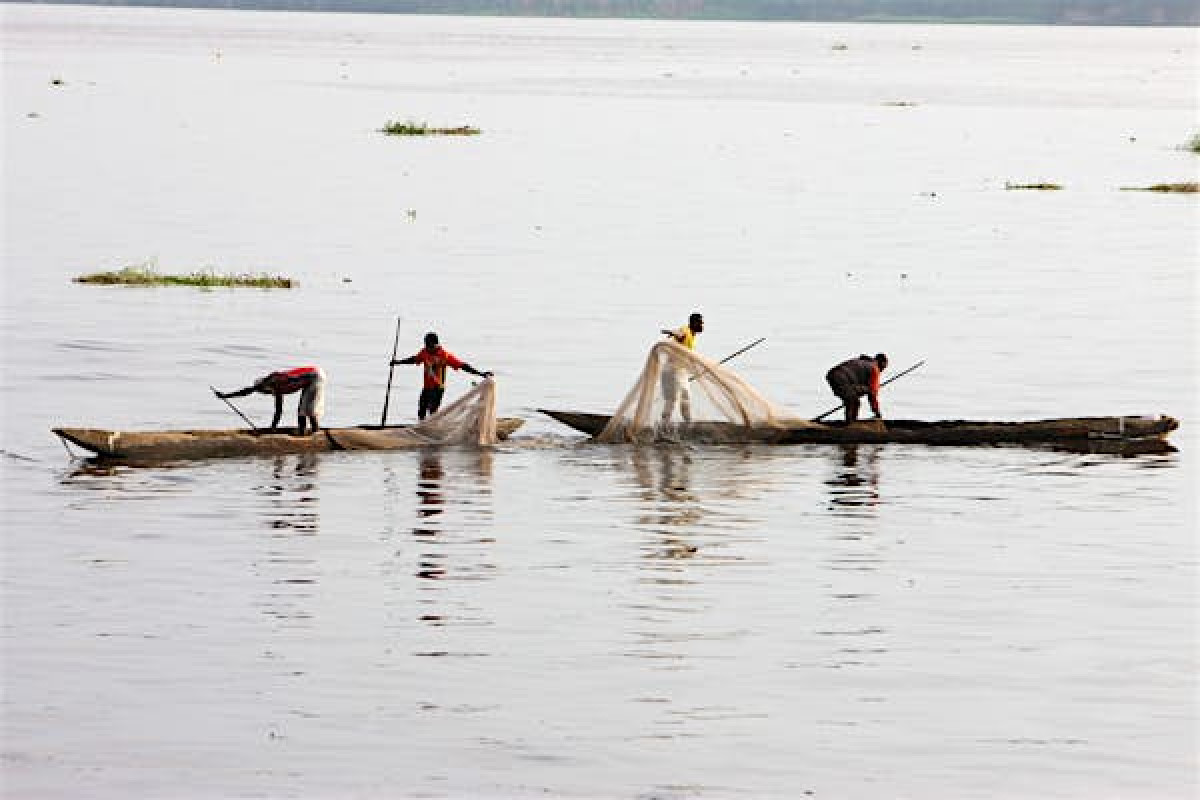
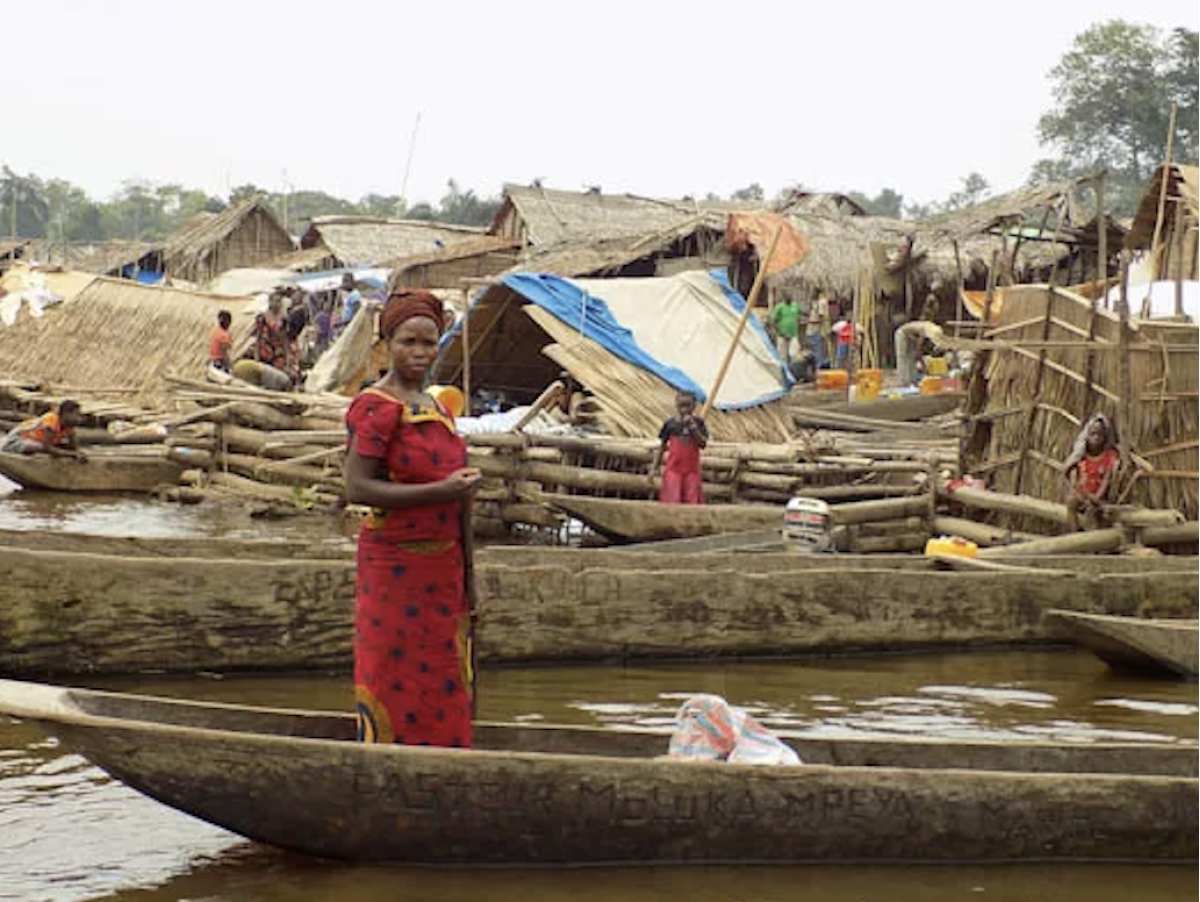
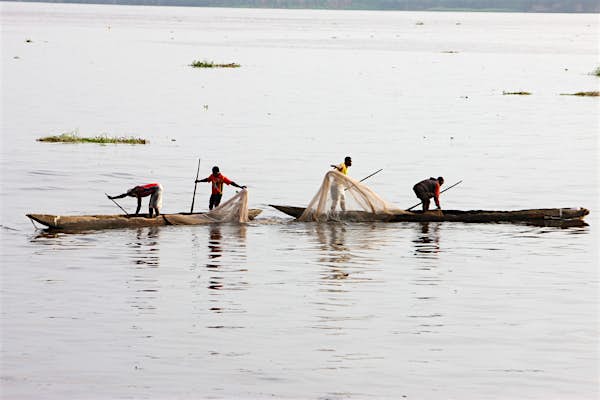
After breakfast, we set off on a motorized pirogue along the Congo River toward the picturesque Manguengue cliffs.
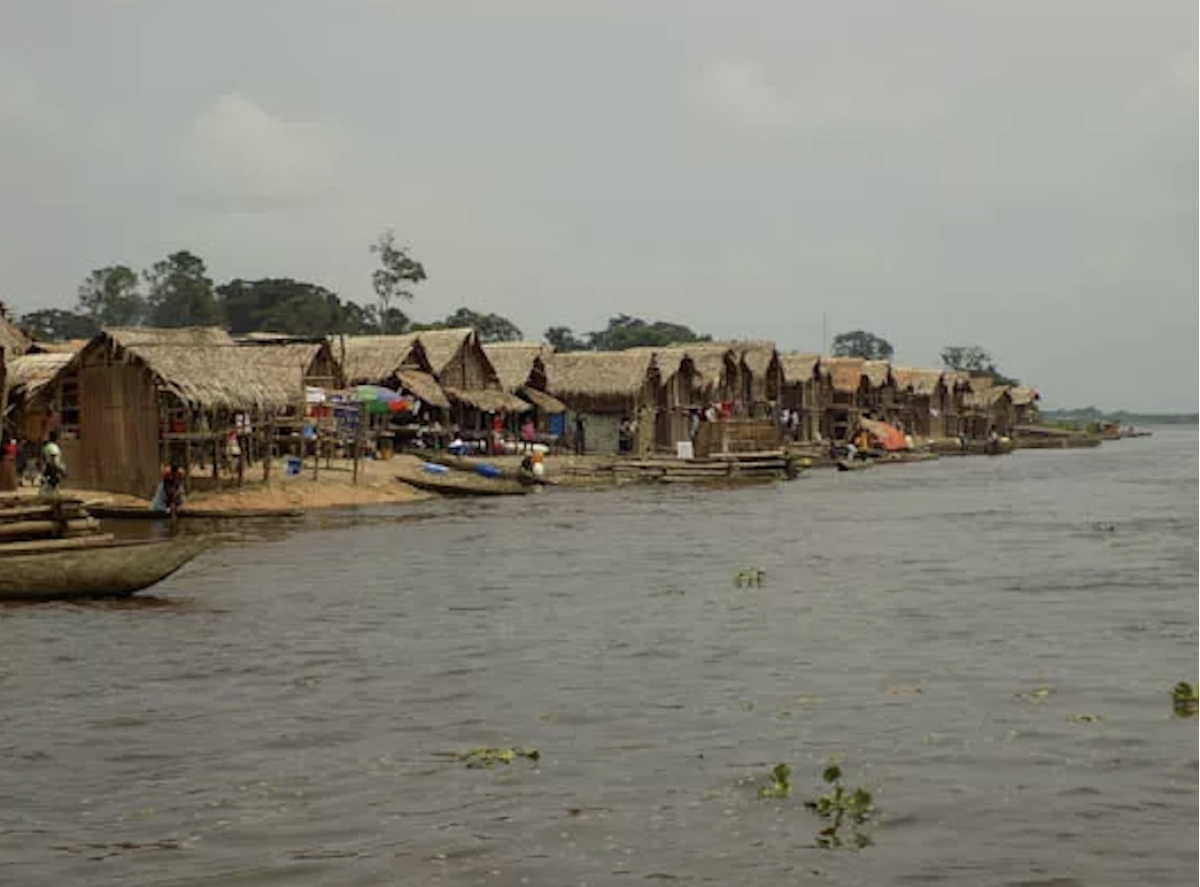
Along the way, we visit a fishing village, the Manguengue cliffs themselves, and Île M’Bamou, where we experience the true atmosphere of the river and the life of local residents.
Lunch on site, surrounded by nature and African landscapes.
In the afternoon, we return to Brazzaville. We walk through the Twin Towers district and the city’s colorful neighborhoods to see the capital from another perspective, vibrant, authentic, and everyday.
Transfer from Brazzaville to Kinshasa. Rest.



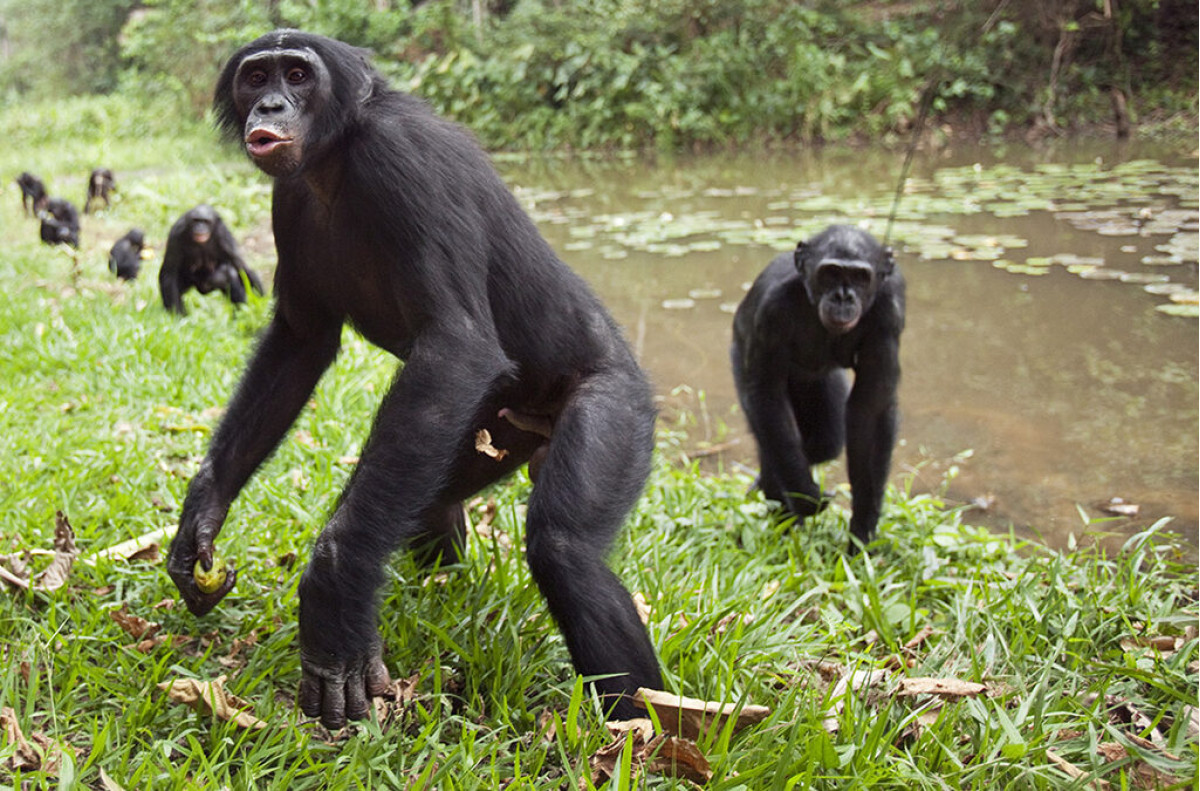
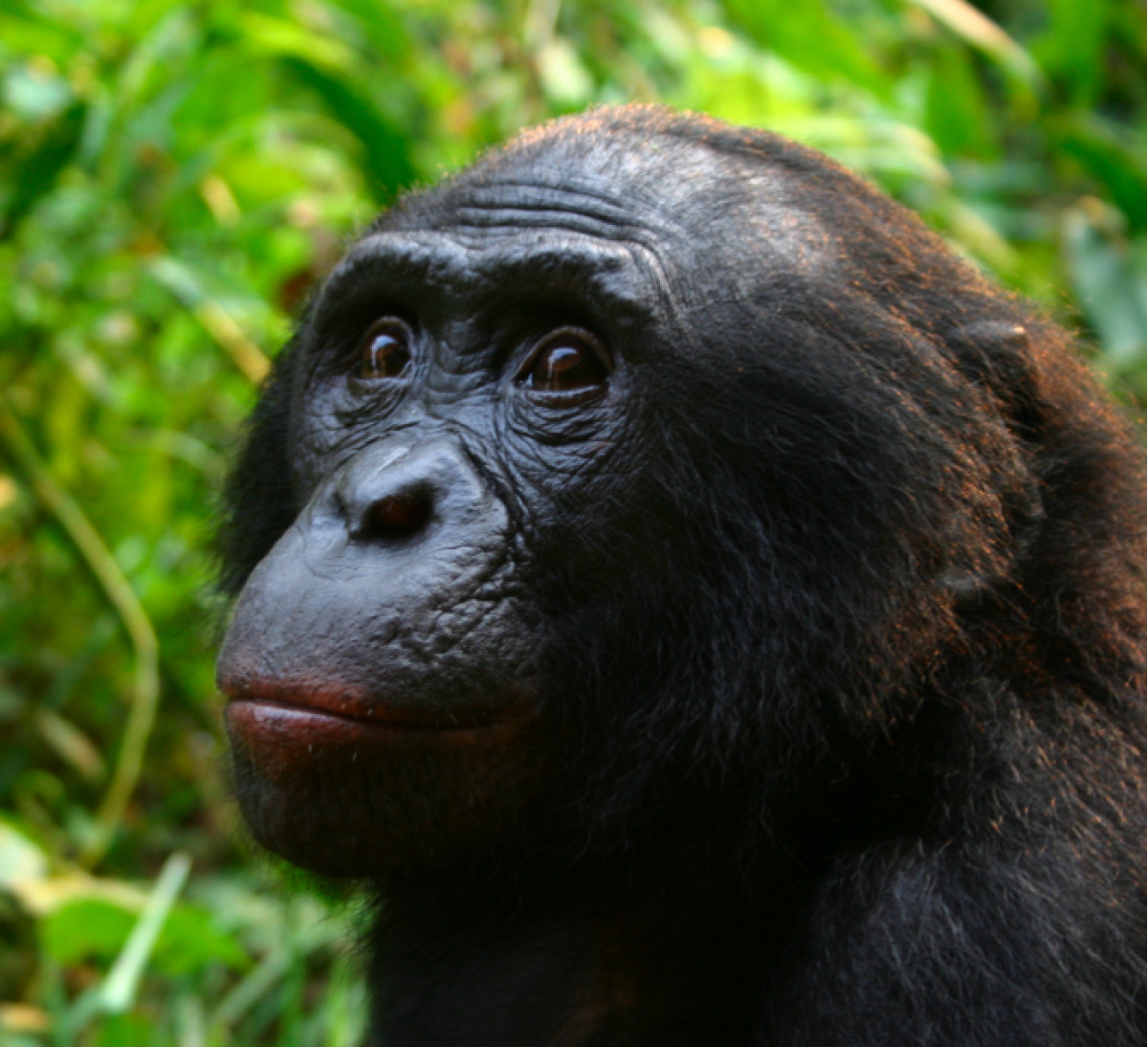
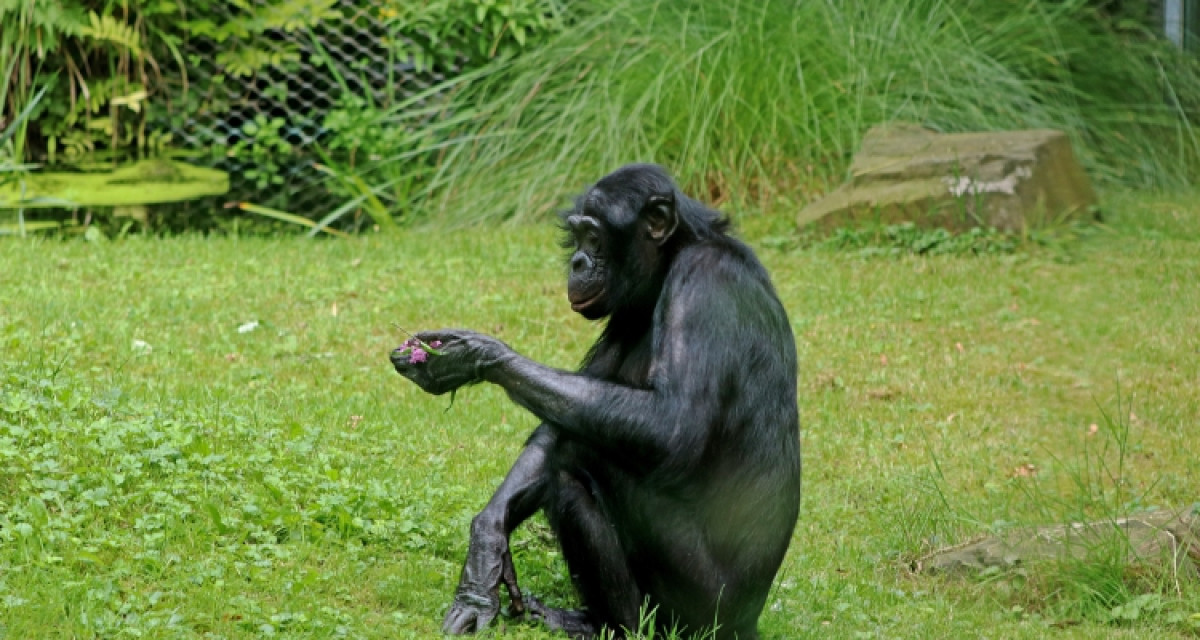
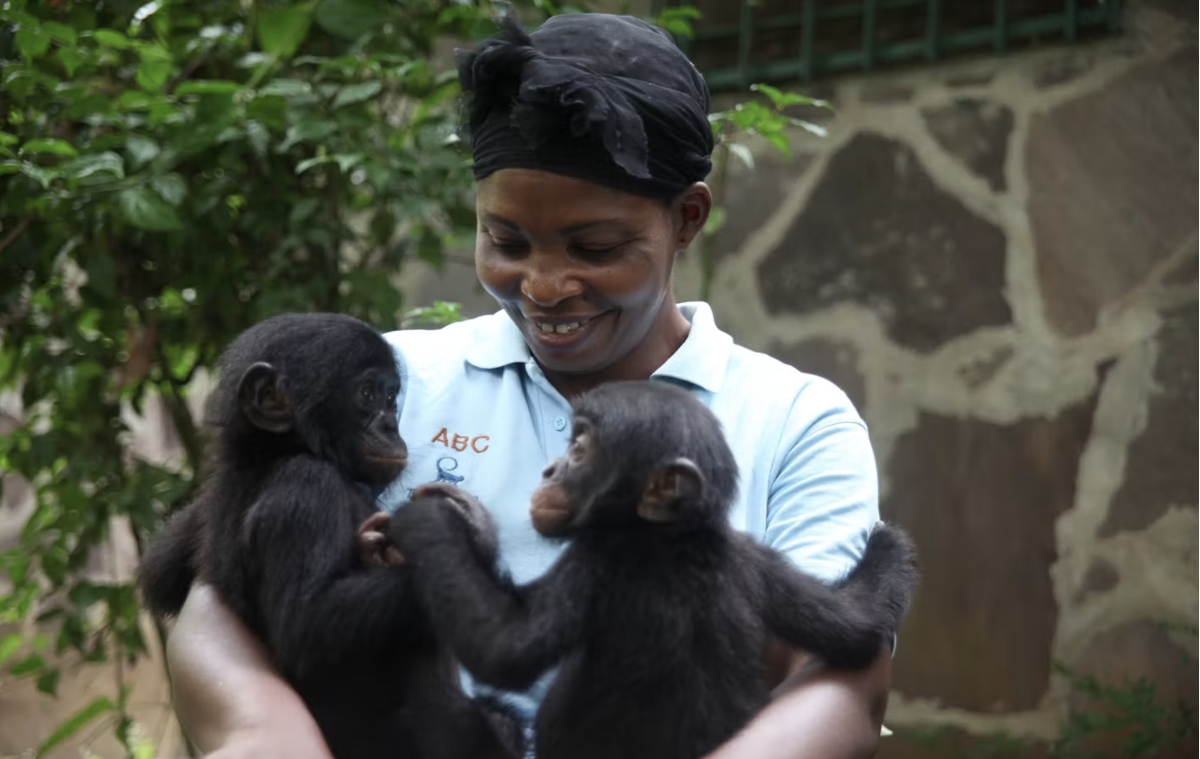
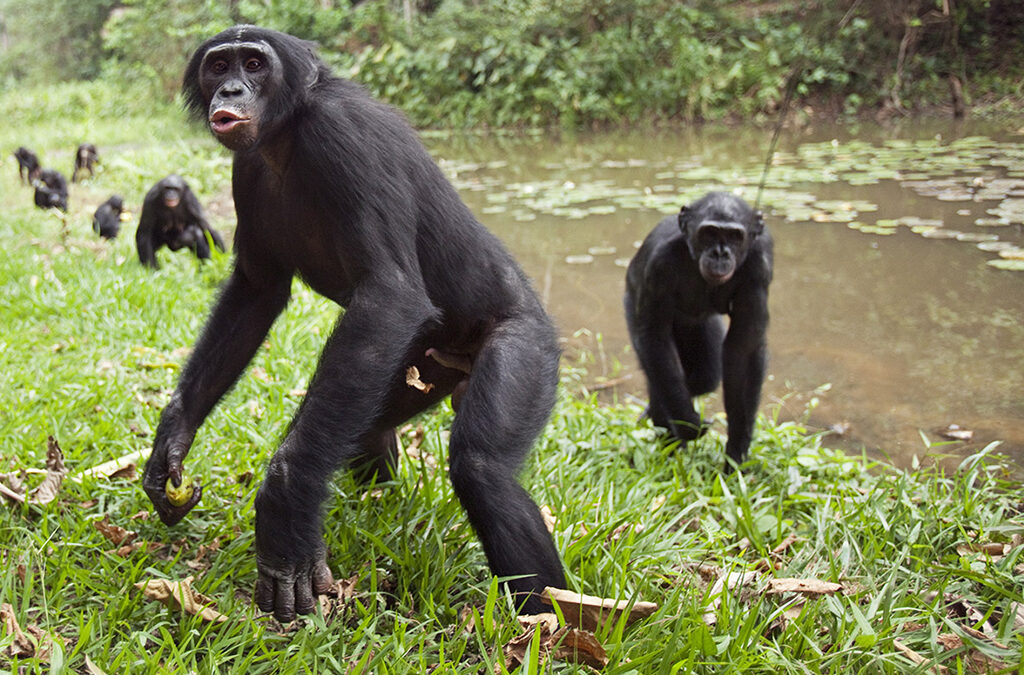
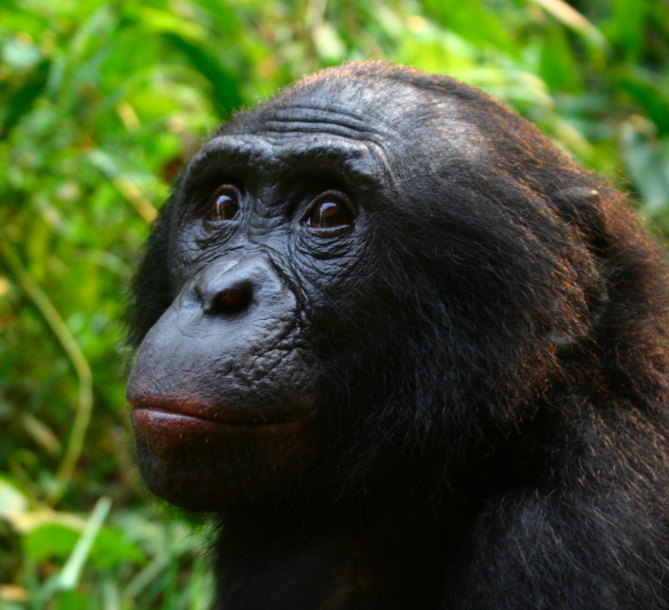
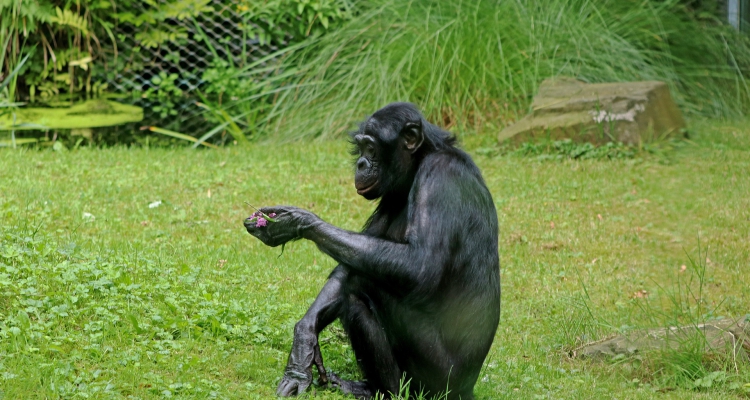
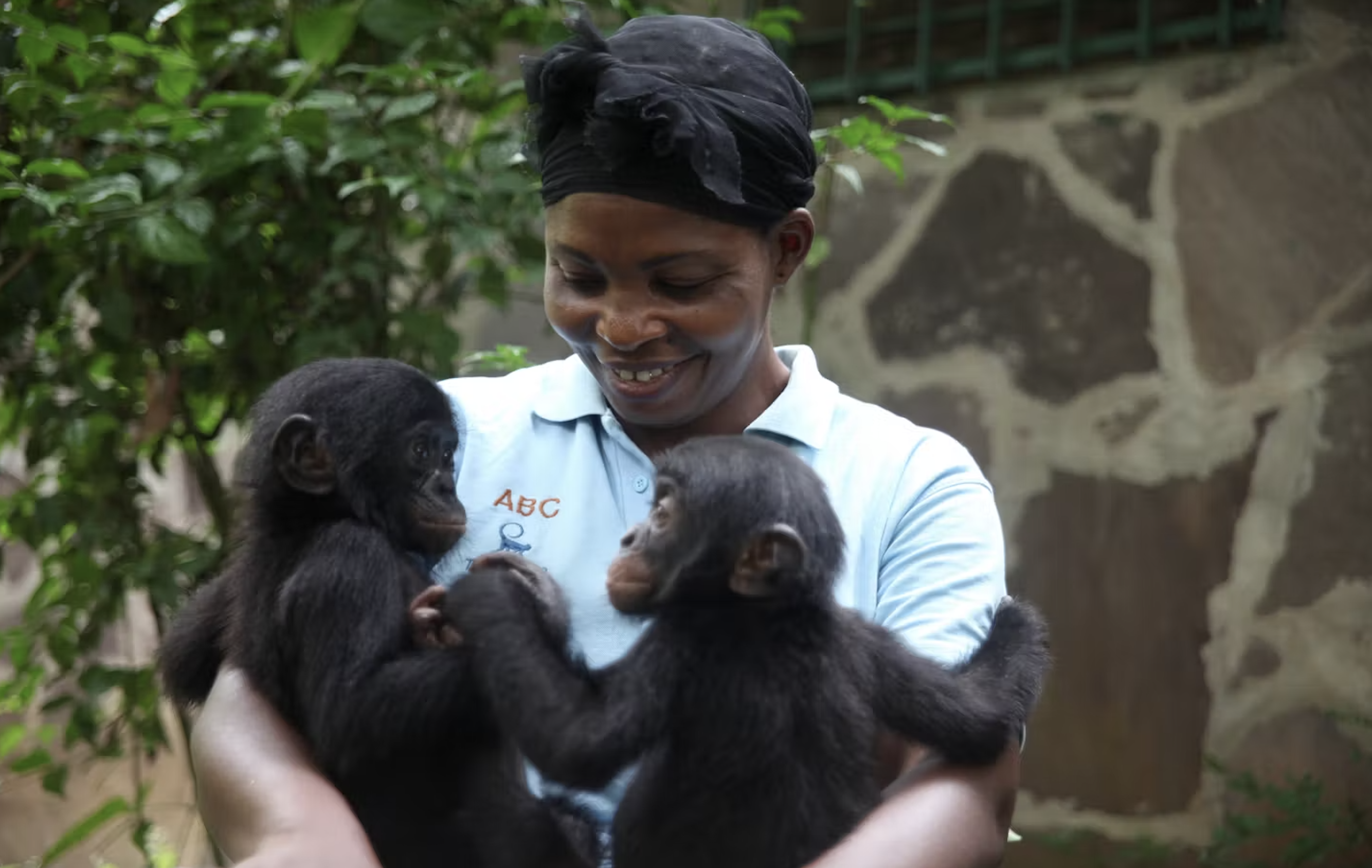
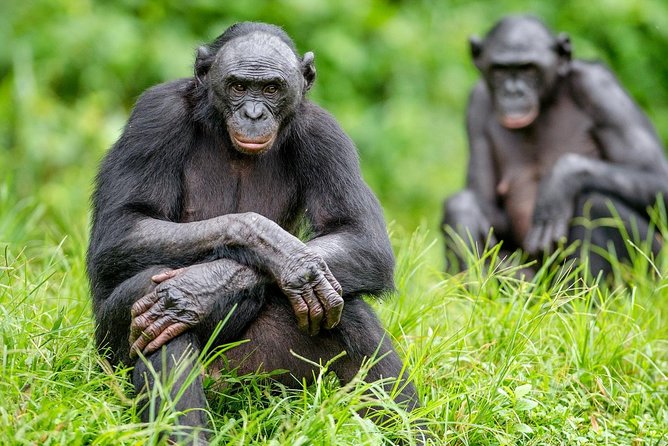
In the morning, we head to a unique bonobo sanctuary, home to the rarest primates, found only in the Democratic Republic of the Congo and considered among the closest relatives to humans. This place was created to rescue animals affected by poaching and illegal wildlife trade.
During the visit, we observe how the bonobos live in conditions as close as possible to their natural habitat, in forest enclosures, in family groups, with space to move freely. Guides explain the character of these remarkable animals, their social life, extraordinary intelligence, and how specialists help them recover and prepare for eventual return to the wild.
After a full morning, lunch awaits us at a riverside restaurant where we can relax and enjoy the atmosphere of Kinshasa.
We then continue exploring the capital, visiting Kabila’s Mausoleum, the National Museum, the Patrice Lumumba Memorial, and the craft market featuring the finest works of local artisans.
Return to the hotel. Overnight.
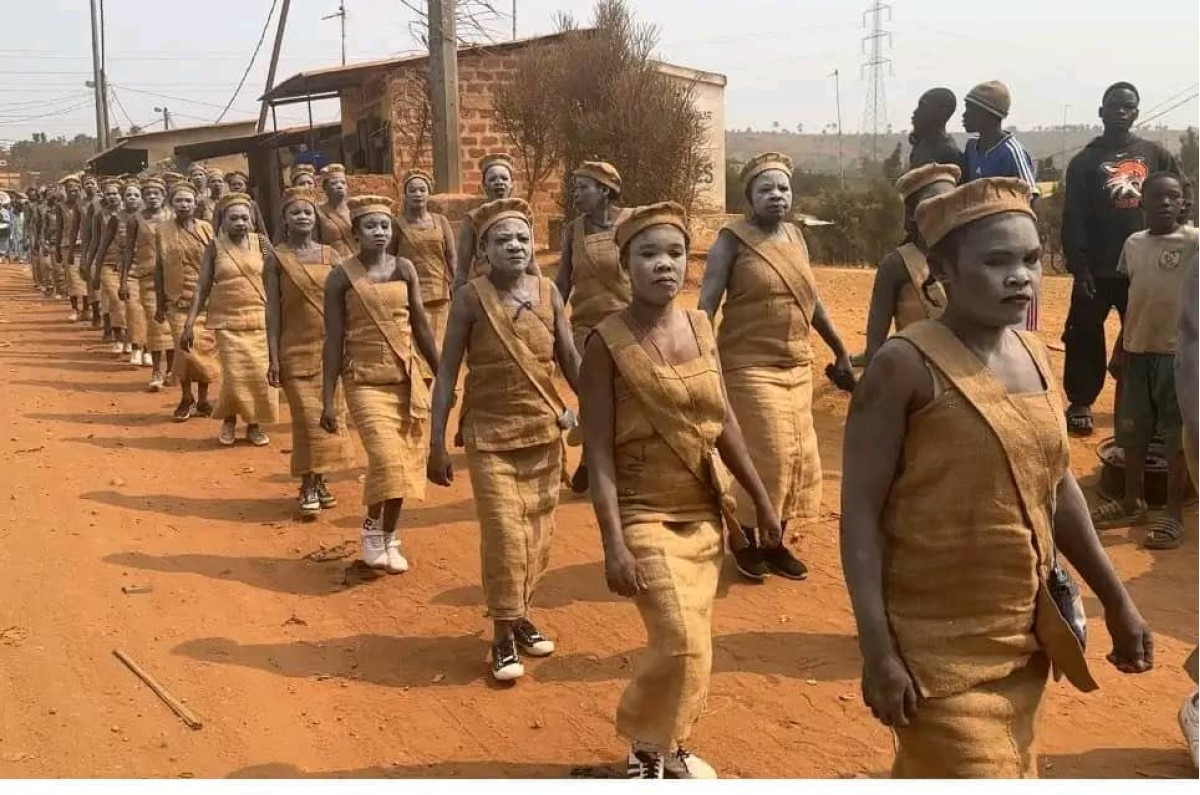
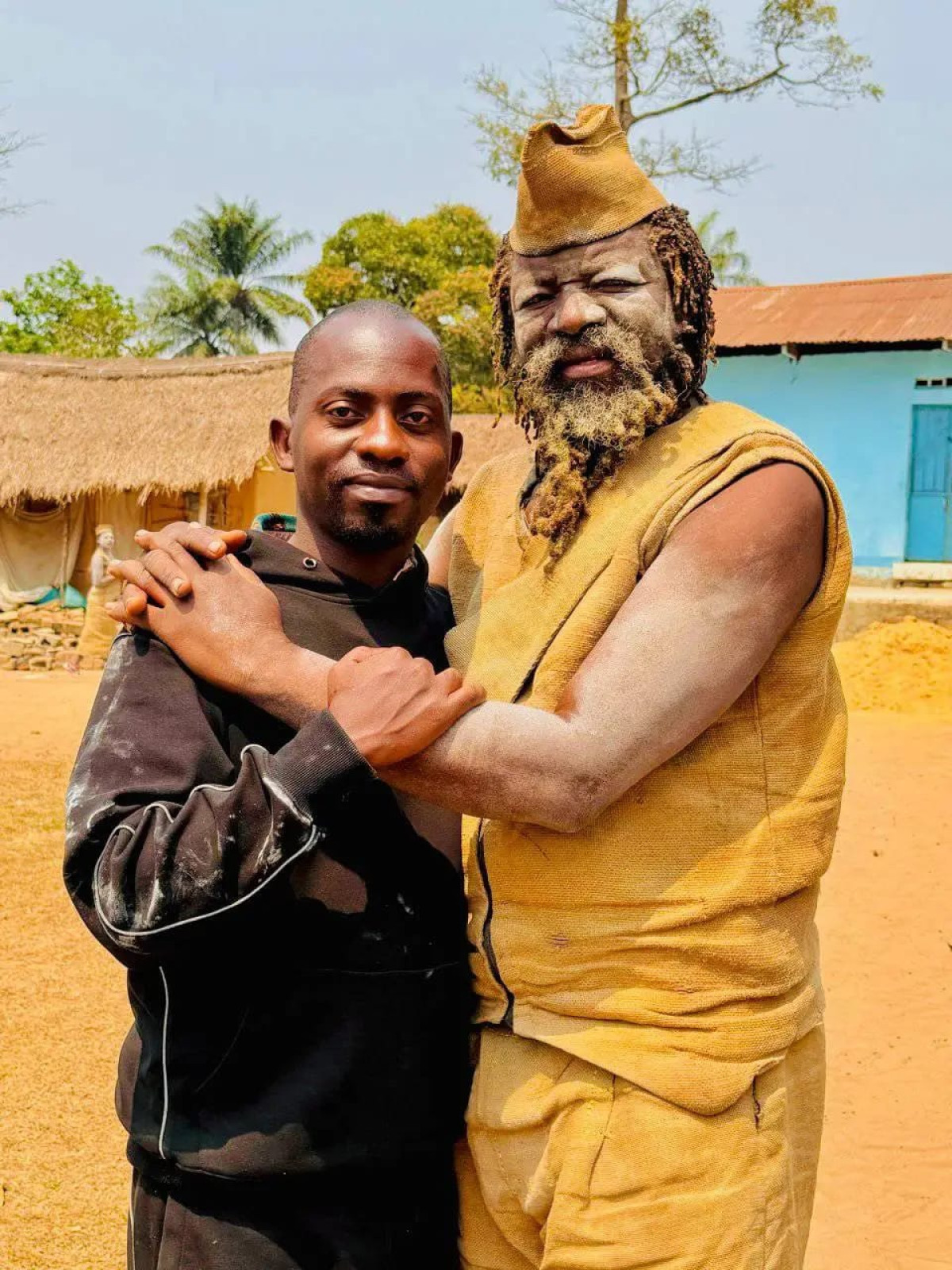
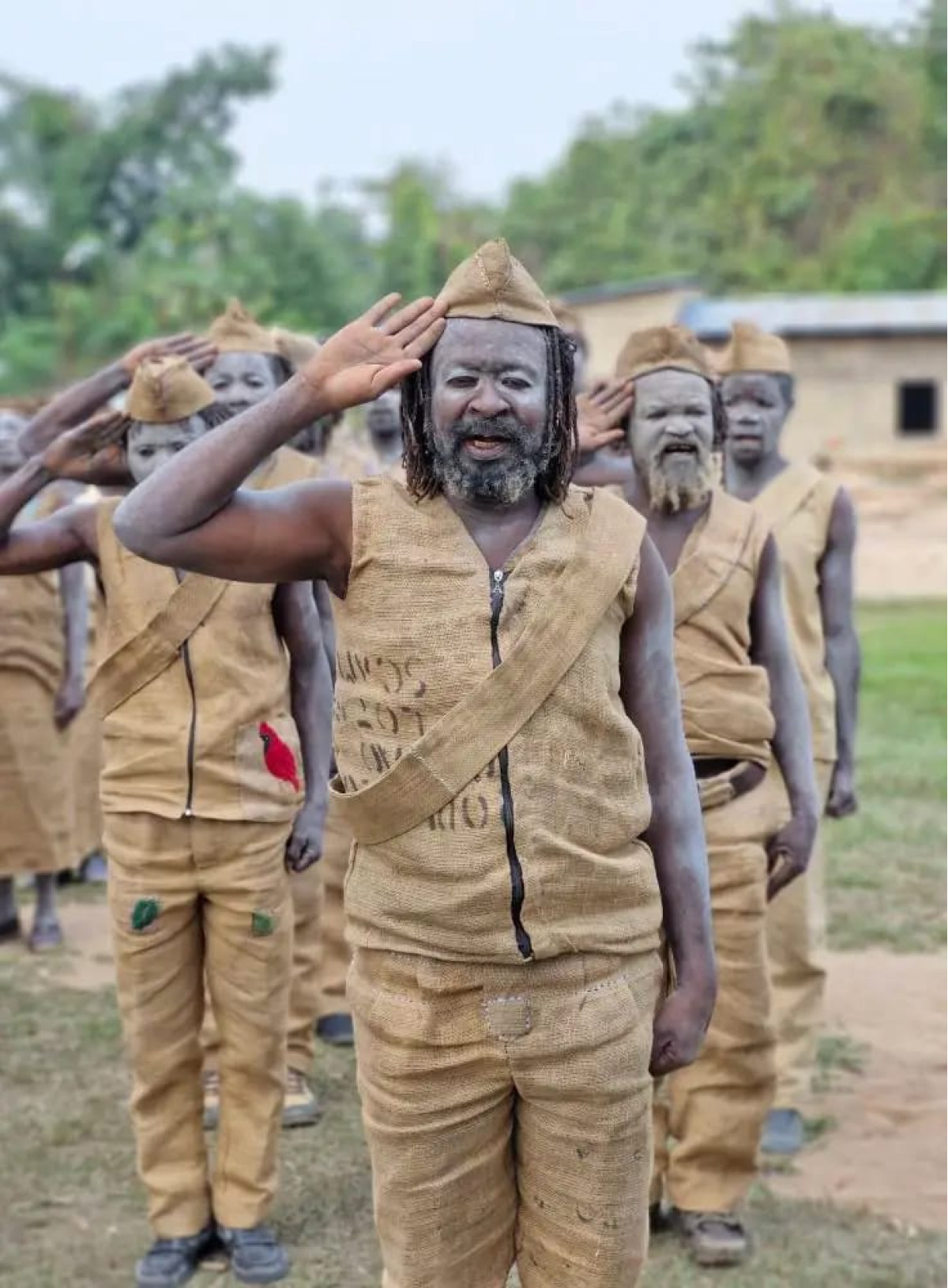
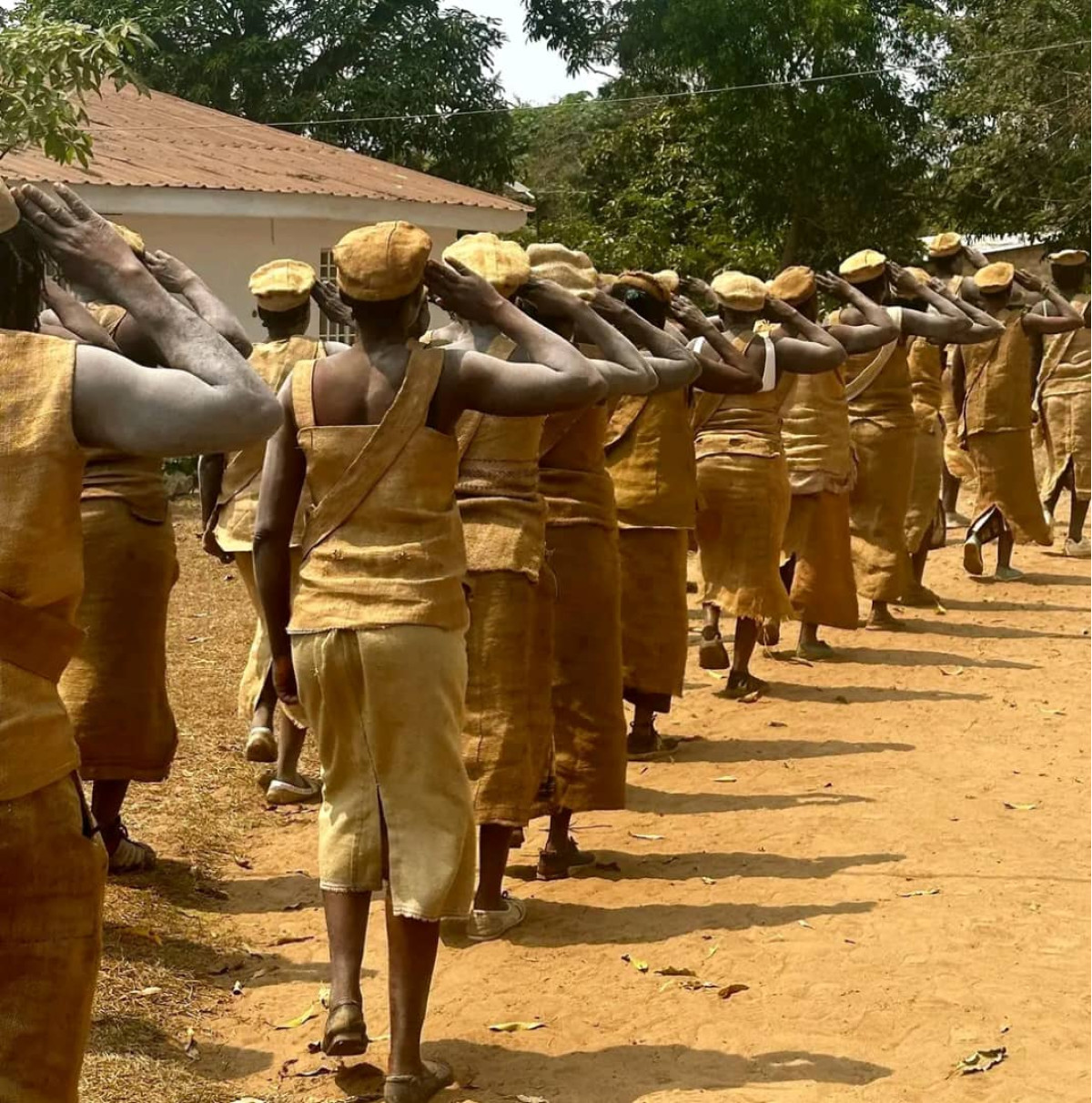
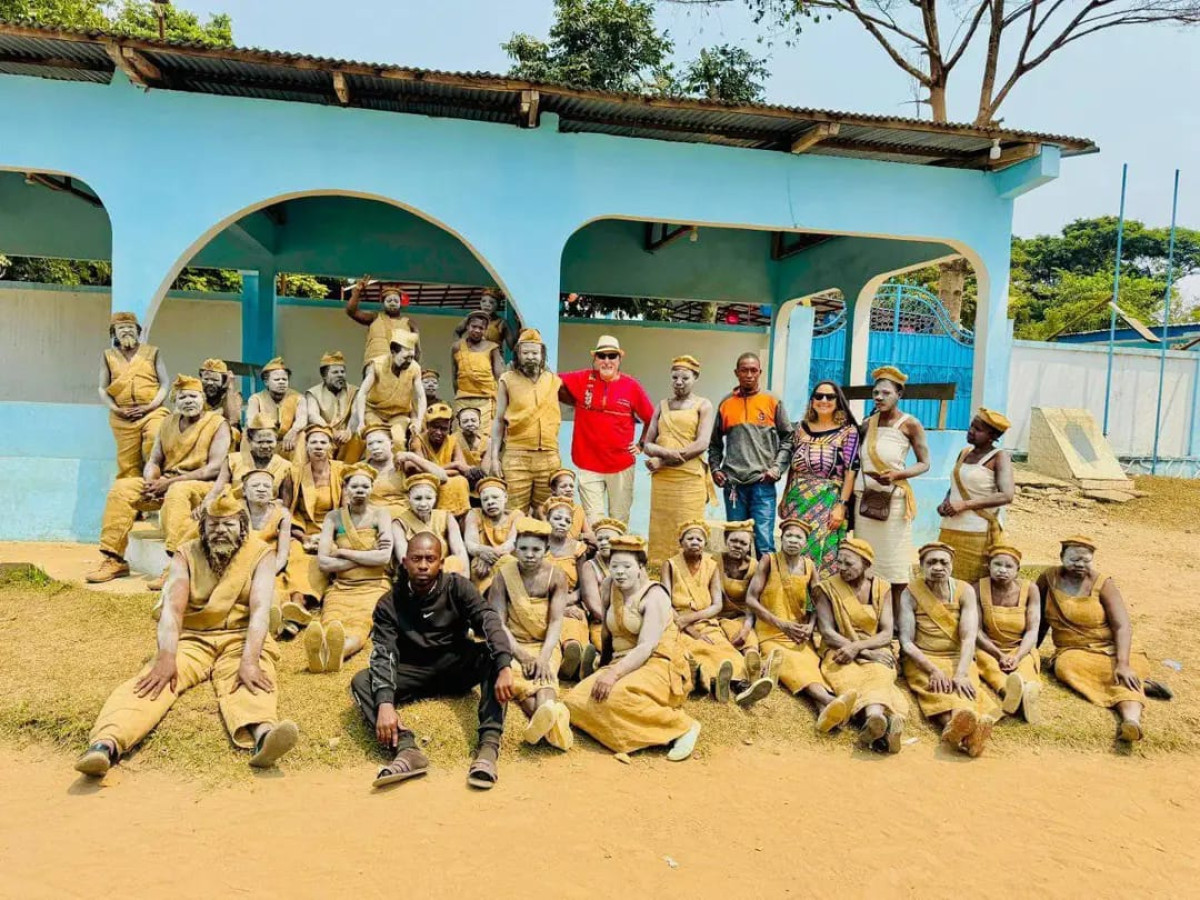
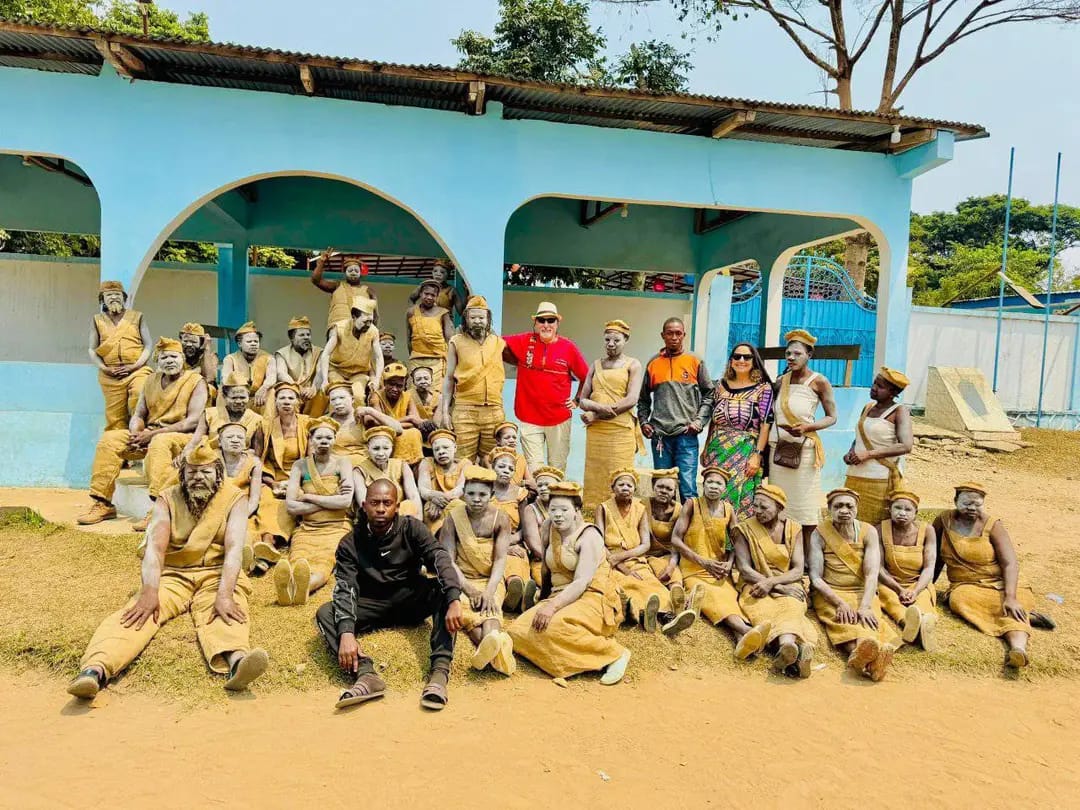
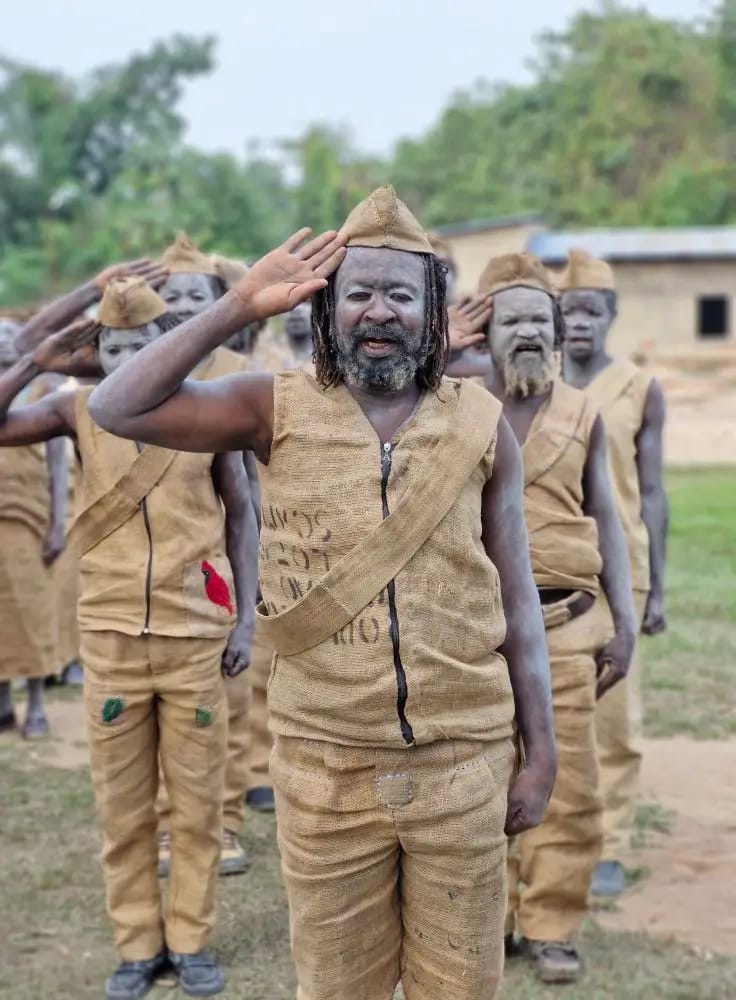
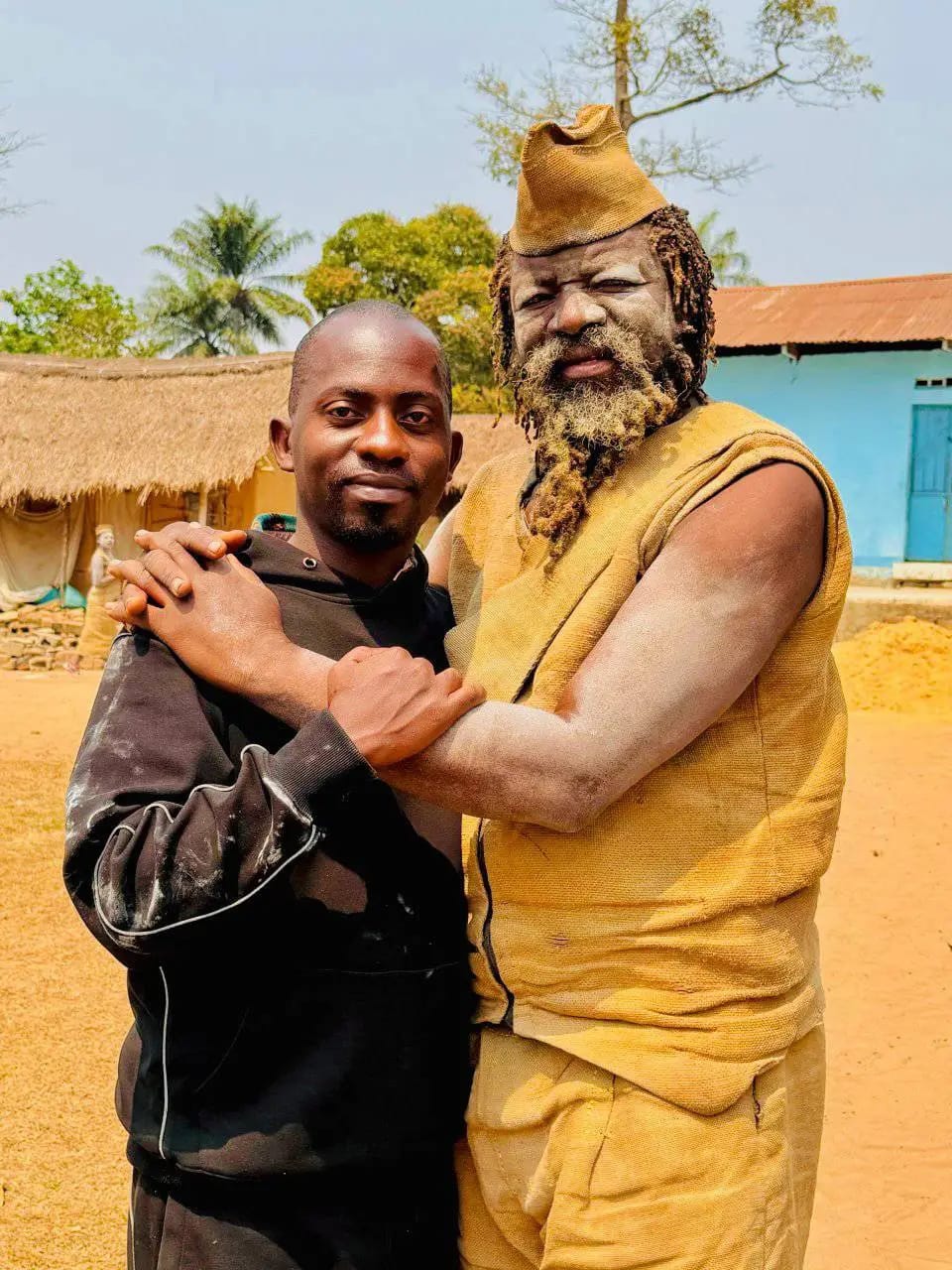
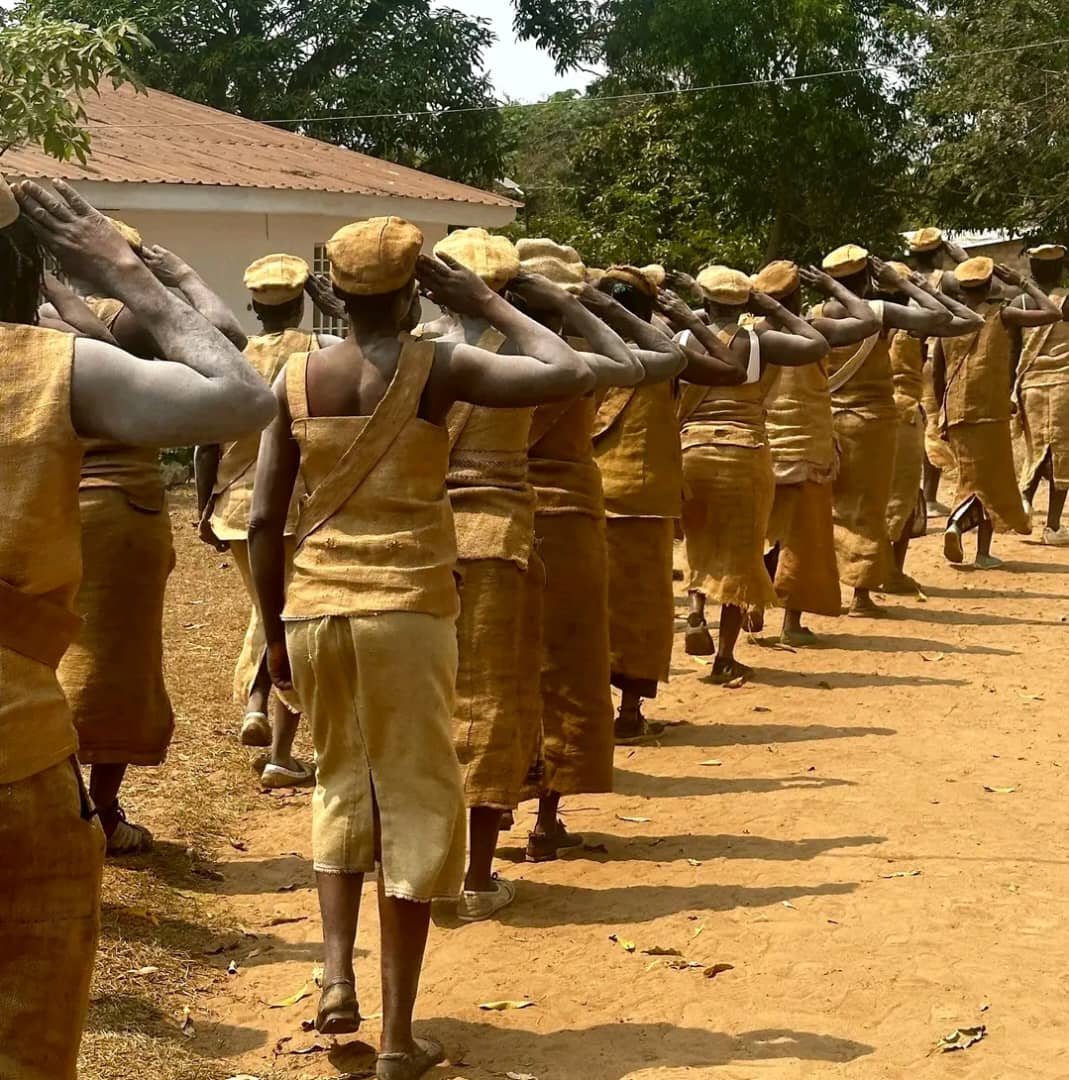
In the morning, we leave the city and head to the area where the Tata Gonda community is located, one of the most unusual places in the region, offering a glimpse into living African spiritual culture without tourist staging.
Tata Gonda is a local religious-spiritual community or movement, often referred to as a “sect” in travel descriptions, found in parts of Central and West Africa. It is essentially a syncretic faith combining elements of Christianity, traditional African beliefs, ritual music, healing practices, and prophetic traditions.
Such movements are usually built around a charismatic spiritual leader, “Tata” often meaning father or elder, and include ritual singing and drumming, trance-style dancing, collective prayers, symbolic purification rites, as well as elements of traditional magic and folk medicine.
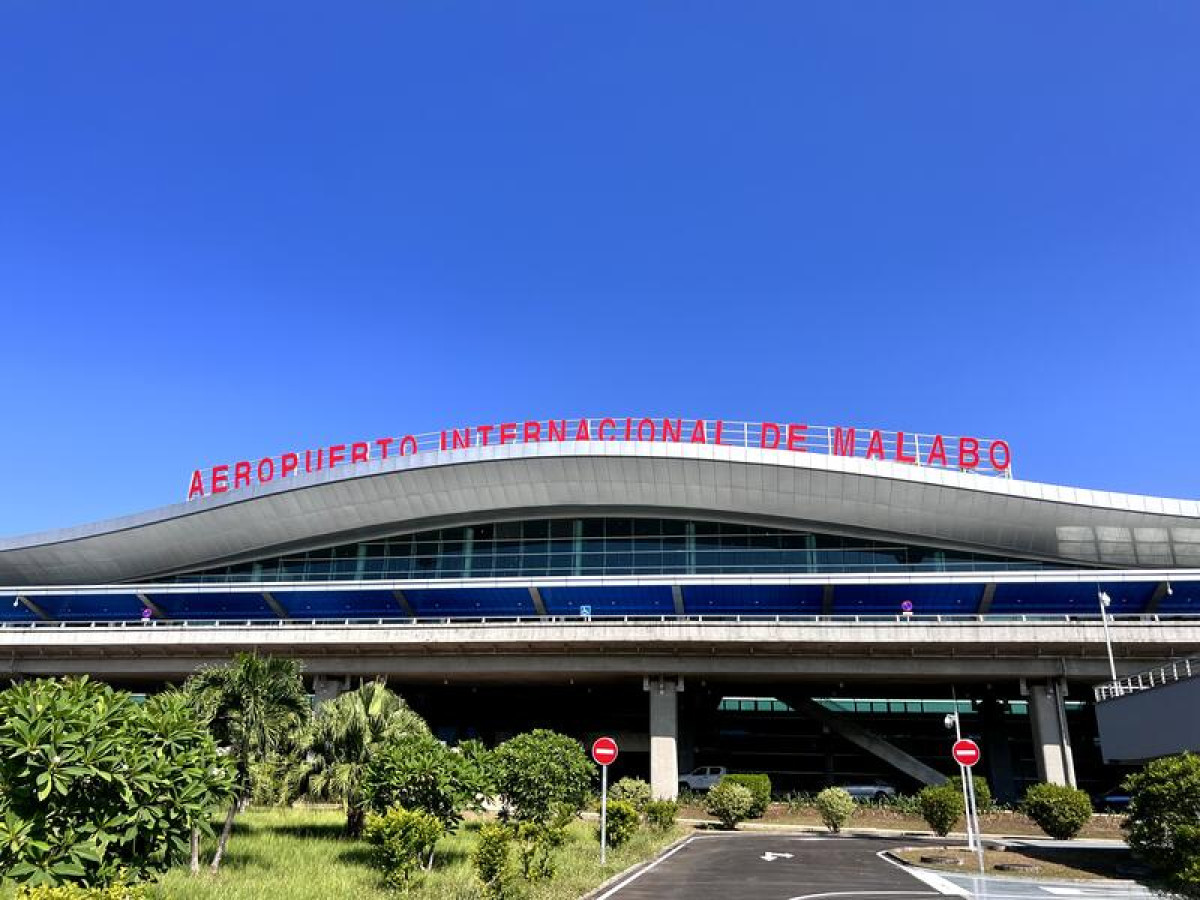
Flight from Kinshasa to Malabo on Bioko Island.
Upon arrival, we meet our local team, complete the necessary formalities, and transfer to the hotel. Check-in and rest after the journey.
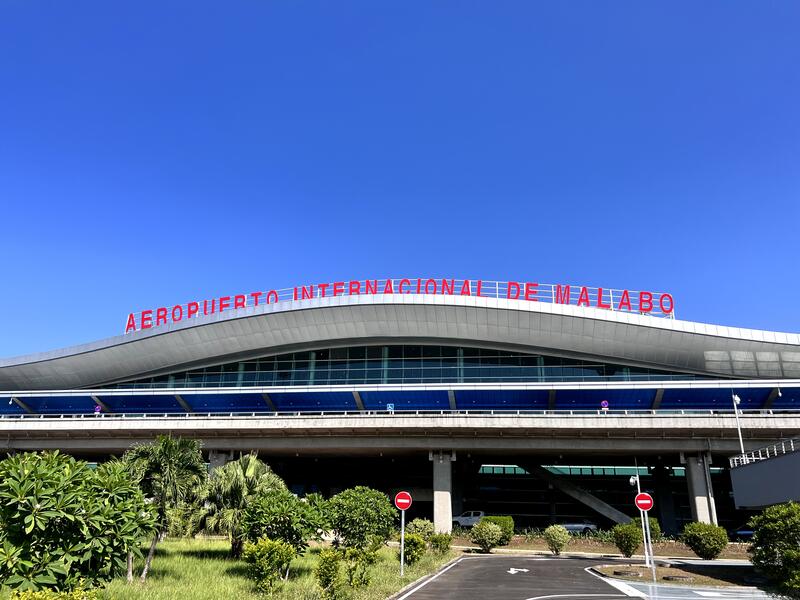
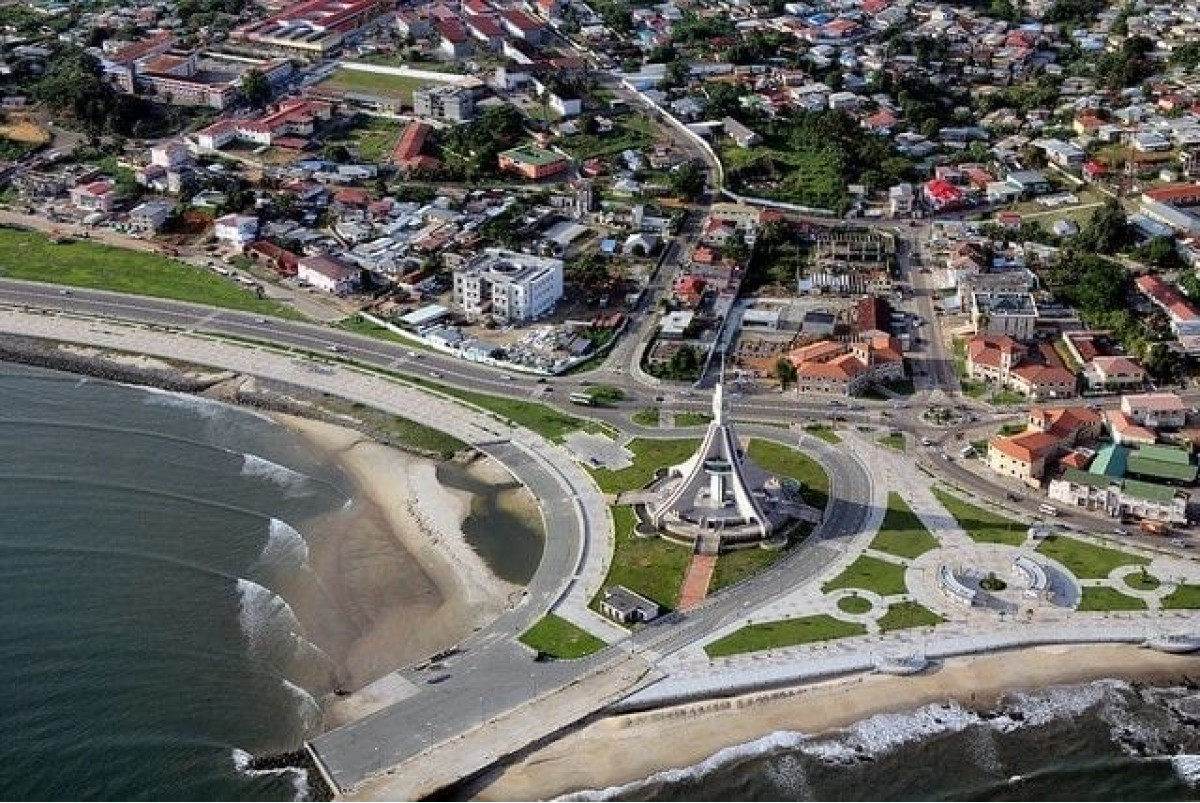
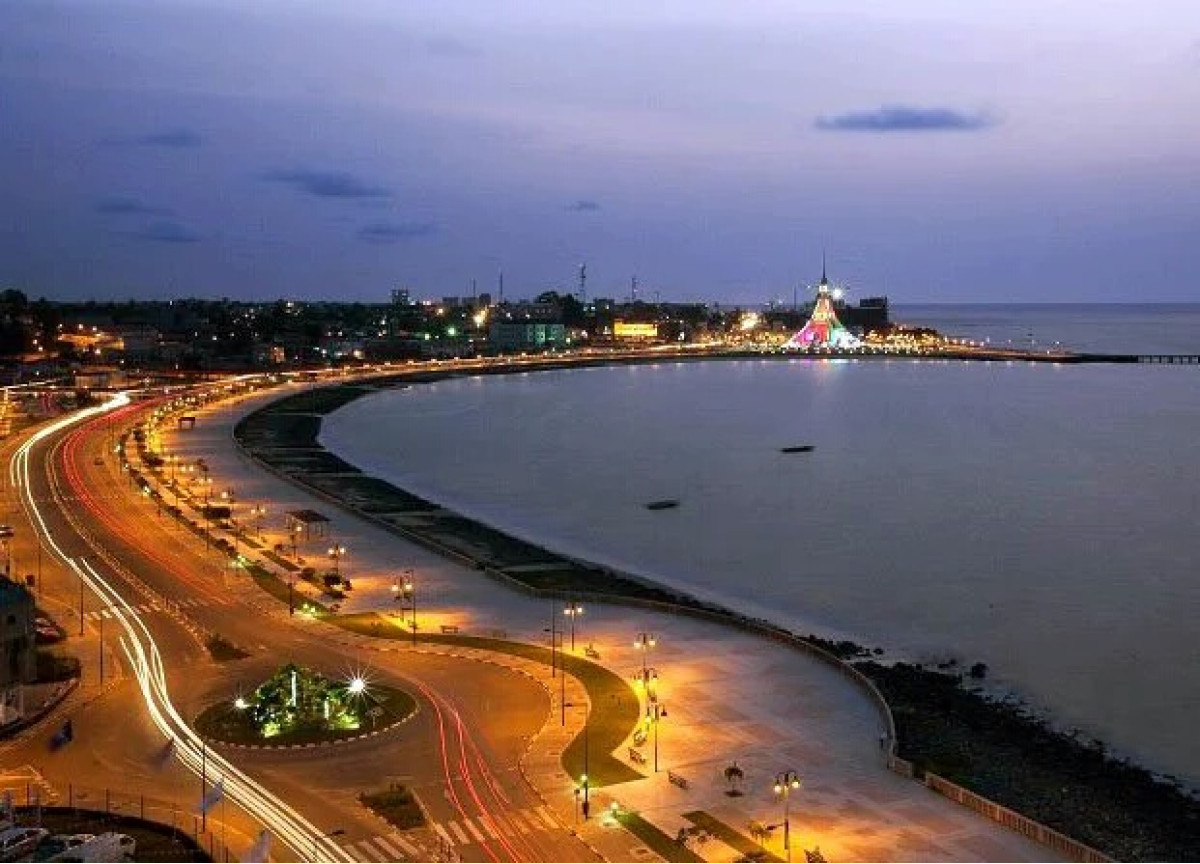
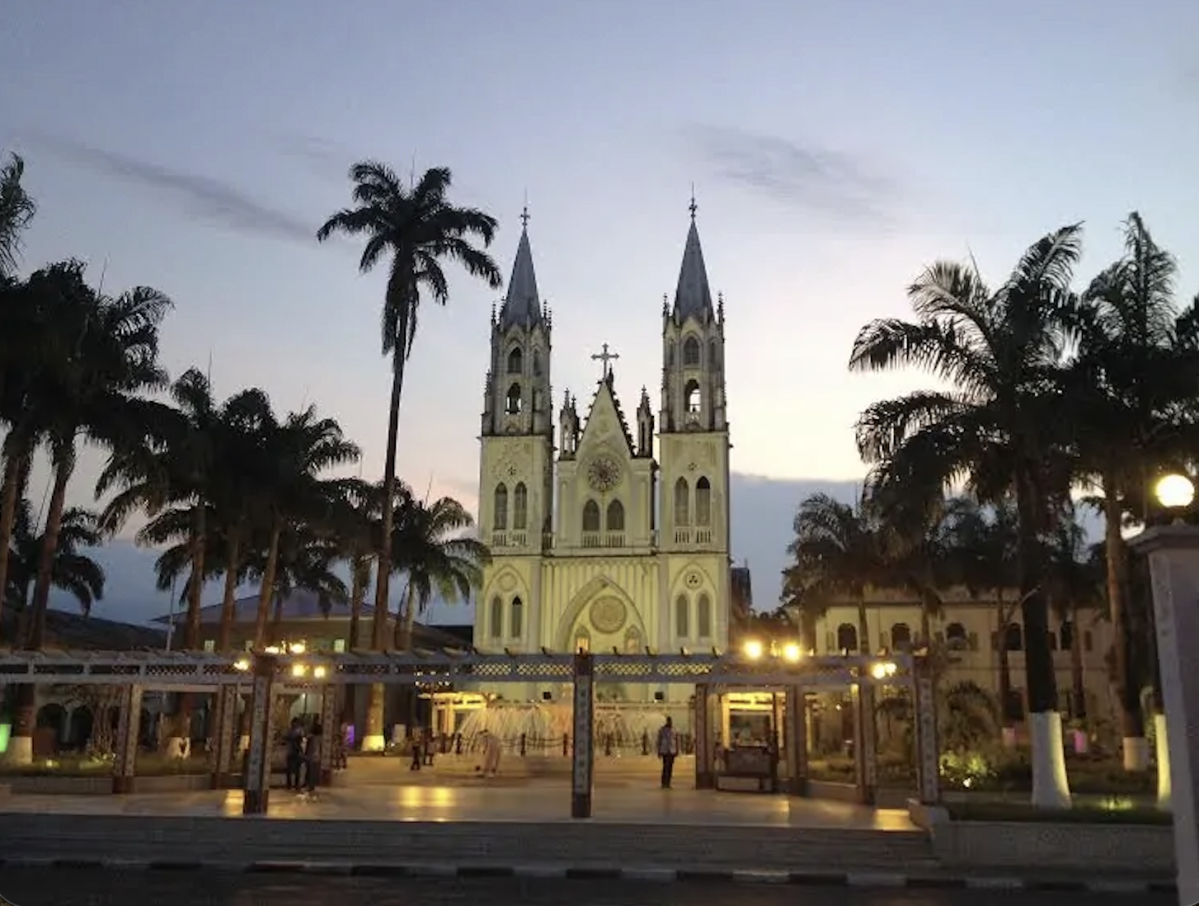
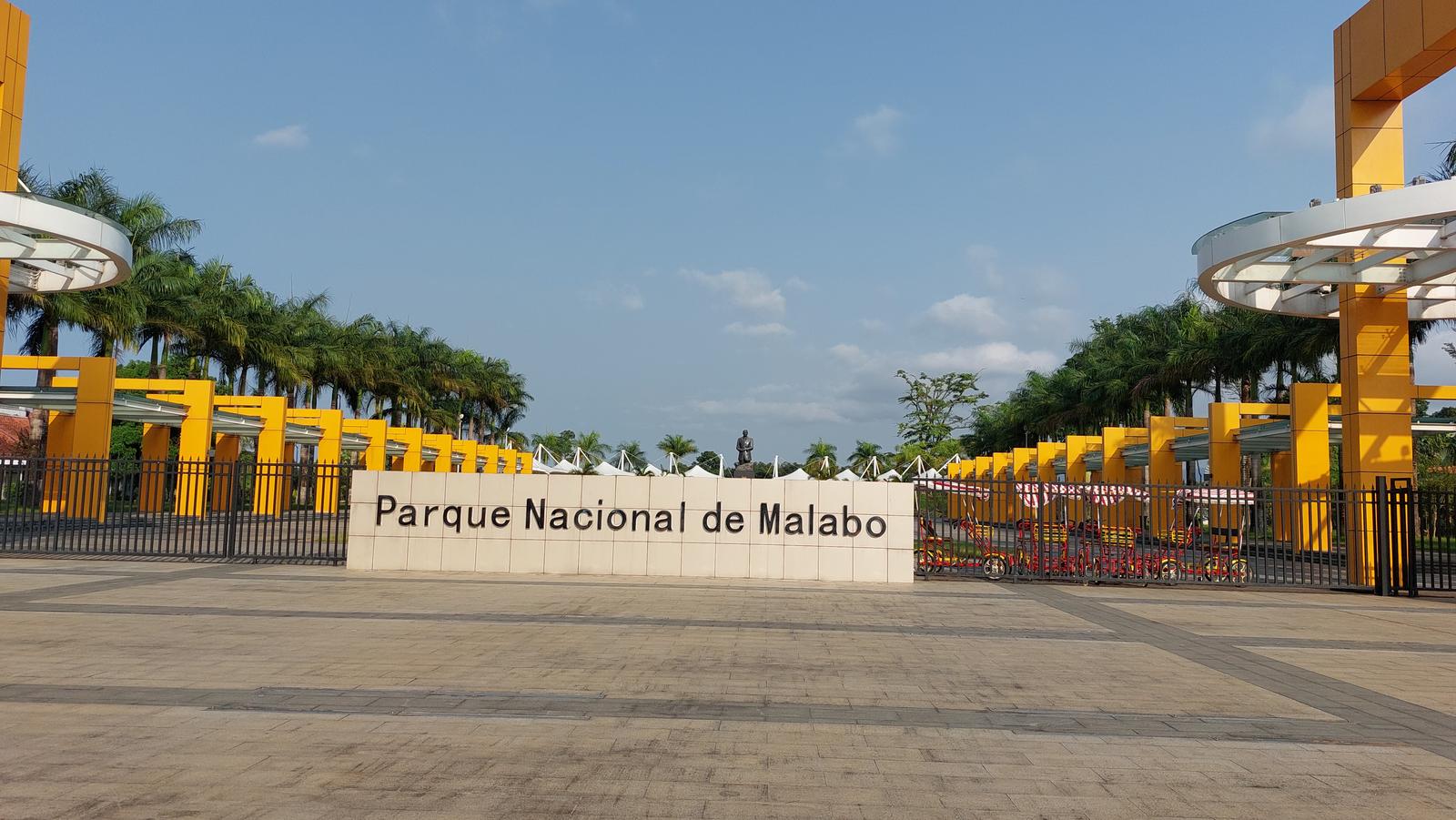
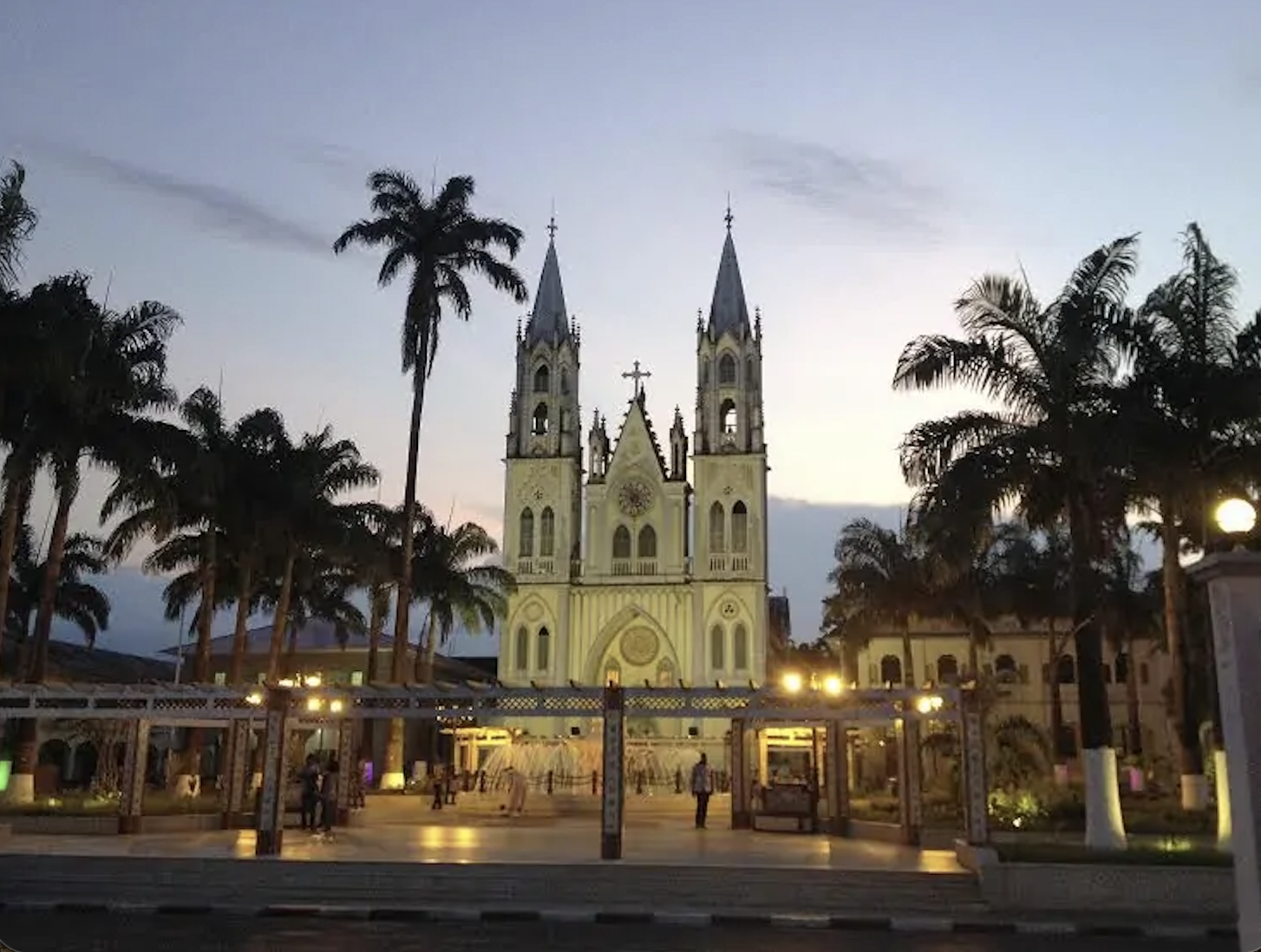
Today we discover Bioko Island and its history. We begin in Malabo, the largest city on the island and the former capital of Equatorial Guinea, where Spanish colonial heritage blends with modern Africa. We drive along the main streets, see important buildings, cathedrals, and atmospheric city neighborhoods.
We then travel to Batete, an important place for the Bubi people, the indigenous population of the island. Here we visit the monument dedicated to the first Claretian nun, Mother Macole, the former mission boarding school, and the colonial square. The highlight is an unusual wooden Gothic-style church built by the priest Lluis Sagarra.
Afterward, we continue to Luba, a coastal town with white beaches and a rich history. We see the ruins of the old hospital, the stadium, the chapel, and the historic neighborhoods. We walk along the Magazine River, taste water from the spring, and learn about the Jones family, who played an important role in the development of Luba. We visit the market and central square before continuing to the port, where we discuss the chapters of local history connected with the slave trade.
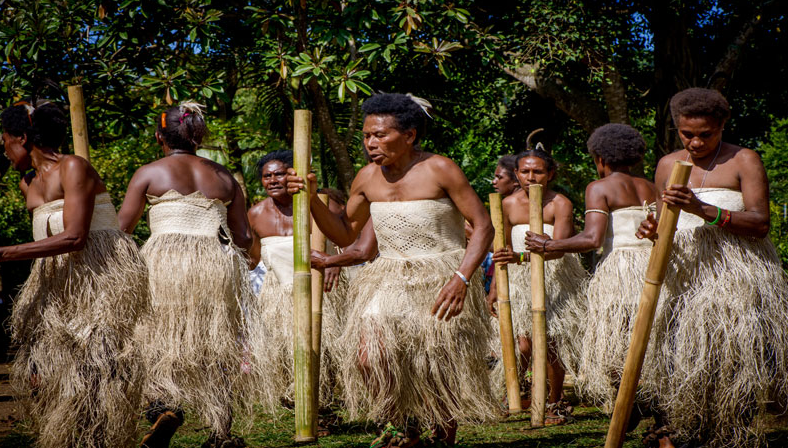
After lunch, we travel to Batoikopo for an introduction to the living culture of the Bubi people. We watch the traditional Ekachá, or Nkachá, dance and learn about its origins, symbolism, and role in the life of the local community. This is more than a performance: it is an opportunity to meet the guardians of Bubi culture and gain a deeper understanding of the traditions of Bioko Island’s indigenous population.
Return to Malabo. Rest.

In the morning, we fly from Bioko Island to Bata, the largest city in the continental part of Equatorial Guinea. Upon arrival, we check in at the hotel and begin exploring the city. We visit the Spanish Cultural Center and see Bata Cathedral and the old stadium — places that help us better understand the history and modern life of the city.
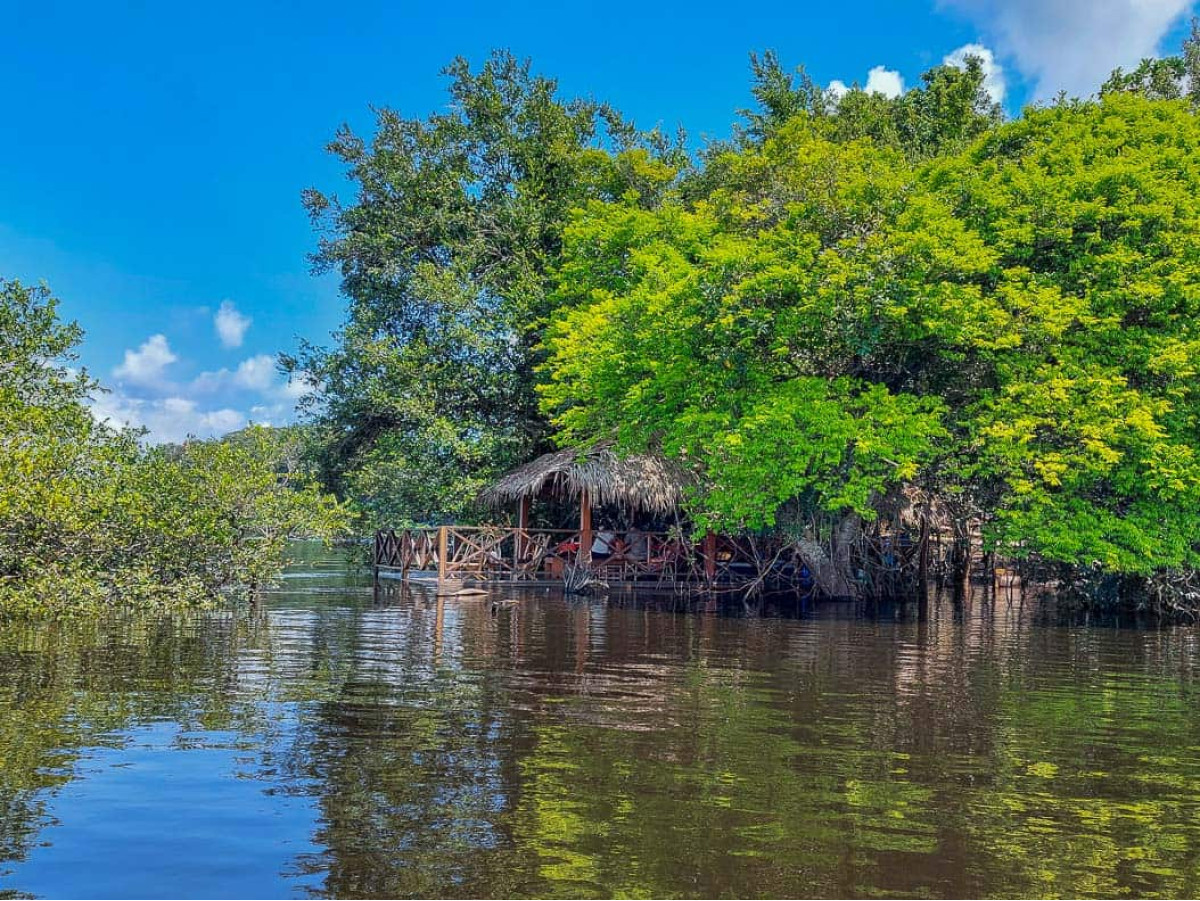
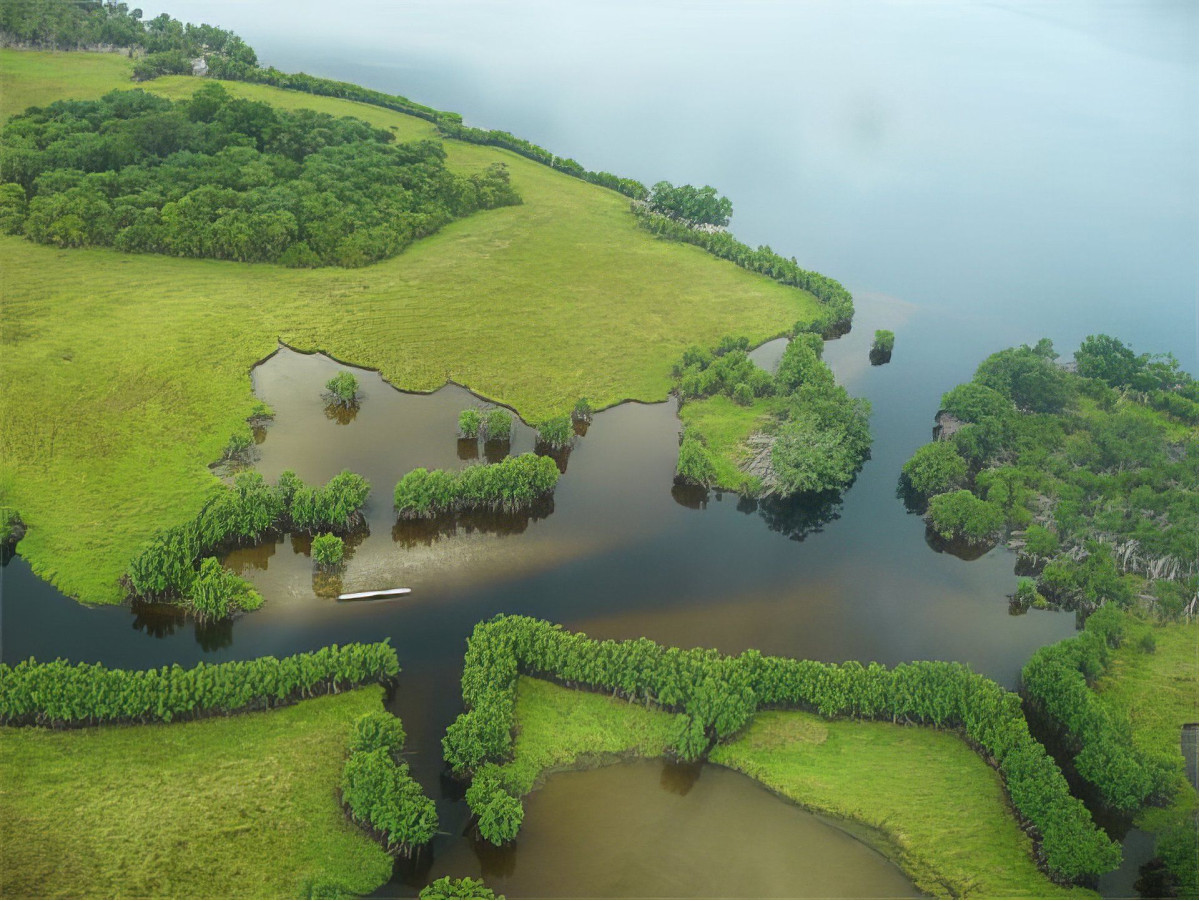
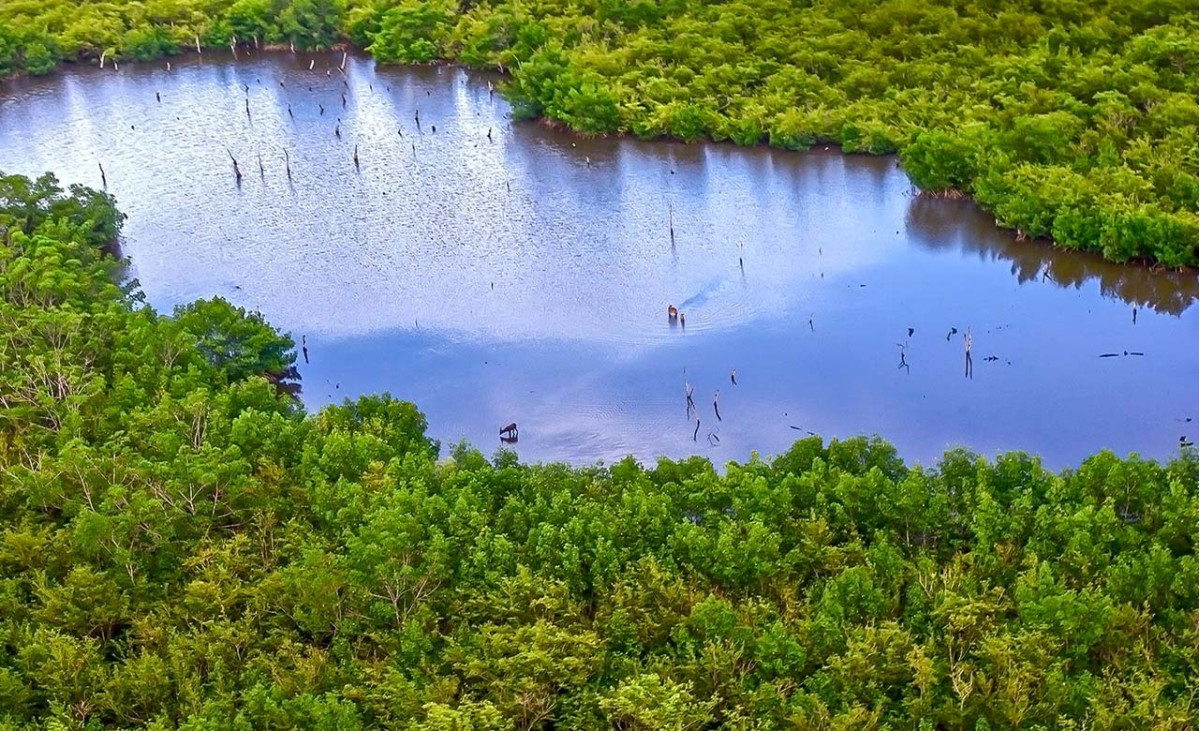
In the afternoon, we travel to Ndjanmanguila. A traditional canoe takes us through dense mangrove forests. Here we discover a completely different side of Africa — silence, tropical greenery, and rich wildlife. Along the way, we may see exotic birds, monkeys, and other inhabitants of the mangroves.
After the boat trip, we visit a farm managed by a Kombe family, representing one of the principal ethnic groups of Equatorial Guinea. We meet the family and learn about their traditions, daily routine, and life far from the major cities. Lunch at the farm.
Return to Bata. Rest.
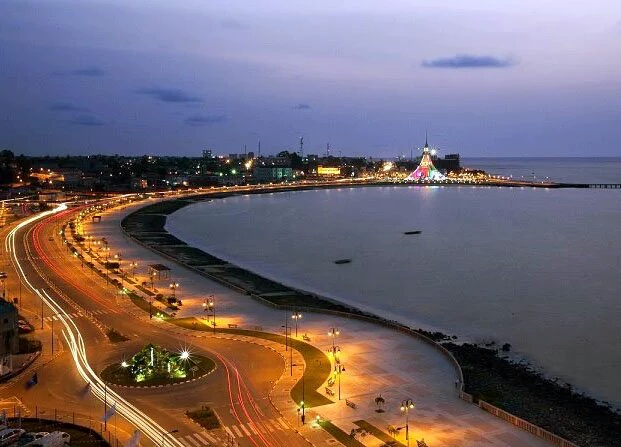
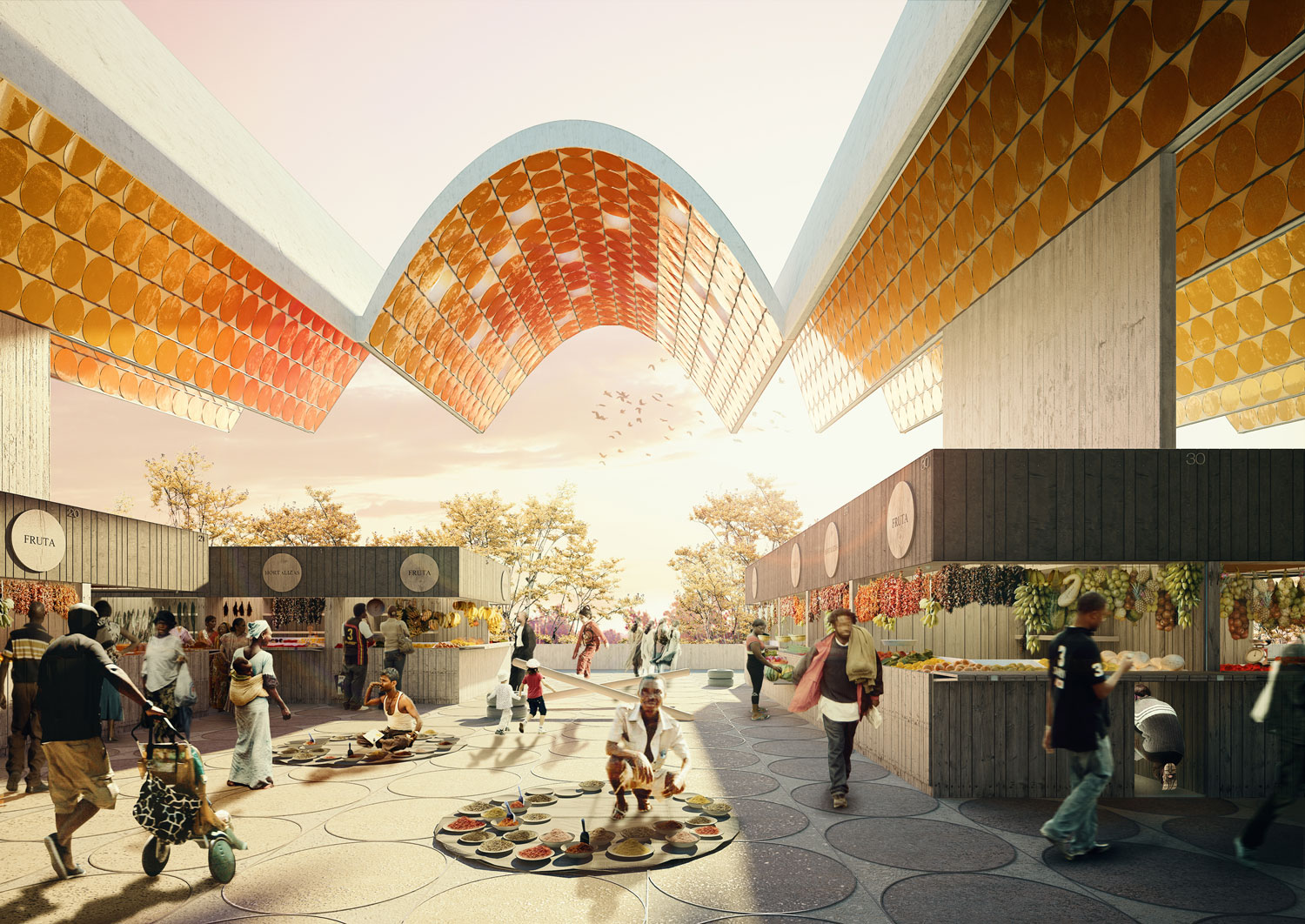

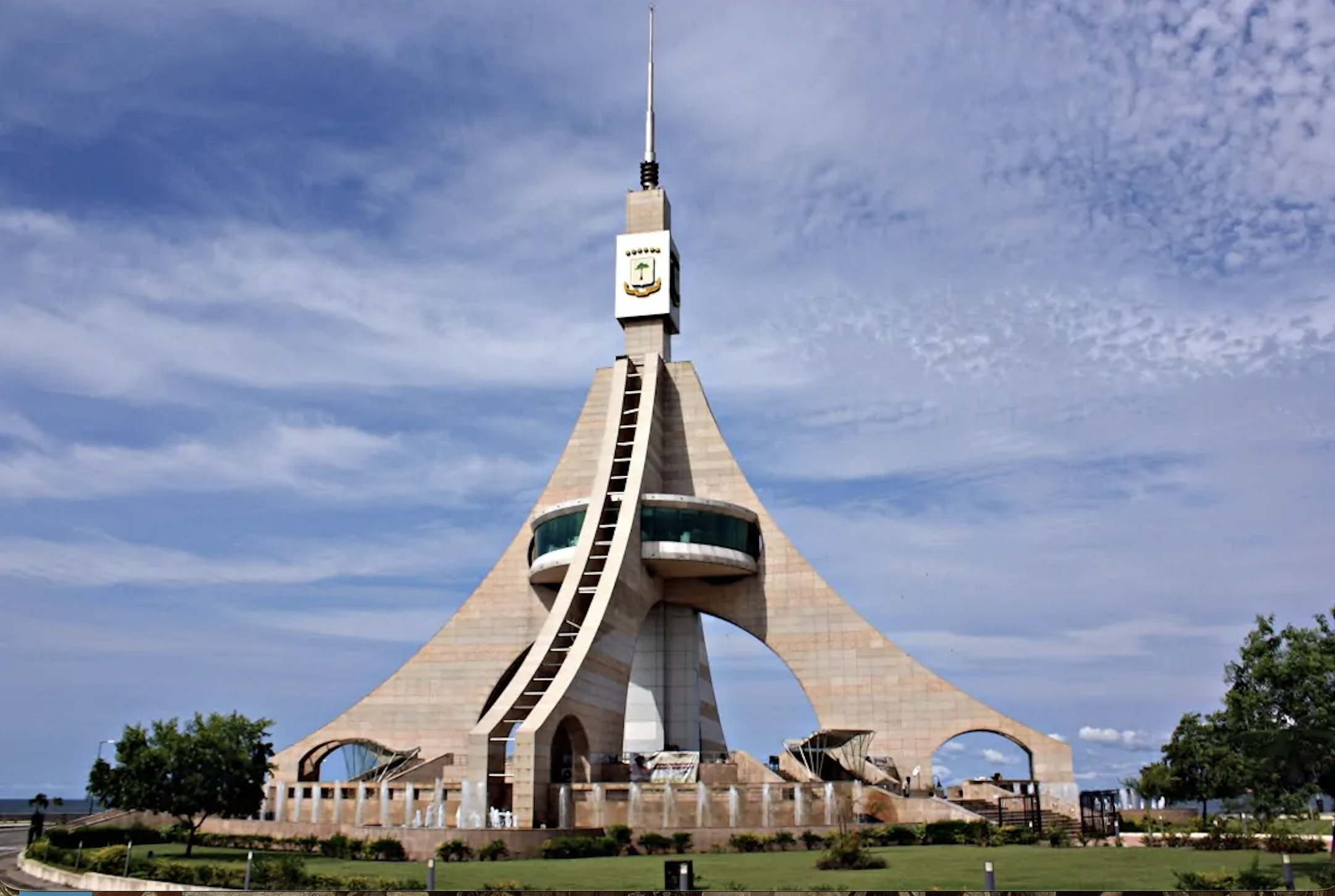
After breakfast, we leave Bata and travel to Mongomo, one of the most important cultural and symbolic centers of the Fang people.
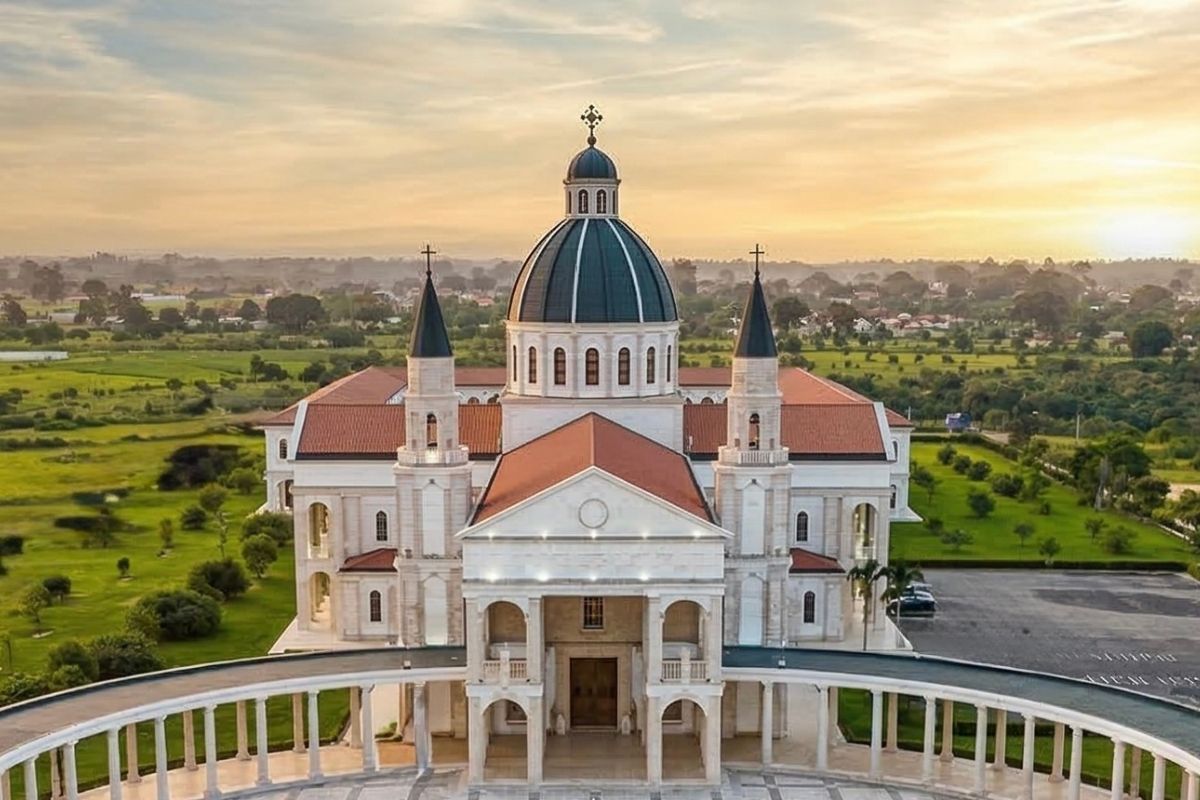
During our city tour, we discover Mongomo’s key historical, religious, and cultural sites. We see the magnificent Basilica of the Immaculate Conception, one of the country’s main architectural landmarks, as well as Presidential Square and the central districts of Mongomo.
We then take part in an unusual cultural program dedicated to the ancient tattoo traditions of the Fang people. This custom has almost disappeared today, but tattoos were once a special form of body language, communicating a person’s origins, social status, community identity, and place within traditional society.
The highlight of the day is a Nvet performance, the traditional epic chant of the Fang people. Music, poetry, and oral storytelling come together to preserve stories about history, heroes, the Fang worldview, and ancestral wisdom. Nvet remains one of the most important forms of Fang cultural memory.
Hotel check-in and overnight in Mongomo.
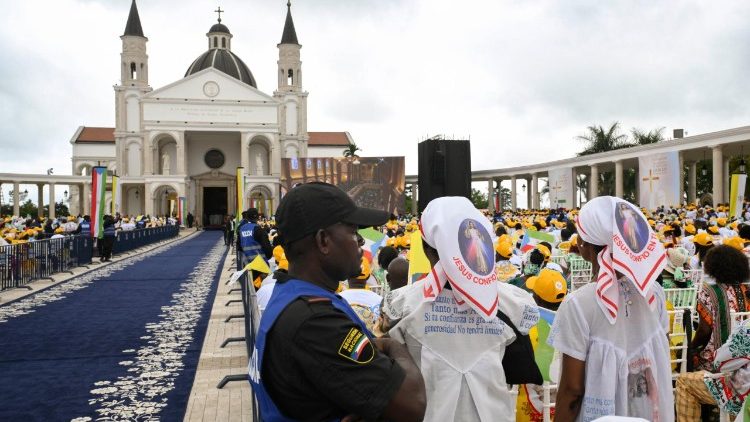
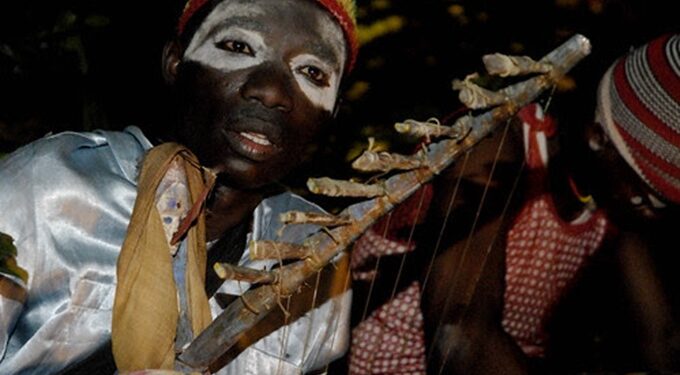
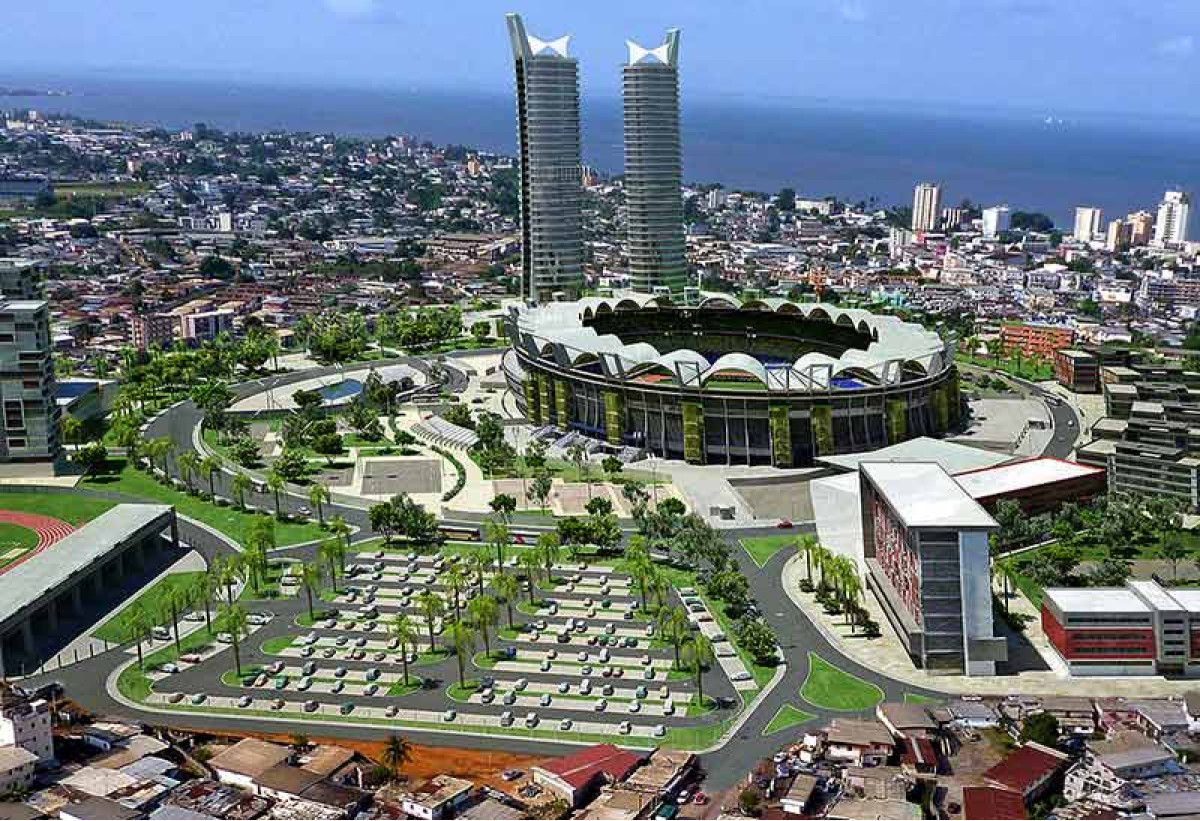
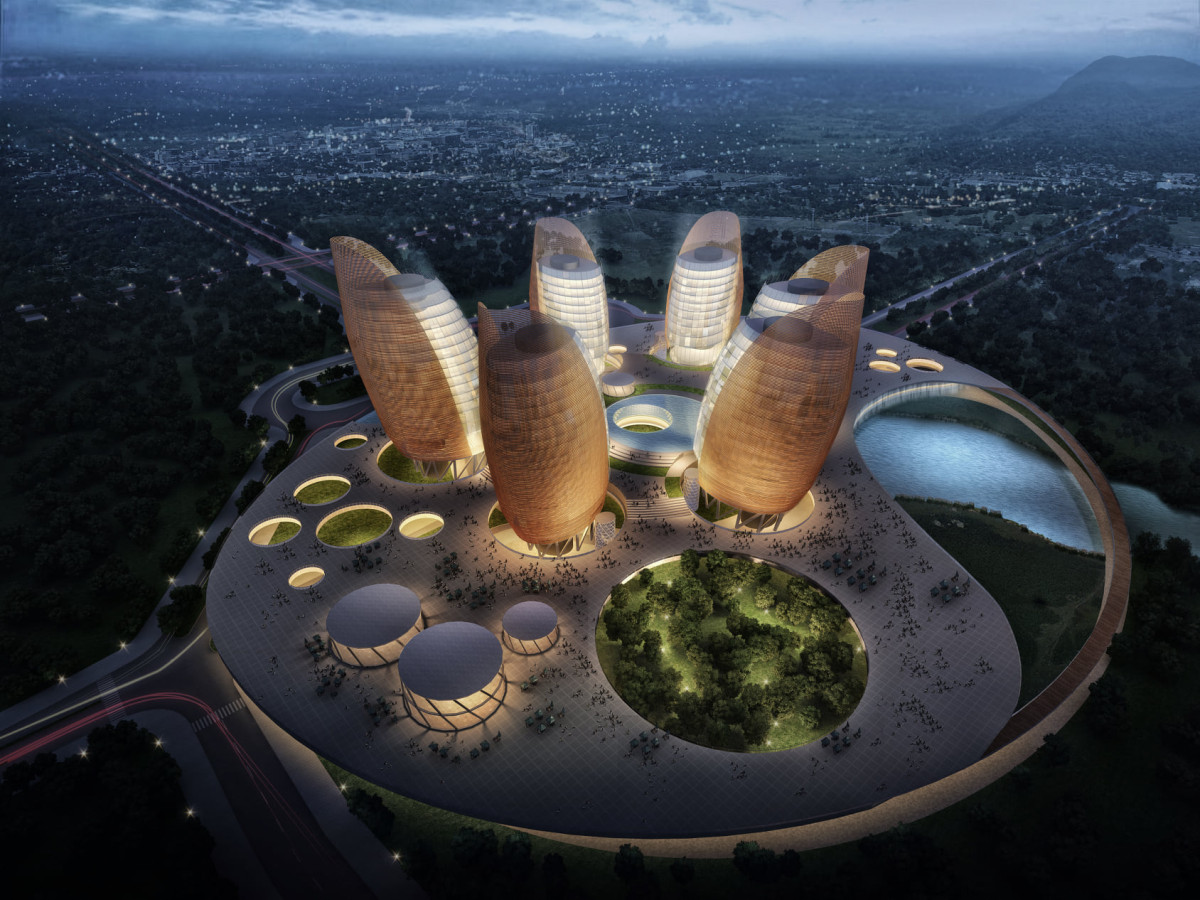
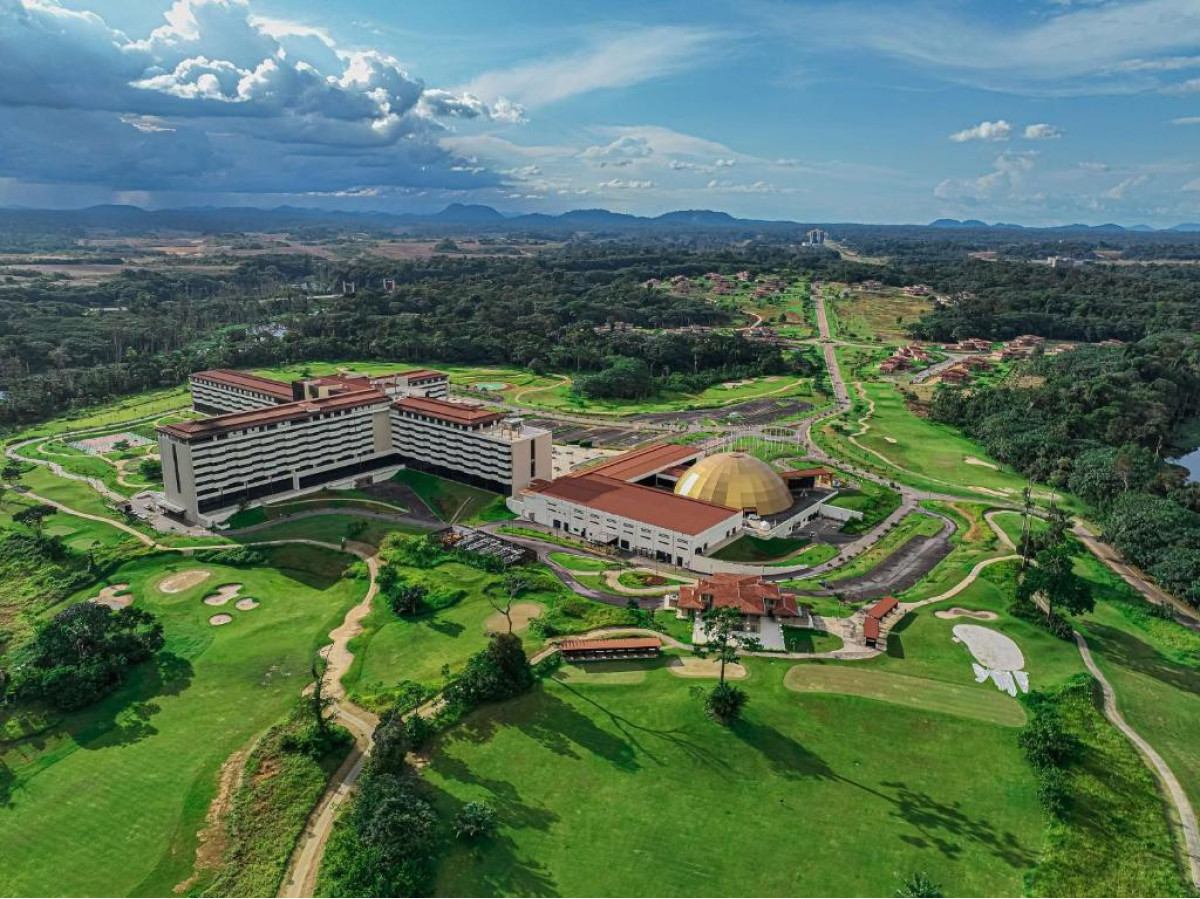
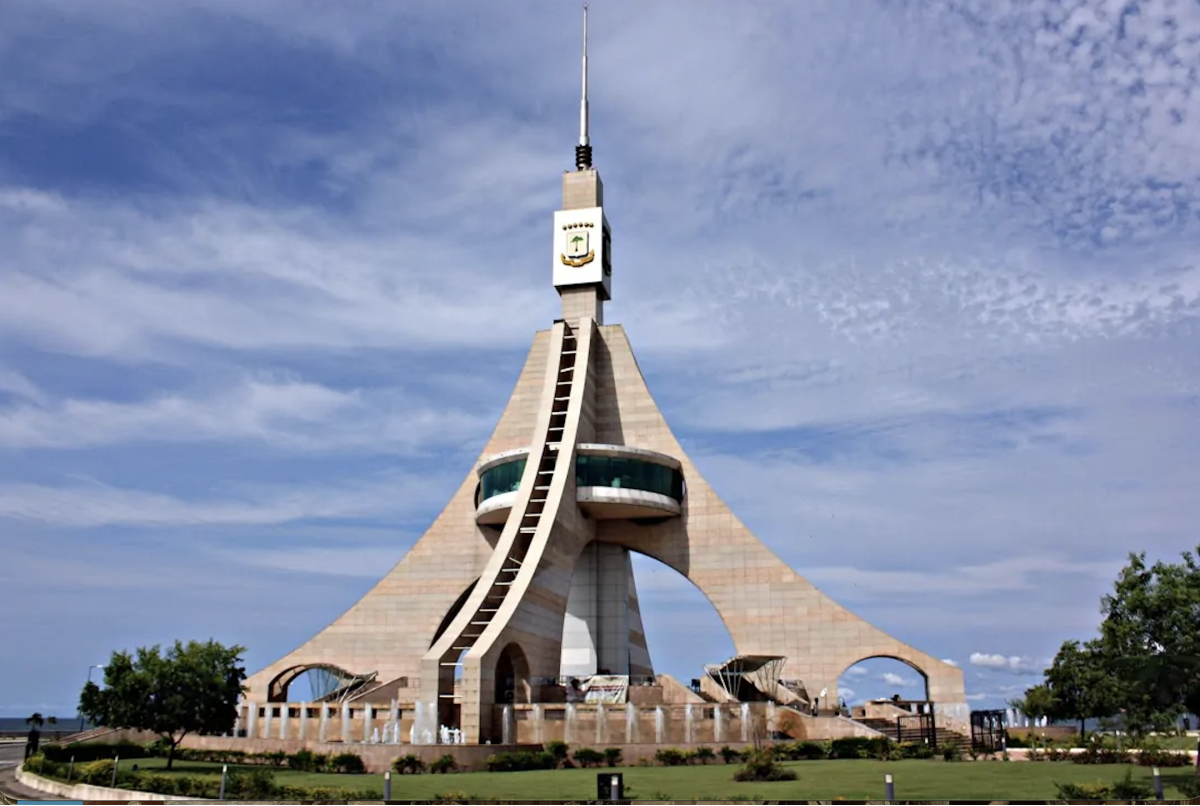
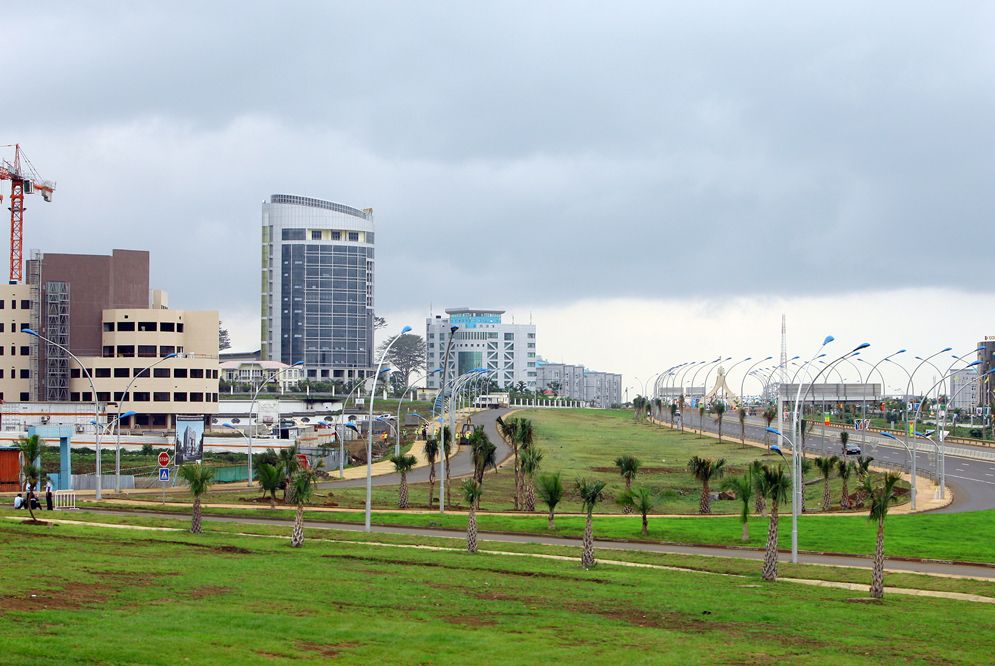
In the morning, we travel to Ciudad de la Paz, the new capital of Equatorial Guinea, formerly known as Oyala. This entirely new city was built among the tropical forests of the country’s continental region. We see its wide avenues, modern administrative buildings, and ambitious architectural projects.
After a short tour of the capital, we continue to Oveng, a village inhabited by members of the Fang ethnic group.
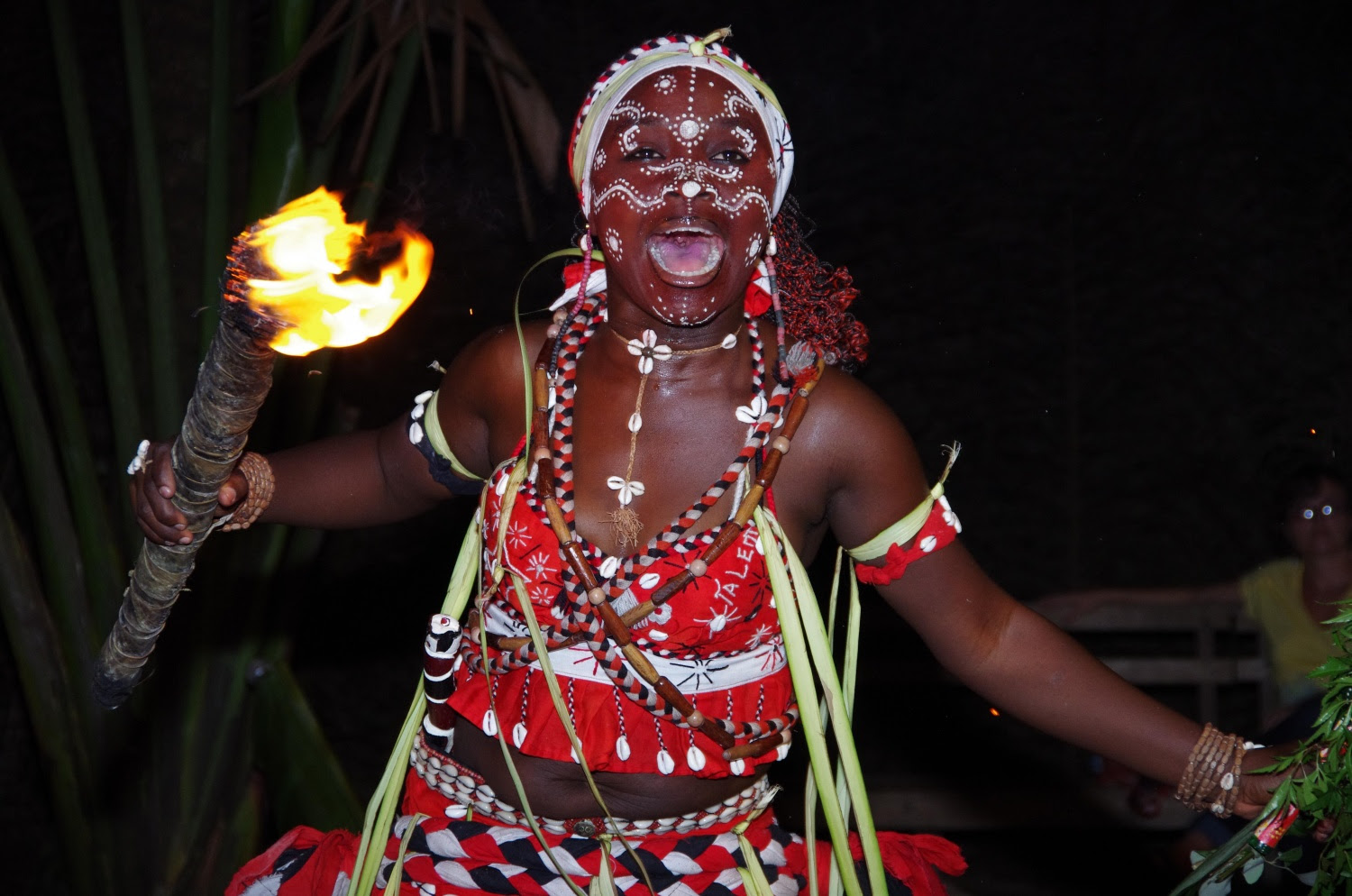
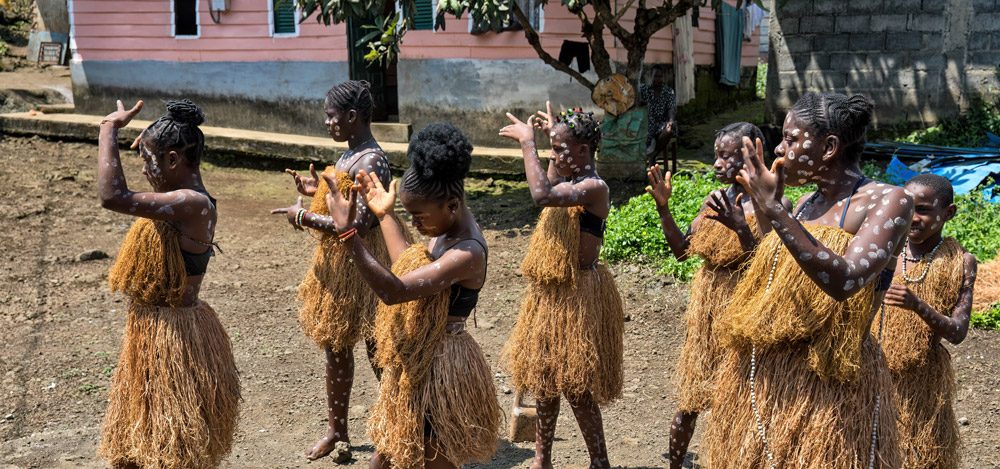
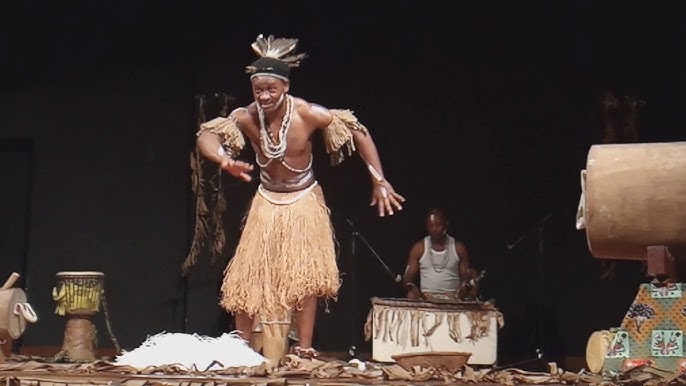
The local community welcomes us and introduces us to its cultural traditions. We watch traditional Fang dances, learn about the meaning of the movements, music, and costumes, and have an opportunity to participate in local games. Through dance, music, and direct interaction with the villagers, we gain a better understanding of the customs, social life, and worldview of one of Central Africa’s largest ethnic groups.
After the program, we continue to the coastal town of Kogo. Hotel check-in and rest.
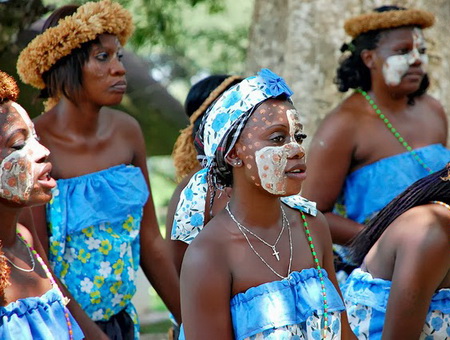
After breakfast, we travel to Kogo Port and leave Equatorial Guinea.
Today we take an unusual water route to the Gabonese town of Cocobeach. Instead of using the regular land border, we cross into Gabon by boat, observing the tropical shores and small settlements of this remote region of Central Africa.
Upon arrival in Cocobeach, we complete the border formalities and continue to Libreville. The drive to the capital of Gabon takes approximately four hours and passes through the green landscapes of the country’s coastal region.
Arrival in Libreville, hotel check-in, and rest.
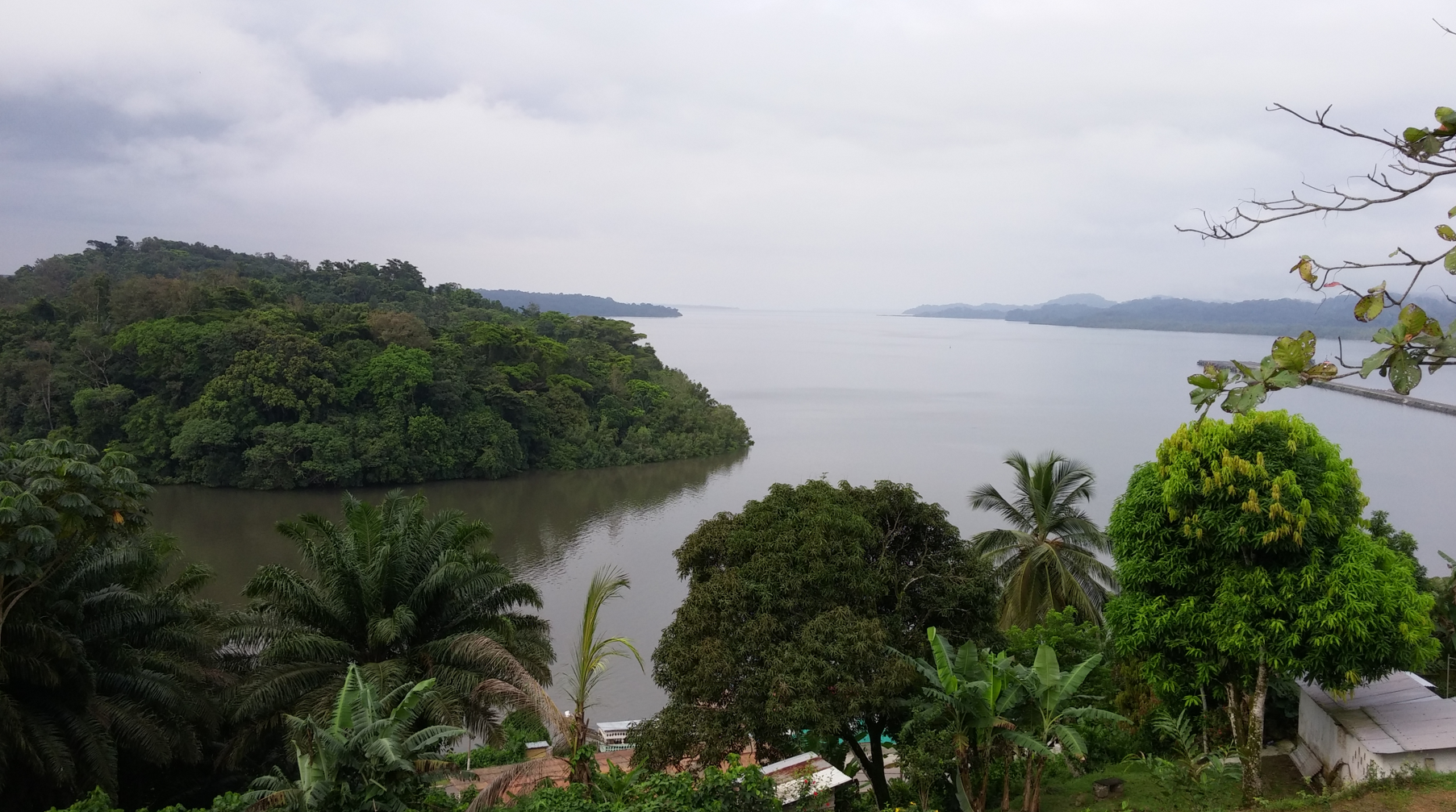
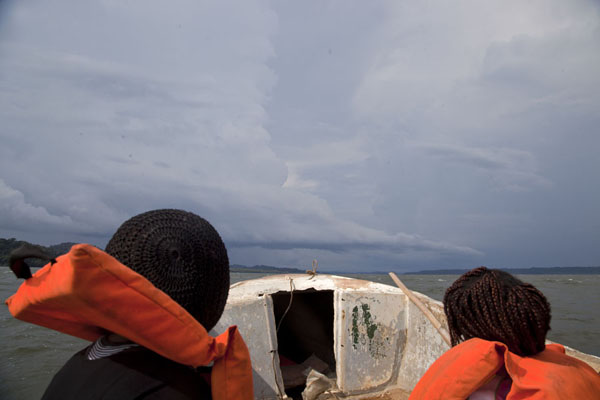
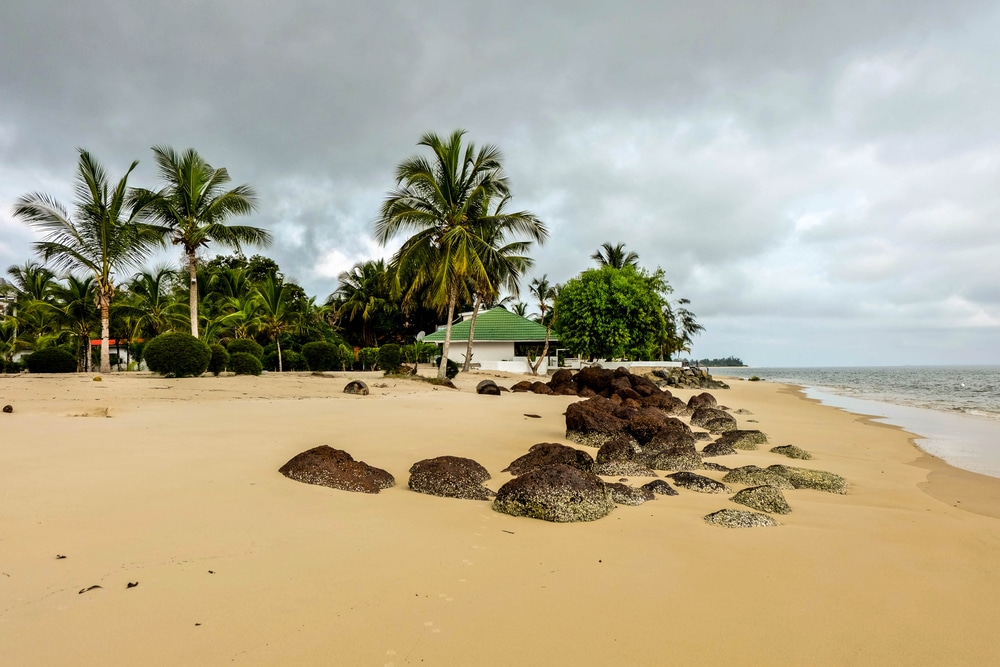
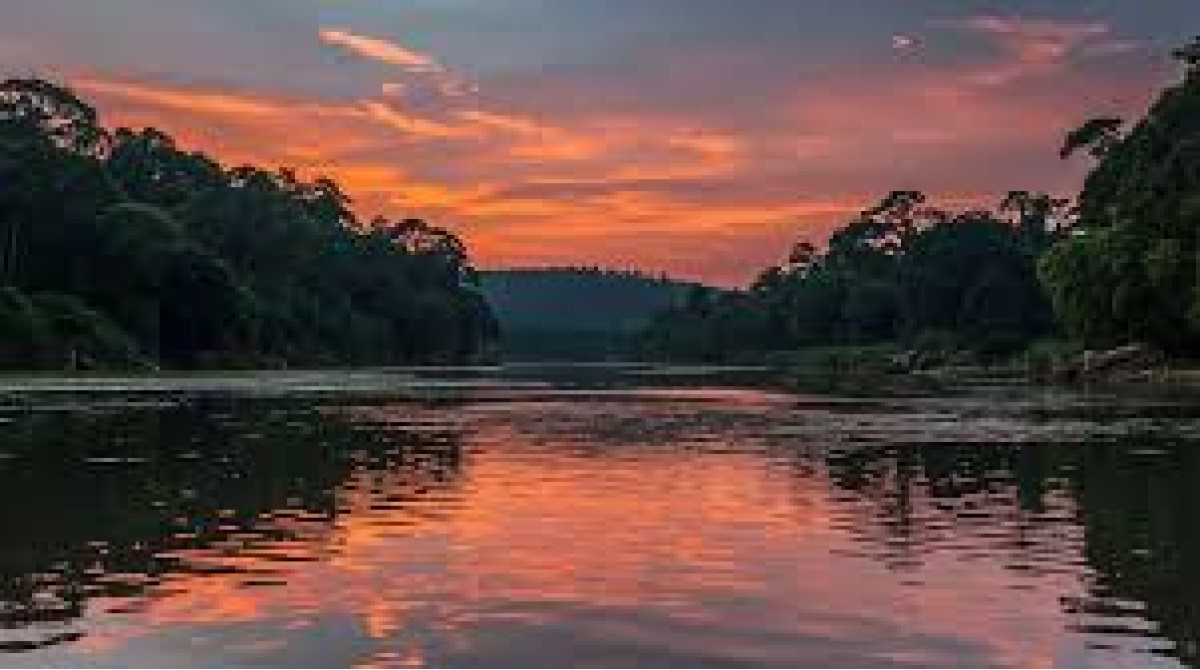
After the morning rest we leave Libreville and travel into the interior of the country. The journey to Lambaréné takes approximately four hours. Along the way, we cross the Komo River and gradually enter the green landscapes of central Gabon.
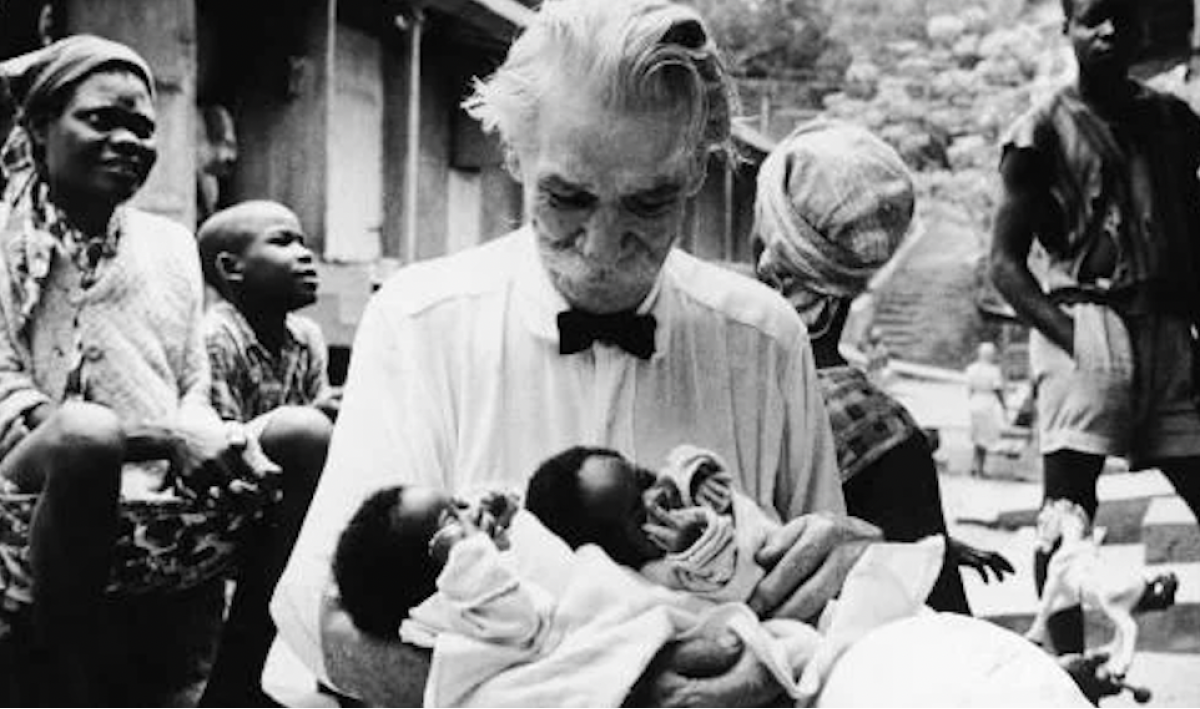
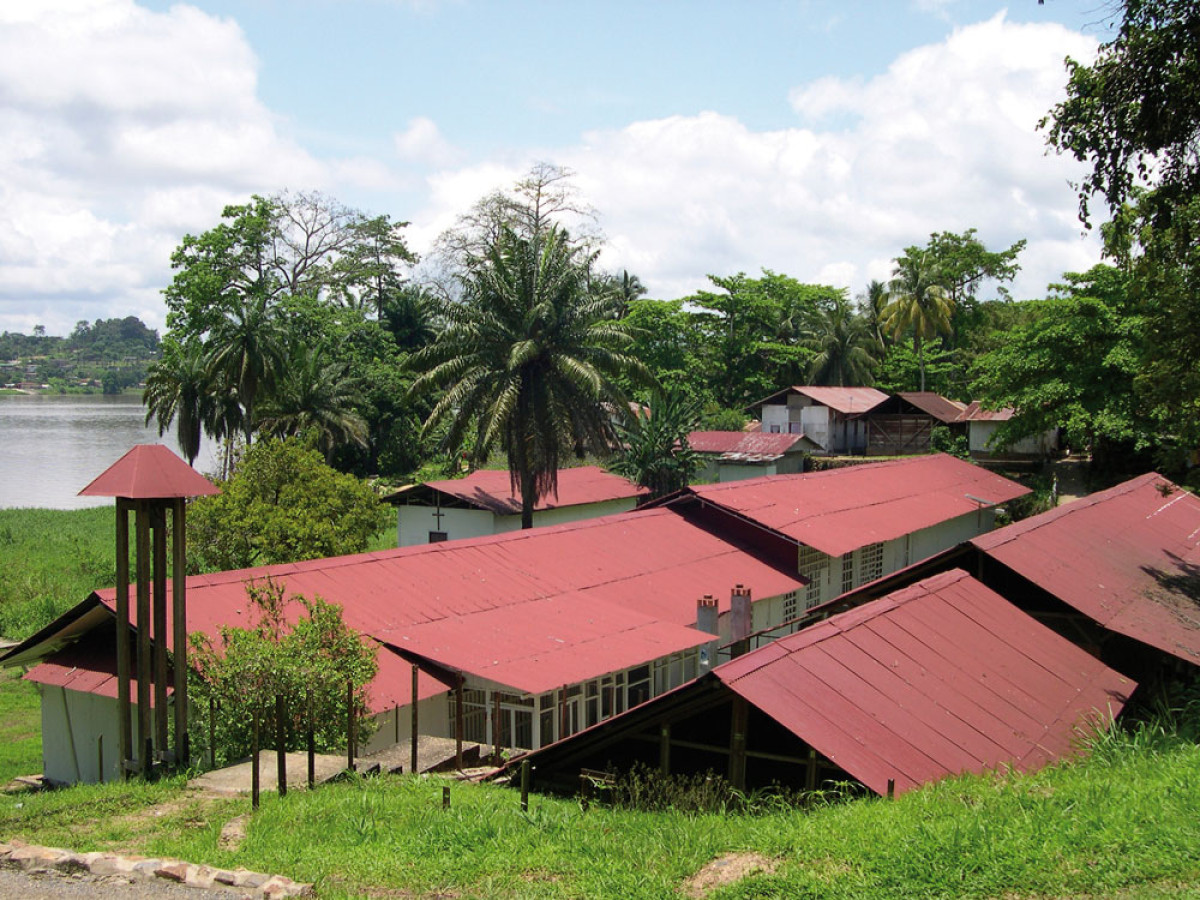
Lambaréné is located on the banks of the Ogooué River and is best known for its connection with Albert Schweitzer, the doctor, philosopher, and Nobel Peace Prize laureate.
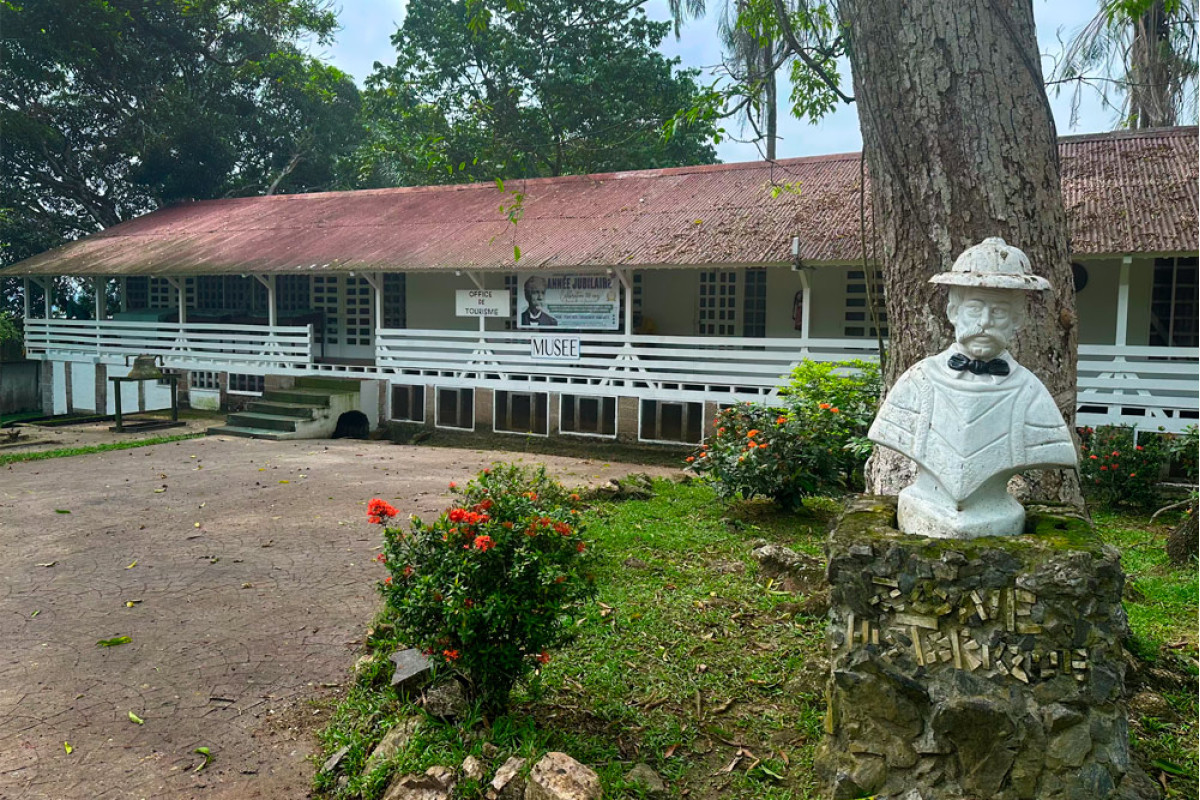
Upon arrival, we visit the historic Albert Schweitzer Hospital and museum. We see the old medical buildings, personal belongings, and archival materials that tell the story of the doctor, his family, and his work in Gabon.
We then explore Lambaréné, driving through its central districts and seeing its river landscapes and the everyday life of local residents.
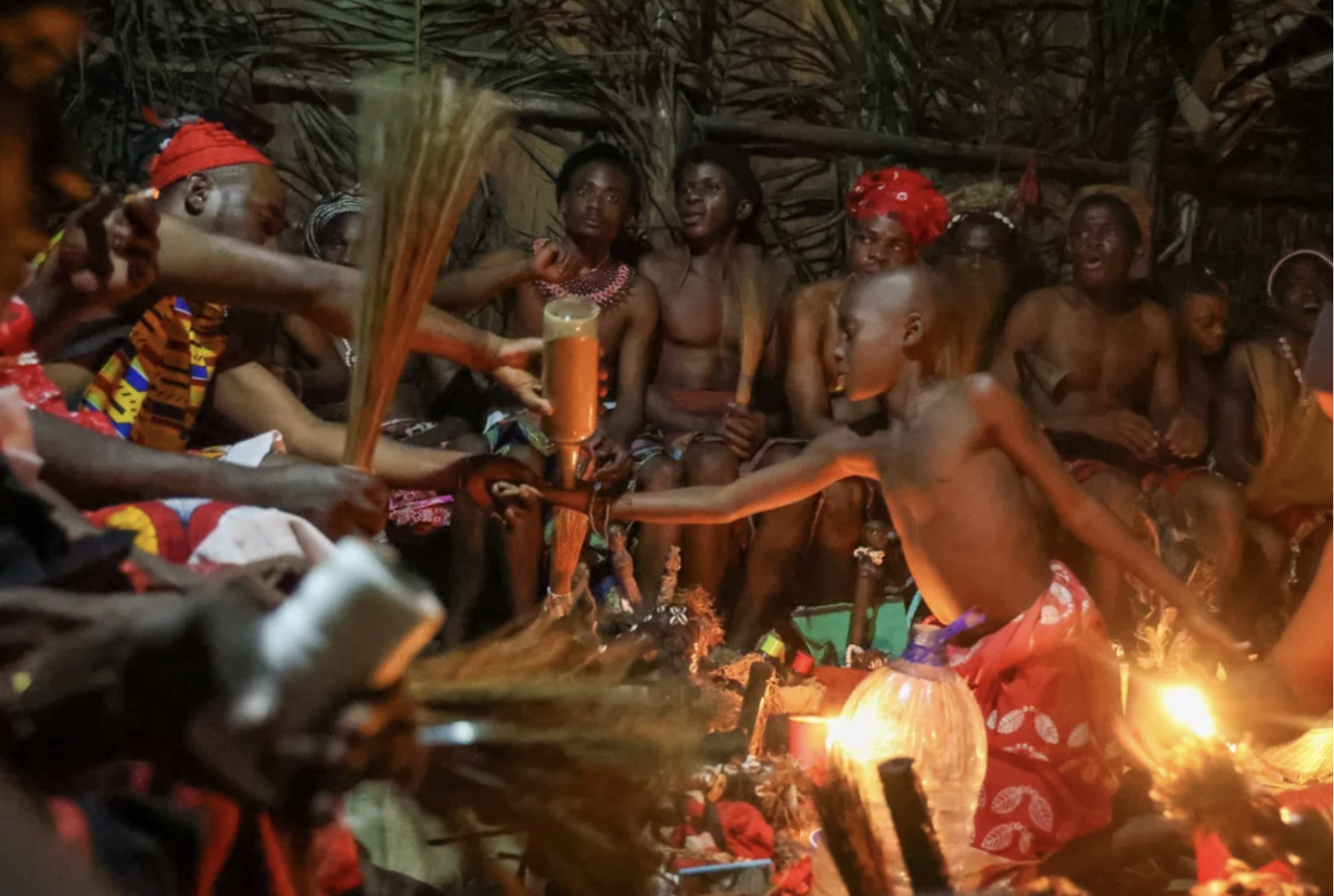
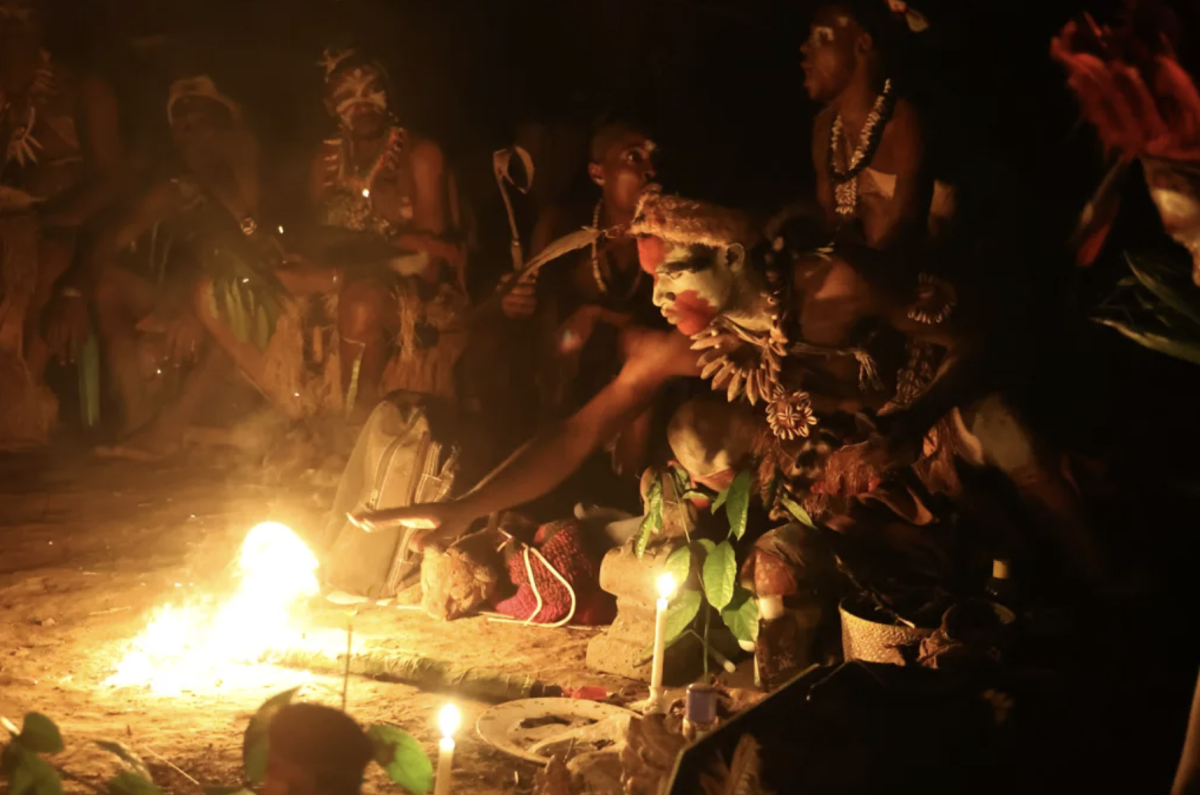
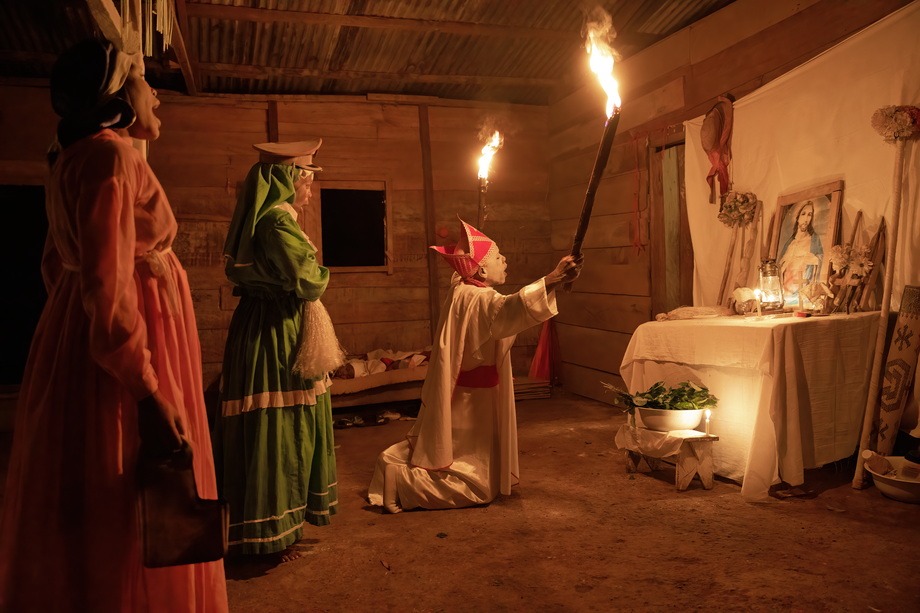
In the evening, we travel to a temple outside the town, where, with the permission of the community, we may observe a Bwiti ceremony.
Bwiti is one of Gabon’s most important spiritual and cultural traditions. It brings together music, ritual chants, dance, prayer, and symbolic ceremonies. We attend as respectful guests and observers, following the rules and wishes of the local community.
Return to our accommodation and overnight in Lambaréné.
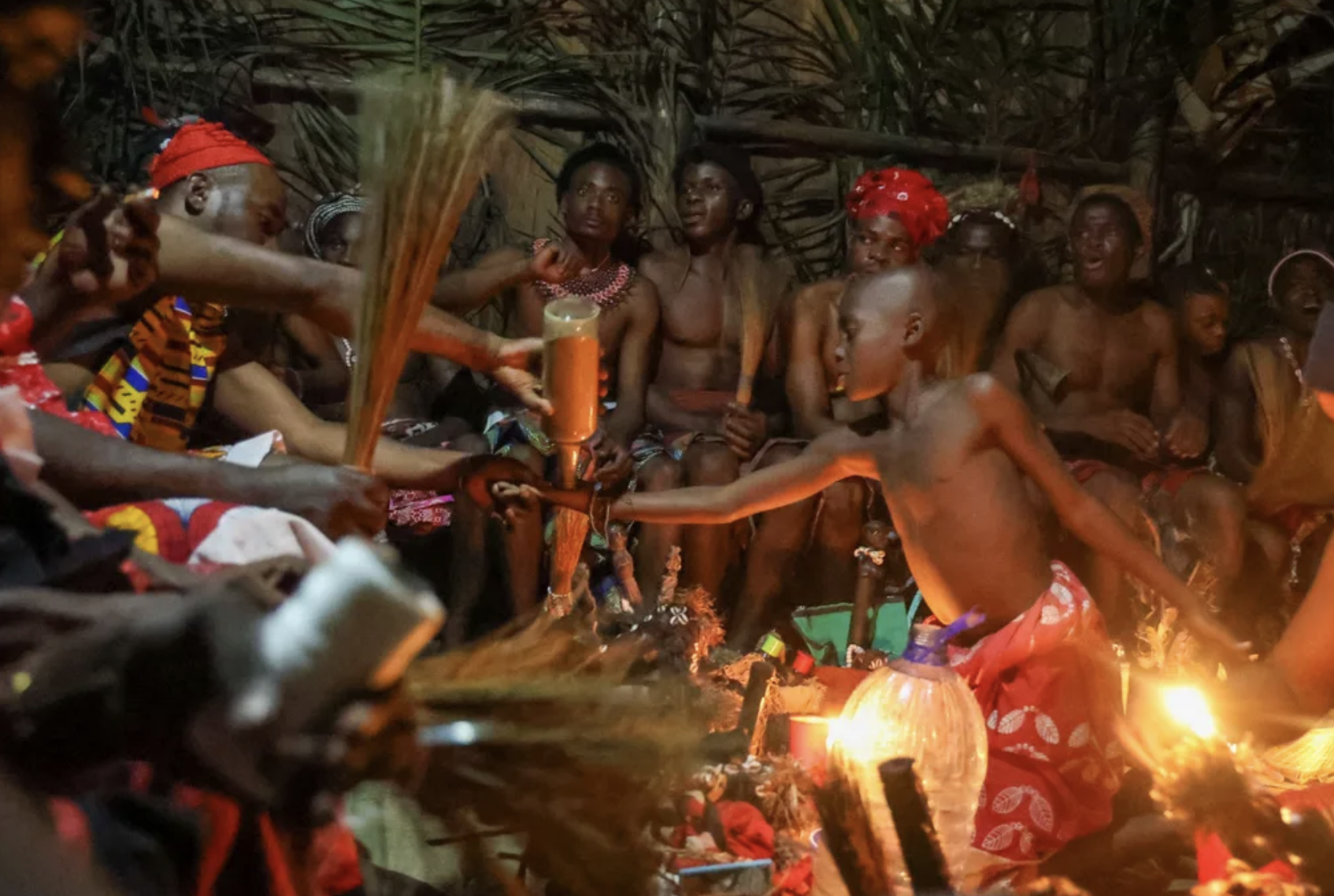

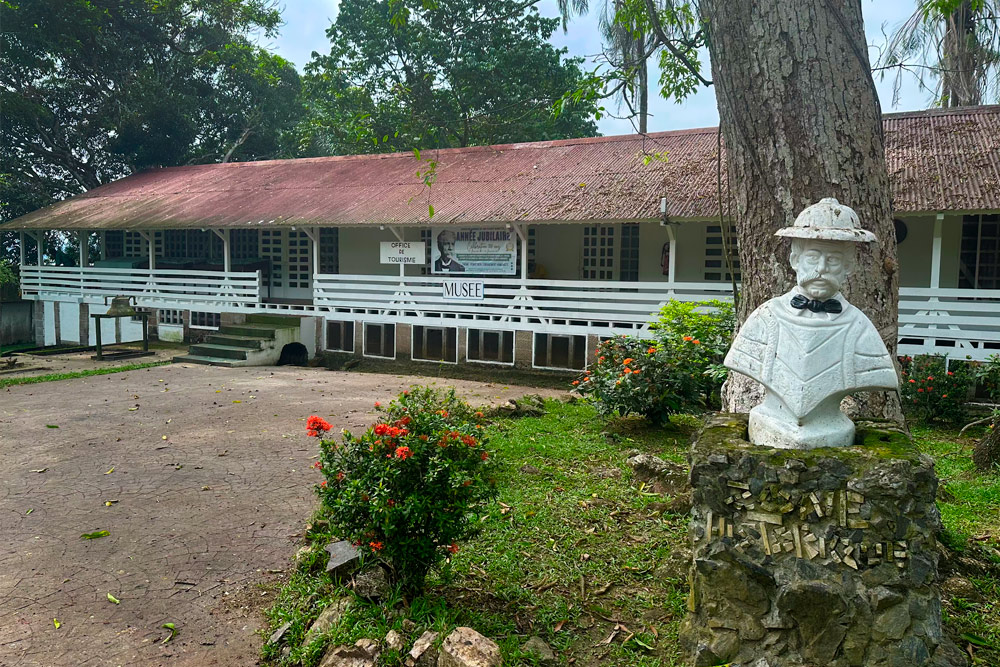


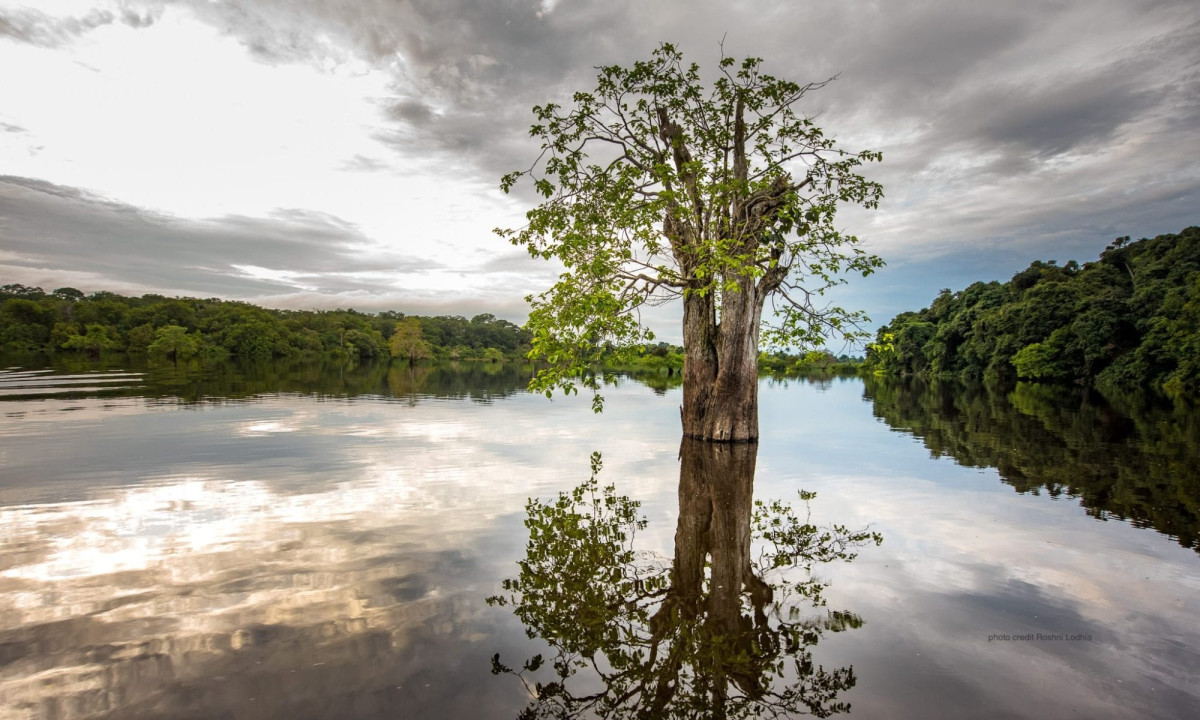
After having breakfast we travel to Lake Onangué, one of the best-known lakes in central Gabon. The region is surrounded by tropical vegetation and is known for its rich birdlife and aquatic wildlife.
We explore the lake and its channels by boat. The main goal of the safari is to try to see the hippos that live in this area. Wildlife sightings always depend on nature, the season, and weather conditions, but the boat journey itself offers an opportunity to experience one of Gabon’s most beautiful aquatic landscapes.
Along the way, we visit local villages, learn about life beside the rivers and lakes, and discover how the waterways influence daily life, fishing, and transportation in the region.
After the safari, we return to Lambaréné and then continue to Libreville.
Upon arrival, we have a short first introduction to the capital of Gabon. Hotel check-in and rest.
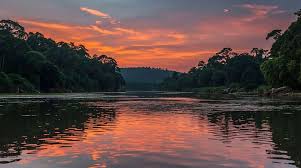
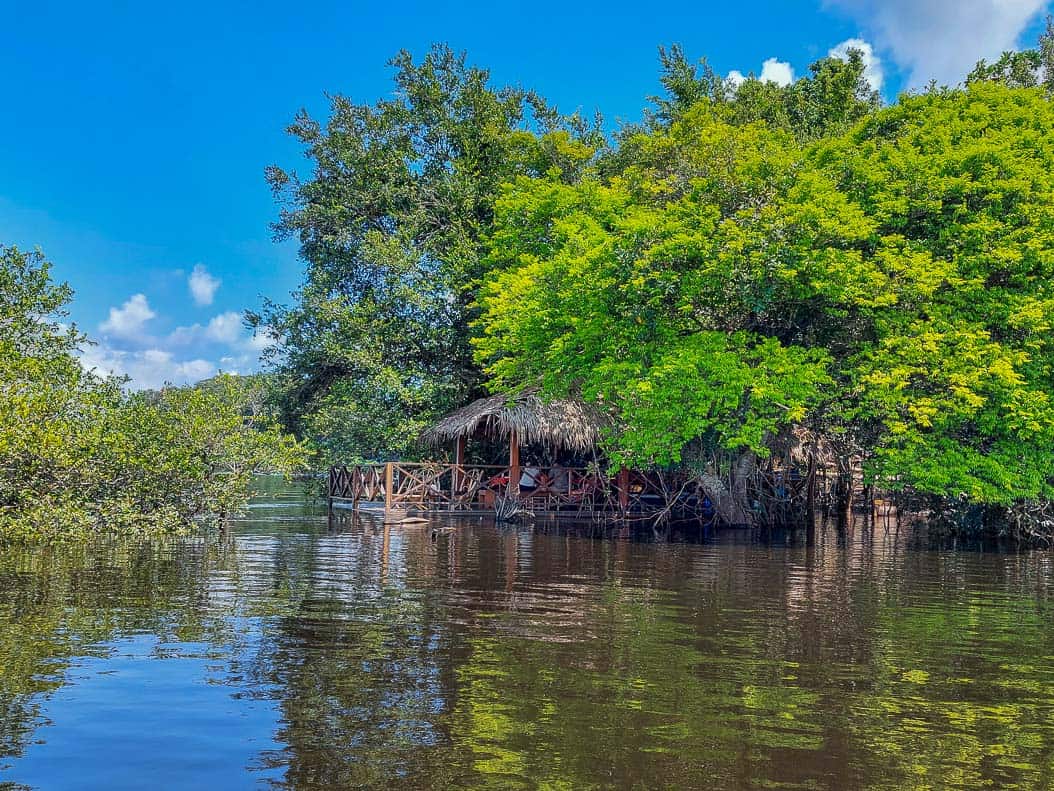
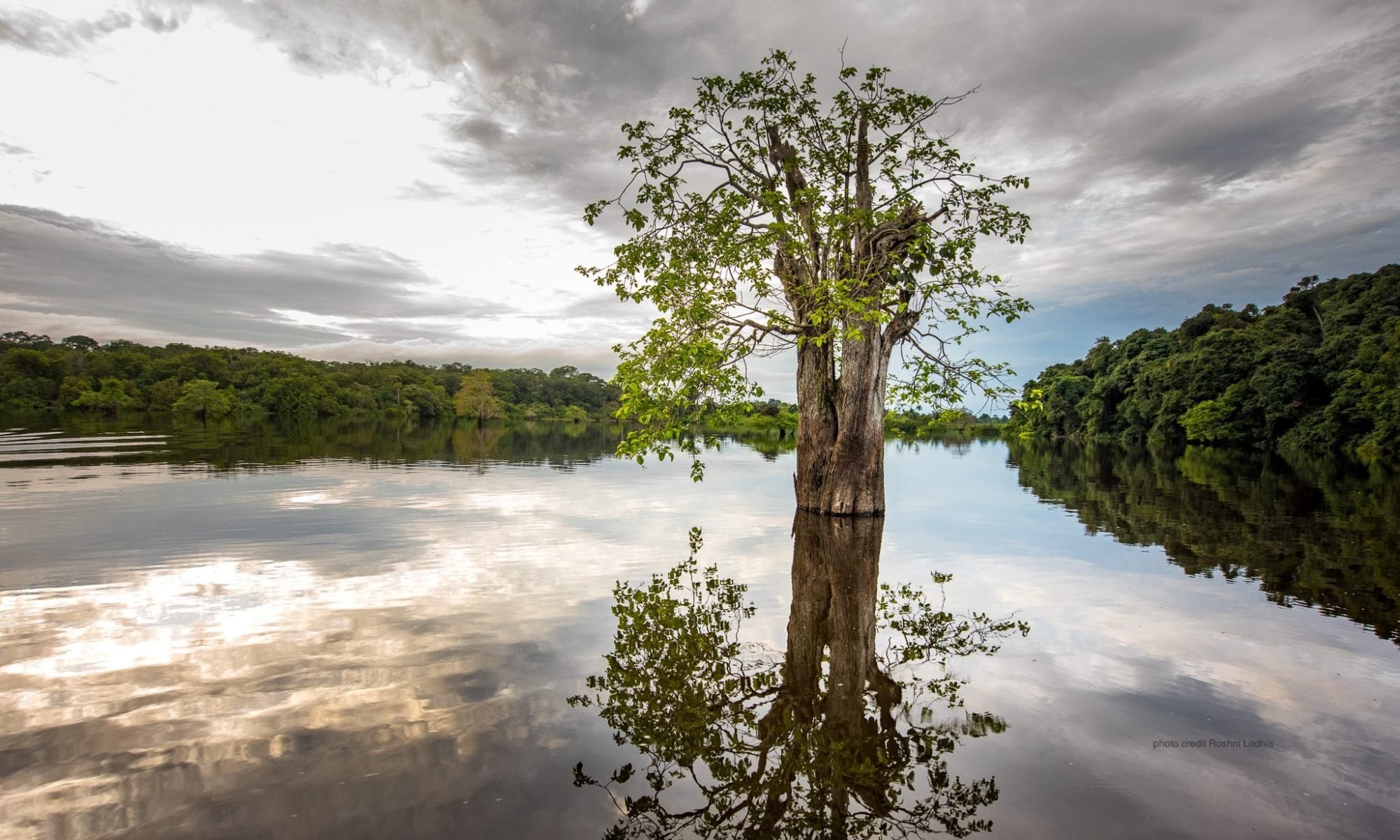
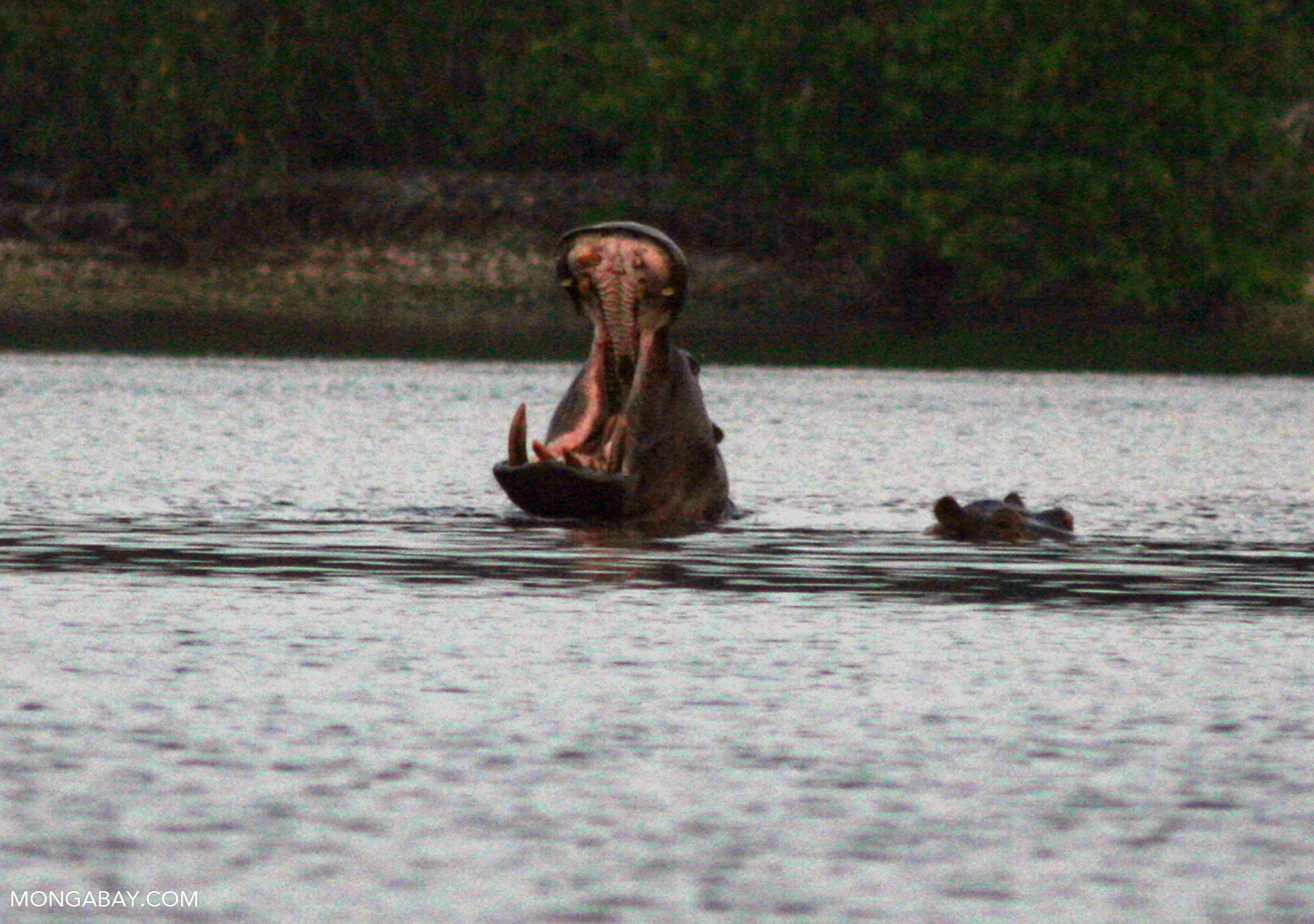
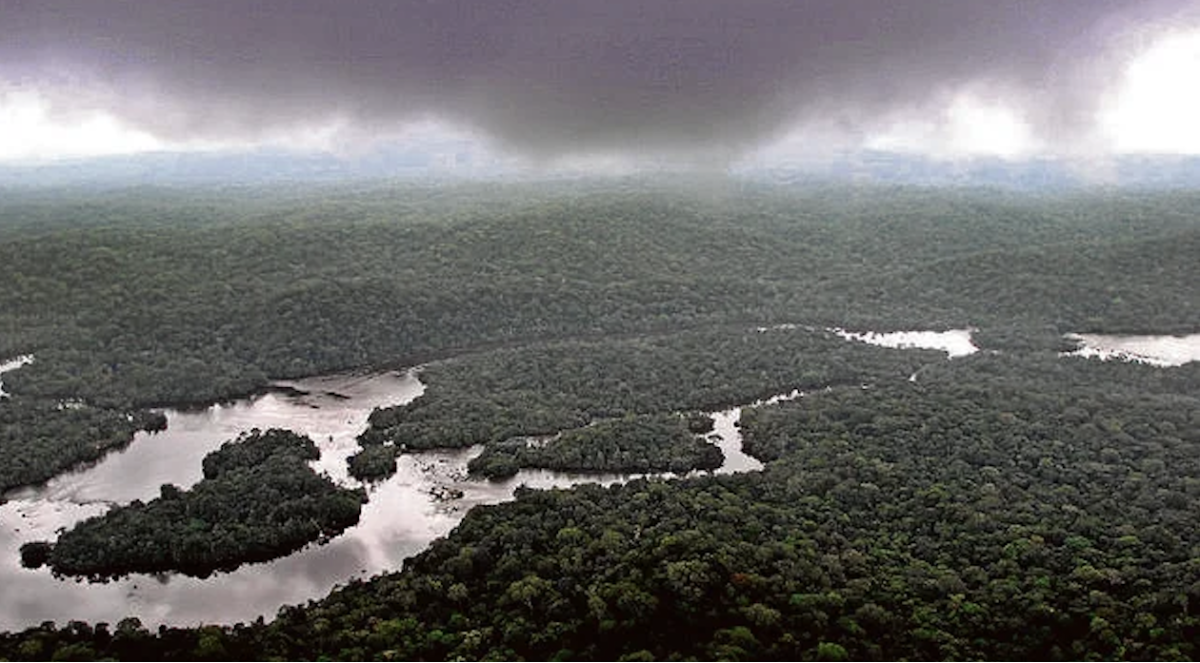
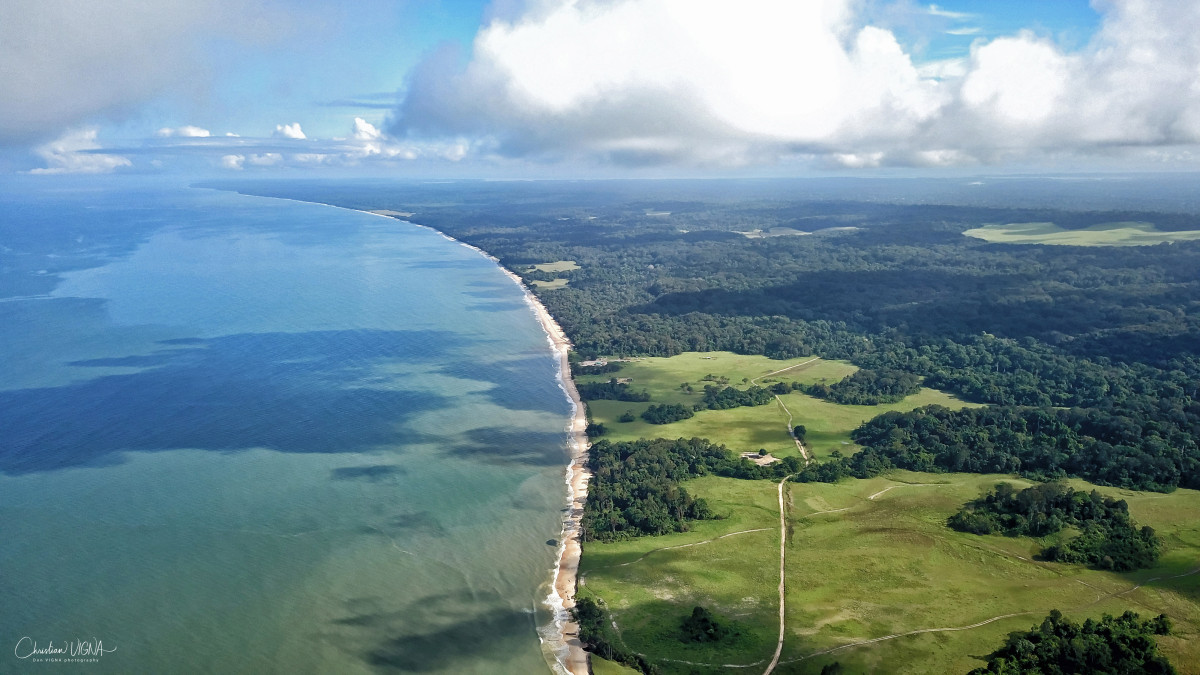
In the morning we leave Libreville and travel to Nyonié, one of the most beautiful and remote places on Gabon’s Atlantic coast.
We first travel for approximately one hour by boat along the Komo River and its waterways. We then continue by 4×4 vehicles through the tropical landscape to our camp beside the ocean.
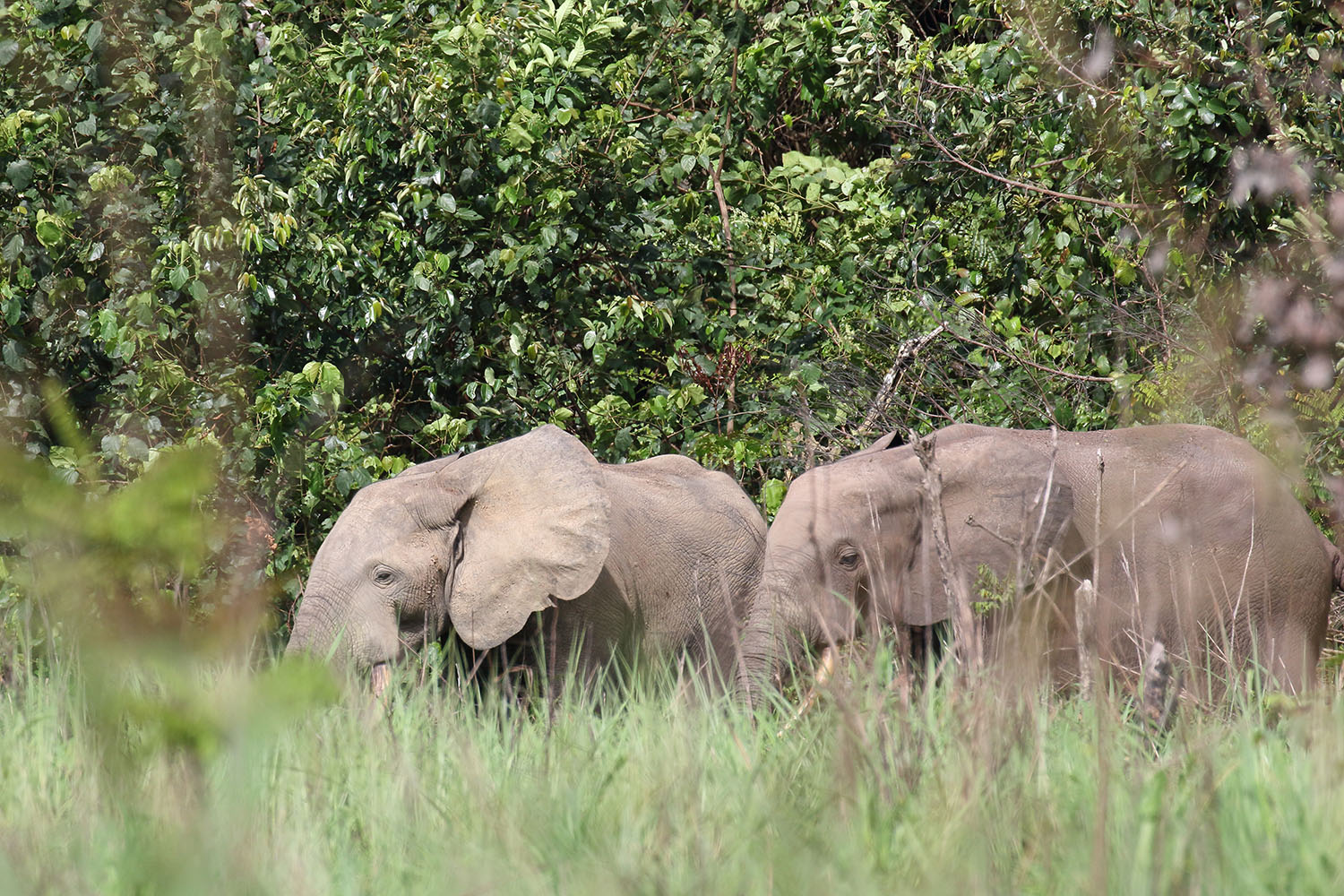
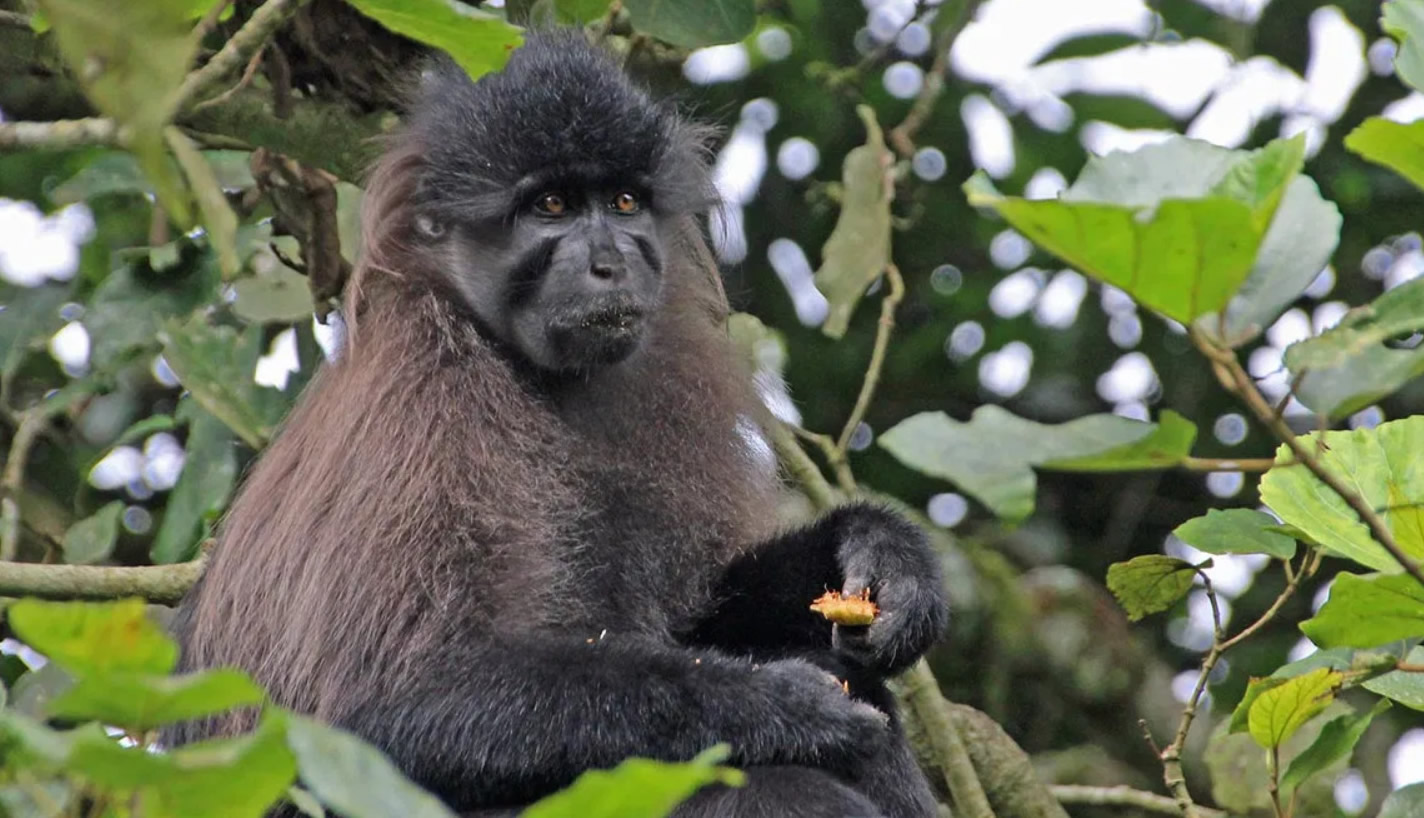
Along the way, we may be fortunate enough to see forest elephants, buffaloes, antelopes, monkeys, and other wildlife found in this region.
Upon arrival, we check in to our bungalows beside the ocean and have lunch.
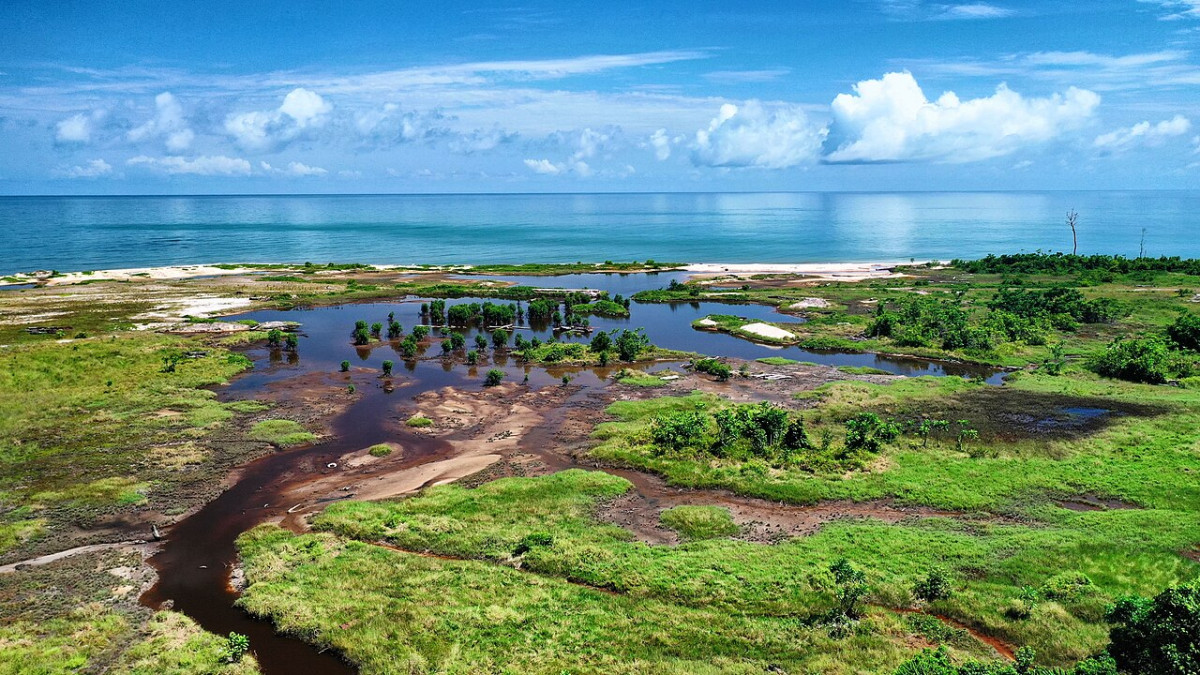
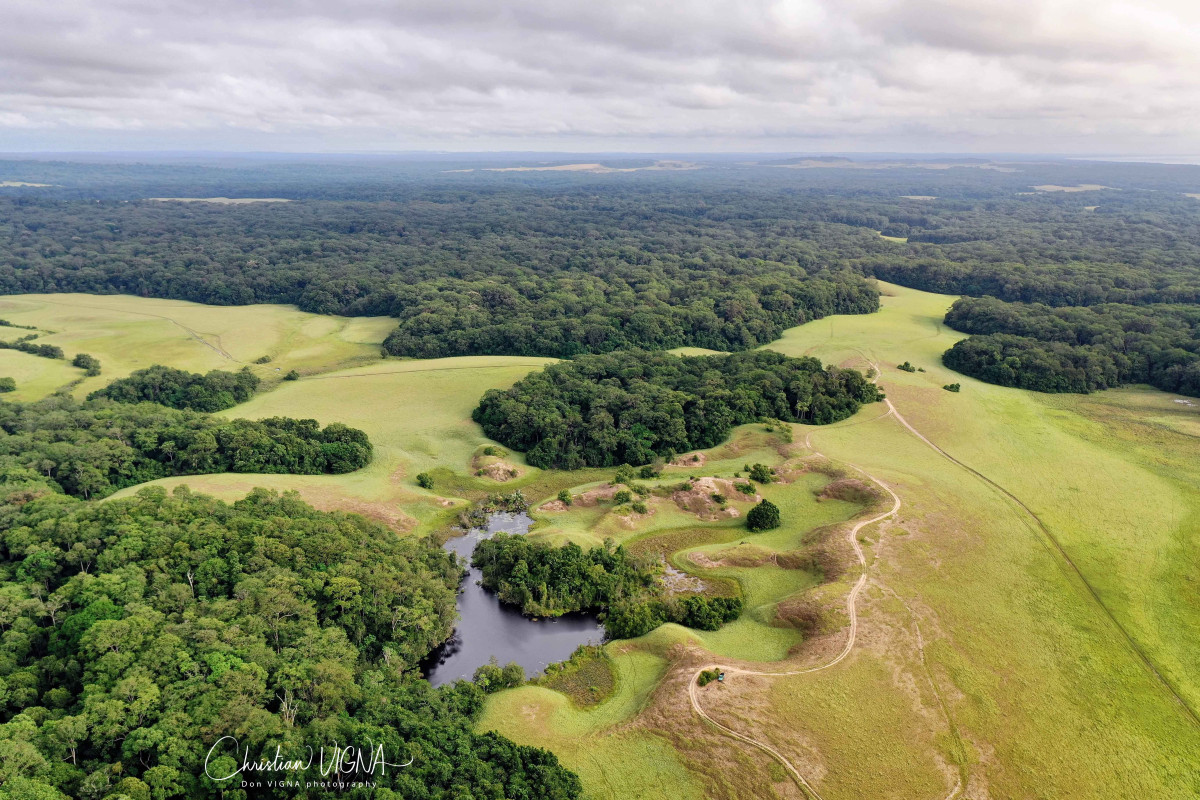
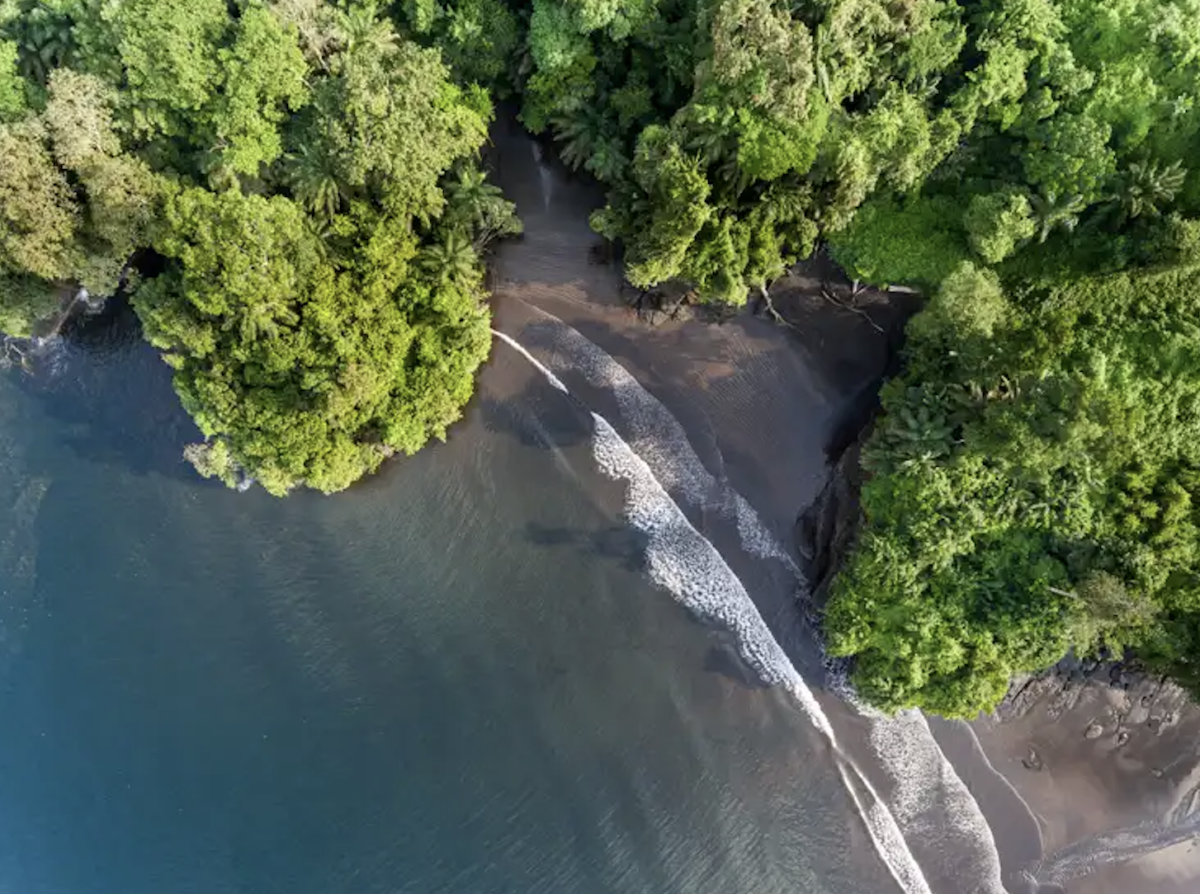
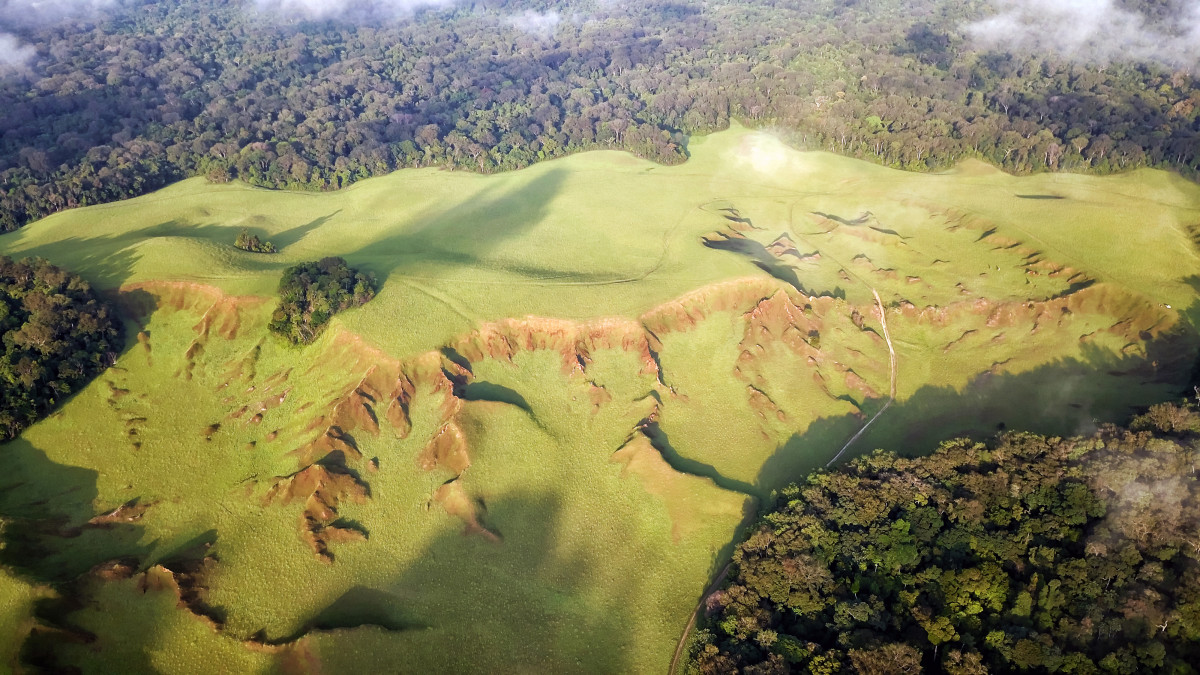
In the afternoon, we set out on a 4×4 safari. The route passes through savannah, forest areas, and the Atlantic coastline. Nyonié is known for its combination of wildlife, wide deserted beaches, and tropical forest extending almost to the water’s edge.
During the safari, we look for animal tracks and observe the natural surroundings. Specific wildlife sightings cannot be guaranteed, but the feeling of being far from cities and regular tourist routes makes this day particularly memorable.
Return to the camp, dinner, and overnight in bungalows beside the ocean.
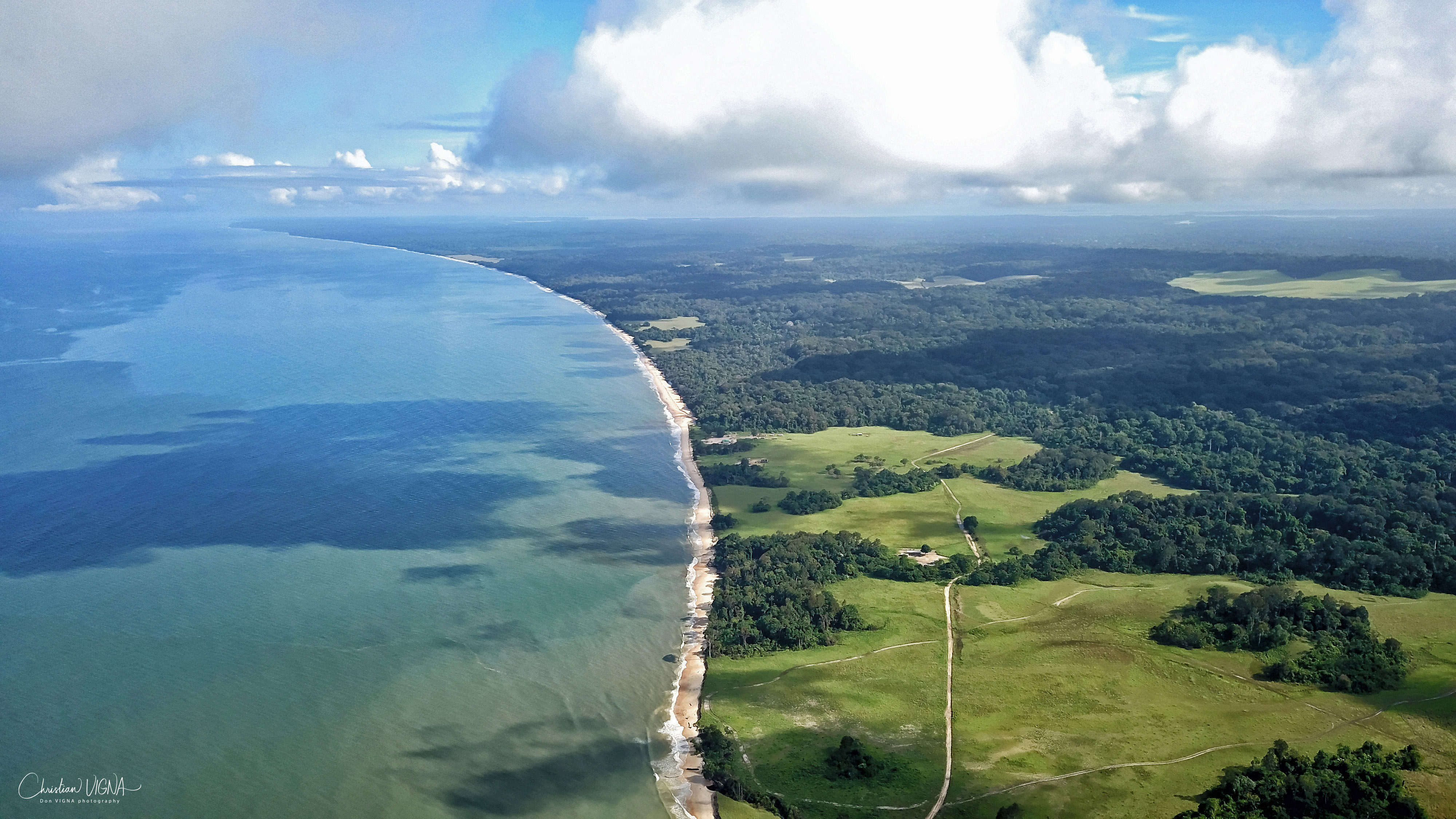
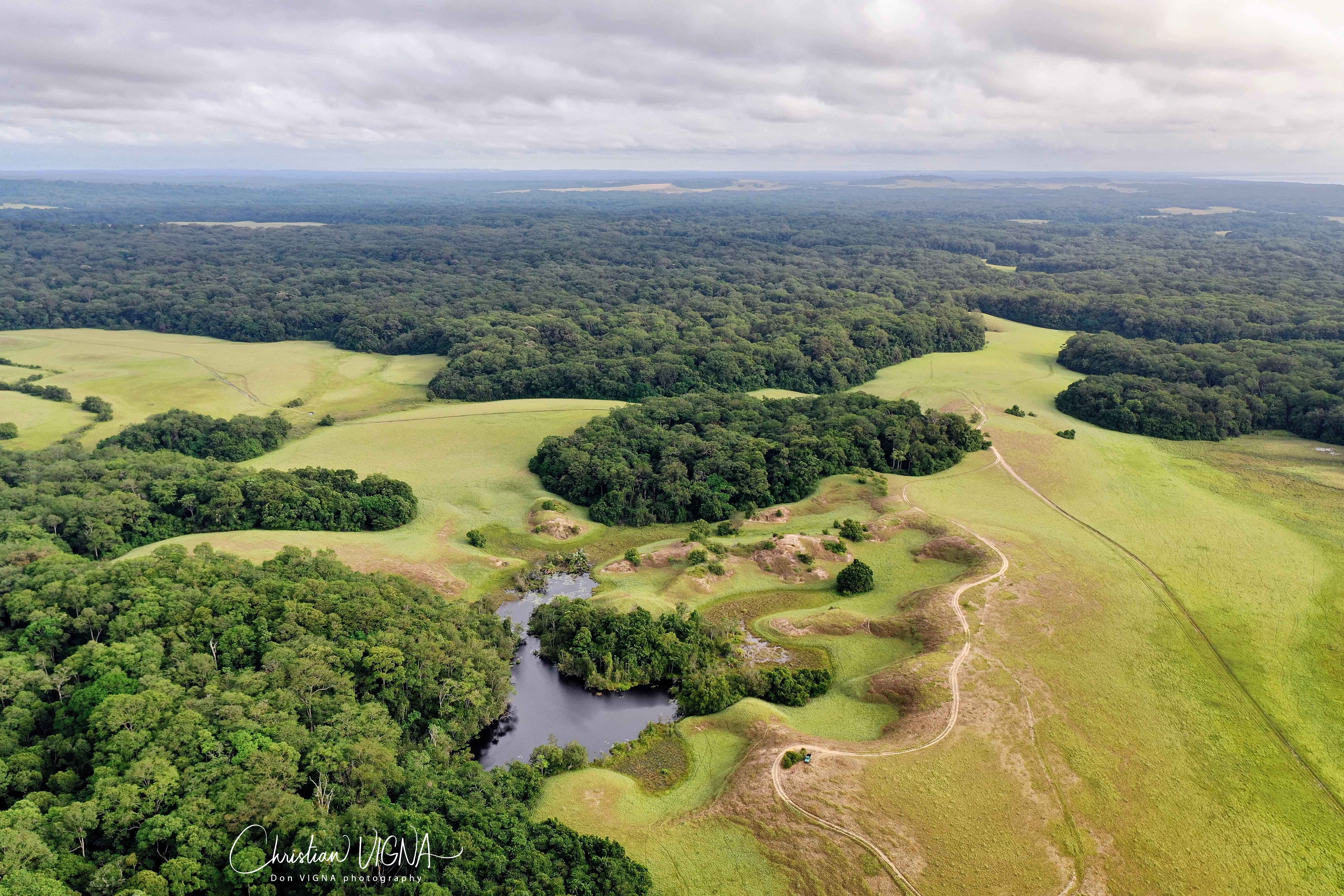
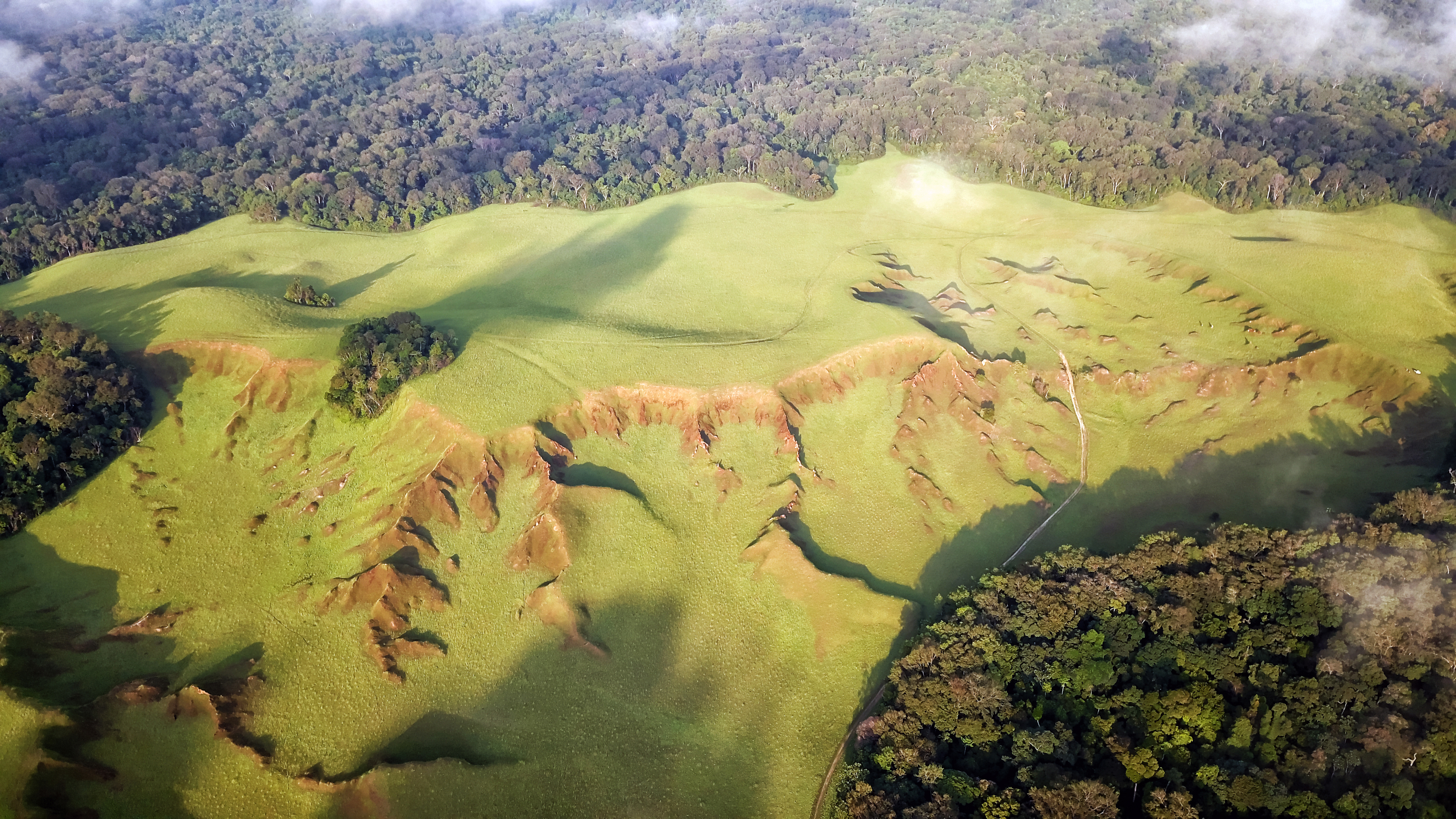
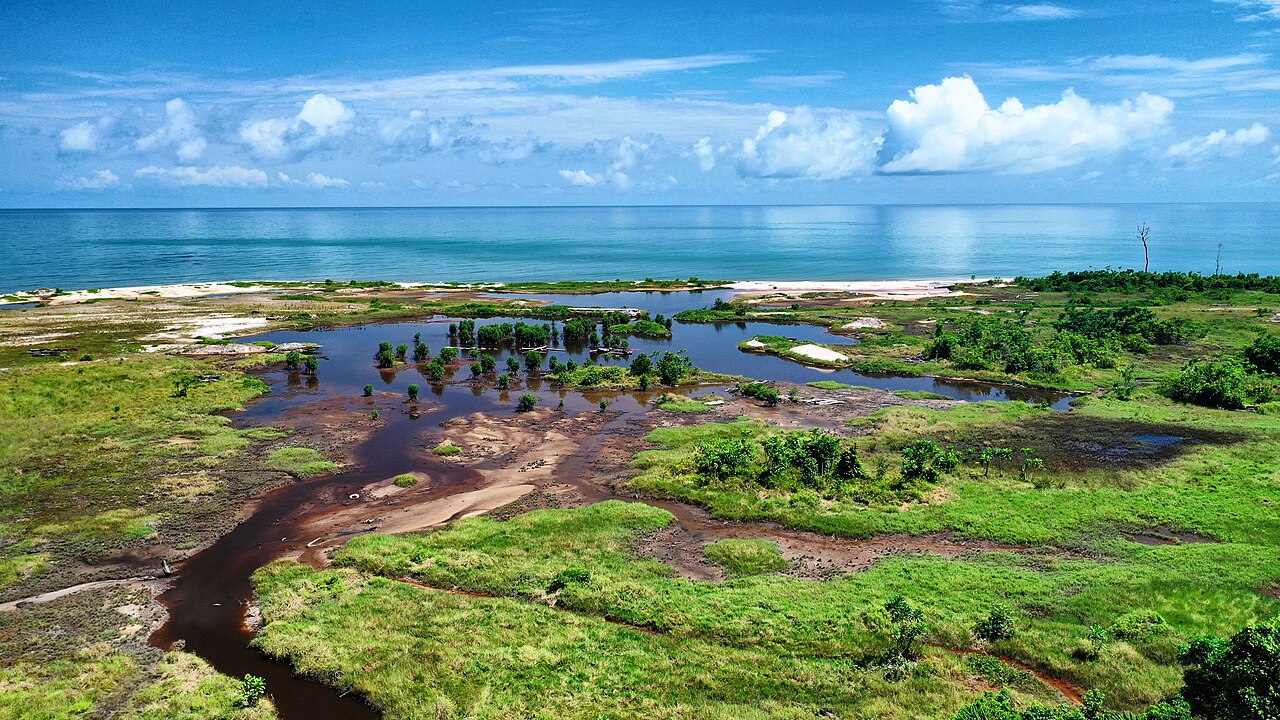
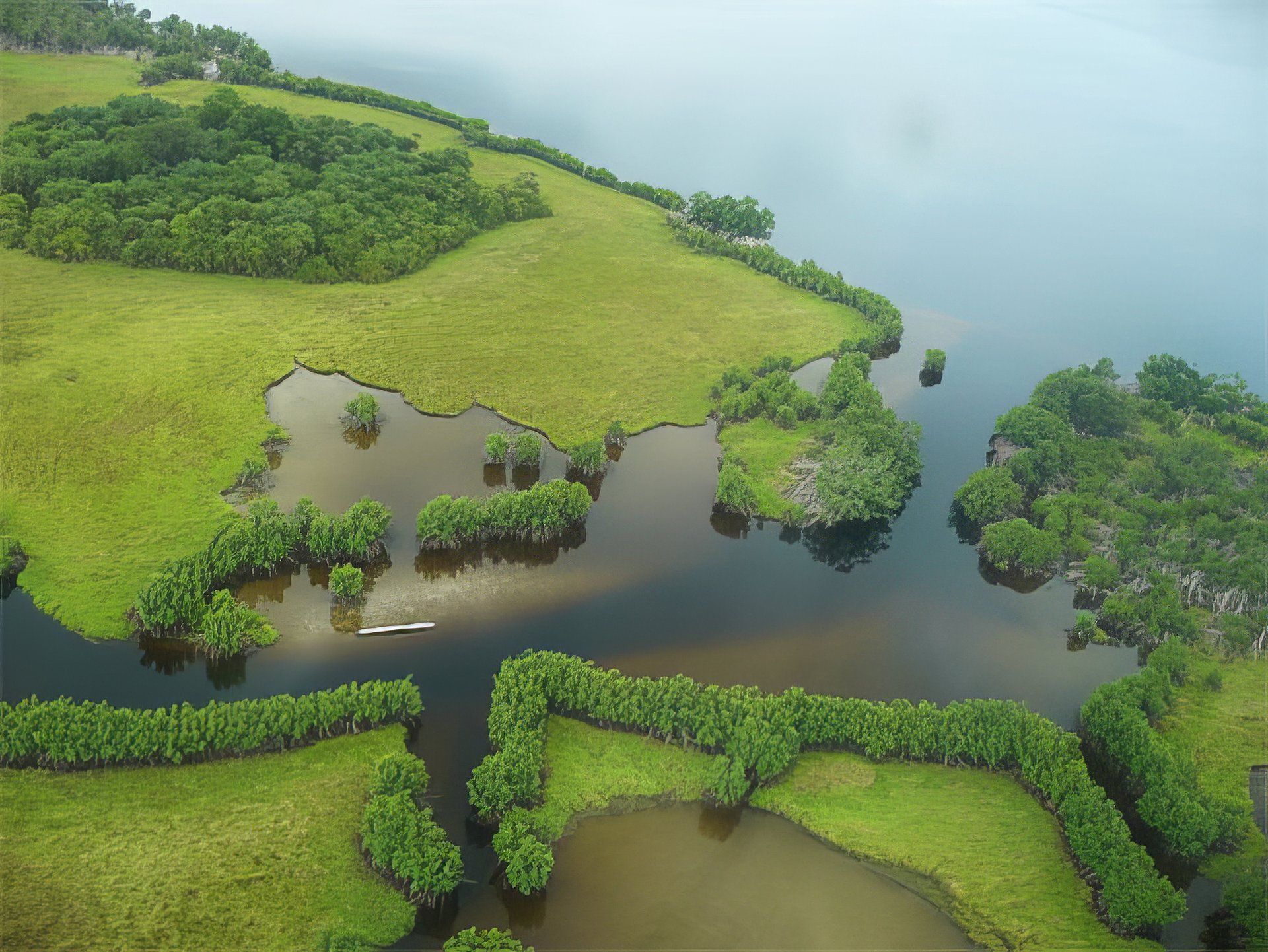
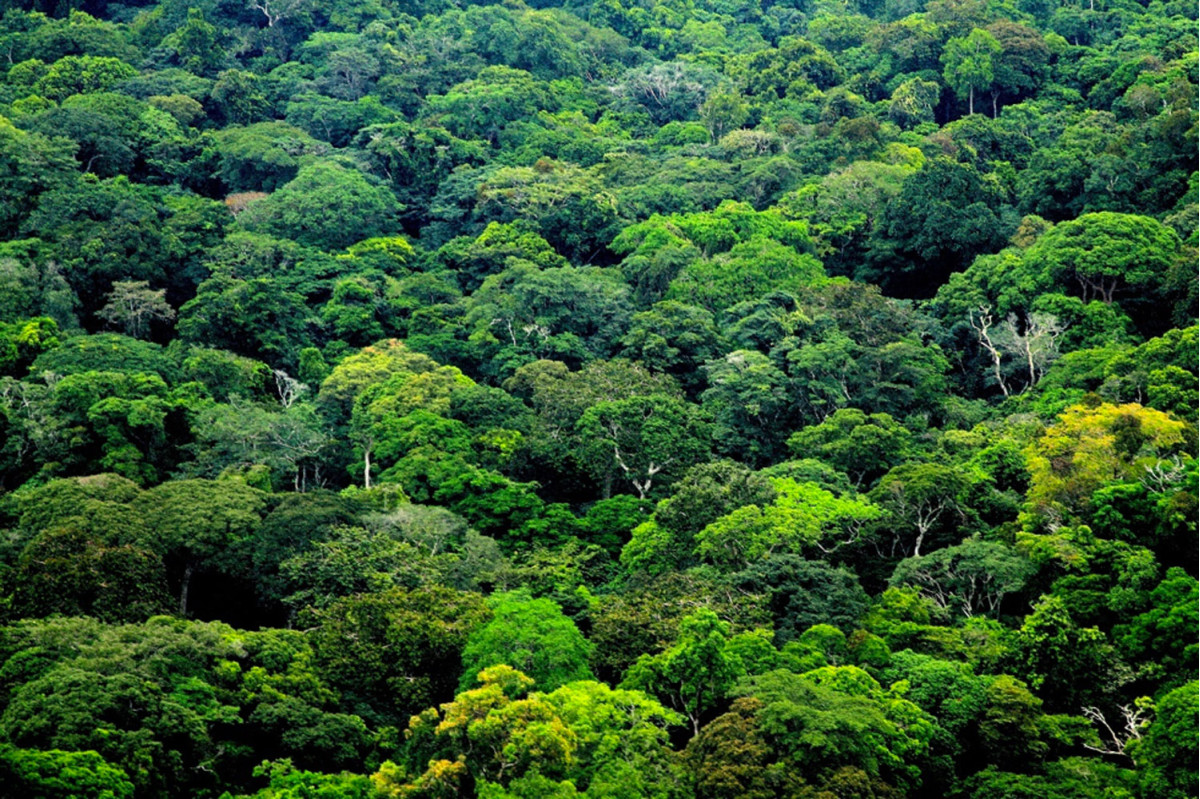
Early in the morning, we set out on a guided walk through the tropical forest with a local guide.
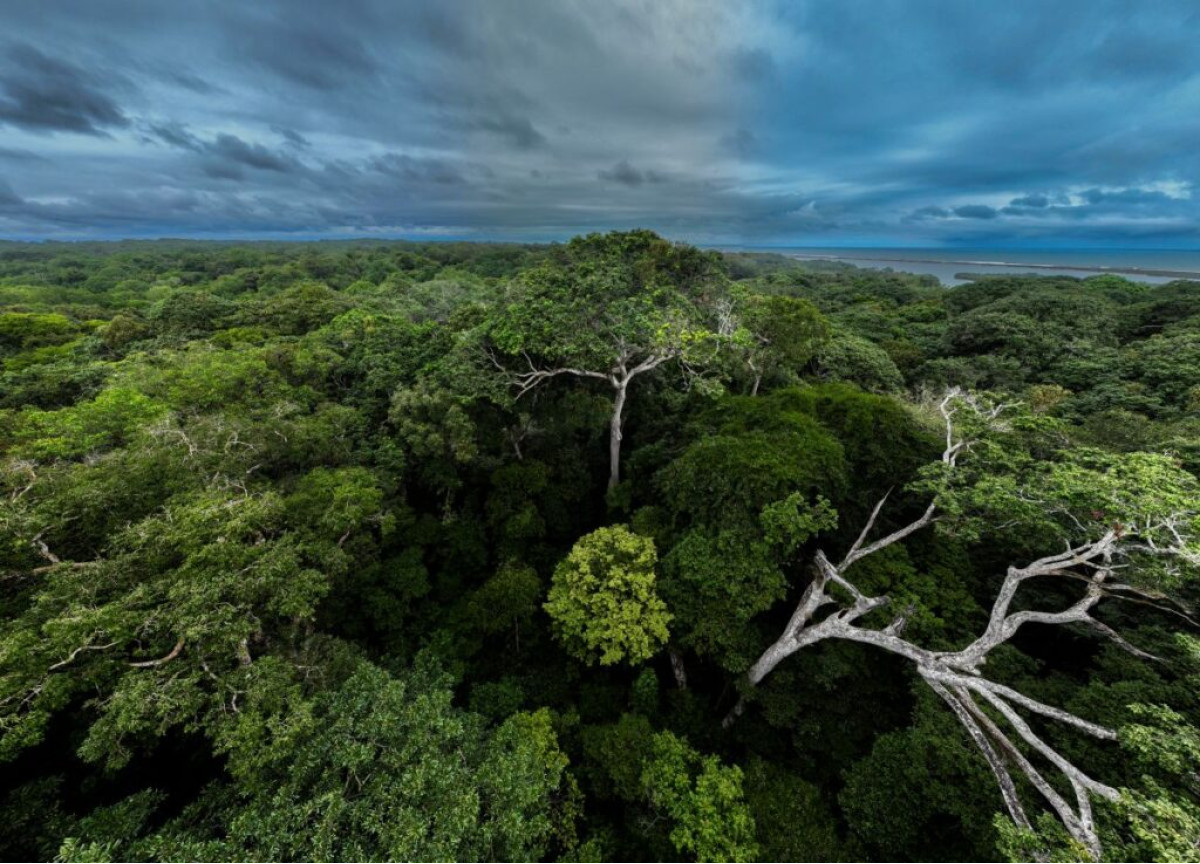
We explore the natural area of Nyonié, look for signs of wildlife, listen to the sounds of the forest, and learn about the plants and ecosystems of coastal Gabon. Under favorable conditions, we may see monkeys, antelopes, buffaloes, or forest elephants.
After the walk, we return to the camp. Depending on the available time, we may relax on the beach and enjoy the wild Atlantic coastline once more.
We then leave Nyonié and return to Libreville, first by 4×4 vehicle and then by boat.
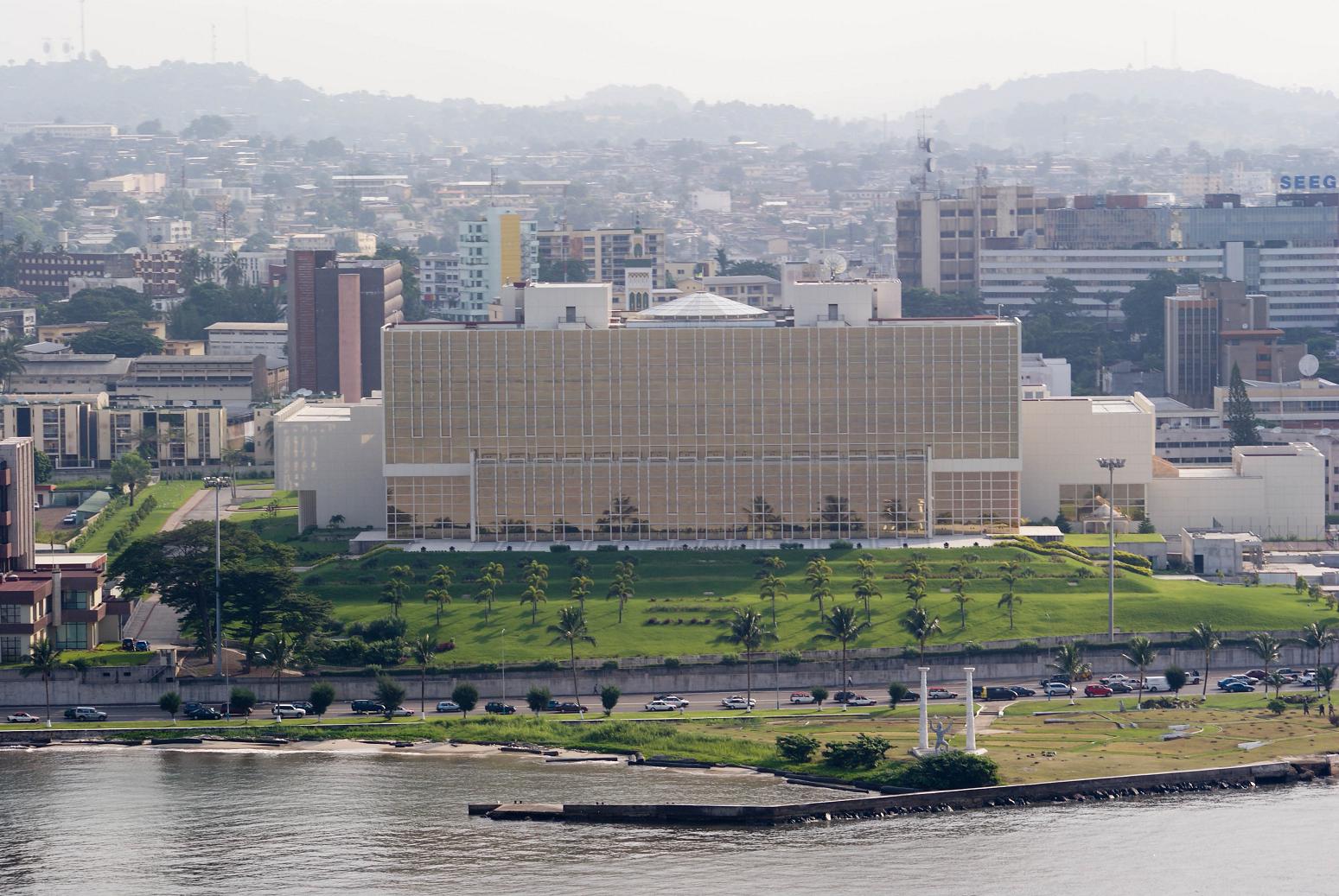
In the afternoon, we continue exploring the capital of Gabon. We drive through the central districts, main streets, and squares, see the oceanfront, and visit a souvenir or local market. Here we can find handicrafts, fabrics, masks, and other items made by local artisans.
Hotel check-in and rest.
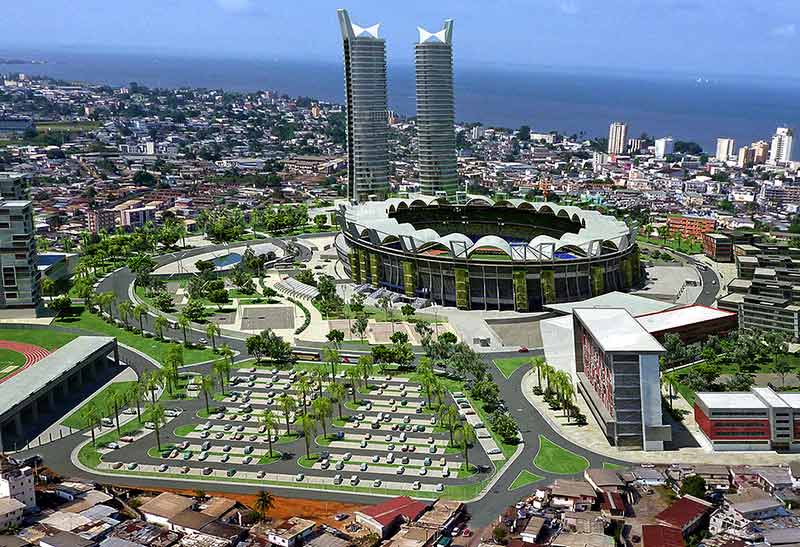
After breakfast, we have free time in Libreville depending on the flight schedule. There may be time to relax beside the ocean, walk around the city, or prepare for the next part of the expedition.
In the afternoon, transfer to the international airport.
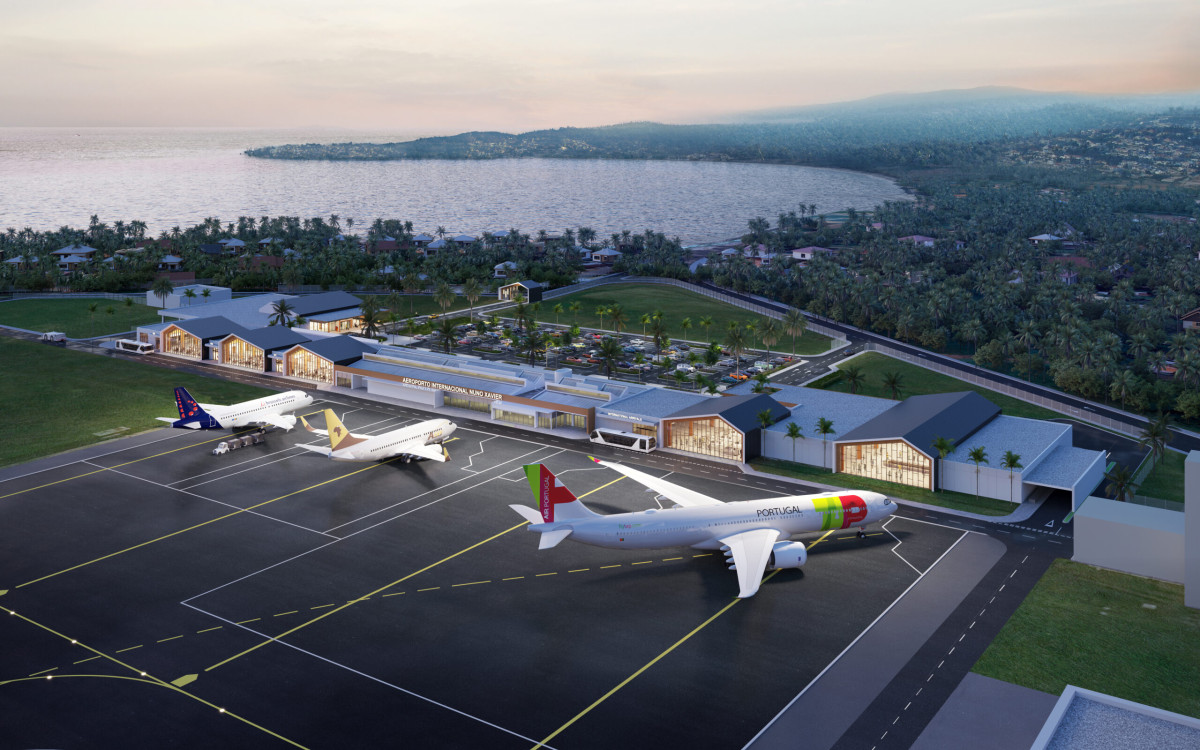
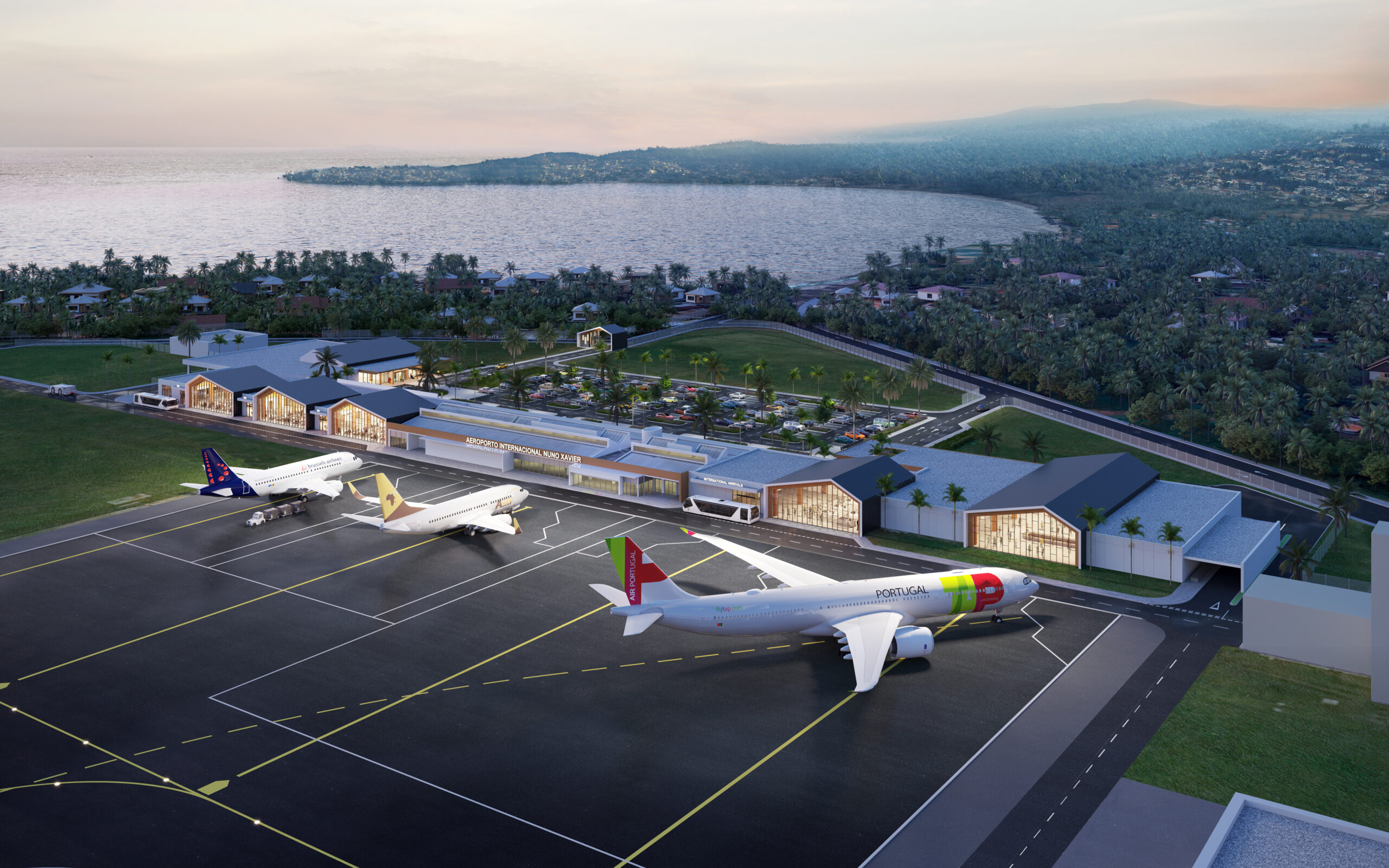
Flight to São Tomé and Príncipe, the next country on our journey through Equatorial Africa.
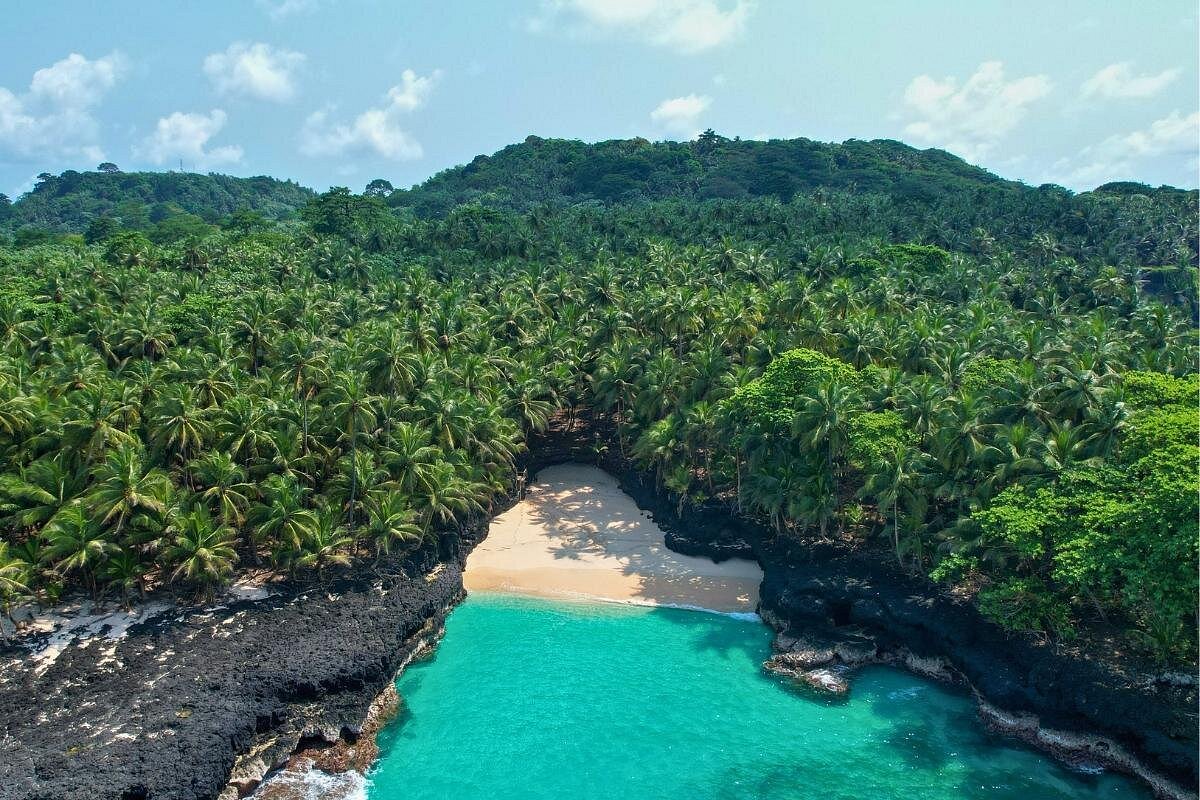
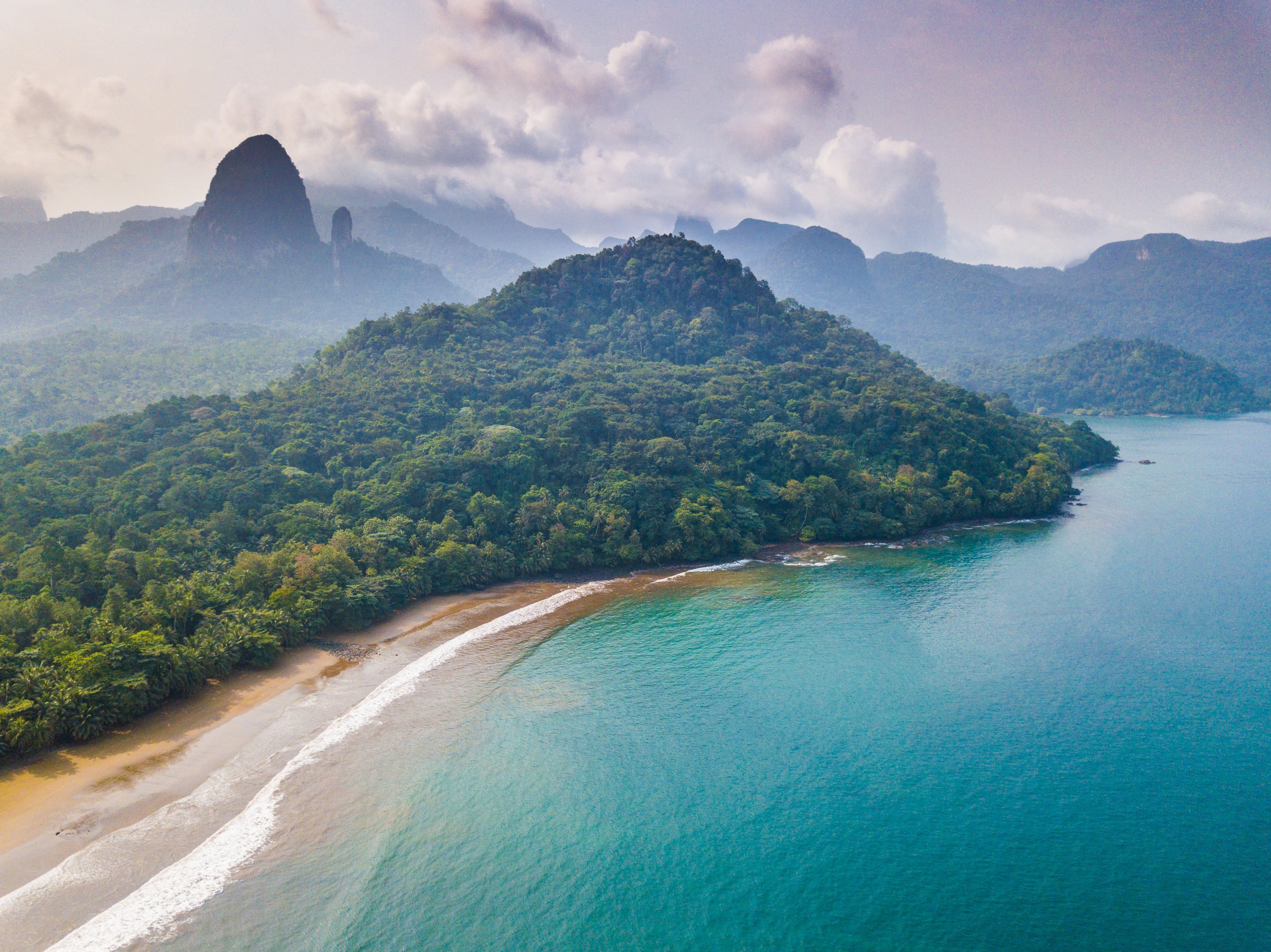
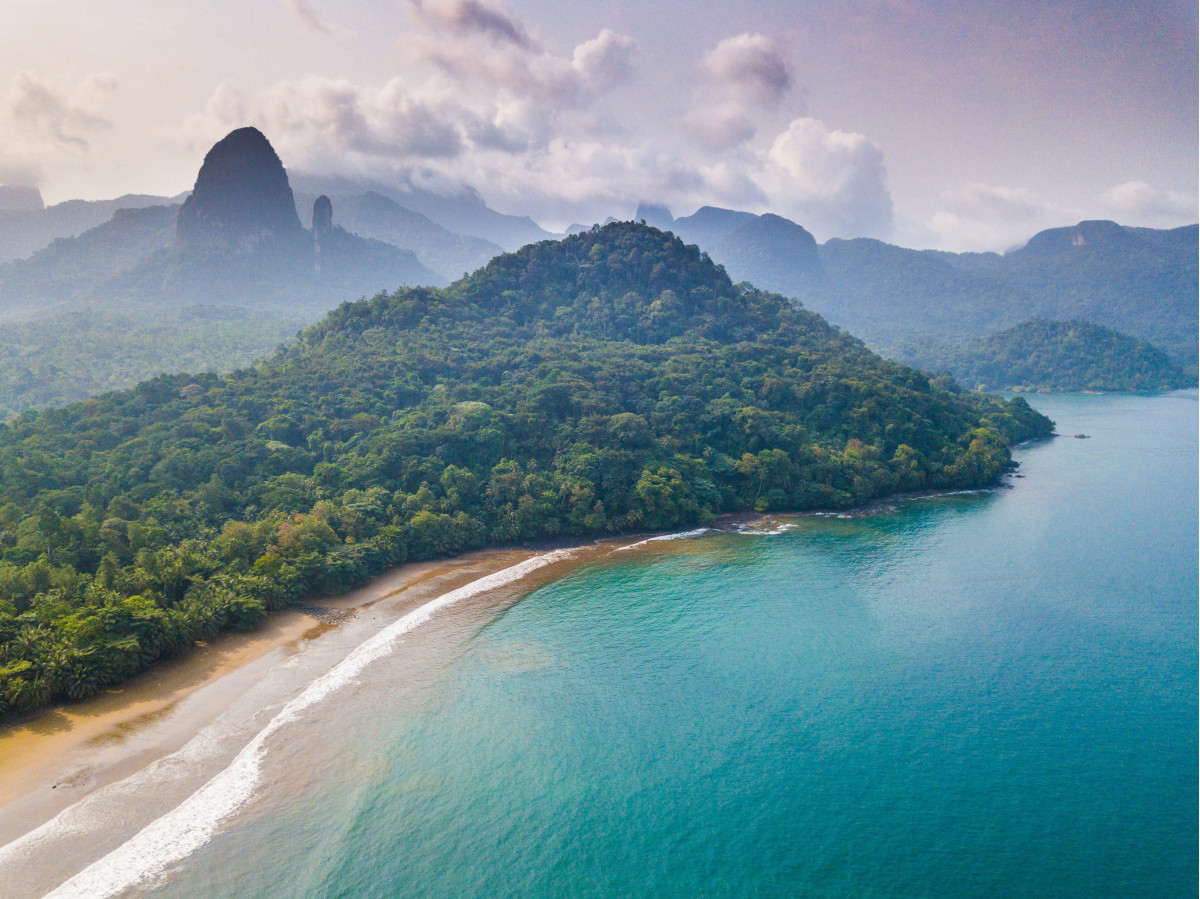
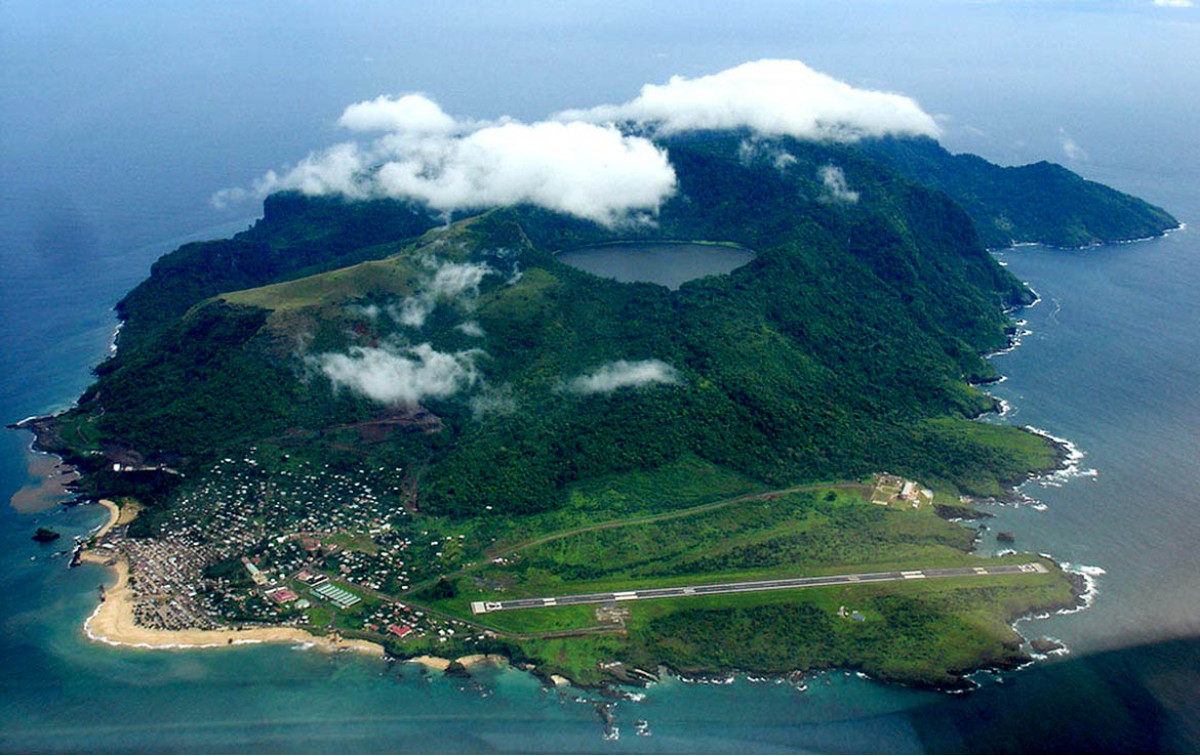
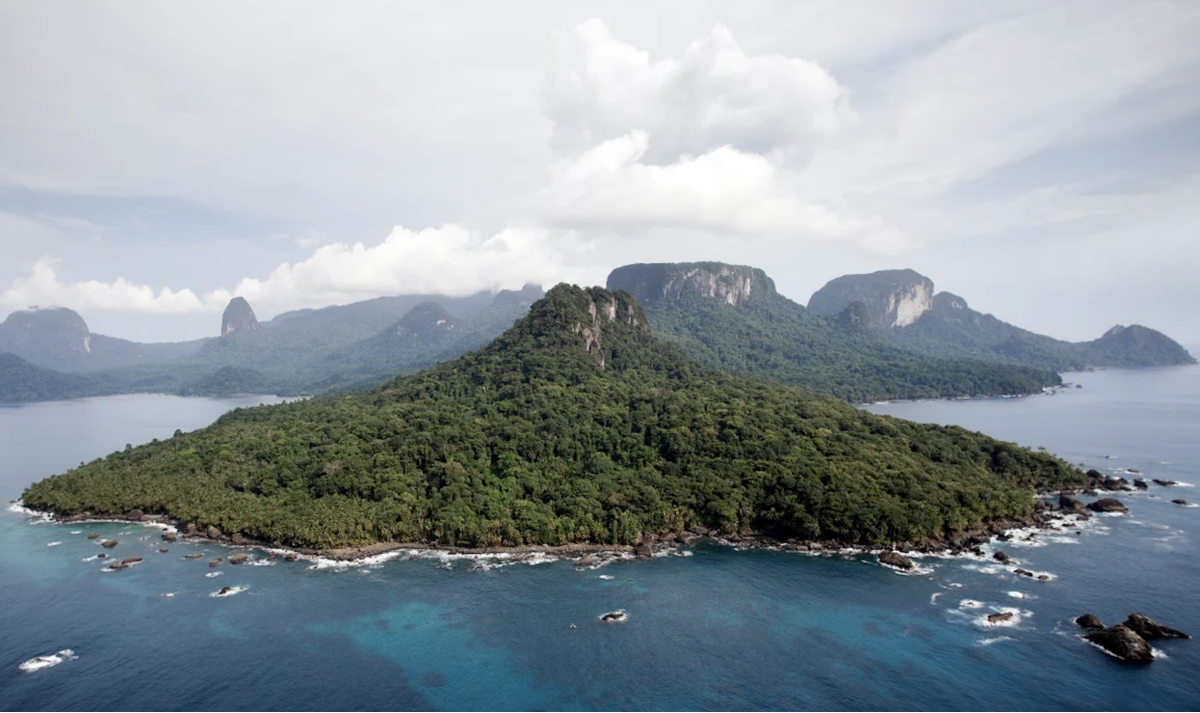
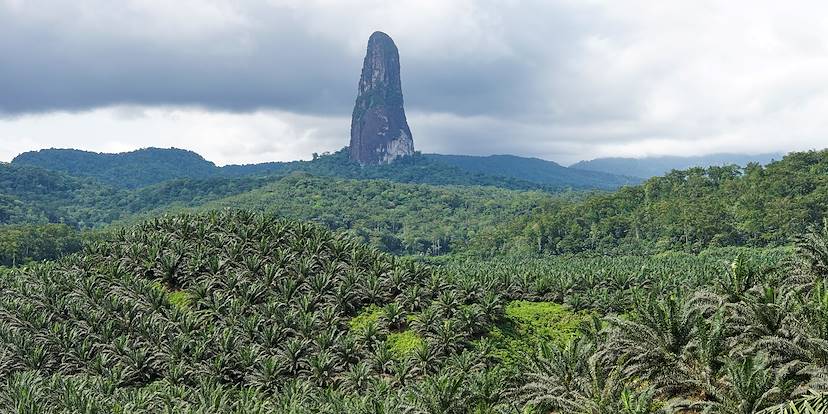
This is one of the most atmospheric days on São Tomé. We travel to the very south of the island, where tropical nature becomes even wilder and ocean views truly impressive.
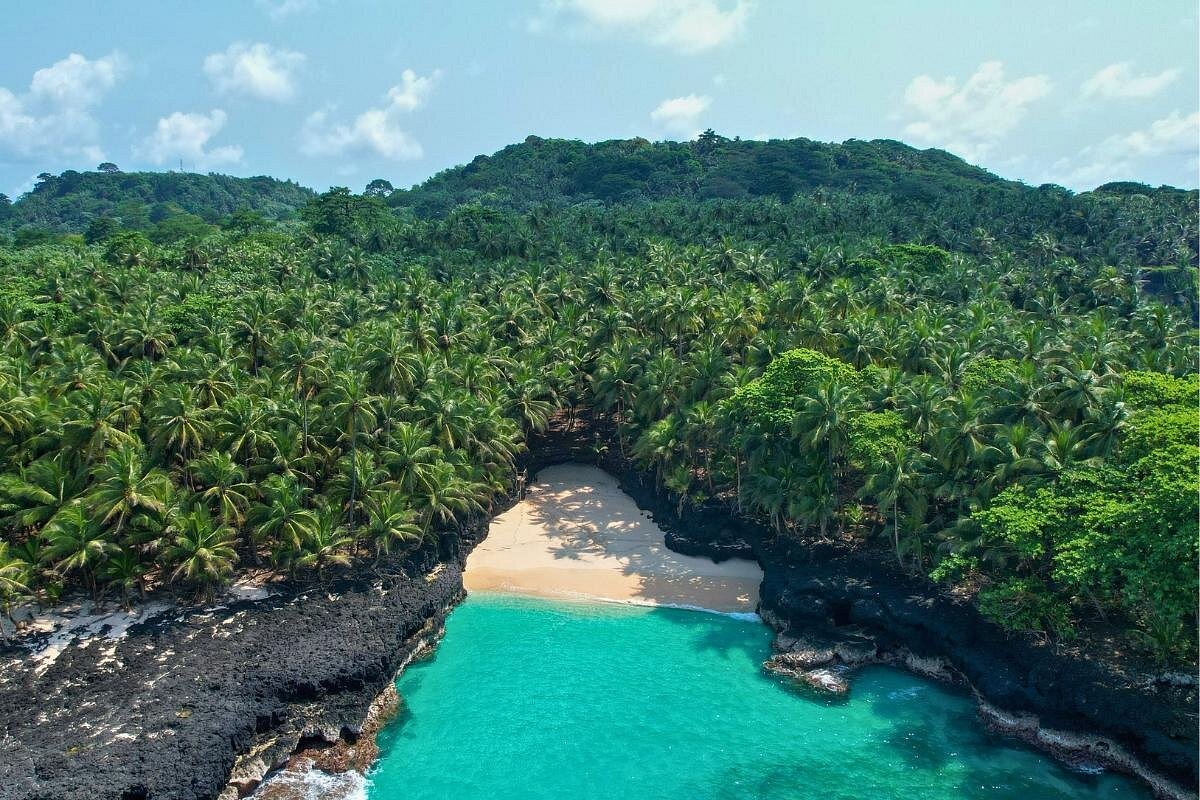
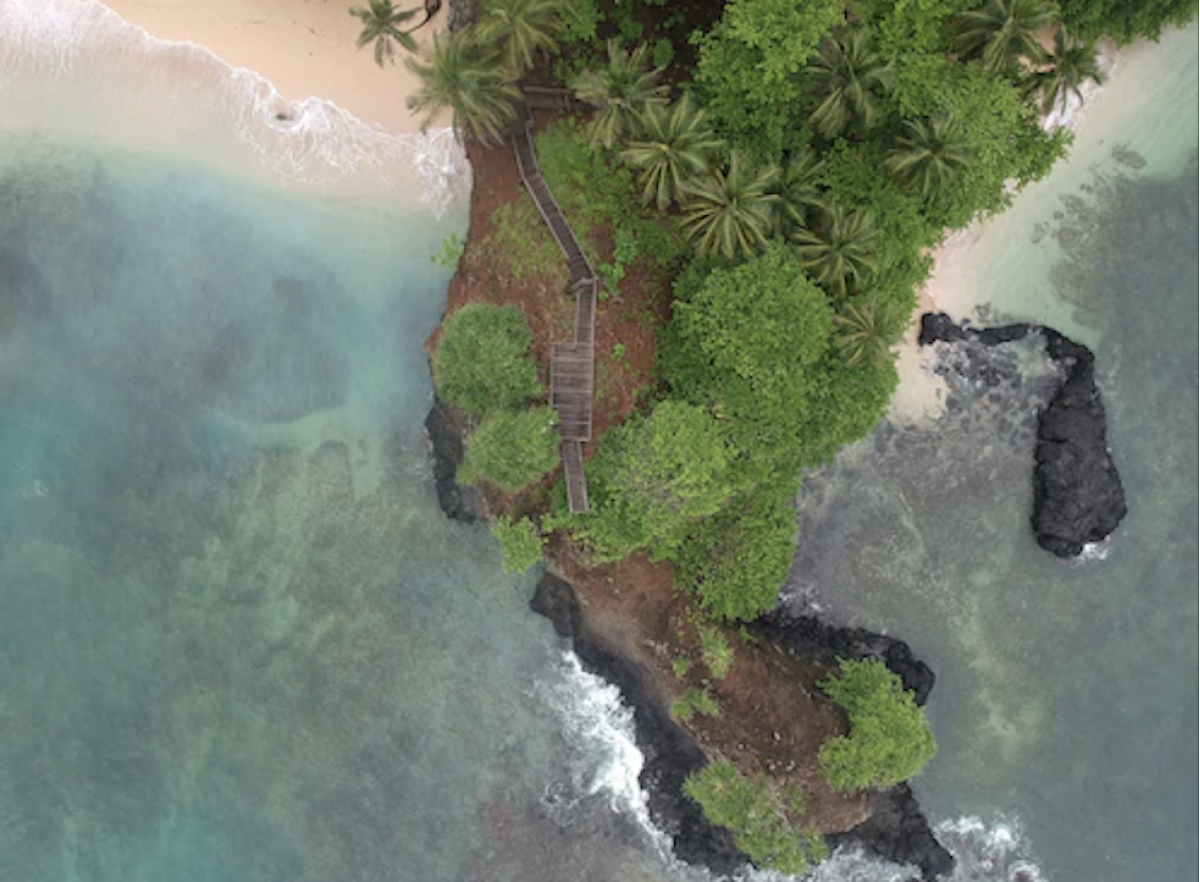
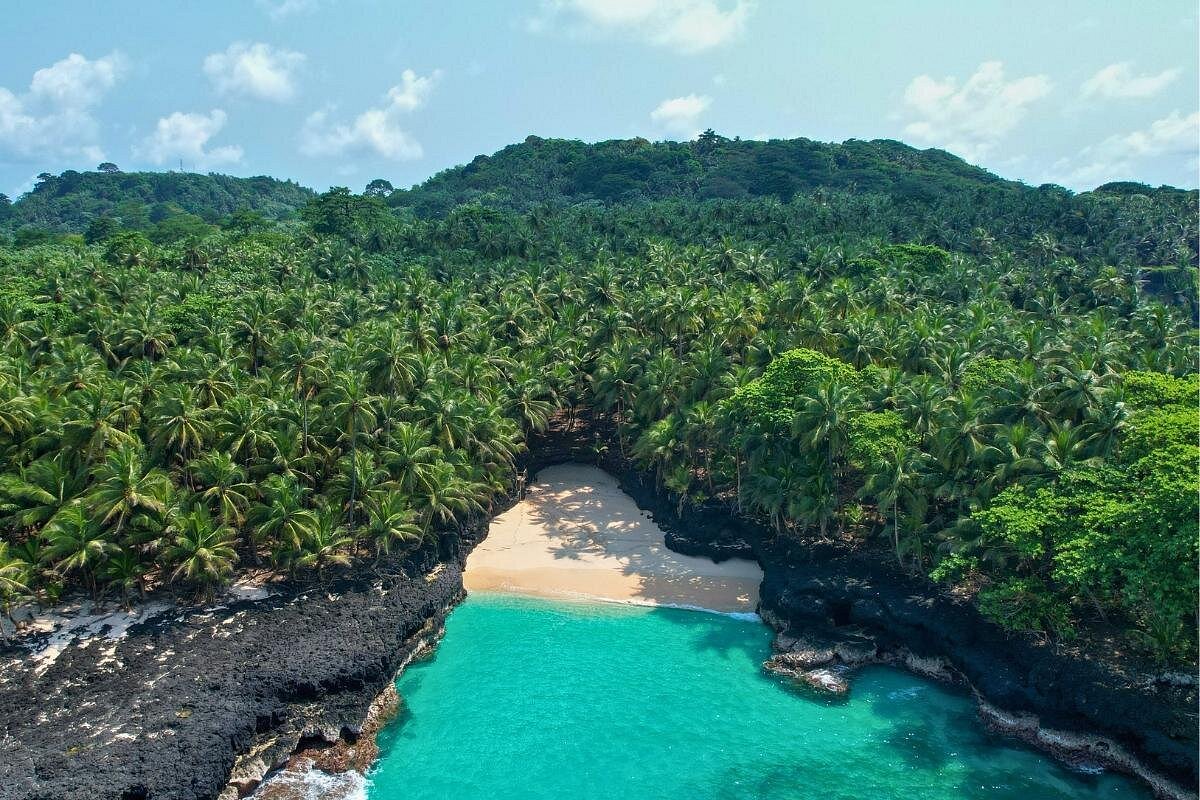
Along the way, we stop at Praia Jalé and Praia Piscina, perfect places to feel the power of the Atlantic, walk on white sand, and enjoy the pristine nature of the southern coast.
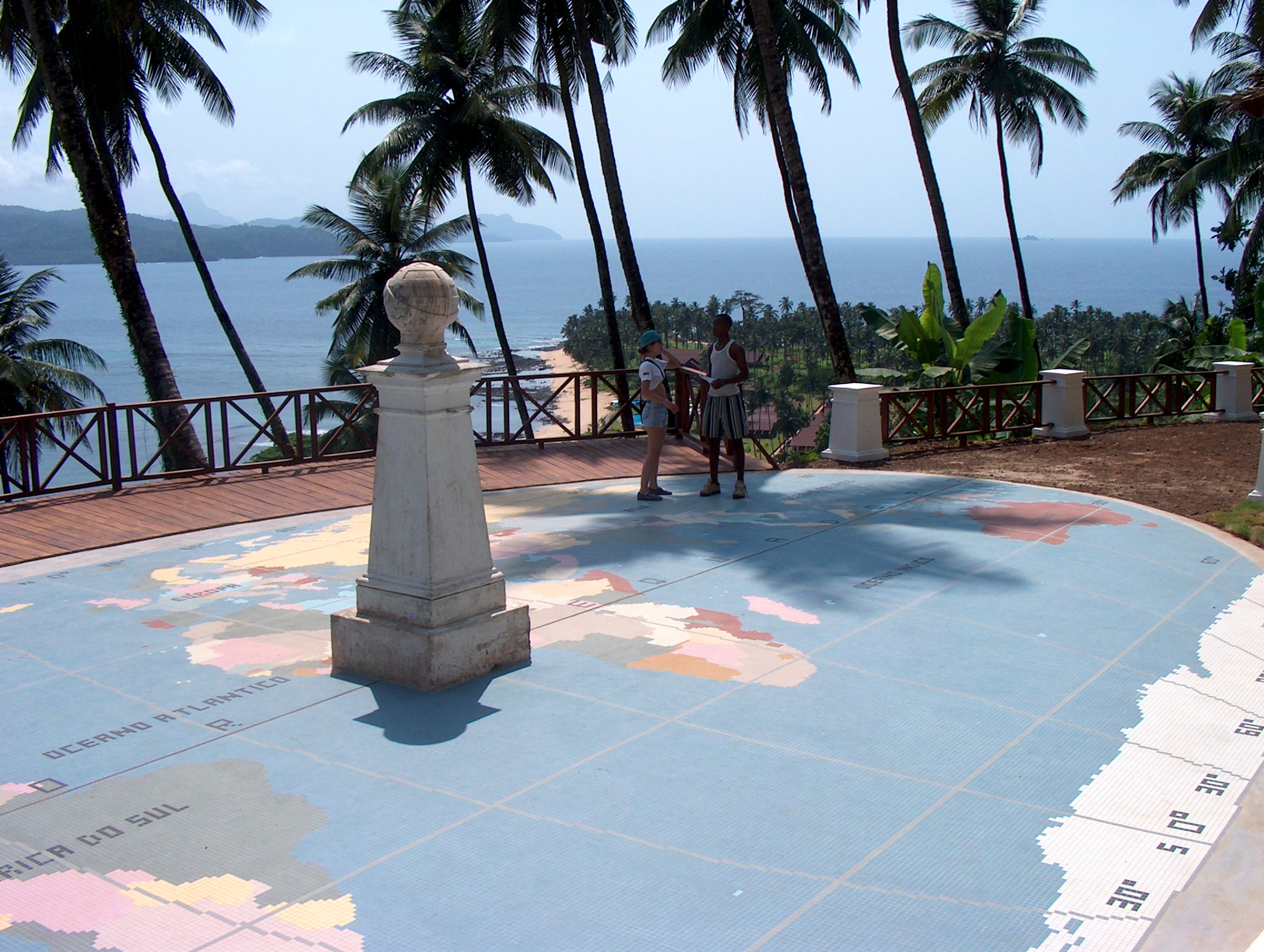
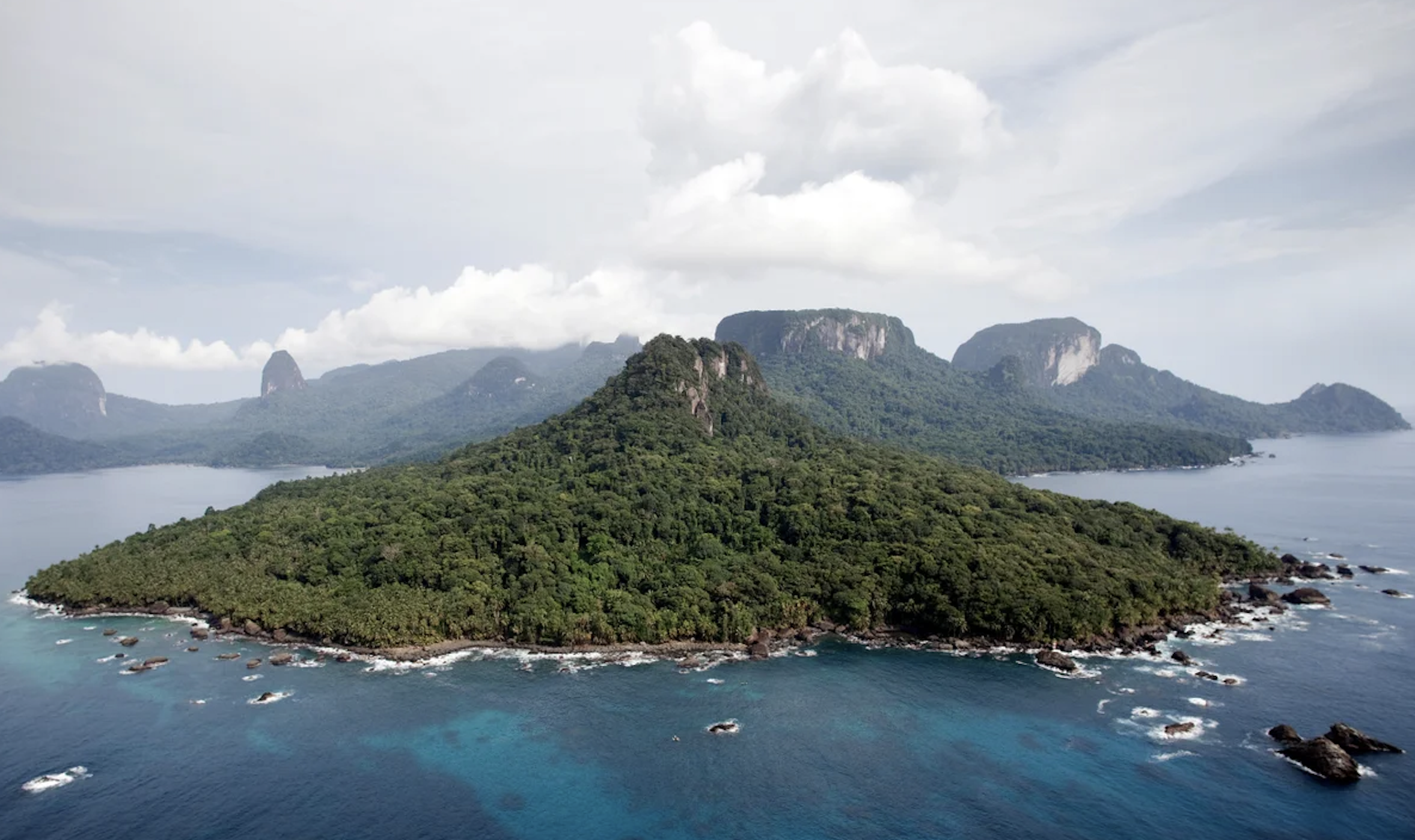
We then board a boat at Praia Inhame and head to the small island of Ilhéu das Rolas. The crossing takes only 15 to 20 minutes but feels like a journey to another world, where silence, greenery, and the sense of the edge of the earth prevail.
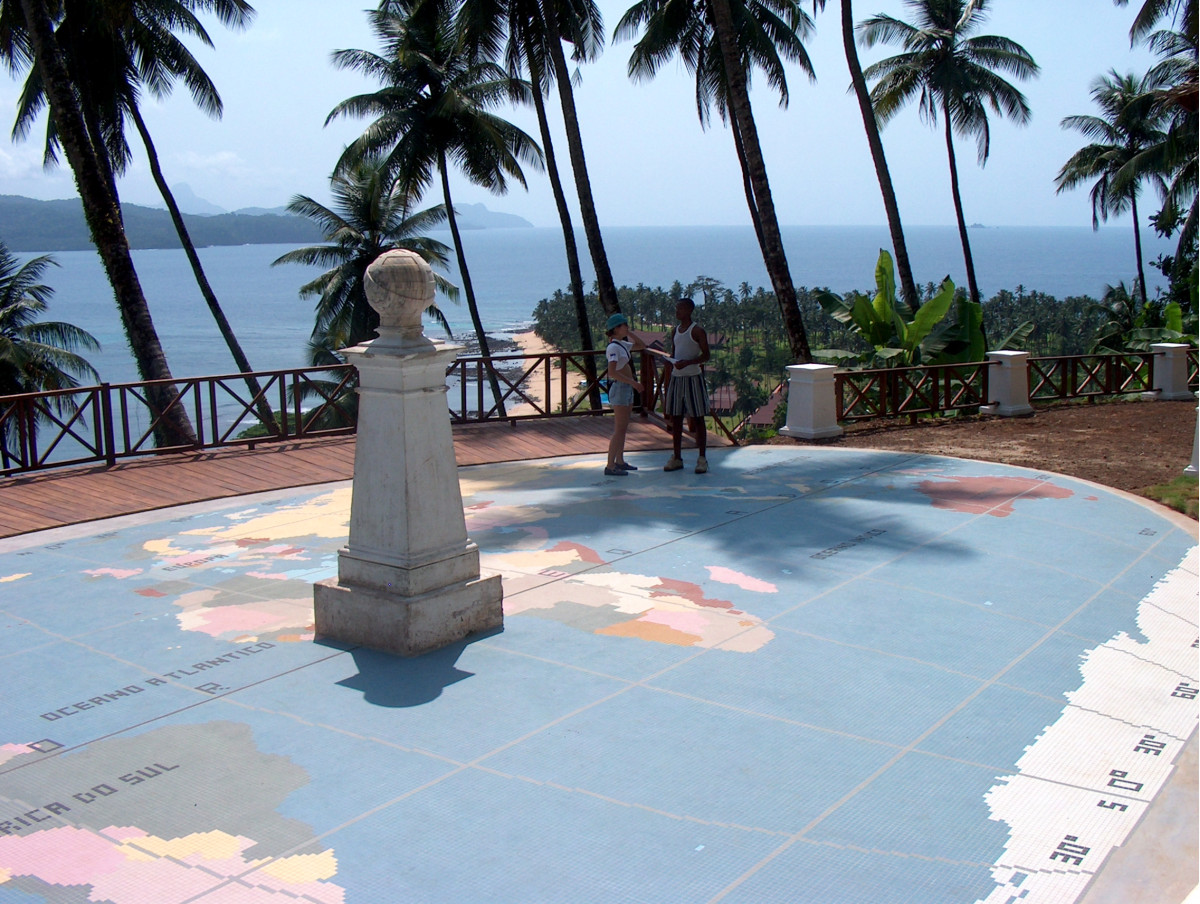
On the island, we walk through the local settlement and head to the main point of the route, the Equator marker, where one can literally stand in two hemispheres at once. Along the way, tropical trails, scenic beaches, and a stop at Praia Furna, one of the most beautiful spots on the island, await us.
If desired, lunch can be arranged at Praia Café or after returning to the mainland in the Praia Inhame area. In the afternoon, return to the hotel, taking with us the feeling of a true tropical expedition and images that will surely be among the best of the entire journey.
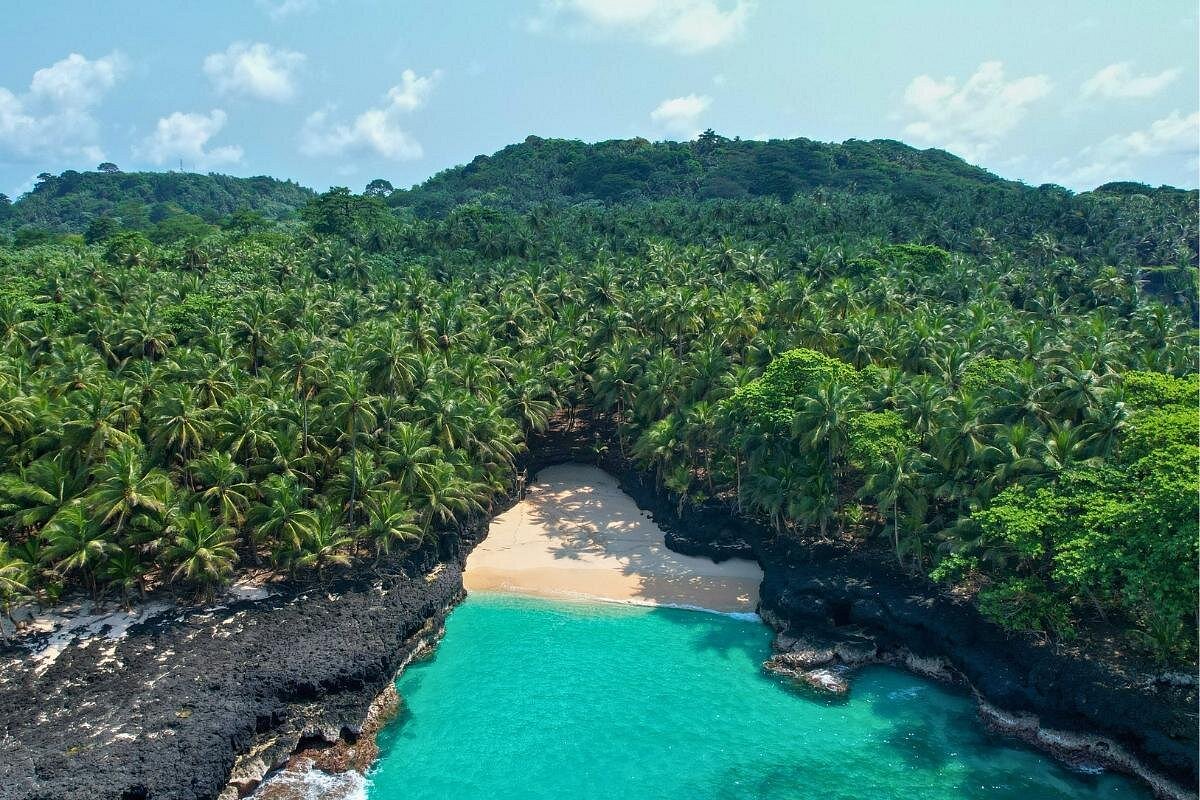
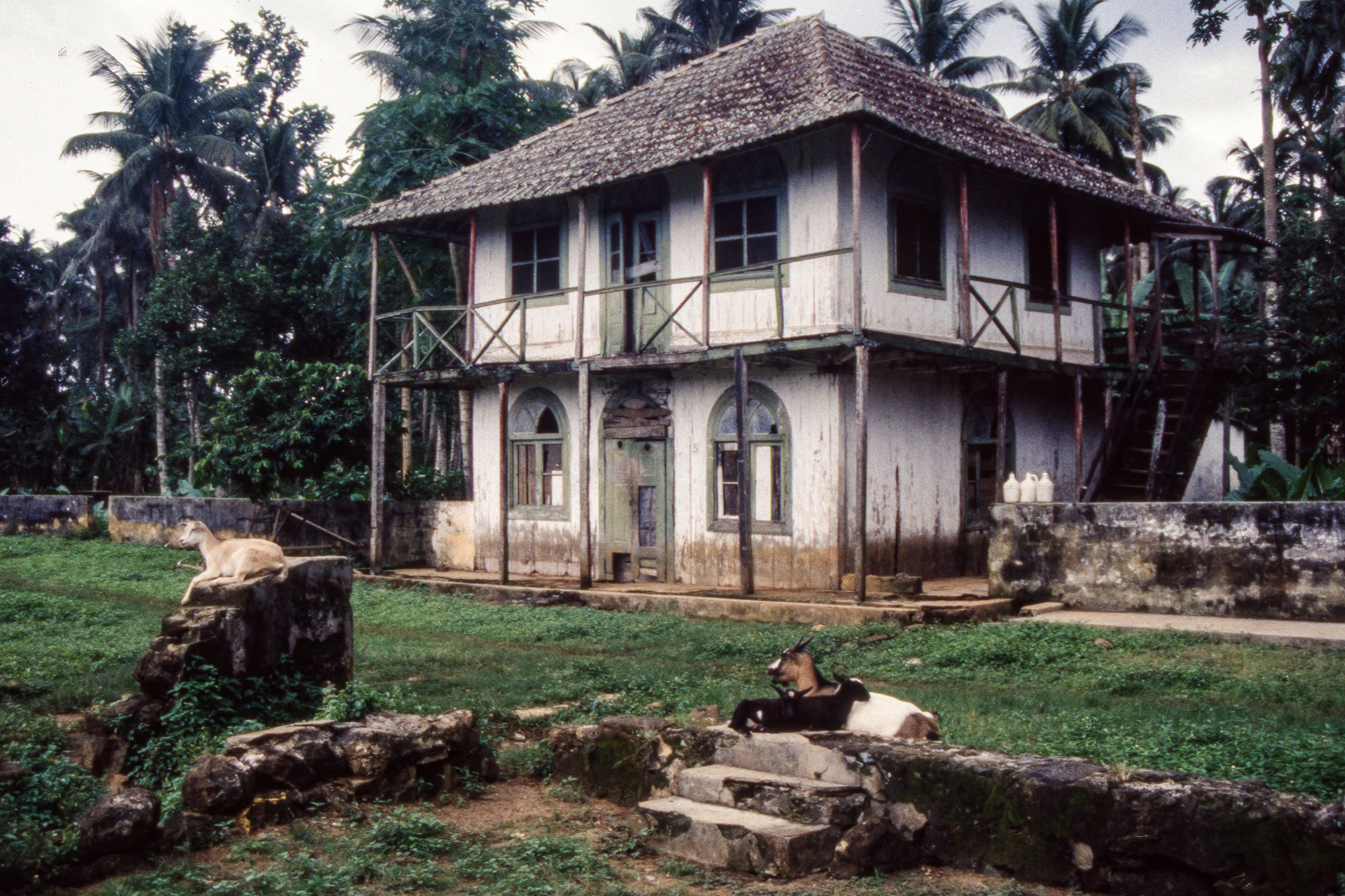

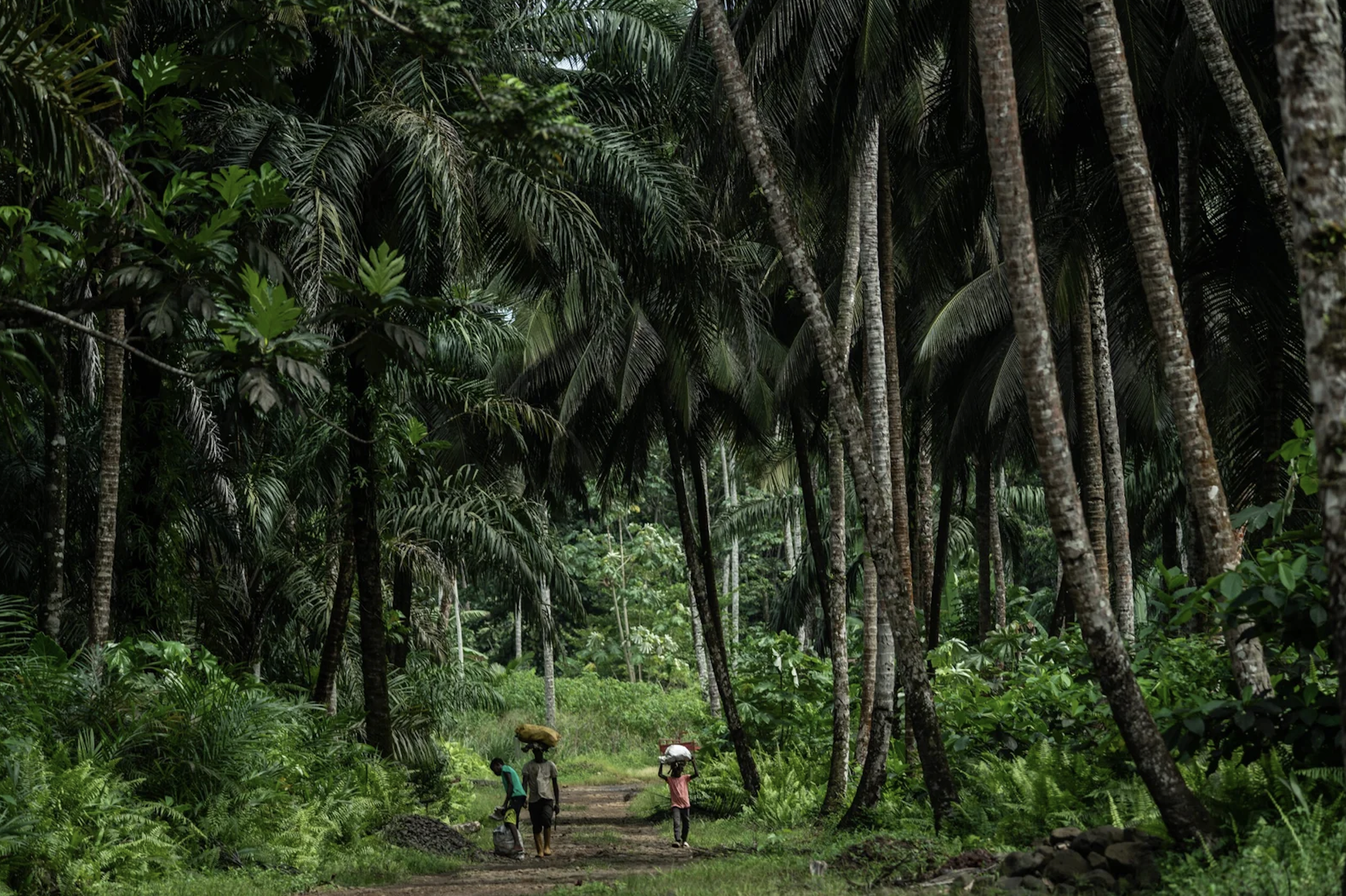
In the morning, we head to the north of São Tomé Island, where tropical nature meets the history of cocoa plantations and scenic ocean landscapes.
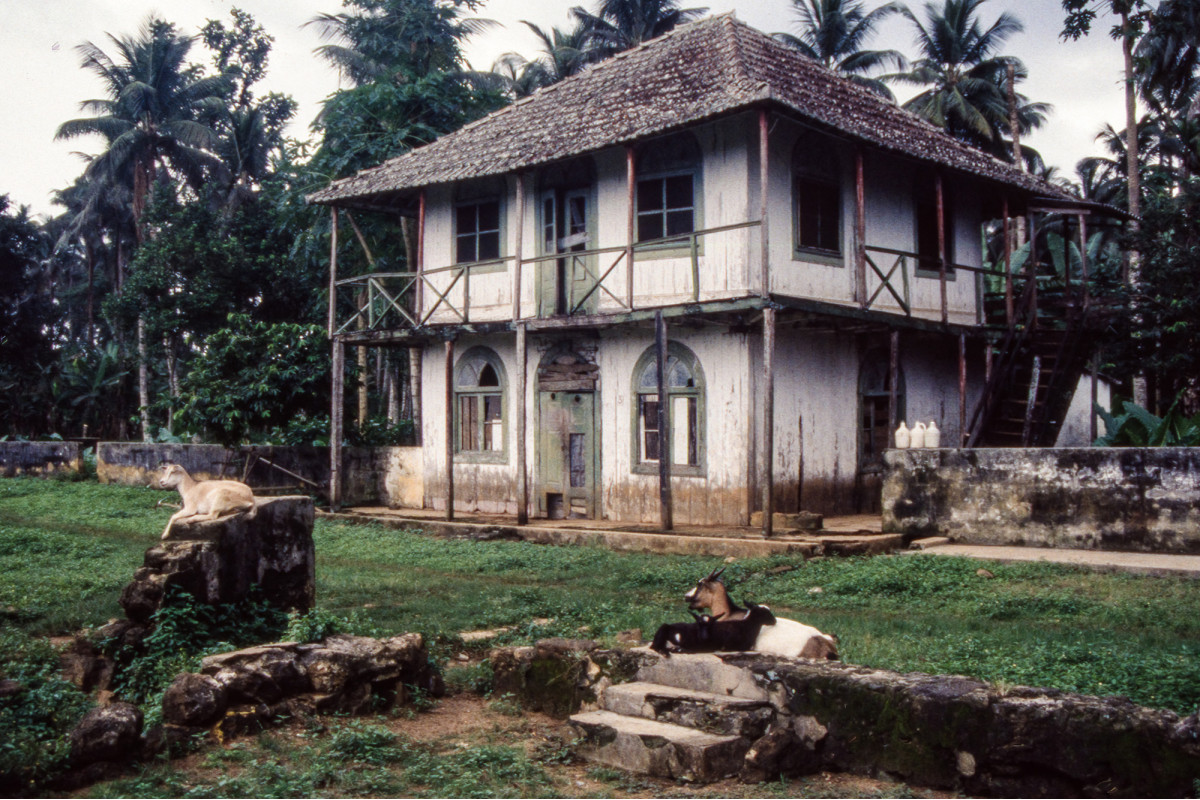
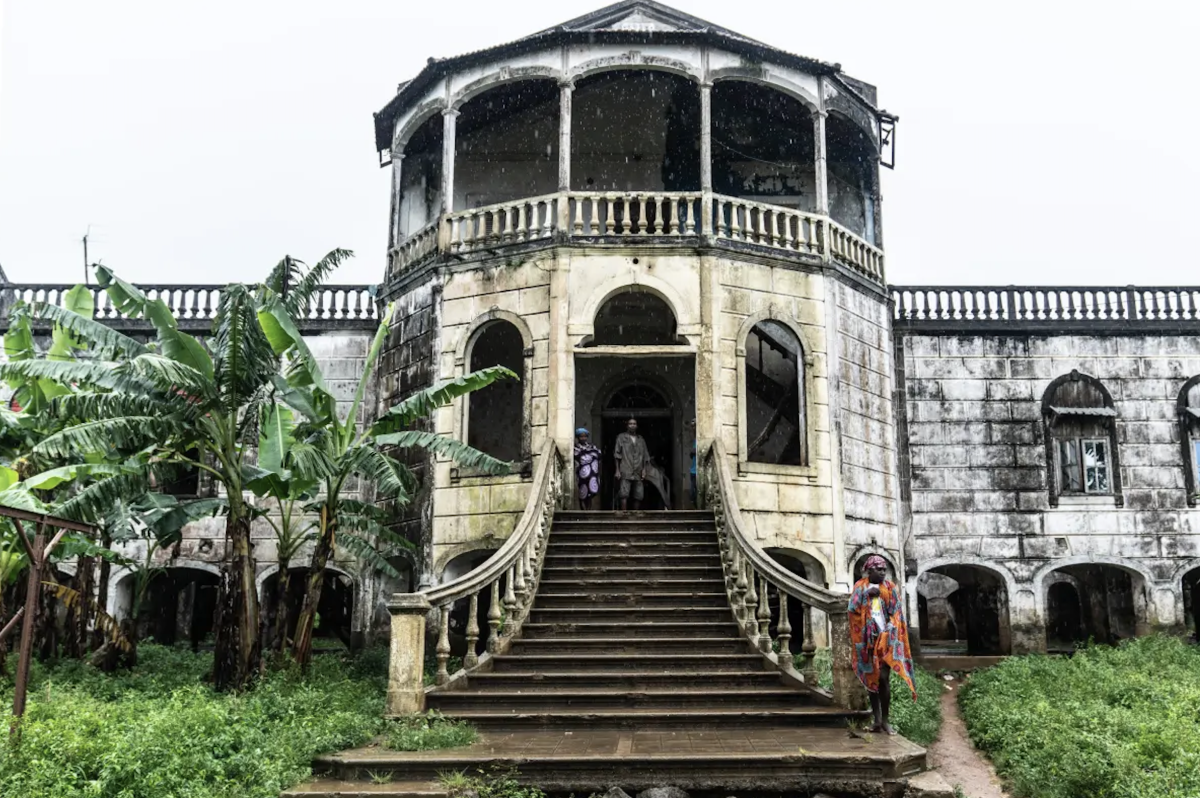
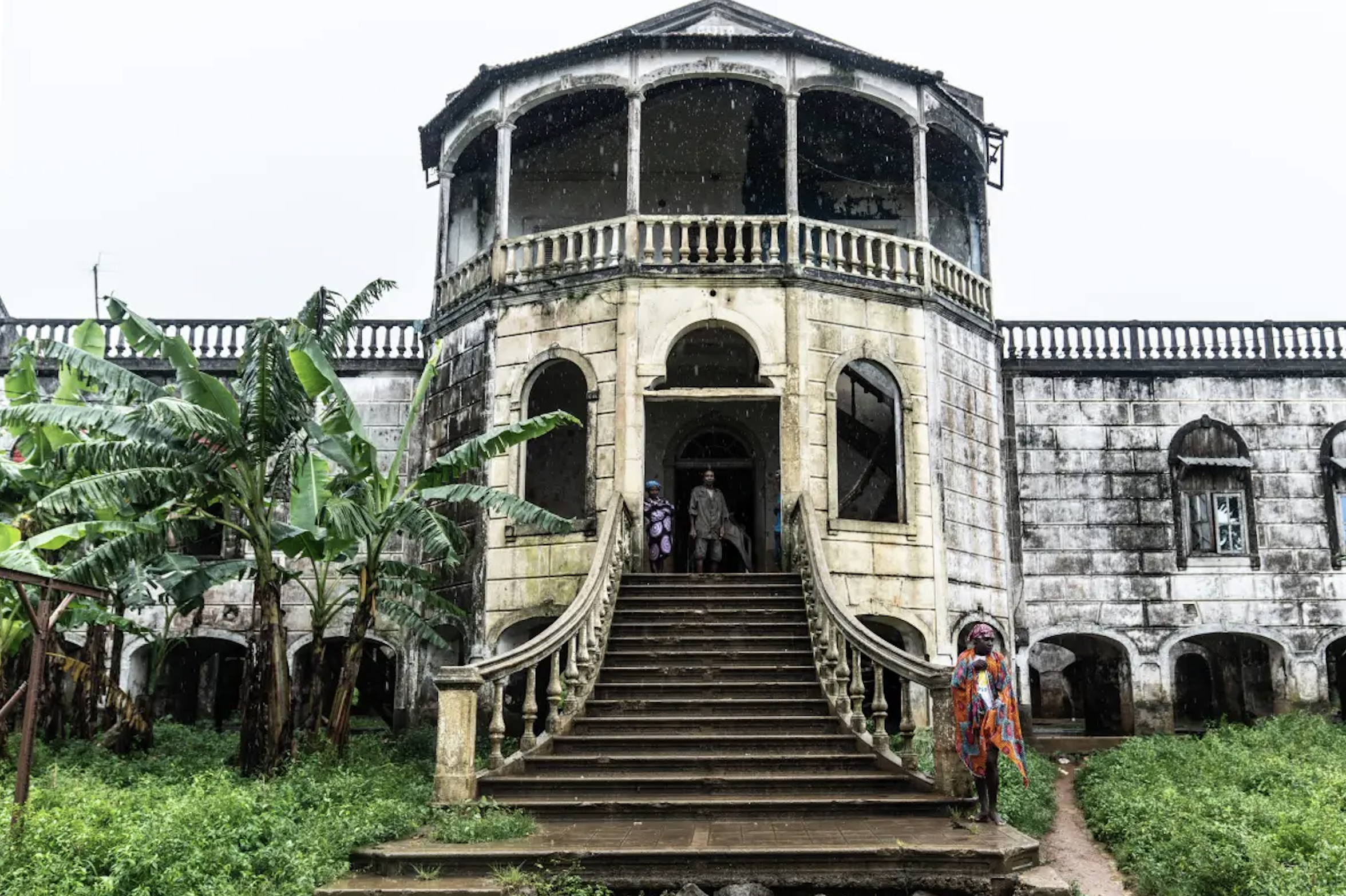
Our first stop is Roça Agostinho Neto, the largest plantation on the island and one of the most significant places of the colonial era. It once even had its own railway built specifically to transport cocoa. Walking through the grounds, we learn how cocoa production developed and what role the plantation played in the lives of local residents and generations of families who worked there.
We then continue to Lagoa Azul, the famous Blue Lagoon with turquoise water and incredible views. It is one of the island’s most photogenic places, where the calm of the Atlantic and the tropical atmosphere of São Tomé are especially tangible.
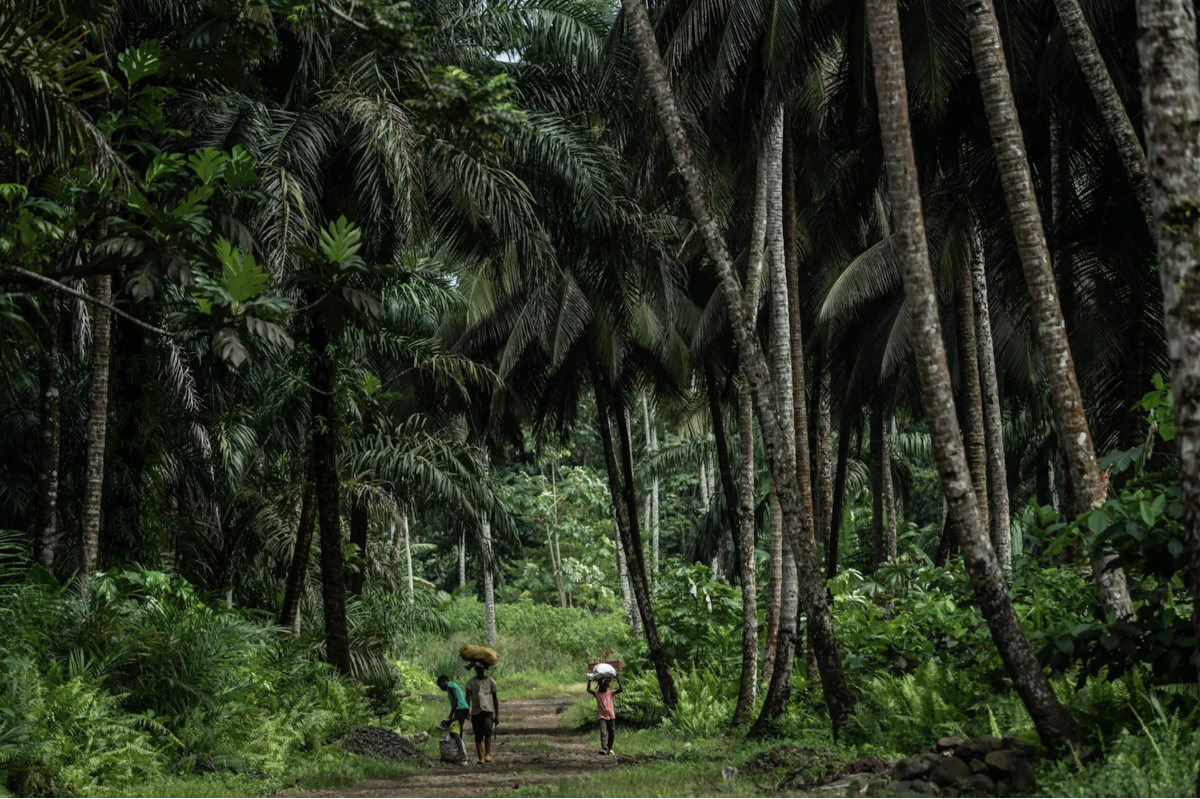
Afterward, we visit the town of Neves and the plantations of Monte Forte and Diogo Vaz, continuing to explore the island’s rural life and cocoa heritage.
Departure to Europe in the evening.